The right preparation can turn an interview into an opportunity to showcase your expertise. This guide to Collating and Gathering interview questions is your ultimate resource, providing key insights and tips to help you ace your responses and stand out as a top candidate.
Questions Asked in Collating and Gathering Interview
Q 1. Describe your experience with data collation methods.
Data collation involves systematically gathering and assembling data from diverse sources into a unified and organized format. My experience encompasses a wide range of methods, including manual data entry (for smaller, highly specific datasets), utilizing automated scripts for web scraping and API integration (for larger, structured datasets), and employing specialized data extraction tools for handling complex formats like PDFs or databases. I’ve also worked extensively with database technologies like SQL and NoSQL to efficiently manage and collate large volumes of information. For example, in a recent project involving customer feedback analysis, I used Python scripts to extract data from various online surveys, social media platforms, and customer relationship management (CRM) systems, effectively consolidating all feedback into a central database for analysis.
My experience also includes handling unstructured data, such as qualitative feedback from interviews, requiring more qualitative collation methods and often involves coding systems for thematic analysis.
Q 2. How do you ensure data accuracy during the gathering process?
Ensuring data accuracy is paramount. My approach is multi-faceted and begins with careful source selection. I prioritize credible, verifiable sources and always cross-reference information whenever possible. For instance, when gathering financial data, I’d compare figures from multiple reputable sources like annual reports, financial news websites, and independent analysts’ reports. During the data entry process, I implement rigorous quality control measures, including regular data validation checks, using automated scripts and manual reviews to catch discrepancies or anomalies. I utilize checksums and hashing techniques for larger datasets to ensure data integrity during transfer and storage. Finally, I always document my data sources and methodology thoroughly for transparency and traceability, which is crucial for identifying and correcting any errors. This detailed documentation serves as a valuable audit trail.
Q 3. What software or tools are you proficient in for collating and organizing data?
I’m proficient in a range of software and tools for data collation and organization. My expertise includes programming languages like Python (with libraries such as Pandas and NumPy for data manipulation and analysis), R (for statistical analysis and data visualization), and SQL (for database management). I’m also experienced with data visualization tools such as Tableau and Power BI, which are invaluable for presenting collated data in a clear and insightful manner. Furthermore, I’m comfortable using various spreadsheet software, such as Microsoft Excel and Google Sheets, for data cleaning, transformation, and preliminary analysis, especially for smaller datasets. For specific tasks like web scraping, I utilize tools like Beautiful Soup and Scrapy in Python.
Q 4. Explain your approach to handling incomplete or inconsistent datasets.
Handling incomplete or inconsistent datasets requires a methodical approach. First, I thoroughly investigate the reasons for incompleteness or inconsistency. This might involve contacting data sources for missing information or identifying systematic errors in data collection. Once the reasons are understood, I can employ appropriate strategies. For missing values, I might use imputation techniques, such as filling in missing values with the mean, median, or mode of the available data, or using more sophisticated methods depending on the context and the nature of the missing data. For inconsistent data, I’ll standardize data formats, correct inconsistencies (with careful validation), or even eliminate data points that are beyond repair. For example, if I encounter inconsistent date formats (e.g., MM/DD/YYYY vs DD/MM/YYYY), I’ll use scripting to convert them to a consistent format. Throughout this process, I meticulously document my decisions and the rationale behind them, ensuring complete transparency and reproducibility.
Q 5. How do you prioritize data sources when gathering information for a project?
Prioritizing data sources is crucial for efficient and effective data gathering. My approach is based on several key factors. I first consider the reliability and validity of the source. Credible, well-established sources (e.g., government agencies, reputable research institutions) usually take precedence. Second, I assess the relevance of the data to the project objectives. Sources that directly address the research questions are prioritized. Third, I evaluate the accessibility and feasibility of obtaining data from each source. Sources that require excessive time, effort, or resources might be de-prioritized if alternative, more accessible sources offer comparable data. Finally, I consider the completeness and accuracy of available data. A source with higher completeness and accuracy will often be prioritized, even if it requires more effort to access.
Q 6. Describe a time you had to collate large volumes of data within a tight deadline.
In a previous role, I was tasked with collating market research data for a new product launch, with a deadline of only two weeks. The data spanned multiple sources: surveys, online reviews, competitor analyses, and internal sales figures, resulting in thousands of data points. To meet the tight deadline, I utilized a combination of automated scripts and manual data processing. I wrote a Python script to consolidate data from structured sources, such as spreadsheets and databases. For less structured data (e.g., qualitative feedback from online reviews), I developed a coding system for thematic analysis, categorizing common sentiments and opinions. I also leveraged team collaboration, assigning tasks efficiently to ensure a streamlined workflow. By meticulously managing time and resources, using automation to handle the majority of structured data, and adopting efficient manual processing for less structured data, we successfully completed the collation within the required timeline, allowing marketing teams to launch the product with strong market insights.
Q 7. What strategies do you use to identify and eliminate duplicate data?
Identifying and eliminating duplicate data is essential for maintaining data quality. I use a combination of techniques. For smaller datasets, manual review and comparison might be sufficient. However, for larger datasets, I employ automated methods. This often involves using database functions or scripting languages to compare unique identifiers (e.g., customer IDs, product codes) across datasets. For example, in SQL, I could use the DISTINCT keyword to select only unique rows from a table. SELECT DISTINCT customerID FROM customers; Python’s `Pandas` library offers functions like `duplicated()` to identify duplicates. If unique identifiers are lacking, I might use other features to identify duplicates, such as comparing text strings or combining several attributes. After identifying duplicates, I carefully decide how to handle them—either removing one of the duplicates or merging relevant information from both entries, depending on the context and data structure. A well-defined process and documentation of these decisions are crucial for maintaining data integrity.
Q 8. How do you ensure the confidentiality and security of collected data?
Data confidentiality and security are paramount. My approach is multifaceted and begins with adhering to strict protocols from the outset. This includes employing robust encryption methods during data transmission and storage, using secure platforms, and limiting access based on the principle of least privilege. For example, sensitive data might be encrypted both in transit (using HTTPS) and at rest (using encryption at the database level). We also implement access control lists (ACLs) to restrict access to authorized personnel only. Regular security audits and vulnerability assessments are crucial, along with employee training on data security best practices. Furthermore, we comply with all relevant data privacy regulations like GDPR or CCPA, depending on the location and nature of the data.
Q 9. Explain your process for verifying the accuracy of collected data.
Verifying data accuracy is a critical step. We employ several techniques, beginning with source validation – assessing the credibility and reliability of the original data sources. This often involves checking the source’s reputation, methodology, and any potential biases. Next, we implement data validation checks during the collation process. This might involve using automated tools to identify inconsistencies, outliers, or missing values. For instance, a simple check might be comparing a date field to ensure it is a valid date format. We also perform cross-validation by comparing data from different sources to identify discrepancies. For example, if we are collecting customer addresses from multiple databases, we would compare these to identify any inconsistencies. Finally, manual review by subject matter experts is often necessary, especially for complex or sensitive datasets. Think of it like proofreading a document – a machine can catch most typos, but a human is better at catching subtle inconsistencies.
Q 10. How do you handle conflicting data from multiple sources?
Handling conflicting data is a common challenge. My approach involves a systematic process to investigate and resolve these conflicts. First, I analyze the source of the conflict. Are the discrepancies due to data entry errors, differing definitions, or genuinely different values? Next, I assess the reliability and trustworthiness of each data source. Which source is more authoritative or reliable? Data quality assessments can be used to make this determination. If the sources are equally reliable, I might prioritize using the most recent data or applying a weighted average depending on the context. Documentation of the conflict resolution process is critical to ensure transparency and reproducibility. For example, we maintain a log detailing the conflicting data points, the resolution method used, and the rationale behind the decision. This log serves as an audit trail for future reference.
Q 11. What methods do you use to organize and categorize gathered information?
Organization and categorization are crucial for efficient data management. I typically use a combination of methods, often tailoring my approach to the specific dataset. This might involve creating a detailed data dictionary that defines each data element and its meaning, a vital component for maintaining data integrity. Furthermore, I leverage hierarchical structures, such as nested folders or databases, to organize information logically. Tagging systems and metadata are powerful tools for categorization. For example, we might tag documents by subject matter, source, and date. In a database context, this translates into using relational database design with appropriate keys and indexes for efficient data retrieval and querying. Choosing the right data structure (e.g., relational database, NoSQL database, or a flat file system) is critical depending on the data volume and type.
Q 12. Describe your experience with data cleaning and transformation techniques.
Data cleaning and transformation are integral to the collation process. I’m experienced in various techniques such as handling missing values (e.g., imputation using mean, median, or more sophisticated methods), outlier detection and treatment (e.g., winsorization, trimming), and data standardization (e.g., z-score normalization, min-max scaling). I also have expertise in data type conversion, data deduplication, and data parsing. For example, I have used regular expressions to clean up inconsistent text formats and SQL to manage large datasets. The choice of cleaning and transformation technique is highly context-dependent and should always be carefully considered to avoid introducing bias or distorting the original data.
Q 13. How do you manage and track the progress of a data collation project?
Project management is critical for successful data collation. I employ project management methodologies like Agile or Scrum, using tools such as project management software (e.g., Jira, Asana) to track progress, manage tasks, and monitor deadlines. Key performance indicators (KPIs) are defined upfront to measure the project’s success against its goals. Regular progress meetings and status reports keep stakeholders informed. A detailed project plan is crucial, outlining the various phases of the collation process, including data collection, cleaning, transformation, and analysis. This plan acts as a roadmap throughout the project lifecycle. Version control systems are used to track changes to the data and ensure data integrity. For example, using Git allows us to track modifications and revert to previous versions if needed.
Q 14. How do you effectively communicate data findings to non-technical audiences?
Communicating data findings to non-technical audiences requires clear and concise visualization. I avoid technical jargon and instead use simple language and compelling visuals to convey the key insights. Data storytelling is a powerful technique; by presenting data within a narrative framework, the information becomes more engaging and memorable. Charts and graphs are essential; we choose the appropriate chart type depending on the data and the message we want to convey (e.g., bar charts for comparisons, line charts for trends). Interactive dashboards allow non-technical users to explore the data themselves, fostering a deeper understanding. Finally, a well-written summary report, avoiding technical details, provides a clear and concise overview of the findings.
Q 15. What are the potential challenges of data collation and how do you address them?
Data collation, the process of bringing together data from disparate sources, presents several challenges. Inconsistencies in data formats (e.g., different date formats, units of measurement) are common. Data quality issues like missing values, duplicates, and inaccuracies can significantly impact analysis. Furthermore, managing the volume of data, especially from numerous sources, requires robust systems and processes. Finally, ensuring data privacy and security across diverse sources demands careful planning and execution.
To address these, I employ a multi-pronged approach. Firstly, I define clear data standards early in the process, specifying acceptable formats and data types. This guides data collection and cleaning. Secondly, I utilize data profiling techniques to identify inconsistencies and outliers before the collation stage. Tools like OpenRefine are extremely helpful for this. Thirdly, robust error handling and validation are built into the collation scripts or workflows. For example, if a required field is missing, the script might flag it for manual review instead of causing a crash. Lastly, I leverage data validation rules and checks within databases or data warehouses to maintain data integrity after collation.
Career Expert Tips:
- Ace those interviews! Prepare effectively by reviewing the Top 50 Most Common Interview Questions on ResumeGemini.
- Navigate your job search with confidence! Explore a wide range of Career Tips on ResumeGemini. Learn about common challenges and recommendations to overcome them.
- Craft the perfect resume! Master the Art of Resume Writing with ResumeGemini’s guide. Showcase your unique qualifications and achievements effectively.
- Don’t miss out on holiday savings! Build your dream resume with ResumeGemini’s ATS optimized templates.
Q 16. How do you ensure data integrity throughout the collation and gathering process?
Data integrity is paramount. I ensure it through a combination of techniques. Firstly, checksums or hash values are computed for each data source before and after collation. Discrepancies indicate data corruption or manipulation. Secondly, data validation rules are meticulously defined and applied throughout the process. For example, validating that age is within a reasonable range, or that phone numbers follow a specific format. Thirdly, version control is essential. Every step, from data gathering to final collation, is documented and tracked, allowing for rollback in case of errors. Finally, regular audits and checks are implemented to spot any anomalies or potential breaches of integrity. Think of it like carefully tracking a package – you need to know exactly where it is at every stage of its journey to ensure it arrives safely and correctly.
Q 17. Describe your experience with various data formats (e.g., CSV, XML, JSON).
I have extensive experience with various data formats. CSV (Comma Separated Values) is frequently used for its simplicity and wide compatibility. I’m proficient in parsing and manipulating CSV data using tools like Python’s csv module. XML (Extensible Markup Language) is valuable for structured data with hierarchical relationships. I’ve worked extensively with XML using libraries like xml.etree.ElementTree in Python for parsing and modification. JSON (JavaScript Object Notation) is becoming increasingly prevalent, particularly in web applications and APIs. I frequently employ Python’s json module to process JSON data. My experience extends to handling the nuances of each format, including dealing with special characters, encoding issues, and nested structures. For instance, I’ve successfully handled nested JSON objects representing complex survey responses.
Q 18. What metrics do you use to assess the quality of collated data?
Assessing collated data quality involves several key metrics. Completeness measures the percentage of non-missing values in each field. Accuracy checks the correctness of the data against known standards or ground truth. Consistency looks for uniformity in data values and formats across different sources. Uniqueness focuses on identifying and removing duplicate entries. Validity ensures that all data values adhere to pre-defined constraints. I also analyze data distribution using histograms and descriptive statistics to identify unusual patterns that could indicate data quality issues. For example, a sudden spike in a particular value may indicate an error. These metrics provide a holistic view of data quality, enabling me to identify and address areas for improvement.
Q 19. How do you handle errors or inconsistencies during the data gathering phase?
Handling errors and inconsistencies during data gathering is a crucial aspect. I employ a multi-step approach. Firstly, I build in robust error-handling mechanisms into the data collection scripts or programs. This might include try-except blocks in Python to catch and log errors gracefully. Secondly, I use data validation rules to identify and flag inconsistencies or errors as the data is being gathered. For example, a script might check that a date is in the correct format or that a numerical value falls within a reasonable range. Thirdly, I often use data profiling to identify and flag problematic data points. Finally, I create a clear escalation path for unresolved issues, ensuring that complex or ambiguous errors are reviewed by subject matter experts. It’s a combination of automated checks and human oversight that ensures accurate and reliable data.
Q 20. Describe your experience with using databases for data storage and retrieval.
I have substantial experience with various databases for data storage and retrieval. I’m proficient with relational databases like MySQL and PostgreSQL, utilizing SQL for data manipulation and querying. I’m also familiar with NoSQL databases such as MongoDB, often used for handling unstructured or semi-structured data. My experience includes database design, normalization, indexing, and query optimization. For example, I’ve designed and implemented a relational database to store and manage large datasets for a clinical trial, ensuring efficient data retrieval and analysis. Choosing the right database system depends heavily on the nature of the data and the analytical tasks. A well-designed database is fundamental for ensuring efficient data access and maintaining data integrity throughout the collation process.
Q 21. What are some best practices for data governance in the context of collation and gathering?
Data governance is crucial during collation and gathering. Best practices include establishing clear data ownership and accountability. This ensures that someone is responsible for the accuracy and quality of each data source. Developing comprehensive data quality standards and procedures is also essential. This might involve creating data dictionaries that define data elements and their allowed values. Regular data audits and reviews are crucial to monitor data quality and identify potential problems. Data security and privacy considerations must be addressed from the outset, including implementing appropriate access controls and encryption. Finally, establishing clear processes for data handling, from collection to disposal, is vital. A strong data governance framework minimizes risks, improves data quality, and ensures compliance with regulations. It’s like building a house—you need a solid foundation and well-defined plans to create a strong and lasting structure.
Q 22. How do you prioritize information gathering tasks based on project needs?
Prioritizing information gathering tasks hinges on understanding the project’s critical path and dependencies. I use a method combining urgency and importance. I start by identifying the project’s key objectives and deliverables. Then, I assess each data gathering task based on two criteria:
- Urgency: How soon is this data needed to meet deadlines or inform critical decisions?
- Importance: How crucial is this data to the project’s success? Does it directly impact key decisions or outcomes?
I then map these tasks onto an Eisenhower Matrix (urgent/important), prioritizing tasks falling into the ‘urgent and important’ quadrant first. For example, in a market research project, gathering data on customer demographics might be highly important but not urgently needed for the initial report, whereas collecting data on current sales figures might be both urgent and important for immediate strategic decisions. This matrix helps me efficiently allocate resources and ensure that the most critical information is gathered first.
Q 23. How familiar are you with data validation and verification techniques?
Data validation and verification are paramount to ensuring data quality. My familiarity encompasses a range of techniques, including:
- Range checks: Ensuring data falls within expected boundaries (e.g., age between 0 and 120).
- Consistency checks: Verifying that related data points agree (e.g., ensuring address information matches across multiple fields).
- Cross-referencing: Comparing data from multiple sources to identify discrepancies.
- Data type validation: Confirming that data conforms to the expected format (e.g., a date is in YYYY-MM-DD format).
- Checksums/Hashing: Using algorithms to detect changes or corruptions in data during transmission or storage. This is crucial for data integrity.
For example, in a financial database, I might use range checks to ensure that transaction amounts are positive, and consistency checks to ensure that the sum of debits and credits balance for each account. In instances of significant data sets, I employ automated validation scripts to expedite the process and improve accuracy.
Q 24. Explain your approach to creating clear and comprehensive reports based on collated data.
Creating clear and comprehensive reports requires a structured approach. I begin by defining the report’s purpose and target audience. This helps determine the key metrics and insights to be presented. Next, I organize the data logically, using tables, charts, and graphs to effectively communicate complex information. I ensure that all data visualizations are properly labeled and easy to understand. Visual clarity is key. My reports include a concise executive summary highlighting the key findings and actionable insights, followed by a detailed analysis of the data. For instance, if presenting financial data, I’d use line graphs to demonstrate trends over time, and bar charts to compare performance across different categories. Finally, I always include a section on data limitations and potential biases to maintain transparency and credibility.
Q 25. Describe your experience with automating data collation and gathering tasks.
I have extensive experience automating data collation and gathering tasks using various tools and techniques. This includes using scripting languages like Python with libraries such as Beautiful Soup for web scraping, pandas for data manipulation, and requests for HTTP requests. I also have experience with APIs (Application Programming Interfaces) to extract data from various databases and services. For instance, I’ve automated the process of collecting daily sales data from our e-commerce platform using the platform’s API and then writing it to a central database for further analysis. This significantly reduces manual effort and improves data accuracy and timeliness. I’m also proficient with ETL (Extract, Transform, Load) tools which are specifically designed for this purpose, ensuring efficient and robust data integration.
Q 26. How do you ensure the consistency of data collected from diverse sources?
Ensuring data consistency across diverse sources requires careful planning and execution. I utilize several strategies:
- Data standardization: I establish clear data definitions and formats before data collection begins. This ensures that data from different sources is captured in a consistent manner. For example, defining a standard date format (YYYY-MM-DD) across all datasets.
- Data cleaning and transformation: After data collection, I perform cleaning to handle missing values, correct inconsistencies, and convert data into a standardized format. This includes using techniques such as data imputation to fill missing values and data normalization to scale data to a similar range.
- Data mapping: For different databases or systems, I create mapping tables or rules to match corresponding fields from different sources.
- Regular quality checks: I incorporate checks throughout the process to identify and address inconsistencies early.
These strategies, when implemented diligently, help maintain data integrity and avoid errors stemming from differing data structures.
Q 27. What is your experience with data analysis following collation and gathering?
My experience with data analysis post-collation and gathering is extensive. I use a variety of techniques, depending on the data and the project’s objectives. My skillset includes:
- Descriptive statistics: Calculating measures like mean, median, and standard deviation to summarize the data.
- Exploratory data analysis (EDA): Investigating the data to identify patterns, relationships, and anomalies.
- Regression analysis: Modeling relationships between variables to make predictions or understand causal relationships.
- Clustering analysis: Grouping similar data points together to identify segments or patterns.
- Data visualization: Creating charts and graphs to communicate data insights effectively.
For example, in a customer churn analysis project, I might use regression analysis to identify factors contributing to churn, and then use data visualization to present these findings to stakeholders in a clear and accessible manner. The choice of analysis technique is driven by the specific research questions and the nature of the data.
Q 28. How do you stay up-to-date with the latest best practices and technologies in data management?
Staying current in data management requires ongoing effort. I actively engage in several strategies:
- Professional development courses and certifications: I regularly pursue training in areas like data warehousing, big data technologies, and advanced analytics.
- Industry conferences and webinars: Participating in these events provides insights into the latest trends and best practices.
- Following industry publications and blogs: Staying informed through reputable sources helps me understand emerging technologies and methodologies.
- Experimenting with new tools and technologies: Hands-on experience is invaluable for understanding the strengths and limitations of different tools.
- Networking with other data professionals: Discussing challenges and best practices with colleagues helps to share knowledge and identify innovative approaches.
Continuous learning is crucial in this rapidly evolving field, ensuring I remain proficient and adapt to the latest advancements.
Key Topics to Learn for Collating and Gathering Interview
- Data Integrity and Accuracy: Understanding the critical importance of maintaining accurate and consistent data throughout the collation and gathering process. This includes identifying and resolving discrepancies.
- Data Sources and Formats: Familiarity with various data sources (databases, spreadsheets, documents) and their respective formats. Practical application involves efficiently extracting relevant information from diverse sources.
- Data Organization and Categorization: Mastering techniques for organizing and categorizing collected data to facilitate analysis and reporting. This includes using appropriate tagging, labeling, and filing systems.
- Workflow Optimization: Developing efficient workflows for data collation and gathering, including prioritizing tasks, managing deadlines, and utilizing appropriate technology and tools.
- Data Validation and Verification: Implementing methods to validate and verify the accuracy and completeness of collected data. This includes using checks and balances to minimize errors.
- Problem-Solving and Troubleshooting: Developing strategies to identify and solve problems related to data inconsistencies, missing information, or technical issues encountered during the process.
- Technology and Tools: Demonstrating proficiency with relevant software and tools used in data collation and gathering, such as databases, spreadsheets, and data management systems.
- Collaboration and Communication: Understanding the importance of effective communication and collaboration with team members and stakeholders to ensure smooth data flow and accurate reporting.
Next Steps
Mastering Collating and Gathering skills is crucial for career advancement in many fields, opening doors to roles with increased responsibility and higher earning potential. A strong resume is your key to unlocking these opportunities. Creating an ATS-friendly resume significantly increases your chances of getting your application noticed. We encourage you to leverage ResumeGemini, a trusted resource, to build a professional and impactful resume that showcases your skills and experience. ResumeGemini provides examples of resumes tailored to Collating and Gathering roles to help guide your process.
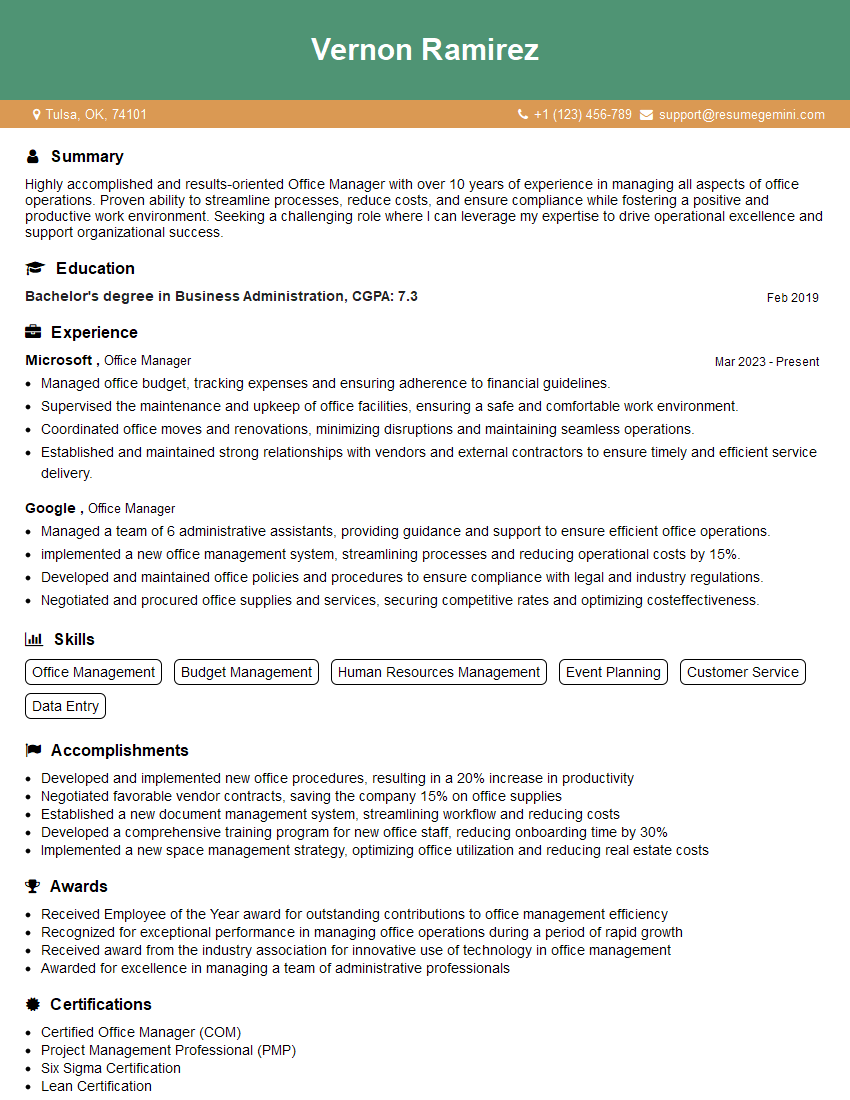
Office Manager Resume Sample
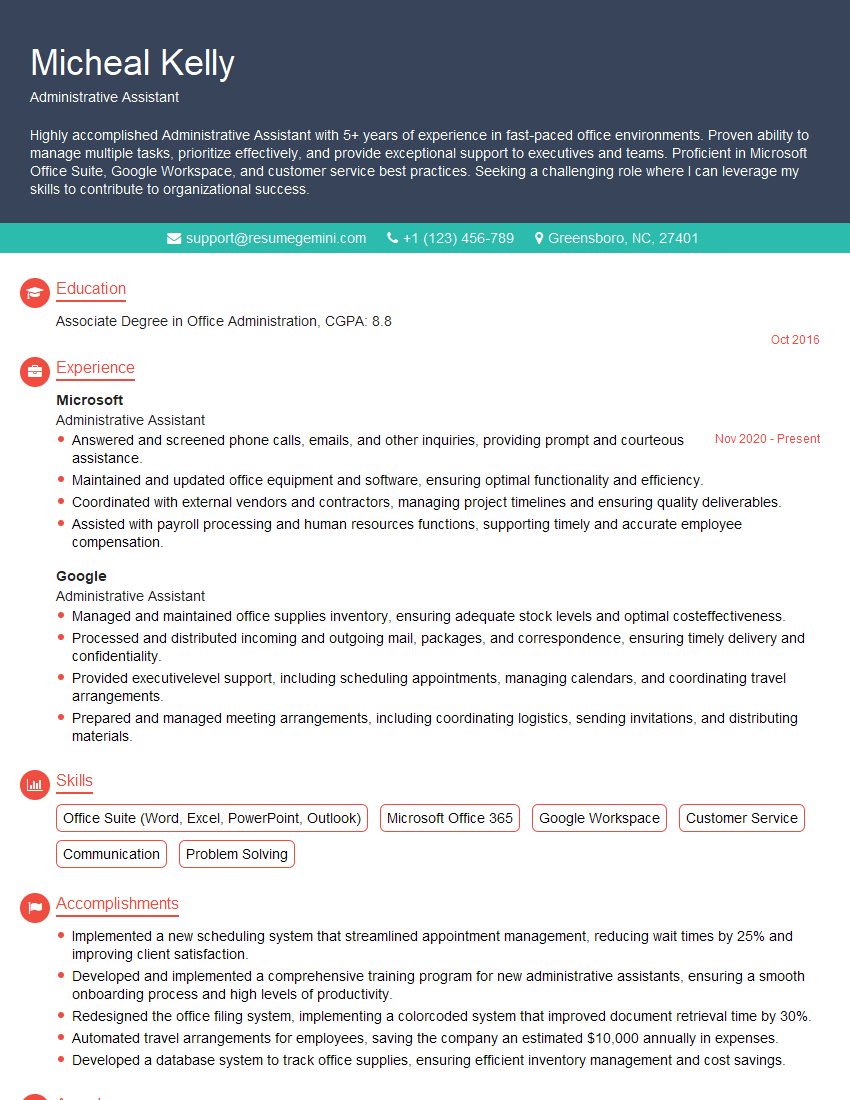
Administrative Assistant Resume Sample
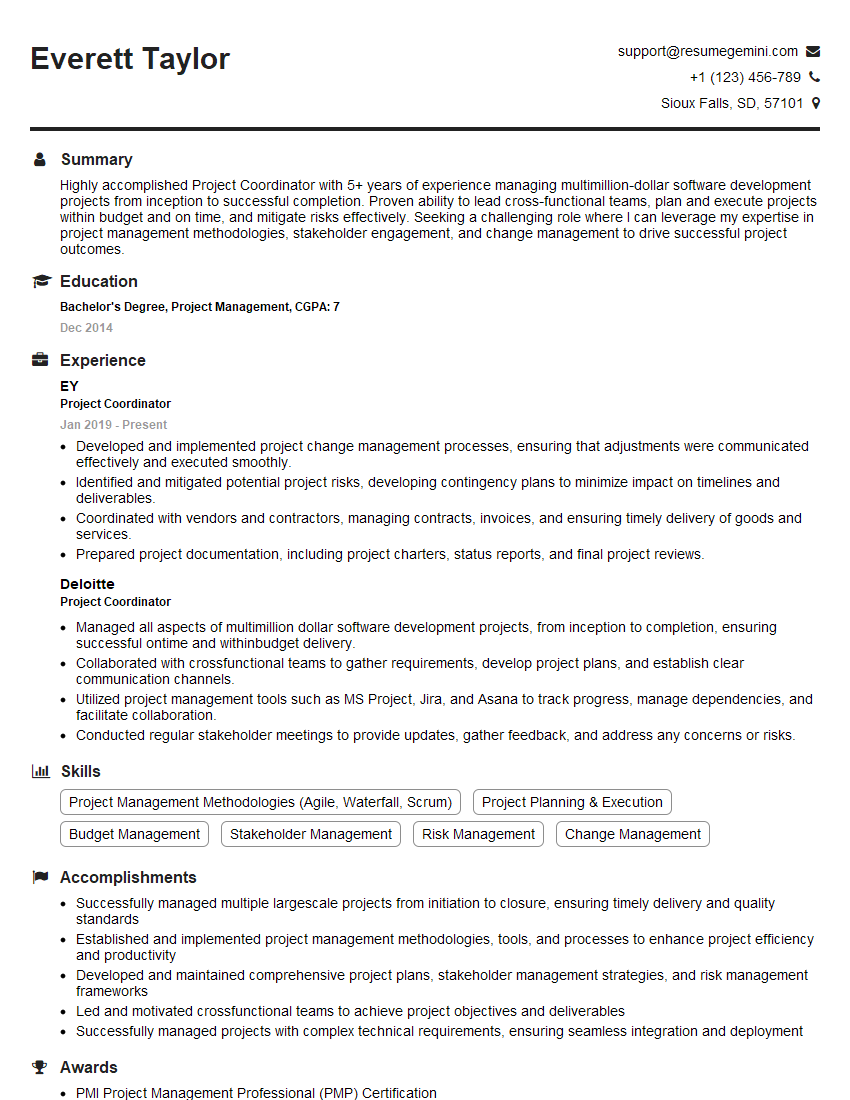
Project Coordinator Resume Sample
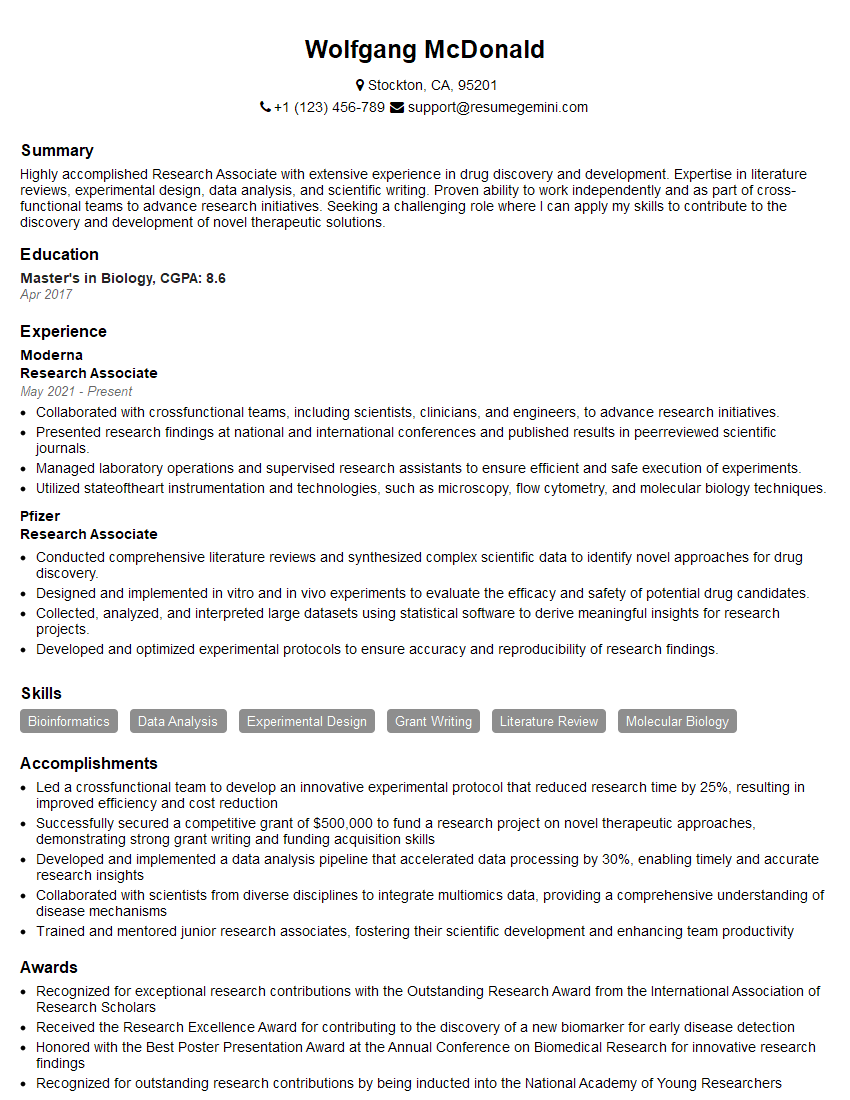
Research Associate Resume Sample
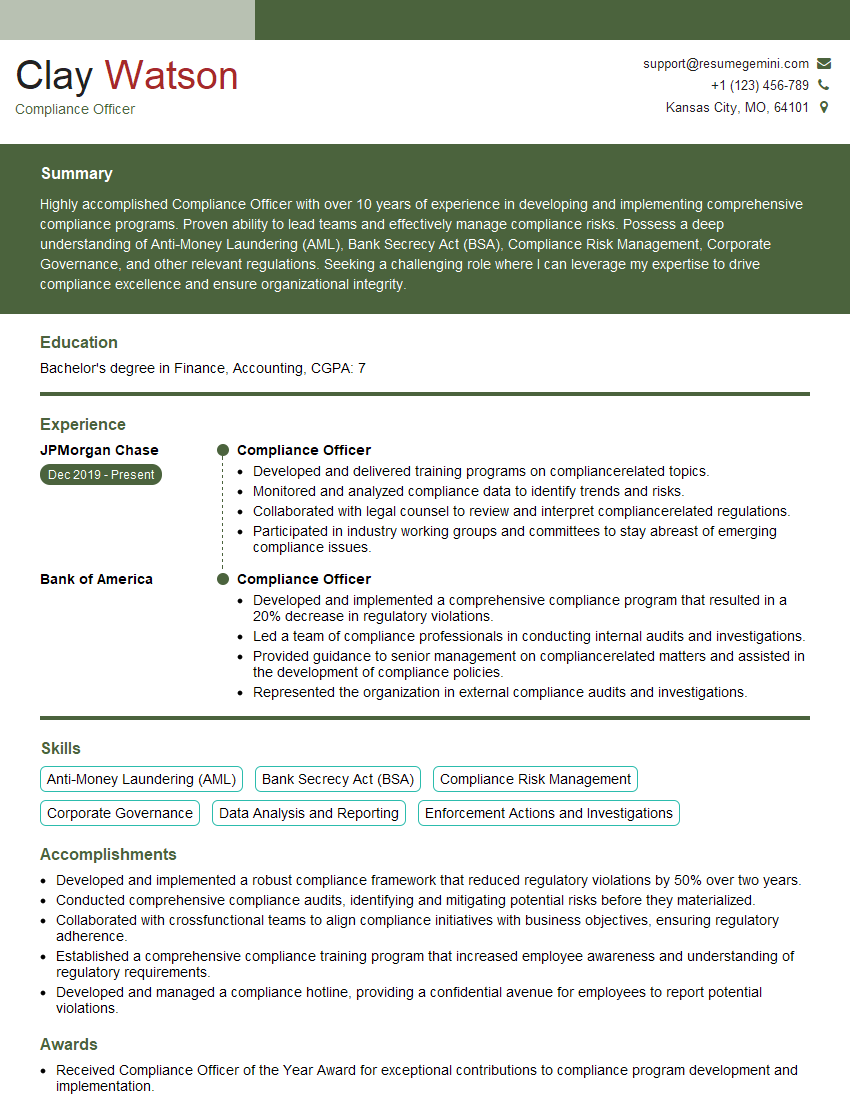
Compliance Officer Resume Sample
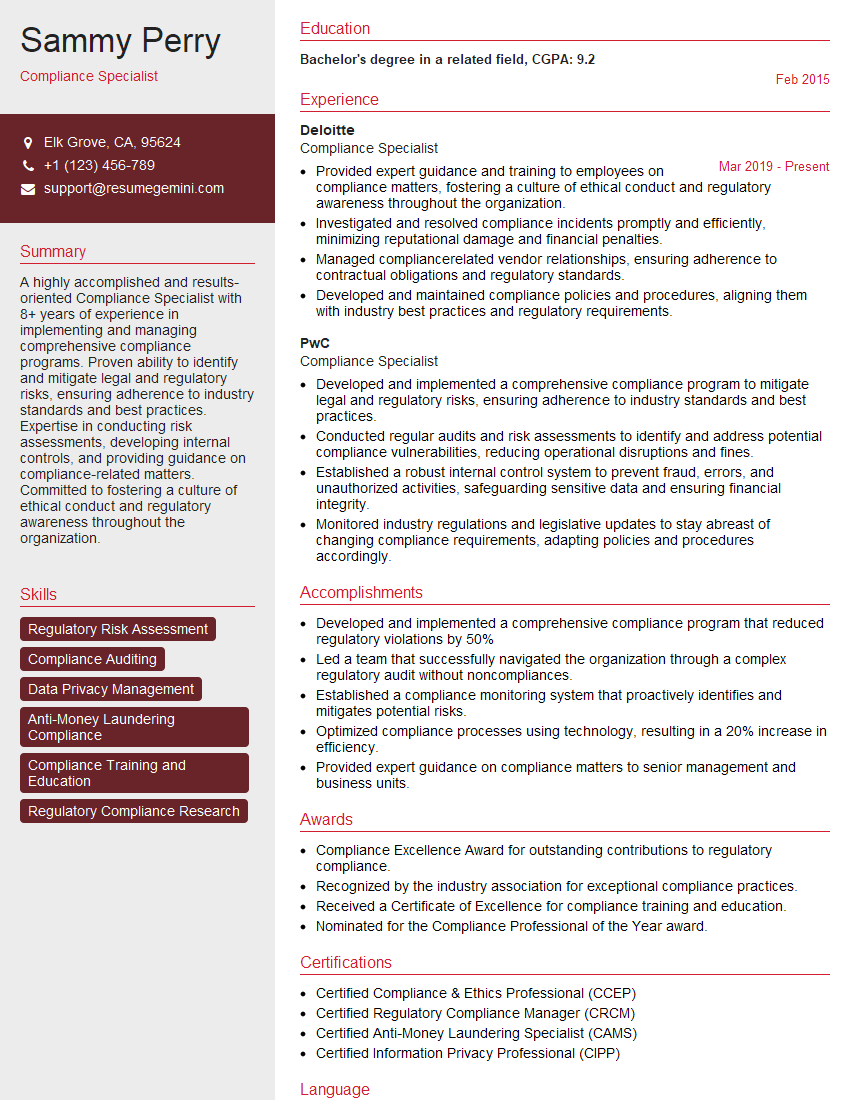
Compliance Specialist Resume Sample
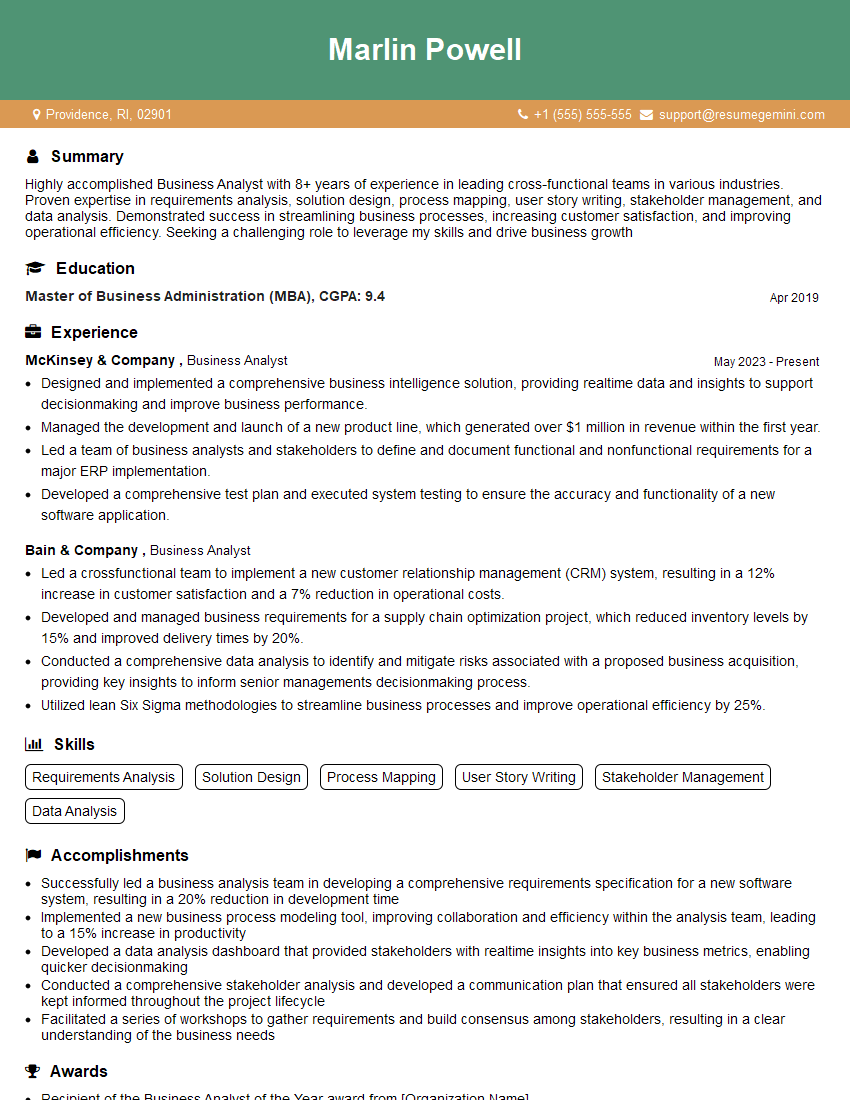
Business Analyst Resume Sample
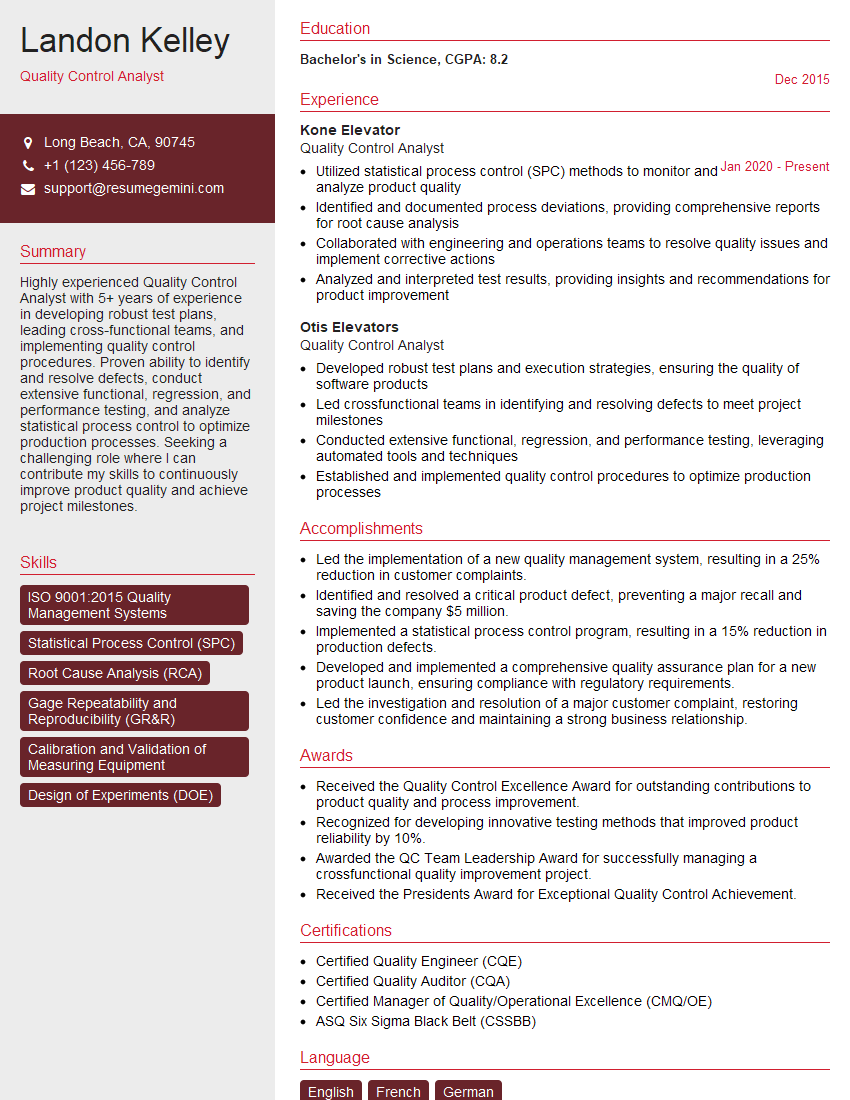
Quality Control Analyst Resume Sample
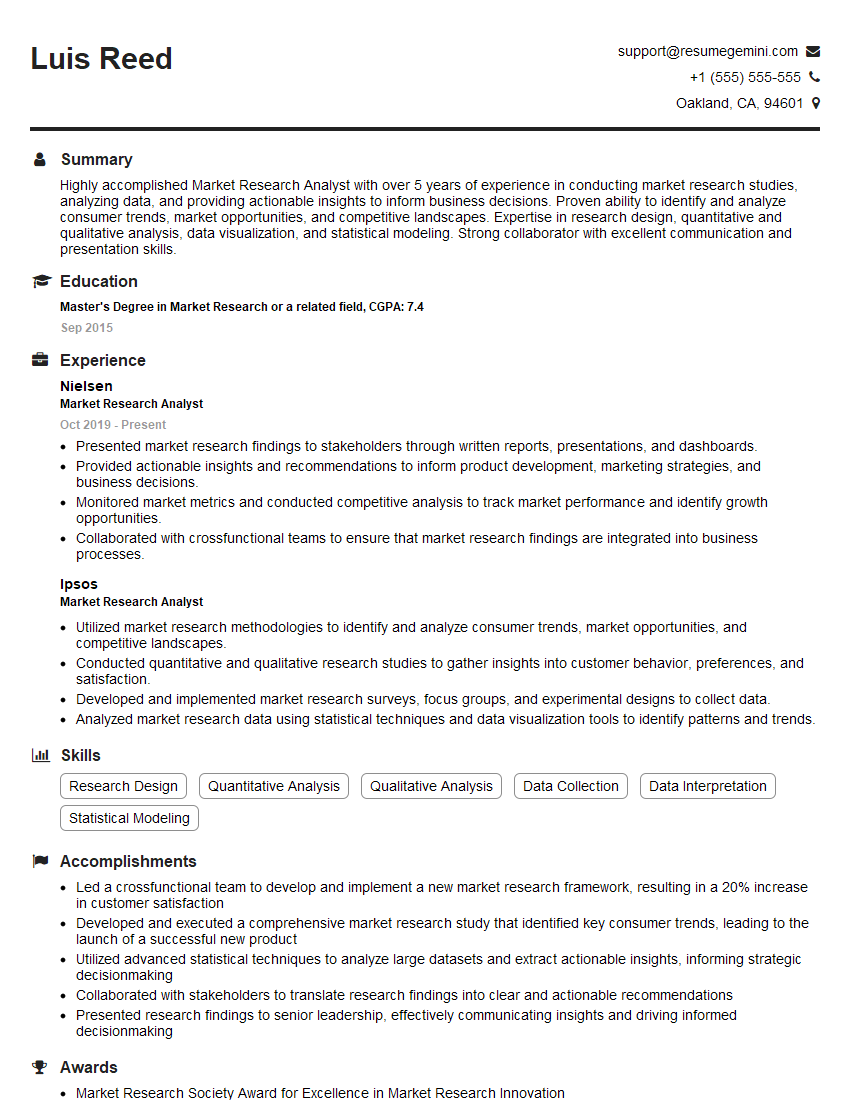
Market Research Analyst Resume Sample
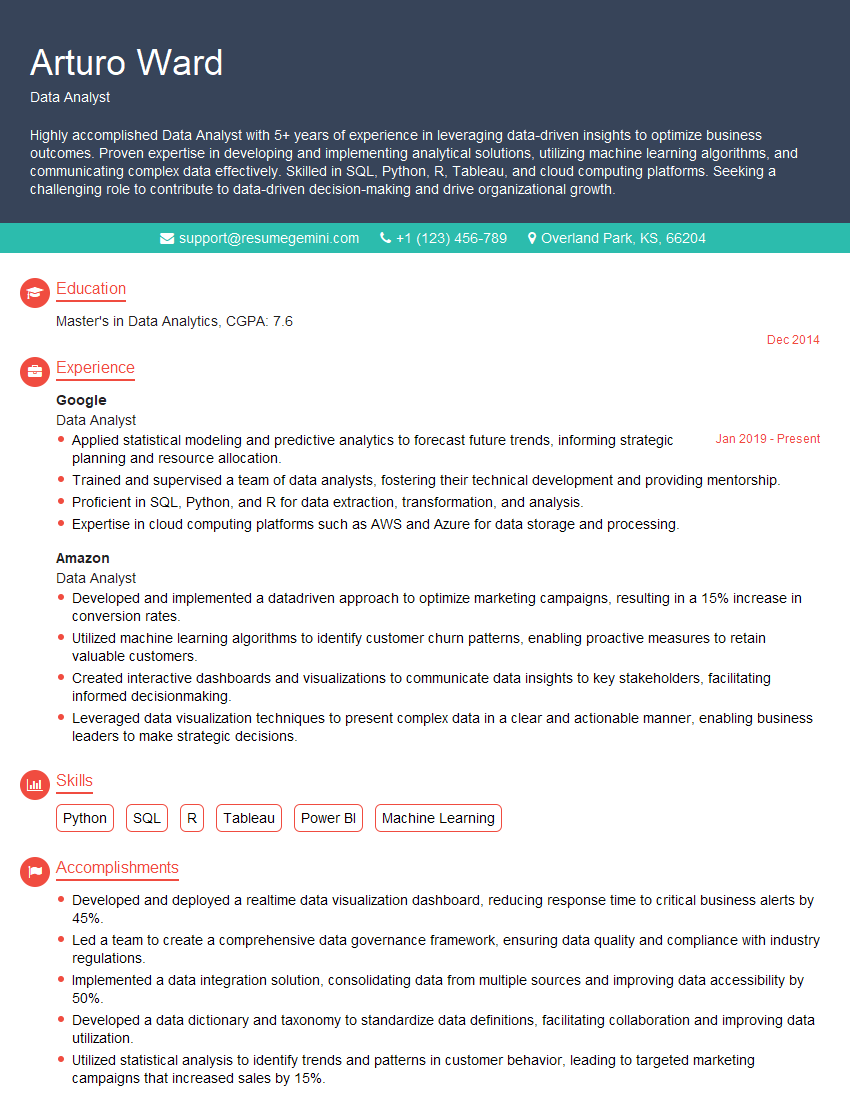
Data Analyst Resume Sample
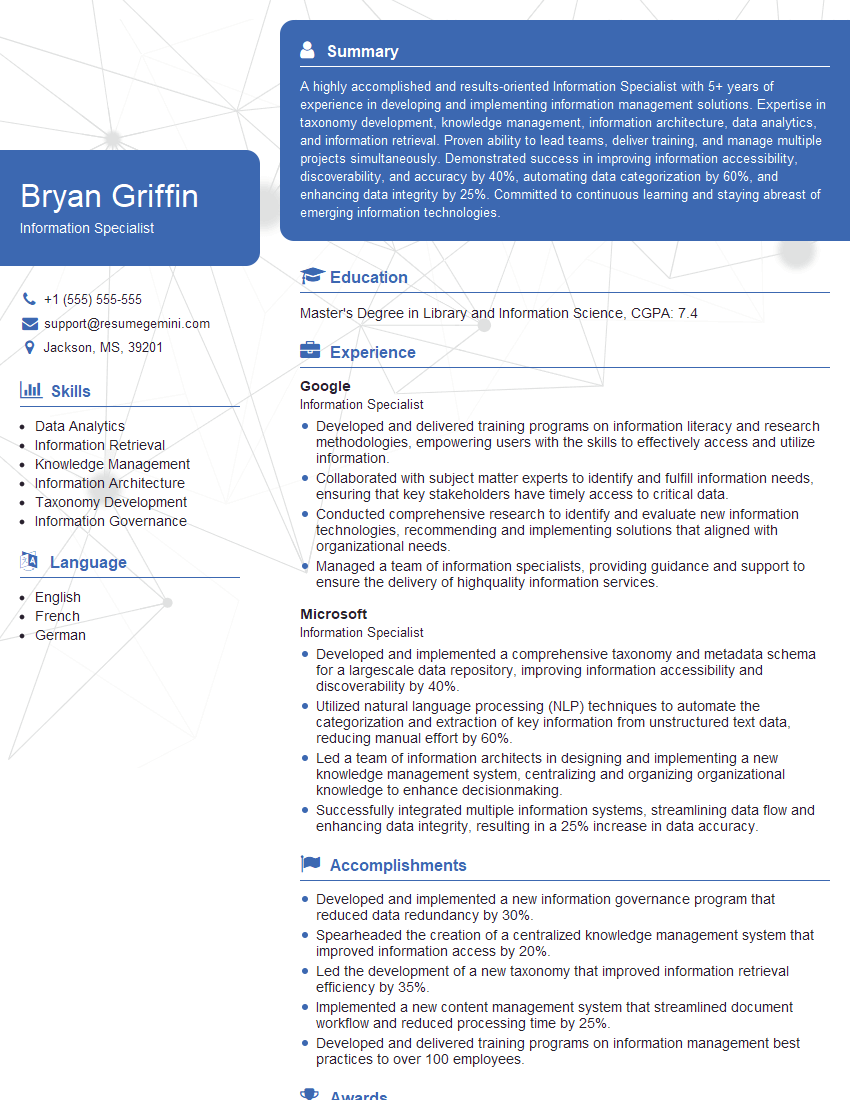
Information Specialist Resume Sample
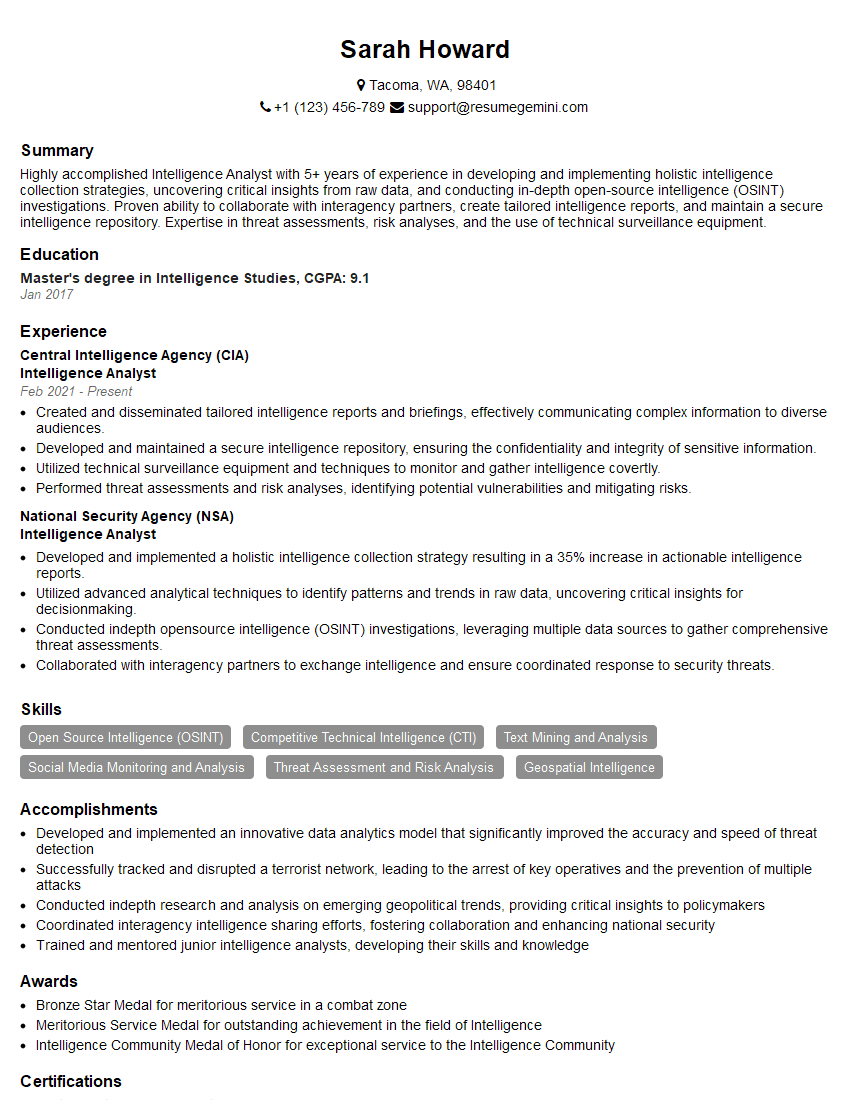
Intelligence Analyst Resume Sample
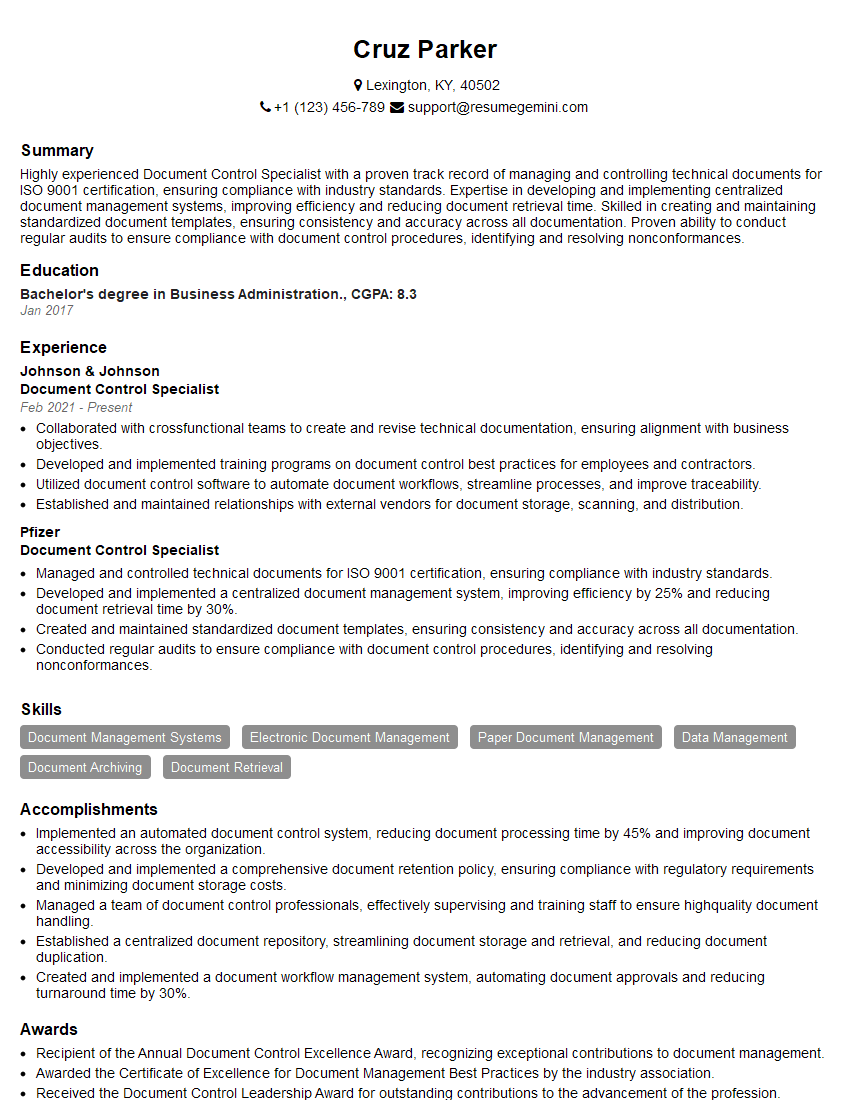
Document Control Specialist Resume Sample
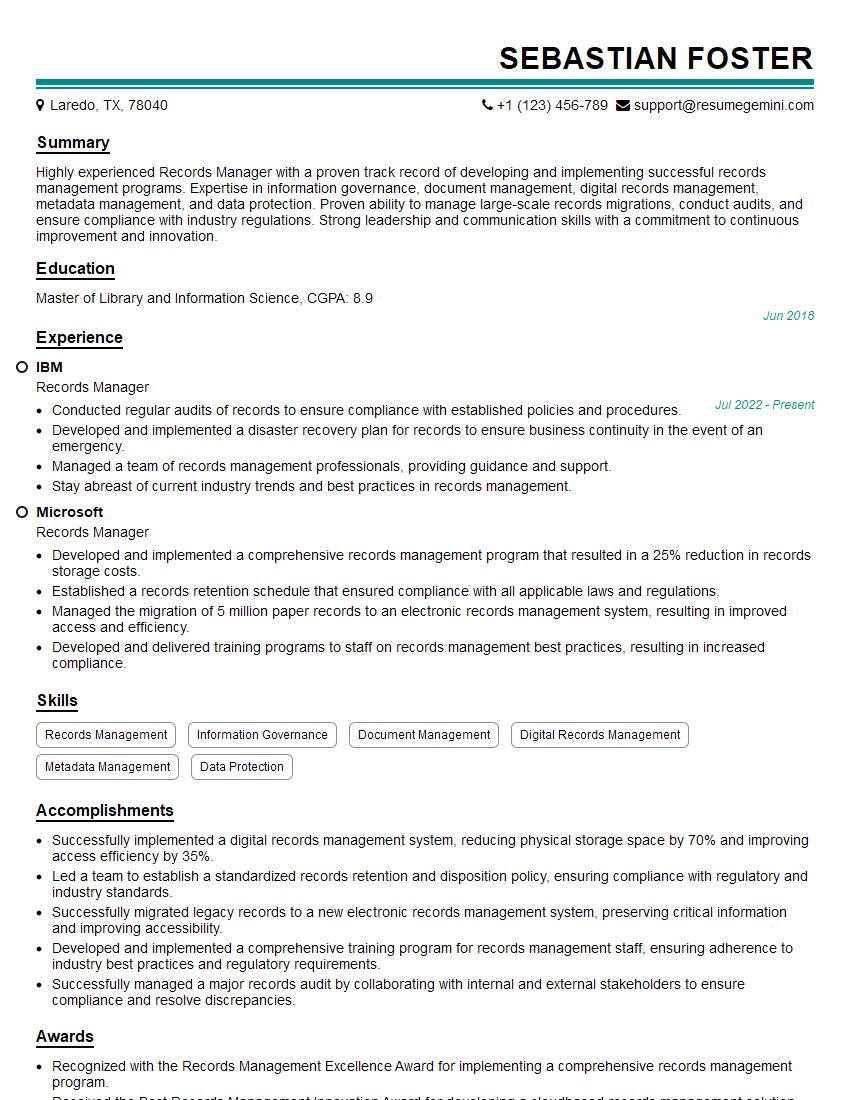
Records Manager Resume Sample
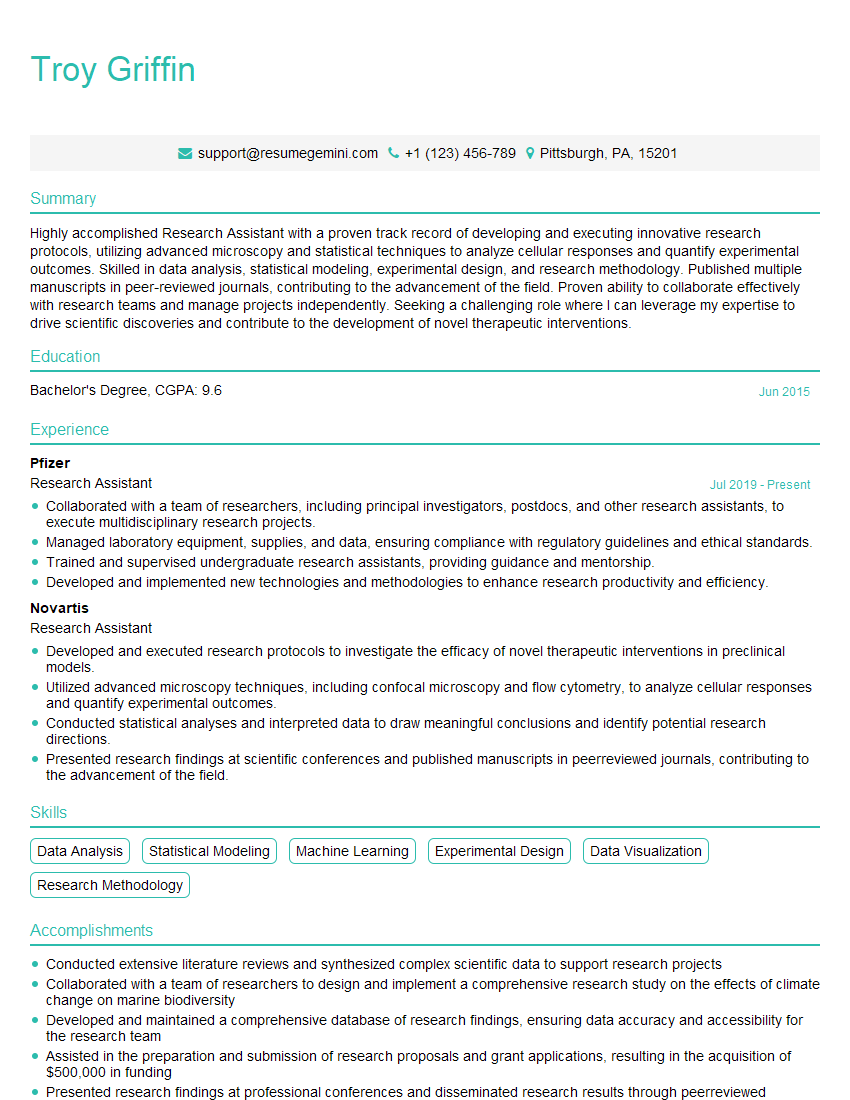
Research Assistant Resume Sample
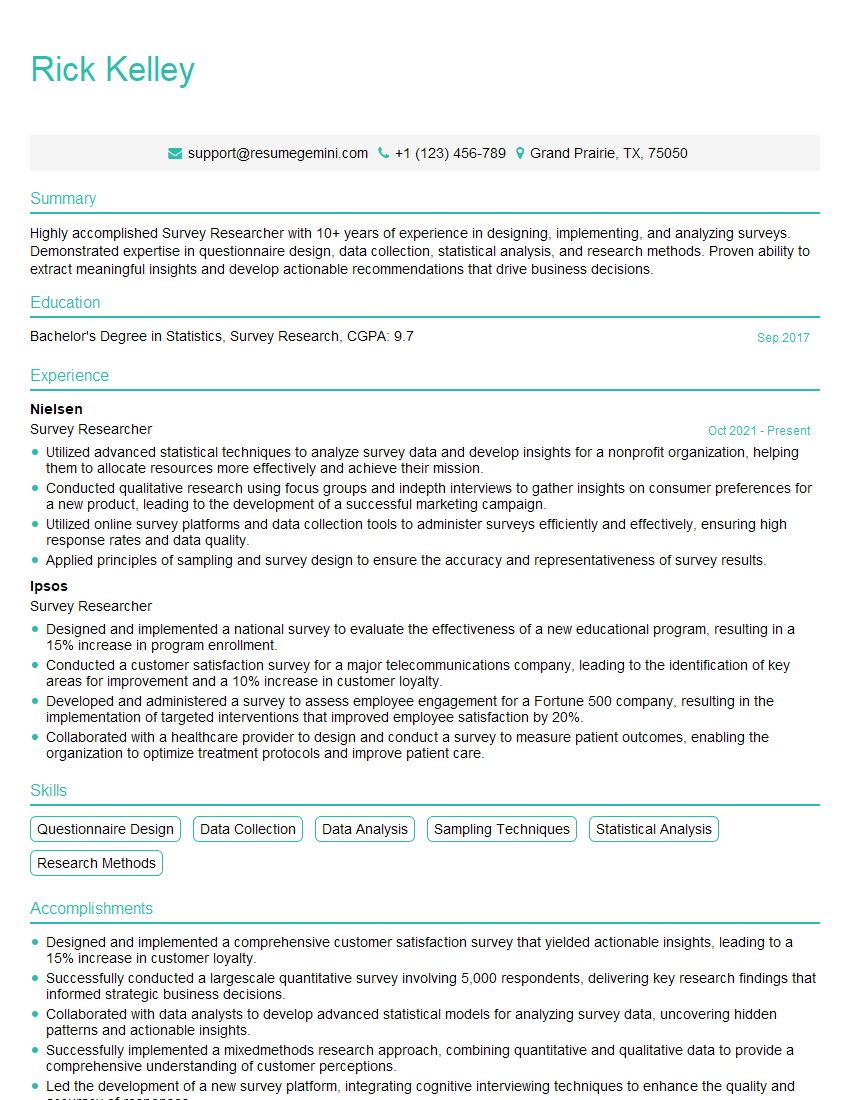
Survey Researcher Resume Sample
Paralegal Resume Sample
Librarian Resume Sample
Archivist Resume Sample
Medical Records Clerk Resume Sample
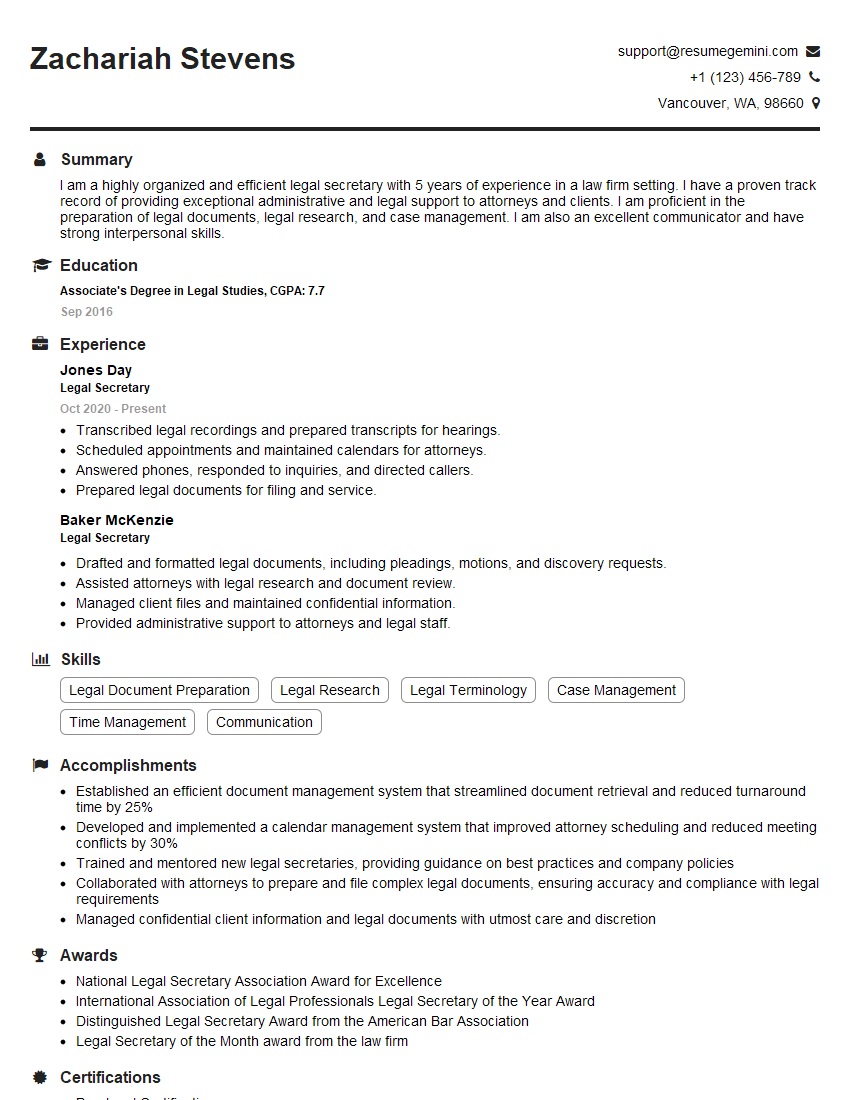
Legal Secretary Resume Sample
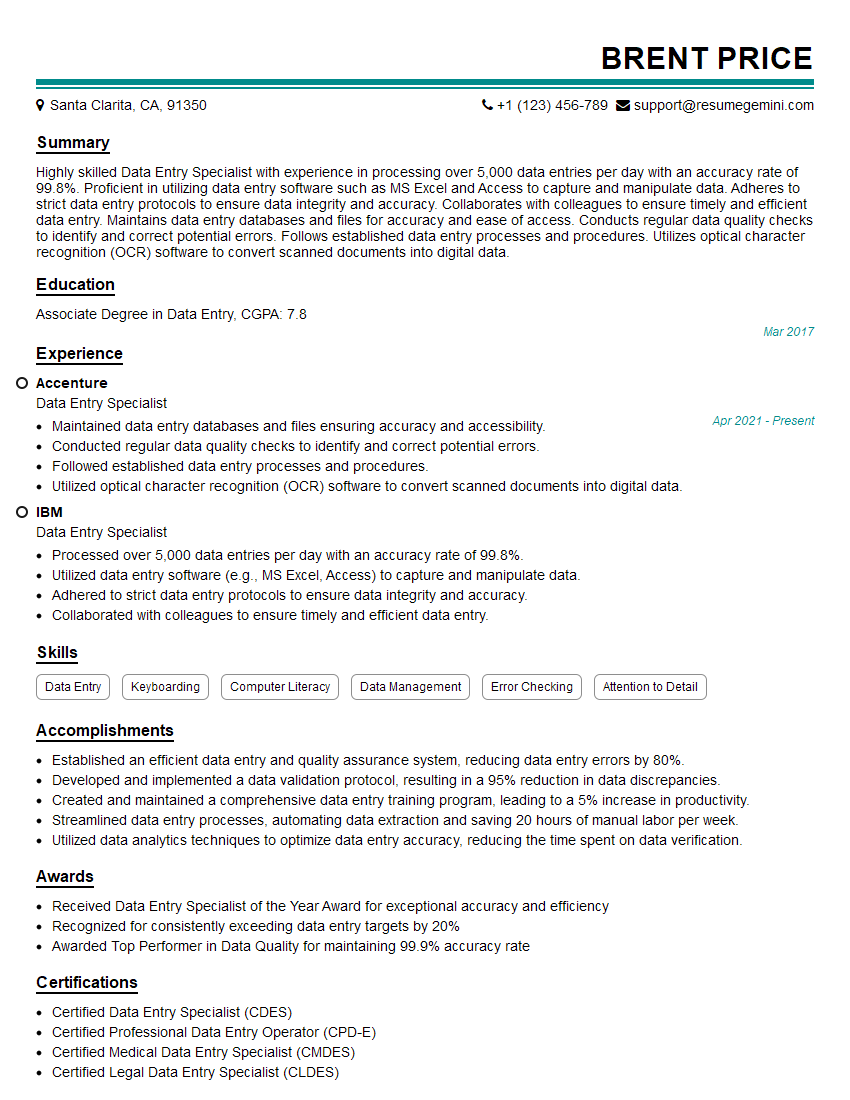
Data Entry Specialist Resume Sample
- Office Manager
- Administrative Assistant
- Project Coordinator
- Research Associate
- Compliance Officer
- Compliance Specialist
- Business Analyst
- Quality Control Analyst
- Market Research Analyst
- Data Analyst
- Information Specialist
- Intelligence Analyst
- Document Control Specialist
- Records Manager
- Research Assistant
- Survey Researcher
- Paralegal
- Librarian
- Archivist
- Medical Records Clerk
- Legal Secretary
- Data Entry Specialist
Explore more articles
Users Rating of Our Blogs
Share Your Experience
We value your feedback! Please rate our content and share your thoughts (optional).
What Readers Say About Our Blog
Very informative content, great job.
good