Cracking a skill-specific interview, like one for Color and Fabric Coordination, requires understanding the nuances of the role. In this blog, we present the questions you’re most likely to encounter, along with insights into how to answer them effectively. Let’s ensure you’re ready to make a strong impression.
Questions Asked in Color and Fabric Coordination Interview
Q 1. Explain the principles of color theory and how they apply to fabric selection.
Color theory is the foundation of effective fabric coordination. It involves understanding the relationships between colors, including hue, saturation, and value (brightness). These principles directly impact how fabrics look together and the overall aesthetic impression.
- Hue: This refers to the pure color, like red, blue, or green. Selecting harmonious hues is key.
- Saturation: This describes the intensity or purity of a color. A highly saturated color is vibrant, while a less saturated color is muted.
- Value: This represents the lightness or darkness of a color. Balancing light and dark tones creates visual interest and depth.
In fabric selection, understanding the color wheel is crucial. Analogous colors (those next to each other on the wheel) create calm, harmonious combinations, while complementary colors (opposite each other) produce vibrant contrast. For example, a soft blue linen paired with a muted green cotton creates a serene feel, whereas a bold red silk with a contrasting teal velvet offers a dramatic look. Triadic color schemes (using three colors equally spaced on the wheel) are also effective, allowing for a greater variety of tones without being overwhelming. Mastering these principles allows for intentional color choices that enhance the overall design and impact.
Q 2. Describe your experience with various fabric types (e.g., cotton, silk, linen) and their properties.
My experience spans a wide range of fabrics, each with unique characteristics. I’m deeply familiar with their drape, texture, and suitability for various applications.
- Cotton: A versatile natural fiber, offering breathability, absorbency, and comfort. It’s available in countless weaves and weights, from lightweight voile to heavy denim.
- Silk: Luxurious with a beautiful drape and lustrous sheen. It’s delicate but offers excellent fluidity and elegance, perfect for high-end garments or interior accents.
- Linen: Known for its durability, strength, and breathability. Its slightly rough texture and characteristic wrinkles contribute to a relaxed, sophisticated aesthetic.
- Wool: Provides warmth, excellent insulation, and drape, depending on the weight and weave. It can be used in everything from formal suits to cozy sweaters.
- Synthetic Fabrics (Polyester, Nylon, Rayon): These offer a wide range of properties and price points. They can mimic the look and feel of natural fibers, while offering enhanced durability, wrinkle resistance, or other specialized qualities.
Understanding the properties of these fabrics is crucial to predicting how they’ll behave during construction, how they’ll drape, and how they’ll age. This knowledge allows me to confidently recommend the appropriate fabric for a given project, ensuring both aesthetic appeal and functional performance.
Q 3. How do you identify and resolve color inconsistencies between fabric samples and final products?
Color inconsistencies between samples and final products can stem from various sources – dye lot variations, differences in lighting conditions, or even variations in the printing or weaving process. Addressing these inconsistencies requires a systematic approach.
- Meticulous Sample Management: I maintain a detailed record of each fabric sample, including its dye lot number, supplier information, and any relevant notes on color characteristics. This allows for precise tracking.
- Controlled Lighting Conditions: All color evaluations, from initial sample selection to final product inspection, are conducted under standardized lighting, typically using a light box that simulates daylight.
- Spectrophotometer Use: This instrument provides objective color measurements, eliminating subjective judgments. By comparing the spectrophotometer readings of the sample and the final product, we can quantify the color difference and identify the source of the discrepancy.
- Communication and Collaboration: Close collaboration with the dye house, fabric mill, and production team is essential to troubleshoot issues, allowing for early intervention and correction.
- Color Correction Techniques: Depending on the nature of the inconsistency, color correction techniques may be employed, such as adjusting dye concentrations or employing digital color manipulation tools.
Proactive management and precise measurement techniques are key to ensuring color consistency across the production run. Using a systematic approach minimizes costly rework and ensures customer satisfaction.
Q 4. What software programs are you proficient in for color matching and fabric design?
I am proficient in several industry-standard software programs for color matching and fabric design.
- Adobe Photoshop: Used for image editing, color correction, and creating detailed fabric designs.
- Adobe Illustrator: Excellent for vector-based illustrations and creating seamless patterns for fabric prints.
- Pantone Connect: This software is crucial for accurate color communication and management across the entire supply chain, ensuring consistent color throughout the production process.
- Color Management Software (e.g., X-Rite i1Profiler): Used to calibrate monitors and ensure accurate color representation on screens.
Proficiency in these tools is crucial for accurate color matching, efficient design workflows, and maintaining consistent communication among designers, manufacturers, and clients. These programs enhance productivity and streamline the design and production process.
Q 5. How do you stay updated on current fabric and color trends?
Staying current on fabric and color trends is essential in this dynamic industry. I employ a multi-faceted approach to maintain my knowledge.
- Industry Publications and Trade Shows: I regularly review leading publications in the textile industry (e.g., trade magazines, online resources) and attend relevant trade shows to observe new developments and emerging trends firsthand.
- Color Trend Forecasts: I consult authoritative color trend forecasts from organizations such as Pantone and other design agencies. These forecasts provide invaluable insight into the upcoming color palettes and themes.
- Online Resources and Social Media: I actively follow influential designers, fabric manufacturers, and design blogs on social media platforms and online communities to stay updated on new materials, techniques, and color preferences.
- Competitor Analysis: Analyzing the fabric and color choices of competitors allows me to identify new directions and potential opportunities.
This proactive approach ensures my designs remain fresh, relevant, and aligned with contemporary market tastes.
Q 6. Explain your process for selecting fabrics that complement each other in terms of color, texture, and pattern.
Selecting fabrics that complement each other requires careful consideration of color, texture, and pattern. My process is iterative and involves several steps:
- Defining the Overall Aesthetic: The first step is to establish the desired mood and style – whether it’s modern, classic, rustic, or bohemian. This guides the selection process.
- Color Palette Development: Based on the chosen aesthetic, I develop a color palette using color theory principles. I might start with a dominant color and then select supporting colors that create the desired balance and contrast.
- Texture and Pattern Selection: Once the color palette is set, I consider texture and pattern. Combining different textures, like smooth silk with rough linen, adds visual interest and depth. Patterns should be selected to complement each other, avoiding clashes or overwhelming the design.
- Fabric Swatching and Mock-Ups: I create fabric swatches and physical mock-ups to visualize how the chosen fabrics interact. This allows for adjustments and refinements before final decisions are made.
- Scale and Proportion: The scale of patterns and the proportion of each fabric in the design are crucial to creating a balanced and visually appealing final product.
This systematic approach ensures that the chosen fabrics harmoniously work together to create a visually stunning and cohesive result.
Q 7. How do you manage fabric sourcing and ensure timely delivery?
Effective fabric sourcing and timely delivery are crucial for project success. My approach focuses on proactive planning and strong supplier relationships.
- Supplier Qualification: I work with a carefully vetted network of reliable suppliers who meet quality standards and offer competitive pricing. This involves assessing their production capabilities, ethical practices, and delivery reliability.
- Detailed Specifications: Clear and detailed fabric specifications are provided to suppliers to minimize misunderstandings and ensure the correct materials are sourced. This includes specifying exact color requirements, weave types, and quantities.
- Production Scheduling: Close coordination with the production team and suppliers is essential to establish a realistic production schedule and manage lead times effectively. This might involve using project management software to track progress and milestones.
- Quality Control: Rigorous quality control checks are implemented at each stage of the supply chain to ensure that fabrics meet the required specifications and standards.
- Communication and Relationship Management: Maintaining open communication and building strong relationships with suppliers fosters trust and collaboration, allowing for proactive problem-solving and efficient issue resolution.
This meticulous approach minimizes delays, ensures fabric quality, and contributes to the timely completion of projects.
Q 8. Describe a time you had to resolve a conflict between design aesthetics and production feasibility related to fabrics.
One project involved designing a luxurious sofa line. The initial design called for a richly textured, deep emerald velvet. However, during the prototyping phase, we discovered that the chosen velvet, while aesthetically stunning, was prone to significant wrinkling and showed wear easily, making it unsuitable for everyday use and failing to meet our durability standards. This created a conflict between the desired luxurious look and the practical requirements of a durable, long-lasting product.
To resolve this, I engaged with our production team and fabric suppliers. We explored alternative fabrics with similar visual appeal but enhanced durability. We tested various options, including a high-performance velvet with a tighter weave and a slightly different pile height, and a luxurious chenille that offered excellent wrinkle resistance. Ultimately, we settled on a high-quality chenille that achieved the rich, sophisticated look while delivering the required durability. This involved presenting alternative fabric swatches to the design team, showcasing the trade-offs in terms of texture and sheen, and justifying the selection through data demonstrating superior performance. The final product maintained the luxurious design aesthetic without sacrificing the required product life.
Q 9. How do you handle challenging clients with differing preferences in color and fabric choices?
Handling clients with diverse preferences requires a collaborative and empathetic approach. I begin by actively listening to understand their vision, needs, and any underlying reasons for their choices. I then work to translate their preferences into tangible options, presenting a curated selection of fabrics and colors that align with their style while considering the project’s functionality and budget. If there are starkly contrasting preferences, I present mood boards illustrating different design directions, each showcasing specific color palettes and fabric textures to visually communicate the impact of each choice. For example, I might create one mood board that leans heavily into minimalist, modern aesthetics and another towards a more traditional, richly layered look. This process makes the comparison clear and encourages a more informed decision. The goal isn’t to impose my preferences but to guide them through the process, helping them articulate their ideal outcome. When necessary, I’ll offer design rationale and expertise, perhaps explaining how a particular color might not work with the room’s lighting, or how a fabric’s texture might not suit the furniture’s intended function. This educative approach empowers clients to make confident choices they’ll love.
Q 10. Describe your understanding of color psychology and its impact on design.
Color psychology is the study of how colors affect human behavior, emotions, and perceptions. Understanding this is crucial for designers. For instance, warm colors like reds and oranges evoke energy and excitement, often used to stimulate appetite (think fast food restaurants) or create a sense of urgency (think sale signs). Cool colors like blues and greens tend to promote feelings of calmness and tranquility, often used in spaces meant for relaxation, such as spas or bedrooms.
In design, I use color psychology to guide my choices. For example, if I’m designing a children’s play area, I might incorporate vibrant yellows, reds, and oranges to stimulate creativity and activity. Conversely, for a corporate office aiming for productivity and focus, I might opt for calmer blues and greens to create a more serene and conducive work environment. Beyond the basic warm/cool dichotomy, understanding the nuances of color – such as the energy of a bold red versus the sophistication of a deep burgundy – allows me to create designs that resonate emotionally and functionally with their intended audience.
Q 11. How would you create a cohesive color palette for a specific product line?
Creating a cohesive color palette starts with defining the product line’s overall aesthetic and target audience. Let’s say we’re designing a line of home office accessories. I would first research current trends and establish a mood board inspired by existing home office design ideas. Next, I’d identify a dominant color, perhaps a calming neutral like soft gray or a sophisticated navy, serving as the foundation of the palette. Then, I select supporting colors based on their relationship to the dominant color. These could include analogous colors (colors next to each other on the color wheel, creating a harmonious feel), or complementary colors (colors opposite each other on the color wheel, offering a high contrast that is both bold and visually appealing). For our example, we might choose a complementary color like a warm beige or a contrasting accent color such as a vibrant teal. To ensure harmony, I often use the 60-30-10 rule: 60% of the palette is the dominant color, 30% is the secondary supporting color, and 10% is for accent colors. I’d test these combinations in different contexts to confirm the palette’s effectiveness and make adjustments as needed. This methodical approach guarantees a cohesive, well-balanced color scheme that complements the product line and communicates its intended image.
Q 12. What are some common fabric defects, and how do you identify and address them?
Fabric defects can significantly impact the quality and aesthetic appeal of a finished product. Common defects include:
- Weaving flaws: These include broken ends, missing yarns, slubs (thickened areas of yarn), and mispicks (incorrect interlacing of warp and weft yarns).
- Dyeing imperfections: This can involve uneven color distribution, shading variations, color bleeding, and staining.
- Finishing issues: These might include shrinkage, stiffness, creasing problems, or improper coating application.
- Structural defects: These can include holes, tears, or inconsistencies in fabric weight.
Identifying these defects requires a keen eye and thorough inspection. I use a combination of visual examination, touch and feel, and sometimes even specialized testing equipment, depending on the fabric type. Addressing defects involves either rejecting substandard fabric from the supplier or collaborating with the production team to adjust processing to minimize or eliminate the issue. For example, uneven dyeing might require adjustments to the dyeing process, while weaving flaws might necessitate adjustments to the loom settings. Documenting the defects and engaging in constructive dialogue with suppliers is critical to maintaining product quality.
Q 13. Explain the difference between various fabric finishes (e.g., dyeing, printing, coating).
Fabric finishes are crucial processes that modify the appearance, hand feel, and performance characteristics of fabrics. They’re distinct methods:
- Dyeing: This process involves immersing the fabric in a dye bath to impart color. It can be done using various methods, including vat dyeing, reactive dyeing, and disperse dyeing, each resulting in different colorfastness and hand feel. Dyeing results in a consistent color throughout the fabric.
- Printing: Printing involves applying color to specific areas of the fabric to create patterns or designs. Methods include screen printing, rotary printing, and digital printing. This allows for more intricate designs compared to dyeing but might result in less colorfastness than some dyeing techniques.
- Coating: Coating is a process where a layer of material is applied to the fabric’s surface to enhance its properties, such as water resistance, flame retardancy, or wrinkle resistance. Common coating materials include polyurethane (PU) and polyvinyl chloride (PVC).
The choice of finish is determined by the fabric’s intended use and desired aesthetic. For example, a waterproof raincoat would require a PU coating, whereas a delicate silk scarf would be dyed rather than printed to maintain its luxurious feel.
Q 14. How do you determine the appropriate fabric weight and drape for a given design?
Determining appropriate fabric weight and drape is essential for achieving the desired silhouette and functionality of a garment or furnishing. Fabric weight, typically measured in ounces per square yard (oz/sq yd), influences the garment’s structure and its ability to hold its shape. Heavier fabrics like denim or canvas are suitable for structured garments or sturdy furniture, while lighter fabrics like silk or chiffon create flowing, less structured silhouettes.
Drape refers to how a fabric hangs and falls. It’s influenced by factors like fiber content, weave structure, and finish. A fabric with good drape will fall gracefully and create soft folds. For example, a flowing maxi dress would require a fabric with excellent drape, like rayon or silk, while a tailored blazer needs a fabric with less drape for a sharp, structured fit. To choose the right weight and drape, I consider the garment’s design, its intended function, and the overall aesthetic. I often consult fabric swatch books and conduct draping tests using sample fabrics to visually assess their drape characteristics. This ensures that the final product will have the desired look, feel, and functionality.
Q 15. How familiar are you with different dyeing techniques?
My familiarity with dyeing techniques is extensive, encompassing both natural and synthetic methods. I’m proficient in various processes, including reactive dyeing (excellent for cellulosic fibers like cotton and rayon, producing vibrant, wash-fast colors), acid dyeing (ideal for wool and silk, known for its depth and brilliance), and disperse dyeing (used for synthetic fibers like polyester, offering a wide range of shades). I also understand the nuances of techniques like tie-dye, batik, and screen printing, appreciating their unique aesthetic qualities and suitability for different fabric types and designs. For example, in a recent project involving a linen collection, I opted for reactive dyeing to achieve the desired luminosity and wash fastness, while a silk scarf line benefited from the subtle richness of acid dyeing. Understanding the properties of each dye and its interaction with the fabric is crucial for achieving the desired color outcome and longevity.
- Reactive Dyeing: Produces vibrant, wash-fast colors on cellulosic fibers.
- Acid Dyeing: Creates rich, deep colors on protein fibers like wool and silk.
- Disperse Dyeing: Offers a wide color range for synthetic fibers like polyester.
Career Expert Tips:
- Ace those interviews! Prepare effectively by reviewing the Top 50 Most Common Interview Questions on ResumeGemini.
- Navigate your job search with confidence! Explore a wide range of Career Tips on ResumeGemini. Learn about common challenges and recommendations to overcome them.
- Craft the perfect resume! Master the Art of Resume Writing with ResumeGemini’s guide. Showcase your unique qualifications and achievements effectively.
- Don’t miss out on holiday savings! Build your dream resume with ResumeGemini’s ATS optimized templates.
Q 16. How do you manage a budget for fabric selection and procurement?
Budget management for fabric selection and procurement is a crucial aspect of my role, requiring a strategic approach. I begin by establishing a clear budget allocation based on the collection’s overall cost projections. Then, I meticulously research and compare prices from various suppliers, considering factors such as fabric quality, minimum order quantities, and delivery costs. Negotiation is a key skill here, aiming to secure the best possible price while maintaining quality standards. For example, in a past project with limited budget, I explored alternative, equally sustainable, yet more affordable fabric sources without compromising the aesthetic vision. This involved identifying suppliers offering lower minimum order quantities or leveraging bulk discounts. I meticulously track all expenditures, regularly reviewing them against the budget and making adjustments as needed. Software tools are invaluable for maintaining accurate records and generating reports.
Q 17. Explain your process for creating a mood board for a new collection.
Creating a mood board is an iterative process that sets the foundation for a new collection. I start by defining the collection’s theme, target audience, and overall aesthetic direction. Then, I gather inspiration from various sources, including fashion magazines, art books, nature, and even cultural events. I use a combination of physical and digital tools. Physically, I collect fabric swatches, color chips, images, and texture samples. Digitally, I utilize Pinterest and mood board software to create a visually cohesive representation. The process involves careful selection of images and materials that reflect the desired color palette, textures, patterns, and overall mood. For instance, if the collection theme is “Serene Seascapes,” the mood board might incorporate images of calming ocean blues, sandy beige tones, flowing fabrics mimicking water movement, and textures like seashells or smooth stones. This visual narrative serves as a guide for the entire design and production process.
Q 18. How do you collaborate effectively with designers, manufacturers, and suppliers?
Effective collaboration is paramount in this field. I foster strong relationships with designers, manufacturers, and suppliers through open communication and a collaborative mindset. Regular meetings and detailed briefs ensure everyone is aligned with the project’s goals. I actively listen to their feedback and incorporate their expertise into the decision-making process. For instance, I’ll discuss fabric suitability with manufacturers, considering their production capabilities and ensuring the chosen fabrics are feasible to work with. With suppliers, I prioritize transparency and build trust through fair negotiations and consistent communication. This collaborative approach ensures a smoother workflow, better quality control, and a higher likelihood of achieving the desired outcomes. Transparent communication and mutual respect are key components of success.
Q 19. Describe your experience with different textile weaves and knits.
My experience with textile weaves and knits is extensive, encompassing a wide variety of structures and their associated properties. I understand the characteristics of different weaves, such as plain weave (simple, durable, cost-effective), twill weave (diagonal pattern, strong, versatile), satin weave (smooth, lustrous, delicate), and jacquard weave (intricate, complex patterns). Similarly, I’m knowledgeable about various knit structures like jersey (basic, stretchy, widely used), rib knit (elastic, textured), and double knit (stable, less prone to stretching). This knowledge allows me to choose the most appropriate fabric structure based on the design requirements, desired drape, durability, and cost considerations. For example, a flowing evening gown might benefit from a satin weave or a jersey knit, while a durable workwear collection may call for a twill weave or a sturdy double knit.
Q 20. What is your experience with sustainability and ethical sourcing of fabrics?
Sustainability and ethical sourcing are core principles in my work. I prioritize fabrics made from recycled materials, organic cotton, or other eco-friendly alternatives. I meticulously research suppliers, ensuring they adhere to fair labor practices and environmental standards. Certifications like GOTS (Global Organic Textile Standard) and OEKO-TEX are important indicators of ethical and sustainable production. For example, I recently sourced organic cotton for a children’s clothing line, ensuring both the fabric’s environmental impact and the workers’ well-being were considered. I’m also actively exploring innovative sustainable materials like Tencel and hemp, acknowledging their potential to reduce the environmental footprint of textile production. It’s an ongoing commitment to seek and utilize the most responsible options available.
Q 21. How do you handle pressure and meet tight deadlines?
Handling pressure and meeting tight deadlines requires effective time management and prioritization skills. I break down large projects into smaller, manageable tasks, creating a realistic schedule with clear milestones. I utilize project management tools to track progress, identify potential bottlenecks, and allocate resources efficiently. Proactive communication with stakeholders keeps everyone informed about the project’s status and any potential challenges. I also prioritize tasks based on their urgency and importance, focusing on critical deliverables first. Furthermore, I remain calm under pressure and focus on solutions rather than dwelling on the stress. In the past, facing an unexpectedly short deadline, I efficiently rearranged my workflow, prioritized key tasks, and successfully delivered the collection on time without compromising quality. My ability to stay organized and maintain a clear perspective is crucial for effective performance under pressure.
Q 22. How do you ensure the consistency of colors across different production batches?
Maintaining color consistency across production batches is crucial for brand integrity and customer satisfaction. It involves a multi-pronged approach focusing on precise color specification, rigorous quality control, and careful material sourcing.
- Color Specification: We utilize standardized color systems like Pantone or CIE L*a*b* to define exact color values. These numerical codes leave no room for subjective interpretation. For example, instead of saying ‘sky blue’, we specify Pantone 293 C. This ensures every batch aligns precisely with the initial color approval.
- Quality Control: Throughout the production process, regular color checks are conducted using spectrophotometers. These devices objectively measure color values, comparing them against the initial specification. Any deviations outside a pre-defined tolerance are flagged immediately, allowing for adjustments before large-scale production issues arise.
- Material Sourcing: Consistency in dyes and fabrics is paramount. We establish long-term relationships with reliable suppliers who can guarantee batch-to-batch consistency in their materials. Regular audits of supplier facilities are also crucial to ensure they adhere to our quality standards.
- Color Management Software: Sophisticated color management software is utilized to standardize color across different production stages and devices, mitigating color shifts due to screen differences or printing techniques. This software helps predict and account for the variations that might occur from the initial digital design to the final product.
By combining these methods, we effectively minimize color variations across different production runs, ensuring a uniform product appearance that reflects our brand’s commitment to quality.
Q 23. Describe your problem-solving approach when encountering unforeseen fabric issues.
When faced with unforeseen fabric issues, my problem-solving approach is systematic and data-driven. It involves a series of steps:
- Identify the Problem: First, we meticulously document the issue, noting the specific defect (e.g., color fading, texture irregularities, shrinkage). Photographs and samples are crucial.
- Analyze the Cause: We investigate potential causes. This could involve examining the fabric composition, the dyeing process, the manufacturing techniques, or even environmental factors during storage and transportation. Sometimes, this requires collaborating with textile engineers and material scientists.
- Develop Solutions: Based on the cause, we brainstorm potential solutions. This may involve changing the dyeing process, adjusting fabric sourcing, implementing quality control enhancements, or redesigning the garment to minimize the impact of the defect. We might also consider alternative fabrics that better suit the design and manufacturing process.
- Test and Implement: Before full-scale implementation, we rigorously test the proposed solution on a smaller batch. This ensures the correction is effective and doesn’t introduce new problems. Only after successful testing do we apply the solution to the main production run.
- Documentation and Prevention: Once the issue is resolved, we thoroughly document the problem, its cause, and the implemented solution. This creates a valuable database for preventing similar issues in the future. This ensures continuous improvement in our processes and reduces the risk of future setbacks.
This methodical approach, combined with strong communication and collaboration, allows us to effectively tackle unforeseen fabric issues and maintain the highest standards in our production.
Q 24. How do you use color and fabric to convey brand identity?
Color and fabric are powerful tools for conveying brand identity. They create an immediate visual impression and communicate brand values, personality, and target audience.
- Color Psychology: Different colors evoke distinct emotions and associations. For instance, calming blues and greens might suit a spa brand, while vibrant reds and oranges might reflect an energetic sports brand. We carefully select colors that align with the brand’s desired image and resonate with its target market.
- Fabric Selection: Fabric choice also contributes significantly. Luxurious silks and velvets communicate high-end quality, while durable cottons and linens might convey a sense of practicality and approachability. The texture, drape, and weight of the fabric all impact the overall brand perception.
- Color and Fabric Combinations: The interplay between color and fabric is particularly important. A bold color on a luxurious fabric can create a statement, while a subtle color on a simple fabric might project understated elegance. The combination creates a synergistic effect that amplifies the brand message.
For example, a sustainable fashion brand might utilize natural, earthy tones on organic cotton fabrics to communicate their commitment to environmentally friendly practices. A high-fashion label might use vibrant, unexpected color combinations on luxurious silk to project innovation and exclusivity.
Q 25. What are your strengths and weaknesses in color and fabric coordination?
My strengths lie in my deep understanding of color theory, textile science, and the practical application of both in the fashion and design industries. I possess a keen eye for detail and a strong ability to identify and resolve color and fabric discrepancies.
- Strengths: Creative problem-solving, strong color sense, meticulous attention to detail, ability to manage multiple projects simultaneously, effective communication skills, proficiency in color management software.
However, like all professionals, I have areas for continuous improvement.
- Weaknesses: While I’m proficient in several software, I’m always seeking opportunities to expand my knowledge of emerging technologies in textile design. Sometimes, I might get overly focused on the details, which requires mindful self-regulation to maintain an overall project view.
I actively seek feedback and engage in continuous learning to continually refine my skills and address my weaknesses. This includes attending industry workshops, staying updated on industry trends, and embracing new technological advancements.
Q 26. How do you measure the success of your color and fabric choices?
Measuring the success of color and fabric choices involves evaluating both quantitative and qualitative factors.
- Sales Data: Increased sales of products featuring specific color and fabric combinations indicate a positive customer response and market acceptance.
- Customer Feedback: Direct feedback from customers – through surveys, reviews, and social media – provides valuable insights into their perception of the product’s aesthetics and functionality.
- Brand Alignment: Assessing whether the color and fabric choices successfully convey the desired brand identity and resonate with the target audience is essential. This might involve analyzing brand perception studies or market research.
- Production Efficiency: Evaluating the ease of production, the cost-effectiveness of the materials, and the overall production process efficiency are also crucial.
By combining these various metrics, we can gain a comprehensive understanding of the overall impact and success of our color and fabric choices. For instance, even with high sales, negative customer feedback regarding fabric durability might indicate a need for material adjustments.
Q 27. Describe a significant project where your expertise in color and fabric coordination played a crucial role.
A particularly challenging and rewarding project involved developing the fabric and color palette for a new line of sustainable outdoor apparel. The client, a well-established outdoor gear company, wanted to create a collection that was both aesthetically pleasing and environmentally responsible.
The challenge lay in balancing the technical requirements of outdoor fabrics (durability, water resistance, breathability) with the need for sustainable and ethically sourced materials. We explored various recycled and organic fabrics, carefully evaluating their properties and colorfastness. The color palette was developed using earthy, natural tones that reflected the brand’s commitment to nature while still maintaining a modern aesthetic. We also had to account for the potential color fading from prolonged sun exposure, demanding careful selection of dyes and rigorous testing procedures.
The successful launch of the collection, with positive customer reviews and increased brand awareness, showcased the effectiveness of our coordinated approach. This project demonstrated the vital role that color and fabric coordination plays in creating a successful product that resonates with the target market while fulfilling stringent performance requirements.
Key Topics to Learn for Color and Fabric Coordination Interview
- Color Theory Fundamentals: Understanding the color wheel, color harmonies (complementary, analogous, triadic, etc.), and the impact of color temperature on mood and perception.
- Fabric Types and Properties: Familiarity with various fabric compositions (cotton, linen, silk, wool, synthetics), their textures, drapability, and suitability for different applications (e.g., upholstery, apparel).
- Pattern and Print Design: Knowledge of different pattern types (floral, geometric, abstract), scale, and repeat, and how these elements interact with color and fabric choices.
- Practical Application: Demonstrate understanding of how to select appropriate colors and fabrics for specific projects, considering factors like target audience, seasonality, and brand identity. Be ready to discuss case studies or past projects.
- Color Psychology: How color evokes emotion and influences consumer behavior. This understanding is crucial for making informed design choices.
- Sustainability and Ethical Sourcing: Discuss environmentally friendly and ethically produced fabrics and dyes. Awareness of current industry trends in sustainable design is highly valuable.
- Technical Aspects: For more advanced roles, be prepared to discuss fabric manufacturing processes, dyeing techniques, and quality control measures.
- Problem-Solving: Be prepared to discuss challenges you’ve faced in color and fabric coordination and how you overcame them. Showcase your analytical and creative problem-solving skills.
Next Steps
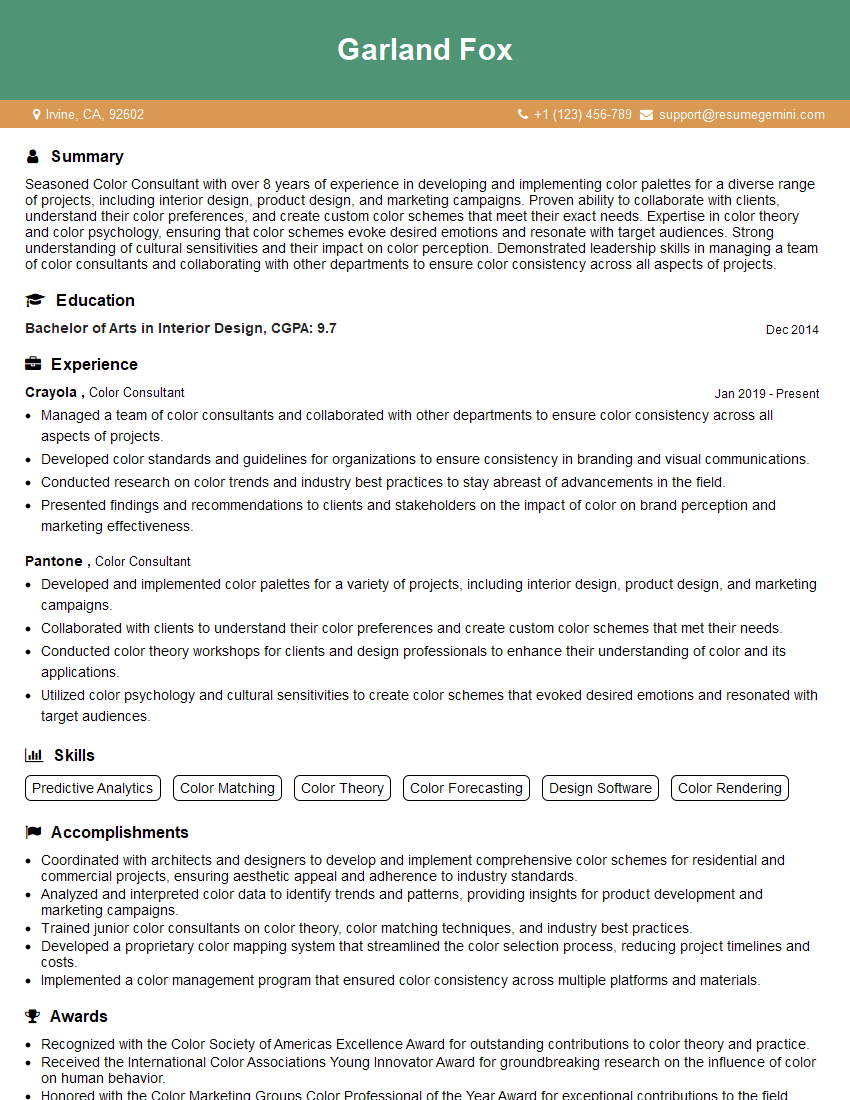
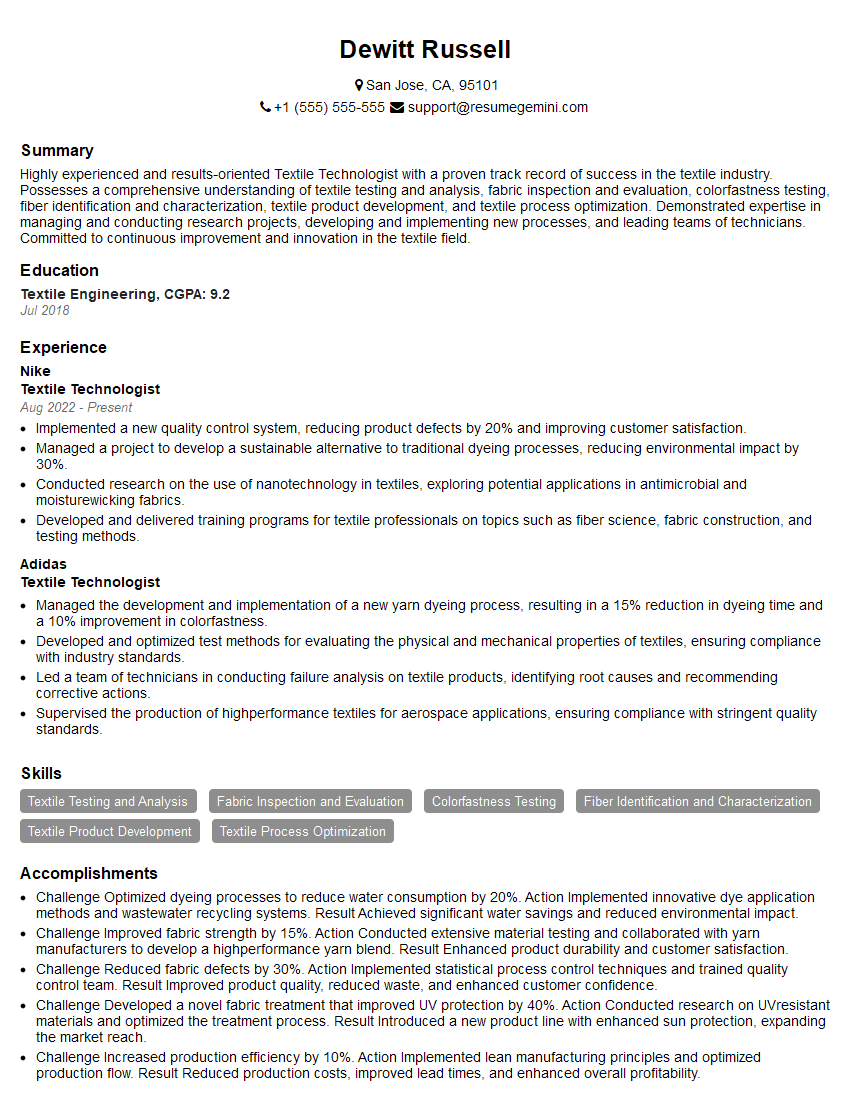
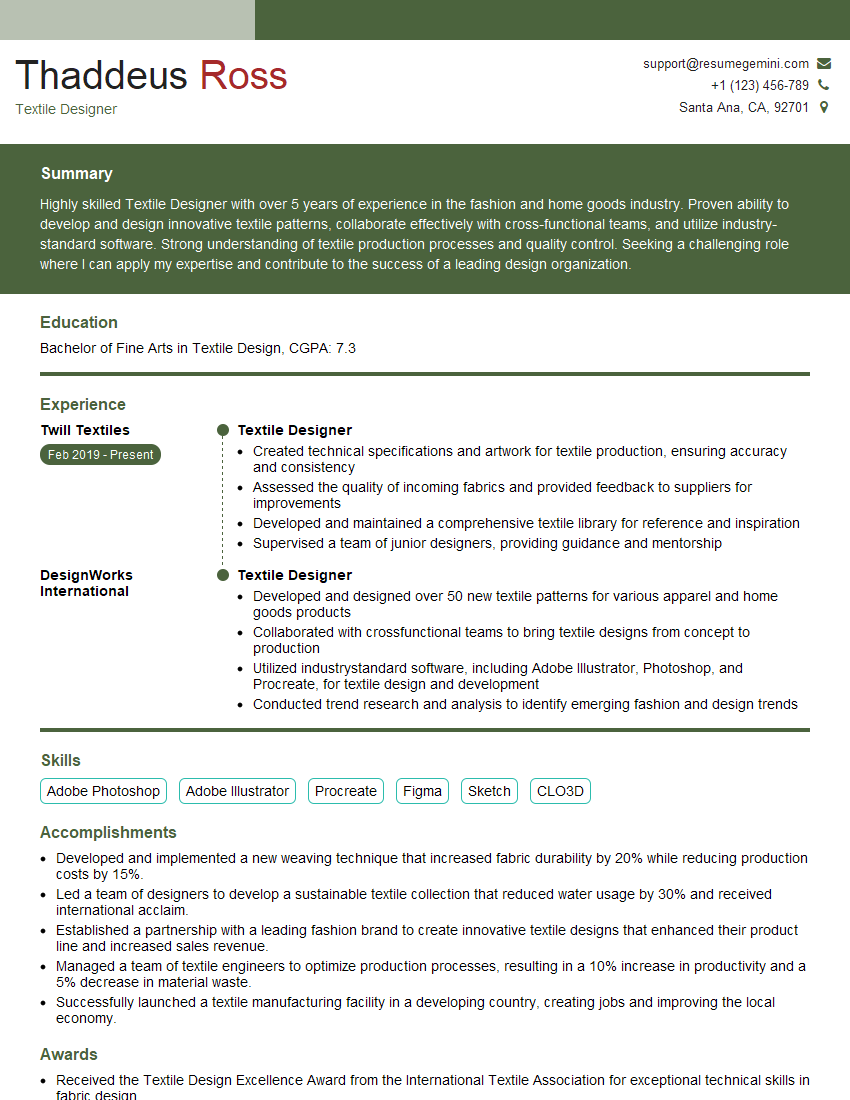
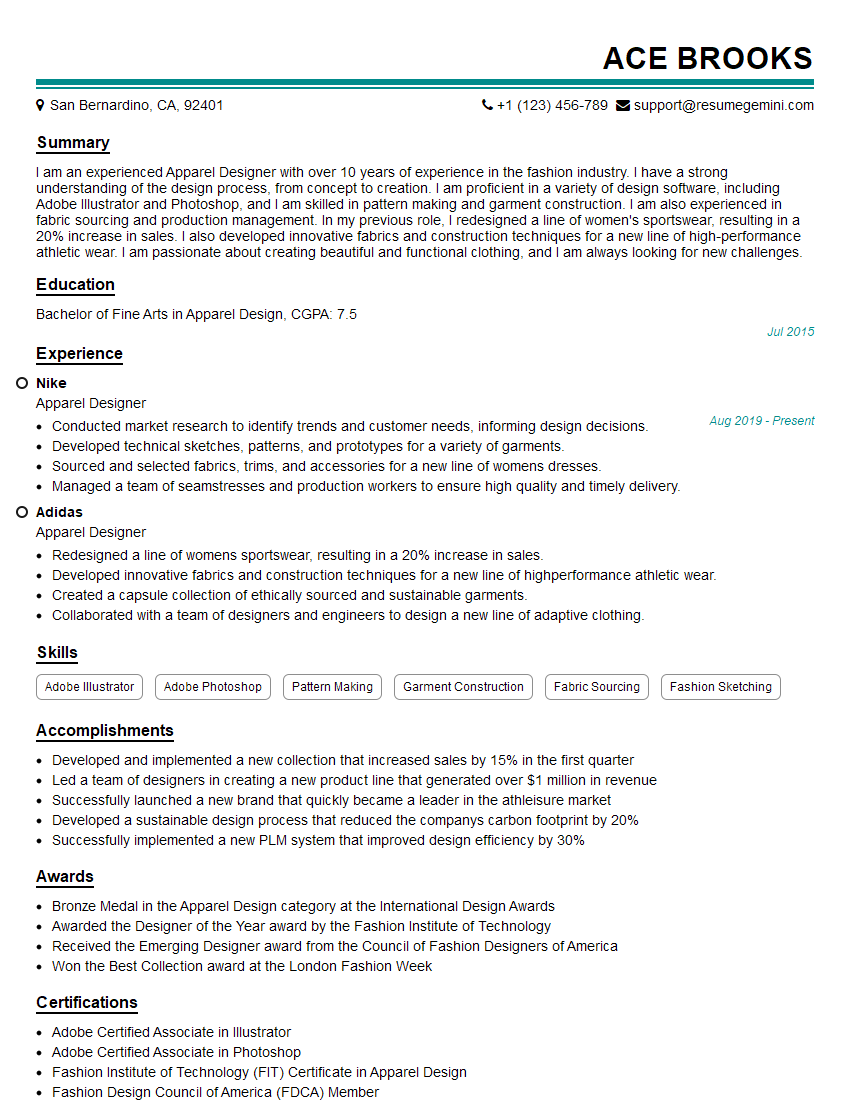
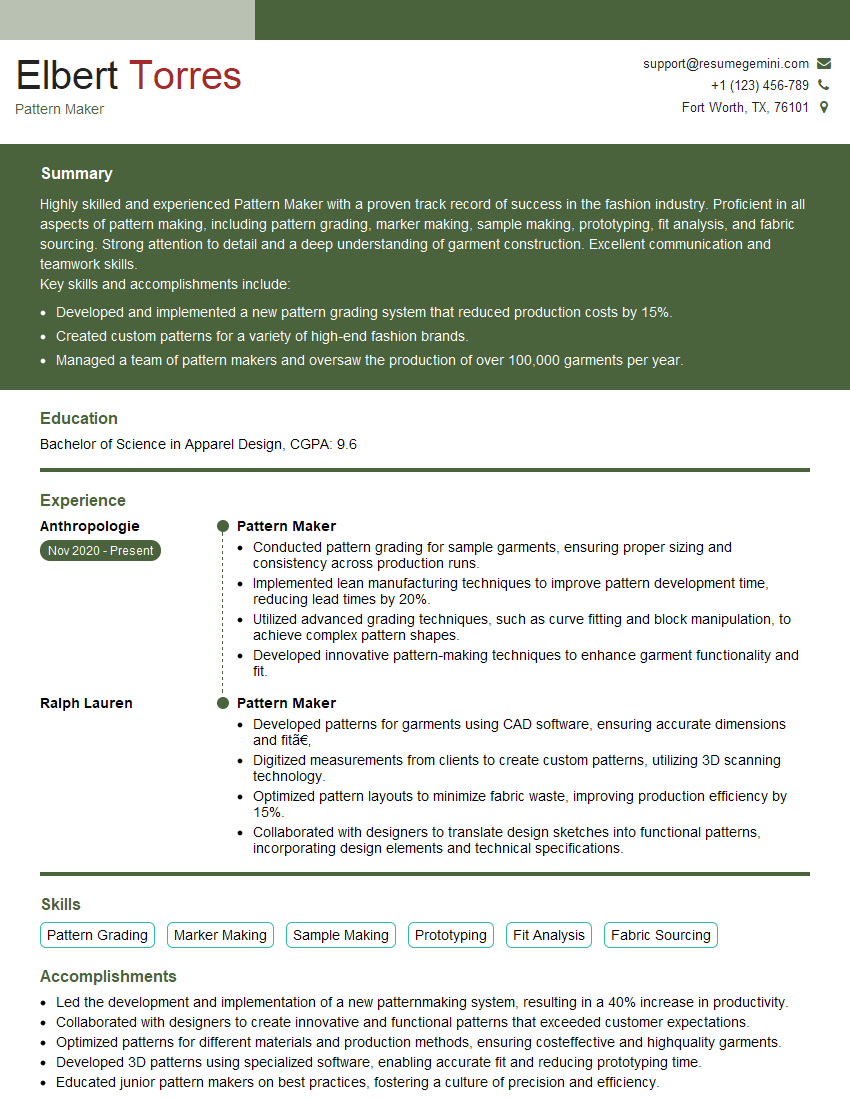
Mastering color and fabric coordination is vital for career advancement in design, fashion, and related fields. It demonstrates a keen eye for detail, a strong understanding of aesthetics, and the ability to translate creative vision into tangible results. To significantly boost your job prospects, create an ATS-friendly resume that highlights your skills and experience effectively. ResumeGemini is a trusted resource for building professional and impactful resumes. We provide examples of resumes tailored to Color and Fabric Coordination to help you present yourself in the best possible light. Use these resources to showcase your unique talents and land your dream job!
Explore more articles
Users Rating of Our Blogs
Share Your Experience
We value your feedback! Please rate our content and share your thoughts (optional).
What Readers Say About Our Blog
Very informative content, great job.
good