Cracking a skill-specific interview, like one for Commercial Harvesting Equipment Operation, requires understanding the nuances of the role. In this blog, we present the questions you’re most likely to encounter, along with insights into how to answer them effectively. Let’s ensure you’re ready to make a strong impression.
Questions Asked in Commercial Harvesting Equipment Operation Interview
Q 1. Describe your experience operating different types of harvesting equipment.
My experience encompasses a wide range of harvesting equipment, primarily focusing on combine harvesters, but also including forage harvesters and specialized equipment like cotton pickers. I’ve operated various models from leading manufacturers, including John Deere, Case IH, and Claas, each with its unique features and operating characteristics. For instance, I’ve extensively used John Deere S700 series combines for wheat and canola harvesting, appreciating their efficient grain handling and ease of adjustment. My experience with forage harvesters includes working with Krone Big X models, where the focus shifts from grain to silage management, requiring a different understanding of crop flow and chopping techniques. This broad experience allows me to adapt quickly to different machinery and optimize performance across diverse conditions.
Operating a cotton picker, for example, requires a much gentler approach than harvesting wheat, demanding a keen awareness of the plant’s fragility and the need to minimize fiber damage. Each machine presents its own set of challenges and intricacies, which I’ve learned to navigate efficiently through continuous learning and practical application.
Q 2. What are the key safety procedures you follow while operating harvesting equipment?
Safety is paramount in harvesting operations. My routine begins with a comprehensive pre-operational inspection of the equipment, checking for any leaks, loose parts, or damaged components. I always wear appropriate Personal Protective Equipment (PPE), including safety glasses, hearing protection, and sturdy work boots. Before starting, I ensure the area is clear of obstructions and that all safety guards are in place. Maintaining a safe operating speed appropriate for field conditions is crucial. During operation, I regularly monitor the machine’s performance, and immediately address any unusual sounds or vibrations. I strictly adhere to all manufacturer’s safety guidelines and company policies. Effective communication with other workers in the field is essential, especially when operating near others or during transportation of harvested material.
Furthermore, I always ensure that I am well-rested and focused before starting my shift. Fatigue can significantly impair judgment and reaction time, increasing the risk of accidents. I never operate the machinery under the influence of alcohol or drugs. Regular training and refresher courses also keep me updated on the latest safety protocols and best practices.
Q 3. How do you perform pre-operational checks on a combine harvester?
Pre-operational checks on a combine harvester are systematic and thorough. I start with a visual inspection, checking for any obvious damage or leaks. This includes inspecting the tires, belts, and hydraulic lines. I then check all fluid levels – engine oil, coolant, transmission fluid, and hydraulic oil. Next, I verify the functionality of the various systems, including the engine, the header, the threshing mechanism, the cleaning system, and the grain tank. This often involves running the engine and checking for unusual noises or vibrations. I inspect the augers, ensuring they rotate freely without binding. The entire grain handling system, including the elevator and the unloading auger, receives careful attention. Finally, I check all safety devices and interlocks, ensuring they are operational and that all safety guards are in place. This detailed pre-operational checklist helps identify potential problems before they escalate into major issues, reducing downtime and ensuring safe operation.
Q 4. Explain the process of adjusting combine settings for different crops and field conditions.
Adjusting combine settings depends on several factors: crop type, crop maturity, field conditions (moisture, crop density, terrain), and desired output quality. For example, harvesting wheat at high moisture content would require slower speeds and different concave settings compared to harvesting dry wheat. The key settings include:
- Concave clearance: Determines the aggressiveness of the threshing process. Wider clearance is needed for dry, brittle crops; narrower clearance for wet, tough crops.
- Cylinder speed: Controls the speed of the threshing drum. Faster speeds are used for high-volume harvesting, but can increase losses if not carefully managed.
- Fan speed: Affects the efficiency of the cleaning system. Higher fan speeds are used in windier conditions or when dealing with lighter grains.
- Sieve settings: Control the size of openings in the sieves. These settings are crucial for separating grain from debris.
I often start with the manufacturer’s recommended settings for a given crop and then fine-tune them based on real-time observations of the crop quality and losses. Visual inspection of the material leaving the combine is important to gauge the efficiency of the separation and cleaning processes. Regular monitoring of the loss indicators and making the necessary adjustments allows for optimal harvesting efficiency and minimal losses.
Q 5. What are the common maintenance tasks for a combine harvester?
Combine harvester maintenance is crucial for longevity and optimal performance. Regular maintenance includes daily checks of fluid levels, greasing of various components, and cleaning of the machine, especially after each day’s operation. This cleaning includes removing any accumulated grain or debris from the threshing mechanism, the cleaning system, and the grain tank. More extensive maintenance tasks are performed at intervals determined by operating hours or seasonal cycles. This includes changing engine oil and filters, inspecting and replacing worn belts, and checking the condition of the tires. Regular lubrication of moving parts prevents wear and tear and ensures smooth operation. The cutting blades on the header require regular sharpening or replacement, depending on usage. Critical components, such as the concave and cylinder, need periodic inspection and potential replacement to prevent unexpected failures during the harvest season. Adhering to the manufacturer’s recommended maintenance schedule significantly extends the life of the machine and ensures uninterrupted operation during peak harvesting periods.
Q 6. How do you troubleshoot common malfunctions in harvesting equipment?
Troubleshooting involves a systematic approach. I begin by identifying the symptom of the malfunction, whether it’s a reduction in throughput, increased losses, unusual noises, or complete stoppage. I then systematically check the related components. For example, if there’s a reduction in throughput, I’d check the header for blockages, the threshing mechanism for worn parts or improper settings, and the cleaning system for ineffective separation. If the problem involves unusual noises, I’d check for loose parts or bearings. For a complete stoppage, I’d start with checking the engine, fuel system, and hydraulic system. I use diagnostic tools and manuals provided by the manufacturer to assist in pinpointing the problem. Often, the problem is relatively simple, like a clogged auger or a loose belt. However, in more complex cases, I may need to consult with a mechanic or utilize specialized diagnostic equipment. Keeping detailed records of any issues encountered and the solutions implemented is crucial for future troubleshooting and preventative maintenance.
Q 7. Describe your experience with GPS-guided harvesting systems.
I have significant experience with GPS-guided harvesting systems. These systems enhance precision and efficiency in harvesting operations. They typically include a GPS receiver, an in-cab display, and automated steering control. The GPS provides real-time location data, allowing the combine to follow pre-programmed lines or create new lines on the go. This reduces overlap and improves field coverage, minimizing waste and maximizing yield. The automated steering feature reduces operator fatigue and improves straightness of operation, resulting in more uniform harvesting patterns. Additionally, these systems often incorporate yield monitoring capabilities, providing real-time data on harvest yield and moisture content. This information is crucial for optimizing harvesting strategies and making informed decisions about crop management. The data collected can also be used for farm management decision-making, including variable rate fertilizer application for future harvests. My experience includes utilizing different brands of GPS systems and integrating data from various sensors to optimize overall efficiency and decision-making within the harvest process.
Q 8. How do you ensure optimal yield and minimize crop losses during harvesting?
Optimizing yield and minimizing crop losses during harvest requires a multifaceted approach, starting long before the combine even rolls into the field. It’s about precision and planning.
Proper Machine Setup: Ensuring the combine is correctly calibrated for the specific crop and conditions is paramount. This includes adjusting the header height, reel speed, concave clearance, and rotor speed to match the crop’s maturity and moisture content. Incorrect settings can lead to significant losses through header losses, shattering, or inefficient threshing.
Field Scouting and Monitoring: Regular field scouting allows for identifying areas of uneven maturity or lodging (plants falling over). This information can help direct harvesting efforts, prioritizing ripe sections first and adapting harvesting techniques for lodged crops to reduce losses.
Harvesting Conditions: Avoiding harvesting in excessively wet or windy conditions is crucial. Wet conditions can lead to increased losses and clogging, while windy conditions can cause significant losses through scattering. We often adjust harvest schedules to coincide with ideal weather windows.
Operator Skill: Experienced operators understand how to manage the combine effectively, adjusting settings on the fly based on real-time observations of the crop and the machine’s performance. Think of it like a finely tuned instrument; the operator is the conductor.
Post-Harvest Handling: Minimizing damage during transport and storage is also key. Gentle handling of the harvested crop prevents further losses and maintains quality. I’ve seen firsthand the impact of rough handling leading to significant downgrading of the final product.
Q 9. What are the different types of headers used in harvesting and their applications?
Different headers cater to various crops and conditions. The choice depends heavily on the crop type, its growth habit, and the terrain.
Draper Headers: These are ideal for cereal crops like wheat, barley, and oats. Their gentle action minimizes crop damage and reduces losses compared to older designs.
Corn Headers: Designed specifically for corn harvesting, these headers efficiently remove ears from the stalks. They often incorporate features like row units and snapping rollers for effective harvesting.
Flex Headers: These are versatile headers that can be used for a variety of crops, and are especially useful in uneven terrains. Their flexibility allows them to follow the contours of the land, improving ground coverage and reducing losses.
Bean Headers: These are specialized for harvesting legumes like soybeans. They have features like a reel and auger to efficiently gather the beans and feed them into the combine.
Choosing the right header is crucial for efficiency and minimizing losses. A corn header wouldn’t work for wheat, and using a draper header on uneven land would greatly reduce its effectiveness.
Q 10. How do you manage fuel consumption efficiently during harvesting operations?
Fuel efficiency is a major concern, and there are several strategies to manage it during harvest.
Proper Machine Maintenance: Regular maintenance, including keeping the engine tuned and ensuring optimal tire pressure, significantly impacts fuel consumption. A well-maintained machine operates more efficiently.
Optimal Speed and Load: Maintaining an optimal harvesting speed helps avoid fuel waste. Overloading the combine reduces efficiency and increases fuel consumption. I’ve found that a consistent, appropriate speed reduces fuel costs without impacting harvesting speed significantly.
Terrain Management: Avoiding unnecessary idling and navigating the field efficiently, avoiding steep inclines whenever possible, can save a surprising amount of fuel. Careful planning of the harvesting routes can make a tangible difference.
Engine Management: Utilizing engine management systems to monitor fuel consumption and identify areas for improvement. Modern combines provide real-time data on fuel usage, allowing for adjustments to improve efficiency.
Operator Training: Training operators on fuel-efficient driving techniques, such as smooth acceleration and deceleration, minimizes fuel waste. Good operator technique is often overlooked, but it’s a major factor in reducing fuel costs.
Q 11. Explain your experience with yield monitoring and data acquisition systems.
Yield monitoring and data acquisition systems are integral parts of modern harvesting. These systems provide real-time data on yield, moisture content, and other key parameters.
My experience includes working with various systems that integrate GPS, sensors, and onboard computers to collect and analyze this data. This information is vital for making informed decisions regarding harvest strategies and optimizing operations. For example, we’ve used yield monitor data to identify areas within a field that require adjustments to header settings or harvesting speed based on yield variations.
The data collected helps in generating detailed yield maps which are incredibly useful for variable rate fertilization and other precision agriculture applications in subsequent growing seasons. This ensures resources are used most effectively and contribute to long-term yield optimization.
Q 12. How do you handle unexpected equipment failures in the field?
Unexpected equipment failures are inevitable in the field. A proactive approach is essential to minimize downtime and losses.
Preventative Maintenance: Regular preventative maintenance significantly reduces the likelihood of breakdowns. This includes regular inspections and servicing of key components.
Onboard Diagnostics: Modern combines have sophisticated onboard diagnostic systems which can quickly identify the source of the problem. This information streamlines troubleshooting and repair.
Spare Parts Inventory: Having readily available spare parts for commonly failing components minimizes downtime. We typically carry a well-stocked kit of essential parts on-site.
Communication: Establishing clear communication channels with support teams and mechanics ensures quick response in case of a breakdown. Knowing who to contact and having a plan in place is critical for swift resolution.
Troubleshooting Skills: Knowing how to perform basic troubleshooting and minor repairs can resolve some issues quickly, minimizing downtime while awaiting professional assistance. I’ve had to perform temporary repairs on occasion to get the equipment operational and minimize the harvest loss.
Q 13. Describe your understanding of different types of grain storage and handling techniques.
Grain storage and handling techniques play a critical role in maintaining the quality and value of the harvested crop. Appropriate storage prevents spoilage and maintains marketability.
On-Farm Storage: This includes grain bins, silos, and other storage structures. Proper aeration and temperature control are crucial to prevent spoilage and insect infestation.
Commercial Storage: Utilizing commercial grain storage facilities allows farmers to store larger quantities of grain and potentially sell at more advantageous times.
Grain Handling Equipment: This includes augers, conveyors, and dryers. Efficient grain handling equipment minimizes damage and ensures safe movement of grain from the field to storage.
Drying Techniques: Proper grain drying is crucial to prevent spoilage and maintain quality. Different drying methods (low-temperature drying, high-temperature drying) are employed depending on the crop and available resources.
Selecting appropriate storage and handling based on the crop type, volume, and available resources is a critical decision. Poor grain storage can lead to significant losses, making these aspects integral to profitability.
Q 14. How do you ensure the quality of harvested crops?
Ensuring the quality of harvested crops is paramount. This starts in the field and continues through storage and handling.
Careful Harvesting Practices: Avoiding damage during harvesting is crucial. Gentle handling prevents cracking and shattering, maintaining grain quality.
Moisture Content Control: Monitoring and controlling moisture content is key to preventing spoilage and maintaining market value. Harvesting at optimal moisture levels minimizes post-harvest drying costs.
Cleaning and Separation: Effective cleaning and separation systems remove unwanted material, such as weeds, chaff, and foreign matter, resulting in a cleaner, higher-quality product.
Proper Storage: Appropriate storage conditions, including temperature and humidity control, are crucial to maintain quality throughout storage. Proper aeration helps in preventing spoilage.
Pest and Disease Management: Implementing strategies to prevent pest and disease infestation throughout the process safeguards crop quality. Early detection and appropriate intervention are essential.
Quality control is a continuous process, not a single action, ensuring the harvested crop meets the standards for intended use, whether for direct sale or further processing.
Q 15. What is your experience with various cutting-height adjustments on harvesting equipment?
Cutting-height adjustment is crucial for optimizing yield and minimizing crop damage. It involves precisely setting the height of the cutter bar relative to the ground. This height depends on factors such as crop type, maturity, and terrain. For example, a lower cutting height might be desirable for a mature wheat crop to minimize losses, while a higher setting is needed for a young, leafy crop to avoid cutting too much foliage. I have extensive experience adjusting cutting height on various harvesters, including both self-propelled and pull-type machines. I’m proficient in using both manual and hydraulic adjustment systems, and I understand how these adjustments affect crop flow and overall efficiency. I frequently calibrate cutting height based on real-time field conditions and adjust as needed to maintain consistent and optimal harvesting.
For instance, during a recent harvest, we were dealing with uneven terrain. Initially, the cutting height was set too low, causing excessive soil inclusion and reduced harvesting speed. By carefully monitoring the crop flow and making incremental adjustments to the cutter bar height using the hydraulic controls, we were able to optimize the cutting height, resulting in a significant reduction in soil contamination and a notable increase in harvesting throughput.
Career Expert Tips:
- Ace those interviews! Prepare effectively by reviewing the Top 50 Most Common Interview Questions on ResumeGemini.
- Navigate your job search with confidence! Explore a wide range of Career Tips on ResumeGemini. Learn about common challenges and recommendations to overcome them.
- Craft the perfect resume! Master the Art of Resume Writing with ResumeGemini’s guide. Showcase your unique qualifications and achievements effectively.
- Don’t miss out on holiday savings! Build your dream resume with ResumeGemini’s ATS optimized templates.
Q 16. Explain your experience with different types of threshing mechanisms in combines.
Combines utilize different threshing mechanisms to separate grain from the stalks. The most common types include rotary, axial-flow, and conventional threshing systems. Rotary threshing uses a rapidly rotating drum to beat the grain from the heads, while axial-flow combines use a system of slowly rotating drums and rasp bars to gently extract the grain. Conventional combines, often found in older models, rely on a cylinder and concave system for threshing. My experience encompasses working with all three types. I understand the strengths and weaknesses of each system and how they are affected by crop type and moisture content. For example, rotary threshers are highly efficient for high-volume crops but can be more aggressive, potentially causing more grain damage if not properly adjusted. Axial-flow systems are known for their gentler handling of grain, resulting in lower losses, but they might be less efficient with shorter, drier crops. I tailor my approach based on the combine type and the specific crop being harvested, making necessary adjustments to concave clearance and drum speed to optimize performance.
Q 17. How do you maintain the cleanliness and efficiency of the cleaning system in a combine?
Maintaining a clean and efficient cleaning system is critical for maximizing grain quality and minimizing losses. This involves regular cleaning and inspection of the sieves, chaffer, and fan. I follow a rigorous cleaning protocol, starting with a thorough visual inspection after each run to identify any clogging or damage. Then, I use compressed air or brushes to remove accumulated debris from the various components. Regular lubrication of moving parts is also crucial for preventing wear and tear. The cleaning system’s efficiency is directly affected by the adjustment of the sieves and fan speed. I adjust these parameters based on the crop’s moisture content and the amount of debris present. For example, in a wet crop, I might need to increase fan speed to remove excess moisture. In crops with excessive chaff, I might need to adjust the sieve settings to allow more material through the cleaning system. My experience includes using various cleaning system diagnostic tools to monitor and optimize performance.
A practical example: During harvesting canola, we encountered excessive chaff build-up. By systematically cleaning each component of the cleaning system, adjusting the sieve openings to optimize separation, and fine-tuning the fan speed, we significantly reduced grain losses and improved the grain’s quality.
Q 18. What are the environmental considerations you keep in mind during harvesting?
Environmental considerations are a top priority during harvesting. I prioritize minimizing soil compaction by utilizing appropriate tire pressures and avoiding harvesting in excessively wet conditions. I am committed to reducing fuel consumption by optimizing equipment settings and adopting efficient harvesting practices. I also strive to minimize the potential for erosion by following established conservation tillage practices. For example, I ensure that equipment is well-maintained to reduce emissions, and I implement strategies to reduce the risk of spillage and fuel leakage. I am knowledgeable about the regulations regarding pesticide and herbicide applications and adhere strictly to guidelines to protect water bodies and wildlife.
Q 19. How do you manage harvesting operations during adverse weather conditions?
Adverse weather conditions pose significant challenges to harvesting operations. My strategies involve closely monitoring weather forecasts and adjusting the harvesting schedule accordingly. In the event of rain, I prioritize protecting the equipment and minimizing the risk of damage or loss. This includes temporarily halting operations, covering equipment, and making appropriate adjustments to the harvesting process. During high winds, securing the equipment to prevent tipping or damage is important, and the speed of operation may need to be reduced for safety reasons. In case of extreme heat, proper hydration and scheduled breaks are necessary for the operators. Having backup plans and adapting to unexpected weather changes are crucial for efficient and safe harvest.
Q 20. Describe your experience with using telematics in harvesting equipment.
Telematics in harvesting equipment is rapidly transforming how we manage operations. I’m proficient in using telematics systems to monitor various parameters, including fuel consumption, location tracking, and machine performance data. This information allows me to optimize fuel efficiency, track equipment location in large fields, and proactively identify potential maintenance issues. I use data from telematics systems to make informed decisions regarding machine maintenance, improve operational efficiency, and reduce downtime. I have experience using several different telematics platforms and can effectively interpret and use the data to improve harvesting outcomes. For example, real-time fuel consumption data has helped us identify inefficiencies and make adjustments to maximize fuel efficiency.
Q 21. What are your strategies for preventing equipment damage during harvesting?
Preventing equipment damage during harvesting involves a multi-pronged approach. Regular pre-harvest inspections are crucial to identify and address any potential issues. Proper maintenance, including lubrication and replacement of worn parts, is essential. Safe operating procedures, including appropriate speeds for varying terrain and crop conditions, must be followed meticulously. Avoiding obstacles and being mindful of the equipment’s limitations is also crucial. I also emphasize the importance of operator training to ensure that operators are proficient in handling the equipment safely and efficiently. By implementing these practices, I aim to minimize the risk of breakdowns and costly repairs, ensuring smooth and uninterrupted harvesting operations.
An example: By regularly checking tire pressure before fieldwork, we avoided several punctures and subsequent costly repairs during a recent harvest season.
Q 22. How do you optimize the efficiency of your harvesting crew?
Optimizing a harvesting crew’s efficiency is all about maximizing output while minimizing downtime and losses. It’s a multifaceted approach that involves careful planning, skilled personnel, and reliable equipment. Think of it like conducting a well-oiled orchestra – each instrument (person and machine) plays its part in harmony.
- Pre-Harvest Planning: This involves meticulous field mapping to identify optimal harvesting routes, minimizing headland turns and maximizing straight-line travel. We also consider crop density and maturity to ensure the right equipment and crew size are allocated.
- Crew Training and Specialization: Regular training on safe operation, preventative maintenance, and efficient harvesting techniques is crucial. We also encourage specialization within the crew – some may excel at operating combine harvesters, others at driving grain carts, and so on. This division of labor boosts overall productivity.
- Effective Communication: Clear and constant communication between crew members is vital. We utilize two-way radios and regular check-ins to address any issues promptly. This prevents bottlenecks and ensures smooth operation.
- Equipment Optimization: Regular maintenance and timely repairs are crucial. We also ensure that our equipment is properly calibrated for the specific crop and field conditions. This ensures optimal performance and reduces grain loss.
- Data-Driven Decisions: Modern combines generate a wealth of data on yield, moisture content, and other crucial metrics. Analyzing this data allows us to fine-tune our harvesting strategies and maximize efficiency in real-time. For example, if we see a sudden drop in yield in a specific area, we can investigate the cause and adjust settings accordingly.
Q 23. What are the different types of grain loss and how do you minimize them?
Grain loss during harvesting is a major concern, impacting both profitability and resource conservation. There are several types of grain loss, each requiring a different approach to minimization.
- Header Loss: This occurs when grain is not effectively picked up by the combine header. Causes include improper header height, clogged augers, or uneven crop growth. We address this through careful header adjustment, regular cleaning, and appropriate speed management.
- Threshing Loss: This happens when grain is not properly separated from the stalks during threshing. Factors include improper cylinder speed, concave clearance, and damaged components. We tackle this by optimizing combine settings based on crop conditions and conducting regular maintenance checks.
- Separation Loss: This loss occurs when grain falls through the sieves or is not properly separated from the chaff. Incorrect sieve settings and blockages are often the culprits. We address this by regularly adjusting sieve settings and keeping the sieves clean.
- Cleaning Loss: This refers to grain lost during the cleaning process. Factors include improper fan speed and choke points within the cleaning system. Proper fan speed adjustment based on crop conditions is key.
- Scatter Loss: Grain is lost during unloading. This can be minimized through careful operation of the unloading system and maintenance of the grain tank and auger.
Minimizing these losses requires a combination of preventive maintenance, careful operator training, and consistent monitoring. Think of it like baking a cake – each step is important for a perfect outcome. A small oversight can lead to significant losses.
Q 24. Describe your understanding of the regulations and safety standards related to operating harvesting equipment.
Operating harvesting equipment involves strict adherence to safety regulations and industry standards. These regulations exist to protect both the operators and the environment. Ignorance is not an excuse, and safety is paramount.
- Operator Licensing and Training: Many jurisdictions require operators to possess specific licenses demonstrating proficiency in equipment operation and safety procedures. Ongoing training on safe operating practices is crucial, covering topics such as pre-operational checks, hazard awareness, and emergency procedures.
- Equipment Safety Features: Modern harvesting equipment is equipped with various safety features like emergency stops, rollover protection structures (ROPS), and warning lights. Regular inspection and maintenance of these features are non-negotiable.
- Environmental Regulations: Regulations govern aspects like fuel storage, handling of agricultural chemicals, and soil erosion prevention. We must comply with regulations concerning the use of pesticides and herbicides to prevent environmental contamination.
- Workplace Safety Regulations: General workplace safety rules apply, such as the use of personal protective equipment (PPE), including safety glasses, hearing protection, and high-visibility clothing. Regular safety meetings and training reinforce these principles.
- Transportation Regulations: Regulations govern the transportation of harvesting equipment on public roads, including lighting, signage, and load securement. We strictly adhere to all relevant traffic laws and regulations.
Non-compliance can lead to penalties, accidents, and environmental damage. A thorough understanding and strict adherence to these regulations are fundamental to safe and responsible harvesting operations.
Q 25. How do you stay up-to-date with the latest advancements in harvesting technology?
The harvesting industry is constantly evolving, with new technologies emerging to improve efficiency and yield. Staying updated is vital for maintaining a competitive edge.
- Industry Publications and Trade Shows: We regularly subscribe to industry publications and attend trade shows to learn about the latest innovations in harvesting technology. These events provide invaluable opportunities to network with colleagues and manufacturers.
- Manufacturer Training Programs: Many manufacturers offer specialized training programs on the operation and maintenance of their equipment. These programs keep us abreast of the latest features and technological advancements.
- Online Resources and Webinars: The internet offers a wealth of information through online resources, webinars, and manufacturer websites. We leverage these resources to learn about best practices and new technologies.
- Networking with Peers: Exchanging experiences and knowledge with other experienced harvesting operators is invaluable. This allows for the sharing of practical tips, troubleshooting strategies, and information on new developments.
- Data Analytics: Modern harvesting equipment generates large amounts of data. Learning to analyze this data can identify areas for improvement and guide the adoption of new technologies.
Continuous learning is essential in this field, allowing us to optimize harvesting practices and remain at the forefront of the industry.
Q 26. Explain your experience with preventative maintenance schedules for harvesting equipment.
Preventative maintenance is the cornerstone of efficient and reliable harvesting operations. It’s about proactive care rather than reactive repairs – like regular check-ups at the doctor.
Our preventative maintenance schedule is based on manufacturer recommendations and our own operational experience, typically following a daily, weekly, and seasonal framework.
- Daily Checks: Before each operation, we perform a thorough visual inspection of the combine, checking for loose bolts, fluid leaks, worn parts, and proper functionality of all systems.
- Weekly Maintenance: This involves more in-depth checks, including lubrication of critical components, cleaning of filters and screens, and tightening of belts and chains.
- Seasonal Maintenance: Before and after the harvesting season, we perform comprehensive servicing, including changing engine oil and filters, inspecting and replacing worn parts, and thorough cleaning of the entire machine.
We maintain detailed records of all maintenance activities, enabling us to track performance, identify recurring issues, and anticipate potential problems. This meticulous approach minimizes downtime and ensures the longevity of our equipment.
Q 27. Describe a time you had to solve a complex problem related to harvesting equipment.
During a particularly wet harvest season, we experienced a recurring problem with our combine’s threshing system. The high moisture content in the crop was causing significant clogging and grain loss. It was a classic case of the ‘perfect storm’ – wet conditions, challenging crop, and high-pressure harvesting targets.
Our initial attempts to adjust the combine’s settings proved ineffective. The problem was multifaceted, and a simple tweak wasn’t going to cut it. This is when our problem-solving skills came into play.
- Diagnosis: We started by systematically analyzing each component of the threshing system – cylinder speed, concave clearance, rotor speed, and the condition of the rasp bars. We observed that the wet crop was causing excessive buildup of material in the concave area.
- Solution Implementation: Based on our findings, we implemented a multi-pronged solution. First, we slightly reduced the cylinder speed and adjusted the concave clearance to reduce the material buildup. Second, we increased the rotor speed to improve the separation process. Finally, we implemented a more frequent cleaning schedule for the concave area to prevent further buildup.
- Monitoring and Adjustment: We continuously monitored the combine’s performance after implementing these changes. We made fine adjustments to the settings as needed to find the optimal balance between throughput and grain loss. This was a dynamic process that required careful monitoring and adaptation to the changing conditions.
By systematically identifying the root cause of the problem and implementing targeted solutions, we managed to overcome the challenges and complete the harvest with minimal losses. The experience highlighted the importance of both thorough problem-solving skills and the ability to adapt to unexpected challenges in the field.
Key Topics to Learn for Commercial Harvesting Equipment Operation Interview
- Equipment Knowledge: Understanding the mechanics, operation, and maintenance of various harvesting machines (combines, headers, tractors, etc.). This includes knowing the differences between various models and their specific applications.
- Safety Procedures: Demonstrating a thorough understanding of all relevant safety regulations, protocols, and emergency procedures specific to commercial harvesting. This includes pre-operational checks, personal protective equipment (PPE) usage, and hazard identification.
- Yield Optimization: Explaining strategies for maximizing harvesting efficiency and yield, including understanding factors like crop conditions, machine settings, and timely harvesting practices.
- GPS and Technology Integration: Discussing experience with GPS-guided harvesting, precision agriculture technologies, yield monitoring systems, and data analysis for performance improvement.
- Troubleshooting and Repair: Demonstrating the ability to diagnose and solve common mechanical problems, perform basic maintenance tasks, and understand when to seek professional assistance.
- Crop-Specific Knowledge: Displaying expertise in handling different crops and understanding their unique harvesting requirements (e.g., grain crops, fruits, vegetables). This includes understanding optimal harvesting times and techniques for each crop type.
- Teamwork and Communication: Highlighting experience working effectively within a team, communicating clearly with supervisors and colleagues, and adhering to established operational procedures.
- Environmental Awareness: Understanding sustainable harvesting practices, minimizing environmental impact, and complying with relevant regulations.
Next Steps
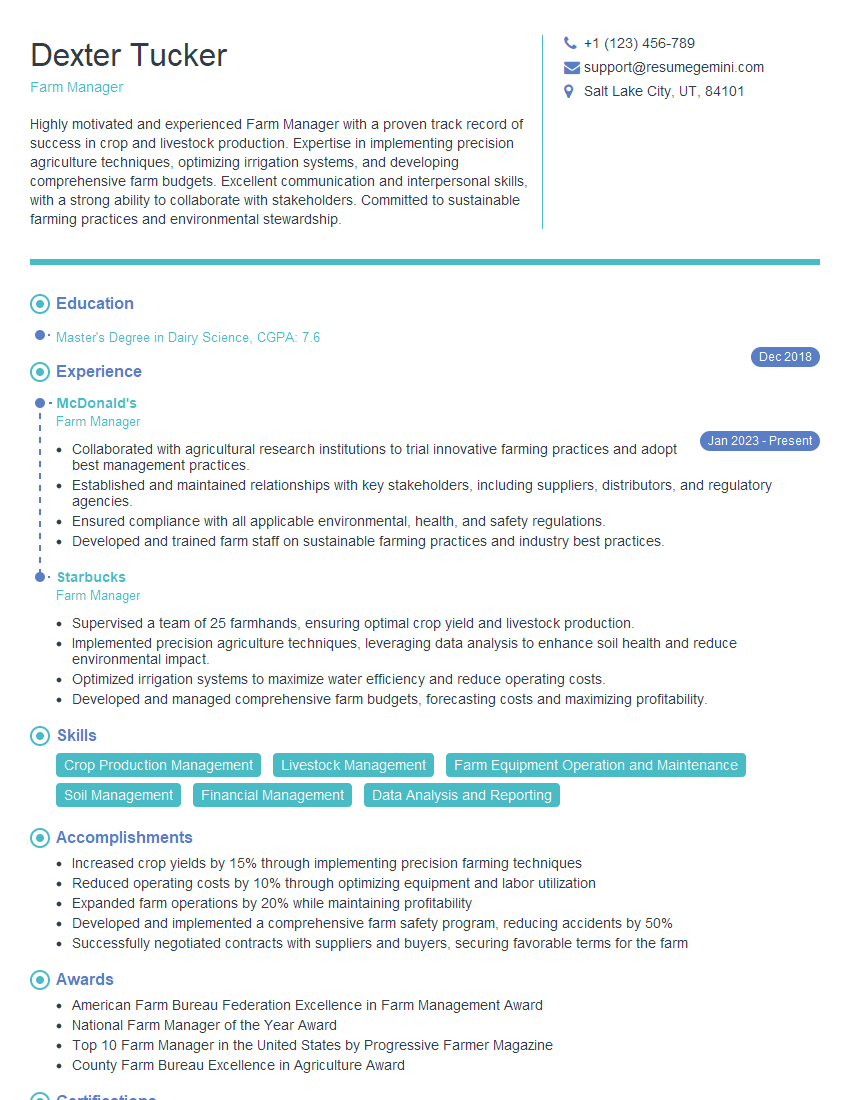
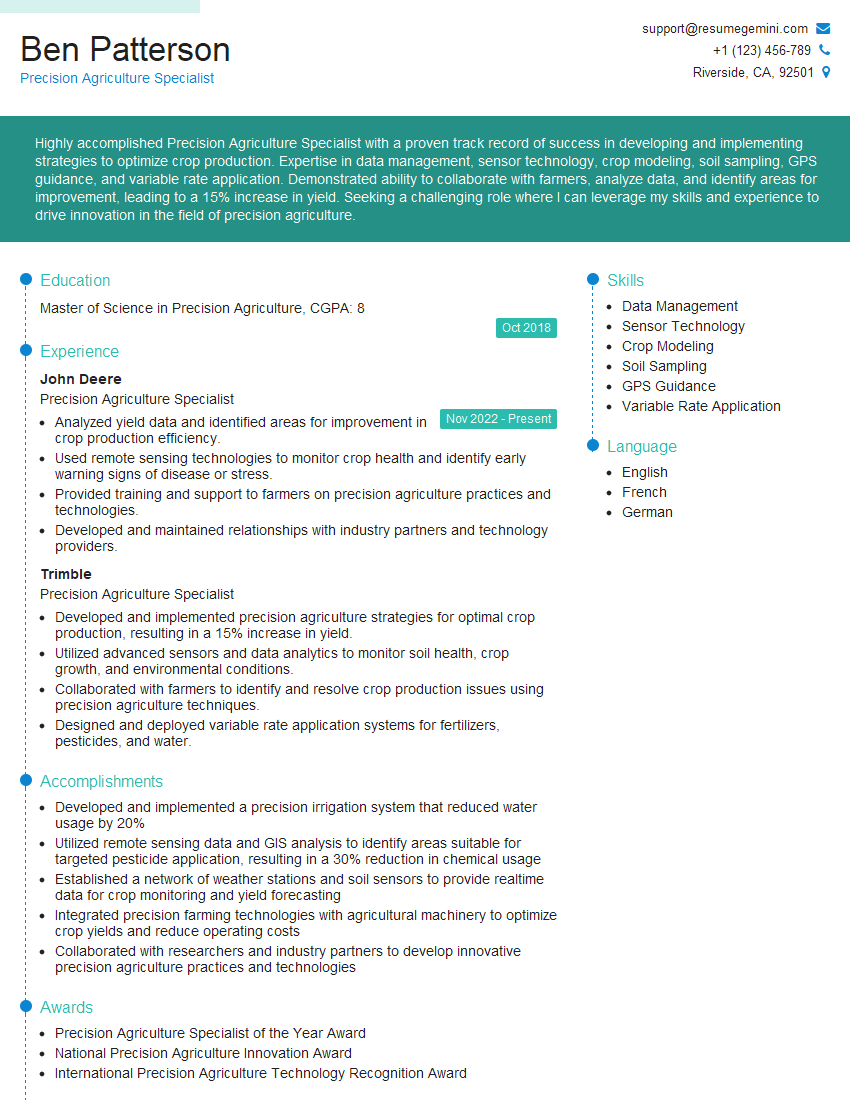
Mastering Commercial Harvesting Equipment Operation opens doors to a rewarding career with excellent growth potential. Advancement opportunities abound for skilled operators who consistently demonstrate proficiency, efficiency, and a commitment to safety. To maximize your job prospects, a well-crafted, ATS-friendly resume is crucial. ResumeGemini is a trusted resource that can help you build a professional resume that showcases your skills and experience effectively. Examples of resumes tailored to Commercial Harvesting Equipment Operation are available to guide you in this process. Take the next step towards your dream career today!





Explore more articles
Users Rating of Our Blogs
Share Your Experience
We value your feedback! Please rate our content and share your thoughts (optional).
What Readers Say About Our Blog
Very informative content, great job.
good