Are you ready to stand out in your next interview? Understanding and preparing for Committed to continuous learning and professional development interview questions is a game-changer. In this blog, we’ve compiled key questions and expert advice to help you showcase your skills with confidence and precision. Let’s get started on your journey to acing the interview.
Questions Asked in Committed to continuous learning and professional development Interview
Q 1. Describe your approach to identifying skill gaps and how you address them.
Identifying skill gaps is a continuous process that involves self-reflection, feedback, and performance analysis. My approach is multifaceted. First, I regularly conduct self-assessments, comparing my current skill set against the requirements of my role and future aspirations. This often involves using skills matrices or frameworks to identify areas needing improvement. Secondly, I actively seek feedback from supervisors, colleagues, and even clients. Constructive criticism, even if difficult to hear, provides invaluable insights into blind spots in my performance. Finally, I analyze my performance data, such as project outcomes and feedback surveys, to objectively assess areas needing further development. Once skill gaps are identified, I prioritize them based on their impact on my work and career goals, creating a personalized development plan with specific, measurable, achievable, relevant, and time-bound (SMART) goals.
Addressing these gaps involves a blend of formal and informal learning. Formal learning might include enrolling in online courses or attending workshops. Informal learning could involve shadowing colleagues, participating in knowledge-sharing sessions, or undertaking small, self-directed projects designed to build proficiency. Regular review and adjustments to my development plan are crucial to ensure I’m making progress and adapting my approach as needed.
Q 2. What resources do you utilize for continuous learning (e.g., online courses, conferences, mentors)?
My continuous learning strategy leverages a diverse range of resources. Online platforms like Coursera, edX, and LinkedIn Learning provide structured courses covering a vast array of subjects. I also actively participate in industry conferences and webinars to stay abreast of emerging trends and best practices. Mentorship plays a crucial role; I seek out experienced professionals whose expertise aligns with my development goals. Books, podcasts, and industry publications are essential supplementary resources, providing a constant stream of knowledge and insights. I curate this information, focusing on resources relevant to my current priorities and long-term career ambitions. This approach ensures a well-rounded and adaptable learning strategy.
Q 3. Share an example of a time you learned a new skill and applied it to your work.
In my previous role, we transitioned to a new project management methodology, Agile. While I had some familiarity with Agile principles, my proficiency was limited. Recognizing this skill gap, I enrolled in a comprehensive Agile certification course on Udemy. The course covered Scrum, Kanban, and other Agile practices. I then proactively applied this newfound knowledge by leading a small team through a pilot project, employing the Agile methodology. This hands-on experience allowed me to not only solidify my understanding of the principles but also adapt and refine my approach based on real-world challenges. The result was a more efficient and collaborative project, demonstrating the direct impact of continuous learning on improved performance and team productivity. The project’s success was directly attributable to my improved Agile skills, which ultimately contributed to a more efficient workflow and higher team morale.
Q 4. How do you prioritize learning opportunities given competing demands?
Prioritizing learning opportunities amidst competing demands requires careful planning and strategic time management. I utilize a prioritization framework that considers the urgency and importance of each learning opportunity against my current workload. High-impact, time-sensitive learning activities, such as training required for an upcoming project, take precedence. I schedule dedicated time for learning, treating it as an essential task rather than an afterthought. Techniques like time blocking and the Pomodoro Technique help to maintain focus and prevent procrastination. Furthermore, I break down larger learning goals into smaller, manageable tasks, making the overall process less daunting. This approach allows me to consistently integrate learning into my routine without sacrificing productivity on immediate work responsibilities.
Q 5. Describe your process for evaluating the effectiveness of your learning initiatives.
Evaluating the effectiveness of my learning initiatives involves a multi-pronged approach. First, I assess my performance in the areas where I sought improvement. This might involve comparing project outcomes before and after skill development, analyzing feedback from colleagues, or reviewing self-assessments. Secondly, I reflect on the knowledge and skills gained. Did I truly master the concepts? Am I able to apply them effectively in different contexts? Thirdly, I look for opportunities to leverage the new skills in different projects or situations. This helps determine if the knowledge translates into practical application and tangible results. Finally, I maintain a learning journal, documenting my learning journey, challenges faced, and the outcomes achieved. This helps me track my progress, identify areas needing further attention, and refine my learning strategies over time.
Q 6. How do you stay up-to-date with industry trends and best practices?
Staying updated with industry trends and best practices is an ongoing endeavor that requires consistent engagement with various information sources. I subscribe to relevant industry publications and newsletters, providing regular updates on breakthroughs and emerging practices. Actively participating in online professional communities and forums allows me to engage in discussions and exchange knowledge with peers and experts. Attending industry conferences and webinars offers valuable opportunities to network and learn from thought leaders. I also leverage the power of social media, following influential figures and organizations in my field. This multifaceted approach ensures a comprehensive and constantly evolving understanding of the current landscape and the best ways to navigate it.
Q 7. What strategies do you use to maintain motivation for continuous learning?
Maintaining motivation for continuous learning is a matter of fostering a growth mindset and setting achievable goals. I celebrate milestones, no matter how small, to reinforce positive feedback and maintain momentum. I set realistic learning goals that align with my professional ambitions and personal interests, keeping the process enjoyable and rewarding. Connecting with a learning community, whether online or in person, provides peer support and accountability. Finally, I regularly reflect on the value of continuous learning, reminding myself of how it enhances my career prospects, problem-solving abilities, and overall job satisfaction. This self-motivation, coupled with a proactive approach, fuels my commitment to lifelong learning.
Q 8. How do you adapt your learning methods depending on the complexity of the subject matter?
My approach to learning adapts dynamically based on the subject’s complexity. For simpler topics, like learning a new keyboard shortcut, a quick online tutorial or a brief hands-on practice session suffices. However, for complex subjects like mastering a new programming language (e.g., Go), I employ a multi-faceted strategy. This involves breaking down the subject into smaller, manageable modules. I start with foundational concepts through online courses or textbooks, reinforcing understanding through practice exercises and small projects. Then I move on to more advanced topics, gradually increasing the complexity. Regular self-testing and seeking feedback are crucial throughout the process. Think of it like building a house: you wouldn’t build the roof before the foundation. I systematically tackle the building blocks of knowledge to ensure solid comprehension at each stage.
Q 9. Explain your experience with different learning methodologies (e.g., self-directed learning, mentoring, coaching).
My learning journey has encompassed various methodologies. Self-directed learning forms a cornerstone of my approach. I’m highly proactive in identifying knowledge gaps and seeking resources to fill them – often through online courses (Coursera, edX), reading technical documentation, and experimenting with new tools. Mentorship has been invaluable. I’ve sought guidance from senior colleagues, benefiting from their experience and insights. For example, when learning about cloud architecture, a mentor helped me navigate complex concepts and provided crucial context. Coaching has complemented this, providing structured feedback and guidance to refine my skills, particularly in areas needing improvement such as public speaking. This combination of self-directed learning, mentorship, and coaching ensures a well-rounded and effective learning experience.
Q 10. Describe a situation where you had to learn a new technology or software quickly.
During a recent project, we needed to integrate a new CRM system within a tight deadline. I had no prior experience with this specific CRM. My approach involved a three-pronged strategy: firstly, I utilized the CRM’s extensive online documentation and tutorials, focusing on the features relevant to our integration needs. Secondly, I experimented with the system’s sandbox environment, creating test scenarios to understand its functionalities. Finally, I actively engaged with the vendor’s support team, leveraging their expertise to troubleshoot challenges. Through this combination of self-learning, practical experimentation, and external support, I was able to become proficient enough to successfully complete the integration within the allotted timeframe. It was a steep learning curve, but the structured approach allowed me to achieve the necessary level of competency.
Q 11. How do you incorporate continuous learning into your daily work routine?
Continuous learning isn’t an add-on; it’s woven into my daily workflow. I dedicate a portion of my day, usually during my lunch break or the first hour of my workday, to focused learning activities. This could involve reading relevant technical articles, listening to industry podcasts, or completing online modules. I also actively participate in online communities and forums, engaging in discussions and learning from peers. Furthermore, I actively seek opportunities to apply new skills in my work, using each project as a chance to learn and improve. This approach ensures continuous growth while staying relevant in a fast-paced industry.
Q 12. How do you measure your progress in continuous learning?
Measuring progress in continuous learning requires a multi-dimensional approach. I track my learning through several methods: Objective measures such as successfully completing online courses, certifications obtained, and quantifiable improvements in project performance. Subjective assessments are equally important, such as reflecting on my understanding of concepts, assessing my ability to apply new skills, and seeking feedback from colleagues on my work. Regularly reviewing my progress against pre-defined learning goals helps me identify areas for improvement and stay accountable. It’s a holistic approach, combining hard data with self-reflection.
Q 13. What are your preferred learning styles and how do you leverage them?
My preferred learning style is a blend of visual and kinesthetic learning. I find that diagrams, charts, and videos help me grasp complex concepts effectively. I also benefit greatly from hands-on practice and experimentation. For example, when learning a new programming language, I find that writing code and building small projects is far more effective than just reading documentation. I leverage this understanding by actively seeking out learning resources that cater to these styles, choosing visual aids, and engaging in practical application whenever possible. It’s about finding what works best and optimizing the learning process.
Q 14. How do you share your knowledge and insights with colleagues?
Sharing knowledge is crucial for team growth. I actively participate in knowledge-sharing sessions, presenting findings from my own learning experiences to my colleagues. I also contribute to internal wikis and documentation, creating readily accessible resources for the team. Furthermore, I mentor junior colleagues, providing guidance and support in their learning journeys. This collaborative approach ensures that new knowledge is widely disseminated and strengthens our collective expertise. Think of it as a virtuous cycle – the more we share, the more we learn, collectively benefiting the team and the organization.
Q 15. How do you handle setbacks or challenges in the learning process?
Setbacks are inevitable in the learning process; they’re opportunities for growth. My approach is systematic and involves several key steps. First, I acknowledge the setback and analyze it objectively. What went wrong? What factors contributed? Avoiding emotional responses and focusing on facts is crucial. Second, I break down the problem into smaller, manageable parts. This makes it less overwhelming and allows for focused problem-solving. Third, I actively seek solutions. This could involve researching best practices, consulting with mentors or colleagues, or exploring alternative approaches. Finally, I document my learnings – both successes and failures – to inform future efforts. For instance, during a challenging coding project where I struggled with a particular algorithm, I didn’t just give up. I systematically debugged the code, researched similar algorithms online, and finally reached out to a senior developer for guidance. The whole experience significantly enhanced my debugging skills and expanded my knowledge of algorithms.
Career Expert Tips:
- Ace those interviews! Prepare effectively by reviewing the Top 50 Most Common Interview Questions on ResumeGemini.
- Navigate your job search with confidence! Explore a wide range of Career Tips on ResumeGemini. Learn about common challenges and recommendations to overcome them.
- Craft the perfect resume! Master the Art of Resume Writing with ResumeGemini’s guide. Showcase your unique qualifications and achievements effectively.
- Don’t miss out on holiday savings! Build your dream resume with ResumeGemini’s ATS optimized templates.
Q 16. Describe a time you proactively sought out learning opportunities beyond your job description.
While working as a data analyst, my role focused primarily on data cleaning and reporting. However, I recognized the increasing importance of data visualization and storytelling in presenting data effectively. To proactively enhance my skills in this area, I enrolled in an online course on Tableau, a popular data visualization tool. This initiative was entirely self-driven, beyond the scope of my job description. I dedicated several hours each week to complete the course, mastering its functionalities and creating visually appealing dashboards. The result was a significant improvement in the quality and impact of my reports, ultimately leading to better communication and informed decision-making within my team. This experience showcased my proactive approach to learning and my commitment to staying ahead of the curve in a rapidly evolving field.
Q 17. What are some limitations you’ve encountered in your professional development, and how did you overcome them?
One limitation I faced was a lack of structured mentorship in a previous role. While I was highly motivated to learn, I lacked the guidance of a seasoned professional to provide feedback and direction. To overcome this, I actively sought opportunities to network with individuals in my field. I attended industry conferences, joined online communities, and reached out to professionals on LinkedIn. This proactive networking provided me with valuable insights and guidance, and I even established mentoring relationships with some individuals. Another limitation was time constraints due to a demanding workload. To overcome this, I implemented time management strategies such as prioritizing tasks, using time blocking techniques, and dedicating specific time slots for learning, even if it meant waking up earlier or working late some evenings.
Q 18. How do you apply feedback from others to improve your skills and knowledge?
Feedback is crucial for continuous improvement. I approach it constructively, aiming to understand the perspectives offered. First, I actively listen to the feedback, taking detailed notes and asking clarifying questions. Second, I analyze the feedback objectively, identifying specific areas for improvement. I avoid getting defensive, focusing instead on how I can use the feedback to enhance my skills. Third, I create a plan to implement the recommended changes. This plan might include specific tasks, deadlines, and resources needed for implementation. Finally, I follow up with the person who provided feedback to show my appreciation and demonstrate my progress. For example, after a performance review where I received feedback on my communication skills, I enrolled in a public speaking course and actively sought opportunities to present my work to colleagues. The results were a noticeable improvement in my confidence and communication effectiveness.
Q 19. How do you balance learning new skills with fulfilling your current job responsibilities?
Balancing learning and current responsibilities requires effective time management and prioritization. I use various techniques, including time blocking to schedule dedicated learning time, prioritizing tasks based on urgency and importance, and incorporating learning into my daily routine (e.g., listening to podcasts during commutes or reading articles during lunch breaks). I also break down larger learning goals into smaller, manageable chunks to avoid feeling overwhelmed. For example, instead of aiming to learn a new programming language in one month, I might focus on mastering one aspect per week. Furthermore, I often explore how new skills can directly benefit my current work, making the learning process more integrated and impactful, rather than a separate activity.
Q 20. What are your long-term professional development goals?
My long-term professional development goals center around becoming a thought leader in my field. I aim to deepen my expertise in advanced analytics and data science, ultimately leading to a senior leadership role where I can mentor others and guide strategic decision-making. This involves continuous learning in areas like machine learning, AI, and big data technologies, as well as developing strong leadership and communication skills. Specifically, I aim to obtain relevant certifications, publish research or articles, and actively contribute to the open-source community. This long-term vision motivates my daily learning endeavors and provides a guiding framework for prioritizing my professional development activities.
Q 21. How do you determine which learning opportunities align with your career aspirations?
Aligning learning opportunities with career aspirations requires a strategic approach. I start by clearly defining my short-term and long-term career goals. This includes identifying the skills and knowledge required to reach these goals. Next, I research learning opportunities that directly address these skill gaps. These opportunities could include online courses, workshops, conferences, mentorship programs, or even taking on challenging projects at work. I also assess the credibility and relevance of each opportunity, considering factors such as the instructor’s expertise, the curriculum content, and the potential return on investment. For example, if I want to transition into a project management role, I’d look for certifications in project management methodologies like Agile and Scrum, and actively seek opportunities to lead projects at work to gain practical experience.
Q 22. Describe a time you had to learn from a mistake. What did you learn?
Early in my career, I led a project implementing a new CRM system. Due to a miscalculation in project timeline and resource allocation, we missed the initial launch deadline by a month. This resulted in some negative impacts on sales and client relations. The mistake wasn’t simply missing the deadline; it was the lack of robust contingency planning and proactive communication.
To rectify this, I didn’t just focus on getting the project back on track. Instead, I conducted a thorough post-mortem analysis. I examined every stage of the project, identifying bottlenecks, communication breakdowns, and areas where our assumptions were wrong. This involved detailed documentation, gathering feedback from the team, and analyzing project management data.
What I learned was invaluable: the importance of meticulous project planning, including thorough risk assessment and multiple contingency plans. I also learned the critical role of transparent and proactive communication with stakeholders throughout the process. This experience drastically improved my project management skills and instilled a proactive approach to risk mitigation in all subsequent projects. Now, I consistently utilize Gantt charts, critical path analysis, and regular progress meetings to prevent similar situations.
Q 23. What’s your experience with different learning platforms (e.g., Coursera, LinkedIn Learning)?
I’ve utilized various learning platforms to enhance my skillset. Coursera has provided me with access to high-quality university-level courses, particularly in data analysis and machine learning. I’ve completed several specializations, gaining in-depth knowledge and earning certificates to validate my learning. The structured curriculum and peer interaction on Coursera are particularly helpful.
LinkedIn Learning offers a more practical and readily applicable approach. I’ve found their courses on project management, leadership, and various software applications incredibly useful for directly improving my performance in my current role. The platform’s ease of access and bite-sized learning modules are convenient for incorporating learning into a busy schedule. I appreciate how readily the courses translate into immediate workplace application.
Beyond these two, I also engage in self-directed learning through online tutorials, industry blogs, and podcasts. The combination of structured learning from platforms like Coursera and LinkedIn Learning with self-directed exploration keeps my learning diverse and relevant.
Q 24. Describe a time you mentored or coached someone in a skill or subject.
I recently mentored a junior team member who was struggling with data visualization techniques. While she possessed strong analytical skills, she lacked the visual storytelling aspect crucial for effectively communicating data-driven insights.
My approach was collaborative and iterative. First, I held one-on-one sessions to understand her challenges. Then, I introduced her to various visualization tools, like Tableau and Python’s Matplotlib and Seaborn libraries. We worked on practical examples together, starting with simple bar charts and progressively tackling more complex visualizations like heatmaps and interactive dashboards. I provided constructive feedback on her work, focusing on clarity, accuracy, and the overall narrative she was trying to convey.
The success of this mentorship was evident when she presented her improved visualizations during a team meeting. Her confidence had significantly increased, and the data was presented in a much more compelling and easily digestible manner. This experience highlighted the importance of personalized guidance, patience, and a focus on building confidence in addition to imparting technical skills.
Q 25. How do you measure the return on investment (ROI) of your learning activities?
Measuring the ROI of learning activities requires a multi-faceted approach. I don’t just track completion rates but focus on tangible outcomes. For example, completing a Coursera course in project management resulted in me successfully implementing a new project methodology which reduced project completion time by 15%. This is a clear and quantifiable return on my investment of time and resources.
Other times, the return isn’t immediately quantifiable. For instance, improved communication skills gained from a LinkedIn Learning course aren’t easily measured in numbers. However, I assess its impact through qualitative measures like enhanced team collaboration, smoother client interactions, and increased positive feedback. I consistently track these qualitative changes alongside quantitative ones using a personal log where I document learning objectives, methods, and their impact on both projects and team dynamics.
Ultimately, the ROI is measured by the extent to which my learning enhances my effectiveness, improves my performance, and contributes to the success of my team and the organization.
Q 26. What is your approach to incorporating new learning into team dynamics?
Incorporating new learning into team dynamics requires a thoughtful and proactive approach. It’s not enough to simply attend a training session; I believe in fostering a culture of continuous learning within the team.
After attending a workshop on agile methodologies, for example, I didn’t just implement the new practices. I shared my learnings with the team through presentations, workshops, and informal discussions. I also encouraged them to explore the resources and tools I had used, and to share their own learnings related to agile development and our work processes. We initiated regular ‘knowledge-sharing’ sessions where team members could present new techniques or insights acquired through their individual learning efforts.
This approach fosters collaboration, enhances team knowledge, and creates a shared understanding of new methodologies. Crucially, it creates a supportive environment where learning is viewed as a team effort rather than an individual pursuit. This shared learning approach ensures the new knowledge isn’t just my own but becomes a team asset, benefiting everyone.
Q 27. How do you ensure that your learning remains relevant to your current role and industry?
Maintaining the relevance of my learning requires constant vigilance and adaptation. I achieve this through a combination of strategies.
Firstly, I actively track industry trends through journals, conferences, and participation in professional organizations. Secondly, I regularly review job descriptions for roles similar to mine, identifying required skills and areas where I could upskill or reskill. This proactive approach allows me to anticipate industry changes and prepare accordingly.
Thirdly, I maintain a strong network of peers and mentors within my field. Engaging in discussions and exchanging insights with them keeps me updated on current best practices and emerging technologies. This network provides valuable perspectives and allows me to identify relevant learning opportunities I might otherwise miss. This ensures my learning is always aligned with industry demands and relevant to my career trajectory.
Q 28. Explain your experience with creating or implementing a training program.
In my previous role, I identified a gap in our team’s proficiency in data analysis. Many team members possessed strong domain expertise but lacked the data-driven decision-making skills necessary for the company’s strategic goals.
To address this, I designed and implemented a comprehensive training program. This program incorporated various learning methodologies: online courses, hands-on workshops, and mentorship opportunities. The online courses focused on the fundamentals of statistical analysis and data visualization. Hands-on workshops provided opportunities to apply newly acquired skills to real-world business problems. Finally, pairing senior data analysts with less experienced team members fostered a supportive learning environment.
The program’s success was measured through pre- and post-training assessments, observing improved data-driven decision-making in team projects, and gathering feedback from participants. The feedback highlighted the effectiveness of combining various learning styles and the importance of real-world application. The program significantly improved the team’s data analysis capabilities, contributing to more informed and effective decision-making throughout the organization.
Key Topics to Learn for Committed to Continuous Learning and Professional Development Interviews
- Self-Directed Learning Strategies: Explore different learning styles and techniques to identify the most effective methods for your own continuous growth. Consider online courses, workshops, mentoring, and independent research.
- Identifying Skill Gaps & Development Plans: Discuss how you assess your current skill set, identify areas needing improvement, and create actionable plans to bridge those gaps. Provide examples of your proactive approach to skill development.
- Demonstrating Learning Outcomes: Focus on showcasing tangible results from your learning experiences. Quantify your achievements whenever possible, emphasizing the positive impact of your acquired skills on previous roles or projects.
- Adaptability and Embracing Change: Highlight your ability to learn new technologies, adapt to evolving industry trends, and embrace challenges as opportunities for growth. Provide specific examples of how you’ve successfully navigated change in your career.
- Professional Networking and Mentorship: Explain the importance of building professional relationships and seeking mentorship to expand your knowledge and network. Discuss any experiences with mentorship or professional networking initiatives.
- Utilizing Feedback for Improvement: Discuss your approach to receiving and acting upon constructive criticism. Explain how you use feedback to refine your skills and improve your performance.
- Long-Term Career Goals and Learning Paths: Articulate your long-term career aspirations and how continuous learning contributes to achieving those goals. Demonstrate a clear understanding of the learning path needed to reach your objectives.
Next Steps
Mastering continuous learning and professional development is crucial for career advancement. It demonstrates initiative, adaptability, and a commitment to excellence – qualities highly valued by employers. To significantly boost your job prospects, crafting an ATS-friendly resume is essential. ResumeGemini is a trusted resource to help you build a professional resume that effectively showcases your dedication to continuous learning and highlights your achievements. Examples of resumes tailored to emphasize continuous learning and professional development are available to help guide you. Invest time in creating a compelling narrative that demonstrates your commitment to lifelong learning and watch your career trajectory soar!

Knowledge Manager Resume Sample
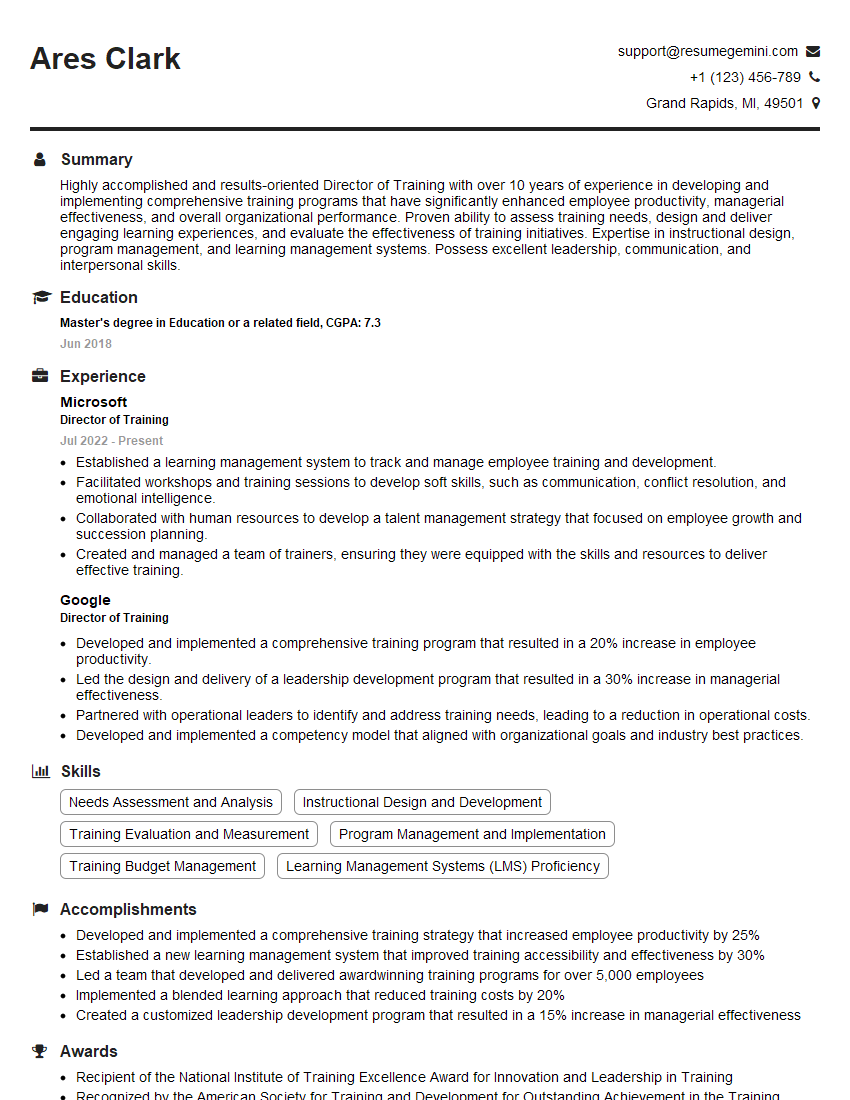
Director of Training Resume Sample
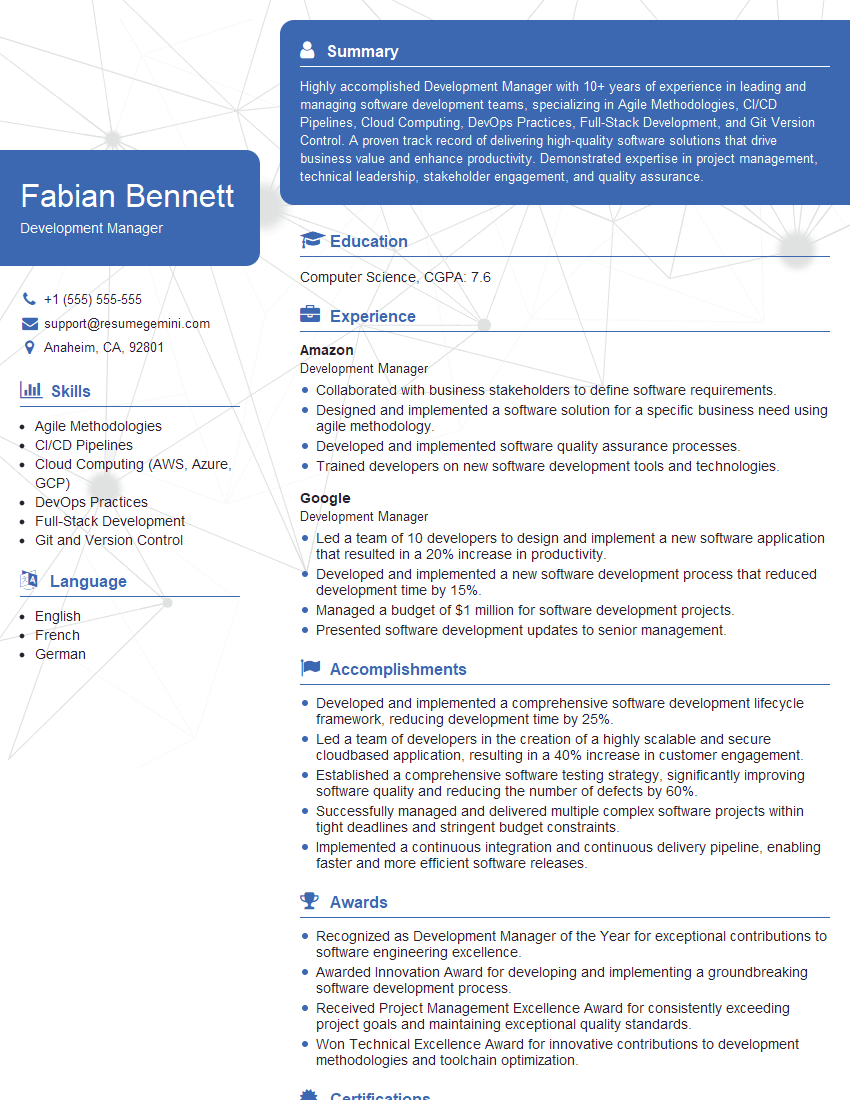
Development Manager Resume Sample
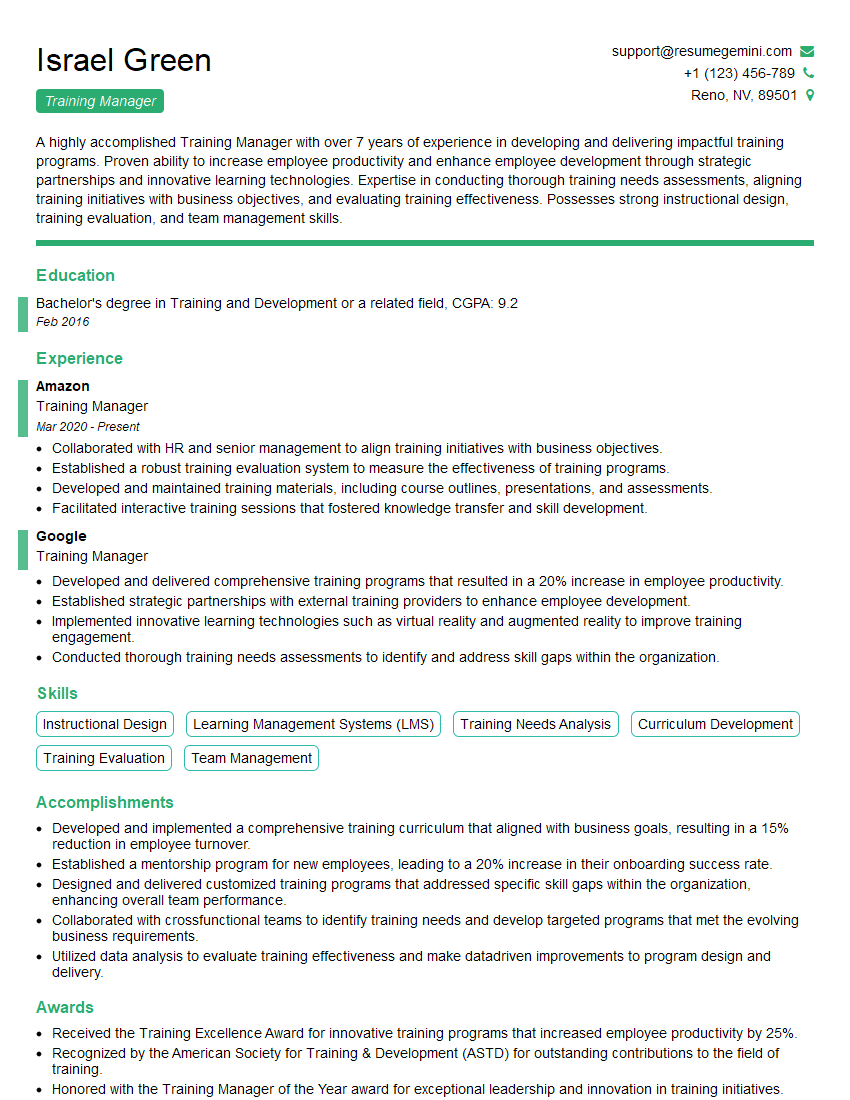
Training Manager Resume Sample
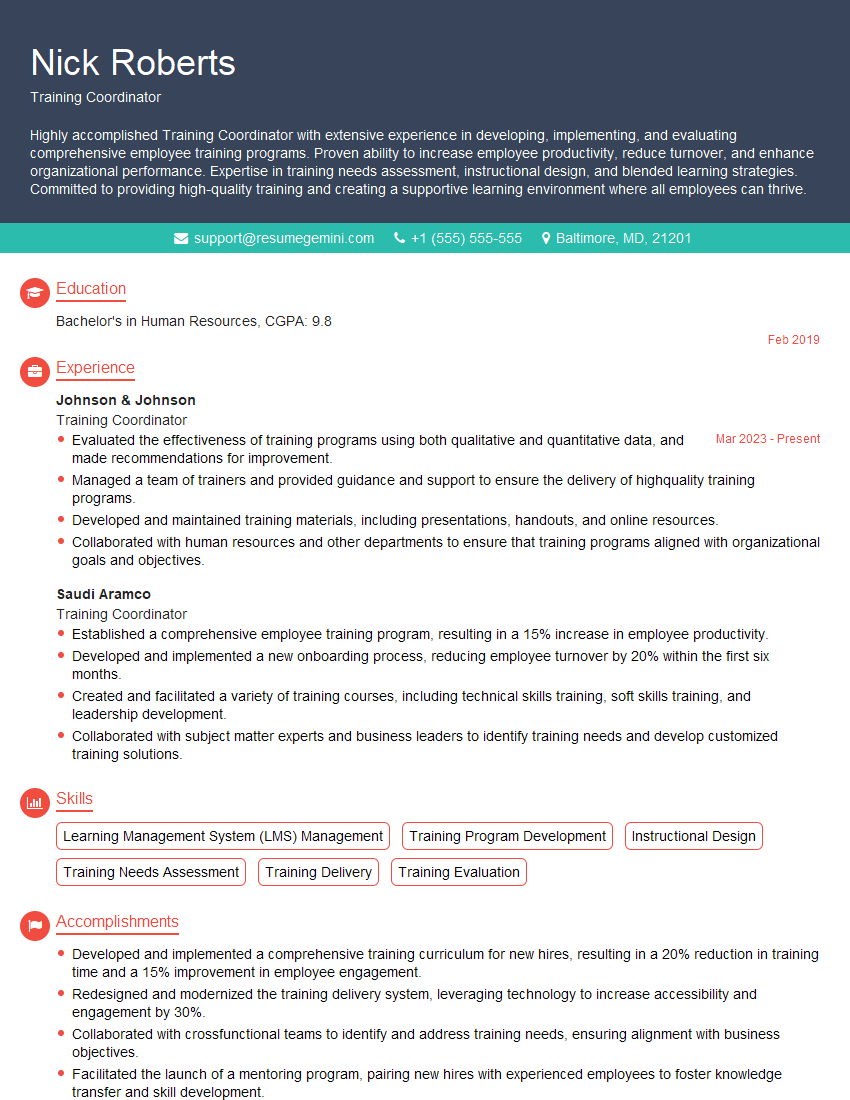
Training Coordinator Resume Sample
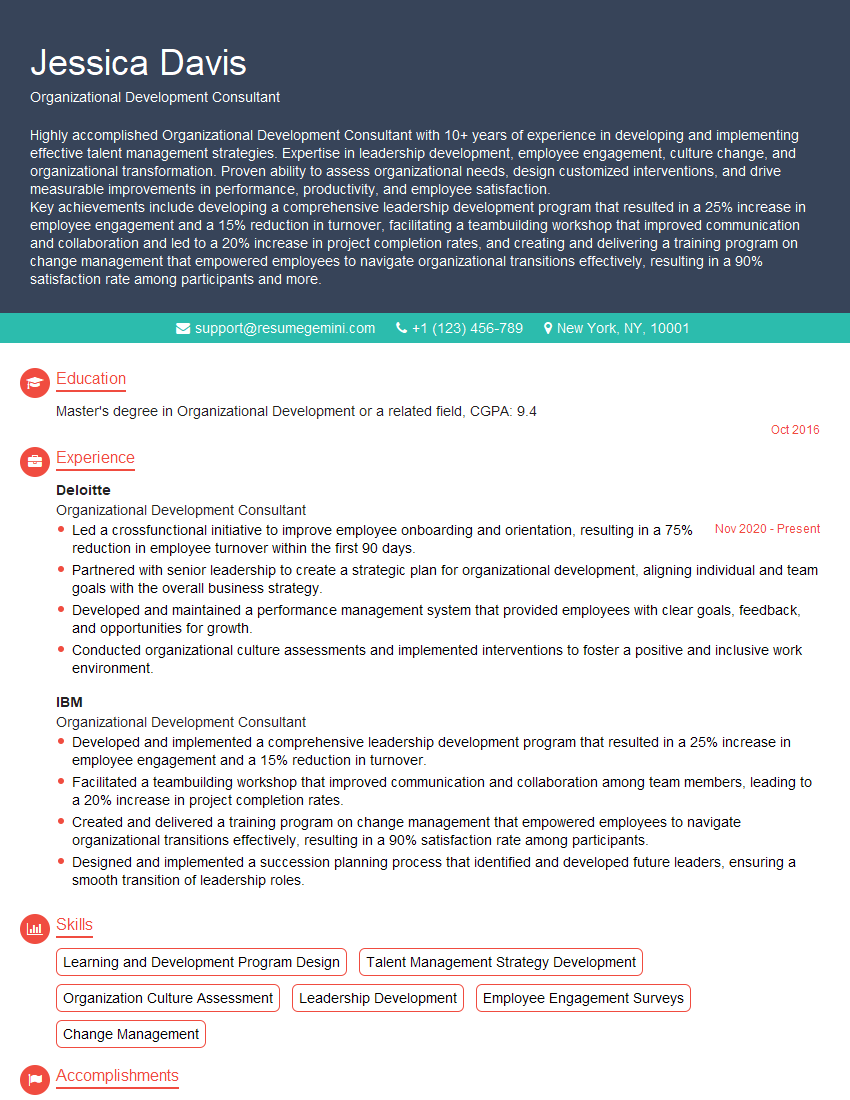
Organizational Development Consultant Resume Sample
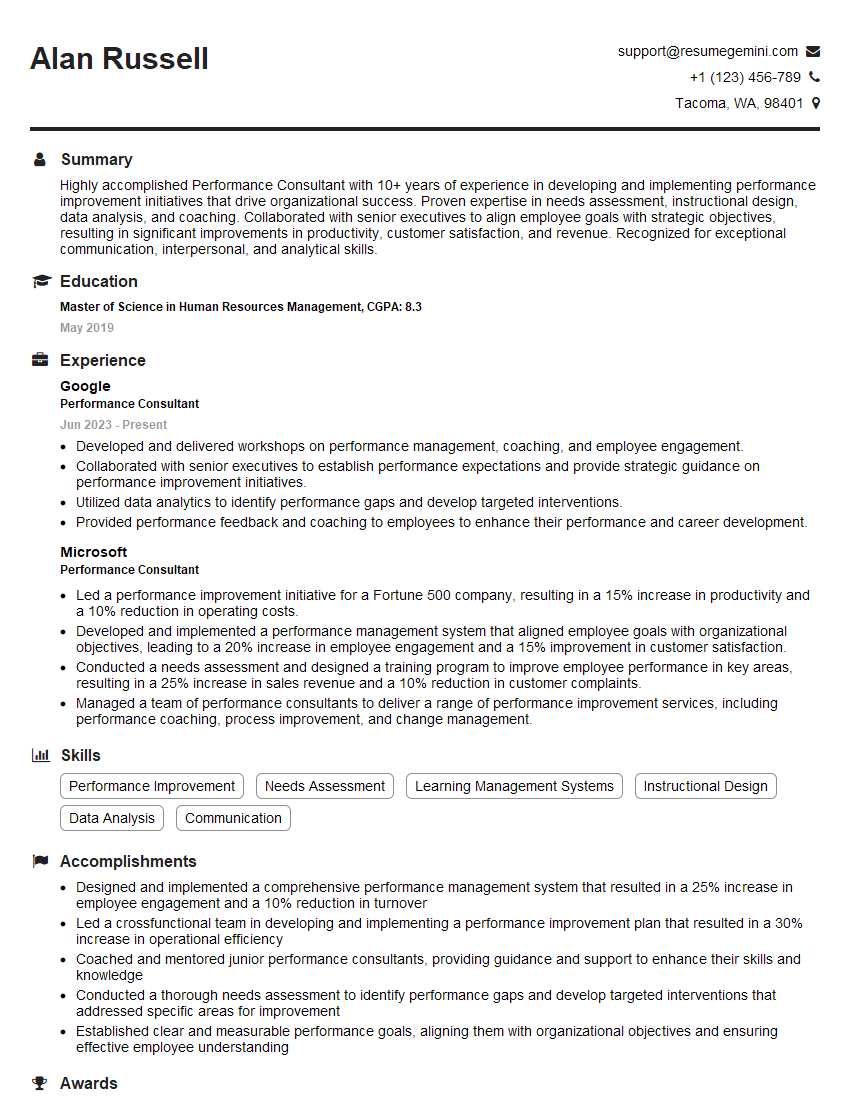
Performance Consultant Resume Sample
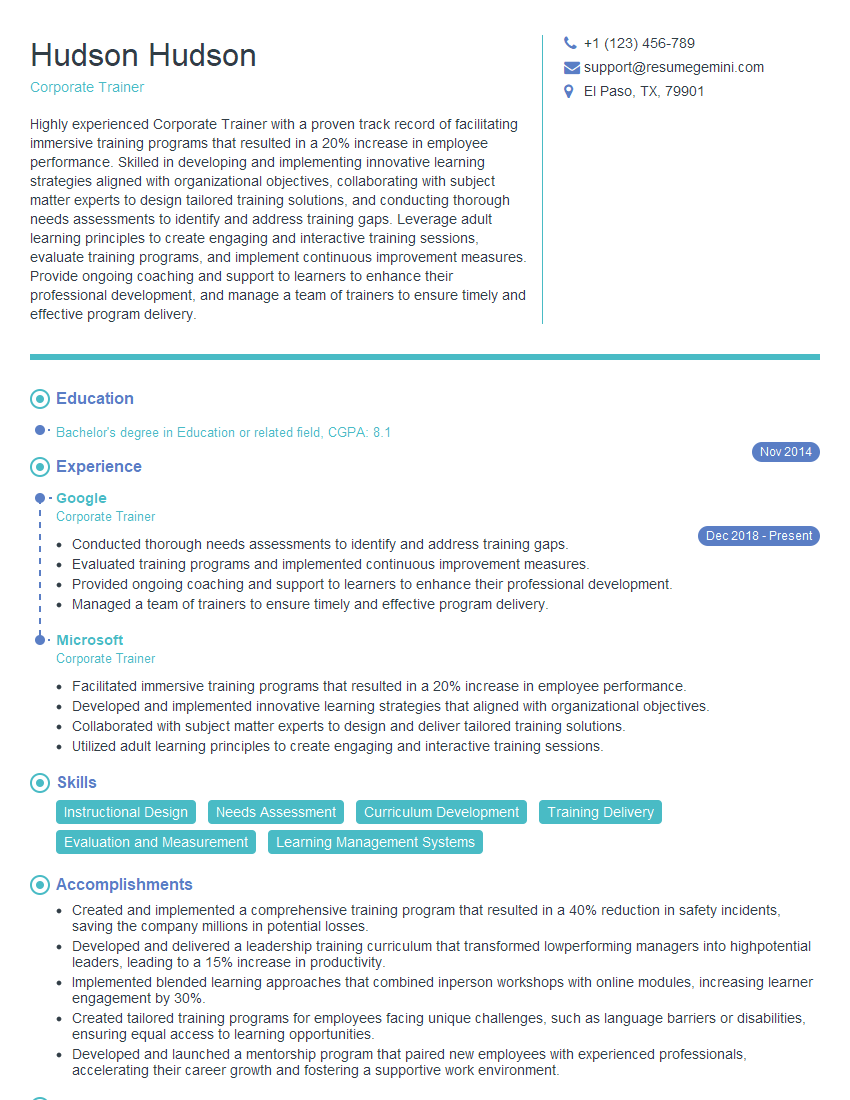
Corporate Trainer Resume Sample

Curriculum Developer Resume Sample
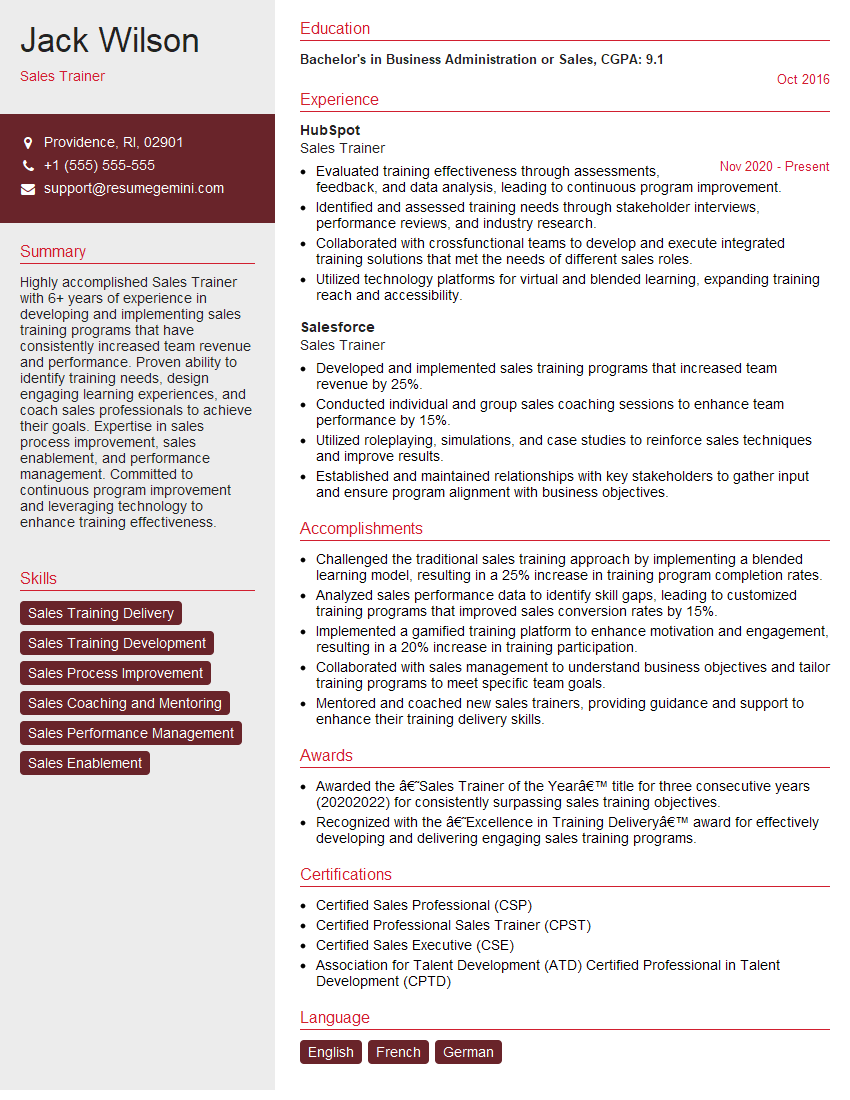
Sales Trainer Resume Sample
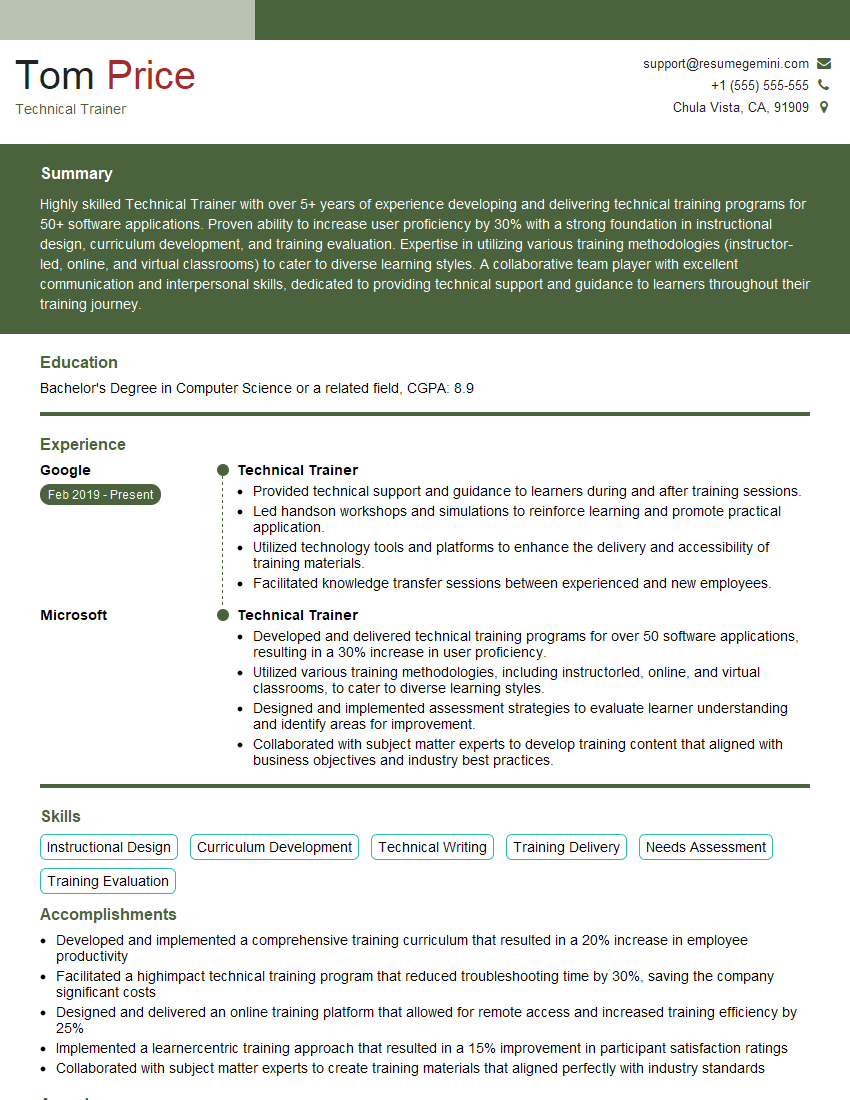
Technical Trainer Resume Sample
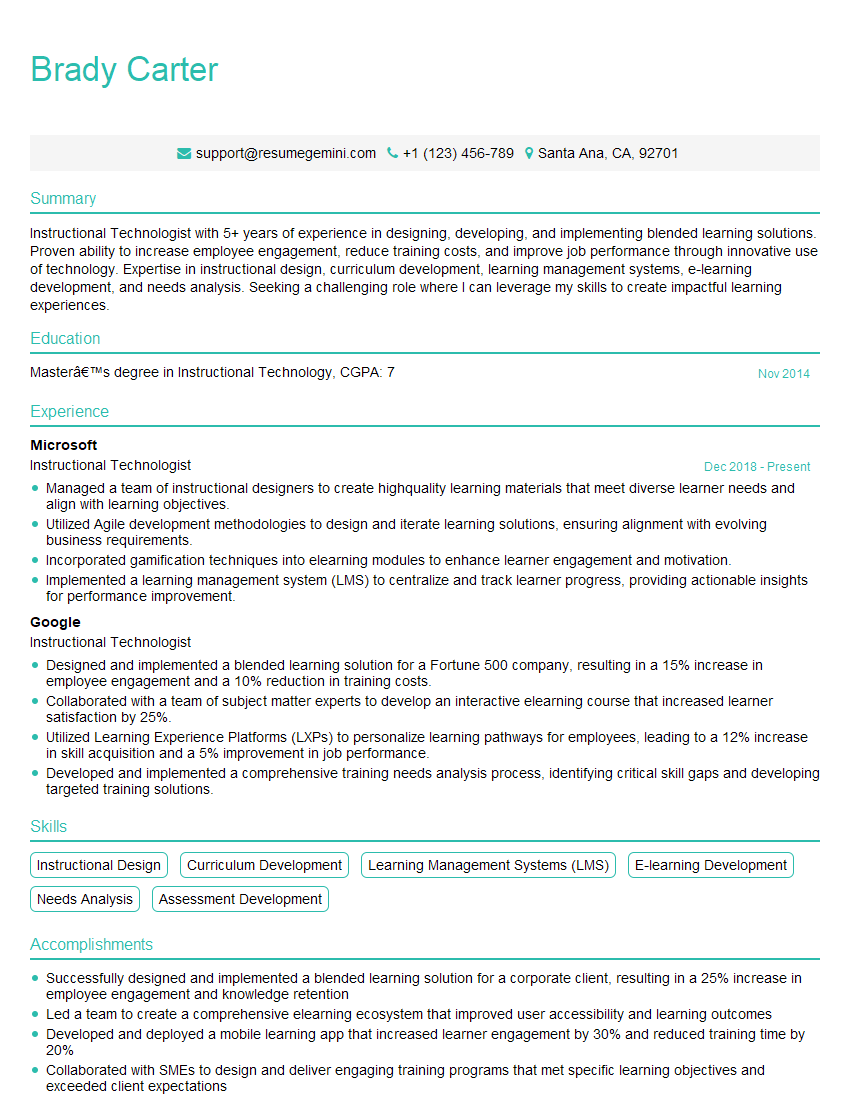
Instructional Technologist Resume Sample
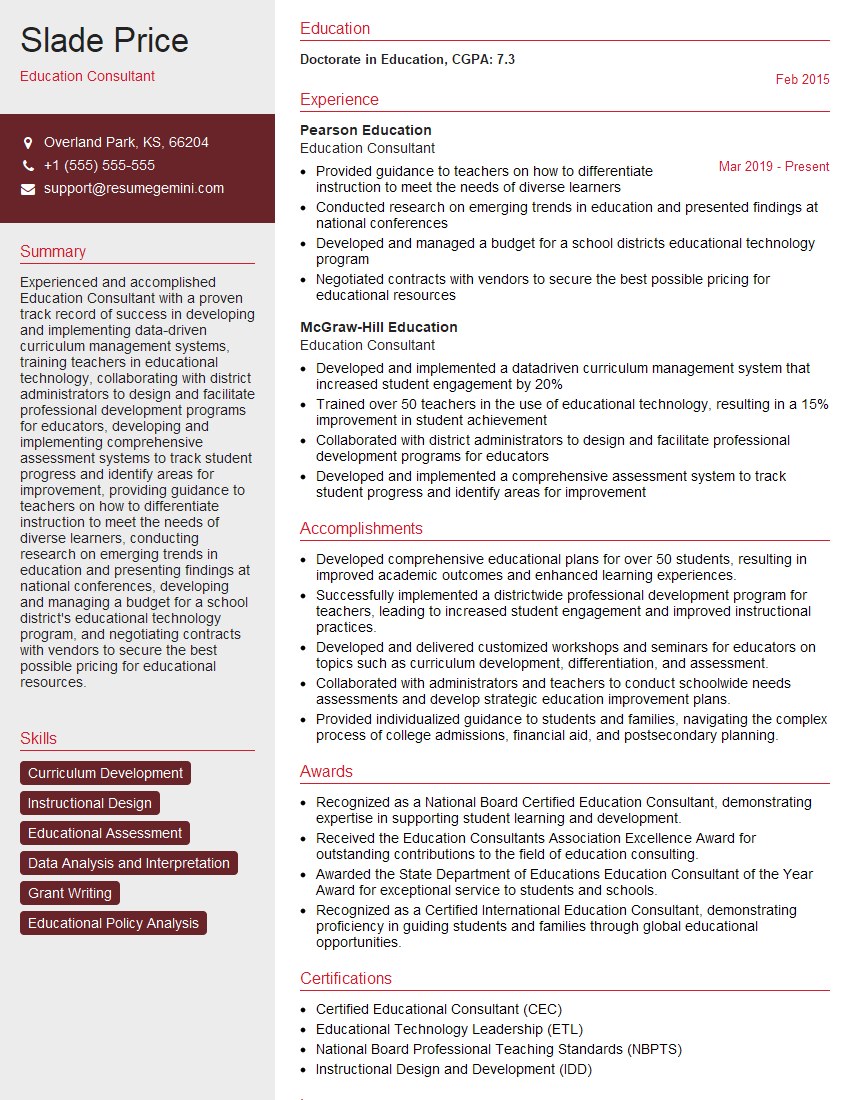
Education Consultant Resume Sample
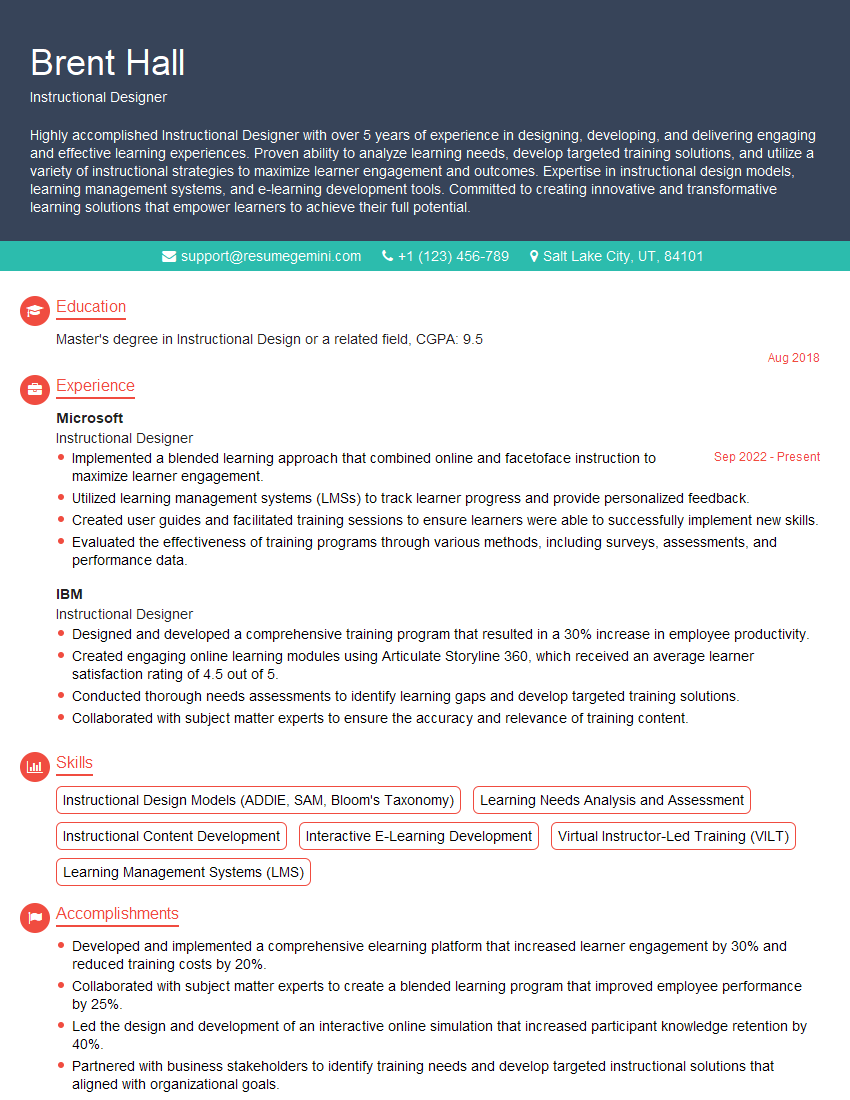
Instructional Designer Resume Sample
Explore more articles
Users Rating of Our Blogs
Share Your Experience
We value your feedback! Please rate our content and share your thoughts (optional).
What Readers Say About Our Blog
good