Interviews are more than just a Q&A session—they’re a chance to prove your worth. This blog dives into essential Communicable Disease Prevention interview questions and expert tips to help you align your answers with what hiring managers are looking for. Start preparing to shine!
Questions Asked in Communicable Disease Prevention Interview
Q 1. Explain the chain of infection and how to break each link.
The chain of infection describes the six links required for an infectious disease to spread: Infectious agent (e.g., bacteria, virus), Reservoir (where the agent lives, like a person, animal, or environment), Portal of exit (how it leaves the reservoir, such as coughing or feces), Mode of transmission (how it spreads, such as airborne, contact, or vector-borne), Portal of entry (how it enters a new host, e.g., inhalation, ingestion), and Susceptible host (an individual who can get infected). Breaking any one link interrupts the chain, preventing disease transmission.
Infectious agent: Control through antimicrobial treatments (antibiotics, antivirals) or eliminating the agent from the environment (sanitization).
Reservoir: Treating infected individuals to reduce shedding, improving sanitation to reduce environmental contamination, and controlling animal populations that harbor infectious agents.
Portal of exit: Implementing infection control measures such as hand hygiene, respiratory etiquette (coughing into elbow), and safe waste disposal.
Mode of transmission: Utilizing strategies like isolation of infected individuals, vector control (e.g., mosquito nets), and proper food handling to reduce contamination.
Portal of entry: Promoting hygiene practices such as handwashing, safe sex practices, and using sterile needles to prevent agent entry into the body.
Susceptible host: Improving the host’s immunity through vaccination, proper nutrition, and addressing underlying health conditions.
For example, during a flu outbreak, wearing a mask (breaks mode of transmission & portal of entry), handwashing (breaks mode of transmission & portal of entry), and vaccination (strengthens susceptible host) are key interventions.
Q 2. Describe the different types of epidemiological studies used in communicable disease investigation.
Epidemiological studies investigate disease patterns and causes in populations. Several types exist:
Descriptive studies: These describe the occurrence of disease in terms of person, place, and time (who, where, when). Case reports, case series, and ecological studies fall under this category. For example, a case series might describe the characteristics of individuals infected with a novel virus.
Analytical studies: These explore the association between exposures and outcomes. Two main types are:
Cohort studies: Follow a group of individuals over time to observe the incidence of disease in exposed and unexposed groups. For instance, comparing the incidence of lung cancer in smokers versus non-smokers.
Case-control studies: Compare individuals with the disease (cases) to individuals without the disease (controls) to identify risk factors. For example, comparing the past exposure to a specific food among individuals with food poisoning versus those without.
Experimental studies: These involve interventions to evaluate their effectiveness, often using randomized controlled trials (RCTs). A classic example is a clinical trial testing the efficacy of a new vaccine.
The choice of study design depends on the research question, available resources, and ethical considerations.
Q 3. What are the key steps in a communicable disease outbreak investigation?
Investigating a communicable disease outbreak involves these key steps:
Verify the diagnosis: Confirm that the cases are indeed caused by the suspected infectious agent through laboratory testing.
Define the case: Establish a clear case definition to identify and count cases consistently (e.g., clinical criteria, laboratory confirmation).
Identify cases systematically: Actively search for cases through surveillance systems, healthcare facilities, and community contacts.
Describe the epidemic: Characterize the outbreak by person, place, and time to identify patterns and risk factors.
Develop hypotheses: Generate hypotheses about the source, mode of transmission, and risk factors based on the descriptive epidemiology.
Evaluate hypotheses: Analyze data from analytical studies to confirm or refute hypotheses.
Implement control measures: Implement measures to control the outbreak, such as vaccination, treatment, isolation, or environmental control.
Communicate findings: Share findings with healthcare providers, public health officials, and the community to inform decision-making and future prevention efforts.
Imagine a sudden increase in gastrointestinal illness in a school. The investigation would follow these steps to identify the source, like contaminated food, and implement control measures, such as improving food handling practices.
Q 4. How do you calculate attack rates and relative risks?
Attack rate: Measures the proportion of individuals who develop a disease among those exposed to a particular risk factor. It’s calculated as:
Attack rate = (Number of people who developed the disease / Number of people exposed to the risk factor) x 100
Example: If 20 out of 100 people who ate at a specific restaurant developed food poisoning, the attack rate is (20/100) x 100 = 20%.
Relative risk (RR): Measures the strength of the association between exposure to a risk factor and the development of disease. It’s calculated as:
Relative risk = (Attack rate in exposed group / Attack rate in unexposed group)
Example: If the attack rate of food poisoning was 20% among those who ate at the restaurant and 5% among those who didn’t, the relative risk is 20%/5% = 4. This means those who ate at the restaurant were four times more likely to develop food poisoning.
Q 5. Explain the difference between incidence and prevalence.
Incidence refers to the number of new cases of a disease that occur in a population during a specific period. It reflects the rate of occurrence of new cases. Think of it as how quickly the disease is spreading. It is usually expressed as a rate (e.g., cases per 100,000 population per year).
Prevalence refers to the total number of existing cases (both new and old) of a disease in a population at a specific point in time. It reflects the burden of the disease in the population. Think of it as a snapshot of how much disease exists at a given moment. It is usually expressed as a proportion (e.g., cases per 1000 population).
For example, in a community of 1000 people, if 50 new cases of influenza occur in one week, the incidence is 50 cases per 1000 population per week. If at the same time 100 people currently have influenza (both new and previous), the prevalence is 100 cases per 1000 population.
Q 6. Describe different methods for disease surveillance.
Disease surveillance uses various methods to monitor the occurrence and spread of communicable diseases:
Passive surveillance: Healthcare providers report cases to public health authorities as part of their routine duties. It’s relatively inexpensive but may miss some cases, leading to underreporting.
Active surveillance: Public health officials actively search for cases by contacting healthcare providers, laboratories, and the community. It’s more resource-intensive but provides more complete data.
Sentinel surveillance: A specific subset of healthcare providers or laboratories reports cases to provide early warning signals of disease trends. It is cost-effective and identifies trends early.
Syndromic surveillance: Monitors non-specific symptoms or events (e.g., increased absenteeism from school) that may precede the diagnosis of a disease. This allows for earlier detection of potential outbreaks even before diagnosis is confirmed.
Laboratory-based surveillance: Monitors disease trends through laboratory testing data. This can track the emergence of antimicrobial resistance or identify specific strains of pathogens.
The optimal approach often involves a combination of these methods to maximize data accuracy and timeliness.
Q 7. What are the key principles of infection control and prevention?
Key principles of infection control and prevention aim to break the chain of infection. They include:
Hand hygiene: Frequent handwashing with soap and water or alcohol-based hand rub is crucial to reduce the transmission of pathogens.
Respiratory hygiene: Covering coughs and sneezes with a tissue or elbow helps to prevent the spread of airborne pathogens.
Environmental cleaning and disinfection: Regular cleaning and disinfection of surfaces reduces the reservoir of pathogens.
Waste management: Safe disposal of contaminated waste prevents further spread.
Personal protective equipment (PPE): Using appropriate PPE such as gloves, gowns, masks, and eye protection protects healthcare workers and other individuals.
Isolation and quarantine: Isolating infected individuals and quarantining exposed individuals helps to contain the spread.
Vaccination: Vaccination programs significantly reduce disease susceptibility in populations.
Antimicrobial stewardship: Appropriate use of antibiotics and other antimicrobials helps to prevent the emergence and spread of antimicrobial-resistant pathogens.
Vector control: Reducing the population of vectors (e.g., mosquitoes, ticks) that transmit disease.
These principles are implemented across diverse settings—from healthcare facilities to schools and communities—to safeguard public health.
Q 8. How do you evaluate the effectiveness of a public health intervention?
Evaluating the effectiveness of a public health intervention requires a multi-faceted approach, going beyond simply observing whether a program was implemented. We need to rigorously measure its impact on the target population. This involves establishing clear, measurable objectives before the intervention begins. For example, if our goal is to reduce influenza cases, we need a baseline measure of influenza incidence before initiating a vaccination campaign.
After the intervention, we collect data on the same outcome measures. Did the vaccination rate increase? Did the number of influenza cases decrease? We use statistical methods to compare pre- and post-intervention data, controlling for other factors that may influence the results (like seasonal changes). We might also use a control group – a similar population that did not receive the intervention – for comparison.
Beyond numerical data, qualitative methods like surveys and focus groups can assess the intervention’s acceptability and feasibility. For example, a survey could assess community satisfaction with a new handwashing campaign. Ultimately, a successful evaluation demonstrates a statistically significant and meaningful improvement in the target outcome, considering both the quantitative and qualitative findings. It’s crucial to publish these findings to inform future interventions and improve public health practices.
Q 9. Explain the importance of vaccination in communicable disease prevention.
Vaccination is a cornerstone of communicable disease prevention, offering a powerful and cost-effective strategy to protect individuals and communities. Vaccines work by stimulating the body’s immune system to develop immunity against specific infectious agents, like viruses or bacteria. This means if exposed to the disease, the immune system is ready to fight it off, preventing or lessening the severity of illness.
The impact of widespread vaccination is profound. We’ve seen the eradication of smallpox, a disease that once ravaged populations worldwide, thanks to a global vaccination campaign. Measles, once a common childhood illness leading to serious complications, has seen a dramatic decline in cases thanks to effective vaccines. Vaccination not only protects the vaccinated individual (‘direct effect’), but also protects those who cannot be vaccinated (like infants or immunocompromised individuals) by creating ‘herd immunity’. When a high percentage of the population is vaccinated, the pathogen’s ability to spread is significantly reduced, creating a protective shield for everyone.
Q 10. Describe different strategies for communicating public health information during an outbreak.
Communicating public health information effectively during an outbreak is crucial to controlling the spread of disease. Strategies must be tailored to the specific audience and the nature of the outbreak. A multi-pronged approach is often necessary. We need clear, concise messages tailored to the specific concerns of different segments of the population – including those with limited health literacy.
- Traditional Media: Press releases, public service announcements on television and radio are essential for broad reach.
- Social Media: Platforms like Facebook, Twitter, and Instagram can rapidly disseminate information and address rumors. It’s important to monitor social media closely to address misinformation.
- Community Engagement: Working with community leaders, religious institutions, and local organizations is vital to building trust and reaching those who may not access mainstream media. This might involve town hall meetings or partnering with trusted figures within the community.
- Digital Tools: Websites, apps, and text message alerts can provide updates, guidance on preventative measures, and access to resources.
It’s vital to ensure messages are consistent across all platforms and avoid using jargon or overly technical language. Transparency and honesty are critical for building public trust. The language used should be culturally appropriate and reflect the needs and concerns of different communities affected. For example, during a pandemic, we may use different languages and formats in our materials to ensure equitable access and understanding for all groups within the community.
Q 11. What are the ethical considerations in communicable disease management?
Ethical considerations in communicable disease management are complex and often involve balancing individual rights with the collective good. Key ethical principles include:
- Autonomy: Respecting an individual’s right to make decisions about their own health, including whether or not to accept treatment. This is particularly relevant in situations involving mandatory quarantine or treatment.
- Beneficence: Acting in the best interests of the patient and the community. This involves implementing interventions that maximize benefit and minimize harm.
- Non-maleficence: Avoiding actions that could cause harm. This includes careful consideration of potential side effects of treatments and the potential for stigmatization.
- Justice: Ensuring equitable access to prevention, diagnosis, and treatment, regardless of social status, race, ethnicity, or other factors. This is particularly relevant during outbreaks where resource allocation decisions must be made.
Ethical dilemmas frequently arise in situations involving mandatory isolation, resource allocation during outbreaks (for example, who gets access to a limited supply of a vaccine), and public health surveillance. A robust ethical framework, informed by ethical principles and legal mandates, is crucial to guide decision-making in these complex scenarios. Ethical review boards and transparent decision-making processes are essential to ensure ethical conduct.
Q 12. Explain the role of contact tracing in controlling the spread of disease.
Contact tracing is a crucial epidemiological tool used to control the spread of communicable diseases. It involves identifying individuals who have been in close contact with a person diagnosed with a contagious illness. The goal is to quickly identify and monitor these contacts to prevent further transmission.
The process typically involves interviewing the infected individual to identify their close contacts. This involves determining who they’ve been in close proximity to, when, and where. Contacts are then notified, often by public health officials, and may be asked to self-monitor for symptoms or undergo testing. If they develop symptoms, they are promptly isolated to prevent spreading the disease further. Effective contact tracing requires robust systems for data collection, management, and communication. Technology can play a significant role, assisting with data management, mapping contacts, and providing reminders for follow-up.
Imagine a scenario with a confirmed case of measles in a school. Contact tracing would involve identifying all students and teachers who were in close contact with the infected individual. These contacts would be monitored for symptoms, and if symptoms appear, they would be tested and isolated. This quick response can significantly limit the spread of the disease within the school and community.
Q 13. How do you assess risk factors for communicable diseases?
Assessing risk factors for communicable diseases involves identifying factors that increase a person’s likelihood of acquiring or transmitting an infection. This assessment is crucial for implementing targeted prevention strategies. Risk factors can be categorized into individual, social, and environmental factors.
- Individual Risk Factors: These include age (very young or old individuals are more susceptible), underlying health conditions (weakened immune systems), genetics (some people have genetic predispositions to certain infections), and behaviors (lack of vaccination, unsafe sexual practices, poor hygiene).
- Social Risk Factors: These relate to social circumstances, such as socioeconomic status (poverty often correlates with increased exposure to infection), crowding (living in densely populated areas), and access to healthcare (lack of access may delay diagnosis and treatment).
- Environmental Risk Factors: These include factors in the environment, like sanitation levels (poor sanitation increases the risk of waterborne and foodborne diseases), vector presence (mosquitoes, ticks, etc.), and climate (changes in climate can affect the range of disease vectors).
Assessing these risk factors involves gathering data through various methods like surveys, medical records reviews, and environmental assessments. The identified risk factors guide the development and implementation of effective preventive measures, such as vaccination campaigns, sanitation improvements, and public health education programs, tailored to the specific risk profile of the population.
Q 14. What are the challenges in controlling antibiotic-resistant infections?
Controlling antibiotic-resistant infections presents significant challenges to global public health. Antibiotic resistance occurs when bacteria evolve and develop mechanisms to survive antibiotic treatment. This makes infections harder to treat, leading to longer illnesses, increased hospitalizations, and higher mortality rates.
Several factors contribute to the rise of antibiotic resistance: The overuse and misuse of antibiotics in both human and animal health are major drivers. Inadequate infection control practices in healthcare settings can also facilitate the spread of resistant bacteria. Lack of access to effective diagnostics in many parts of the world means that antibiotics are often prescribed even when they are not necessary, fueling further resistance. The lack of investment in research and development of new antibiotics also contributes to the problem.
Addressing this challenge requires a multi-pronged approach, focusing on stewardship (responsible use of antibiotics), enhanced infection control measures, improved diagnostics, and investments in research and development of new antimicrobials and alternative therapies. Public health education plays a vital role in raising awareness about appropriate antibiotic use and preventing infections. International collaboration is also crucial to develop and implement global strategies to combat antibiotic resistance effectively.
Q 15. What are the common methods for controlling vector-borne diseases?
Controlling vector-borne diseases, illnesses spread by insects or other arthropods, requires a multi-pronged approach targeting both the vector and the disease itself. Think of it like a two-front war: you need to attack both the soldiers (vectors) and their supply lines (breeding grounds).
- Vector Control: This involves reducing the population of disease-carrying insects. Methods include:
- Insecticides: Using chemical insecticides to kill adult mosquitoes, ticks, and fleas. This is effective but carries environmental concerns regarding non-target species and insecticide resistance.
- Larvicides: Targeting the immature stages of vectors, often in their breeding sites (standing water). This is a more environmentally friendly approach than adult insecticides.
- Biological Control: Introducing natural predators or pathogens to reduce vector populations. For example, introducing certain fish species to ponds to control mosquito larvae.
- Physical Control: Methods such as using mosquito nets, removing breeding grounds (standing water), and using screens on windows and doors to prevent entry of vectors.
- Disease Control: This focuses on preventing transmission even if vectors are present.
- Vaccination: Where available, vaccines provide crucial protection against many vector-borne diseases like yellow fever and Japanese encephalitis.
- Personal Protective Measures: Using insect repellents, wearing long sleeves and pants in endemic areas, and sleeping under insecticide-treated nets.
- Early Diagnosis and Treatment: Prompt diagnosis and treatment of infected individuals minimizes disease severity and reduces the chance of further transmission.
For example, during a malaria outbreak, a comprehensive strategy might involve spraying insecticides in affected areas, draining stagnant water to reduce breeding grounds, distributing insecticide-treated bed nets, and providing rapid access to antimalarial drugs.
Career Expert Tips:
- Ace those interviews! Prepare effectively by reviewing the Top 50 Most Common Interview Questions on ResumeGemini.
- Navigate your job search with confidence! Explore a wide range of Career Tips on ResumeGemini. Learn about common challenges and recommendations to overcome them.
- Craft the perfect resume! Master the Art of Resume Writing with ResumeGemini’s guide. Showcase your unique qualifications and achievements effectively.
- Don’t miss out on holiday savings! Build your dream resume with ResumeGemini’s ATS optimized templates.
Q 16. Describe the role of environmental health in communicable disease prevention.
Environmental health plays a pivotal role in preventing communicable diseases. A healthy environment is the bedrock of a healthy population. Think of it as building a strong foundation for disease prevention.
- Safe Water and Sanitation: Access to clean drinking water and adequate sanitation significantly reduces the risk of waterborne diseases like cholera and typhoid fever. Contaminated water can harbor numerous pathogens, highlighting the crucial importance of sanitation.
- Waste Management: Proper disposal of solid and liquid waste prevents the breeding of disease vectors such as rats and flies that transmit diseases like leptospirosis and typhoid.
- Food Safety: Ensuring safe food handling and preparation practices minimizes foodborne illnesses caused by bacteria, viruses, and parasites. Regular inspections of food establishments and educating the public are key.
- Air Quality: Controlling air pollution reduces respiratory infections, particularly among vulnerable populations. Poor air quality can worsen existing conditions and increase susceptibility to communicable diseases.
- Vector Control (as mentioned before): Environmental factors heavily influence vector breeding sites. Managing these environments (e.g., draining standing water) is essential.
For instance, a community with poor sanitation is more likely to experience outbreaks of diarrheal diseases compared to one with a well-functioning sanitation system. Environmental health interventions are cost-effective and impactful, often preventing the need for more expensive curative healthcare later.
Q 17. Explain the importance of data analysis in communicable disease surveillance.
Data analysis is the engine driving effective communicable disease surveillance. It allows us to move beyond simple observation and into a world of informed action and prediction. Think of it as the detective work that allows us to understand the ‘who, what, when, and where’ of outbreaks, not just the ‘that it happened’.
- Identifying Outbreaks: Data analysis helps detect unusual patterns of illness that might signal an outbreak. This can be done through statistical methods which identify significant increases in cases compared to expected baseline levels.
- Characterizing Outbreaks: Once an outbreak is detected, data analysis helps to understand its characteristics, including the affected population, geographical distribution, and severity.
- Tracking Disease Transmission: Data analysis aids in identifying sources of infection and transmission routes by analyzing epidemiological data, contact tracing information and environmental sampling results. This can help predict future spread.
- Evaluating Intervention Strategies: Data helps evaluate the effectiveness of control measures. For example, comparing disease incidence before and after implementing a vaccination campaign or other interventions.
- Resource Allocation: Analysis assists in prioritizing resource allocation for disease prevention and control efforts, focusing on high-risk areas or populations.
For example, a sharp increase in cases of a particular illness in a specific geographic region, detected through data analysis, might trigger an immediate public health response, such as an investigation to identify the source of the outbreak and implement control measures.
Q 18. How do you determine appropriate levels of isolation precautions for patients with communicable diseases?
Determining appropriate isolation precautions hinges on understanding the mode of transmission of the specific communicable disease. We classify isolation based on how easily the disease spreads, essentially how contagious it is. This is a crucial step in preventing nosocomial (hospital-acquired) infections.
- Standard Precautions: These are the foundation of infection control and apply to all patients, regardless of their diagnosis. They include hand hygiene, use of personal protective equipment (PPE) like gloves and gowns when appropriate, and safe handling of sharps.
- Contact Precautions: Used for diseases spread by direct or indirect contact (e.g., MRSA, C. difficile). These involve using gowns and gloves, dedicated equipment, and meticulous hand hygiene.
- Droplet Precautions: Used for diseases spread through large respiratory droplets (e.g., influenza, rubella). These require wearing a surgical mask and maintaining a distance from the patient.
- Airborne Precautions: Used for diseases spread through small airborne particles (e.g., tuberculosis, measles). These require a negative pressure room with special air handling, N95 respirators for healthcare workers, and sometimes special air filtration.
The decision-making process involves assessing the patient’s condition, the mode of transmission of their disease, and the potential risk to others. Guidelines from organizations like the CDC provide clear recommendations based on specific diseases, helping healthcare workers make informed decisions about appropriate isolation precautions.
Q 19. Describe different types of infectious agents (bacteria, viruses, parasites).
Infectious agents, also known as pathogens, are the tiny culprits behind communicable diseases. They come in a variety of forms, each with its own unique characteristics and mechanisms of infection.
- Bacteria: These are single-celled prokaryotic organisms (lack a nucleus). They can cause a wide range of diseases, from relatively mild infections like strep throat to life-threatening conditions like pneumonia and tuberculosis. Examples include Escherichia coli (E. coli) and Salmonella.
- Viruses: These are even smaller than bacteria and are obligate intracellular parasites, meaning they can only replicate inside the cells of a host organism. They cause a vast array of diseases, including influenza, HIV/AIDS, measles, and COVID-19. They require a host cell to replicate, making them more challenging to treat.
- Parasites: These are organisms that live on or in a host and obtain nourishment at the host’s expense. This broad category includes protozoa (single-celled organisms like Plasmodium, which causes malaria), helminths (worms like tapeworms and hookworms), and ectoparasites (organisms living on the external surface of the host such as lice and ticks).
Understanding the type of infectious agent is crucial for choosing the appropriate diagnostic tests and treatment strategies. The characteristics of each type determine the best approach to prevention and control.
Q 20. What are the limitations of using serological tests for disease diagnosis?
Serological tests detect antibodies or antigens in blood serum, providing valuable information about past or present infections. However, they have limitations.
- Window Period: There’s a period after infection before sufficient antibodies are produced to be detected. During this ‘window period’, serological tests might yield a false negative result.
- Cross-Reactivity: Antibodies produced against one pathogen may sometimes react with other related pathogens, leading to false positive results.
- Sensitivity and Specificity: The sensitivity (ability to detect true positives) and specificity (ability to detect true negatives) of serological tests vary depending on the test and the disease. A low sensitivity can result in false negatives, while low specificity can result in false positives.
- Past Infections: Serological tests don’t always distinguish between current and past infections. Positive results might indicate previous exposure rather than an active infection. This is particularly relevant in diseases where people develop lifelong immunity.
For instance, a negative HIV antibody test during the window period might not accurately reflect the infection status. Therefore, serological tests should always be interpreted in the context of clinical findings and other diagnostic tests.
Q 21. Explain the role of laboratory testing in diagnosing communicable diseases.
Laboratory testing is indispensable in the diagnosis of communicable diseases. It provides objective evidence to confirm suspected infections and guide treatment decisions. Think of it as the scientific confirmation to support clinical suspicion.
- Microscopy: Direct visualization of pathogens under a microscope can be used to identify bacteria, parasites, and some fungi. This is a quick and cost-effective method in some cases.
- Culture: Growing pathogens in a lab setting allows for their identification and susceptibility testing (determining which antibiotics are effective). This is crucial for bacterial infections.
- Molecular Diagnostics: Techniques like PCR (polymerase chain reaction) detect the genetic material (DNA or RNA) of pathogens. This is extremely sensitive and allows for early detection, even before symptoms appear, making it vital for viruses.
- Serology (as discussed above): Detects antibodies or antigens related to an infection.
- Antigen Detection Tests: Rapid tests that identify specific antigens (proteins) of a pathogen. These tests are often used for quick screening.
For example, a suspected case of tuberculosis would involve sputum (phlegm) testing using microscopy and culture to identify the bacteria. Similarly, a suspected COVID-19 infection might involve a PCR test for viral RNA.
Q 22. Describe the steps in developing a communicable disease prevention program.
Developing a robust communicable disease prevention program is a multi-stage process requiring careful planning and execution. It’s akin to building a house – you need a solid foundation and well-defined stages to achieve a structurally sound and effective result.
- Needs Assessment: This crucial first step involves identifying the specific communicable diseases prevalent in the target population, their burden, risk factors, and vulnerabilities. Data collection through surveillance systems, epidemiological studies, and community engagement is key. For example, in a school setting, we might find high rates of influenza and assess factors like crowding, hygiene practices, and vaccination coverage.
- Goal Setting and Program Planning: Based on the assessment, we define clear, measurable, achievable, relevant, and time-bound (SMART) goals. For instance, a goal might be to reduce influenza incidence by 20% within a year. The plan then outlines strategies, interventions, and resources needed to achieve these goals. This might include vaccination campaigns, hand hygiene promotion, and improved sanitation.
- Implementation: This phase involves putting the plan into action. This often includes training staff, community mobilization, resource allocation, and establishing monitoring systems. Consider a vaccination campaign – we’d need to procure vaccines, train healthcare workers on administration, and develop a communication strategy to encourage vaccination.
- Evaluation: Ongoing monitoring and evaluation are vital to assess the program’s effectiveness and identify areas for improvement. We track key indicators like disease incidence, hospitalizations, and mortality rates to measure the impact. Regular data analysis helps us refine our strategies and ensure maximum impact. For instance, if hand hygiene promotion isn’t effective, we might need to revise our messaging or introduce additional incentives.
- Sustainability: A sustainable program ensures its long-term impact by integrating its activities into existing health systems and fostering community ownership. This may involve building local capacity, securing ongoing funding, and establishing partnerships with community leaders and organizations.
Q 23. How do you evaluate the effectiveness of a hand hygiene program?
Evaluating a hand hygiene program’s effectiveness requires a multifaceted approach, combining quantitative and qualitative methods. It’s not just about counting how many people wash their hands; we need to understand the *why* behind the behavior change.
- Behavioral Observation: Direct observation of handwashing techniques in real-world settings helps assess compliance rates and identify areas for improvement. We can use standardized checklists to quantify observations.
- Self-reported data: Questionnaires and surveys assess self-reported handwashing frequency and practices. It is vital to be aware that self-reporting is subject to bias.
- Microbiological surveillance: Analyzing the prevalence of pathogens on hands before and after interventions provides objective evidence of effectiveness. A reduction in pathogen counts signifies improved hand hygiene.
- Outcome Measures: Tracking indicators like incidence of healthcare-associated infections (HAIs) or diarrheal diseases can demonstrate the program’s overall impact on health outcomes. For instance, a decrease in HAIs in a hospital setting would indicate a successful program.
- Qualitative feedback: Interviews and focus groups provide valuable insights into the program’s acceptability, barriers to adherence, and suggestions for improvements. This can provide critical insights into social and cultural factors that might be influencing behavior.
A comprehensive evaluation uses a combination of these methods to gain a holistic understanding of the program’s success. We look not only at the numbers but also at the reasons behind them.
Q 24. What are the challenges of managing communicable diseases in resource-limited settings?
Managing communicable diseases in resource-limited settings presents significant challenges, often acting as a multiplier effect on pre-existing vulnerabilities. It’s like fighting a fire with limited water and equipment.
- Limited Resources: Scarcity of funding, personnel, infrastructure (e.g., laboratories, transportation), and essential supplies (e.g., vaccines, diagnostic tests, personal protective equipment) severely hinders effective response and prevention.
- Weak Health Systems: Fragile healthcare systems struggle to provide basic services, let alone manage outbreaks. This includes inadequate surveillance systems, limited access to healthcare, and poor coordination among health agencies.
- Poverty and Inequality: Poverty and social inequalities exacerbate vulnerability to communicable diseases, reducing access to preventive measures and treatment. Malnutrition and poor sanitation contribute to increased susceptibility.
- Environmental Factors: Lack of access to clean water and sanitation, overcrowding, and poor hygiene practices create fertile grounds for disease transmission. This can mean the difference between a contained outbreak and a widespread epidemic.
- Cultural and Behavioral Factors: Cultural beliefs and practices can sometimes hinder disease prevention efforts. For example, resistance to vaccination or traditional healing practices in place of modern medicine can pose challenges.
Addressing these challenges requires innovative, context-specific strategies, such as community-based participatory approaches, task-shifting to leverage existing community resources, and the use of cost-effective interventions.
Q 25. Describe your experience with disease outbreak response plans.
I have extensive experience in developing and implementing disease outbreak response plans, having participated in numerous exercises and real-world responses. My approach is always based on the principles of rapid assessment, effective communication, and community engagement.
In one instance, we were faced with a suspected outbreak of cholera in a remote rural community. Our response involved:
- Rapid Needs Assessment: We immediately deployed a team to assess the situation, collecting epidemiological data, identifying affected individuals, and determining the extent of the outbreak.
- Case Management: We established treatment centers providing rehydration therapy and other necessary medical care.
- Public Health Measures: We implemented measures to control the spread, including safe water and sanitation, hygiene promotion, and contact tracing.
- Communication: Effective communication with the community was paramount, addressing rumors and concerns while providing accurate information on prevention and treatment.
- Collaboration: We coordinated closely with local authorities, NGOs, and international organizations to ensure a coordinated response.
The experience highlighted the importance of pre-planned strategies, adaptable responses, and a strong emphasis on community participation in ensuring a successful outbreak control. We meticulously documented our responses to facilitate continuous improvement and refine our protocols for future events.
Q 26. Explain the importance of collaboration in communicable disease prevention.
Collaboration is not just beneficial; it’s absolutely essential for effective communicable disease prevention. Think of it as a well-orchestrated symphony – each instrument (organization, agency, community) plays a crucial role, and the harmony of their combined efforts creates the best outcome.
- Multisectoral Approach: Communicable diseases often require collaboration between various sectors, including health, education, agriculture, environment, and social services. For example, tackling zoonotic diseases requires collaboration between animal health and human health sectors.
- Sharing of Information and Resources: Effective collaboration allows for the sharing of data, expertise, and resources, leading to a more efficient and impactful response. Real-time information sharing during an outbreak is critical for an effective response.
- Community Engagement: Involving the community in all stages of prevention and control efforts fosters trust, ensures culturally appropriate interventions, and increases the likelihood of long-term sustainability. Local knowledge is invaluable.
- Joint Planning and Implementation: Collaboration enables joint planning and implementation of programs, avoiding duplication of efforts and ensuring a cohesive strategy. This synergy reduces fragmentation and improves efficiency.
- Capacity Building: Collaboration facilitates capacity building, providing opportunities for training and knowledge sharing among professionals and communities.
Strong partnerships and open communication are the cornerstones of successful communicable disease prevention and control.
Q 27. How do you stay current with the latest developments in communicable disease prevention?
Staying current in the dynamic field of communicable disease prevention requires a multifaceted approach, much like a researcher continually updating their knowledge base.
- Peer-reviewed Journals and Publications: Regularly reviewing publications from reputable journals like the Lancet, the New England Journal of Medicine, and the Journal of Infectious Diseases keeps me abreast of cutting-edge research and breakthroughs.
- Professional Organizations and Networks: Active membership in organizations like the Infectious Diseases Society of America (IDSA) or the Centers for Disease Control and Prevention (CDC) provides access to webinars, conferences, and networking opportunities for continuous learning.
- Governmental Agencies and International Organizations: Monitoring updates from national public health agencies (such as the CDC and WHO) and international organizations provides crucial information on emerging threats, global health trends, and best practices. Staying informed on their guidelines is crucial.
- Conferences and Workshops: Attending conferences and workshops offers the chance to learn from experts in the field and engage in discussions about the latest advancements and challenges.
- Online Resources and Databases: Leveraging online databases like PubMed and Google Scholar to search for relevant literature and staying updated on global health news through reliable sources helps me to continuously learn.
Continuous professional development is essential to remain effective in preventing and controlling communicable diseases.
Q 28. Describe a situation where you had to make a difficult decision related to communicable disease control.
During a measles outbreak in a highly populated urban area, I faced a difficult decision regarding resource allocation. We had limited vaccine supply, and the outbreak was rapidly spreading among both vaccinated and unvaccinated populations. A decision had to be made about prioritization.
The options included:
- Prioritize vaccinating vulnerable populations (children under 5, pregnant women). This would likely save the most lives but leave a significant unvaccinated population still at risk.
- Implement a mass vaccination campaign for all ages, which would cover a wider population but potentially leave some vulnerable individuals without timely protection due to the limited supply.
After consulting with epidemiologists and considering the epidemiological data, we decided on a phased approach. We started with prioritizing the most vulnerable, then systematically expanded the campaign based on resource availability. This required transparent communication with the community to manage expectations and ensure continued cooperation. While difficult, the phased approach allowed us to maximize the impact of our limited resources while minimizing risk to the most vulnerable members of our community.
Key Topics to Learn for Communicable Disease Prevention Interview
- Epidemiology and Surveillance: Understanding disease transmission, outbreak investigation methodologies, and the role of public health surveillance systems. Practical application: Analyzing epidemiological data to identify trends and inform public health interventions.
- Disease Prevention and Control Strategies: Knowledge of various prevention methods (vaccination, sanitation, vector control), control measures (isolation, quarantine, contact tracing), and the principles of public health interventions. Practical application: Designing and implementing a community-based health program to address a specific communicable disease.
- Risk Assessment and Communication: Evaluating disease risks within populations, communicating risk information effectively to diverse audiences, and developing risk mitigation strategies. Practical application: Developing a clear and concise public health announcement regarding a newly emerging infectious disease.
- Global Health Security and Preparedness: Understanding international health regulations, pandemic preparedness planning, and the role of international collaborations in communicable disease prevention. Practical application: Developing a response plan for a potential pandemic influenza outbreak.
- Ethical Considerations and Public Health Law: Navigating ethical dilemmas in public health practice, understanding legal frameworks related to infectious disease control, and respecting individual rights while protecting public health. Practical application: Analyzing the ethical implications of mandatory vaccination programs.
- Data Analysis and Interpretation: Proficiency in interpreting epidemiological data, using statistical software, and drawing meaningful conclusions to inform public health decision-making. Practical application: Using statistical models to predict the spread of a communicable disease.
Next Steps
Mastering Communicable Disease Prevention opens doors to rewarding careers with significant impact on global health. To maximize your job prospects, crafting a strong, ATS-friendly resume is crucial. A well-structured resume highlights your skills and experience effectively, increasing your chances of landing an interview. ResumeGemini is a trusted resource to help you build a professional and impactful resume tailored to the specific requirements of the Communicable Disease Prevention field. Examples of resumes tailored to this field are available, providing valuable guidance and inspiration for creating your own compelling application.
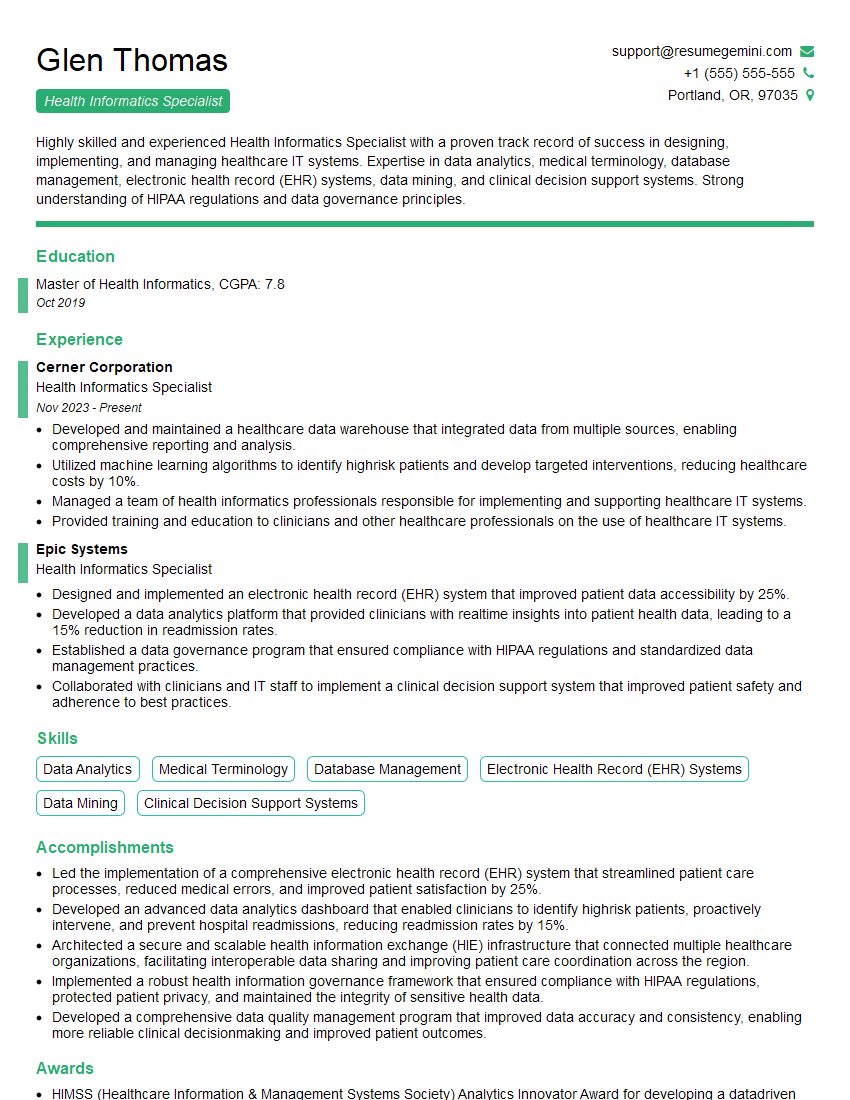
Health Informatics Specialist Resume Sample
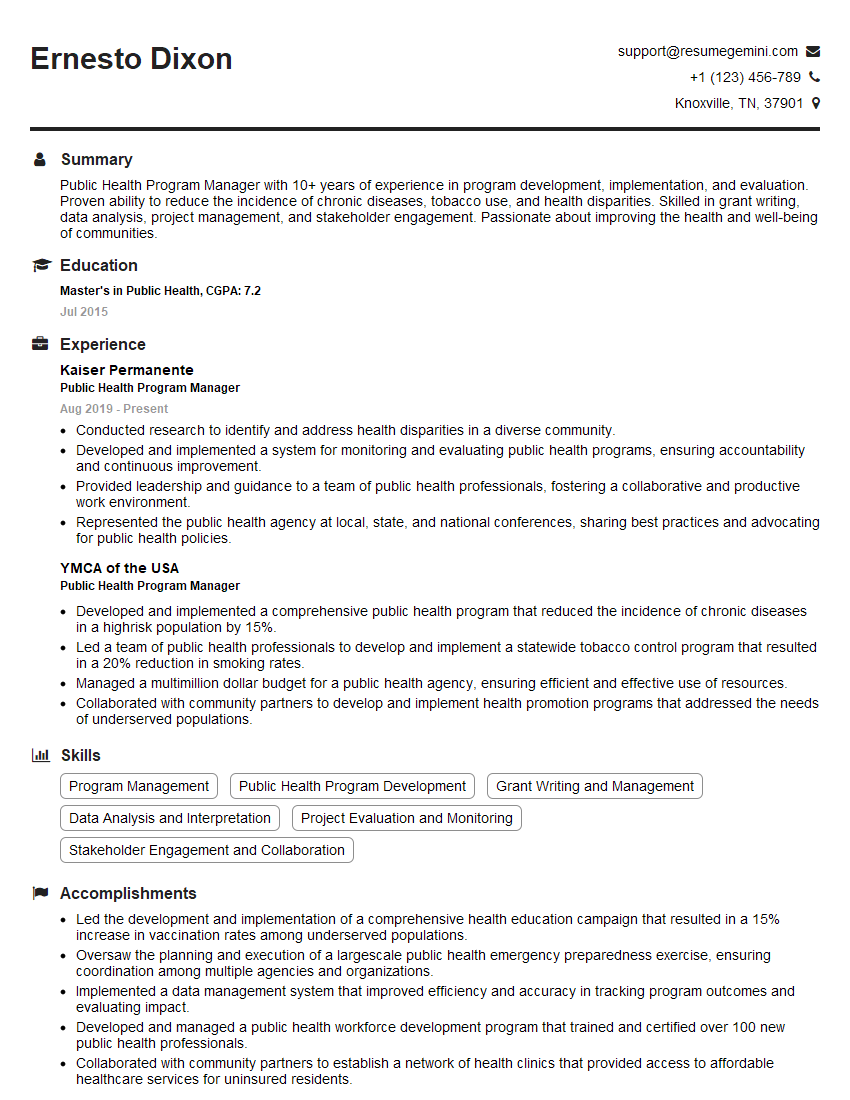
Public Health Program Manager Resume Sample
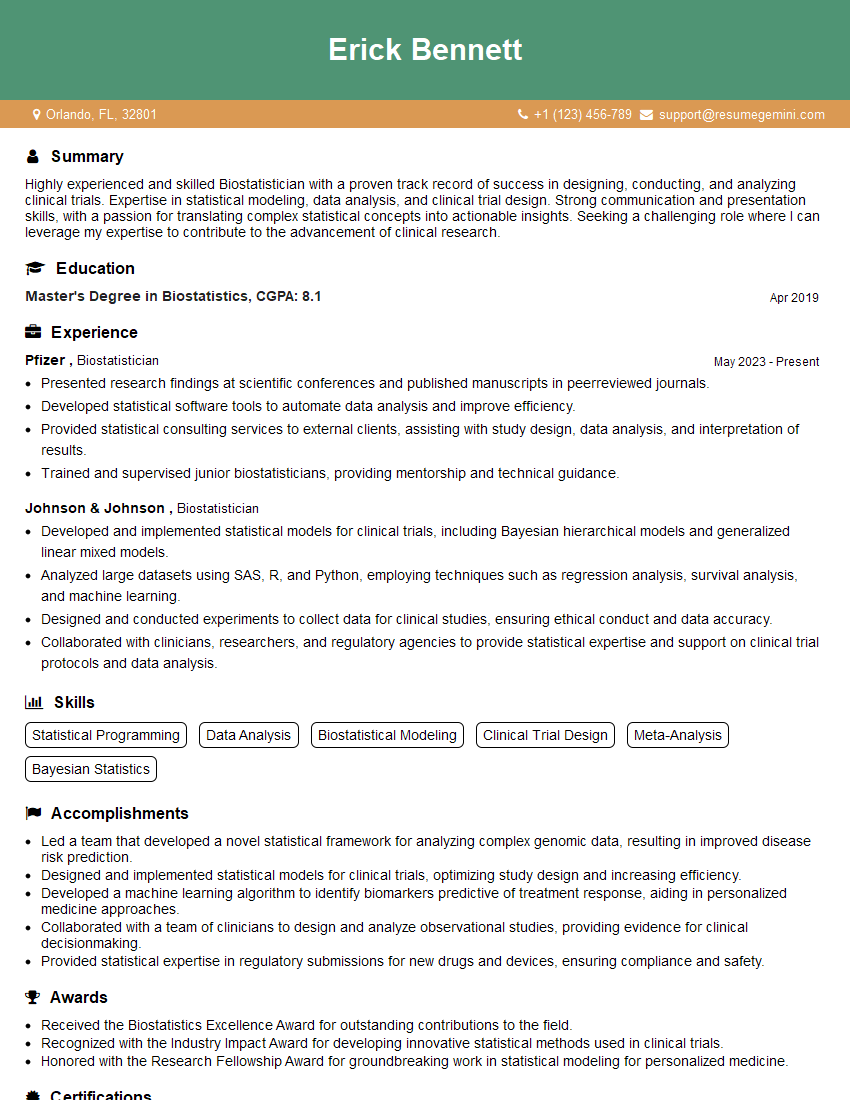
Biostatistician Resume Sample
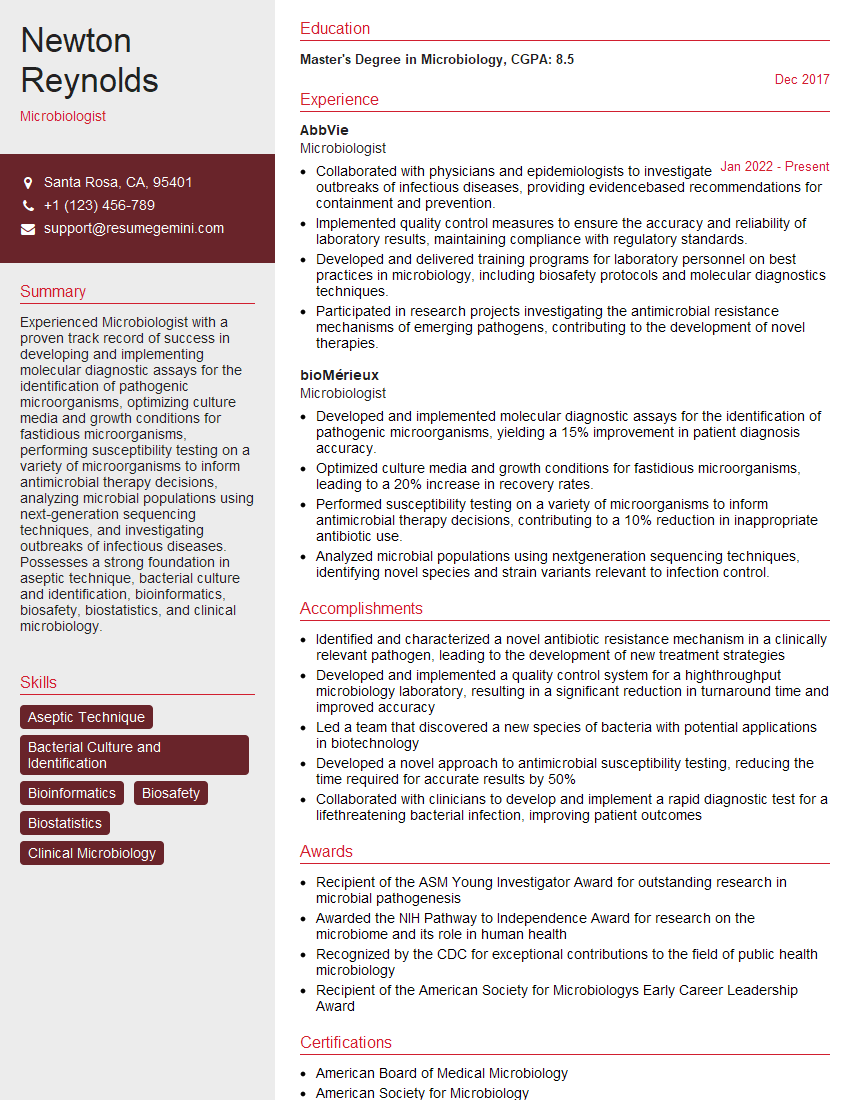
Microbiologist Resume Sample
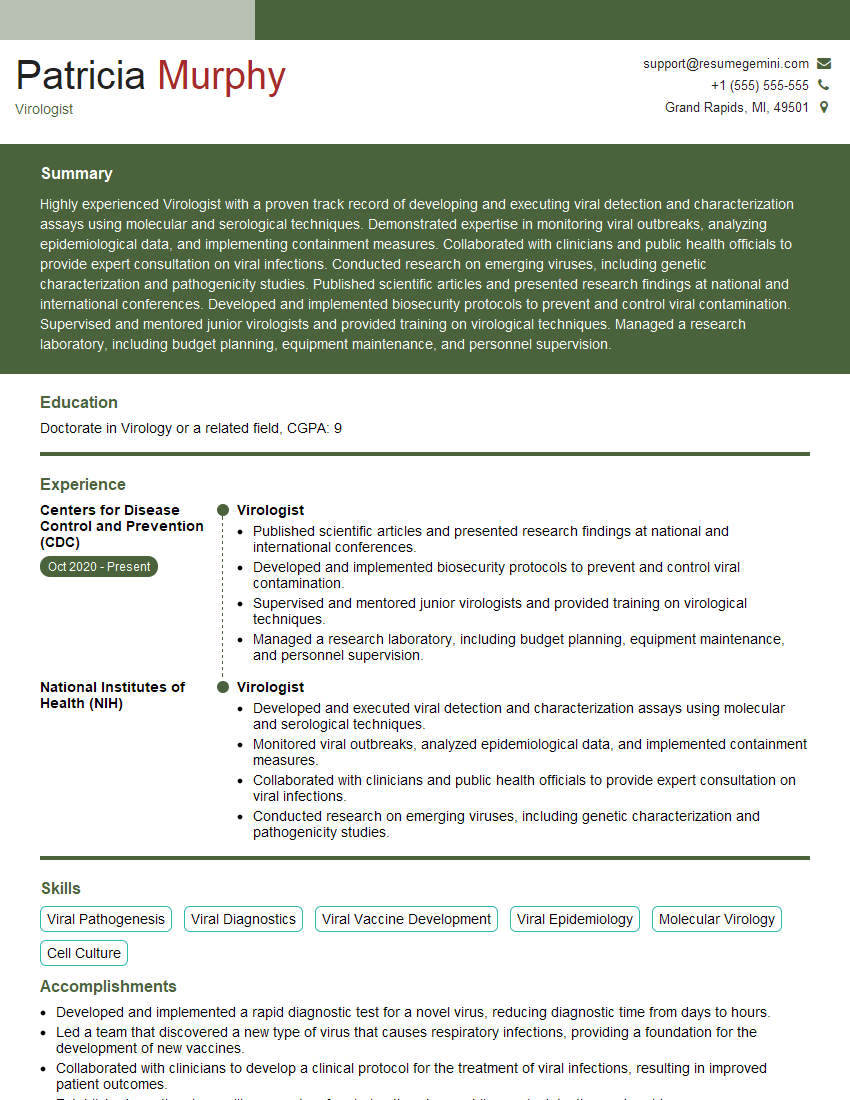
Virologist Resume Sample
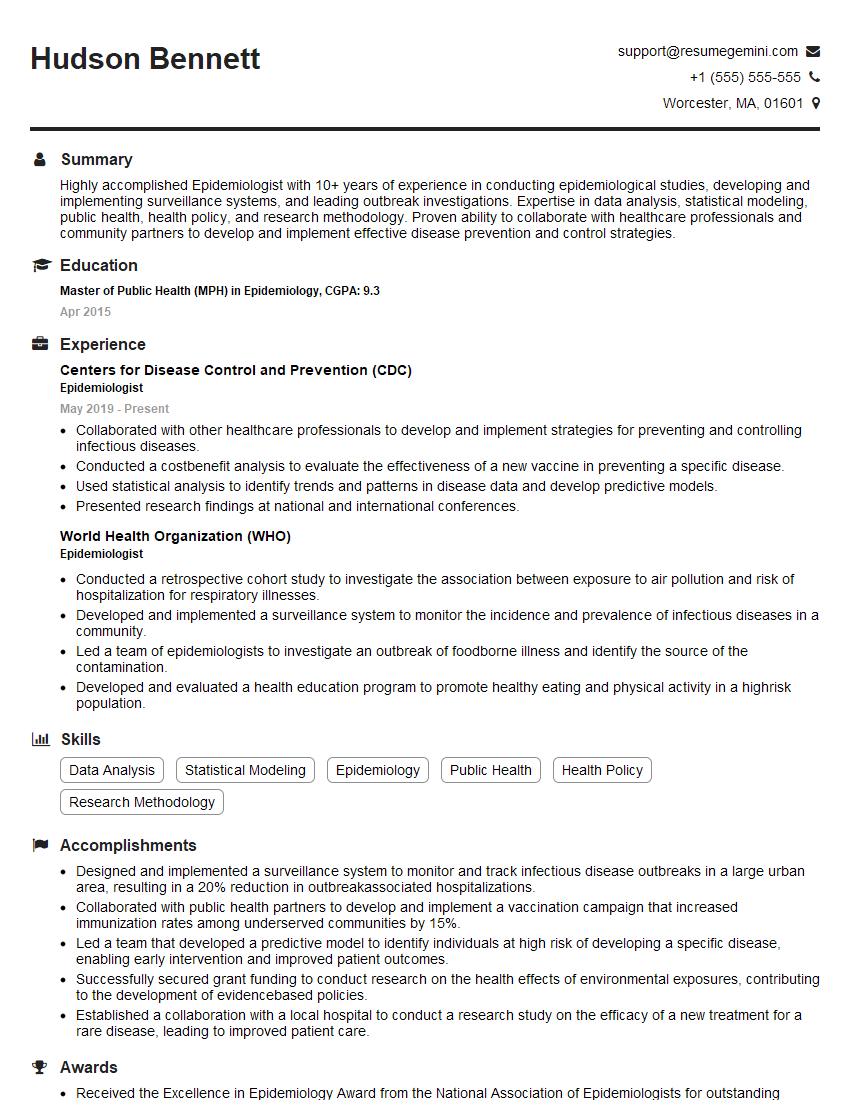
Epidemiologist Resume Sample
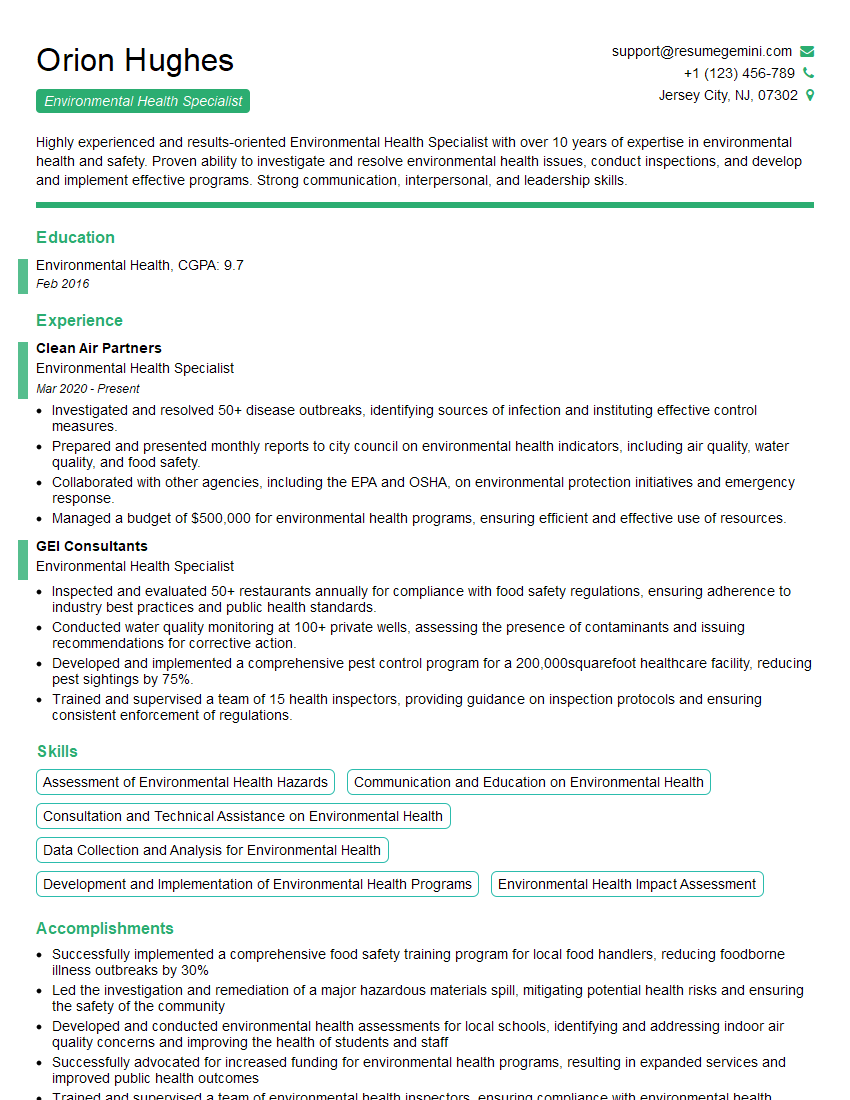
Environmental Health Specialist Resume Sample
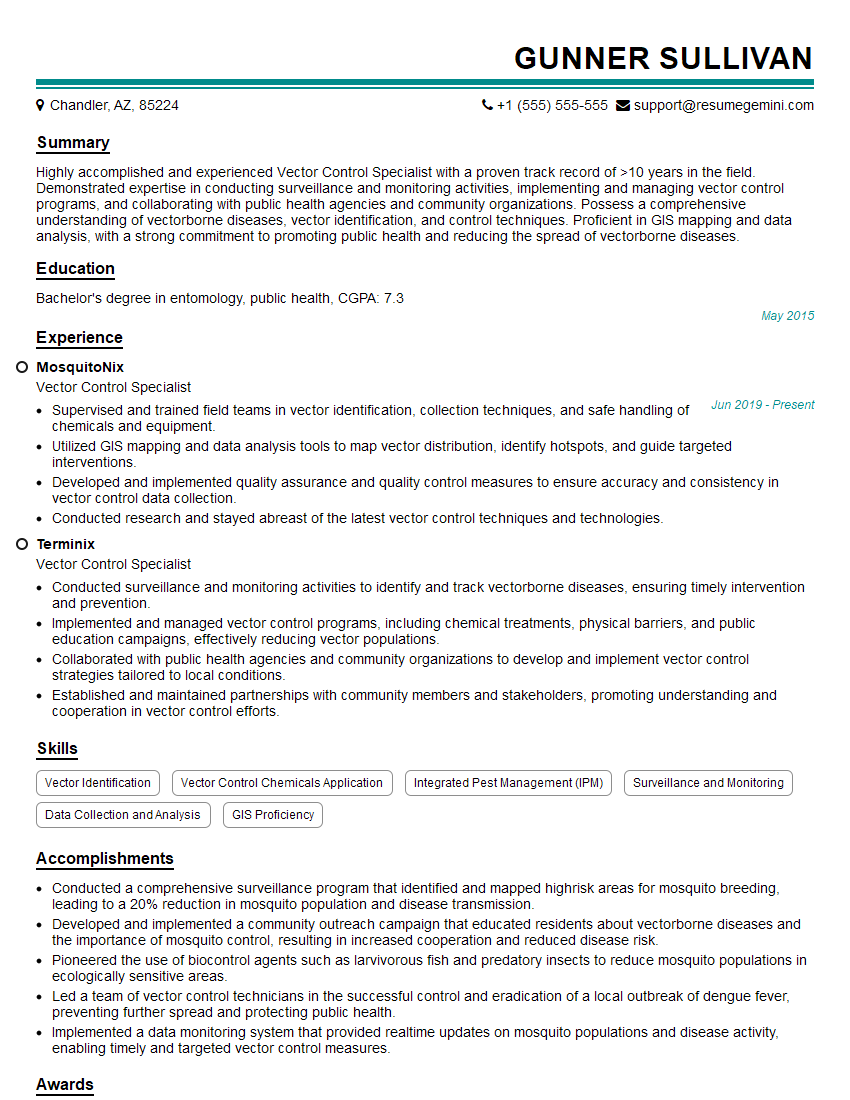
Vector Control Specialist Resume Sample
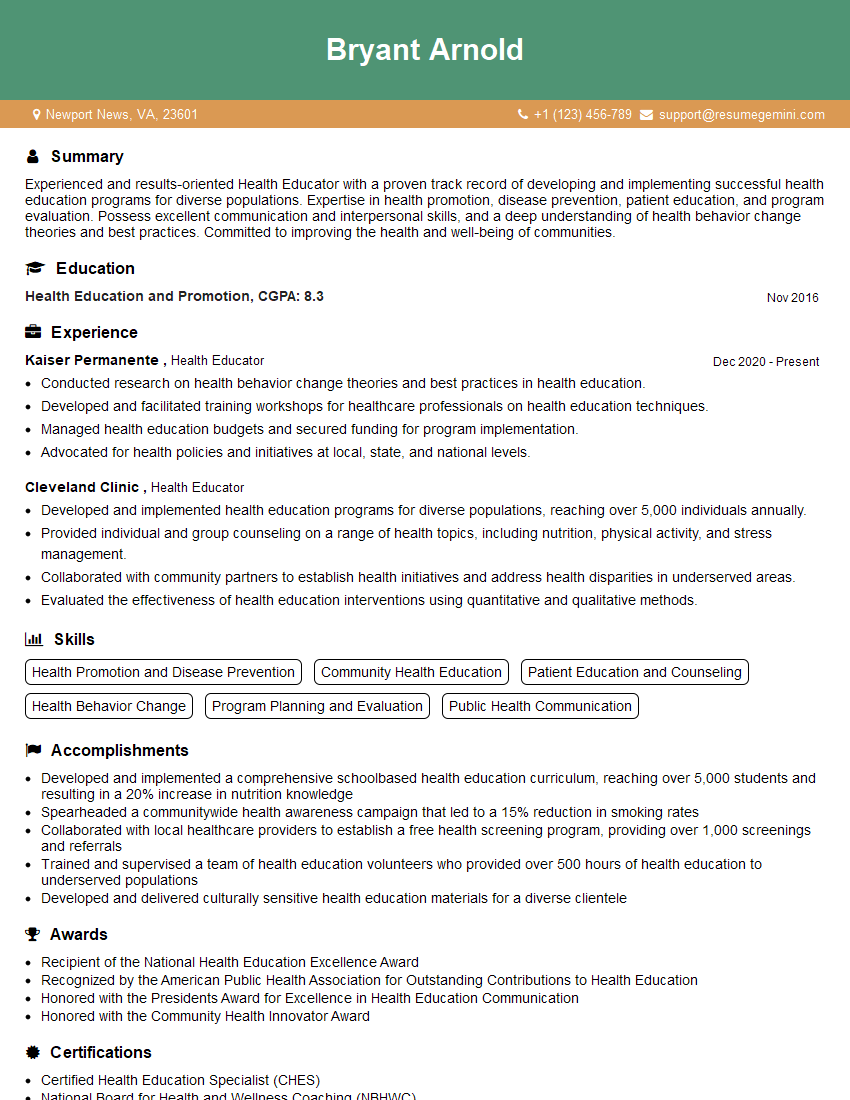
Health Educator Resume Sample
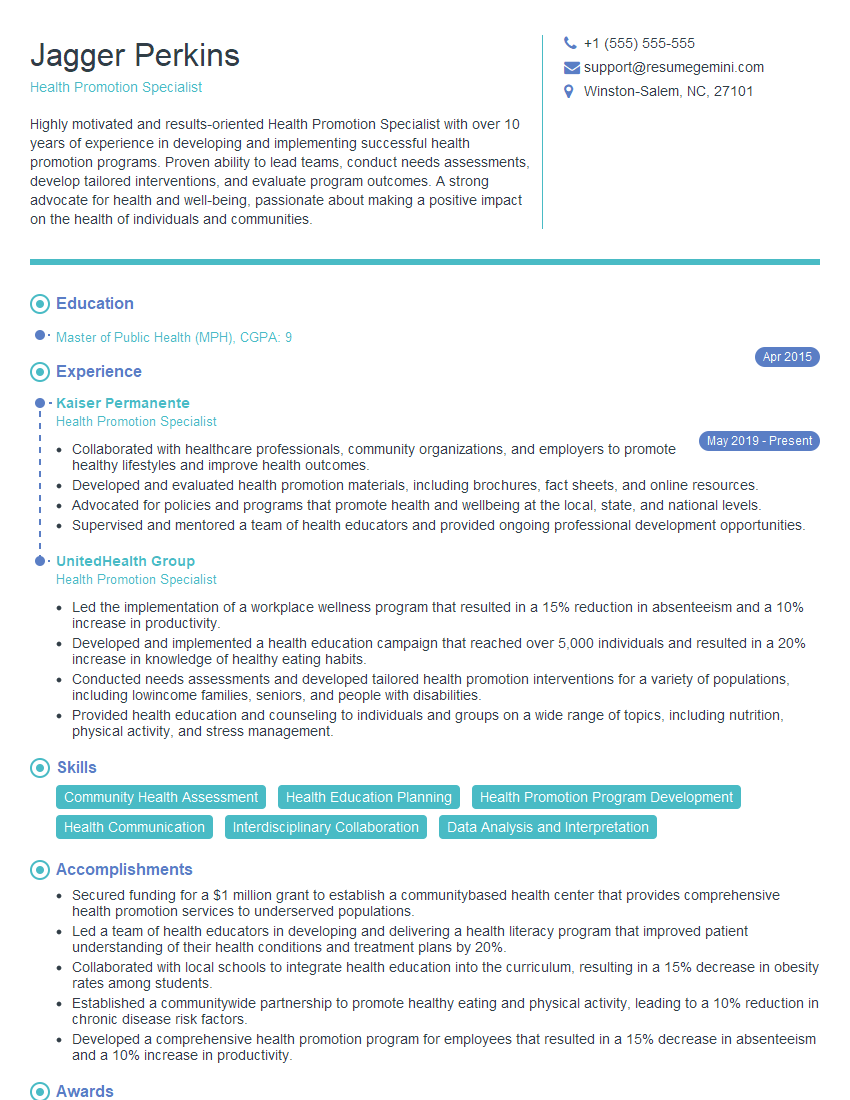
Health Promotion Specialist Resume Sample
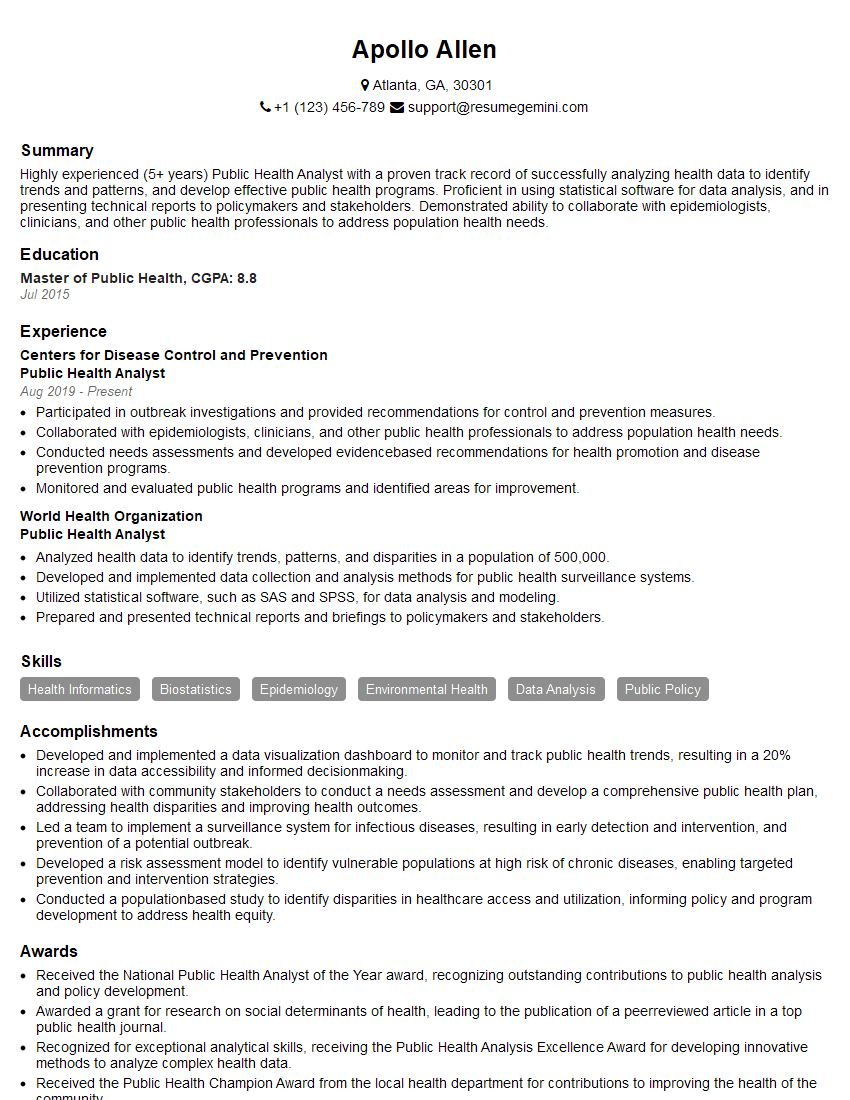
Public Health Analyst Resume Sample
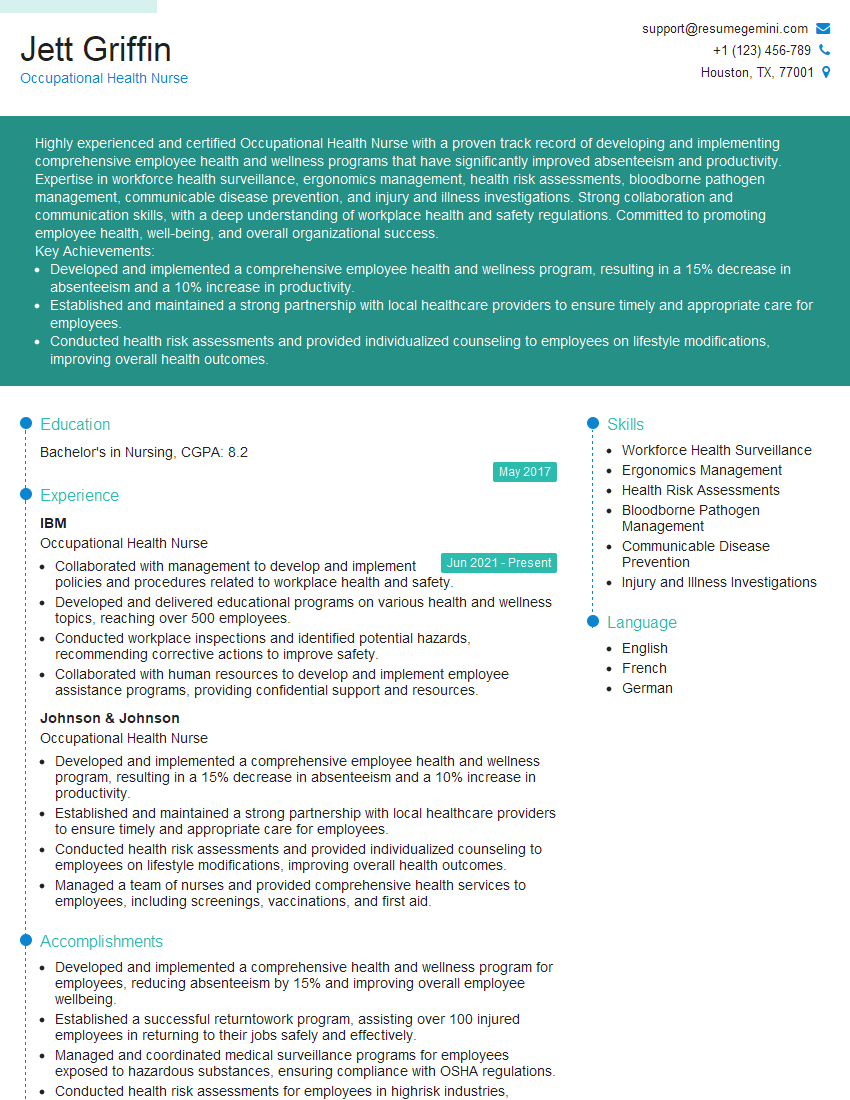
Occupational Health Nurse Resume Sample
Explore more articles
Users Rating of Our Blogs
Share Your Experience
We value your feedback! Please rate our content and share your thoughts (optional).
What Readers Say About Our Blog
Very informative content, great job.
good