Cracking a skill-specific interview, like one for Communication and Liaison, requires understanding the nuances of the role. In this blog, we present the questions you’re most likely to encounter, along with insights into how to answer them effectively. Let’s ensure you’re ready to make a strong impression.
Questions Asked in Communication and Liaison Interview
Q 1. Describe your experience managing communication across different teams or departments.
Managing communication across diverse teams requires a multifaceted approach. It’s not just about sending information; it’s about fostering understanding and collaboration. My experience involves establishing clear communication channels, utilizing various tools depending on the team’s preference and project needs (e.g., project management software, email, instant messaging, regular team meetings). I also focus on tailoring the message to the specific audience, ensuring clarity and relevance. For example, a technical update for engineers will differ vastly from a progress report for executive leadership.
In a previous role, I managed communication between the marketing, sales, and product development teams during a major product launch. We utilized a shared project management platform for task updates and deadlines, weekly status meetings to address roadblocks, and a dedicated communication channel for urgent issues. This structured approach ensured everyone remained informed and aligned, leading to a successful launch.
- Clear Channels: Defining specific methods for different types of communication.
- Consistent Updates: Providing regular updates to prevent information silos.
- Targeted Messaging: Tailoring communication based on the audience’s needs and technical understanding.
- Feedback Mechanisms: Establishing avenues for feedback and clarifying any misunderstandings.
Q 2. How do you prioritize conflicting communication needs?
Prioritizing conflicting communication needs requires a strategic approach. I use a framework that prioritizes based on urgency, impact, and strategic alignment. Urgency addresses immediate deadlines or crises; impact considers the potential consequences of not addressing the communication need; and strategic alignment refers to the importance of the communication to overall goals. Think of it like a triage system in a hospital – addressing the most critical needs first.
For example, if a critical system failure occurs (high urgency, high impact), that takes precedence over a less urgent request, even if the latter is important. I clearly communicate these prioritizations to all stakeholders, explaining the rationale behind the decisions to ensure transparency and buy-in.
- Urgency Matrix: Categorize communication needs by urgency and impact.
- Stakeholder Alignment: Understand the priorities of key stakeholders.
- Transparency: Communicate prioritization decisions openly.
- Delegation: Delegate tasks where appropriate to manage workload effectively.
Q 3. Explain your process for creating and delivering a compelling presentation.
Creating a compelling presentation begins with understanding the audience and the key message. I follow a structured process:
- Audience Analysis: Identify the audience’s knowledge level, interests, and expectations.
- Message Definition: Craft a clear, concise, and impactful message that addresses the audience’s needs.
- Structure & Content: Organize the information logically, using a compelling narrative structure. Include visual aids (charts, graphs, images) to enhance understanding.
- Rehearsal & Refinement: Practice the delivery to ensure a smooth, confident presentation. Incorporate feedback for improvement.
- Delivery: Engage the audience with clear communication, maintaining eye contact, and using appropriate tone and body language.
For instance, when presenting to senior executives, I focus on high-level strategic implications, whereas when presenting to a technical team, I include more detailed technical information. Adapting the presentation style is key to audience engagement.
Q 4. How do you handle difficult conversations or negotiations?
Handling difficult conversations or negotiations requires empathy, active listening, and a structured approach. I start by establishing a safe and respectful environment, actively listening to understand the other party’s perspective, before clearly stating my own position. I look for common ground, explore options collaboratively, and find mutually beneficial solutions. It’s about finding win-win scenarios wherever possible.
In one instance, I had to mediate a disagreement between two teams with conflicting priorities. By actively listening to each side’s concerns, I identified the root cause of the conflict and facilitated a collaborative solution that met the needs of both teams, ultimately avoiding a major project delay.
- Active Listening: Understanding the other party’s perspective.
- Empathy: Showing understanding and respect for their feelings.
- Collaborative Problem-Solving: Working together to find mutually beneficial solutions.
- Conflict Resolution Techniques: Using strategies like compromise, negotiation, and mediation.
Q 5. How do you adapt your communication style to different audiences?
Adapting communication style to different audiences is crucial for effective communication. I consider factors like their level of technical expertise, their cultural background, and their communication preferences. For example, communicating with a technical team requires precise and detail-oriented language, whereas communicating with senior management requires a more concise and high-level overview.
I also adapt my communication style based on the communication medium. An email requires a formal and concise tone, whereas a team meeting allows for more interactive and dynamic communication. Understanding the context is key to tailoring the message appropriately.
- Audience Analysis: Understanding the audience’s background, knowledge, and communication preferences.
- Channel Selection: Choosing the appropriate communication medium for the situation.
- Language & Tone: Adjusting language and tone based on the audience and context.
- Non-verbal Communication: Being mindful of body language and visual cues.
Q 6. Describe a time you had to resolve a communication breakdown.
During a product launch, a communication breakdown occurred between the marketing and sales teams. Marketing released promotional materials with inaccurate pricing information, causing confusion among the sales team and potential customers.
To resolve this, I immediately initiated a meeting involving both teams. We identified the source of the error, corrected the pricing information, and created a revised communication plan for future product launches. This included a multi-stage approval process for all marketing materials and strengthened communication channels between the teams. Transparency and accountability were key to repairing the breakdown and preventing future issues.
Q 7. How do you measure the effectiveness of your communication strategies?
Measuring the effectiveness of communication strategies depends on the goals. I utilize a range of metrics, including:
- Surveys & Feedback: Gathering feedback from stakeholders to assess understanding and satisfaction.
- Project Metrics: Tracking project timelines and efficiency to gauge communication’s impact on performance.
- Sales Data: Analyzing sales figures to measure the impact of marketing campaigns.
- Engagement Metrics: Tracking website traffic, social media engagement, or email open rates to assess communication reach.
Using a combination of qualitative (feedback) and quantitative (data) methods provides a comprehensive view of communication effectiveness. Regularly reviewing these metrics allows for continuous improvement and adjustments to the communication strategies.
Q 8. How proficient are you in different communication mediums (email, phone, in-person)?
I’m highly proficient in all three communication mediums – email, phone, and in-person. My approach is tailored to the specific context and audience. Email is ideal for formal communication, detailed information, and creating a record. I ensure my emails are concise, clear, and include a professional salutation and closing. For instance, when providing project updates to a client, I prioritize clarity and include all necessary details. Phone calls are perfect for quick updates, discussions needing immediate feedback, or when building rapport. I make sure to actively listen, confirm understanding, and summarize key points. Finally, in-person communication facilitates stronger relationships, allows for nuanced communication, and enables non-verbal cues to enhance understanding. During a team brainstorming session, for example, I actively participate, listen to others, and contribute constructively, using body language to show engagement.
Q 9. How do you ensure clear and consistent messaging across all channels?
Maintaining consistent messaging across all channels requires a well-defined communication strategy. I begin by establishing a central message or key points that need to be communicated. These are often developed collaboratively with key stakeholders. Next, I craft tailored versions of this message for each medium. A concise tweet, for example, will differ greatly from a detailed email report. Finally, I utilize templates and style guides to ensure consistency in tone, branding, and formatting across all communications. Imagine a product launch: the press release, social media posts, and internal announcements will all convey the same core message, yet be tailored to their respective audiences and platforms. Regular reviews and feedback loops are critical to adjusting the strategy as needed.
Q 10. How do you build and maintain strong relationships with stakeholders?
Building and maintaining strong stakeholder relationships requires proactive communication and genuine engagement. I prioritize active listening, understanding their perspectives, and addressing their concerns promptly and thoroughly. I regularly seek feedback and demonstrate empathy, showing I value their input. For example, I always schedule regular check-ins with key stakeholders to discuss progress, challenges, and any concerns. This allows for proactive problem-solving and fosters a collaborative environment. I also personalize my communications, remembering key details about their priorities and projects to show genuine interest. Building trust is paramount; this is accomplished through transparency, accountability, and consistent follow-through on commitments. Open dialogue is fostered by creating a safe space for feedback, both positive and constructive.
Q 11. Describe your experience working with diverse teams or groups.
I thrive in diverse team environments. My experience includes working with individuals from various cultural backgrounds, technical expertise levels, and communication styles. My approach is to embrace these differences as strengths. I actively promote inclusivity by ensuring all voices are heard and valued. I use clear and concise language, avoiding jargon or technical terms that may exclude certain team members. I also adapt my communication style to individual preferences, recognizing that some individuals prefer direct communication while others value more collaborative approaches. For example, in a multicultural team, I use translation tools when needed, and am mindful of cultural nuances in communication, avoiding assumptions and focusing on respectful interaction. I firmly believe that diverse perspectives lead to better solutions.
Q 12. How do you handle sensitive or confidential information?
Handling sensitive or confidential information requires a meticulous approach. I strictly adhere to all relevant data protection policies and procedures. This includes understanding and complying with regulations such as GDPR or HIPAA, depending on the context. I only share information on a need-to-know basis and use secure channels for communication, such as encrypted emails or secure file sharing platforms. Furthermore, I maintain detailed records of who has accessed what information and when. Physical security of documents is equally important and I follow all established protocols for storage and disposal of confidential materials. I also prioritize regular security awareness training to stay abreast of best practices and emerging threats. Confidentiality is a cornerstone of my professional ethics.
Q 13. How do you identify and address communication barriers?
Identifying and addressing communication barriers is a crucial aspect of effective liaison. I actively listen for clues such as unclear messages, misunderstandings, or frustrated reactions. Some common barriers include language differences, cultural nuances, technical jargon, or differing communication styles. I utilize techniques like paraphrasing, asking clarifying questions, and providing visual aids to ensure understanding. When language differences are a barrier, I may utilize translation services or employ simpler language. For cultural barriers, I research and understand cultural norms beforehand, and remain mindful and respectful during communication. Addressing these proactively and using empathy allows for more efficient and effective interactions, avoiding potential conflict or delays.
Q 14. How do you use technology to enhance communication and collaboration?
Technology significantly enhances communication and collaboration. I am proficient in utilizing various tools, including project management software (e.g., Asana, Trello), video conferencing platforms (e.g., Zoom, Microsoft Teams), and communication platforms (e.g., Slack). These tools facilitate efficient information sharing, real-time collaboration, and remote communication. For instance, using project management software allows for transparent task allocation and progress tracking. Video conferencing promotes face-to-face interaction even when geographically dispersed. Instant messaging platforms enable quick and informal communication, while document sharing tools streamline workflows and eliminate the need for email attachments. Regularly assessing the effectiveness of different technologies and adapting my use of them based on the context and stakeholder needs is essential.
Q 15. Explain your experience using data and analytics to inform communication decisions.
Data and analytics are crucial for making informed communication decisions. Instead of relying solely on intuition, I leverage data to understand audience preferences, measure campaign effectiveness, and optimize communication strategies. This involves analyzing website traffic, social media engagement, email open rates, and survey results to identify trends and patterns.
For example, in a previous role, we launched a new product. Initial marketing campaigns using primarily print media showed low engagement. By analyzing website analytics, we discovered a significant portion of our target demographic preferred digital channels. We shifted our strategy to prioritize online advertising and social media marketing, resulting in a 300% increase in leads within three months. This success highlights the power of data-driven decision-making in communication.
Furthermore, A/B testing allows for the continuous optimization of communication materials. By testing different headlines, visuals, or call-to-actions, I can determine which versions resonate most effectively with the target audience. This iterative approach ensures we’re constantly refining our messages for maximum impact.
Career Expert Tips:
- Ace those interviews! Prepare effectively by reviewing the Top 50 Most Common Interview Questions on ResumeGemini.
- Navigate your job search with confidence! Explore a wide range of Career Tips on ResumeGemini. Learn about common challenges and recommendations to overcome them.
- Craft the perfect resume! Master the Art of Resume Writing with ResumeGemini’s guide. Showcase your unique qualifications and achievements effectively.
- Don’t miss out on holiday savings! Build your dream resume with ResumeGemini’s ATS optimized templates.
Q 16. How do you manage expectations and maintain transparency with stakeholders?
Managing expectations and maintaining transparency with stakeholders is paramount for successful communication. I achieve this through proactive and consistent communication, establishing clear communication channels, and setting realistic timelines and deliverables.
At the outset of any project, I work closely with stakeholders to define goals, roles, and expectations. Regular updates, both written and verbal, keep everyone informed of progress, challenges, and potential roadblocks. I use a variety of communication methods tailored to each stakeholder’s preference, including email, project management software, and face-to-face meetings. If unexpected issues arise, I promptly inform stakeholders, clearly explaining the situation and outlining mitigation strategies. Open dialogue and honest communication foster trust and prevent misunderstandings.
For instance, when a project faced unexpected delays due to external factors, I immediately communicated the issue to all stakeholders, explaining the reasons for the delay and providing a revised timeline. This transparent communication prevented frustration and maintained their confidence in the project’s successful completion. Transparency builds trust and allows stakeholders to adapt to changes more effectively.
Q 17. Describe your approach to conflict resolution in a communication context.
Conflict resolution in communication often involves addressing misunderstandings, differing perspectives, or conflicting priorities. My approach is to actively listen to all parties involved, identify the root cause of the conflict, and collaboratively work towards a mutually acceptable solution. This involves empathy, patience, and a focus on finding common ground.
I typically start by creating a safe and neutral space where everyone feels comfortable expressing their concerns. I use active listening techniques to ensure I understand each perspective fully, asking clarifying questions and summarizing points to confirm understanding. Once the root cause is identified, I facilitate a collaborative discussion to brainstorm potential solutions. The focus is always on finding a solution that addresses everyone’s concerns and aligns with overall project goals. If necessary, I may mediate the discussion to ensure fair and respectful communication.
For example, in a team project, disagreements arose regarding the messaging for a marketing campaign. By facilitating a structured discussion, I helped the team identify the underlying concerns, which were primarily related to targeting different audience segments. We then collaboratively developed a messaging strategy that addressed the needs of all segments, resulting in a successful and unified campaign.
Q 18. How do you stay up-to-date with current communication trends and best practices?
Staying current with communication trends and best practices is essential for maintaining professional effectiveness. I achieve this through a combination of continuous learning and professional development. This includes subscribing to industry newsletters, attending conferences and webinars, and actively participating in online professional communities.
I regularly read industry publications and blogs to stay informed about emerging technologies and communication strategies. Attending conferences and webinars provides opportunities to learn from experts and network with other professionals. Active participation in online forums and communities allows me to engage in discussions, share insights, and learn from others’ experiences. I also actively seek out feedback on my communication skills, using it to improve my approach and stay aligned with best practices.
For instance, my recent participation in a webinar on inclusive communication highlighted the importance of using gender-neutral language and diverse imagery. This knowledge has directly influenced my communication strategies, making them more inclusive and effective.
Q 19. How do you proactively identify potential communication issues?
Proactively identifying potential communication issues involves a combination of foresight, planning, and stakeholder engagement. I utilize several strategies to anticipate and mitigate potential problems before they escalate.
Firstly, I conduct thorough stakeholder analysis to understand the communication needs and preferences of different groups. This allows me to tailor my communication approach to ensure clarity and effectiveness. Secondly, I use risk assessment techniques to identify potential communication roadblocks, such as conflicting priorities, lack of resources, or unclear expectations. This helps in developing proactive mitigation strategies. Thirdly, I regularly review communication plans and processes to identify areas for improvement and proactively address potential problems.
For example, when launching a new initiative, I conduct a thorough stakeholder analysis to understand their level of knowledge and engagement. I then tailor communication materials to address their specific needs and concerns, preventing potential misunderstandings or confusion. By anticipating potential issues and developing proactive solutions, I contribute to seamless and effective communication flow.
Q 20. Describe your experience facilitating meetings or workshops.
I have extensive experience facilitating meetings and workshops, focusing on creating inclusive and productive environments. My approach centers on clear objectives, structured agendas, and active participation from all attendees.
Before any meeting, I develop a detailed agenda with clear objectives and expected outcomes. I distribute the agenda in advance to ensure everyone is prepared. During the meeting, I use various techniques to encourage participation, such as brainstorming sessions, roundtable discussions, and Q&A sessions. I actively manage time and ensure all participants have an opportunity to contribute. After the meeting, I distribute minutes and action items to ensure accountability and follow-up.
In a recent workshop on strategic communication, I facilitated a collaborative session where participants brainstormed innovative communication strategies. By using visual aids, interactive exercises, and open discussion, I encouraged creative thinking and engagement from all attendees. The workshop yielded valuable insights and actionable strategies, directly impacting the organization’s communication initiatives. Effective facilitation ensures meetings are productive and achieve their intended goals.
Q 21. How familiar are you with crisis communication procedures?
I am very familiar with crisis communication procedures. Effective crisis communication is vital for minimizing damage to reputation, stakeholder relationships, and organizational stability. My approach is built on a foundation of rapid response, transparency, and empathy.
A well-defined crisis communication plan is essential. This plan should outline roles, responsibilities, communication channels, and key messages. In a crisis situation, I prioritize accurate and timely information dissemination. This often involves utilizing multiple communication channels, such as press releases, social media updates, and direct communication with stakeholders. Transparency is key; I aim to provide honest and open communication, even when dealing with incomplete information. Empathy and understanding are crucial, acknowledging the impact of the crisis on all affected parties.
For example, I was involved in managing a crisis situation where a product recall was necessary. By immediately implementing our crisis communication plan, we quickly disseminated accurate information to customers, media outlets, and regulatory agencies. This proactive approach minimized negative publicity and mitigated potential damage to our reputation. Successful crisis management requires a calm, decisive, and transparent approach.
Q 22. How do you handle feedback, both positive and negative?
I view feedback as a crucial tool for growth. Positive feedback validates my efforts and reinforces successful strategies. I use it to build on achievements and identify areas to replicate in future projects. Negative feedback, while sometimes challenging, is invaluable for identifying weaknesses and areas for improvement. My approach is to actively listen, seek clarification if needed, and analyze the feedback objectively. I then develop an action plan to address the concerns, documenting the steps I’ll take and the timeline for implementation. For example, if I receive feedback that a communication was too technical, I would revise it using simpler language and more visual aids, and then test it with a smaller group before wider dissemination. I also follow up with the person who provided the feedback to demonstrate that their input was valued and acted upon. This iterative process ensures continuous improvement in my communication strategies.
Q 23. How do you ensure accessibility in your communication efforts?
Ensuring accessibility in communication is paramount. It means making information understandable and usable by everyone, regardless of their abilities or disabilities. This involves considering various aspects such as:
- Language: Using clear, concise language, avoiding jargon and technical terms whenever possible.
- Format: Providing information in multiple formats, including text, audio, and video, and ensuring compatibility with assistive technologies like screen readers.
- Visual Design: Using sufficient color contrast, appropriate font sizes, and clear visual hierarchies to enhance readability for people with visual impairments.
- Structure: Organizing information logically and using headings, subheadings, and bullet points to improve navigation and comprehension.
For instance, when creating a presentation, I ensure that it is accessible by including alt text for images, using clear font styles and sizes, and providing a transcript for audio elements. This comprehensive approach allows everyone to access and engage with the information.
Q 24. Describe a time you had to build consensus among differing opinions.
In a previous role, we were launching a new internal communication system. There were strong opinions on which platform to adopt – some favored a simpler, less feature-rich option, while others pushed for a more sophisticated, but complex, system. To build consensus, I facilitated a series of workshops involving representatives from different departments. We started by clearly defining the project goals and desired outcomes. Then, I used a structured approach: We brainstormed the pros and cons of each platform, categorized the feedback according to key criteria (cost, usability, features), and weighed them against our overall objectives. This allowed us to objectively compare options and address concerns transparently. Finally, we used a weighted scoring system to objectively compare the different platforms against defined criteria, which helped to neutralize biases and facilitated a more collaborative and data-driven decision-making process. The result was a more unified approach, and everyone felt their voices were heard, leading to the successful adoption of a platform that met most stakeholders’ needs.
Q 25. How do you measure the success of a communication campaign?
Measuring the success of a communication campaign involves both qualitative and quantitative methods. Quantitative metrics might include website traffic, social media engagement (likes, shares, comments), email open and click-through rates, survey responses, and sales figures (if applicable). Qualitative metrics involve assessing the impact on brand awareness, customer satisfaction, employee morale (for internal campaigns), and overall understanding of the message. To gauge qualitative success, I would conduct focus groups, interviews, and analyze social media sentiment. For example, if I’m running a campaign to increase employee engagement, I would track participation rates in events, surveys measuring employee satisfaction, and analyze internal communication channels for positive sentiment. A combination of quantitative data and qualitative feedback provides a holistic view of the campaign’s effectiveness and allows for informed adjustments and future improvements.
Q 26. Explain your experience with internal communication platforms and tools.
I have extensive experience with various internal communication platforms and tools, including Microsoft Teams, Slack, Yammer, and intranet systems. I’m proficient in using these tools for announcements, updates, discussions, and collaboration. My experience extends beyond simply using these tools; I understand how to leverage their features to optimize communication flows, manage information effectively, and foster a collaborative work environment. For example, on a recent project, I used Microsoft Teams to create dedicated channels for specific project workstreams, allowing for focused discussions and easy access to relevant documents and updates. I also used the platform’s polling features to gather feedback efficiently and make informed decisions. Furthermore, I have experience administering and configuring some of these platforms, ensuring they are effectively tailored to the needs of the organization and its employees.
Q 27. Describe a time you had to negotiate a compromise to reach a communication goal.
During the launch of a new product, the marketing team wanted a very aggressive launch campaign, while the sales team expressed concerns about being able to handle the expected surge in demand. To reach a communication goal that served both teams, I facilitated a negotiation process. We started by clearly outlining each team’s objectives and concerns. Then, I helped them identify common ground – the ultimate goal of a successful product launch. We negotiated a compromise: a phased rollout of the marketing campaign, starting with a smaller-scale launch to gauge customer response and allow the sales team to adjust. This allowed the marketing team to meet their communication goals while ensuring the sales team wasn’t overwhelmed. Open communication, active listening, and a focus on mutual benefit allowed us to find a solution that satisfied both parties and ensured a successful product launch.
Q 28. How would you improve communication within a dysfunctional team?
Improving communication in a dysfunctional team requires a multi-pronged approach. Firstly, I would facilitate open and honest dialogue, creating a safe space for team members to express their concerns and perspectives without fear of judgment. This might involve initiating team-building activities or one-on-one discussions to understand the root causes of communication breakdowns. Secondly, I would establish clear communication protocols and expectations, including regular check-ins, defined communication channels (e.g., using project management software for task updates), and clear guidelines for conflict resolution. Thirdly, I would focus on improving active listening skills among team members through training and practice. Finally, I would work on building trust and rapport within the team through collaborative activities and transparent communication from leadership. Addressing the underlying issues that are hindering communication is crucial for fostering a healthy and productive team environment. It’s important to acknowledge that this is a process and requires consistent effort and patience.
Key Topics to Learn for Communication and Liaison Interview
- Interpersonal Communication: Understanding different communication styles, active listening techniques, and building rapport with diverse individuals. Practical application: Describe a situation where you successfully navigated a conflict through effective communication.
- Written Communication: Mastering clear, concise, and persuasive writing for various audiences and purposes. Practical application: Explain how you would tailor your communication style for a formal report versus an informal email.
- Strategic Communication: Developing and implementing communication plans to achieve specific organizational goals. Practical application: Outline a strategy for communicating a complex project update to stakeholders with varying levels of technical expertise.
- Public Relations & Media Relations: Managing organizational image and reputation, handling media inquiries, and building positive relationships with the public. Practical application: Discuss your experience in crisis communication or reputation management.
- Stakeholder Management: Identifying key stakeholders, understanding their needs and concerns, and building and maintaining strong relationships. Practical application: Describe a situation where you successfully managed expectations of multiple stakeholders with competing priorities.
- Conflict Resolution & Negotiation: Addressing disagreements effectively, finding mutually beneficial solutions, and mediating disputes. Practical application: Explain your approach to resolving a conflict between two team members.
- Cross-Cultural Communication: Understanding and adapting communication styles to different cultural backgrounds and perspectives. Practical application: Describe an experience where you successfully communicated with someone from a different cultural background.
- Digital Communication & Social Media: Utilizing digital platforms and social media effectively for internal and external communication. Practical application: Discuss your experience using social media for professional purposes.
Next Steps
Mastering Communication and Liaison skills is crucial for career advancement in virtually any field. Strong communication abilities lead to improved teamwork, increased efficiency, and stronger relationships with clients and colleagues. To significantly boost your job prospects, creating an ATS-friendly resume is essential. This ensures your application gets noticed by recruiters and hiring managers. ResumeGemini is a trusted resource that can help you build a professional and impactful resume, highlighting your Communication and Liaison expertise. We provide examples of resumes tailored to this field to help guide you. Invest the time to craft a compelling resume – it’s your first impression and a critical step in securing your dream job.
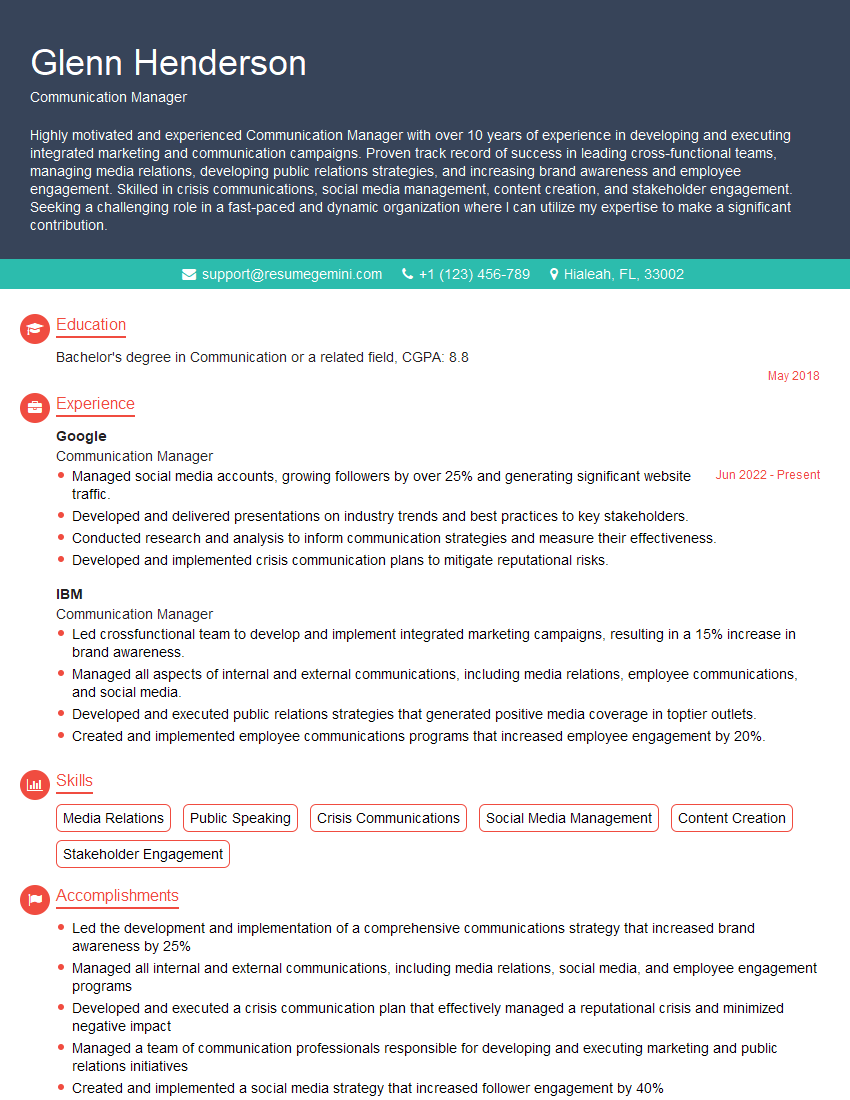
Communication Manager Resume Sample

Communications Director Resume Sample

Customer Service Manager Resume Sample

Marketing Communications Manager Resume Sample
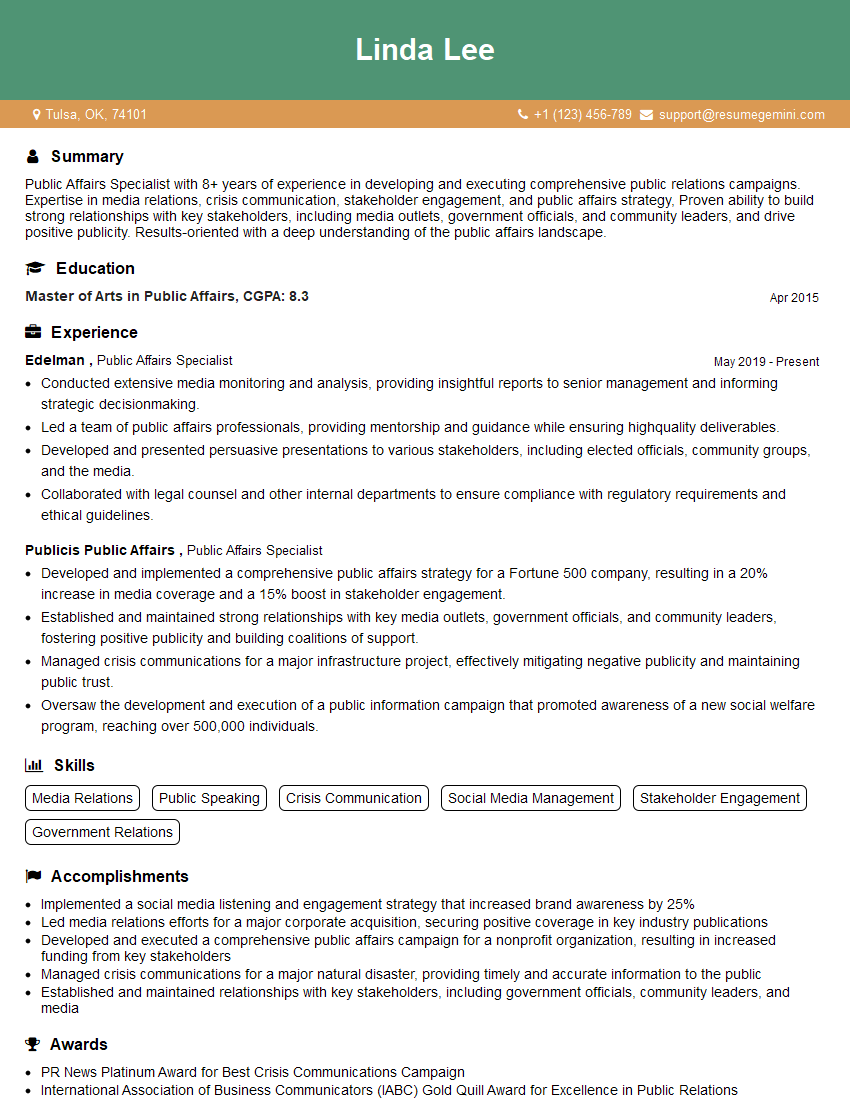
Public Affairs Specialist Resume Sample
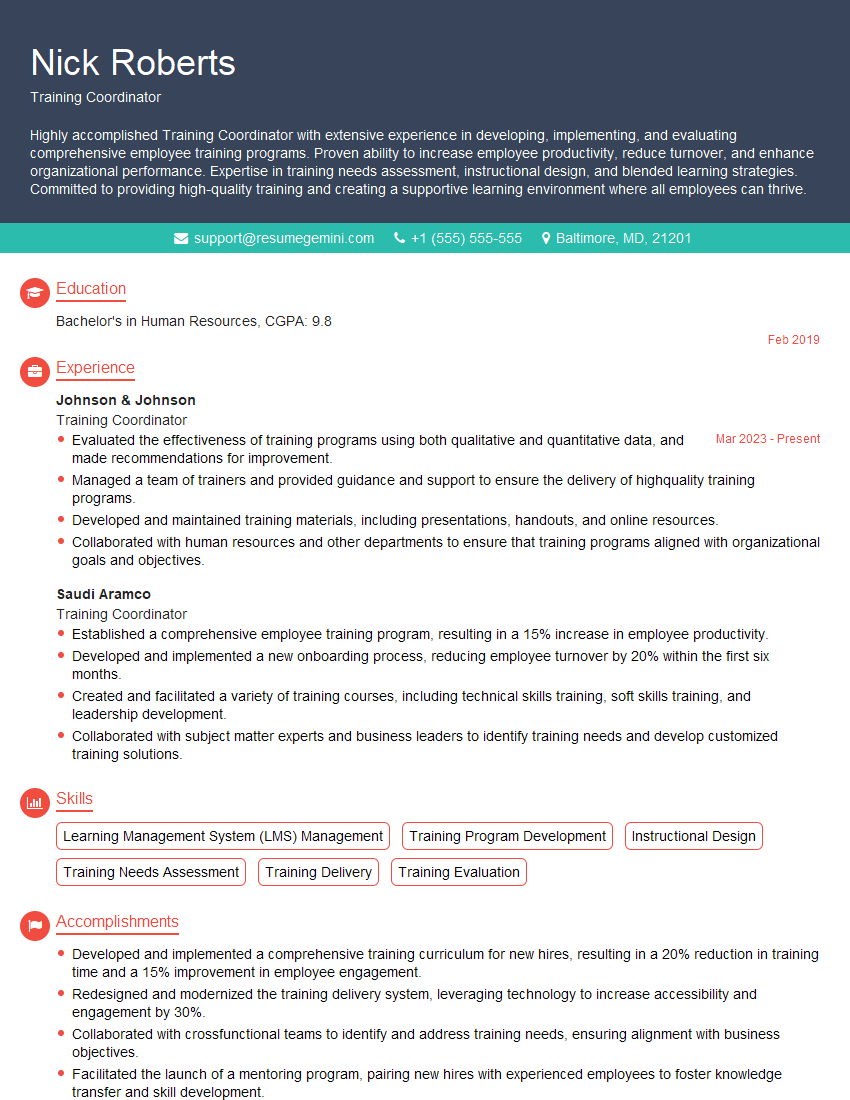
Training Coordinator Resume Sample
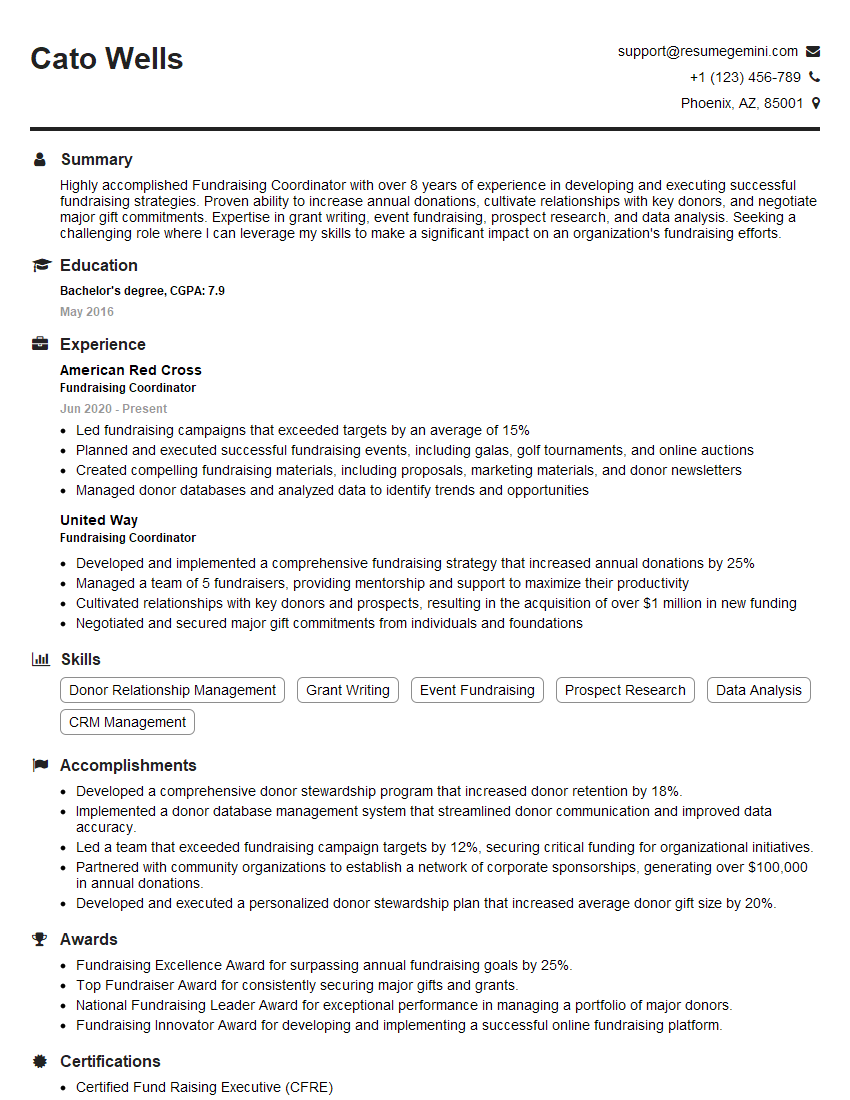
Fundraising Coordinator Resume Sample

Social Media Manager Resume Sample
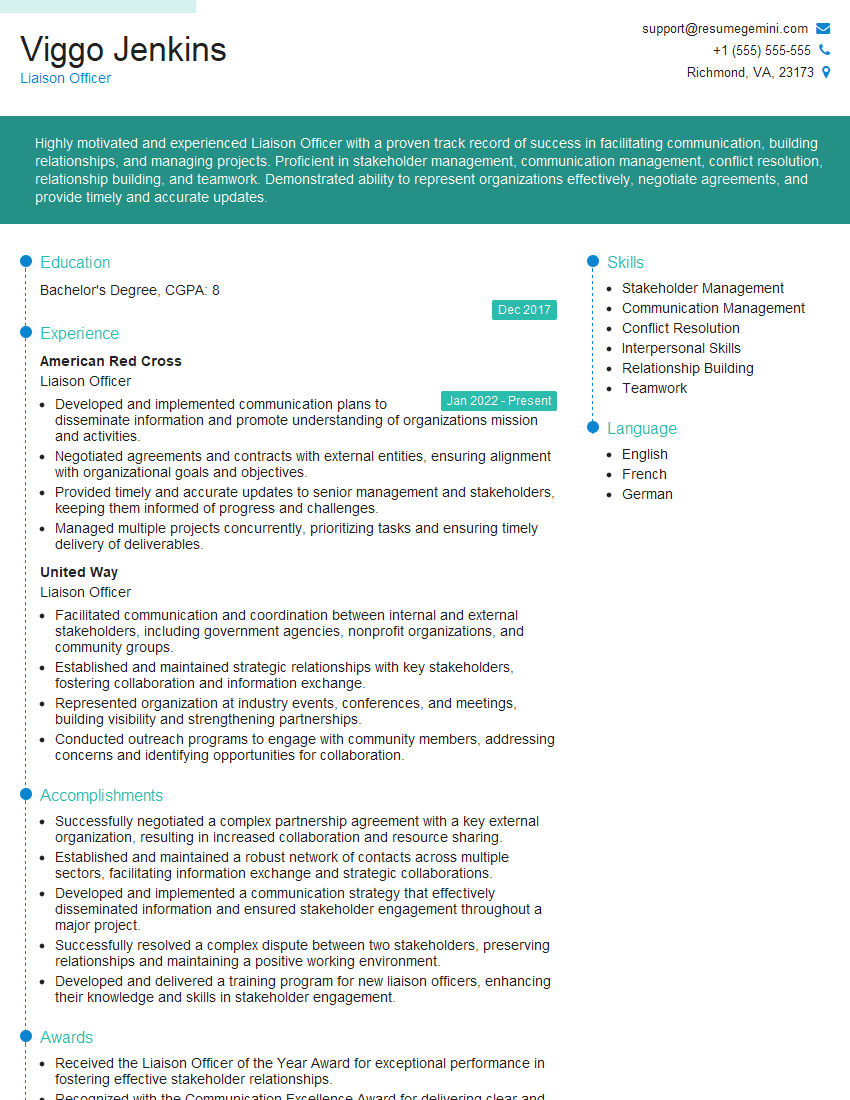
Liaison Officer Resume Sample

Communications Consultant Resume Sample

Technical Writer Resume Sample
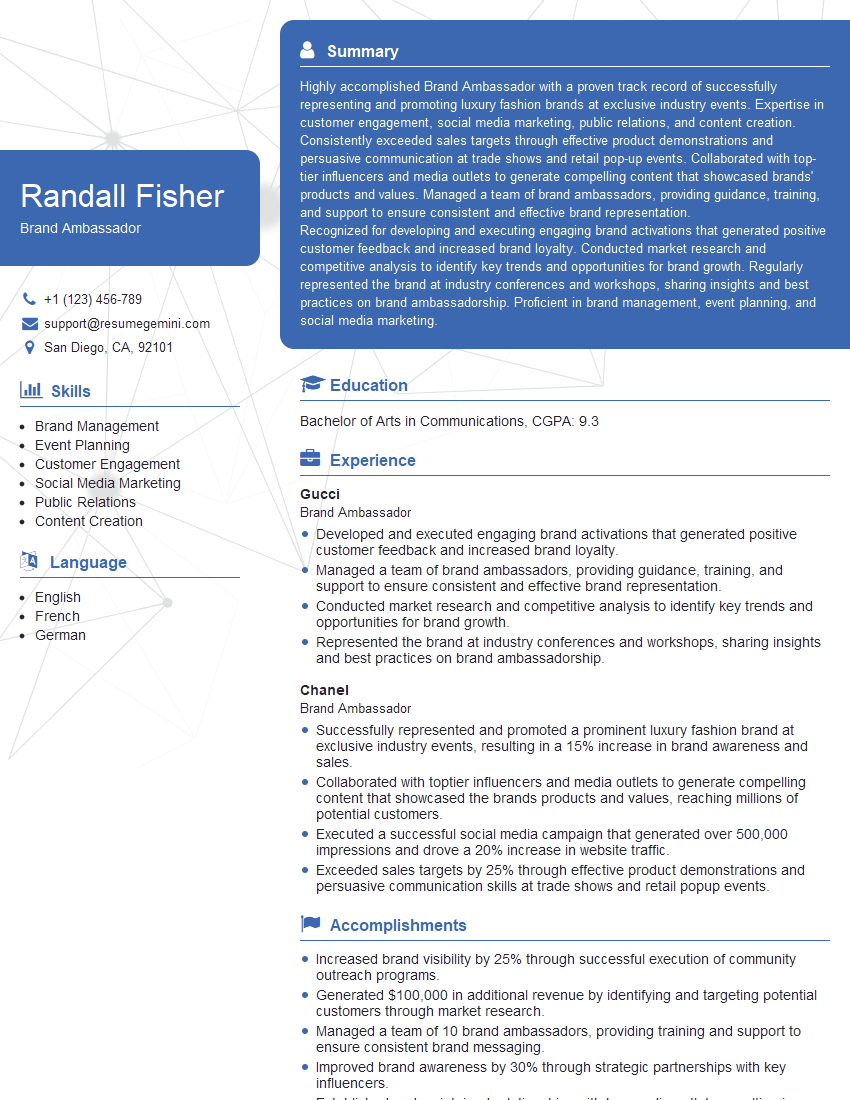
Brand Ambassador Resume Sample
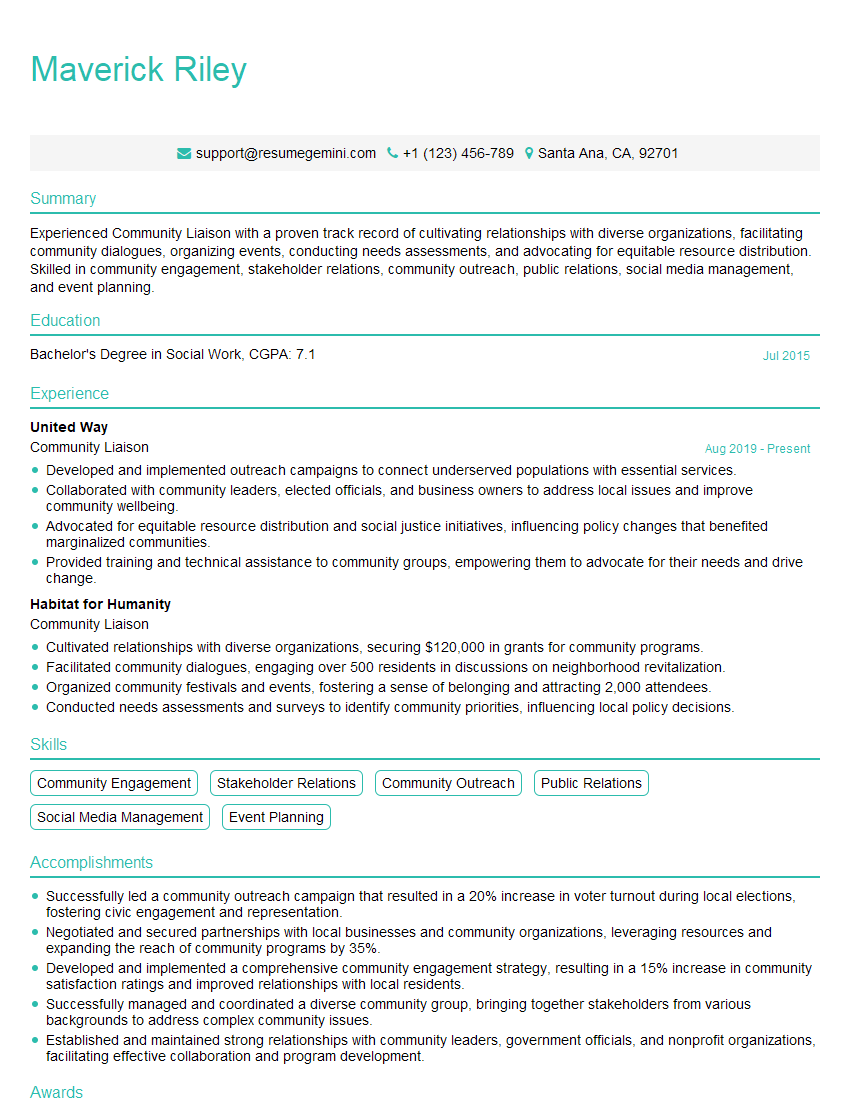
Community Liaison Resume Sample
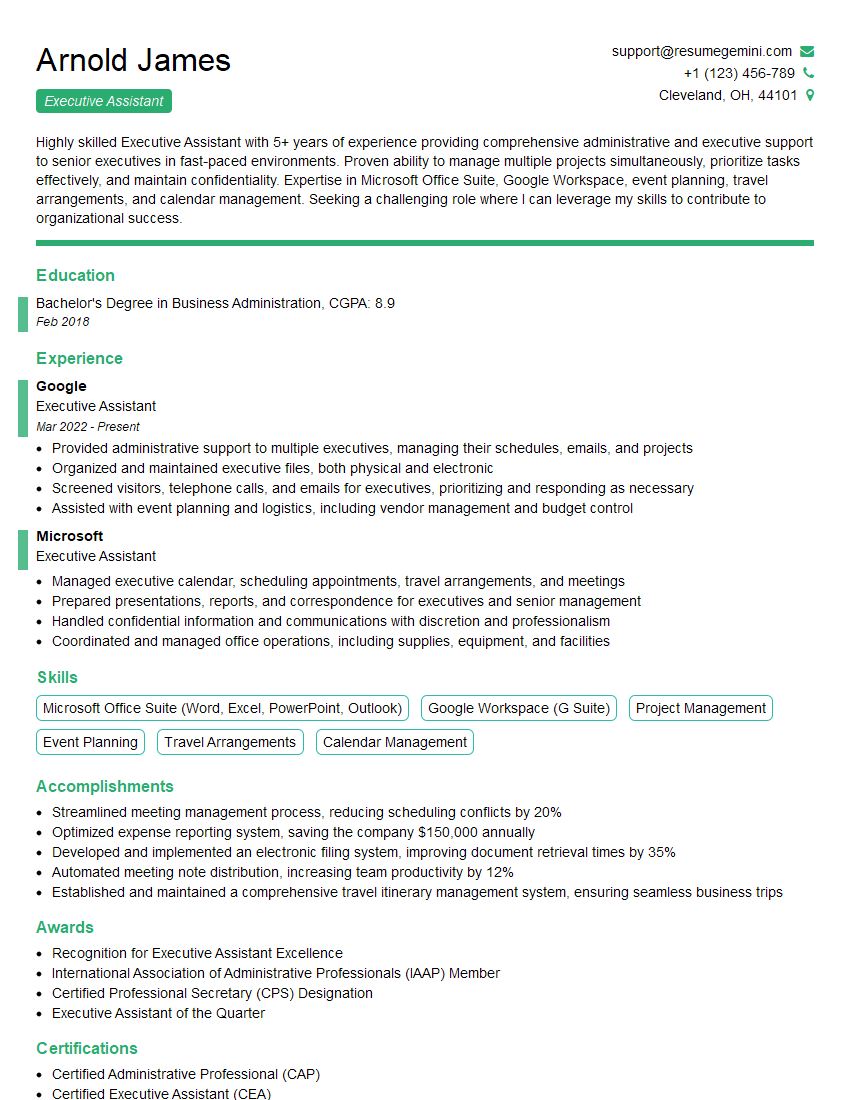
Executive Assistant Resume Sample

Content Creator Resume Sample
- Communication Manager
- Communications Director
- Customer Service Manager
- Marketing Communications Manager
- Public Affairs Specialist
- Training Coordinator
- Fundraising Coordinator
- Social Media Manager
- Liaison Officer
- Communications Consultant
- Technical Writer
- Brand Ambassador
- Community Liaison
- Executive Assistant
- Content Creator
Explore more articles
Users Rating of Our Blogs
Share Your Experience
We value your feedback! Please rate our content and share your thoughts (optional).
What Readers Say About Our Blog
Very informative content, great job.
good