The thought of an interview can be nerve-wracking, but the right preparation can make all the difference. Explore this comprehensive guide to Communication and Public Affairs interview questions and gain the confidence you need to showcase your abilities and secure the role.
Questions Asked in Communication and Public Affairs Interview
Q 1. Describe your experience managing a crisis communication situation.
Managing a crisis communication situation requires swift action, transparency, and empathy. It’s about controlling the narrative and mitigating damage to reputation and stakeholder trust. During my time at [Previous Company Name], we faced a product recall due to a minor manufacturing defect. My role involved immediately assembling a crisis communication team, establishing clear communication channels, and crafting a consistent message across all platforms.
- Immediate Response: We issued a press release acknowledging the issue, outlining the steps taken to rectify the problem, and expressing sincere apologies to affected customers.
- Transparency: We proactively shared information about the defect, the recall process, and the safety measures implemented to prevent future occurrences. We avoided speculation and addressed rumors directly.
- Proactive Communication: We established a dedicated customer service hotline and email address to handle inquiries. We also utilized social media to directly engage with customers and address concerns.
- Monitoring and Evaluation: We closely monitored media coverage and social media conversations to identify emerging issues and adjust our communication strategy accordingly. We tracked customer feedback to assess the effectiveness of our response.
The outcome was a successful management of the crisis, minimizing negative media attention and maintaining customer loyalty. The key was decisive action, honest communication, and a focus on customer well-being.
Q 2. How do you measure the success of a public relations campaign?
Measuring the success of a public relations campaign goes beyond simply looking at media mentions. It’s about quantifying the impact on key business objectives. We use a multi-faceted approach combining qualitative and quantitative data.
- Quantitative Metrics: These include website traffic, social media engagement (likes, shares, comments), media mentions, reach and impressions, sales leads generated, and changes in brand awareness and sentiment (measured via surveys or social listening tools).
- Qualitative Metrics: We analyze media coverage tone (positive, negative, neutral), identify shifts in public perception through social media listening and sentiment analysis, and conduct surveys or focus groups to gauge audience understanding and opinions about the campaign.
- Return on Investment (ROI): We carefully track the cost of the campaign against the achieved results (e.g., increased sales, improved brand reputation). This allows us to determine the efficiency and effectiveness of our investment.
For instance, in a recent campaign promoting a new product launch, we tracked website traffic increases, social media engagement rates, and the number of sales leads generated. We also analyzed the sentiment of media coverage and customer feedback to understand how the campaign impacted brand perception. By combining quantitative and qualitative data, we could confidently assess the campaign’s overall success.
Q 3. What strategies do you employ for building and maintaining positive relationships with the media?
Building and maintaining positive relationships with the media is crucial for effective public relations. It’s about establishing trust, providing value, and fostering mutual respect.
- Relationship Building: I prioritize personal connections. This involves regular communication, offering exclusive information (while respecting confidentiality), and providing timely and accurate responses to media inquiries.
- Providing Value: I ensure journalists receive relevant and timely information that is valuable to their reporting. This may involve offering exclusive interviews, providing background materials, or sharing data relevant to their areas of interest.
- Transparency and Honesty: I am transparent in my communication, acknowledging shortcomings or uncertainties when necessary. I value honest, open dialogue and trust that building strong relationships comes from transparency, not covering up mistakes.
- Mutual Respect: I always treat journalists professionally, understanding their deadlines and the pressures they face. I respect their role as independent reporters and avoid pressuring them to write specific articles. I strive to be a reliable source of accurate and trustworthy information.
I view journalists not as obstacles, but as key partners in effectively communicating our message to a wider audience. Building these relationships pays off in the long run, leading to more positive and accurate media coverage.
Q 4. Explain your understanding of different communication channels and their effectiveness.
Different communication channels offer unique advantages and disadvantages. Selecting the right channel depends on the target audience, message, and desired outcome.
- Traditional Media (Print, Broadcast): Still influential for reaching a wide audience, particularly older demographics. However, they can be slower to reach audiences and more costly.
- Digital Media (Social Media, Email, Websites): Offers targeted reach, immediate feedback, and cost-effectiveness. However, managing multiple platforms can be demanding, and it requires constant monitoring and engagement.
- Internal Communication (Intranets, Newsletters): Crucial for keeping employees informed and engaged. Effective internal communication boosts morale, productivity, and alignment with organizational goals.
- Events and Public Speaking: Powerful for direct engagement, building relationships, and generating buzz. These require significant planning and resources.
For example, a press release about a new product would be effective when disseminated through traditional media outlets, and then amplified and elaborated upon using social media channels, engaging directly with customers on those platforms. Internally, newsletters and intranet updates should be used to maintain employee enthusiasm and provide details about the launch.
Q 5. How do you adapt your communication style to different audiences?
Adapting communication style to different audiences is crucial for effective communication. It’s about understanding the audience’s needs, preferences, and level of knowledge.
- Understanding the Audience: Researching the target audience is fundamental. Consider demographics, interests, values, and existing knowledge about the subject matter.
- Tailoring the Message: Adjust the language, tone, and style to resonate with the audience. Technical jargon should be avoided when communicating with non-experts. Conversely, highly technical information may be simplified for a lay audience.
- Choosing the Right Channel: Select communication channels that the audience actively uses. Younger generations may be more responsive to social media, while older generations may prefer email or print.
- Testing and Iteration: Analyze the effectiveness of communication efforts through feedback and data analysis. Adjust the communication strategy accordingly.
For example, when communicating with a group of scientists, technical language and data-driven arguments would be appropriate. However, when communicating the same information to the general public, I would simplify the language and use relatable examples to ensure comprehension and engagement.
Q 6. Describe your experience developing and implementing a communication plan.
Developing and implementing a communication plan involves a systematic approach to ensure clear, consistent, and effective messaging. The process typically involves:
- Setting Objectives: Clearly defining the goals of the communication plan (e.g., increase brand awareness, improve customer satisfaction, promote a new product). These goals should be measurable, achievable, relevant, and time-bound (SMART).
- Identifying Target Audiences: Pinpointing the specific groups the communication aims to reach, understanding their needs, preferences, and communication channels.
- Crafting Key Messages: Developing clear, concise, and compelling messages tailored to each target audience. These messages should align with the overall communication objectives.
- Selecting Communication Channels: Determining the most effective channels to reach each target audience based on their preferences and the nature of the message.
- Developing a Timeline: Creating a realistic timeline for the execution of the communication plan, including key milestones and deadlines.
- Budgeting and Resource Allocation: Allocating resources (financial, human, and technological) to support the plan’s implementation.
- Monitoring and Evaluation: Tracking the progress of the plan, assessing its effectiveness, and making necessary adjustments along the way.
For example, during the launch of a new sustainability initiative at [Previous Company Name], we developed a detailed communication plan that outlined our objectives, target audiences (employees, customers, investors, media), key messages, communication channels, timeline, budget, and evaluation metrics. This structured approach ensured a successful campaign.
Q 7. How do you handle conflicting priorities in a fast-paced communication environment?
Handling conflicting priorities in a fast-paced communication environment requires strong organizational skills, prioritization techniques, and effective delegation.
- Prioritization Matrix: I use a prioritization matrix (e.g., Eisenhower Matrix) to categorize tasks based on urgency and importance. Urgent and important tasks are addressed immediately; important but not urgent tasks are scheduled; urgent but not important tasks are delegated; and unimportant tasks are eliminated.
- Time Management Techniques: I utilize time management techniques like time blocking and the Pomodoro Technique to maximize productivity and minimize distractions.
- Effective Delegation: I delegate tasks to team members based on their skills and expertise, ensuring clear communication and accountability.
- Communication and Collaboration: Open and transparent communication with team members and stakeholders is crucial to ensure everyone is informed and working towards the same goals. Regular team meetings and clear communication channels are essential.
- Flexibility and Adaptability: The ability to adapt quickly to changing priorities and unexpected events is critical. I remain flexible and open to adjusting plans as needed.
In practice, this means that when faced with competing deadlines, I assess the impact of each task on the overall objectives, delegate where possible, and focus my time and energy on the most critical activities. Regular communication ensures that all stakeholders are kept informed and that any necessary adjustments are made collaboratively.
Q 8. How familiar are you with media monitoring tools and techniques?
Media monitoring is crucial for understanding public perception and identifying emerging trends. I’m proficient in using a range of tools, from basic Google Alerts to sophisticated platforms like Meltwater and Brandwatch. These tools allow me to track mentions of specific keywords, brands, or individuals across various media channels – news websites, blogs, social media, and forums. My techniques involve setting up customized alerts, analyzing sentiment (positive, negative, or neutral), and identifying key themes and influencers driving the conversation. For instance, during a product launch campaign, I’d monitor mentions to identify immediate feedback, address concerns promptly, and amplify positive narratives. I also analyze the reach and impact of media coverage, helping us measure the effectiveness of our communication strategies.
Beyond the technical aspects, my approach emphasizes qualitative analysis. I don’t just count mentions; I interpret the context, assess the credibility of sources, and identify potential threats or opportunities. This allows for proactive crisis management and informed decision-making. For example, a seemingly small negative comment on a social media post might indicate a larger underlying issue requiring attention.
Q 9. Explain your experience in writing press releases and other communication materials.
Press release writing is about crafting compelling narratives that grab attention and deliver key messages effectively. My experience encompasses writing press releases for a variety of purposes – announcing new products or services, highlighting company achievements, responding to crises, and promoting events. I’ve written materials for diverse audiences, adapting my tone and style to resonate with each target group. I adhere to the inverted pyramid style, ensuring the most critical information is presented upfront, followed by supporting details. I also optimize press releases for search engines (SEO) to maximize their reach.
Beyond press releases, I’ve developed a wide range of communication materials, including brochures, website content, social media posts, internal newsletters, and presentations. My focus always remains on clear, concise, and engaging communication. For instance, I once created a series of infographics explaining a complex policy change to make it accessible to a broader audience.
Q 10. How do you track and analyze the ROI of communication initiatives?
Tracking ROI for communication initiatives requires a multi-faceted approach that goes beyond simple metrics like media impressions. I use a combination of quantitative and qualitative methods to assess the effectiveness of campaigns. Quantitative analysis involves tracking metrics such as website traffic, social media engagement, media coverage, lead generation, and sales. I use analytics tools like Google Analytics and social media dashboards to monitor these data points. For example, we can track the number of website visits originating from a specific press release to measure its effectiveness in driving traffic.
Qualitative analysis involves evaluating the tone and sentiment of media coverage, assessing audience engagement through surveys and focus groups, and measuring changes in brand perception through reputation monitoring. Combining these quantitative and qualitative data points allows for a holistic understanding of the communication initiatives’ impact and its return on investment. For example, a positive shift in brand sentiment, even without a direct increase in sales, can indicate long-term value created by the campaign.
Q 11. Describe your experience working with stakeholders in a public affairs context.
Working with stakeholders in public affairs demands strong communication, relationship-building, and negotiation skills. My experience involves collaborating with diverse groups, including government officials, community leaders, advocacy groups, and internal teams. I understand the need to tailor communication strategies to each stakeholder’s specific interests and concerns. For example, when working with government regulators, I focus on providing accurate and transparent information, demonstrating compliance, and building trust. When working with community groups, my approach emphasizes active listening and building consensus.
I use a variety of methods to engage with stakeholders, including meetings, presentations, email correspondence, and public forums. I value proactive communication, regularly updating stakeholders on progress and seeking their input. Conflict resolution is a key aspect of this role. I’m skilled at identifying the root causes of disagreements, facilitating productive dialogue, and finding mutually acceptable solutions. My goal is always to build strong, lasting relationships based on trust and mutual understanding.
Q 12. How would you address a negative perception of an organization in the media?
Addressing negative media perception requires a swift, transparent, and empathetic response. My approach begins with a thorough assessment of the situation: identifying the source of the negative coverage, understanding its scope and impact, and analyzing the audience’s concerns. A crucial first step is acknowledging the issue and demonstrating empathy for those affected. This might involve a public statement expressing regret or acknowledging shortcomings.
Next, I develop a communication strategy focusing on facts, transparency, and proactive engagement. This might involve issuing a detailed press release, engaging with critics directly, providing corrective information, and highlighting positive actions the organization is taking. It is often vital to use multiple communication channels to reach a broader audience and ensure the message is clear and consistent. For example, if a product recall is necessary, I would not just issue a press release but also proactively update the company website, social media pages and proactively engage with customers to facilitate a smooth process.
Q 13. How do you build relationships with key influencers and stakeholders?
Building relationships with key influencers and stakeholders is an ongoing process requiring consistent effort and genuine engagement. I start by identifying key individuals whose opinions and actions can significantly impact the organization. This might involve journalists, bloggers, community leaders, or subject matter experts. My approach emphasizes personalized communication, actively listening to their perspectives, and building trust. I don’t just solicit favors; I seek to establish genuine relationships.
I employ various strategies, including attending industry events, offering exclusive insights or interviews, and engaging in meaningful conversations on social media. I also consistently provide value to influencers by sharing relevant information and resources, offering insights that help them in their own work. This reciprocity helps foster mutually beneficial long-term relationships. Building trust takes time and consistent effort, but the benefits – increased brand awareness, positive media coverage, and greater stakeholder support – are substantial.
Q 14. How do you use social media for public relations and communication?
Social media is a powerful tool for public relations and communication, offering opportunities to engage directly with audiences, build brand awareness, and share information rapidly. My approach involves developing a comprehensive social media strategy aligned with the overall communication goals. This includes identifying target audiences on each platform, tailoring content to their interests and preferences, and monitoring engagement to measure effectiveness. For example, using visuals like infographics and short videos can be more effective on platforms like Instagram and TikTok.
I employ a variety of tactics, including creating engaging content (text, images, videos), participating in relevant conversations, responding promptly to comments and messages, utilizing social listening tools to monitor brand mentions and sentiment, and running targeted advertising campaigns to reach specific demographics. Social media allows for two-way communication, providing valuable insights into audience perceptions and enabling proactive engagement. However, careful crisis management is necessary; a misstep can quickly amplify negative feedback. Therefore, a proactive and responsive strategy is critical to mitigating risks and leveraging opportunities.
Q 15. Explain your understanding of ethical considerations in communication and public affairs.
Ethical considerations in communication and public affairs are paramount. They encompass honesty, transparency, accuracy, fairness, and respect for diverse perspectives. It’s about ensuring communication practices uphold the highest standards of integrity and avoid causing harm or misleading audiences. This means carefully considering the potential impact of our messages on individuals and society.
- Honesty and Transparency: Always present information truthfully and avoid withholding crucial details. Transparency builds trust and credibility. For example, if a company is facing a crisis, it should communicate openly and honestly with its stakeholders, even if the news is negative.
- Accuracy: Ensure information is factual and well-researched. Avoiding misinformation or disinformation is critical. Spreading false information, even unintentionally, can have serious consequences.
- Fairness: Present all sides of an issue and avoid bias. This includes giving a platform to diverse voices and perspectives, even if they disagree with our own.
- Respect for Diversity: Be mindful of cultural differences and avoid language or imagery that could be offensive or discriminatory. Inclusive communication acknowledges and values diverse perspectives.
- Responsibility: Take responsibility for the impact of our communication. This means being prepared to correct errors, apologize for mistakes, and learn from our missteps.
Ethical lapses can damage reputation, erode public trust, and have legal ramifications. For example, deceptive advertising or spreading false information during a political campaign can lead to severe consequences.
Career Expert Tips:
- Ace those interviews! Prepare effectively by reviewing the Top 50 Most Common Interview Questions on ResumeGemini.
- Navigate your job search with confidence! Explore a wide range of Career Tips on ResumeGemini. Learn about common challenges and recommendations to overcome them.
- Craft the perfect resume! Master the Art of Resume Writing with ResumeGemini’s guide. Showcase your unique qualifications and achievements effectively.
- Don’t miss out on holiday savings! Build your dream resume with ResumeGemini’s ATS optimized templates.
Q 16. Describe your experience with internal communications and employee engagement.
My experience with internal communications and employee engagement centers around fostering a culture of open dialogue and two-way communication. I’ve led initiatives to improve communication flow, enhance employee engagement, and build stronger organizational unity. This includes:
- Developing and implementing internal communication strategies: This involved creating and distributing newsletters, utilizing intranet platforms, organizing town hall meetings, and establishing regular communication channels for feedback.
- Conducting employee surveys and feedback sessions: I used these methods to gauge employee morale, understand their concerns, and identify areas for improvement in communication and engagement. This data informs strategies for improvement.
- Crafting compelling internal messaging: It’s crucial to create messages that are relevant, engaging, and easily understood by all employees, regardless of their role or department. Stories are incredibly powerful in this regard.
- Managing internal crises: I have experience communicating effectively during challenging times, ensuring transparency and open communication to maintain employee trust and minimize disruption.
In one specific instance, I successfully implemented a new intranet platform that streamlined communication, increased employee engagement by 25%, and improved the speed of information dissemination significantly. This was achieved by working closely with IT and different departmental representatives to ensure the platform was user-friendly and met the needs of all employees.
Q 17. How do you manage communication in a multicultural or international setting?
Managing communication in multicultural or international settings requires sensitivity, cultural awareness, and adaptability. It’s crucial to understand and respect the diverse communication styles, norms, and values of different cultures. My approach involves:
- Careful translation and localization: Simply translating text is not enough. We need to adapt the message to resonate with the local culture. This can include adjusting language style, imagery, and even the overall tone of the communication.
- Cultural sensitivity training: Understanding cultural nuances is key. Training helps everyone involved appreciate different communication styles and avoid potential misunderstandings or offense.
- Utilizing multiple communication channels: Different cultures may prefer different forms of communication. Employing a multi-channel approach ensures that messages reach the target audience effectively.
- Employing culturally appropriate imagery and tone: Visual elements and the overall tone of the message need careful consideration to avoid cultural insensitivity. What may be acceptable in one culture can be offensive in another.
- Leveraging local expertise: Engaging individuals with expertise in the local culture and communication styles is essential for accuracy and cultural appropriateness.
For instance, when launching a product internationally, it’s crucial to adapt marketing materials to reflect the local culture, considering language, imagery, and messaging to ensure relevance and avoid any cultural missteps that may damage the brand’s reputation.
Q 18. What are your skills in data analysis and its application to communication strategy?
Data analysis is crucial for developing effective communication strategies. I utilize data to understand audience preferences, measure campaign performance, and refine future strategies. My skills include:
- Audience segmentation: Analyzing demographic, psychographic, and behavioral data to segment audiences and tailor communication accordingly.
- Campaign performance measurement: Tracking key metrics such as reach, engagement, and conversion rates to evaluate the success of communication initiatives.
- Social listening: Monitoring social media conversations and online feedback to understand public perception and identify emerging trends.
- Web analytics: Analyzing website traffic, user behavior, and other web analytics data to optimize website content and communication strategies.
- A/B testing: Using A/B testing to compare different versions of communications and determine which performs better.
For example, I used website analytics to identify a significant drop-off in conversion rates on a particular webpage. By analyzing user behavior data, I discovered that the call-to-action was unclear. A simple redesign, informed by data analysis, increased conversions by 15%.
Q 19. How do you utilize storytelling to enhance communication effectiveness?
Storytelling is a powerful tool for enhancing communication effectiveness. It connects with audiences on an emotional level, making messages more memorable and persuasive. My approach involves:
- Identifying the core message: What is the central idea or takeaway that I want my audience to remember?
- Creating a compelling narrative: This involves structuring the story with a clear beginning, middle, and end, including characters, conflict, and resolution.
- Choosing the right medium: The best way to tell a story depends on the audience and the message. This could range from a short video to a detailed blog post.
- Using vivid language and imagery: Descriptive language and powerful visuals help to make the story come alive.
- Ensuring authenticity: Authentic storytelling connects with the audience and strengthens trust.
For instance, when launching a new sustainability initiative, I used a story about a local farmer who successfully integrated sustainable practices into their business. This compelling narrative resonated with the audience and reinforced the message far more effectively than a purely factual presentation.
Q 20. Describe your experience with reputation management.
Reputation management is a proactive and reactive process of protecting and enhancing an organization’s image and public perception. My approach involves:
- Proactive monitoring: Regularly monitoring online conversations and media mentions to identify potential reputational risks.
- Crisis communication planning: Developing comprehensive plans to manage reputational crises effectively and minimize negative impact.
- Building strong relationships with stakeholders: Cultivating relationships with key stakeholders, such as media, influencers, and customers, to build trust and improve communication during times of crisis.
- Responding promptly and appropriately to negative feedback: Addressing negative feedback and complaints promptly and professionally can help mitigate reputational damage.
- Promoting positive narratives: Highlighting positive achievements and contributions of the organization to enhance its public image.
In one case, I successfully managed a reputational crisis by promptly addressing public concerns about a product defect, communicating transparently with the media and affected customers, and taking immediate steps to rectify the situation. This proactive approach avoided a major reputational blow.
Q 21. What is your approach to developing a communication strategy for a new product or service?
Developing a communication strategy for a new product or service involves a multi-step process:
- Market research and audience analysis: Understanding the target audience, their needs, and their preferred communication channels is paramount.
- Defining key messages: Clearly articulating the value proposition and key benefits of the new product or service.
- Selecting appropriate communication channels: Choosing the channels that will reach the target audience most effectively (e.g., social media, traditional media, email marketing).
- Creating compelling content: Developing engaging content that showcases the product or service and addresses the needs of the target audience.
- Developing a timeline and budget: Establishing a realistic timeline and budget to ensure the success of the communication campaign.
- Monitoring and evaluation: Tracking key metrics to measure the effectiveness of the communication strategy and make adjustments as needed.
For example, when launching a new app, we focused on digital marketing, utilizing social media influencers and targeted online advertising to reach our key demographic. We also developed a robust content strategy including explainer videos and blog posts to educate users about the app’s features and benefits. Continuous monitoring of analytics allowed for course correction during the campaign.
Q 22. How familiar are you with relevant regulations and laws regarding communication and public affairs?
My familiarity with regulations and laws governing communication and public affairs is extensive. I have a deep understanding of laws related to freedom of speech, libel and slander, campaign finance regulations (e.g., the Federal Election Campaign Act in the US, or equivalent legislation in other jurisdictions), privacy laws (like GDPR or CCPA), and regulations concerning lobbying and disclosure requirements. I regularly consult legal counsel and stay updated on changes to legislation affecting my work. For example, I’ve recently been involved in ensuring compliance with new regulations on the use of AI in political advertising. Understanding these legal frameworks is crucial to crafting effective communication strategies that are both impactful and legally sound. Ignoring these regulations can lead to significant legal and reputational risks.
Q 23. Describe your experience with event planning and management.
My event planning and management experience spans over [Number] years, encompassing a wide range of events, from large-scale conferences with hundreds of attendees to intimate press briefings. My approach is highly organized and strategic. I begin with a thorough needs assessment, identifying objectives, target audience, budget, and logistical requirements. I then develop a detailed timeline, manage vendor relationships (catering, venue, AV), oversee marketing and registration, and manage on-site logistics on the day of the event. For instance, during a recent international summit, I successfully managed the entire logistical chain, ensuring seamless flow of information and activities despite unforeseen challenges such as a sudden change in venue. I use project management software to track progress and ensure accountability. Post-event, I conduct thorough evaluations to identify areas for improvement in future events.
Q 24. How do you measure the effectiveness of your communication efforts?
Measuring the effectiveness of communication efforts is paramount. I utilize a multi-faceted approach that combines quantitative and qualitative data. Quantitative metrics include website traffic, social media engagement (likes, shares, comments), media mentions, survey responses, and changes in public opinion (as measured by polls). Qualitative analysis involves reviewing feedback from focus groups, analyzing media coverage for sentiment, and evaluating the overall impact on achieving communication objectives. For instance, when launching a public awareness campaign, I would track website visits, social media interaction, and shifts in public knowledge via surveys before and after the campaign to assess its success. This integrated approach provides a comprehensive understanding of communication impact and informs future strategies.
Q 25. How do you handle sensitive or confidential information?
Handling sensitive or confidential information requires strict adherence to ethical and legal standards. I follow protocols established by my organization, which often involve using secure communication channels, limiting access to data on a need-to-know basis, and implementing strong password protection. All documents containing confidential information are handled with utmost care and stored securely, both physically and digitally. For instance, when working with proprietary information or private data, I always obtain written consent, use data encryption, and maintain detailed logs of access and distribution. Maintaining confidentiality is not just a policy, it’s a fundamental professional responsibility.
Q 26. How do you prioritize tasks and manage your time effectively?
Effective time and task management is crucial in my role. I employ various techniques including prioritization matrices (like Eisenhower Matrix), time blocking, and project management tools. I prioritize tasks based on urgency and importance, focusing on high-impact activities first. Time blocking helps schedule specific tasks within designated time slots. Project management software allows for effective tracking and delegation. For instance, when managing multiple projects simultaneously, I use a project management tool to break down projects into smaller, manageable tasks and assign deadlines. This allows me to stay organized, meet deadlines and avoid feeling overwhelmed.
Q 27. What is your experience in developing and delivering presentations?
I possess extensive experience in developing and delivering compelling presentations tailored to diverse audiences. My presentations are meticulously researched, well-structured, and visually engaging. I utilize storytelling techniques to connect with the audience on an emotional level. I’ve presented to boards of directors, community groups, and the media, adapting my style and content to meet the specific needs and expectations of each audience. For example, a presentation to a board of directors might focus on data-driven analysis and strategic recommendations, while a presentation to the public might incorporate more storytelling and emotional appeals. I always practice beforehand to ensure a smooth and confident delivery.
Q 28. Describe your experience with content creation and distribution.
My experience in content creation and distribution is extensive. I create various types of content, including press releases, website copy, social media posts, blog articles, speeches, and presentations. I understand the nuances of different media platforms and tailor content accordingly. I use SEO best practices to maximize reach and impact. Distribution strategies involve leveraging media relationships, social media marketing, email marketing, and paid advertising where appropriate. For example, during a product launch, I coordinated a comprehensive content strategy that included press releases to major media outlets, targeted social media campaigns, and email newsletters to subscribers. Measuring the success of distribution is crucial and often involves tracking engagement metrics across different channels.
Key Topics to Learn for Communication and Public Affairs Interview
- Strategic Communication Planning: Understanding the process of developing and executing communication strategies aligned with organizational goals. This includes audience analysis, message development, and channel selection.
- Crisis Communication Management: Developing and implementing effective strategies to manage reputational risks and navigate challenging situations. Practical application includes crafting crisis communication plans and responding to media inquiries.
- Public Relations & Media Relations: Building and maintaining positive relationships with media outlets and the public. This involves pitching stories, managing media inquiries, and understanding media ethics.
- Stakeholder Engagement: Identifying and engaging key stakeholders to build consensus and support for organizational initiatives. This includes understanding diverse stakeholder needs and developing tailored communication approaches.
- Digital Communication & Social Media Strategies: Leveraging digital platforms and social media to reach target audiences effectively. This involves understanding social media analytics and developing engaging content.
- Content Creation & Storytelling: Crafting compelling narratives to engage audiences and communicate key messages effectively. This includes writing press releases, speeches, and other forms of communication materials.
- Data Analysis & Measurement: Using data to measure the effectiveness of communication campaigns and inform future strategies. This includes understanding key performance indicators (KPIs) and using analytics tools.
- Ethical Considerations in Communication: Understanding and applying ethical principles in all communication activities. This includes issues of transparency, accuracy, and fairness.
Next Steps
Mastering Communication and Public Affairs is crucial for career advancement in today’s dynamic world. Strong communication skills are highly sought after across various sectors, leading to diverse and rewarding career paths. To significantly boost your job prospects, building an ATS-friendly resume is essential. This ensures your application is effectively screened by applicant tracking systems, maximizing your chances of landing an interview. We highly recommend leveraging ResumeGemini to craft a professional and impactful resume tailored to the Communication and Public Affairs field. ResumeGemini offers a streamlined process and provides examples of resumes specifically designed for this sector, helping you showcase your skills and experience effectively.

Communications Director Resume Sample

Communications Manager Resume Sample

Marketing Communications Manager Resume Sample
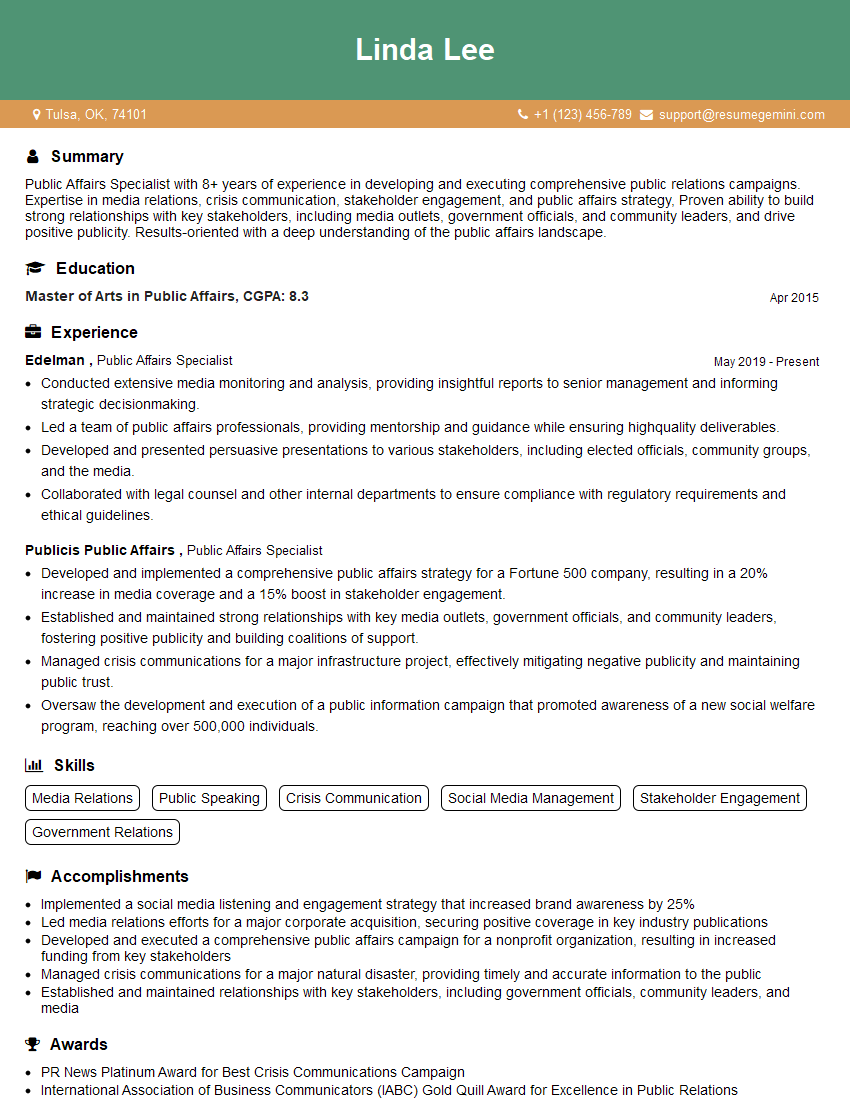
Public Affairs Specialist Resume Sample
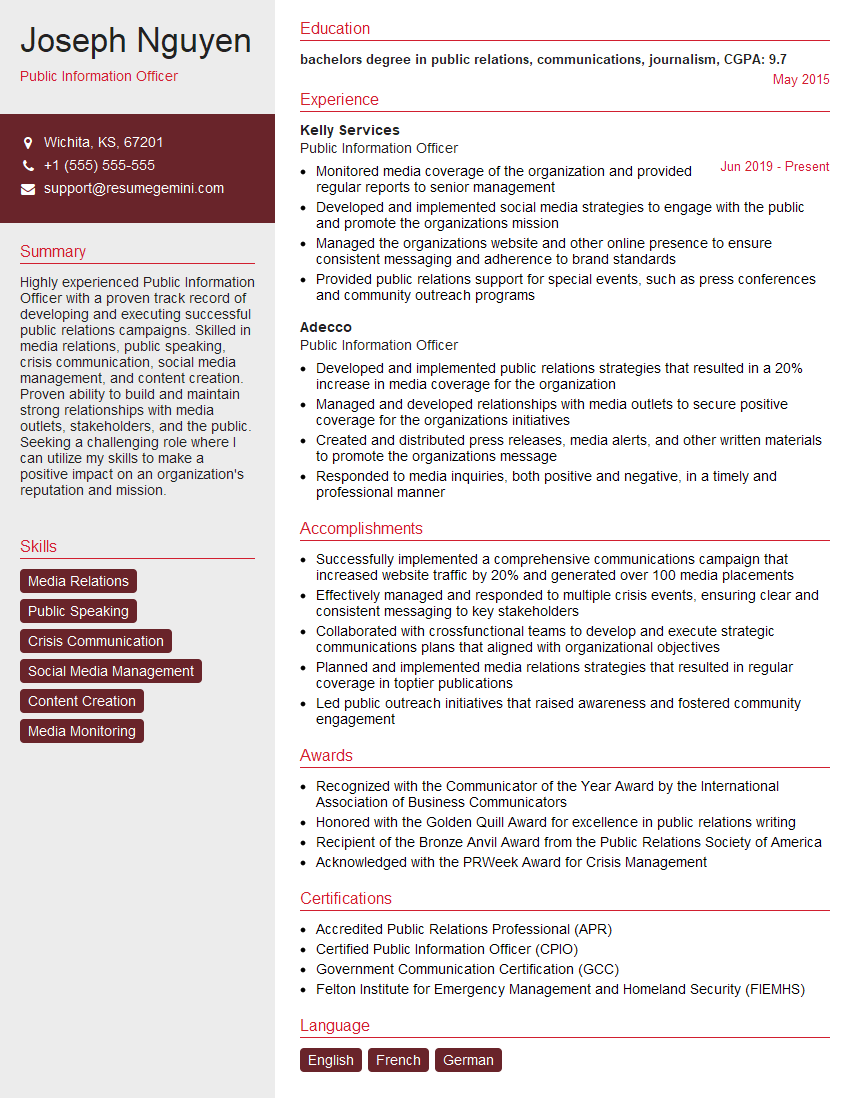
Public Information Officer Resume Sample
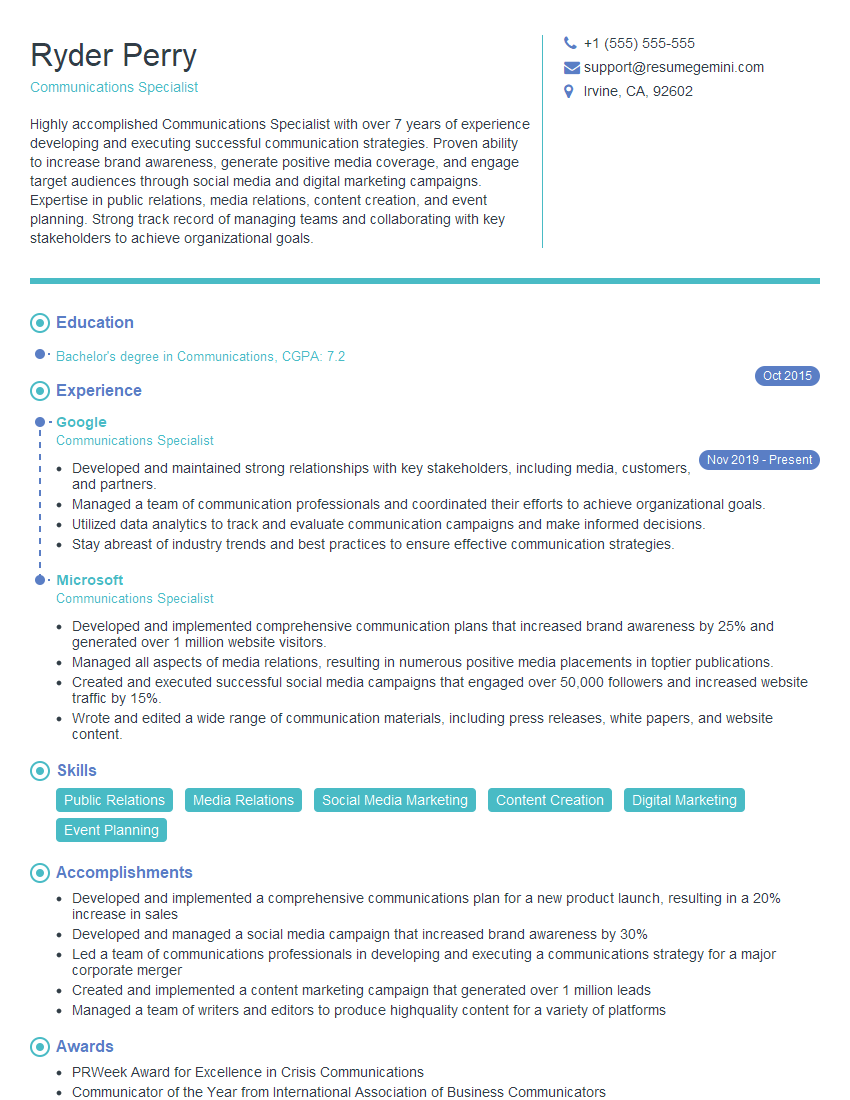
Communications Specialist Resume Sample

Social Media Manager Resume Sample

Communications Consultant Resume Sample
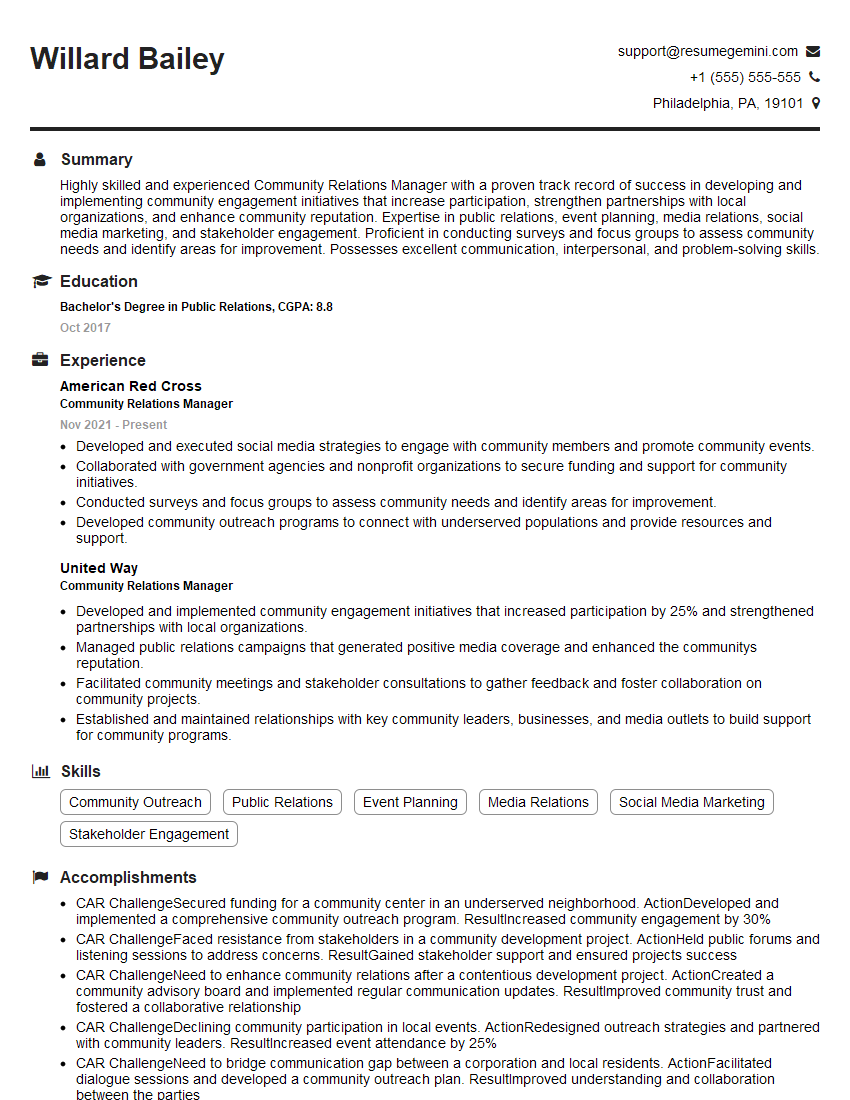
Community Relations Manager Resume Sample
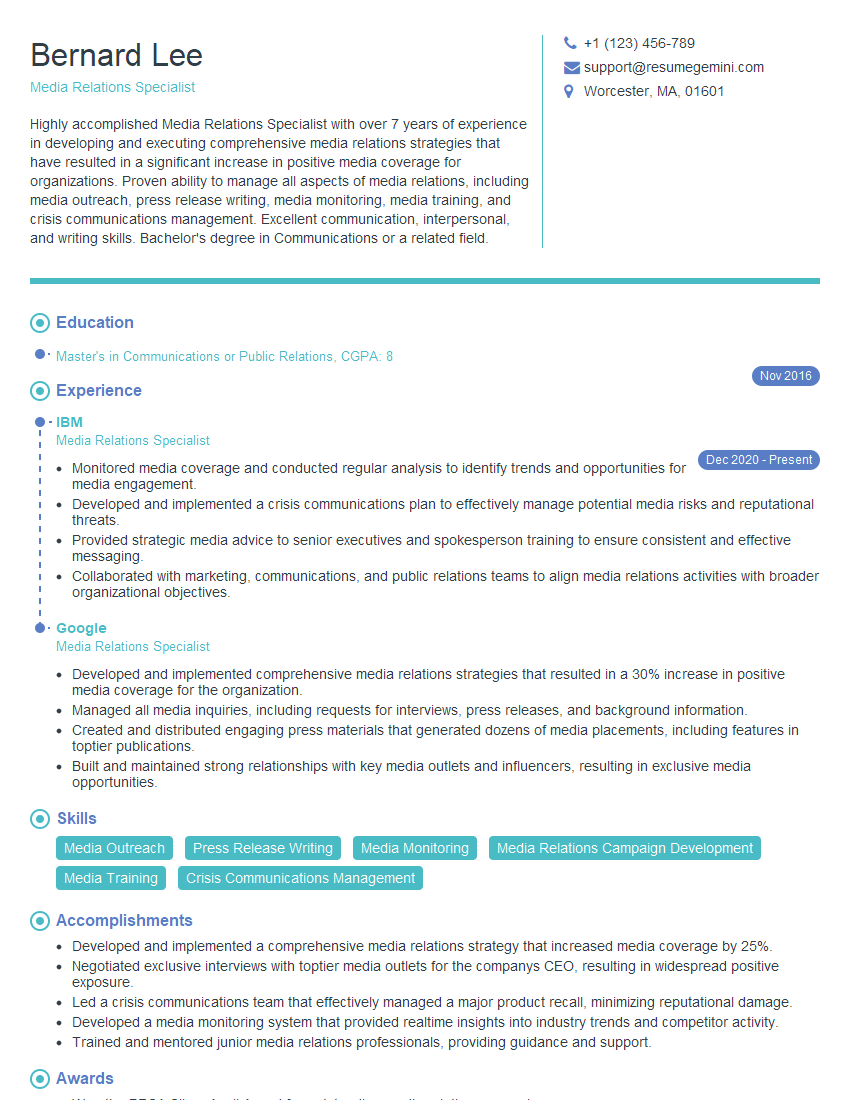
Media Relations Specialist Resume Sample
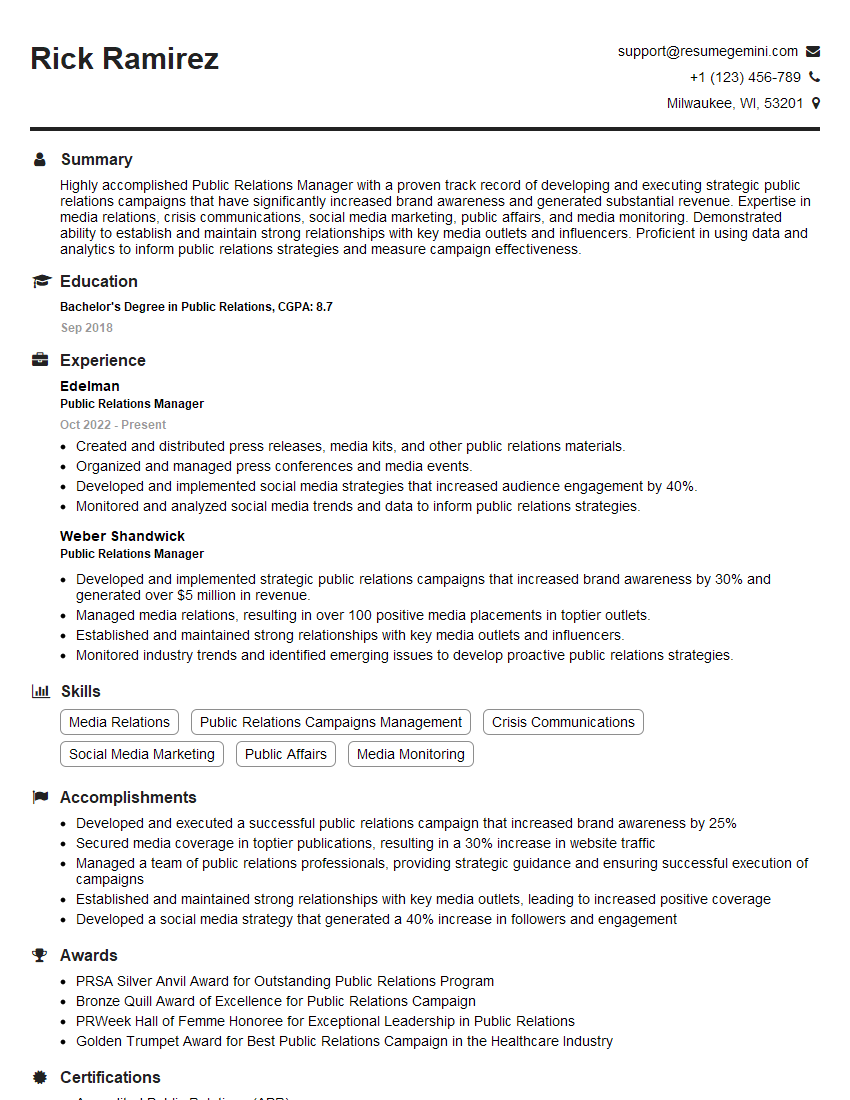
Public Relations Manager Resume Sample
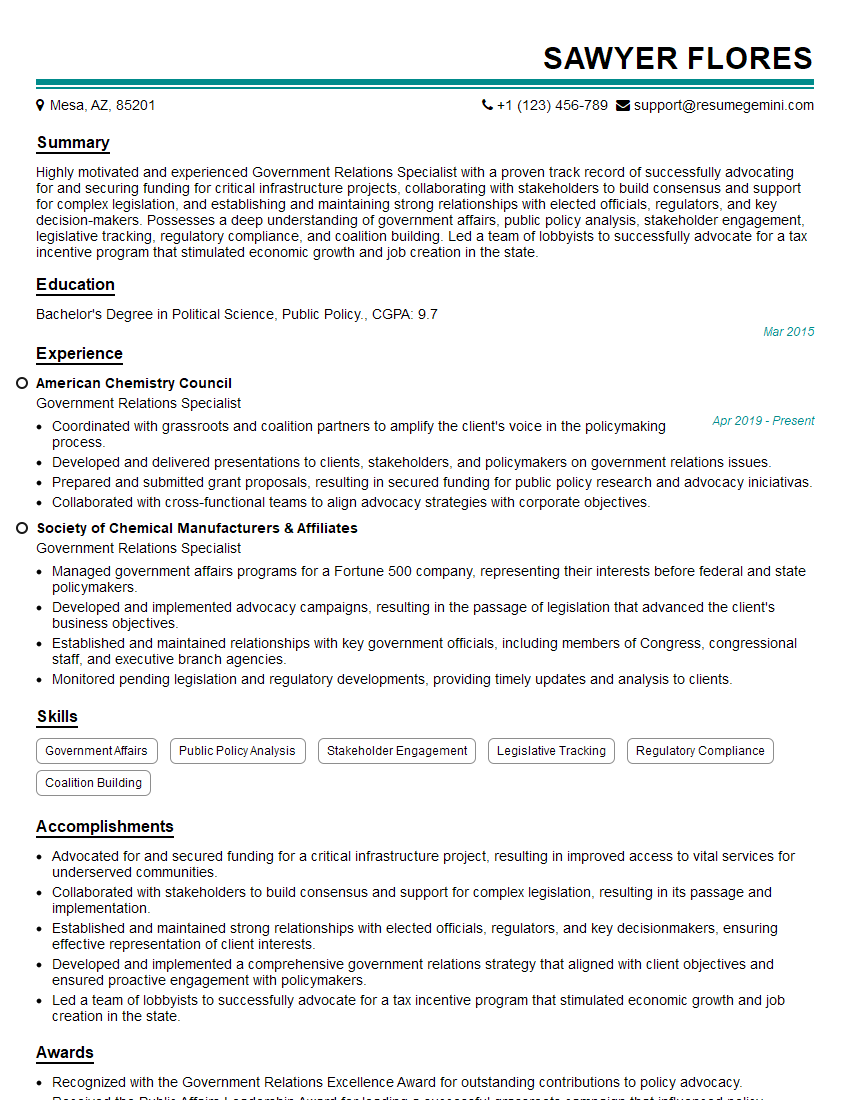
Government Relations Specialist Resume Sample
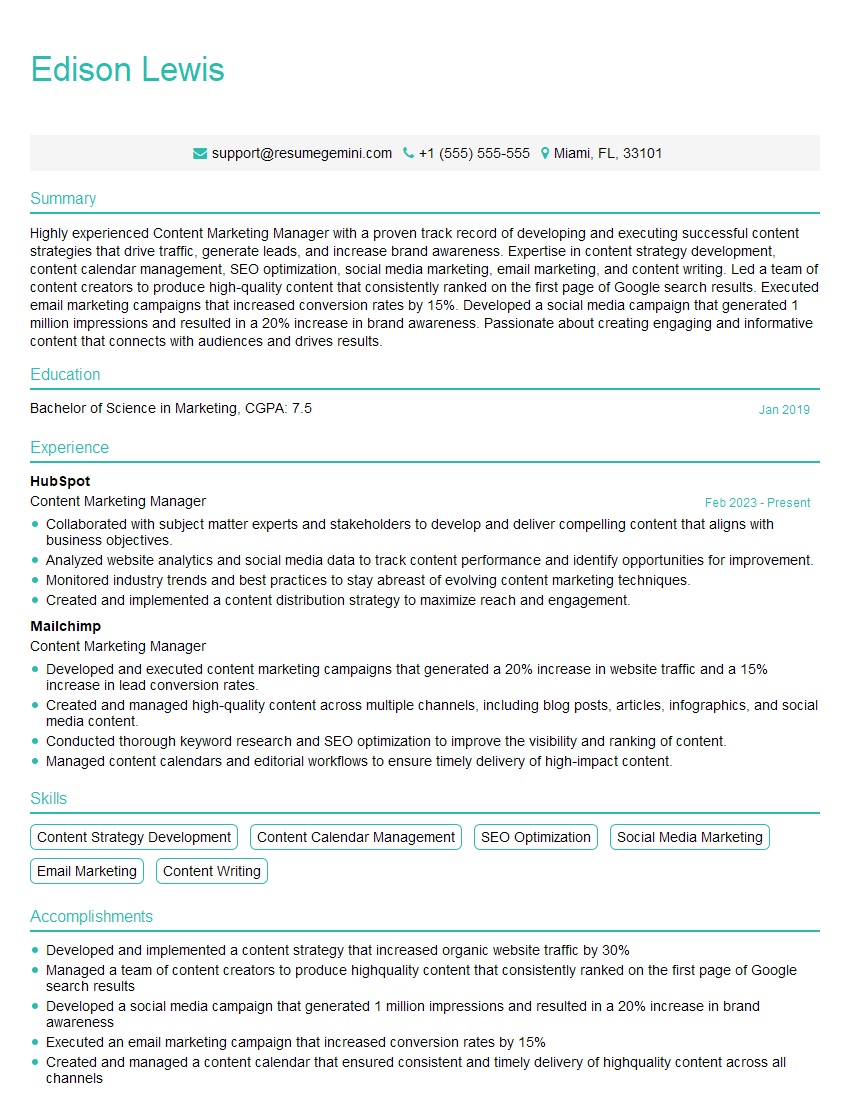
Content Marketing Manager Resume Sample
- Communications Director
- Communications Manager
- Marketing Communications Manager
- Public Affairs Specialist
- Public Information Officer
- Communications Specialist
- Social Media Manager
- Communications Consultant
- Community Relations Manager
- Media Relations Specialist
- Public Relations Manager
- Government Relations Specialist
- Content Marketing Manager
Explore more articles
Users Rating of Our Blogs
Share Your Experience
We value your feedback! Please rate our content and share your thoughts (optional).
What Readers Say About Our Blog
Very informative content, great job.
good