Are you ready to stand out in your next interview? Understanding and preparing for Communication of grading results to clients interview questions is a game-changer. In this blog, we’ve compiled key questions and expert advice to help you showcase your skills with confidence and precision. Let’s get started on your journey to acing the interview.
Questions Asked in Communication of grading results to clients Interview
Q 1. Describe your experience communicating complex grading information to non-technical clients.
Communicating complex grading information to non-technical clients requires a delicate balance of accuracy and clarity. My approach centers on translating technical jargon into plain language, using analogies and real-world examples to illustrate key points. For instance, when explaining statistical significance in a credit risk assessment, instead of using statistical terms, I might say something like, “Think of it like this: a higher score indicates a lower chance of default, just like a higher grade in school suggests better academic performance.”
I also break down complex information into smaller, digestible chunks. Instead of presenting a lengthy report filled with technical details, I opt for a summarized executive summary followed by detailed sections addressing specific questions or concerns. Visual aids like charts and graphs are invaluable in simplifying complex data and making it more accessible to clients who aren’t data scientists or statisticians.
For example, when explaining a credit score’s components to a small business owner, I would use a pie chart to show the relative weight of different factors, such as payment history and debt levels. This visual representation enhances understanding and makes the information easier to retain.
Q 2. How do you tailor your communication style to different client needs and preferences?
Tailoring my communication style is paramount. I assess each client’s technical proficiency, communication preferences, and overall learning style before presenting grading results. Some clients prefer concise, data-driven reports, while others prefer a more conversational approach with detailed explanations. I adapt my language, tone, and the level of detail accordingly.
For example, for a highly technical client, I might include detailed statistical analysis and methodological explanations. However, for a less technical client, I would focus on the key findings and implications, using simple language and avoiding jargon. I also consider the client’s preferred communication channels – email, phone call, or a face-to-face meeting – and adjust my communication style to suit the chosen method.
I always prioritize active listening to understand the client’s specific needs and concerns, ensuring open communication throughout the process. This ensures that my communication is both effective and well-received.
Q 3. Explain your process for delivering both positive and negative grading results to clients.
My process for delivering both positive and negative grading results follows a consistent framework focused on transparency and respect. For positive results, I begin by congratulating the client on their achievement and highlighting the key strengths of their work. I then provide specific details supporting the positive grading, backing up my assessment with concrete evidence.
For negative results, my approach is empathetic and constructive. I start by acknowledging the client’s effort and then clearly and concisely explain the reasons for the lower grade. Instead of focusing solely on shortcomings, I emphasize areas for improvement and offer specific, actionable recommendations for future work. I frame the feedback as an opportunity for growth rather than a criticism. Providing a clear path forward is crucial for maintaining a positive relationship.
In both cases, I ensure that the communication is timely, accurate, and well-documented. I make myself available to answer any questions and address any concerns the client may have. The goal is to foster a collaborative and constructive learning environment, regardless of the outcome.
Q 4. What methods do you use to ensure clients understand the grading criteria and methodology?
Ensuring clients understand grading criteria and methodology is crucial for establishing trust and transparency. Before any grading takes place, I provide clients with a detailed explanation of the assessment criteria. This may include a rubric, scoring guide, or a comprehensive document outlining the standards and methodology used. I also use plain language, avoiding technical terms wherever possible.
I offer opportunities for questions and clarifications before the grading process begins. This proactive communication minimizes misunderstandings and ensures that clients understand the expectations and how their work will be evaluated. After the grading is complete, I make sure the feedback clearly references the specific criteria and how each aspect of the client’s work aligns with those standards.
For example, I might provide a visual summary of the grading rubric, with clear explanations of each category and weighting, or I might include a section in the feedback detailing how specific criteria were applied to the client’s submission.
Q 5. How do you handle client inquiries or challenges related to grading results?
Handling client inquiries or challenges related to grading results involves active listening, empathy, and a commitment to finding mutually agreeable solutions. I begin by acknowledging the client’s concerns and validating their feelings. I then carefully review the grading process and assessment to ensure accuracy and fairness.
If there are genuine issues with the grading, I’m open to revisiting the assessment and making necessary corrections. However, if the client’s concerns stem from a misunderstanding of the criteria or methodology, I patiently re-explain the process, using different examples or approaches to clarify any ambiguities.
Documentation is key. I maintain detailed records of the grading process, including all correspondence with the client, to ensure transparency and accountability. If a dispute cannot be resolved, I follow established protocols for conflict resolution, possibly involving a supervisor or other relevant stakeholders.
Q 6. Describe a situation where you had to deliver difficult grading news to a client. How did you approach it?
In one instance, I had to deliver unfavorable grading news to a client who had invested significant time and resources in a project. The project fell short of expectations in several key areas, and I had to communicate this honestly while mitigating potential negative reactions.
My approach involved starting with empathy. I acknowledged their effort and investment, emphasizing that I understood their disappointment. I then clearly and concisely explained the areas where the project didn’t meet the required standards, providing specific examples and referencing the grading rubric. Crucially, I shifted the focus from blame to solutions. I offered concrete suggestions for improvement, outlining specific steps they could take to address the shortcomings identified in the assessment.
The result was a productive conversation where the client, while still disappointed, understood the reasoning behind the grading and appreciated the constructive feedback. We were able to collaboratively work towards improving the project.
Q 7. What strategies do you employ to maintain positive client relationships even when delivering unfavorable results?
Maintaining positive client relationships, even when delivering unfavorable results, requires a proactive and empathetic approach. Transparency, constructive feedback, and a focus on solutions are vital. I always prioritize respectful and professional communication, even when delivering difficult news. I listen to the client’s concerns, acknowledge their feelings, and reassure them that I’m there to help.
Offering concrete, actionable steps for improvement demonstrates a commitment to their success, even if the initial outcome is less than ideal. Emphasizing the learning process and framing feedback as an opportunity for growth helps foster a positive mindset. Finally, maintaining open lines of communication and being readily available to answer questions and address concerns shows a willingness to collaborate and build a strong working relationship.
Building rapport through consistent communication, understanding client needs, and providing high-quality service lays the groundwork for positive relationships that can withstand challenges.
Q 8. How do you ensure the clarity and accuracy of the grading results communicated to clients?
Ensuring clarity and accuracy in communicating grading results is paramount. It’s like providing a precise map to a destination – any inaccuracy can lead to misunderstandings and frustration. My approach involves a multi-step process:
- Double-checking the grades: Before any communication, I meticulously review the grading rubric and the student’s work to verify accuracy. This includes checking for any calculation errors or inconsistencies in applying the criteria.
- Using clear and concise language: I avoid jargon and technical terms unless absolutely necessary, and I explain any specialized terminology in plain language. For example, instead of saying “The student demonstrated inadequate comprehension of syntactical structures,” I might say “The student struggled to understand how sentences are put together.”
- Providing context and rationale: I don’t just state the grade; I explain the reasoning behind it. This could involve highlighting specific strengths and weaknesses in the student’s work, referencing specific examples from their submission. This transparency builds trust and helps the client understand the evaluation process.
- Using visual aids: When appropriate, I incorporate visual aids like charts, graphs, or highlighted sections of the student’s work to illustrate my points and make the feedback more digestible. A visual representation of their strengths and weaknesses, for example, can be more effective than a lengthy written explanation.
This comprehensive approach ensures that the client receives a clear, accurate, and understandable representation of the grading results.
Q 9. What tools or technologies do you use to facilitate efficient communication of grading results?
Efficient communication relies heavily on the right tools. I leverage several technologies to streamline the process:
- Learning Management Systems (LMS): Platforms like Canvas, Blackboard, or Moodle provide built-in features for grading, providing a centralized space for results and feedback. They often include tools for automated notifications to students and clients.
- Secure communication platforms: For sensitive information or individual client queries, I utilize secure platforms like email with encryption or dedicated client portals that restrict access to authorized personnel.
- Video conferencing tools: Tools like Zoom or Google Meet enable face-to-face interaction for complex feedback or when a detailed explanation is needed. This fosters direct dialogue and avoids potential misunderstandings that can arise from text-only communications.
- Project Management Software: Tools like Asana or Trello help me track grading assignments, deadlines, and client communication requests, ensuring nothing slips through the cracks.
By carefully selecting and combining these tools, I can enhance the efficiency and accuracy of my grading results communication.
Q 10. How do you prioritize and manage multiple client communication requests related to grading?
Prioritizing and managing multiple client communication requests requires a systematic approach. Think of it like air traffic control – guiding multiple planes to their destinations safely and efficiently.
- Using a ticketing system or task manager: I log each client request, assigning priority levels based on urgency and importance. This provides a clear overview of my workload and ensures timely responses.
- Time blocking: I allocate specific time slots for responding to client inquiries, preventing interruptions and ensuring focused attention on each request.
- Clear communication of response times: I proactively set expectations by informing clients of estimated response times, managing their expectations and preventing unnecessary anxiety.
- Batch processing: When dealing with similar queries from multiple clients (e.g., questions about the same grading rubric), I may address them collectively through a group email or a frequently asked questions (FAQ) document.
This organized approach allows me to manage multiple requests effectively, ensuring that each client receives prompt and attentive service without compromising the quality of my responses.
Q 11. What is your approach to providing constructive feedback based on grading results?
Constructive feedback is not about simply pointing out mistakes; it’s about providing guidance for improvement. I frame my feedback using a “sandwich” approach:
- Positive start: I begin by acknowledging something the student did well, boosting their confidence and creating a receptive environment.
- Constructive criticism: I then provide specific, actionable suggestions for improvement, focusing on the process and not just the outcome. I avoid vague statements and instead offer concrete examples.
- Positive closing: I conclude by reaffirming their potential for growth and offering encouragement. I might suggest specific resources or strategies they can use to improve.
For example, instead of saying “This essay is poorly written,” I might say: “Your introduction was engaging and clearly stated your thesis. However, your supporting arguments could be strengthened by providing more evidence. With a few revisions focusing on supporting evidence, you can significantly enhance the impact of your essay. I am confident in your ability to do so.”
Q 12. How do you measure the effectiveness of your communication strategies regarding grading results?
Measuring the effectiveness of my communication is crucial. I employ several methods:
- Client feedback surveys: I periodically send short surveys asking clients to rate their satisfaction with the clarity, timeliness, and helpfulness of the grading results communication.
- Analyzing response times: I track the time it takes to respond to client inquiries, aiming to meet or exceed pre-set targets. This data helps identify bottlenecks and areas for improvement.
- Monitoring client interactions: I review my communication logs to identify recurring issues or misunderstandings, enabling proactive adjustments to my strategies.
- Tracking the number of follow-up questions: A reduction in follow-up questions indicates improved clarity and comprehension of the grading results.
By analyzing this data, I can identify areas where my communication strategies are successful and areas needing refinement, leading to continuous improvement.
Q 13. Describe your process for documenting client interactions and grading result communications.
Thorough documentation is essential for maintaining accountability and transparency. My documentation process involves:
- Centralized record-keeping system: I use a dedicated system (e.g., a shared drive, database, or project management software) to store all communication records, including emails, chat transcripts, and meeting notes.
- Detailed logging of interactions: Each client interaction is logged, including the date, time, method of communication (e.g., email, phone), the main points discussed, and any actions taken.
- Version control for grading rubrics and feedback: If changes are made to grading criteria, previous versions are archived, ensuring traceability and clarity.
- Secure storage: All documents are stored securely, complying with relevant data privacy regulations.
This robust documentation system protects both the client and me, providing a clear audit trail for all grading and communication activities.
Q 14. How do you maintain confidentiality when communicating grading results to clients?
Maintaining confidentiality is paramount. My approach encompasses several key measures:
- Access control: I restrict access to grading results and client information to authorized personnel only. This involves using secure systems with password protection and access permissions.
- Data encryption: Sensitive data is encrypted both in transit and at rest, safeguarding it from unauthorized access.
- Compliance with data privacy regulations: I strictly adhere to all relevant data protection laws and regulations (e.g., GDPR, FERPA) to protect client privacy.
- Secure communication channels: I use secure communication platforms for all interactions involving sensitive information.
- Confidentiality agreements: When necessary, I utilize confidentiality agreements to ensure that all parties involved understand and uphold their obligations regarding data protection.
By prioritizing these security measures, I create a secure environment that safeguards the privacy of both clients and their data.
Q 15. What are some common challenges you face when communicating grading results, and how do you overcome them?
Communicating grading results effectively can be challenging. One common hurdle is the emotional response of clients – receiving a low grade can be upsetting, even if the feedback is constructive. Another is ensuring clarity and preventing misinterpretations. Clients may not understand the grading rubric or the weight of different assessment components. Finally, technical difficulties in delivering results, such as website crashes or email delivery issues, can create frustration.
To overcome these challenges, I employ a multi-pronged approach. First, I prioritize clear, empathetic communication. I use plain language, avoiding jargon, and frame feedback constructively, focusing on areas for improvement rather than solely on shortcomings. Second, I proactively address potential misunderstandings by providing detailed explanations of the grading rubric and weighing of different assessment components before results are released. I often offer pre-emptive Q&A sessions or FAQs. Third, I have robust procedures in place for distributing results, including multiple delivery methods and contingency plans to handle technical glitches. For example, I might offer results via email, portal access, and even a phone call for clients who require additional support. This multi-layered approach ensures results are delivered reliably and understood clearly.
Career Expert Tips:
- Ace those interviews! Prepare effectively by reviewing the Top 50 Most Common Interview Questions on ResumeGemini.
- Navigate your job search with confidence! Explore a wide range of Career Tips on ResumeGemini. Learn about common challenges and recommendations to overcome them.
- Craft the perfect resume! Master the Art of Resume Writing with ResumeGemini’s guide. Showcase your unique qualifications and achievements effectively.
- Don’t miss out on holiday savings! Build your dream resume with ResumeGemini’s ATS optimized templates.
Q 16. How do you adapt your communication style when dealing with clients from diverse cultural backgrounds?
Adapting communication style to diverse cultural backgrounds is crucial. This involves understanding different communication preferences and norms. Some cultures are more direct, while others prefer a more indirect or nuanced approach. Some cultures prioritize formality, while others value informality and a more personal connection.
My approach starts with research. Before communicating grading results, I try to understand the client’s cultural context. I might look for cultural cues in previous interactions or online resources. I then tailor my communication accordingly. For instance, with clients from high-context cultures, I might focus on building rapport and delivering feedback in a more subtle manner, relying on non-verbal cues and implicit meaning. With clients from low-context cultures, I prioritize explicit and straightforward communication. I also pay close attention to language – ensuring all materials are translated accurately and using appropriate titles and address forms. Importantly, I remain open and adaptable, always willing to adjust my approach based on the client’s feedback and response.
Q 17. How familiar are you with different reporting formats for grading results (e.g., dashboards, spreadsheets, presentations)?
I am proficient in various reporting formats for grading results. Spreadsheets (like Excel or Google Sheets) are excellent for detailed, numerical data. They allow clients to easily filter and sort information. Dashboards (using tools like Tableau or Power BI) provide a visual overview of performance, highlighting key metrics and trends. Presentations (PowerPoint, Google Slides) are ideal for summarizing key findings and delivering insightful narratives around the data. Each has its strengths. A spreadsheet might be best for granular analysis, while a dashboard offers a quick, high-level summary, and a presentation might be ideal for explaining complex grading schemes or for communicating with a large group.
My choice of format depends on the client’s needs and the complexity of the data. For instance, a detailed report with lots of individual scores might necessitate a spreadsheet, whereas a quick overview for a busy executive might benefit from a concise dashboard.
Q 18. What are some best practices for using visual aids to enhance the understanding of grading results?
Visual aids are critical for enhancing the understanding of grading results. They transform complex data into easily digestible information. Effective visual aids include charts (bar charts for comparisons, line charts for trends, pie charts for proportions), graphs, and maps (especially useful for geographical comparisons). High-quality images and icons can also enhance engagement and comprehension.
Best practices involve keeping visuals clear, simple, and uncluttered. Avoid excessive detail or confusing elements. Use consistent formatting and labeling. Choose the right chart type for the data. For example, a bar chart is best for comparing discrete categories, while a line chart showcases trends over time. Color palettes should be carefully considered for accessibility and visual appeal. I often use color-blind friendly palettes to ensure inclusivity.
Q 19. How do you ensure that your communication is accessible to clients with disabilities?
Ensuring accessibility for clients with disabilities is paramount. I adhere to WCAG (Web Content Accessibility Guidelines) when creating any communication materials. This includes using alternative text for images, providing transcripts for videos, and ensuring sufficient color contrast for readability. Documents should be available in multiple formats, such as PDF, Word, and HTML, to cater to different assistive technologies.
For visually impaired clients, I use screen-reader-compatible formats, large font sizes, and high-contrast colors. For hearing-impaired clients, I offer transcripts of any audio content. For clients with cognitive disabilities, I use plain language, concise sentences, and clear visual aids. I also actively seek feedback from clients with disabilities to continuously improve accessibility. Proactive communication and personalization are vital to providing an inclusive and equitable experience.
Q 20. How do you proactively anticipate potential client concerns regarding grading results?
Anticipating client concerns is proactive and reduces potential conflict. I achieve this through thorough understanding of the assessment process, the grading rubric, and potential areas of misunderstanding. I identify common questions and concerns through past experience and feedback.
Common concerns might revolve around the fairness of the grading, the clarity of the criteria, or the impact of the grade on future opportunities. I address these concerns through detailed FAQs, pre-release explanations of the grading process, and open communication channels where clients can ask questions before, during, and after the results are released. This proactive approach promotes transparency and builds trust, ultimately leading to a smoother and more positive experience for all clients.
Q 21. Describe your experience with using data visualization techniques to communicate grading trends and patterns.
Data visualization is a powerful tool for communicating grading trends and patterns. I frequently use charts and graphs to illustrate areas of strength and weakness within a cohort of students or projects. For example, a line graph can show progress over time, highlighting improvements or declines in performance. A bar chart might compare performance across different assessment components. Heatmaps can visually represent the distribution of grades, identifying clusters of high and low performance.
In one project, I used a combination of charts to illustrate trends in student performance across different modules. This allowed stakeholders to identify areas needing improvement in curriculum design or teaching methods. By effectively visualizing the data, I facilitated informed decision-making and helped to improve the overall quality of the program. The key is to select the appropriate visualization method, present it clearly, and provide insightful commentary to explain the patterns and trends observed. My expertise lies in choosing the right tools and methods to translate complex data into actionable insights.
Q 22. How would you explain a complex statistical analysis related to grading results to a client with limited statistical knowledge?
Explaining complex statistical analyses to clients without a statistical background requires a shift from technical jargon to plain language. Instead of focusing on the intricate details of the analysis, I prioritize conveying the meaning of the results in the context of the client’s goals. For example, if we’re analyzing student performance data, I’d avoid terms like ‘regression analysis’ or ‘standard deviation.’ Instead, I would say something like: “Our analysis shows a strong correlation between time spent studying and exam scores. Students who dedicated more time generally performed better.” I’d then use visuals like charts and graphs to illustrate these key findings, focusing on clear, concise labels and minimizing technical details. A simple bar chart showing average scores broken down by study time is far more effective than a complex scatter plot with regression lines. In essence, I translate technical findings into actionable insights that are easily understandable and relevant to the client’s needs.
For instance, if the analysis reveals a significant difference in performance between two groups, I might say: “We’ve found that Group A consistently outperformed Group B, suggesting that intervention X may be beneficial.” I always ensure that my explanations answer the client’s original questions and address their concerns. It’s also beneficial to provide a brief, non-technical summary at the beginning and end, to ensure comprehension and to reinforce key messages.
Q 23. How do you handle situations where clients dispute the accuracy of grading results?
Disputes regarding grading accuracy are handled with utmost professionalism and transparency. My first step is to carefully review the client’s concerns, ensuring I fully understand their perspective. I then meticulously re-examine the grading process, checking for potential errors in data entry, calculation, or interpretation. If an error is identified, I acknowledge it promptly, explain the correction, and provide the updated results. I ensure the client understands the steps taken to correct the mistake and the measures in place to prevent similar issues in the future. If, after a thorough review, no error is found, I explain the grading methodology clearly, step-by-step, using plain language and visual aids to illustrate the process. This approach allows the client to understand the rationale behind the results and fosters trust and confidence in our work. I would be prepared to show the client the specific steps and criteria used in grading, and perhaps even show them examples of similar work graded to demonstrate consistency.
Q 24. What is your approach to resolving client complaints about the grading process or results?
Resolving client complaints involves active listening, empathy, and a commitment to finding a fair resolution. I start by acknowledging the client’s frustration and validating their concerns. This shows respect and encourages open communication. Then, I carefully investigate the issue by reviewing the relevant documentation and communicating with the individuals involved in the grading process. Depending on the nature of the complaint, solutions might involve re-grading the work (if a procedural error is discovered), offering a detailed explanation of the grading rationale, or revising internal procedures to prevent future occurrences. It’s important to maintain open and honest communication throughout the entire process, keeping the client updated on the progress of the investigation and the steps being taken to address their concerns. Sometimes simply offering a sincere apology for any inconvenience caused goes a long way.
Q 25. How do you balance the need for clear communication with the need to maintain professionalism and empathy?
Balancing clear communication with professionalism and empathy is crucial. Professionalism is maintained through using formal language, adhering to established communication protocols, and providing accurate and timely information. Clarity is achieved by using plain language, avoiding technical jargon, and employing visuals like charts and graphs. Empathy comes in through acknowledging the client’s emotions, actively listening to their concerns, and demonstrating a genuine desire to assist them. It’s about being both informative and supportive. For example, if conveying challenging results, I would lead with the positive aspects before addressing areas needing improvement. I would focus on providing practical guidance and actionable steps for moving forward, demonstrating a collaborative problem-solving approach rather than simply delivering negative feedback.
Q 26. How do you leverage technology to improve the efficiency and effectiveness of communicating grading results?
Technology plays a vital role in improving the efficiency and effectiveness of communicating grading results. Secure online platforms allow for the secure and timely delivery of results, reducing delays and minimizing errors associated with manual processes. Using project management software facilitates clear communication, task assignment, and progress tracking. Email and instant messaging tools allow for quick responses to client inquiries and efficient problem-solving. Automated systems can also generate personalized reports tailored to each client’s needs, providing comprehensive insights into the grading process and results. The use of dashboards can offer real-time visibility into the grading progress, providing transparency for the client and allowing them to monitor the process directly. This not only enhances efficiency but also builds trust and confidence in the process.
Q 27. What are your strategies for managing client expectations regarding the turnaround time for grading results?
Managing client expectations regarding turnaround time requires proactive and transparent communication. Before commencing the grading process, I clearly outline the expected completion timeframe, factoring in potential delays. This includes identifying any potential bottlenecks and informing the client of these possibilities upfront. Regular updates throughout the process, including progress reports and notifications of any anticipated delays, keep clients informed and prevent misunderstandings. If unforeseen circumstances cause a delay, I communicate this immediately to the client, offering a revised timeline and a sincere apology for any inconvenience. By setting realistic expectations and consistently communicating progress, I avoid potential frustration and build strong client relationships.
Q 28. Describe a time when you had to adjust your communication strategy due to unexpected client feedback.
In one instance, we were using a very detailed report format for grading results, and while internally, it was deemed very comprehensive, we received feedback that it was overwhelming and difficult for clients to understand the key findings. The clients wanted a more concise summary that highlighted the main conclusions and actionable recommendations. In response, we adjusted our communication strategy. We developed a two-tiered approach: a concise executive summary focusing on key findings, followed by a more detailed appendix for those wanting granular information. This adjustment ensured the information was both comprehensive and accessible, meeting the diverse needs of our clients. We also incorporated more visual aids into the summary, making the key data more digestible. The feedback loop helped us improve both the quality and clarity of our reporting, increasing client satisfaction.
Key Topics to Learn for Communication of Grading Results to Clients Interview
- Understanding Your Audience: Identifying client needs and communication styles (e.g., technical vs. non-technical, individual vs. group communication).
- Choosing the Right Medium: Selecting the most appropriate method for conveying results (e.g., email, phone call, formal report, presentation) based on the context and client preference.
- Crafting Clear and Concise Messaging: Structuring the communication to highlight key findings, using plain language, and avoiding jargon.
- Presenting Data Effectively: Visualizing results using charts, graphs, or tables to enhance understanding and impact.
- Addressing Client Concerns and Questions: Developing strategies for handling sensitive or unexpected results, addressing concerns professionally and empathetically.
- Maintaining Professionalism and Objectivity: Ensuring all communications remain unbiased, respectful, and adhere to company policy.
- Documentation and Record Keeping: Understanding the importance of maintaining accurate records of all communications and results.
- Ethical Considerations: Navigating potential conflicts of interest and ensuring data confidentiality.
- Feedback and Improvement: Seeking constructive criticism and utilizing it to refine communication strategies.
Next Steps
Mastering the communication of grading results to clients is crucial for career advancement in many fields. It demonstrates your professionalism, client management skills, and ability to translate complex information into easily digestible insights. Building a strong, ATS-friendly resume is essential to highlighting these skills to potential employers. We encourage you to leverage ResumeGemini, a trusted resource, to craft a compelling resume that showcases your abilities in this crucial area. Examples of resumes tailored to the communication of grading results to clients are available to further assist you in your job search.
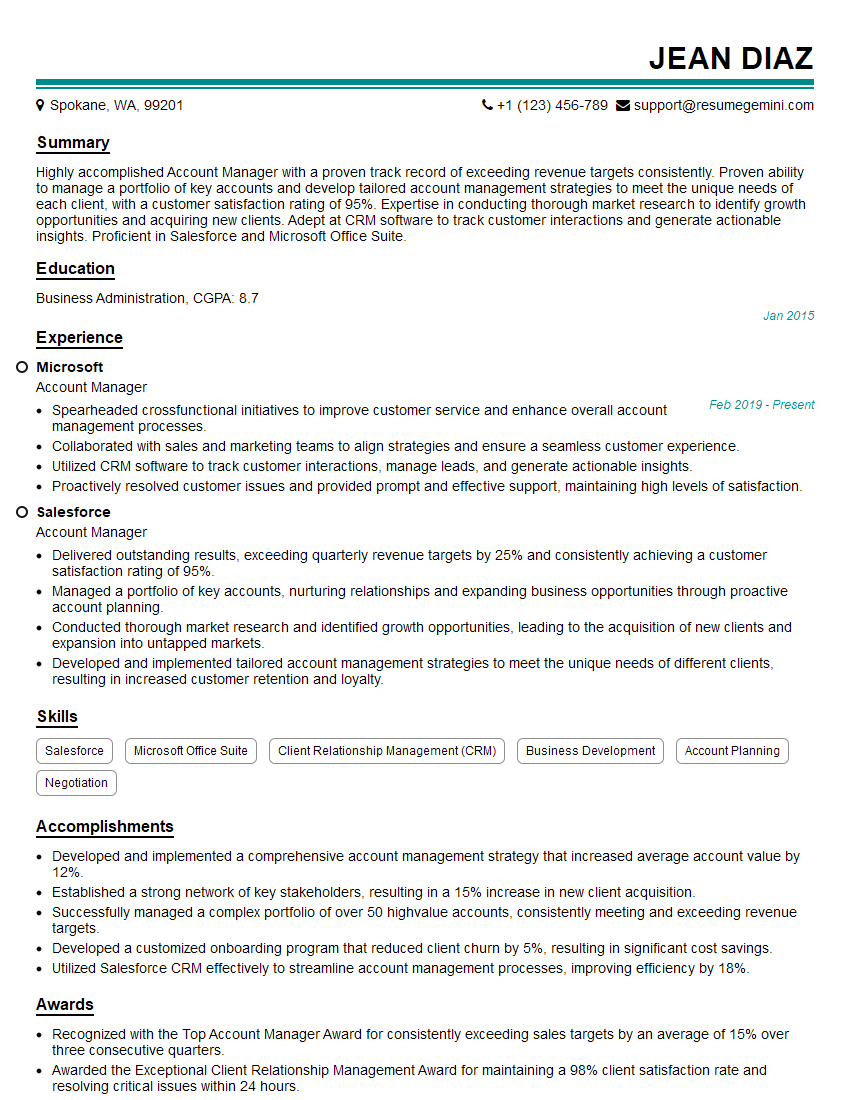
Account Manager Resume Sample
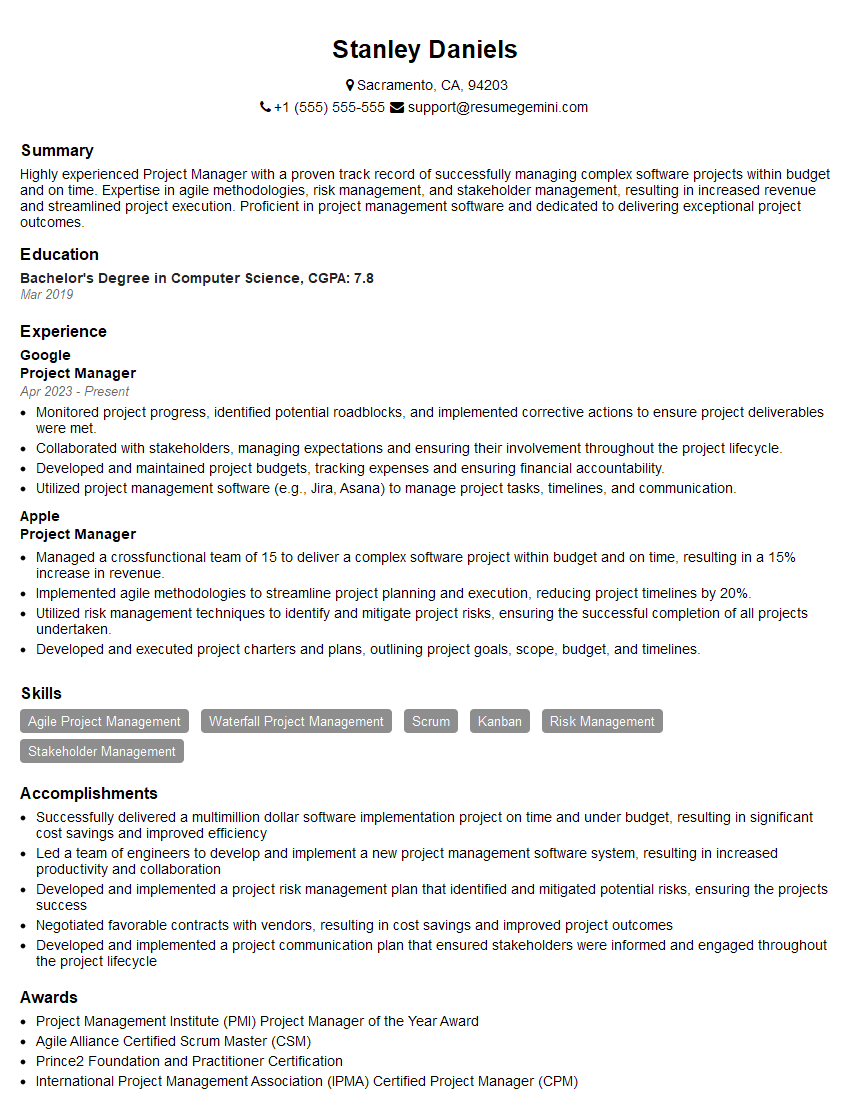
Project Manager Resume Sample
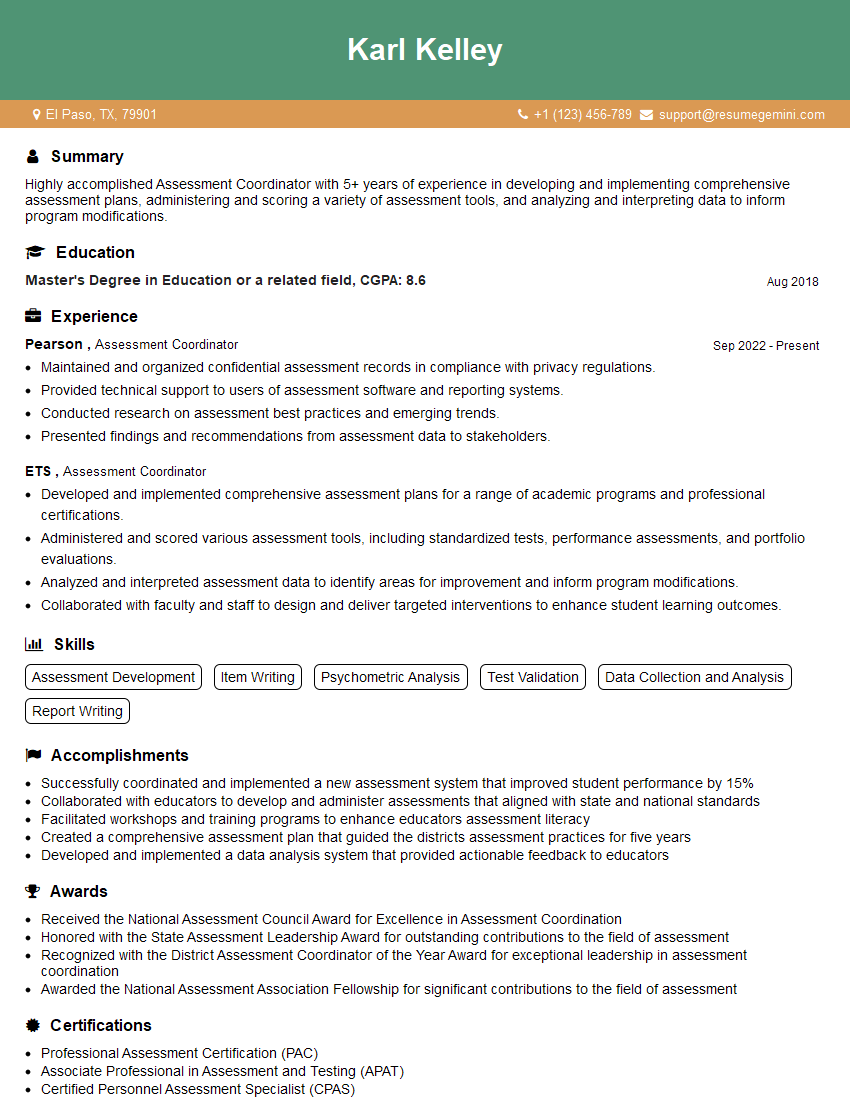
Assessment Coordinator Resume Sample
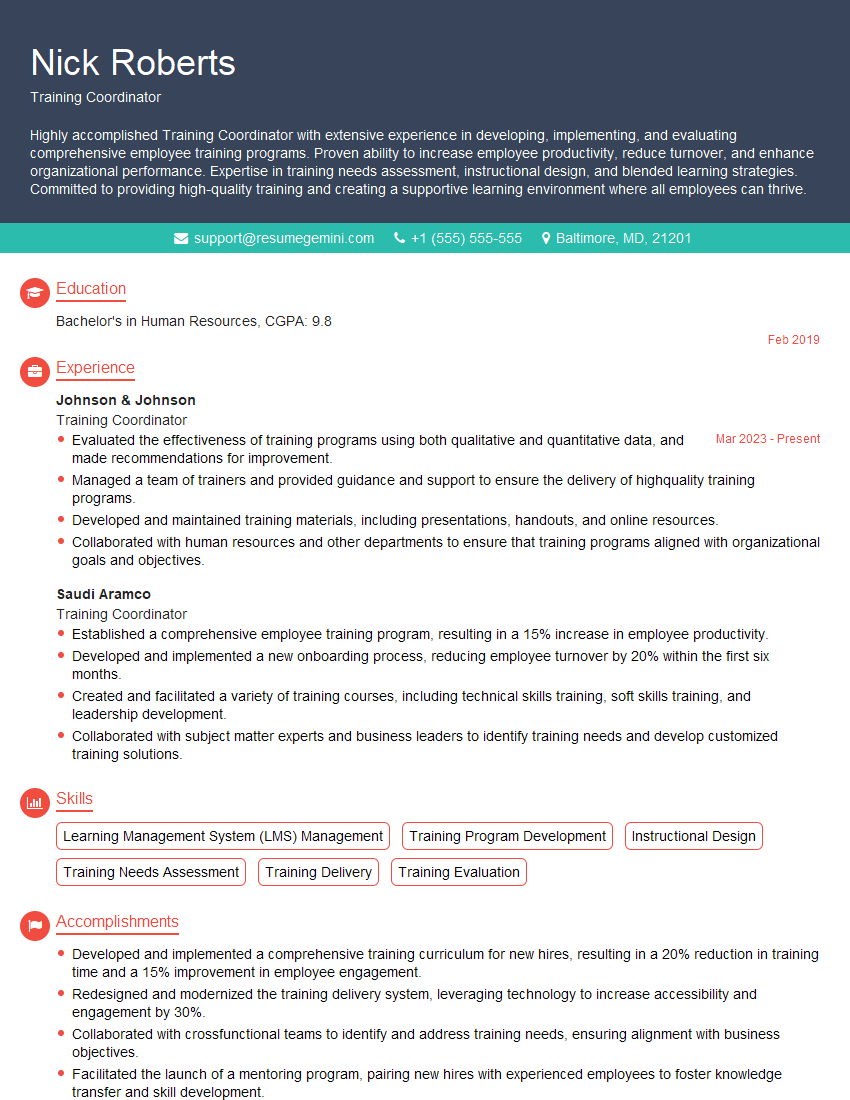
Training Coordinator Resume Sample

Compliance Officer Resume Sample
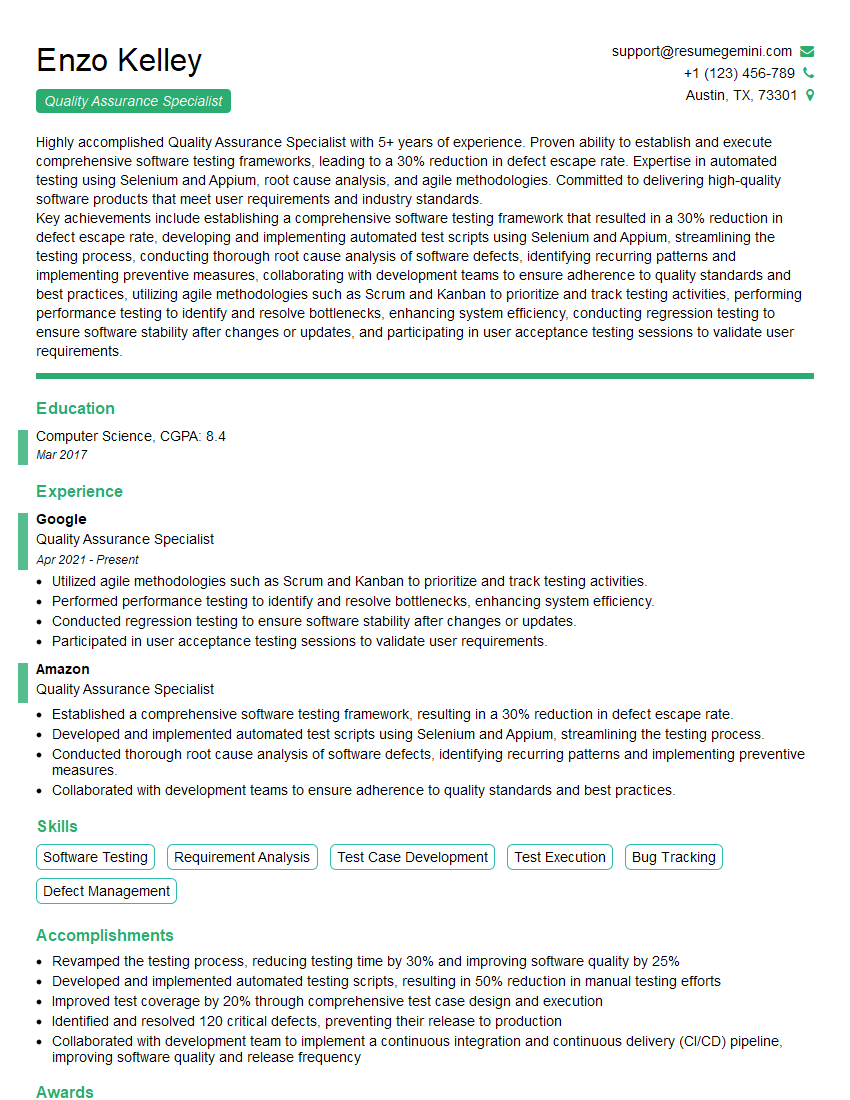
Quality Assurance Specialist Resume Sample
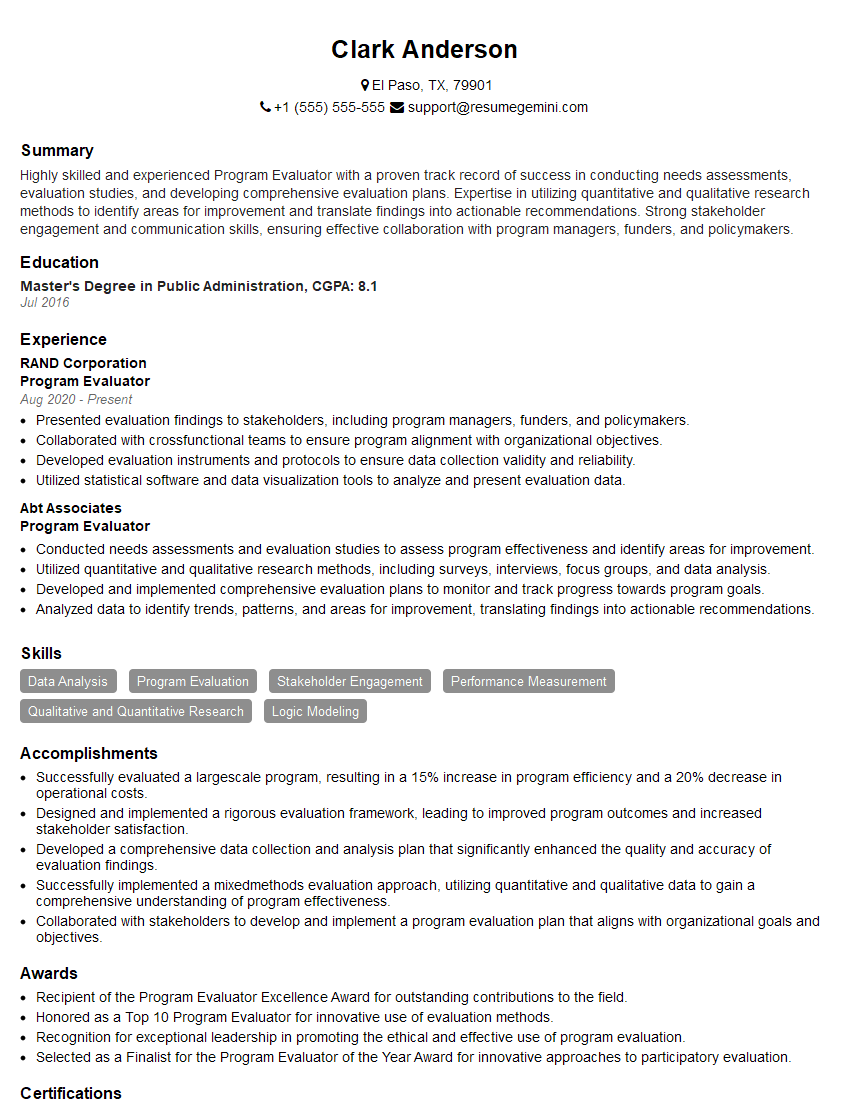
Program Evaluator Resume Sample

Curriculum Developer Resume Sample
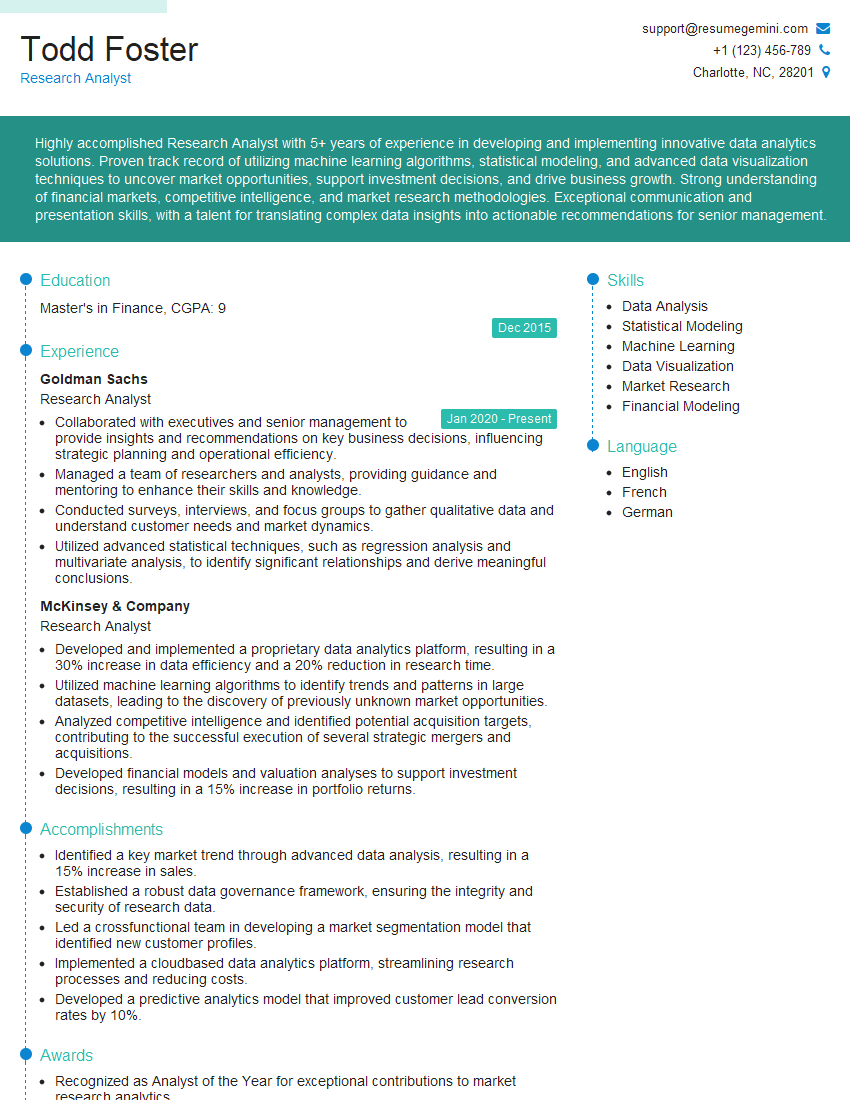
Research Analyst Resume Sample
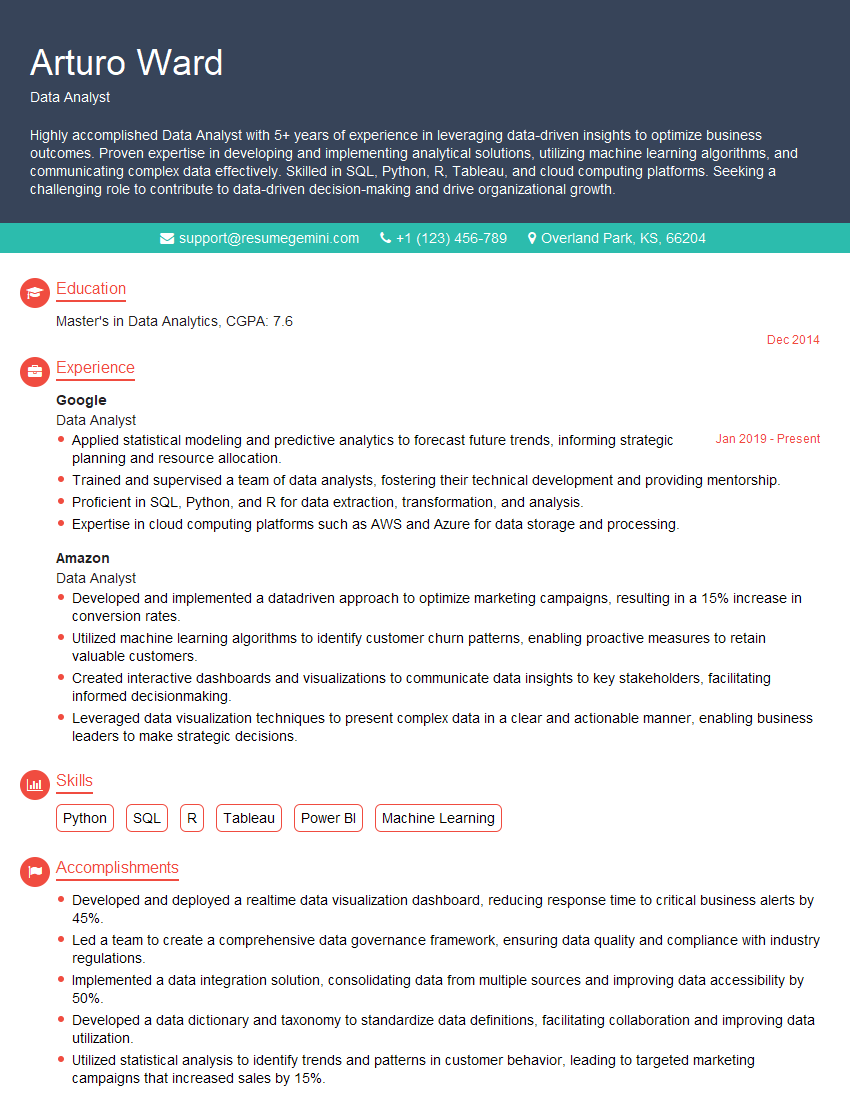
Data Analyst Resume Sample
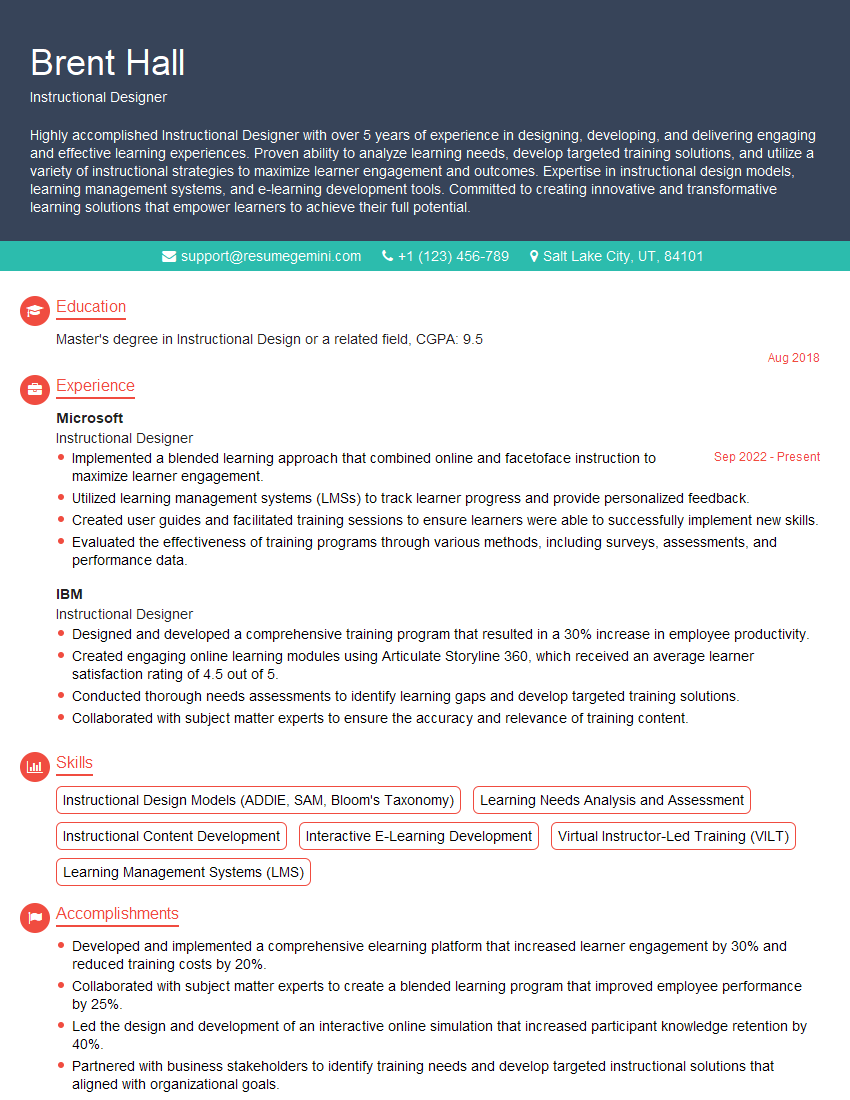
Instructional Designer Resume Sample
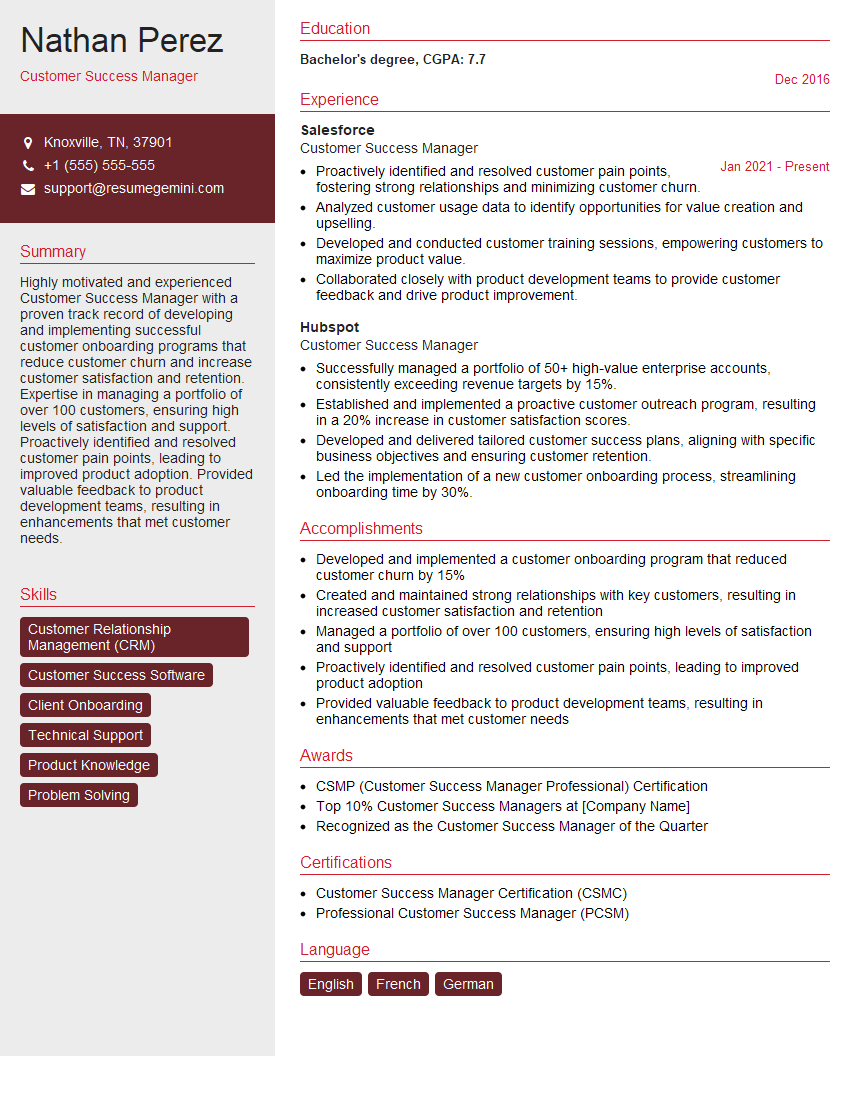
Customer Success Manager Resume Sample
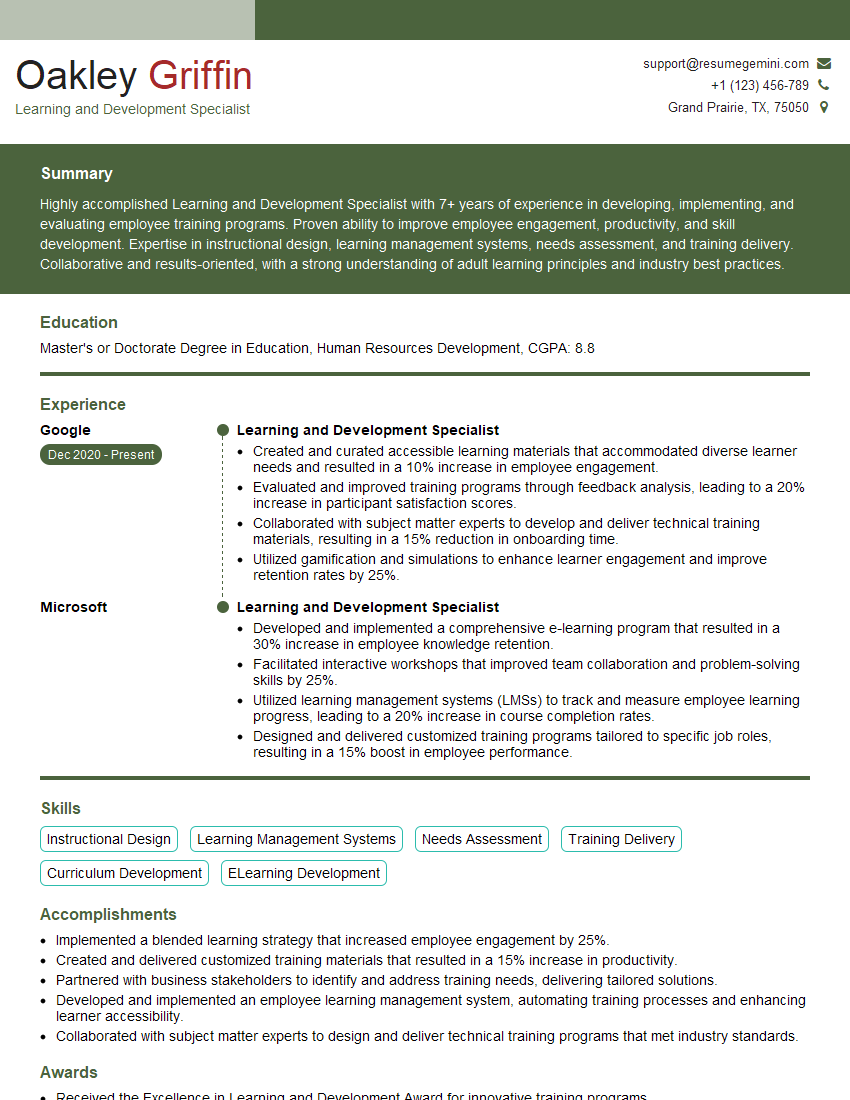
Learning and Development Specialist Resume Sample
Explore more articles
Users Rating of Our Blogs
Share Your Experience
We value your feedback! Please rate our content and share your thoughts (optional).
What Readers Say About Our Blog
Very informative content, great job.
good