Feeling uncertain about what to expect in your upcoming interview? We’ve got you covered! This blog highlights the most important Communication with Governing Bodies interview questions and provides actionable advice to help you stand out as the ideal candidate. Let’s pave the way for your success.
Questions Asked in Communication with Governing Bodies Interview
Q 1. Describe your experience crafting communications for diverse governmental audiences.
Crafting effective communications for diverse governmental audiences requires a deep understanding of their specific needs, priorities, and communication styles. It’s not a one-size-fits-all approach. My experience involves tailoring messages for various government bodies, from local town councils concerned with immediate community impact to state agencies focused on broader regional initiatives, and finally to federal departments with national and even international implications.
For example, when communicating with a local council about a proposed community project, I focus on the direct benefits to residents – job creation, improved infrastructure, and enhanced quality of life. My communication would be concise, practical, and visually appealing, using local news outlets and community events for dissemination. In contrast, a communication with a federal agency would require a more formal tone, detailed data analysis, and an understanding of national policy implications. Such a message might involve extensive research reports, formal letters, and presentations to committees.
- Audience Segmentation: I meticulously segment the audience based on their roles, responsibilities, and influence. For instance, I might craft separate communications for elected officials, agency staff, and community representatives.
- Channel Selection: The communication channel is chosen based on the audience and message. This includes formal letters, emails, presentations, press releases, and participation in public forums.
- Message Clarity and Conciseness: Government officials are busy, so clarity and conciseness are paramount. My communications avoid jargon and use plain language.
Q 2. Explain your strategy for building and maintaining relationships with government officials.
Building and maintaining relationships with government officials is crucial for effective communication. My strategy centers on trust, mutual respect, and consistent engagement. It’s about building a reputation as a reliable and knowledgeable source of information.
- Proactive Communication: I initiate communication regularly, even when there isn’t an immediate need, sharing relevant updates and information. This demonstrates my commitment to the relationship.
- Relationship Building: I actively participate in networking events, attend government meetings, and cultivate personal relationships with key officials. Knowing their priorities and concerns helps me tailor my communication accordingly.
- Transparency and Honesty: Openness and honesty are essential. I address concerns directly and provide accurate information, even if it’s not favorable. This builds trust and credibility.
- Follow-up and Feedback: After every interaction, I send a brief follow-up email to summarize key discussions and any agreed-upon actions. I actively seek feedback to refine my approach.
Think of it like building a bridge – it takes time and consistent effort, but the resulting strong connection is essential for navigating complex situations and achieving communication goals.
Q 3. How do you tailor your communication style to different governmental levels (local, state, federal)?
Tailoring communication style to different governmental levels involves understanding their unique contexts, priorities, and communication preferences. Local governments often focus on immediate, community-specific issues, while state governments handle broader regional concerns, and the federal government deals with national and international matters.
- Local Level: Communication needs to be highly localized, focused on immediate impact and community benefits. Direct, personal communication channels (e.g., town hall meetings, local newspapers) are often most effective.
- State Level: Communication requires a broader perspective, highlighting regional impacts and aligning with state-level policy goals. Formal reports, presentations to state agencies, and engagement with state-level media are crucial.
- Federal Level: Communication needs to emphasize national significance, policy implications, and potential impacts on national interests. Formal submissions, lobbying efforts, and engagement with federal agencies and representatives are key.
For instance, when advocating for funding for a local park, my communication to the local council would highlight the immediate benefits for residents (e.g., improved health, community gathering space), whereas communication with the state government would emphasize the broader regional benefits and alignment with state parks initiatives, and federal level communication would focus on national parks policy, environmental protection and economic impact on the region.
Q 4. Detail your process for monitoring and analyzing government policies relevant to your organization.
Monitoring and analyzing government policies relevant to my organization is an ongoing process. It involves a multi-faceted approach to stay informed and anticipate potential impacts.
- Policy Tracking Systems: I utilize government websites, news aggregators, and specialized policy tracking services to monitor legislative activity, regulatory changes, and agency announcements.
- Keyword Alerts: I set up keyword alerts to receive notifications about relevant policy developments, ensuring timely awareness of any changes.
- Stakeholder Engagement: I maintain close relationships with government officials and lobbyists to receive firsthand information and insights into policy discussions.
- Data Analysis: I analyze policy documents, impact assessments, and other relevant data to understand the potential implications for my organization.
- Scenario Planning: I develop scenarios to anticipate potential policy outcomes and their implications for our strategies and operations.
This proactive approach allows my organization to adapt to changing policy environments, identify opportunities, and mitigate potential risks.
Q 5. How have you successfully navigated complex political landscapes to achieve communication goals?
Navigating complex political landscapes requires a nuanced approach that combines strategic communication, relationship management, and an understanding of the political dynamics at play. Success hinges on building consensus, identifying common ground, and framing the issue in a way that resonates with diverse stakeholders.
In one instance, we faced significant opposition to a proposed environmental initiative due to concerns about economic impact on local businesses. To address this, we engaged in extensive dialogue with the opposing parties, incorporating their feedback into our proposal. We demonstrated a clear understanding of their concerns and presented data showcasing how the initiative would actually create new economic opportunities. This approach led to a revised proposal that garnered broader support and ultimately led to the initiative’s successful implementation.
Essentially, finding common ground and highlighting mutually beneficial aspects were key. Instead of a confrontational approach, we focused on collaboration and problem-solving.
Q 6. Describe a situation where you had to influence governmental policy or decision-making.
In a recent project advocating for increased funding for renewable energy research, I had to influence governmental decision-making. The existing budget was insufficient to meet our ambitious goals. My strategy involved a multi-pronged approach.
- Data-driven advocacy: I presented compelling data demonstrating the economic and environmental benefits of increased funding, highlighting job creation and emission reduction targets.
- Coalition building: I collaborated with other organizations with shared interests, creating a powerful united front.
- Targeted communication: I crafted tailored messages for different government officials, emphasizing aspects of the proposal most relevant to their specific responsibilities and priorities.
- Direct lobbying: I engaged in direct lobbying with key policymakers, presenting our case and addressing their concerns.
- Public awareness campaign: I launched a public awareness campaign to garner public support, putting pressure on decision-makers.
Through this combined effort, we succeeded in securing a significant increase in funding for renewable energy research, exceeding initial expectations. The key was persistence, strategic communication, and a well-researched and compelling argument.
Q 7. How do you handle conflicting information or perspectives from different government stakeholders?
Handling conflicting information or perspectives from different government stakeholders requires a neutral and transparent approach focused on fact-finding and reconciliation. The goal is to find common ground and build consensus, not to win an argument.
- Identify the source of conflict: Carefully analyze the conflicting information to identify the underlying causes of the disagreement. Are the disagreements based on different interpretations of facts, differing priorities, or conflicting interests?
- Seek clarification: Engage in open dialogue with each stakeholder to clarify their perspectives and gather all relevant information.
- Facilitate communication: Arrange meetings or workshops to facilitate communication among the conflicting parties, fostering open dialogue and mutual understanding.
- Identify common goals: Focus on identifying shared objectives and areas of agreement, building a foundation for compromise.
- Find compromise solutions: Explore creative solutions that address the concerns of all stakeholders without compromising the core goals.
Remember, the goal is to find a solution that works for everyone involved, even if it requires compromise from all sides. This fosters stronger, more productive relationships with government stakeholders in the long run.
Q 8. Explain your understanding of relevant government regulations and ethical considerations in communication.
Effective communication with governing bodies requires a deep understanding of relevant laws, regulations, and ethical considerations. This involves familiarity with freedom of information acts, lobbying regulations, and rules pertaining to data privacy (like GDPR or CCPA). Ethical considerations include transparency, accuracy, avoiding conflicts of interest, and ensuring equitable access to information. For example, a company seeking government approval for a new product must disclose all relevant safety data and avoid misleading statements. Similarly, communicating with government officials requires adhering to established protocols and avoiding any appearance of undue influence or bribery.
- Transparency: Openly sharing all relevant information, even if it’s unfavorable.
- Accuracy: Ensuring all information provided is factual and verifiable.
- Impartiality: Presenting information objectively, avoiding bias or favoring certain groups.
- Confidentiality: Protecting sensitive or confidential information according to legal and ethical standards.
Failure to adhere to these regulations and ethical considerations can result in legal penalties, reputational damage, and erosion of public trust.
Q 9. How do you measure the success of your communication efforts with governing bodies?
Measuring the success of communication efforts with governing bodies is multifaceted and requires a combination of qualitative and quantitative metrics. Quantitative measures might include tracking the number of meetings held, responses received to communications, legislative outcomes, and changes in government policy aligning with our advocacy. Qualitative measures assess the tone and substance of interactions, perceived influence on decision-making processes, and strengthening of relationships with government officials.
For instance, successfully lobbying for a change in legislation represents a significant quantitative success. However, qualitative success also involves building trust and rapport with government officials, ensuring they understand our perspective, and establishing a foundation for future collaboration. We might use surveys to gauge the effectiveness of our communication with stakeholders and track media mentions to evaluate public perception of our work.
Q 10. Describe your experience using various communication channels to reach governmental audiences (e.g., letters, emails, presentations, social media).
My experience encompasses a wide range of communication channels, tailored to the specific audience and context. Formal letters are essential for establishing a record and maintaining a professional tone, especially when dealing with sensitive information or legal matters. Emails provide a faster, more informal means of communication for routine updates or follow-ups. Presentations are crucial for delivering complex information or making compelling arguments to decision-makers. In some cases, social media platforms can be utilized to disseminate information to a broader public and build support for our initiatives. However, we always adhere to the appropriate communication protocols and understand the limitations of each channel.
For example, when presenting to a parliamentary committee, I would prepare a structured presentation with visual aids. For simpler updates to a regulatory agency, an email might suffice. If public support for a particular policy is needed, a well-targeted social media campaign can be beneficial.
Q 11. How do you manage sensitive or confidential information shared by government officials?
Handling sensitive or confidential information shared by government officials requires rigorous adherence to established procedures and legal requirements. This often includes signed non-disclosure agreements (NDAs), secure data storage and transmission methods (encryption, secure servers), and strict access control measures. Only authorized personnel with a need-to-know basis can access such information. We maintain detailed records of all information handling procedures, including who accessed what information and when. We always adhere to all applicable data protection laws and regulations.
For example, any confidential documents related to ongoing investigations or policy discussions are stored in encrypted formats and accessible only via secure platforms.
Q 12. How have you adapted your communication strategy in response to changing political climates or new government regulations?
Adapting to changing political climates and new government regulations is critical for effective communication. This requires constant monitoring of the political landscape, paying close attention to shifts in priorities and policy changes. We conduct thorough analyses of new regulations to assess their implications on our communication strategies and adjust accordingly. Our communications are updated to reflect the current political context, including reframing messaging to resonate with evolving public opinion and government priorities.
For example, if a new administration prioritizes environmental issues, we would adjust our communication to emphasize the environmental benefits of our projects. If new regulations restrict lobbying activities, our strategies would need to shift to focus on alternative engagement methods such as grassroots advocacy or public awareness campaigns.
Q 13. Describe your experience with preparing briefing materials for senior executives or government officials.
Preparing briefing materials for senior executives or government officials requires meticulous attention to detail and clear, concise writing. These documents should accurately reflect the key information, present it objectively, and anticipate potential questions. The format should be structured and easily digestible, using bullet points, charts, and graphs to improve understanding. Key findings and recommendations should be clearly summarized. We often conduct pre-briefings to understand their perspective and tailor the information appropriately.
For instance, when preparing a briefing for a minister regarding a complex technical issue, I’d focus on providing clear explanations of the essential concepts, avoiding technical jargon, and providing concise recommendations.
Q 14. How do you anticipate and address potential communication challenges when working with governing bodies?
Anticipating and addressing communication challenges when working with governing bodies involves proactive risk assessment and contingency planning. Potential challenges include misinterpretations of information, differing priorities, bureaucratic hurdles, and changes in personnel. Proactive steps include: developing strong relationships with key officials, maintaining open communication channels, clarifying expectations, and establishing clear timelines. We use a structured approach, including regular check-ins and feedback loops, to ensure everyone is on the same page. If conflict arises, we address it directly, seeking clarification and compromise while prioritizing mutual understanding.
For example, to address potential delays caused by bureaucratic processes, we would proactively identify key stakeholders and establish early contact, ensuring clear communication and documentation at each step of the process.
Q 15. Explain your approach to stakeholder management, particularly with government agencies.
My approach to stakeholder management, especially with government agencies, is built on a foundation of proactive engagement, strategic communication, and relationship building. It’s not just about disseminating information; it’s about fostering genuine collaboration.
- Proactive Engagement: I initiate contact early, identifying key decision-makers and influencers within the agency. I understand their priorities and concerns, aligning our communication strategies accordingly.
- Strategic Communication: I tailor my messaging to resonate with the agency’s specific needs and objectives. This includes using clear, concise language that avoids technical jargon and focusing on the mutual benefits of collaboration. I leverage different communication channels – formal letters, briefings, presentations, and informal meetings – based on the context and audience.
- Relationship Building: I cultivate strong, trusting relationships based on mutual respect and transparency. This involves building personal connections with key individuals, understanding their perspectives, and proactively addressing any concerns.
For example, when working on a project involving environmental regulations, I proactively met with the relevant department heads to discuss the project’s environmental impact assessment early on. This allowed us to address potential concerns and ensure compliance, preventing later delays and conflicts.
Career Expert Tips:
- Ace those interviews! Prepare effectively by reviewing the Top 50 Most Common Interview Questions on ResumeGemini.
- Navigate your job search with confidence! Explore a wide range of Career Tips on ResumeGemini. Learn about common challenges and recommendations to overcome them.
- Craft the perfect resume! Master the Art of Resume Writing with ResumeGemini’s guide. Showcase your unique qualifications and achievements effectively.
- Don’t miss out on holiday savings! Build your dream resume with ResumeGemini’s ATS optimized templates.
Q 16. How do you ensure transparency and accountability in your communications with governing bodies?
Transparency and accountability are paramount in my interactions with governing bodies. This is achieved through several key strategies:
- Open Communication: I ensure all information shared is accurate, complete, and readily accessible. I proactively address concerns and questions, leaving no room for misinterpretations.
- Clear Documentation: I meticulously document all communications, including emails, meeting minutes, and agreements. This creates an auditable trail, demonstrating transparency and allowing for easy verification of information.
- Regular Reporting: I provide regular updates to stakeholders, outlining progress, challenges, and any changes in plans. This proactive reporting builds trust and ensures everyone is informed.
- Feedback Mechanisms: I establish clear channels for feedback, ensuring that concerns are heard and addressed promptly. This iterative process promotes continuous improvement and mutual understanding.
For instance, during a project involving public funds, I prepared comprehensive monthly reports detailing budget allocation, project milestones, and challenges faced. This ensured transparency and allowed the overseeing agency to monitor our progress effectively.
Q 17. Describe a time you had to negotiate or compromise with a government agency to achieve a communication goal.
During a project involving a new zoning regulation, the local council initially expressed concerns about the project’s potential impact on traffic flow. The initial proposal was rejected.
To achieve our communication goal (approval of the project), I adopted a negotiation strategy that involved:
- Understanding their concerns: I spent time understanding the council’s specific concerns about traffic congestion, gathering data and analyzing traffic patterns in the area.
- Proposing alternative solutions: We proposed a modified plan that included provisions for improved traffic management, such as dedicated bus lanes and improved pedestrian walkways. This demonstrated our commitment to addressing their concerns.
- Data-driven discussions: We presented the council with detailed traffic modelling data supporting our claim that the modified plan would alleviate traffic congestion.
- Collaboration and Compromise: We actively engaged in discussions and were willing to incorporate further adjustments based on the council’s feedback.
This collaborative approach led to a mutually acceptable compromise, resulting in the project’s approval with the revised traffic management plan.
Q 18. How do you build consensus and manage disagreements among diverse government stakeholders?
Building consensus among diverse government stakeholders requires a multifaceted approach focusing on open communication, active listening, and collaborative problem-solving.
- Facilitated Workshops and Meetings: I organize structured sessions to foster dialogue, identify common ground, and address disagreements constructively. This includes creating a safe space for open expression of views.
- Stakeholder Mapping: I identify key stakeholders, understand their interests and influence, and tailor my communication to address their specific concerns.
- Active Listening and Empathy: I actively listen to all perspectives, demonstrating empathy and understanding. This helps to build trust and rapport.
- Collaborative Problem-Solving: I facilitate brainstorming sessions to explore potential solutions and find common ground. This involves engaging in win-win negotiations, finding solutions that satisfy the needs of multiple parties.
- Mediation and Facilitation: If disagreements persist, I can act as a mediator, facilitating constructive dialogue and finding mutually agreeable solutions.
For example, in a project involving land development, I used a facilitated workshop to bring together representatives from various departments – environmental protection, urban planning, and transportation – to address conflicting concerns. Through collaborative problem-solving, we found mutually acceptable solutions, leading to the successful approval of the project.
Q 19. How do you use data and analytics to inform your communication strategies with government officials?
Data and analytics are crucial for informing communication strategies with government officials. They provide objective evidence to support claims, demonstrate impact, and make persuasive arguments.
- Data-Driven Messaging: I use data to craft compelling narratives and demonstrate the effectiveness of our proposed solutions or policies. This might involve using statistics to highlight the impact of a particular program or using survey data to understand public opinion.
- Performance Measurement: I use data to track the effectiveness of our communication efforts, assessing metrics such as media coverage, public engagement, and policy changes. This helps to fine-tune our strategies and maximize impact.
- Risk Assessment: Data analytics can help identify potential risks and challenges related to communication, such as public opposition or regulatory hurdles. This allows us to develop proactive mitigation strategies.
- Audience Segmentation: I use demographic and psychographic data to segment our target audience (government officials and other stakeholders) and tailor our communication approach accordingly.
For example, when advocating for increased funding for a public health initiative, I used epidemiological data to demonstrate the significant impact of the program on disease prevention and public health outcomes. This data-driven approach strengthened our argument and significantly improved our chances of securing funding.
Q 20. Explain your understanding of the legislative process and how it impacts communication strategies.
Understanding the legislative process is fundamental for effective communication with governing bodies. The process significantly influences communication strategies because it determines the timing, target audience, and messaging required.
- Legislative Timeline: I track the progress of relevant bills and regulations, anticipating critical junctures and tailoring my communication accordingly. This includes proactively engaging with legislators and their staff at key stages of the legislative process.
- Key Decision-Makers: I identify key legislators and committee members who have influence over the relevant legislation and tailor my messaging to resonate with their interests and priorities.
- Strategic Timing: I time my communication efforts strategically to maximize impact. This involves identifying opportune moments, such as before committee hearings or votes, to influence decision-making.
- Messaging and Advocacy: My messaging is tailored to align with the specific arguments and evidence required to sway legislative opinion. This may involve providing testimony, submitting written comments, or engaging in advocacy activities.
For example, when advocating for a bill related to renewable energy, I ensured that our communication efforts were timed to coincide with key legislative hearings and committee meetings. We provided detailed written testimony, supported by data and evidence, to influence the outcome of the legislative process.
Q 21. Describe your experience with media relations related to government affairs.
My experience with media relations related to government affairs involves building relationships with journalists covering government and policy, crafting compelling narratives, and managing media inquiries effectively.
- Media Outreach: I proactively engage with journalists, offering insights and expertise on relevant policy issues. This involves providing interviews, writing press releases, and offering exclusive stories.
- Media Monitoring: I closely monitor media coverage to understand public perception and identify potential communication challenges. This allows for proactive response and damage control if necessary.
- Crisis Communication: I develop and implement media strategies to effectively manage crises or negative publicity related to government affairs. This involves developing clear and consistent messaging and proactive engagement with the media.
- Relationship Management: I cultivate strong relationships with journalists covering government affairs, ensuring they have access to timely and accurate information.
For instance, during a public debate regarding a new transportation infrastructure project, I worked closely with reporters to provide accurate information and counter misinformation, ensuring that the public was well-informed and understood the project’s benefits.
Q 22. How do you manage crisis communication situations involving government agencies?
Crisis communication with government agencies requires swift, accurate, and transparent action. My approach involves a multi-stage process. First, I immediately assemble a crisis communication team, including representatives from relevant departments and legal counsel. Second, we establish a central communication hub to manage incoming information and outgoing messaging. Third, we develop a consistent message that addresses the situation honestly and directly, while acknowledging any uncertainties. Fourth, we identify key stakeholders – not just within the government, but also the media, the public, and any impacted communities – and tailor our communication accordingly. Finally, we continuously monitor public sentiment and adjust our strategy as the situation evolves. For example, during a product recall affecting public safety, I coordinated with relevant regulatory agencies to ensure timely and effective notification of consumers and the public, using press releases, social media, and direct communication channels to manage the unfolding crisis.
This meticulous approach prioritizes accuracy and consistent messaging to maintain public trust and prevent the escalation of the crisis.
Q 23. How do you maintain effective communication during periods of political uncertainty or change?
Political uncertainty necessitates a flexible and adaptable communication strategy. It’s crucial to maintain open lines of communication with government agencies, even amidst shifting political landscapes. This involves regularly updating contact lists, actively monitoring political developments through reliable news sources and think tanks, and anticipating potential shifts in priorities and policy directions. A proactive approach is key—building strong, bipartisan relationships with government officials helps bridge divides and ensure a consistent flow of information regardless of political changes. I frequently engage in neutral, data-driven presentations to emphasize common goals and reduce the impact of political polarization. For example, advocating for infrastructure improvements during a period of significant political transition required building consensus across party lines by showcasing objective data on the economic and societal benefits of the project.
Q 24. Describe your experience with drafting policy recommendations or position papers for government consideration.
I possess extensive experience in drafting policy recommendations and position papers. My process typically begins with thorough research and analysis of the relevant policy area. This includes reviewing existing legislation, research reports, and stakeholder input. I then structure the paper with a clear problem statement, proposed solutions, supporting evidence, and anticipated impacts. A key element is anticipating potential counterarguments and addressing them proactively within the document. For instance, while drafting a position paper on sustainable energy initiatives, I included a comprehensive cost-benefit analysis and addressed concerns about job displacement in the fossil fuel industry by proposing retraining programs and investments in renewable energy manufacturing. The successful implementation of this policy recommendation ultimately resulted in significant economic growth and environmental benefits.
Q 25. How do you stay informed about current events and relevant government legislation?
Staying informed requires a multi-faceted approach. I subscribe to reputable news organizations and legal journals, track government agency websites, and monitor relevant legislation through specialized databases. I actively participate in industry events and conferences, engaging with experts and government officials to gain insights into emerging trends and policy developments. Moreover, I leverage social media responsibly, engaging with verified accounts and official government channels to identify and understand real-time policy shifts and public sentiment. Regular use of these various sources provides a well-rounded understanding of the political climate and impending legislative changes, ensuring I can provide informed advice and strategic guidance.
Q 26. Explain your proficiency in using different communication technologies to interact with government agencies.
My proficiency in communication technologies encompasses a wide range of tools. I am adept at using government-specific portals and secure communication platforms for confidential information exchange. I utilize email, video conferencing (Zoom, Microsoft Teams), and secure file-sharing services for efficient and timely communication with government agencies. I am also comfortable using social media platforms for public outreach and stakeholder engagement, albeit always mindful of maintaining ethical and professional standards and adhering to privacy regulations. For instance, during a public consultation on a new environmental regulation, I effectively utilized an online platform to gather feedback from stakeholders across the country, ensuring broad participation and inclusion.
Q 27. How do you ensure that your communication materials are accessible and understandable to a diverse audience of government stakeholders?
Ensuring accessibility and understanding for diverse audiences is paramount. I employ plain language principles, avoiding jargon and technical terminology where possible. I utilize visual aids, infographics, and videos to convey complex information effectively. I tailor my communication style and format to different audiences, considering their level of understanding and preferred communication channels. For example, when communicating with a diverse group of small business owners about a new tax regulation, I used multiple formats including easy-to-read summaries, FAQs, and recorded webinars to ensure everyone understood the new policy. Furthermore, I employ translation services when needed to ensure language accessibility. This multi-pronged approach ensures clear and effective communication across all segments of the government and the public.
Q 28. Describe your experience in developing and implementing government relations strategies.
My experience in developing and implementing government relations strategies involves a collaborative approach. I begin by identifying key objectives and target audiences within the government. I then develop a comprehensive strategy that includes identifying key decision-makers, building relationships through networking and advocacy, and monitoring legislative developments. I craft compelling narratives that resonate with government officials, emphasizing the benefits of our initiatives and addressing potential concerns. For example, when advocating for a new public health program, I worked closely with relevant government committees to highlight the positive health outcomes and cost-effectiveness of the initiative, successfully securing funding and implementation. Regular reporting and evaluation ensure the effectiveness of the strategy and provide opportunities for adjustments as needed.
Key Topics to Learn for Communication with Governing Bodies Interview
- Understanding Governing Body Dynamics: Analyze the structure, roles, and decision-making processes within different governing bodies. Consider the influence of internal politics and stakeholder interests.
- Strategic Communication Planning: Develop effective communication strategies tailored to specific governing bodies, considering their communication preferences and channels (e.g., formal reports, presentations, briefings).
- Message Crafting and Delivery: Learn to articulate complex information clearly and concisely, adapting your message to resonate with diverse audiences and achieve desired outcomes.
- Active Listening and Feedback Mechanisms: Master techniques for effective listening, understanding diverse perspectives, and incorporating feedback into communication strategies. Practice responding constructively to criticism and questions.
- Conflict Resolution and Negotiation: Develop strategies for navigating disagreements and finding common ground with stakeholders holding opposing viewpoints. Practice mediation and negotiation skills.
- Compliance and Ethical Considerations: Understand relevant regulations, policies, and ethical guidelines governing communication with governing bodies. Practice maintaining transparency and accountability.
- Data Visualization and Presentation Skills: Learn to effectively present complex data and information using visuals, ensuring clarity and accessibility for the audience.
- Crisis Communication Management: Develop strategies for handling unexpected challenges and communicating effectively during crises, ensuring transparency and minimizing negative impact.
Next Steps
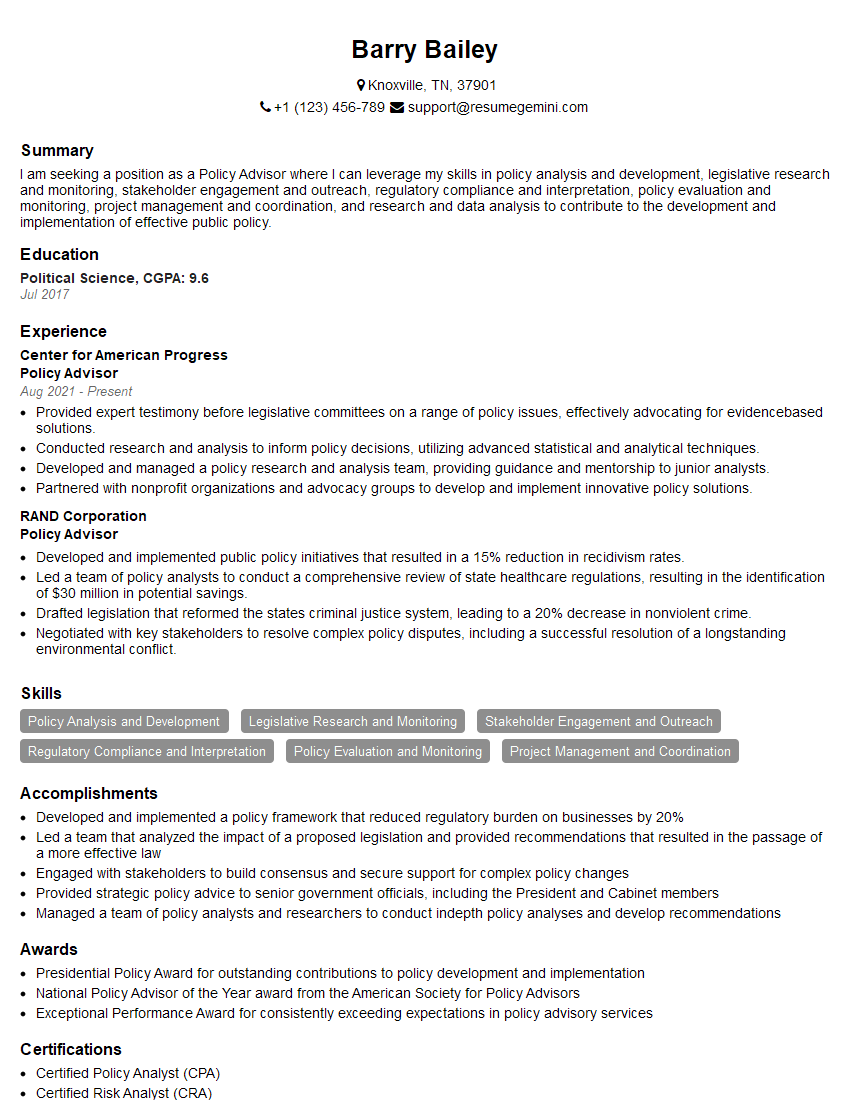
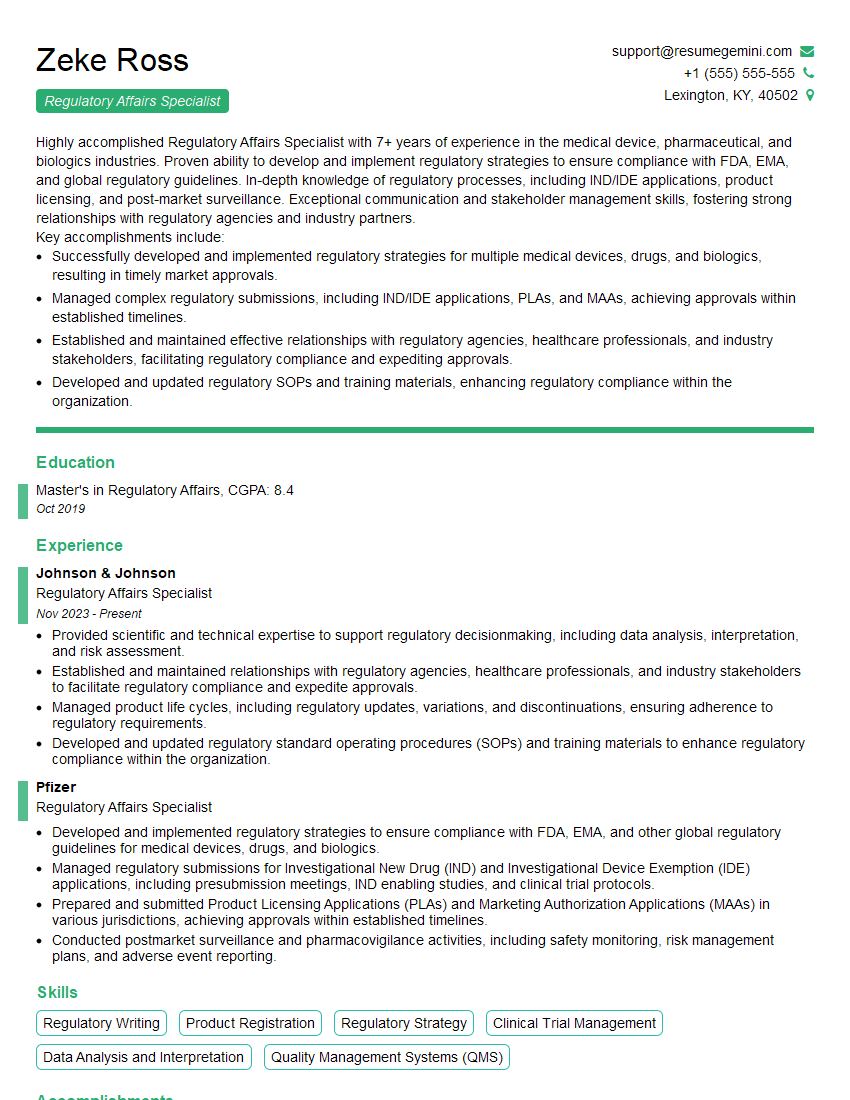
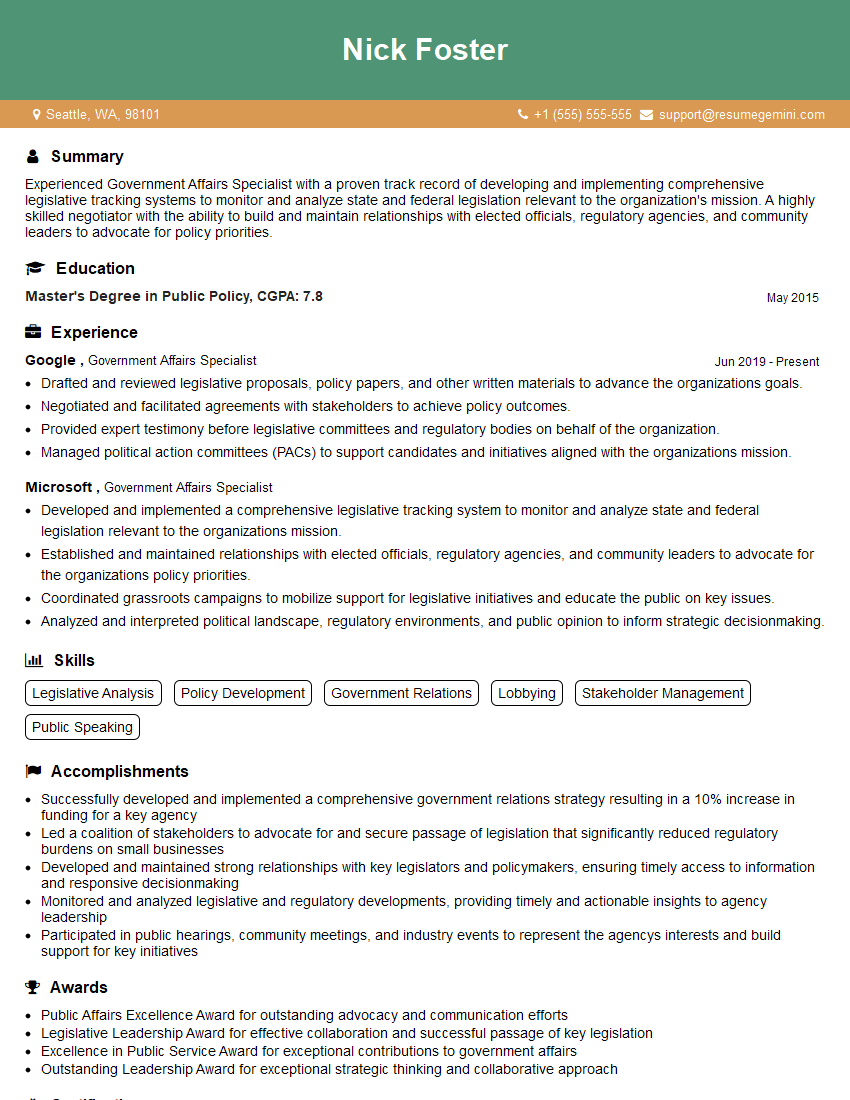
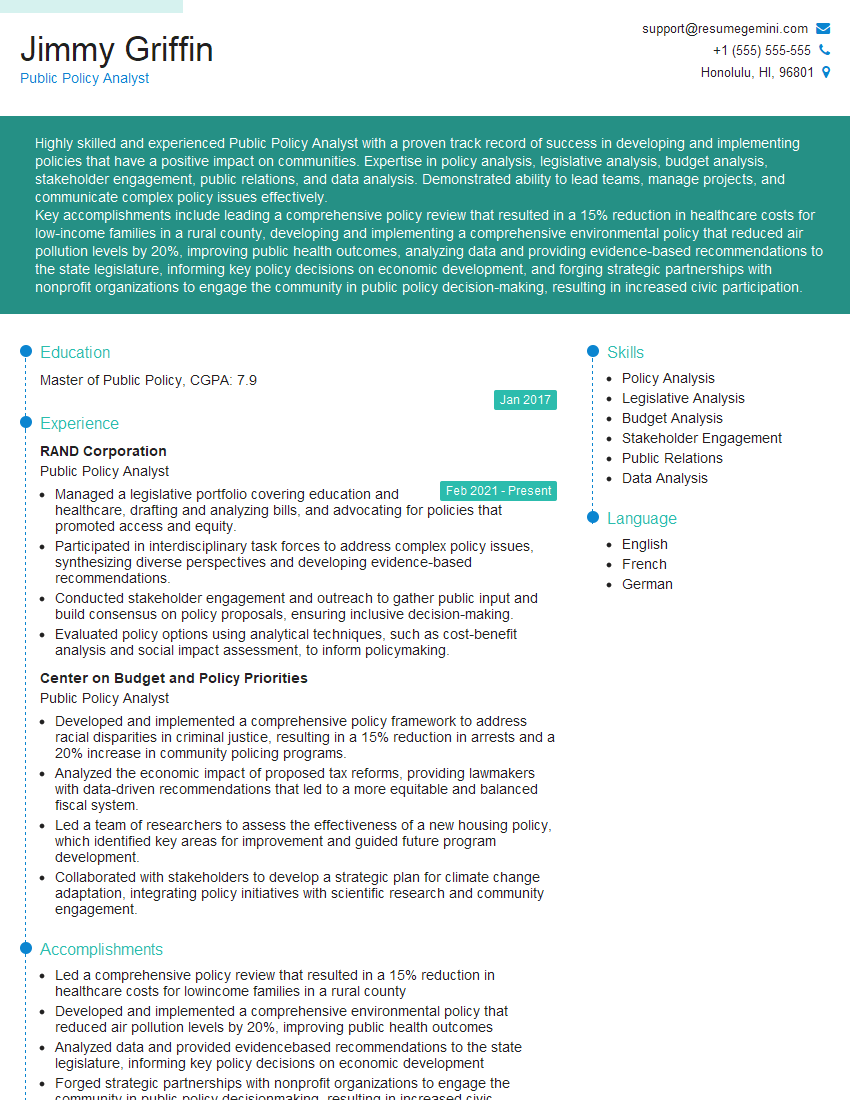
Mastering communication with governing bodies is crucial for career advancement, opening doors to leadership roles and impactful positions within various sectors. A strong, ATS-friendly resume is essential for showcasing your skills and experience to potential employers. To create a compelling resume that highlights your expertise in this area, we recommend using ResumeGemini, a trusted resource for building professional resumes. ResumeGemini offers examples of resumes tailored specifically to Communication with Governing Bodies, providing you with practical templates and guidance to help you present your qualifications effectively. Invest time in crafting a strong resume – it’s your first impression on potential employers.

Explore more articles
Users Rating of Our Blogs
Share Your Experience
We value your feedback! Please rate our content and share your thoughts (optional).
What Readers Say About Our Blog
Very informative content, great job.
good