Preparation is the key to success in any interview. In this post, we’ll explore crucial Compliance and Title IX Knowledge interview questions and equip you with strategies to craft impactful answers. Whether you’re a beginner or a pro, these tips will elevate your preparation.
Questions Asked in Compliance and Title IX Knowledge Interview
Q 1. Explain the key components of Title IX.
Title IX of the Education Amendments of 1972 is a federal law prohibiting sex-based discrimination in any school or educational program that receives federal funding. Its key components center around ensuring equal opportunities for all students regardless of gender. This includes:
- Equal Access to Education Programs and Activities: Schools must provide equal opportunities in all areas, from academics and athletics to extracurricular activities and vocational training. This means equal access to resources, facilities, and opportunities.
- Prevention of Sexual Harassment: Title IX prohibits sexual harassment, which includes unwelcome sexual advances, requests for sexual favors, and other verbal, nonverbal, or physical conduct of a sexual nature. This applies to students, faculty, and staff.
- Investigation and Resolution of Complaints: Schools have a responsibility to investigate complaints of sex-based discrimination and sexual harassment promptly and thoroughly. They must provide a fair and equitable process for resolving these complaints.
- Non-Retaliation: Schools must protect individuals from retaliation for reporting sex-based discrimination or sexual harassment. Retaliation can include any action taken against someone for making a report.
- Reasonable Accommodation: Schools must make reasonable accommodations for individuals with sex-based disabilities or needs.
Think of it like this: Title IX is the legal foundation that ensures a fair and equitable playing field for all students, regardless of gender, in any school receiving federal funds. This means equal access to scholarships, sports teams, and even the classroom environment itself.
Q 2. Describe the process for investigating a Title IX complaint.
The process for investigating a Title IX complaint is generally multi-step and must adhere to established procedures to be considered fair and impartial. While specifics may vary slightly between institutions, a typical process includes:
- Filing a Complaint: The complaint is filed with the designated Title IX coordinator or office.
- Initial Assessment: The complaint is reviewed to determine whether it falls under Title IX jurisdiction.
- Investigation: A formal investigation is launched, gathering evidence, interviewing witnesses (including the complainant and respondent), and reviewing relevant documents. This often involves trained investigators who are unbiased.
- Resolution: Based on the findings of the investigation, the institution will determine whether a violation occurred and implement appropriate remedies. This could range from informal resolutions like mediation to formal disciplinary actions.
- Appeal Process: Typically, both the complainant and respondent have the right to appeal the decision. This provides another opportunity to review the case and ensure fairness.
The entire process should maintain impartiality, avoid bias, and guarantee due process to both parties involved. Think of a courtroom trial, but within the context of the school environment. Fairness, impartiality, and due process are critical to achieving a just outcome.
Q 3. What are the different types of sexual harassment covered under Title IX?
Title IX covers a broad range of sexual harassment, falling under two main categories:
- Quid Pro Quo Harassment: This occurs when someone in a position of authority (teacher, coach, administrator) conditions academic or employment benefits or opportunities on the submission to unwelcome sexual advances. For example, a professor offering a better grade in exchange for a sexual relationship.
- Hostile Environment Harassment: This involves unwelcome conduct of a sexual nature that is so severe, pervasive, and objectively offensive that it effectively denies a person equal access to education. This could include repeated offensive jokes, unwanted touching, or the display of sexually explicit material that creates a learning environment hostile to the student.
It’s important to note that the severity and pervasiveness of the behavior are key factors in determining whether a hostile environment exists. A single incident might not be enough, but a pattern of behavior, even if seemingly minor individually, can create a hostile environment.
Q 4. How do you ensure confidentiality during a Title IX investigation?
Maintaining confidentiality during a Title IX investigation is crucial for protecting the involved parties and encouraging reporting. Strategies for ensuring confidentiality include:
- Limited Disclosure: Only those individuals directly involved in the investigation (investigators, witnesses as necessary, and potentially Title IX officials) should have access to information.
- Secure Data Storage: All documentation and information related to the investigation must be stored securely to prevent unauthorized access.
- Confidential Reporting Mechanisms: The institution should provide various ways for individuals to report complaints confidentially, such as anonymous reporting hotlines or online platforms.
- Clear Communication: It’s essential to clearly communicate the confidentiality policy to all parties involved, outlining the limits of confidentiality (e.g., mandated reporting of certain crimes).
However, it’s important to remember that absolute confidentiality is often impossible due to legal obligations (e.g., mandated reporting of crimes). Transparency about the limits of confidentiality is key to fostering trust.
Q 5. What are the potential disciplinary actions for violations of Title IX?
Disciplinary actions for Title IX violations can vary depending on the severity of the offense, the institution’s policies, and the findings of the investigation. Potential actions include:
- Suspension: Temporary removal from school or educational activities.
- Expulsion: Permanent removal from school.
- Restitution: Requiring the responsible party to compensate the victim for damages.
- Mandatory Counseling or Training: Requiring participation in programs addressing sexual harassment or violence prevention.
- Loss of Privileges: Loss of participation in extracurricular activities or leadership positions.
- No Contact Orders: Prohibiting contact between the respondent and the complainant.
The goal of disciplinary actions is to address the violation, provide remedies for the victim, and prevent future occurrences. The measures should be fair, equitable, and proportionate to the severity of the offense.
Q 6. Describe your experience with Title IX grievance procedures.
Throughout my career, I have extensive experience managing Title IX grievance procedures. I’ve worked on numerous cases, from relatively minor incidents of harassment to more serious allegations of sexual assault. My experience encompasses all phases of the process, including:
- Complaint Intake and Assessment: I have developed expertise in determining the jurisdiction of complaints and initiating the proper investigation based on the specific details.
- Investigation and Evidence Gathering: I’m proficient in conducting thorough, impartial investigations, including interviewing witnesses, collecting evidence, and analyzing information to draw accurate conclusions.
- Hearing and Decision-Making: I’ve presided over grievance hearings, ensuring fairness and due process for all parties. I’m skilled in weighing evidence objectively and making informed decisions based on the available evidence.
- Implementation of Resolutions: I have experience in implementing and overseeing the fulfillment of resolutions, ensuring that the decisions are followed and that the victim receives appropriate remedies.
- Maintaining Records and Compliance: I meticulously maintain all relevant documentation, ensuring compliance with all applicable laws and regulations.
I pride myself on my ability to navigate complex situations with empathy, ensuring that all involved parties feel heard and respected. I aim to create a fair and equitable process for all, promoting healing and preventing future occurrences.
Q 7. How do you handle conflicting accounts during an investigation?
Handling conflicting accounts during a Title IX investigation requires a careful and methodical approach. I prioritize the following steps:
- Thorough Investigation: The investigation should be exhaustive, gathering as much evidence as possible from all relevant sources. This includes interviewing witnesses, reviewing documents, and seeking corroborating evidence.
- Credibility Assessment: I evaluate the credibility of all accounts, considering factors like consistency of statements, corroborating evidence, and the overall demeanor of witnesses. This is a crucial step, recognizing that bias can unconsciously influence perception.
- Contextual Understanding: I carefully consider the context surrounding the events. Understanding the relationship between the parties, prior interactions, and any relevant factors can help illuminate inconsistencies.
- Impartiality and Objectivity: I remain impartial and objective throughout the process, avoiding any preconceived notions or biases. My goal is to determine the facts based on the evidence available.
- Documentation and Transparency: I meticulously document all evidence and reasoning, making the decision-making process transparent and readily explainable. This ensures accountability and builds trust.
Ultimately, the goal is not necessarily to determine who is definitively ‘right’ or ‘wrong,’ but to evaluate the evidence objectively and determine whether a Title IX violation occurred based on a preponderance of the evidence. This is similar to a civil court case, where the burden of proof is lower than in a criminal case.
Q 8. What are the reporting requirements for Title IX violations?
Title IX reporting requirements mandate that educational institutions receiving federal funding must promptly and equitably investigate complaints of sex discrimination, including sexual harassment, sexual violence, and other forms of sex-based misconduct. There isn’t a single, universal reporting form, as procedures vary depending on the institution’s size, resources, and specific policies. However, common threads exist. Reports can be made by the victim (complainant), a witness, or even an administrator who suspects a violation. The institution is obligated to ensure a clear and accessible reporting mechanism, often including multiple avenues like online portals, designated Title IX coordinators, and confidential advisors. The institution then has a responsibility to conduct a prompt and impartial investigation, following established procedures and ensuring due process for all parties involved. Failure to properly report and investigate can result in loss of federal funding and legal ramifications.
For example, a student who experiences sexual harassment must be able to report it easily and without fear of retaliation. The school must then launch a prompt investigation, providing the student with resources and support throughout the process.
Q 9. Explain the difference between quid pro quo and hostile environment harassment.
Both quid pro quo and hostile environment harassment are forms of sexual harassment prohibited under Title IX, but they differ significantly in their nature. Quid pro quo harassment involves an explicit or implicit exchange of something of value (like a grade, a job, or a recommendation) for sexual favors. It’s a direct and transactional form of harassment; sexual compliance is explicitly or implicitly linked to a benefit or the avoidance of punishment.
In contrast, a hostile environment arises when unwelcome sexual conduct creates an intimidating, hostile, or offensive atmosphere that interferes with a person’s ability to participate in or benefit from an educational program or activity. This type of harassment doesn’t necessarily involve an explicit exchange, but instead focuses on the overall environment. The key is that the conduct is sufficiently severe or pervasive to create a hostile environment. A single incident might not create a hostile environment, but a pattern of unwelcome behavior certainly could.
Example: Quid pro quo: A professor offering a student a better grade in exchange for a date. Hostile environment: A student repeatedly subjected to sexually suggestive comments and unwanted physical contact from classmates, creating an uncomfortable and intimidating learning environment.
Q 10. How do you ensure compliance with FERPA in relation to Title IX investigations?
Balancing FERPA (Family Educational Rights and Privacy Act) and Title IX compliance during investigations requires careful navigation. FERPA protects the privacy of student education records, while Title IX demands a thorough investigation into allegations of sex discrimination. The key is to share only the minimum necessary information to complete the investigation while still protecting student privacy. Investigators need to adhere strictly to the “need-to-know” basis. Only individuals directly involved in the investigation (including witnesses, the respondent, and the complainant, with their consent) should have access to information.
For instance, while the investigator may need access to student disciplinary records related to the incident, they shouldn’t access irrelevant information unrelated to the specific complaint. They should also ensure that any reports or documents generated during the investigation are securely stored and only accessible to authorized personnel. Further, the identity of the complainant might be kept confidential unless they choose to come forward publicly.
Q 11. How would you address a situation where a complainant withdraws their complaint?
A complainant withdrawing their complaint doesn’t automatically end the investigation, although it significantly alters the process. The institution still needs to consider several factors. First, the institution must determine if there is sufficient evidence of a potential violation independently of the complainant’s participation. If so, the investigation might proceed, although the absence of the complainant’s testimony will affect the evidence available. The institution must also ensure that the respondent’s rights are protected, giving them the opportunity to be heard and present their side of the story. The investigation’s outcome will be significantly shaped by the evidence collected, but the process must remain fair and transparent.
The institution might conclude the investigation with a finding of ‘no violation’ if sufficient evidence is lacking, or it might proceed based on other credible evidence if there is enough. Documenting the reasons for the decision is crucial for accountability and transparency.
Q 12. Describe your experience with Title IX training and education programs.
Throughout my career, I’ve been actively involved in developing and delivering Title IX training programs for various stakeholders – students, faculty, staff, and administrators. My experience encompasses creating tailored training modules covering topics such as defining sexual harassment and assault, understanding reporting procedures, navigating investigations, and responding to disclosures. I’ve incorporated interactive elements such as case studies, role-playing, and Q&A sessions to ensure active participation and better comprehension. In addition, I’ve developed training focused on bystander intervention, emphasizing the importance of creating a supportive and inclusive campus climate. I’ve consistently adapted the training based on the participants’ roles and responsibilities and current legal updates ensuring relevance and effectiveness.
For example, I recently created a program for faculty that focused on recognizing the subtle signs of harassment in the classroom, and another for students which emphasized self-care and support services. This tailored approach ensures that everyone understands their role in promoting a safe and respectful learning environment.
Q 13. What are the key elements of a robust compliance program?
A robust Title IX compliance program requires several key elements: First, a clearly defined policy that accurately reflects current legal requirements and institutional values. This policy should outline prohibited conduct, reporting procedures, investigation processes, and disciplinary actions. Secondly, a designated Title IX Coordinator with adequate authority and resources to oversee the program’s implementation. This coordinator should be well-trained and possess a deep understanding of Title IX regulations and legal precedents. Third, comprehensive training for all relevant personnel (faculty, staff, and students). This training must cover policy details, reporting procedures, investigation techniques, and legal considerations. Regular audits and reviews of the program are crucial to identify areas needing improvement and ensure compliance. Finally, a system for promptly and effectively investigating complaints, ensuring due process for all parties involved, and maintaining accurate records. The program must also include mechanisms for addressing retaliation, promoting restorative justice, and providing support services for complainants and respondents.
Think of it as a well-oiled machine with multiple interdependent parts, each crucial for its smooth operation.
Q 14. How do you conduct a risk assessment for compliance purposes?
Conducting a thorough risk assessment is critical for proactive compliance. It involves identifying potential vulnerabilities and areas where the institution is at risk of non-compliance. This begins with reviewing existing policies, procedures, and training materials to identify gaps or weaknesses. Next, the assessment would include analyzing data such as the number of reported incidents, the types of violations, and the outcomes of investigations. Input from various stakeholders (students, faculty, staff) through surveys or focus groups can also provide valuable insights. Identifying high-risk areas (e.g., specific departments or activities with a higher incidence of reported violations) is crucial. Once vulnerabilities are identified, the assessment should prioritize areas needing immediate attention and develop strategies to mitigate risks. This might involve updating policies, providing additional training, improving reporting procedures, or strengthening investigative protocols. The assessment should be documented and regularly updated to reflect changes in the legal landscape or the institutional environment.
Imagine a security check for a building – you identify weak points (unlocked doors, poor lighting) and take steps to strengthen them (installing locks, adding more lights). The same principles apply to a compliance risk assessment.
Q 15. Describe your experience with internal audits and compliance reviews.
My experience with internal audits and compliance reviews spans over eight years, encompassing various sectors including higher education. I’ve led and participated in numerous audits, focusing on areas such as Title IX compliance, FERPA (Family Educational Rights and Privacy Act), Clery Act, and financial aid regulations. These audits involved meticulously reviewing policies, procedures, training materials, and incident reports. I’ve utilized a risk-based approach, prioritizing areas of highest potential non-compliance. For instance, in one audit, we identified a gap in the training materials regarding Title IX reporting procedures, leading to an immediate revision and retraining of staff. The process typically involves:
- Planning & Scoping: Defining the audit’s objective and scope, identifying key stakeholders.
- Data Gathering: Collecting evidence through document review, interviews, and observation.
- Analysis & Reporting: Analyzing collected data to identify gaps and recommending corrective actions.
- Follow-up & Monitoring: Tracking the implementation of corrective actions and ensuring sustained compliance.
My expertise extends to using audit software to streamline the process and ensure thoroughness, ultimately leading to improved institutional compliance and risk mitigation.
Career Expert Tips:
- Ace those interviews! Prepare effectively by reviewing the Top 50 Most Common Interview Questions on ResumeGemini.
- Navigate your job search with confidence! Explore a wide range of Career Tips on ResumeGemini. Learn about common challenges and recommendations to overcome them.
- Craft the perfect resume! Master the Art of Resume Writing with ResumeGemini’s guide. Showcase your unique qualifications and achievements effectively.
- Don’t miss out on holiday savings! Build your dream resume with ResumeGemini’s ATS optimized templates.
Q 16. What are some common compliance challenges faced by educational institutions?
Educational institutions face a unique set of compliance challenges due to their diverse populations and complex operations. Some common hurdles include:
- Title IX Compliance: Effectively addressing sexual harassment, assault, and discrimination complaints while ensuring due process for all parties. This requires robust reporting mechanisms, thorough investigations, and appropriate disciplinary actions. I’ve seen institutions struggle with timely investigations and consistent application of policies.
- FERPA Compliance: Protecting the privacy of student education records. This includes ensuring proper authorization for access to records and securely managing sensitive information. A common mistake is inadvertently releasing information without proper consent.
- Clery Act Compliance: Accurately reporting campus crime statistics and maintaining a safe environment for students. This requires a robust system for tracking and reporting incidents, as well as implementing effective prevention programs. I’ve assisted institutions in improving their Clery Act reporting systems to ensure accuracy and timeliness.
- Accessibility Compliance: Ensuring equal access to education for students with disabilities, in compliance with the Americans with Disabilities Act (ADA). This includes providing reasonable accommodations and ensuring physical accessibility of facilities. Challenges often arise in providing appropriate and timely accommodations.
- Financial Aid Compliance: Adhering to complex federal and state regulations governing financial aid programs. Errors in awarding or managing financial aid can lead to significant penalties.
These challenges often intersect, requiring a holistic approach to compliance management.
Q 17. How do you stay up-to-date on changes in compliance regulations?
Staying current on compliance regulations requires a multi-faceted approach. I actively participate in professional organizations like NACUA (National Association of College and University Attorneys) and attend relevant conferences and webinars to learn about changes in legislation and best practices. I subscribe to legal newsletters and updates from reputable sources such as the Department of Education and the Office for Civil Rights. Moreover, I maintain a network of contacts within the field, allowing for the exchange of information and insights on emerging compliance issues. Finally, I regularly review and update our institution’s compliance policies and procedures to reflect the latest regulations and best practices.
Q 18. Describe your experience with developing and implementing compliance policies.
Developing and implementing compliance policies involves a collaborative and iterative process. It starts with identifying the relevant regulations and best practices, conducting a thorough risk assessment to pinpoint areas of potential vulnerability, and then drafting clear, concise, and comprehensive policies that address those risks. The next step involves obtaining buy-in from key stakeholders, including faculty, staff, and students. I’ve found that incorporating feedback from these groups leads to policies that are more effective and readily accepted. Finally, the policies must be effectively communicated and implemented, followed by regular review and updates to ensure their continued effectiveness. For instance, in one institution, we developed a new policy on handling Title IX complaints, involving a multi-stage process from reporting to investigation and resolution, along with training materials for all staff members.
Q 19. How do you communicate compliance requirements to employees and students?
Communicating compliance requirements effectively requires a multi-pronged approach tailored to the audience. For employees, this often involves mandatory training sessions, regular updates, and easily accessible policy manuals. We utilize various methods like online modules, workshops, and interactive training exercises. For students, clear and concise communication through student handbooks, websites, and orientation sessions is crucial. We use plain language, avoiding legal jargon, and incorporate examples to illustrate key concepts. Regular reminders and updates through campus-wide communications, such as email blasts and social media campaigns, reinforce compliance awareness. We also create student-friendly FAQs to address common questions and concerns. Utilizing multiple channels ensures maximum reach and comprehension.
Q 20. What metrics do you use to measure the effectiveness of a compliance program?
Measuring the effectiveness of a compliance program requires a comprehensive approach using both quantitative and qualitative metrics. Quantitative metrics might include:
- Number of reported incidents: This tracks the effectiveness of reporting mechanisms and awareness programs.
- Timeliness of investigations: This measures the efficiency of the investigation process.
- Number of corrective actions taken: This indicates the program’s responsiveness to violations.
- Employee and student satisfaction with compliance processes: This can be measured through surveys and feedback sessions.
Qualitative metrics include:
- Quality of investigations: This assesses the thoroughness and impartiality of investigations.
- Effectiveness of training programs: This gauges the impact of training on employee and student knowledge and behavior.
- Number of compliance-related audits and their findings: This identifies areas for improvement.
By analyzing these metrics regularly, we can identify areas for improvement and ensure that our compliance program remains effective in protecting our institution and its community.
Q 21. How would you handle a situation where a supervisor is accused of violating Title IX?
Handling a situation where a supervisor is accused of violating Title IX requires a swift, thorough, and impartial investigation, while ensuring due process for all parties involved. My approach would be:
- Immediate Action: Place the supervisor on administrative leave pending the outcome of the investigation to prevent further potential harm or influence on witnesses.
- Initiate a Formal Investigation: Conduct a thorough and impartial investigation, adhering strictly to Title IX regulations and institutional policies. This involves interviewing witnesses, reviewing evidence, and documenting all findings meticulously.
- Provide Support to the Complainant: Offer appropriate support services to the complainant, such as counseling, academic support, and safety planning.
- Ensure Due Process for the Respondent: Guarantee the respondent’s right to due process, including the opportunity to present their side of the story and challenge evidence presented against them.
- Document Everything: Maintain detailed records of all interviews, evidence, and decisions made throughout the investigation.
- Appropriate Disciplinary Action: Based on the findings of the investigation, take appropriate disciplinary action in accordance with institutional policies and Title IX regulations. This may range from a warning to termination, depending on the severity of the violation.
- Regular Monitoring: Regularly monitor the situation to ensure compliance and prevent future occurrences.
It is crucial to act promptly and impartially, ensuring fairness and transparency throughout the process. Collaboration with Title IX Coordinators and legal counsel is vital to navigate the complexities of such situations while upholding legal and ethical standards.
Q 22. Describe your experience with mediating conflicts related to Title IX violations.
Mediating Title IX conflicts requires a deep understanding of the law, a neutral stance, and exceptional communication skills. My experience involves facilitating discussions between complainants, respondents, and witnesses to reach mutually agreeable resolutions, where possible, while ensuring fairness and due process. This includes carefully listening to each party’s perspective, identifying common ground, and collaboratively developing solutions that address the harm caused and prevent future incidents. I’ve found that creating a safe space for open dialogue, free from intimidation or judgment, is paramount. For example, in one case involving a potential hostile environment claim, I facilitated a dialogue where the parties clarified misunderstandings, leading to a written agreement about appropriate workplace conduct, thereby preventing further issues. In other cases requiring formal investigation, I’ve ensured all parties understand the process, timelines, and potential outcomes of the investigation.
Q 23. How do you ensure that compliance programs are culturally sensitive and equitable?
Creating culturally sensitive and equitable compliance programs requires a multifaceted approach. It starts with actively listening to and understanding the unique needs and perspectives of diverse groups within the community. This involves conducting regular climate surveys and focus groups, and engaging with diverse stakeholders in the program’s development and implementation. The language used in policies and procedures must be inclusive and accessible, avoiding jargon and bias. Training programs need to incorporate culturally relevant examples and case studies to effectively reach and resonate with diverse audiences. Further, investigation and resolution processes need to consider the cultural context of the reported incident, taking into account power dynamics and potential cultural barriers that may exist. For instance, ensuring that interpreters are available for those who are not fluent in the dominant language and that accommodations are made for religious or cultural observances is vital to ensuring fairness and accessibility. It’s important to remember that what constitutes harassment or discrimination can vary across cultures, and understanding these nuances is vital. Regular evaluation and feedback mechanisms are also critical to guarantee ongoing effectiveness and inclusivity.
Q 24. What are some best practices for preventing Title IX violations?
Preventing Title IX violations requires a proactive, multi-pronged approach. Best practices include:
- Comprehensive Training: Regular, mandatory training for all staff, faculty, and students on Title IX regulations, definitions of prohibited conduct, and reporting procedures. Training should include interactive elements, real-life scenarios, and opportunities for questions and discussion.
- Clear and Accessible Policies: Develop detailed, easy-to-understand policies that clearly define prohibited conduct and the reporting process. These policies should be readily available on the institution’s website and in other easily accessible formats.
- Multiple Reporting Channels: Establish multiple, confidential reporting channels for individuals to report incidents without fear of retaliation. This could include online reporting systems, designated Title IX coordinators, and informal reporting options.
- Prompt and Thorough Investigations: Conduct prompt and thorough investigations of all reported incidents, following established procedures and ensuring impartiality.
- Effective Remedial Actions: Implement appropriate remedial actions to address violations, including disciplinary action, restorative justice initiatives, and support services for victims.
- Prevention Education: Proactive education campaigns to raise awareness about Title IX, consent, healthy relationships, and bystander intervention.
Q 25. Describe a time you had to deal with a difficult situation in a compliance setting.
I once faced a situation involving a complex Title IX investigation where there were conflicting accounts and a lack of direct evidence. The challenge was to remain impartial while ensuring a thorough and fair investigation. The conflicting accounts involved accusations of sexual harassment, and both parties presented credible but different versions of events. This required painstakingly reviewing all available evidence, including witness statements, emails, and physical evidence. The process involved interviewing each witness multiple times, clarifying inconsistencies, and carefully assessing witness credibility. I ultimately prepared a detailed report, outlining the evidence and my findings, while acknowledging the uncertainties. This report provided a balanced overview for the decision-making authority to make an informed decision based on the evidence. Transparency throughout the process was paramount, ensuring all parties understood the investigation’s progress and rationale behind the decisions.
Q 26. How do you balance the needs of all parties involved in a Title IX investigation?
Balancing the needs of all parties in a Title IX investigation is a delicate but crucial aspect of the process. It requires a commitment to fairness, impartiality, and due process. While the complainant’s safety and well-being are paramount, it’s essential to ensure that the respondent also receives fair treatment and an opportunity to present their side of the story. This often involves setting clear expectations and guidelines from the outset, ensuring that both parties are informed of the process, timelines, and rights. It also requires actively listening to each perspective, understanding their concerns, and addressing their needs, to the extent possible, within the bounds of the law and institutional policies. Regular communication with both parties is vital, keeping them updated on the progress of the investigation and addressing any questions or concerns they may have. In cases where a resolution is reached, ensuring that it adequately addresses the harm caused and prevents future incidents is key. Finding that balance can be challenging, but it’s crucial for maintaining the integrity of the process and fostering a culture of fairness and respect on campus.
Q 27. How familiar are you with the Clery Act and its relationship to Title IX?
The Clery Act and Title IX are interconnected laws requiring institutions to respond to campus crime and safety. The Clery Act mandates the reporting of campus crime statistics, including crimes of violence like sexual assault, while Title IX prohibits sex discrimination, which includes sexual harassment and sexual violence. The relationship between the two is that a Title IX violation, like sexual assault, is also a Clery Act reportable crime if it meets the Clery Act’s definition of a crime. Institutions must comply with both laws, which often means coordinating reporting procedures and ensuring timely response to both Clery Act and Title IX matters. For instance, a reported sexual assault will trigger reporting obligations under both laws, requiring the institution to gather information, conduct an investigation, and take appropriate action under both Title IX and Clery Act guidelines. Understanding this relationship is key to ensuring compliance and fostering a safe and equitable environment on campus.
Q 28. Explain your understanding of restorative justice practices and their potential role in Title IX cases.
Restorative justice practices focus on repairing harm caused by wrongdoing through dialogue and collaboration between the parties involved. In Title IX cases, restorative justice can be a valuable tool, particularly in situations where all parties are willing to participate. It offers an alternative to traditional disciplinary processes, emphasizing accountability, healing, and reconciliation. It involves facilitated conversations between the complainant, respondent, and potentially other affected parties to explore the impact of the incident, understand the perspectives of each individual, and collaboratively develop solutions to address the harm and prevent recurrence. The goal is not to minimize the seriousness of the incident, but rather to find a way to address the harm caused in a way that promotes healing and understanding. However, restorative justice is not appropriate for all cases, especially those involving significant power imbalances or where one party does not consent to participation. Careful consideration is vital to ensure its appropriate application.
Key Topics to Learn for Compliance and Title IX Knowledge Interview
- Federal and State Compliance Regulations: Understanding the legal framework governing compliance, including relevant statutes and regulations at both the federal and state levels. This includes knowing how to interpret and apply these regulations to real-world scenarios.
- Title IX Basics and Applications: A thorough grasp of Title IX’s prohibitions against sex discrimination in education programs and activities. This includes understanding the key elements of a Title IX complaint, investigation process, and potential resolutions.
- Investigative Procedures and Documentation: Mastering the proper methods for conducting impartial investigations, collecting and preserving evidence, and maintaining accurate documentation throughout the process. This includes understanding best practices for interviewing witnesses and ensuring due process.
- Reporting and Record-Keeping: Understanding the importance of accurate and timely reporting of incidents and maintaining comprehensive records compliant with legal requirements and institutional policies. This includes familiarity with various reporting systems and databases.
- Prevention and Education Programs: Knowledge of effective strategies for designing and implementing prevention and education programs aimed at fostering a respectful and inclusive campus environment. This includes understanding the principles of bystander intervention and proactive approaches to addressing harassment and discrimination.
- Discrimination and Harassment Case Studies: Analyzing real-world case studies to develop critical thinking and problem-solving skills in identifying and addressing various forms of discrimination and harassment. This requires the ability to apply legal principles to complex factual situations.
- Institutional Policies and Procedures: Familiarity with institutional policies and procedures related to compliance and Title IX, including understanding the roles and responsibilities of various stakeholders within the institution.
Next Steps
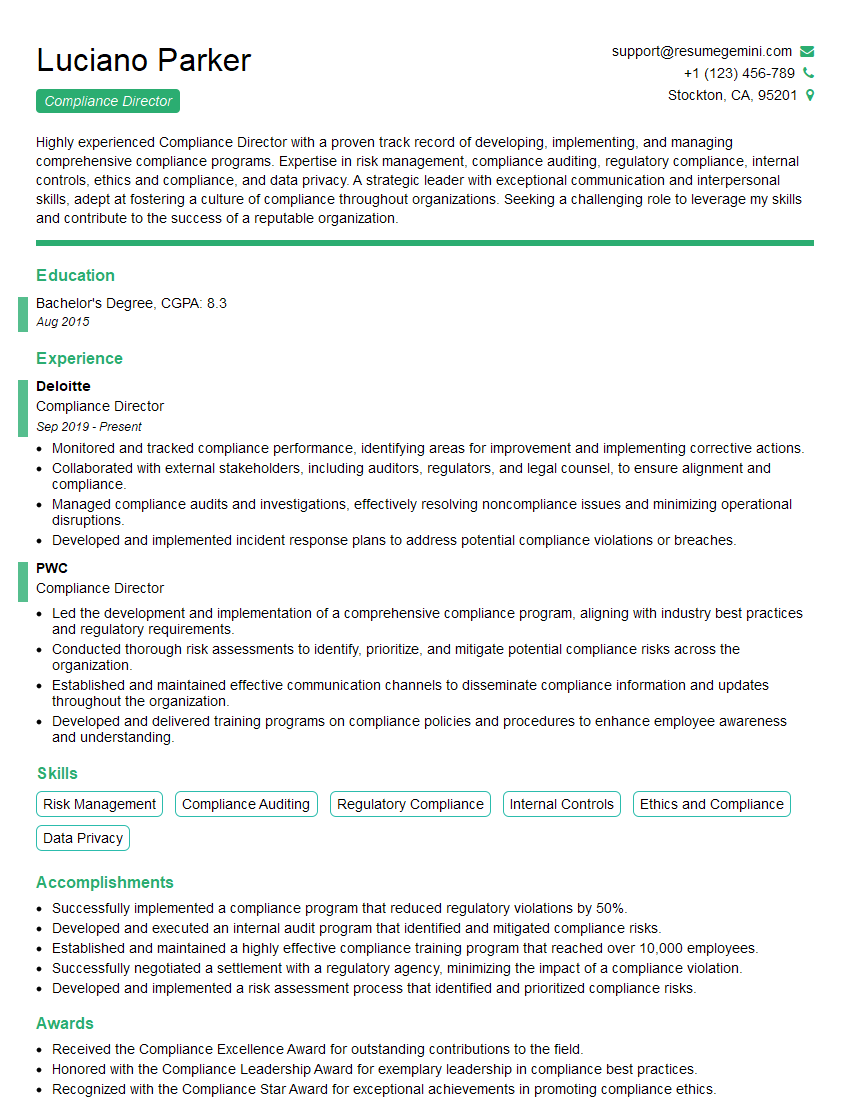
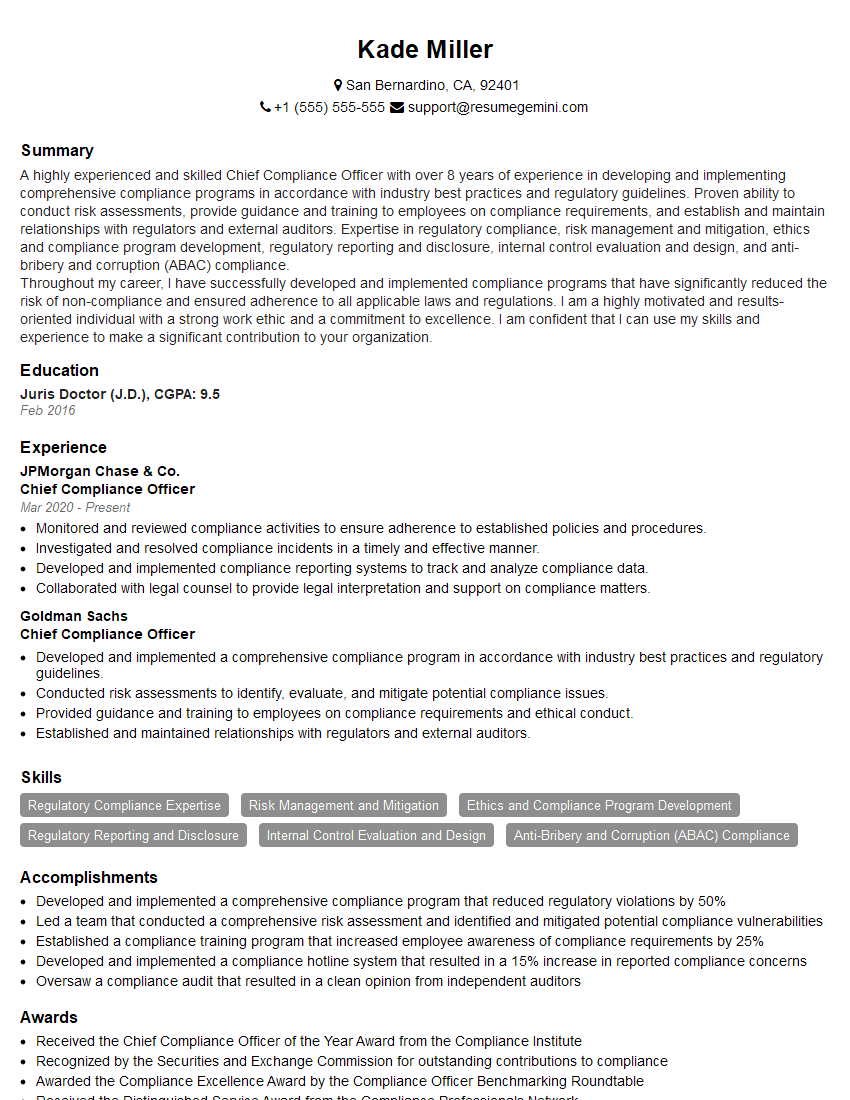
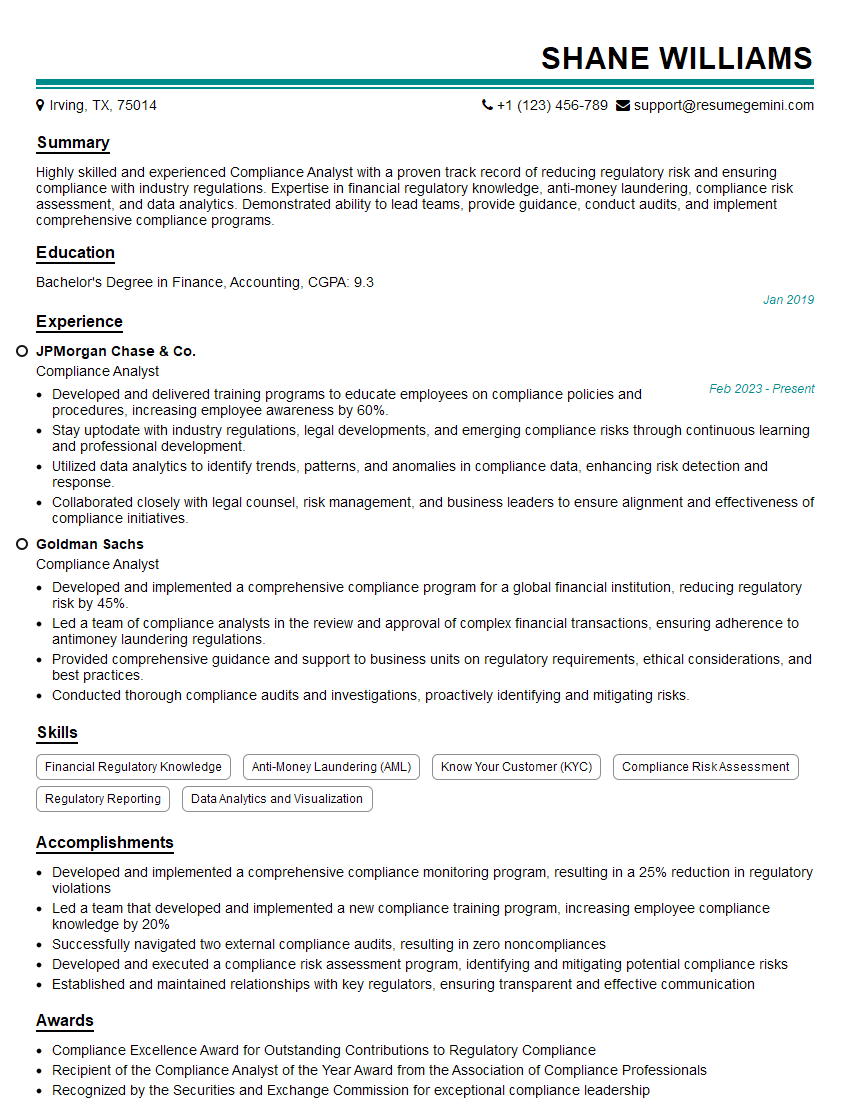
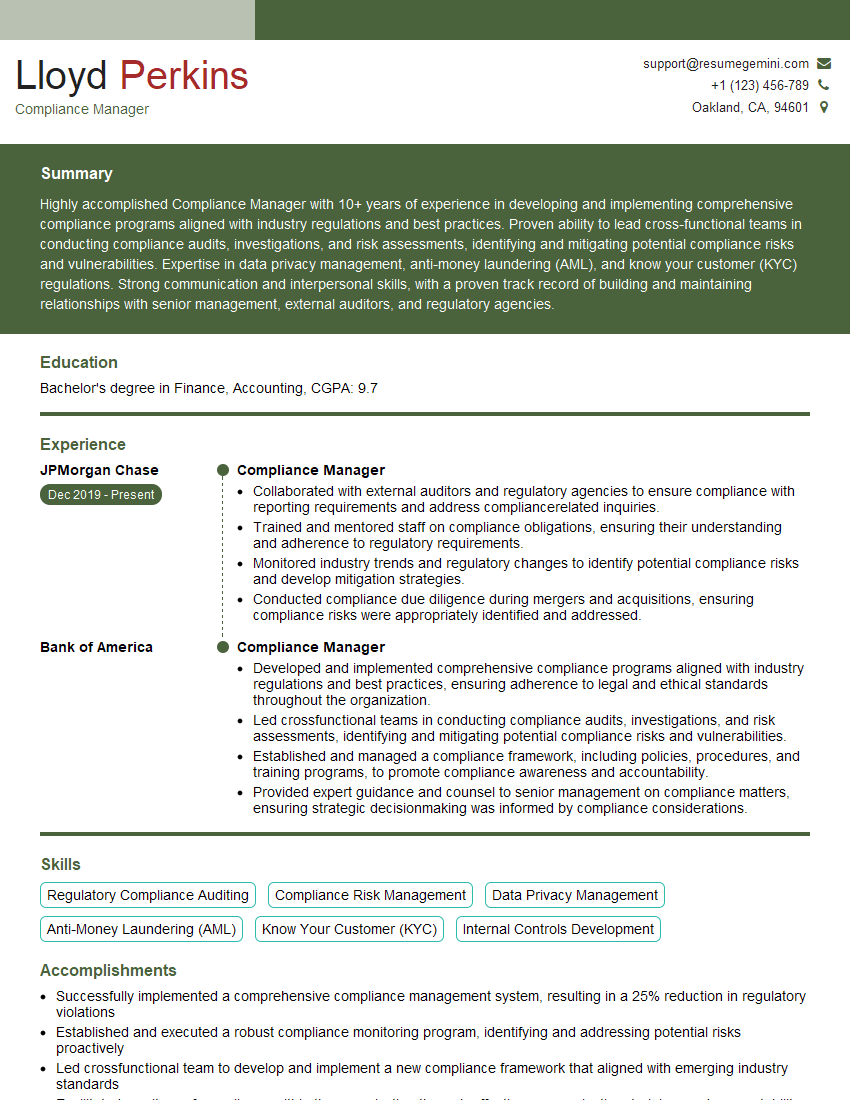
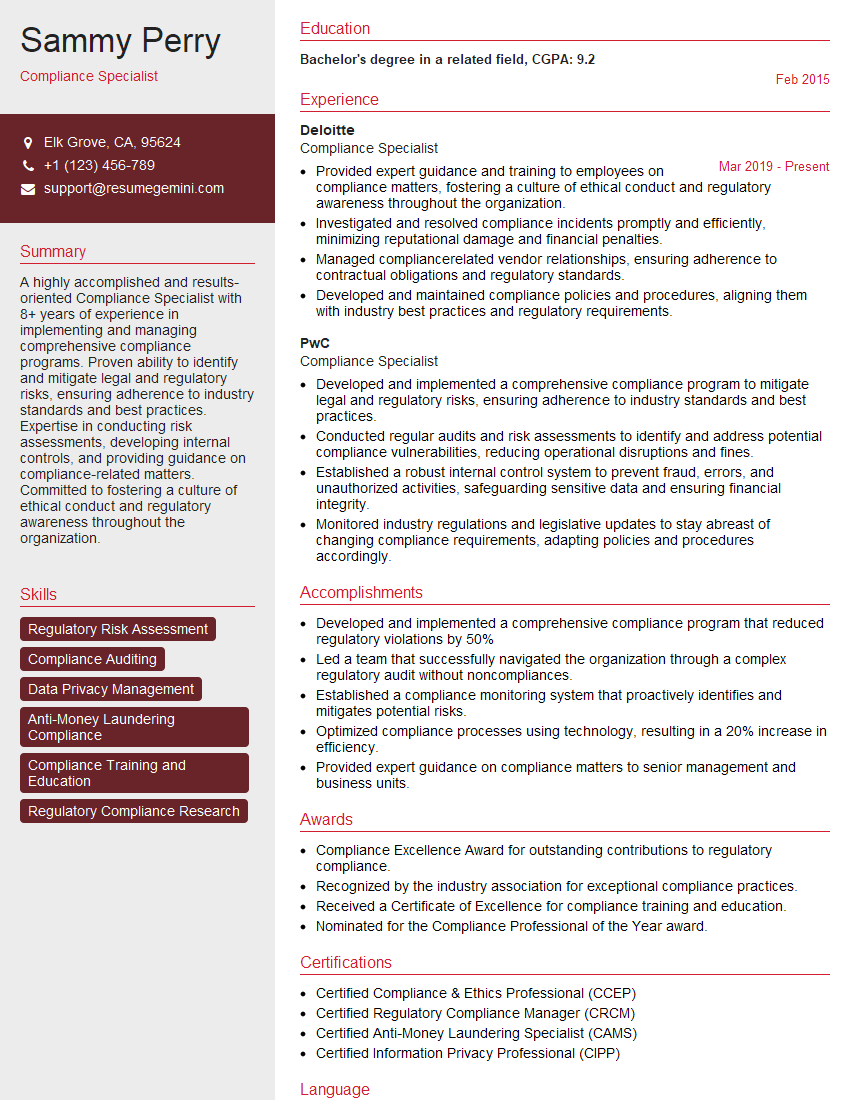
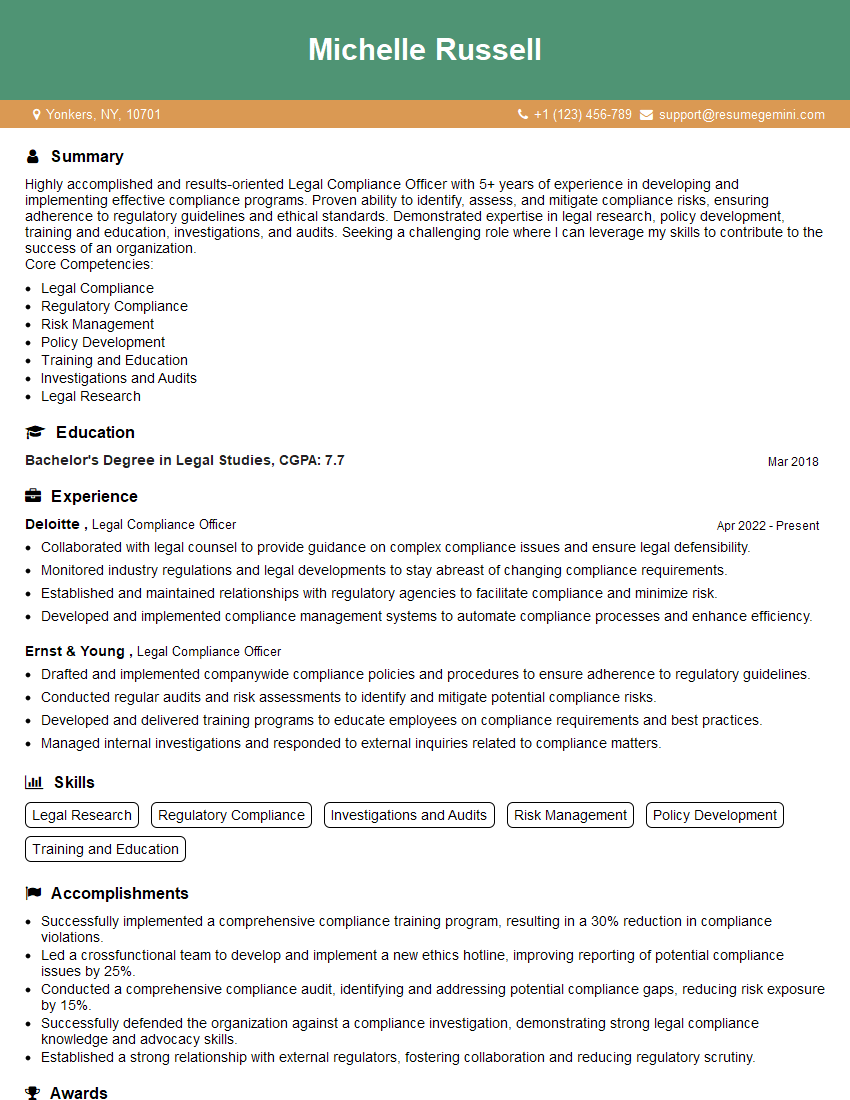
Mastering Compliance and Title IX knowledge is crucial for career advancement in higher education and related fields. A strong understanding of these areas demonstrates a commitment to creating safe and equitable learning environments, and significantly enhances your value to prospective employers. To maximize your job prospects, it’s vital to create an ATS-friendly resume that highlights your relevant skills and experience. ResumeGemini is a trusted resource that can help you build a professional and impactful resume, ensuring your qualifications stand out. Examples of resumes tailored to Compliance and Title IX Knowledge are available to help guide you through the process.

Explore more articles
Users Rating of Our Blogs
Share Your Experience
We value your feedback! Please rate our content and share your thoughts (optional).
What Readers Say About Our Blog
Very informative content, great job.
good