Interviews are more than just a Q&A session—they’re a chance to prove your worth. This blog dives into essential Comply with Navy Regulations and Policies interview questions and expert tips to help you align your answers with what hiring managers are looking for. Start preparing to shine!
Questions Asked in Comply with Navy Regulations and Policies Interview
Q 1. What are the key differences between UCMJ and Navy Regulations?
The Uniform Code of Military Justice (UCMJ) and Navy Regulations are both crucial for maintaining order and discipline within the Navy, but they address different aspects. Think of the UCMJ as the legal framework defining offenses and punishments, while Navy Regulations are the detailed rules and guidelines for how the Navy operates.
- UCMJ: This is a federal law that establishes criminal offenses and procedures for trials within the military justice system. It covers a broad range of offenses, from minor infractions to serious crimes. Violations result in court-martial proceedings with potential penalties like confinement, reduction in rank, or even dishonorable discharge.
- Navy Regulations: These are internal rules and procedures that govern the administration, organization, and operation of the Navy. They cover a vast spectrum of topics, including uniforms, ceremonies, correspondence, and the handling of official documents. Non-compliance often results in non-judicial punishment (NJP), administrative actions, or letters of reprimand.
In short, the UCMJ addresses criminal behavior, while Navy Regulations address administrative and operational matters. They often overlap; for example, unauthorized absence (UA) is a violation of both.
Q 2. Explain the process for submitting a request for a waiver to Navy Regulations.
Submitting a waiver request to Navy Regulations is a formal process that requires meticulous attention to detail. It’s not something to take lightly. First, you need to clearly identify the specific regulation you’re seeking a waiver for and articulate the compelling reasons why a waiver is necessary. This usually involves demonstrating that strict adherence would cause undue hardship or create an impossible situation.
The request must be submitted through the proper chain of command. Your immediate supervisor will review the request, make a recommendation, and forward it to their superior. This process continues up the chain until it reaches the appropriate authority who has the power to grant waivers. Each level typically adds their own endorsement and assessment.
The request should include all relevant documentation supporting your claim. This might involve medical records, supporting statements from colleagues, or any other evidence that strengthens your case. The entire process is carefully documented, and a detailed explanation is required for every step.
Think of it like appealing a parking ticket, but with significantly higher stakes. A well-crafted and justified request increases the chances of approval.
Q 3. Describe your experience handling non-compliance issues within a Navy environment.
During my time in the Navy, I’ve encountered various instances of non-compliance. One example involved a sailor consistently violating the grooming standards. Instead of immediately resorting to punishment, I initiated a counseling session. We discussed the importance of adhering to regulations, focusing on the impact of non-compliance on unit cohesion and morale. I provided clear guidance and monitored their progress. This approach proved effective; the sailor rectified the issue, demonstrating a commitment to improvement.
In another instance, I handled a more serious case of unauthorized use of government equipment. This required a more formal approach, adhering strictly to Navy Regulations. I documented the incident thoroughly, ensuring all facts were accurately recorded. Following the proper chain of command, I reported the violation to my superior, enabling them to implement the appropriate disciplinary measures.
My approach consistently prioritizes education and understanding, using disciplinary measures only as a last resort. I believe in fostering a culture of compliance through proactive communication and support.
Q 4. How familiar are you with the Navy’s ethics code and its practical application?
The Navy’s ethics code is deeply ingrained in our culture. It emphasizes integrity, loyalty, and accountability. It’s not just a list of rules; it’s a guiding principle for every decision we make. I’m very familiar with the tenets of the code, including the importance of avoiding conflicts of interest, upholding the law, and maintaining public trust.
Practical application involves consistently evaluating your actions and choices through the lens of the ethics code. For example, accepting gifts from contractors could be a conflict of interest, violating the code. Reporting misconduct by fellow sailors, even if it’s uncomfortable, demonstrates loyalty and commitment to upholding the Navy’s values. It’s about acting with integrity even when no one is watching.
Q 5. What is your understanding of the Navy’s equal opportunity and diversity policies?
The Navy’s equal opportunity and diversity policies aim to create a fair and inclusive environment where everyone has the chance to succeed, regardless of race, religion, gender, sexual orientation, or any other protected characteristic. These policies ensure that promotion, assignments, and disciplinary actions are based solely on merit and performance, not on prejudice or bias.
Understanding these policies requires recognizing that equal opportunity goes beyond simply avoiding discrimination; it demands actively fostering an inclusive environment where diverse perspectives are valued and respected. This involves promoting diversity through training programs, mentoring initiatives, and creating an environment where individuals feel safe reporting instances of discrimination or harassment without fear of retaliation.
Q 6. Outline the procedures for reporting a security violation within the Navy.
Reporting a security violation is critical for maintaining the Navy’s operational security. The process varies depending on the severity and nature of the violation. However, the fundamental principle is immediate reporting through the appropriate channels.
Minor violations might be reported to your supervisor or the security officer. More serious violations, such as potential breaches of classified information or sabotage, must be reported immediately to higher authorities, possibly involving NCIS (Naval Criminal Investigative Service). The specifics are outlined in the Navy’s security regulations and your command’s security procedures. Failure to report such violations can have serious legal and professional ramifications.
Remember, protecting sensitive information and assets is paramount. Don’t hesitate to report even seemingly minor incidents, as they could be indicators of larger security risks.
Q 7. How would you address a situation where a subordinate is not complying with Navy regulations?
Addressing non-compliance by a subordinate requires a measured and fair approach. The first step is to understand the reason for the non-compliance. Was it due to a lack of understanding, negligence, or willful defiance?
A private counseling session is often the best starting point. This allows for open communication and a chance to clarify the regulation, explain its importance, and address any underlying issues. If the non-compliance continues, more formal actions are needed. This might involve documented counseling, referral to additional training, or, as a last resort, initiating non-judicial punishment (NJP).
Throughout the process, documentation is essential. Maintaining detailed records of all interactions and actions taken protects both the subordinate and the supervisor. The objective is to correct the behavior while maintaining a fair and respectful environment.
Q 8. Explain your understanding of the Navy’s chain of command and its relevance to compliance.
The Navy’s chain of command is a hierarchical structure that dictates the flow of authority and responsibility. It’s absolutely crucial for compliance because it establishes clear lines of accountability. Every Sailor knows who their superior is, who to report to, and who is ultimately responsible for ensuring adherence to regulations. This ensures that orders are followed, issues are addressed promptly, and everyone understands their role in maintaining order and safety.
- Example: If a Sailor observes a safety violation, they report it to their supervisor. That supervisor then takes appropriate action, escalating the issue if necessary, all the way up the chain of command until it’s resolved at the appropriate level.
- Relevance to Compliance: A well-defined chain of command facilitates effective communication of regulations, ensures proper training, and allows for swift and decisive action to correct non-compliance. Clear accountability prevents negligence and encourages responsible behavior.
Q 9. Describe your experience with conducting compliance audits or inspections.
I have extensive experience conducting both internal and external compliance audits and inspections. In my previous role, I was responsible for evaluating the adherence of various departments to safety regulations, environmental protection protocols, and personnel policies. This involved reviewing documentation, conducting interviews with personnel at all levels, performing on-site inspections, and identifying any discrepancies or areas needing improvement.
For instance, I led a team that audited a shipyard’s compliance with HAZMAT handling procedures. This entailed meticulously reviewing their documentation, observing their procedures in real-time, and interviewing employees to assess their understanding of the regulations. We identified a few minor procedural lapses and recommended corrective actions, which were promptly implemented. The audit process highlighted the importance of thorough documentation and ongoing training in maintaining compliance.
Q 10. How do you stay updated on changes and amendments to Navy regulations and policies?
Staying current on Navy regulations and policy changes is paramount. I utilize several methods to ensure I remain updated. These include:
- Official Navy Publications: I regularly review official Navy websites and publications, such as the Navy Directives and Instructions website, for any updates or amendments to relevant regulations.
- Professional Development Courses: I actively participate in professional development courses and training sessions focused on compliance and relevant regulations. This ensures I am aware of the latest interpretations and best practices.
- Navy Legal Counsel: I maintain contact with Navy legal counsel to seek clarification when needed and to be informed of any significant changes or interpretations of regulations.
- Professional Networks: I engage with fellow compliance officers and legal professionals within the Navy to discuss relevant updates and share insights.
Staying informed is not just a matter of reading documents; it’s about understanding the context and implications of these changes and how they impact day-to-day operations.
Q 11. Explain the importance of proper documentation in maintaining compliance.
Proper documentation is the cornerstone of maintaining compliance. Think of it as the ‘paper trail’ that proves adherence to regulations. It’s essential for several reasons:
- Evidence of Compliance: Documentation serves as irrefutable proof that regulations have been followed. This is crucial for audits, inspections, and investigations.
- Accountability: Detailed records help identify who is responsible for what, allowing for clear accountability in case of non-compliance.
- Training and Improvement: Documentation helps identify areas for improvement in training, procedures, and policy implementation. Analyzing records can reveal patterns and potential weaknesses.
- Legal Protection: In case of legal disputes or accidents, thorough documentation can provide crucial evidence and protect the Navy from liability.
For example, meticulous logbooks detailing maintenance procedures on critical equipment are crucial not only for ensuring the equipment operates safely but also for demonstrating compliance during inspections.
Q 12. Describe a situation where you had to interpret and apply a complex Navy regulation.
In one instance, I was faced with a complex regulation concerning the disposal of hazardous waste from a naval shipyard. The regulation detailed specific procedures for classification, handling, and disposal of different types of waste, with varying requirements based on toxicity levels and environmental impact. The challenge was in determining the correct classification of a newly discovered waste product. To resolve this, I collaborated with the shipyard’s environmental safety officer and a Navy environmental specialist. We conducted thorough analysis of the waste’s chemical composition, consulted relevant technical manuals, and reviewed similar past cases. After careful consideration and multiple discussions, we determined the appropriate classification and disposal method, ensuring compliance and protecting the environment.
Q 13. How would you handle a conflict between two different Navy regulations or policies?
When facing a conflict between two Navy regulations, the guiding principle is to identify the overarching intent and purpose of each regulation. Often, one regulation will supersede or provide an exception to the other, depending on the context. In such situations, I would:
- Thoroughly Review Both Regulations: Carefully examine the text of both regulations to understand their specific requirements and scope.
- Consider the Context: Determine the specific situation and how each regulation applies to it. The context might indicate which regulation takes precedence.
- Consult Higher Authority: If the conflict remains unresolved, consult with higher authorities, such as legal counsel or a senior officer within the chain of command, for guidance and interpretation.
- Document the Decision: Meticulously document the conflicting regulations, the analysis undertaken, and the final decision made. This provides a record of the resolution for future reference.
The goal is to find the solution that best ensures the safety and effectiveness of Navy operations while adhering to the spirit and intent of the regulations.
Q 14. What are the potential consequences of non-compliance with Navy regulations?
Non-compliance with Navy regulations can have serious consequences, ranging from minor administrative actions to severe legal repercussions. These consequences can include:
- Administrative Actions: This could range from verbal counseling and written reprimands to loss of privileges, demotions, or even separation from the Navy.
- Legal Actions: Depending on the severity and nature of the non-compliance, legal actions such as courts-martial (for military personnel) or civil lawsuits (for contractors or civilians) may be pursued.
- Safety Hazards: Non-compliance can create unsafe working conditions, potentially leading to accidents, injuries, or even fatalities.
- Environmental Damage: Failure to follow environmental regulations can result in significant environmental damage, leading to costly remediation efforts and legal penalties.
- Damage to Reputation: Non-compliance can tarnish the Navy’s reputation and erode public trust.
The severity of the consequences depends on factors such as the nature of the violation, the intent, and the resulting impact. Prevention through effective training, clear communication, and proactive auditing is critical to mitigating these risks.
Q 15. What resources do you utilize to ensure compliance with Navy regulations?
Ensuring compliance with Navy regulations requires a multi-faceted approach leveraging various resources. My primary resource is the Naval Regulations themselves, constantly updated and available online and in physical copies. I also rely heavily on the Department of the Navy (DON) Instruction (DONINST) system, which provides detailed guidance on specific policies and procedures. These instructions often cover everything from personnel management to environmental protection, and are crucial for staying current. Beyond official publications, I utilize the Navy Knowledge Online (NKO) platform for training materials, updates, and best practices. Finally, I leverage the expertise of subject matter experts within the command, seeking clarification or guidance when needed. Think of it like a layered approach: official regulations form the foundation, DONINSTs provide the detailed blueprints, NKO offers the training manual, and subject matter experts are the experienced guides.
- Naval Regulations: The core foundational document.
- DON Instructions (DONINSTs): Detailed guidance on specific areas.
- Navy Knowledge Online (NKO): Training and updates.
- Subject Matter Experts: Guidance from experienced personnel.
Career Expert Tips:
- Ace those interviews! Prepare effectively by reviewing the Top 50 Most Common Interview Questions on ResumeGemini.
- Navigate your job search with confidence! Explore a wide range of Career Tips on ResumeGemini. Learn about common challenges and recommendations to overcome them.
- Craft the perfect resume! Master the Art of Resume Writing with ResumeGemini’s guide. Showcase your unique qualifications and achievements effectively.
- Don’t miss out on holiday savings! Build your dream resume with ResumeGemini’s ATS optimized templates.
Q 16. Describe your understanding of the Navy’s environmental compliance regulations.
The Navy’s environmental compliance regulations are extensive and prioritize the protection of natural resources and the prevention of pollution. These regulations are primarily guided by federal laws such as the Clean Water Act, the Clean Air Act, and the Resource Conservation and Recovery Act (RCRA). The Navy strives to meet and often exceed these minimum standards. Specific regulations cover areas like hazardous waste management (including proper storage, disposal, and spill response), wastewater treatment, air emissions control, and the conservation of natural habitats. Compliance is monitored through regular inspections, audits, and environmental impact assessments. Failure to comply can result in significant penalties, environmental damage, and reputational harm. For instance, improper disposal of hazardous materials could lead to soil and water contamination, with severe legal and ecological consequences. The Navy employs a robust system of environmental management systems (EMS) to ensure continuous improvement and adherence to these regulations.
Q 17. How do you prioritize competing compliance demands?
Prioritizing competing compliance demands requires a structured approach. I utilize a risk-based prioritization framework. First, I identify all compliance requirements and then assess the potential risk associated with non-compliance for each. This assessment considers the severity of potential consequences (environmental damage, legal penalties, operational disruptions), the likelihood of non-compliance occurring, and the potential impact on mission readiness. High-risk items, such as those with potentially severe consequences and high likelihood of non-compliance, are prioritized. This involves careful resource allocation and scheduling to ensure timely completion of critical tasks. I regularly review and adjust priorities based on evolving circumstances and risk assessments. Think of it like triage in a hospital: the most critical patients get immediate attention. Similarly, the highest-risk compliance issues demand immediate action.
Q 18. Explain your experience with Navy safety regulations and procedures.
My experience with Navy safety regulations and procedures is extensive. I’m familiar with the various safety manuals and guidance documents, such as OPNAV instructions related to safety and mishap prevention. I understand the importance of hazard identification, risk assessment, and mitigation, including the implementation of control measures. I’m experienced in conducting safety inspections, investigating incidents, and contributing to the development and implementation of safety programs. For example, I’ve been involved in developing and delivering training on lockout/tagout procedures, ensuring the safe handling of hazardous materials, and implementing personal protective equipment (PPE) programs. The emphasis is always on preventing accidents before they occur through proactive measures, training, and robust safety protocols. A strong safety culture is paramount. This means not just following regulations, but fostering a mindset where every individual takes personal responsibility for their safety and the safety of others.
Q 19. How would you develop and implement a compliance training program?
Developing and implementing a compliance training program requires a systematic approach. First, I would conduct a needs assessment to identify knowledge gaps and training requirements specific to the target audience and relevant regulations. Then, I would design a training curriculum that includes various learning modalities, like online modules, hands-on exercises, and interactive workshops. The program would be tailored to the specific needs of different groups, ensuring that the information is relevant and easily digestible. The training materials would be regularly reviewed and updated to reflect changes in regulations or best practices. I would also establish a system for tracking employee participation, completion rates, and assessment scores. Finally, I’d incorporate methods for ongoing reinforcement of learning, such as regular quizzes, refresher training, and performance evaluations that assess compliance knowledge and skills. The goal is to create a dynamic, engaging program that ensures consistent compliance and a high level of knowledge retention.
Q 20. What metrics would you use to measure the effectiveness of a compliance program?
Measuring the effectiveness of a compliance program requires quantifiable metrics. Key metrics include the number of reported non-compliance incidents, the rate of corrective actions taken, the number of successful audits and inspections, and the overall reduction in risk. Employee survey results that gauge understanding and knowledge retention are also vital. It’s also beneficial to track the costs associated with non-compliance, including fines, legal fees, and remediation efforts. These metrics help to demonstrate the ROI of the compliance program and highlight areas for improvement. For example, a decreasing number of reported incidents suggests that the training program is effective. Conversely, a high number of violations in a specific area may point to the need for revised training or more stringent enforcement.
Q 21. Describe your experience with risk assessment and mitigation related to Navy regulations.
My experience with risk assessment and mitigation related to Navy regulations is substantial. I’m proficient in conducting risk assessments using various methodologies, such as HAZOP (Hazard and Operability Study) and FMEA (Failure Mode and Effects Analysis). These methodologies allow for the systematic identification of potential hazards, assessment of associated risks, and the development of mitigation strategies. I then develop and implement control measures to reduce or eliminate risks. These control measures could include engineering controls, administrative controls (such as improved procedures), and personal protective equipment (PPE). Regular monitoring and review of the effectiveness of these controls is essential, as is the documentation of all risk assessment and mitigation activities. In essence, it’s a cycle of identifying, assessing, mitigating, monitoring, and improving. A well-executed risk assessment program helps ensure compliance, protects personnel, and minimizes operational disruptions.
Q 22. How would you handle a situation where a superior instructs you to violate a Navy regulation?
Refusing an unlawful order is paramount in the Navy. If a superior instructed me to violate a regulation, my first step would be to politely but firmly express my concerns, citing the specific regulation being violated. I’d explain the potential consequences – both legal and operational – of such an action. I would attempt to understand the reasoning behind the order. Perhaps there’s a misunderstanding or a critical situation requiring immediate action that I’m unaware of. However, if the order remains unchanged and continues to violate regulations, and if the situation does not constitute an emergency requiring immediate action to save life or prevent serious damage, I would respectfully refuse the order and report the incident through the proper chain of command, documenting the details thoroughly. This could involve speaking to my superior’s superior or contacting the Navy’s legal department. My goal is to resolve the situation professionally while adhering to the Navy’s ethical standards and regulations.
For example, if ordered to falsify maintenance records, I would explain the severe consequences of this action, including potential safety risks and legal ramifications. Refusal would be documented, and the chain of command would be informed.
Q 23. Explain your understanding of the Navy’s information security policies.
The Navy’s information security policies are designed to protect classified and sensitive information from unauthorized access, use, disclosure, disruption, modification, or destruction. These policies encompass a broad spectrum of controls, including:
- Classification and Handling of Information: This dictates how information is classified (e.g., Confidential, Secret, Top Secret) based on its sensitivity and the potential damage from unauthorized disclosure. It outlines specific handling procedures for each classification level.
- Access Control: Strict controls regulate who can access what information based on their need-to-know. This includes the use of security clearances, access badges, and network security protocols.
- Physical Security: Protecting sensitive information physically, through measures like secure facilities, access control systems, and proper storage of sensitive materials.
- Cybersecurity: Implementing robust cybersecurity measures to protect Navy networks and systems from cyber threats. This involves using firewalls, intrusion detection systems, antivirus software, and regular security audits.
- Personnel Security: Ensuring individuals with access to sensitive information are properly vetted and trained in information security best practices. This includes background checks, security awareness training, and regular security refresher courses.
Violation of these policies can lead to serious consequences, including disciplinary action, court-martial, and even criminal charges.
Q 24. How do you ensure compliance with data privacy regulations within the Navy?
Ensuring compliance with data privacy regulations within the Navy involves adherence to both internal policies and external laws like the Privacy Act of 1974. Key aspects include:
- Data Minimization: Collecting and retaining only the necessary data to fulfill operational needs.
- Data Security: Implementing robust security measures to protect personal data from unauthorized access, use, disclosure, alteration, or destruction. This includes encryption, access controls, and regular security assessments.
- Proper Data Handling Procedures: Establishing clear procedures for handling personal information, including storage, transmission, and disposal.
- Individual Rights: Respecting individuals’ rights to access, correct, and delete their personal data as allowed by law.
- Training and Awareness: Ensuring all personnel handling personal data are adequately trained on data privacy regulations and best practices.
- Incident Response: Having a plan in place to respond to data breaches or other security incidents.
Failure to comply can lead to legal ramifications, operational disruptions, and reputational damage for the Navy.
Q 25. Describe your experience with conducting internal investigations related to compliance issues.
I have extensive experience conducting internal investigations into compliance issues. This typically involves:
- Gathering Evidence: This might include reviewing documents, interviewing witnesses, and analyzing data logs.
- Interviewing Individuals: Conducting thorough interviews while ensuring fairness and impartiality, following established Navy procedures.
- Analyzing Findings: Assessing the evidence to determine if a violation occurred and the extent of the violation.
- Preparing a Report: Documenting the findings of the investigation in a clear, concise, and objective manner.
- Recommending Corrective Actions: Suggesting steps to prevent similar violations in the future.
For example, I was involved in an investigation into a potential breach of classified information. My role involved interviewing personnel, reviewing access logs, and analyzing network traffic. The investigation culminated in a comprehensive report with recommendations for improving security protocols.
Q 26. How would you communicate complex compliance information to a non-technical audience?
Communicating complex compliance information to a non-technical audience requires clear, concise, and relatable language, avoiding jargon whenever possible. I use several techniques:
- Analogies and Real-World Examples: Relating compliance concepts to everyday situations to make them easier to understand.
- Visual Aids: Using charts, graphs, and diagrams to illustrate key points.
- Storytelling: Using narratives to make the information more engaging and memorable.
- Simple Language: Avoiding technical terms and using plain language.
- Interactive Sessions: Encouraging questions and feedback to ensure understanding.
For example, when explaining cybersecurity threats, I might use the analogy of a house’s security system to illustrate the importance of firewalls and antivirus software.
Q 27. What is your approach to problem-solving in a regulatory compliance context?
My approach to problem-solving in a regulatory compliance context is systematic and data-driven. I typically follow these steps:
- Identify the Problem: Clearly define the compliance issue and its potential impact.
- Gather Information: Collect relevant data and information from various sources.
- Analyze the Problem: Determine the root cause of the issue and potential contributing factors.
- Develop Solutions: Brainstorm potential solutions and evaluate their feasibility and effectiveness.
- Implement the Solution: Put the chosen solution into action.
- Monitor and Evaluate: Track the effectiveness of the solution and make adjustments as needed.
This approach ensures a thorough and effective resolution to compliance challenges.
Q 28. Describe a time you had to explain a complex regulation to someone who was resistant to compliance.
I once had to explain the importance of proper data handling procedures to a team resistant to new protocols. They felt the new procedures were cumbersome and time-consuming. Instead of imposing the rules, I started by acknowledging their concerns and demonstrating how the procedures protected them and the Navy from potential legal and security risks. I used real-world examples of data breaches and their consequences to illustrate the potential negative impacts. I also actively solicited their feedback and incorporated their suggestions whenever possible, showcasing that their contributions were valued. The process wasn’t immediate but through patience, clear explanations, and actively engaging them in the solution, I successfully gained their buy-in and improved compliance.
Key Topics to Learn for Comply with Navy Regulations and Policies Interview
- Understanding the UCMJ (Uniform Code of Military Justice): Grasping the fundamental principles and articles relevant to daily operations and potential disciplinary actions.
- Navy Regulations (NAVREGS): Familiarize yourself with key sections concerning conduct, correspondence, and reporting procedures. Practice applying these regulations to hypothetical scenarios.
- Operational Security (OPSEC): Understand the importance of safeguarding classified information and the procedures for handling sensitive data. Be prepared to discuss practical applications in different work environments.
- Ethical Conduct and Professionalism: Demonstrate a strong understanding of Navy core values and how they translate into ethical decision-making in challenging situations.
- Chain of Command and Communication Protocols: Explain the importance of following proper channels and the consequences of bypassing them. Practice articulating effective communication strategies within the Navy structure.
- Safety Regulations and Procedures: Understand and be able to discuss relevant safety protocols, including those related to equipment operation, workplace hazards, and emergency response.
- Equal Opportunity and Diversity Policies: Demonstrate knowledge of Navy policies concerning equal opportunity, diversity, and inclusion, and how to address potential conflicts or violations.
- Reporting Procedures for Misconduct and Violations: Understand the appropriate channels and methods for reporting misconduct, violations of regulations, and safety concerns.
Next Steps
Mastering Navy Regulations and Policies is crucial for career advancement and showcasing your commitment to professional standards within the Navy. A strong understanding of these regulations demonstrates your readiness to take on increased responsibility and leadership roles. To maximize your job prospects, create an ATS-friendly resume that highlights your relevant skills and experience. Use ResumeGemini as a trusted resource to build a professional and impactful resume. ResumeGemini provides examples of resumes tailored to Comply with Navy Regulations and Policies, ensuring your application stands out.
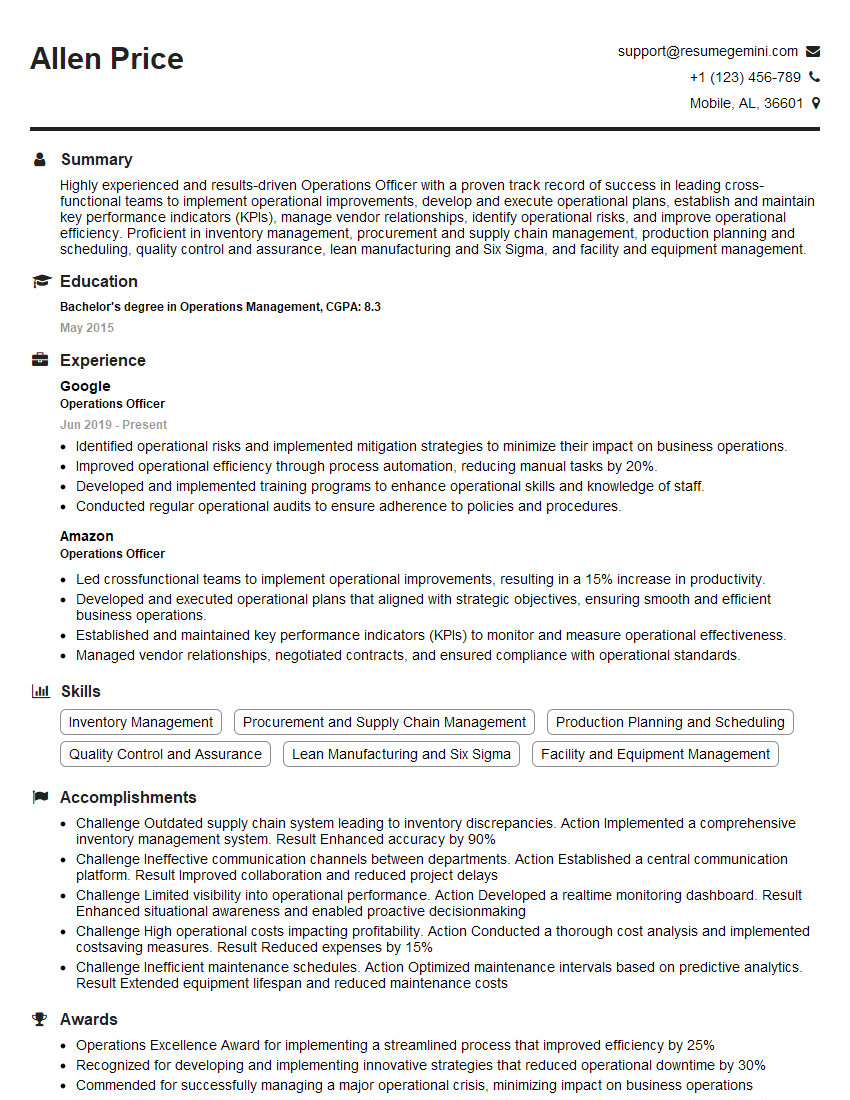
Operations Officer Resume Sample
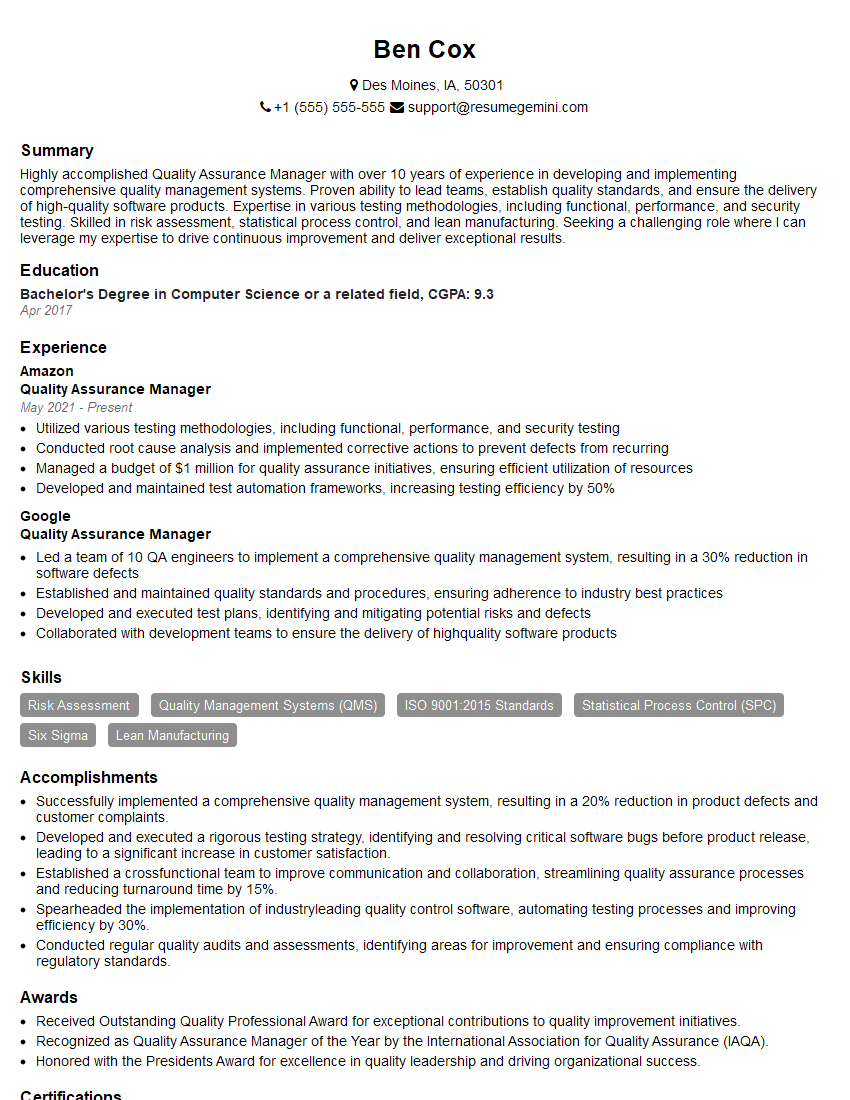
Quality Assurance Manager Resume Sample
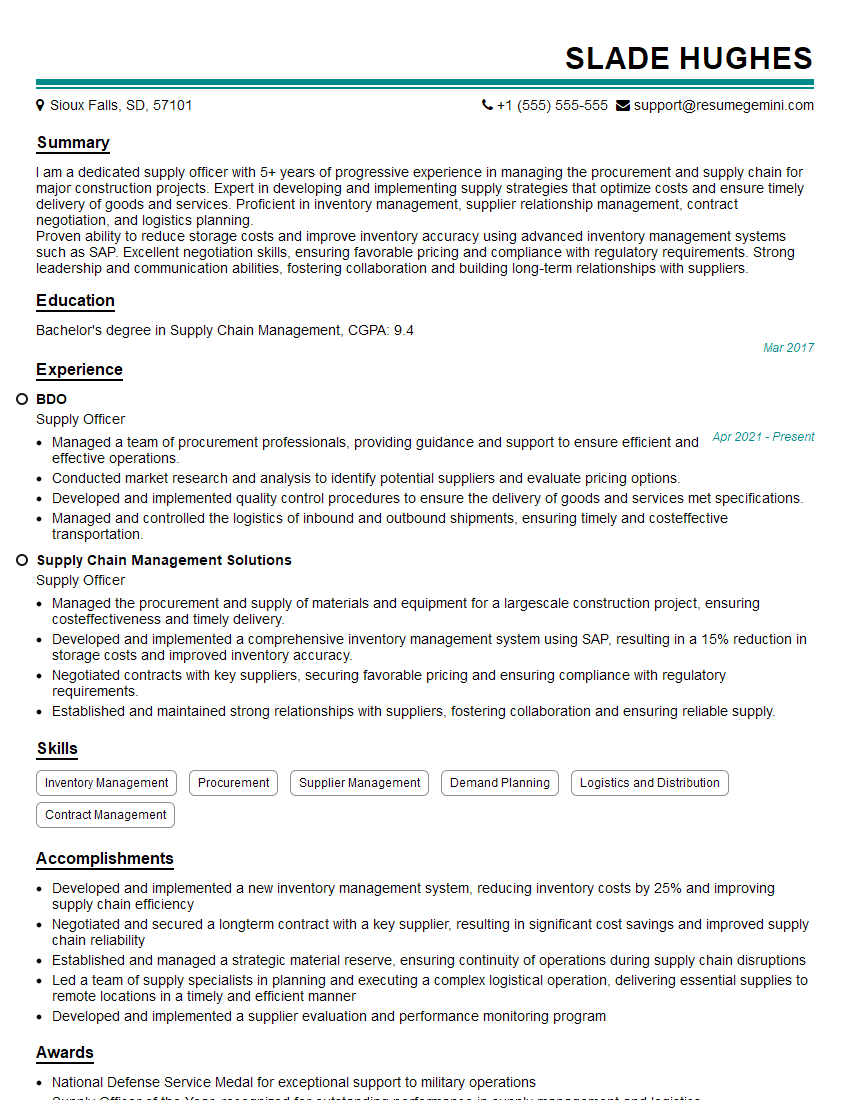
Supply Officer Resume Sample

Chief of Staff Resume Sample

Compliance Officer Resume Sample
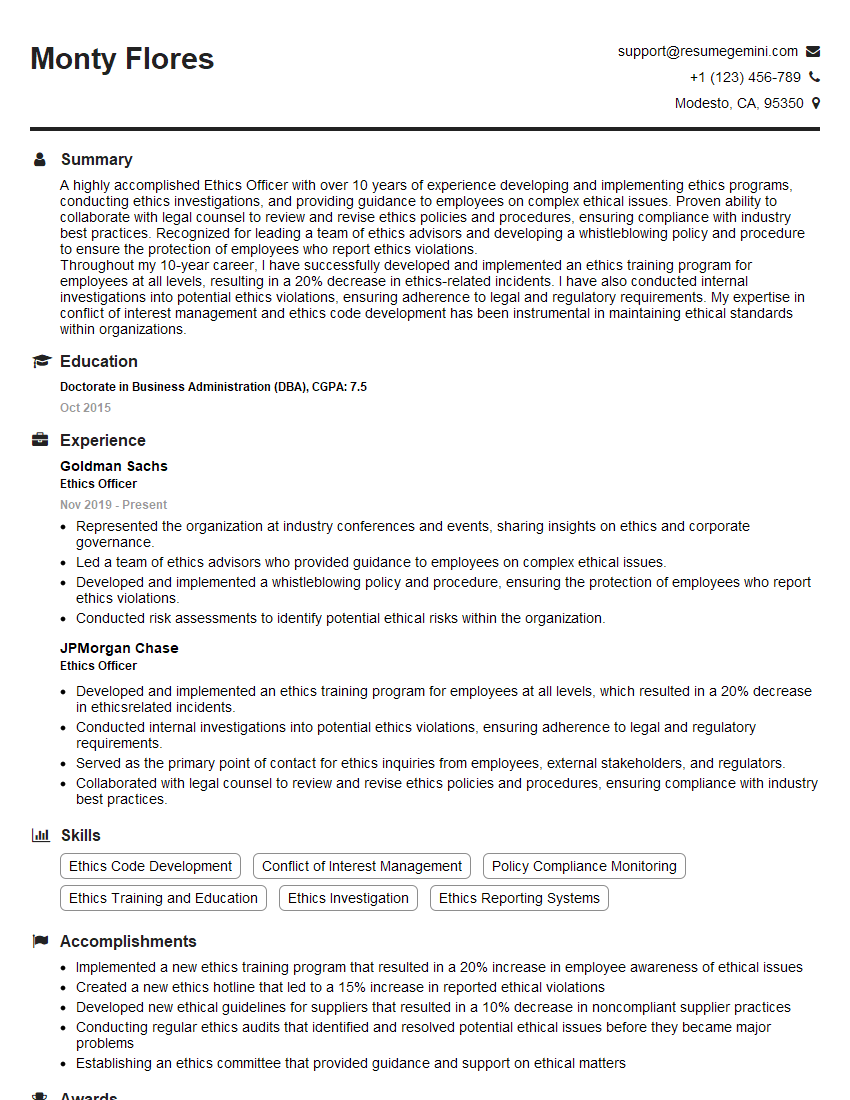
Ethics Officer Resume Sample
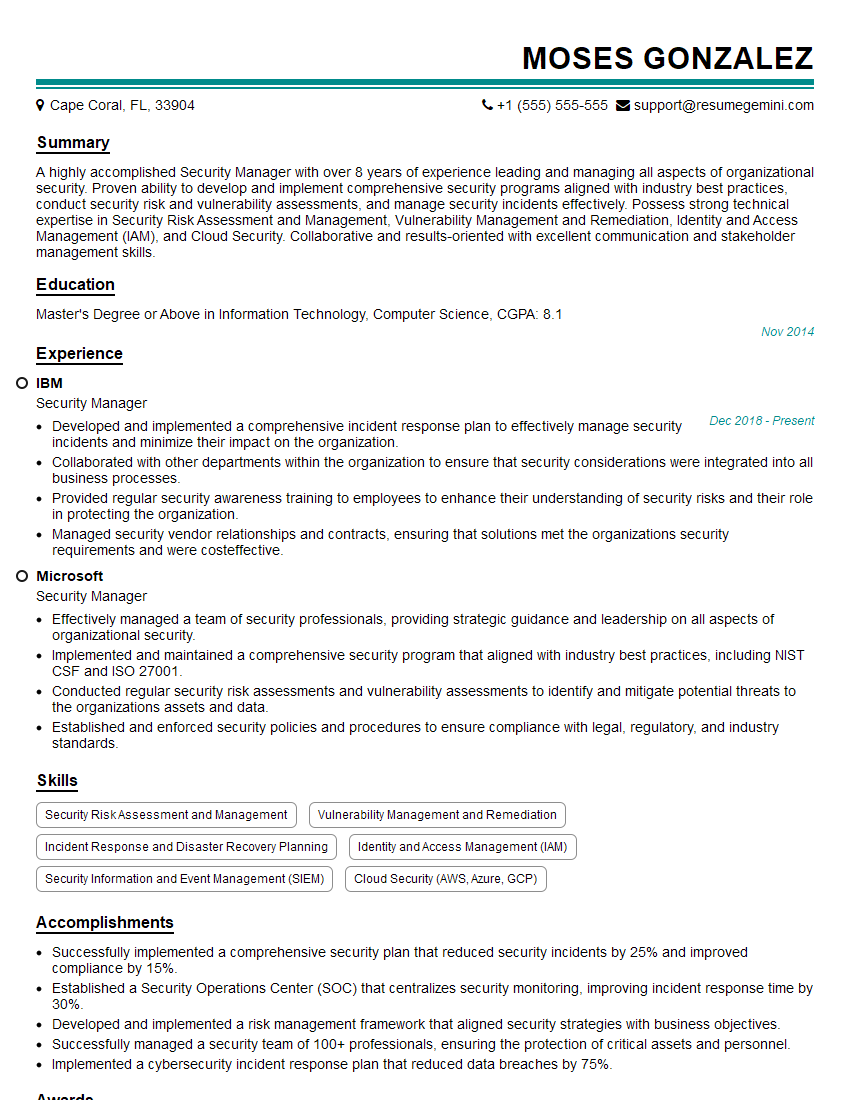
Security Manager Resume Sample
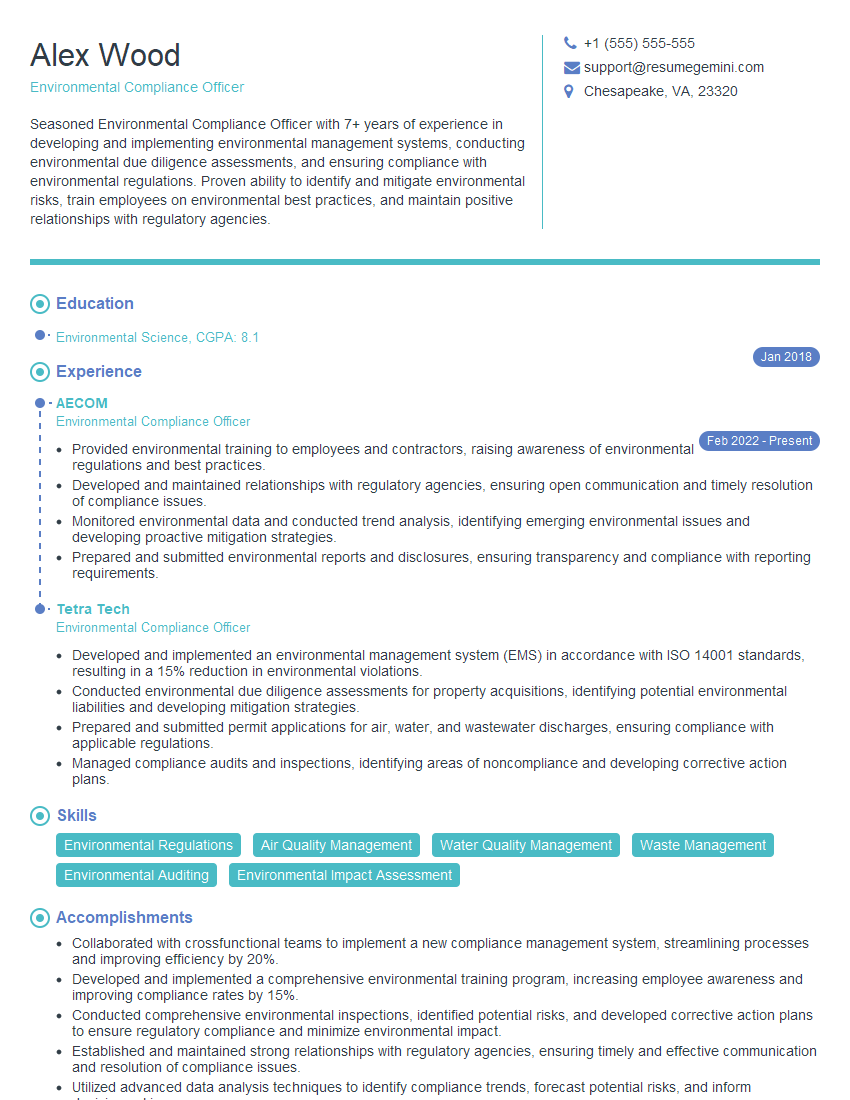
Environmental Compliance Officer Resume Sample
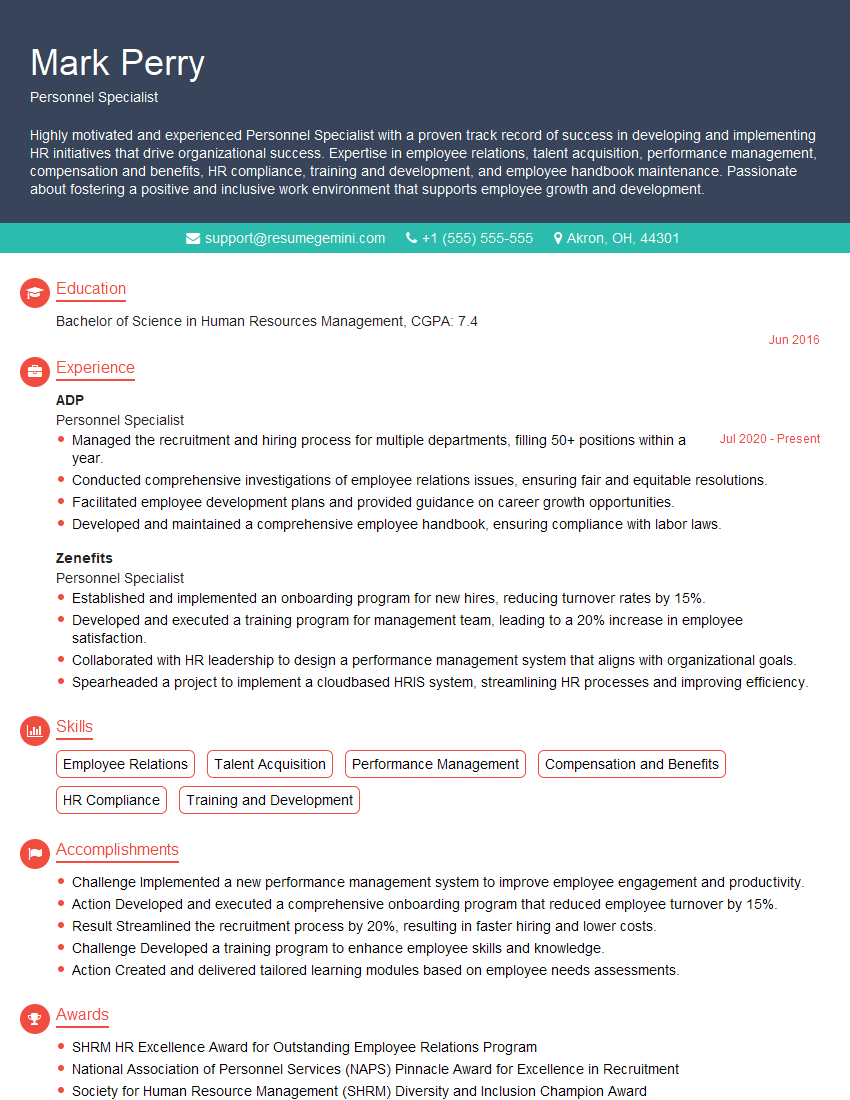
Personnel Specialist Resume Sample
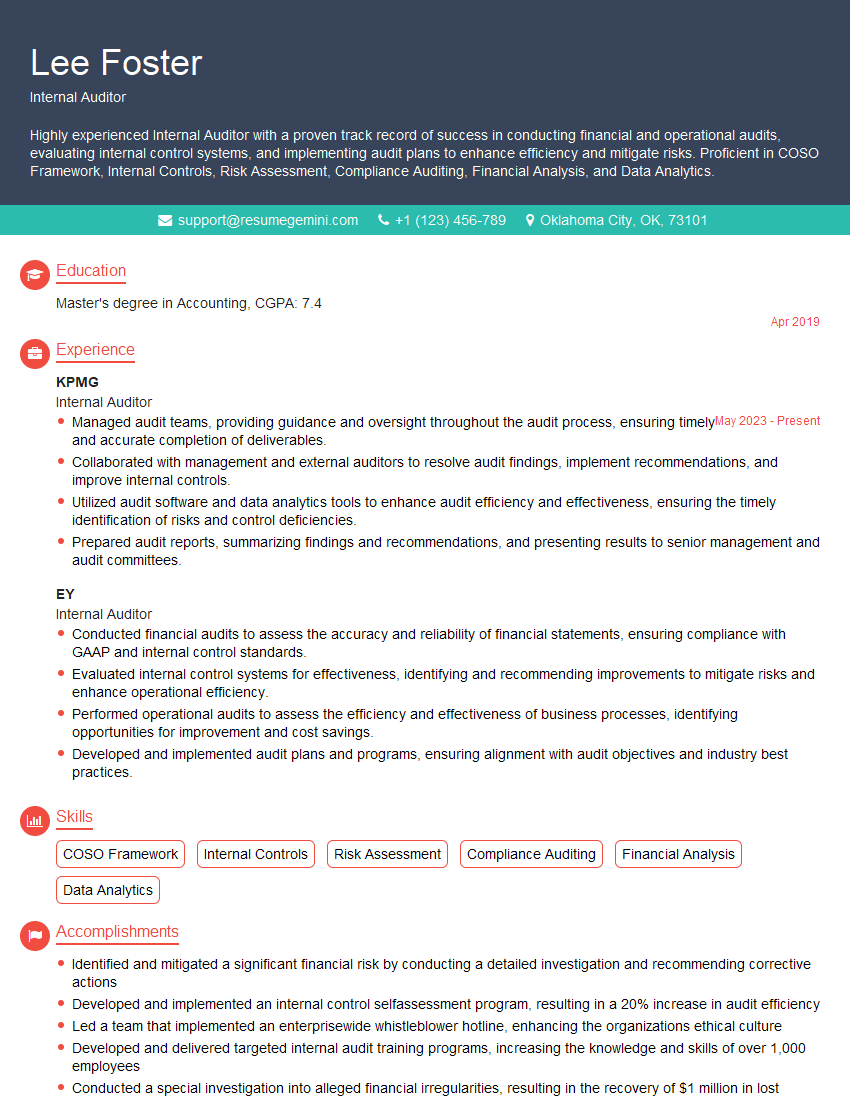
Internal Auditor Resume Sample
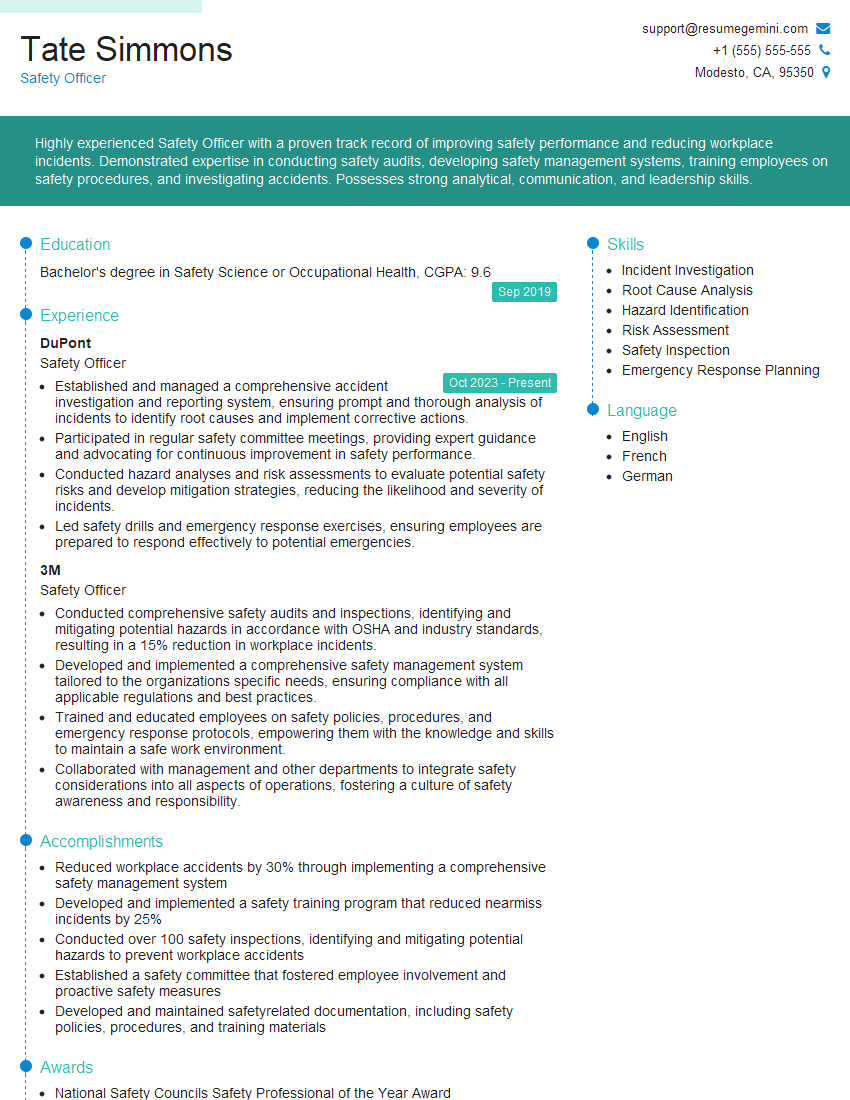
Safety Officer Resume Sample
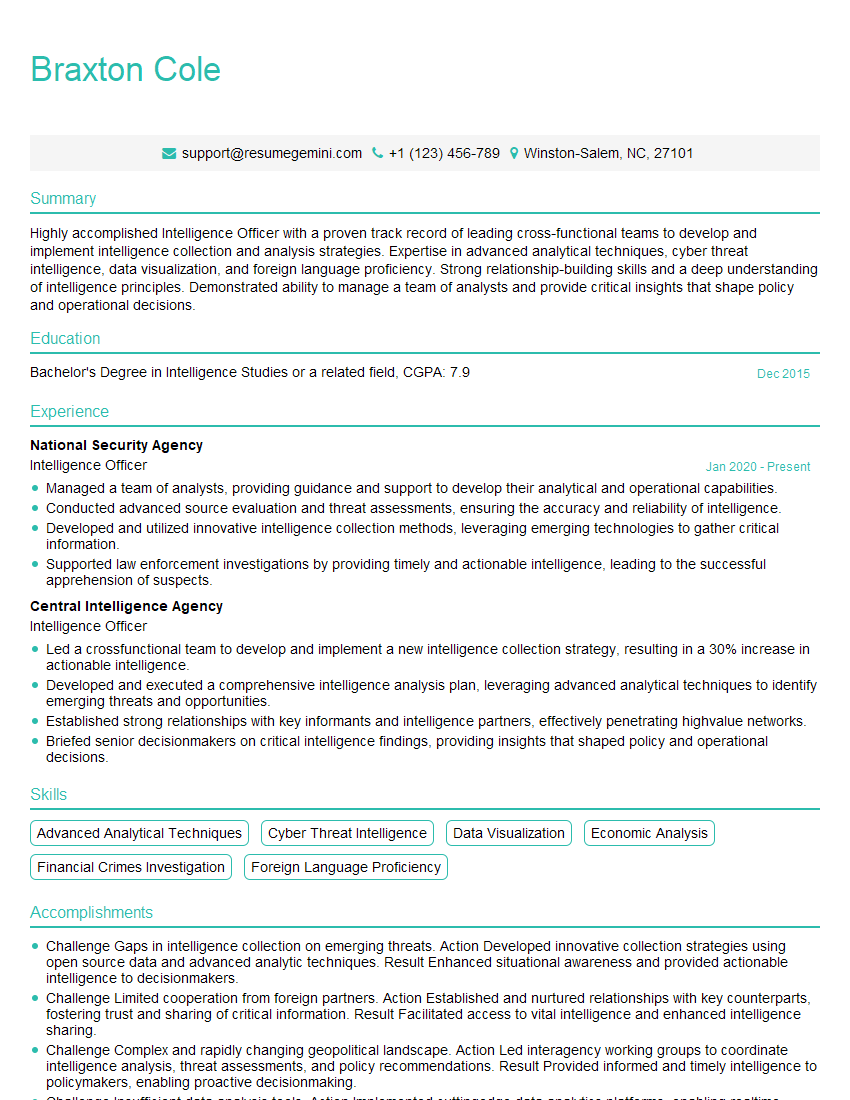
Intelligence Officer Resume Sample
Explore more articles
Users Rating of Our Blogs
Share Your Experience
We value your feedback! Please rate our content and share your thoughts (optional).
What Readers Say About Our Blog
Very informative content, great job.
good