Interviews are more than just a Q&A session—they’re a chance to prove your worth. This blog dives into essential Comprehensive Knowledge of Human Anatomy and Biomechanics interview questions and expert tips to help you align your answers with what hiring managers are looking for. Start preparing to shine!
Questions Asked in Comprehensive Knowledge of Human Anatomy and Biomechanics Interview
Q 1. Describe the difference between osteokinematics and arthrokinematics.
Osteokinematics and arthrokinematics are two crucial aspects of joint motion, often misunderstood as interchangeable. Osteokinematics refers to the observable movement of bones in space. Think of it as the gross, overall motion you see – like the bending of your elbow or the rotation of your hip. We describe this motion using terms like flexion, extension, abduction, adduction, and rotation. It’s what you see when you watch someone move. Arthrokinematics, on the other hand, describes the minute movements occurring within the joint itself – the subtle gliding, rolling, and spinning of joint surfaces. These are the movements that allow the larger osteokinematic motions to occur smoothly and efficiently. You wouldn’t see arthrokinematics with the naked eye; special imaging techniques or palpation are needed. For example, during elbow flexion, the osteokinematic movement is the forearm moving towards the upper arm. The arthrokinematic movement involves the rolling and gliding of the humerus and ulna joint surfaces against each other. Understanding both is crucial for effective diagnosis and treatment of musculoskeletal injuries.
Q 2. Explain the concept of levers and their types in the human body.
Levers are simple machines found throughout the body, composed of a rigid bar (bone), a fulcrum (joint), an effort force (muscle contraction), and a resistance force (weight of limb or external object). They amplify the mechanical advantage, allowing us to move heavier objects or perform movements with greater efficiency. The human body utilizes three classes of levers:
- First-class lever: The fulcrum lies between the effort and resistance. Example: Head resting on the atlas vertebrae (fulcrum), with muscles of the neck providing effort and the head’s weight representing resistance. This system allows for precise control of head movement.
- Second-class lever: The resistance force lies between the fulcrum and the effort force. Example: Standing on your toes (fulcrum is the metatarsophalangeal joint), with calf muscles providing effort and your body weight (resistance) placed in between. This arrangement allows for significant force production.
- Third-class lever: The effort force lies between the fulcrum and the resistance force. This is the most common type in the body. Example: Biceps curl (fulcrum is the elbow joint), with the biceps muscle providing effort and the weight of the forearm and hand representing resistance. This sacrifices force production for speed and range of motion.
Understanding lever systems helps in designing effective exercise programs and analysing movement patterns, contributing to injury prevention and rehabilitation.
Q 3. Describe the role of different muscle fiber types in movement.
Skeletal muscles are composed of different types of muscle fibers, each with unique characteristics that contribute to movement. These differences determine the speed and endurance of muscle contractions:
- Type I (Slow-twitch) fibers: These fibers are slow to contract but highly fatigue-resistant. They are specialized for endurance activities like long-distance running or maintaining posture. They rely primarily on aerobic metabolism.
- Type IIa (Fast-twitch oxidative) fibers: These fibers contract relatively quickly and are moderately fatigue-resistant. They are efficient in both aerobic and anaerobic metabolism, making them suitable for activities requiring both speed and endurance, such as middle-distance running.
- Type IIb (Fast-twitch glycolytic) fibers: These fibers contract rapidly but fatigue quickly. They rely primarily on anaerobic metabolism and are best suited for short bursts of intense activity like sprinting or weightlifting.
The proportion of each fiber type varies between individuals and within different muscles. Athletes in endurance sports generally have a higher proportion of Type I fibers, while power athletes have a higher proportion of Type IIb fibers. Understanding these differences allows for tailored training programs to enhance specific athletic performance and improve functional capacity.
Q 4. How does Newton’s third law apply to human movement?
Newton’s Third Law, “for every action, there is an equal and opposite reaction,” is fundamental to understanding human movement. When you push against the ground (action) to propel yourself forward while walking, the ground pushes back on you with an equal and opposite force (reaction) allowing you to move. This ground reaction force is crucial for generating movement. Another example is jumping: you exert a downward force on the ground (action), and the ground exerts an equal upward force (reaction) propelling you into the air. This principle is critical in analyzing the forces involved in running, jumping, and other activities. The magnitude and direction of these reaction forces determine the effectiveness and efficiency of movement.
Q 5. What are the key factors influencing joint stability?
Joint stability, the resistance of a joint to displacement, is influenced by a multitude of factors working in concert. These can be broadly categorized as:
- Bony geometry: The shape of the articulating bones and the congruency of the joint surfaces significantly impact stability. A deep socket, like the hip joint, offers greater inherent stability than a shallow joint, like the shoulder.
- Ligaments and capsules: These connective tissues provide passive restraint, resisting excessive joint motion. Their integrity is crucial for maintaining stability.
- Muscles and tendons: Muscles actively contribute to joint stability by providing dynamic support, preventing excessive movement. Tendons transmit the muscle forces to the bones.
- Neuromuscular control: The nervous system plays a vital role in coordinating muscle activation, providing anticipatory stability, and reacting to unexpected forces, enhancing overall joint stability.
- Other soft tissues: Menisci (in the knee), articular cartilage, and fat pads also contribute to joint stability by providing shock absorption and enhancing congruency of joint surfaces.
An imbalance or injury to any of these components can compromise joint stability, leading to increased risk of injury.
Q 6. Explain the concept of force couples in muscle action.
A force couple involves two or more forces acting in different directions but producing a turning effect (torque) around a common axis. This is crucial in many musculoskeletal actions. Instead of a single muscle producing a movement, multiple muscles work synergistically to achieve a specific action. A classic example is the movement of the scapula (shoulder blade). The upper trapezius and lower trapezius muscles, when contracting simultaneously, create a force couple. The upper trapezius pulls upward and laterally, while the lower trapezius pulls downward and medially. These opposing forces don’t cancel each other out; instead, they produce a rotation of the scapula, enabling upward rotation crucial for raising the arm overhead. Many other movements, such as hip rotation and trunk flexion, involve force couples for coordinated and efficient movement.
Q 7. Describe the biomechanics of gait and common gait deviations.
Gait, or walking, is a complex interplay of multiple joints and muscle groups. The biomechanics of gait involves a cyclical pattern of stance and swing phases for each leg. During the stance phase, the foot is in contact with the ground, bearing the body’s weight and providing propulsion. The swing phase involves the leg moving forward in preparation for the next step. This is a complex sequence involving hip flexion and extension, knee flexion and extension, ankle dorsiflexion and plantarflexion, etc. Several key events define the gait cycle, such as heel strike, foot flat, mid-stance, heel off, and toe off.
Common gait deviations can arise from various factors, including muscle weakness, joint pain, neurological conditions, or limb length discrepancies. Examples include:
- Antalgic gait: Characterized by a shortened stance phase on the affected limb to minimize pain.
- Trendelenburg gait: Weak hip abductor muscles cause the pelvis to drop on the unsupported side during gait.
- Foot drop: Weakness or paralysis of the dorsiflexor muscles results in the foot dragging during the swing phase.
- Ataxic gait: Uncoordinated movements due to neurological issues, resulting in a wide-based gait and an unsteady stride.
Gait analysis is essential for diagnosing musculoskeletal disorders and evaluating the effectiveness of interventions. Clinicians use kinematic and kinetic data (motion and force measurements) to identify gait deviations and develop personalized treatment plans.
Q 8. Explain the role of proprioception in motor control.
Proprioception, often called your ‘sixth sense,’ is your body’s ability to sense its position and movement in space. It’s crucial for motor control because it provides constant feedback to the nervous system about your body’s state. This feedback loop allows for smooth, coordinated movements and adjustments in response to changes in your environment or your own actions. Imagine trying to walk on uneven terrain without proprioception – it would be nearly impossible!
Think of it like this: your muscles, joints, and tendons contain specialized receptors that constantly monitor things like muscle length, joint angle, and tension. This information is sent to your brain, which then uses it to plan and execute movements, maintain balance, and make necessary corrections in real-time. For example, if you stumble, proprioceptive feedback helps you rapidly adjust your posture and prevent a fall. Without it, even simple movements would be clumsy and uncoordinated.
- Muscle spindles: Detect changes in muscle length and speed of stretch.
- Golgi tendon organs: Monitor tension in tendons.
- Joint receptors: Sense joint position and movement.
Impairments in proprioception can lead to difficulties with balance, coordination, and motor skill execution. Conditions like peripheral neuropathy and certain neurological disorders can affect proprioception, leading to increased risk of falls and injuries.
Q 9. How does the structure of a bone affect its strength and resilience?
Bone strength and resilience are intricately linked to their structure. Bones aren’t just solid, uniform structures; they’re complex composites of minerals (mainly calcium phosphate) and collagen fibers. This unique architecture provides both strength and flexibility.
- Mineral component: Provides compressive strength – the ability to withstand squeezing forces. Think of it like the cement in concrete.
- Collagen component: Contributes to tensile strength – the ability to withstand pulling forces. It’s like the steel rebar in concrete.
The arrangement of these components plays a key role. For example, the cortical bone (dense outer layer) provides high strength and stiffness, while the cancellous bone (spongy inner layer) provides lightweight strength and shock absorption. The intricate trabecular (small bone beams) pattern within cancellous bone is highly organized along lines of stress, maximizing its strength with minimal weight. This architecture is constantly remodeled throughout life based on the stresses experienced by the bone – a process called Wolff’s Law. A bone that is regularly stressed will become stronger and denser, while a bone underused will gradually lose density and become more prone to fracture.
Furthermore, the shape of a bone significantly impacts its strength. Long bones, with their hollow shafts and thickened ends, are exceptionally good at resisting bending forces. Flat bones like the skull are excellent at protecting underlying tissues from impact, and irregular bones have shapes tailored to specific functional requirements.
Q 10. Describe the different types of joints and their respective ranges of motion.
Joints are classified based on their structure and the degree of movement they allow.
- Fibrous Joints: These joints have minimal to no movement (synarthroses). Examples include sutures in the skull (immobile) and the joint between the tibia and fibula (slightly movable).
- Cartilaginous Joints: These joints allow limited movement (amphiarthroses). Examples include the intervertebral discs between vertebrae (allowing slight flexion, extension, and rotation), and the pubic symphysis (allowing slight movement during childbirth).
- Synovial Joints: These joints allow a wide range of motion (diarthroses). They are characterized by a synovial cavity filled with synovial fluid, which lubricates the joint and reduces friction. Subtypes include:
- Hinge Joints: Uniaxial movement (flexion and extension). Example: elbow joint.
- Pivot Joints: Uniaxial rotation. Example: the joint between the atlas and axis vertebrae in the neck.
- Saddle Joints: Biaxial movement (flexion/extension, abduction/adduction). Example: carpometacarpal joint of the thumb.
- Condyloid Joints: Biaxial movement (flexion/extension, abduction/adduction, and circumduction). Example: wrist joint.
- Ball-and-Socket Joints: Multiaxial movement (flexion/extension, abduction/adduction, rotation, and circumduction). Example: hip joint and shoulder joint.
- Gliding Joints: Allow for sliding or gliding movements. Examples: the joints between the carpal bones in the wrist.
The range of motion at a synovial joint is determined by several factors including the shape of the articular surfaces, the ligaments surrounding the joint, and the muscles acting across the joint. Injury or disease affecting any of these structures can limit the joint’s range of motion.
Q 11. Explain the stress-strain relationship in bone tissue.
The stress-strain relationship in bone describes how bone tissue responds to applied forces. Stress refers to the force applied per unit area, while strain represents the deformation of the bone resulting from that stress. The relationship is not linear; it’s characterized by three distinct regions.
- Elastic Region: In this region, the bone deforms elastically, meaning it returns to its original shape once the stress is removed. This represents the normal physiological loading of bone.
- Yield Point: This is the point where the bone transitions from elastic to plastic deformation. Beyond this point, some permanent deformation occurs even after the stress is removed.
- Plastic Region: In this region, the bone deforms plastically, meaning permanent deformation occurs. Further increase in stress leads to fracture.
The slope of the elastic region represents the stiffness of the bone, a measure of its resistance to deformation. The area under the curve represents the bone’s toughness – its ability to absorb energy before fracture. Factors like age, bone mineral density, and the rate of loading significantly influence this relationship. For instance, a rapid loading (like a fall) will result in a fracture at a lower stress compared to a slower, more gradual load. Understanding this relationship is crucial in designing protective equipment, assessing fracture risk, and developing strategies for bone health optimization.
Q 12. What are the biomechanical principles behind injury prevention?
Biomechanical principles are fundamental to injury prevention. They focus on understanding how forces act on the body and how to minimize the risk of exceeding the tissues’ capacity. Key principles include:
- Proper Technique: Learning and using correct techniques for activities reduces stress on joints and muscles. For example, proper lifting techniques minimize back strain.
- Muscle Strength and Flexibility: Strong muscles provide support and stability to joints, reducing the risk of injury. Flexibility enhances range of motion and decreases stress on tissues. Think of how strong core muscles protect the spine during lifting.
- Progressive Overload: Gradually increasing the intensity and duration of physical activity allows the body to adapt and avoid sudden strain. This is the cornerstone of effective training programs.
- Warm-up and Cool-down: Warm-ups prepare the body for activity by increasing blood flow and temperature, while cool-downs help reduce muscle soreness and stiffness.
- Proper Equipment and Footwear: Using appropriate equipment like safety harnesses or supportive shoes can significantly reduce injury risk.
- Rest and Recovery: Adequate rest allows tissues to repair and adapt. Overtraining increases the likelihood of injury.
- Gradual Return to Activity: After an injury, a gradual return to activity prevents re-injury and allows the body to adapt to increasing demands.
By applying these principles, individuals can significantly reduce their risk of injuries in various activities, from sports to daily life. Understanding how forces act on the body during specific movements and adopting strategies to mitigate excessive stress is crucial for both injury prevention and performance enhancement.
Q 13. How do you assess posture and identify postural deviations?
Postural assessment involves a systematic evaluation of an individual’s body alignment and posture. It starts with visual observation from multiple views (anterior, posterior, and lateral) to identify deviations from ideal posture. This assessment may involve various tools, such as plumb lines or flexible rulers, for accurate measurements. Here’s a step-by-step approach:
- Visual Inspection: Observe the individual from the front, back, and sides. Look for asymmetries in shoulder height, hip height, leg length, and head position. Note any spinal curvatures (lordosis, kyphosis, scoliosis).
- Plumb Line Assessment: A plumb line is a weight suspended from a string. By aligning the plumb line with various anatomical landmarks, one can assess deviations from ideal alignment. For example, the line should ideally pass through the ear lobe, shoulder, hip, knee, and ankle.
- Palpation: Palpation (touching) helps identify areas of muscle tightness or tenderness. This step helps understand the contributing factors to postural deviations.
- Range of Motion Assessment: Assessing the range of motion in different joints helps identify limitations that may contribute to poor posture. Limited flexibility in one area can impact the alignment of other body parts.
- Functional Movement Assessment: Observing how the person moves during functional tasks (like bending, lifting, or walking) helps assess dynamic posture. Limitations or compensations during these tasks provide further insights into the postural problems.
Common postural deviations include forward head posture, rounded shoulders, swayback, and lateral pelvic tilt. The identification of these deviations is the first step in developing an appropriate intervention plan, which may include exercises, manual therapy, and ergonomic adjustments.
Q 14. Describe the biomechanics of jumping and landing.
The biomechanics of jumping and landing involve a complex interplay of muscle actions, joint movements, and ground reaction forces. Let’s break down each phase:
Jumping:
- Eccentric Phase (Pre-jump): Before the jump, muscles eccentrically contract, lowering the body into a preparatory position. This phase is crucial for storing elastic energy in the muscles and tendons.
- Concentric Phase (Take-off): A powerful concentric contraction of leg muscles (quadriceps, hamstrings, gluteals, and calf muscles) generates force against the ground, propelling the body upward.
- Flight Phase: Once airborne, the body’s center of mass follows a parabolic trajectory, governed by gravity and initial velocity.
Landing:
- Initial Contact: The feet make contact with the ground, and the body’s momentum must be absorbed to prevent injury. The muscles of the lower extremities act eccentrically to decelerate the body’s descent.
- Shock Absorption: The energy from the impact is dissipated through various mechanisms: joint flexion (knee and ankle), muscle lengthening, and deformation of tissues.
- Post-Impact: Muscles concentrically contract to stabilize the body and prepare for subsequent actions.
Injury Prevention: Improper landing technique, particularly stiff-legged landings, significantly increases the risk of knee and ankle injuries. The appropriate landing technique involves flexing at the ankles, knees, and hips to absorb the impact force, using a wide base of support and controlling the descent rate. Understanding the biomechanics of jumping and landing allows us to design effective training programs that focus on improving strength, power, flexibility, and landing technique to minimize injury risk.
Q 15. Explain the role of ligaments and tendons in joint function.
Ligaments and tendons are crucial for joint stability and movement. Think of them as the ropes and cables that hold your body together and enable movement. Ligaments connect bone to bone, primarily providing stability to the joint. They restrict excessive movement, preventing dislocations and injuries. For example, the anterior cruciate ligament (ACL) in the knee prevents the tibia from sliding forward on the femur. Tendons, on the other hand, connect muscle to bone. They transmit the force generated by muscle contractions, allowing for movement. The Achilles tendon, connecting the calf muscles to the heel, is a prime example; it enables us to plantarflex our foot (point our toes).
In essence, ligaments act as static stabilizers, while tendons act as dynamic movers. Their coordinated function is vital for smooth, controlled joint movement and injury prevention. A tear in the ACL significantly compromises knee stability, illustrating the vital role ligaments play in joint integrity. Similarly, an Achilles tendon rupture prevents plantarflexion, limiting walking ability.
Career Expert Tips:
- Ace those interviews! Prepare effectively by reviewing the Top 50 Most Common Interview Questions on ResumeGemini.
- Navigate your job search with confidence! Explore a wide range of Career Tips on ResumeGemini. Learn about common challenges and recommendations to overcome them.
- Craft the perfect resume! Master the Art of Resume Writing with ResumeGemini’s guide. Showcase your unique qualifications and achievements effectively.
- Don’t miss out on holiday savings! Build your dream resume with ResumeGemini’s ATS optimized templates.
Q 16. What are the key biomechanical considerations in designing prosthetic limbs?
Designing effective prosthetic limbs requires a thorough understanding of biomechanics. Key considerations include:
- Weight and Material Selection: The prosthesis must be lightweight yet durable to minimize fatigue and maximize functionality. Materials like carbon fiber are commonly used for their strength-to-weight ratio.
- Joint Design: Prosthetic joints must mimic the natural range of motion and biomechanical characteristics of the replaced joint. This involves intricate engineering to ensure smooth, controlled movement and stability. For example, a knee prosthesis must account for flexion, extension, and rotation.
- Socket Design and Fit: The socket, which interfaces with the residual limb, must provide a comfortable and secure fit to prevent skin irritation and improve control. Proper socket design is critical for reducing pressure points and ensuring effective force transmission.
- Control System: The control system allows the amputee to control the prosthetic limb. This could involve body-powered mechanisms, myoelectric control (using muscle signals), or sophisticated microprocessor-controlled systems that adapt to different movements and terrains.
- Energy Efficiency: The design must account for energy expenditure during use. A poorly designed prosthesis can lead to increased fatigue in the user.
Proper biomechanical principles ensure the prosthetic is both functional and comfortable, improving the amputee’s quality of life. For instance, a poorly fitted socket can lead to pain, discomfort, and ultimately, abandonment of the prosthetic.
Q 17. How does muscle fatigue affect movement efficiency?
Muscle fatigue significantly reduces movement efficiency. When muscles fatigue, they lose the ability to generate optimal force, leading to several detrimental effects on movement.
- Reduced Force Production: Fatigued muscles produce less force, resulting in weaker movements. This is evident in activities like weightlifting, where repeated contractions eventually lead to a decrease in the weight that can be lifted.
- Increased Movement Variability: Precise control of movement is compromised. This can lead to increased variability in joint angles and movement trajectories, making movements less smooth and coordinated. Think about trying to write your name after a long day of work – your handwriting might become shakier and less precise.
- Altered Movement Patterns: To compensate for reduced force, individuals often change their movement patterns. This can lead to inefficient and potentially injurious movement strategies, increasing the risk of injury.
- Increased Energy Expenditure: More energy is required to achieve the same movement outcome due to the reduced efficiency. This further contributes to fatigue and can limit endurance.
Understanding muscle fatigue is critical in optimizing training programs, designing ergonomic workplaces, and developing strategies to prevent musculoskeletal injuries.
Q 18. Describe the effects of aging on musculoskeletal system biomechanics.
Aging significantly impacts musculoskeletal system biomechanics. Several changes occur that affect movement, balance, and overall function:
- Bone Density Loss: Bones become weaker and more prone to fractures, leading to increased risk of osteoporosis. This reduces the structural support for joints and muscles.
- Cartilage Degradation: Articular cartilage, which cushions joints, thins and deteriorates, leading to increased friction and pain. This results in reduced range of motion and increased joint stiffness (Osteoarthritis).
- Muscle Atrophy and Weakness: Muscle mass and strength decrease, leading to reduced power and endurance. This affects gait, balance, and the ability to perform everyday tasks.
- Decreased Tendon Elasticity: Tendons become less elastic, reducing their ability to absorb shock and transmit force efficiently. This increases the risk of tendon injuries.
- Changes in Posture and Balance: Postural changes, often leading to kyphosis (curvature of the spine), reduce balance and increase the risk of falls.
These changes necessitate adaptations in exercise routines, lifestyle choices, and environmental modifications to support safe and effective movement in older adults. For example, incorporating balance exercises and using assistive devices can help maintain independence and prevent falls.
Q 19. Explain the concept of center of gravity and its importance in balance.
The center of gravity (COG) is the point where the weight of an object is concentrated. In the human body, the COG is not a fixed point; it shifts depending on body position and movement. It’s typically located around the second sacral vertebra when standing upright.
Maintaining balance requires keeping the COG within the base of support (the area enclosed by the points of contact between the body and the ground). If the COG moves outside the base of support, the body will topple. Imagine balancing on one leg – a slight shift in your COG can easily cause you to lose balance.
Understanding COG is crucial in various fields, including ergonomics, sports biomechanics, and rehabilitation. For instance, in sports, athletes constantly adjust their COG to maintain balance and control during dynamic movements. In rehabilitation, understanding COG helps design therapeutic exercises to improve balance and reduce fall risk in patients with neurological or musculoskeletal impairments.
Q 20. How do you analyze human movement using motion capture technology?
Motion capture technology uses markers placed on the body to track three-dimensional movement. These markers are tracked by cameras, and specialized software analyzes the data to generate a digital representation of the movement.
The analysis process typically involves:
- Marker Placement: Markers are strategically placed on anatomical landmarks to accurately represent joint movements.
- Data Acquisition: Cameras capture the movement of the markers.
- Data Processing: Software reconstructs the 3D movement from the camera data and filters out noise.
- Kinematic Analysis: Joint angles, velocities, and accelerations are calculated to quantify the movement.
- Kinetic Analysis: (Often requires additional equipment) Forces and torques acting on the body are calculated. This may involve force plates to measure ground reaction forces.
The resulting data provides a detailed understanding of movement patterns, which can be used to assess performance, diagnose movement disorders, design prosthetics and orthoses, and optimize training programs. For example, motion capture is used to analyze an athlete’s gait to identify inefficiencies that can be corrected through training.
Q 21. What are the common causes of low back pain from a biomechanical perspective?
Low back pain is a common ailment with numerous biomechanical contributing factors.
- Poor Posture: Prolonged sitting with poor posture, forward head posture, and rounded shoulders puts increased stress on the spine, leading to muscle imbalances and pain.
- Muscle Imbalances: Weakness in core muscles (abdominal and back muscles) and tight hip flexors can disrupt spinal stability and contribute to pain.
- Repetitive Movements: Repeated lifting, bending, or twisting can overload the spine, leading to injury and pain.
- Improper Lifting Techniques: Lifting heavy objects without proper technique (bending from the waist instead of the knees) increases the stress on the lower back.
- Spinal Degenerative Changes: Age-related changes in the intervertebral discs (loss of hydration and height) can lead to spinal instability and pain. Spondylolisthesis (forward slippage of one vertebra on another) can also contribute.
- Facet Joint Dysfunction: Degeneration or inflammation of the facet joints (the joints between the vertebrae) can cause pain and stiffness.
Addressing these biomechanical factors through postural correction, core strengthening exercises, and ergonomic modifications is essential in managing low back pain. A biomechanist can help assess individual movement patterns and develop a personalized plan to address specific issues.
Q 22. Describe the biomechanical differences between running and walking.
The key biomechanical difference between running and walking lies in the presence or absence of a flight phase. Walking is characterized by a continuous ground contact; at least one foot remains on the ground at all times. Running, on the other hand, involves a flight phase where both feet are simultaneously airborne. This fundamental distinction leads to significant variations in joint angles, muscle activation patterns, and ground reaction forces.
- Joint Angles: During running, the hip, knee, and ankle joints experience greater ranges of motion compared to walking. The hip extends more forcefully, the knee flexes more deeply during the swing phase, and the ankle shows a greater dorsiflexion during the swing phase and plantarflexion during push-off.
- Muscle Activation: Running requires more powerful and rapid muscle contractions, particularly in the plantar flexors (gastrocnemius, soleus) for propulsion and the quadriceps for shock absorption. The eccentric control of the hamstrings is crucial in both activities, but is significantly greater in running due to the higher impact forces.
- Ground Reaction Forces: Running generates significantly higher ground reaction forces compared to walking, due to the greater impact forces at foot strike and the higher velocities involved. These forces, especially the vertical component, are much larger in running, placing increased stress on the musculoskeletal system.
Imagine the difference between a gentle stroll and a sprint – the impact, the speed, and the effort are dramatically different, all stemming from the fundamental presence or absence of the flight phase.
Q 23. Explain the principles of ergonomic design for workplace safety.
Ergonomic design prioritizes workplace safety by minimizing physical stress and strain on the worker’s body. This involves careful consideration of the workstation’s physical layout, the tools and equipment used, and the worker’s posture and movements. The goal is to optimize the fit between the human body and the work environment.
- Posture: Workstations should be adjusted to encourage neutral postures, reducing strain on the spine, neck, and shoulders. This means ensuring proper chair height, monitor placement, and keyboard and mouse positioning.
- Movement: The design should promote natural movements and minimize awkward postures. Tasks requiring repetitive movements should be designed to minimize strain. Consideration should be given to adjustable height surfaces and the provision of breaks.
- Tools and Equipment: Tools and equipment should be designed to be lightweight, easy to handle, and require minimal force. Vibration and repetitive actions should be minimized, and the design should consider the size and strength of the average user.
- Environmental Factors: The workplace environment also plays a crucial role. Lighting, temperature, and noise levels should all be optimized for comfort and productivity. Adequate space to move freely is also essential.
For example, a poorly designed office chair can lead to back pain and other musculoskeletal disorders. A well-designed chair, however, will provide proper lumbar support, adjustable height, and appropriate armrests to reduce strain. Similarly, a poorly designed workstation, with a monitor placed too low, can cause neck pain. Proper ergonomic design directly impacts employee health, productivity, and reduces the risk of workplace injuries.
Q 24. How do you assess and treat musculoskeletal injuries using biomechanical principles?
Assessing and treating musculoskeletal injuries using biomechanical principles involves a systematic approach. We start by identifying the mechanisms of injury and the anatomical structures involved. Treatment plans are then tailored to restore normal biomechanics and facilitate healing.
- Assessment: This includes a thorough patient history, physical examination, and potentially imaging studies (X-rays, MRI, CT scans). We analyze movement patterns, joint range of motion, muscle strength, and assess for any pain or functional limitations. For example, assessing gait in a patient with a knee injury might reveal compensatory movements that could be contributing to their pain.
- Biomechanical Analysis: Once we understand the injury’s nature, we conduct a biomechanical analysis to identify the underlying causes. This involves analyzing movement patterns, forces, and joint stresses using video analysis, motion capture, or force plates. This might reveal factors contributing to injury, such as muscle imbalances, faulty movement patterns, or excessive joint loading.
- Treatment: Treatment plans are tailored to address the specific biomechanical deficits identified. This may include manual therapy, therapeutic exercise (including strengthening and stretching programs), bracing, or orthotics. For example, a patient with patellofemoral pain might benefit from exercises targeting the quadriceps muscles and improving patellar tracking.
- Rehabilitation: Rehabilitation aims to restore normal movement patterns and prevent re-injury. This often involves a progressive program of exercise and functional activities, ensuring gradual return to normal activity levels. The use of biofeedback may provide additional means of improving neuromotor control.
A practical example: Consider a patient with low back pain due to muscle imbalances. A biomechanical analysis might reveal weakness in the core muscles and tight hip flexors. The treatment plan would then focus on strengthening the core and stretching the hip flexors to restore proper spinal alignment and reduce stress on the lower back.
Q 25. Describe the role of biomechanics in sports performance enhancement.
Biomechanics plays a vital role in enhancing sports performance by optimizing movement efficiency and reducing injury risk. It allows athletes and coaches to analyze movement techniques and identify areas for improvement. This analysis informs strategies for training and equipment design.
- Technique Analysis: Biomechanical analysis of movement patterns can reveal inefficiencies in technique. For example, a golfer’s swing might be analyzed to identify areas where energy is wasted or excessive forces are generated, leading to less accuracy and power. This can improve accuracy and increase performance.
- Strength and Conditioning: Understanding the biomechanics of a sport allows for targeted strength and conditioning programs. For example, a sprinter needs maximal force production from the lower body, focusing on exercises enhancing power development in this muscle group.
- Equipment Design: Biomechanical principles inform the design and development of sports equipment. For instance, the design of running shoes considers the impact forces during running to mitigate injury risk and enhance running efficiency. Changes in shoe design can impact an athlete’s performance and recovery.
- Injury Prevention: By understanding the forces and stresses placed on the body during sport, biomechanical analysis can identify factors contributing to injury risk. This can then inform injury prevention strategies and improve the overall health and longevity of the athlete. Through biomechanical modeling, scientists can predict injury risk.
Consider a swimmer’s stroke technique. Biomechanical analysis can identify inefficiencies in their arm pull or body rotation, leading to recommendations on improving their propulsion and reducing drag. This can translate to faster race times and enhanced performance.
Q 26. Explain the biomechanical factors influencing the effectiveness of different exercise techniques.
The effectiveness of different exercise techniques is heavily influenced by several biomechanical factors. These factors determine the level of muscle activation, the range of motion, the joint stresses, and the overall efficiency of the exercise. They are crucial in designing safe and effective programs.
- Lever Systems: The length of the levers (bones) and the location of the muscle attachments impact the force production and range of motion. A longer lever arm amplifies force at the end point but reduces the speed of movement.
- Muscle Fiber Type Recruitment: Different exercises preferentially recruit different types of muscle fibers. High-intensity, short-duration exercises tend to recruit fast-twitch fibers, whereas low-intensity, long-duration exercises recruit slow-twitch fibers.
- Joint Angles: The angle of a joint during an exercise affects the ability of a muscle to generate force. The length-tension relationship dictates optimal muscle force generation at certain joint angles.
- Movement Velocity: The speed at which an exercise is performed influences muscle activation and energy expenditure. Fast movements prioritize power, while slow movements emphasize control and endurance.
- Plane of Motion: The direction of movement impacts which muscles are primarily involved. Exercises in multiple planes of motion engage more muscles and improve functional fitness.
For instance, a squat performed with a narrow stance will primarily engage the quadriceps, while a wider stance will engage the glutes and hamstrings more. Similarly, the speed of the squat influences whether the emphasis is on strength or power. The choice of exercise should be tailored to address specific muscle groups, movement patterns, and training goals.
Q 27. How do you use electromyography (EMG) to study muscle activity?
Electromyography (EMG) is a technique used to measure the electrical activity produced by skeletal muscles. It provides valuable insights into muscle activation patterns during movement and rest, allowing for a quantitative assessment of muscle function.
- Surface EMG: Surface EMG uses electrodes placed on the skin to detect the electrical activity of underlying muscles. It’s a non-invasive technique, relatively easy to use, and suitable for many applications, including biomechanical studies of movement.
- Intramuscular EMG: Intramuscular EMG uses fine wire electrodes inserted directly into the muscle. This provides more precise measurements of individual motor unit activity, offering superior spatial resolution than surface EMG. This method is invasive and requires more specialized skills.
- Signal Processing: Raw EMG signals are often noisy and need processing before analysis. This includes filtering to remove artifacts, rectification to remove negative values, and integration to represent the total muscle activity. Various algorithms are used for processing.
- Applications: EMG data helps researchers understand muscle coordination, timing of muscle activation, fatigue levels, and muscle force production during different movements. This informs the design of rehabilitation programs, the optimization of athletic performance, and the development of prosthetic devices.
For example, surface EMG can be used to compare the muscle activation patterns of different running techniques to determine which technique is most efficient. This can be used to train athletes to use better techniques and optimize their performance.
Q 28. What are the limitations of current biomechanical modeling techniques?
Despite advancements, current biomechanical modeling techniques have limitations. These limitations stem from the complexity of the human body and the challenges in accurately representing its intricate musculoskeletal system in a simplified model.
- Simplification of the Musculoskeletal System: Models often simplify the complex anatomy and biomechanics of the human body, neglecting individual variations and the intricate interactions between muscles, bones, and joints. This simplification can reduce the accuracy of the model.
- Material Properties: Accurately representing the mechanical properties of muscles, tendons, and ligaments is challenging. These materials exhibit viscoelastic behavior, meaning their properties change with load and time, making accurate modeling difficult.
- Computational Resources: Detailed biomechanical models can require significant computational resources, limiting the feasibility of complex simulations. The computing power needed to run these simulations can be expensive and time-consuming.
- Model Validation: Validating biomechanical models is critical. This often requires comparing model predictions to experimental data obtained using motion capture and force plates. This process can be complex and time consuming.
For example, current models may struggle to accurately predict joint forces and stresses during complex movements like running or jumping due to the simplification of muscle interactions. Despite these limitations, continuous development is improving the capabilities and accuracy of biomechanical modeling techniques.
Key Topics to Learn for Comprehensive Knowledge of Human Anatomy and Biomechanics Interview
- Skeletal System: Understanding bone structure, joint classifications, and their biomechanical functions. Consider the implications of different joint types on movement and injury risk.
- Muscular System: Muscle fiber types, muscle actions (agonist, antagonist, synergist), and lever systems. Be prepared to discuss how muscle forces contribute to movement and posture.
- Nervous System (relevant to movement): Neural control of movement, reflexes, and the role of sensory feedback in motor control. Think about how the nervous system integrates information to produce coordinated movement.
- Biomechanical Principles: Newton’s laws of motion, levers, torque, center of gravity, and their applications to human movement analysis. Be ready to apply these principles to solve practical problems.
- Kinematics and Kinetics: Understanding the difference between these two branches of biomechanics and applying them to analyze human motion. Consider examples of how kinematic and kinetic data can inform interventions.
- Common Injuries and Pathologies: Familiarize yourself with common musculoskeletal injuries (sprains, strains, fractures) and their biomechanical causes. Understanding the biomechanics of injury is crucial.
- Gait Analysis: Fundamental understanding of gait cycle phases and common gait deviations. Consider how biomechanical principles influence gait patterns.
- Assessment and Measurement Techniques: Familiarity with common methods used to assess movement and biomechanical factors (e.g., goniometry, dynamometry). Be able to explain the strengths and limitations of different assessment tools.
Next Steps
Mastering Comprehensive Knowledge of Human Anatomy and Biomechanics is vital for career advancement in fields like physiotherapy, athletic training, ergonomics, and biomedical engineering. A strong understanding of these principles allows you to contribute significantly to patient care, performance enhancement, or product design. To maximize your job prospects, crafting a compelling and ATS-friendly resume is essential. ResumeGemini is a trusted resource to help you build a professional resume that highlights your skills and experience effectively. Examples of resumes tailored to Comprehensive Knowledge of Human Anatomy and Biomechanics are available, showcasing how to present your expertise to potential employers. Take the next step towards your dream career today!

Ergonomist Resume Sample

Human Factors Engineer Resume Sample

Anatomist Resume Sample
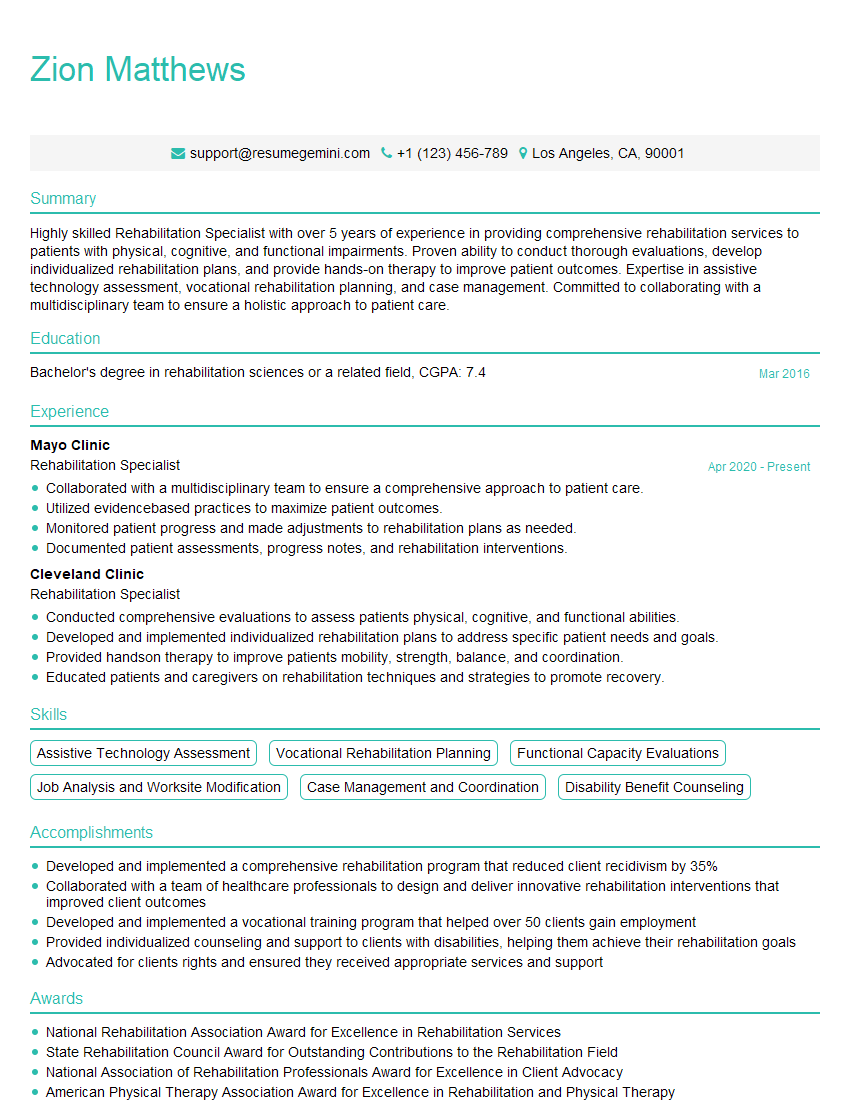
Rehabilitation Specialist Resume Sample

Athletic Trainer Resume Sample
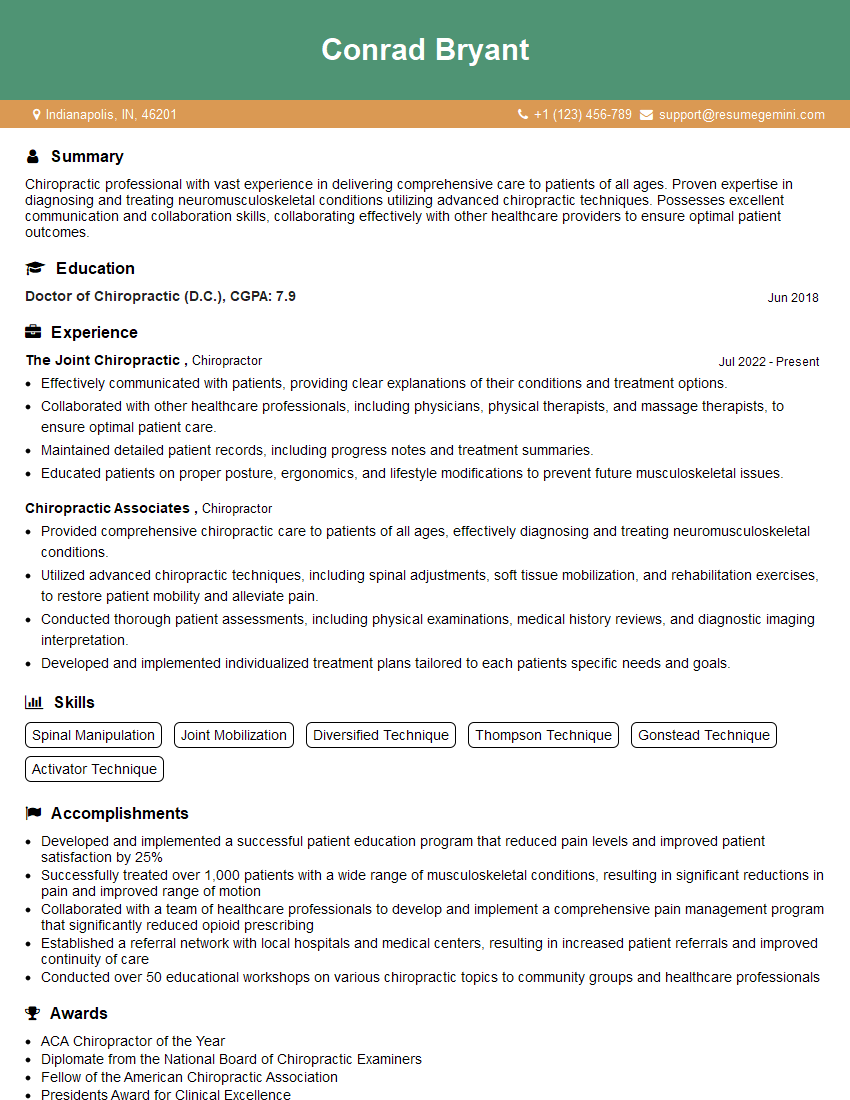
Chiropractor Resume Sample
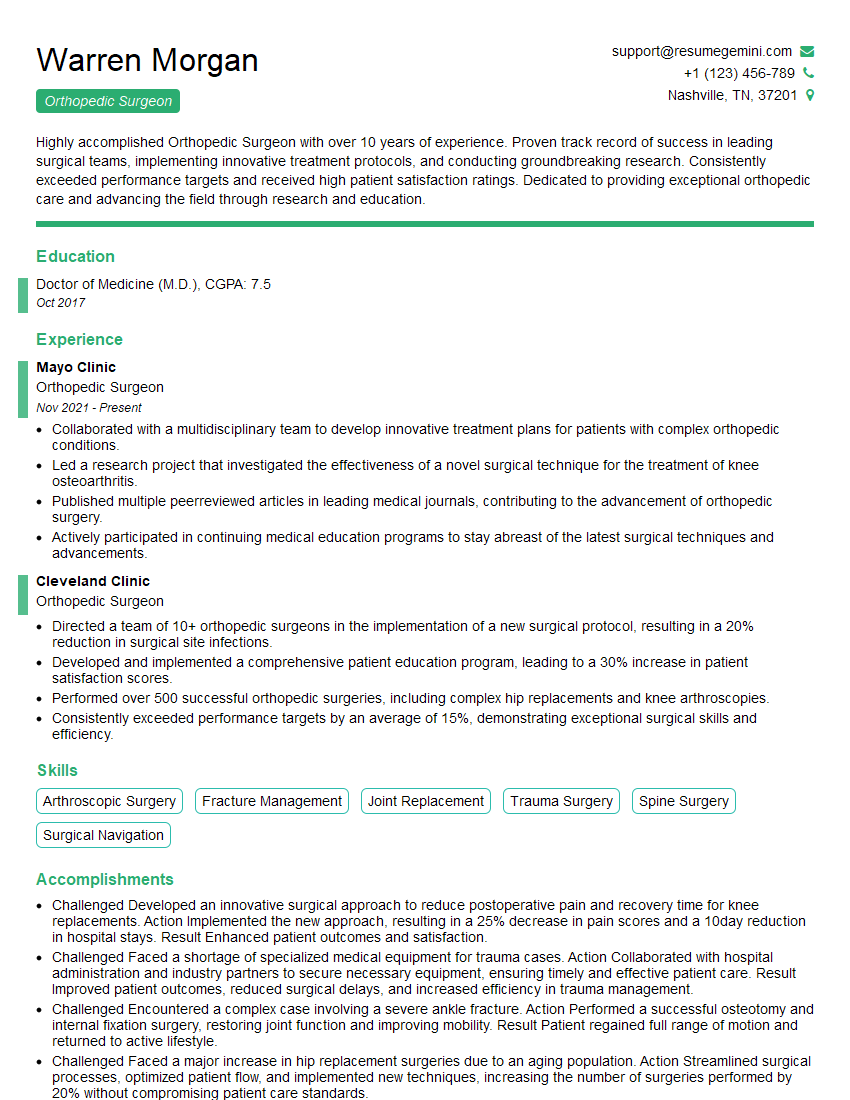
Orthopedic Surgeon Resume Sample

Physical Medicine and Rehabilitation Physician Resume Sample

Sports Medicine Physician Resume Sample

Exercise Physiologist Resume Sample
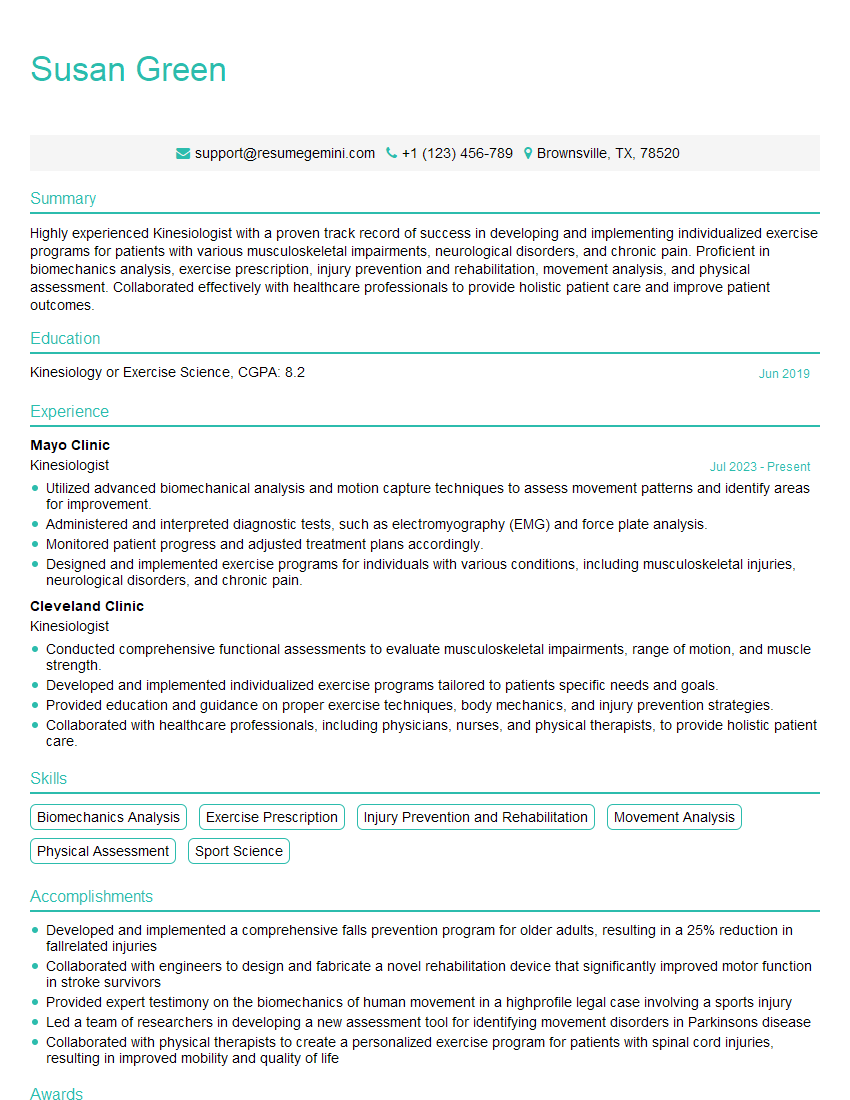
Kinesiologist Resume Sample

Occupational Therapist Resume Sample
Explore more articles
Users Rating of Our Blogs
Share Your Experience
We value your feedback! Please rate our content and share your thoughts (optional).
What Readers Say About Our Blog
Very informative content, great job.
good