Interviews are opportunities to demonstrate your expertise, and this guide is here to help you shine. Explore the essential Computer and Technology Skills interview questions that employers frequently ask, paired with strategies for crafting responses that set you apart from the competition.
Questions Asked in Computer and Technology Skills Interview
Q 1. Explain the difference between HTTP and HTTPS.
HTTP (Hypertext Transfer Protocol) and HTTPS (Hypertext Transfer Protocol Secure) are both protocols used to transfer data over the internet, but HTTPS adds a crucial layer of security. Think of HTTP as sending a postcard – anyone can read it. HTTPS is like sending a sealed, registered letter – only the intended recipient can open it, and you have proof it arrived.
The key difference lies in encryption. HTTP transmits data in plain text, making it vulnerable to eavesdropping and manipulation. HTTPS, on the other hand, uses SSL/TLS (Secure Sockets Layer/Transport Layer Security) to encrypt the communication between the client (e.g., your web browser) and the server. This encryption ensures that data remains confidential and prevents unauthorized access or tampering.
You can easily identify an HTTPS website by the padlock icon in your browser’s address bar and the ‘https’ prefix in the URL. For sensitive information like online banking or e-commerce, HTTPS is absolutely essential to protect user data.
Q 2. What is the difference between a process and a thread?
Processes and threads are both ways of executing code, but they differ significantly in their independence and resource sharing. Imagine a process as a fully equipped kitchen (with its own pots, pans, and cook), while a thread is like a single cook working within that kitchen.
A process is an independent, self-contained execution environment. It has its own memory space, system resources, and security context. If one process crashes, it doesn’t affect others. Launching a new web browser opens a new process.
A thread, on the other hand, is a lightweight unit of execution within a process. Multiple threads share the same memory space and resources of the parent process. This allows for efficient communication and data sharing between threads, but also introduces the risk of race conditions (where threads interfere with each other’s work) if not carefully managed. A web browser might use multiple threads to handle different tasks like rendering the page and downloading images simultaneously.
In essence, processes are heavier and more isolated, while threads are lighter and share resources within a process. The choice between using processes or threads depends on the application’s needs for parallelism, resource isolation, and the complexity of communication between tasks.
Q 3. Describe your experience with Agile development methodologies.
I have extensive experience with Agile development methodologies, primarily Scrum and Kanban. In my previous role at [Previous Company Name], we utilized Scrum for a large-scale software project involving the development of a customer relationship management (CRM) system. We followed the iterative process of sprints (typically two weeks long), with daily stand-up meetings to track progress, identify roadblocks, and coordinate tasks.
My responsibilities included participating in sprint planning, daily stand-ups, sprint reviews, and retrospectives. I actively contributed to backlog grooming, user story creation, and sprint execution. Through this experience, I learned the importance of collaborative teamwork, continuous improvement, and adapting to changing requirements. We successfully delivered the CRM system on time and within budget, with high client satisfaction. The Agile approach facilitated effective communication, quicker feedback loops, and a more flexible response to evolving needs than traditional waterfall methods would have allowed.
In another project, we used Kanban to manage a team’s maintenance tasks. Its focus on visualizing workflow and limiting work in progress (WIP) proved very beneficial in improving task prioritization and overall efficiency.
Q 4. What are your preferred programming languages and why?
My preferred programming languages are Python and Java. My choice is based on their versatility, extensive libraries, and suitability for various project types.
Python excels in its readability and ease of use, making it ideal for rapid prototyping, scripting, data analysis, and machine learning tasks. The rich ecosystem of Python libraries, including NumPy, Pandas, and Scikit-learn, significantly accelerates development in these areas. I’ve used Python extensively for data science projects, automating tasks, and building web applications using frameworks like Django and Flask.
Java, on the other hand, is a robust and platform-independent language well-suited for large-scale enterprise applications, Android development, and situations where performance and reliability are paramount. Its object-oriented nature promotes modularity and maintainability. I’ve leveraged Java’s strength in building high-performance backend systems and Android applications.
While proficient in these two, I’m always open to learning new languages as needed for specific projects. Adaptability is a crucial skill for a software developer.
Q 5. Explain the concept of RESTful APIs.
RESTful APIs (Representational State Transfer Application Programming Interfaces) are a set of architectural constraints that define how web services should behave. They provide a standardized way for different software systems to communicate and exchange data over the internet.
Key principles of RESTful APIs include:
- Client-server architecture: The client (e.g., a mobile app) requests data from the server, which responds with the requested information.
- Statelessness: Each request from the client is independent; the server doesn’t store any information about previous requests.
- Cacheable data: Responses can be cached to improve performance.
- Uniform interface: A consistent set of operations (like GET, POST, PUT, DELETE) is used to interact with the API.
- Layered system: The client doesn’t need to know the internal structure of the server.
- Code on demand (optional): The server can extend the client’s functionality by sending executable code.
RESTful APIs typically use HTTP methods (GET, POST, PUT, DELETE) to perform different operations on resources (data entities). For example, a GET request might retrieve a list of users, while a POST request might create a new user.
Their simplicity, scalability, and broad adoption make RESTful APIs a cornerstone of modern web development.
Q 6. How do you handle conflicting priorities in a project?
Handling conflicting priorities requires a structured approach that prioritizes communication and collaboration. My strategy involves several steps:
- Clarify and document all priorities: I begin by explicitly identifying all conflicting priorities and documenting them, including their source (e.g., client requests, business goals, technical constraints). This step ensures that everyone is on the same page regarding the competing needs.
- Analyze the impact of each priority: I assess the potential impact of meeting or not meeting each priority, considering factors like business value, risk, and technical feasibility. This analysis allows for a data-driven decision-making process.
- Prioritize based on objective criteria: With clear information at hand, I establish a clear prioritization scheme based on pre-defined criteria like business value, urgency, and risk. Using a prioritization matrix (e.g., MoSCoW method – Must have, Should have, Could have, Won’t have) can prove very effective here.
- Communicate and negotiate: Once a prioritization plan is established, I transparently communicate the rationale behind the decisions to all stakeholders, ensuring they understand the trade-offs involved. Collaboration and negotiation might be necessary to reach a consensus.
- Monitor and adjust: Throughout the project, I regularly monitor progress, reassess priorities, and adapt the plan as needed. Flexibility and responsiveness to changes are crucial in complex projects.
This approach allows me to make informed decisions, manage expectations, and ensure the project aligns with its overall goals despite conflicting demands.
Q 7. Describe your experience with version control systems (e.g., Git).
I have extensive experience using Git as my primary version control system. I’m proficient in using Git for all stages of the software development lifecycle, from individual commits and branching to managing remote repositories and resolving merge conflicts.
My expertise includes:
- Branching and merging: I regularly use feature branches to isolate new developments and prevent disruption to the main codebase. I’m skilled at merging branches, resolving conflicts, and integrating changes smoothly.
- Code review: I actively participate in code reviews using Git’s pull request functionality. This ensures code quality, knowledge sharing, and early detection of potential issues.
- Remote repositories: I’m comfortable using platforms like GitHub, GitLab, and Bitbucket to collaborate on projects and manage remote repositories.
- Git workflows: I’m familiar with various Git workflows, including Gitflow and GitHub flow, and can adapt my approach to suit the specific needs of a project.
- Command-line proficiency: I’m fluent in using the Git command line, which is essential for effective version control.
In a recent project, my proficiency in Git was critical in managing parallel development efforts from multiple team members and successfully integrating their changes into the main project without data loss or conflicts.
Q 8. What is your experience with cloud computing platforms (e.g., AWS, Azure, GCP)?
My experience with cloud computing platforms spans several years and encompasses AWS, Azure, and GCP. I’ve worked extensively with AWS, utilizing services like EC2 for instance management, S3 for object storage, and Lambda for serverless computing. A recent project involved migrating a legacy on-premise application to AWS, leveraging their robust suite of services for a more scalable and cost-effective solution. This included designing the architecture, implementing the migration strategy, and managing the ongoing operational aspects. With Azure, I’ve worked primarily with their virtual machines and blob storage, focusing on building and deploying applications using their DevOps tools. My experience with GCP is more limited, but I have hands-on experience with their Compute Engine and Cloud Storage services. In all cases, I’ve focused on leveraging the strengths of each platform to meet specific project needs. For instance, AWS’s mature ecosystem proved ideal for the aforementioned migration project, while Azure’s integration with our existing Microsoft-based infrastructure was a significant advantage in another project.
Q 9. Explain the concept of object-oriented programming.
Object-Oriented Programming (OOP) is a programming paradigm based on the concept of ‘objects’, which can contain data, in the form of fields (often known as attributes or properties), and code, in the form of procedures (often known as methods). Think of an object as a real-world entity like a car. A car has attributes like color, model, and year, and methods like start(), accelerate(), and brake().
Key principles of OOP include:
- Encapsulation: Bundling data and methods that operate on that data within a class, hiding internal details and protecting data integrity. Imagine the car’s engine – you interact with it through the accelerator and brake, without needing to understand its internal workings.
- Inheritance: Creating new classes (child classes) based on existing classes (parent classes), inheriting their attributes and methods and adding new ones. For example, a ‘sports car’ class could inherit from a ‘car’ class, adding attributes like ‘turbocharged’ and methods like ‘launchControl’.
- Polymorphism: The ability of objects of different classes to respond to the same method call in their own specific way. This allows for flexibility and extensibility. A ‘sports car’ and a ‘truck’ might both have a ‘drive’ method, but the implementation differs significantly.
- Abstraction: Hiding complex implementation details and showing only essential information to the user. The car’s user interface abstracts away the complexity of the engine and transmission.
OOP improves code organization, reusability, and maintainability. It promotes modularity, making code easier to understand, modify, and debug.
Q 10. Describe your experience with database management systems (e.g., SQL, NoSQL).
I have extensive experience with both SQL and NoSQL databases. My SQL experience includes working with relational databases like MySQL, PostgreSQL, and SQL Server. I’m proficient in writing complex queries, optimizing database performance, and designing relational database schemas. I’ve used SQL extensively for projects requiring transactional integrity and strong data consistency, such as managing customer data in an e-commerce application. For instance, I optimized a complex query that reduced processing time by over 60% using indexing strategies and query rewriting.
On the NoSQL side, I’ve worked with MongoDB and Cassandra. My experience here primarily involves handling large volumes of unstructured or semi-structured data where scalability and flexibility are paramount. In a recent project, I used MongoDB to implement a real-time analytics system, leveraging its scalability to handle a massive influx of data points from various sources. The choice of NoSQL over SQL was driven by the need for flexible schema and high write performance.
Q 11. How do you debug code efficiently?
Efficient debugging involves a systematic approach. I start by reproducing the error consistently, ensuring I have a repeatable test case. Then, I use a combination of techniques:
- Print Statements/Logging: Strategic placement of print statements or logging calls throughout the code helps track variable values and program flow, allowing me to identify the point of failure. This is often the quickest and most effective first step.
- Debuggers: I leverage debuggers (like those built into IDEs) to step through code line by line, inspect variables, set breakpoints, and examine call stacks. This provides a deeper level of understanding into the code’s execution.
- Code Review: A fresh pair of eyes often spots errors easily missed by the original author. A systematic review of the code, particularly the problematic sections, can highlight logical flaws or edge cases that may not have been obvious.
- Unit Tests: Thorough unit tests significantly aid in debugging by identifying the exact location of a fault. If a test fails, it indicates a problem in the corresponding unit of code. This makes it much faster to isolate and fix issues.
Finally, I always try to understand the root cause of the error rather than just applying a quick fix. This prevents similar errors from reoccurring in the future.
Q 12. What are your strengths and weaknesses as a programmer?
Strengths: I’m a highly analytical and detail-oriented programmer with a strong ability to solve complex problems. My experience working on diverse projects has given me a solid foundation in different technologies and programming paradigms. I am a proactive learner, always seeking to improve my skillset and stay updated on the latest technologies. I excel at collaborative work environments and effectively communicate technical concepts to both technical and non-technical audiences. I am also very organized and methodical in my approach to development, following best practices and using version control effectively.
Weaknesses: Like many programmers, I can sometimes get overly focused on the technical details and overlook the broader context of the project. To mitigate this, I consciously prioritize planning and communication to ensure I’m aligned with project goals and user needs. I’m also still developing my expertise in certain emerging technologies, but I actively seek opportunities to learn and expand my skills in these areas.
Q 13. Explain the concept of normalization in databases.
Database normalization is the process of organizing data to reduce redundancy and improve data integrity. It involves splitting databases into two or more tables and defining relationships between the tables. The goal is to isolate data so that additions, deletions, and modifications of a field can be made in just one table and then propagated through the rest of the database via the defined relationships.
The process typically involves several normal forms, each addressing a specific type of redundancy. The most common are:
- First Normal Form (1NF): Eliminate repeating groups of data within a table. Each column should contain only atomic values (single values).
- Second Normal Form (2NF): Be in 1NF and eliminate redundant data that depends on only part of the primary key (in tables with composite keys).
- Third Normal Form (3NF): Be in 2NF and eliminate columns that are not dependent on the primary key (transitive dependency).
Consider a table storing customer orders. Without normalization, you might have repeating customer information for each order. Normalization would separate this into two tables: one for customers (with customer ID as the primary key) and one for orders (with order ID and customer ID as the primary key), linking them through the customer ID. This avoids data redundancy, saving space and improving data integrity.
Q 14. What is your experience with testing methodologies (e.g., unit testing, integration testing)?
My experience with testing methodologies includes a wide range of approaches, focusing on both unit and integration testing, and also encompassing aspects of system and user acceptance testing. I’m proficient in writing unit tests using frameworks like JUnit (Java) and pytest (Python), ensuring individual components function correctly. I employ test-driven development (TDD) in many projects, writing tests before writing the code itself. This approach helps ensure that code meets specifications and reduces bugs early in the development lifecycle.
For integration testing, I’ve employed various techniques to verify the interaction between different modules or services. This often involves mocking external dependencies to isolate the components being tested. I understand the importance of comprehensive testing, striving to achieve high test coverage to minimize defects. For example, in a recent project, I implemented a suite of integration tests using a mocking framework to verify the interaction between a REST API and a database, ensuring data integrity and proper API responses. I also have experience with various testing tools for performance and security testing to provide a holistic approach to quality assurance.
Q 15. Describe your experience with software design patterns.
Software design patterns are reusable solutions to commonly occurring problems in software design. They provide a template or blueprint for solving these problems, promoting code reusability, maintainability, and readability. Think of them as pre-fabricated components you can use in your construction project (software development). Instead of reinventing the wheel each time you encounter a similar challenge, you utilize a proven design pattern.
- Creational Patterns: These patterns deal with object creation mechanisms, trying to create objects in a manner suitable to the situation. Examples include Singleton (ensuring only one instance of a class exists), Factory Method (creating objects without specifying the exact class), and Abstract Factory (creating families of related objects).
- Structural Patterns: These patterns concern class and object composition. Examples include Adapter (matching interfaces of different classes), Decorator (adding responsibilities to objects dynamically), and Facade (providing a simplified interface to a complex subsystem).
- Behavioral Patterns: These patterns are concerned with algorithms and the assignment of responsibilities between objects. Examples include Observer (defining a one-to-many dependency between objects), Strategy (defining a family of algorithms, encapsulating each one, and making them interchangeable), and Command (encapsulating a request as an object).
In my previous role, I extensively used the Model-View-Controller (MVC) pattern to develop a web application. This pattern separated the data (Model), the user interface (View), and the application logic (Controller), making the code easier to maintain and test. I also leveraged the Singleton pattern to manage database connections, ensuring a single, globally accessible instance.
Career Expert Tips:
- Ace those interviews! Prepare effectively by reviewing the Top 50 Most Common Interview Questions on ResumeGemini.
- Navigate your job search with confidence! Explore a wide range of Career Tips on ResumeGemini. Learn about common challenges and recommendations to overcome them.
- Craft the perfect resume! Master the Art of Resume Writing with ResumeGemini’s guide. Showcase your unique qualifications and achievements effectively.
- Don’t miss out on holiday savings! Build your dream resume with ResumeGemini’s ATS optimized templates.
Q 16. How do you stay up-to-date with the latest technologies?
Keeping up with the rapidly evolving tech landscape requires a multi-pronged approach. I actively engage in several methods to ensure my skills remain current:
- Online Courses and Tutorials: Platforms like Coursera, edX, and Udemy offer a wealth of courses on emerging technologies. I regularly dedicate time to completing relevant courses to deepen my understanding.
- Industry Blogs and Publications: I subscribe to newsletters and follow blogs from leading tech companies and experts. This provides insights into the latest trends and advancements.
- Conferences and Workshops: Attending industry conferences and workshops provides invaluable networking opportunities and exposure to cutting-edge research and development.
- Open Source Contributions: Contributing to open-source projects allows me to learn from experienced developers and gain hands-on experience with new technologies.
- Peer Learning and Networking: Engaging with other developers through online communities, forums, and local meetups facilitates knowledge sharing and collaborative learning.
For instance, recently I completed a course on Kubernetes to enhance my cloud-native application development skills. I also actively participate in online discussions regarding the latest advancements in AI and Machine Learning.
Q 17. Explain the difference between a compiler and an interpreter.
Both compilers and interpreters translate source code (human-readable instructions) into machine code (instructions a computer can directly understand). However, they differ significantly in *how* they perform this translation:
- Compiler: A compiler translates the entire source code into machine code *before* the program is executed. This results in a standalone executable file. The translation process happens only once. Think of it like translating an entire book into another language upfront.
- Interpreter: An interpreter translates and executes the source code line by line. It doesn’t produce a separate executable file. The translation happens each time the program runs. This is akin to translating a book sentence by sentence as you read it.
Example: C++ is typically compiled, producing an executable that can run directly on the target machine. Python, on the other hand, is usually interpreted, requiring a Python interpreter to execute the code.
Key Differences Summarized:
- Translation Process: Compiler translates the entire code at once; Interpreter translates line by line.
- Execution Speed: Compiled programs generally run faster; Interpreted programs typically run slower.
- Portability: Compiled programs may require recompilation for different platforms; Interpreted programs are more portable (assuming the interpreter is available).
- Error Detection: Compilers usually find errors before execution; Interpreters often find errors during execution.
Q 18. What is your experience with data structures and algorithms?
Data structures and algorithms are fundamental to efficient software development. My experience spans a wide range of data structures, including arrays, linked lists, stacks, queues, trees (binary trees, AVL trees, B-trees), graphs, hash tables, and heaps. I’m proficient in designing and implementing algorithms for various tasks such as sorting (merge sort, quicksort, heapsort), searching (binary search, breadth-first search, depth-first search), graph traversal, and dynamic programming.
For example, I once optimized a search algorithm in a large-scale database application by switching from a linear search to a binary search tree. This significantly improved the search speed, reducing query response times from several seconds to milliseconds. In another project, I used a heap data structure to implement a priority queue, essential for managing tasks in a real-time system.
My understanding extends to analyzing algorithm efficiency using Big O notation, allowing me to choose the most appropriate algorithm for a given problem based on its time and space complexity. This ensures optimal performance and resource utilization.
Q 19. How do you handle technical challenges you’ve never encountered before?
Encountering unfamiliar technical challenges is inevitable in software development. My approach involves a systematic problem-solving strategy:
- Understanding the Problem: I begin by clearly defining the problem, gathering all relevant information, and identifying the specific symptoms.
- Research and Investigation: I leverage online resources (documentation, forums, articles) and my network to research similar problems or solutions. This may involve exploring related technologies or concepts.
- Breaking Down the Problem: I decompose the complex problem into smaller, more manageable subproblems. This simplifies the analysis and makes it easier to find solutions for individual components.
- Experimentation and Testing: I implement potential solutions incrementally, thoroughly testing each component to ensure its correctness and identify potential issues early on.
- Seeking Help: If necessary, I reach out to colleagues, mentors, or online communities for assistance or guidance. This fosters collaboration and knowledge sharing.
- Documentation and Learning: Once a solution is found, I document the process and lessons learned. This improves my understanding and helps me solve similar problems in the future.
For instance, I recently encountered an unusual memory leak in a Java application. By systematically debugging the code, using memory profiling tools, and researching relevant documentation, I identified the root cause (an unclosed resource) and implemented a solution that resolved the issue.
Q 20. Explain the concept of cybersecurity best practices.
Cybersecurity best practices encompass a multi-layered approach to protecting computer systems and networks from unauthorized access, use, disclosure, disruption, modification, or destruction. These practices aim to minimize vulnerabilities and mitigate risks.
- Strong Passwords and Authentication: Utilizing strong, unique passwords for all accounts, employing multi-factor authentication (MFA), and regularly updating passwords are crucial.
- Regular Software Updates and Patches: Keeping operating systems, applications, and firmware updated with the latest security patches is paramount to addressing known vulnerabilities.
- Firewall and Intrusion Detection Systems: Implementing firewalls to control network traffic and intrusion detection systems (IDS) to monitor for malicious activity provide important security layers.
- Data Encryption: Encrypting sensitive data both in transit (using HTTPS) and at rest (using encryption tools) protects data from unauthorized access.
- Access Control and Authorization: Limiting access to sensitive data and systems based on the principle of least privilege ensures that only authorized individuals can access specific resources.
- Security Awareness Training: Educating users about common security threats (phishing, malware) and best practices is essential in preventing human error, a major source of security breaches.
- Regular Security Audits and Penetration Testing: Performing regular security audits and penetration testing help identify vulnerabilities and weaknesses in the system before malicious actors can exploit them.
- Incident Response Plan: Having a well-defined incident response plan to handle security breaches efficiently and effectively is crucial to minimizing damage and recovery time.
In my experience, adhering to these best practices is crucial in maintaining the security and integrity of any system. Ignoring even one can lead to significant vulnerabilities.
Q 21. What is your experience with different software development lifecycle models?
Software development lifecycle (SDLC) models provide frameworks for planning, creating, testing, and deploying software. I have experience with several models:
- Waterfall Model: A linear sequential approach where each phase (requirements, design, implementation, testing, deployment) must be completed before the next begins. This model is suitable for projects with well-defined requirements and minimal anticipated changes.
- Agile Models (Scrum, Kanban): Iterative and incremental approaches that emphasize flexibility and collaboration. Agile models involve short development cycles (sprints) with frequent feedback and adaptation. They are well-suited for projects with evolving requirements.
- Spiral Model: A risk-driven approach that combines elements of waterfall and iterative models. Each cycle involves planning, risk analysis, engineering, and evaluation. This model is useful for large, complex projects with high risks.
- DevOps: A set of practices that automates and integrates the processes between software development and IT operations teams. DevOps emphasizes continuous integration, continuous delivery, and continuous monitoring.
In practice, the choice of SDLC model depends on project factors such as size, complexity, risk, and client requirements. I have successfully utilized both Waterfall and Agile methodologies in various projects, tailoring my approach to the specific needs of each undertaking.
Q 22. Describe your experience with scripting languages (e.g., Python, JavaScript).
Scripting languages are the backbone of automation and rapid prototyping in the tech world. My experience encompasses both Python and JavaScript, two of the most popular and versatile languages. Python, with its clean syntax and extensive libraries like NumPy and Pandas, is my go-to for data analysis, machine learning, and automation tasks. For example, I’ve used Python to build a script that automates the process of generating reports from large datasets, saving countless hours of manual work. I’ve also utilized its powerful libraries for creating sophisticated machine learning models to predict customer churn. JavaScript, on the other hand, is my weapon of choice for front-end web development and building dynamic user interfaces. I’ve worked extensively with frameworks like React and Angular to create responsive and interactive web applications. A recent project involved developing a real-time dashboard using Node.js and Socket.IO to visualize data streams. This project involved intricate handling of asynchronous operations and efficient data management.
In essence, my scripting abilities extend beyond simply writing code; I leverage these languages to solve real-world problems, improve efficiency, and deliver impactful results.
Q 23. How do you approach problem-solving in a team environment?
Effective problem-solving in a team relies on clear communication, collaborative brainstorming, and a structured approach. I typically start by clearly defining the problem, breaking it down into smaller, manageable tasks. This involves active listening to understand everyone’s perspectives and identifying any potential roadblocks. We then brainstorm solutions using techniques like mind mapping or SWOT analysis to explore diverse approaches. Once a solution is agreed upon, I advocate for a well-defined workflow, utilizing project management tools like Jira or Trello to ensure transparency and accountability. Regular check-ins and open communication channels help maintain momentum and address any emerging issues promptly. For example, in a recent project where we faced challenges integrating two different systems, I facilitated a series of workshops to identify the core issues and collaboratively design an efficient integration strategy. This involved assigning specific roles and responsibilities to team members, based on their expertise, resulting in a successful and timely project completion.
Q 24. Explain the concept of big data and its applications.
Big data refers to extremely large and complex datasets that are too large to be processed by traditional data processing applications. Think of it like trying to drink the entire ocean with a teaspoon – impossible! These datasets are characterized by their volume, velocity (speed of data generation), variety (different data types), veracity (accuracy and reliability), and value. The applications of big data are vast and span multiple industries.
- Business Intelligence: Analyzing customer behavior to personalize marketing campaigns or predict sales trends.
- Healthcare: Identifying disease outbreaks, improving diagnostics, and personalizing treatment plans.
- Finance: Detecting fraudulent transactions and managing risk.
- Transportation: Optimizing traffic flow, predicting delays, and improving logistics.
For instance, analyzing consumer purchase data using big data techniques can reveal hidden patterns and preferences, allowing businesses to tailor their offerings and marketing efforts more effectively. Techniques like Hadoop and Spark are essential for managing and processing big data efficiently.
Q 25. What is your experience with machine learning algorithms?
My experience with machine learning algorithms is extensive. I’m proficient in applying various algorithms to diverse problems. For example, I’ve used linear regression for predictive modeling, support vector machines for classification tasks, and decision trees for data exploration and feature selection. I also have experience with more advanced algorithms like neural networks, particularly convolutional neural networks (CNNs) for image recognition and recurrent neural networks (RNNs) for sequential data processing. A recent project involved developing a fraud detection system using a combination of logistic regression and random forest algorithms, achieving high accuracy and efficiency. Furthermore, I understand the importance of data preprocessing, feature engineering, and model evaluation. I’m familiar with techniques like cross-validation and hyperparameter tuning to optimize model performance and ensure robustness.
Beyond the technical aspects, I also prioritize ethical considerations in applying machine learning, paying close attention to issues of bias and fairness.
Q 26. Describe your experience with network security protocols.
My experience with network security protocols is comprehensive, covering a range of protocols and techniques crucial for protecting network infrastructure and data. I have hands-on experience with protocols like TLS/SSL for secure communication, IPsec for securing VPN tunnels, and various firewall rules and access control lists (ACLs). I understand the importance of implementing strong authentication mechanisms and intrusion detection/prevention systems. For example, I’ve been involved in designing and implementing secure network configurations for enterprise environments, ensuring adherence to industry best practices and compliance standards. I am also familiar with common vulnerabilities and exploit techniques, which is critical in designing robust security measures. Understanding vulnerabilities like SQL injection, cross-site scripting (XSS), and denial-of-service (DoS) attacks is paramount in developing secure applications and systems.
Q 27. Explain the difference between IPv4 and IPv6.
IPv4 and IPv6 are both internet protocol versions used for addressing devices on a network, but they differ significantly in their addressing schemes and capabilities. IPv4 uses a 32-bit address space, represented as four decimal numbers separated by dots (e.g., 192.168.1.1). This limited address space has led to the depletion of available IP addresses. IPv6, on the other hand, employs a 128-bit address space, using hexadecimal notation (e.g., 2001:0db8:85a3:0000:0000:8a2e:0370:7334). This significantly expands the number of available addresses, solving the IPv4 address exhaustion problem. Another key difference lies in their header structures; IPv6 has a simplified header, improving efficiency and reducing overhead. IPv6 also incorporates features for improved security and quality of service (QoS), addressing some limitations of IPv4.
Key Topics to Learn for Computer and Technology Skills Interview
- Data Structures and Algorithms: Understanding fundamental data structures like arrays, linked lists, trees, and graphs, and applying relevant algorithms for efficient data manipulation and problem-solving. Practical application includes optimizing code for speed and memory efficiency.
- Operating Systems: Knowledge of operating system principles, including process management, memory management, file systems, and I/O operations. Practical application involves troubleshooting system issues and optimizing performance.
- Databases: Familiarity with relational and NoSQL databases, including SQL queries, database design, and normalization techniques. Practical application includes designing efficient databases and retrieving data effectively.
- Networking: Understanding fundamental networking concepts like TCP/IP, DNS, routing, and network security. Practical application includes troubleshooting network connectivity issues and designing secure network architectures.
- Software Development Methodologies: Knowledge of Agile, Waterfall, or other software development methodologies. Practical application includes contributing effectively to a team development environment and understanding project lifecycles.
- Cloud Computing: Understanding cloud platforms like AWS, Azure, or GCP. Practical application includes designing and deploying scalable and reliable applications in the cloud.
- Programming Languages: Proficiency in at least one programming language relevant to your field, demonstrating understanding of object-oriented programming principles and coding best practices. Practical application includes building functional and well-documented applications.
- Problem-Solving and Analytical Skills: Ability to approach complex problems methodically, break them down into smaller parts, and develop effective solutions. Practical application is demonstrated throughout the interview process.
Next Steps
Mastering Computer and Technology Skills is crucial for career advancement in today’s competitive job market. These skills are highly sought after across various industries, opening doors to exciting and rewarding opportunities. To maximize your chances of success, crafting a strong, ATS-friendly resume is essential. ResumeGemini can help you build a professional and impactful resume that highlights your unique skills and experience. Take advantage of their resources and access examples of resumes tailored specifically for Computer and Technology Skills roles to make your application stand out.
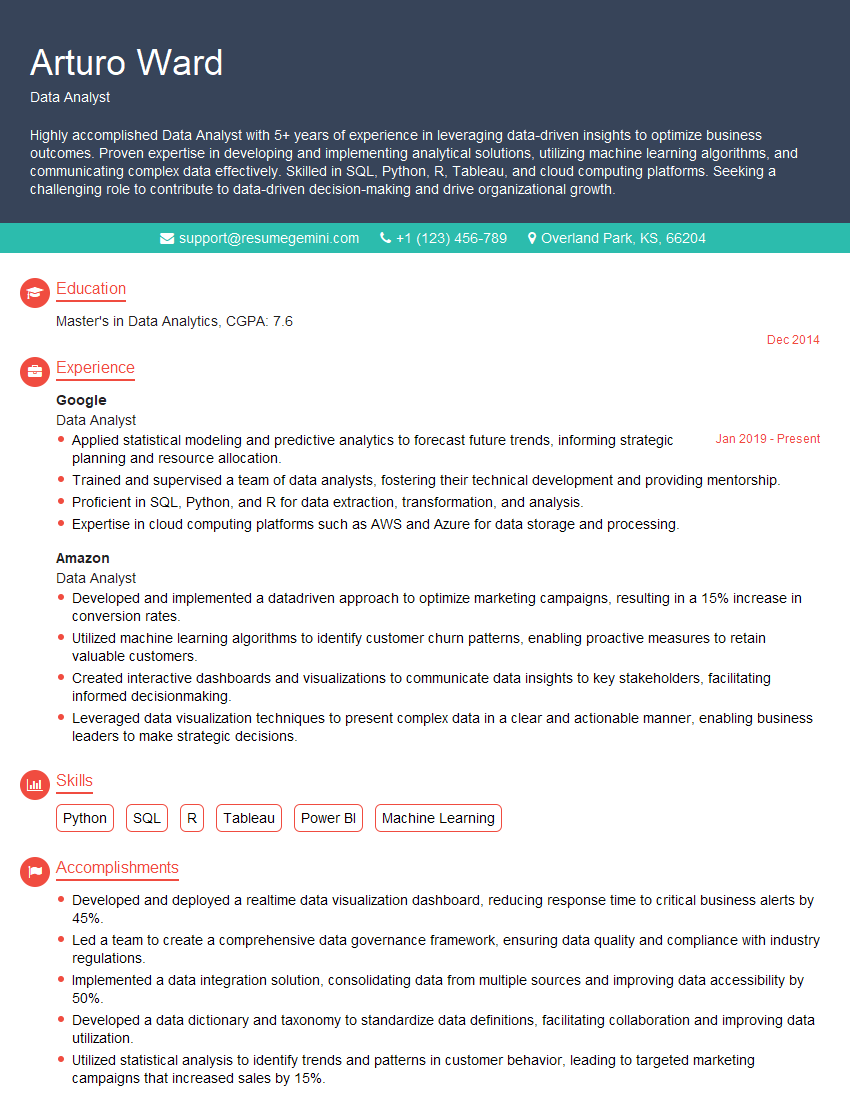
Data Analyst Resume Sample
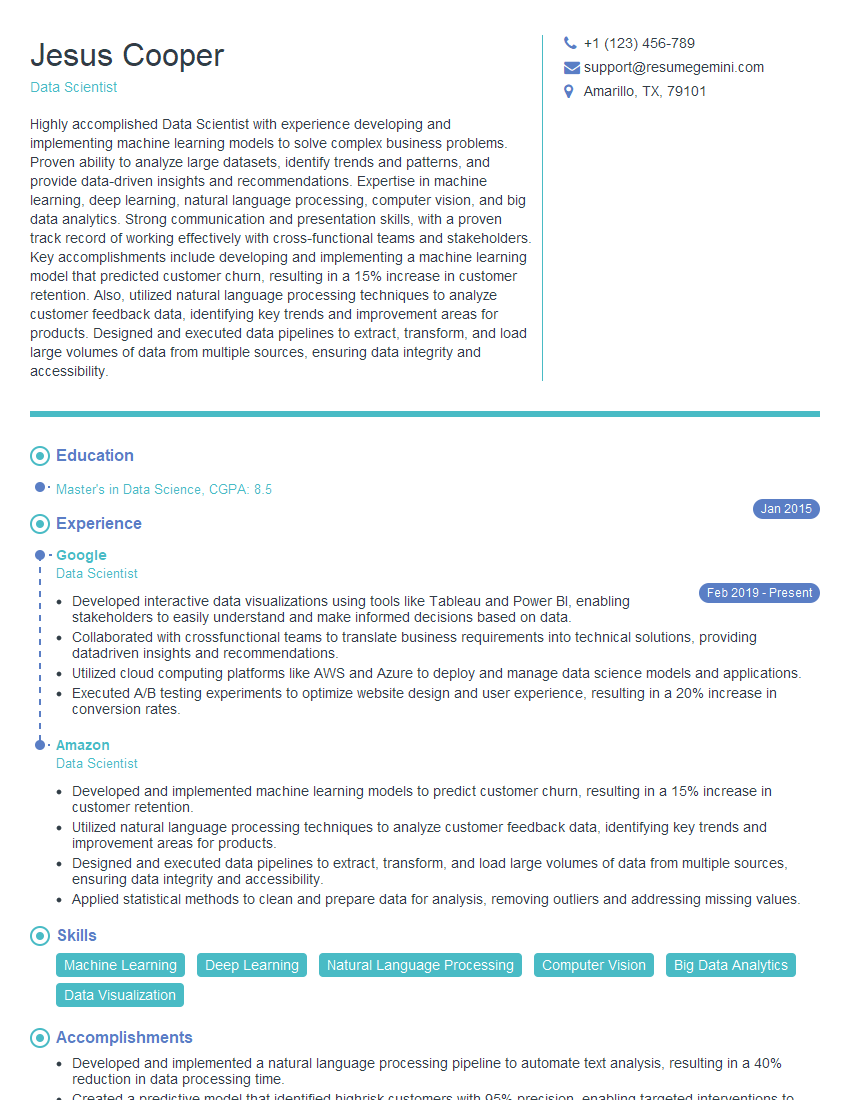
Data Scientist Resume Sample
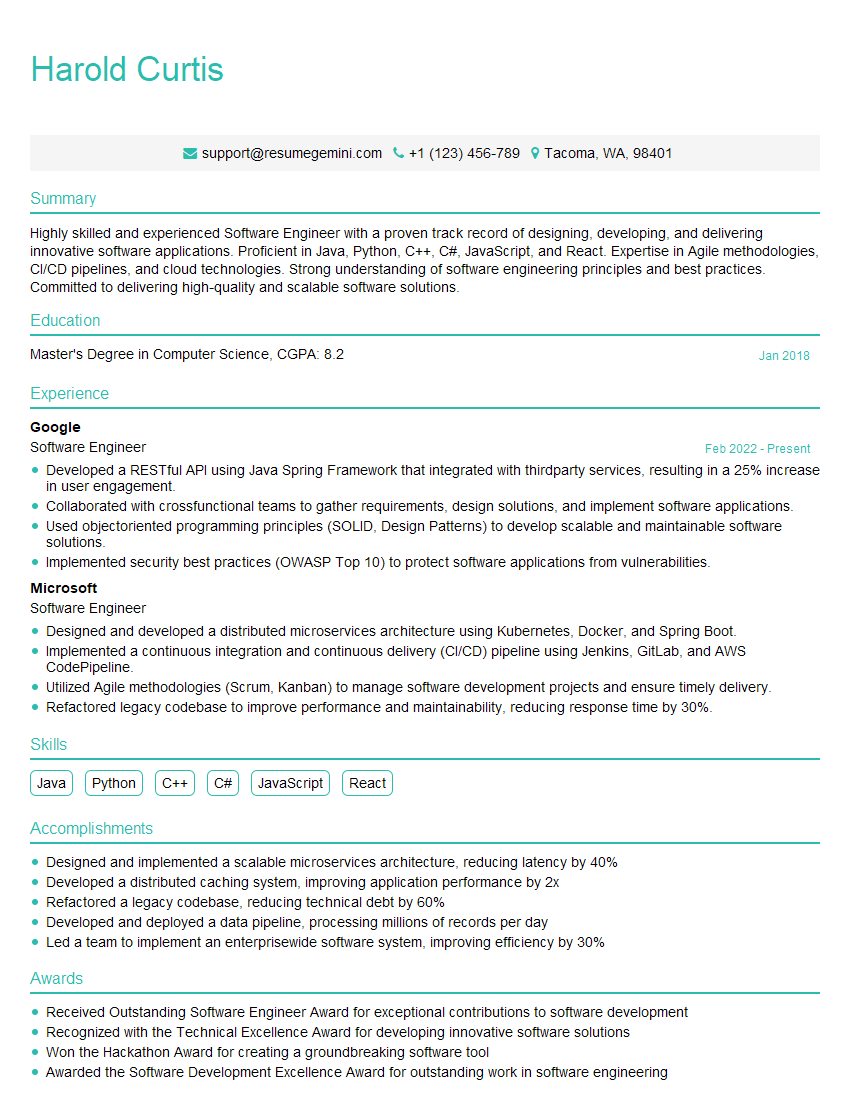
Software Engineer Resume Sample
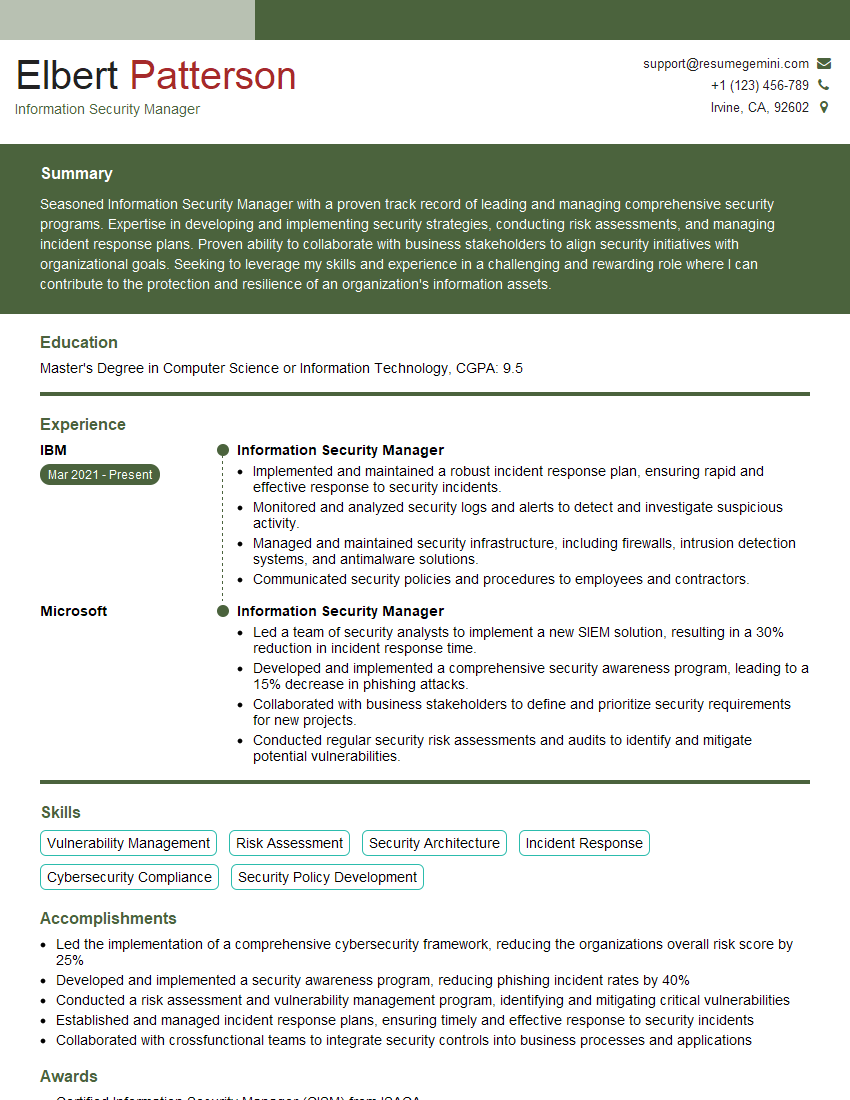
Information Security Manager Resume Sample
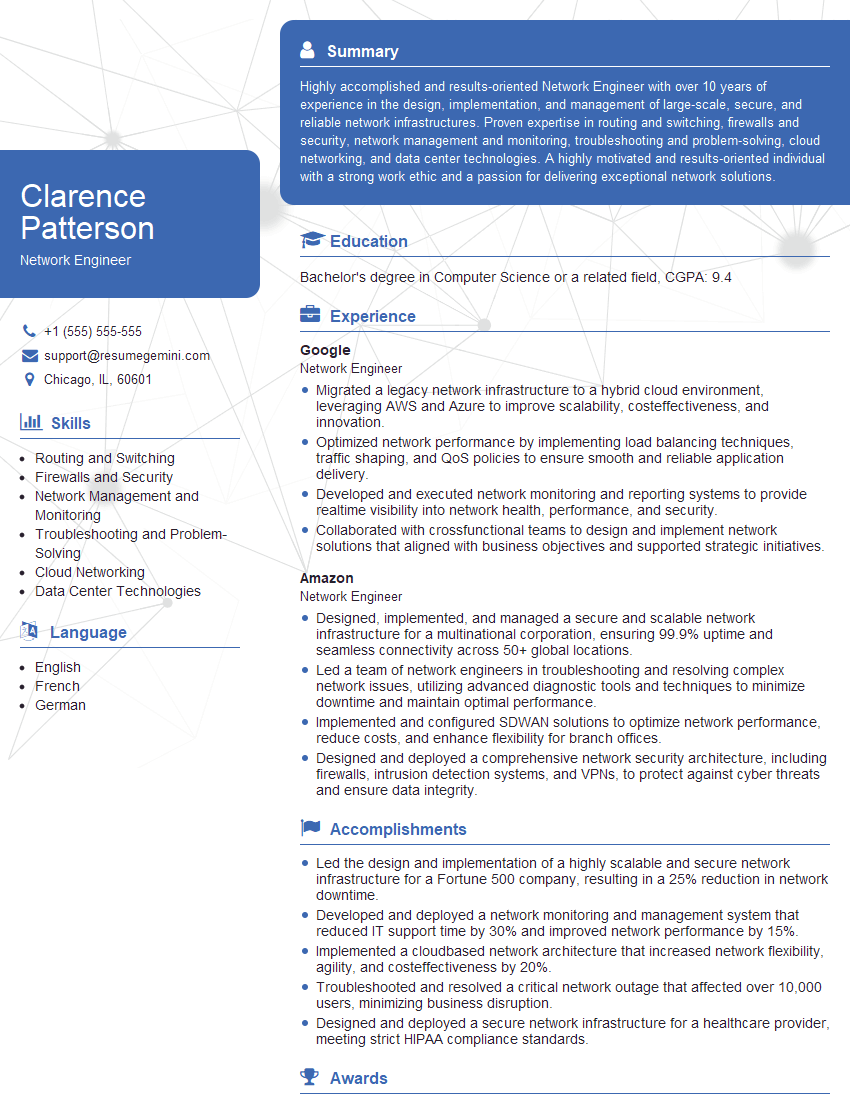
Network Engineer Resume Sample
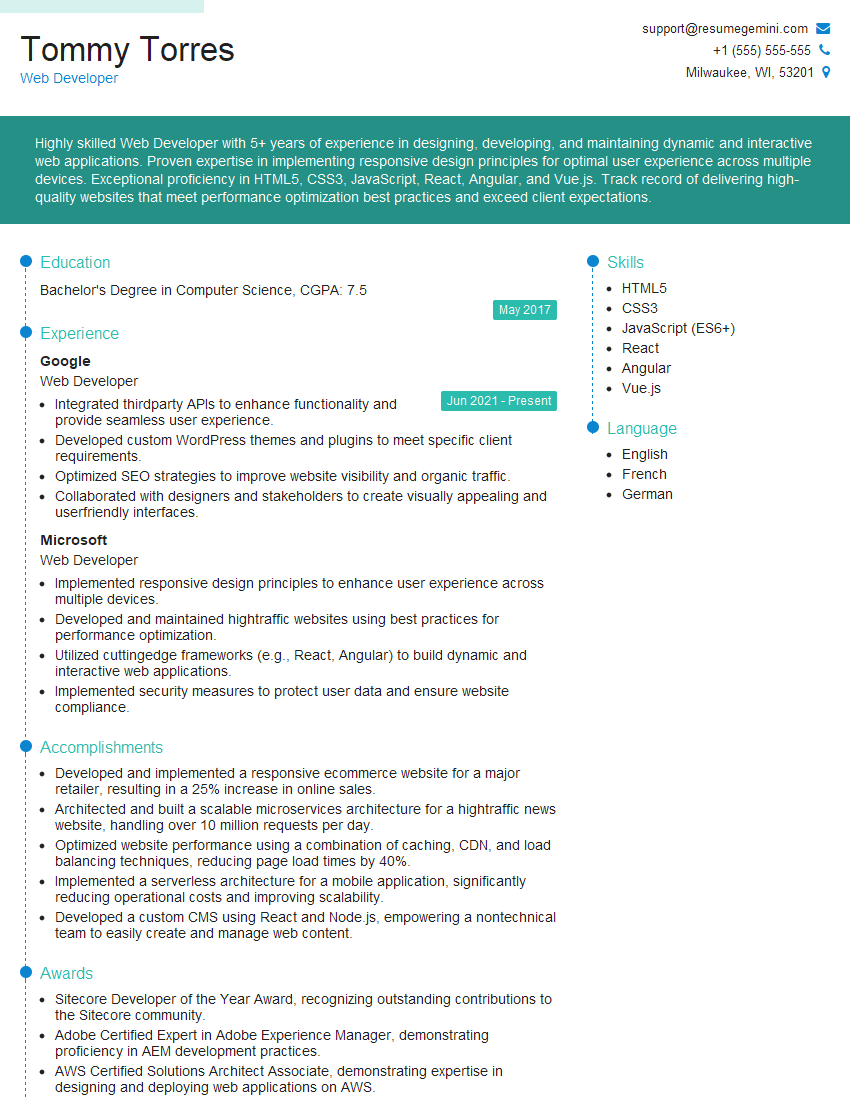
Web Developer Resume Sample
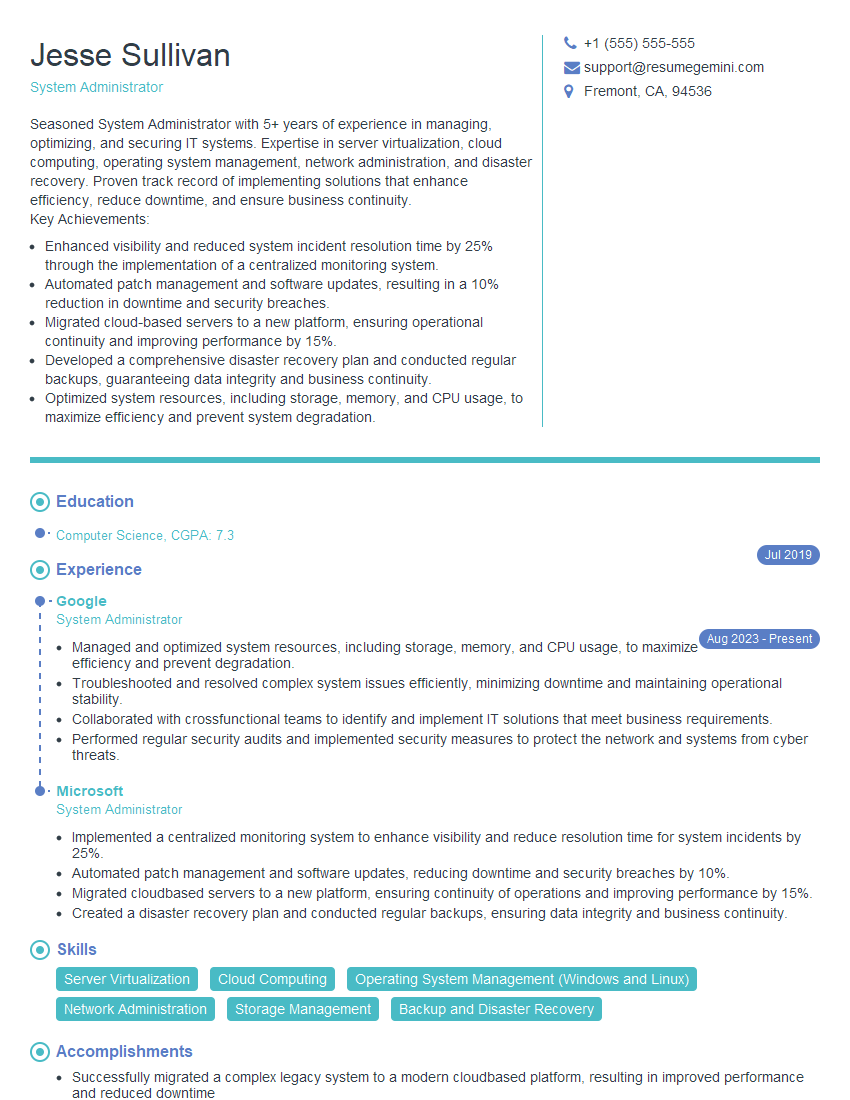
System Administrator Resume Sample
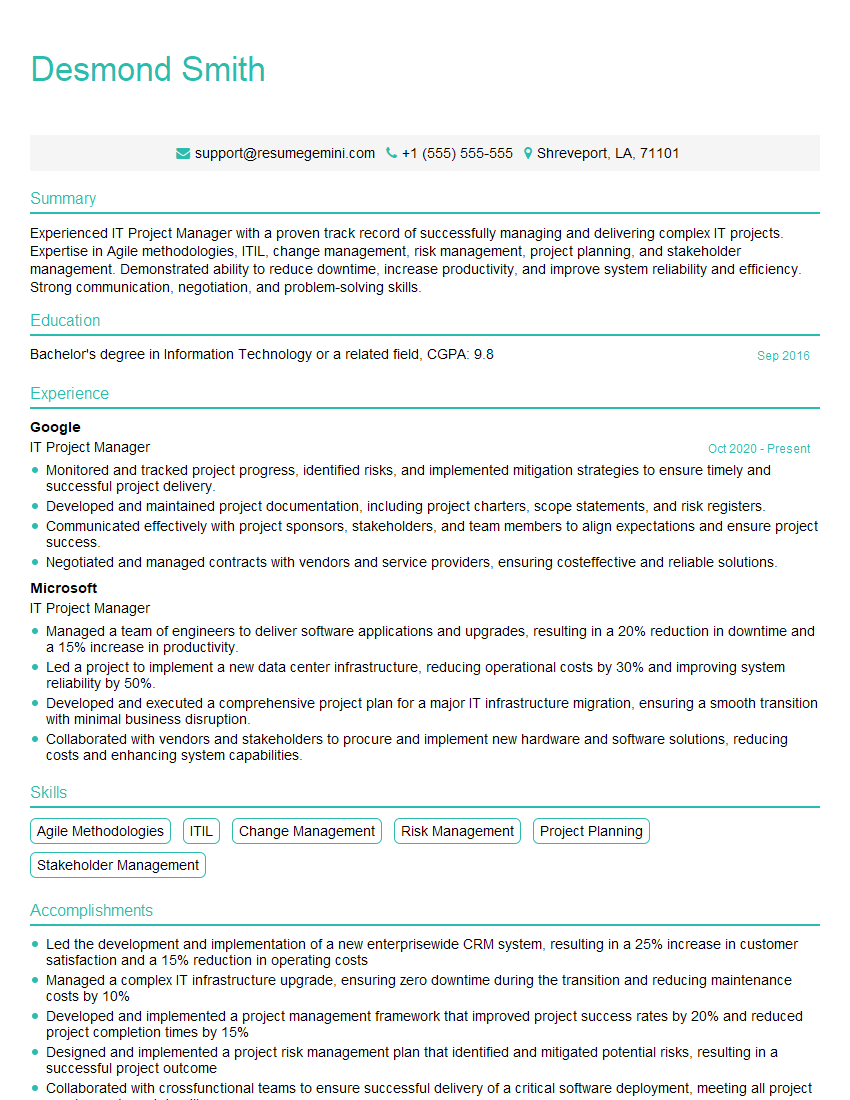
IT Project Manager Resume Sample

Technical Writer Resume Sample
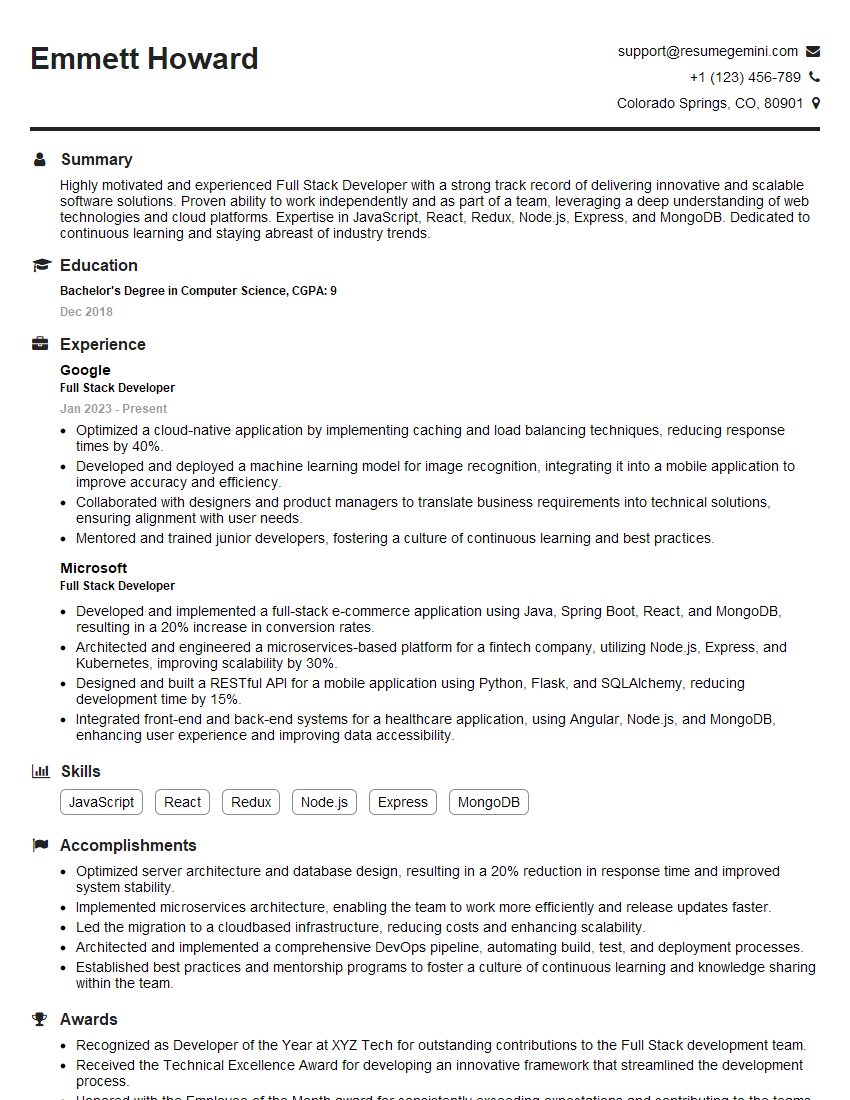
Full Stack Developer Resume Sample
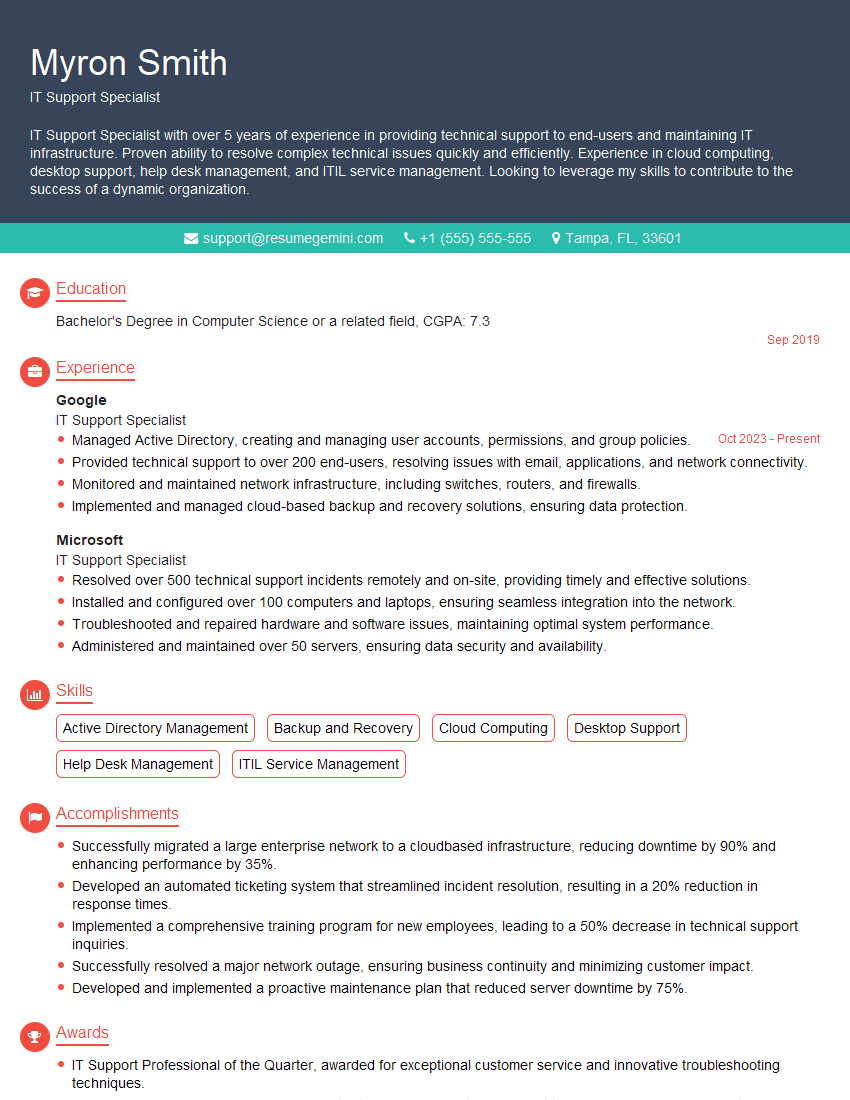
IT Support Specialist Resume Sample
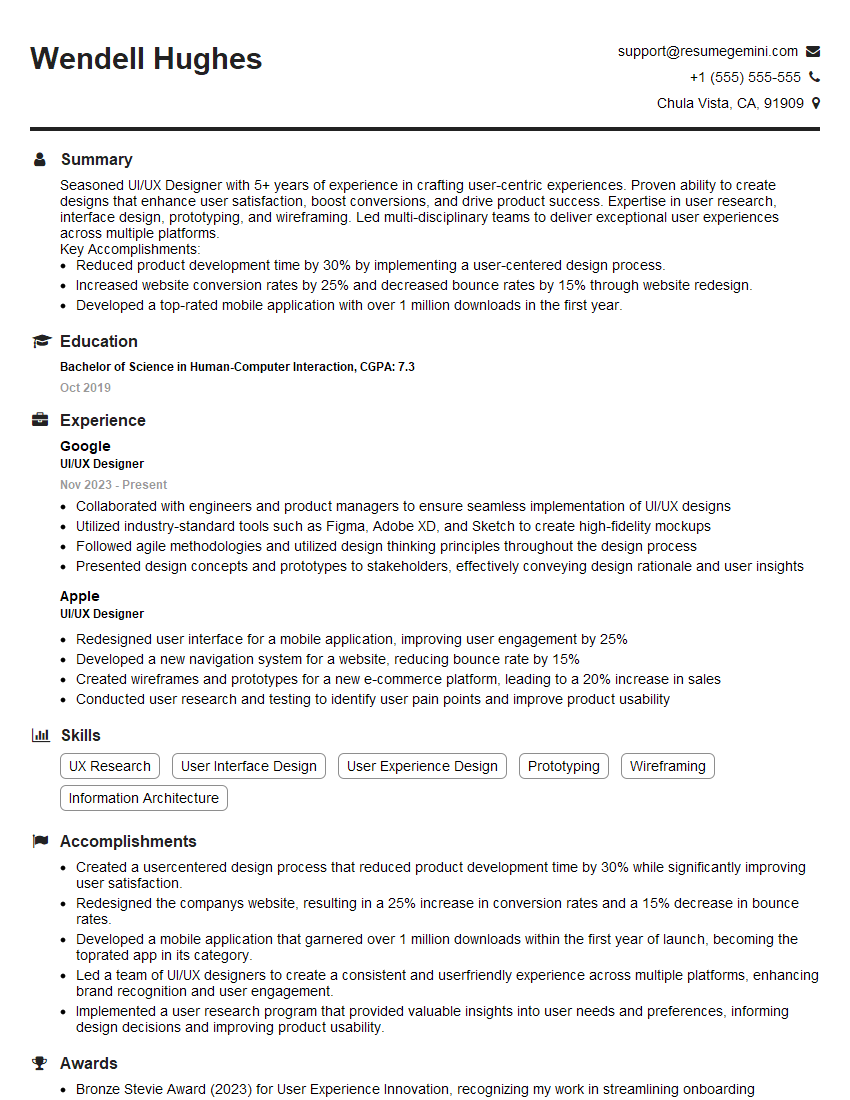
UI/UX Designer Resume Sample
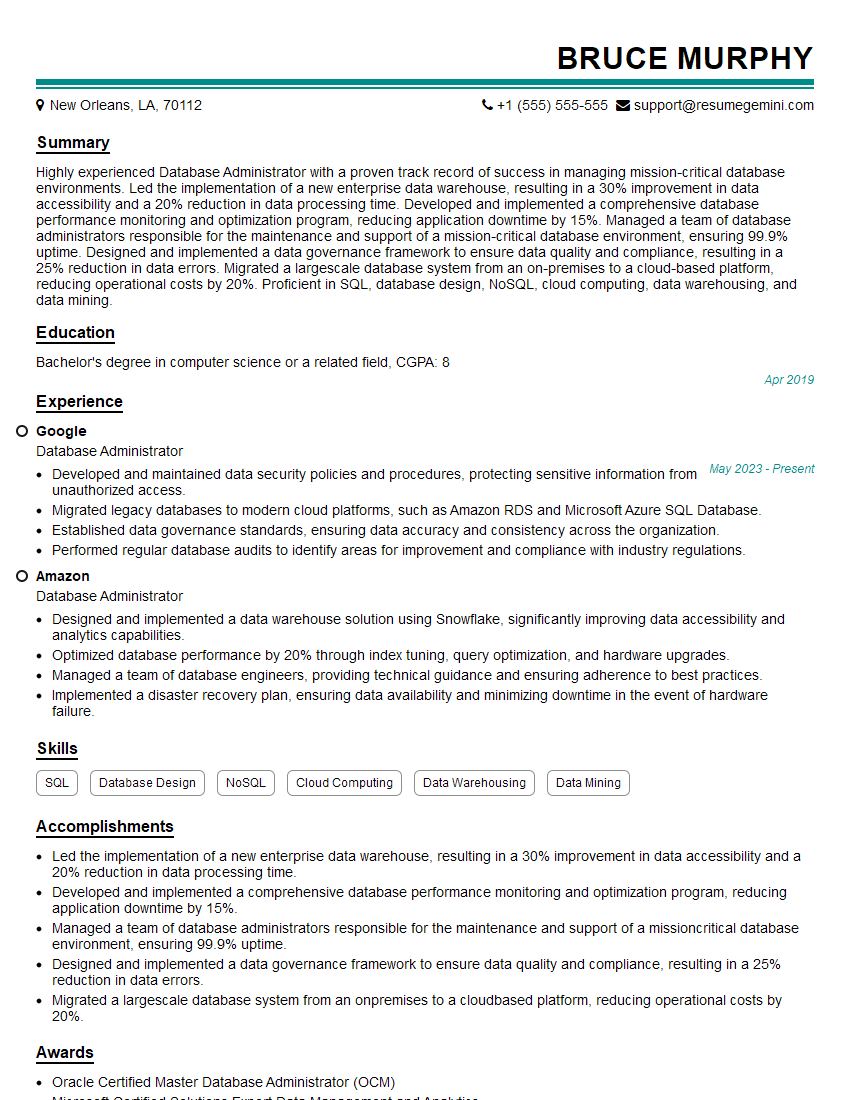
Database Administrator Resume Sample
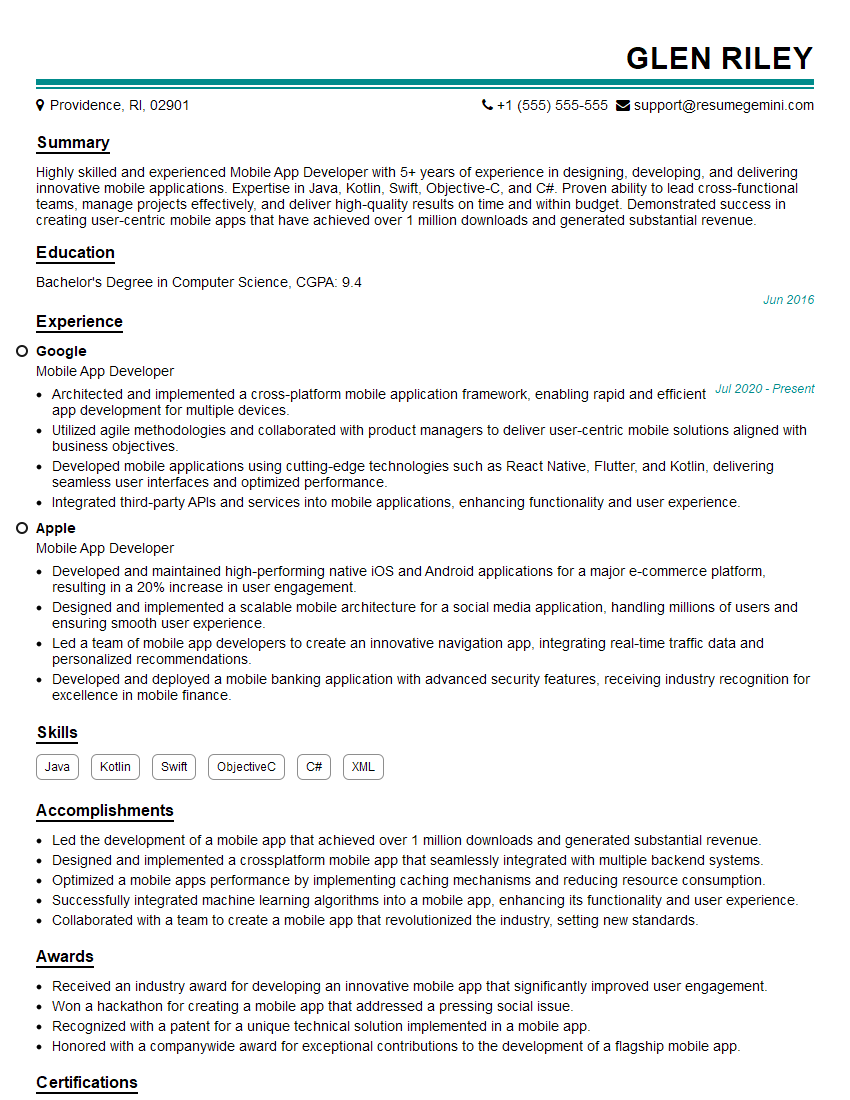
Mobile App Developer Resume Sample
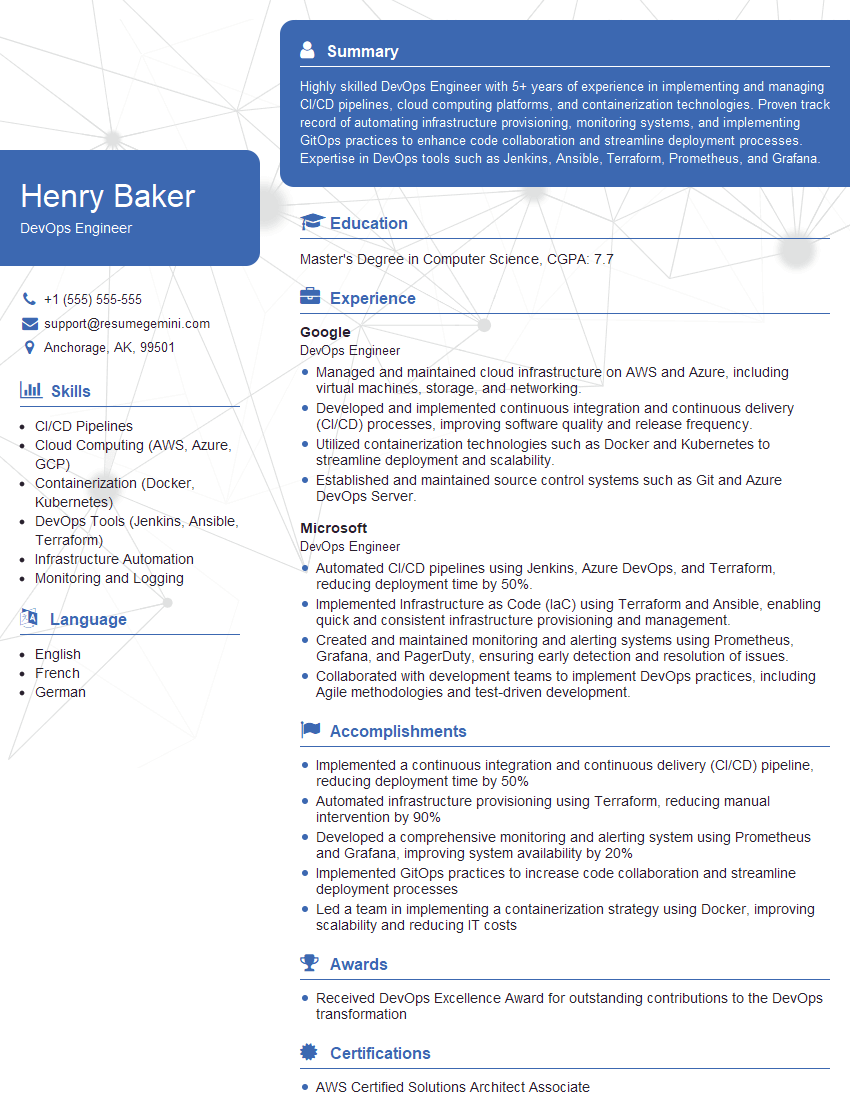
DevOps Engineer Resume Sample
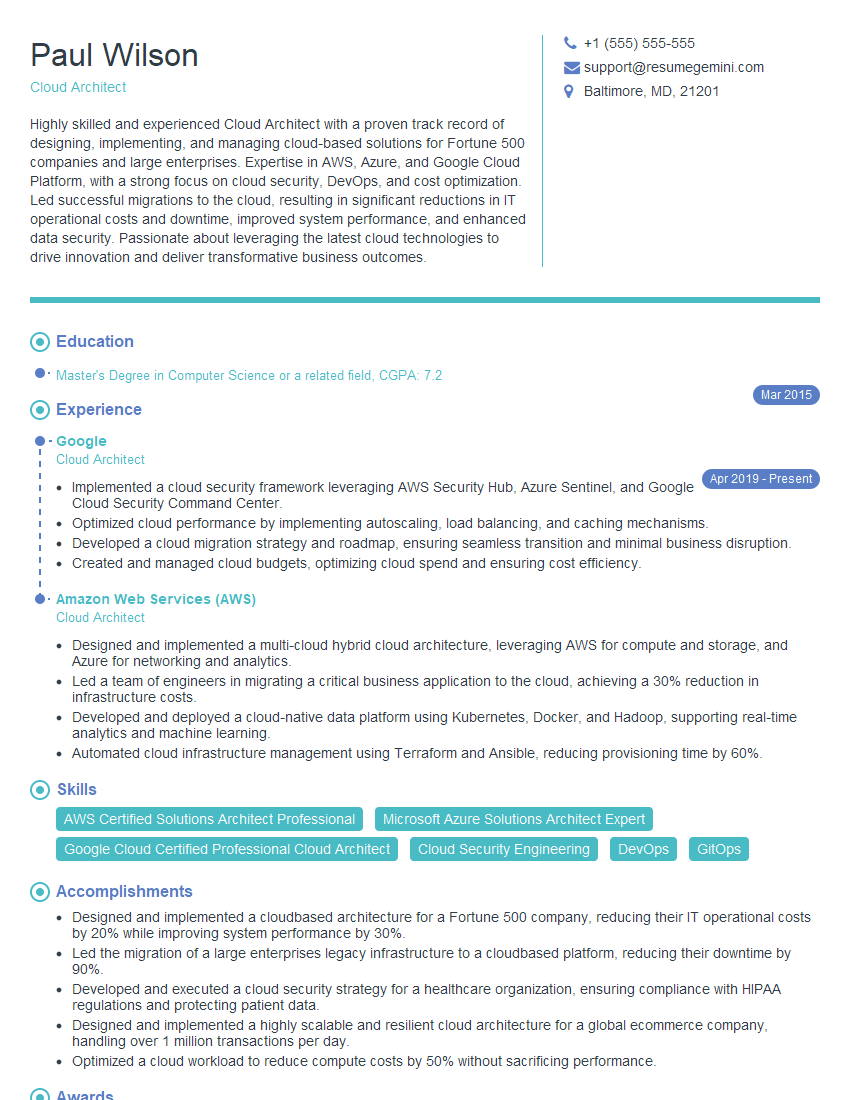
Cloud Architect Resume Sample
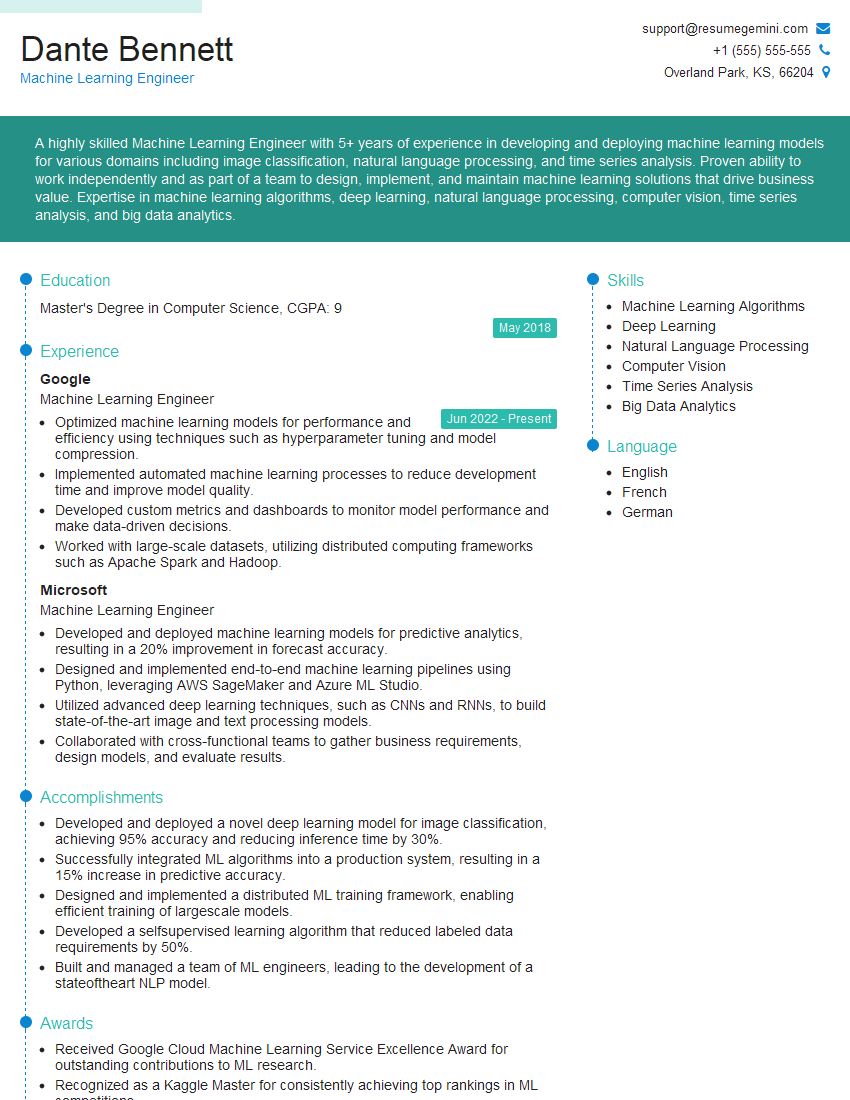
Machine Learning Engineer Resume Sample
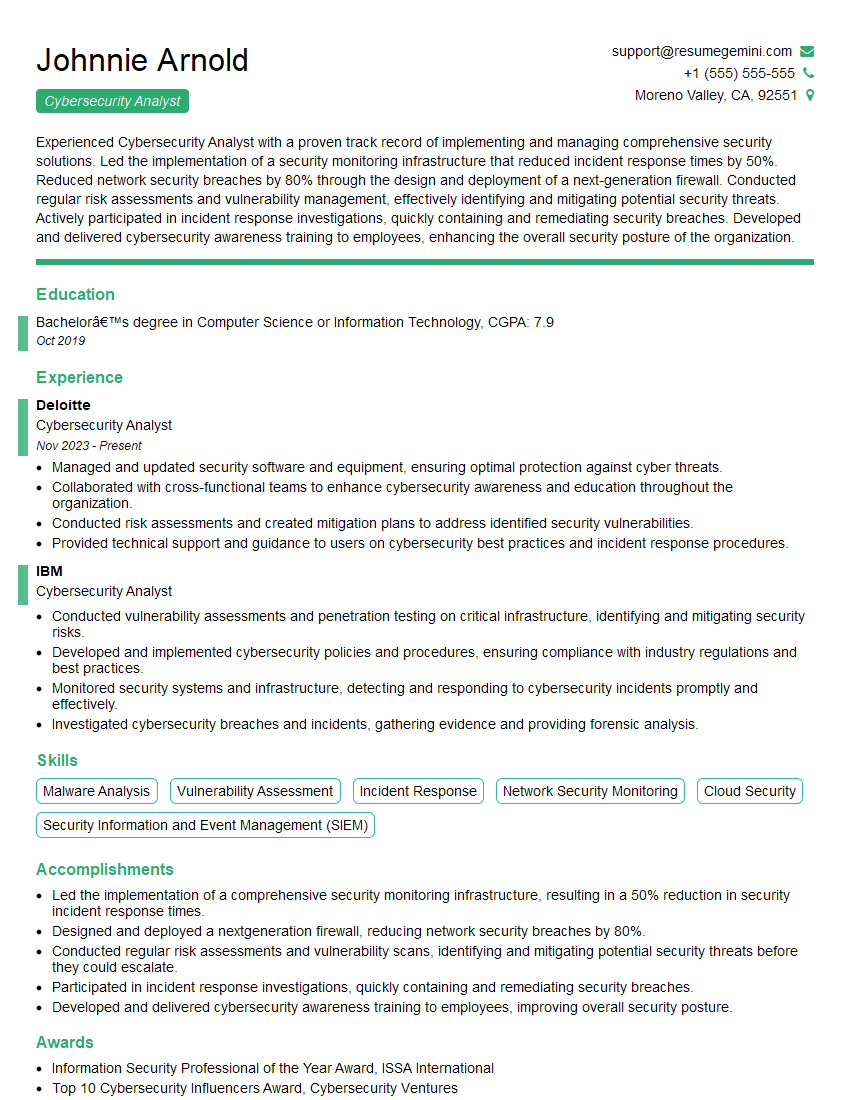
Cybersecurity Analyst Resume Sample
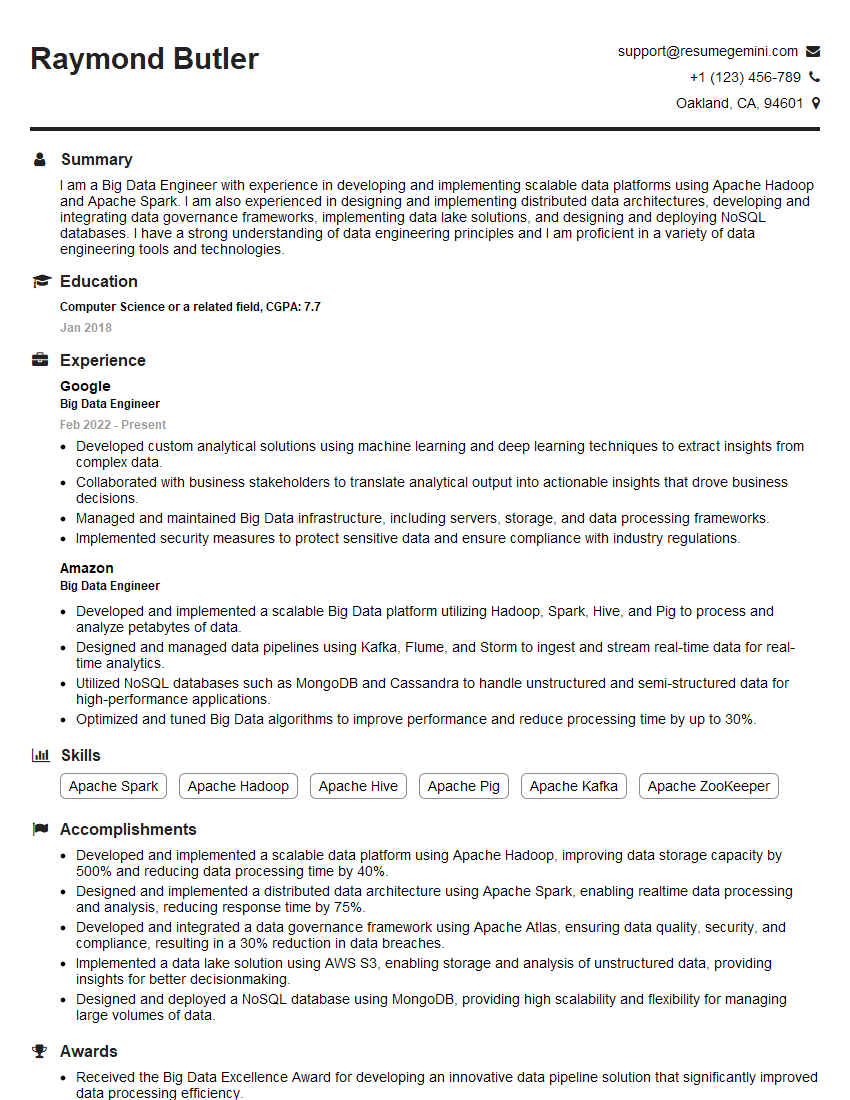
Big Data Engineer Resume Sample
- Data Analyst
- Data Scientist
- Software Engineer
- Information Security Manager
- Network Engineer
- Web Developer
- System Administrator
- IT Project Manager
- Technical Writer
- Full Stack Developer
- IT Support Specialist
- UI/UX Designer
- Database Administrator
- Mobile App Developer
- DevOps Engineer
- Cloud Architect
- Machine Learning Engineer
- Cybersecurity Analyst
- Big Data Engineer
Explore more articles
Users Rating of Our Blogs
Share Your Experience
We value your feedback! Please rate our content and share your thoughts (optional).
What Readers Say About Our Blog
Very informative content, great job.
good