Feeling uncertain about what to expect in your upcoming interview? We’ve got you covered! This blog highlights the most important Conflict Mitigation Strategies interview questions and provides actionable advice to help you stand out as the ideal candidate. Let’s pave the way for your success.
Questions Asked in Conflict Mitigation Strategies Interview
Q 1. Describe your experience in mediating disputes between conflicting parties.
My experience in mediating disputes spans over ten years, encompassing a diverse range of settings, from community-based conflicts to complex workplace disagreements. I’ve successfully mediated disputes involving individuals, teams, and even entire organizations. My approach emphasizes active listening, empathy, and a collaborative spirit. I believe in creating a safe space where all parties feel heard and understood, fostering an environment conducive to finding mutually acceptable solutions. A key aspect of my work is to remain neutral and impartial, guiding the parties toward their own resolution rather than imposing a solution myself. For example, in one case involving a disagreement over project resource allocation within a tech company, I facilitated a series of collaborative workshops that helped the teams involved identify common goals and develop a shared understanding of their respective needs and constraints. This led to a mutually beneficial allocation plan, preventing a prolonged and potentially damaging conflict.
Q 2. Explain your approach to identifying the root causes of conflict.
Identifying the root causes of conflict is crucial for effective resolution. My approach is multifaceted and involves a combination of techniques. First, I conduct thorough individual interviews with all parties involved to gain a comprehensive understanding of their perspectives. This helps uncover underlying issues beyond the immediate symptoms of conflict. Next, I analyze communication patterns and identify recurring themes or disagreements. This often reveals deeper power imbalances or unmet needs. I also carefully examine the context surrounding the conflict – organizational structure, cultural factors, resource scarcity – as these can significantly influence conflict dynamics. Finally, I use a root cause analysis technique, often a fishbone diagram, to visually map out potential contributing factors and pinpoint the underlying causes. For instance, a conflict over deadlines might ultimately stem from unclear project requirements, inadequate resource allocation, or a lack of communication between teams.
Q 3. How do you assess the power dynamics in a conflict situation?
Assessing power dynamics is essential because imbalances can significantly impact conflict resolution. I assess power dynamics by examining several factors: formal authority (e.g., hierarchical position), control over resources (e.g., budget, information), influence over decision-making, access to information and support networks, and the perceived legitimacy of each party’s position. I observe interactions during mediation sessions, noting who speaks more, who interrupts whom, and whose opinions are given more weight. I also consider the broader organizational or societal context, recognizing that certain groups might hold inherent power advantages. Acknowledging power imbalances openly is crucial. For example, in a conflict between a senior manager and a junior employee, it’s important to ensure the junior employee feels safe to express their perspective and that their concerns are taken seriously. Strategies for addressing power imbalances could include providing the less powerful party with more support, promoting greater transparency, or adjusting communication strategies to level the playing field.
Q 4. What conflict resolution models are you familiar with (e.g., collaborative, competitive, etc.)?
I am familiar with a wide range of conflict resolution models, including:
- Collaborative/Integrative: Focuses on finding mutually beneficial solutions that address the needs of all parties. This is often my preferred approach as it fosters long-term relationships.
- Competitive/Distributive: This model focuses on winning and achieving one’s own interests, often leading to a win-lose outcome. While sometimes necessary, I try to avoid this approach unless all other options have been exhausted.
- Compromise/Accommodative: Each party gives up something to reach an agreement. It can be a quick solution but may not fully address underlying issues.
- Avoidance: Ignoring or postponing dealing with the conflict. This is often a short-term solution and can worsen the situation over time.
- Arbitration and Mediation: Involves a neutral third party to facilitate a solution (mediation) or make a decision (arbitration).
My choice of model depends heavily on the specific context of the conflict and the willingness of the parties to engage in collaborative problem-solving.
Q 5. How do you prioritize different stakeholders’ needs during conflict resolution?
Prioritizing stakeholders’ needs during conflict resolution requires a nuanced approach. While there is no one-size-fits-all answer, I employ a framework focusing on fairness, equity, and impact. I start by identifying all stakeholders affected by the conflict, both directly and indirectly. I then assess their individual needs, interests, and concerns, giving careful consideration to any power imbalances. Where interests conflict, I work to find solutions that meet as many needs as possible while minimizing harm to others. In some situations, prioritizing immediate needs, such as safety and well-being, is crucial. However, the long-term impact on all stakeholders should be considered. For example, in a layoff situation, while the business needs to protect its bottom line, the needs and well-being of the affected employees must be considered and addressed respectfully and with transparency. Open communication and a sense of fairness are key to minimizing negative impacts and building trust.
Q 6. Explain a situation where you successfully de-escalated a tense conflict.
In a recent incident, a team was intensely divided over a software design choice, leading to heated arguments and stalled progress. The conflict stemmed from differing technical preferences and a lack of communication between the development and design teams. The situation escalated to the point where team members were openly expressing anger and distrust. To de-escalate, I initiated a series of informal meetings. I started by individually speaking to each team member, allowing them to express their frustrations in a safe space. I actively listened, validating their concerns, and focusing on understanding the underlying issues. Following this, I facilitated a collaborative workshop that focused on identifying the core problem—the lack of a unified vision for the software. We worked through brainstorming sessions, fostering mutual respect and encouraging them to build upon each other’s ideas. By the end, the teams had developed a consensus on the design while also acknowledging each other’s expertise and addressing concerns about communication. The project was back on track, and the teams had strengthened their collaborative bonds.
Q 7. Describe your process for developing a conflict resolution strategy.
Developing a conflict resolution strategy is a systematic process:
- Assessment: This includes identifying the parties involved, defining the nature and scope of the conflict, analyzing its underlying causes, and assessing the power dynamics at play.
- Goal Setting: Establishing clear and mutually acceptable goals is critical. These should focus on resolving the underlying issues, restoring relationships, and preventing future conflicts.
- Strategy Selection: Based on the assessment, I choose the most appropriate conflict resolution model(s). This involves considering the preferences and willingness of the parties to collaborate.
- Intervention: This involves implementing the chosen strategy. It might include mediation, facilitation, negotiation, or other appropriate interventions. It is crucial to maintain neutrality and facilitate open communication.
- Evaluation: After the intervention, I evaluate the effectiveness of the strategy in resolving the conflict and preventing future occurrences. This step allows for continuous improvement and refinement of future approaches.
Throughout this process, I emphasize active listening, clear communication, and a focus on building trust and understanding among the conflicting parties.
Q 8. How do you handle situations where parties are unwilling to compromise?
Unwillingness to compromise is a common hurdle in conflict resolution. It often stems from deeply held beliefs, perceived power imbalances, or past negative experiences. My approach focuses on understanding the underlying reasons for this resistance. I begin by actively listening to each party, validating their feelings, and acknowledging their perspective, even if I don’t agree with it. This helps build trust and rapport.
Next, I explore the parties’ interests, not just their positions. What are their underlying needs and goals? Often, focusing on interests reveals common ground that wasn’t apparent when only positions were considered. For example, two neighbors arguing over a fence line might be focusing on the line itself (position), but their underlying interests could be privacy and property value (interests). Finding solutions that address interests is more likely to lead to a mutually acceptable outcome.
If compromise remains elusive, I might introduce alternative dispute resolution methods like mediation or arbitration, depending on the context and the parties’ preferences. In some cases, a carefully structured negotiation process with clear guidelines and defined outcomes can help parties find acceptable solutions even when direct compromise feels impossible.
Q 9. What techniques do you use to encourage open communication during conflict?
Open communication is the cornerstone of effective conflict resolution. To encourage it, I use several techniques. First, I establish a safe and neutral environment where everyone feels comfortable expressing their thoughts and feelings without fear of judgment or retribution. This often involves setting ground rules for respectful dialogue and active listening. I might even use a structured communication format, like a round-robin where everyone gets a chance to speak without interruption.
Secondly, I utilize active listening techniques, such as paraphrasing and reflecting, to show that I understand each party’s perspective. I ask clarifying questions to ensure I grasp the nuances of their concerns and avoid making assumptions. I also use empathy to understand their emotional state, which often helps to de-escalate tension. For instance, instead of saying, “I don’t understand why you’re so upset,” I might say, “It sounds like this situation has been very frustrating for you.”
Finally, I employ various communication tools depending on the situation. This might include written communication for complex issues, visual aids to clarify points of contention, or even role-playing to explore different perspectives and potential solutions. The key is to tailor the communication approach to the specific needs and communication styles of the parties involved.
Q 10. How do you manage your own emotions during a challenging conflict resolution process?
Managing my own emotions is crucial in conflict resolution. Difficult conflicts can be emotionally draining and triggering. I use several strategies to maintain composure and objectivity. Self-awareness is key; I constantly monitor my own emotional state, recognizing early signs of stress or frustration. This allows me to take proactive steps to manage my reactions.
Techniques I employ include mindfulness practices, such as deep breathing exercises, to center myself during tense moments. I also regularly engage in self-care activities outside of work to maintain a healthy emotional balance. This includes exercise, spending time in nature, and engaging in hobbies that bring me joy. It’s crucial to recognize that maintaining emotional neutrality doesn’t mean suppressing feelings; it’s about managing them effectively so they don’t interfere with my ability to facilitate a productive resolution.
Finally, if I feel overwhelmed or unable to manage my emotions effectively, I don’t hesitate to seek support from colleagues or supervisors. Supervisory support provides a valuable check and keeps my objectivity sharp, resulting in more fruitful resolutions.
Q 11. How do you ensure confidentiality during conflict resolution?
Confidentiality is paramount in conflict resolution. Before starting any process, I clearly outline the limits of confidentiality with all involved parties. This includes explaining what information will be kept confidential, and under what circumstances it may need to be disclosed (e.g., legal mandates, threats of harm). I always obtain informed consent before proceeding.
I maintain strict adherence to confidentiality protocols throughout the process. This includes securing all documents and electronic communications, and avoiding discussions about the conflict outside of the designated context. I also avoid mentioning specific details to colleagues or others, even in generalized terms, that might inadvertently compromise the confidentiality of the individuals involved. If I am working within an organization, I will adhere to any established confidentiality policies.
Finally, I ensure that any records kept are securely stored and accessed only by authorized personnel. It is imperative that parties trust the confidentiality of the process to be open and honest in their communications.
Q 12. How do you facilitate collaborative problem-solving in a conflict situation?
Facilitating collaborative problem-solving requires guiding parties toward a mutually acceptable solution, rather than imposing one. I begin by framing the conflict as a shared problem requiring a collaborative solution, rather than a win-lose scenario. I then help the parties define the problem clearly and concretely, ensuring everyone agrees on the issue to be resolved.
Next, I encourage brainstorming sessions to generate a wide range of possible solutions. This stage involves fostering a creative and inclusive environment where everyone feels comfortable contributing ideas, even unconventional ones. I use techniques like ‘mind mapping’ or ‘lateral thinking’ to help broaden the scope of possibilities.
Once a range of options is generated, we evaluate them based on criteria agreed upon by all parties. This ensures everyone is invested in the decision-making process. We also identify potential obstacles and proactively develop strategies to overcome them. Finally, we develop a clear action plan, assigning responsibilities and establishing timelines for implementing the chosen solution.
Q 13. How do you measure the success of a conflict resolution intervention?
Measuring the success of a conflict resolution intervention requires a multi-faceted approach. There’s no single metric; success depends on the specific context and goals. I use several indicators to assess effectiveness.
Firstly, I assess the level of agreement reached among the parties. Did they reach a mutually acceptable solution? Was the agreement implemented effectively? Secondly, I evaluate the degree to which the parties’ needs and interests were addressed. Did the outcome lead to satisfaction and improved relationships? Qualitative data, such as feedback from the parties involved, provides crucial insights into their experiences and perceptions of the process.
Thirdly, I look at long-term impacts. Did the intervention create sustainable change, preventing future recurrences of the conflict? I might follow up with the parties after a period of time to assess the lasting effects of the intervention. These follow-ups allow for gathering crucial data about the long-term impact of the resolution. Finally, using both quantitative data (e.g. surveys) and qualitative data (e.g. interviews) provide a balanced perspective on the success of the resolution.
Q 14. Describe your experience with restorative justice practices.
Restorative justice practices focus on repairing harm caused by conflict and involving all affected parties in the process. My experience includes facilitating restorative circles, where parties come together in a structured setting to discuss the impact of the conflict, express their feelings, and collaboratively develop solutions.
I’ve found that these practices are particularly effective in situations involving interpersonal conflicts, bullying, or community disputes. They empower participants to take ownership of their actions and contribute to finding restorative solutions. For instance, I facilitated a restorative circle for a workplace dispute between two colleagues. Through guided conversation, they were able to identify the root causes of their conflict, understand each other’s perspectives, and develop a plan for moving forward that included improved communication strategies and a commitment to mutual respect.
While restorative justice requires careful planning and skilled facilitation, its emphasis on healing and reconciliation can lead to more meaningful and sustainable resolutions than traditional adversarial approaches. The focus is not just on punishment but on repairing relationships and restoring a sense of community.
Q 15. How do you adapt your conflict resolution approach to different cultural contexts?
Adapting conflict resolution to different cultural contexts is crucial for effective mediation. It’s not a one-size-fits-all approach. My strategy involves understanding the cultural nuances that might influence communication styles, conflict expression, and preferred resolution methods. For example, in some cultures, direct confrontation is acceptable, while in others, it’s considered highly disrespectful. I begin by researching the relevant cultural backgrounds of the individuals involved. This might include understanding their communication styles – are they high-context (relying heavily on nonverbal cues) or low-context (explicit and direct)? Do they prefer collaborative or competitive approaches to conflict? I also consider power dynamics and social hierarchies within those cultures. A mediator’s role might be different in a hierarchical society compared to a more egalitarian one. Finally, I adapt my communication style to be culturally sensitive, showing respect for their values and beliefs throughout the process. For instance, I might choose a more indirect approach in a high-context culture, ensuring I build rapport and trust before directly addressing the conflict.
For example, in a mediation involving individuals from a collectivist culture, I would focus on preserving group harmony and finding solutions that benefit the community as a whole, rather than solely focusing on individual gains. Conversely, in an individualistic culture, I would emphasize individual rights and autonomy when facilitating a resolution.
Career Expert Tips:
- Ace those interviews! Prepare effectively by reviewing the Top 50 Most Common Interview Questions on ResumeGemini.
- Navigate your job search with confidence! Explore a wide range of Career Tips on ResumeGemini. Learn about common challenges and recommendations to overcome them.
- Craft the perfect resume! Master the Art of Resume Writing with ResumeGemini’s guide. Showcase your unique qualifications and achievements effectively.
- Don’t miss out on holiday savings! Build your dream resume with ResumeGemini’s ATS optimized templates.
Q 16. How do you handle conflicts involving high-stakes decisions?
High-stakes conflicts require a structured and methodical approach. My strategy involves first clearly defining the issues at stake and identifying all involved parties’ interests and concerns. I often use a framework like interest-based negotiation, which focuses on understanding the underlying needs and motivations of each party rather than just their stated positions. This helps to identify common ground and potential compromises. Furthermore, I ensure all parties have access to relevant information and resources. Transparency is key to building trust in such situations. I might employ techniques like brainstorming or mediation to facilitate a collaborative solution. However, I would also prepare for the possibility of needing to make difficult decisions if a consensus cannot be reached. In cases where the stakes are extremely high (e.g., significant financial implications or legal repercussions), involving legal counsel or other experts might be necessary.
For instance, in a high-stakes business negotiation where the potential loss or gain is considerable, I would carefully document all agreements and ensure that each party understands and accepts the terms before finalizing any decision. A clear written agreement, meticulously outlining responsibilities, timelines, and consequences, is essential to prevent future conflicts.
Q 17. Explain your understanding of different conflict styles.
Understanding conflict styles is fundamental to effective conflict resolution. Several models exist, but a common one categorizes styles based on assertiveness (concern for self) and cooperativeness (concern for others). These include:
- Competing: High assertiveness, low cooperativeness. Individuals prioritize their own needs above others, often using aggressive tactics.
- Accommodating: Low assertiveness, high cooperativeness. Individuals prioritize the other party’s needs over their own, often yielding to avoid conflict.
- Avoiding: Low assertiveness, low cooperativeness. Individuals withdraw from the conflict, postponing resolution or hoping it will disappear.
- Compromising: Moderate assertiveness and cooperativeness. Individuals seek a middle ground, where each party makes concessions.
- Collaborating: High assertiveness, high cooperativeness. Individuals seek a win-win solution, working together to find a mutually satisfactory outcome.
Recognizing these styles helps predict how individuals might behave during a conflict and enables me to adapt my approach accordingly. For example, when dealing with someone exhibiting a competing style, I might focus on de-escalating the situation and fostering a collaborative environment.
Q 18. Describe a time when a conflict resolution attempt failed and what you learned from it.
In a past mediation attempt between two departments in a company, I focused too heavily on finding a quick compromise, overlooking the underlying causes of the conflict. Both departments were struggling with resource allocation, and while the compromise addressed the immediate issue, it failed to address the root problem of uneven resource distribution. Consequently, the conflict resurfaced a few months later. The failure taught me the importance of thorough needs assessment and focusing not just on immediate symptoms, but on long-term solutions addressing the root causes of the problem. I now place much more emphasis on identifying underlying interests and values before focusing on immediate solutions. A thorough understanding of each party’s underlying needs ensures that the solution is sustainable and prevents future conflict.
Q 19. How do you build trust with parties involved in a conflict?
Building trust is paramount in conflict resolution. It starts with demonstrating empathy and understanding. I actively listen to all parties involved, ensuring each feels heard and valued. I avoid judgmental language and create a safe space for open and honest communication. I also focus on building rapport through active listening and mirroring techniques. This involves reflecting back what I’ve heard to ensure accuracy and demonstrate my understanding of their perspectives. Maintaining confidentiality is also crucial; I ensure all parties feel safe sharing their concerns without fear of repercussions. Transparency and fairness in the process further strengthen trust. Finally, consistency in my actions, upholding my commitments and acting with integrity, contribute greatly to building and maintaining trust among the parties involved.
Q 20. What are your strategies for preventing future conflicts?
Preventing future conflicts requires a proactive approach. Implementing clear communication protocols and establishing regular channels for feedback are crucial. This allows for early identification and resolution of potential issues before they escalate into full-blown conflicts. Providing adequate training on conflict resolution skills to all employees can empower them to handle disagreements constructively. Establishing clear guidelines and procedures for decision-making and resource allocation minimizes ambiguity and reduces the potential for misunderstandings. Regular team-building activities can improve relationships and foster a more collaborative work environment. Finally, periodic review of existing processes and policies can identify areas of potential conflict and allows for adjustments to be made to mitigate these risks proactively. This preventative approach is often more efficient and cost-effective than reacting to conflicts after they occur.
Q 21. How do you handle conflicts involving multiple parties with differing interests?
Conflicts with multiple parties and differing interests demand a structured approach. I begin by identifying all stakeholders and their respective interests. I utilize techniques like stakeholder mapping to visually represent the relationships and power dynamics involved. Next, I facilitate open communication, creating a space for all parties to express their perspectives without interruption. I might use methods like facilitated discussions or structured brainstorming sessions to encourage collaborative problem-solving. I also help parties identify common ground, focusing on shared goals and interests. Where necessary, I employ mediation or negotiation techniques to help parties find mutually acceptable compromises. Prioritizing transparency, consistency, and fairness throughout the process is vital in building consensus and finding a solution acceptable to all or most involved parties. If a complete consensus proves impossible, I work to find a solution that satisfies the needs of the majority while acknowledging the concerns of the minority.
Q 22. How do you balance the needs of individuals and the organization during conflict resolution?
Balancing individual needs with organizational goals during conflict resolution is a delicate act of negotiation. It’s about finding a solution that’s not only fair to all parties involved but also aligns with the overall objectives and values of the organization. Think of it like a tightrope walk – you need to maintain equilibrium.
My approach involves a multi-step process. First, I actively listen to understand each individual’s perspective, needs, and concerns. I then identify the points of convergence and divergence between individual needs and organizational goals. For example, an employee might be upset about a perceived unfair workload, while the organization needs to meet a tight deadline. Instead of dismissing either side, I explore options that address both. Perhaps we can redistribute tasks more equitably, or provide additional resources to meet the deadline without compromising individual well-being. This might involve seeking additional assistance, adjusting deadlines, or implementing new workflow processes. The key is collaborative problem-solving, emphasizing win-win outcomes wherever possible. Documentation is crucial, both for transparency and to ensure compliance with organizational policies. Finally, I follow up to ensure the resolution is effective and sustainable.
Q 23. How do you deal with aggressive or manipulative behavior during a conflict?
Dealing with aggressive or manipulative behavior requires a firm yet empathetic approach. Safety is paramount. If the behavior escalates to threats or violence, I will immediately involve security or relevant authorities. My strategy focuses on de-escalation, setting clear boundaries, and redirecting the conversation towards constructive dialogue.
I utilize techniques like active listening to validate their feelings while calmly but firmly stating that aggressive or manipulative tactics are unacceptable. For example, if someone is interrupting constantly, I might say something like, “I understand you’re feeling strongly about this, and I want to hear your perspective. To ensure everyone has a chance to speak, let’s each take turns sharing our thoughts.” I might also reframe their aggressive statements into more neutral language, helping to diffuse the tension. If the behavior persists, I might need to involve HR or a mediator, and potentially implement disciplinary measures according to organizational policies.
Q 24. Explain your experience with using technology to support conflict resolution.
Technology plays an increasingly significant role in conflict resolution. I’ve extensively used various platforms and tools to facilitate communication, document discussions, and track progress. For instance, I’ve used secure online platforms for virtual mediation sessions, allowing geographically dispersed parties to participate. These platforms often include features like screen sharing for document review and private messaging for sensitive communications.
I’ve also used project management software to document conflict resolution processes, including meeting minutes, agreements, and action items. This ensures transparency and accountability, while also providing a central repository for future reference. Furthermore, data analytics tools can reveal patterns in conflicts, helping organizations identify root causes and implement preventative measures. For example, analyzing employee feedback surveys might uncover recurring issues related to workload or management styles that can be addressed proactively to reduce future conflicts.
Q 25. Describe your familiarity with legal aspects related to conflict resolution (if applicable).
While I’m not a lawyer, I possess a strong understanding of the legal aspects related to conflict resolution. My knowledge encompasses areas like employment law, contract law, and discrimination laws, particularly as they pertain to workplace conflicts. I’m familiar with the legal implications of different conflict resolution approaches, such as mediation and arbitration, and understand the importance of ensuring all processes are conducted fairly and ethically. I always advise parties to seek independent legal counsel if necessary, particularly when dealing with complex legal issues beyond my expertise. My focus is on facilitating a constructive resolution within the bounds of the law, ensuring that any agreement reached respects legal rights and obligations.
Q 26. How do you effectively communicate complex information to diverse audiences during conflict?
Communicating complex information to diverse audiences requires careful planning and tailoring of the message. I start by identifying the key issues and the different perspectives of the audience. This involves understanding their levels of understanding, cultural backgrounds, and communication styles. I then simplify the information, avoiding technical jargon wherever possible and using clear, concise language. Visual aids, such as flowcharts or diagrams, can be highly effective in clarifying complex concepts.
For example, when explaining a complex contractual dispute, I might use a timeline to illustrate the key events or a diagram to visually represent the contractual obligations. I also actively check for understanding throughout the communication process, asking clarifying questions and summarizing key points to ensure everyone is on the same page. Active listening is crucial; I adapt my communication style to ensure inclusivity and respect for all participants. Depending on the situation, I might use different communication channels, such as written reports, presentations, or informal meetings, to optimize communication effectiveness.
Q 27. How do you manage conflict resolution within a team setting?
Managing conflict within a team setting requires a proactive and collaborative approach. Prevention is key – fostering a culture of open communication, trust, and mutual respect can significantly reduce conflicts. However, when conflicts do arise, I encourage team members to address them directly and respectfully.
My approach often involves facilitating team meetings where individuals can express their concerns in a safe and structured environment. I use active listening and mediation techniques to help the team understand each other’s perspectives and identify common goals. I encourage the team to collaboratively develop solutions that address everyone’s concerns and support the team’s overall objectives. If the conflict involves serious interpersonal issues, I may offer individual coaching or recommend involving HR or a professional mediator. The goal is to ensure the team can resolve conflict effectively on their own in the future, strengthening teamwork and communication.
Q 28. What are some ethical considerations in conflict resolution?
Ethical considerations are paramount in conflict resolution. Maintaining impartiality and fairness is crucial. I must avoid taking sides or showing favoritism towards any party. Confidentiality is also paramount – information shared during the conflict resolution process must be kept private unless legally required to be disclosed.
Respect for individual autonomy is essential; I must ensure all parties feel empowered to make their own decisions, free from coercion or undue influence. Transparency is key – all parties should be fully informed about the process and their rights. Finally, I must adhere to all relevant legal and ethical guidelines, ensuring that the process is conducted ethically and professionally. This might involve considering issues of power imbalances between participants and ensuring fairness across cultural differences.
Key Topics to Learn for Conflict Mitigation Strategies Interview
- Understanding Conflict Dynamics: Explore different conflict styles (e.g., avoiding, accommodating, competing, compromising, collaborating) and their effectiveness in various situations. Analyze the root causes of conflict and identify contributing factors.
- Communication & Active Listening: Master techniques for effective communication during conflict, including active listening, empathy, and non-violent communication. Practice clarifying misunderstandings and managing emotional responses.
- Negotiation & Mediation: Learn various negotiation strategies (e.g., principled negotiation, integrative bargaining) and their application in different contexts. Understand the role of a mediator in facilitating conflict resolution.
- Conflict Resolution Models & Techniques: Familiarize yourself with established models like the Thomas-Kilmann Conflict Mode Instrument (TKI) and practical techniques such as reframing, compromise, and collaborative problem-solving.
- Ethical Considerations in Conflict Mitigation: Explore the ethical implications of various strategies and the importance of fairness, impartiality, and respect for all parties involved.
- Practical Application & Case Studies: Review real-world case studies and scenarios to practice applying conflict mitigation strategies. Analyze successful and unsuccessful resolutions and identify key learning points.
- Cultural Sensitivity & Diversity in Conflict: Understand how cultural differences can influence conflict styles and communication. Learn to adapt strategies to diverse contexts and perspectives.
Next Steps
Mastering Conflict Mitigation Strategies is crucial for career advancement in numerous fields, demonstrating your ability to build strong relationships, navigate complex situations, and drive positive outcomes. A well-crafted resume is your first step to showcasing these skills to potential employers. Creating an ATS-friendly resume is essential for maximizing your job prospects. ResumeGemini is a trusted resource that can help you build a professional and impactful resume tailored to your skills and experience. Examples of resumes specifically designed for showcasing expertise in Conflict Mitigation Strategies are available, further enhancing your job search efforts.
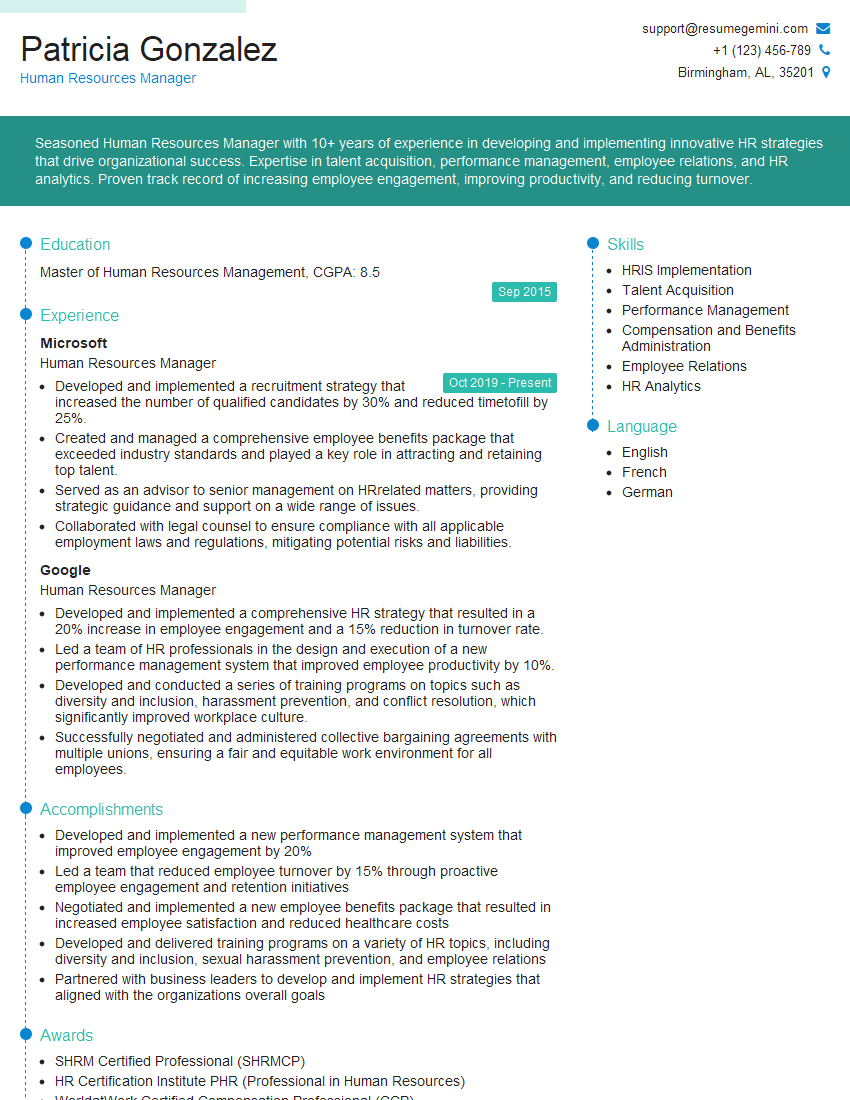
Human Resources Manager Resume Sample
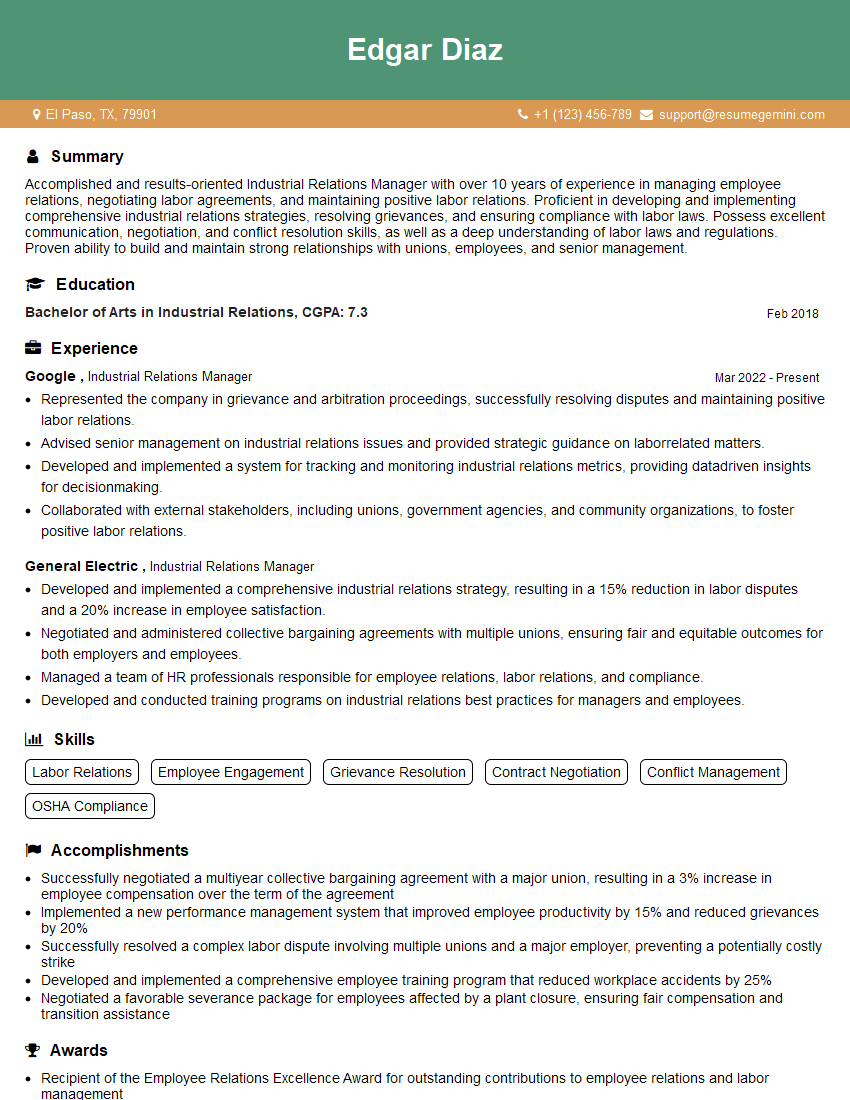
Industrial Relations Manager Resume Sample
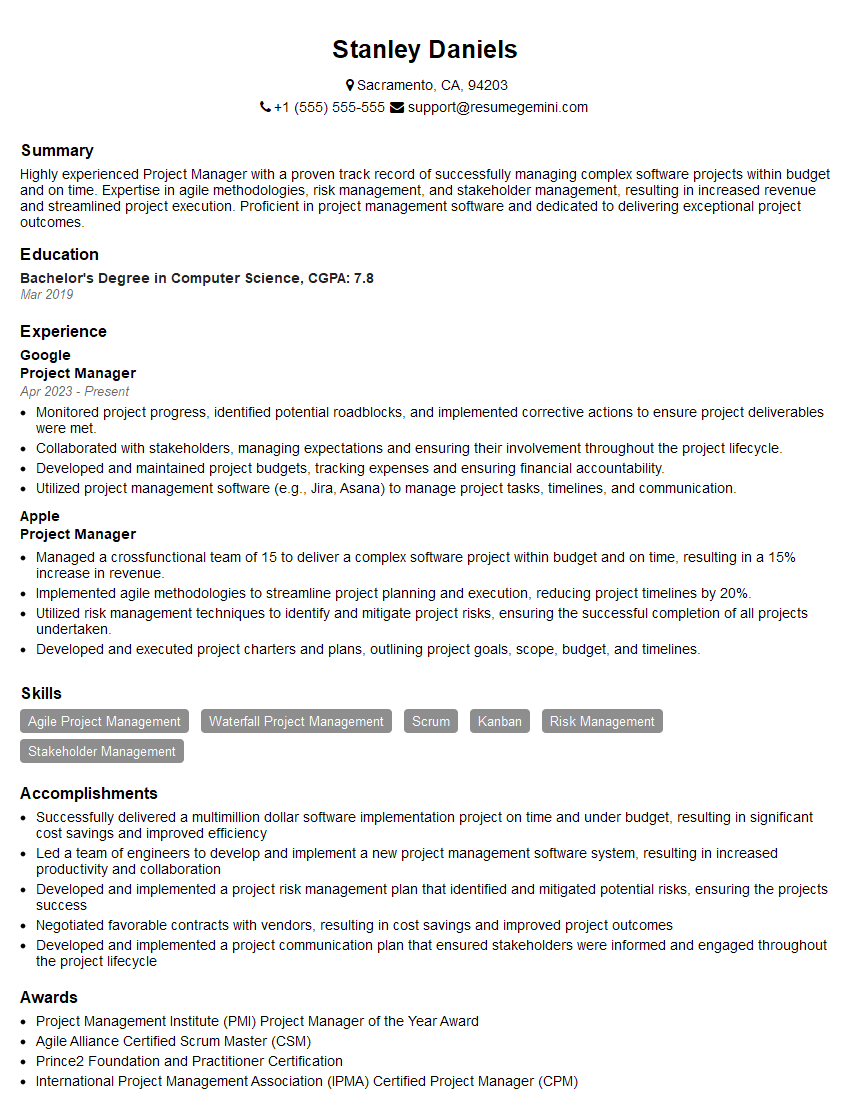
Project Manager Resume Sample
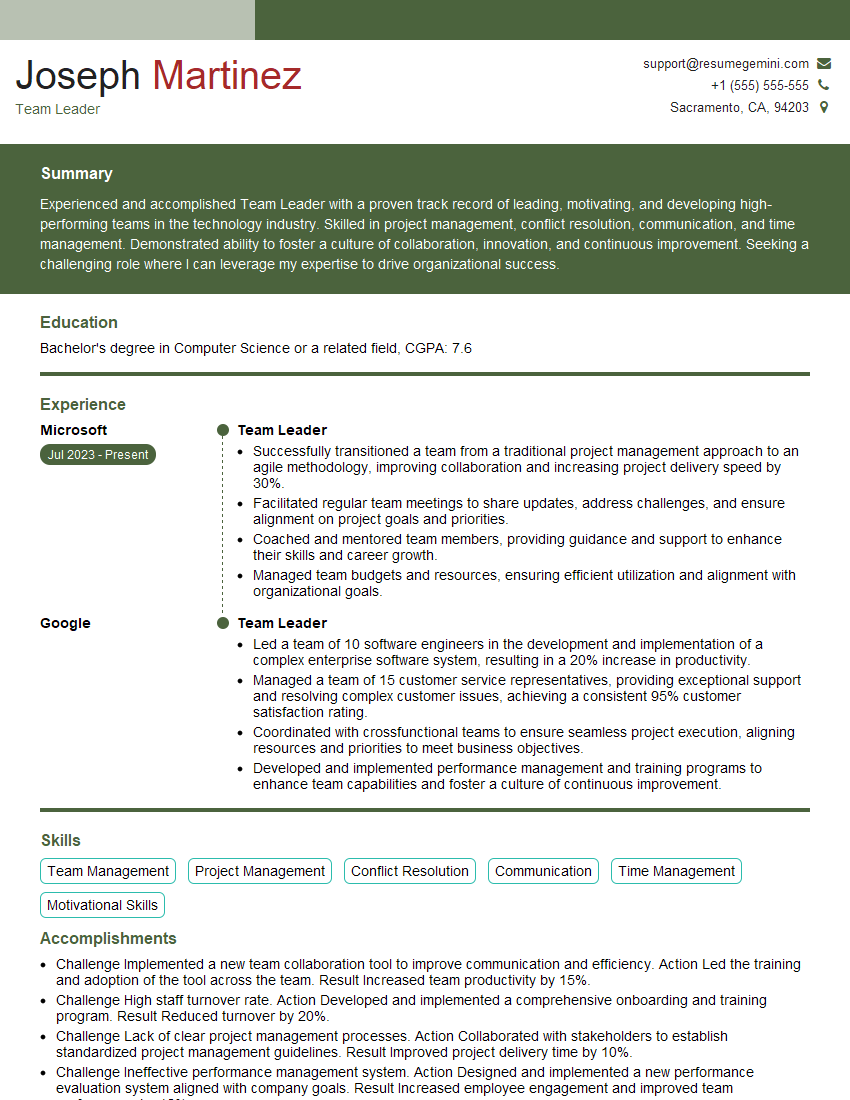
Team Leader Resume Sample
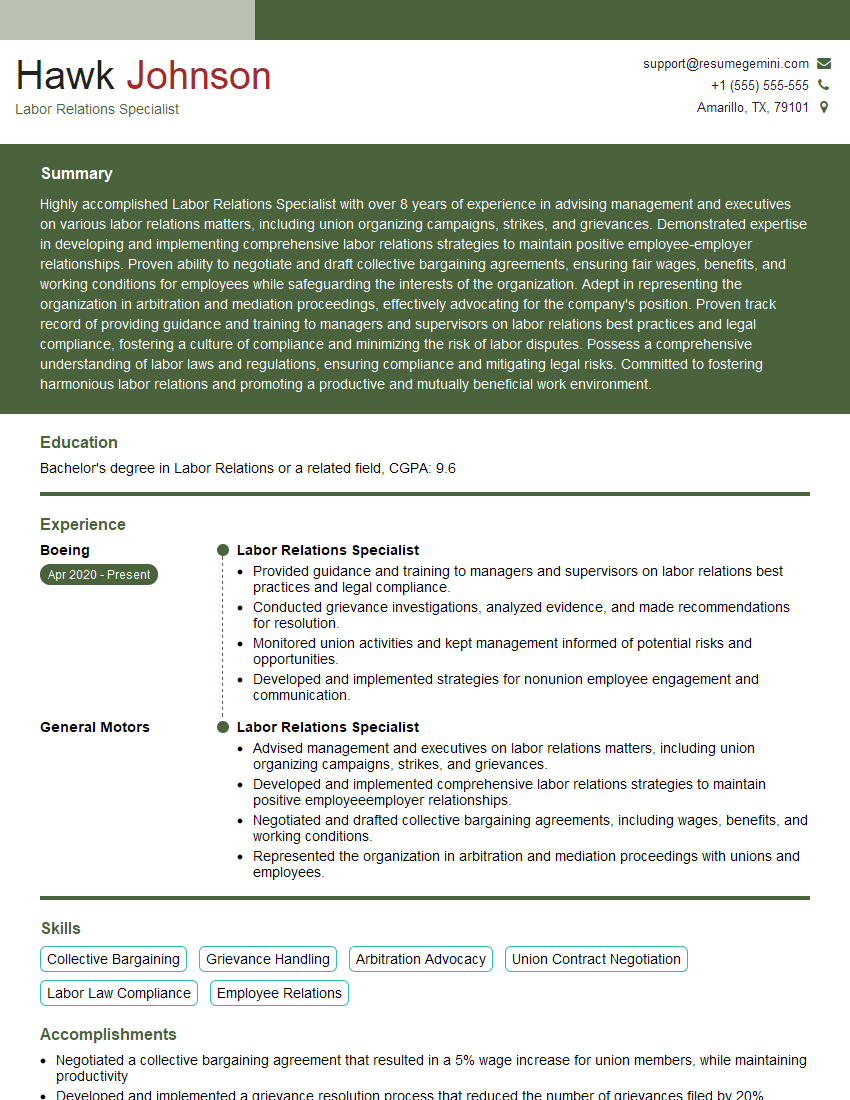
Labor Relations Specialist Resume Sample
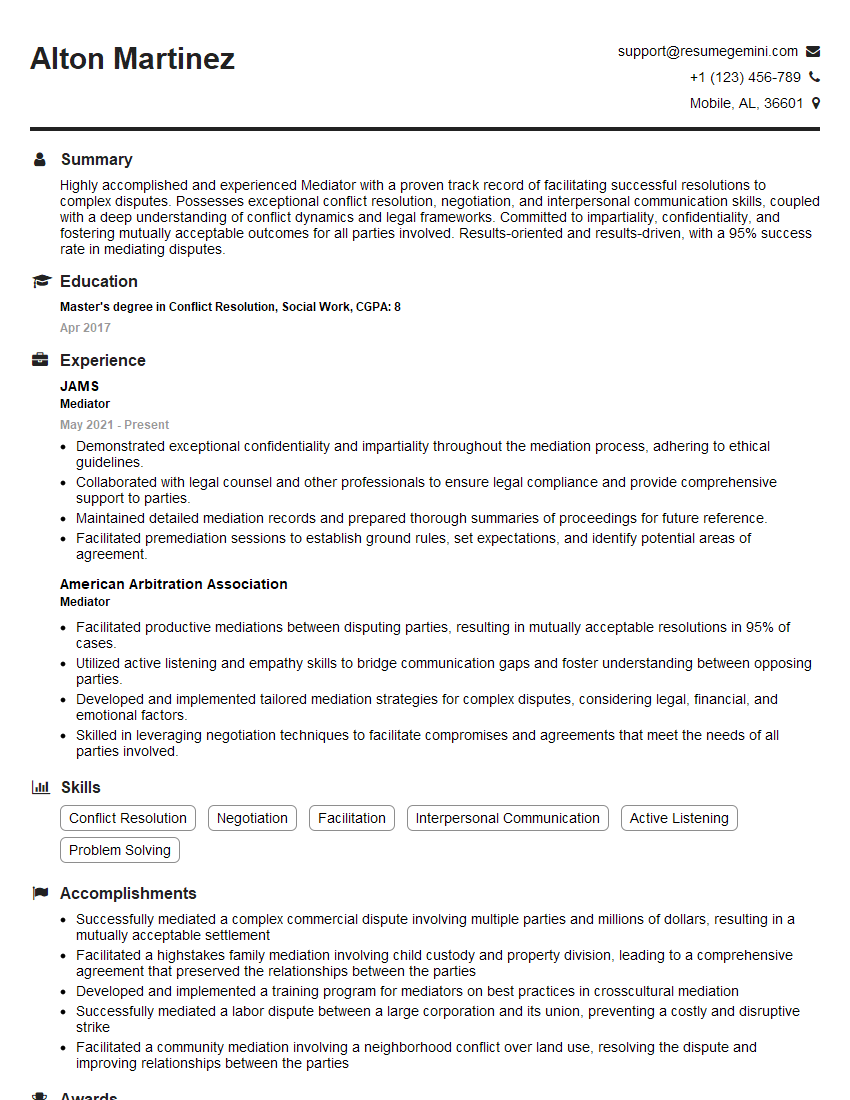
Mediator Resume Sample
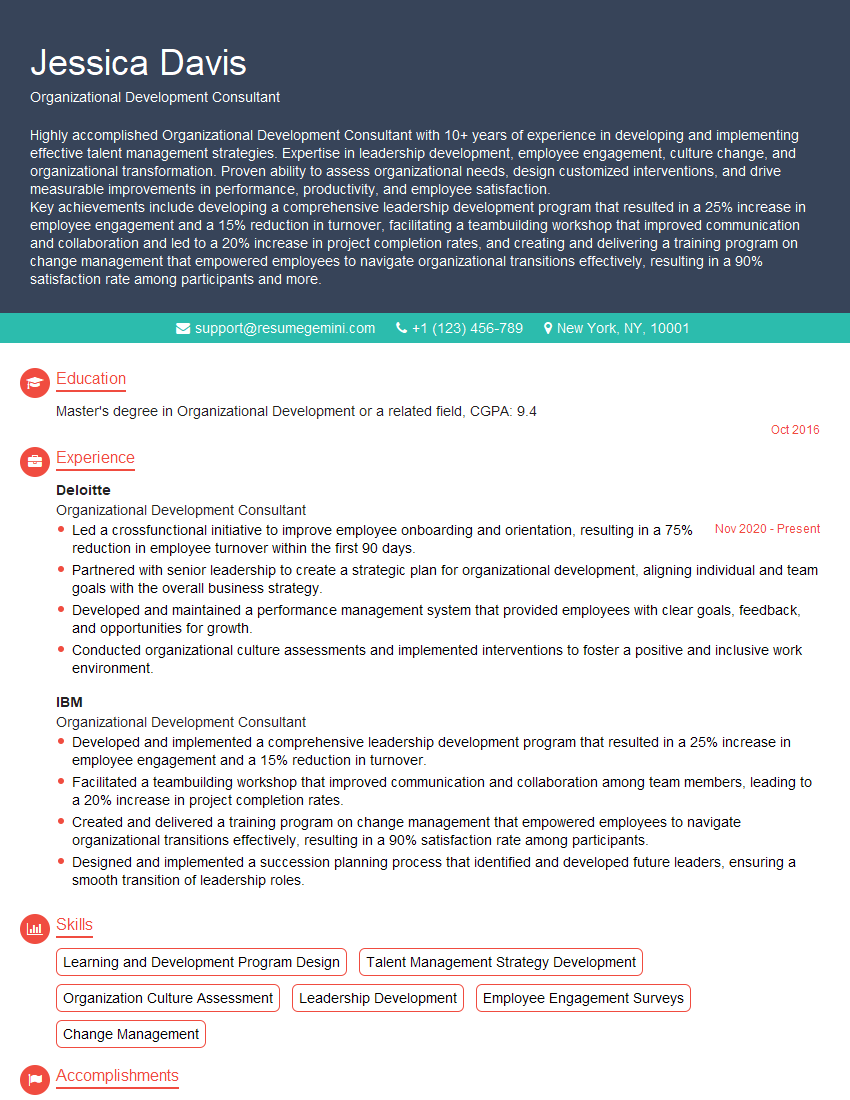
Organizational Development Consultant Resume Sample
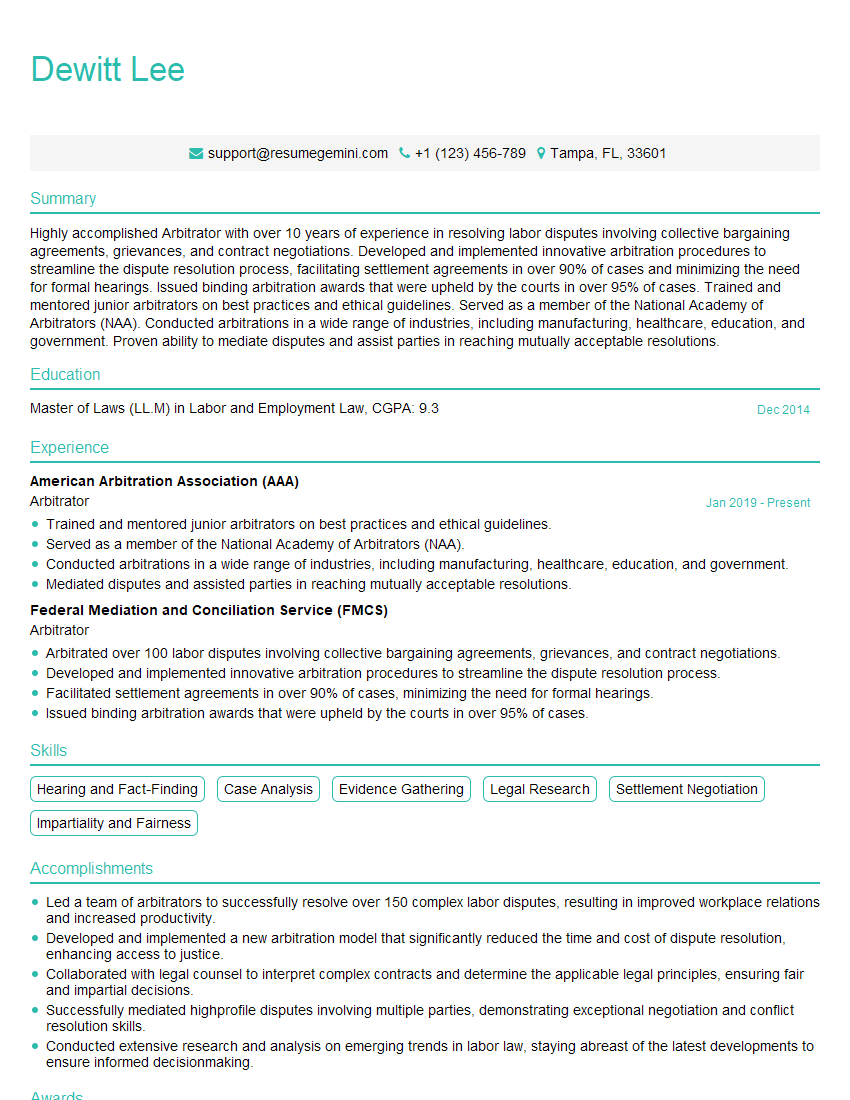
Arbitrator Resume Sample
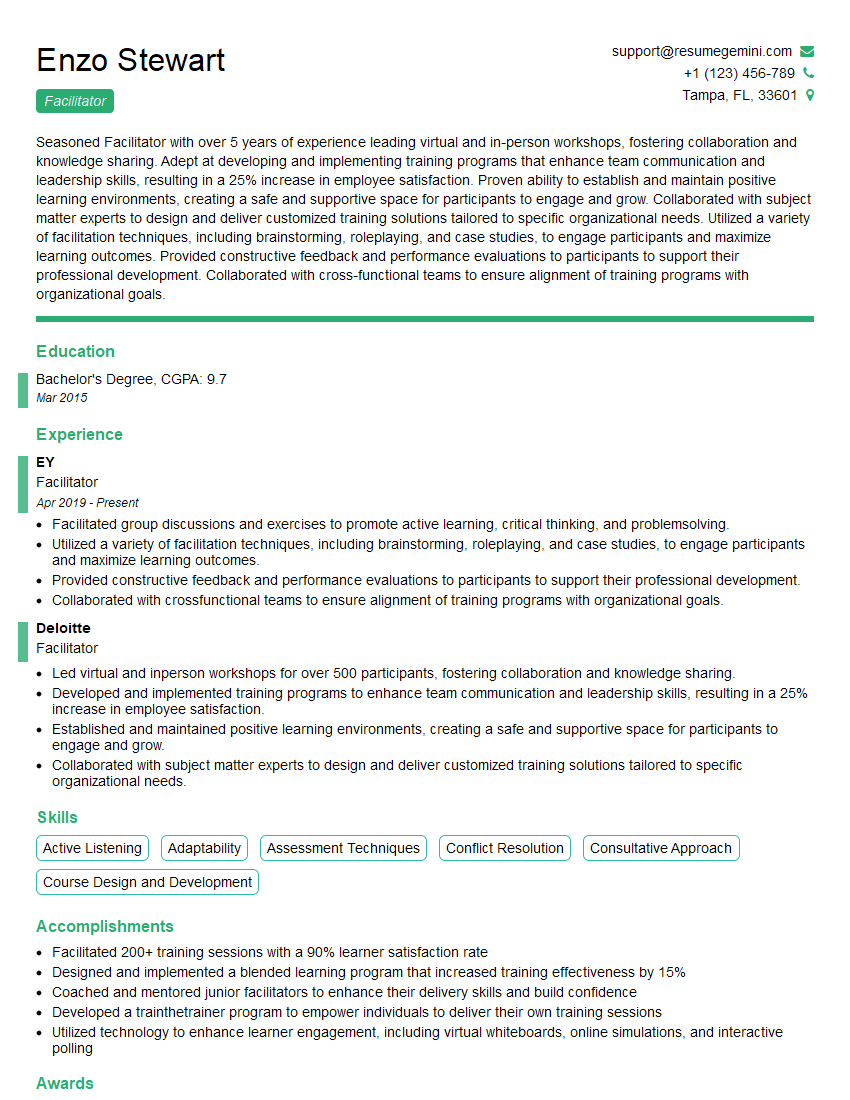
Facilitator Resume Sample
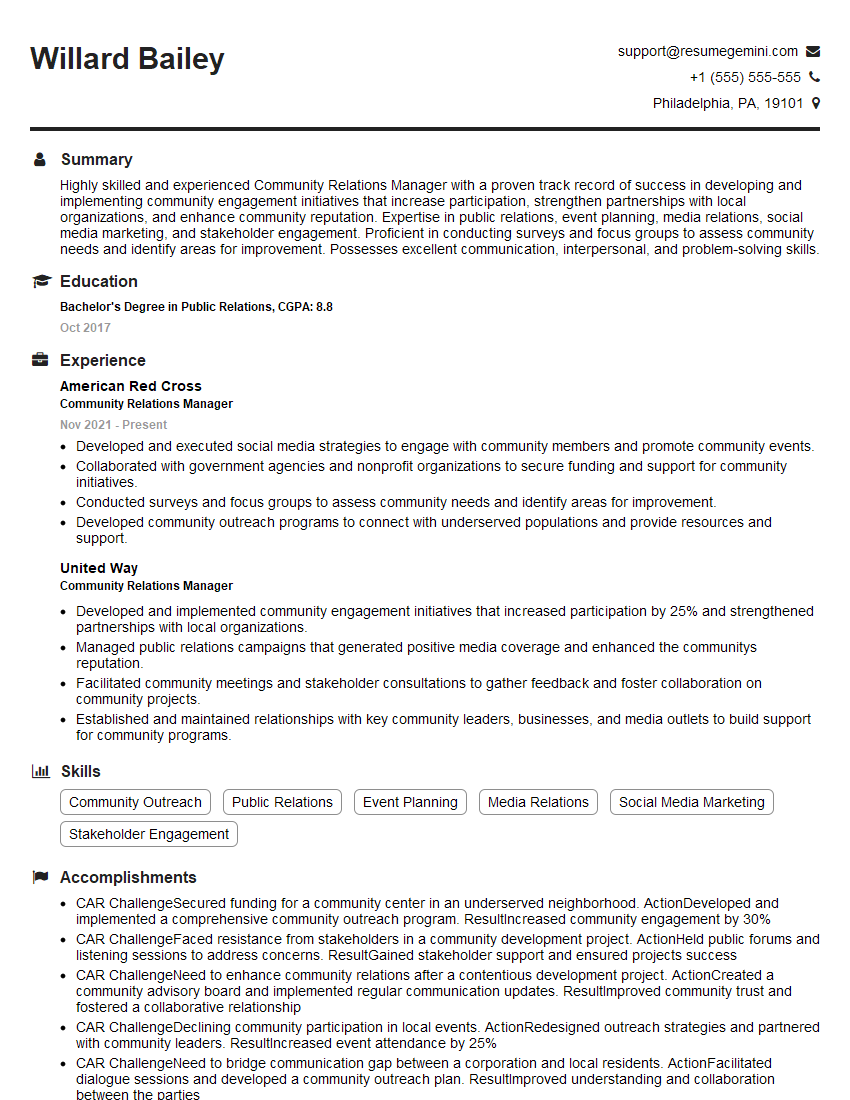
Community Relations Manager Resume Sample
Explore more articles
Users Rating of Our Blogs
Share Your Experience
We value your feedback! Please rate our content and share your thoughts (optional).
What Readers Say About Our Blog
Very informative content, great job.
good