Preparation is the key to success in any interview. In this post, we’ll explore crucial Connection with Audience interview questions and equip you with strategies to craft impactful answers. Whether you’re a beginner or a pro, these tips will elevate your preparation.
Questions Asked in Connection with Audience Interview
Q 1. Describe your approach to understanding a target audience.
Understanding a target audience is the cornerstone of effective communication. My approach is multifaceted and involves a combination of quantitative and qualitative research methods. I begin by identifying the demographics, psychographics, and needs of the audience. This involves analyzing existing data, such as market research reports, customer surveys, and website analytics. This quantitative data provides a broad overview. To gain a deeper understanding, I conduct qualitative research through focus groups, interviews, and ethnographic studies. This helps me understand the audience’s attitudes, beliefs, and motivations on a deeper level. For example, when launching a new software product for small business owners, I wouldn’t just look at their age and income (demographics), but also at their business goals, tech savviness (psychographics), and their biggest pain points (needs). This holistic approach allows me to paint a detailed picture of my audience and tailor my message accordingly.
Q 2. How do you tailor your communication style to different audiences?
Tailoring communication style is crucial for maximizing impact. The key is to adapt your language, tone, and delivery to resonate with the specific audience. For example, when presenting to a group of technical experts, I use precise language and focus on data-driven insights. Conversely, when speaking to a general audience, I utilize simpler language, relatable examples, and focus on the practical benefits. Consider the communication style for a group of teenagers versus a board of directors. The vocabulary, formality, and even the visual aids would dramatically differ. I also adapt my delivery. A formal presentation might necessitate a more structured approach, whereas an informal setting might benefit from a more conversational tone. Ultimately, the goal is to establish a connection and build trust with each audience by speaking their language and addressing their specific needs.
Q 3. Explain a time you successfully built rapport with a skeptical audience.
During a product launch for a new sustainable energy solution, I faced a skeptical audience of investors who were hesitant about the long-term viability of the technology. To build rapport, I started by acknowledging their concerns directly. I presented not just the technical aspects, but also the market analysis and projections showing the growing demand for sustainable solutions. I also shared a case study of a successful pilot project that demonstrated the technology’s efficacy and financial returns. Finally, I ended with a transparent Q&A session where I addressed every question honestly and thoroughly. This demonstrated my expertise and trustworthiness, overcoming their initial skepticism. The result was a significant increase in investment interest.
Q 4. How do you measure the effectiveness of your audience connection strategies?
Measuring the effectiveness of audience connection strategies requires a multi-pronged approach. I use both quantitative and qualitative metrics. Quantitative metrics include audience engagement rates (likes, shares, comments on social media, website traffic, event attendance), survey results, sales figures (if applicable), and feedback forms. Qualitative metrics involve gathering feedback through post-event surveys, focus groups, and individual interviews. These offer insights into audience perceptions, satisfaction levels, and areas for improvement. For example, high engagement rates on social media posts suggest a strong connection, while negative feedback from surveys highlights areas needing attention. Analyzing both types of data allows for a comprehensive understanding of the success of my strategies.
Q 5. What techniques do you use to maintain audience engagement during a presentation?
Maintaining audience engagement during presentations requires a proactive approach. I incorporate a variety of techniques, including interactive elements like polls, Q&A sessions, and group discussions. I use visual aids, like compelling visuals and short videos to keep the audience visually stimulated. Varying my tone and pace helps maintain attention. Telling stories and using humor (appropriately) keeps the presentation relatable and engaging. I also encourage participation through direct questioning and creating a safe space for questions. Finally, I keep the presentation concise and focused, avoiding information overload. Think of a captivating storyteller – they use their voice, body language, and captivating narrative to keep you hooked. The same principles apply to presentations.
Q 6. How do you adapt your message when faced with negative audience feedback?
Negative audience feedback, while challenging, presents an opportunity for improvement. My first step is to listen carefully and understand the source of the negativity. Is it due to a misunderstanding, a flawed message, or a technical issue? Once identified, I adapt my message. This may involve clarifying points of confusion, providing more evidence to support my claims, or acknowledging limitations and addressing concerns directly. Sometimes, I even need to reframe my message entirely based on the feedback. It’s important to respond with empathy and demonstrate a willingness to learn and improve. This approach not only addresses the immediate issue but also builds trust and strengthens the connection with the audience.
Q 7. Describe a situation where you had to overcome a communication barrier to connect with an audience.
During a workshop with a group of international participants, a significant language barrier arose. While I could speak English fluently, some participants were more comfortable in their native languages. To overcome this, I incorporated visual aids such as charts and diagrams that transcended language barriers. I also utilized a translator to ensure accurate communication. This helped to bridge the gap and create an inclusive environment for everyone. Moreover, I encouraged participants to use visual cues or gestures to communicate if needed. This simple yet powerful solution proved effective in fostering a collaborative atmosphere, resulting in a successful workshop despite initial communication challenges.
Q 8. How do you identify and address the needs and expectations of your target audience?
Understanding and meeting audience needs and expectations is paramount for effective communication. It begins with thorough audience research. This involves identifying demographics, psychographics (values, attitudes, lifestyles), and their needs and pain points related to the subject matter. We use a variety of methods:
- Surveys and questionnaires: Gathering quantitative and qualitative data directly from the target audience.
- Focus groups: Facilitated discussions with smaller groups to gain deeper insights.
- Social media listening: Monitoring online conversations and sentiment analysis to understand public perception.
- Competitive analysis: Examining what resonates with audiences engaged with similar content.
Once we’ve gathered this data, we segment our audience into smaller, more homogenous groups with similar characteristics and needs. This allows for tailored messaging and content that truly resonates. For example, if we’re launching a new fitness app, we might segment our audience into beginners, intermediate users, and advanced athletes, each requiring different levels of instruction and motivation.
Q 9. How do you use storytelling to connect with your audience?
Storytelling is a powerful tool for connecting with audiences on an emotional level. People remember and connect with stories far more readily than abstract information. A well-crafted narrative evokes empathy, establishes relatability, and makes complex information more easily digestible. Our approach focuses on:
- Defining a clear narrative arc: A beginning, middle, and end, with a compelling protagonist and a clear conflict to be resolved.
- Using vivid language and imagery: Painting a picture in the audience’s mind to enhance engagement.
- Incorporating emotional elements: Evoking emotions such as joy, sadness, or hope to foster a deeper connection.
- Using relatable characters and situations: Making the story relevant to the audience’s experiences.
For instance, instead of simply stating the benefits of a new software, we might tell the story of a small business owner who used the software to streamline their operations and achieve significant growth. This makes the software’s benefits far more tangible and memorable.
Q 10. How do you utilize data and analytics to inform your audience connection strategies?
Data and analytics are essential for measuring the effectiveness of our audience connection strategies and informing future efforts. We track key metrics across various platforms to understand what’s working and what’s not. This includes:
- Website analytics (Google Analytics): Tracking website traffic, bounce rate, time on page, and conversion rates.
- Social media analytics: Monitoring engagement metrics like likes, shares, comments, and reach.
- Email marketing analytics: Tracking open rates, click-through rates, and unsubscribe rates.
- A/B testing: Experimenting with different versions of content to identify what resonates best with the audience.
For example, if we notice a significant drop in engagement on a particular social media platform, we might analyze the data to identify the cause and adjust our strategy accordingly. Perhaps the content isn’t relevant, the timing is off, or the platform isn’t the right fit for our target audience.
Q 11. How do you create a sense of community and belonging among your audience?
Building a sense of community is vital for fostering lasting connections with an audience. We facilitate this by:
- Creating interactive content: Encouraging audience participation through polls, quizzes, Q&A sessions, and contests.
- Establishing online forums or groups: Providing a space for audience members to connect with each other and share their experiences.
- Hosting online or offline events: Bringing the audience together in a shared experience.
- Responding promptly and personally to audience comments and feedback: Showing that we value their input and participation.
Think of online gaming communities or dedicated fan groups for particular television shows. These thrive because they offer a sense of belonging and shared interest. We strive to create similar spaces for our audiences, fostering a feeling of connection and mutual support.
Q 12. How do you handle difficult questions or challenging audience members?
Handling difficult questions or challenging audience members requires tact, empathy, and a commitment to respectful dialogue. Our approach involves:
- Acknowledging and validating concerns: Showing that we understand and respect their perspective, even if we don’t agree.
- Responding thoughtfully and honestly: Providing clear and concise answers, even if the answer is “I don’t know.”
- Maintaining a calm and professional demeanor: Avoiding getting defensive or engaging in personal attacks.
- Moderating discussions appropriately: Removing or addressing any comments that are abusive or disruptive.
Sometimes, a difficult question highlights a gap in our communication or a misunderstanding. We use these opportunities to clarify our message and improve our connection with the audience.
Q 13. Explain your approach to active listening and audience engagement.
Active listening and audience engagement are inseparable. Active listening goes beyond simply hearing; it involves truly understanding the audience’s message, both verbal and nonverbal. This requires:
- Paying close attention to both verbal and nonverbal cues: Body language, tone of voice, and facial expressions can convey as much information as words.
- Asking clarifying questions: Ensuring that we understand the audience’s point of view.
- Summarizing and paraphrasing: Confirming our understanding and demonstrating that we are listening actively.
- Showing empathy and understanding: Creating a safe space for the audience to share their thoughts and feelings.
For example, if someone expresses concern during a presentation, I would pause, acknowledge their comment, ask clarifying questions to understand their perspective, and then address their concern directly. This shows respect and demonstrates a genuine interest in their feedback.
Q 14. How do you leverage different communication channels to connect with your audience?
We leverage a multi-channel approach to reach our audience where they are most active. This might include:
- Social media: Utilizing platforms like Twitter, Facebook, Instagram, LinkedIn, and others to share updates, engage in discussions, and build community.
- Email marketing: Sending newsletters, promotional emails, and targeted messages to segmented audience groups.
- Website and blog: Creating valuable content that provides information, answers questions, and drives engagement.
- Podcasts and video: Sharing insights, storytelling, and interactive content through audio and visual mediums.
- In-person events: Hosting workshops, seminars, or conferences to connect directly with the audience.
A strategic blend of channels allows for a more comprehensive reach, ensuring that our message is delivered effectively to the widest possible audience segment.
Q 15. How do you measure audience sentiment and adapt your strategy accordingly?
Measuring audience sentiment is crucial for adapting strategies. It involves systematically assessing how your audience feels about your brand, content, or product. This goes beyond simply tracking likes and shares; it delves into understanding the why behind those interactions.
- Sentiment Analysis Tools: Software can analyze text data from social media, surveys, and reviews to identify positive, negative, or neutral sentiment. For example, tools like Brandwatch or Sprout Social can track mentions of your brand and categorize the sentiment expressed.
- Surveys and Feedback Forms: Direct engagement with your audience through well-designed surveys can provide invaluable qualitative and quantitative data. Open-ended questions allow for richer insights into audience feelings.
- Social Listening: Actively monitoring social media conversations about your brand, industry, and competitors helps you gauge the public mood and identify emerging trends or concerns.
Adapting your strategy involves responding to the sentiment you detect. Negative sentiment might necessitate a course correction, while overwhelmingly positive sentiment could indicate an opportunity to expand or amplify your efforts. For instance, if negative reviews highlight a product defect, a prompt recall and improved product design might be in order. Conversely, high praise for a particular feature might lead to a marketing campaign emphasizing that aspect.
Career Expert Tips:
- Ace those interviews! Prepare effectively by reviewing the Top 50 Most Common Interview Questions on ResumeGemini.
- Navigate your job search with confidence! Explore a wide range of Career Tips on ResumeGemini. Learn about common challenges and recommendations to overcome them.
- Craft the perfect resume! Master the Art of Resume Writing with ResumeGemini’s guide. Showcase your unique qualifications and achievements effectively.
- Don’t miss out on holiday savings! Build your dream resume with ResumeGemini’s ATS optimized templates.
Q 16. What strategies do you employ for building trust and credibility with your audience?
Building trust and credibility is paramount for long-term audience engagement. It’s about fostering a relationship based on transparency, authenticity, and consistent value delivery.
- Transparency and Honesty: Be upfront about your limitations and address any concerns openly and honestly. Acknowledge mistakes and show how you are rectifying them.
- Content Quality: Providing accurate, well-researched, and engaging content demonstrates expertise and commitment to your audience. This builds confidence in your reliability.
- Consistency and Reliability: Regular communication and a predictable posting schedule show commitment and helps audience members know what to expect.
- User-Generated Content: Featuring testimonials, reviews, or user-submitted content can foster a sense of community and add social proof to your credibility.
- Expert Collaboration: Partnering with recognized experts in your field lends credibility to your brand and offerings.
For example, actively responding to comments and questions on social media platforms showcases responsiveness and builds a personal connection. Transparency might involve explaining your decision-making process for a particular initiative. Sharing behind-the-scenes content also humanizes your brand and helps cultivate trust.
Q 17. Describe a time you successfully persuaded a resistant audience.
During a product launch, our initial marketing emphasized technical specifications, which resonated poorly with our target audience—creative professionals who valued ease-of-use and design aesthetics. We initially faced resistance, with low engagement and negative feedback focused on the complexity of the product.
To address this, we shifted our strategy. We produced a series of video tutorials demonstrating how to achieve specific creative goals using the product, highlighting the simplicity and streamlined workflow. We also partnered with influential designers to create visually appealing case studies demonstrating the product’s capabilities. We moved away from technical jargon and focused on the practical benefits and creative outcomes.
This change significantly improved audience reception. Engagement metrics increased dramatically, negative feedback subsided, and sales improved considerably. This experience taught me the importance of truly understanding your audience and tailoring your message to their needs and preferences, rather than simply pushing technical features.
Q 18. How do you use social media to connect with and engage your audience?
Social media is an indispensable tool for connecting with and engaging audiences. It allows for two-way communication, fosters community building, and facilitates targeted outreach.
- Platform Selection: Choose platforms relevant to your target audience. For example, LinkedIn might be ideal for a professional audience, while Instagram might be more suitable for a younger, visually-driven demographic.
- Content Strategy: Create diverse content formats—images, videos, articles, polls, and stories—to cater to different consumption habits and preferences.
- Community Engagement: Actively participate in conversations, respond to comments and messages, and host live Q&A sessions to foster a sense of community.
- Targeted Advertising: Utilize social media advertising to reach specific demographics and interests, enhancing the effectiveness of your outreach.
- Data Analytics: Use platform analytics to track engagement, identify successful content, and refine your strategy based on performance data.
For instance, running a contest on Instagram can boost engagement and expand your reach. Sharing behind-the-scenes content on Twitter creates a more personal connection. Utilizing Facebook groups can foster dedicated communities around your brand.
Q 19. What are some common pitfalls to avoid when connecting with an audience?
Several pitfalls can hinder effective audience connection.
- Ignoring Feedback: Failing to actively listen to and respond to audience feedback can lead to a disconnect and erode trust.
- Inconsistent Messaging: Conflicting or unclear messaging confuses the audience and undermines credibility.
- Lack of Authenticity: Trying to be something you’re not comes across as disingenuous and will repel potential audience members.
- One-Way Communication: Focusing solely on broadcasting information without engaging in dialogue makes the experience less personal and appealing.
- Ignoring Negative Feedback: Dismissing negative comments or criticism creates a perception of indifference or arrogance.
For example, ignoring negative reviews on your product can damage your reputation. Posting generic, impersonal messages that don’t show genuine engagement with your audience will create distance. Conversely, active listening to feedback and adapting your approach shows respect for your audience and helps build stronger relationships.
Q 20. How do you handle audience questions that fall outside your area of expertise?
When faced with audience questions outside my expertise, honesty and resourcefulness are key. I avoid providing inaccurate information, which could damage my credibility. Instead, I employ a multi-pronged approach:
- Acknowledge the Question: Thank the person for their query and indicate that it’s outside my immediate area of expertise.
- Suggest Alternative Resources: Direct them to relevant experts, organizations, or websites that can better address their question.
- Promise Follow-Up (if applicable): If I am able to research the answer, I might promise a follow-up once I’ve found credible information.
- Community Engagement: If appropriate, I might pose the question to my community network to see if anyone else can offer insight.
This approach demonstrates transparency and professionalism. It prioritizes accuracy over providing an ill-informed answer and helps foster a trusting relationship with the audience.
Q 21. Describe your experience with using feedback to improve audience connection.
Feedback is integral to improving audience connection. It provides invaluable insights into audience perceptions, preferences, and areas for improvement.
- Collecting Feedback: I regularly use surveys, polls, and feedback forms to gather data. I also actively monitor comments and messages on social media platforms, paying attention both to positive and negative responses.
- Analyzing Feedback: I analyze feedback to identify patterns and trends, looking for recurring themes or points of concern. This helps pinpoint areas where I can enhance the content, delivery, or overall experience.
- Implementing Changes: Based on the analysis, I make necessary adjustments to my communication strategies, content creation, or platform usage. This iterative process ensures continuous improvement.
- Transparency and Accountability: I communicate changes based on audience feedback, highlighting how their input has shaped the improvements. This transparency demonstrates responsiveness and respect.
For example, if feedback consistently reveals a lack of clarity in certain types of content, I might adapt my communication style to be more concise and direct. Or, if audience members suggest new topics of interest, I might integrate those suggestions into future content plans. Continuous feedback analysis and iterative improvement are vital for maintaining a strong and evolving connection with the audience.
Q 22. How do you ensure inclusivity and accessibility in your communication with diverse audiences?
Ensuring inclusivity and accessibility in communication means crafting messages that resonate with a diverse audience, considering various cultural backgrounds, linguistic preferences, abilities, and levels of understanding. It’s about making sure everyone feels seen, heard, and understood.
- Language: Avoid jargon, complex sentence structures, and idioms that might alienate some. Use clear, concise language, and offer translations or interpretations where needed. For example, when communicating with a global audience, consider using plain English or providing multilingual versions of materials.
- Accessibility: Design materials with accessibility in mind. This includes using alt text for images, providing captions for videos, using appropriate font sizes and color contrast, and ensuring compatibility with assistive technologies. For instance, creating a website compliant with WCAG (Web Content Accessibility Guidelines) is crucial.
- Cultural Sensitivity: Conduct thorough research to understand the cultural nuances of your target audience. Be mindful of cultural differences in communication styles, imagery, and language. For example, certain colors or symbols might have different meanings in different cultures.
- Inclusive Language: Use inclusive language that avoids stereotypes or generalizations. Instead of using gendered terms like ‘businessman,’ use gender-neutral alternatives like ‘executive’ or ‘professional’.
By actively considering these elements, we create communication that is genuinely inclusive and accessible to everyone.
Q 23. How do you balance the needs of different audience segments?
Balancing the needs of different audience segments requires a nuanced approach that recognizes the unique characteristics of each group. It’s like creating a tailored suit – you need to take accurate measurements to ensure a perfect fit.
- Segmentation: Begin by clearly defining your audience segments based on demographics, psychographics, needs, and interests. For example, a marketing campaign for a new skincare line might target different age groups with tailored messaging.
- Personalized Messaging: Craft messaging that resonates with each segment’s specific needs and aspirations. Using data and analytics to understand each segment’s preferences is critical to this process.
- Multi-channel Communication: Employ various communication channels to reach each segment effectively. For example, social media might be most effective for younger audiences, while email marketing might be better for an older demographic. Different channels offer different advantages.
- A/B Testing: Continuously test and refine your messaging and channels to optimize engagement with each segment. Experimenting with different approaches will allow you to identify which strategies are most successful.
By employing these methods, you can deliver targeted messages that resonate with each audience segment, maximizing impact and achieving your communication goals.
Q 24. Explain your understanding of nonverbal communication and its role in connecting with an audience.
Nonverbal communication, including body language, tone of voice, and facial expressions, plays a crucial role in connecting with an audience. It often speaks louder than words, shaping the audience’s perception of the message and the speaker’s credibility. It’s the unspoken language that enhances or undermines what you’re saying.
- Body Language: Maintaining open and inviting posture, using natural gestures, and making appropriate eye contact conveys confidence and engagement. Conversely, slouching or avoiding eye contact can create distance and distrust.
- Tone of Voice: The tone of your voice can dramatically affect how your message is received. A calm and reassuring tone can build trust, while a harsh or aggressive tone can alienate the audience.
- Facial Expressions: Smiling, nodding, and showing empathy through facial expressions fosters connection and understanding. A blank or unapproachable expression can create a barrier.
- Active Listening: Nonverbal cues from the audience, such as nodding or furrowed brows, signal understanding or confusion, indicating whether you need to adjust your communication style.
Mastering nonverbal communication techniques is essential for building rapport and achieving genuine connection with your audience.
Q 25. Describe a time you had to modify your communication approach due to unexpected audience reaction.
During a presentation on a new software platform, I noticed the audience was struggling to grasp a particularly complex technical aspect. I initially presented the information in a highly technical manner, using jargon and detailed specifications. However, I noticed many confused faces and disengaged body language, like people checking their watches or phones. This indicated my communication approach needed adjustment.
I immediately shifted gears. I paused, acknowledged their apparent confusion, and then re-explained the concept using simpler terms, relatable analogies, and visual aids. I encouraged questions, answered them patiently, and checked for understanding at every stage. I also broke down the complex information into smaller, more digestible chunks.
This change in approach significantly improved audience engagement. They became more interactive, asked clarifying questions, and ultimately grasped the concept much better. This experience reinforced the importance of being adaptable and responsive to audience feedback.
Q 26. How do you identify and leverage audience influencers?
Identifying and leveraging audience influencers is a powerful strategy to amplify your message and reach a wider audience. These individuals have earned credibility and trust within your target audience, and tapping into their influence can exponentially increase engagement.
- Identify Key Influencers: Research and identify individuals with a strong presence and relevant expertise within your target audience. Look for individuals with high engagement rates and authentic connections with their followers. These could be social media personalities, industry experts, or community leaders.
- Build Relationships: Connect with potential influencers through genuine interactions. Engage with their content, participate in discussions, and build a relationship before pitching a collaboration.
- Develop Collaborative Strategies: Propose mutually beneficial collaborations. This might involve sponsored posts, guest appearances, reviews, or co-created content. It’s crucial to align values and ensure the collaboration remains authentic.
- Monitor and Measure Results: Track the impact of influencer collaborations by monitoring metrics such as reach, engagement, and conversions. This data informs future collaborations and helps refine your influencer marketing strategy.
Strategic influencer engagement can significantly improve your campaign’s reach and effectiveness.
Q 27. How do you measure the return on investment (ROI) of your audience connection efforts?
Measuring the ROI of audience connection efforts requires a clear understanding of your objectives and the use of appropriate metrics. It’s not just about vanity metrics like likes and shares, but about tangible outcomes.
- Define Clear Objectives: Before launching any initiative, establish specific, measurable, achievable, relevant, and time-bound (SMART) goals. These might include increased brand awareness, improved customer satisfaction, or higher conversion rates.
- Track Key Metrics: Monitor relevant metrics such as website traffic, social media engagement, lead generation, sales conversions, and customer satisfaction scores. Use analytics tools to track these metrics effectively.
- Attribute Success: Use attribution modeling to determine which specific audience connection efforts led to the desired outcomes. For example, a successful influencer campaign might be directly linked to increased sales.
- Qualitative Analysis: In addition to quantitative data, gather qualitative feedback through surveys, interviews, or focus groups to assess the impact of your efforts on audience perception and sentiment.
By combining quantitative and qualitative data, you can gain a comprehensive understanding of the return on your investment in audience connection.
Q 28. What are your strategies for responding to both positive and negative online feedback?
Responding to both positive and negative online feedback is crucial for maintaining a positive brand reputation and fostering strong relationships with your audience. It’s an opportunity to show your audience that you value their opinions.
- Positive Feedback: Acknowledge and express gratitude for positive comments. Publicly thanking individuals for their positive feedback shows appreciation and reinforces positive sentiment. You might also share positive reviews or testimonials on your website or social media platforms.
- Negative Feedback: Address negative feedback promptly and professionally. Empathize with the commenter’s concerns and offer a sincere apology if appropriate. Take ownership of any mistakes and explain the steps being taken to resolve the issue. Never delete negative feedback but always respond directly and constructively.
- Transparency and Honesty: Be open and transparent in your responses, even when things haven’t gone as planned. Honesty builds trust.
- Private Communication: For highly sensitive issues, address the feedback privately through direct messaging or email, offering a more personalized and discreet response.
Consistent and thoughtful responses to both positive and negative feedback are vital for building trust and engagement with your audience.
Key Topics to Learn for Connection with Audience Interview
- Understanding Your Audience: Analyze audience demographics, needs, and motivations to tailor your communication effectively. Consider how different audiences might interpret your message.
- Active Listening and Engagement: Practice active listening techniques to understand audience concerns and respond thoughtfully. Develop strategies for encouraging audience participation and feedback.
- Nonverbal Communication: Master body language, tone of voice, and visual aids to enhance communication and build rapport. Understand the impact of your nonverbal cues on audience perception.
- Adapting Communication Style: Learn to adjust your communication style based on the context, audience, and desired outcome. This includes adapting your language, tone, and delivery.
- Handling Difficult Questions and Feedback: Develop strategies for addressing challenging questions and criticisms constructively and professionally. Practice maintaining composure and empathy.
- Storytelling and Narrative: Learn to use storytelling to connect with your audience on an emotional level, making your message memorable and impactful.
- Using Technology Effectively: Understand how technology can enhance communication with your audience, including the use of presentations, social media, or other digital tools.
Next Steps
Mastering connection with your audience is crucial for career advancement. It’s the key to effective leadership, successful teamwork, and persuasive communication in any role. To maximize your job prospects, create an ATS-friendly resume that highlights your skills in this area. We strongly recommend using ResumeGemini to build a professional and impactful resume. ResumeGemini provides tools and resources to help you craft a compelling narrative that showcases your abilities. Examples of resumes tailored to demonstrate expertise in Connection with Audience are available below to further guide your preparation.
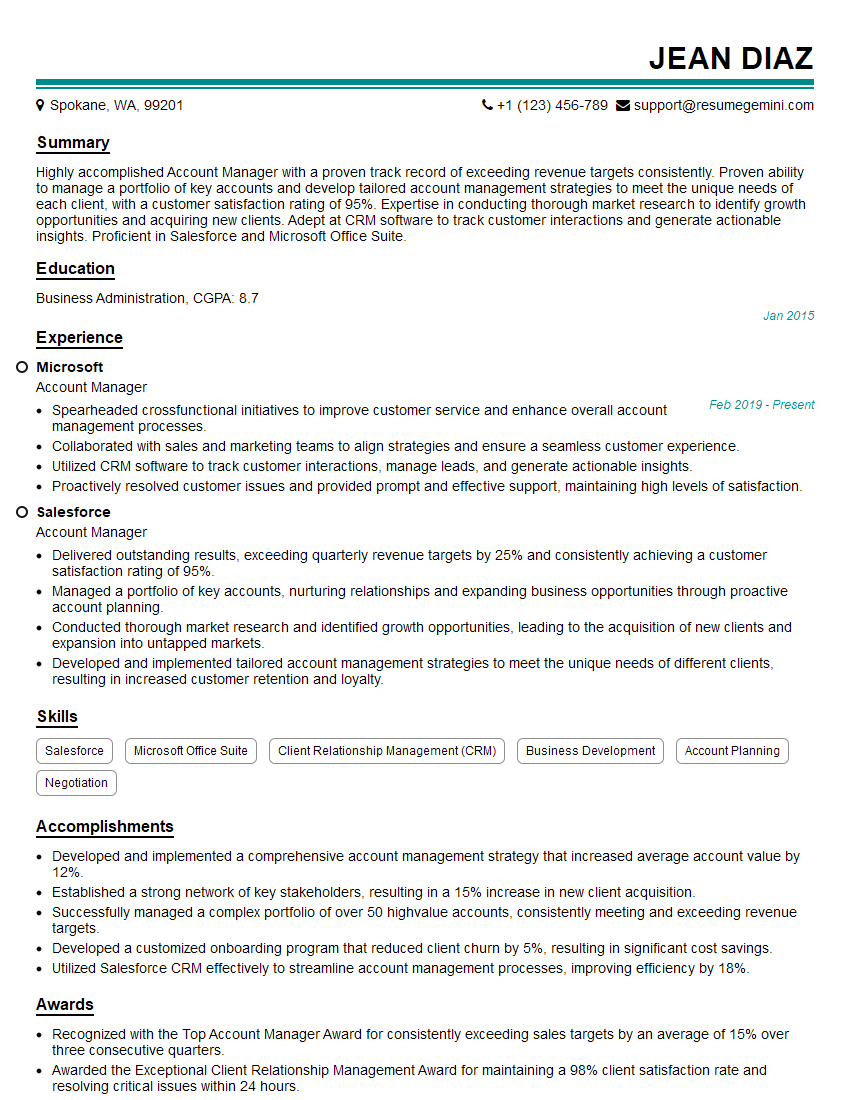
Account Manager Resume Sample
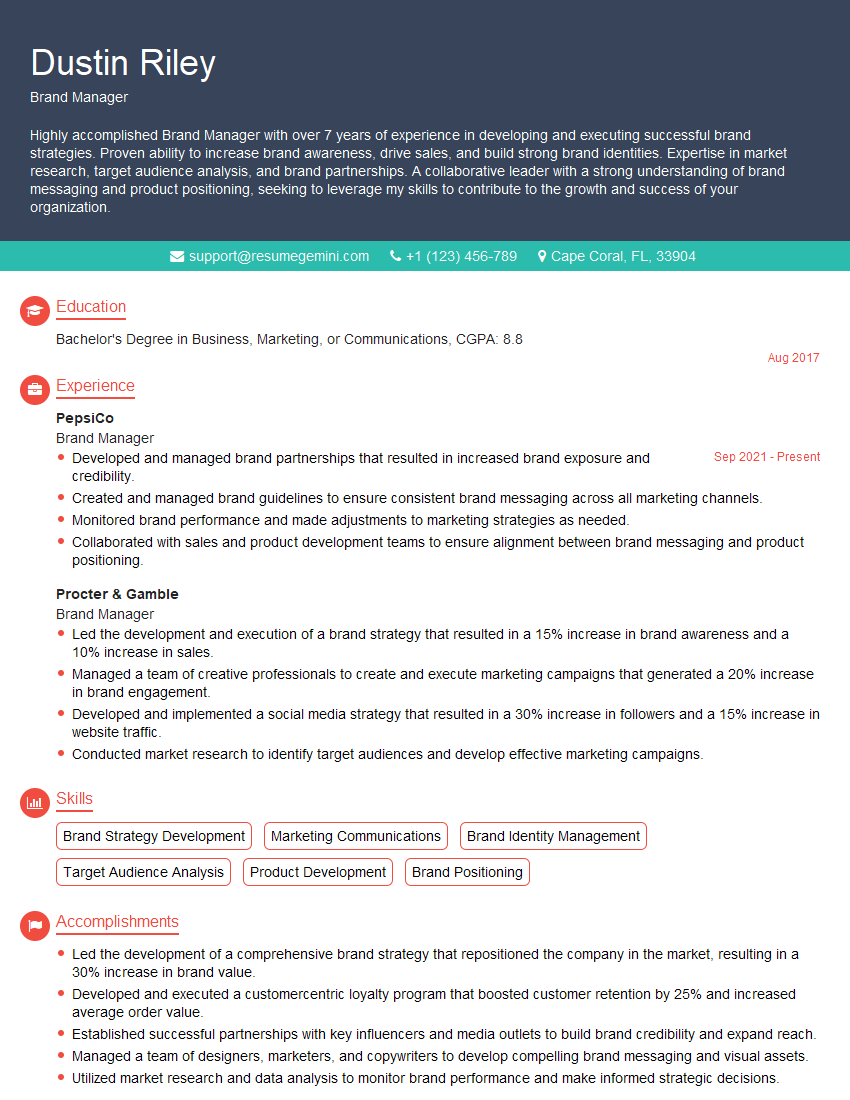
Brand Manager Resume Sample
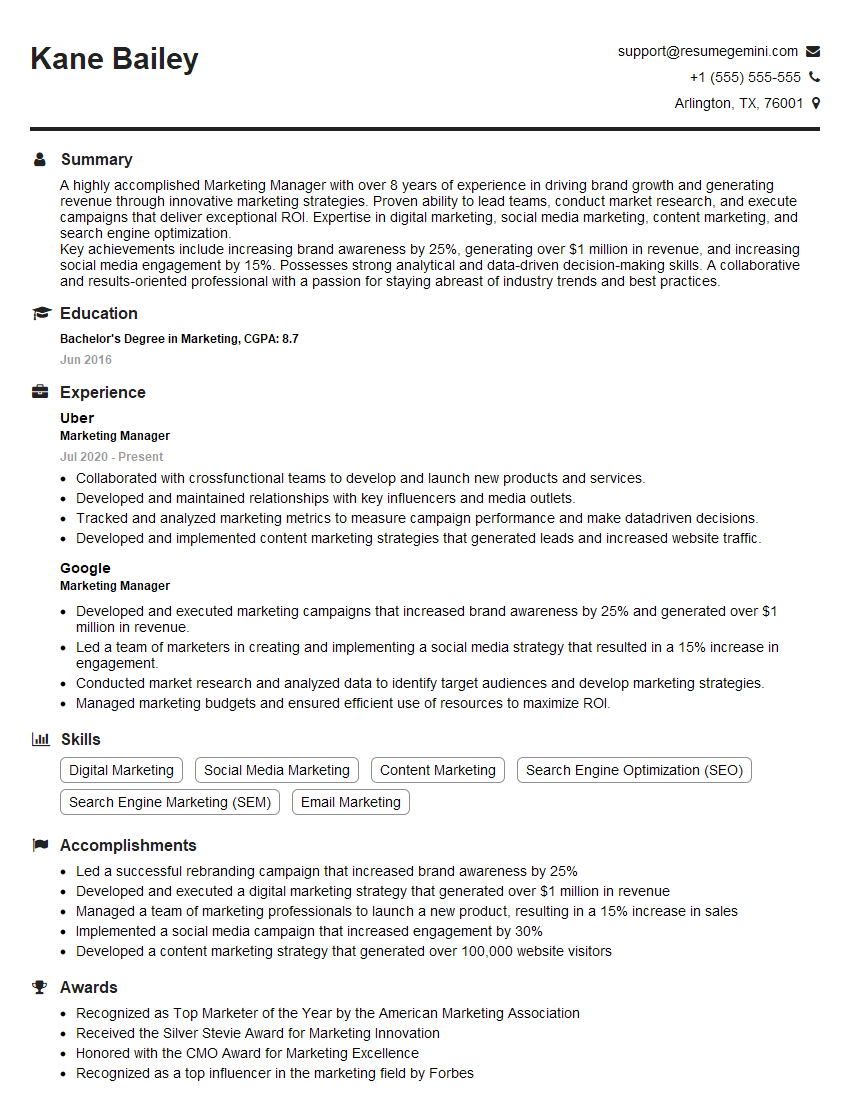
Marketing Manager Resume Sample
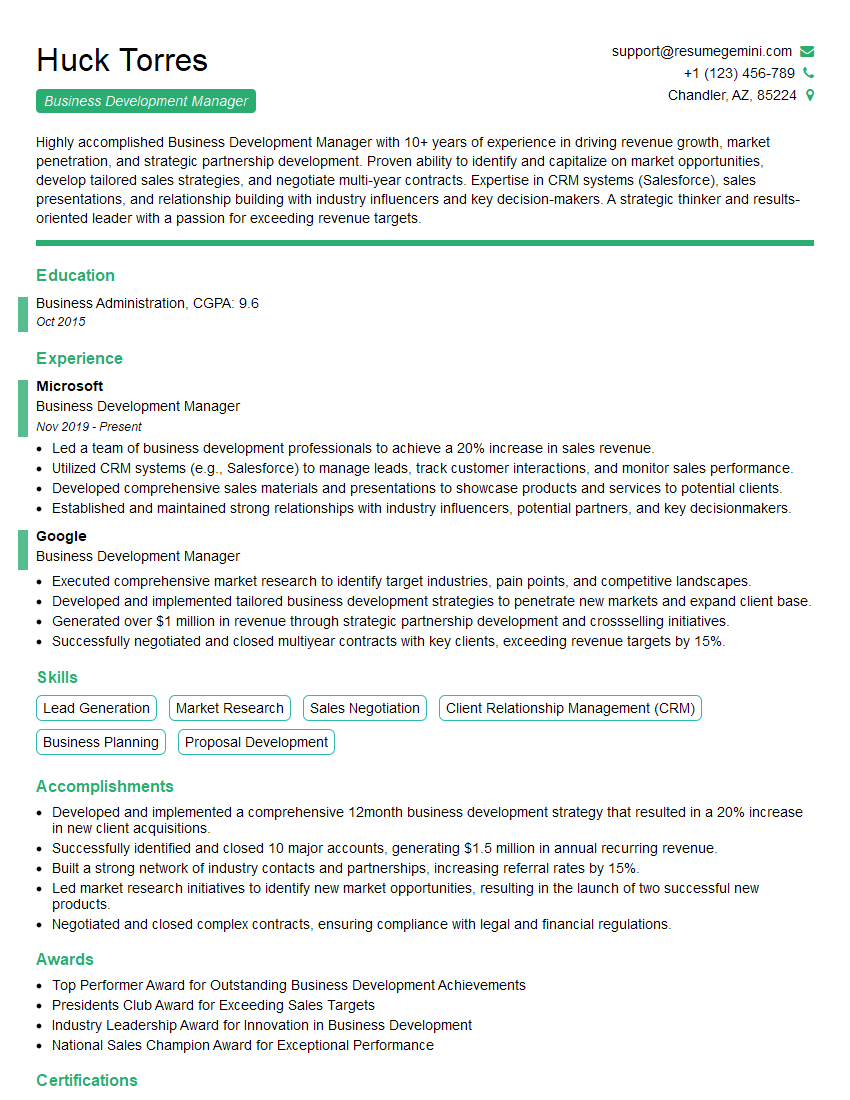
Business Development Manager Resume Sample
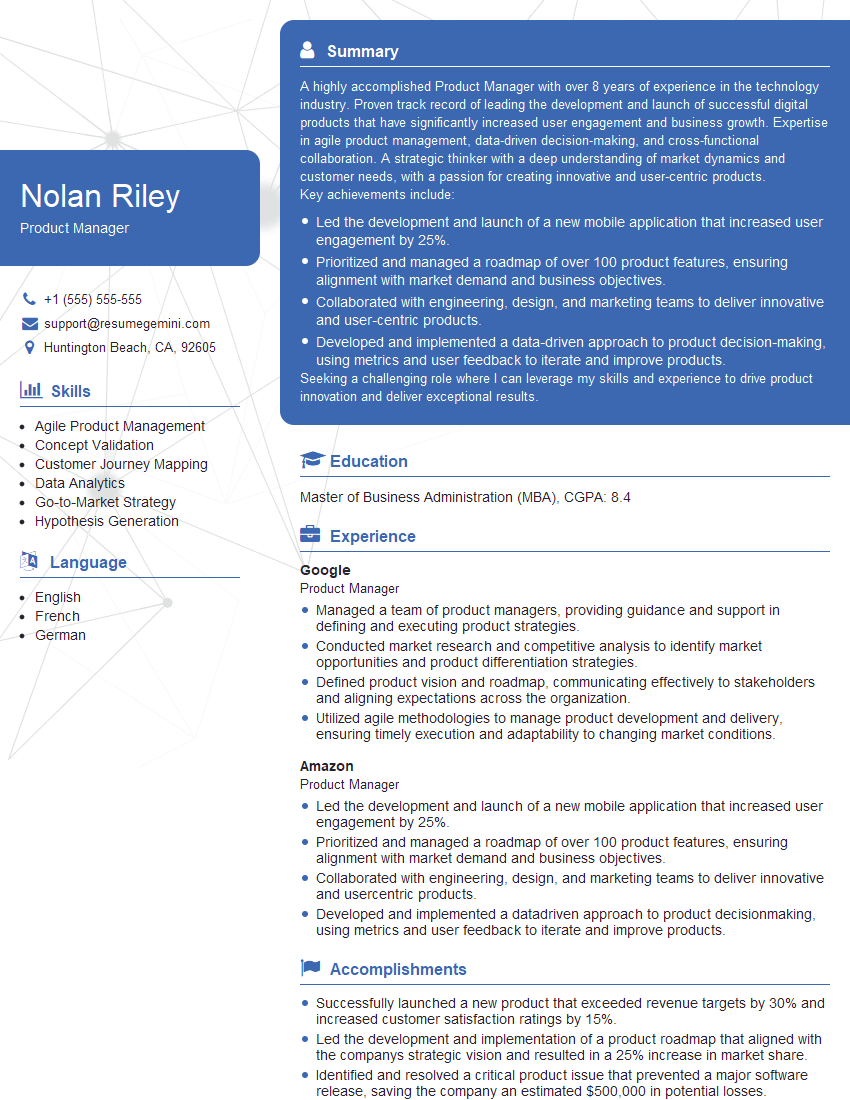
Product Manager Resume Sample
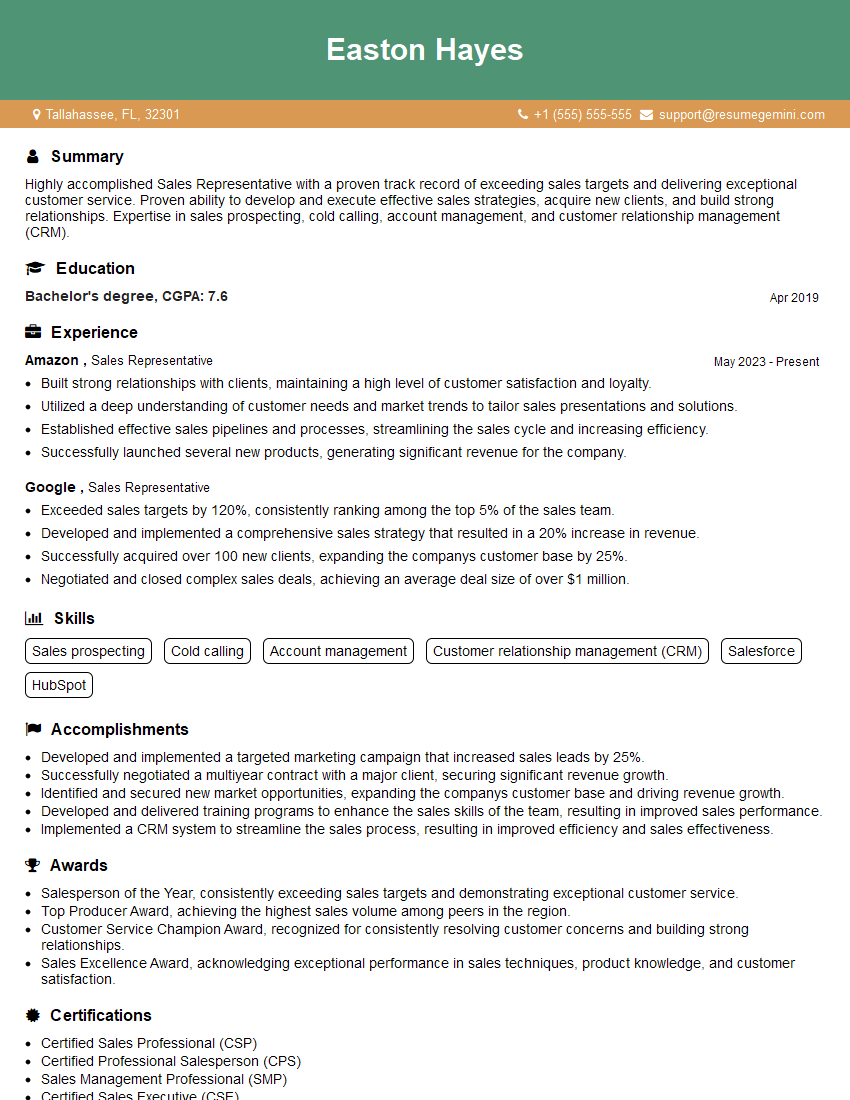
Sales Representative Resume Sample

Communications Manager Resume Sample
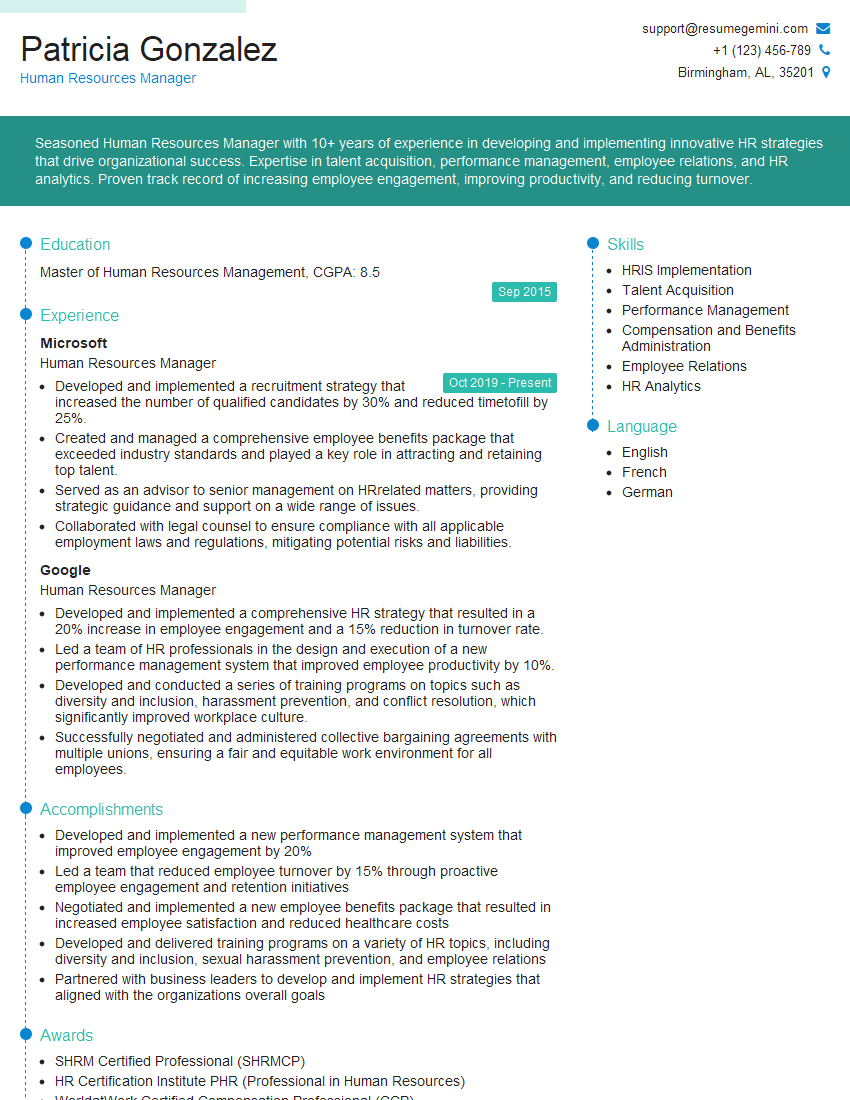
Human Resources Manager Resume Sample

Project Manager Resume Sample
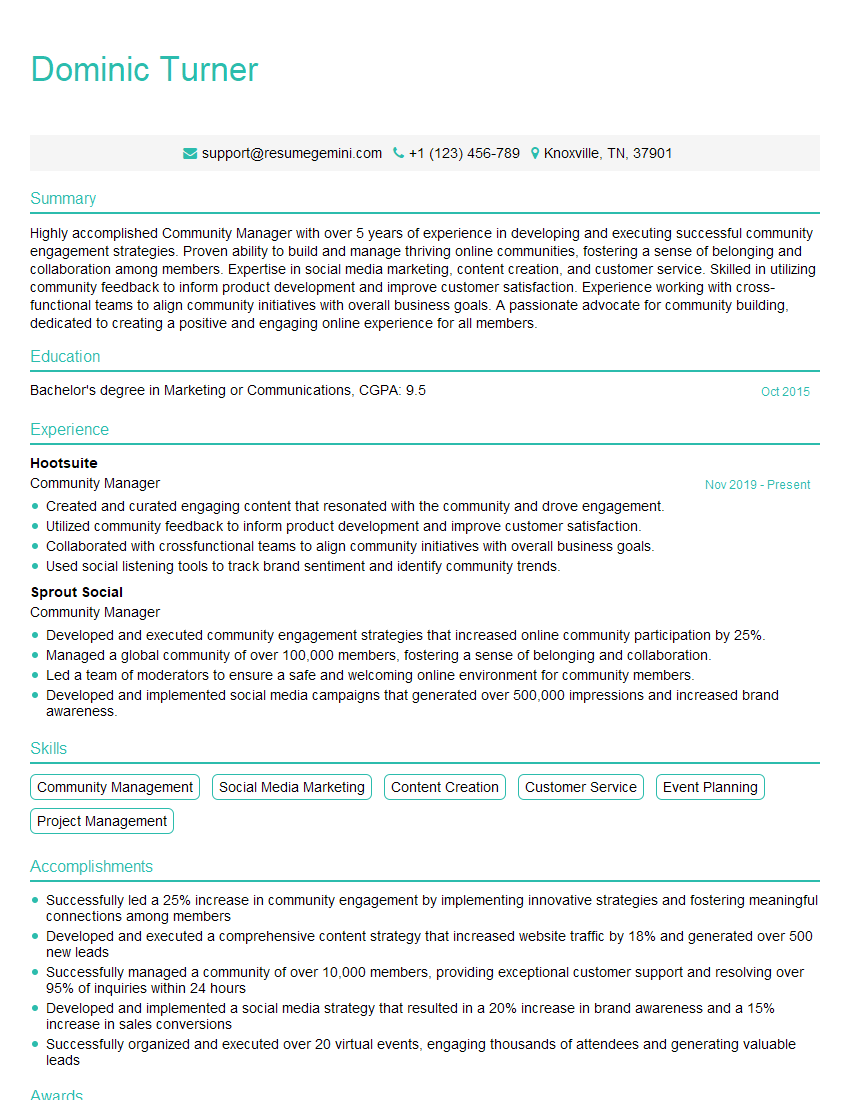
Community Manager Resume Sample
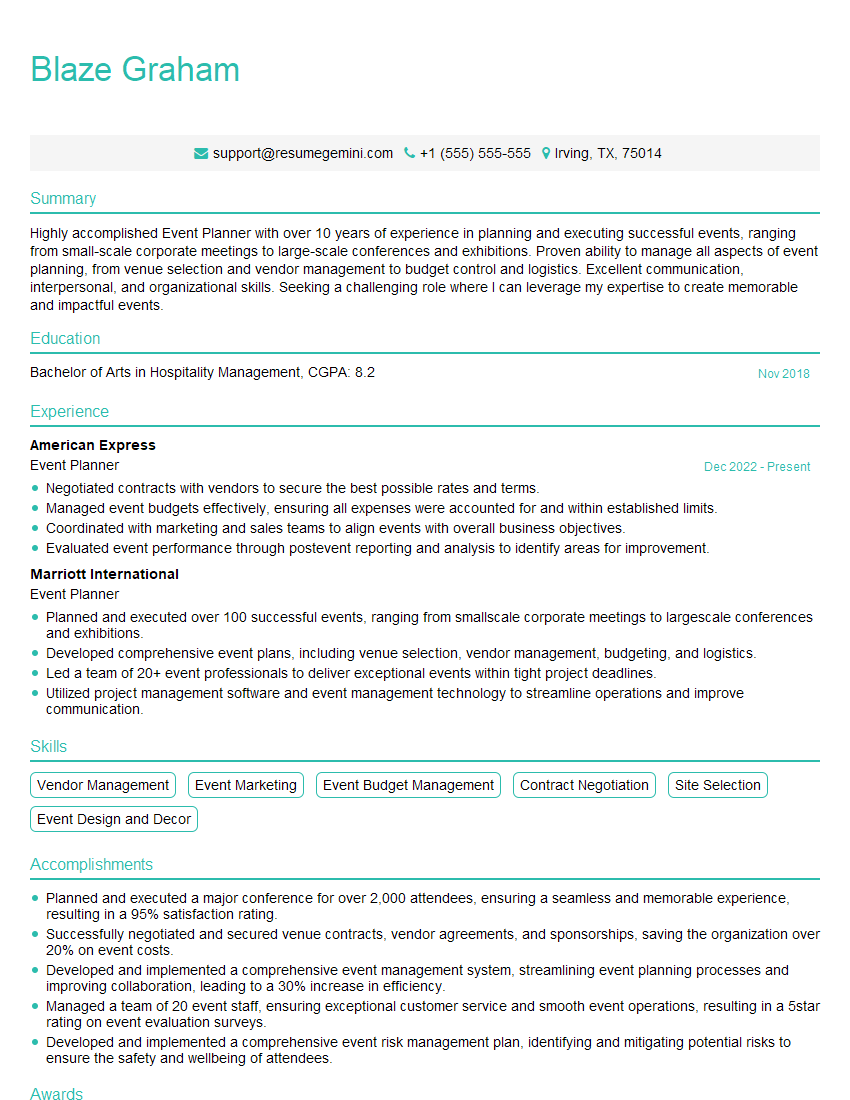
Event Planner Resume Sample
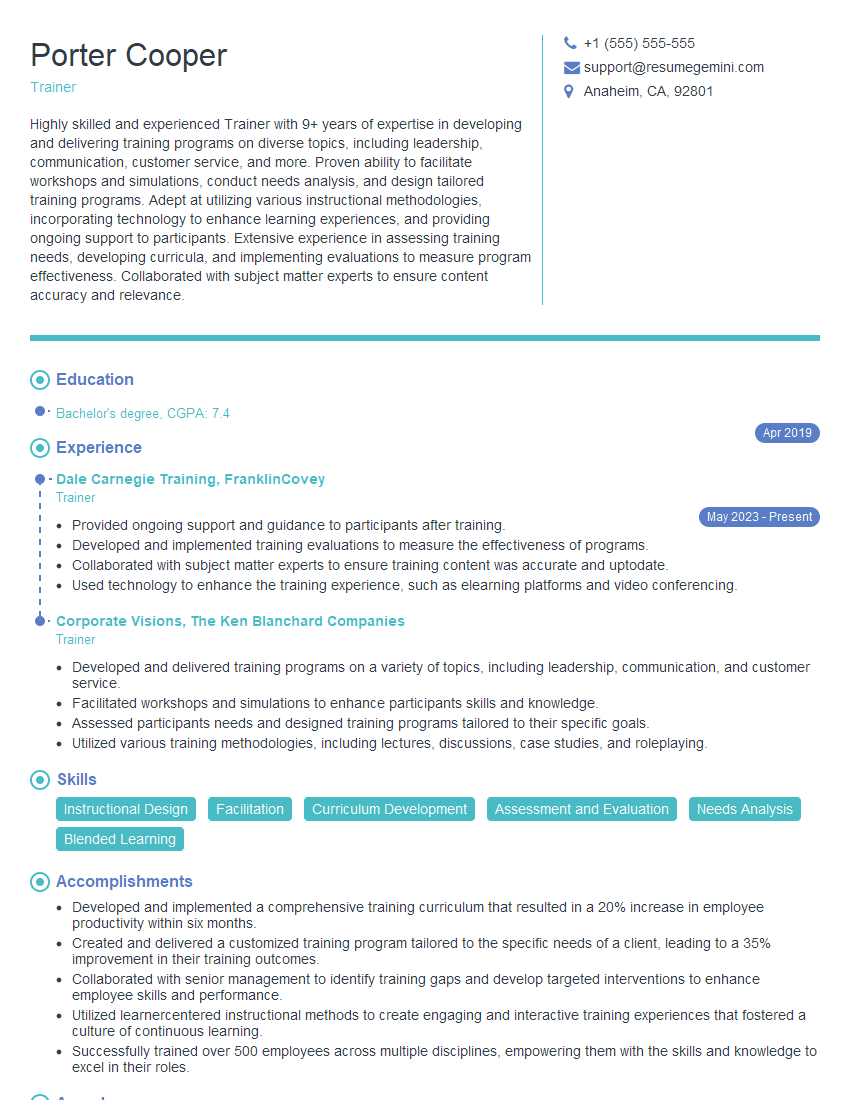
Trainer Resume Sample

Social Media Manager Resume Sample
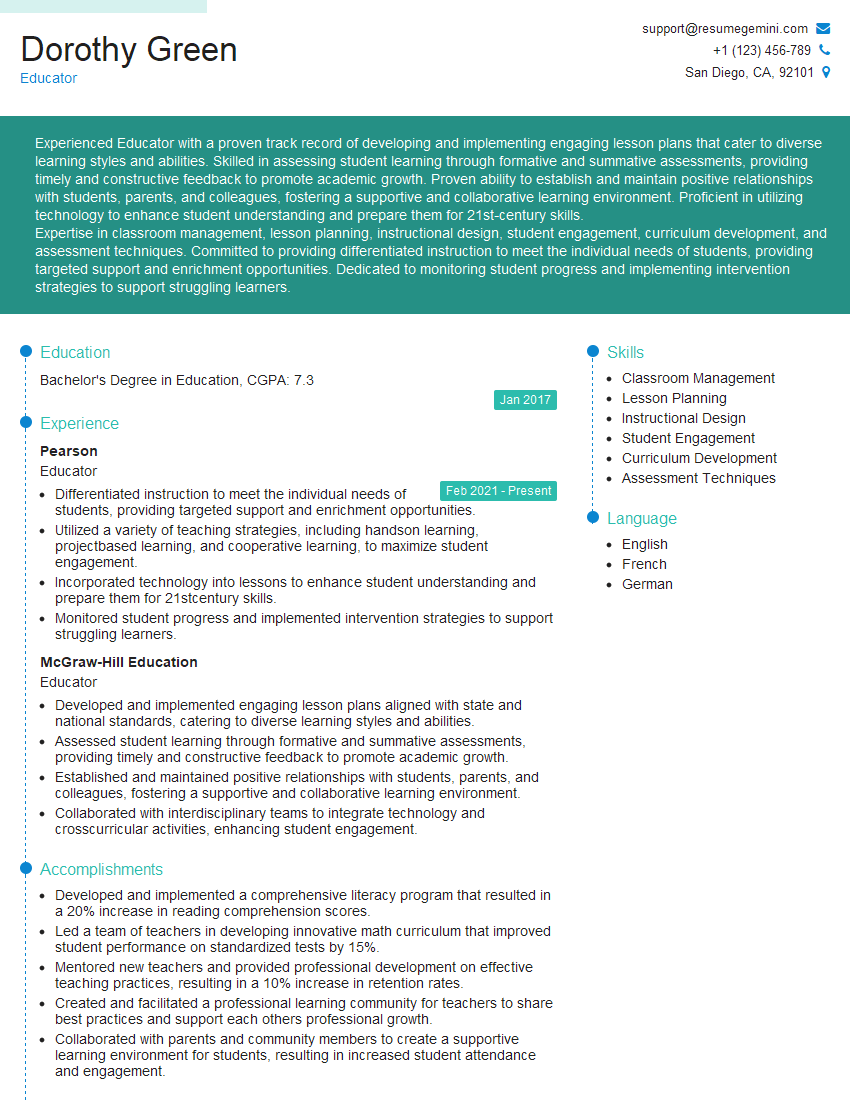
Educator Resume Sample
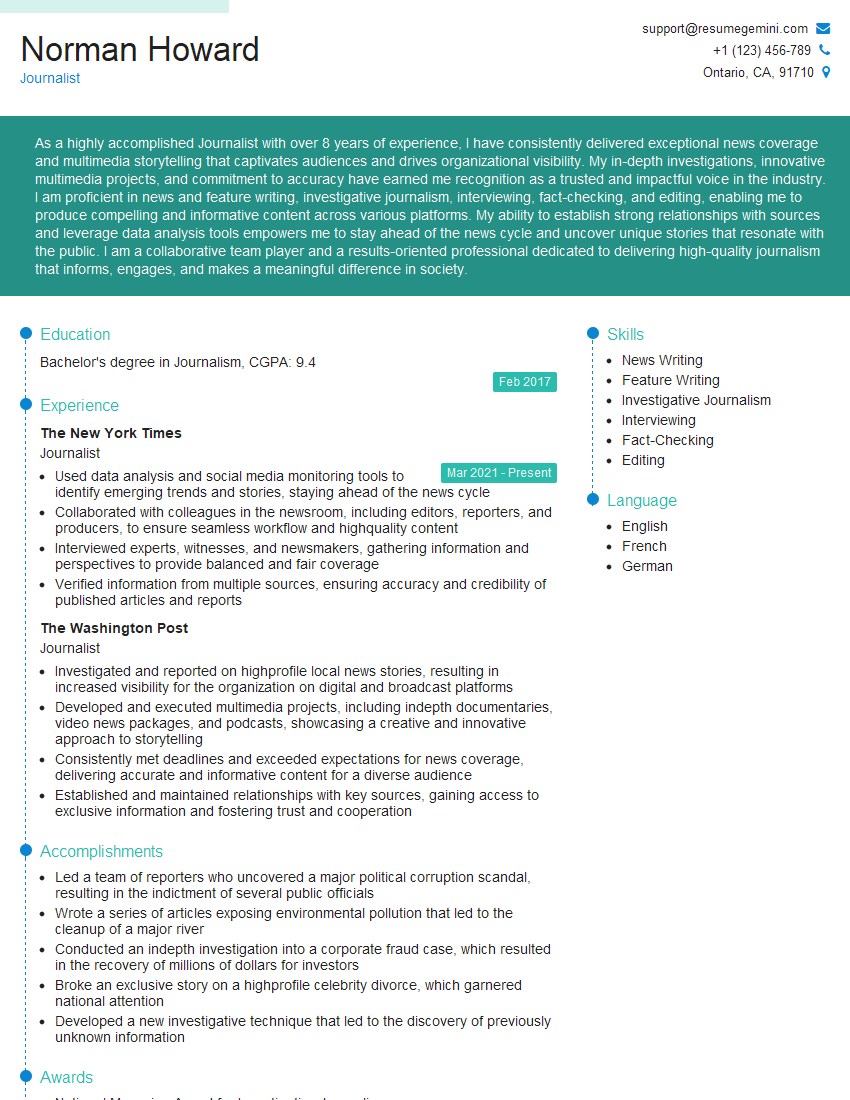
Journalist Resume Sample

Technical Writer Resume Sample

Copywriter Resume Sample
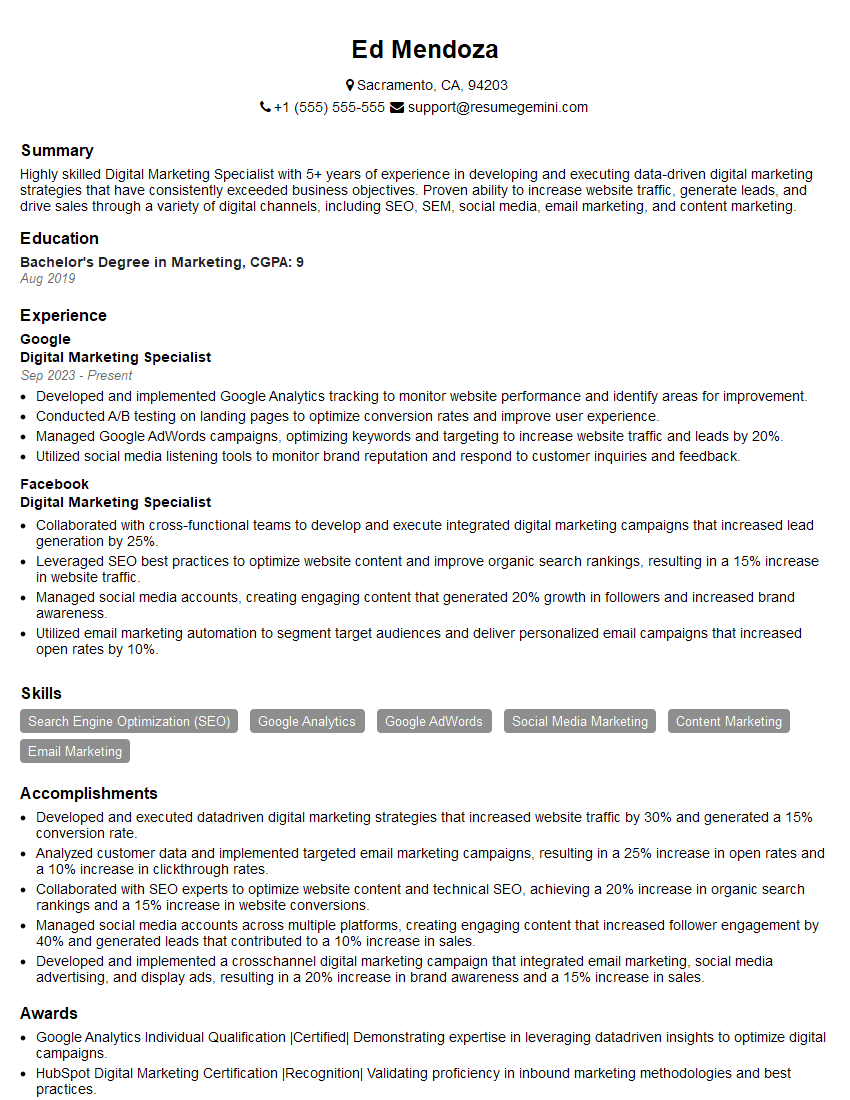
Digital Marketing Specialist Resume Sample
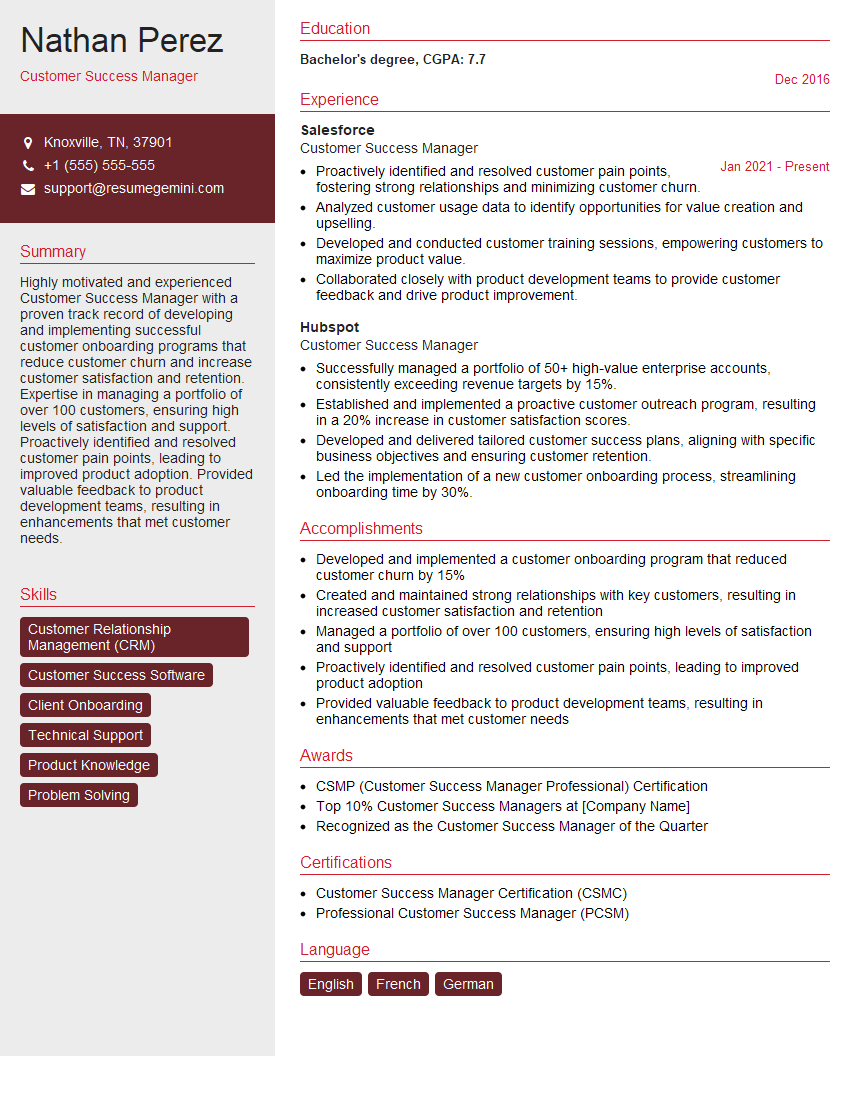
Customer Success Manager Resume Sample
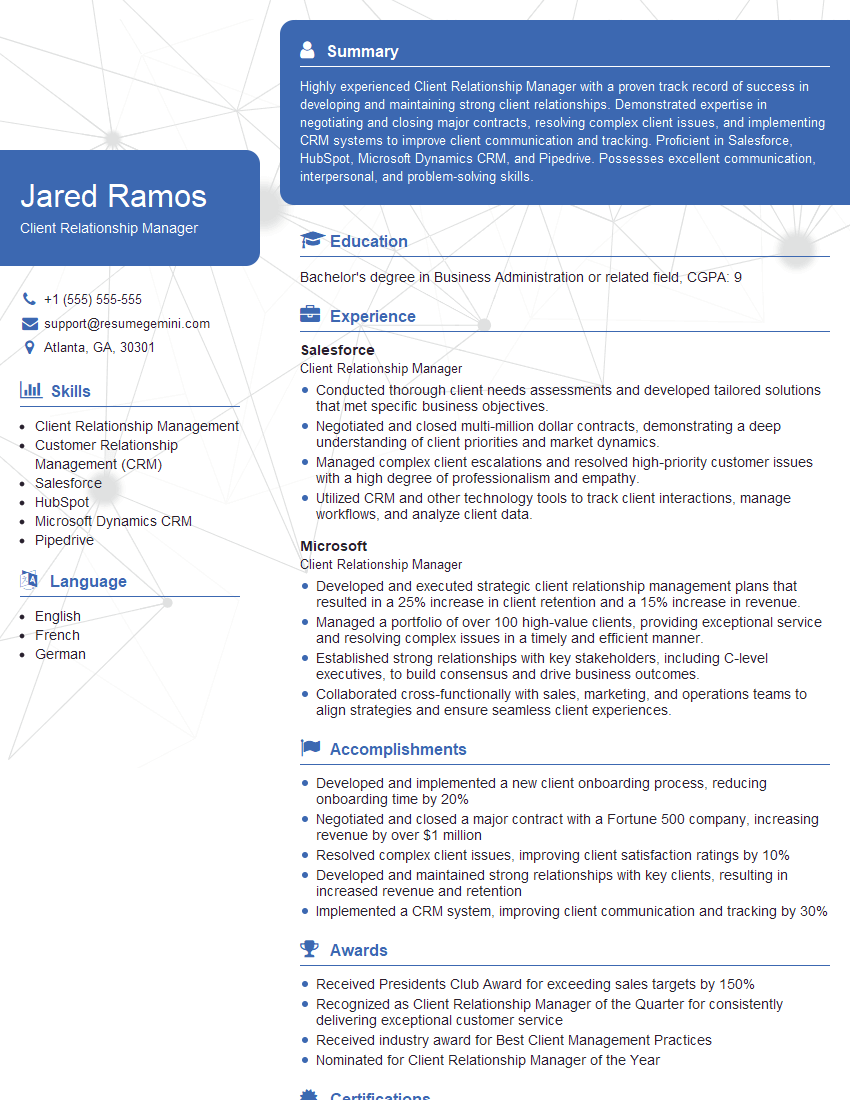
Client Relationship Manager Resume Sample
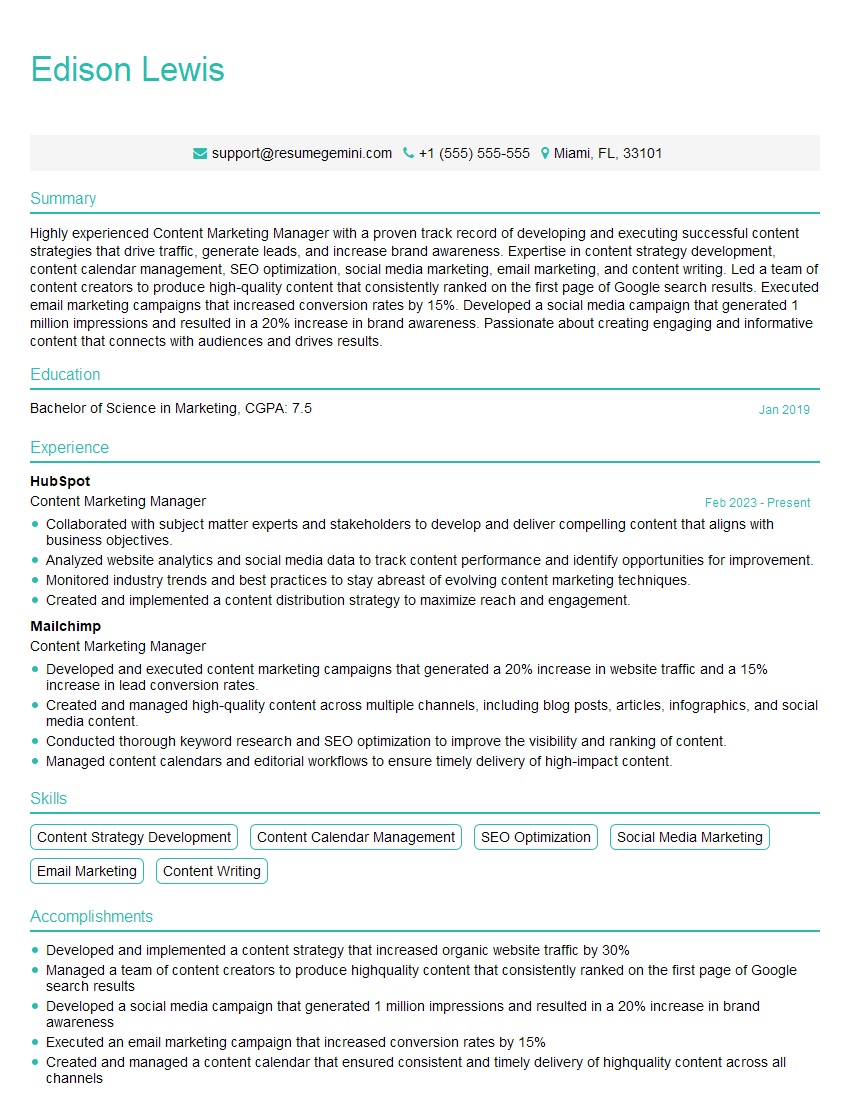
Content Marketing Manager Resume Sample

Influencer Marketing Manager Resume Sample
- Account Manager
- Brand Manager
- Marketing Manager
- Business Development Manager
- Product Manager
- Sales Representative
- Communications Manager
- Human Resources Manager
- Project Manager
- Community Manager
- Event Planner
- Trainer
- Social Media Manager
- Educator
- Journalist
- Technical Writer
- Copywriter
- Digital Marketing Specialist
- Customer Success Manager
- Client Relationship Manager
- Content Marketing Manager
- Influencer Marketing Manager
Explore more articles
Users Rating of Our Blogs
Share Your Experience
We value your feedback! Please rate our content and share your thoughts (optional).
What Readers Say About Our Blog
Very informative content, great job.
good