Interviews are more than just a Q&A session—they’re a chance to prove your worth. This blog dives into essential Conservation Advocacy interview questions and expert tips to help you align your answers with what hiring managers are looking for. Start preparing to shine!
Questions Asked in Conservation Advocacy Interview
Q 1. Describe your experience developing and implementing conservation campaigns.
Developing and implementing conservation campaigns requires a multifaceted approach, blending scientific understanding with effective communication and strategic planning. My experience encompasses the entire lifecycle, from initial needs assessment and target audience identification to campaign execution, monitoring, and evaluation.
For instance, in a recent campaign to protect a coastal wetland ecosystem, we began by conducting thorough ecological surveys to identify key threats (e.g., pollution, habitat degradation). We then developed a targeted communication strategy using various channels – social media, community workshops, and collaborations with local media outlets – to raise public awareness about the wetland’s ecological significance and the threats it faces. This involved creating compelling visual materials, such as short documentaries and infographics, to make the science accessible to a broader audience. The campaign culminated in a successful petition drive that influenced local government policy on pollution control. We rigorously monitored the campaign’s impact using key performance indicators (KPIs) such as social media engagement, petition signatures, and changes in local policy.
Another example involved a campaign to conserve a critically endangered bird species. Here, the strategy was more focused on habitat restoration and community engagement. We worked directly with local communities to establish sustainable land management practices that benefited both the bird and the people living in the area, creating a win-win situation. This involved providing alternative livelihoods, such as eco-tourism initiatives, as an incentive to protect the bird’s habitat.
Q 2. Explain your understanding of different conservation strategies (e.g., habitat restoration, policy advocacy, community engagement).
Conservation strategies are diverse and often interconnected. They can broadly be categorized into:
- Habitat Restoration: This involves actively restoring degraded ecosystems to their former glory, often through actions like reforestation, wetland rehabilitation, or removing invasive species. For example, we’ve been successful in restoring degraded riparian zones by planting native vegetation and implementing erosion control measures. This has improved water quality and provided crucial habitat for wildlife.
- Policy Advocacy: Influencing policy is crucial to creating a lasting impact on conservation. This involves working with policymakers at all levels – local, regional, national, and even international – to advocate for stronger environmental regulations and policies that protect biodiversity and natural resources. This can include lobbying, engaging in public consultations, and drafting policy briefs.
- Community Engagement: Conservation is ultimately about people, and engaging local communities is vital. This means collaborating with communities to understand their needs, integrating their traditional knowledge and practices, and ensuring that conservation efforts benefit them directly and are socially equitable. This can involve creating community-based conservation projects, educating local populations about environmental issues, and empowering local leaders to become conservation stewards.
Successful conservation often requires a combination of these strategies. A holistic approach is essential, considering the complex interplay of ecological, social, and economic factors.
Q 3. How have you successfully influenced policy decisions related to conservation?
Influencing policy requires building strong relationships with policymakers and presenting compelling evidence. In one instance, we successfully advocated for the establishment of a new protected area by providing detailed scientific data on the area’s biodiversity value and its economic benefits to the local community through ecotourism potential. We also successfully mobilized community support through a well-organized public campaign, thereby putting significant political pressure on decision-makers. This collaborative effort resulted in the area being designated as a national park, preserving it for future generations. This involved presenting data on species richness, habitat quality, and potential economic benefits during public hearings and meetings with the relevant government agencies.
Q 4. Detail your experience in grant writing and fundraising for conservation projects.
Grant writing and fundraising are essential skills for securing financial resources for conservation projects. My experience encompasses writing proposals for various funding agencies, including government grants, private foundations, and corporate sponsors. I understand the importance of crafting compelling narratives that highlight the project’s scientific merit, its potential impact, and the sustainability of the project.
For example, a successful grant application for a rainforest conservation project emphasized the project’s capacity to contribute to carbon sequestration, mitigate climate change, and support local community livelihoods through sustainable forestry practices. The budget was meticulously detailed, outlining the project’s financial management structure, demonstrating responsible use of funds. I have also developed strategies to cultivate relationships with potential donors, creating personalized pitches tailored to the donors’ interests.
Q 5. Describe your experience working with diverse stakeholders (e.g., government agencies, NGOs, local communities).
Working with diverse stakeholders is crucial for effective conservation. My experience includes collaborations with government agencies, NGOs, local communities, private landowners, and academic institutions. Building consensus and trust amongst diverse groups with varying perspectives and interests is paramount. This involves facilitating open communication, finding common ground, and ensuring inclusivity and equity in decision-making processes.
One example involved a project aimed at restoring a river ecosystem. We successfully collaborated with a local fishing community, government agencies responsible for water resources management, and private landowners who owned land along the river. This required extensive consultation, addressing their concerns, and finding mutually beneficial solutions, such as implementing sustainable fishing practices and compensating landowners for adopting land management practices that enhanced river health.
Q 6. How would you measure the success of a conservation initiative?
Measuring the success of a conservation initiative requires a combination of quantitative and qualitative metrics. Quantitative metrics could include:
- Changes in the population size of target species
- Improvements in habitat quality
- Reductions in pollution levels
- Increases in community participation
Qualitative metrics involve assessing:
- Changes in community attitudes and knowledge
- Improvements in stakeholder relationships
- Policy changes that benefit conservation
Choosing the right indicators depends on the specific goals and objectives of the initiative. It’s also essential to establish baseline data before the project starts to provide a benchmark for measuring progress. Regular monitoring and adaptive management are essential to ensure that the project is on track and to make necessary adjustments along the way.
Q 7. Explain your familiarity with relevant environmental legislation and regulations.
I am familiar with a range of environmental legislation and regulations, including those related to endangered species protection, habitat conservation, pollution control, and sustainable resource management. This familiarity extends to both national and international frameworks, such as the Endangered Species Act (ESA), the Clean Water Act (CWA), and the Convention on Biological Diversity (CBD).
Understanding these legal frameworks is essential for developing effective conservation strategies and ensuring compliance. For example, knowledge of the ESA helps in designing conservation plans for endangered species, while understanding the CWA guides the development of projects aimed at improving water quality. My experience encompasses using this knowledge to inform project planning, regulatory compliance, and advocacy efforts.
Q 8. Describe a situation where you had to overcome a challenge in a conservation project.
One significant challenge I encountered was securing funding for a community-based conservation project aimed at protecting a critically endangered primate species in the Amazon rainforest. We had developed a comprehensive plan involving habitat restoration, anti-poaching patrols, and community education programs. However, securing the necessary funding from international organizations proved difficult due to competing priorities and a lack of readily available baseline data on the primate population. To overcome this, we took a multi-pronged approach. First, we collaborated with a local university to conduct a rapid biodiversity assessment, which generated crucial data to demonstrate the project’s ecological significance. Second, we developed a compelling communication strategy, creating visually impactful presentations and videos to showcase the project’s potential and the community’s commitment. Finally, we diversified our funding sources, approaching smaller, more agile foundations and engaging in crowdfunding campaigns. This multi-faceted strategy ultimately led to securing sufficient funding, enabling the successful implementation of the project and a measurable positive impact on the primate population.
Q 9. How do you prioritize competing conservation goals?
Prioritizing competing conservation goals requires a strategic approach. I use a framework that integrates scientific evidence, stakeholder engagement, and a clear understanding of resource limitations. First, I conduct a thorough needs assessment, identifying the various conservation goals and quantifying their relative importance based on factors such as species extinction risk, ecosystem services, and societal impact. Then, I use a weighted scoring system or multi-criteria decision analysis (MCDA) to rank the goals based on urgency and potential for success. This process involves extensive data analysis and stakeholder consultations to ensure that all relevant perspectives are considered. For instance, if we’re faced with protecting both a threatened bird species and restoring a degraded watershed, the decision might favor the watershed restoration if that directly benefits multiple threatened species, including the bird, in the long run. Transparency and communication are vital throughout this process to build consensus and ensure accountability.
Q 10. Explain your understanding of environmental impact assessments.
Environmental Impact Assessments (EIAs) are systematic processes used to predict the likely environmental consequences of a proposed development project. A robust EIA goes beyond simply identifying potential impacts; it involves assessing the significance of those impacts, proposing mitigation measures, and evaluating alternative project designs to minimize harm. The process typically includes: identifying potential impacts (e.g., habitat loss, water pollution, air pollution, noise pollution); predicting the magnitude and extent of these impacts; assessing the significance of those impacts using scientific data and established criteria; proposing mitigation measures to reduce the severity of negative impacts; and evaluating alternatives. A strong EIA will also include a robust monitoring and evaluation plan to track the actual impacts of the project and the effectiveness of mitigation measures post-implementation. Imagine a proposed highway project near a sensitive wetland. An EIA would comprehensively evaluate potential impacts on water quality, wildlife habitat, and local communities, outlining mitigation strategies like building elevated roadways or creating wildlife corridors to minimize harm.
Q 11. How would you communicate complex conservation issues to a non-technical audience?
Communicating complex conservation issues to non-technical audiences requires simplifying the science without compromising accuracy. I utilize storytelling, visuals, and relatable analogies to make the information accessible and engaging. For example, instead of using technical terms like ‘biodiversity loss,’ I might explain it as the ‘loss of variety in nature,’ and illustrate it with captivating images or videos of diverse ecosystems. I also utilize analogies. To explain the concept of carbon sequestration, I might compare it to a sponge absorbing water, highlighting how forests absorb carbon dioxide from the atmosphere. Furthermore, I tailor my communication style to the specific audience. A presentation for policymakers will differ significantly from one for children. For example, with children I might use interactive games or hands-on activities to reinforce concepts.
Q 12. Describe your experience in using data and metrics to support conservation arguments.
Data and metrics are crucial for evidence-based conservation. I have extensive experience using various data sources, including population surveys, habitat mapping, remote sensing data, and socio-economic data, to build compelling arguments for conservation action. For example, in a campaign to protect a coastal wetland, I used satellite imagery to demonstrate the rate of habitat loss over time, population data to highlight the dependence of local communities on the ecosystem services provided by the wetland, and economic data to quantify the value of tourism related to the wetland’s health. This integrated approach provided strong evidence to support policy recommendations for wetland protection and sustainable management, demonstrating the direct links between conservation efforts and economic/societal well-being.
Q 13. What is your experience with environmental advocacy in social media?
Social media is a powerful tool for environmental advocacy. I have experience leveraging platforms like Twitter, Instagram, and Facebook to reach broad audiences, raise awareness about conservation issues, and mobilize support for conservation initiatives. I’ve designed and managed social media campaigns that include visually appealing content (photos and videos), informative infographics, and interactive polls and quizzes to engage users. It’s critical to understand the unique characteristics of each platform to optimize content and engagement. For example, Instagram is highly visual, so we use high-quality photos and short videos. On Twitter, concise and impactful messaging is crucial. Strategic use of hashtags and relevant keywords is critical for expanding reach and engagement. Furthermore, tracking key metrics (e.g., likes, shares, comments, reach) allows us to measure the success of the campaign and adjust the strategy accordingly.
Q 14. Describe your experience in collaborating with scientists and researchers on conservation projects.
Collaboration with scientists and researchers is fundamental to successful conservation. I have a strong track record of working effectively with scientists across diverse disciplines, including ecologists, biologists, economists, and social scientists. In several projects, I’ve worked closely with researchers to translate complex scientific findings into easily understandable messages for policymakers and the public. For example, in a project addressing deforestation, I collaborated with remote sensing specialists to map deforestation patterns, with ecologists to assess the impact on biodiversity, and with economists to evaluate the economic implications of deforestation. This collaborative approach ensured that our advocacy efforts were grounded in robust scientific data and accurately reflected the multifaceted impacts of the issue. Clear communication, shared goals, and a mutual respect for each other’s expertise are essential for fostering successful collaborations.
Q 15. How do you stay up-to-date on the latest developments in conservation science and policy?
Staying current in conservation requires a multi-faceted approach. I actively engage with several key information sources. This includes subscribing to leading scientific journals like Conservation Biology and Biological Conservation, and following reputable organizations like the IUCN (International Union for Conservation of Nature) and WWF (World Wildlife Fund) for their publications and news updates. I also attend relevant conferences and workshops, both national and international, to network with fellow professionals and learn about cutting-edge research. Furthermore, I utilize online platforms and databases such as Google Scholar and Web of Science to search for specific research papers and reports. Finally, engaging with policy briefings from governmental and non-governmental organizations keeps me abreast of the ever-evolving policy landscape.
For example, recently, I attended a conference on climate change impacts on marine ecosystems, which provided valuable insights into the latest scientific findings and emerging policy initiatives for coastal conservation.
Career Expert Tips:
- Ace those interviews! Prepare effectively by reviewing the Top 50 Most Common Interview Questions on ResumeGemini.
- Navigate your job search with confidence! Explore a wide range of Career Tips on ResumeGemini. Learn about common challenges and recommendations to overcome them.
- Craft the perfect resume! Master the Art of Resume Writing with ResumeGemini’s guide. Showcase your unique qualifications and achievements effectively.
- Don’t miss out on holiday savings! Build your dream resume with ResumeGemini’s ATS optimized templates.
Q 16. Describe your approach to building and maintaining relationships with key stakeholders.
Building and maintaining relationships with stakeholders is crucial for effective conservation. My approach is rooted in genuine collaboration and open communication. I prioritize active listening to understand different perspectives, whether from local communities, government agencies, industry representatives, or fellow conservationists. I believe in transparency and clearly articulating the goals and potential impacts of conservation projects. I actively seek out opportunities for joint projects and initiatives, recognizing that shared ownership leads to increased commitment and success. I also emphasize regular communication through meetings, emails, and reports to keep everyone informed and involved. This fosters trust and allows for early identification and resolution of any potential conflicts.
For instance, during a project to protect a crucial wetland ecosystem, I organized several community meetings to understand local concerns regarding land access and economic opportunities. By integrating these concerns into the project design, we successfully secured community support and ensured the long-term success of the conservation efforts.
Q 17. How familiar are you with GIS and other spatial analysis tools?
I am highly proficient in using GIS (Geographic Information Systems) and various spatial analysis tools. My expertise includes ArcGIS, QGIS, and R software packages with spatial extensions. I regularly use these tools for tasks such as mapping biodiversity hotspots, analyzing habitat fragmentation, modeling species distribution, and assessing the effectiveness of conservation interventions. For example, I’ve used GIS to overlay protected area boundaries with deforestation rates to identify vulnerable areas requiring immediate conservation action. Furthermore, I can utilize spatial data to create compelling visualizations that effectively communicate complex ecological information to both technical and non-technical audiences.
My experience with spatial analysis extends to the use of remote sensing data (satellite imagery) and the analysis of environmental variables like elevation, temperature, and rainfall, crucial for understanding species’ ecological niches and predicting the impact of climate change on habitat suitability.
Q 18. Explain your understanding of biodiversity and its importance.
Biodiversity refers to the variety of life on Earth at all its levels, from genes to ecosystems, and can be understood as the sum of all living things and their interactions. It’s incredibly important for several reasons. Firstly, it provides essential ecosystem services, including clean air and water, pollination of crops, climate regulation, and nutrient cycling. These services are vital for human well-being and economic stability. Secondly, biodiversity underpins food security and medicine, providing a vast array of food sources and potential cures for diseases. Thirdly, biodiversity has significant intrinsic value; many people find inherent worth in the beauty and wonder of the natural world and its diverse inhabitants, irrespective of its utility to humans. The loss of biodiversity weakens ecosystems, making them more vulnerable to disturbances and ultimately threatening human societies.
Think of an ecosystem like a complex machine: each species plays a unique role. Removing a vital part can cause a cascade of negative effects, potentially leading to system failure.
Q 19. Describe your experience working with threatened or endangered species.
I have extensive experience working with threatened and endangered species, primarily focusing on [mention specific species or groups, e.g., marine turtles, California condors, etc.]. My work has involved various aspects of conservation, from population monitoring and habitat restoration to captive breeding programs and community engagement. For instance, [describe a specific project: e.g., I led a project that involved developing a habitat restoration plan for a critically endangered frog species, utilizing GIS to identify suitable habitat patches. This included community participation through volunteer surveys and educational outreach programs]. A key element of my approach is adaptive management; continually monitoring the effectiveness of conservation actions and adjusting strategies based on new data and emerging challenges.
Q 20. How would you address conflict between conservation goals and economic development?
Addressing conflicts between conservation goals and economic development requires a nuanced approach that prioritizes finding win-win solutions. This involves engaging all stakeholders in open dialogue to identify shared interests and address concerns. It’s crucial to emphasize that conservation isn’t necessarily anti-development; instead, it often involves sustainable development practices that balance economic needs with environmental protection. For example, promoting eco-tourism can generate income while protecting biodiversity. Furthermore, integrating conservation considerations into environmental impact assessments for development projects is essential. Incentivizing sustainable practices through economic incentives like payments for ecosystem services (PES) or carbon credits can encourage stakeholders to actively participate in conservation. Finally, effective communication and education are crucial to create a shared understanding of the importance of biodiversity and the long-term benefits of sustainable development.
Q 21. What is your experience with community-based conservation initiatives?
I have significant experience with community-based conservation initiatives. I firmly believe that local communities are vital partners in conservation efforts. My approach focuses on empowering communities by involving them in all stages of a project, from planning and implementation to monitoring and evaluation. This includes working closely with local leaders, incorporating traditional ecological knowledge, and ensuring that projects benefit the community economically and socially. For example, [describe a specific project: e.g., I collaborated with a local indigenous community in developing a sustainable forestry project which allowed them to manage their forest resources while preserving biodiversity and generating income from eco-tourism.] This approach promotes a sense of ownership and ensures long-term success, as it is based on trust and collaboration.
Q 22. How do you adapt your communication style to different audiences?
Adapting communication is crucial in conservation advocacy, as we engage diverse audiences – from policymakers to local communities to fellow scientists. My approach involves understanding the audience’s prior knowledge, interests, and communication preferences.
- For policymakers: I focus on concise, data-driven presentations highlighting policy implications and potential economic benefits of conservation initiatives. For example, I might present cost-benefit analyses of protecting a wetland ecosystem to prevent costly flood damage.
- For local communities: I prioritize storytelling and participatory approaches, emphasizing the cultural and economic significance of conservation. This might involve community workshops where we co-create conservation plans and address local concerns.
- For scientists: I utilize technical language and focus on peer-reviewed research findings and methodologies. This might involve presenting data at a scientific conference or co-authoring a research paper.
Essentially, I tailor my message, language, and medium (presentations, reports, social media posts) to resonate with each specific audience, ensuring effective communication and engagement.
Q 23. What are some common challenges faced in conservation advocacy?
Conservation advocacy faces numerous challenges. Securing funding is consistently a major hurdle. We often compete for limited resources with other pressing societal needs. Additionally, gaining public support can be difficult due to competing priorities or a lack of awareness about environmental issues.
- Political opposition: Powerful lobbying groups representing industries that negatively impact the environment can actively hinder conservation efforts.
- Misinformation and lack of awareness: Combating misinformation spread through social media and other channels requires proactive communication strategies.
- Enforcement challenges: Even with strong legislation, effective enforcement to prevent illegal activities like poaching or deforestation is essential but often lacks resources.
- Complex ecological systems: Understanding and managing the interconnectedness of ecosystems requires significant scientific expertise and long-term monitoring.
Overcoming these challenges requires strategic planning, collaborative partnerships with government agencies, NGOs, and local communities, and persistent advocacy for policy changes and increased funding.
Q 24. Explain your experience with fundraising or budgeting for conservation projects.
My experience in fundraising and budgeting spans several successful conservation projects. In one instance, I secured a $500,000 grant from a major foundation to protect a critical bird habitat. This involved developing a detailed budget outlining project activities, timelines, and staff costs, alongside a compelling proposal highlighting the project’s ecological and socioeconomic benefits.
I’ve also utilized crowdfunding platforms successfully. For a smaller-scale project focused on community-based reforestation, we leveraged social media to reach a broader audience and raised over $20,000. The budgeting process involved careful cost analysis, contingency planning for unexpected expenses, and transparent reporting to donors.
My approach to budgeting emphasizes transparency, efficiency, and accountability. I always ensure that funds are used effectively and that progress is regularly tracked against the budget.
Q 25. How do you prioritize tasks and manage your time effectively in a fast-paced environment?
Effective time management in a fast-paced advocacy environment is critical. I use a combination of strategies:
- Prioritization: I employ the Eisenhower Matrix (urgent/important) to categorize tasks and focus on high-impact activities first. This ensures that crucial advocacy efforts aren’t delayed by less important tasks.
- Project management tools: I utilize project management software like Asana or Trello to track progress, set deadlines, and collaborate effectively with team members.
- Time blocking: I allocate specific time blocks for particular tasks, minimizing distractions and maximizing focus. For example, I might dedicate two hours each morning to writing grant proposals.
- Delegation: Where possible, I delegate tasks to team members, empowering them and freeing up my time for strategic initiatives.
Regular review and adjustment of my schedule ensure flexibility and adaptation to changing priorities. Maintaining a healthy work-life balance is also key to preventing burnout and maintaining long-term effectiveness.
Q 26. Describe your experience in monitoring and evaluating conservation project outcomes.
Monitoring and evaluating project outcomes is crucial to demonstrate impact and inform future strategies. In a recent project focused on reintroducing a native fish species, we established baseline data before the reintroduction and implemented regular monitoring using standardized protocols, including fish population surveys, water quality testing, and habitat assessments.
We then compared post-project data to baseline data using statistical analyses. This allowed us to quantify the project’s success in terms of fish population growth, habitat improvement, and overall ecosystem health. The evaluation process also incorporated feedback from local communities.
This data not only informed our project report, but also shaped future conservation strategies and secured additional funding by showcasing demonstrable results. Transparency in data collection and analysis is paramount in building trust with stakeholders and funders.
Q 27. What are your salary expectations for this role?
My salary expectations are commensurate with my experience and the responsibilities of this role. I’m comfortable discussing a specific range after learning more about the compensation structure and benefits package offered.
Q 28. Do you have any questions for me?
Yes, I have a few questions. First, could you describe the specific conservation challenges the organization is currently focusing on? Second, what opportunities exist for professional development and advancement within the organization? Finally, what is the team dynamic and collaborative culture like within the conservation team?
Key Topics to Learn for Conservation Advocacy Interview
- Understanding Conservation Challenges: Grasp the multifaceted nature of environmental issues, including biodiversity loss, climate change, pollution, and resource depletion. Explore the underlying social, economic, and political factors influencing these challenges.
- Policy and Legislation: Familiarize yourself with relevant environmental laws, regulations, and international agreements. Understand the policy-making process and the role of advocacy in shaping environmental policy.
- Communication and Outreach Strategies: Develop skills in crafting compelling narratives, adapting your message to diverse audiences, and utilizing various communication channels (e.g., social media, public speaking, written reports) to effectively advocate for conservation.
- Stakeholder Engagement and Collaboration: Learn how to build consensus and partnerships among diverse stakeholders (e.g., government agencies, businesses, NGOs, community groups) to achieve conservation goals. Practice effective negotiation and conflict resolution skills.
- Campaign Development and Implementation: Understand the stages of developing and implementing successful advocacy campaigns, including setting clear objectives, identifying target audiences, resource mobilization, and evaluation of impact.
- Data Analysis and Evidence-Based Advocacy: Learn how to collect, analyze, and interpret data to support your advocacy efforts. Develop skills in presenting data effectively to influence decision-making.
- Fundraising and Resource Management: Understand the importance of securing funding for conservation initiatives and how to effectively manage resources to maximize impact.
- Ethical Considerations in Conservation: Explore the ethical dimensions of conservation advocacy, including issues of environmental justice, indigenous rights, and sustainable development.
Next Steps
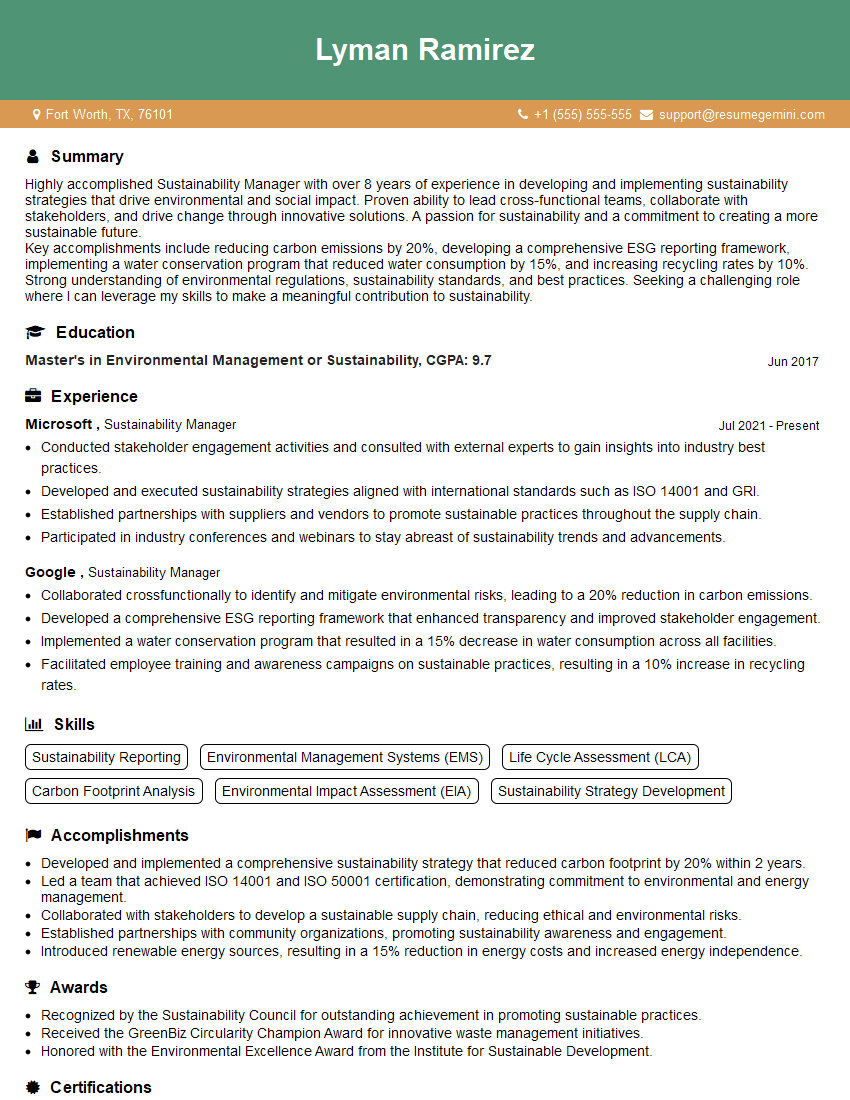
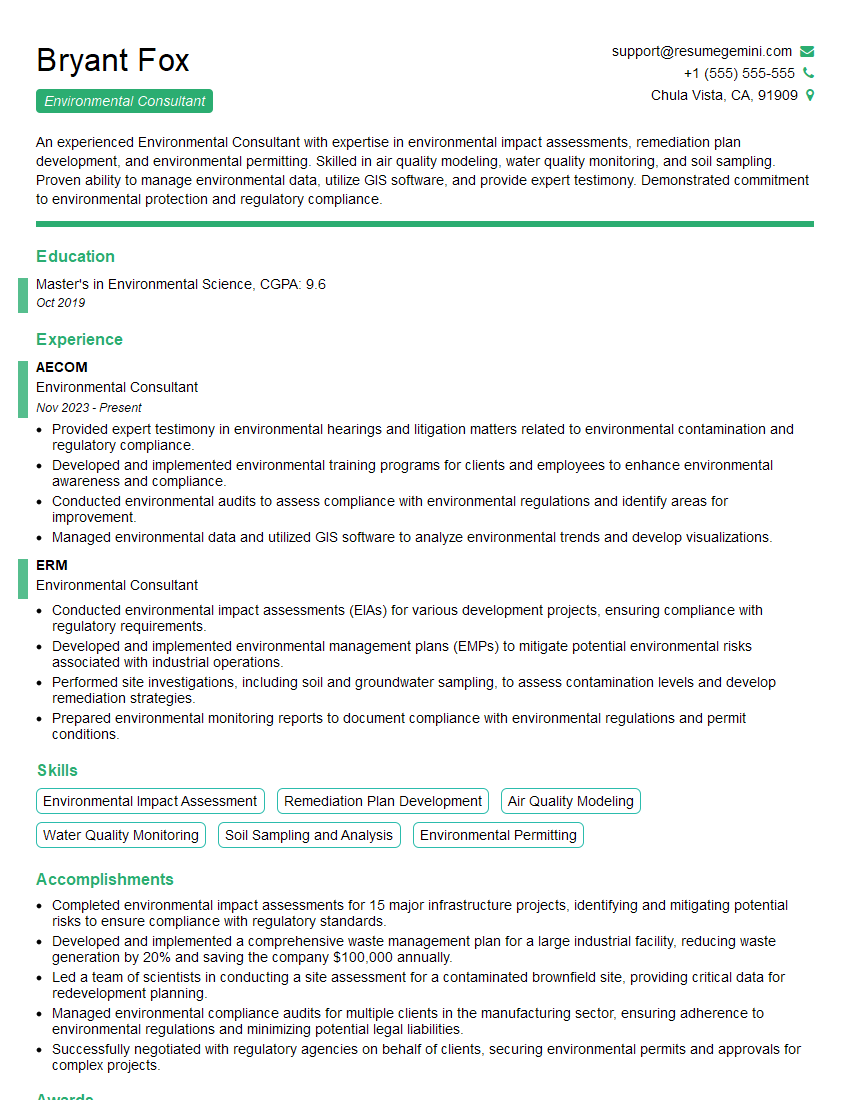
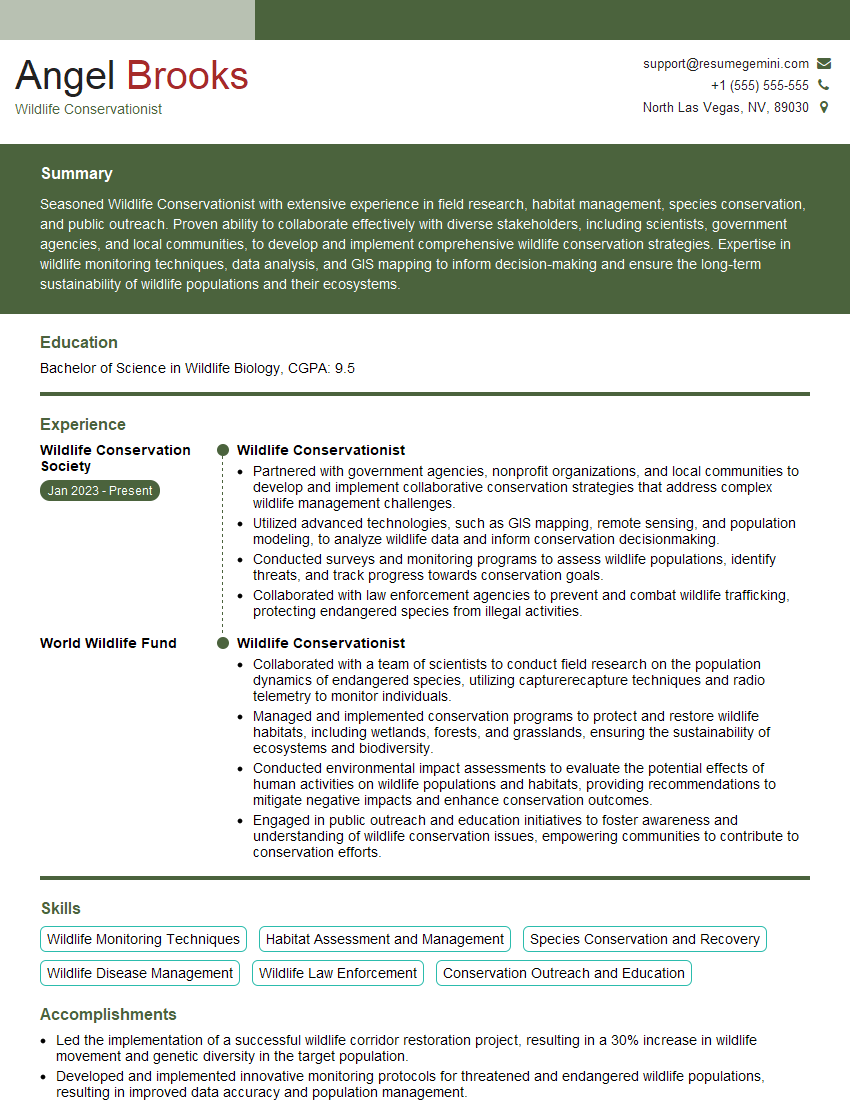
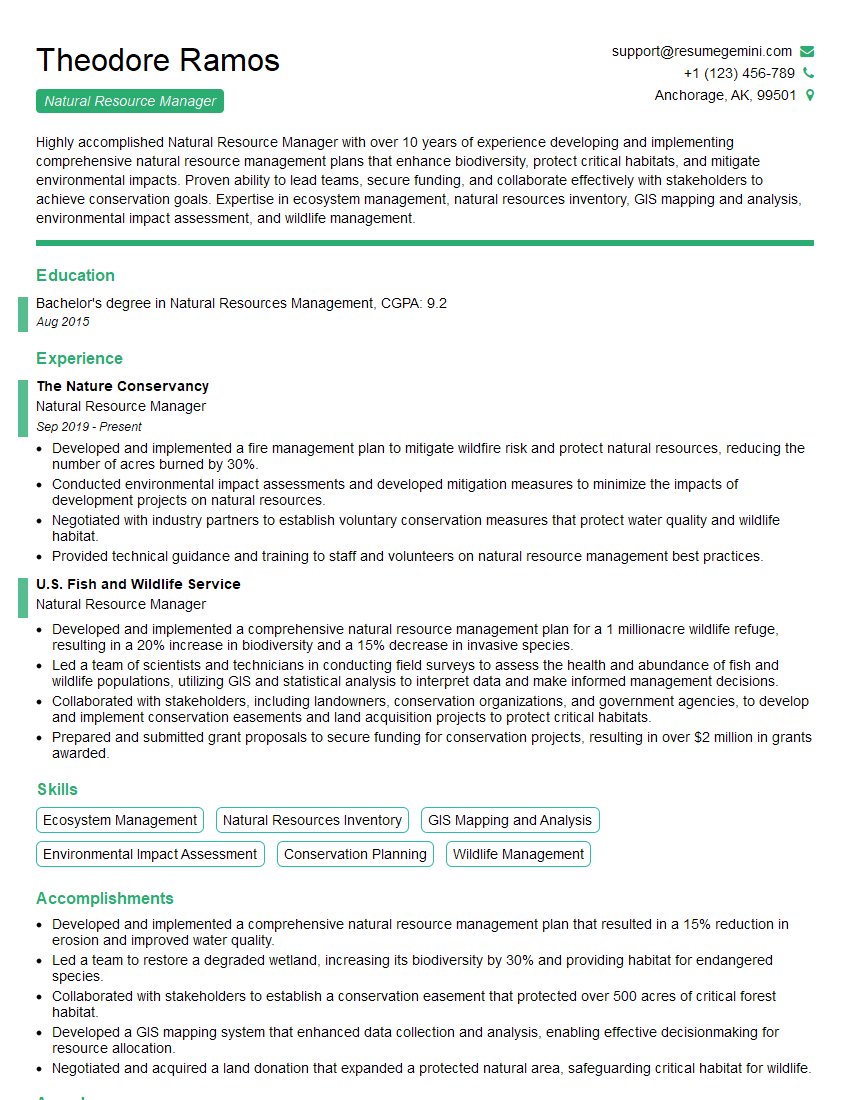
Mastering Conservation Advocacy is crucial for a rewarding and impactful career, opening doors to diverse roles within NGOs, government agencies, and the private sector. A strong, ATS-friendly resume is your key to unlocking these opportunities. To build a resume that truly showcases your skills and experience, we recommend using ResumeGemini. ResumeGemini provides a user-friendly platform to craft a professional document, and we offer examples of resumes tailored specifically to Conservation Advocacy to guide you.



Explore more articles
Users Rating of Our Blogs
Share Your Experience
We value your feedback! Please rate our content and share your thoughts (optional).
What Readers Say About Our Blog
Very informative content, great job.
good