Every successful interview starts with knowing what to expect. In this blog, we’ll take you through the top Conservation and Restoration interview questions, breaking them down with expert tips to help you deliver impactful answers. Step into your next interview fully prepared and ready to succeed.
Questions Asked in Conservation and Restoration Interview
Q 1. Explain the difference between in-situ and ex-situ conservation.
In-situ and ex-situ conservation represent two fundamental approaches to preserving biodiversity and cultural heritage. In-situ conservation focuses on protecting species and ecosystems within their natural habitats. Think of it like protecting a rainforest by creating a national park – the species remain where they evolved. Ex-situ conservation, on the other hand, involves protecting species and objects outside their natural habitats. This could involve breeding endangered pandas in a zoo or restoring a damaged painting in a museum laboratory.
- In-situ examples: Establishing protected areas like national parks and wildlife sanctuaries, implementing sustainable land management practices, creating wildlife corridors to connect fragmented habitats.
- Ex-situ examples: Zoo breeding programs, seed banks for plant species, botanical gardens, museum artifact restoration.
The choice between in-situ and ex-situ depends on various factors including the species’ vulnerability, the threats it faces, and the resources available. Often, a combined approach is most effective.
Q 2. Describe your experience with various conservation techniques for different materials (e.g., wood, metal, textiles).
My experience spans a broad range of conservation techniques for diverse materials. For wood, I’ve worked extensively on stabilizing cracked or damaged pieces using consolidants like Paraloid B72, a synthetic resin that penetrates and strengthens the wood without altering its appearance. I’ve also employed techniques like Japanese wood joinery for repairing structural weaknesses. For metal objects, I’ve used electrochemical methods to remove corrosion, followed by protective coatings to prevent further deterioration. This often involves careful selection of cleaning agents to avoid damaging the patina or surface detail. With textiles, the approach is much more delicate. I’ve used techniques like humidification to relax and reshape fragile fabrics, and employed specialized stitching methods for repairing tears. I am proficient in the use of supportive mountings and careful cleaning using appropriate solvents, always prioritizing the preservation of the fibers’ integrity.
One memorable project involved the restoration of a 17th-century wooden sculpture. It suffered from significant woodworm infestation and surface cracking. We carefully treated the infestation with consolidants and then used a combination of wood fillers and careful carving to restore the lost volume. The whole process involved meticulous documentation at each step.
Q 3. What are the ethical considerations involved in conservation and restoration projects?
Ethical considerations are paramount in conservation and restoration. We must always prioritize the long-term preservation of the object or ecosystem, even if it means forgoing immediate aesthetic improvements. For instance, we avoid invasive cleaning techniques that might damage the original material, opting instead for gentler methods. Authenticity is crucial; any interventions must be clearly documented and reversible, so future generations can understand and potentially reverse our work if necessary. Furthermore, cultural sensitivity is essential, especially when working with objects of significant cultural or religious importance to communities. Collaboration with those communities is not just good practice; it’s ethically imperative. Decisions should be made collaboratively, with a transparent understanding and agreement on the procedures.
Q 4. How do you assess the condition of an artifact or site before beginning conservation?
Assessing the condition of an artifact or site before commencing conservation is a multi-step process that begins with a thorough visual examination, followed by detailed documentation including photography and written notes. For artifacts, I might use magnification tools, like microscopes, to assess the condition of the material at a microscopic level. Non-invasive techniques like X-ray fluorescence (XRF) spectrometry can provide compositional information without damaging the piece. Environmental factors are also considered, including temperature, humidity, and light levels, as these can significantly affect the condition of the object. For sites, I might include ground-penetrating radar surveys and soil analysis. The goal is to create a baseline record to inform treatment strategies and monitor future changes.
Q 5. What are the common challenges encountered in habitat restoration?
Habitat restoration presents a unique set of challenges. Invasive species can quickly recolonize restored areas, undermining the efforts to re-establish native flora and fauna. Soil degradation and lack of appropriate seed sources can also significantly hinder the success of restoration projects. Furthermore, restoring ecological processes, such as nutrient cycling or hydrological processes, can be incredibly complex and time-consuming. The lack of available funding and sufficient timeframes can also mean a project does not reach its full potential. It’s crucial to carefully consider all the factors – the complexity and scale of the work often necessitates a long-term commitment.
Q 6. Explain your understanding of sustainable conservation practices.
Sustainable conservation practices prioritize long-term ecological and economic viability. It involves a holistic approach that considers not only the environmental impact but also the social and economic aspects. This includes using renewable resources, minimizing waste, and promoting community participation in conservation efforts. For example, instead of using harmful pesticides in a wildlife reserve, we might employ biological control methods. Similarly, in artifact conservation, we prioritize the use of environmentally friendly materials and techniques, and strive to minimize our carbon footprint during the entire project.
Q 7. Describe your experience with risk assessment in conservation projects.
Risk assessment is integral to every conservation project. It’s a systematic process of identifying potential hazards and vulnerabilities, assessing their likelihood and potential impact, and developing strategies for mitigation. This includes identifying risks to the objects or sites themselves (e.g., pests, environmental conditions, human interference), risks to the conservation team (e.g., working with hazardous materials), and risks to the project timeline and budget. I use a structured approach – a risk matrix which allows me to prioritize mitigation strategies based on the severity and probability of each risk, producing a detailed risk management plan that guides the project.
Q 8. How do you prioritize conservation efforts when resources are limited?
Prioritizing conservation efforts with limited resources requires a strategic approach. We use a three-pronged strategy: triage, targeting, and tracking.
Triage involves assessing the urgency and importance of different conservation needs. This is often done using a risk assessment framework that considers factors like the species’ extinction risk, the ecosystem’s vulnerability, and the feasibility of intervention. For example, a critically endangered species facing imminent habitat loss will likely receive higher priority than a less threatened species with a stable population.
Targeting involves focusing on the most effective interventions. This could mean concentrating efforts on a specific area with high biodiversity or using cost-effective methods, like habitat restoration rather than expensive captive breeding programs. For instance, if a particular invasive species is devastating a wetland ecosystem, targeting efforts to control that species might yield greater benefits than spread-thin efforts across many other concerns.
Tracking involves meticulously documenting the outcomes of conservation efforts. We measure progress against established goals and use this data to refine our strategies and justify future funding requests. This provides accountability and ensures we’re optimizing our resource allocation. A well-documented success story is crucial in securing future funding and support.
Q 9. What are the key principles of preventative conservation?
Preventative conservation focuses on minimizing damage before it occurs. Its key principles include:
- Environmental Control: Maintaining stable environmental conditions – temperature, humidity, light – to prevent deterioration. Think climate-controlled museum storage for artifacts.
- Proper Handling and Storage: Using appropriate materials and techniques to handle and store objects safely. This might include acid-free archival boxes for documents or special supports for fragile sculptures.
- Pest Control: Implementing measures to prevent pest infestations, such as regular inspections and the use of environmentally safe pest control methods. This is vital for protecting both historical objects and natural specimens.
- Regular Monitoring and Inspection: Routinely checking objects for signs of deterioration and addressing any issues promptly. Think of a museum curator regularly inspecting artwork for any signs of cracking or fading.
- Education and Training: Educating the public and staff on proper handling and care techniques to avoid accidental damage.
These measures are proactive and cost-effective in the long run compared to expensive and often irreversible restorative treatments. Preventative conservation is the cornerstone of successful long-term preservation.
Q 10. Describe your familiarity with different types of adhesives and their applications in conservation.
My experience encompasses a wide range of adhesives, each chosen based on the material being treated and the specific repair needed. The choice requires careful consideration of factors like the adhesive’s reversibility, its aging properties, its compatibility with the material, and its strength.
Examples include:
- Animal Glue: A traditional adhesive, often used for wood and paper repairs. It’s relatively reversible and ages well, making it a suitable choice for many conservation applications. However, its strength may be limited in some cases.
- Polyvinyl Acetate (PVAc) Emulsions: These are common water-based adhesives used for various materials, offering good adhesion and flexibility. They’re less prone to yellowing than some other synthetic adhesives. We often use this on paper and textiles.
- Acrylic Adhesives: Offering stronger bonds than PVAc, these are used for stronger repairs but careful consideration of reversibility needs to be made. This is more for joining structurally important components.
- Conservation-grade tissue papers and consolidants: These materials help consolidate fragile materials rather than simply being adhesives.
Selecting the right adhesive is crucial; an inappropriate choice can cause more damage than good. Careful testing is always performed to ensure compatibility before a full-scale application.
Q 11. How do you handle unexpected discoveries during a restoration project?
Unexpected discoveries during restoration are exciting but require careful handling. The protocol follows these steps:
- Documentation: Meticulously document the discovery, including photos, sketches, and detailed notes. The location, context, and any associated materials are recorded.
- Assessment: Assess the significance of the discovery, consulting with relevant experts as needed. If it is significant, it might significantly change the project’s scope.
- Conservation Planning: Develop a specific conservation plan that addresses the unique needs of the discovery, balancing its preservation with the project’s overall goals. This might involve halting parts of the restoration to focus on careful preservation of this discovery.
- Ethical Considerations: Evaluate the ethical implications of the discovery, particularly if it involves human remains or culturally sensitive materials. Relevant legal and ethical guidelines must be strictly followed.
- Communication: Communicate the discovery to relevant stakeholders, including funders, researchers, and the public, as appropriate.
For example, discovering a hidden inscription during the restoration of a painting requires halting the restoration process for further investigation to ensure it’s safely documented and protected.
Q 12. Explain your understanding of the impact of climate change on conservation efforts.
Climate change significantly impacts conservation efforts, exacerbating existing threats and creating new ones. The effects include:
- Increased frequency and intensity of extreme weather events: Hurricanes, floods, droughts, and wildfires directly damage ecosystems and cultural heritage sites, impacting biodiversity and causing irreparable harm to artifacts.
- Sea-level rise: Coastal ecosystems and archaeological sites are inundated, resulting in habitat loss and erosion.
- Changes in temperature and precipitation patterns: These affect the distribution and abundance of species, leading to habitat shifts and increased risk of extinction. Shifting temperatures also impact the rate of deterioration of artifacts and historical structures.
- Ocean acidification: This threatens marine ecosystems and the coral reefs that harbor immense biodiversity.
Conservation strategies must adapt to these challenges. This includes developing climate-resilient conservation plans, protecting and restoring ecosystems with high climate resilience, and implementing measures to mitigate the impact of extreme weather events on both natural and cultural heritage.
Q 13. What are some common methods for controlling invasive species?
Controlling invasive species is crucial for preserving biodiversity. Common methods include:
- Mechanical control: Physically removing invasive species, such as pulling weeds or cutting down invasive trees. This is effective for small-scale infestations but can be labor-intensive.
- Chemical control: Using herbicides or pesticides to kill invasive species. This requires careful consideration of potential impacts on native species and the environment.
- Biological control: Introducing natural predators, parasites, or diseases to control invasive species’ populations. This approach requires careful research to ensure it doesn’t create new problems. For example, introducing a specific beetle to control an invasive plant species.
- Integrated Pest Management (IPM): A holistic approach that combines different control methods to minimize environmental impacts and maximize effectiveness. IPM is often most effective.
- Habitat Restoration: Restoring native habitats can out-compete invasive species and support the growth of native flora and fauna.
The choice of method depends on the specific invasive species, the ecosystem, and available resources. A strategic combination is often most effective.
Q 14. How do you document your conservation and restoration work?
Comprehensive documentation is essential for conservation and restoration work. This includes:
- Detailed written records: Keeping a detailed record of all procedures, materials used, observations, and decisions made. This is often done using a standardized format to ensure consistency and clarity.
- Photography and videography: Documenting the condition of the object before, during, and after treatment. This provides visual evidence of the work undertaken.
- Digital imaging: Using advanced imaging techniques, such as multispectral imaging, to identify hidden features or assess the extent of damage.
- Archival storage: Securely storing all documentation in a way that ensures long-term accessibility. This is important for future researchers and conservators.
- Database management: Using databases to store and manage information from multiple projects. This helps streamline data analysis and reporting.
Good documentation ensures the work’s transparency, facilitates communication, and provides a valuable resource for future conservation efforts. It is a crucial element for demonstrating accountability and promoting best practices in the field.
Q 15. Describe your experience with community engagement in conservation projects.
Community engagement is absolutely crucial for successful conservation. It’s not just about informing people; it’s about building partnerships and fostering a sense of shared ownership. My approach involves a multi-faceted strategy.
- Participatory planning: I actively involve local communities in all stages of project design, from identifying priorities to implementing solutions. This ensures the project aligns with their needs and values. For example, in a wetland restoration project, I worked with local fishermen to understand their concerns about access and fishing grounds, integrating their knowledge into the restoration plan.
- Education and outreach: I use various methods, including workshops, presentations, and interactive displays, to educate communities about the ecological importance of the area and the benefits of conservation. We often create visually engaging materials to ensure accessibility.
- Capacity building: I invest time in training local communities in relevant skills, such as ecological monitoring or sustainable resource management. This empowers them to take ownership of the long-term conservation efforts. In a coastal cleanup initiative, we trained local youth in identifying marine debris and responsible waste management techniques.
- Conflict resolution: Inevitably, disagreements can arise. I facilitate open communication and mediation to address concerns and find mutually acceptable solutions. For instance, mediating between landowners and conservation groups regarding land access for monitoring purposes.
Ultimately, successful community engagement leads to increased project sustainability and a stronger commitment to conservation from all stakeholders.
Career Expert Tips:
- Ace those interviews! Prepare effectively by reviewing the Top 50 Most Common Interview Questions on ResumeGemini.
- Navigate your job search with confidence! Explore a wide range of Career Tips on ResumeGemini. Learn about common challenges and recommendations to overcome them.
- Craft the perfect resume! Master the Art of Resume Writing with ResumeGemini’s guide. Showcase your unique qualifications and achievements effectively.
- Don’t miss out on holiday savings! Build your dream resume with ResumeGemini’s ATS optimized templates.
Q 16. How do you ensure the long-term preservation of a restored site or artifact?
Long-term preservation requires a holistic approach extending beyond the initial restoration effort. It’s akin to building a house – you need a strong foundation and ongoing maintenance.
- Adaptive management: Restoration isn’t a one-time fix; it’s an iterative process. We regularly monitor the site, assess its progress, and adjust our strategies as needed. This ensures we adapt to unforeseen challenges, like invasive species or changing climatic conditions. For instance, we might need to introduce specific plant species if others fail to thrive.
- Ongoing maintenance: This involves tasks like removing invasive species, controlling erosion, and managing water levels. It’s essential to create a schedule and secure funding for these activities, which can be incorporated into broader land management plans.
- Community involvement: Engaging local communities ensures long-term stewardship. They become active participants, fostering a sense of responsibility and ensuring the site’s continued protection. For example, establishing local volunteer groups for regular monitoring and maintenance.
- Legal protection: Formal protection, such as establishing a protected area or conservation easement, offers a robust legal framework for long-term preservation. This provides a powerful safeguard against future development pressures.
- Documentation and data management: Detailed records of the restoration process, including materials used, methods employed, and monitoring data, are vital for future reference and for guiding any future interventions. This creates a legacy for learning and adaptation.
By combining these strategies, we significantly enhance the likelihood of successful long-term preservation.
Q 17. What are the legal and regulatory frameworks surrounding conservation in your area?
The legal and regulatory frameworks governing conservation vary depending on location, but generally involve a combination of national and regional laws and policies. In my area (Please specify your area for a more accurate and detailed response), key legislation includes [List relevant laws and regulations, e.g., Endangered Species Act, National Environmental Policy Act, relevant state or local ordinances]. These laws define protected species, habitats, and cultural heritage sites; regulate development activities impacting these resources; and outline permitting processes for projects that may affect them.
For example, before undertaking any restoration project, we must obtain the necessary permits, conduct environmental impact assessments, and comply with all relevant regulations. Failure to do so can lead to significant legal and financial consequences. There are also agencies (e.g., Environmental Protection Agency, Fish and Wildlife Service) tasked with enforcing these regulations and overseeing conservation initiatives.
Furthermore, understanding these frameworks is essential for securing funding, coordinating with other agencies, and navigating the complexities of land ownership and access.
Q 18. Describe your experience with project management in a conservation setting.
Project management in conservation demands a unique blend of scientific expertise, logistical skills, and stakeholder coordination. My approach relies on a structured framework:
- Planning and scoping: Defining clear objectives, setting realistic timelines, and identifying necessary resources are crucial initial steps. This involves detailed feasibility studies, stakeholder consultations, and budget development.
- Team building and collaboration: Conservation projects often involve interdisciplinary teams comprising scientists, engineers, community members, and policy experts. Effective communication and collaboration are paramount for success.
- Risk management: Identifying potential risks (e.g., funding shortfalls, unexpected weather events, invasive species) and developing mitigation strategies is critical. This might involve contingency plans and risk assessments.
- Monitoring and evaluation: Regularly tracking project progress against established goals and milestones is essential. This involves data collection, analysis, and reporting, which helps in identifying areas for improvement and ensuring accountability.
- Communication and reporting: Keeping stakeholders informed of project progress, challenges, and successes is key to maintaining their support and engagement. This might involve regular meetings, newsletters, and public reports.
For example, in a large-scale river restoration project, I used project management software to track progress, manage budgets, and facilitate communication among the diverse team members. Regular meetings and transparent reporting kept stakeholders informed and ensured their continued support throughout the project lifecycle.
Q 19. How do you manage conflicts of interest in conservation projects?
Conflicts of interest are inevitable in conservation, often arising from competing land uses, resource allocation, or differing stakeholder priorities. My approach emphasizes transparency, proactive communication, and ethical decision-making:
- Disclosure: Openly declaring any potential conflicts of interest from the outset establishes trust and transparency among stakeholders. This ensures all parties are aware of potential biases.
- Independent review: Involving independent experts to assess project proposals and decisions can help mitigate biases and ensure objectivity. This provides an external perspective.
- Mediation and negotiation: Facilitating dialogue and negotiation among conflicting parties can often lead to mutually acceptable solutions. This involves active listening and finding common ground.
- Ethical guidelines: Adhering to professional ethical codes and standards ensures decisions are made impartially and in the best interest of the environment and the community. These guidelines provide a framework for decision-making.
- Transparency in decision-making: Clearly documenting the decision-making process and justifying choices helps build trust and accountability. This creates a clear audit trail.
For example, when faced with a conflict between developers and conservationists over a proposed development near a sensitive wetland, I facilitated a series of workshops that brought all parties together to find a compromise that balanced development needs with environmental protection.
Q 20. Explain your understanding of different types of environmental monitoring techniques.
Environmental monitoring involves systematic observation and measurement of environmental parameters to assess ecological health and the effectiveness of conservation interventions. Techniques vary greatly depending on the ecosystem and the specific objectives:
- Biotic monitoring: This involves monitoring populations of plants and animals, using methods like species surveys, population counts, and mark-recapture studies. For example, monitoring bird populations to assess the impact of habitat restoration on biodiversity.
- Abiotic monitoring: This focuses on physical and chemical aspects of the environment, such as water quality, soil properties, air quality, and climate data. For example, measuring water temperature and dissolved oxygen levels in a restored river to evaluate water quality.
- Remote sensing: Using satellite imagery and aerial photography can provide large-scale assessments of habitat change, deforestation, or pollution events. This allows for broad-scale monitoring and identification of trends.
- In-situ sensors: Deploying sensors in the field (e.g., automated weather stations, water quality loggers) allows for continuous data collection and real-time monitoring. This provides detailed, continuous data.
- Citizen science: Involving the public in data collection, such as bird counts or water quality monitoring, expands monitoring capacity and fosters community engagement. This broadens data collection efforts.
The choice of monitoring techniques depends on the specific project goals, available resources, and the nature of the ecosystem being monitored. Data analysis is then crucial to interpret the collected information and inform management decisions.
Q 21. What are the key indicators of successful habitat restoration?
Successful habitat restoration is a multifaceted process, and measuring its success requires a holistic approach. Key indicators can be broadly categorized into:
- Biodiversity indicators: Increases in species richness (the number of different species), species abundance (the number of individuals per species), and functional diversity (the variety of roles species play in the ecosystem) indicate a healthier and more resilient ecosystem. For example, observing an increase in the number of native plant and animal species following a restoration project.
- Structural indicators: These reflect the physical characteristics of the habitat, such as vegetation cover, soil quality, water quality, and landscape connectivity. For example, observing the re-establishment of a healthy soil profile in a restored forest.
- Functional indicators: These assess the ecological processes within the habitat, such as nutrient cycling, water flow, and decomposition rates. For example, monitoring nutrient levels in a restored wetland to assess its ability to filter pollutants.
- Community involvement and stewardship: Active participation of local communities in restoration and ongoing management is a vital indicator of long-term success. This reflects the sustainability of efforts.
It’s important to remember that restoration is a long-term process. Monitoring should be ongoing to track progress and adjust management strategies as needed. The specific indicators used will depend on the restoration goals and the specific ecosystem being restored.
Q 22. Describe your experience with using GIS software in conservation planning.
GIS software is indispensable in conservation planning. It allows us to spatially analyze environmental data, creating maps that visualize crucial information for effective decision-making. My experience involves using ArcGIS and QGIS extensively to map habitat distributions, analyze species ranges, model potential impacts of development projects, and design protected area networks. For instance, in a recent project focused on the reintroduction of a threatened bird species, we used GIS to identify suitable habitat patches based on factors like elevation, vegetation type, and proximity to existing populations. This involved overlaying multiple layers of data to pinpoint optimal release sites, minimizing risks and maximizing the chances of successful reintroduction. We also utilized spatial analysis tools to simulate the potential spread of the species and evaluate the connectivity between different habitat patches, informing the creation of corridors to facilitate gene flow and population growth.
Q 23. How do you evaluate the effectiveness of a conservation or restoration project?
Evaluating conservation and restoration projects requires a multifaceted approach. It’s not simply about measuring immediate changes, but rather assessing long-term ecological and socio-economic impacts. We use a combination of quantitative and qualitative methods. Quantitative methods include monitoring key biodiversity indicators (e.g., species abundance, habitat quality, water purity), using statistical analysis to determine changes over time. Qualitative methods involve stakeholder engagement, assessing the project’s social and economic impacts, and measuring community satisfaction. For instance, in a river restoration project, we monitored water quality parameters, fish populations, and riparian vegetation health, while also conducting surveys with local communities to gauge their perception of the project’s success. A successful project shows statistically significant improvements in ecological indicators and positive social feedback, demonstrating ecological integrity and community acceptance.
Q 24. What are some innovative approaches to conservation you are aware of?
The field of conservation is constantly evolving. Some innovative approaches include using citizen science initiatives to gather large-scale data on biodiversity, employing advanced genetic techniques for species identification and monitoring, and developing nature-based solutions to address climate change impacts. For instance, I’ve worked on a project using drone technology to monitor wildlife populations in remote areas, providing more efficient and less invasive data collection than traditional methods. Another exciting area is the application of artificial intelligence for species recognition in camera trap images, greatly accelerating data processing and analysis. This allows us to track species’ distribution, abundance, and behavior more effectively than ever before. Moreover, integrating Indigenous and local knowledge into conservation planning is increasingly recognized as crucial for long-term success, valuing local expertise and fostering community participation.
Q 25. How do you stay updated on the latest advancements in conservation and restoration techniques?
Staying current in this rapidly advancing field demands continuous learning. I regularly attend international conferences and workshops, subscribe to leading conservation journals (e.g., Conservation Biology, Biological Conservation), and actively participate in online professional networks. I also closely follow the work of leading research institutions and organizations involved in conservation and restoration, regularly reviewing their publications and reports. Furthermore, engaging in collaborative projects with colleagues from diverse backgrounds exposes me to different approaches and perspectives, enriching my understanding of the most recent advancements in the field.
Q 26. Describe a time you had to make a difficult decision in a conservation project. What was the outcome?
During a wetland restoration project, we faced a challenging decision involving the removal of an invasive plant species. The traditional method was herbicide application, but it posed risks to non-target species. An alternative was manual removal, a more labor-intensive and time-consuming approach. After careful consideration, weighing ecological risks versus cost and time constraints, and considering the long-term ecological benefits, we opted for manual removal. The outcome was successful. While it took longer and cost more, it minimized the risks to non-target species, resulting in better overall ecosystem health. The community also positively responded to the ecological integrity focus of our approach. The long-term success of the project justified our approach, illustrating the importance of considering multiple factors when making crucial decisions in conservation.
Q 27. Explain your understanding of biodiversity and its importance in conservation.
Biodiversity refers to the variety of life at all levels from genes to ecosystems. It encompasses species diversity, genetic diversity within species, and ecosystem diversity. Its importance in conservation is paramount because it underpins ecosystem services that are essential for human well-being, such as clean air and water, pollination, and climate regulation. Loss of biodiversity weakens ecosystem resilience, making them more vulnerable to disruptions like climate change and invasive species. Maintaining biodiversity is therefore crucial for ensuring the long-term health and stability of ecosystems and the continued provision of essential ecosystem services. Consider, for example, a forest ecosystem: a diverse forest is more resistant to pests and diseases because a wider range of tree species reduces the risk of widespread damage from a single pathogen. A diverse ecosystem also provides a broader array of resources and opportunities for human societies.
Q 28. What are the potential negative impacts of tourism on conservation areas?
Tourism, while potentially beneficial for conservation through revenue generation and awareness raising, can have significant negative impacts if not managed sustainably. These include habitat degradation from increased foot traffic and infrastructure development, pollution from waste and emissions, disturbance of wildlife leading to stress and changes in behavior, and the introduction of invasive species. Overcrowding can lead to resource depletion and damage to sensitive ecosystems. For instance, uncontrolled tourism in coastal areas can lead to coral reef damage, beach erosion, and water pollution, threatening the very ecosystems tourists come to see. Responsible tourism management, including carrying capacity limits, infrastructure planning that minimizes environmental impact, and educational programs for tourists, is crucial to mitigate these negative impacts and ensure the long-term conservation of protected areas.
Key Topics to Learn for Conservation and Restoration Interview
- Preventive Conservation: Understanding environmental factors affecting artifacts and implementing strategies for long-term preservation. Practical application: Developing a preventative conservation plan for a museum collection.
- Materials Science: Knowledge of the properties and deterioration mechanisms of various materials (e.g., paper, textiles, wood, metals). Practical application: Identifying the cause of damage to a historical painting and recommending appropriate treatment.
- Conservation Ethics and Documentation: Understanding ethical principles in conservation and the importance of meticulous documentation throughout the treatment process. Practical application: Justifying the chosen treatment method for a damaged artifact in a detailed report.
- Restoration Techniques: Familiarity with various cleaning, repair, and stabilization techniques for different materials. Practical application: Performing a controlled cleaning test on a fragile textile.
- Risk Assessment and Management: Identifying and mitigating potential risks to collections, including environmental hazards and human intervention. Practical application: Developing a disaster preparedness plan for a historical archive.
- Digital Imaging and Documentation: Utilizing digital technologies for condition assessment, documentation, and virtual restoration. Practical application: Creating a 3D model of a damaged sculpture for analysis and planning.
- Project Management in Conservation: Understanding project planning, budgeting, and communication within a conservation project. Practical application: Managing a team to conserve a large-scale historical site.
Next Steps
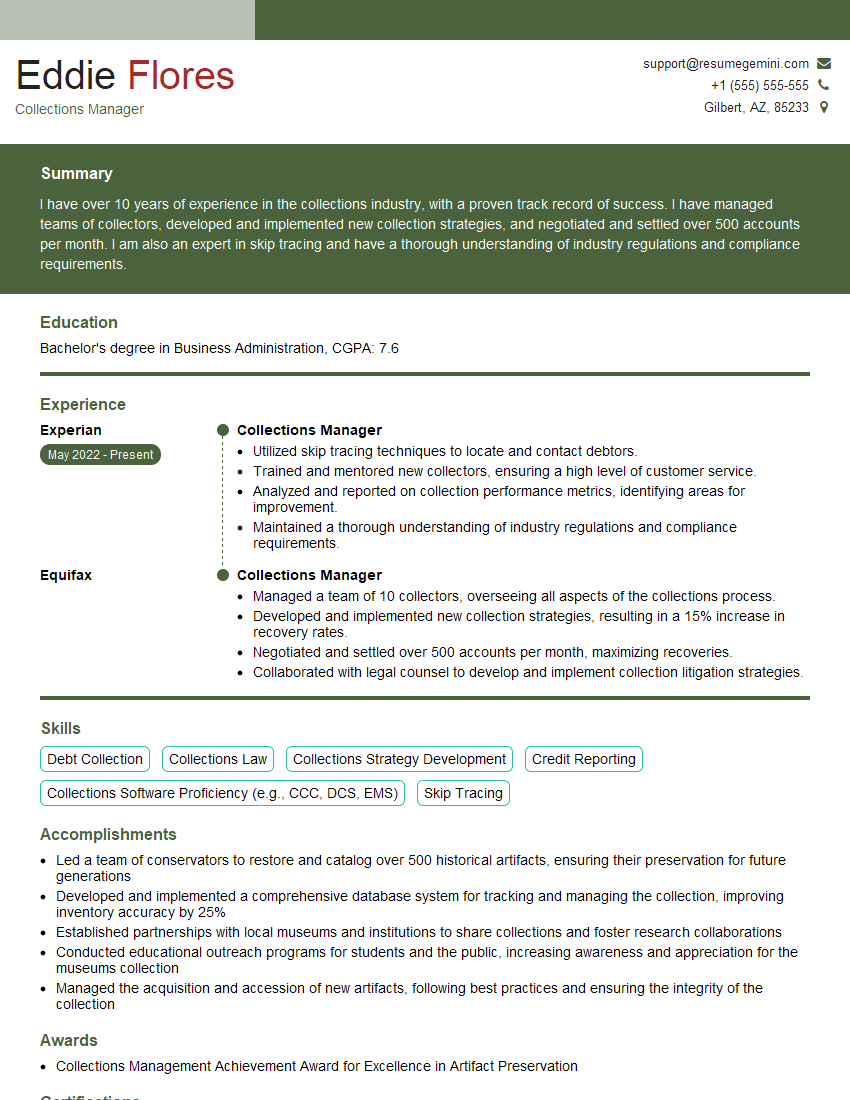
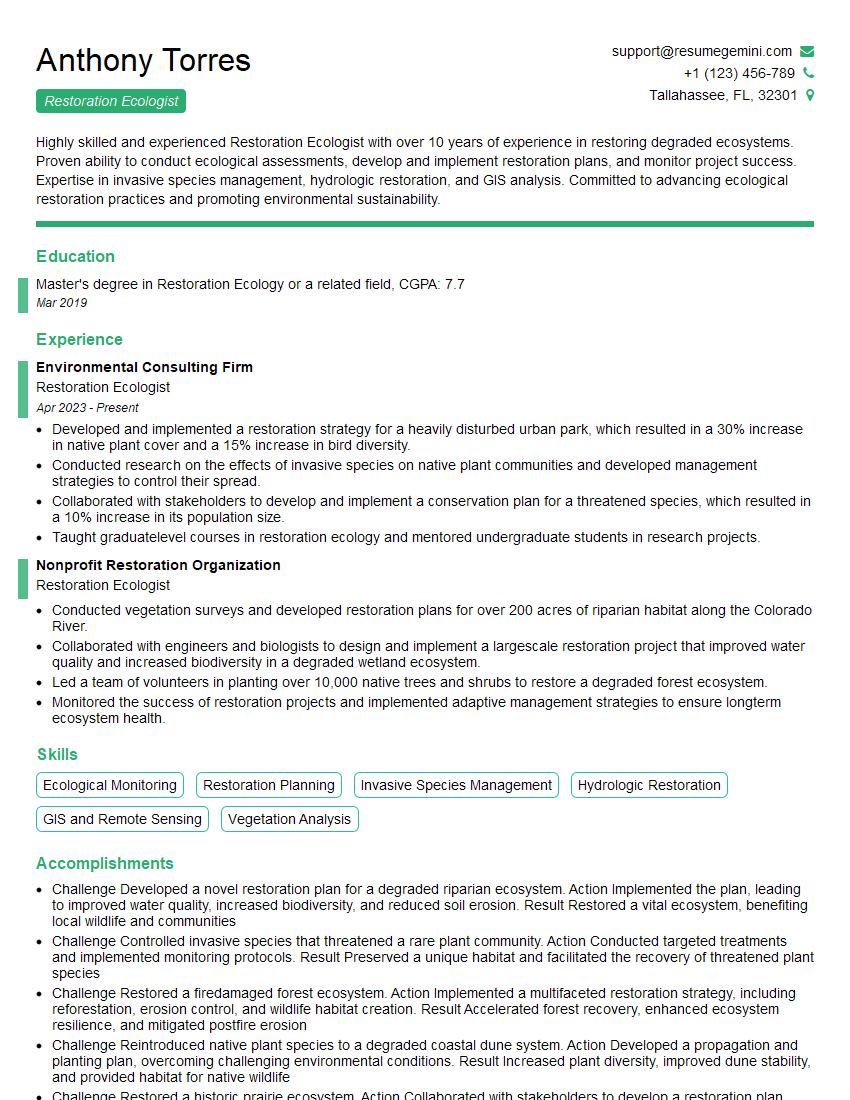
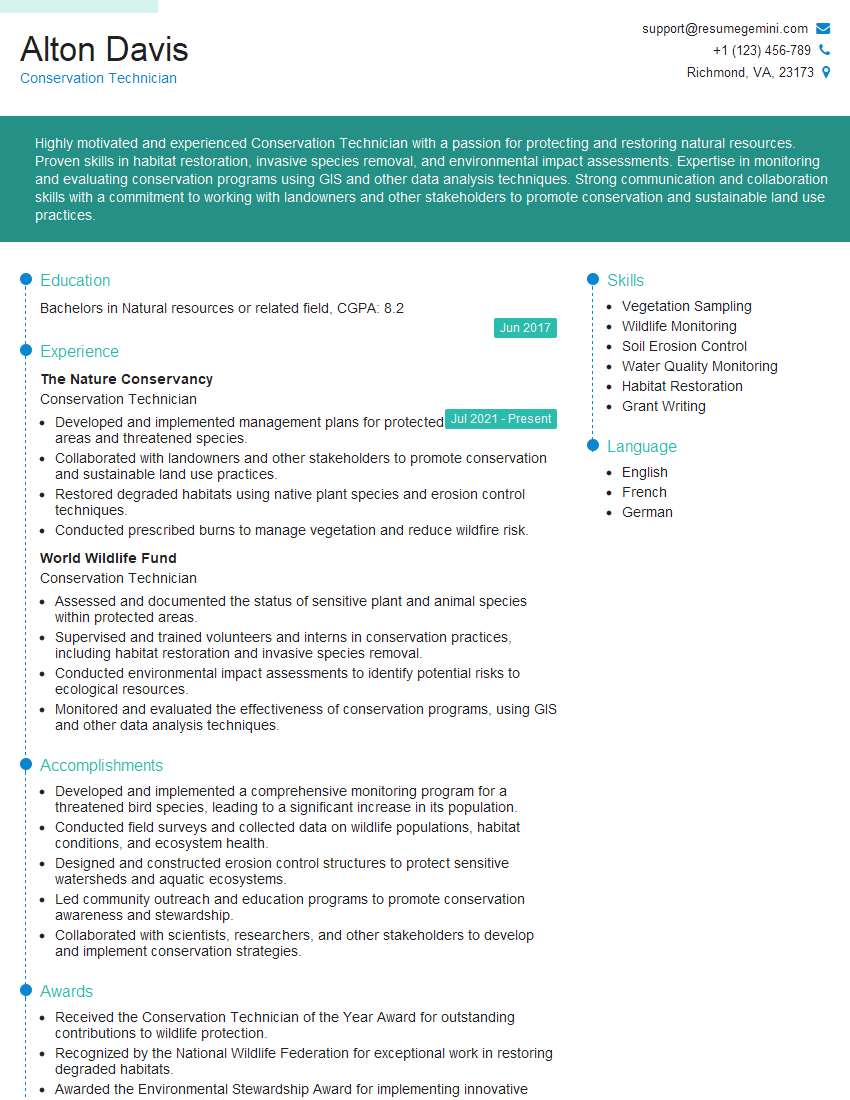
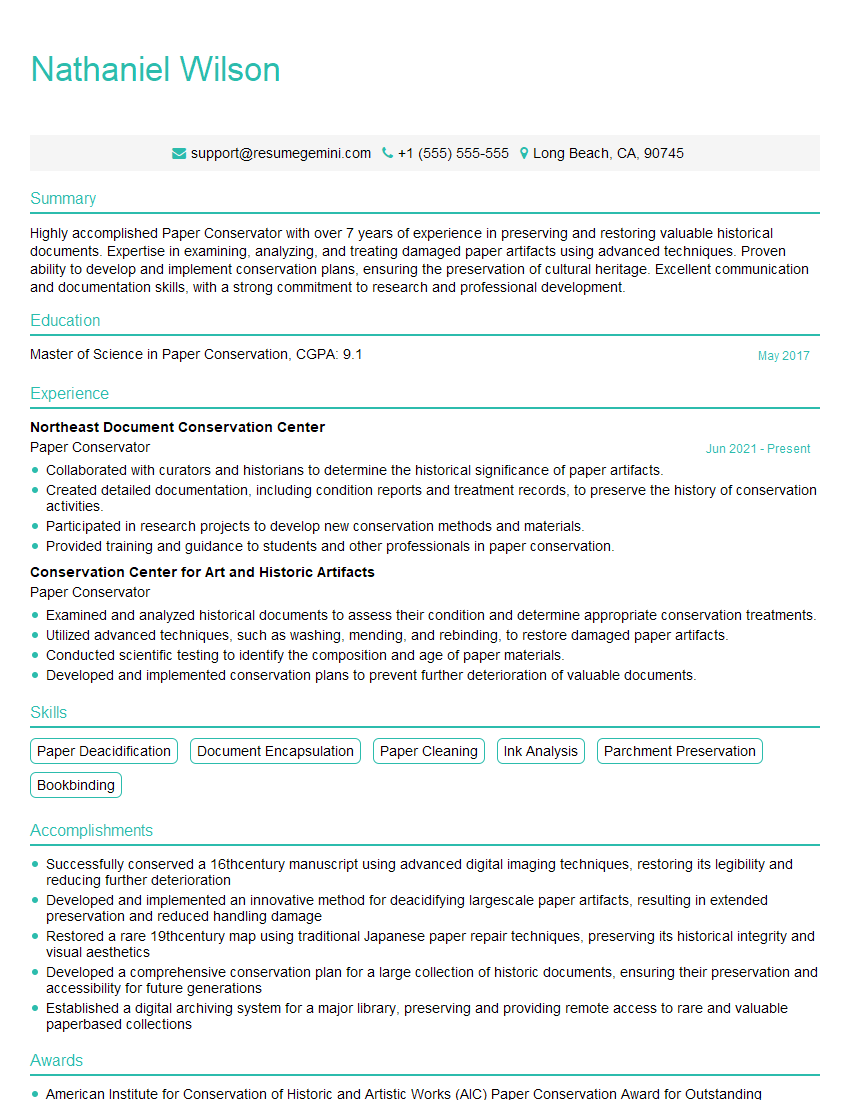
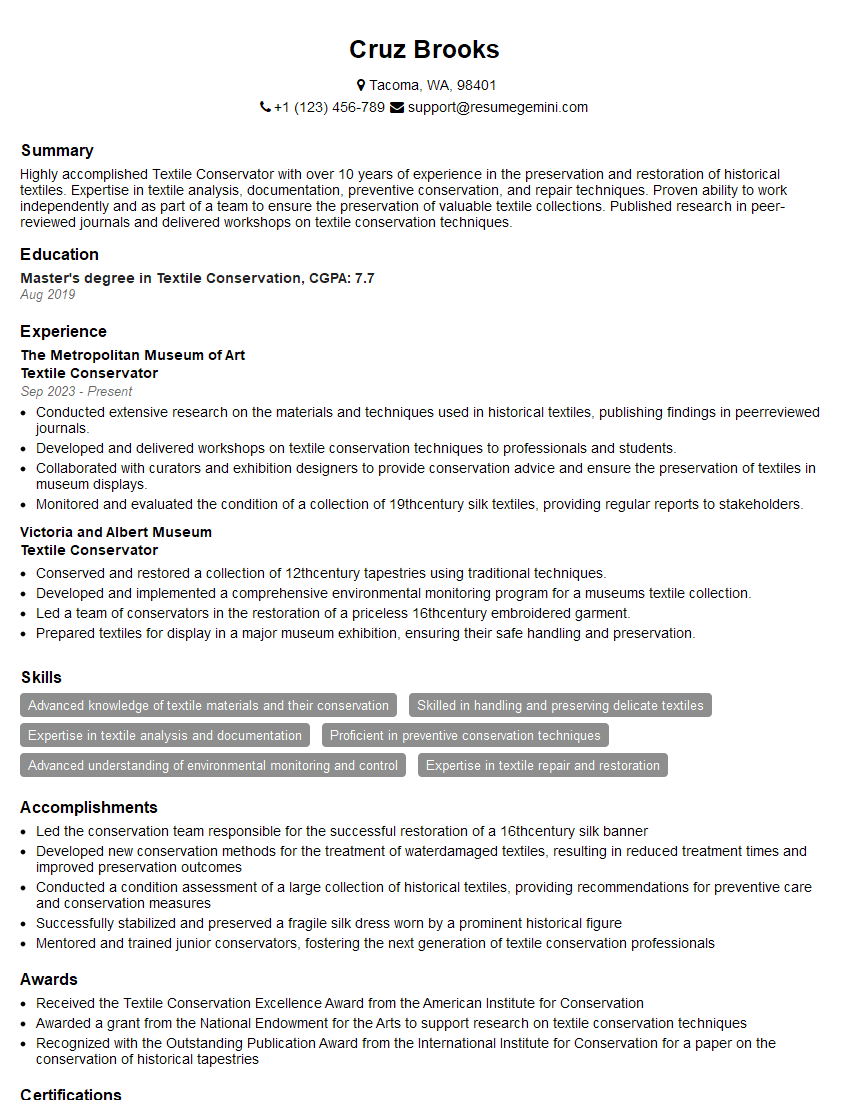
Mastering Conservation and Restoration opens doors to a rewarding career with diverse opportunities in museums, archives, historical sites, and private practice. To maximize your job prospects, crafting a strong, ATS-friendly resume is crucial. ResumeGemini can help you build a professional resume that highlights your skills and experience effectively. We provide examples of resumes tailored specifically to the Conservation and Restoration field to guide you. Take advantage of this valuable resource to present yourself confidently to potential employers.

Explore more articles
Users Rating of Our Blogs
Share Your Experience
We value your feedback! Please rate our content and share your thoughts (optional).
What Readers Say About Our Blog
Very informative content, great job.
good