Cracking a skill-specific interview, like one for Content Redaction and Sanitization, requires understanding the nuances of the role. In this blog, we present the questions you’re most likely to encounter, along with insights into how to answer them effectively. Let’s ensure you’re ready to make a strong impression.
Questions Asked in Content Redaction and Sanitization Interview
Q 1. Explain the difference between redaction and sanitization.
While both redaction and sanitization aim to protect sensitive data, they differ significantly in their approach and outcome. Redaction focuses on removing or obscuring specific pieces of information from a document while preserving the document’s overall structure. Think of it like using a marker to black out a single word on a page. The page remains intact, just with some information hidden. Sanitization, on the other hand, is a more comprehensive process aiming to make data unrecoverable. It’s like shredding a document – the information is destroyed, and reconstruction is extremely difficult or impossible. In essence, redaction is about concealing specific data, while sanitization is about making data inaccessible.
Q 2. What are the different methods used for content redaction?
Several methods exist for content redaction, each with varying levels of security. Common techniques include:
- Blacking out/Overwriting: This involves replacing sensitive information with black boxes or a solid color. It’s simple but offers minimal security as underlying data might be recoverable using forensic techniques.
- Character Masking: Replacing sensitive data with asterisks (*) or other characters (e.g., ‘X’). This is suitable for simple text redaction but can be easily reversed if the original data length is known.
- White Space Redaction: Replacing sensitive data with spaces. Similar to character masking, it’s not highly secure.
- Data Transformation: This involves transforming data into an unrecognizable format using algorithms or encryption. This offers stronger security than simple masking or blacking out, provided the transformation is secure and irreversible.
- Metadata Removal: Sensitive information can be embedded in metadata (e.g., document creation date, author, file paths). Redaction should specifically target and remove or sanitize this embedded data.
The choice of method depends heavily on the sensitivity of the data, legal requirements, and the level of security needed.
Q 3. Describe the process of sanitizing sensitive data for various storage media (e.g., hard drives, cloud storage).
Sanitizing sensitive data across different storage media requires tailored approaches. For hard drives, secure deletion software is crucial. These tools overwrite the drive’s sectors multiple times with random data, making data recovery extremely challenging. For cloud storage, the process is more indirect. You rely on the cloud provider’s secure deletion capabilities, often involving multiple layers of encryption and data erasure. It’s essential to verify the provider’s security protocols and compliance certifications. For both, a crucial step is ensuring data deletion is logged and documented for auditing purposes.
Imagine sanitizing your old laptop before selling it. Using secure delete software on the hard drive is essential to eliminate traces of personal data. When using cloud services, carefully review the provider’s data deletion policies to understand how they permanently remove your data.
Q 4. How do you ensure the irreversible nature of redaction techniques?
Ensuring irreversible redaction is paramount. Simple techniques like blacking out or masking are easily reversed. Achieving irreversibility typically involves:
- Multiple Overwrites: Overwriting the sensitive data multiple times with different patterns of random data significantly reduces the chance of recovery.
- Cryptographic Hashing: Hashing the data before deletion creates a digital fingerprint. Later, verifying the hash can confirm that the data is indeed gone.
- Specialized Sanitization Tools: Commercial and open-source tools offer advanced techniques like cryptographic erasure, making data recovery practically impossible.
- Physical Destruction: For ultimate security, physical destruction of storage media (e.g., shredding hard drives) guarantees data irreversibility.
The choice of method should be proportionate to the risk. For highly sensitive data, multiple layers of security, including physical destruction, might be necessary.
Q 5. What are the legal and regulatory compliance considerations related to data redaction and sanitization?
Legal and regulatory compliance is paramount in data redaction and sanitization. Regulations like GDPR (General Data Protection Regulation), CCPA (California Consumer Privacy Act), HIPAA (Health Insurance Portability and Accountability Act), and various industry-specific standards dictate how personal and sensitive data must be handled. These regulations often stipulate specific requirements for data retention, deletion, and security protocols. Failure to comply can result in hefty fines and legal repercussions. Always consult legal counsel and stay updated on relevant legislation when designing your redaction and sanitization strategies.
For example, a healthcare provider must adhere to HIPAA when sanitizing patient data, ensuring the data is irretrievable and protected from unauthorized access.
Q 6. How do you handle different data formats (e.g., text, images, audio, video) during redaction and sanitization?
Handling diverse data formats requires specialized tools and techniques. For text, simple redaction methods might suffice. For images, techniques involve pixelation, blurring, or replacing sensitive regions with other images. Audio and video require more sophisticated methods involving audio masking, audio or video segment deletion or replacement. Each format has its unique challenges. For instance, metadata embedded within audio or video files should also be targeted for removal. A robust redaction system must be adaptable to different file types and capable of handling various data structures.
Imagine redacting a video containing sensitive information – you need tools capable of blurring faces, muting specific audio segments, or removing identifiable markers in the video, making sure to deal with metadata correctly.
Q 7. What are the challenges associated with redacting data embedded within complex files?
Redacting data embedded within complex files (e.g., PDFs with embedded images or databases with linked tables) poses significant challenges. The difficulty arises from the intricacy of the file structure and the possibility of data fragments being scattered across different parts of the file. Simple redaction techniques might be insufficient, and forensic tools may be needed to ensure complete removal of sensitive information. Automated redaction tools with advanced capabilities for parsing complex files and handling various data types are required for accurate and thorough sanitization. Manual review is often necessary to ensure no remnants of sensitive data persist.
For instance, redacting a complex database necessitates careful planning and execution to ensure data is removed from all related tables and indices. A simple deletion from one table might still leave traces in other linked components.
Q 8. Describe your experience with data loss prevention (DLP) tools and techniques.
Data Loss Prevention (DLP) tools and techniques are crucial for safeguarding sensitive information. My experience encompasses implementing and managing various DLP solutions, ranging from network-based systems that monitor traffic for sensitive data patterns to endpoint solutions that protect data residing on individual computers and mobile devices. I’ve worked with tools like Symantec DLP, McAfee DLP, and Microsoft Purview Information Protection.
My approach involves a multi-layered strategy. First, we identify sensitive data types – PII (Personally Identifiable Information), PHI (Protected Health Information), financial data, etc. – and establish clear policies outlining acceptable usage and handling. Then, we configure DLP tools to detect and prevent unauthorized access, copying, or transmission of this data. This includes monitoring email, file sharing platforms, cloud storage, and even print jobs. Furthermore, I’m experienced in using DLP tools to automatically redact or sanitize data that violates established policies, mitigating the risk even before a breach attempt occurs.
For example, in a recent project, we implemented a DLP solution to prevent employees from emailing sensitive customer data outside the company network. The system was configured to identify credit card numbers, social security numbers, and other sensitive data patterns within email content and attachments. If a violation was detected, the system would either block the email from being sent or automatically redact the sensitive information before delivery, logging the event for auditing purposes.
Q 9. Explain the concept of metadata and how it impacts redaction and sanitization.
Metadata is data *about* data. It’s the information that describes a file or document, including things like author, creation date, modification history, file size, and even embedded location data (GPS coordinates in a photo, for instance). It’s often overlooked, but metadata plays a significant role in redaction and sanitization because it can contain sensitive information that needs to be addressed.
For instance, a seemingly innocuous document might have metadata revealing the names of individuals involved in a highly confidential project, even if those names aren’t explicitly mentioned in the document’s content. Similarly, the modification history might disclose the names of individuals who edited the document, revealing their involvement.
During the redaction and sanitization process, I always address metadata alongside the visible content. This involves using specialized tools and techniques to remove or modify metadata to protect sensitive information. For example, I ensure that ‘author’ and ‘created’ metadata is removed or altered where necessary. Failure to address metadata can render redaction and sanitization efforts incomplete, leaving sensitive data unintentionally exposed.
Q 10. How do you validate the effectiveness of your redaction and sanitization processes?
Validating the effectiveness of redaction and sanitization is a critical step. We use a multi-pronged approach.
- Automated Checks: Many redaction tools offer built-in validation features, checking for any remaining sensitive information post-processing.
- Manual Review: A team of trained professionals meticulously reviews a sample of redacted documents to verify the accuracy and completeness of the redaction.
- Third-Party Audits: For particularly sensitive data or regulatory compliance reasons, we utilize independent third-party audits to provide an objective assessment of the effectiveness of our processes.
- Data Loss Prevention System Integration: DLP systems often include logs and reports that can be used to monitor for any instances of sensitive information inadvertently leaving the organization, allowing us to identify and address gaps in our redaction processes.
We use a combination of these methods, ensuring that a rigorous and thorough validation process takes place.
Q 11. What security protocols do you follow during redaction and sanitization?
Security protocols are paramount in redaction and sanitization. My approach aligns with industry best practices and relevant regulations such as GDPR, CCPA, HIPAA etc. This includes:
- Access Control: Strict access control measures are implemented to limit access to sensitive data and redaction tools only to authorized personnel.
- Encryption: Data is encrypted both in transit and at rest, protecting it from unauthorized access even if a breach occurs.
- Auditing and Logging: All redaction and sanitization activities are meticulously logged and audited to maintain a complete trail of actions and accountability. This helps with incident response and compliance audits.
- Secure Storage: Redacted and sanitized documents are stored securely, using appropriate access control and encryption measures.
- Regular Security Assessments: We regularly conduct security assessments to identify and address potential vulnerabilities in our systems and processes.
Think of it like a high-security vault – multiple layers of protection ensure the safety of the contents within.
Q 12. Describe your experience with different redaction software tools.
I have extensive experience with a variety of redaction software tools, each offering different strengths and weaknesses. I’ve worked with both standalone applications and those integrated with broader eDiscovery platforms. Some examples include:
- Redact-It: A powerful tool excellent for batch processing and advanced redaction techniques.
- CaseText: Strong in its integration with eDiscovery workflows and its ability to handle large volumes of data.
- Relativity: A comprehensive eDiscovery platform with integrated redaction capabilities that offer robust functionality and features.
The choice of tool depends heavily on the specific requirements of the project, such as the volume and type of data, the required level of security, and budget constraints. My expertise lies in selecting and effectively utilizing the most appropriate tool for each scenario.
Q 13. How do you handle ambiguous or borderline cases during the redaction process?
Ambiguous or borderline cases during redaction require careful consideration and a clear escalation path. For instance, identifying personally identifiable information in free text can sometimes be challenging. My approach involves:
- Contextual Analysis: I carefully examine the surrounding text to understand the context and intent. Is the potentially sensitive information truly identifying, or is it used generically?
- Legal and Regulatory Guidance: I consult with legal counsel and relevant regulatory guidelines to determine the appropriate course of action.
- Error on the Side of Caution: When in doubt, I err on the side of caution and redact the information. It is always better to over-redact than under-redact.
- Documentation: All ambiguous cases are meticulously documented, outlining the reasoning behind the decisions made.
This structured approach ensures consistency and minimizes the risk of accidental data exposure.
Q 14. What is your experience with eDiscovery processes and the role of redaction and sanitization within them?
eDiscovery (Electronic Discovery) processes are inherently linked to redaction and sanitization. In eDiscovery, massive volumes of electronically stored information are collected, processed, and reviewed to support litigation or regulatory investigations. Redaction and sanitization are crucial to protect privileged information, confidential business information, and personally identifiable information from unauthorized disclosure during this process.
My experience includes supporting eDiscovery projects by applying appropriate redaction and sanitization techniques throughout the entire lifecycle. This involves identifying and protecting sensitive data during data collection, processing, and review stages. I am proficient in using eDiscovery platforms to implement redaction rules and workflows. For example, I may configure a system to automatically redact social security numbers across all collected documents. Additionally, I ensure that the redacted data is properly logged and audited to meet legal and regulatory requirements.
Understanding the legal and regulatory context of each eDiscovery case is key to determining the appropriate redaction strategies. This often requires close collaboration with legal teams.
Q 15. Explain the importance of audit trails in redaction and sanitization.
Audit trails are absolutely crucial in content redaction and sanitization. Think of them as a detailed record of every change made to a document or dataset. They provide irrefutable proof of what was redacted, when it was redacted, and by whom. This is vital for several reasons:
- Compliance and Accountability: Regulations like GDPR and CCPA mandate demonstrable proof of data protection measures. Audit trails offer this crucial evidence, shielding your organization from potential legal repercussions.
- Error Detection and Correction: If an error occurs during redaction – perhaps sensitive information was inadvertently missed – the audit trail helps pinpoint the mistake and allows for quick remediation.
- Security and Investigation: In the event of a data breach or security incident, the audit trail can help investigators understand the timeline of events and potentially identify the source of the problem.
- Verification and Validation: Independent audits or internal reviews can use the audit trail to verify the effectiveness of your redaction and sanitization processes.
A robust audit trail should include information such as timestamps, user IDs, the specific actions taken (e.g., redaction of a specific field), and the original and redacted data (where appropriate). Many redaction tools automatically generate these trails; however, it’s crucial to configure and review these settings to ensure comprehensive logging.
Career Expert Tips:
- Ace those interviews! Prepare effectively by reviewing the Top 50 Most Common Interview Questions on ResumeGemini.
- Navigate your job search with confidence! Explore a wide range of Career Tips on ResumeGemini. Learn about common challenges and recommendations to overcome them.
- Craft the perfect resume! Master the Art of Resume Writing with ResumeGemini’s guide. Showcase your unique qualifications and achievements effectively.
- Don’t miss out on holiday savings! Build your dream resume with ResumeGemini’s ATS optimized templates.
Q 16. How do you prioritize different data sensitivity levels during redaction and sanitization?
Prioritizing data sensitivity levels is paramount. We typically use a tiered system, often mapping to a classification scheme defined by the organization’s data governance policies. For example:
- Critical: Highly sensitive data like Social Security numbers, medical records, or financial details. These require the most stringent redaction methods, possibly including irreversible techniques.
- High: Sensitive information like email addresses, phone numbers, or partial addresses. These typically require redaction but may allow for less stringent methods.
- Medium: Less sensitive data like names without identifiers. Redaction might be optional or involve less robust techniques.
- Low: Publicly available information requiring minimal or no redaction.
The prioritization process involves careful analysis of each data element, mapping it to the appropriate sensitivity level, and then selecting redaction methods commensurate with the risk level. Tools may allow automated workflows based on pre-defined rules to aid in this process, ensuring consistency and efficiency.
Q 17. Describe a time you had to deal with a complex redaction request with tight deadlines.
I once faced a situation where we needed to redact a massive dataset of customer records – over 10 million entries – before a crucial regulatory audit scheduled for just three days away. The complexity arose from the varied types of PII within the data and the need to ensure complete compliance with multiple regulations.
Our team immediately implemented a multi-pronged strategy:
- Prioritization and Triage: We first identified the most sensitive PII elements requiring immediate attention.
- Automated Redaction: We leveraged our redaction tool’s capabilities for automated identification and masking of specific data patterns (e.g., credit card numbers, social security numbers).
- Manual Review and Quality Control: A dedicated team of reviewers performed a multi-stage quality check, verifying the accuracy and completeness of the automated redaction.
- Parallel Processing: We divided the dataset into manageable chunks, processing them concurrently to accelerate the overall process.
- Clear Communication and Collaboration: Frequent updates and transparent communication with stakeholders were key to keeping everyone informed and aligned.
Through this coordinated effort, we successfully completed the redaction within the tight deadline, ensuring compliance and averting potential penalties.
Q 18. What are the potential risks associated with incomplete or improper redaction and sanitization?
Incomplete or improper redaction and sanitization carries significant risks:
- Data Breaches: The most severe risk is the exposure of sensitive information, leading to identity theft, financial loss, reputational damage, and legal penalties.
- Regulatory Non-Compliance: Failure to meet regulatory requirements (e.g., GDPR, CCPA, HIPAA) can result in hefty fines and legal action.
- Loss of Trust: Data breaches erode public trust in your organization, impacting customer loyalty and business relationships.
- Reputational Harm: Negative publicity surrounding data breaches can severely damage your organization’s reputation.
- Financial Losses: Costs associated with investigations, remediation, legal fees, and potential compensation to affected individuals can be substantial.
Therefore, a robust and well-tested redaction and sanitization process, coupled with regular audits, is essential to mitigate these risks.
Q 19. How do you stay updated on best practices and evolving regulations related to data privacy and security?
Staying abreast of best practices and evolving regulations is a continuous process. I actively engage in several strategies:
- Professional Certifications: Maintaining relevant certifications (e.g., Certified Information Systems Security Professional (CISSP)) demonstrates commitment and provides access to updated knowledge.
- Industry Conferences and Webinars: Attending conferences and webinars offers insights into emerging trends and best practices from industry experts.
- Professional Networks: Participating in professional organizations and online forums allows for the exchange of knowledge and best practices with peers.
- Subscription to Relevant Publications: Subscribing to industry journals and newsletters ensures that I receive regular updates on new regulations and technologies.
- Ongoing Training: Regular participation in training courses helps maintain proficiency in the latest redaction techniques and tools.
This multi-faceted approach ensures that my knowledge remains current and relevant, allowing me to effectively address emerging challenges in data privacy and security.
Q 20. What is your experience working with different types of Personally Identifiable Information (PII)?
My experience encompasses a broad range of PII types, including:
- Direct Identifiers: Names, addresses, phone numbers, email addresses, social security numbers, driver’s license numbers, passport numbers, medical record numbers, and biometric data.
- Quasi-Identifiers: Information that, when combined with other data, could be used to identify an individual, such as date of birth, place of birth, gender, and ethnicity.
- Indirect Identifiers: Data that might indirectly reveal an individual’s identity, such as employment history, education details, or online activity.
I have experience handling PII across diverse data formats, including structured databases, unstructured text documents, images, and audio/video recordings. This experience has instilled a deep understanding of the specific redaction techniques and considerations necessary for each PII type and format, ensuring comprehensive and effective protection.
Q 21. How do you balance the need for thorough redaction with the need for data usability?
Balancing thorough redaction with data usability is a delicate act. Overly aggressive redaction can render data unusable, while insufficient redaction leaves sensitive information exposed. The key lies in a strategic approach:
- Contextual Redaction: Rather than simply removing all instances of specific data elements, we often employ contextual redaction. This means considering the context of the data before deciding what to redact. For example, a name might be redacted in a medical record, but retained in a report summarizing demographic trends, provided appropriate de-identification techniques are applied.
- Data Minimization: We adhere to the principle of data minimization, redacting only the minimum necessary data to fulfill the purpose of the data processing while protecting privacy.
- Data Pseudonymization and Anonymization: Where appropriate, we utilize pseudonymization (replacing identifiers with pseudonyms) or anonymization (removing identifiers completely) to protect privacy while preserving data utility for analysis and research purposes. However, it’s crucial to understand the limitations of these techniques and the potential for re-identification.
- Redaction Technology and Tools: Choosing the right redaction tools plays a vital role. Modern tools provide advanced features like partial masking, character replacement, and redaction of specific patterns, allowing for controlled redaction that balances privacy with usability.
Effective communication with stakeholders is critical. Understanding their needs and the specific use cases for the redacted data allows for informed decisions on the appropriate level of redaction to achieve the best balance.
Q 22. Explain your understanding of different data masking techniques.
Data masking techniques are methods used to protect sensitive information by replacing it with non-sensitive equivalents while preserving the original data’s structure and format. This allows for data usage in testing, development, or sharing without compromising privacy. Several techniques exist, each with its strengths and weaknesses:
- Data Substition: This involves replacing sensitive data with pseudonyms or synthetic data. For example, a credit card number could be replaced with ‘XXXXXXXXXXXX1234’.
- Shuffling: This technique randomly reorders data elements within a dataset, preserving the statistical properties while obscuring individual identities. Imagine shuffling a deck of cards – the composition remains the same, but the order is altered.
- Data Masking with Patterns: This replaces specific characters or parts of a field. For example, a phone number might be masked as ‘555-XXX-XXXX’.
- Tokenization: This replaces sensitive data with a non-sensitive token – a unique identifier that maps back to the original data via a secure lookup table. This method is ideal for scenarios where you need to be able to reverse the masking, maintaining the linkage between the masked and original data.
- Encryption: While not strictly ‘masking’, encryption transforms data into an unreadable format, ensuring its confidentiality. Decryption is only possible with the appropriate key.
- Generalization: This technique replaces specific values with broader categories. For example, precise ages are replaced with age ranges (e.g., 25-34).
The choice of technique depends heavily on the sensitivity of the data, the intended use case, and regulatory requirements. A risk assessment should always inform the selection process.
Q 23. How do you manage and store redacted and sanitized data?
Managing and storing redacted and sanitized data requires a robust and secure approach. This typically involves:
- Dedicated Storage: Redacted and sanitized data should be stored separately from original, sensitive data, ideally in a secure environment with restricted access.
- Access Control: Strict access control mechanisms should be implemented, limiting access to authorized personnel only. Role-Based Access Control (RBAC) is a best practice.
- Data Encryption: Even redacted data can be sensitive; therefore, encryption at rest and in transit should be considered. Encryption helps protect against unauthorized access, even if a breach occurs.
- Version Control: Maintain a clear audit trail of redaction and sanitization activities, including versions of the data, who made the changes, and when. This is crucial for compliance and accountability.
- Data Retention Policies: Establish clear policies defining how long redacted data should be retained and how it should be disposed of securely after its intended use.
- Regular Audits: Conduct regular security audits and penetration testing to identify vulnerabilities and ensure the effectiveness of security measures.
In some cases, a data masking vault might be employed to centrally manage the mapping between original data and its masked counterpart, ensuring secure access and control.
Q 24. What metrics do you use to measure the success of redaction and sanitization efforts?
Measuring the success of redaction and sanitization efforts requires a multi-faceted approach, focusing both on the technical effectiveness and the compliance aspects. Key metrics include:
- Accuracy of Redaction: Assessing the completeness and accuracy of sensitive data removal or masking. Manual review and automated checks are essential.
- Data Loss Prevention (DLP) Compliance: Measuring how well the process adheres to established DLP policies and regulations.
- Data Integrity: Ensuring that the redaction process hasn’t inadvertently corrupted or altered the data’s structure or usability.
- Time Efficiency: Tracking the time required for redaction, balancing speed with accuracy and thoroughness.
- Cost-Effectiveness: Evaluating the overall cost of the redaction process, considering both personnel and technology investments.
- Audit Trail Completeness: Checking the completeness and accuracy of logs documenting all redaction activities.
Regular reporting and analysis of these metrics allows for continuous improvement of the redaction and sanitization processes.
Q 25. What are the ethical considerations related to data redaction and sanitization?
Ethical considerations in data redaction and sanitization are paramount. The core principle is to minimize harm while maximizing the utility of the data. Key ethical considerations include:
- Transparency: Being transparent with individuals about how their data is being redacted and sanitized.
- Proportionality: Only redacting or sanitizing the minimum amount of data necessary to achieve the intended purpose.
- Accountability: Establishing clear accountability for redaction and sanitization processes and decisions.
- Fairness: Ensuring that redaction and sanitization practices are fair and do not disproportionately impact certain groups.
- Privacy Preservation: Prioritizing the preservation of individual privacy throughout the entire process.
- Compliance with Regulations: Adhering to all relevant data privacy regulations, such as GDPR, CCPA, etc.
Ethical guidelines and best practices should be established and followed diligently. Regular ethical reviews of the processes should be conducted to ensure ongoing compliance.
Q 26. Describe your experience with incident response and data breach handling related to redaction and sanitization.
In a data breach scenario, rapid and effective response is critical. My experience includes leading incident response efforts involving redacted data. The focus is on containment, investigation, and remediation. This typically involves:
- Immediate Containment: Immediately isolating affected systems to prevent further data compromise.
- Forensic Analysis: Conducting a thorough forensic analysis to determine the extent of the breach and identify the source.
- Data Recovery and Remediation: Implementing data recovery and remediation strategies, including restoring from backups or implementing additional security controls.
- Notification and Communication: Notifying affected individuals and regulatory authorities as required.
- Post-Incident Review: Conducting a thorough post-incident review to identify weaknesses and implement preventative measures.
In one instance, we discovered sensitive data had been inadvertently exposed due to insufficient redaction during a routine data transfer. By swiftly implementing the above steps, we contained the damage, notified stakeholders, and implemented stronger redaction protocols to prevent recurrence.
Q 27. How do you handle requests for access to redacted or sanitized data?
Requests for access to redacted or sanitized data must be handled carefully and in accordance with established policies and procedures. This involves:
- Authorization Verification: Strictly verifying the identity and authorization of the requester.
- Need-to-Know Basis: Granting access only on a strict ‘need-to-know’ basis, ensuring that the requester has a legitimate reason to access the data.
- Data Usage Agreement: Requiring the requester to sign a data usage agreement that outlines acceptable use and confidentiality obligations.
- Access Logs: Maintaining detailed logs of all access requests and granted access to track data usage and ensure accountability.
- Data Monitoring: Continuously monitoring access to redacted data to detect and prevent any unauthorized activities.
Any such requests are carefully reviewed to assess the legitimacy and necessity, adhering to strict privacy regulations and security protocols.
Q 28. How would you train a new team member on data redaction and sanitization best practices?
Training new team members on data redaction and sanitization best practices involves a multifaceted approach encompassing theory and practical application. I typically follow a structured curriculum including:
- Theoretical Foundations: Providing a comprehensive overview of data privacy regulations, data masking techniques, and ethical considerations.
- Hands-on Training: Providing practical, hands-on training using various data masking tools and techniques, emphasizing real-world scenarios.
- Simulated Exercises: Conducting simulated exercises that mimic real-world data breach scenarios and redaction challenges.
- Policy Review and Compliance Training: Ensuring understanding of internal policies and procedures, as well as relevant legal and regulatory requirements.
- Ongoing Mentoring and Support: Providing ongoing mentorship and support to new team members to address questions and ensure competency.
The training incorporates case studies, interactive exercises, and quizzes to strengthen understanding and retention. A key component is emphasizing the importance of meticulous attention to detail and understanding the potential consequences of errors.
Key Topics to Learn for Content Redaction and Sanitization Interview
- Data Identification and Classification: Understanding different data types (PII, PHI, etc.) and their sensitivity levels. Practical application: Accurately classifying data within diverse documents to determine appropriate redaction techniques.
- Redaction Techniques: Mastering various redaction methods, including manual, automated, and hybrid approaches. Practical application: Selecting the most effective redaction method based on data type, document format, and regulatory requirements.
- Sanitization Methods: Exploring different sanitization strategies for various data formats (text, images, audio, video). Practical application: Applying appropriate sanitization techniques to remove or permanently erase sensitive data.
- Regulatory Compliance: Familiarity with relevant regulations like HIPAA, GDPR, CCPA, etc., and their impact on redaction and sanitization processes. Practical application: Ensuring compliance with relevant regulations while efficiently redacting and sanitizing data.
- Technology and Tools: Understanding the various software and tools used for content redaction and sanitization. Practical application: Selecting and utilizing appropriate tools for different redaction and sanitization tasks, including evaluating their strengths and limitations.
- Quality Assurance and Validation: Implementing methods to ensure the accuracy and completeness of redaction and sanitization processes. Practical application: Developing and implementing quality control checks to identify and correct errors.
- Security Best Practices: Understanding security protocols and best practices to prevent data breaches during the redaction and sanitization process. Practical application: Implementing secure procedures for handling sensitive data throughout the entire workflow.
Next Steps
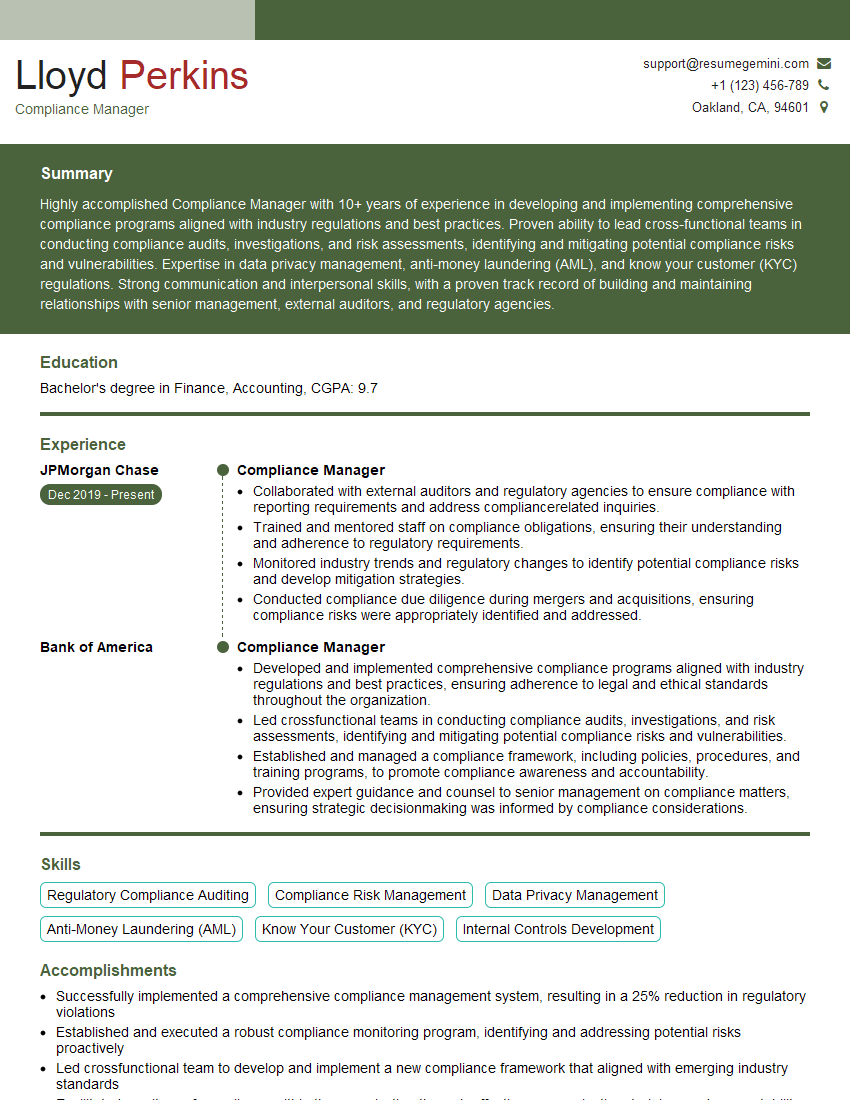
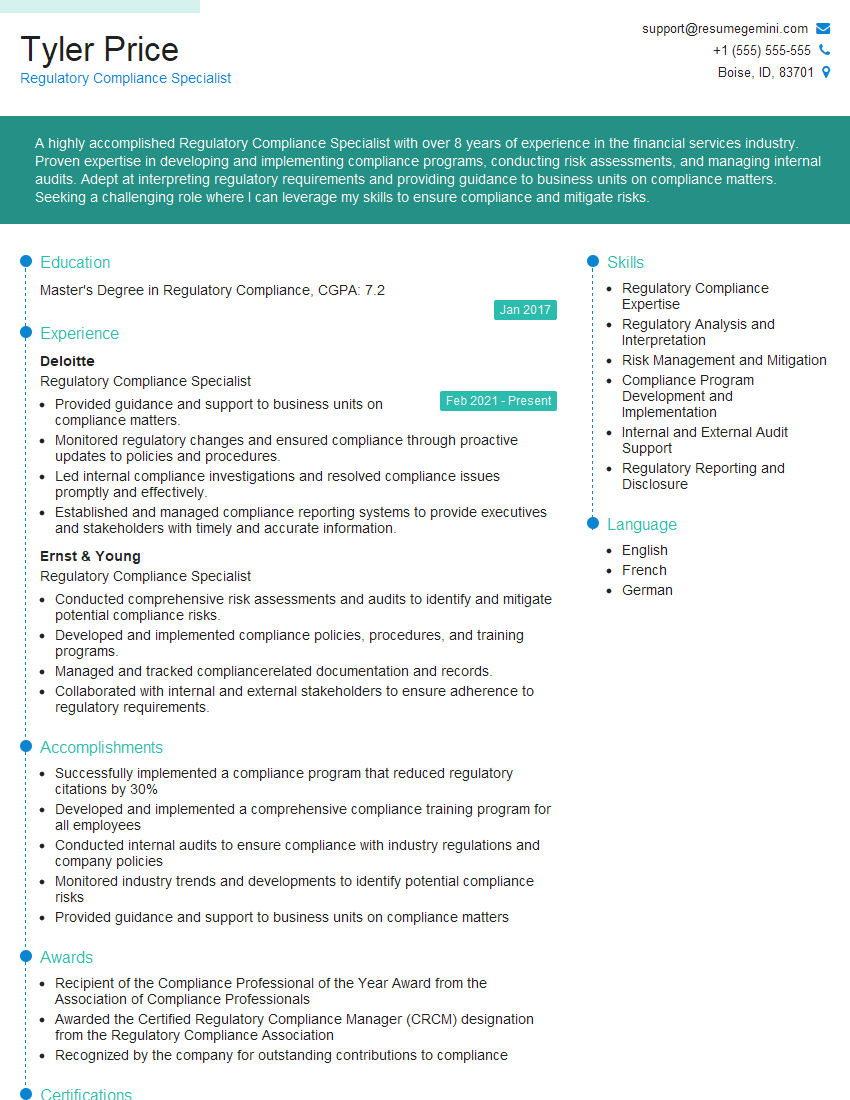
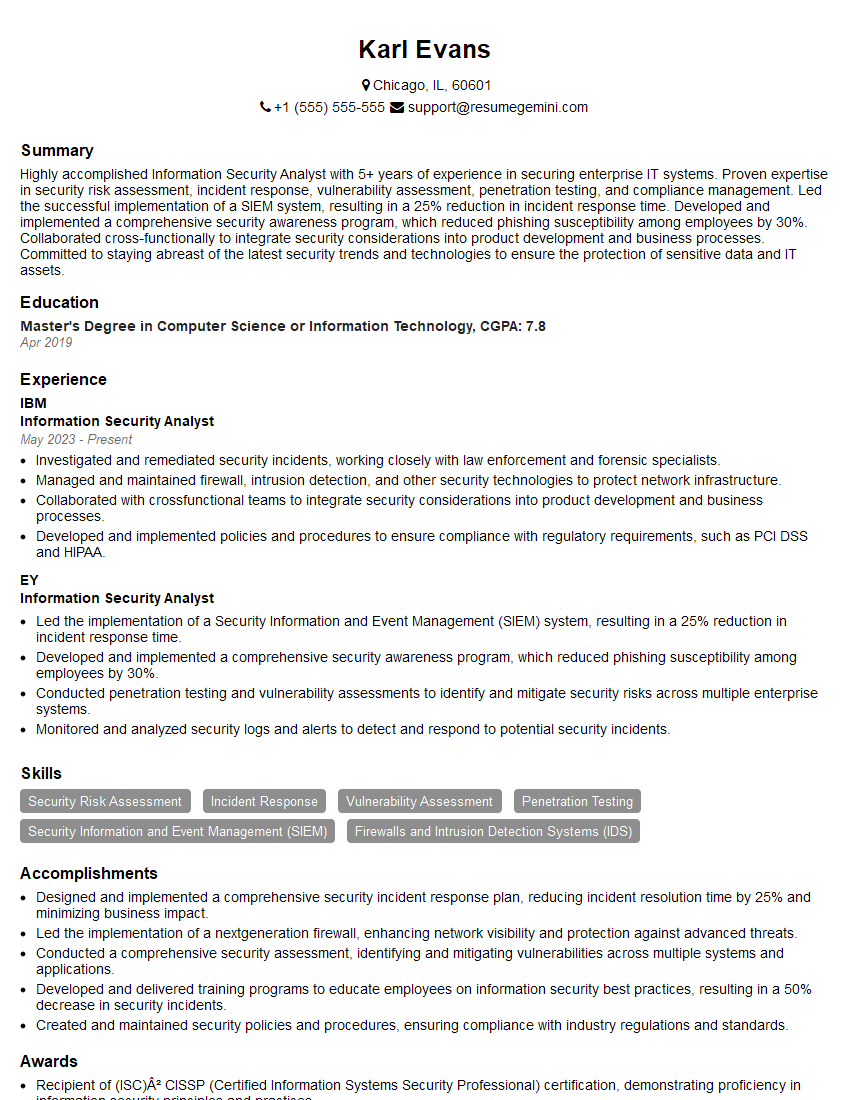
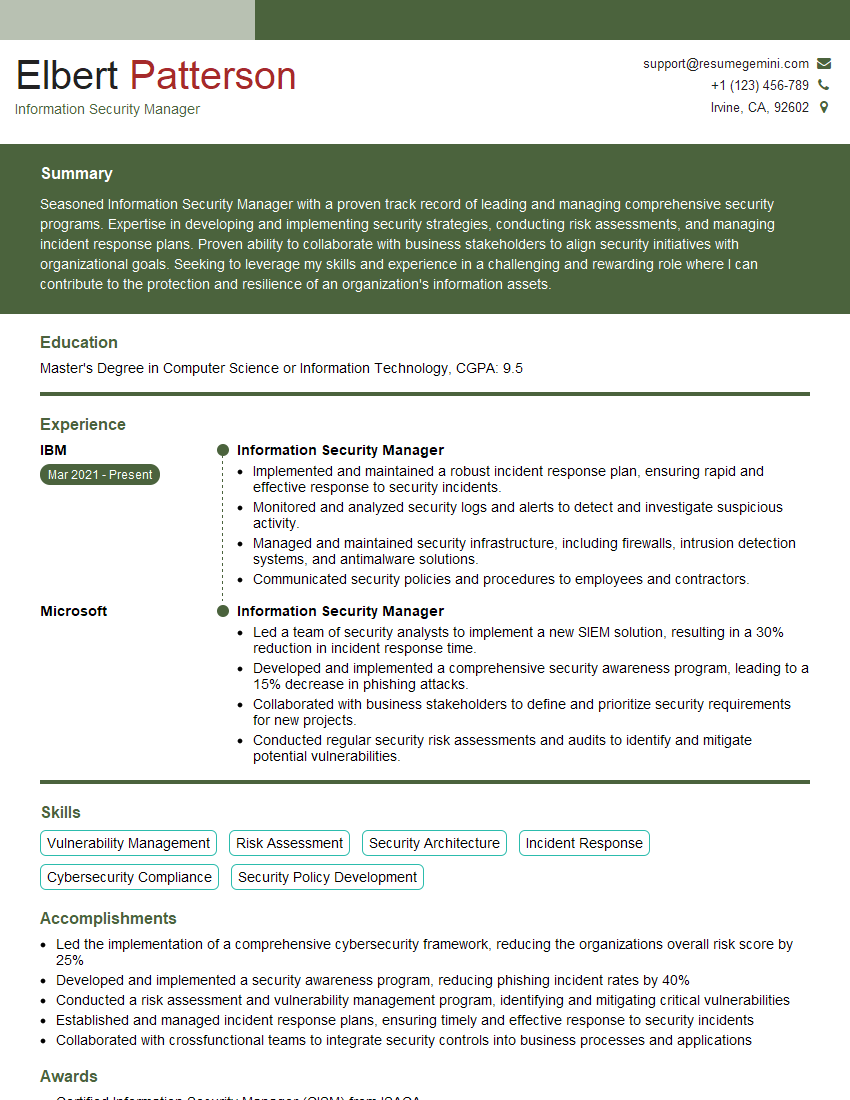
Mastering Content Redaction and Sanitization opens doors to exciting career opportunities in fields demanding high levels of data security and privacy. To maximize your job prospects, invest time in crafting a strong, ATS-friendly resume that showcases your skills and experience effectively. ResumeGemini is a trusted resource that can help you build a professional and impactful resume tailored to this specialized field. Examples of resumes tailored to Content Redaction and Sanitization are available to guide you, helping you present your qualifications in the best possible light. Take advantage of these resources and increase your chances of landing your dream job!
Explore more articles
Users Rating of Our Blogs
Share Your Experience
We value your feedback! Please rate our content and share your thoughts (optional).
What Readers Say About Our Blog
Attention music lovers!
Wow, All the best Sax Summer music !!!
Spotify: https://open.spotify.com/artist/6ShcdIT7rPVVaFEpgZQbUk
Apple Music: https://music.apple.com/fr/artist/jimmy-sax-black/1530501936
YouTube: https://music.youtube.com/browse/VLOLAK5uy_noClmC7abM6YpZsnySxRqt3LoalPf88No
Other Platforms and Free Downloads : https://fanlink.tv/jimmysaxblack
on google : https://www.google.com/search?q=22+AND+22+AND+22
on ChatGPT : https://chat.openai.com?q=who20jlJimmy20Black20Sax20Producer
Get back into the groove with Jimmy sax Black
Best regards,
Jimmy sax Black
www.jimmysaxblack.com
Hi I am a troller at The aquatic interview center and I suddenly went so fast in Roblox and it was gone when I reset.
Hi,
Business owners spend hours every week worrying about their website—or avoiding it because it feels overwhelming.
We’d like to take that off your plate:
$69/month. Everything handled.
Our team will:
Design a custom website—or completely overhaul your current one
Take care of hosting as an option
Handle edits and improvements—up to 60 minutes of work included every month
No setup fees, no annual commitments. Just a site that makes a strong first impression.
Find out if it’s right for you:
https://websolutionsgenius.com/awardwinningwebsites
Hello,
we currently offer a complimentary backlink and URL indexing test for search engine optimization professionals.
You can get complimentary indexing credits to test how link discovery works in practice.
No credit card is required and there is no recurring fee.
You can find details here:
https://wikipedia-backlinks.com/indexing/
Regards
NICE RESPONSE TO Q & A
hi
The aim of this message is regarding an unclaimed deposit of a deceased nationale that bears the same name as you. You are not relate to him as there are millions of people answering the names across around the world. But i will use my position to influence the release of the deposit to you for our mutual benefit.
Respond for full details and how to claim the deposit. This is 100% risk free. Send hello to my email id: lukachachibaialuka@gmail.com
Luka Chachibaialuka
Hey interviewgemini.com, just wanted to follow up on my last email.
We just launched Call the Monster, an parenting app that lets you summon friendly ‘monsters’ kids actually listen to.
We’re also running a giveaway for everyone who downloads the app. Since it’s brand new, there aren’t many users yet, which means you’ve got a much better chance of winning some great prizes.
You can check it out here: https://bit.ly/callamonsterapp
Or follow us on Instagram: https://www.instagram.com/callamonsterapp
Thanks,
Ryan
CEO – Call the Monster App
Hey interviewgemini.com, I saw your website and love your approach.
I just want this to look like spam email, but want to share something important to you. We just launched Call the Monster, a parenting app that lets you summon friendly ‘monsters’ kids actually listen to.
Parents are loving it for calming chaos before bedtime. Thought you might want to try it: https://bit.ly/callamonsterapp or just follow our fun monster lore on Instagram: https://www.instagram.com/callamonsterapp
Thanks,
Ryan
CEO – Call A Monster APP
To the interviewgemini.com Owner.
Dear interviewgemini.com Webmaster!
Hi interviewgemini.com Webmaster!
Dear interviewgemini.com Webmaster!
excellent
Hello,
We found issues with your domain’s email setup that may be sending your messages to spam or blocking them completely. InboxShield Mini shows you how to fix it in minutes — no tech skills required.
Scan your domain now for details: https://inboxshield-mini.com/
— Adam @ InboxShield Mini
support@inboxshield-mini.com
Reply STOP to unsubscribe
Hi, are you owner of interviewgemini.com? What if I told you I could help you find extra time in your schedule, reconnect with leads you didn’t even realize you missed, and bring in more “I want to work with you” conversations, without increasing your ad spend or hiring a full-time employee?
All with a flexible, budget-friendly service that could easily pay for itself. Sounds good?
Would it be nice to jump on a quick 10-minute call so I can show you exactly how we make this work?
Best,
Hapei
Marketing Director
Hey, I know you’re the owner of interviewgemini.com. I’ll be quick.
Fundraising for your business is tough and time-consuming. We make it easier by guaranteeing two private investor meetings each month, for six months. No demos, no pitch events – just direct introductions to active investors matched to your startup.
If youR17;re raising, this could help you build real momentum. Want me to send more info?
Hi, I represent an SEO company that specialises in getting you AI citations and higher rankings on Google. I’d like to offer you a 100% free SEO audit for your website. Would you be interested?
Hi, I represent an SEO company that specialises in getting you AI citations and higher rankings on Google. I’d like to offer you a 100% free SEO audit for your website. Would you be interested?