Unlock your full potential by mastering the most common Continual Improvement and Process Optimization interview questions. This blog offers a deep dive into the critical topics, ensuring you’re not only prepared to answer but to excel. With these insights, you’ll approach your interview with clarity and confidence.
Questions Asked in Continual Improvement and Process Optimization Interview
Q 1. Explain your understanding of the DMAIC methodology.
DMAIC, which stands for Define, Measure, Analyze, Improve, and Control, is a structured five-phase problem-solving methodology used for process improvement. It’s a data-driven approach, ensuring decisions are based on facts rather than assumptions.
- Define: Clearly define the problem, project goals, and scope. This involves identifying the critical-to-quality (CTQ) characteristics and establishing a baseline understanding of the current process.
- Measure: Collect data to quantify the current process performance. This includes identifying key metrics and establishing a system for data collection and analysis. This phase ensures we have quantifiable metrics to measure success.
- Analyze: Analyze the data collected in the Measure phase to identify the root causes of the problem. Tools like Pareto charts, fishbone diagrams, and statistical process control (SPC) charts are frequently used here.
- Improve: Develop and implement solutions to address the root causes identified in the Analyze phase. This might involve process redesign, technology upgrades, or training programs. This is where creativity and innovative solutions come into play.
- Control: Implement monitoring systems to ensure the improvements are sustained over time. This often involves establishing control charts and regular process audits.
For example, in a manufacturing setting, DMAIC could be used to reduce the defect rate of a particular product. The Define phase would specify the target defect rate, the Measure phase would track the current rate, the Analyze phase would pinpoint the causes of defects, the Improve phase would implement solutions like improved training or equipment upgrades, and the Control phase would monitor the defect rate to ensure it remains below the target.
Q 2. Describe your experience with Lean principles.
Lean principles focus on eliminating waste and maximizing value from the customer’s perspective. My experience encompasses applying Lean methodologies to streamline processes across various industries. I’ve implemented techniques like Value Stream Mapping to visualize the entire process flow, identify non-value-added activities (waste), and pinpoint areas for improvement.
I’m proficient in using 5S (Sort, Set in Order, Shine, Standardize, Sustain) to create organized and efficient workspaces. I’ve also successfully integrated Kanban systems to manage workflow, reduce lead times, and limit work in progress. Furthermore, I’ve leveraged Kaizen events (continuous improvement workshops) to engage teams in identifying and resolving process bottlenecks.
For instance, in a previous role, we utilized Lean principles to reduce lead times in order fulfillment. By mapping the value stream, we identified bottlenecks in the picking and packing processes. Implementing Kanban and optimizing the warehouse layout significantly improved efficiency and reduced lead times by 30%.
Q 3. How would you identify and prioritize process improvement opportunities?
Identifying and prioritizing process improvement opportunities requires a structured approach. I typically start by gathering data through various methods such as surveys, interviews, observations, and analyzing existing process documentation.
- Data Analysis: I use data analysis techniques to identify areas with the highest impact. This often involves analyzing key performance indicators (KPIs) to pinpoint processes with the largest room for improvement.
- Prioritization Matrix: I utilize a prioritization matrix, often a simple impact/effort matrix, to rank opportunities based on their potential impact and the effort required to implement improvements. High-impact, low-effort opportunities are prioritized first.
- Stakeholder Input: Crucially, I engage stakeholders throughout the process to gather their insights and perspectives. This ensures buy-in and addresses potential concerns early on.
For example, if we’re analyzing a customer service process, we might discover that a high percentage of customer complaints stem from long wait times. By mapping this to an impact/effort matrix, we can prioritize improving this area before tackling less impactful, more time-consuming issues.
Q 4. What are some common process improvement tools you have used?
I have extensive experience with a variety of process improvement tools. These tools aid in data collection, analysis, and visualization, leading to effective improvement strategies.
- Value Stream Mapping: To visually represent the flow of materials and information in a process and identify waste.
- Pareto Charts: To identify the vital few causes contributing to the majority of problems.
- Fishbone Diagrams (Ishikawa diagrams): To brainstorm potential root causes of a problem, categorized by different factors.
- Control Charts: To monitor process stability and identify trends.
- Six Sigma tools (e.g., FMEA, SIPOC): For detailed analysis and risk assessment.
- Kanban boards: For visualizing workflow and limiting work in progress.
These tools are not used in isolation but complement each other depending on the context and the nature of the process improvement project.
Q 5. Explain your experience with root cause analysis techniques.
Root cause analysis (RCA) is crucial for effective process improvement. It involves identifying the underlying causes of problems, rather than just addressing the symptoms. I’ve utilized several RCA techniques, tailoring my approach to the specific situation.
- 5 Whys: A simple yet effective method where you repeatedly ask “Why?” to drill down to the root cause.
- Fishbone Diagrams: A visual tool to systematically explore potential causes categorized by different factors (e.g., people, machines, materials, methods).
- Fault Tree Analysis (FTA): A deductive approach to systematically identify potential failures and their causes.
For example, if customer orders are consistently delayed, the 5 Whys might reveal that the root cause is inadequate staffing in the shipping department. A fishbone diagram could expand on this, exploring causes related to staffing levels, training, and equipment malfunctions.
Q 6. How do you measure the success of a process improvement project?
Measuring the success of a process improvement project requires pre-defined metrics and a clear understanding of the project goals. Success is not just about achieving targets but also about sustainable improvement.
- KPIs: Key Performance Indicators (KPIs) are established before the project begins. These KPIs should align directly with the project goals. Examples include reduced cycle time, improved efficiency, higher customer satisfaction, or lower defect rates.
- Data Collection: Regular data collection throughout and after the project allows for monitoring progress and measuring the impact of implemented changes.
- Benchmarking: Comparing the improved process to industry best practices or similar processes in other organizations provides further context.
For instance, if the project aims to reduce customer wait times, we’d track average wait times before and after implementing improvements. This data would provide quantifiable evidence of the project’s success. We’d also consider qualitative measures like customer satisfaction scores to assess the holistic impact.
Q 7. Describe a situation where you identified a process bottleneck. How did you address it?
In a previous role, we identified a significant bottleneck in our order processing system. The bottleneck was located in the order verification stage, where manual checks were causing significant delays.
Identifying the Bottleneck: We utilized Value Stream Mapping to visualize the entire order processing flow, which clearly highlighted the order verification stage as the major bottleneck. Data analysis showed that this stage was responsible for a large proportion of the overall processing time.
Addressing the Bottleneck: We implemented several solutions to address the bottleneck:
- Automation: We automated part of the order verification process by integrating a new system that automatically checked for inconsistencies and flagged potential errors for manual review. This reduced manual effort significantly.
- Process Re-engineering: We streamlined the verification process by eliminating unnecessary steps and clarifying the verification criteria.
- Staff Training: We provided additional training to staff on the improved verification process to ensure they were equipped to handle the remaining manual checks efficiently.
Results: After implementing these improvements, we saw a 40% reduction in order processing time and a significant increase in customer satisfaction. This demonstrated the effectiveness of a systematic approach to identifying and resolving process bottlenecks.
Q 8. What is your experience with data analysis in process improvement?
Data analysis is the bedrock of effective process improvement. It allows us to move beyond gut feelings and subjective opinions to a data-driven approach. My experience involves leveraging various analytical techniques to identify bottlenecks, inefficiencies, and areas for optimization. This includes:
Descriptive Statistics: Calculating metrics like average cycle time, defect rates, and throughput to understand current process performance.
Regression Analysis: Identifying correlations between process variables and key outcomes to predict performance and understand cause-and-effect relationships. For example, I once used regression analysis to show a strong correlation between employee training hours and reduced error rates in a manufacturing process.
Control Charts: Monitoring process stability over time and identifying significant shifts or variations that warrant investigation. This helps prevent unexpected disruptions.
Root Cause Analysis (RCA): Techniques like the ‘5 Whys’ or Fishbone diagrams to drill down into the underlying causes of process issues. For instance, using the 5 Whys to find the root cause of high customer complaints would help pinpoint the exact reason behind the problem instead of just addressing symptoms.
I’m proficient in tools like Excel, R, and Tableau to visualize data and create compelling reports to communicate findings effectively to stakeholders and facilitate data-driven decision making.
Q 9. How do you handle resistance to change during a process improvement initiative?
Resistance to change is a common hurdle in process improvement initiatives. My approach focuses on building consensus and addressing concerns proactively. This involves:
Communication and Education: Clearly articulating the rationale behind the change, highlighting the benefits to individuals and the organization, and addressing any potential downsides transparently. Open communication channels are key.
Involvement and Participation: Actively involving stakeholders in the design and implementation of the changes. This fosters ownership and reduces feelings of being imposed upon. For example, using workshops or focus groups can increase buy-in from those affected by the changes.
Addressing Concerns: Identifying and addressing specific concerns or anxieties of individuals and teams. This could involve providing additional training, support, or resources. Active listening and empathy are crucial here.
Pilot Programs: Testing the proposed changes on a smaller scale before full implementation allows for refinement and demonstrates the effectiveness of the improvement. Starting small minimizes risk and demonstrates progress.
Incentives and Recognition: Rewarding early adopters and celebrating successes reinforces positive change and motivates others to participate. Simple recognition goes a long way.
Ultimately, change management is about people, and addressing their concerns with respect and empathy is paramount for successful implementation.
Q 10. Explain your understanding of Kaizen.
Kaizen, a Japanese term meaning ‘continuous improvement,’ is a philosophy that emphasizes incremental, ongoing improvements in all aspects of an organization. It’s not about dramatic, revolutionary changes, but rather a culture of consistently seeking small, sustainable improvements.
Key aspects of Kaizen include:
Employee Empowerment: Everyone is encouraged to identify and propose improvements, regardless of their role or position.
Waste Elimination: Identifying and removing any activities or processes that do not add value to the customer (e.g., Muda – waste in lean manufacturing).
Standardization: Creating and maintaining standard operating procedures to ensure consistency and quality.
Continuous Learning: A commitment to continuous learning and improvement through regular training and feedback loops.
I’ve implemented Kaizen successfully in various settings, from streamlining administrative processes to optimizing workflow in manufacturing environments. For example, in one project, we implemented Kaizen events to address repetitive manual tasks, achieving a 15% reduction in processing time by making small changes in workflow efficiency.
Q 11. What are the key performance indicators (KPIs) you would use to track process improvement?
The KPIs used to track process improvement depend on the specific process and objectives. However, some common KPIs include:
Cycle Time: The time it takes to complete a process from start to finish.
Throughput: The rate at which a process produces outputs.
Defect Rate: The percentage of outputs that are defective or do not meet quality standards.
Cost per Unit: The cost of producing one unit of output.
Customer Satisfaction: Measured through surveys or feedback mechanisms.
Employee Satisfaction: Indicates the effectiveness of the changes in regard to employee well-being.
On-Time Delivery: Percentage of orders or projects completed on or before the scheduled date.
Choosing the right KPIs requires careful consideration of the process goals and ensuring they’re measurable, achievable, relevant, and time-bound (SMART).
Q 12. How do you ensure that process improvements are sustainable?
Sustainability of process improvements relies on embedding them into the organizational culture and systems. This involves:
Documentation and Standardization: Clearly documenting the improved processes and integrating them into standard operating procedures (SOPs). This ensures consistency even with staff changes.
Training and Development: Providing adequate training to employees on the new processes and ensuring they understand the rationale behind the changes.
Monitoring and Evaluation: Continuously monitoring the performance of the improved processes and making adjustments as needed. Regular reviews and feedback are essential.
Accountability and Ownership: Clearly assigning responsibility for maintaining and improving the processes. This ensures buy-in at all levels.
Integration with Performance Management: Linking process improvement goals with individual and team performance objectives. This reinforces the importance of continuous improvement.
By making improvements part of the ongoing operational rhythm, rather than a one-time project, the organization ensures long-term success.
Q 13. Describe your experience with value stream mapping.
Value stream mapping (VSM) is a lean management technique used to visualize and analyze the flow of materials and information within a process. It helps identify waste (Muda) and areas for improvement. My experience with VSM involves:
Facilitating VSM workshops: Leading teams through the process of creating VSM diagrams, identifying bottlenecks, and proposing improvements.
Analyzing VSM diagrams: Interpreting VSM diagrams to identify areas of waste, such as excessive inventory, waiting time, or transportation.
Developing improvement plans: Using VSM as a basis for developing actionable improvement plans to address the identified waste and improve process efficiency. This often includes creating a ‘future state’ map to visualize the intended improvements.
Implementing and monitoring improvements: Tracking the impact of implemented improvements and making adjustments as needed. Monitoring data against established KPIs is crucial for measuring success.
For example, in one project, we used VSM to identify a significant bottleneck in the order fulfillment process. By streamlining the workflow and implementing a new inventory management system, we reduced lead times by 20% and improved customer satisfaction.
Q 14. What is your experience with process automation tools?
My experience with process automation tools spans several platforms and applications. I’m familiar with Robotic Process Automation (RPA) tools like UiPath and Automation Anywhere, as well as workflow management systems such as Jira and Asana. My experience includes:
Identifying automation opportunities: Analyzing processes to identify tasks that are repetitive, rule-based, and suitable for automation.
Designing and implementing automation solutions: Working with development teams to design and implement automation solutions using RPA tools or other technologies.
Testing and deploying automation solutions: Thoroughly testing automated processes to ensure accuracy and reliability before deployment.
Monitoring and maintaining automated processes: Continuously monitoring the performance of automated processes and making adjustments as needed. This ensures ongoing effectiveness.
I understand that automation is not a solution for every process; careful consideration is needed to ensure the investment is worthwhile. A successful automation project requires careful planning, execution, and ongoing monitoring to deliver long-term benefits.
Q 15. How do you communicate process improvements to stakeholders?
Communicating process improvements effectively requires a multi-faceted approach tailored to the audience. I start by understanding the stakeholders’ individual needs and communication styles. For executive leadership, I focus on high-level summaries demonstrating the impact on key performance indicators (KPIs) like cost reduction, efficiency gains, or improved customer satisfaction, often using visuals like dashboards or charts. For operational teams, I provide detailed explanations of the changes, including training materials and clear step-by-step instructions. I always emphasize the ‘what’s in it for them’ – how the improvements will benefit them personally or their teams.
For instance, when implementing a new inventory management system, I presented the executive summary highlighting a projected 15% reduction in inventory holding costs. For the warehouse team, I conducted hands-on training sessions, addressing their concerns and demonstrating the system’s ease of use. Regular feedback mechanisms and open communication channels are crucial to ensure everyone understands and supports the improvements.
Career Expert Tips:
- Ace those interviews! Prepare effectively by reviewing the Top 50 Most Common Interview Questions on ResumeGemini.
- Navigate your job search with confidence! Explore a wide range of Career Tips on ResumeGemini. Learn about common challenges and recommendations to overcome them.
- Craft the perfect resume! Master the Art of Resume Writing with ResumeGemini’s guide. Showcase your unique qualifications and achievements effectively.
- Don’t miss out on holiday savings! Build your dream resume with ResumeGemini’s ATS optimized templates.
Q 16. How do you prioritize competing process improvement projects?
Prioritizing competing process improvement projects requires a structured approach. I typically use a prioritization matrix, considering factors like potential impact, feasibility, cost, and urgency. The impact is often measured in terms of financial benefits, customer satisfaction improvements, or risk mitigation. Feasibility considers the resources required and the likelihood of successful implementation. Cost includes not only financial resources but also time and human resources. Urgency assesses the time sensitivity of the improvement.
For example, a project with high impact, high feasibility, low cost, and high urgency would naturally take precedence. I use tools like a weighted scoring system to quantify these factors and objectively rank the projects. This ensures that we focus on the projects offering the greatest return on investment (ROI) while managing resources effectively. Regular review of the matrix ensures that priorities adapt to changing business needs.
Q 17. Describe a time you had to deal with a project that went off track. What did you do?
In a previous project aimed at streamlining our order fulfillment process, we encountered a significant delay due to unforeseen technical issues with the new software integration. Initially, we had underestimated the complexity of the data migration. When we realized the project was off track, I immediately convened a meeting with all stakeholders – the IT team, operations team, and project management.
We first assessed the root cause of the delay, clearly identifying the technical bottlenecks. Then, we created a revised project plan, incorporating contingency measures. This included allocating additional resources to the IT team, prioritizing critical tasks, and adjusting deadlines realistically. We implemented daily stand-up meetings for close monitoring and proactive problem-solving. Open communication and transparent reporting to stakeholders throughout the process was crucial to maintain trust and prevent further setbacks. While the final delivery was delayed, the revised plan mitigated the impact significantly, and we successfully completed the project, learning valuable lessons about risk assessment and contingency planning.
Q 18. Explain your familiarity with different process improvement methodologies (e.g., Agile, Scrum).
I’m familiar with various process improvement methodologies, including Agile, Scrum, Lean, Six Sigma, and Kaizen.
- Agile and Scrum: I’ve extensively used Agile and Scrum frameworks in software development projects. They emphasize iterative development, continuous feedback, and adaptability to changing requirements. The iterative nature allows for quicker delivery of value and continuous improvement. Scrum’s sprints, daily stand-ups, and sprint reviews provide a structured approach to managing complexity and ensuring team alignment.
- Lean: Lean focuses on eliminating waste (muda) in all aspects of the process. I’ve applied Lean principles to optimize workflows, reduce cycle times, and improve overall efficiency. Value stream mapping is a key Lean tool I frequently use to visualize the entire process and identify areas for improvement.
- Six Sigma: I have experience using Six Sigma’s DMAIC (Define, Measure, Analyze, Improve, Control) methodology for projects requiring rigorous data analysis and process standardization. This approach is particularly effective for projects with a high focus on reducing defects and improving quality.
- Kaizen: Kaizen emphasizes continuous improvement through small, incremental changes. It encourages employee involvement and promotes a culture of continuous learning and improvement. I’ve found it invaluable for fostering a culture of ongoing optimization.
My selection of methodology depends on the specific project’s characteristics, its complexity, and the organization’s culture.
Q 19. How do you balance the need for speed and quality in process improvement projects?
Balancing speed and quality in process improvement projects is a critical challenge. A purely speed-focused approach often compromises quality, leading to rework, delays, and even project failure. Conversely, an overemphasis on quality can lead to delays and missed deadlines. The key is to find the optimal balance.
I address this by employing a phased approach, prioritizing quick wins early on to demonstrate value and build momentum. This allows for faster implementation of low-hanging fruit improvements while addressing critical quality aspects. We use agile methodologies, implementing short iterations with frequent feedback loops to incorporate learnings and ensure quality remains consistently high throughout the process. Automated testing, thorough quality checks, and robust change management processes help to maintain quality standards while accelerating the process. The use of data analytics allows for monitoring both speed and quality metrics, enabling adjustments as needed.
Q 20. How do you ensure that process improvements are aligned with business strategy?
Aligning process improvements with business strategy is paramount. I achieve this by starting with a clear understanding of the overarching business goals and objectives. This usually involves reviewing the organization’s strategic plan, conducting stakeholder interviews, and analyzing market trends. I then identify process improvement opportunities that directly support these goals.
For example, if the business strategy focuses on expanding into new markets, I would prioritize process improvements that enhance order fulfillment speed and customer service responsiveness. Using a balanced scorecard approach allows to track the impact of process improvements on both operational efficiency and strategic objectives. This ensures that we are not only improving processes for the sake of improvement but are strategically driving the organization towards its overall goals.
Q 21. Describe your experience with using control charts.
I have extensive experience using control charts, primarily Shewhart charts (X-bar and R charts, p-charts, c-charts), for monitoring process stability and identifying potential sources of variation. Control charts provide a visual representation of process performance over time, allowing us to distinguish between common cause and special cause variation.
For example, in a manufacturing setting, I used a p-chart to monitor the defect rate in a production line. By analyzing the chart, we identified a period of increased defect rate, prompting an investigation. This led to the discovery of a faulty machine part, which was subsequently replaced, resulting in a significant reduction in defects. Control charts are powerful tools for data-driven decision-making and continuous process improvement. They help to ensure process stability, prevent unexpected problems, and provide a basis for effective problem-solving.
Q 22. What are the key elements of a successful process improvement culture?
A successful process improvement culture isn’t just about implementing methodologies; it’s about fostering a mindset. It hinges on several key elements. First, leadership buy-in is paramount. Leaders must champion the initiative, actively participating and demonstrating a commitment to continuous improvement. Without this, efforts will likely stall. Second, employee empowerment is crucial. Teams need to feel safe to identify problems, suggest solutions, and participate in the implementation process. This often requires training on relevant methodologies like Lean or Six Sigma. Third, open communication and collaboration are essential. Information must flow freely, and teams need to be able to share knowledge and work together effectively. Regular feedback mechanisms and team meetings are vital. Fourth, a strong data-driven approach ensures objective evaluation. Improvements must be measurable and the data used to inform future initiatives. Finally, celebrating successes, both big and small, helps maintain momentum and boost morale. Recognizing achievements reinforces positive behaviors and encourages continued participation.
For example, in a previous role, we implemented a suggestion box system alongside regular team meetings dedicated to process improvement. This fostered open communication and allowed us to collect data on recurring issues, leading to significant process improvements in our order fulfillment process. We saw a 15% reduction in processing time after implementing changes based on employee suggestions and data analysis.
Q 23. How do you handle conflicting priorities when implementing process improvements?
Conflicting priorities are an unavoidable reality in any organization. When faced with this challenge, I use a prioritization framework that combines urgency and importance. I use a matrix where tasks are categorized as Urgent/Important, Important/Not Urgent, Urgent/Not Important, and Not Urgent/Not Important. This helps visualize the trade-offs involved. For process improvements, I focus on those that align with the organization’s strategic goals and deliver the highest value in the shortest timeframe. This often involves a robust cost-benefit analysis, which allows for a data-driven justification for focusing resources on particular projects. Effective communication with stakeholders is also essential; clearly explaining the rationale behind the prioritization decisions helps build consensus and buy-in.
In one instance, we had to choose between improving a high-volume, low-margin process and a low-volume, high-margin process. Using a cost-benefit analysis coupled with data on customer satisfaction and potential revenue increase, we prioritized the low-volume, high-margin process, demonstrating a clear ROI projection and earning buy-in from management.
Q 24. How do you measure the return on investment (ROI) of a process improvement project?
Measuring the ROI of a process improvement project requires a careful and structured approach. First, you need to define clear, measurable objectives and baseline metrics before the project starts. This allows for a comparison with post-implementation metrics. Key metrics will vary depending on the process, but they might include cycle time reduction, defect rate improvement, cost savings, customer satisfaction scores, or increased efficiency. Next, you need to quantify both the costs and the benefits associated with the improvement. Costs include project resources (personnel time, software, training), while benefits might be increased revenue, reduced waste, lower operating costs, or improved employee morale. Finally, calculate the ROI using a standard formula: (Total Benefits - Total Costs) / Total Costs. Presenting the ROI in both monetary and non-monetary terms helps demonstrate the project’s overall value.
For instance, in an inventory management project, we reduced storage costs by 10% and improved order fulfillment time by 15%. By quantifying these improvements, we demonstrated an ROI of 25% within the first year, justifying the project’s investment and securing future funding for similar projects.
Q 25. Describe your experience with change management frameworks.
I have extensive experience with various change management frameworks, including Kotter’s 8-Step Process, ADKAR (Awareness, Desire, Knowledge, Ability, Reinforcement), and Prosci’s methodology. These frameworks provide structured approaches to manage the human aspects of change during process improvements. They emphasize the importance of communication, stakeholder engagement, and the need to address resistance effectively. My approach usually involves adapting the chosen framework to the specific context of the project, rather than rigidly adhering to a particular model. For instance, in a highly regulated environment, I’d prioritize meticulous documentation and adherence to compliance guidelines within the change management process.
In a recent project, we used Kotter’s 8-Step Process to implement a new CRM system. Each step, from creating a sense of urgency to anchoring the changes in the company culture, was meticulously planned and executed. This structured approach ensured smooth transition and reduced employee resistance. This resulted in increased sales productivity and a marked improvement in customer relationship management.
Q 26. Explain your understanding of Pareto analysis.
Pareto analysis, also known as the 80/20 rule, is a statistical technique used to identify the vital few factors that contribute to the majority of problems or effects. It’s based on the observation that a small percentage of causes often account for a large percentage of effects. For example, 80% of problems might stem from 20% of the causes. This helps prioritize improvement efforts by focusing on the most impactful factors. The technique usually involves collecting data, ranking causes by their frequency or impact, and then visualizing the data using a Pareto chart (a bar graph combined with a line graph showing cumulative percentages).
In a manufacturing environment, we used Pareto analysis to identify the root causes of defects in a product. We discovered that 80% of the defects were attributable to just 20% of the production steps. By focusing our improvement efforts on those specific steps, we significantly reduced the overall defect rate and improved product quality.
Q 27. How would you approach improving a complex process with multiple stakeholders?
Improving a complex process with multiple stakeholders requires a collaborative and structured approach. I typically begin by mapping out the entire process, including all stakeholders and their roles. This often involves facilitated workshops to gather input from all involved parties. Next, I identify key performance indicators (KPIs) to measure the process’s efficiency and effectiveness. The choice of KPIs depends on the specific goals, but examples include cycle time, error rates, and customer satisfaction. We’d then use data analysis techniques, including Pareto analysis, to pinpoint the most significant areas for improvement. A collaborative approach is key, ensuring that all stakeholders have a voice and that proposed changes are understood and accepted. Implementing changes in iterative stages, gathering feedback along the way, helps manage risks and ensure that improvements are sustained.
In a project involving multiple departments to streamline our procurement process, we initiated a series of cross-functional workshops. By involving stakeholders from purchasing, finance, and operations, we collaboratively identified bottlenecks and established shared KPIs. The iterative implementation of changes, accompanied by regular progress reviews, ensured that the final improved process catered to everyone’s needs and successfully achieved our objectives.
Q 28. What is your experience with implementing process improvement in a regulated environment?
Implementing process improvements in a regulated environment requires a particularly rigorous and documented approach. Compliance with relevant regulations, such as ISO 9001, FDA regulations (if applicable), or industry-specific standards, is paramount. This means that all changes must be thoroughly documented, validated, and approved according to established procedures. Risk assessments are crucial to identify potential impacts on compliance and safety. Change management processes must be meticulously documented, including impact assessments, risk mitigation strategies, and validation protocols. Effective communication with regulatory bodies is also vital to ensure transparency and compliance.
In a previous role within the pharmaceutical industry, we implemented a new quality control process that required rigorous validation according to GMP (Good Manufacturing Practice) guidelines. We meticulously documented every step, from initial design to final validation, ensuring full traceability and compliance with all relevant regulations. This rigorous approach not only ensured the quality of our products but also minimized the risk of regulatory non-compliance.
Key Topics to Learn for Continual Improvement and Process Optimization Interview
- Lean Principles: Understanding concepts like Value Stream Mapping, Kaizen, 5S, and their practical application in identifying and eliminating waste in processes.
- Six Sigma Methodology: Familiarize yourself with DMAIC (Define, Measure, Analyze, Improve, Control) and its application in process improvement projects. Understand the role of statistical analysis and data-driven decision making.
- Process Mapping and Analysis: Mastering techniques for visually representing processes, identifying bottlenecks, and analyzing process efficiency. Practice different mapping techniques (e.g., swim lane diagrams, flowcharts).
- Root Cause Analysis (RCA): Learn various RCA methodologies (e.g., 5 Whys, Fishbone diagrams) to effectively identify the underlying causes of process problems.
- Change Management: Understanding how to effectively implement process improvements, considering the human element and managing resistance to change.
- Metrics and KPIs: Learn how to select, track, and analyze key performance indicators to measure the success of improvement initiatives.
- Data Analysis and Interpretation: Develop strong data analysis skills to identify trends, patterns, and opportunities for improvement within processes.
- Project Management Fundamentals: Applying project management principles to manage and deliver process improvement projects effectively.
- Continuous Improvement Culture: Understanding how to foster a culture of continuous improvement within an organization.
- Automation and Technology: Exploring the role of technology in automating processes and enhancing efficiency (e.g., RPA, AI).
Next Steps
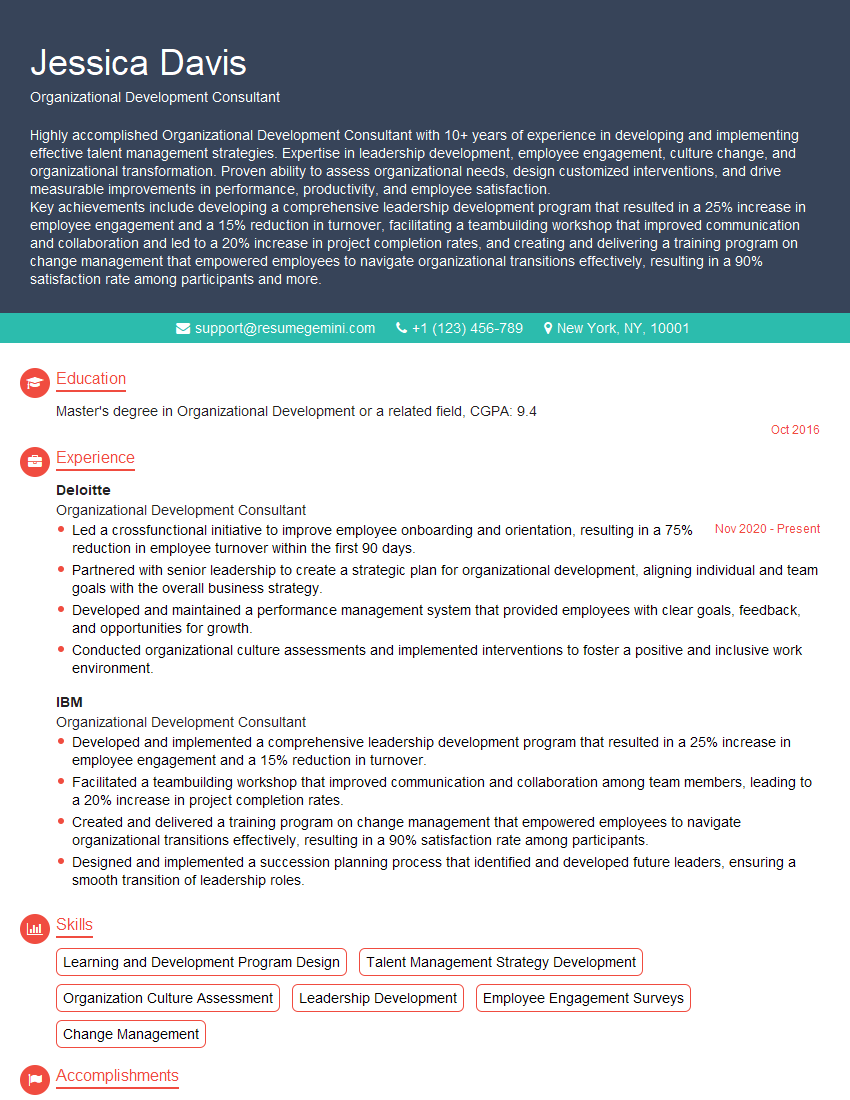
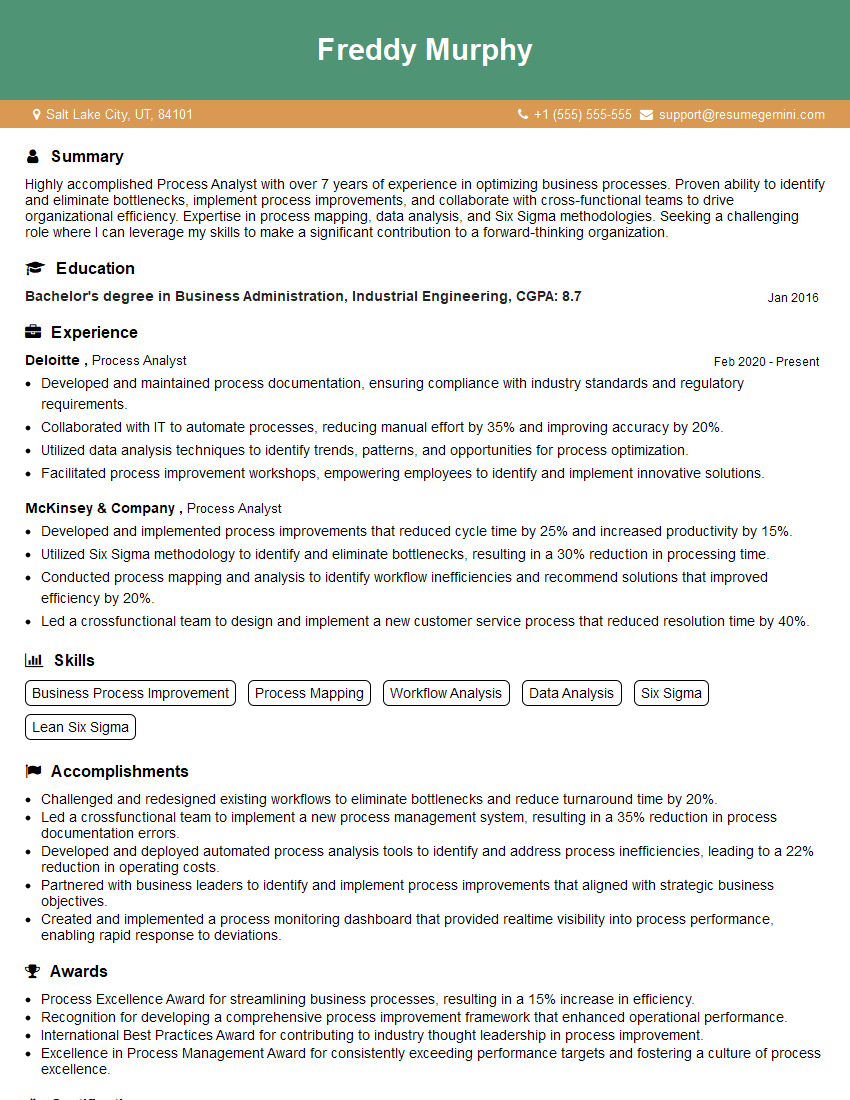
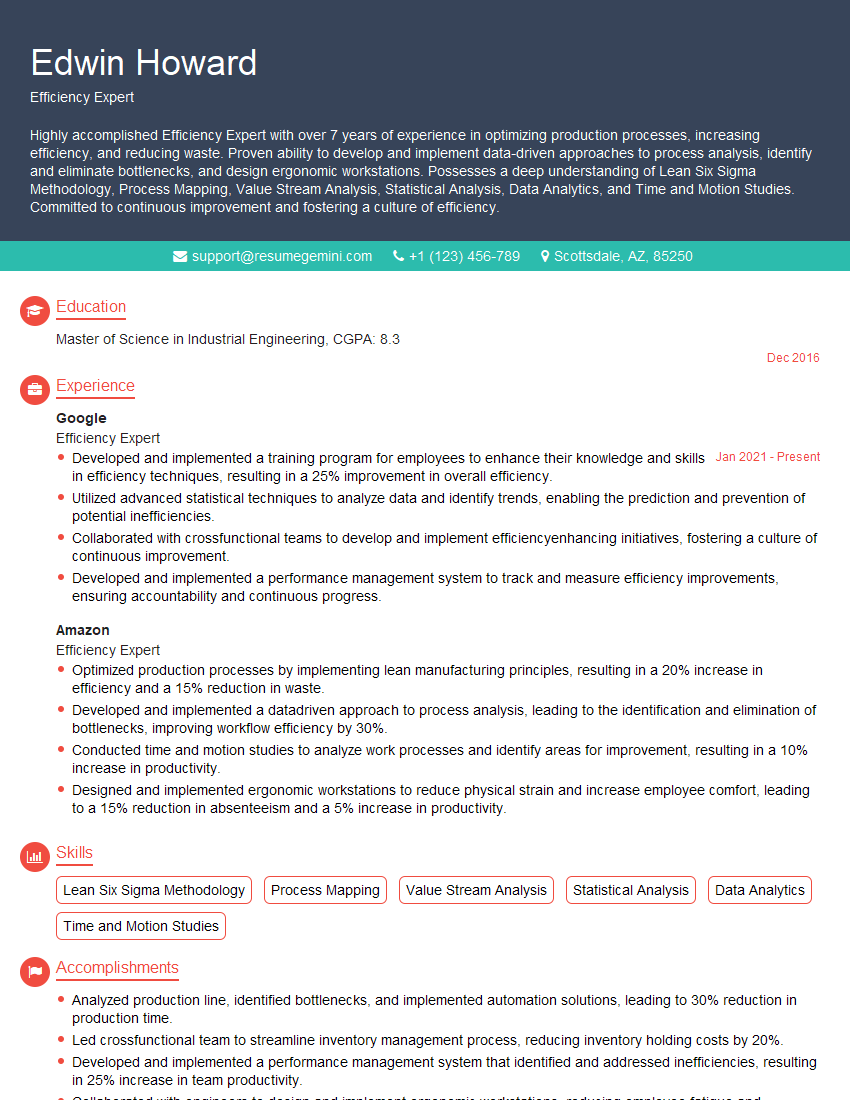
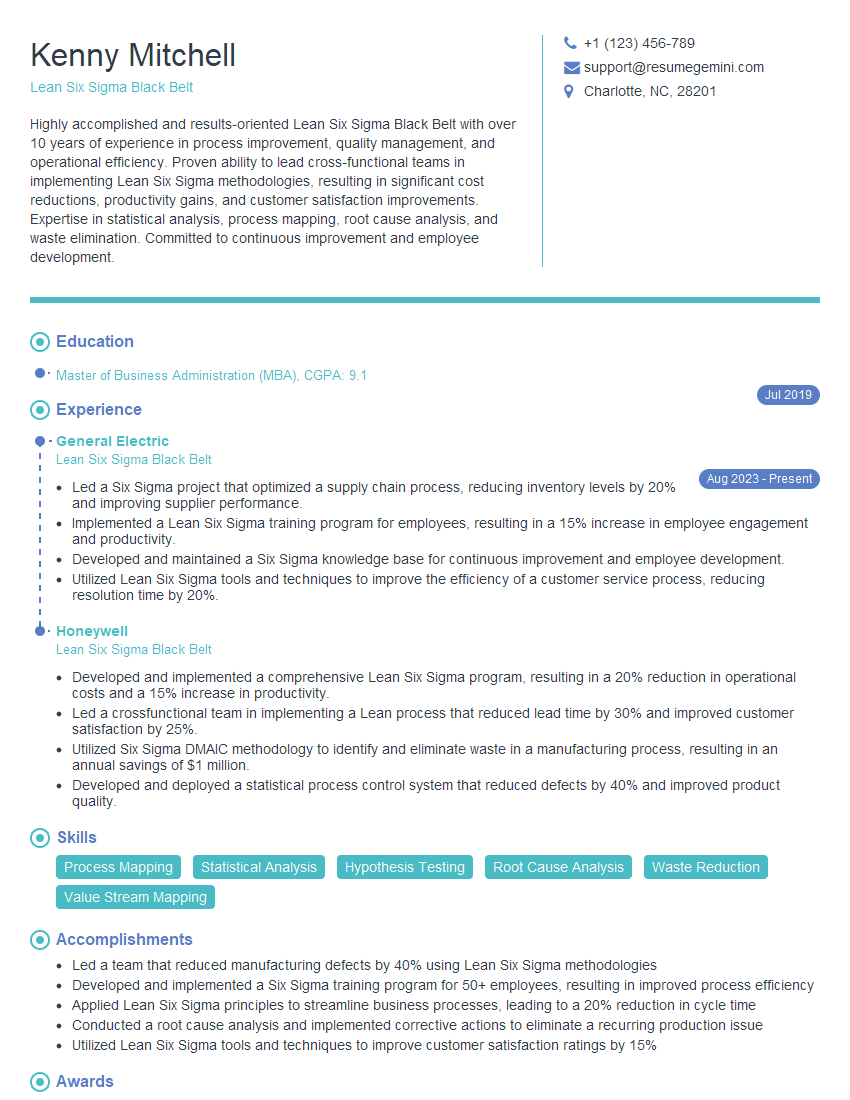
Mastering Continual Improvement and Process Optimization is crucial for career advancement, opening doors to leadership roles and higher earning potential. A strong resume showcasing your skills and experience in this area is essential. To significantly boost your job prospects, create an ATS-friendly resume that highlights your accomplishments and quantifies your impact. ResumeGemini is a trusted resource that can help you build a professional and impactful resume. We provide examples of resumes tailored to Continual Improvement and Process Optimization to guide you in crafting your own compelling application.
Explore more articles
Users Rating of Our Blogs
Share Your Experience
We value your feedback! Please rate our content and share your thoughts (optional).
What Readers Say About Our Blog
Very informative content, great job.
good