Interviews are opportunities to demonstrate your expertise, and this guide is here to help you shine. Explore the essential Continuous Improvement Practices interview questions that employers frequently ask, paired with strategies for crafting responses that set you apart from the competition.
Questions Asked in Continuous Improvement Practices Interview
Q 1. Define Continuous Improvement.
Continuous Improvement (CI) is a philosophy and a set of practices aimed at constantly enhancing processes, products, services, and overall organizational performance. It’s not about achieving perfection, but about striving for incremental, ongoing progress. Think of it like polishing a gem – each small step refines and enhances its brilliance.
CI fosters a culture of proactive problem-solving and innovation, where everyone in the organization is empowered to identify and address inefficiencies. This continuous cycle of improvement leads to increased efficiency, reduced waste, improved quality, and enhanced customer satisfaction.
For example, a manufacturing company might use CI to reduce the time it takes to produce a product or a hospital might use it to decrease patient wait times. The focus is always on identifying areas for improvement and implementing changes to make them better.
Q 2. Explain the DMAIC methodology.
DMAIC is a data-driven methodology used in Six Sigma for process improvement. It’s an acronym for Define, Measure, Analyze, Improve, and Control. It’s a structured approach that helps you methodically improve a process, using data at every stage.
- Define: Clearly define the problem, the project goals, and the scope of the improvement effort. This involves understanding customer requirements and identifying critical-to-quality (CTQ) characteristics.
- Measure: Collect data to establish a baseline understanding of the current process performance. This includes identifying key performance indicators (KPIs) and measuring the current level of defects or inefficiencies.
- Analyze: Analyze the data collected to identify the root causes of defects or inefficiencies. This may involve using statistical tools and techniques such as Pareto charts, fishbone diagrams, and process capability analysis.
- Improve: Develop and implement solutions to address the root causes identified in the analysis phase. This may involve making changes to processes, systems, or technologies.
- Control: Implement monitoring and control mechanisms to sustain the improvements made and prevent the problem from recurring. This includes developing control charts and establishing procedures for ongoing process monitoring.
Imagine a customer service department with long wait times. DMAIC would guide them to define the issue (long wait times), measure the average wait time, analyze the reasons for delays (understaffing, inefficient systems), improve the processes (hire more staff, streamline processes), and then control the wait times through monitoring and ongoing adjustments.
Q 3. Describe the PDCA cycle.
The PDCA cycle, or Plan-Do-Check-Act cycle, is a simple yet powerful iterative process for improvement. It’s a continuous loop, focusing on small, manageable improvements rather than large-scale changes.
- Plan: Define the problem, establish objectives, and plan the changes you’ll implement. Consider what you’re trying to achieve and what steps will be taken.
- Do: Implement the planned changes on a small scale, perhaps as a pilot project.
- Check: Analyze the results of the changes. Measure the impact and determine whether the objectives have been met.
- Act: Based on the results, standardize the successful changes or revise and repeat the cycle if adjustments are needed.
Think of baking a cake. You plan the recipe (Plan), bake a small test cake (Do), taste and evaluate (Check), and adjust the recipe accordingly for the final bake (Act). This iterative process ensures constant refinement.
Q 4. What is Kaizen, and how is it implemented?
Kaizen, meaning ‘change for the better’ in Japanese, is a philosophy that emphasizes continuous improvement through small, incremental changes. It’s about involving everyone in the organization in the improvement process and making small, sustainable changes over time. It’s less about revolutionary breakthroughs and more about consistent, daily improvement.
Kaizen is implemented through various tools and techniques, including:
- Gemba walks: Observing processes firsthand to identify areas for improvement.
- 5S methodology: Organizing the workplace to improve efficiency and reduce waste (Sort, Set in Order, Shine, Standardize, Sustain).
- Suggestion systems: Encouraging employees to submit improvement ideas.
- Teamwork and collaboration: Empowering employees to identify and solve problems collectively.
Imagine a team regularly using Kaizen to improve their workflow. They might identify a small, repetitive task that can be streamlined or a minor adjustment to a process that reduces errors. These small wins add up to significant improvements over time.
Q 5. Explain the principles of Lean Manufacturing.
Lean manufacturing is a systematic approach to identifying and eliminating waste (Muda) in manufacturing processes. The goal is to deliver maximum value to the customer with minimum waste.
Key principles include:
- Value: Defining value from the customer’s perspective.
- Value Stream Mapping: Visualizing the entire process to identify waste.
- Flow: Ensuring a smooth, continuous flow of materials and information.
- Pull System: Producing only what is needed, when it is needed.
- Perfection: Continuously striving for improvement and elimination of all waste.
Types of waste targeted include overproduction, waiting, transportation, inventory, motion, over-processing, and defects. A company might use lean principles to reorganize its production line, reducing unnecessary movement of materials and workers, leading to faster production times and less waste.
Q 6. What are the key tools used in Six Sigma?
Six Sigma utilizes a variety of statistical tools to improve processes and reduce defects. Some key tools include:
- Control Charts: Monitoring process performance over time to identify deviations and prevent defects.
- Pareto Charts: Identifying the vital few causes that contribute to the majority of problems.
- Fishbone Diagrams (Ishikawa Diagrams): Identifying potential root causes of a problem.
- Histograms: Visualizing the distribution of data to identify patterns and outliers.
- Scatter Diagrams: Examining the relationship between two variables.
- Process Capability Analysis: Assessing the ability of a process to meet specifications.
These tools provide data-driven insights, enabling informed decision-making and efficient problem-solving. For example, a control chart might show an increase in defects in a manufacturing process, prompting an investigation using other Six Sigma tools.
Q 7. How do you identify root causes of process defects?
Identifying the root cause of process defects requires a systematic approach. Techniques like the 5 Whys, Fishbone Diagrams, and Fault Tree Analysis are helpful.
The 5 Whys: This simple technique involves repeatedly asking “Why?” to drill down to the root cause. For example: Defect: Product is broken. Why? Faulty part. Why? Supplier error. Why? Inadequate quality control at the supplier. Why? Lack of training. Why? Insufficient budget for training. The root cause is the insufficient budget for supplier training.
Fishbone Diagrams: Also known as Ishikawa diagrams, these visually organize potential causes categorized by factors like materials, methods, manpower, machinery, measurement, and environment. Brainstorming helps identify multiple contributing factors.
Fault Tree Analysis: This is a top-down approach starting with the undesired event and working backward to identify possible causes. It’s particularly useful for complex systems.
The choice of technique depends on the complexity of the problem and the available data. Often, a combination of techniques is used to ensure a thorough investigation and identification of the root cause.
Q 8. Describe your experience with Value Stream Mapping.
Value Stream Mapping (VSM) is a lean manufacturing technique used to visually represent the flow of materials and information in a process. It helps identify waste (muda) and bottlenecks, paving the way for improvement. I’ve extensively used VSM across various projects, from optimizing order fulfillment in e-commerce to streamlining production processes in manufacturing.
My approach typically involves:
- Process Identification: Clearly defining the scope of the process to be mapped, including start and end points.
- Data Gathering: Collecting data on process steps, lead times, inventory levels, and defects through observation, interviews, and data analysis.
- Mapping the Current State: Creating a visual representation of the process flow, using symbols to represent various activities, inventory, and transportation. This often reveals unexpected bottlenecks and inefficiencies.
- Future State Mapping: Identifying improvement opportunities and designing a future state map that reflects the desired process flow, optimized for reduced lead times and waste.
- Implementation Plan: Developing a plan to implement the changes outlined in the future state map, including timelines and resource allocation.
For example, in a recent project for a food processing plant, VSM helped us identify significant delays in the packaging process. By analyzing the map, we discovered a bottleneck at the labeling station. Implementing a new labeling machine and optimizing the layout significantly reduced lead times and increased throughput.
Q 9. How do you measure the success of a continuous improvement initiative?
Measuring the success of a continuous improvement initiative requires a multi-faceted approach, going beyond just anecdotal evidence. Key metrics need to be defined upfront, aligned with the project’s goals. These metrics should be SMART (Specific, Measurable, Achievable, Relevant, and Time-bound).
Common metrics include:
- Cycle Time Reduction: Measuring the time it takes to complete a process. A decrease signifies efficiency gains.
- Defect Rate Reduction: Tracking the number of defects per unit or process step. Lower rates indicate improved quality.
- Throughput Improvement: Measuring the output of a process over a given period. Increased throughput signifies higher productivity.
- Cost Reduction: Tracking cost savings resulting from the improvement initiative. This is a key indicator of financial success.
- Customer Satisfaction: Collecting feedback from customers to assess the impact of improvements on their experience.
For example, in a project aimed at reducing lead times in software development, we tracked the number of bugs, the time it took to complete sprints, and customer satisfaction scores. Significant improvements in all three metrics clearly demonstrated the success of the initiative.
Q 10. What is a control chart and how is it used?
A control chart is a graphical tool used to monitor a process over time. It displays data points plotted against a central line (often the mean) along with upper and lower control limits. These limits represent the expected variation in the process. Control charts are crucial for identifying trends, patterns, and deviations that could indicate process instability or special cause variation.
There are various types of control charts, including:
- X-bar and R charts: Used for monitoring the average (X-bar) and range (R) of a continuous variable.
- p-charts: Used for monitoring the proportion of nonconforming units.
- c-charts: Used for monitoring the number of defects per unit.
By analyzing the control chart, we can determine if the process is in a state of statistical control (variation is within the expected limits) or if it’s out of control (variation exceeds the limits), indicating a need for investigation and corrective action. For instance, a sudden upward trend in a control chart could signal a need to review the process for underlying issues and implement necessary corrective actions.
Q 11. Explain the concept of 5S.
5S is a workplace organization method that uses a list of five Japanese words: Seiri (Sort), Seiton (Set in Order), Seiso (Shine), Seiketsu (Standardize), and Shitsuke (Sustain). It’s a foundational lean principle aimed at creating a more efficient, safer, and cleaner work environment.
- Seiri (Sort): Eliminating unnecessary items from the workplace. This includes removing tools, materials, and documents that are not needed for daily operations.
- Seiton (Set in Order): Arranging necessary items in a way that’s easily accessible and organized. This improves workflow and reduces search time.
- Seiso (Shine): Cleaning the workplace regularly to prevent defects, ensure a safe working environment, and enhance visual management.
- Seiketsu (Standardize): Establishing standards and procedures for maintaining the 5S system. This ensures consistency and sustainability.
- Shitsuke (Sustain): Maintaining the 5S standards over time through ongoing effort and training. This is the most critical aspect, ensuring long-term success.
Implementing 5S can drastically improve productivity and reduce waste by ensuring a clean, organized, and safe environment. Imagine a cluttered workshop versus a well-organized one; the difference in efficiency and safety is evident.
Q 12. How do you handle resistance to change during a continuous improvement project?
Resistance to change is a common challenge in continuous improvement projects. Addressing it requires empathy, proactive communication, and a collaborative approach. My approach focuses on understanding the root causes of resistance and addressing them directly.
Strategies I employ include:
- Open Communication: Actively involving stakeholders throughout the project, ensuring they understand the reasons for the changes and the potential benefits.
- Participation and Ownership: Encouraging active participation from team members in the planning and implementation phases, fostering a sense of ownership.
- Addressing Concerns: Providing opportunities for feedback and addressing concerns openly and honestly. This may involve addressing fears related to job security or workload.
- Training and Support: Providing adequate training and support to help team members adapt to the new processes and tools.
- Pilot Projects: Implementing changes on a smaller scale to demonstrate success and build confidence before widespread implementation.
- Recognition and Incentives: Recognizing and rewarding team members’ contributions, creating a positive and supportive atmosphere.
In one project, resistance to a new scheduling system emerged due to fear of increased workload. By conducting workshops to demonstrate the system’s efficiency and providing additional training, we allayed concerns and gained buy-in.
Q 13. What is your experience with data analysis in process improvement?
Data analysis is fundamental to effective process improvement. I possess extensive experience using various statistical methods and software to analyze process data, identify trends, and support decision-making. My expertise spans descriptive statistics, regression analysis, hypothesis testing, and control chart analysis.
I regularly use tools such as:
- Spreadsheet software (Excel, Google Sheets): For data manipulation, visualization, and basic statistical analysis.
- Statistical software packages (R, Minitab): For more advanced statistical modeling and analysis.
- Data visualization tools (Tableau, Power BI): To create compelling visualizations that communicate insights effectively.
For example, in a project to reduce customer service call wait times, I used regression analysis to identify factors influencing wait times and then employed A/B testing to measure the effectiveness of interventions. This data-driven approach ensured that our improvement efforts were focused on the most impactful areas.
Q 14. Describe a time you successfully implemented a continuous improvement project.
In a previous role at a logistics company, we faced significant challenges with late deliveries, impacting customer satisfaction and our reputation. We embarked on a continuous improvement project using a combination of Lean methodologies, including VSM and 5S.
Our approach included:
- Mapping the Current State: We created a value stream map of our delivery process, revealing bottlenecks and inefficiencies in warehouse operations.
- Implementing 5S: We reorganized the warehouse using 5S principles, improving organization and efficiency.
- Process Optimization: Based on the VSM, we improved route planning and optimized picking and packing processes. We also implemented a new tracking system to provide real-time visibility into delivery status.
- Data Analysis: We tracked key metrics such as on-time delivery rate, customer complaints, and operational costs.
The results were impressive. We witnessed a 20% increase in on-time deliveries, a 15% reduction in customer complaints, and a 10% decrease in operational costs. This success was due to a rigorous data-driven approach, cross-functional team collaboration, and consistent adherence to lean principles.
Q 15. How do you prioritize improvement projects?
Prioritizing improvement projects requires a strategic approach that balances urgency, impact, and feasibility. I typically use a multi-criteria decision analysis, often incorporating a prioritization matrix. This involves identifying potential projects, assessing them against criteria like potential impact (cost savings, efficiency gains, customer satisfaction improvement), effort required (resources, time), and alignment with overall strategic goals. Each criterion is weighted according to its importance, and a score is assigned to each project for each criterion. The projects are then ranked based on their overall weighted scores.
For example, a project with high potential impact but low effort would rank higher than a project with low impact and high effort. I also consider factors like risk and dependency on other projects. Using a visual tool like a matrix makes it easy to compare projects and justify choices to stakeholders. This ensures that we focus our resources on the projects that deliver the most value.
Career Expert Tips:
- Ace those interviews! Prepare effectively by reviewing the Top 50 Most Common Interview Questions on ResumeGemini.
- Navigate your job search with confidence! Explore a wide range of Career Tips on ResumeGemini. Learn about common challenges and recommendations to overcome them.
- Craft the perfect resume! Master the Art of Resume Writing with ResumeGemini’s guide. Showcase your unique qualifications and achievements effectively.
- Don’t miss out on holiday savings! Build your dream resume with ResumeGemini’s ATS optimized templates.
Q 16. What metrics are important to track in continuous improvement efforts?
The metrics tracked in continuous improvement depend on the specific goals and context, but generally focus on areas like quality, efficiency, and customer satisfaction. Key metrics can include:
- Defect rate: Measures the number of defects per unit produced or service provided. A decrease indicates improvement in quality.
- Cycle time: Measures the time it takes to complete a process. Reduction signifies improved efficiency.
- Lead time: Measures the time from order placement to delivery. Shorter lead times enhance customer satisfaction.
- Throughput: Measures the rate at which work is completed. Increased throughput indicates improved productivity.
- Customer satisfaction (CSAT) scores: Directly measure how satisfied customers are with products or services.
- Employee engagement: Engaged employees are more likely to contribute to improvement efforts.
It’s crucial to establish baseline metrics before implementing any improvement initiatives to accurately measure progress. Regular monitoring and analysis of these metrics are essential to identify areas for improvement and track the effectiveness of implemented changes. Using data visualization tools can make it easier to identify trends and patterns.
Q 17. What is your understanding of Poka-Yoke?
Poka-Yoke, also known as mistake-proofing, is a methodology for designing processes and products to prevent errors from occurring in the first place. It’s based on the principle of making it impossible or extremely difficult to make a mistake. This is achieved by implementing simple mechanisms that guide users towards the correct actions and immediately signal any deviations.
Imagine an ATM that only accepts cards of a specific size and thickness. This is a simple Poka-Yoke mechanism – it prevents users from inserting incorrect cards. Another example is a color-coded system in a factory where parts of a specific color must be used only with parts of a corresponding color. This prevents assembly errors. Effective Poka-Yoke relies on understanding the potential points of failure in a process and designing safeguards to mitigate them.
There are three main types of Poka-Yoke:
- Contact methods: These use physical constraints to prevent errors, like the ATM example.
- Fixed-value methods: These use visual cues or fixed values to guide correct actions, like pre-set measurements or color-coded parts.
- Motion-step methods: These ensure the correct sequence of actions is followed.
Implementing Poka-Yoke can significantly reduce errors, improve quality, and increase efficiency.
Q 18. How do you ensure sustainability of continuous improvement initiatives?
Sustaining continuous improvement initiatives requires more than just implementing changes; it demands a cultural shift within the organization. Key elements for sustainability include:
- Leadership commitment: Top-level support is crucial to provide resources and ensure buy-in from all levels.
- Embedding improvement into daily work: Continuous improvement should not be a separate project but an integral part of how work is done.
- Training and development: Employees need the skills and knowledge to participate effectively in improvement efforts.
- Regular communication and feedback: Transparent communication keeps everyone informed about progress and encourages participation.
- Measuring and recognizing achievements: Celebrating successes reinforces positive behavior and motivates further improvement.
- Standardization of processes: Once improvements are implemented, they need to be standardized to maintain consistency.
- Documentation and knowledge sharing: Documenting improvements helps ensure their sustainability and enables knowledge transfer.
Without a robust system in place to maintain improvements, gains can be lost over time. Establishing a culture of continuous learning and adaptation is vital to the long-term success of any improvement initiative. This includes regular review meetings, performance dashboards, and incorporating lessons learned into future projects.
Q 19. Describe your experience with process mapping.
I have extensive experience with process mapping, utilizing various techniques like flowcharts, swim lane diagrams, and value stream mapping. I find these visual tools incredibly effective in understanding the current state of a process, identifying bottlenecks, and designing improvements.
For example, in a previous role, we used value stream mapping to analyze the order fulfillment process. This involved documenting every step, from order placement to delivery, including time spent, materials used, and any delays. The visual representation highlighted several areas for improvement, such as reducing wait times between steps and streamlining the packaging process. This resulted in a 15% reduction in lead time and a 10% decrease in order fulfillment costs.
I’m proficient in using software like Visio and Lucidchart to create professional-looking process maps, making it easy to share and collaborate with stakeholders. Beyond just creating maps, I’m skilled in facilitating workshops to engage teams in the process mapping process, ensuring buy-in and ownership of the resulting improvements.
Q 20. How do you facilitate a Kaizen event?
Facilitating a Kaizen event involves guiding a cross-functional team through a structured process of identifying and solving problems within a specific process. It typically involves the following steps:
- Define the scope: Clearly define the process to be improved and the goals for the event.
- Gather data: Collect data on the current state of the process, including metrics, process maps, and input from team members.
- Identify problems: Analyze the data to identify bottlenecks, inefficiencies, and areas for improvement.
- Develop solutions: Brainstorm and evaluate potential solutions, considering factors like cost, feasibility, and impact.
- Implement solutions: Select the best solutions and implement them, testing and refining as necessary.
- Standardize solutions: Document the improved process and ensure that the changes are maintained.
- Review and evaluate: Monitor the implemented changes and evaluate their impact on the chosen metrics.
During the event, I create a supportive and collaborative environment, encouraging open communication and idea sharing. I use visual aids, such as whiteboards and sticky notes, to facilitate brainstorming and track progress. My role is to guide the team, ensuring they stay focused and follow the structured process while empowering them to take ownership of the improvement project. The success of a Kaizen event depends heavily on team participation and a shared commitment to improvement.
Q 21. What is your experience with different types of process variation?
Understanding process variation is crucial for effective continuous improvement. There are two main types of variation:
- Common cause variation (also known as random or inherent variation): This is the inherent variability within a process that is due to random factors. It’s always present and is considered normal. Think of slight variations in the weight of individually packaged items due to minor differences in the filling mechanism – this is common cause variation.
- Special cause variation (also known as assignable variation): This is variation caused by specific, identifiable factors outside of the usual process. It’s not a normal part of the process and often indicates a problem requiring attention. An example would be a sudden increase in defect rates due to a malfunctioning machine. Identifying and addressing special cause variations is essential for process improvement.
I use tools like control charts to monitor process variation over time and distinguish between common and special cause variation. Control charts visually represent the data and help identify trends and patterns. By analyzing these patterns, we can determine if the variation is within acceptable limits (common cause) or if corrective action is needed (special cause). This allows us to focus improvement efforts on addressing the root causes of special cause variation, leading to more sustainable and impactful results.
Q 22. How do you use statistical process control (SPC)?
Statistical Process Control (SPC) is a powerful tool for monitoring and controlling process variation. It uses statistical methods to identify and address assignable causes of variation, leading to improved process stability and reduced defects. I utilize SPC by first defining critical process parameters (CPPs) and collecting data on those parameters over time. Then, I use control charts – like X-bar and R charts for variables data or p-charts and c-charts for attribute data – to visually represent this data. Control charts display data points plotted against control limits (typically 3 standard deviations from the mean). Points outside these limits signal potential problems needing investigation.
For example, in a manufacturing setting producing widgets, I might monitor the widget’s weight. By plotting the average weight and range of weights over several production runs, I can detect if the process is drifting from the target weight. If a point falls outside the control limits, it triggers a root cause analysis to identify and rectify the assignable cause, be it a faulty machine, inconsistent raw materials, or operator error. This proactive approach prevents defects from reaching the customer and improves overall process efficiency.
Q 23. What software or tools are you proficient in using for continuous improvement?
My proficiency extends across several software and tools commonly used in continuous improvement. I’m adept at using Minitab for statistical analysis and creating control charts, as well as JMP for more advanced statistical modeling and data visualization. For data collection and process mapping, I utilize tools like Microsoft Excel and Visio. I’m also experienced with various project management software, including Jira and Asana, for organizing and tracking improvement projects. Furthermore, I’m comfortable utilizing specialized Lean software solutions for value stream mapping and Kanban board management.
Q 24. Explain your experience with different types of waste in Lean Manufacturing.
Lean manufacturing focuses on eliminating waste (Muda) to maximize value for the customer. My experience encompasses identifying and addressing various types of waste, including:
- Transportation: Unnecessary movement of materials or products. For example, I once worked with a company where raw materials were stored far from the assembly line, leading to significant wasted time and resources. We implemented a new storage strategy closer to the line, drastically reducing transportation time.
- Inventory: Excess materials, work-in-progress (WIP), or finished goods that tie up capital and risk obsolescence. We addressed this in a project by implementing a Just-in-Time (JIT) inventory system.
- Motion: Unnecessary movement of people. Improving workplace layout to reduce operator movement. For example, optimizing the workstation layout to minimize the distance an operator needs to move to access tools and materials.
- Waiting: Idle time of equipment, materials, or people. Implementing a pull system in production to synchronize production with demand. This prevents building up excess inventory and reduces waiting time.
- Overproduction: Producing more than is needed or demanded. Implementing a Kanban system to manage production flow and avoid overproduction.
- Over-processing: Performing more work than is necessary. We streamlined a process by removing unnecessary steps, reducing processing time and cost.
- Defects: Products or services that do not meet quality standards. Implementing a robust quality control system with SPC to identify and correct defects at the source.
- Underutilization of talent: Failing to leverage the skills and knowledge of employees. Empowering employees through Kaizen events and suggesting improvement ideas.
Q 25. How do you effectively communicate continuous improvement results to stakeholders?
Effective communication of continuous improvement results is crucial for buy-in and sustaining improvements. I use a multi-pronged approach:
- Visual Management: Dashboards, charts, and graphs to present key performance indicators (KPIs) in a clear and concise way. This makes it easy for stakeholders to understand progress.
- Storytelling: Sharing success stories and anecdotes to illustrate the impact of the improvement initiatives. This makes the data more relatable and engaging.
- Regular Reporting: Delivering concise, frequent updates on project progress and achieved results. This keeps stakeholders informed and engaged.
- Presentations: Utilizing presentations to explain complex data or to highlight significant achievements.
- Workshops and training sessions: Facilitating workshops and training to enhance stakeholder understanding of the continuous improvement process and methodology.
For example, I presented results from a Kaizen event to management by showcasing the before-and-after states of the process using visuals and quantifiable data, demonstrating a significant reduction in processing time and cost.
Q 26. How do you handle conflicting priorities in a continuous improvement project?
Conflicting priorities are inevitable in continuous improvement projects. I address them using a structured approach:
- Prioritization Matrix: Using a matrix (e.g., Eisenhower Matrix) to rank projects based on urgency and importance. This helps focus efforts on the highest-impact projects first.
- Stakeholder Alignment: Engaging with stakeholders to discuss and align priorities. Open communication and collaboration helps in finding common ground.
- Resource Allocation: Carefully allocating resources (time, budget, personnel) based on prioritized projects. This ensures that resources are used effectively.
- Negotiation and Trade-offs: Negotiating with stakeholders to find acceptable compromises when necessary. Sometimes it means scaling back the scope of some projects to focus on the most critical ones.
- Project Scoping: Defining clear project scope and deliverables to prevent scope creep and ensure focus.
In one instance, we had competing demands for improving both production speed and product quality. Through stakeholder discussions, we prioritized quality improvements initially, knowing that this would indirectly improve production speed in the long run by reducing rework and defects.
Q 27. Describe your experience with problem-solving methodologies.
My experience encompasses several problem-solving methodologies, including:
- DMAIC (Define, Measure, Analyze, Improve, Control): A structured approach used in Six Sigma for process improvement. I’ve used this extensively for identifying and eliminating defects and reducing process variation. I’ve successfully utilized this methodology in streamlining a manufacturing process to reduce the defect rate by 70%.
- PDCA (Plan-Do-Check-Act): A cyclical approach for continuous improvement. It’s a simple yet powerful method for implementing changes and learning from the results. I use this for iterative improvements and testing new ideas.
- 5 Whys: A root cause analysis technique that uses repeated questioning to drill down to the underlying cause of a problem. I’ve used this many times in rapid troubleshooting to isolate the true root cause of an issue.
- 8D Report: A structured problem-solving methodology that provides a framework for investigating, correcting, and preventing recurring problems. This is beneficial for addressing critical quality issues.
I tailor my approach to the specific context of the problem and the available resources. Sometimes, a simple 5 Whys analysis suffices; other times, a comprehensive DMAIC approach is required.
Q 28. How do you adapt continuous improvement techniques to different organizational cultures?
Adapting continuous improvement techniques to different organizational cultures requires sensitivity and understanding. I don’t believe in a one-size-fits-all approach. Instead, I begin by:
- Understanding the Culture: Spending time observing and learning the organization’s values, communication styles, and decision-making processes. This helps me tailor the approach to resonate with the existing culture.
- Building Relationships: Establishing trust and rapport with employees at all levels. This is essential for fostering collaboration and buy-in.
- Pilot Projects: Starting with small pilot projects to demonstrate the benefits of continuous improvement and build momentum. Success breeds success, and early wins can significantly impact adoption.
- Training and Empowerment: Providing training and empowerment to employees to participate actively in the improvement process. Engaging the workforce is key to successful implementation.
- Celebrating Successes: Recognizing and celebrating successes to reinforce positive behavior and build morale.
For instance, in a highly hierarchical organization, I might focus on top-down implementation, whereas in a more flat organization, a bottom-up, collaborative approach might be more effective. The key is flexibility and adaptability.
Key Topics to Learn for Continuous Improvement Practices Interview
- Lean Principles: Understanding and applying concepts like Value Stream Mapping, Kaizen, 5S, and Kanban to identify and eliminate waste in processes.
- Six Sigma Methodology: Applying DMAIC (Define, Measure, Analyze, Improve, Control) or DMADV (Define, Measure, Analyze, Design, Verify) to drive process improvement and reduce defects.
- Data Analysis & Metrics: Utilizing statistical process control (SPC), control charts, and other data analysis techniques to monitor performance and identify areas for improvement. Practical application includes interpreting key performance indicators (KPIs) and using data to support improvement initiatives.
- Problem-Solving Methodologies: Mastering structured problem-solving frameworks like the 8D process or root cause analysis (RCA) techniques to effectively diagnose and resolve process issues.
- Change Management: Understanding the principles of effective change management and strategies for implementing improvements while minimizing resistance. This includes understanding different change management models and how to tailor your approach based on organizational culture.
- Process Improvement Tools: Familiarity with various tools and techniques like Pareto charts, fishbone diagrams (Ishikawa diagrams), and brainstorming to facilitate process improvement projects.
- Continuous Improvement Culture: Understanding how to foster a culture of continuous improvement within a team or organization, emphasizing collaboration, feedback, and employee empowerment.
- Project Management Basics: Applying project management principles to manage and execute continuous improvement initiatives, ensuring projects are completed on time and within budget.
Next Steps
Mastering Continuous Improvement Practices significantly enhances your career prospects, opening doors to leadership roles and higher earning potential. Employers highly value candidates who can demonstrate a proven ability to streamline processes, improve efficiency, and drive positive organizational change. To maximize your job search success, it’s crucial to present your skills effectively. Creating an ATS-friendly resume is essential for getting your application noticed. ResumeGemini is a trusted resource to help you build a professional and impactful resume that highlights your Continuous Improvement expertise. Examples of resumes tailored to Continuous Improvement Practices are available to guide you.
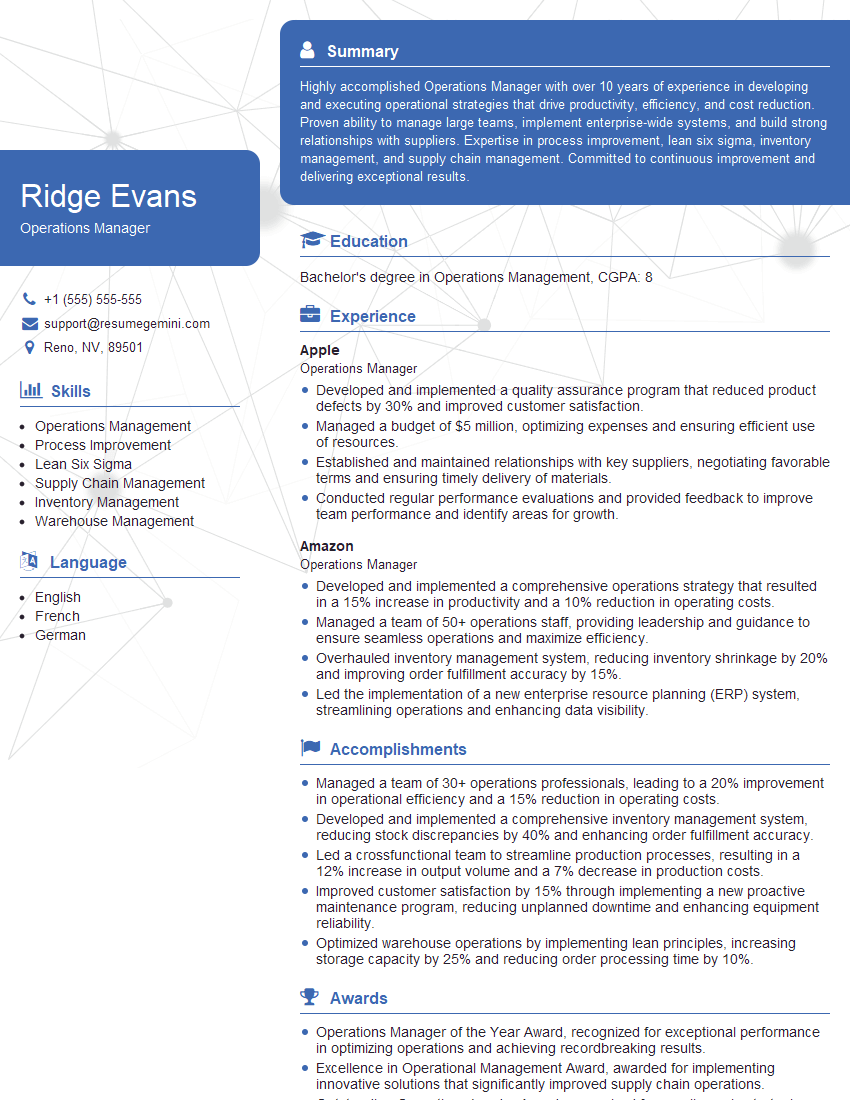
Operations Manager Resume Sample
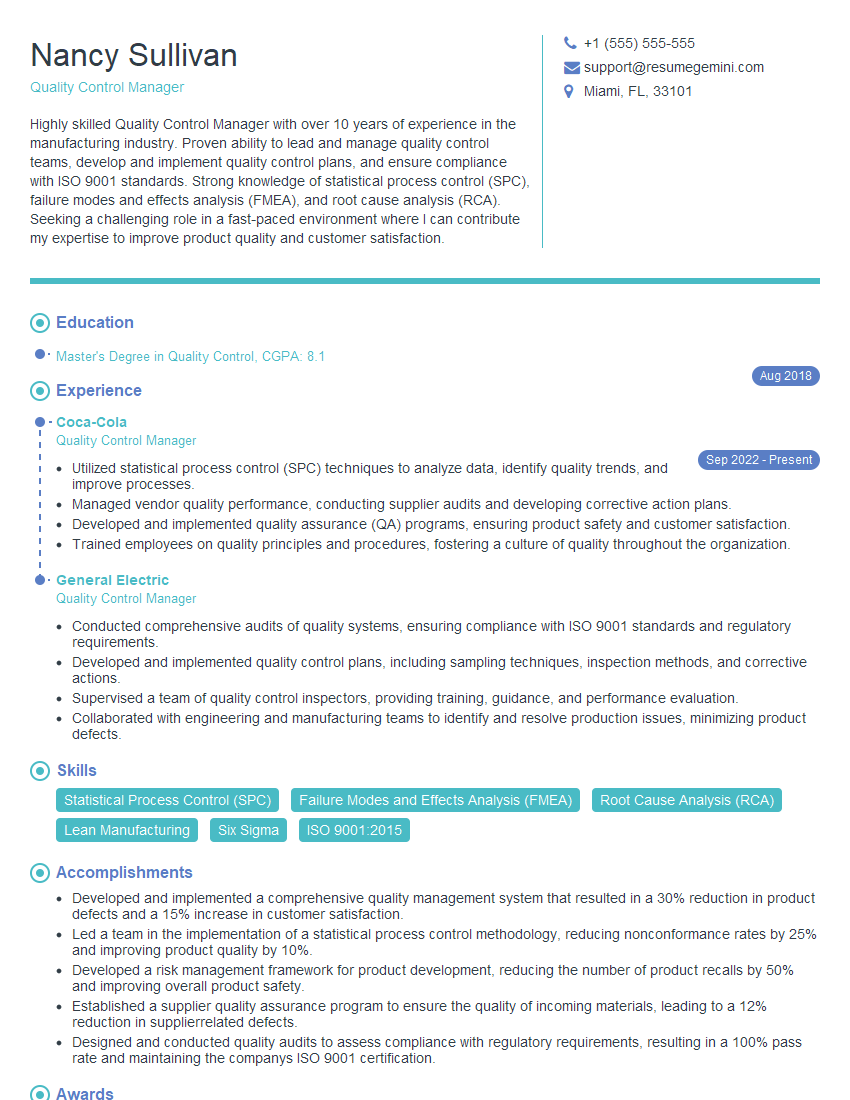
Quality Control Manager Resume Sample
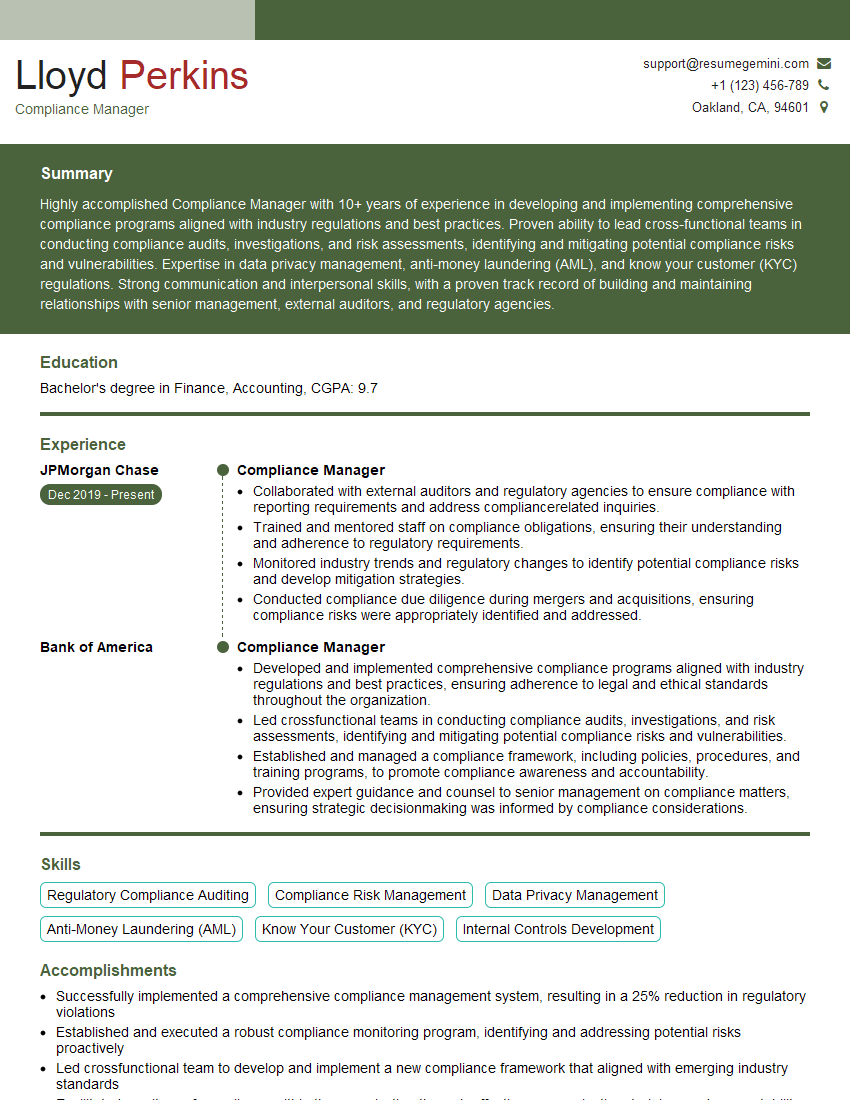
Compliance Manager Resume Sample
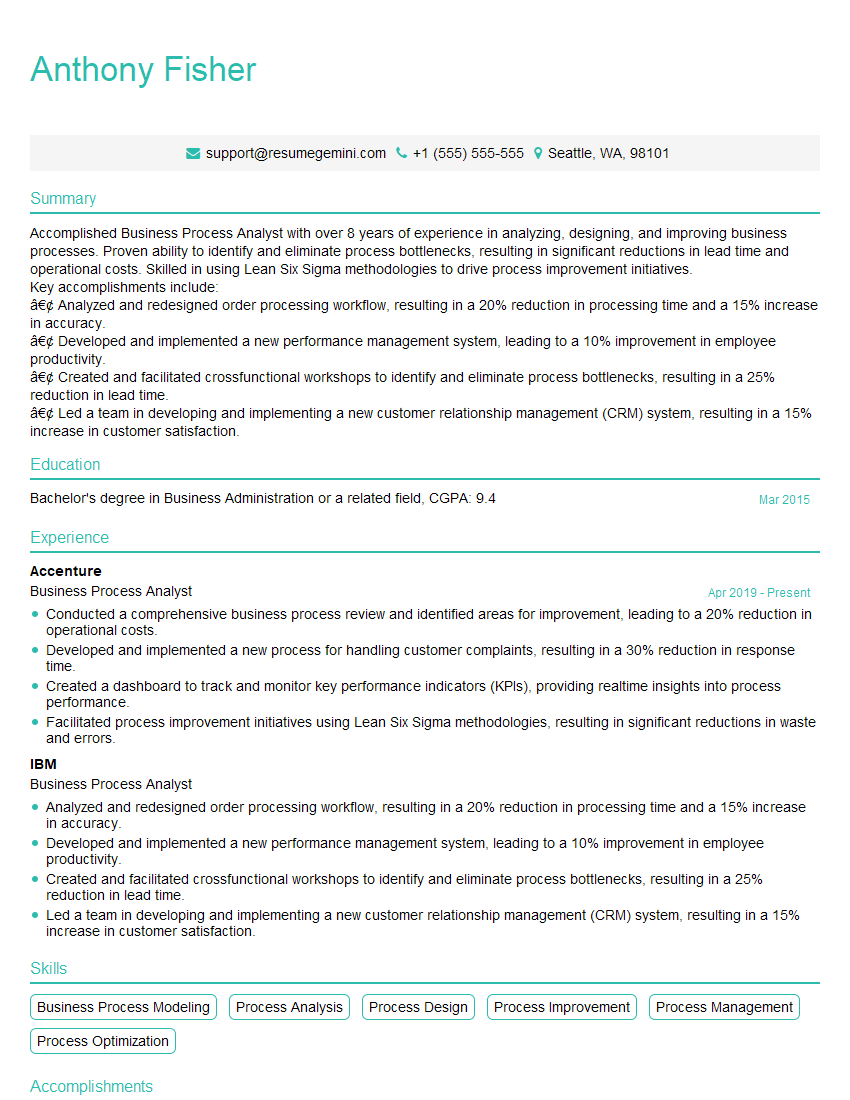
Business Process Analyst Resume Sample
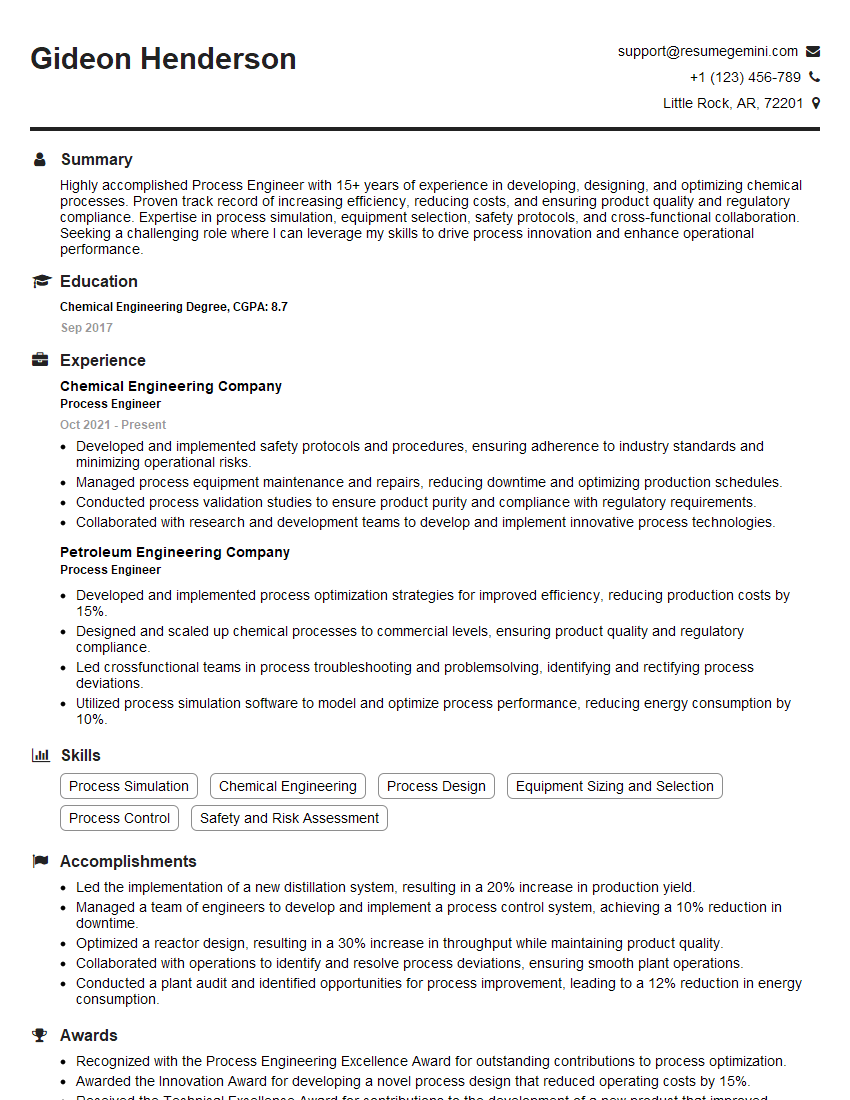
Process Engineer Resume Sample
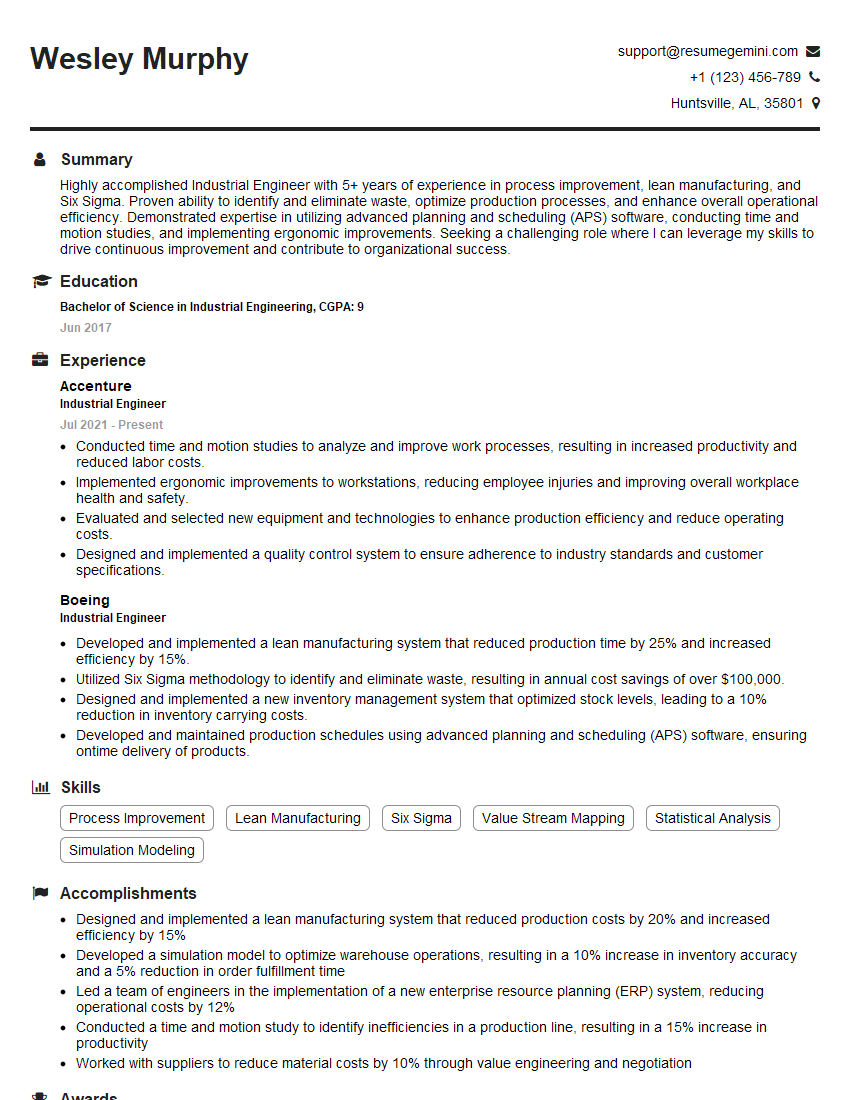
Industrial Engineer Resume Sample
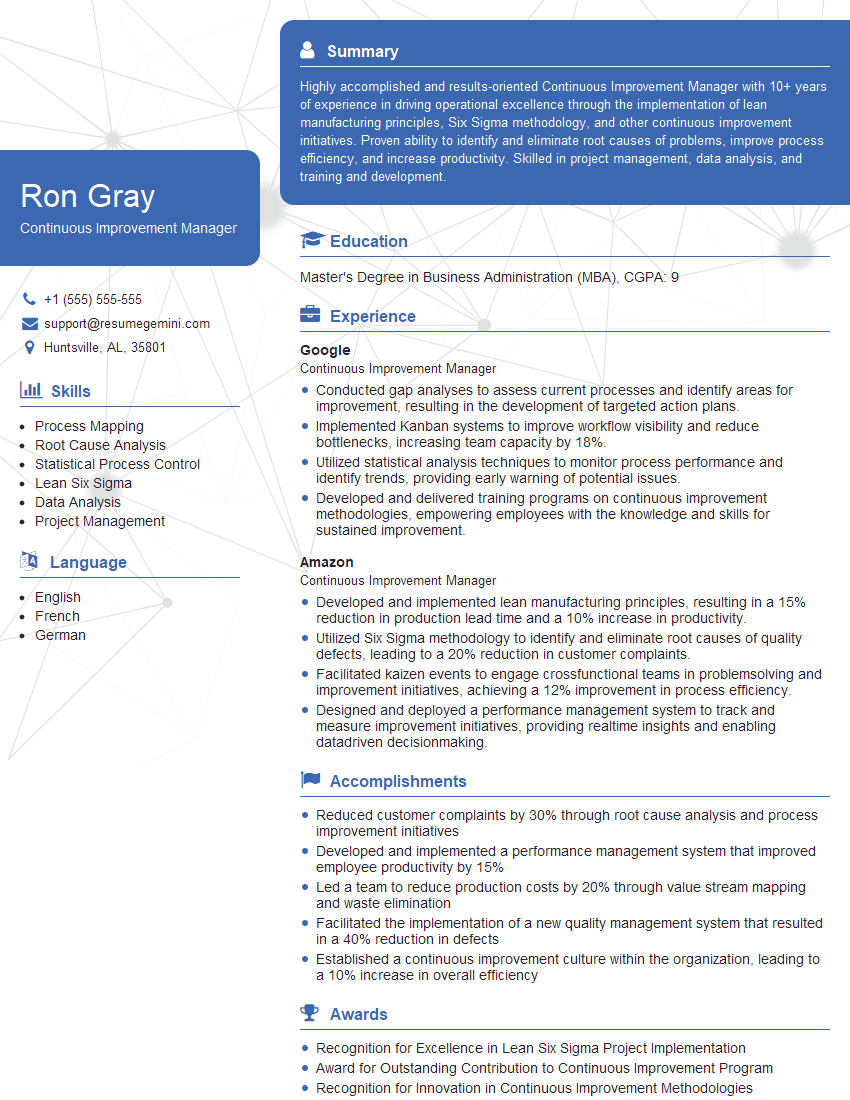
Continuous Improvement Manager Resume Sample
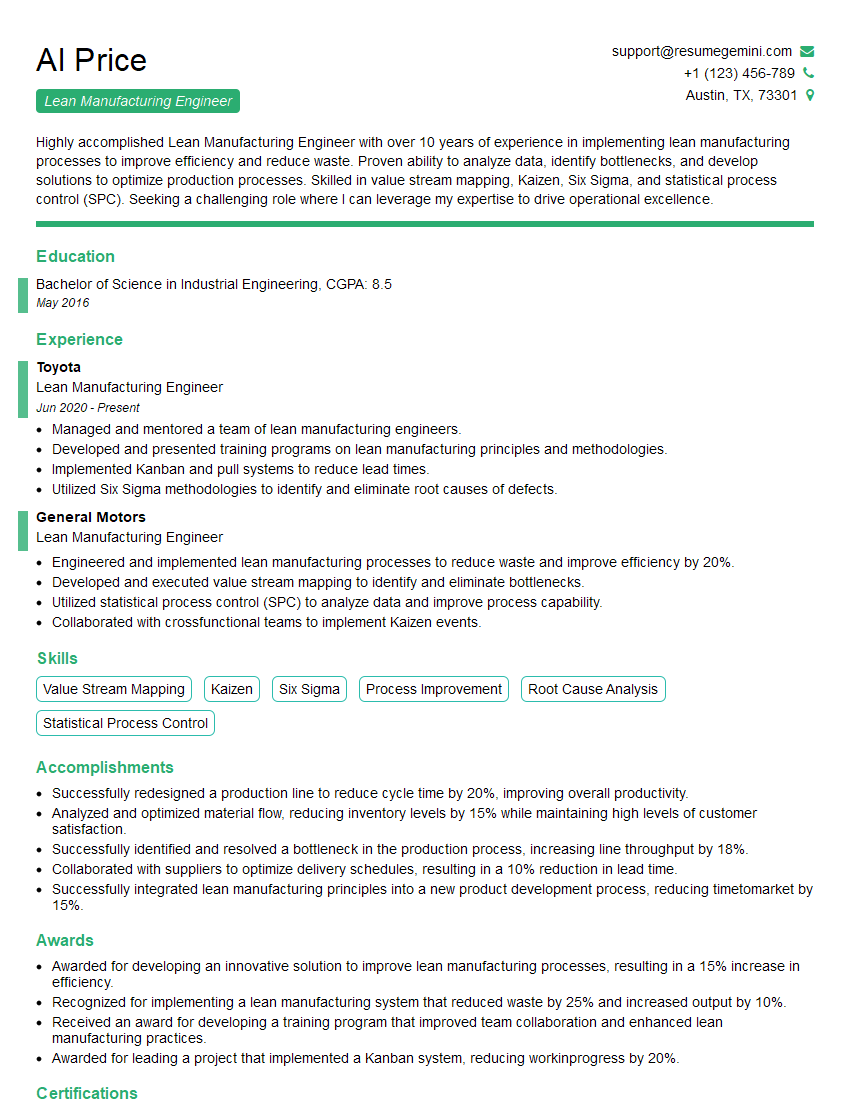
Lean Manufacturing Engineer Resume Sample
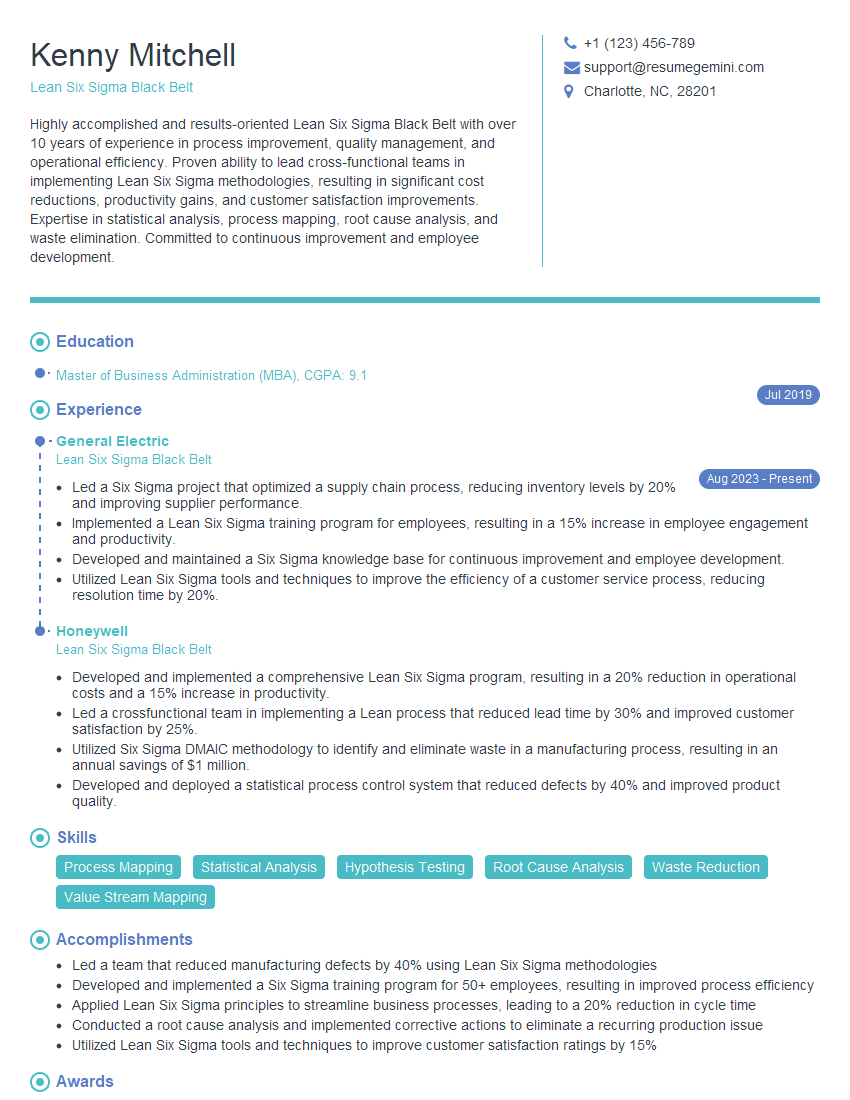
Lean Six Sigma Black Belt Resume Sample
Explore more articles
Users Rating of Our Blogs
Share Your Experience
We value your feedback! Please rate our content and share your thoughts (optional).
What Readers Say About Our Blog
Very informative content, great job.
good