Interviews are opportunities to demonstrate your expertise, and this guide is here to help you shine. Explore the essential Coordinate with other departments to ensure a cohesive customer experience interview questions that employers frequently ask, paired with strategies for crafting responses that set you apart from the competition.
Questions Asked in Coordinate with other departments to ensure a cohesive customer experience Interview
Q 1. Describe your experience coordinating projects involving multiple departments.
My experience coordinating multi-departmental projects centers around establishing clear communication channels, defining roles and responsibilities, and utilizing project management tools. I’ve led numerous initiatives involving sales, marketing, product development, and customer service teams. For example, in a recent product launch, I orchestrated the alignment of marketing materials with sales training, ensuring a consistent message to potential customers. This involved weekly meetings with department heads, shared project management platforms for task assignment and tracking, and regular progress reports to upper management. I’ve found that proactively identifying potential roadblocks and addressing them early through collaborative problem-solving is crucial for success.
- Clear Communication: Regular meetings, shared documentation, and readily accessible communication platforms (e.g., Slack, Microsoft Teams).
- Defined Roles: Clearly outlining each department’s contribution and responsibilities to avoid duplication or gaps.
- Project Management Tools: Utilizing tools like Asana, Trello, or Jira for task tracking, progress monitoring, and efficient workflow management.
Q 2. How do you identify and resolve conflicts between different departments regarding customer issues?
Resolving interdepartmental conflicts regarding customer issues requires a neutral, empathetic approach that prioritizes finding solutions that benefit the customer. My process begins with actively listening to each department’s perspective, understanding their constraints, and identifying the root cause of the disagreement. I often facilitate a collaborative brainstorming session to generate potential solutions, focusing on options that balance the needs of all involved departments while ultimately resolving the customer’s issue. Documentation of the resolution and agreed-upon processes for similar future situations is key to preventing recurring conflicts. Sometimes, mediation and escalation to higher management may be necessary, but I always prioritize finding a mutually acceptable solution.
For example, a conflict between the sales and shipping departments regarding delivery timelines was resolved by establishing a clearer communication protocol using a shared dashboard providing real-time updates on order fulfillment. This ensured transparency and prevented misunderstandings.
Q 3. Explain your process for ensuring consistent messaging across all customer touchpoints.
Maintaining consistent messaging across all customer touchpoints involves a multi-faceted approach that emphasizes collaboration and standardized procedures. It starts with developing a comprehensive brand voice and messaging guide that all departments adhere to. This guide outlines key messages, tone of voice, and brand terminology. Regular training sessions for all customer-facing teams ensure everyone is aligned with the brand guidelines. I also implement systems for reviewing marketing materials, website content, and customer service scripts to ensure consistency. Tools like style guides and brand asset libraries are invaluable for maintaining uniformity. Feedback mechanisms, including customer surveys and internal reviews, help identify any inconsistencies and improve messaging over time.
Think of it like an orchestra – each section (department) plays its part, but the conductor (me) ensures they’re all playing the same music (brand message) in harmony.
Q 4. How do you measure the effectiveness of interdepartmental collaboration on customer satisfaction?
Measuring the effectiveness of interdepartmental collaboration on customer satisfaction relies on a combination of quantitative and qualitative data. Quantitatively, we track metrics like customer satisfaction (CSAT) scores, Net Promoter Score (NPS), customer churn rate, and resolution time for customer issues. Improvements in these metrics directly reflect the positive impact of interdepartmental collaboration. Qualitatively, we analyze customer feedback from surveys, reviews, and support interactions to identify areas where collaboration has improved the customer journey. Regular internal reviews and team surveys assess the effectiveness of communication and collaborative processes. By analyzing these data points, we can pinpoint areas for improvement and refine our collaborative efforts.
Q 5. Give an example of a time you successfully navigated a complex customer issue requiring input from several departments.
A complex customer issue involved a faulty product resulting in significant financial losses for the customer. It required collaboration between our product development, customer service, and legal departments. I facilitated a series of meetings, ensuring all departments understood the customer’s situation and their respective roles in resolving the issue. Product development investigated the root cause of the product failure, customer service provided ongoing support and communication to the customer, and legal ensured the company was compliant with all relevant regulations. Through this coordinated effort, we offered the customer a full refund, a replacement product, and a generous compensation package. The successful resolution not only retained the customer but also demonstrated our commitment to customer satisfaction and interdepartmental cooperation.
Q 6. How do you facilitate communication and information sharing between different departments?
Facilitating communication and information sharing involves employing various strategies, from establishing regular cross-departmental meetings to utilizing collaborative technology platforms. Dedicated communication channels (e.g., shared email lists, instant messaging groups) are crucial for disseminating information quickly and efficiently. Centralized knowledge bases, wikis, or shared document repositories act as single sources of truth, ensuring that everyone accesses consistent and up-to-date information. In addition, establishing clear protocols for escalation of issues ensures that critical information reaches the right people at the right time. Finally, I encourage open communication and feedback loops to foster a culture of transparency and mutual understanding across departments.
Q 7. Describe a time you had to negotiate competing priorities between departments to improve the customer experience.
In one instance, the marketing department’s campaign launch timeline clashed with the product development team’s completion date for a key feature. Both departments had competing priorities. To improve the customer experience and avoid a potentially negative impact, I facilitated a negotiation process. By presenting both perspectives to upper management, we identified the potential risks of delaying the campaign and prioritizing the incomplete feature. Through compromise, we agreed on a phased campaign launch, highlighting already available features while delaying the marketing of the incomplete feature. This solution prevented a negative customer experience and maintained a positive working relationship between the departments.
Q 8. How do you build strong relationships with colleagues in different departments?
Building strong cross-functional relationships requires proactive engagement and genuine interest in colleagues’ work. It’s not just about professional interactions; it’s about building rapport and understanding each department’s challenges and contributions to the overall customer experience.
- Regular Communication: I initiate regular check-ins with key contacts in other departments, not just when there’s a problem. This helps maintain open lines of communication and allows for early problem detection.
- Active Listening: I prioritize active listening during these meetings, aiming to understand their perspectives and concerns. This builds trust and shows respect for their roles.
- Collaboration on Projects: I actively seek opportunities to collaborate on projects, even if they fall outside my direct responsibilities. This shows initiative and allows me to build relationships organically.
- Informal Networking: I make an effort to connect with colleagues outside of formal settings – perhaps grabbing coffee, participating in team lunches, or attending department social events. These informal interactions foster camaraderie and stronger bonds.
- Recognition and Appreciation: I acknowledge and appreciate colleagues’ contributions, both publicly and privately. Recognizing their efforts strengthens our working relationships and motivates collaboration.
For instance, during a recent project involving marketing and customer service, I initiated informal meetings to understand the campaign strategy and its potential impact on customer inquiries. This proactive engagement prevented conflicts and resulted in a smoother customer experience.
Q 9. What tools or techniques do you use to track progress and ensure accountability in cross-functional projects?
Tracking progress and ensuring accountability in cross-functional projects requires a blend of robust project management tools and effective communication strategies. Think of it like orchestrating a symphony – each section needs clear direction and regular communication to create a harmonious whole.
- Project Management Software: I utilize project management software like Asana or Jira to track tasks, deadlines, and progress visually. This provides a centralized platform for everyone to see what’s happening and where potential roadblocks might arise.
- Regular Status Meetings: I schedule regular status meetings with stakeholders from all involved departments. These meetings serve as checkpoints to review progress, identify roadblocks, and make necessary adjustments.
- Defined Roles and Responsibilities: I ensure that roles and responsibilities are clearly defined at the outset of a project. This eliminates confusion and promotes accountability.
- Key Performance Indicators (KPIs): We define and monitor relevant KPIs to gauge the project’s success and ensure we’re meeting our objectives. These KPIs could be customer satisfaction scores, task completion rates, or other relevant metrics.
- Risk Management: Proactively identifying and mitigating potential risks is crucial. Regular risk assessments help identify potential problems before they escalate.
For example, in a recent website redesign project, using Jira allowed us to track every task, from design to development to testing. The clear visual representation of progress kept everyone informed and accountable, resulting in a successful launch on time and within budget.
Q 10. How do you ensure that all departments are aligned on customer experience goals and strategies?
Aligning departments on customer experience goals requires a multifaceted approach that combines clear communication, shared vision, and collaborative strategy development. It’s like creating a roadmap that everyone agrees on and contributes to.
- Define Shared Goals: I start by collaborating with department heads to define overarching customer experience goals that are measurable and achievable. These goals should be clearly communicated to all employees.
- Develop a Shared Strategy: Based on the defined goals, we collaboratively develop a strategy outlining specific initiatives and action plans for each department. This ensures everyone understands their role in achieving the overall objectives.
- Regular Communication and Feedback: I facilitate regular cross-departmental meetings to share progress updates, discuss challenges, and gather feedback. Open communication is key to maintaining alignment.
- Training and Empowerment: Employees in every department need training on customer experience best practices and empowered to make decisions that improve the customer journey. This ensures that everyone is working towards the same goals.
- Customer-Centric Culture: I foster a customer-centric culture throughout the organization by emphasizing the importance of the customer in every decision. This helps ensure everyone is working towards a common goal.
For example, by establishing a shared customer satisfaction metric and regularly reviewing progress across departments, we were able to identify and address inconsistencies in the customer experience, leading to a significant improvement in overall satisfaction scores.
Q 11. Describe your approach to resolving a customer complaint that involves multiple departments.
Resolving customer complaints involving multiple departments requires a systematic approach that prioritizes empathy, efficient communication, and clear accountability. It’s like conducting a well-orchestrated investigation to find the root cause and implement a solution.
- Gather Information: I begin by thoroughly understanding the customer’s complaint, gathering all relevant information from various sources, including the initial point of contact, relevant departments, and any available documentation.
- Identify Responsible Parties: I work with the different departments to determine which department(s) are responsible for addressing the specific aspects of the complaint.
- Coordinate a Response: I collaborate with the involved departments to develop a comprehensive and timely response to the customer. This ensures a unified and consistent message, avoiding confusion and frustration.
- Implement Solution and Follow Up: Once a solution is implemented, I follow up with the customer to ensure their satisfaction. This demonstrates commitment to resolving the issue and improving the customer experience.
- Document the Resolution: I meticulously document the entire process, including the details of the complaint, the steps taken to resolve it, and the outcome. This serves as a valuable learning experience for future similar situations.
For example, a recent complaint involving a faulty product and delayed shipping required coordination between the sales, logistics, and product development teams. By effectively communicating and collaborating, we provided the customer with a replacement product, expedited shipping, and a sincere apology, restoring their satisfaction.
Q 12. How do you identify and address potential points of friction between departments affecting the customer journey?
Identifying and addressing points of friction between departments that affect the customer journey requires a proactive and analytical approach. Think of it as conducting a thorough audit of the customer’s path to pinpoint any roadblocks.
- Customer Journey Mapping: I create detailed customer journey maps to visually represent the customer’s interaction with different departments. This helps identify potential pain points and areas for improvement.
- Process Analysis: I analyze the processes involved in each stage of the customer journey, identifying any redundancies, bottlenecks, or handoffs that might create friction.
- Data Analysis: I leverage data analytics tools to identify patterns in customer complaints, feedback, and other metrics that point to interdepartmental issues.
- Cross-Departmental Workshops: I organize workshops involving representatives from each department to discuss identified pain points and collaboratively brainstorm solutions.
- Regular Feedback Mechanisms: I implement regular feedback mechanisms, such as surveys and focus groups, to collect data directly from customers and employees, highlighting any areas of concern.
For example, by mapping out the customer onboarding process, we discovered a significant delay caused by a disconnect between the sales and IT departments. Addressing this handoff improved the customer onboarding experience and reduced customer churn.
Q 13. How would you handle a situation where a department is not meeting their obligations, impacting the customer experience?
When a department fails to meet its obligations, impacting the customer experience, a prompt and decisive response is crucial. It’s about addressing the immediate issue while working to prevent future occurrences. Think of it as damage control and preventative maintenance.
- Understand the Issue: I first work to fully understand the reason for the department’s non-compliance. This may involve discussing the situation with the department head and reviewing relevant data.
- Address the Immediate Impact: I work to mitigate the immediate impact on customers. This may involve temporarily assigning the task to another department or providing immediate solutions to affected customers.
- Collaborate on a Solution: I collaborate with the department head to identify the root cause of the problem and develop a plan to address it. This could involve providing additional resources, retraining employees, or revising processes.
- Establish Accountability: I work to establish accountability for the issue and to prevent it from happening again. This might involve implementing new procedures, monitoring performance, or addressing performance issues.
- Communicate with Stakeholders: I keep all stakeholders informed about the situation, the steps being taken to resolve it, and the measures being implemented to prevent future occurrences.
For example, when a marketing campaign fell short of its objectives due to an internal miscommunication, I facilitated a meeting with the marketing and sales teams to identify the root cause and implement changes to improve inter-team communication and coordination for future campaigns.
Q 14. Explain your experience with using collaboration tools (e.g., Slack, Microsoft Teams) to improve cross-departmental communication.
Collaboration tools like Slack and Microsoft Teams have significantly enhanced cross-departmental communication, enabling real-time updates, efficient file sharing, and streamlined project management. Think of them as central hubs for communication and collaboration.
- Real-time Communication: These tools allow for instant communication among team members across departments, facilitating quick responses to inquiries and rapid problem-solving. For example, using Slack channels dedicated to specific projects allows immediate clarification on issues without lengthy email chains.
- Centralized Information Sharing: They provide a centralized platform for sharing documents, presentations, and other relevant information, eliminating the need for multiple emails and ensuring everyone has access to the latest updates. For example, uploading project documents to a shared Microsoft Teams folder provides easy access for everyone involved.
- Improved Workflow Management: Many of these tools integrate with project management software, providing a seamless workflow from task assignment to completion. The integration simplifies task tracking, progress monitoring, and accountability.
- Enhanced Collaboration: Features like file sharing, video conferencing, and threaded comments facilitate smoother collaboration between team members, regardless of their location. For example, using Microsoft Teams’ video conferencing allows for quick brainstorming sessions with dispersed team members.
- Reduced Email Overload: Using these tools has significantly reduced reliance on email, improving efficiency and reducing the risk of miscommunication by consolidating communications in one location.
For instance, during a recent product launch, using dedicated Slack channels for different teams (marketing, sales, customer service) enabled efficient communication and coordination, resulting in a successful and well-managed launch.
Q 15. How do you identify and document customer experience pain points that stem from interdepartmental issues?
Identifying customer experience pain points stemming from interdepartmental issues requires a multi-pronged approach. I begin by actively listening to customer feedback from various channels – surveys, reviews, support tickets, and social media. I then analyze this data, looking for recurring themes and complaints that point towards breakdowns in communication or process between departments. For example, if I consistently see complaints about slow shipping times, I would investigate whether the problem lies in order processing (sales department), inventory management (warehouse), or shipping logistics (operations).
Documentation involves creating a detailed record of each pain point, including: the specific customer complaint, the departments involved, the root cause (based on my investigation), the impact on the customer, and suggested solutions. I use a centralized system, like a shared spreadsheet or project management software, to ensure transparency and accessibility for all relevant teams. This allows for collaborative problem-solving and prevents issues from falling through the cracks.
Career Expert Tips:
- Ace those interviews! Prepare effectively by reviewing the Top 50 Most Common Interview Questions on ResumeGemini.
- Navigate your job search with confidence! Explore a wide range of Career Tips on ResumeGemini. Learn about common challenges and recommendations to overcome them.
- Craft the perfect resume! Master the Art of Resume Writing with ResumeGemini’s guide. Showcase your unique qualifications and achievements effectively.
- Don’t miss out on holiday savings! Build your dream resume with ResumeGemini’s ATS optimized templates.
Q 16. Describe your experience with creating and implementing processes to streamline cross-functional workflows.
In a previous role, we experienced significant delays in onboarding new clients due to a fragmented process across sales, onboarding, and IT. To streamline this, I spearheaded the creation of a new cross-functional workflow. This involved several key steps:
- Process Mapping: We visually mapped the existing process to identify bottlenecks and inefficiencies. This highlighted the handoffs between departments that were causing delays.
- Stakeholder Collaboration: I organized workshops with representatives from each department to collaboratively design a revised process. This ensured buy-in from all stakeholders and addressed concerns early on.
- Technology Implementation: We implemented a centralized CRM system to track client progress, automate communication, and eliminate duplicated efforts.
- Training and Communication: We provided comprehensive training to all employees involved in the new process to ensure consistent execution.
- Monitoring and Improvement: We continuously monitored key performance indicators (KPIs) like onboarding time and client satisfaction to identify areas for further improvement and iterate on the process.
The result was a 40% reduction in onboarding time and a significant improvement in client satisfaction scores.
Q 17. How do you prioritize customer requests when they involve conflicting priorities from different departments?
Prioritizing conflicting customer requests requires a structured approach. I use a prioritization matrix that considers factors like urgency, impact on the business, and customer value. For example, a critical issue impacting a high-value customer will naturally take precedence over a less urgent request from a smaller account, even if the latter involves multiple departments.
Transparency is key. I ensure that all involved departments understand the prioritization criteria and the rationale behind the decisions. Open communication helps to manage expectations and foster collaboration, even when difficult choices need to be made. Regular communication updates and progress reports help keep everyone aligned.
Q 18. What metrics do you use to evaluate the success of your efforts to improve cross-departmental coordination?
To measure the success of my efforts in improving cross-departmental coordination, I utilize a range of metrics. These include:
- Customer Satisfaction (CSAT): Tracking changes in CSAT scores provides a direct measure of the impact on the customer experience.
- Net Promoter Score (NPS): This metric gauges customer loyalty and willingness to recommend our services.
- First Contact Resolution (FCR): Measures the efficiency of resolving customer issues in the first interaction, indicating effective internal coordination.
- Cycle Time/Lead Time: Tracking the time it takes to complete tasks that involve multiple departments, highlighting improvements in efficiency.
- Cross-Departmental Collaboration Scores: Regular surveys among employees involved in cross-functional workflows can capture their perception of improved collaboration and communication.
By monitoring these metrics over time, I can demonstrate the positive impact of improved coordination on customer experience and operational efficiency.
Q 19. Describe your experience working with stakeholders from various departments to achieve a common goal.
Working with stakeholders from diverse departments requires strong communication, empathy, and a collaborative mindset. My approach involves:
- Active Listening: Understanding each department’s perspective, challenges, and priorities is crucial to finding common ground.
- Shared Goals: Defining a clear, shared objective from the outset unites the team and provides a common focus.
- Open Communication: Regularly scheduled meetings, clear communication channels, and transparent decision-making processes are essential.
- Conflict Resolution: Addressing conflicts proactively and fairly, focusing on finding solutions that benefit all parties involved.
- Recognition and Appreciation: Acknowledging contributions and celebrating successes boosts morale and fosters a collaborative spirit.
For example, in a project involving marketing, sales, and product development, I facilitated workshops to align on campaign goals, messaging, and target audiences. This resulted in a successful campaign that exceeded expectations.
Q 20. How do you ensure that customer feedback is effectively shared and acted upon across all departments?
Ensuring customer feedback reaches and is acted upon by all relevant departments requires a systematic approach. I utilize a combination of tools and processes:
- Centralized Feedback Repository: A single, accessible platform (e.g., a CRM system or a dedicated feedback management tool) where all customer feedback is collected and organized.
- Regular Feedback Reporting: Generating periodic reports summarizing key customer insights and distributing them to all relevant departments. This should highlight trends, pain points, and areas needing attention.
- Action Plans and Accountability: Transforming feedback into actionable items with assigned owners and deadlines, creating accountability for improvement.
- Closed-Loop Feedback System: Communicating the resolution of customer issues back to the customer and ensuring departments are informed of the action taken.
This ensures all departments are aligned on customer priorities, enabling a cohesive response to customer feedback and a unified improvement strategy.
Q 21. How do you use data and analytics to inform your decisions about improving interdepartmental collaboration?
Data and analytics play a crucial role in informing decisions about interdepartmental collaboration. I leverage data to:
- Identify Bottlenecks: Analyze data from various sources (CRM, support tickets, website analytics) to pinpoint specific areas where interdepartmental processes are causing delays or inefficiencies.
- Measure Impact: Track key metrics (as discussed in Question 4) to assess the impact of improvements on customer experience and operational efficiency.
- Prioritize Improvements: Data-driven insights help prioritize areas for improvement based on their impact on customer satisfaction and business outcomes.
- Demonstrate ROI: Quantify the return on investment (ROI) of initiatives aimed at improving cross-departmental coordination.
For example, by analyzing customer support ticket data, I identified a pattern of delays in resolving technical issues due to a communication gap between the support team and the IT department. This led to the implementation of a new ticketing system and improved communication protocols, resulting in a significant reduction in resolution times.
Q 22. Describe a time you had to adapt your communication style to effectively work with individuals from different departments.
Effective cross-departmental collaboration hinges on adapting communication styles to suit individual preferences and departmental cultures. I’ve found that understanding the communication norms within each department is crucial. For example, the marketing team might favor visually engaging presentations, while the engineering team prefers concise, data-driven reports.
In one instance, I was working on a new product launch, needing input from engineering, marketing, and customer service. Initially, my detailed technical explanations to the marketing team were met with confusion. I realized I needed to adjust my communication. I began using visual aids, focusing on the high-level impact on the customer rather than technical specifications. For the customer service team, I emphasized the implications on customer support and training requirements, using case studies as examples. By tailoring my approach, I ensured that everyone understood the project’s goals and contributed effectively.
Q 23. How do you handle situations where departments have conflicting interpretations of customer needs?
Conflicting interpretations of customer needs often arise from differing perspectives and access to information. My approach involves facilitating a structured discussion, bringing all relevant stakeholders together to clarify the situation. I use a collaborative problem-solving approach, focusing on a shared understanding of the customer’s underlying need rather than getting bogged down in individual interpretations.
For example, if sales perceives a customer as needing a basic product, while engineering believes a more complex solution is required, I’d facilitate a meeting focusing on the customer’s actual business challenges. We’d analyze data such as customer feedback, sales calls, and support tickets to create a shared understanding. This ensures that our response truly addresses the customer’s need, preventing miscommunication and delivering the optimal solution.
A crucial aspect of this process is actively listening to every perspective, empathizing with each department’s viewpoint, and seeking common ground. This builds consensus and fosters a shared commitment to meeting the customer’s needs.
Q 24. How do you ensure that all departments understand and adhere to company policies and procedures related to customer service?
Ensuring adherence to company policies and procedures requires a multi-pronged approach. Firstly, I ensure that every department receives clear, concise, and readily accessible training on these policies. This includes both initial training and regular refreshers, especially when updates occur. Secondly, I facilitate regular communication sessions, using both formal presentations and informal Q&A forums to address questions and concerns.
I utilize various methods including intranet postings, departmental meetings, email updates, and even short video tutorials to reinforce key policies. Regular audits also help identify any gaps in understanding or compliance. If issues arise, we collaboratively find solutions, rather than resorting to punitive measures. The goal is to foster a culture of compliance, emphasizing the benefit of these policies for delivering consistent, high-quality customer service.
Q 25. Explain your experience in identifying and mitigating risks associated with interdepartmental collaboration.
Identifying and mitigating risks associated with interdepartmental collaboration requires proactive risk assessment. I begin by outlining potential challenges that could arise during collaboration – for instance, communication breakdowns, conflicting priorities, or missed deadlines. This often involves brainstorming with representatives from each department to gain a comprehensive view of potential risks.
Once identified, we develop mitigation strategies. This could involve establishing clear communication channels, setting realistic timelines, and agreeing on key performance indicators (KPIs) to measure success. Regular progress reviews and contingency planning are crucial to address any emerging issues proactively. In one instance, a potential risk was discovered when one department was using outdated software, potentially compromising data consistency between departments. We swiftly implemented a training program and software upgrade to mitigate this data integrity risk before it caused major problems.
Q 26. How do you contribute to a positive and collaborative work environment across different departments?
Contributing to a positive and collaborative environment requires consistent effort and a focus on building strong relationships. I actively foster open communication by organizing team-building activities, cross-departmental projects, and informal social gatherings. These initiatives help build trust and understanding amongst team members.
Recognizing and appreciating individual and team contributions is also essential. Publicly acknowledging achievements, celebrating successes, and providing constructive feedback creates a positive and motivating atmosphere. Furthermore, I actively promote a culture of shared responsibility, encouraging each department to see themselves as integral parts of the bigger picture, working towards a common goal: exceptional customer service.
Q 27. Describe a time you successfully implemented a new process to improve interdepartmental collaboration and its impact on the customer experience.
To improve interdepartmental collaboration around customer issue resolution, I implemented a centralized customer issue tracking system. Previously, customer issues were handled in silos, leading to delays and inconsistent responses. This new system allowed all departments (sales, support, engineering) to view and update customer issues in real-time.
The system included customizable workflows, automated notifications, and reporting dashboards. The impact was significant. Customer resolution times decreased by 25%, customer satisfaction scores increased by 15%, and interdepartmental communication improved substantially. The system created transparency and accountability, fostering a more collaborative approach to problem-solving and significantly improving the overall customer experience.
Key Topics to Learn for “Coordinate with other departments to ensure a cohesive customer experience” Interview
- Understanding Cross-Departmental Dynamics: Explore the interdependencies between different departments (e.g., sales, marketing, customer service, operations) and how their individual goals contribute to the overall customer experience.
- Communication & Collaboration Strategies: Learn effective communication techniques for collaborating with diverse teams. This includes active listening, clear articulation of needs, conflict resolution, and leveraging appropriate communication tools.
- Customer Journey Mapping: Understand how to map the customer journey across different departments to identify pain points and areas for improvement in the overall experience. Practice analyzing customer data to support your observations.
- Process Improvement & Optimization: Discuss methods for streamlining cross-departmental processes to enhance efficiency and improve the customer experience. Consider examples like implementing new software or revising internal workflows.
- Stakeholder Management: Explore strategies for managing expectations and influencing decisions across various departments to achieve a shared vision for a superior customer experience. This includes identifying key stakeholders and understanding their priorities.
- Data Analysis & Measurement: Learn how to use data (e.g., customer satisfaction surveys, feedback forms, sales data) to assess the effectiveness of cross-departmental collaborations and measure the impact on customer experience.
- Problem-Solving & Conflict Resolution: Practice approaching situations where departmental conflicts impact the customer experience. Develop strategies for identifying the root cause, negotiating solutions, and mitigating future issues.
Next Steps
Mastering the art of cross-departmental collaboration is crucial for career advancement in today’s interconnected business world. Demonstrating your ability to ensure a cohesive customer experience showcases valuable leadership and teamwork skills highly sought after by employers. To significantly boost your job prospects, focus on creating an ATS-friendly resume that effectively highlights these skills. ResumeGemini is a trusted resource to help you build a professional and impactful resume. We provide examples of resumes tailored to highlight experience in coordinating with other departments to ensure a cohesive customer experience, helping you present yourself in the best possible light to potential employers.
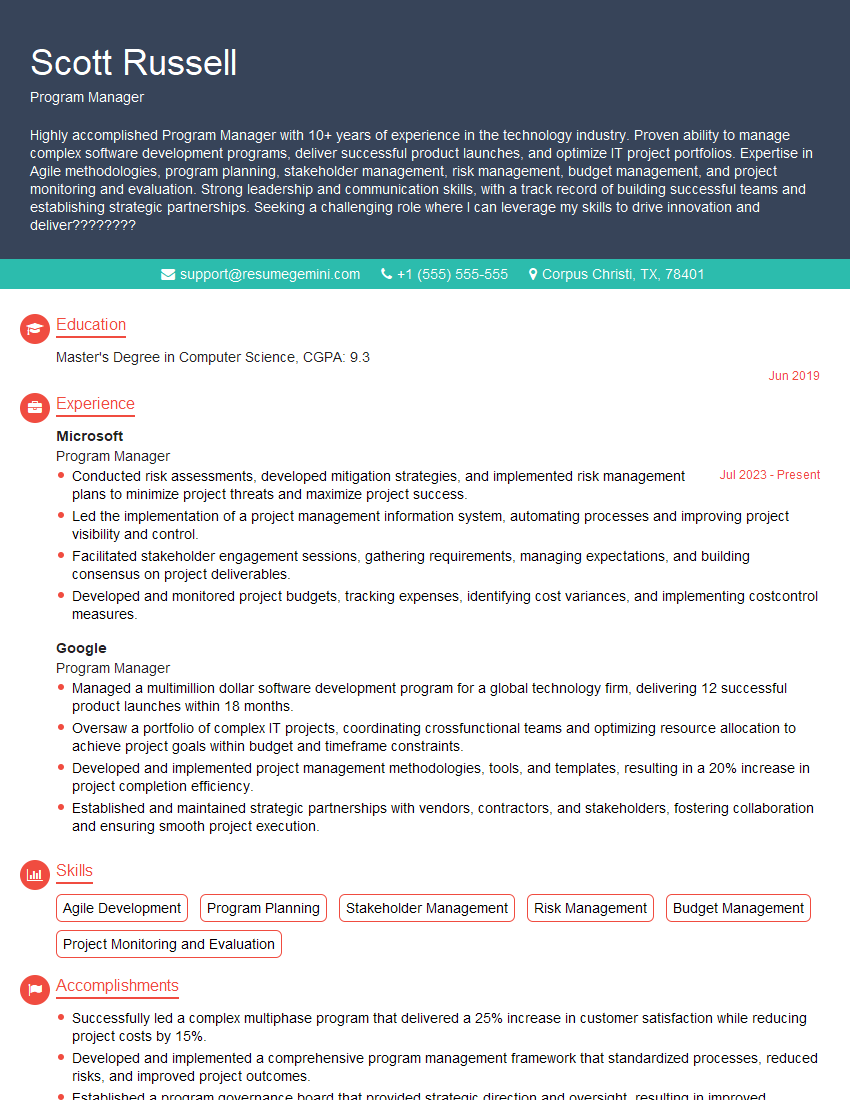
Program Manager Resume Sample

Operations Manager Resume Sample
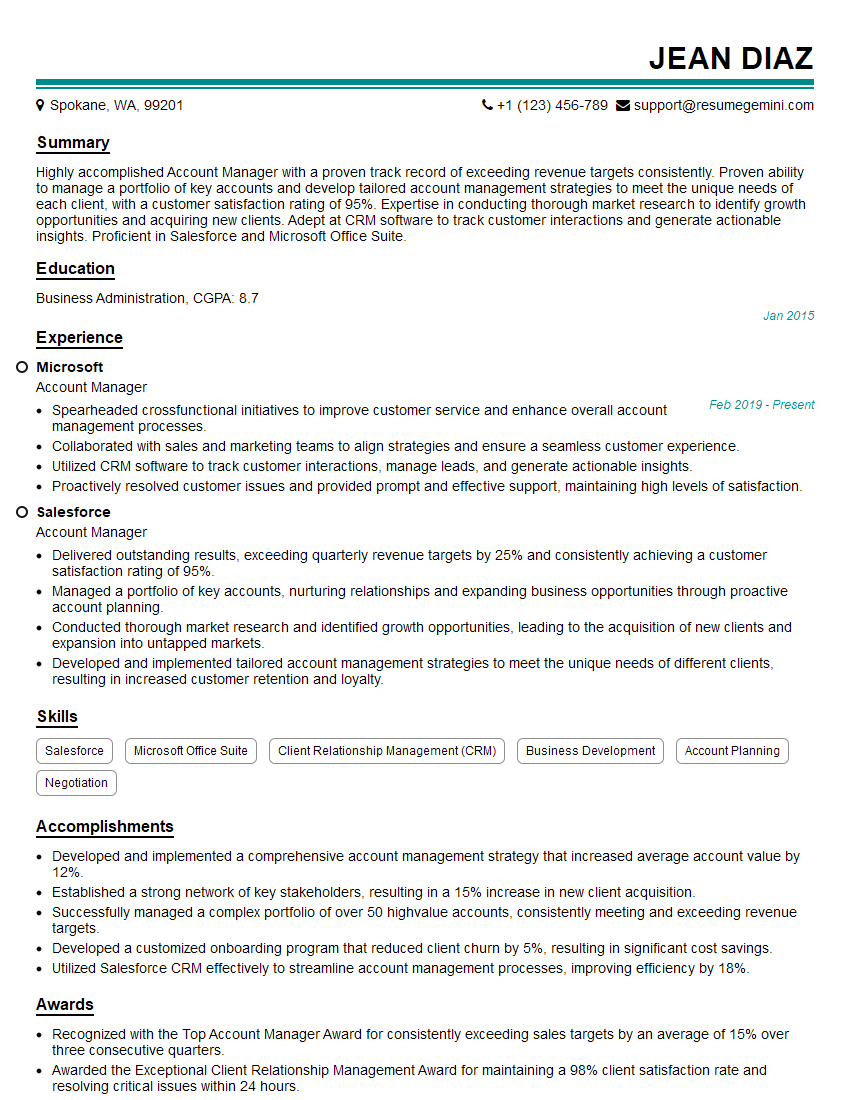
Account Manager Resume Sample
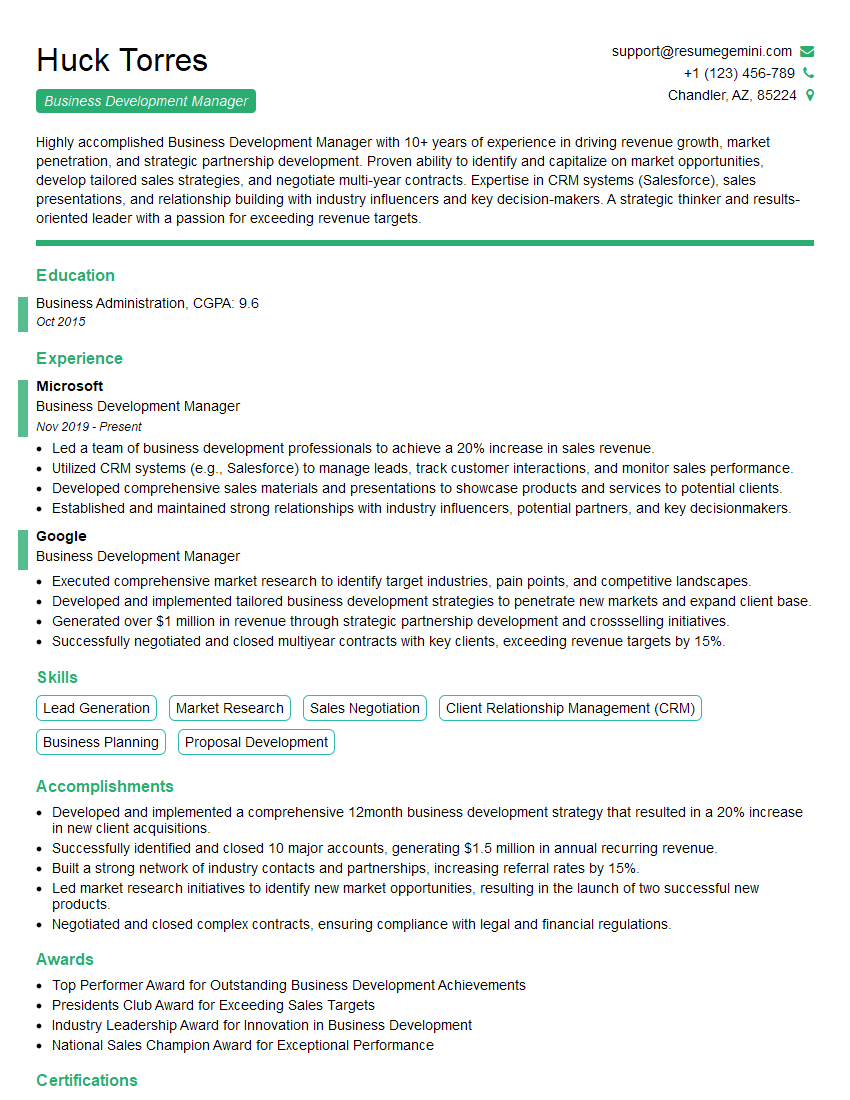
Business Development Manager Resume Sample
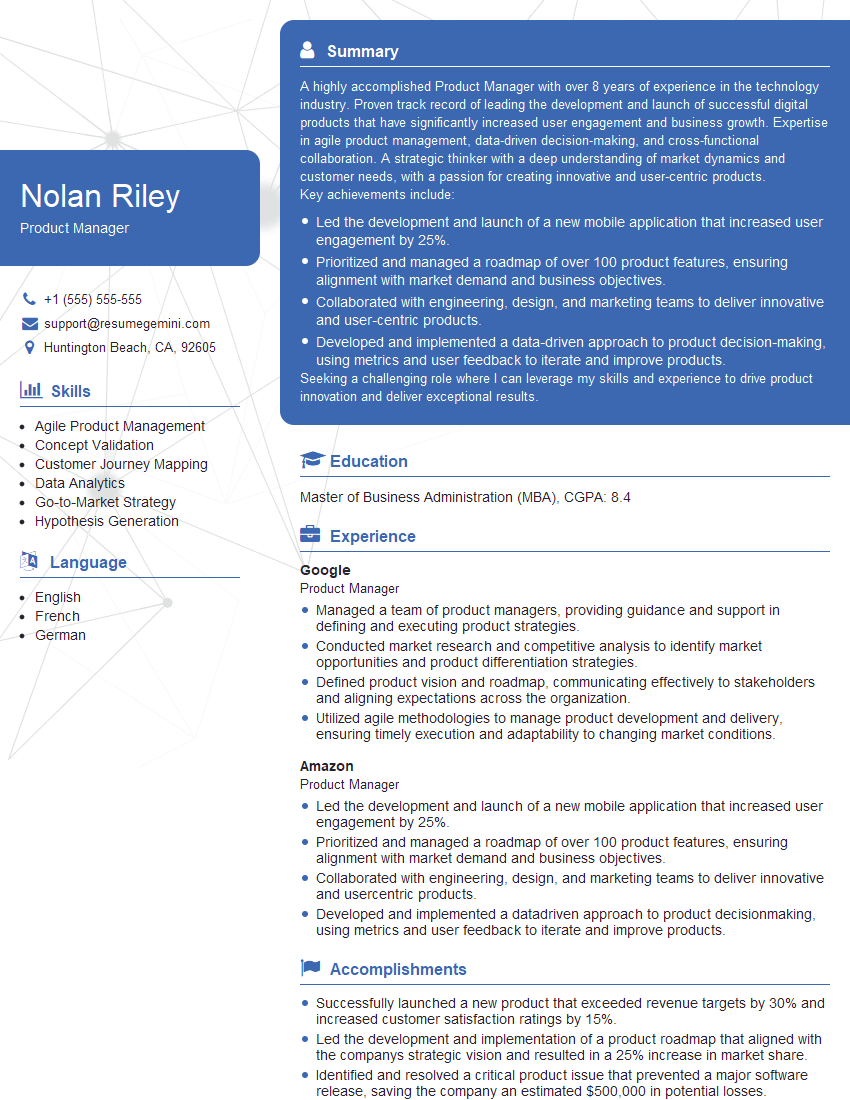
Product Manager Resume Sample
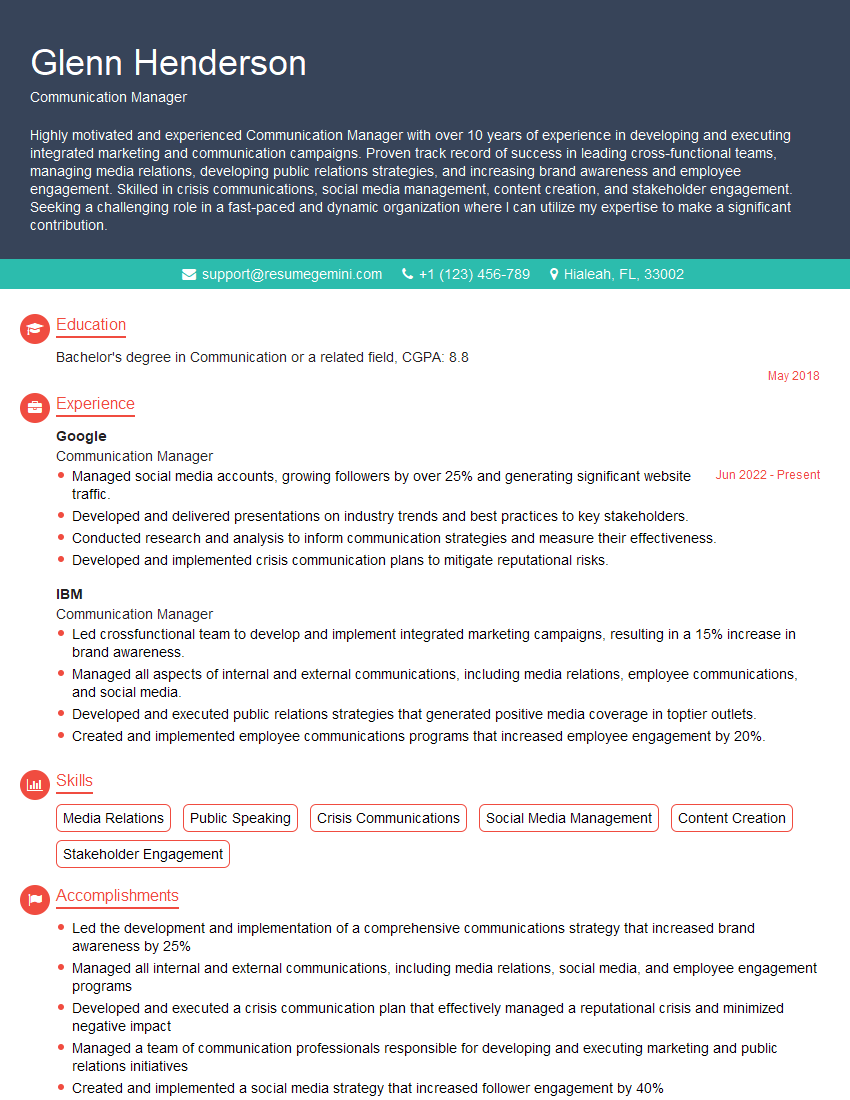
Communication Manager Resume Sample
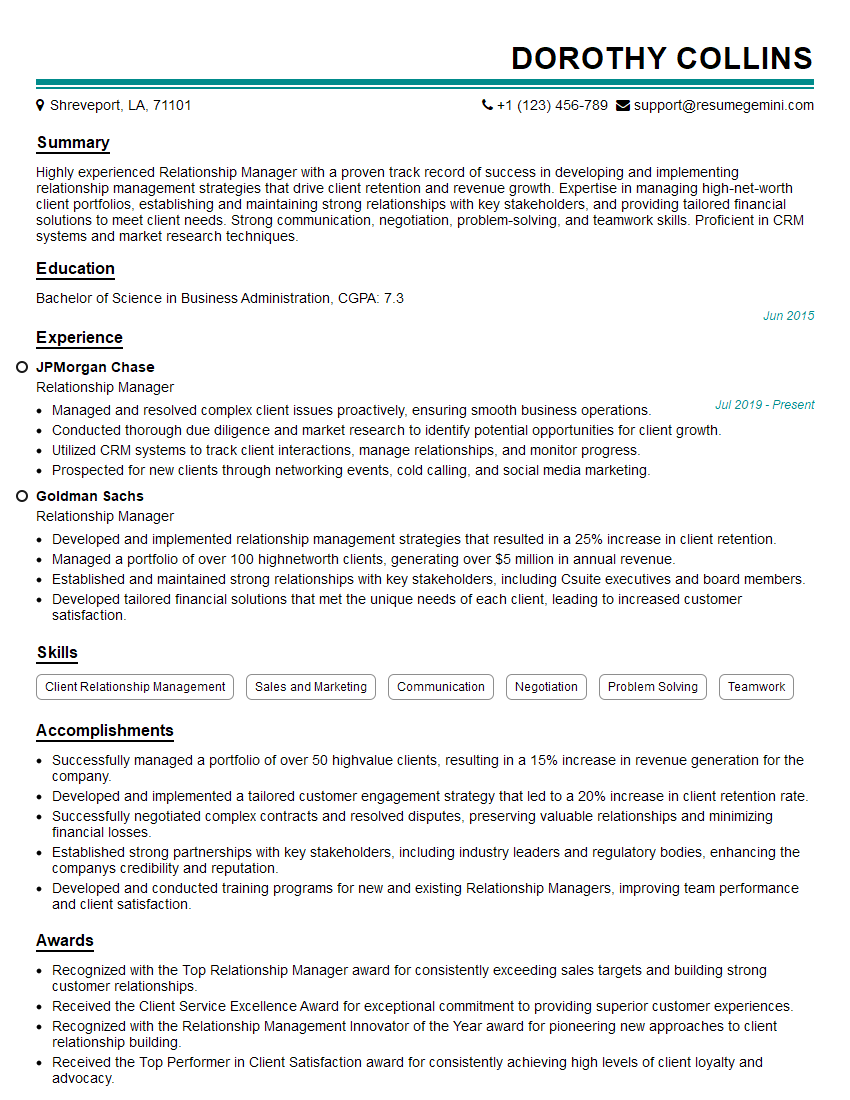
Relationship Manager Resume Sample
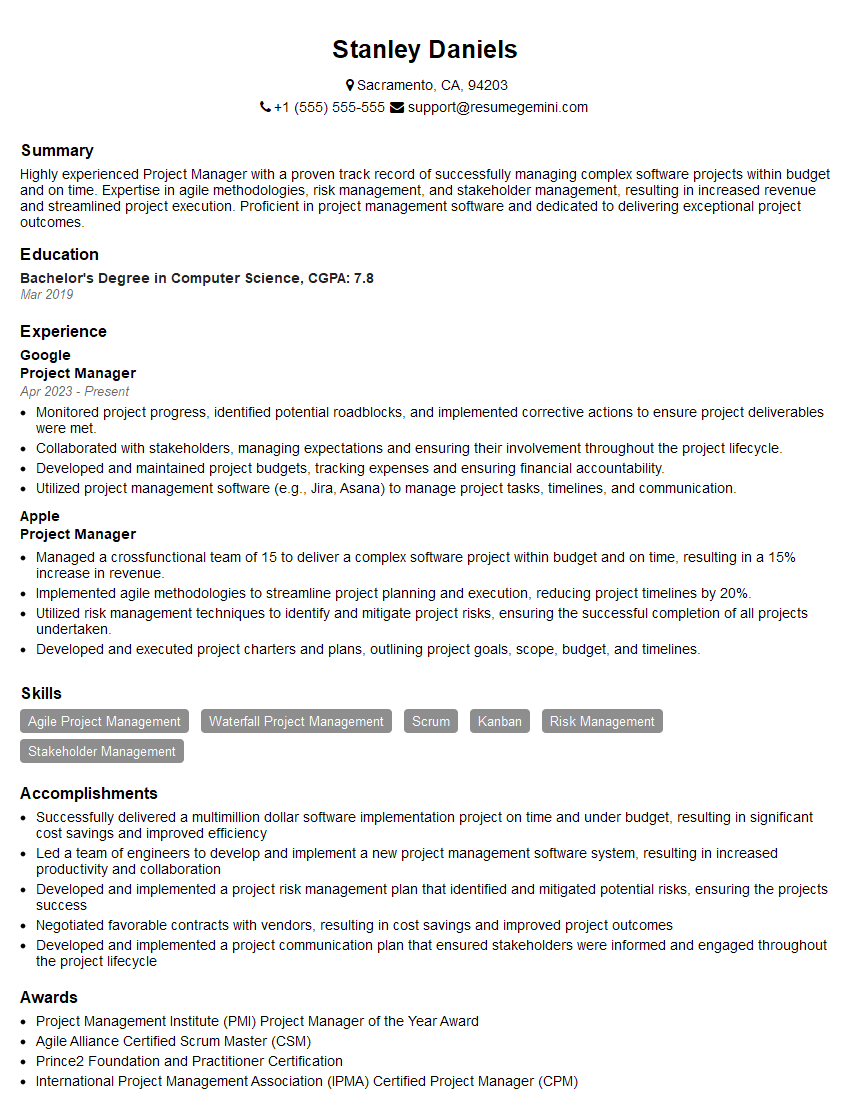
Project Manager Resume Sample
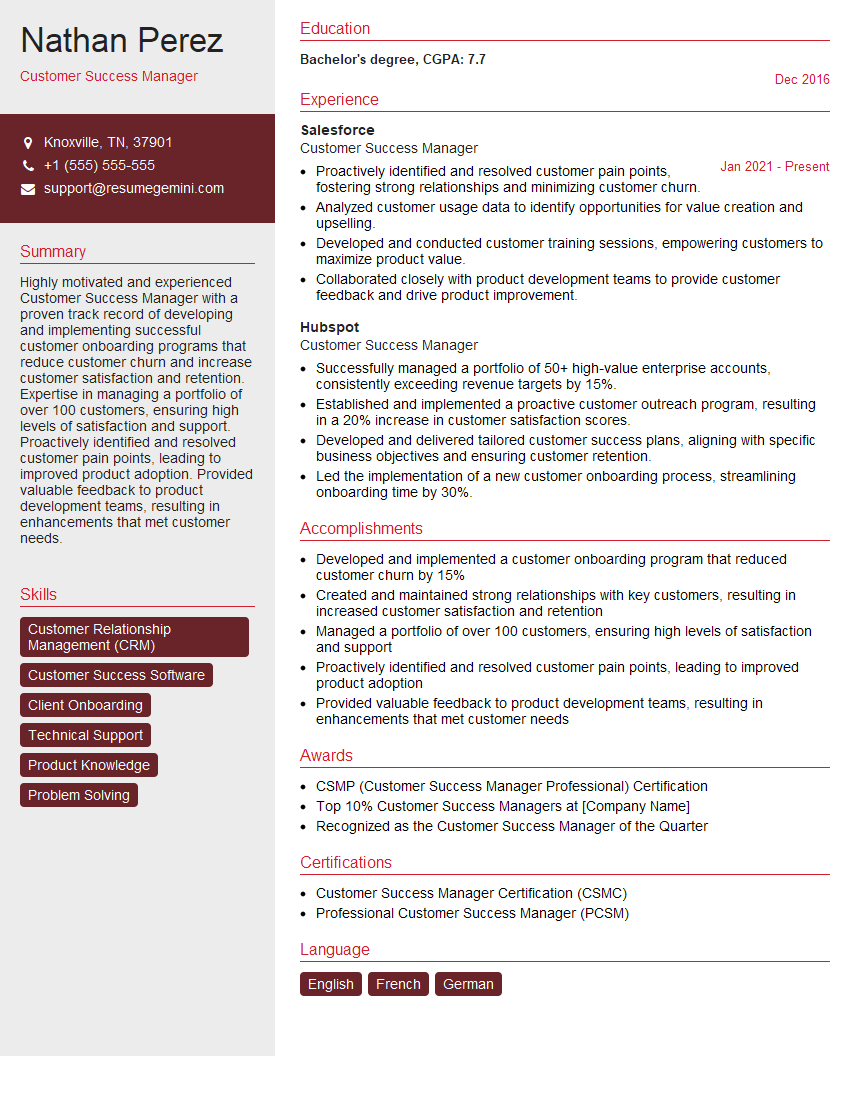
Customer Success Manager Resume Sample
Explore more articles
Users Rating of Our Blogs
Share Your Experience
We value your feedback! Please rate our content and share your thoughts (optional).
What Readers Say About Our Blog
good