Every successful interview starts with knowing what to expect. In this blog, we’ll take you through the top Coordination with Contractors interview questions, breaking them down with expert tips to help you deliver impactful answers. Step into your next interview fully prepared and ready to succeed.
Questions Asked in Coordination with Contractors Interview
Q 1. Describe your experience managing multiple contractor schedules simultaneously.
Managing multiple contractor schedules simultaneously requires a highly organized and proactive approach. Think of it like conducting an orchestra – each contractor is a musician, and their schedule is their part. To ensure a harmonious performance (project completion), I utilize project management software, like MS Project or Asana, to create a central, visual representation of all schedules. This allows me to see potential overlaps, conflicts, and dependencies at a glance. For example, if one contractor needs the other’s work completed before starting their own, this is easily identified and addressed proactively. I break down larger projects into smaller, manageable tasks with clear deadlines for each contractor, facilitating better coordination. Regular status meetings – both individually and collectively – are crucial. These allow me to track progress, address any emerging challenges, and make necessary adjustments in real-time, preventing schedule slippage.
In one project, I successfully managed schedules for five different contractors involved in a large-scale building renovation. By utilizing a Gantt chart in Asana, I was able to visualize and manage their interdependent tasks, resulting in a project completion on time and within budget. This demonstrates my ability to effectively manage complexity and prioritize tasks to keep the project on track.
Q 2. How do you handle contractor disputes or disagreements?
Contractor disputes are inevitable in complex projects. My approach is to be proactive and address issues before they escalate into major conflicts. I start by actively listening to each party involved, ensuring that I understand their perspectives and concerns. Then, I work to identify the root cause of the disagreement. This often involves reviewing the contract terms, specifications, and any relevant communications. Once the problem is clearly defined, I facilitate a collaborative solution-finding process. This might involve mediating between the parties, suggesting compromises, or even proposing alternative approaches that meet everyone’s needs. If the dispute cannot be resolved amicably, I escalate the issue to appropriate management, with clear documentation supporting all communications and decisions made.
For instance, a dispute arose over payment terms between a subcontractor and the general contractor on a recent project. By reviewing the contract and facilitating a discussion between both parties, we identified a misinterpretation of the contract language regarding payment milestones. We successfully resolved the dispute by clarifying the terms and adjusting the payment schedule, avoiding costly delays and legal complications.
Q 3. Explain your process for ensuring contractors adhere to safety regulations.
Ensuring contractor adherence to safety regulations is paramount. Before any work begins, I provide each contractor with a detailed safety plan specific to the project. This plan outlines all relevant regulations, site-specific hazards, and required safety procedures. I ensure that every contractor completes a comprehensive safety orientation and understands their responsibilities. I conduct regular safety inspections and spot checks to monitor compliance. All contractors must provide proof of proper safety training and certifications. Any violations are addressed immediately through a formal warning system, escalating to contract termination if necessary. I maintain meticulous records of all safety training, inspections, and incidents, ensuring compliance with all legal requirements.
For example, on a recent construction site, I noticed a contractor not using appropriate safety harnesses while working at heights. I immediately intervened, providing further training and ensuring compliance with OSHA regulations. This proactive approach prevented potential accidents and injuries.
Q 4. How do you track contractor progress and identify potential delays?
Tracking contractor progress and identifying potential delays requires a multi-faceted approach. I utilize project management software to monitor task completion, milestones, and deadlines. This software allows me to generate reports highlighting progress against the schedule. I also conduct regular meetings with each contractor to discuss their work and address any challenges. These meetings provide an opportunity to identify potential roadblocks early on. I use a combination of visual tools, such as Gantt charts, and numerical data to track key performance indicators (KPIs) like task completion rates and cost variances. Any deviations from the planned schedule are immediately investigated and mitigation strategies developed.
For instance, in one project, a delay was anticipated due to unexpected inclement weather. By proactively communicating with the contractors and adjusting the schedule accordingly, we were able to minimize the impact on the overall project timeline.
Q 5. What methods do you use to effectively communicate with contractors?
Effective communication is critical for successful contractor management. I use a multi-channel approach, combining regular in-person meetings with electronic communication tools. This includes email, project management software updates, and instant messaging for urgent matters. I maintain a clear and consistent communication style, ensuring that all information is easily accessible and readily understood. I also emphasize the importance of clear, concise documentation of all communication, including email exchanges, meeting minutes, and project updates. This creates an auditable trail, minimizing misunderstandings and disputes. Regularly scheduled meetings, both one-on-one and group meetings, ensures transparency and keeps all stakeholders informed.
For instance, I use Asana to share project updates and documents, allowing all contractors to access information in real-time, thereby promoting transparency and minimizing confusion.
Q 6. How do you manage contractor invoices and payments?
Managing contractor invoices and payments requires accuracy, efficiency, and adherence to contractual terms. I ensure that each invoice is carefully reviewed to verify the accuracy of the work performed and the associated costs. This involves comparing the invoice to the contract, the approved change orders, and any other relevant documentation. Once the invoice is verified, I process the payment promptly according to the agreed-upon payment terms. I maintain a detailed record of all invoices, payments, and outstanding balances. This allows for efficient reconciliation and reporting. I use accounting software to track all financial transactions, ensuring accuracy and compliance with accounting standards.
In my experience, using an automated invoice processing system has significantly reduced the time and effort required for managing contractor payments, resulting in smoother cash flow and stronger relationships with contractors.
Q 7. Describe your experience with change orders and their impact on project timelines.
Change orders are inevitable in many projects, and managing them effectively is crucial for controlling both cost and schedule. When a change order is requested, I meticulously document the reason for the change, the impact on the project scope, and any associated costs or schedule implications. This involves careful negotiation with the contractor to determine a fair price for the additional work. Before approving a change order, I assess its potential impact on the overall project schedule and budget, ensuring that any delays or cost overruns are accounted for and communicated to all relevant stakeholders. I then formalize the change order in writing, ensuring that it is signed and agreed upon by all parties. This reduces the risk of disputes and minimizes the chances of cost escalation.
In one instance, a change order resulted in a minor delay. However, through proactive communication with all stakeholders, the impact was effectively mitigated, and the project remained on track for its overall completion.
Q 8. How do you ensure contractors meet quality standards?
Ensuring contractors meet quality standards is paramount for successful project delivery. My approach is multifaceted, starting with a clearly defined scope of work and specifications within the contract. This includes detailed drawings, material specifications, and quality control checklists. I then implement a robust inspection and verification process. This involves regular site visits to monitor progress, inspect workmanship, and ensure compliance with the agreed-upon standards. For example, on a recent construction project, I implemented a daily quality control log where the contractor documented their progress and any challenges faced. Any deviations from the plan are immediately addressed through meetings and corrective actions. I also leverage third-party inspections when necessary, especially for complex or critical aspects of the project. Finally, the acceptance criteria for each phase are clearly defined and must be met before payment is released. Think of it as a continuous feedback loop, ensuring consistent quality throughout the project lifecycle.
Q 9. Explain your process for selecting and vetting subcontractors.
Selecting and vetting subcontractors is a critical step in mitigating risk. My process starts with a thorough pre-qualification process. This includes reviewing their past performance, checking references, verifying their licenses and insurance coverage, and assessing their safety records. I also examine their financial stability to ensure they have the capacity to complete the work. Then, I compare bids based on not just price, but also on their understanding of the project requirements, their proposed methodologies, and their demonstrated experience. For instance, when selecting a subcontractor for electrical work, I specifically looked for a company with experience in LEED-certified buildings and a track record of adhering to safety regulations. Shortlisting is followed by interviews where I assess their communication skills, problem-solving capabilities, and their commitment to quality. This helps me choose a subcontractor that is not just competent, but also a good fit for my team.
Q 10. How do you handle unexpected issues or emergencies involving contractors?
Unexpected issues and emergencies require a swift and decisive response. My process begins with immediate communication – I contact the relevant contractor and notify all stakeholders. Then, we collaboratively assess the situation, determine the root cause, and develop a plan of action. This often involves securing emergency services if needed. For example, during a recent project, a sudden water main break impacted the foundation work. I immediately contacted the contractor, the city utilities department, and the project owner, coordinating the emergency repairs and developing a revised project schedule to minimize delays. Critical path analysis is used to understand the impact of the disruption and identify alternative solutions. Clear documentation of the incident, including costs and schedule adjustments, is crucial for insurance claims and project updates. This proactive approach ensures minimal disruption and maintains transparency.
Q 11. What software or tools do you use to coordinate with contractors?
Effective coordination relies heavily on the right tools. I utilize a project management software like Asana or Monday.com to manage tasks, deadlines, and communication. This allows me to track contractor progress, share documents, and assign responsibilities centrally. We also use cloud-based storage services like Google Drive or Dropbox for seamless document sharing and version control. Regular video conferencing tools like Zoom or Microsoft Teams facilitate quick and efficient communication and virtual site meetings. These tools not only streamline the process but also enhance transparency and accountability. Moreover, I often leverage specialized construction management software for more complex projects that integrate scheduling, cost control, and document management features.
Q 12. How do you maintain accurate records and documentation related to contractor activities?
Maintaining accurate records is essential for both legal compliance and effective project management. I utilize a comprehensive document management system. This includes a centralized repository for all contracts, drawings, specifications, change orders, inspection reports, and payment records. Every document is clearly labeled, version-controlled, and easily accessible to all relevant parties. We also maintain a detailed project log, recording all significant events, communication exchanges, and decisions made. This detailed record-keeping assists in dispute resolution, progress reporting, and future project planning. For instance, a well-documented change order minimizes the risk of disagreements regarding costs and timelines. This commitment to meticulous record-keeping ensures the project’s history is completely and accurately documented.
Q 13. Explain your approach to risk management related to contractor performance.
My approach to risk management focuses on proactive identification and mitigation. This starts with a thorough risk assessment at the project’s outset, identifying potential hazards related to contractor performance. These could include delays, cost overruns, quality issues, and safety incidents. Then, we develop contingency plans for each identified risk. For instance, if a key subcontractor is delayed, we might have a backup plan in place. We incorporate these plans into the project schedule and budget. Regular monitoring and reporting help us track potential problems and adjust our approach accordingly. We maintain a close working relationship with our insurance provider, understanding our coverage and promptly reporting any incidents. This multi-layered strategy provides a safety net and ensures project resilience in the face of unforeseen challenges.
Q 14. How do you motivate contractors to achieve project goals?
Motivating contractors involves a combination of strategies. Firstly, I ensure clear and transparent communication, keeping them informed of project updates and expectations. Fair and timely payment is another crucial motivator. We also build strong relationships based on trust and mutual respect. Open communication channels allow for the timely resolution of issues. Recognizing good work and celebrating successes boosts morale and fosters a positive working environment. For instance, I publicly acknowledged a contractor’s exceptional work on a challenging section of the project, boosting their team’s confidence and improving their overall productivity. Finally, involving contractors in the decision-making process and actively seeking their input demonstrates that their contributions are valued.
Q 15. Describe a time you had to resolve a conflict with a contractor. What was the outcome?
Conflict resolution is a crucial aspect of contractor coordination. In one project, a subcontractor fell significantly behind schedule on the electrical work, claiming unforeseen complications with the building’s existing infrastructure. This threatened to delay the entire project, impacting the client’s move-in date and incurring potential penalties.
My approach involved several steps: First, I scheduled a meeting with the subcontractor’s foreman and project manager to understand the root cause of the delay. Open communication was key. We identified the specific challenges and quantified the impact on the schedule. Then, we collaboratively explored solutions. This involved analyzing the remaining work, identifying areas for efficiency improvement, and negotiating a revised schedule with realistic milestones and attainable targets. We also explored resource allocation, possibly bringing in additional electricians for a short period. Finally, we established clear communication channels for daily updates and prompt reporting of any further issues. The outcome was a revised schedule that minimized the overall delay and prevented further disputes. While the project was slightly behind schedule, the final cost remained within budget thanks to proactive problem-solving and open communication.
Career Expert Tips:
- Ace those interviews! Prepare effectively by reviewing the Top 50 Most Common Interview Questions on ResumeGemini.
- Navigate your job search with confidence! Explore a wide range of Career Tips on ResumeGemini. Learn about common challenges and recommendations to overcome them.
- Craft the perfect resume! Master the Art of Resume Writing with ResumeGemini’s guide. Showcase your unique qualifications and achievements effectively.
- Don’t miss out on holiday savings! Build your dream resume with ResumeGemini’s ATS optimized templates.
Q 16. How do you ensure compliance with relevant building codes and regulations?
Ensuring compliance with building codes and regulations is paramount. My strategy is proactive and multi-faceted. It starts with selecting contractors who demonstrate a proven track record of adherence to these regulations. Before any work commences, I meticulously review their submitted plans and specifications, ensuring they accurately reflect the approved building permits and local codes. Regular site inspections are conducted, both by myself and frequently by independent inspectors, verifying that the work is progressing according to the approved plans and complies with all relevant standards. I maintain detailed documentation of all inspections, approvals, and any deviations or necessary adjustments. Any deviation or discovered non-compliance is immediately addressed through corrective action plans, ensuring the issues are remedied promptly and documented thoroughly. This proactive approach minimizes risks and avoids potential costly delays and legal complications later in the project.
Q 17. How do you manage contractor performance based on key performance indicators (KPIs)?
Managing contractor performance through KPIs is vital for successful project delivery. We establish key performance indicators at the outset of the project, tailored to the specific contract and scope of work. These might include metrics such as adherence to schedules (percentage of tasks completed on time), quality of workmanship (defect rate), safety performance (number of incidents), and budget adherence (spending variance). We use regular progress meetings, where performance against these KPIs is reviewed. This involves analyzing data, identifying trends, and addressing any potential shortfalls. Constructive feedback is provided, focusing on both positive achievements and areas needing improvement. A performance scorecard is maintained, and any consistent underperformance can lead to formal discussions, performance improvement plans, and, in extreme cases, contract termination. This data-driven approach ensures transparency and accountability, promoting continuous improvement and delivering optimal results.
Q 18. What is your experience with various contract types (e.g., lump sum, cost-plus)?
I have extensive experience with various contract types. Lump sum contracts are best suited for projects with well-defined scopes and minimal anticipated changes. They provide price certainty but require meticulous planning upfront. Cost-plus contracts, on the other hand, are more flexible for projects with evolving scopes or where the exact extent of the work is uncertain. They offer more flexibility but require careful cost tracking and control to avoid cost overruns. I have also worked with unit price contracts, which are suitable for repetitive tasks where the quantity may vary, and time and materials contracts, offering the most flexibility but demanding rigorous documentation and oversight. My approach is to select the contract type that aligns best with the project’s specific characteristics, risk profile, and client requirements, always ensuring transparency and mutual understanding with the contractor.
Q 19. How do you handle contractor requests for additional time or resources?
Contractor requests for additional time or resources are handled systematically. Any such request must be submitted formally, clearly articulating the reasons for the request, along with supporting documentation like updated schedules or evidence of unforeseen circumstances. I evaluate these requests carefully, considering their validity and impact on the overall project schedule and budget. This may involve site visits to assess the situation firsthand. If the request is justified, we negotiate a revised schedule and/or budget, documenting the agreed-upon changes through formal amendments to the contract. If the request is deemed unjustified, I explain the reasoning and explore alternative solutions collaboratively with the contractor. The goal is always to find a mutually acceptable solution that minimizes project disruption while upholding the project’s objectives and budget.
Q 20. How do you ensure a smooth handover to the client once the project is complete?
A smooth handover to the client is crucial for project success. We start planning for this well in advance of project completion. This involves creating detailed as-built drawings, operation and maintenance manuals, and warranty information. We conduct a thorough inspection with the client, addressing any outstanding issues or snags. A comprehensive punch list is created and tracked until all items are satisfactorily completed. We provide training to the client on the operation and maintenance of the project systems. We facilitate a final walkthrough to ensure the client’s satisfaction and address any remaining questions. Following the handover, we maintain contact for a defined period to address any unforeseen problems. This meticulous approach minimizes potential disputes and ensures a positive client experience, building trust and fostering future collaborations.
Q 21. Describe your experience with different project delivery methods (e.g., Design-Bid-Build, Design-Build).
My experience encompasses various project delivery methods. Design-Bid-Build involves separate design and construction phases, where the design is completed before the contractor is selected. This approach offers clarity on design but can lead to potential conflicts and cost overruns during construction. Design-Build combines design and construction under a single contract, offering better integration and potentially faster delivery, but requiring a high degree of trust and coordination between the designer and contractor. I’ve also worked with Construction Management at Risk (CMAR) which utilizes a construction manager who helps to manage the construction process for both cost and time. My selection of the best method depends on the project’s specific needs, considering factors such as project complexity, budget, schedule constraints, and client preferences. Each method has its strengths and weaknesses, and choosing the right one is critical for project success.
Q 22. How do you use technology to improve coordination with contractors?
Technology plays a crucial role in streamlining communication and collaboration with contractors. I leverage several tools to improve coordination. For instance, project management software like Asana or Monday.com allows for centralized task assignment, progress tracking, and real-time communication. This eliminates the confusion caused by email chains or phone calls. We can use shared file storage within these platforms, ensuring everyone works from the most up-to-date documents and drawings. Further, video conferencing tools like Zoom or Microsoft Teams facilitate quick meetings, reducing the need for costly and time-consuming on-site visits. Finally, BIM (Building Information Modeling) software, when applicable, allows for seamless collaboration on 3D models, reducing clashes and ensuring everyone understands the project’s complexities.
For example, in a recent renovation project, using Asana allowed us to track the progress of multiple contractors simultaneously, identify potential delays early on, and facilitate efficient communication regarding material deliveries. The shared file storage eliminated the issue of conflicting versions of blueprints.
Q 23. How familiar are you with contract law and its implications for contractor management?
I possess a strong understanding of contract law, specifically as it pertains to construction and contractor management. My familiarity extends to aspects like contract formation, breach of contract, dispute resolution, and payment terms. I understand the importance of clear and concise contracts that explicitly define the scope of work, payment schedules, timelines, and liability clauses. Understanding these elements prevents misunderstandings and protects both the client and the contractor. I’m also well-versed in various contract types, including lump-sum, unit-price, and cost-plus contracts, and I can advise on the best option for a given project and risk profile.
For example, in one instance, I identified a potential loophole in a proposed contract that could have resulted in significant cost overruns for the client. By understanding the legal implications, I was able to negotiate a more favorable agreement that protected the client’s interests.
Q 24. Describe your experience working with diverse teams of contractors.
I thrive in diverse team environments. My experience includes managing teams comprising contractors with varying specializations, cultural backgrounds, and communication styles. Effective management hinges on clear communication, mutual respect, and a well-defined framework for collaboration. I establish open lines of communication early on, ensuring that each contractor understands their roles, responsibilities, and how their work integrates with the overall project. I prioritize fostering a collaborative atmosphere where different perspectives are valued and conflicts are addressed constructively. I’ve found that regular meetings, both individual and team-wide, are crucial for keeping everyone informed and aligned.
For example, on an international construction project, I managed contractors from three different countries. By carefully considering cultural nuances in communication styles and employing clear and concise project documentation translated into multiple languages, I successfully managed the team to complete the project successfully on time and within budget.
Q 25. How do you proactively identify and mitigate potential conflicts with contractors?
Proactive conflict mitigation is paramount in contractor management. My approach is threefold: first, I ensure clear and comprehensive contracts that address potential conflict points upfront. Second, I establish transparent communication channels, encouraging regular updates and open dialogue. Finally, I conduct regular risk assessments, identifying potential problems (e.g., material delays, labor shortages) and developing contingency plans. This proactive approach significantly reduces the likelihood of disputes arising and, if they do, provides a framework for swift resolution.
For instance, on a large-scale project, I anticipated potential material delivery delays due to supply chain issues. I proactively communicated this risk to the relevant contractors, negotiated alternative sourcing strategies, and adjusted the project timeline accordingly. This averted a potential major conflict and project delay.
Q 26. Explain your experience with project closeout procedures involving contractors.
Project closeout procedures are critical for ensuring a smooth transition and a successful project completion. My approach involves several key steps: first, I conduct a thorough inspection of the completed work, ensuring that it meets all contractual specifications. Second, I facilitate the final payment to the contractors, after verifying that all invoices are accurate and all outstanding issues are resolved. Third, I collect and organize all relevant project documentation, including contracts, invoices, change orders, and inspection reports. Finally, I ensure that all necessary permits and licenses are obtained and that the project site is left in a clean and safe condition. Detailed documentation is crucial at this stage to avoid any future disputes.
In a recent project, meticulous documentation during the closeout phase enabled us to resolve a minor discrepancy regarding final payment quickly and without major dispute, thanks to the clear records we had maintained throughout the project lifecycle.
Q 27. What is your approach to resolving payment disputes with contractors?
Payment disputes are unfortunately a common occurrence in construction. My approach focuses on proactive communication and documentation. I emphasize precise contract language on payment terms and milestones. Throughout the project, I maintain detailed records of work completed, materials used, and invoices submitted. Should a dispute arise, I prioritize open communication with the contractor to understand their concerns and identify areas of disagreement. I attempt to resolve the issue amicably through negotiation. If that fails, I’m prepared to explore alternative dispute resolution methods, such as mediation or arbitration, to reach a fair and mutually acceptable solution before resorting to litigation.
I’ve successfully resolved several payment disputes through mediation, saving both time and legal costs compared to litigation. Having detailed records was essential in supporting our position during negotiations.
Q 28. How would you manage a contractor who consistently misses deadlines?
Addressing a contractor consistently missing deadlines requires a structured and firm approach. I begin with a formal meeting to understand the reasons for the delays. This may involve reviewing the contractor’s schedule, identifying bottlenecks, and assessing whether there are resource constraints or unforeseen challenges. Depending on the severity and frequency of the delays, I may implement corrective actions: this could range from revising the project schedule to implementing performance improvement plans. Consistent failure to meet deadlines, despite implemented corrective measures, could result in contractual penalties, or even termination of the contract if the delays significantly impact the overall project timeline and client satisfaction.
In one instance, a contractor was consistently behind schedule due to equipment malfunctions. After discussing the issue, we developed a plan to expedite repairs and adjust the project schedule. Clear communication and performance monitoring were essential in getting the project back on track.
Key Topics to Learn for Coordination with Contractors Interview
- Project Scoping and Planning: Understanding the initial stages of defining project requirements, timelines, and deliverables in collaboration with contractors.
- Contractor Selection and Management: Strategies for identifying, vetting, and onboarding qualified contractors; techniques for effective communication and performance monitoring.
- Contract Negotiation and Administration: Knowledge of contract types, terms, and conditions; skills in negotiating fair and legally sound agreements; understanding of change order processes.
- Risk Management and Mitigation: Identifying potential risks associated with contractor relationships and implementing proactive strategies to minimize negative impacts on project timelines and budgets.
- Communication and Collaboration: Effective communication strategies for maintaining strong working relationships with contractors; utilizing project management tools for efficient information sharing and progress tracking.
- Conflict Resolution: Strategies for addressing and resolving disagreements or disputes with contractors in a professional and timely manner.
- Budget Management and Cost Control: Overseeing contractor invoices and payments; implementing cost-control measures to ensure projects remain within budget.
- Quality Control and Assurance: Establishing clear quality standards and implementing processes to ensure contractors meet specified requirements; conducting regular inspections and reviews.
- Legal and Regulatory Compliance: Ensuring contractors adhere to all relevant legal and regulatory requirements, including safety regulations and licensing.
- Project Closeout: Finalizing project documentation, conducting performance evaluations of contractors, and ensuring all obligations are fulfilled.
Next Steps
Mastering coordination with contractors is crucial for career advancement in many fields, opening doors to leadership roles and increased responsibilities. A strong understanding of these principles demonstrates valuable skills in project management, communication, and problem-solving. To significantly enhance your job prospects, create an ATS-friendly resume that highlights these capabilities. ResumeGemini is a trusted resource that can help you build a professional and impactful resume tailored to your specific experience. Examples of resumes tailored to Coordination with Contractors are available to guide you through the process. Invest the time to craft a compelling resume—it’s a key to unlocking your career potential.
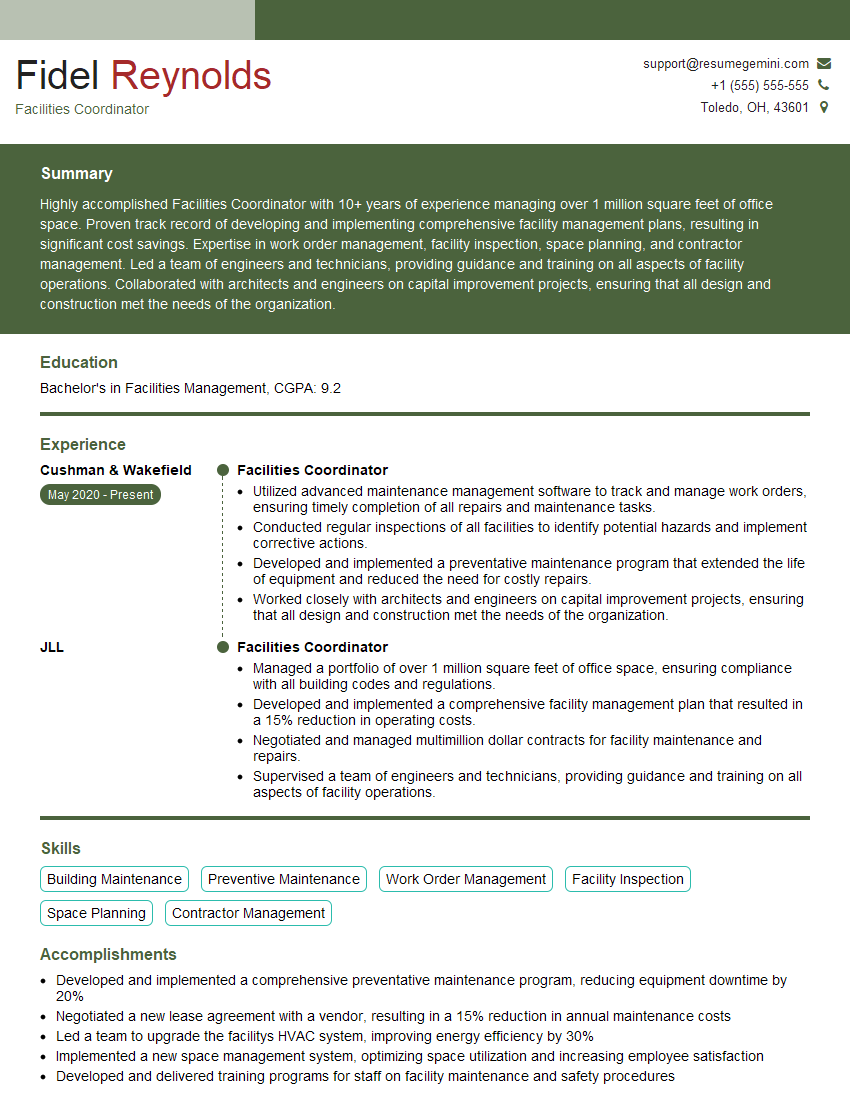
Facilities Coordinator Resume Sample
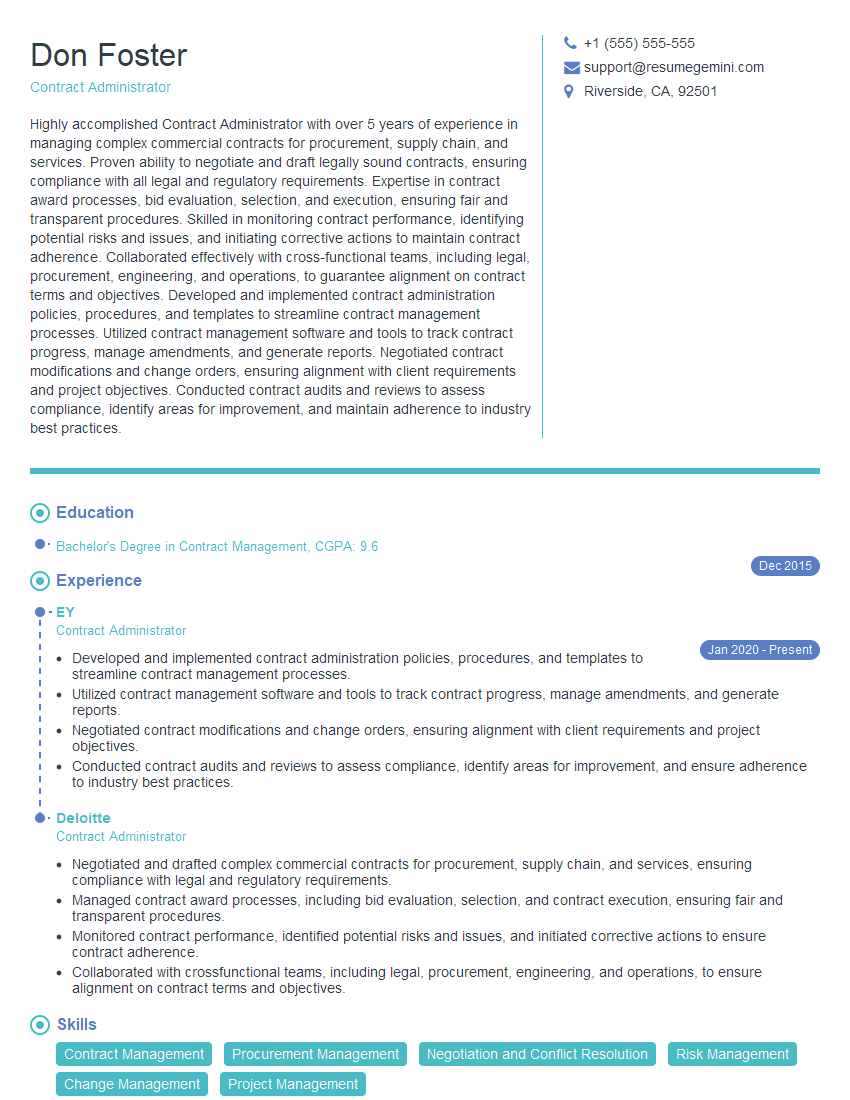
Contract Administrator Resume Sample
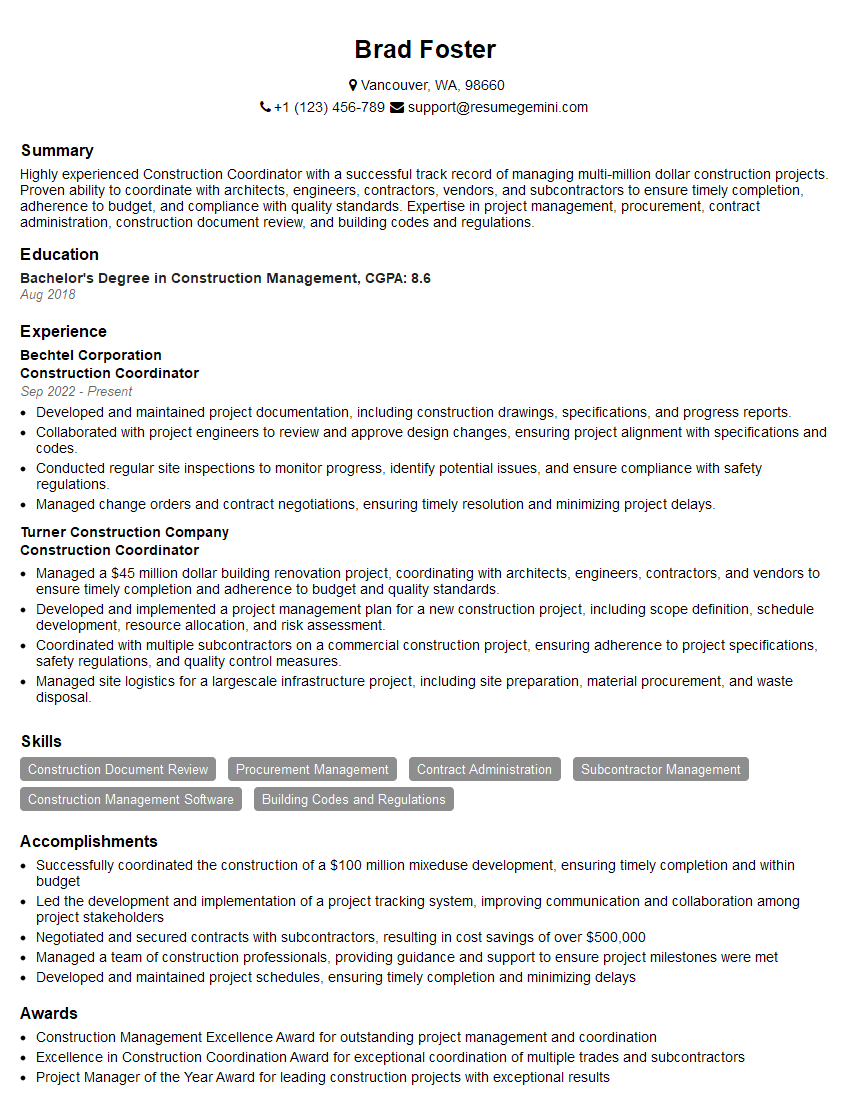
Construction Coordinator Resume Sample
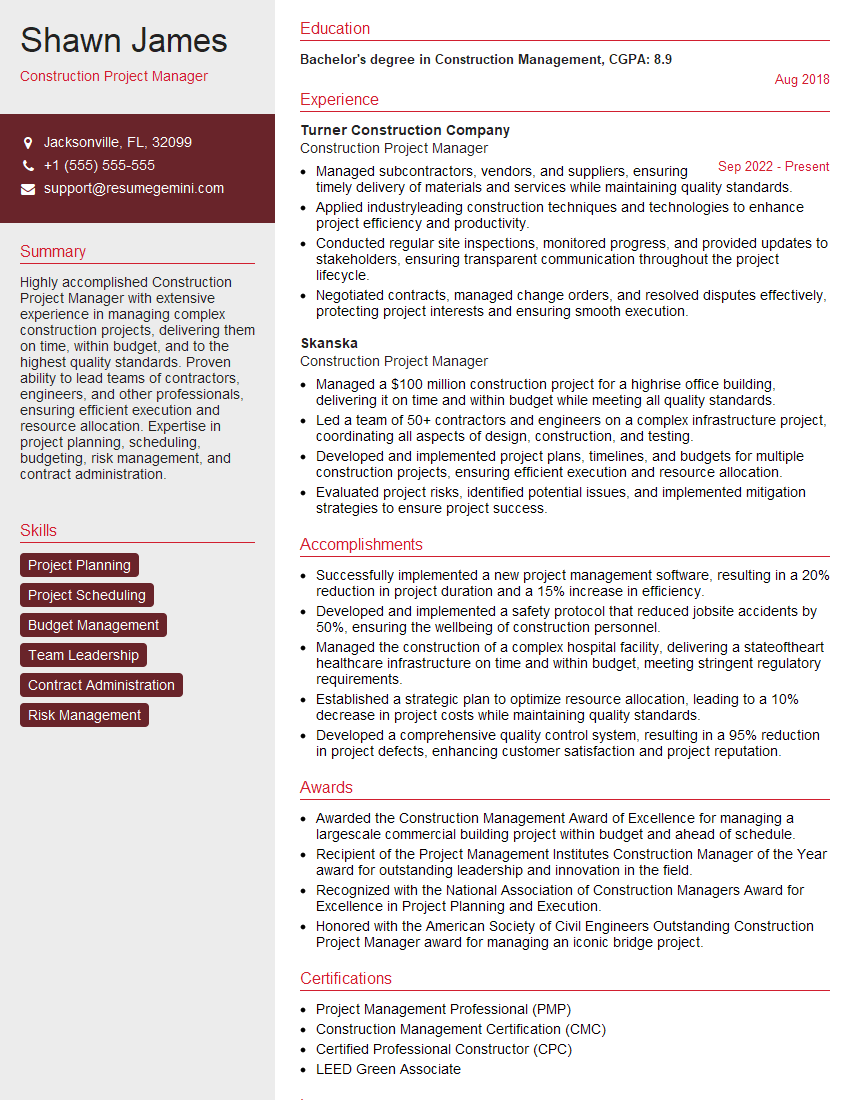
Construction Project Manager Resume Sample

Construction Superintendent Resume Sample
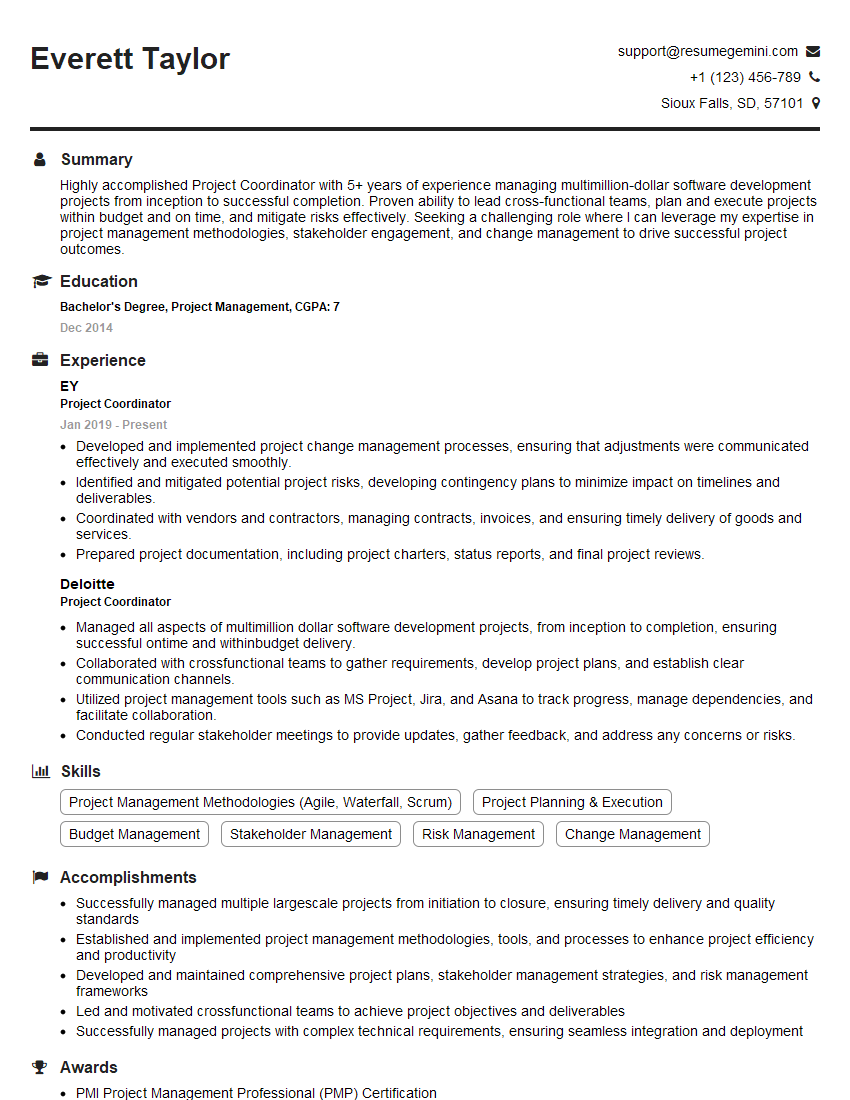
Project Coordinator Resume Sample
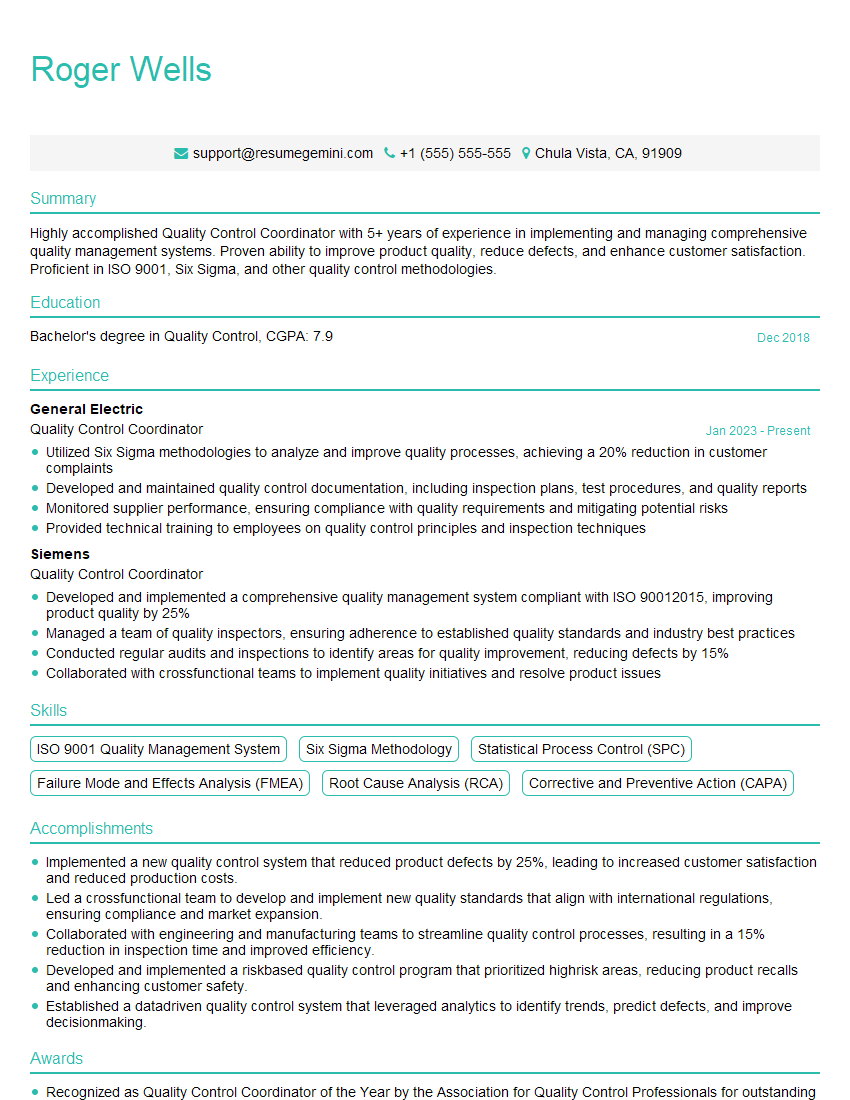
Quality Control Coordinator Resume Sample
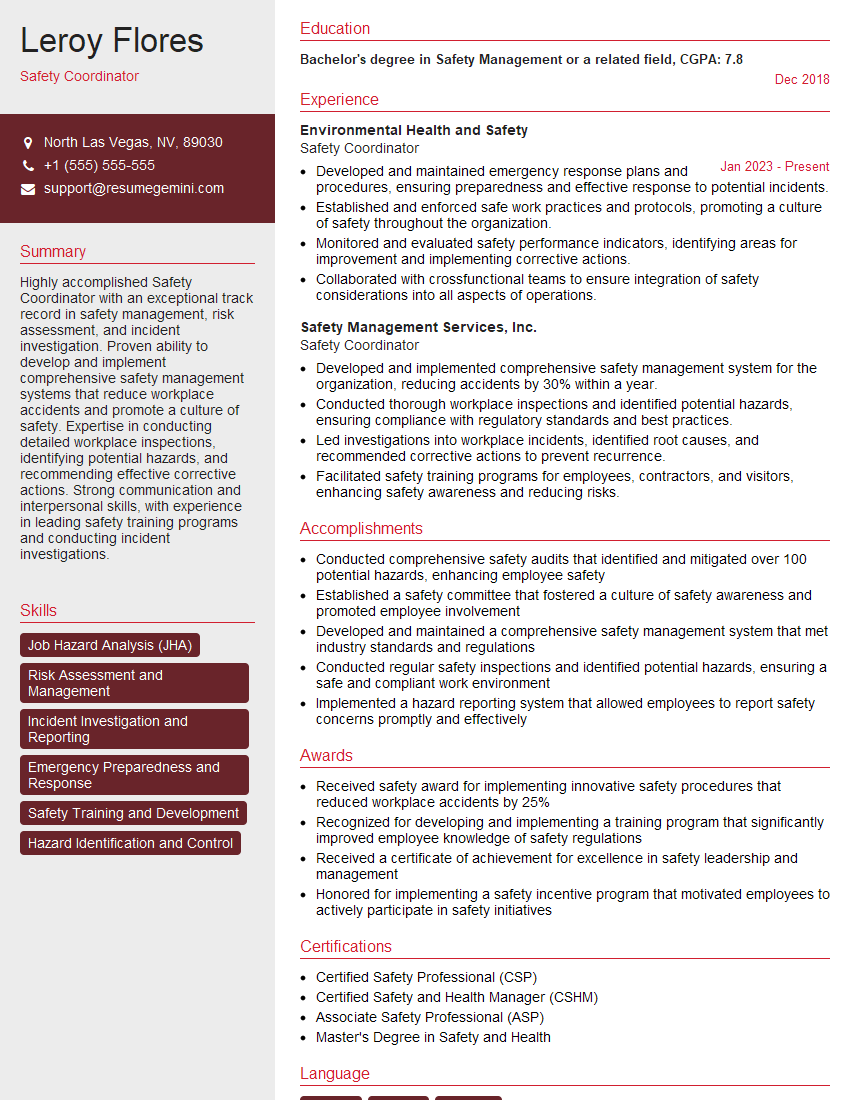
Safety Coordinator Resume Sample

Scheduling Coordinator Resume Sample
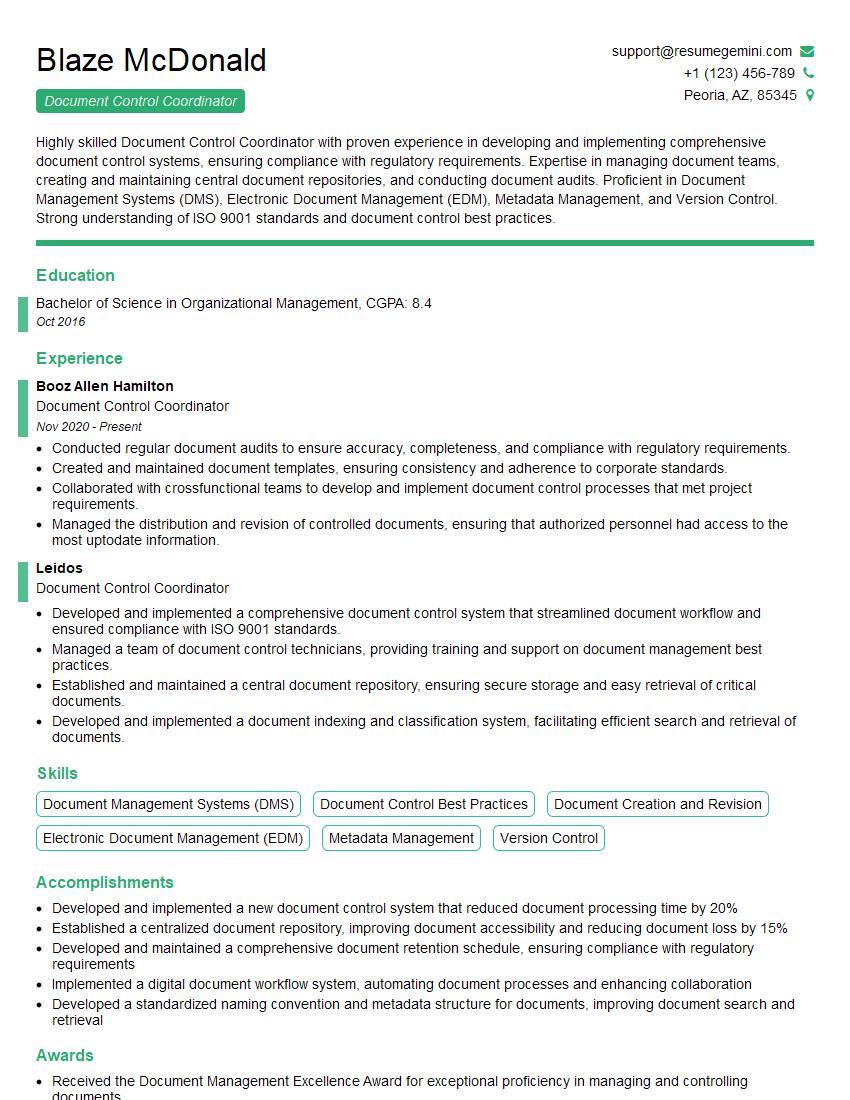
Document Control Coordinator Resume Sample
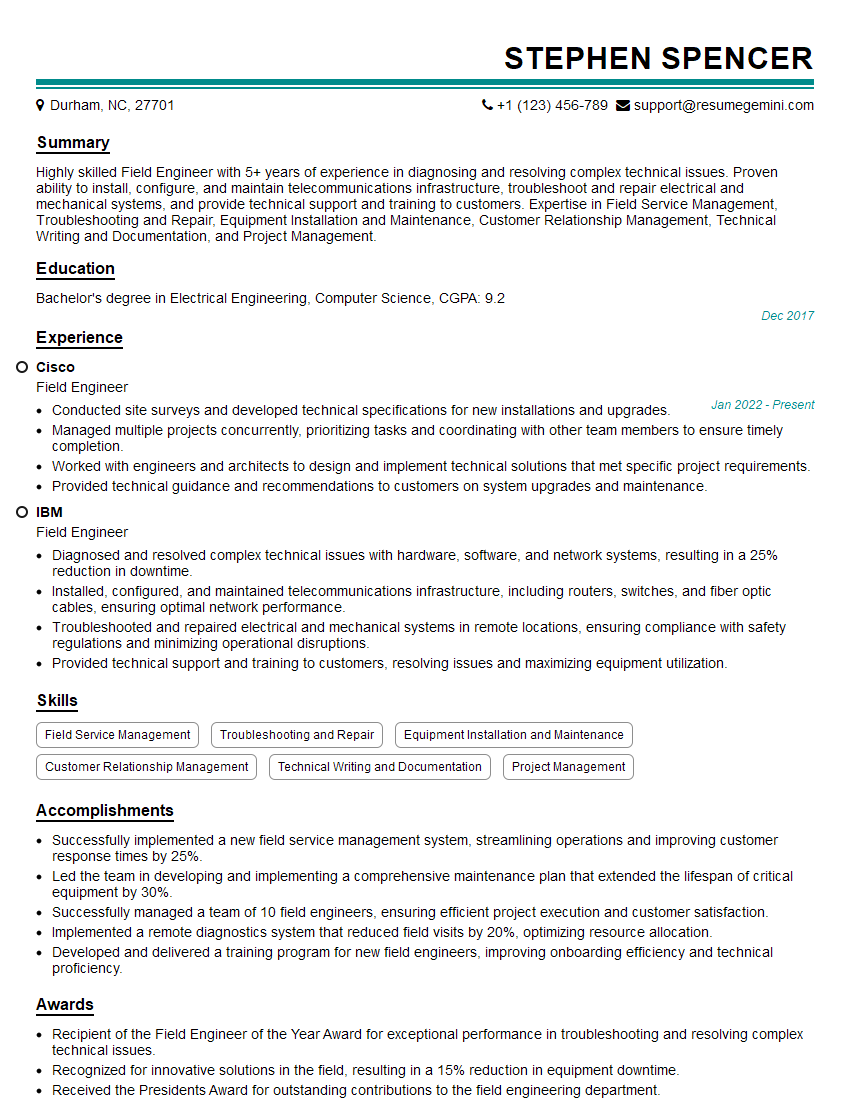
Field Engineer Resume Sample
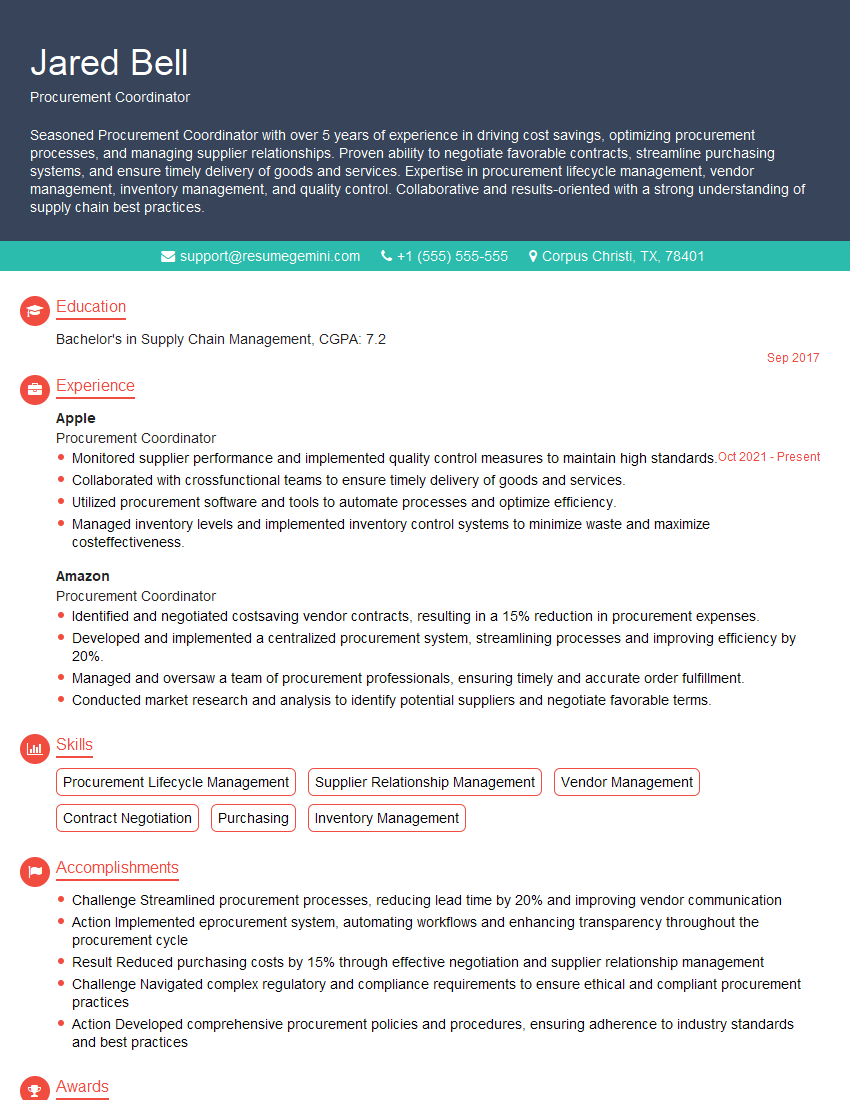
Procurement Coordinator Resume Sample
Explore more articles
Users Rating of Our Blogs
Share Your Experience
We value your feedback! Please rate our content and share your thoughts (optional).
What Readers Say About Our Blog
Very informative content, great job.
good