Preparation is the key to success in any interview. In this post, we’ll explore crucial Corrective Maintenance (CM) interview questions and equip you with strategies to craft impactful answers. Whether you’re a beginner or a pro, these tips will elevate your preparation.
Questions Asked in Corrective Maintenance (CM) Interview
Q 1. Describe your experience with troubleshooting malfunctioning equipment.
Troubleshooting malfunctioning equipment is a core part of my role. It involves systematically investigating the root cause of a problem to restore equipment functionality. My approach combines practical experience with a methodical process. I start by gathering information: observing the equipment’s behavior, reviewing operational logs, and checking for error messages. Then, I move on to testing components, using diagnostic tools, and applying my knowledge of the equipment’s design and operation to pinpoint the malfunction.
For instance, if a conveyor belt stops unexpectedly, I might initially check for power supply issues, then inspect the belt for damage, and finally examine the motor and its control system for faults. I thoroughly document each step, findings, and repairs made.
Q 2. Explain your process for diagnosing equipment failures.
My process for diagnosing equipment failures follows a structured approach, similar to a detective investigating a crime scene. It begins with data collection, meticulously documenting all observations. This includes visual inspections, examining error logs, and checking operational data (temperature, pressure, flow rates, etc.). Then, I use a combination of techniques:
- Visual Inspection: Carefully examining the equipment for any obvious signs of damage, wear, or loose connections.
- Component Testing: Isolating and testing individual components (motors, sensors, control boards) using multimeters, oscilloscopes, and other diagnostic tools to verify their functionality.
- Systematic Elimination: Starting with the most likely causes and systematically eliminating possibilities until the root cause is identified. Think of it like narrowing down suspects in a mystery.
- Reference Materials: Consulting schematics, manuals, and troubleshooting guides for the specific equipment to assist in diagnosis.
This methodical approach ensures accurate diagnosis and prevents unnecessary repairs.
Q 3. How do you prioritize corrective maintenance tasks?
Prioritizing corrective maintenance tasks involves balancing urgency and impact. I use a system that considers several factors:
- Criticality: Equipment critical to production or safety takes precedence. A broken processing unit impacting an entire production line is more important than a minor malfunction in a peripheral system.
- Urgency: Issues posing immediate safety risks or causing significant production downtime need immediate attention.
- Impact: The potential impact of a failure on production, revenue, or safety determines its priority. A machine producing a key component will be prioritized over a machine used for a less critical task.
- Downtime Cost: The cost of downtime incurred by the equipment’s failure is considered. A machine with high downtime costs takes precedence.
I often use a matrix or scoring system to objectively rank tasks based on these factors. This structured approach ensures that resources are deployed efficiently.
Q 4. What CMMS systems are you familiar with?
I’m proficient with several CMMS (Computerized Maintenance Management System) platforms, including IBM Maximo, SAP PM, and Fiix. My experience includes data entry, work order management, preventative maintenance scheduling, and generating reports. These systems are invaluable tools for tracking equipment, managing maintenance activities, and analyzing maintenance data to identify trends and prevent future failures.
I find that the best CMMS platforms facilitate seamless integration across different teams, improve communication, and provide valuable insights into maintenance performance. Familiarity with various systems enables me to adapt quickly to new environments and leverage the strengths of each system effectively.
Q 5. Describe a time you had to troubleshoot a complex equipment failure.
In a previous role, we experienced a complex failure in a high-speed packaging line. The machine unexpectedly shut down, and initial diagnostics revealed no obvious errors. This was a critical piece of equipment, causing significant production losses. The troubleshooting process involved:
- Thorough Data Analysis: We reviewed logs from various sensors, PLC (Programmable Logic Controller) data, and operational records to identify patterns.
- Component Isolation: We systematically isolated sections of the packaging line, using bypasses to identify the failed component.
- Expert Consultation: We consulted with the equipment manufacturer’s technical support for specialized expertise.
- Root Cause Determination: Through diligent investigation, we discovered a subtle issue with a sensor feeding faulty data to the PLC, causing the shutdown.
Replacing the faulty sensor resolved the issue, demonstrating the importance of a structured and thorough approach to complex troubleshooting situations. This experience highlighted the value of collaboration and using specialized diagnostic tools.
Q 6. How do you ensure safety during corrective maintenance procedures?
Safety is paramount during corrective maintenance. My approach includes:
- Lockout/Tagout (LOTO) Procedures: Always following stringent LOTO procedures to isolate energy sources (electrical, pneumatic, hydraulic) before starting any work on equipment. This prevents accidental energization and injury.
- Personal Protective Equipment (PPE): Wearing appropriate PPE, including safety glasses, gloves, and hearing protection, as required by the job and company safety guidelines.
- Risk Assessment: Conducting a thorough risk assessment before starting any maintenance task to identify potential hazards and implement control measures.
- Safe Work Practices: Following established safe work practices, utilizing proper lifting techniques, and avoiding shortcuts.
- Training and Certification: Maintaining updated training and certifications in relevant safety procedures and equipment operation.
I emphasize a culture of safety by proactively identifying and mitigating risks, ensuring that safety is not compromised in the pursuit of efficiency.
Q 7. What are some common causes of equipment failure in your field of experience?
Common causes of equipment failure in my field of experience (manufacturing and process control) include:
- Wear and Tear: Normal wear and tear on moving parts like bearings, belts, and gears leads to eventual failure. Regular lubrication and preventative maintenance are crucial.
- Corrosion: Exposure to moisture, chemicals, or extreme temperatures can cause corrosion, leading to component failure. Proper materials selection, protective coatings, and environmental controls are important preventative measures.
- Overheating: Excessive heat due to insufficient cooling or overloaded components can damage electrical and mechanical parts. Proper ventilation, thermal management, and load balancing are important.
- Electrical Faults: Short circuits, faulty wiring, and power surges can damage electrical components. Regular electrical inspections, proper grounding, and surge protection are essential.
- Lubrication Issues: Insufficient lubrication leads to increased friction and premature wear of moving parts. Regular lubrication schedules are critical.
These are some of the more frequent reasons. Other less common issues could include operator error, incorrect installation, and design flaws.
Q 8. How do you document corrective maintenance activities?
Meticulous documentation is the cornerstone of effective corrective maintenance. We use a structured approach, typically involving a work order system, to record every detail of a CM activity. This ensures traceability and facilitates future analysis.
Work Order Details: Each work order includes a unique identifier, the equipment affected, the reported problem, the date and time of the issue, and the technician assigned.
Troubleshooting Steps: A chronological record of the troubleshooting steps undertaken is crucial. This includes tests performed, measurements taken (with units!), observations made, and any diagnostic tools used. For instance, if a motor is failing, I’d document the voltage readings, amperage draw, and any unusual sounds or vibrations.
Parts Used: Any replacement parts are meticulously noted, including part numbers and serial numbers. This is vital for warranty claims and inventory management.
Solution Implemented: A clear description of the repair solution, including any adjustments made or software updates implemented. A before-and-after comparison of key performance indicators (KPIs) is also beneficial.
Closure and Verification: The work order includes confirmation that the issue has been resolved and the equipment is functioning correctly, often involving a post-repair test.
This comprehensive documentation helps identify recurring issues, improve maintenance strategies, and potentially prevent future problems. For instance, if we consistently see failures in a particular component, it could signal a design flaw or the need for more frequent preventive maintenance.
Q 9. How do you effectively communicate issues and solutions during corrective maintenance?
Effective communication is paramount during corrective maintenance. I utilize a multi-pronged approach to ensure everyone is informed and involved:
Immediate Notification: Upon encountering a problem, I immediately notify relevant personnel, such as supervisors, operators, and potentially clients, depending on the situation’s severity. This ensures rapid response and minimizes downtime.
Clear and Concise Updates: I provide regular updates on the progress of troubleshooting and repair efforts, using clear and non-technical language where appropriate for the audience. This could involve brief email updates or more detailed verbal reports depending on the situation’s complexity.
Formal Reporting: After the repair is complete, a formal report summarizing the issue, troubleshooting steps, solution, and any recommendations is submitted. This is often integrated with the work order documentation.
Visual Aids: When appropriate, I use diagrams, photos, or videos to visually explain complex issues or solutions. This aids understanding and allows for easier knowledge sharing.
Collaboration: I believe in fostering open communication and actively seek input from other technicians or experts when needed. A collaborative approach often leads to faster and more effective problem solving.
For example, in a situation with a critical system failure, a quick email update to the production manager would be essential to ensure they can plan around the downtime, whereas a more detailed report could later be provided to engineering.
Q 10. Explain your understanding of root cause analysis in corrective maintenance.
Root cause analysis (RCA) is a systematic process of identifying the underlying cause of a problem, rather than just treating the symptoms. It’s crucial in corrective maintenance because simply fixing the immediate problem without addressing the root cause often leads to recurrence. We commonly utilize techniques like the ‘5 Whys’ method or Fishbone diagrams.
‘5 Whys’: This simple yet effective technique involves repeatedly asking ‘Why?’ until the root cause is identified. For example, if a machine overheated (problem), the 5 Whys might proceed as follows: Why did it overheat? (Lack of coolant). Why was there a lack of coolant? (Leak in the coolant system). Why was there a leak? (Corrosion in a pipe). Why was there corrosion? (Improper material selection). Why was the improper material selected? (Cost-cutting measure).
Fishbone Diagrams (Ishikawa Diagrams): This visual technique helps brainstorm potential causes categorized by different factors (e.g., manpower, machinery, materials, methods, environment, measurement). This allows for a more holistic view of the problem and its potential sources.
Effective RCA not only solves the immediate problem but prevents similar issues in the future by addressing the underlying cause. This translates into reduced downtime, improved equipment reliability, and cost savings.
Q 11. How do you balance corrective maintenance with preventive maintenance?
The balance between corrective and preventive maintenance (PM) is crucial for optimizing equipment reliability and minimizing costs. It’s not a simple equation but rather a strategic approach that depends on many factors, including equipment criticality, cost of failure, and historical data on equipment failures.
Risk Assessment: High-risk equipment requiring minimal downtime warrants a focus on PM to prevent failures. For example, critical production machinery would receive more frequent preventive checks and servicing.
Cost-Benefit Analysis: The cost of preventive maintenance is weighed against the potential cost of a failure. A cost-benefit analysis helps determine the optimal frequency and extent of PM activities. If a component’s failure is relatively inexpensive to fix but its PM is costly and complex, we may lean towards a corrective maintenance strategy unless historical data reveals a high likelihood of failure.
Data-Driven Decisions: Historical CM data can guide PM strategies. Recurring CM issues on specific equipment suggest the need for more frequent PM or changes to the PM schedule.
Dynamic Adjustments: The balance between CM and PM isn’t static. It’s continuously adjusted based on equipment performance, new technologies, and changing operational needs.
A well-balanced approach leads to minimal disruptions, reduced maintenance costs, and enhanced equipment lifespan. It’s a continuous improvement process driven by data, analysis, and ongoing adaptation.
Q 12. Describe your experience with electrical troubleshooting.
My electrical troubleshooting experience is extensive, encompassing a wide range of equipment. I’m proficient in using various diagnostic tools and techniques to identify and resolve electrical issues. My experience spans various voltage levels, from low-voltage control circuits to high-voltage power distribution systems.
Diagnostic Tools: I’m skilled in using multimeters (for voltage, current, and resistance measurements), clamp meters (for current measurement without breaking the circuit), oscilloscopes (for waveform analysis), and insulation resistance testers (for detecting insulation faults).
Troubleshooting Techniques: My approach involves systematically checking components like wiring, connectors, switches, relays, circuit breakers, and motors. I use schematic diagrams, wiring diagrams, and manufacturer documentation to trace circuits and isolate faulty components.
Safety Procedures: I always prioritize safety. I strictly adhere to lockout/tagout procedures before working on energized equipment and use appropriate personal protective equipment (PPE).
For example, recently I troubleshooted a malfunctioning PLC (Programmable Logic Controller) by systematically checking its power supply, input/output signals, and communication links, eventually tracing the fault to a faulty I/O module.
Q 13. Describe your experience with mechanical troubleshooting.
My mechanical troubleshooting experience encompasses a broad range of machinery and equipment. I have a strong understanding of mechanical principles, including kinematics, dynamics, and material science. My approach is systematic and data-driven.
Visual Inspection: I begin with a thorough visual inspection, looking for obvious signs of wear and tear, damage, misalignment, leaks, or loose components.
Measurement and Testing: I use various tools, including dial indicators, micrometers, calipers, and laser alignment tools, to take precise measurements and check for proper alignment and clearances. I also perform functional tests to assess the machine’s performance.
Component Analysis: I can diagnose problems in various mechanical components, such as bearings, gears, shafts, belts, couplings, and hydraulic/pneumatic systems. I can identify signs of wear, failure modes, and the need for replacement or repair.
Vibration Analysis: I have experience using vibration analysis techniques to identify imbalances, misalignments, or bearing defects.
For instance, I once diagnosed a problematic conveyor belt system by identifying excessive vibration, which led to the discovery of a worn bearing and misaligned pulleys. Replacing the bearing and realigning the pulleys resolved the problem.
Q 14. How do you use diagnostic tools to identify equipment problems?
Diagnostic tools are indispensable for efficient and accurate equipment problem identification. The choice of tool depends heavily on the type of equipment and the nature of the suspected problem.
Multimeters: These are fundamental for measuring voltage, current, and resistance in electrical circuits. They help identify shorts, opens, and other electrical faults.
Oscilloscopes: These are crucial for analyzing waveforms and identifying issues in electronic circuits. They can help diagnose problems with signals, timing, and other electrical characteristics.
Infrared (IR) Cameras: These are used to detect overheating components, which can indicate faulty connections, overloaded circuits, or mechanical problems. This is a non-invasive method useful for preventative maintenance as well.
Vibration Analyzers: These measure vibration levels in mechanical equipment to diagnose problems like bearing wear, misalignment, or imbalance. They help prevent catastrophic failures.
Specialized Software: Many modern machines have built-in diagnostic systems with software interfaces that display error codes, operational parameters, and other diagnostic information. Understanding how to interpret these diagnostics is critical.
My expertise lies in selecting the appropriate diagnostic tool and interpreting the data to isolate the problem quickly and effectively. This systematic approach minimizes downtime and prevents costly repairs.
Q 15. What are some key performance indicators (KPIs) you track for corrective maintenance?
Key Performance Indicators (KPIs) for corrective maintenance are crucial for evaluating the effectiveness and efficiency of our efforts. We don’t just fix things; we measure how well we’re fixing them and identify areas for improvement. Some key KPIs I track include:
- Mean Time To Repair (MTTR): This measures the average time it takes to restore a failed piece of equipment to full operational status. A lower MTTR indicates faster response and resolution times. For example, if our MTTR for a specific type of machine is consistently high, we might investigate whether we need more training, improved spare parts management, or a redesign of the repair process.
- Corrective Maintenance Backlog: This tracks the number of outstanding corrective maintenance requests. A large backlog suggests potential resource constraints or overly complex issues needing further analysis. We prioritize tasks based on impact and urgency to manage the backlog effectively.
- First-Time Fix Rate (FTFR): This measures the percentage of repairs successfully completed on the first attempt. A high FTFR signifies accurate diagnostics and efficient repair procedures. A low FTFR indicates issues with training, parts availability, or diagnostic tools; thus demanding thorough investigation.
- Equipment Uptime: While not solely a CM KPI, it’s directly impacted by CM efficiency. Higher uptime demonstrates fewer failures and faster resolutions. This provides a holistic view of operational efficiency.
- Cost of Corrective Maintenance: Tracking the total cost associated with corrective maintenance helps optimize resource allocation and identify potential cost-saving opportunities. Analyzing this cost relative to MTTR and FTFR helps identify areas needing improvement.
Career Expert Tips:
- Ace those interviews! Prepare effectively by reviewing the Top 50 Most Common Interview Questions on ResumeGemini.
- Navigate your job search with confidence! Explore a wide range of Career Tips on ResumeGemini. Learn about common challenges and recommendations to overcome them.
- Craft the perfect resume! Master the Art of Resume Writing with ResumeGemini’s guide. Showcase your unique qualifications and achievements effectively.
- Don’t miss out on holiday savings! Build your dream resume with ResumeGemini’s ATS optimized templates.
Q 16. How do you manage your time effectively during urgent corrective maintenance requests?
Managing time during urgent corrective maintenance requests requires a structured approach. Think of it like a fire drill – clear communication and efficient execution are paramount. My strategy involves:
- Prioritization: I quickly assess the severity of the issue using a system that often involves a ranking based on safety risks, production downtime costs, and impact on other systems.
- Clear Communication: Immediate and clear communication with the requestor and relevant team members ensures everyone is informed about the situation, the proposed actions, and the estimated time to resolution. I use concise language avoiding any jargon.
- Focused Execution: I avoid distractions and focus solely on the critical tasks needed to resolve the immediate problem. This often involves a multi-tasking approach, making sure I’m addressing the most urgent issues first.
- Escalation: If I can’t resolve the issue within a reasonable timeframe, I escalate it to more senior colleagues or specialized teams. This ensures the issue receives the appropriate level of attention and expertise.
- Documentation: As I work, I meticulously document my actions and findings. This is not only critical for future reference but also essential for continuous improvement and analysis.
Q 17. Describe a time you had to work under pressure to resolve a critical equipment failure.
During a critical power failure at a major manufacturing plant, the main production line went down. The pressure was immense – hundreds of employees were idle, and production targets were at risk. The initial diagnostic suggested a fault in the main transformer, which meant potentially lengthy downtime. I immediately assembled a team, prioritizing safety protocols and efficient problem solving.
We methodically checked each stage of the power supply chain, documenting our findings and isolating the problem. Although the transformer itself was not the root cause, our systematic approach helped us identify a less obvious issue in a relay system. The relay was replaced, power was restored within three hours instead of the potentially many days a damaged transformer would have involved, minimizing losses and maintaining our excellent reputation for swift resolutions.
Q 18. How familiar are you with different types of maintenance orders?
I am very familiar with various types of maintenance orders. These orders are the lifeblood of any maintenance management system, providing structured documentation of every maintenance action. Here are some examples:
- Corrective Maintenance Orders (CMOs): These are generated in response to equipment failures or malfunctions, like the power failure I described earlier. They detail the problem, the actions taken, and the resolution.
- Preventive Maintenance Orders (PMOs): These are scheduled tasks designed to prevent failures. They cover routine inspections, lubrication, and replacements. They are essential for preventing the costly CMOs.
- Predictive Maintenance Orders (PMOs): These are triggered by data analysis, predicting potential failures before they occur. This might involve vibration analysis or thermal imaging to detect anomalies.
- Emergency Work Orders: These are for immediate, urgent situations requiring immediate action, often related to safety or critical operations.
- Routine Maintenance Orders: These are recurring tasks, often based on time or usage, ensuring consistent performance and avoiding breakdowns.
Understanding the nuances of each order type allows for effective resource allocation, accurate cost tracking, and improved overall maintenance efficiency.
Q 19. How do you ensure the quality of your corrective maintenance work?
Ensuring quality in corrective maintenance involves a multi-faceted approach. It’s about more than just fixing the immediate problem; it’s about ensuring a lasting solution and minimizing the risk of recurrence. I employ the following strategies:
- Thorough Diagnostics: Accurate diagnostics are paramount. I use a systematic approach, using troubleshooting guides, equipment schematics, and diagnostic tools. Rushing this stage is counterproductive.
- Proper Repair Procedures: I follow established repair procedures and utilize manufacturer’s recommendations. This ensures the repair is done correctly and safely.
- Quality Control Checks: Before deeming the equipment operational, I conduct thorough quality checks, testing the equipment under various operating conditions.
- Documentation: Clear, concise documentation of all actions, including parts used, procedures followed, and test results, is essential. This allows for traceability and supports future troubleshooting.
- Continuous Improvement: Through feedback loops and post-repair analysis, we identify potential areas for improvement in our processes and training.
Q 20. How do you handle situations where you cannot immediately resolve an equipment failure?
When I encounter a situation where I cannot immediately resolve an equipment failure, my approach focuses on mitigation and escalation. I first prioritize safety, ensuring the equipment is secured to prevent further damage or injury.
Next, I communicate the situation clearly to the relevant stakeholders, providing accurate updates and realistic estimates of the time needed for resolution. I then escalate the issue to more specialized personnel or external service providers if necessary, providing all necessary background information and documentation. I work closely with the escalation team until a solution is found and documented, and always communicate the timeline to the requesting parties.
Q 21. How do you stay updated on the latest technologies and techniques in corrective maintenance?
Staying updated in the field of corrective maintenance requires continuous learning. I use several methods to stay abreast of the latest technologies and techniques:
- Professional Development Courses: I regularly participate in workshops and training courses offered by equipment manufacturers and industry associations.
- Industry Publications and Journals: I follow relevant industry publications and journals to stay informed about advancements and best practices.
- Conferences and Trade Shows: Attending industry conferences and trade shows provides valuable insights and networking opportunities.
- Online Resources and Communities: I utilize online platforms and professional communities to share knowledge, ask questions, and learn from the experiences of others.
- Manufacturer’s Documentation: I frequently review the latest documentation provided by equipment manufacturers to stay aware of any changes to repair procedures or recommended practices.
Q 22. Explain your experience working with schematics and blueprints.
Schematics and blueprints are the roadmaps for corrective maintenance. They provide a detailed visual representation of a system’s components, their interconnections, and their functionalities. My experience involves using these documents to understand the system’s architecture before initiating any repair work. This helps in identifying the faulty component quickly and efficiently, minimizing downtime.
For instance, in one project involving a complex HVAC system, the schematic helped me pinpoint a faulty pressure sensor causing the system malfunction. Without it, troubleshooting would have been a much longer and more frustrating process of trial and error. I’m proficient in interpreting both electrical and mechanical schematics, including understanding symbols, component labels, and wiring diagrams. I’m also experienced with using CAD software to navigate and annotate blueprints.
I can confidently say I can translate the visual information from schematics and blueprints into actionable steps for corrective maintenance, ensuring effective and precise repairs.
Q 23. How do you maintain accurate records of parts used during corrective maintenance?
Maintaining accurate records of parts used is crucial for tracking expenses, managing inventory, and ensuring repeatability of repairs. My approach involves using a combination of digital and physical methods. I always start by creating a detailed work order, noting the equipment, the problem, and the parts anticipated. During the repair, I meticulously document each part used, including its part number, quantity, and supplier. This information is then digitally recorded, often through a CMMS (Computerized Maintenance Management System) software.
For example, I use a barcode scanner to input part numbers directly into the system, minimizing errors. After the repair is complete, I verify that all the recorded parts align with the physical parts used, and submit the work order with supporting evidence, like images of the replaced parts or a signed-off checklist. This ensures transparency and accuracy, making it easy to retrieve the repair history for any future reference, especially for warranty claims or for trend analysis on failing components. The physical components removed may also be labeled and stored for a pre-determined period, based on organizational policy.
Q 24. Describe your experience with working independently and as part of a team.
I’m comfortable working both independently and collaboratively. Independent work allows for focused attention on complex tasks requiring deep technical knowledge. For example, during a night shift emergency repair, I had to troubleshoot a critical production line failure single-handedly. My experience in diagnosing and fixing the issue quickly and efficiently demonstrated my ability to work autonomously under pressure.
However, teamwork is often essential for more complex corrective maintenance. In one instance, we faced a major equipment breakdown that required the combined expertise of electricians, mechanics, and instrumentation technicians. My ability to communicate effectively, share information, and collaborate with team members was critical in successfully restoring the equipment to operational status, and doing so in an organized and efficient way. I firmly believe in leveraging the strengths of each member within a team to solve challenges swiftly and effectively.
Q 25. How do you contribute to a safe work environment during corrective maintenance?
Safety is paramount in corrective maintenance. My contribution focuses on several key areas. Firstly, I always perform a thorough risk assessment before starting any work, identifying potential hazards such as electrical shock, moving parts, or hazardous materials. Based on this assessment, I implement appropriate control measures, like lockout/tagout procedures for electrical equipment or using proper personal protective equipment (PPE), including safety glasses, gloves, and hearing protection.
Secondly, I maintain a clean and organized workspace, preventing trip hazards and facilitating safe movement. I also proactively communicate safety concerns to my team and supervisors. For example, if I notice a potentially dangerous condition, I immediately report it and recommend a solution to mitigate the risk. Lastly, I always follow established safety protocols and ensure my colleagues do too. Leading by example promotes a safer work environment for everyone.
Q 26. What safety procedures do you follow during corrective maintenance?
Safety procedures are integral to my workflow. These include but are not limited to:
- Lockout/Tagout (LOTO): Securing energy sources before working on equipment to prevent accidental energization.
- Personal Protective Equipment (PPE): Using appropriate PPE based on the identified hazards.
- Confined Space Entry Procedures: Following strict procedures when working in confined spaces, including atmospheric testing and respiratory protection.
- Hot Work Permits: Obtaining permits before undertaking any hot work (e.g., welding) to ensure fire safety.
- Reporting Near Misses and Accidents: Promptly reporting any near misses or accidents to learn from incidents and prevent future occurrences.
Compliance with these procedures is non-negotiable and is fundamental to ensuring a safe working environment for myself and others.
Q 27. How do you prioritize safety concerns during corrective maintenance?
Prioritizing safety concerns involves a hierarchical approach. Immediate and life-threatening hazards, such as exposed energized wires or leaking hazardous materials, take precedence. These require immediate action to minimize immediate risk to life and limb. Next, I prioritize hazards that could lead to significant injuries or equipment damage, such as unsafe working heights or improper lifting techniques. Finally, I address less critical safety issues that, while not immediately dangerous, still need to be addressed to maintain a safe work environment in the long term. This could include improving housekeeping or reinforcing proper PPE use.
This structured approach ensures that the most critical risks are addressed first, and a safe work environment is maintained throughout the corrective maintenance process. Regular safety audits and briefings help reinforce these priorities and continuously improve safety practices.
Q 28. Describe your experience with preventative maintenance procedures and how they relate to corrective maintenance.
Preventative maintenance (PM) and corrective maintenance (CM) are intertwined; PM aims to prevent failures, reducing the need for CM. Effective PM reduces the frequency and severity of equipment failures, resulting in less downtime and lower overall maintenance costs. My experience with PM includes tasks like lubrication, inspection, and cleaning of equipment, all of which are crucial for preventing major breakdowns.
For example, regularly lubricating bearings in rotating machinery prevents premature wear and tear, a common cause of corrective maintenance. Similarly, regular inspections help identify minor issues before they escalate into major problems. The data gathered during preventative maintenance also helps to inform future maintenance scheduling and strategies. By performing effective PM, we are directly influencing and reducing the volume and complexity of CM activities, saving time, resources, and contributing to a more stable and reliable operational environment.
Key Topics to Learn for Corrective Maintenance (CM) Interview
- Understanding CM Processes: Learn the complete lifecycle of corrective maintenance, from identifying the fault to verifying the repair. This includes understanding different reporting methods and prioritization techniques.
- Troubleshooting Techniques: Master systematic troubleshooting methodologies, including root cause analysis (RCA) and fault isolation. Be prepared to discuss practical examples where you applied these techniques to solve complex equipment malfunctions.
- Safety Procedures in CM: Demonstrate a strong understanding of safety regulations and procedures relevant to corrective maintenance in your industry. Highlight your commitment to safe working practices and risk mitigation.
- Documentation and Reporting: Explain your experience in accurately documenting maintenance activities, including generating reports, updating logs, and using CMMS (Computerized Maintenance Management Systems) software.
- Preventive Maintenance (PM) Integration: Discuss how corrective maintenance findings can inform and improve preventive maintenance strategies. Understanding the relationship between CM and PM is crucial.
- Impact Analysis & Downtime Minimization: Show your ability to assess the impact of equipment failures and develop strategies to minimize downtime. Discuss how you prioritize tasks to address critical issues quickly.
- Technical Skills & Tools: Be ready to discuss your proficiency with specific tools, equipment, and technologies relevant to your CM role. Showcase your hands-on experience and technical expertise.
Next Steps
Mastering Corrective Maintenance (CM) is crucial for career advancement in many technical fields. A strong understanding of CM demonstrates problem-solving skills, technical expertise, and a commitment to operational efficiency—all highly valued attributes in today’s job market. To significantly boost your job prospects, creating a well-structured, ATS-friendly resume is essential. ResumeGemini can help you build a professional and impactful resume that highlights your CM skills and experience effectively. Examples of resumes tailored to Corrective Maintenance (CM) are available to guide you in this process.
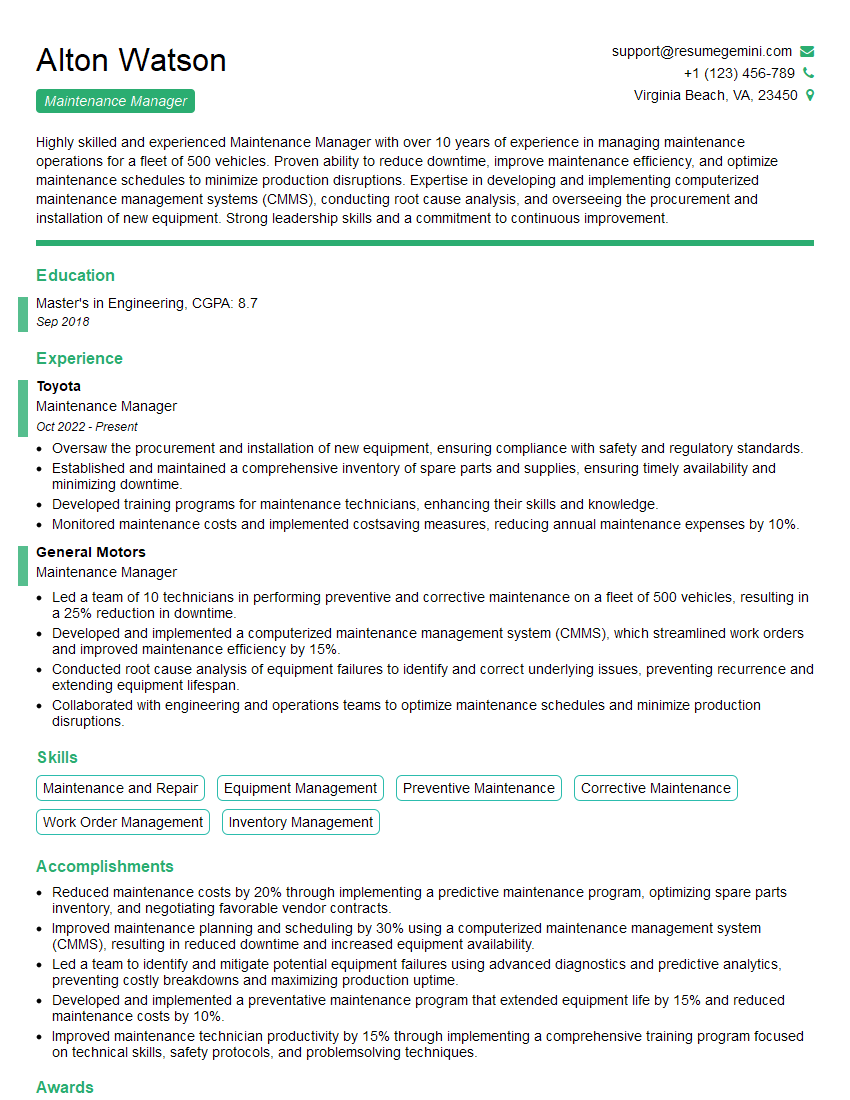
Maintenance Manager Resume Sample
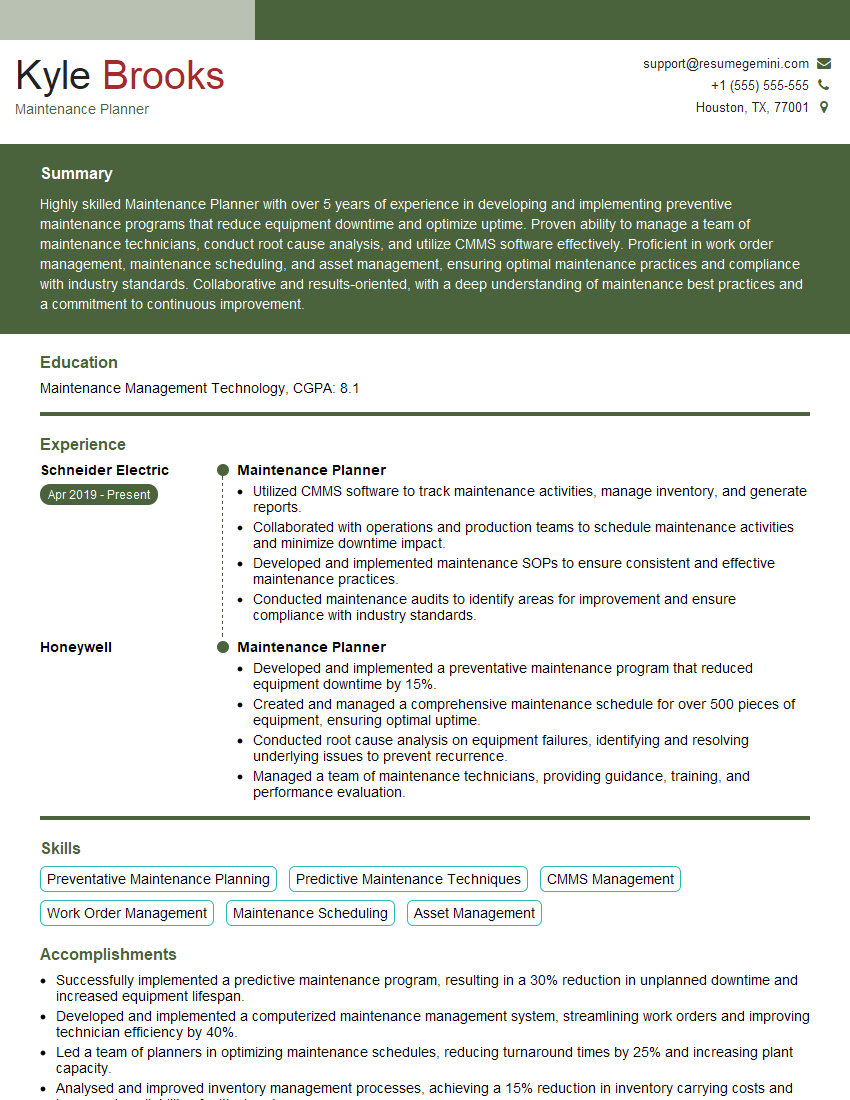
Maintenance Planner Resume Sample
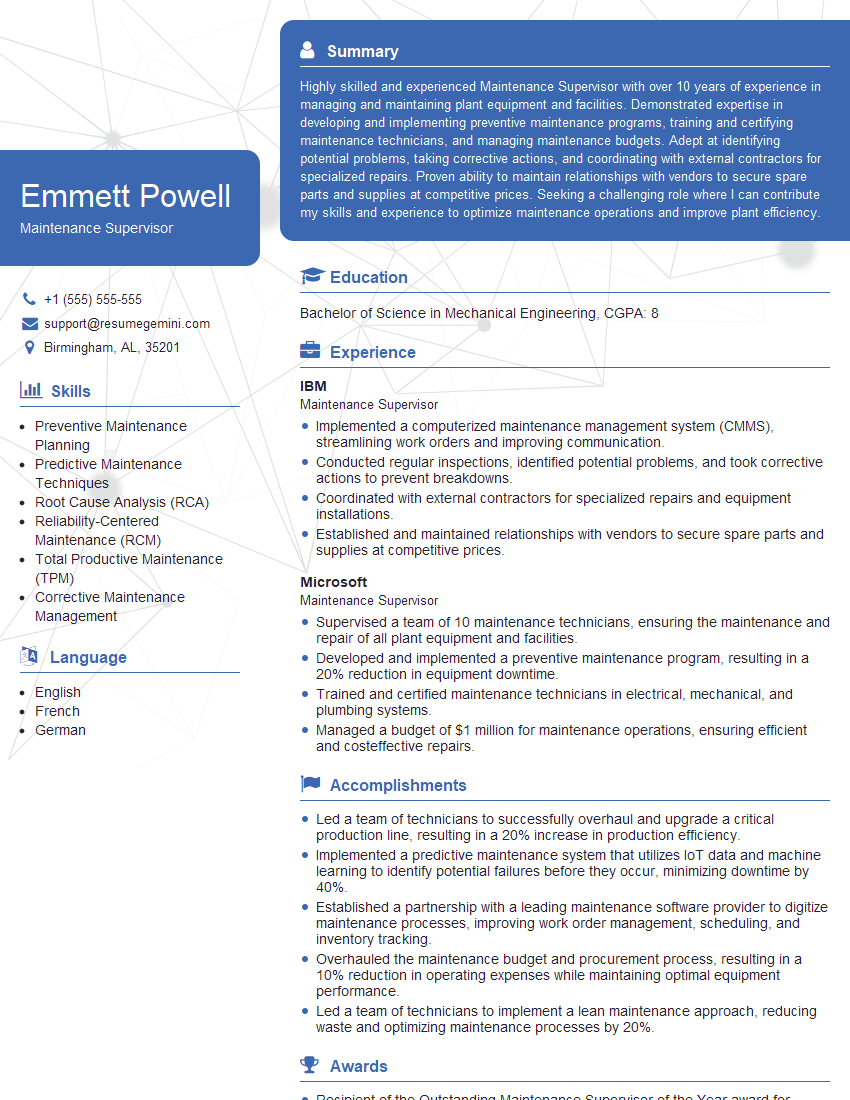
Maintenance Supervisor Resume Sample

Reliability Engineer Resume Sample
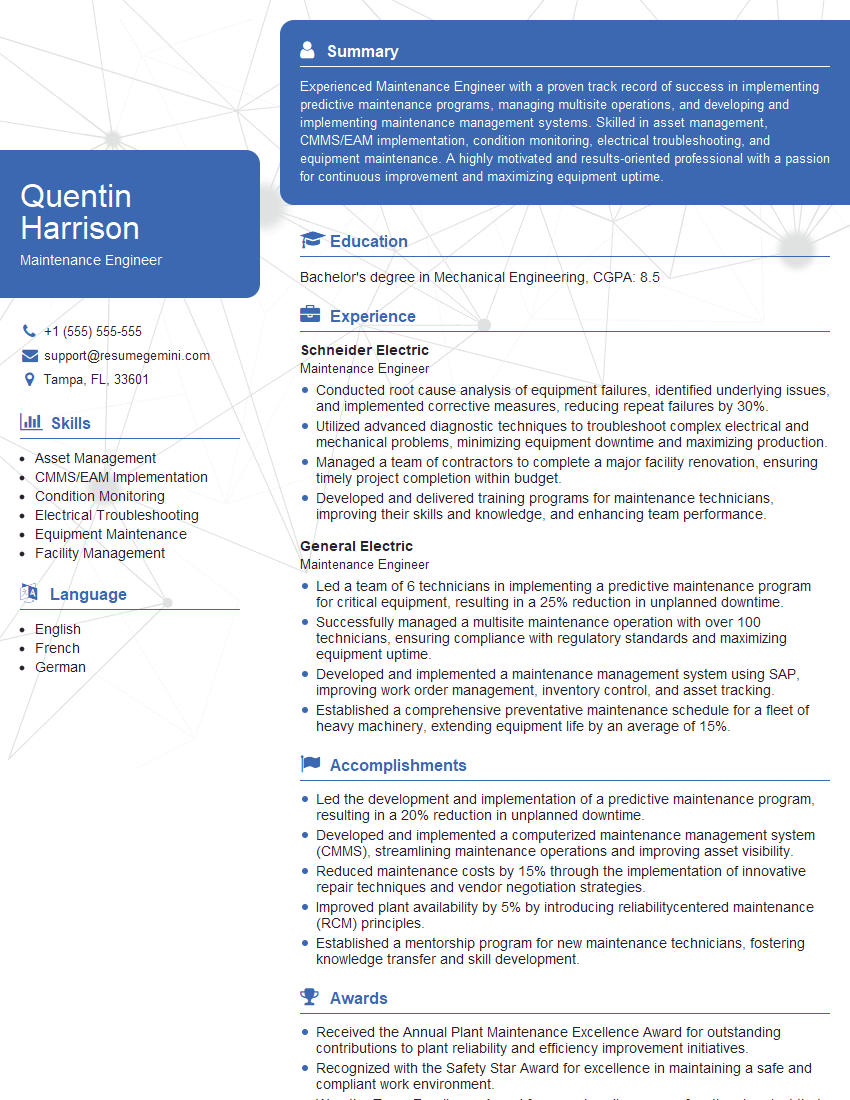
Maintenance Engineer Resume Sample
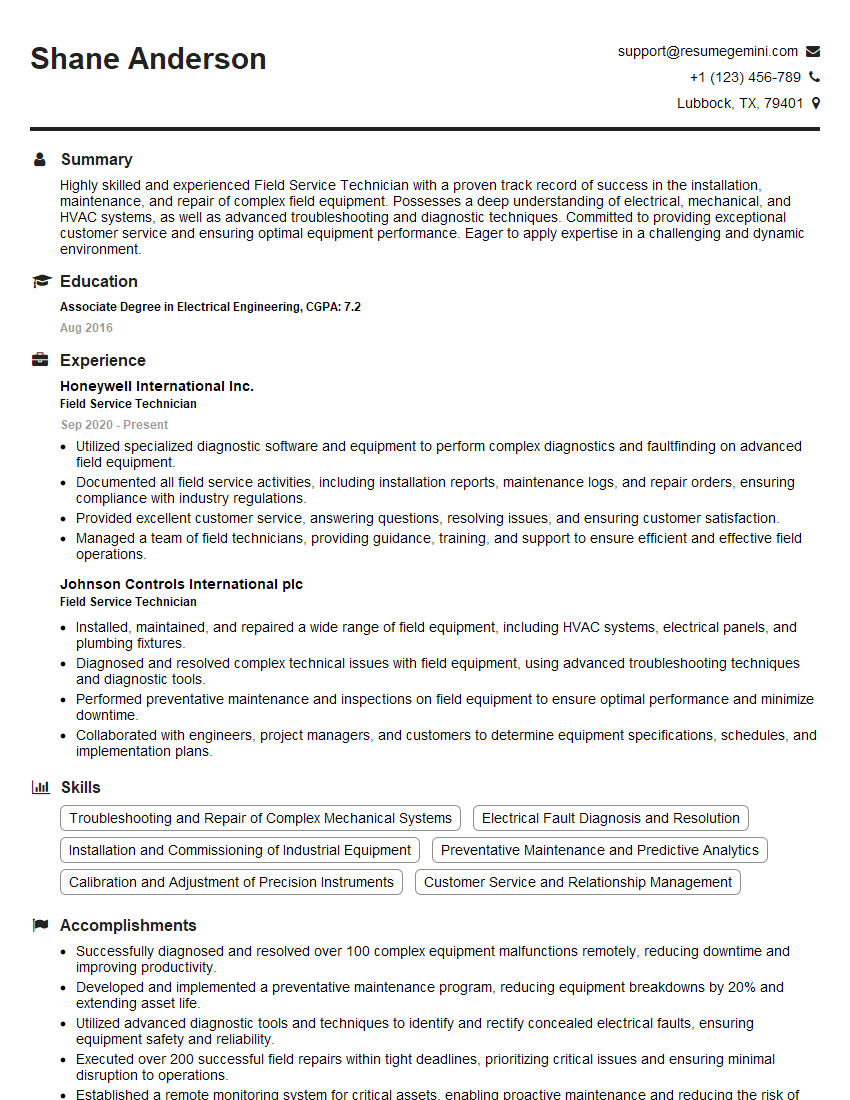
Field Service Technician Resume Sample
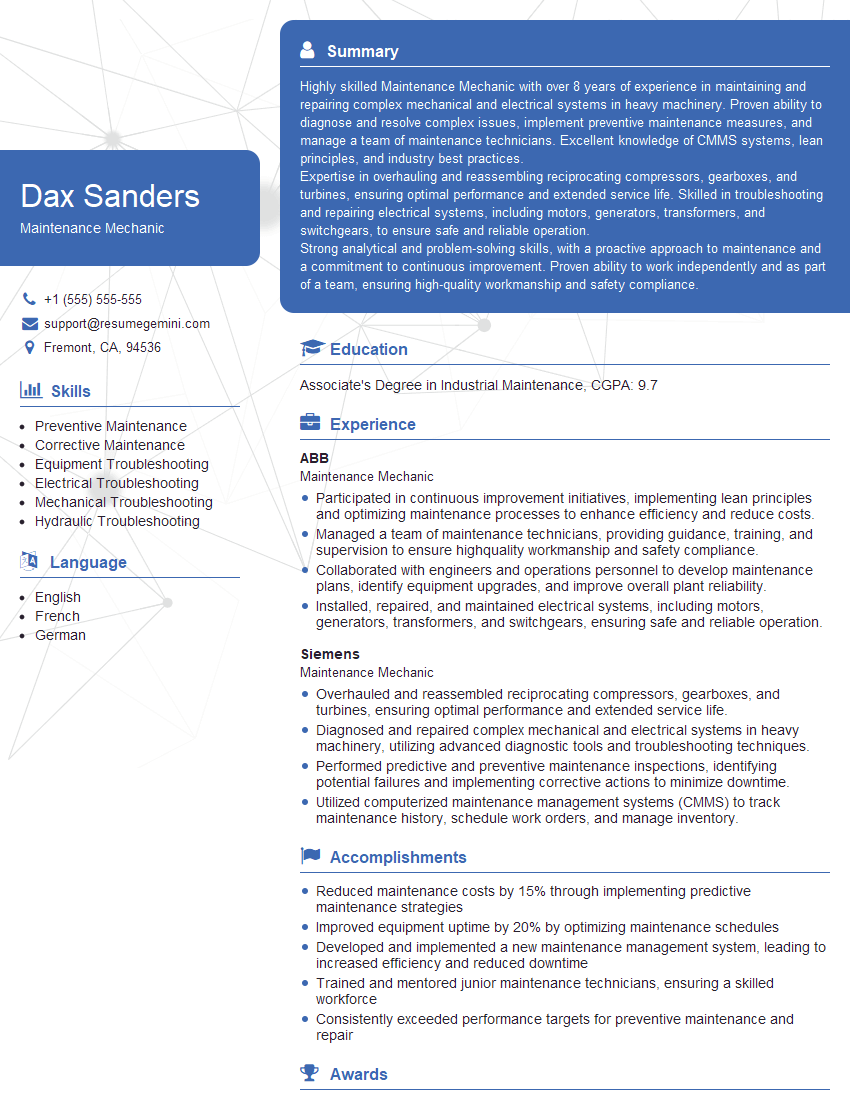
Maintenance Mechanic Resume Sample
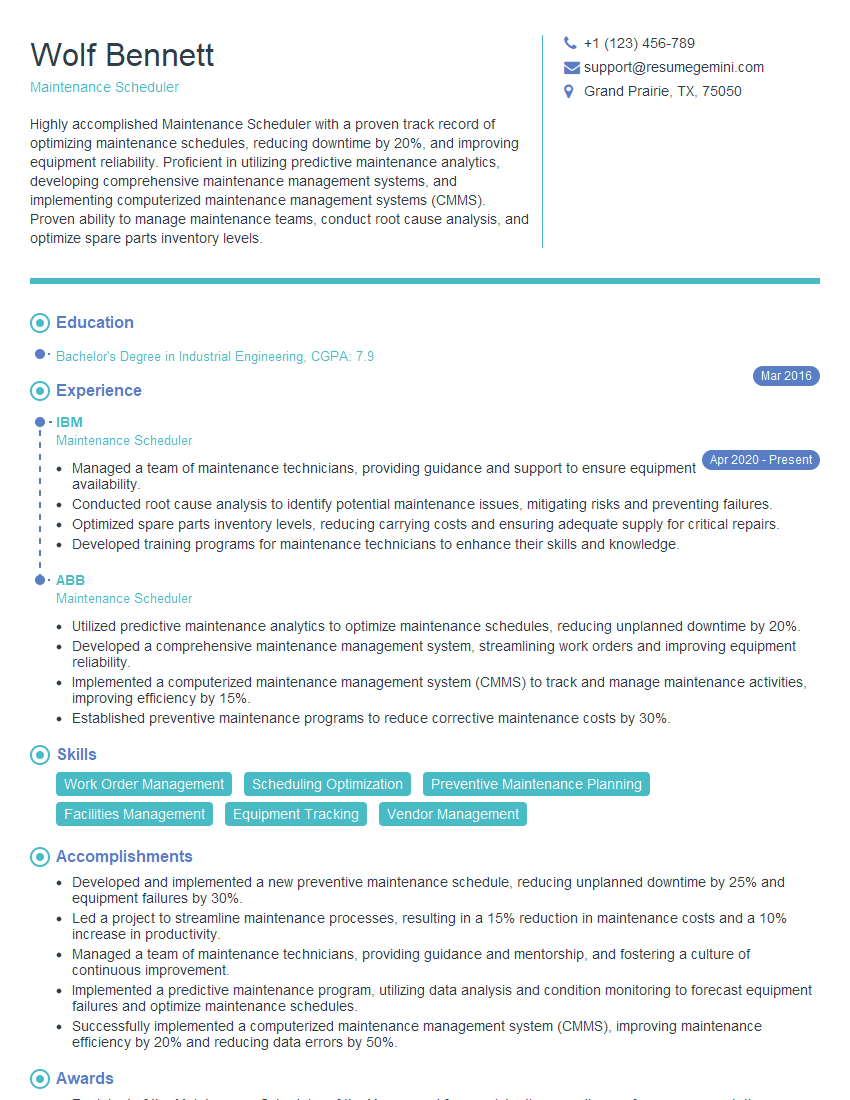
Maintenance Scheduler Resume Sample
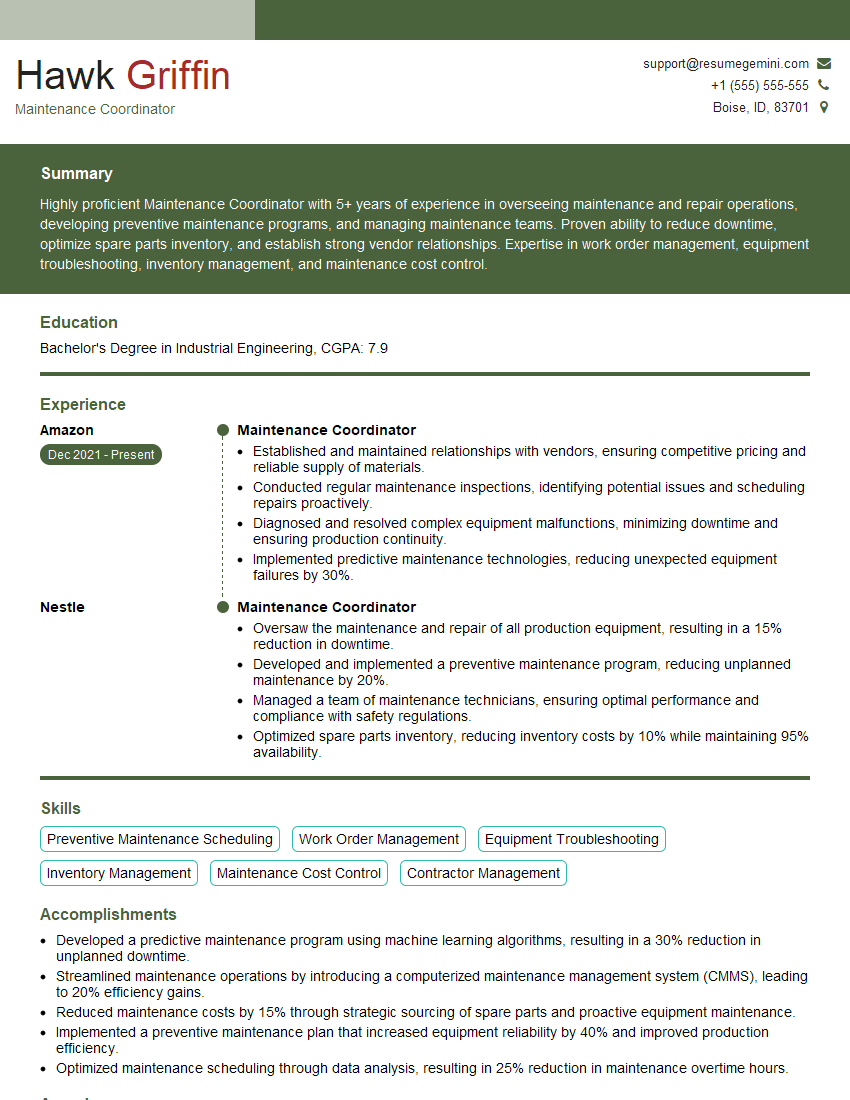
Maintenance Coordinator Resume Sample

Electrical Maintenance Technician Resume Sample
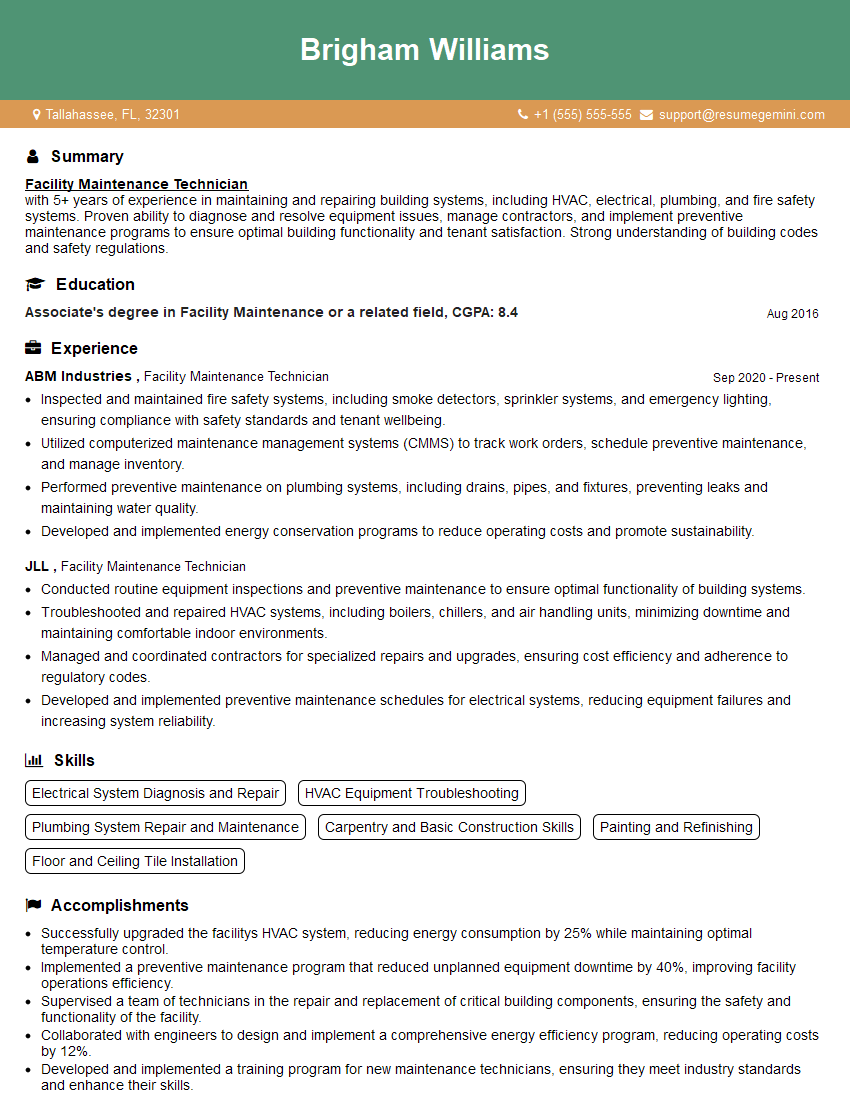
Facility Maintenance Technician Resume Sample
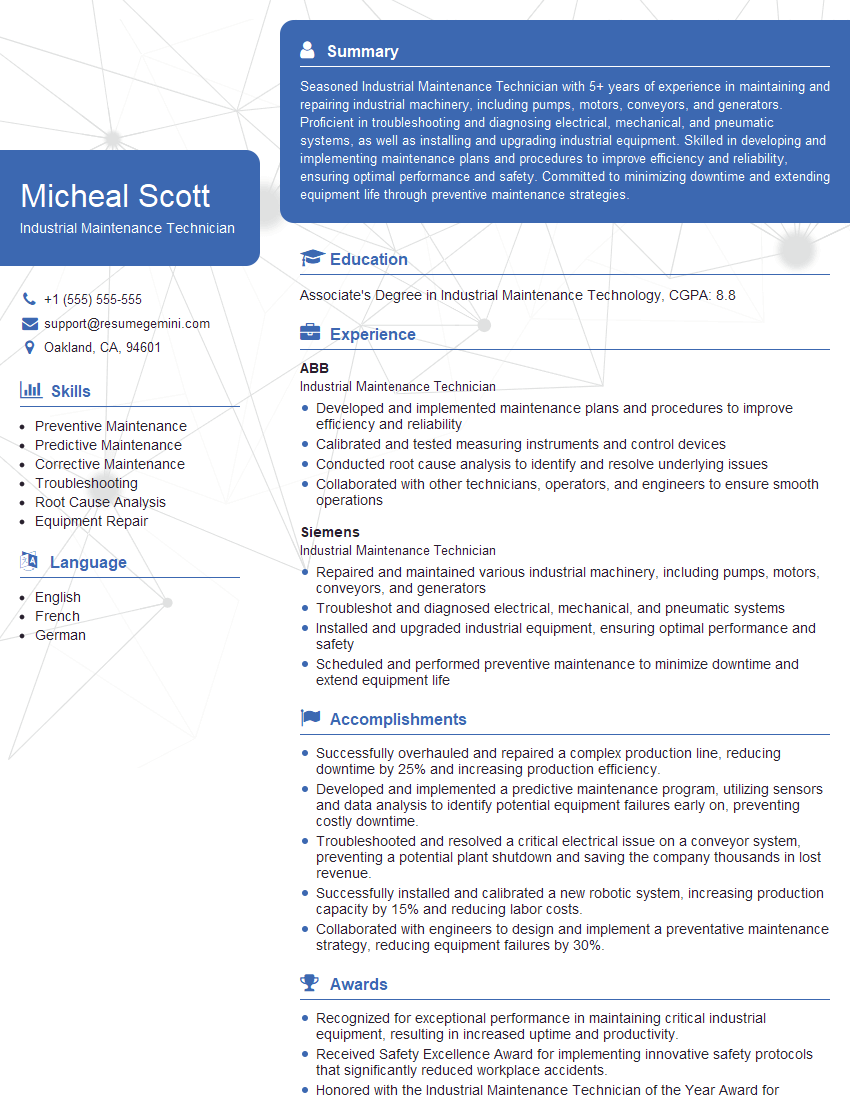
Industrial Maintenance Technician Resume Sample
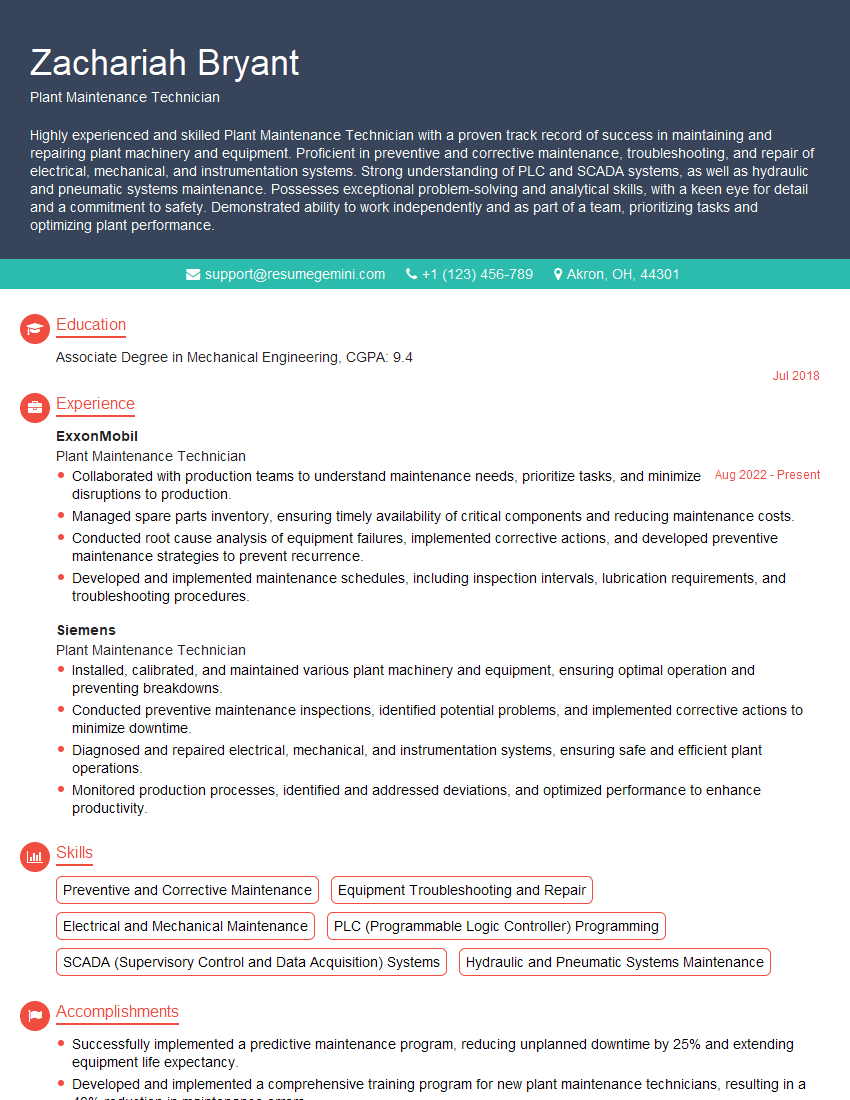
Plant Maintenance Technician Resume Sample
- Maintenance Manager
- Maintenance Planner
- Maintenance Supervisor
- Reliability Engineer
- Maintenance Engineer
- Field Service Technician
- Maintenance Mechanic
- Maintenance Scheduler
- Maintenance Coordinator
- Electrical Maintenance Technician
- Facility Maintenance Technician
- Industrial Maintenance Technician
- Plant Maintenance Technician
Explore more articles
Users Rating of Our Blogs
Share Your Experience
We value your feedback! Please rate our content and share your thoughts (optional).
What Readers Say About Our Blog
Very informative content, great job.
good