Preparation is the key to success in any interview. In this post, we’ll explore crucial CorrectiveMaintenance interview questions and equip you with strategies to craft impactful answers. Whether you’re a beginner or a pro, these tips will elevate your preparation.
Questions Asked in CorrectiveMaintenance Interview
Q 1. Explain the difference between Corrective and Preventive Maintenance.
Corrective maintenance and preventive maintenance are two distinct approaches to equipment upkeep. Think of it like this: corrective maintenance is fixing a problem after it occurs, while preventive maintenance aims to prevent problems before they arise.
Corrective Maintenance: This is reactive. It involves repairing or replacing equipment that has already malfunctioned. For instance, if a pump fails and stops working, the corrective maintenance would involve identifying the cause of the failure (e.g., a broken belt, worn bearings), obtaining necessary parts, and repairing or replacing the faulty components to restore functionality.
Preventive Maintenance: This is proactive. It involves regularly scheduled inspections, cleaning, lubrication, and minor repairs to keep equipment in optimal condition and prevent major breakdowns. A good example is regularly changing the oil in a machine to prevent engine damage. It’s cheaper and more efficient to address minor issues before they escalate into costly repairs.
- Corrective: Reactive, addresses existing failures, often costly and disruptive.
- Preventive: Proactive, minimizes failures, reduces long-term costs, improves efficiency.
Q 2. Describe your experience troubleshooting equipment malfunctions.
Throughout my career, I’ve tackled numerous equipment malfunctions, ranging from simple sensor errors to complex hydraulic system failures. My approach involves a systematic troubleshooting process:
- Gather Information: I begin by collecting data – error messages, operator accounts of the malfunction, and any relevant historical maintenance records.
- Visual Inspection: I conduct a thorough visual inspection of the equipment, looking for obvious signs of damage like leaks, loose connections, or physical wear and tear.
- Diagnostic Testing: Depending on the equipment, I’ll utilize specialized tools like multimeters, oscilloscopes, or dedicated diagnostic software to pinpoint the problem.
- Component Testing: Sometimes, I need to isolate components to test their functionality individually. This could involve replacing parts temporarily to determine if they’re the root cause.
- Documentation: I meticulously document every step of the troubleshooting process, including the problem, the steps taken, the results, and any parts replaced.
For example, I once resolved a production line shutdown caused by a faulty PLC (Programmable Logic Controller) by using a diagnostic software to isolate the specific module causing the failure and replacing it.
Q 3. What are the common causes of equipment failure in your area of expertise?
In my experience, the most common causes of equipment failure are:
- Wear and Tear: Normal use and aging lead to the degradation of components. This includes things like bearing wear, belt slippage, and general mechanical deterioration.
- Lack of Preventive Maintenance: Neglecting routine maintenance significantly increases the risk of unexpected failures. A simple lubrication routine can prevent costly component replacements.
- Environmental Factors: Exposure to extreme temperatures, humidity, or dust can accelerate equipment deterioration and cause failures.
- Operator Error: Incorrect operation, overloading, or misuse can lead to immediate or eventual failures. Poor training can contribute to this.
- Power Fluctuations: Sudden power surges or outages can damage sensitive electronic components.
- Material Defects: Faulty components from the manufacturer can also be a source of failure.
Understanding these causes allows for targeted preventative measures to reduce downtime and improve overall system reliability.
Q 4. How do you prioritize corrective maintenance tasks?
Prioritizing corrective maintenance tasks requires a balanced approach considering several factors:
- Impact on Production: Downtime costs money. Equipment critical to production gets priority.
- Safety Hazards: Addressing safety risks is paramount, even if it means delaying other tasks.
- Urgency: The severity of the malfunction dictates the priority. A complete system shutdown trumps a minor leak.
- Repair Complexity: Complex repairs might require more time and resources, influencing the order of execution.
- Parts Availability: Tasks requiring readily available parts are prioritized over those needing specialized or long-lead-time components.
I often use a system combining urgency and impact to prioritize tasks, using a matrix that helps visualize the most critical repairs.
Q 5. What diagnostic tools and techniques are you proficient in?
My diagnostic toolbox includes a wide range of tools and techniques:
- Multimeters: For measuring voltage, current, and resistance.
- Oscilloscopes: For analyzing waveforms and identifying electrical problems.
- Thermal Imagers: For detecting overheating components.
- Vibration Analyzers: For diagnosing mechanical issues such as bearing wear.
- Specialized Diagnostic Software: PLC programming software, dedicated diagnostic tools for specific equipment types.
- Logic Analyzers: For analyzing digital signals and troubleshooting logic circuits.
Beyond tools, my experience encompasses various troubleshooting techniques, including root cause analysis, fault tree analysis, and the 5 Whys method to get to the bottom of complex problems.
Q 6. Describe a time you had to troubleshoot a complex equipment issue.
I once faced a complex issue with a high-speed packaging machine that suddenly started producing inconsistent seals. Initial checks showed no obvious problems. Using a combination of diagnostic software, high-speed cameras and vibration analysis, we eventually discovered that microscopic debris was causing inconsistent pressure on the sealing mechanism. This was only revealed by painstakingly analyzing the data from different diagnostic tools and slowing down the camera footage. The solution involved installing a finer filter in the air supply to the machine, completely resolving the issue.
Q 7. How do you document corrective maintenance procedures?
Accurate documentation is crucial for effective corrective maintenance. I maintain detailed records using a Computerized Maintenance Management System (CMMS), typically including:
- Equipment Identification: Precise details of the affected equipment.
- Problem Description: A clear and concise description of the malfunction.
- Troubleshooting Steps: A chronological list of the actions taken, including tests performed and results.
- Parts Replaced: A record of any parts replaced, including their part numbers and serial numbers.
- Solution: A description of the final solution to the problem.
- Time Taken: A record of the time spent on the repair.
- Technician Name: The individual who performed the maintenance.
This documentation serves multiple purposes: it aids future troubleshooting, provides data for preventative maintenance planning, helps in tracking repair costs, and ensures accountability. Good documentation is essential for continuous improvement of the maintenance program.
Q 8. What safety procedures do you follow during corrective maintenance?
Safety is paramount in corrective maintenance. Before I even begin any work, I meticulously follow a lockout/tagout (LOTO) procedure to isolate the equipment from its power source, preventing accidental energization. This involves visually inspecting the equipment, verifying the isolation, and then applying LOTO devices to confirm the equipment is safe to work on. I also wear appropriate Personal Protective Equipment (PPE), which can range from safety glasses and gloves to specialized clothing depending on the task and potential hazards involved. For example, when working with high-voltage equipment, I would use insulated tools and arc-flash protective gear. Finally, I always perform a thorough job safety analysis (JSA) before starting any repair, identifying potential hazards and outlining preventative measures.
Q 9. How do you ensure the safety of yourself and others during repairs?
Ensuring the safety of myself and others is a non-negotiable aspect of my job. Beyond the LOTO and PPE, I communicate clearly with colleagues about the work being performed, the potential hazards, and any necessary safety precautions. This includes establishing clear boundaries around the work area to prevent unauthorized entry. I also regularly check my tools for damage or wear and tear, replacing them as needed. Furthermore, I consistently adhere to all company safety policies and procedures, and actively participate in safety training and meetings to stay updated on best practices. One instance I recall involved a repair where a colleague was working nearby. I clearly marked off the area and communicated the exact duration of the high-voltage work to avoid any risk of accidental contact.
Q 10. Explain your experience with root cause analysis.
Root cause analysis (RCA) is crucial for preventing future equipment failures. My experience with RCA involves utilizing various techniques, including the ‘5 Whys’ method, fault tree analysis, and fishbone diagrams. For instance, if a pump fails, I wouldn’t simply replace the pump; I’d systematically investigate the ‘why’ behind the failure. Let’s say the ‘5 Whys’ revealed: 1. The pump failed. 2. Because the bearings seized. 3. Because of insufficient lubrication. 4. Because the lubrication system was faulty. 5. Because the system wasn’t properly maintained. This highlights the need for preventative maintenance on the lubrication system. I then document my findings thoroughly, providing recommendations for corrective and preventive actions to prevent recurrence. These detailed reports are crucial for the continuous improvement of our maintenance strategies.
Q 11. How do you determine the appropriate repair strategy for a given issue?
Choosing the right repair strategy depends heavily on several factors, including the severity of the issue, the availability of parts, the cost of repair versus replacement, and the overall downtime cost. A minor issue, like a loose wire, might require a simple fix. However, a major failure might necessitate a complete overhaul or even equipment replacement. I consider all these factors using a cost-benefit analysis. For example, replacing a worn-out motor might be cheaper and faster in the long run than repeatedly repairing it. I also consult relevant documentation, such as maintenance manuals and schematics, and discuss options with my supervisor or maintenance team if needed. The goal is always to choose the most efficient and cost-effective solution while prioritizing safety and minimizing downtime.
Q 12. Describe your experience working with CMMS software (e.g., SAP, Maximo).
I have extensive experience using CMMS software, specifically SAP PM. I utilize it for tasks such as scheduling preventive maintenance, tracking work orders, managing inventory, and generating reports. I’m proficient in inputting work order details, updating equipment history, and generating reports on maintenance costs and equipment reliability. For instance, I use SAP PM to track the maintenance history of critical equipment, allowing us to identify trends and predict potential failures. This predictive capability allows for proactive maintenance scheduling, preventing costly downtime. My proficiency also extends to using the system to manage spare parts inventory, ensuring we have the necessary components readily available for repairs.
Q 13. How do you handle unexpected equipment failures during operation?
Unexpected equipment failures demand a swift and organized response. My first step is to ensure the safety of personnel and the environment, immediately shutting down the affected equipment if necessary and implementing LOTO procedures. Then, I assess the severity of the failure and its impact on operations. Depending on the situation, I may attempt a quick repair to restore functionality, or I may prioritize a more comprehensive repair later. Crucially, I use the CMMS to log the failure, generating a work order detailing the issue and the necessary repairs. I also communicate the failure to relevant personnel, such as management and operations teams, to keep everyone informed and coordinate efforts to minimize downtime. The aim is to restore operations as quickly and safely as possible while collecting data to inform root cause analysis.
Q 14. What is your experience with various types of maintenance documentation?
I’m experienced with various maintenance documentation, including work orders, preventive maintenance schedules, equipment history records, inspection reports, and repair manuals. Work orders detail the work performed, including parts used and labor hours. Preventive maintenance schedules outline regular inspections and tasks. Equipment history records track repairs and maintenance performed over the asset’s lifespan. Inspection reports document the results of regular equipment checks, highlighting potential problems. Repair manuals provide detailed instructions and diagrams for repairing specific equipment. I understand the importance of complete and accurate documentation, both for regulatory compliance and for future maintenance planning. Well-maintained documentation is essential for tracking equipment performance, identifying recurring problems, and making informed decisions about repairs and upgrades.
Q 15. How do you identify and address potential safety hazards during repairs?
Identifying and addressing safety hazards during repairs is paramount. My approach is proactive, beginning with a thorough risk assessment before even touching the equipment. This involves carefully examining the work area for potential dangers like exposed wiring, hazardous materials, or unstable structures. I then utilize appropriate personal protective equipment (PPE), such as safety glasses, gloves, and hearing protection, tailored to the specific task. For example, when working with high-voltage systems, I’d always use insulated tools and follow lockout/tagout procedures to prevent accidental energization. If I encounter an unexpected hazard during the repair, I immediately stop work, reassess the situation, implement additional safety measures, and potentially consult with a supervisor before proceeding. It’s better to take extra time and ensure safety than to risk injury.
I also emphasize clear communication with colleagues and bystanders in the vicinity of the repair to ensure everyone is aware of potential hazards and the safety precautions being taken.
Career Expert Tips:
- Ace those interviews! Prepare effectively by reviewing the Top 50 Most Common Interview Questions on ResumeGemini.
- Navigate your job search with confidence! Explore a wide range of Career Tips on ResumeGemini. Learn about common challenges and recommendations to overcome them.
- Craft the perfect resume! Master the Art of Resume Writing with ResumeGemini’s guide. Showcase your unique qualifications and achievements effectively.
- Don’t miss out on holiday savings! Build your dream resume with ResumeGemini’s ATS optimized templates.
Q 16. How do you manage your workload and prioritize tasks effectively?
Effective workload management hinges on prioritization and planning. I use a combination of techniques, including creating a prioritized task list based on urgency and impact. Tasks critical to maintaining operational efficiency, or those with impending deadlines, always take precedence. For instance, a malfunctioning critical component of a production line would take priority over a less urgent cosmetic repair. I also utilize time-blocking techniques to allocate specific time slots for particular tasks, avoiding multitasking which can lead to errors and inefficiencies. Regular review of my progress throughout the day allows me to adjust my schedule as needed and ensure I’m staying on track. Software tools like CMMS (Computerized Maintenance Management Systems) are invaluable for managing schedules and tracking work orders.
Q 17. Explain your understanding of different repair techniques (e.g., welding, machining).
My experience encompasses a range of repair techniques, including welding, machining, and more specialized methods depending on the equipment. Welding, for example, requires a strong understanding of different welding processes – MIG, TIG, stick – each suited for specific materials and applications. I’m proficient in selecting the appropriate process, adjusting parameters like amperage and voltage, and ensuring proper weld quality through techniques like penetration testing. In machining, I’m adept at using lathes, milling machines, and grinders to fabricate or repair parts. For instance, I’ve repaired worn shafts using a lathe and restored precision dimensions using a milling machine. Beyond these core techniques, I’ve also experience with specialized repairs like hydraulic system troubleshooting, pneumatic system repairs, and electronic component replacement, adapting my approach based on the situation.
Q 18. How do you ensure compliance with relevant safety regulations and standards?
Compliance with safety regulations is non-negotiable. I meticulously follow all relevant OSHA (Occupational Safety and Health Administration) standards, industry best practices, and company-specific safety protocols. This includes adhering to lockout/tagout procedures for electrical equipment, using appropriate PPE, and understanding and applying relevant safety data sheets (SDS) for all hazardous materials. Regular safety training keeps my knowledge current. For example, I recently completed a refresher course on confined space entry procedures. I also proactively identify and report any safety violations or potential hazards I encounter, contributing to a safer work environment for myself and others.
Q 19. Describe your experience with spare parts management and inventory control.
Effective spare parts management is crucial for minimizing downtime. My experience includes managing inventory using both manual and computerized systems. A well-organized system ensures the right parts are available when needed and prevents costly delays. I’m proficient in using CMMS software to track inventory levels, order parts, and manage the procurement process. This includes forecasting demand based on historical usage data and equipment failure rates. Regular inventory audits help to identify discrepancies and prevent stockouts or overstocking of less frequently needed parts. Proper storage and labeling of parts is equally important to maintain their quality and prevent damage. I understand the importance of cost analysis in spare parts management, balancing the cost of storage against the cost of downtime due to part shortages.
Q 20. How do you communicate effectively with other technicians, supervisors, and clients?
Clear and effective communication is vital in a team environment. I prioritize clear, concise communication with technicians, supervisors, and clients using a variety of methods. I regularly conduct pre-job briefings with technicians to discuss the repair plan, potential challenges, and safety precautions. With supervisors, I maintain open communication on project status, challenges, and resource requirements, and I use formal reports for detailed documentation. When dealing with clients, I ensure they understand the repair process, timelines, and costs. I use both verbal and written communication methods, and I tailor my language and level of detail to the audience. Active listening is critical to ensuring everyone understands and shares the same information. I’ve found that a collaborative, problem-solving approach fosters strong relationships and better outcomes.
Q 21. How do you stay updated with new technologies and maintenance techniques?
Staying current with advancements in maintenance techniques and technologies is essential. I achieve this through several avenues, including professional development courses, attending industry conferences and workshops, and actively participating in online forums and professional organizations. I also dedicate time to reading relevant industry publications and journals, keeping abreast of new tools, techniques, and regulations. My employer provides access to online training modules, and I actively participate in these programs to broaden my skills and knowledge. For example, I recently completed a training program on predictive maintenance techniques using vibration analysis, expanding my diagnostic capabilities and improving my efficiency. Continuous learning is a key to staying competitive and providing high-quality services.
Q 22. What are your strengths and weaknesses in a corrective maintenance role?
My greatest strength in corrective maintenance is my systematic approach to troubleshooting. I don’t jump to conclusions; instead, I follow a structured process of identifying the problem, analyzing potential causes, and implementing the most effective solution. I’m also highly proficient in using diagnostic tools and interpreting technical documentation. For example, in a recent incident with a malfunctioning conveyor belt, I systematically checked the motor, sensors, and power supply before identifying a loose connection as the root cause. This methodical approach minimizes downtime and ensures efficient repairs.
However, I acknowledge that my weakness lies in immediately delegating tasks when faced with multiple urgent issues. I’m working on improving my prioritization skills and better time management under pressure to ensure all critical issues receive prompt attention without compromising thoroughness. I am actively using time management techniques like the Eisenhower Matrix to improve this aspect.
Q 23. How do you handle pressure and tight deadlines in a fast-paced environment?
High-pressure environments are where I truly excel. I thrive under pressure and tight deadlines, viewing them as challenges rather than obstacles. My ability to remain calm and focused during critical situations, combined with my systematic approach to troubleshooting, allows me to efficiently resolve issues. I once had to repair a crucial piece of machinery during an overnight shift, where a delay could have resulted in significant production losses. By prioritizing tasks, delegating when necessary and focusing on the most critical components, I completed the repair well ahead of the deadline, minimizing downtime and avoiding costly production disruptions.
Q 24. Describe your experience working in a team environment.
I’m a firm believer in collaborative teamwork. My experience working in team environments has taught me the value of open communication, mutual respect, and shared responsibility. I actively participate in team discussions, offering my expertise while also welcoming and incorporating the insights of others. I’ve consistently been part of teams that successfully managed complex projects and resolved critical maintenance issues. In one instance, a malfunctioning automated system required collaboration across mechanical, electrical, and software teams. By actively sharing information and ensuring everyone was aware of the overall goals, we were able to identify the root cause (a software glitch) and implement a fix far quicker than we would have individually.
Q 25. Explain your experience with different types of machinery or equipment.
My experience encompasses a wide range of machinery and equipment, including hydraulic presses, conveyor systems, automated assembly lines, and various types of industrial motors. I’m proficient in diagnosing and repairing mechanical, electrical, and pneumatic systems. My experience extends to both preventative and corrective maintenance procedures. For example, I’ve worked extensively with PLC-controlled systems, utilizing diagnostic software to troubleshoot and resolve intricate programming errors. My hands-on experience with different technologies allows me to adapt quickly to new equipment and efficiently address a diverse range of maintenance challenges.
Q 26. How do you assess the cost-effectiveness of different repair options?
Assessing the cost-effectiveness of different repair options is a critical aspect of my role. My approach involves a detailed cost-benefit analysis, considering factors like repair costs, downtime costs (loss of production), the longevity of the repair, and the availability of replacement parts. For instance, repairing a worn component might seem cheaper upfront, but replacing it with a more durable alternative might prove more cost-effective in the long run by preventing repeated repairs. I also consider the potential risks associated with different repair options, weighing them against their respective costs. This ensures that the selected solution provides the best balance of efficiency and cost-effectiveness.
Q 27. What is your understanding of Mean Time To Repair (MTTR)?
Mean Time To Repair (MTTR) is a crucial metric in maintenance management, representing the average time it takes to restore a failed component or system to operational status. A low MTTR indicates efficient and effective maintenance practices. It’s calculated by dividing the total downtime for a given period by the number of repairs during that same period. Understanding MTTR is essential for improving overall equipment effectiveness (OEE) and minimizing production disruptions. For example, tracking MTTR for specific equipment allows us to identify recurring issues and implement preventative measures to reduce future downtime. A high MTTR might signal the need for improved training, better spare parts management, or more efficient repair procedures.
Q 28. Describe a time you had to make a critical decision during a maintenance situation.
During a critical incident involving a power failure affecting a major production line, I had to make a quick decision. Initial diagnostics pointed to a potential issue with the main power supply, but a complete shutdown to investigate could have resulted in significant losses. Instead, I opted for a phased approach, isolating sections of the line to identify the affected area while keeping other parts operational. This minimized downtime and allowed us to quickly isolate the problem to a faulty circuit breaker, which was replaced promptly. This decision, while risky, averted a much more costly and time-consuming complete shutdown, demonstrating my ability to make informed decisions under extreme pressure while prioritizing operational efficiency.
Key Topics to Learn for Corrective Maintenance Interview
- Understanding Corrective Maintenance Procedures: Familiarize yourself with the systematic approach to identifying, diagnosing, and resolving equipment malfunctions. This includes understanding the importance of safety protocols and documentation.
- Troubleshooting and Diagnostic Techniques: Practice identifying common equipment failures and applying various diagnostic methods, from visual inspection to using specialized tools. Be prepared to discuss your problem-solving process.
- Preventive Maintenance Integration: Understand how corrective maintenance informs and improves preventive maintenance strategies. Discuss the relationship between reactive and proactive maintenance approaches.
- Record Keeping and Reporting: Master the importance of accurate and timely documentation of repairs, including parts used, time spent, and any relevant observations. Practice explaining your record-keeping methodology.
- Safety Regulations and Compliance: Demonstrate a thorough understanding of relevant safety regulations and best practices within corrective maintenance. Be ready to discuss your experience ensuring a safe work environment.
- Cost Analysis and Optimization: Understand how to analyze the cost-effectiveness of different repair strategies and identify opportunities for cost reduction while maintaining quality.
- Root Cause Analysis (RCA): Develop your ability to perform RCA to prevent recurring issues. Be prepared to discuss your experience implementing RCA methodologies.
- Teamwork and Communication: Highlight your ability to collaborate effectively with colleagues, supervisors, and potentially clients, communicating technical information clearly and concisely.
Next Steps
Mastering Corrective Maintenance is crucial for career advancement in many technical fields, demonstrating your practical skills and problem-solving abilities. A strong resume is essential to showcase your expertise to potential employers. Create an ATS-friendly resume to maximize your chances of getting noticed. ResumeGemini is a trusted resource to help you build a professional and impactful resume. Examples of resumes tailored to Corrective Maintenance are provided to help you craft a winning application.
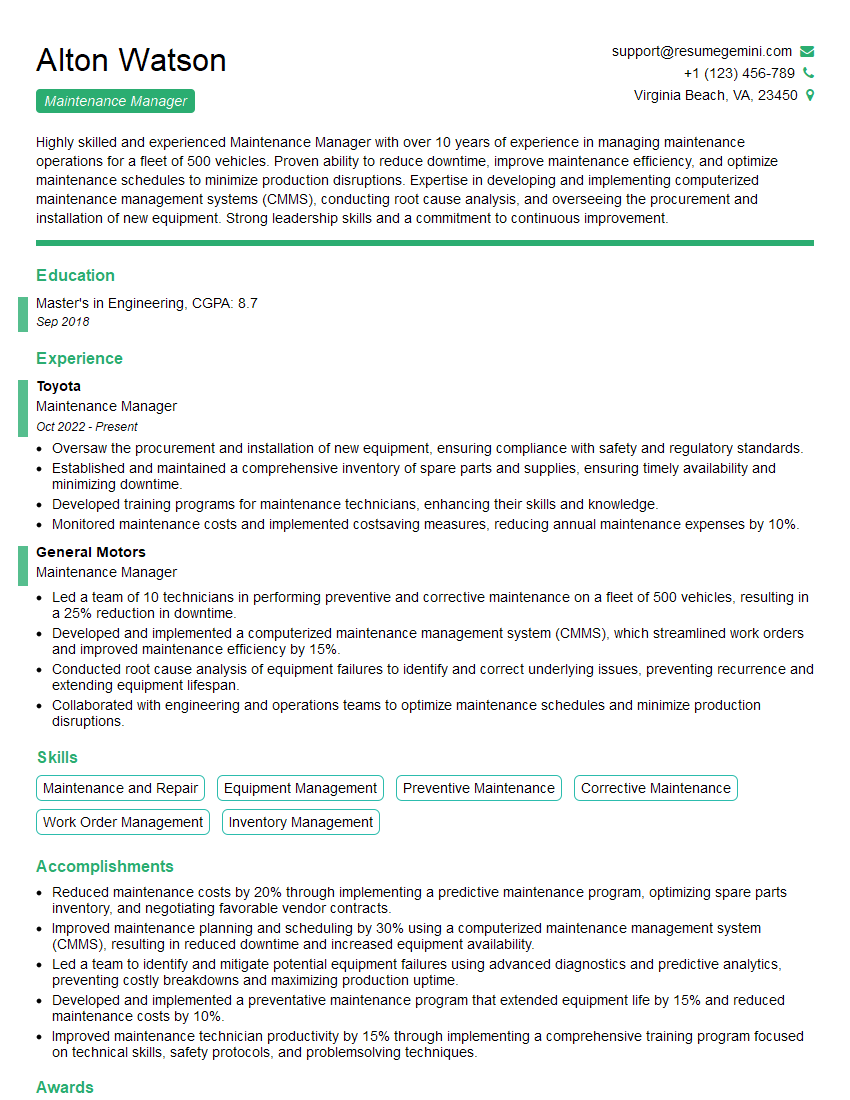
Maintenance Manager Resume Sample
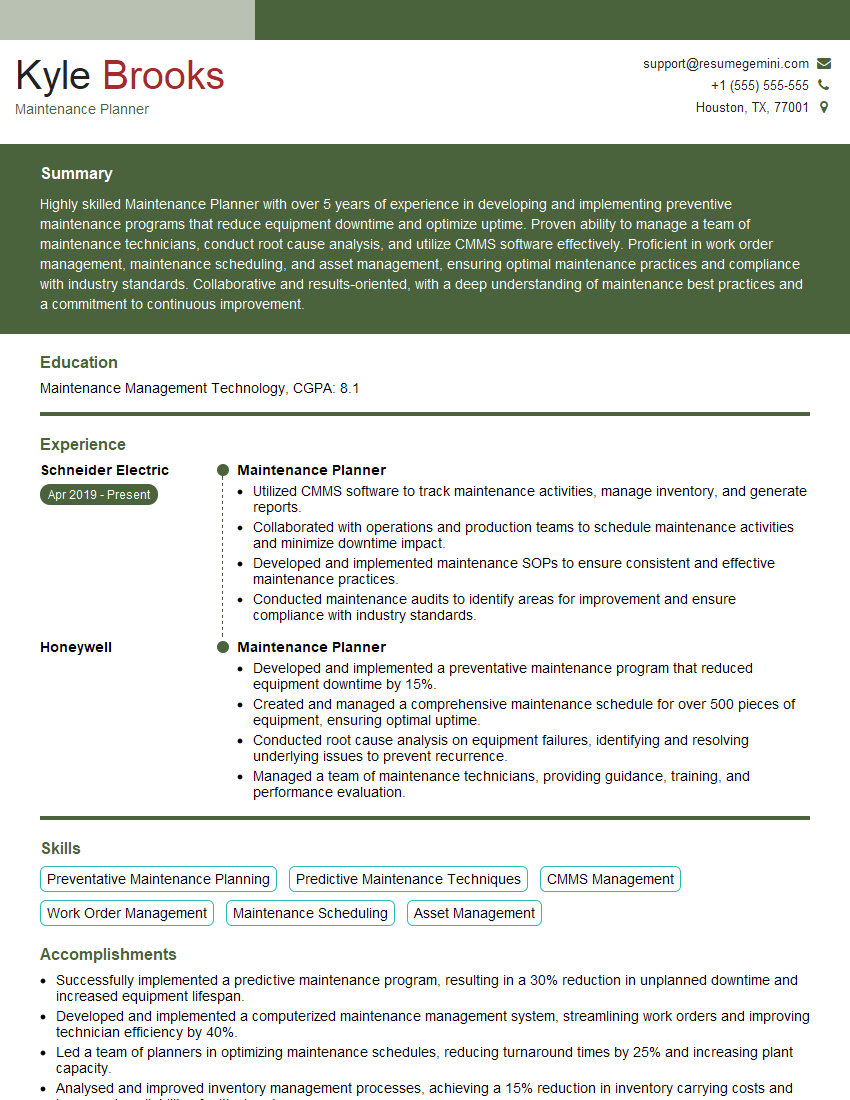
Maintenance Planner Resume Sample
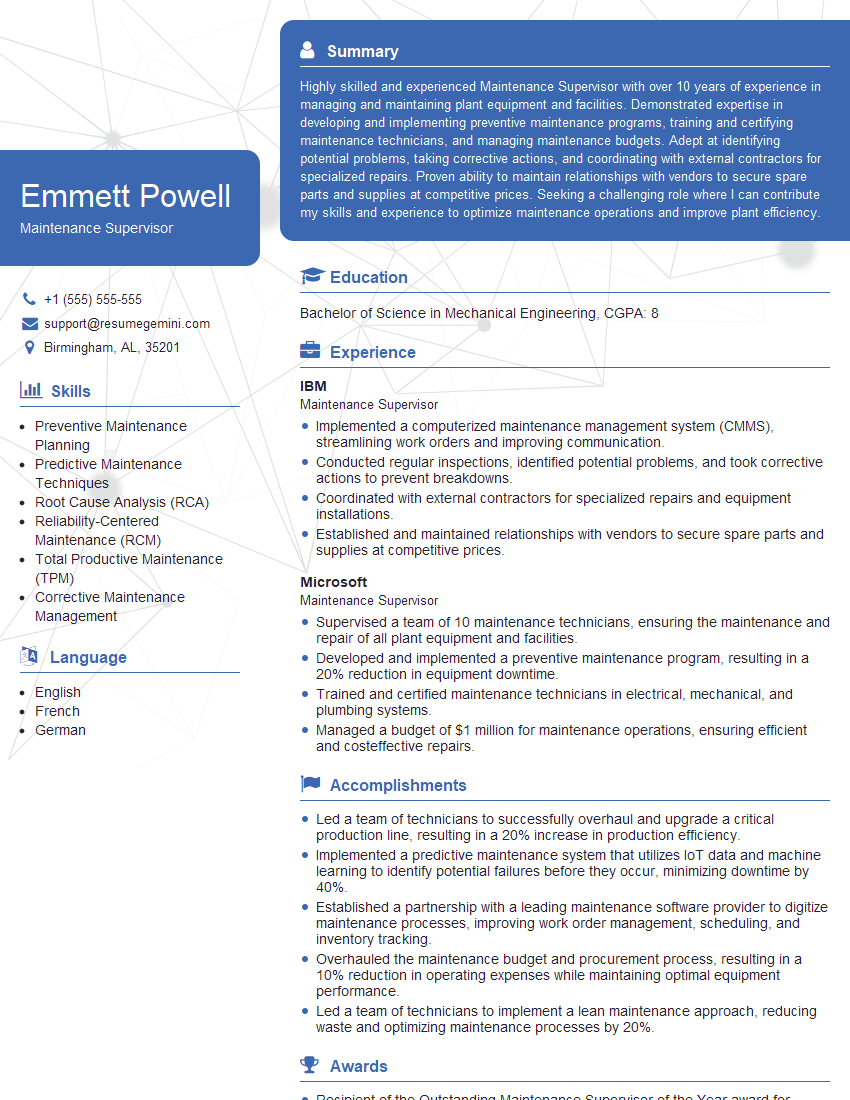
Maintenance Supervisor Resume Sample

Reliability Engineer Resume Sample
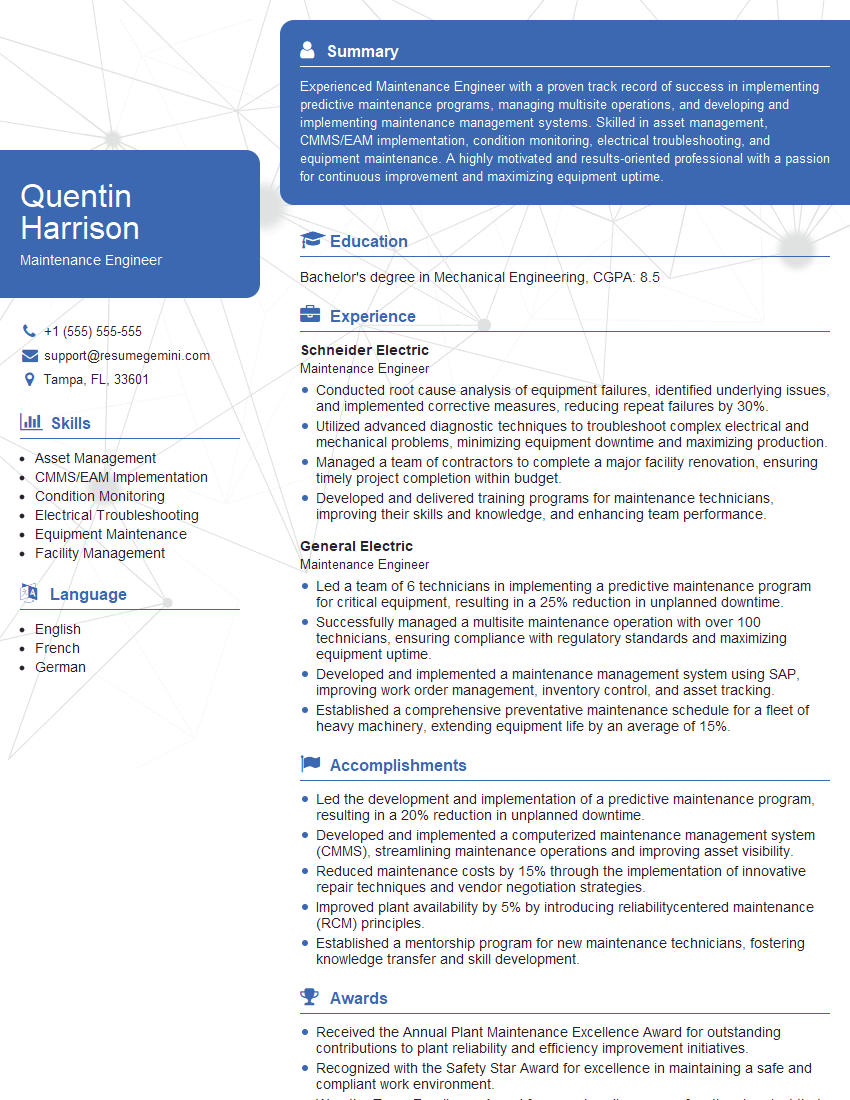
Maintenance Engineer Resume Sample
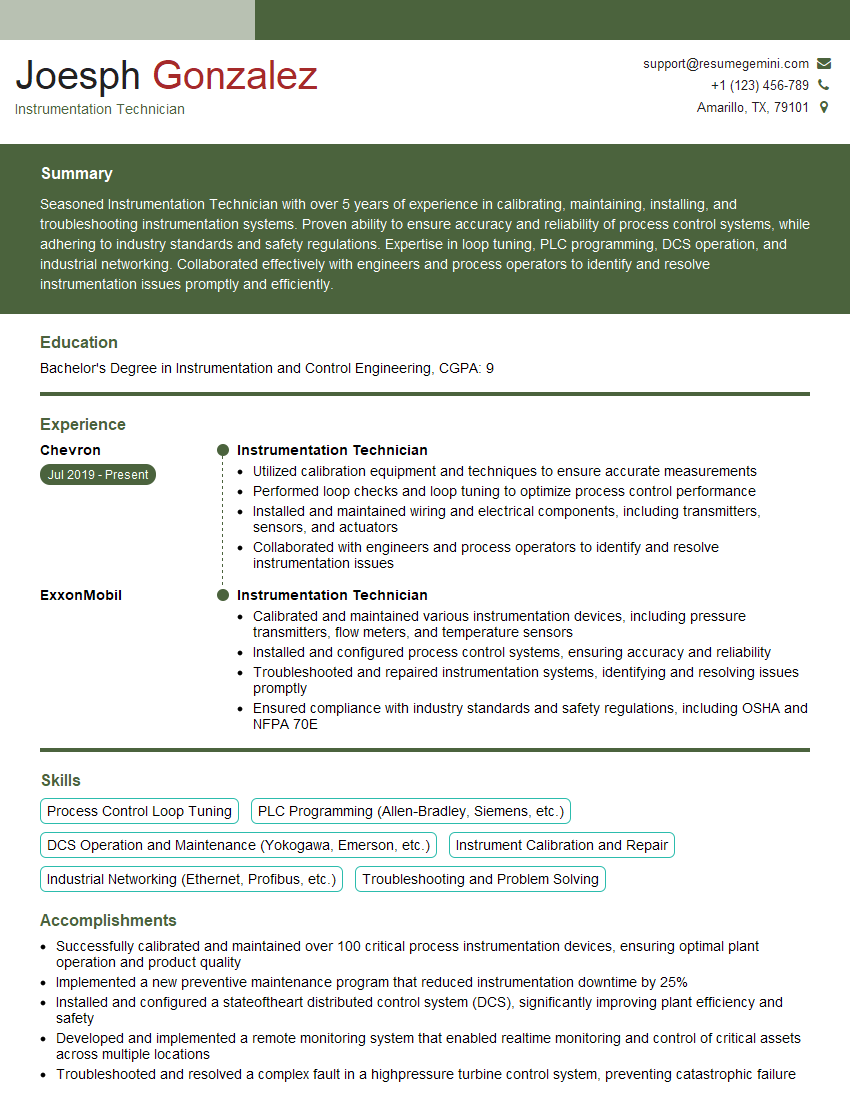
Instrumentation Technician Resume Sample
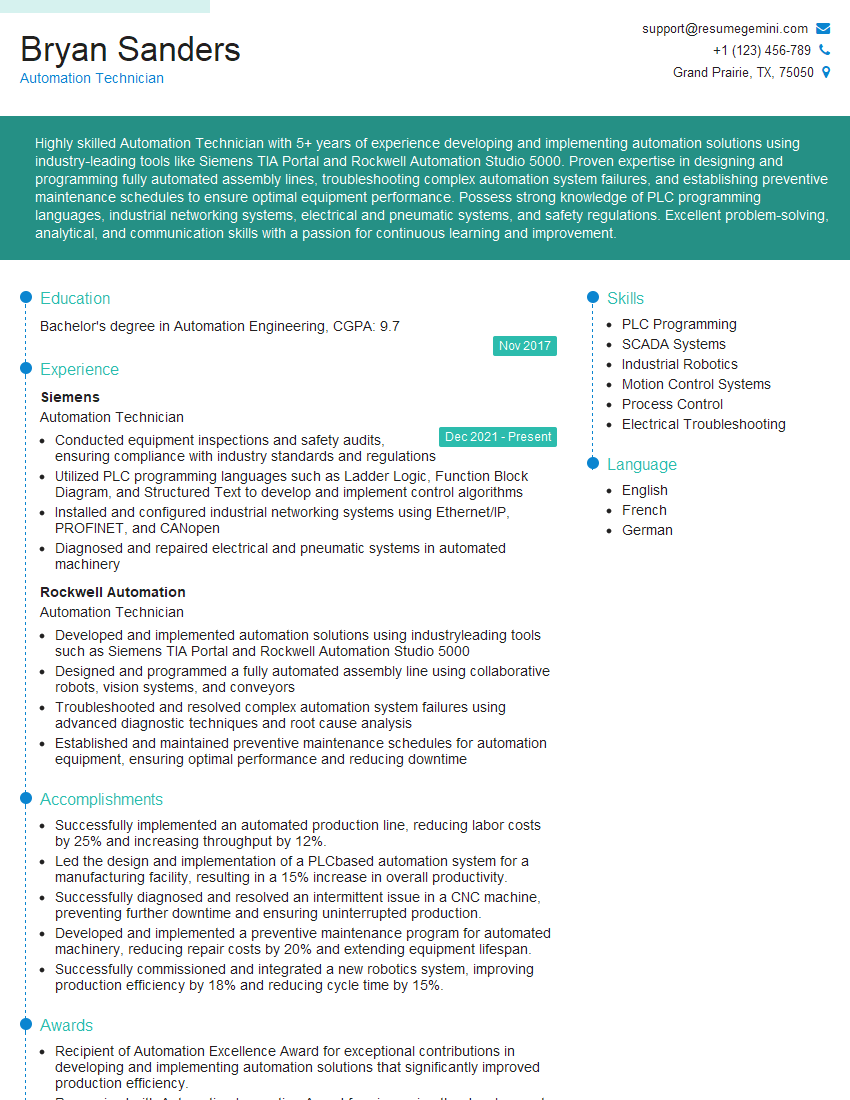
Automation Technician Resume Sample
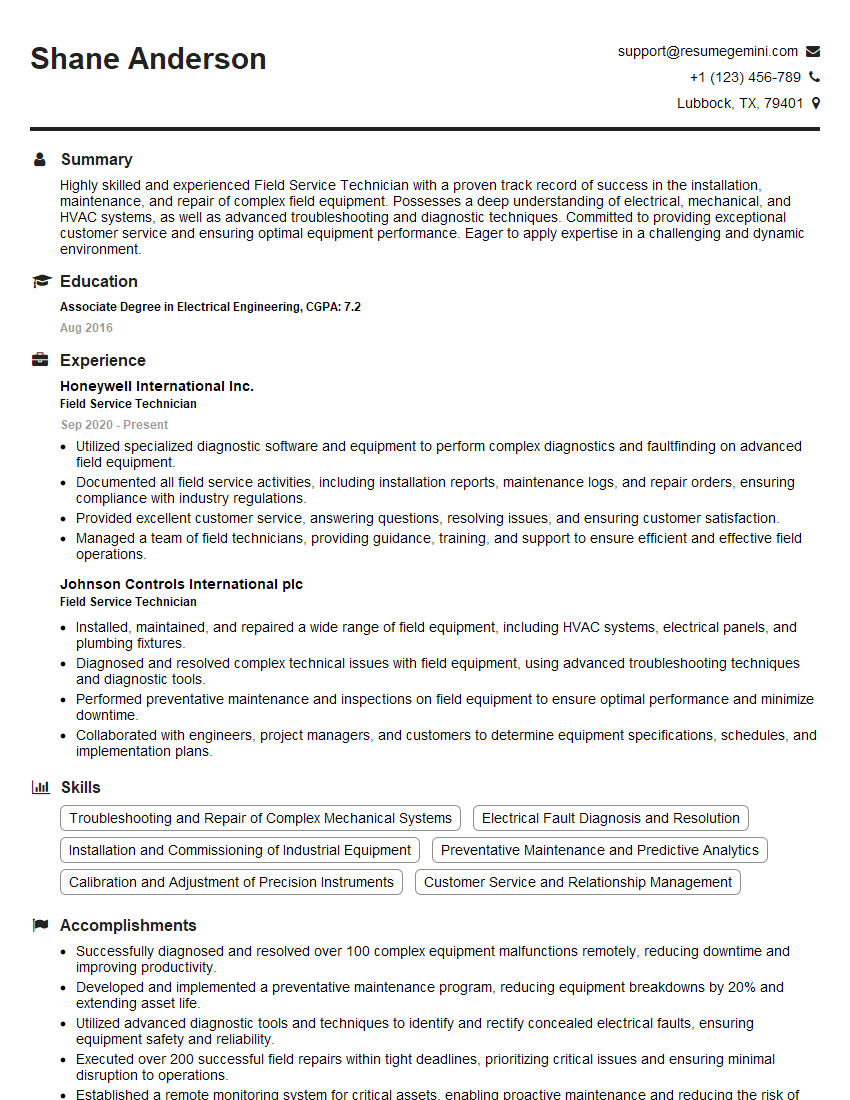
Field Service Technician Resume Sample
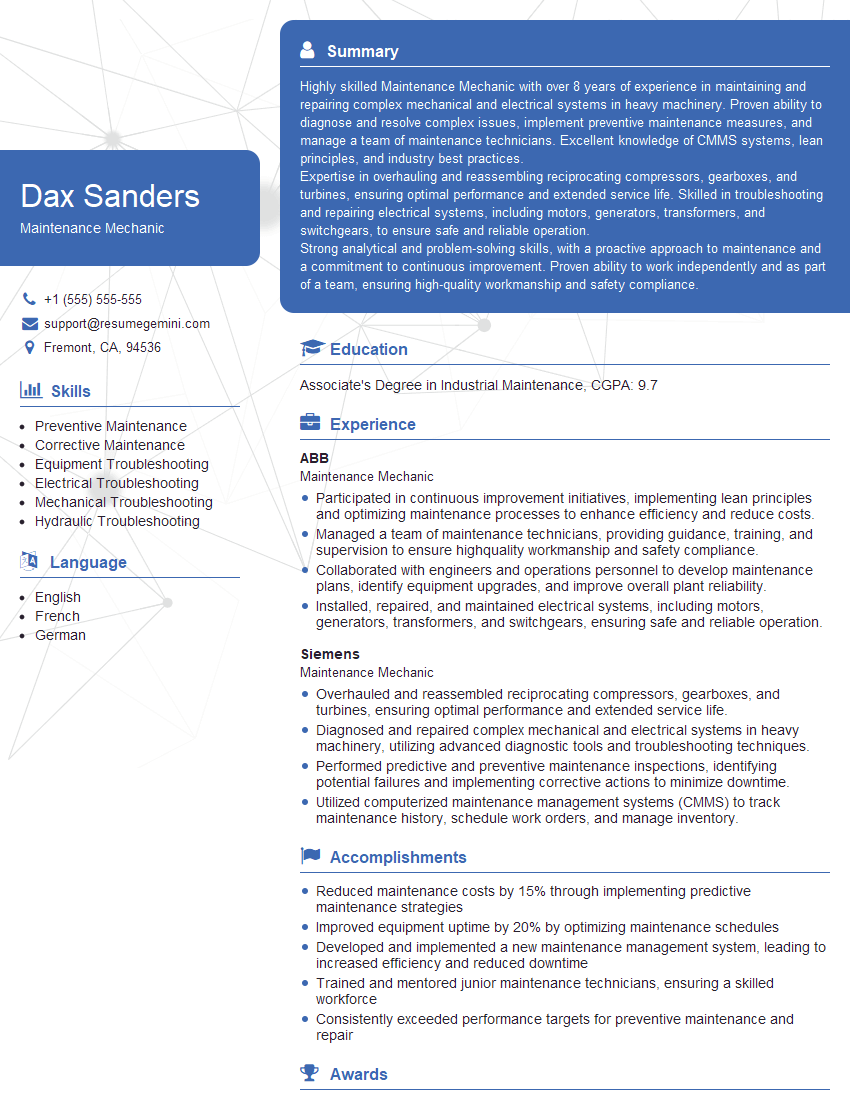
Maintenance Mechanic Resume Sample
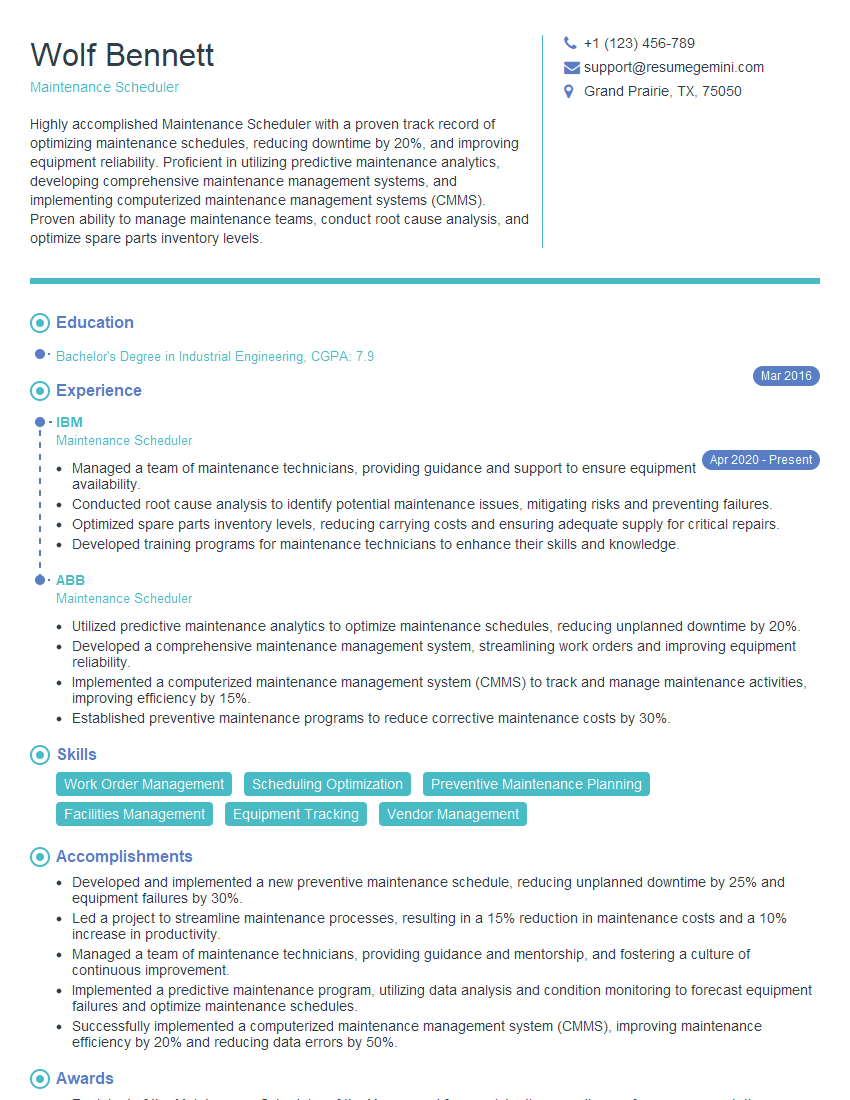
Maintenance Scheduler Resume Sample
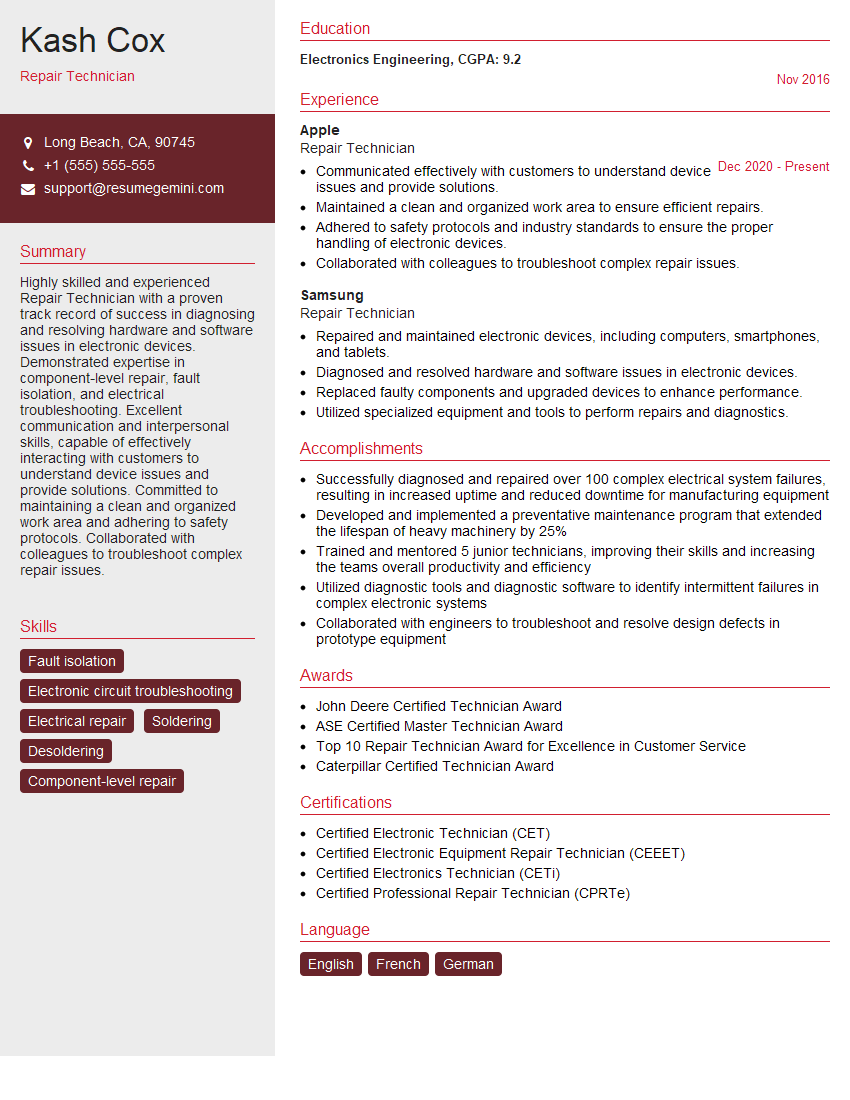
Repair Technician Resume Sample
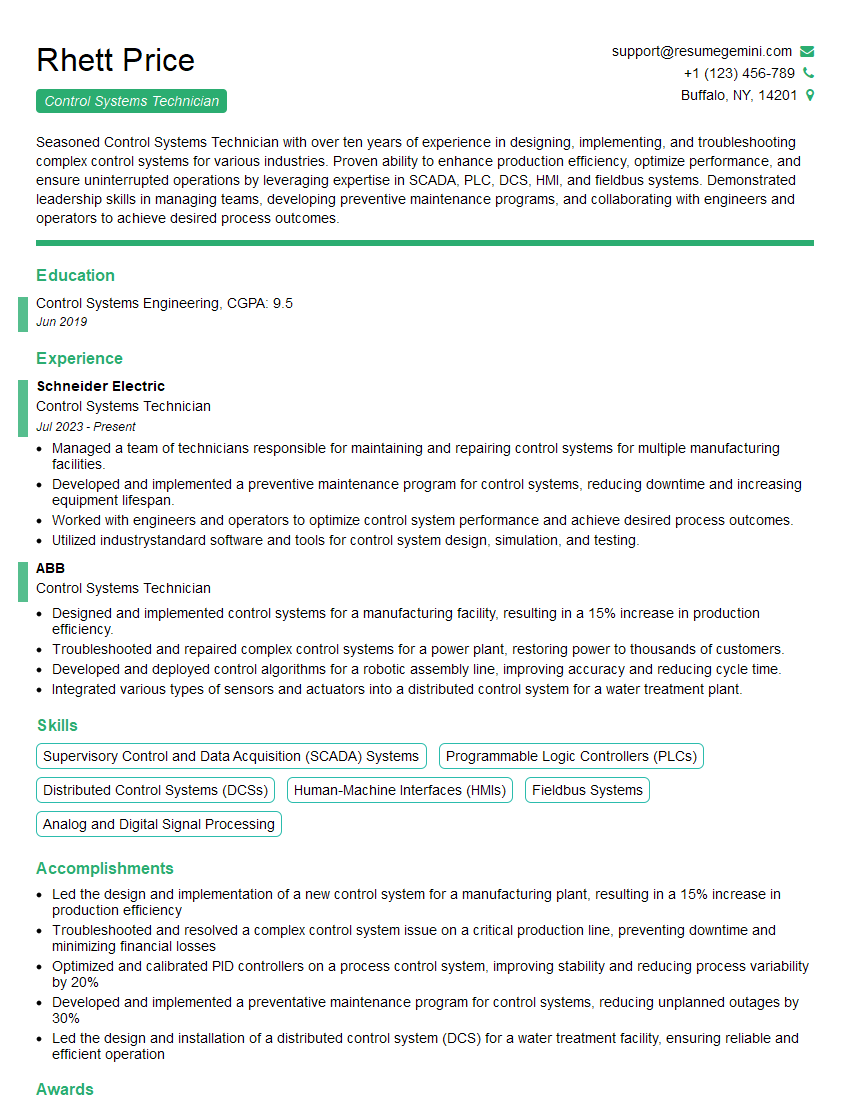
Control Systems Technician Resume Sample

Electrical Maintenance Technician Resume Sample
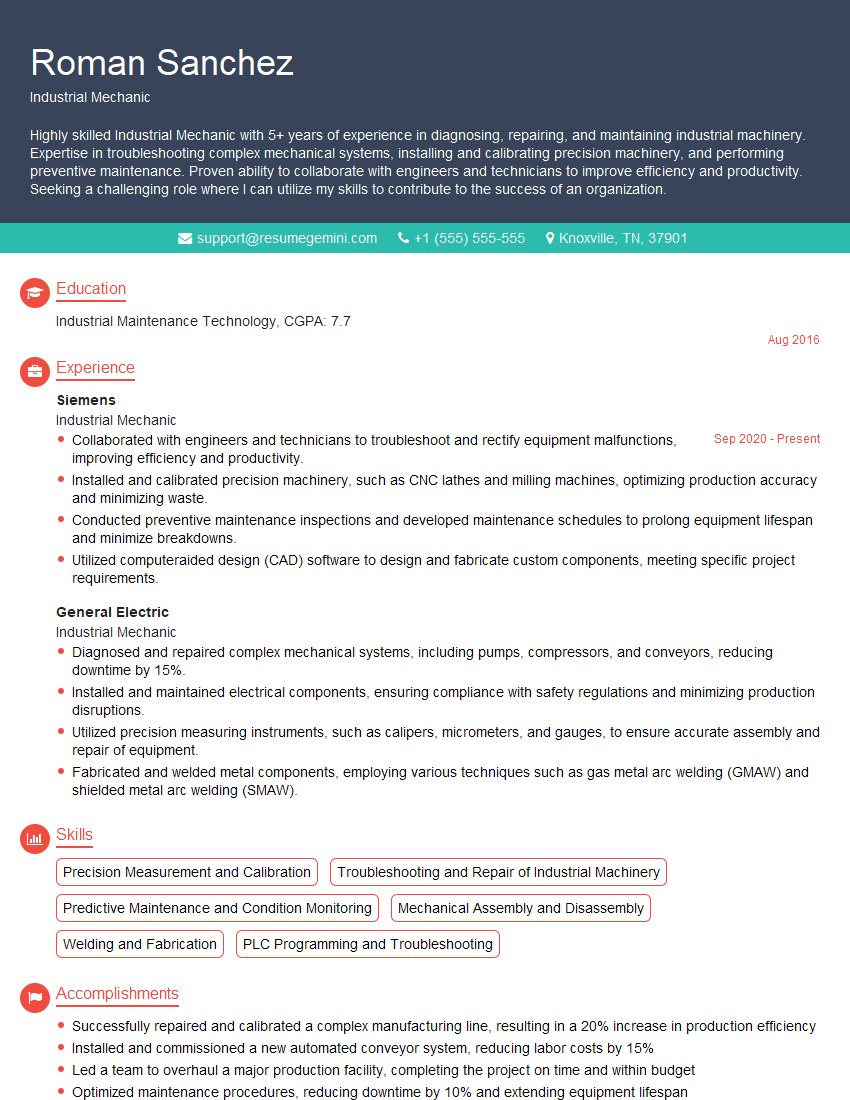
Industrial Mechanic Resume Sample
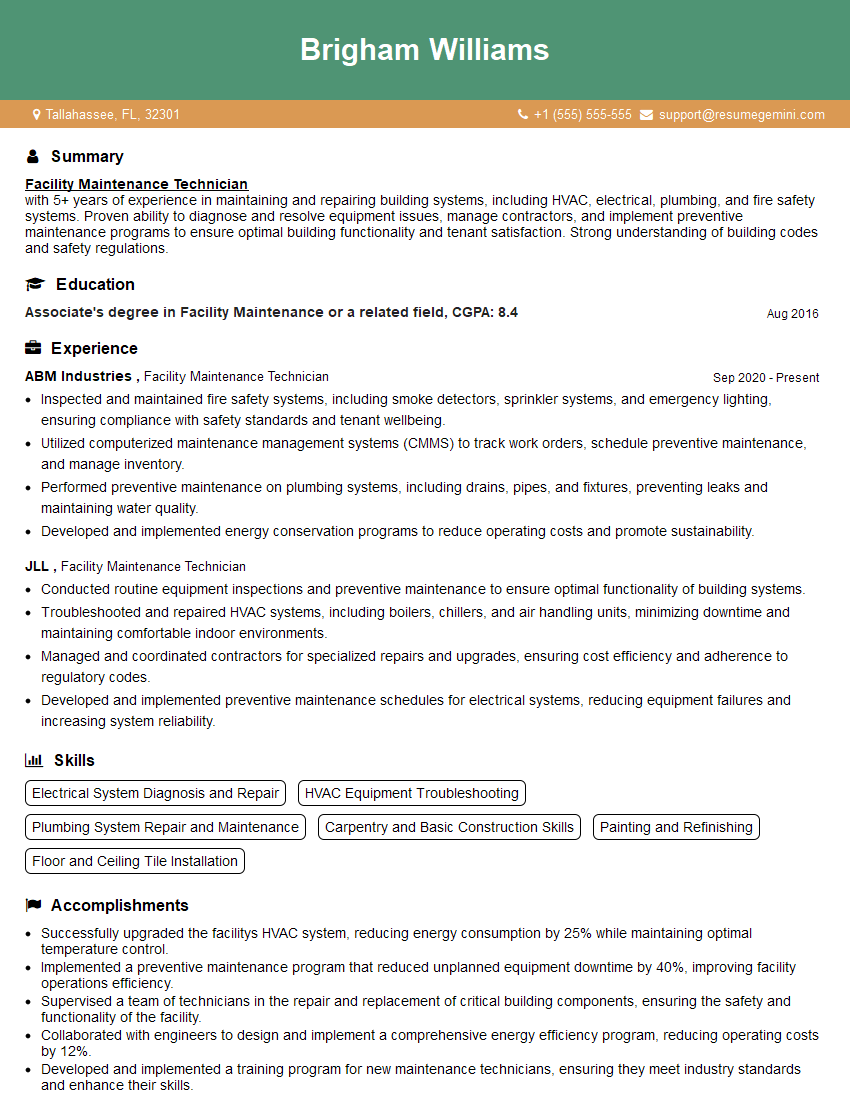
Facility Maintenance Technician Resume Sample
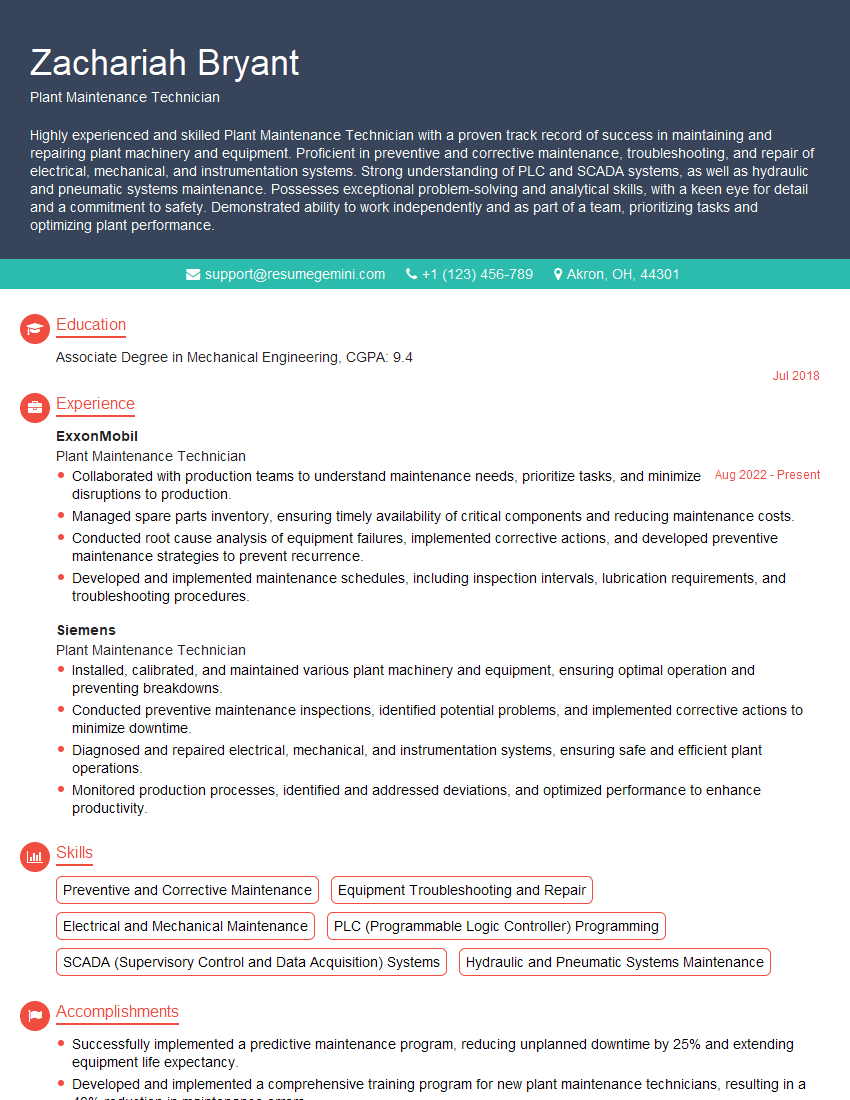
Plant Maintenance Technician Resume Sample
- Maintenance Manager
- Maintenance Planner
- Maintenance Supervisor
- Reliability Engineer
- Maintenance Engineer
- Instrumentation Technician
- Automation Technician
- Field Service Technician
- Maintenance Mechanic
- Maintenance Scheduler
- Repair Technician
- Control Systems Technician
- Electrical Maintenance Technician
- Industrial Mechanic
- Facility Maintenance Technician
- Plant Maintenance Technician
Explore more articles
Users Rating of Our Blogs
Share Your Experience
We value your feedback! Please rate our content and share your thoughts (optional).
What Readers Say About Our Blog
Very informative content, great job.
good