Cracking a skill-specific interview, like one for Costco, requires understanding the nuances of the role. In this blog, we present the questions you’re most likely to encounter, along with insights into how to answer them effectively. Let’s ensure you’re ready to make a strong impression.
Questions Asked in Costco Interview
Q 1. Describe Costco’s membership model and its significance to the company’s success.
Costco’s success hinges on its membership model, a cornerstone of its business strategy. Instead of relying solely on high margins on individual items, Costco charges an annual membership fee for access to its warehouses. This fee generates substantial revenue and fosters customer loyalty. Members are more likely to make larger purchases, increasing the average transaction value, because they’ve already invested in their membership. Think of it like a commitment – you’ve already paid, so you’re more inclined to shop more frequently and buy more items.
The significance is multifold:
- Predictable Revenue Stream: Membership fees provide a stable and predictable revenue base, mitigating reliance on fluctuating sales of individual products.
- Customer Loyalty: Members feel a sense of belonging and value, leading to higher retention rates and repeat business.
- Higher Average Transaction Value: Members often purchase more items per visit, knowing they’ve already paid for access.
- Data-Driven Insights: Membership data provides valuable insights into customer preferences, demographics, and purchasing habits, allowing for targeted marketing and inventory management.
In essence, the membership model transforms Costco from a simple retailer into a membership club, cultivating a strong sense of community and driving significant profitability.
Q 2. Explain the importance of inventory management in a Costco warehouse.
Inventory management in a Costco warehouse is crucial for its operational efficiency and profitability. It’s not just about having enough stock; it’s about having the right stock at the right time and in the right quantities. Inefficient inventory management leads to lost sales, increased storage costs, and potential product spoilage.
Key aspects of Costco’s inventory management include:
- Demand Forecasting: Accurately predicting demand for various products based on historical sales data, seasonal trends, and local market conditions. This involves sophisticated forecasting models and analysis of member purchasing behaviors.
- Vendor Relationships: Maintaining strong relationships with suppliers to ensure timely delivery and efficient supply chain management. This often involves bulk purchasing to leverage cost savings.
- Warehouse Layout and Organization: Efficiently organizing the warehouse to optimize storage space and facilitate quick retrieval of products. Fast retrieval times are vital for a smooth customer experience.
- Real-time Inventory Tracking: Utilizing technology such as barcodes and RFID tags to track inventory levels precisely and promptly identify items needing replenishment.
- Waste Management: Minimizing waste through effective stock rotation, proper storage conditions, and strategies to reduce product spoilage.
Costco’s success hinges on its ability to balance sufficient stock levels with minimizing storage costs and waste. This necessitates a complex and highly efficient inventory management system.
Q 3. How would you handle a customer complaint about a damaged product?
Handling customer complaints, especially regarding damaged products, requires empathy, efficiency, and a commitment to resolving the issue fairly. My approach would be:
- Listen Empathetically: Begin by actively listening to the customer’s complaint, allowing them to fully explain their experience without interruption. Show genuine concern and validate their frustration.
- Inspect the Product: Carefully examine the damaged product to assess the extent of the damage and determine the cause if possible. Take photos as documentation.
- Offer a Resolution: Depending on the damage and the customer’s preference, I’d offer several solutions: a full refund, a replacement product, or a significant discount on a similar item. The goal is to exceed expectations and ensure customer satisfaction.
- Process the Return/Exchange: Efficiently process the return or exchange through the POS system, ensuring the customer receives their refund or replacement quickly.
- Follow Up: A brief follow-up email or phone call thanking the customer for their understanding and confirming the resolution would demonstrate commitment to excellent customer service.
For example, if a customer brought back a dented can of soup, I would offer a replacement can and perhaps a small complimentary item like a bag of chips as a gesture of goodwill.
Q 4. Detail Costco’s return policy and its impact on customer satisfaction.
Costco’s renowned return policy is a cornerstone of its customer satisfaction strategy. It’s famously generous, allowing members to return most items for a full refund, even without a receipt, within a reasonable timeframe (generally 90 days for most items, with some exceptions). This policy builds trust and encourages risk-free purchasing.
The impact on customer satisfaction is significant:
- Reduced Purchase Anxiety: The liberal return policy allows customers to try products without fear of being stuck with something they don’t like.
- Enhanced Customer Loyalty: The positive experience of easy returns fosters brand loyalty and encourages repeat business.
- Improved Reputation: The reputation of having a generous return policy attracts new members and reinforces Costco’s commitment to its customers.
- Data Collection: Return data provides valuable insights into product quality, customer preferences, and potential supply chain issues.
While some might perceive it as costly, the long-term benefits of increased customer loyalty and positive word-of-mouth marketing significantly outweigh the cost of occasional returns.
Q 5. Describe your experience with point-of-sale (POS) systems.
I have extensive experience with various point-of-sale (POS) systems, including those commonly used in large retail environments like Costco. My experience encompasses operating, troubleshooting, and managing these systems in busy settings. I’m familiar with functions such as processing transactions, handling returns and exchanges, managing inventory levels via the POS system, and generating sales reports.
My experience extends to software such as:
- Inventory Management Modules: Integrating POS data with inventory systems for accurate stock tracking and automatic reordering.
- Customer Relationship Management (CRM): Linking POS data to CRM systems to personalize customer interactions and targeted marketing efforts.
- Payment Processing Systems: Working with various payment gateways for seamless processing of credit cards, debit cards, and other payment methods.
- Reporting and Analytics: Generating sales reports, analyzing transaction data, and identifying sales trends.
I am comfortable using both traditional and touchscreen POS systems and proficient in troubleshooting common technical issues.
Q 6. How would you manage a busy checkout line during peak hours?
Managing a busy checkout line during peak hours requires proactive strategies to minimize wait times and ensure a smooth customer experience. My approach would be multi-faceted:
- Opening Additional Checkouts: The first step is to open all available checkout lanes promptly as the store gets busy. This might involve calling in additional staff to assist.
- Utilizing Self-Checkout: Encourage the use of self-checkout kiosks whenever possible, freeing up staffed lanes for customers requiring assistance.
- Efficient Staff Deployment: Strategically assign staff to lanes based on their experience and efficiency. A more experienced cashier can handle more complex transactions, freeing up others to process quicker ones.
- Queue Management: Clearly marked lines and efficient queue management techniques can help prevent congestion and frustration.
- Communication and Teamwork: Open and clear communication amongst staff is essential. Coordination ensures all lanes are operating smoothly and that any issues are addressed promptly.
- Express Lanes: Implementing dedicated express lanes for customers with fewer than a certain number of items can help expedite the checkout process.
In addition to these operational strategies, a proactive approach to anticipating peak hours and staffing accordingly is also crucial for effective line management.
Q 7. What strategies would you use to improve customer service at Costco?
Improving customer service at Costco involves a multifaceted approach focused on enhancing the overall shopping experience. Key strategies include:
- Employee Training and Empowerment: Invest in comprehensive training programs for employees, focusing on product knowledge, customer service skills, and conflict resolution. Empower staff to make decisions and resolve customer issues efficiently. A well-trained and empowered workforce can handle issues with confidence and efficiency.
- Proactive Customer Assistance: Train employees to proactively approach customers and offer assistance. Simple gestures, like asking if a customer needs help finding an item, can greatly enhance the shopping experience.
- Cleanliness and Organization: Maintaining a clean, well-organized warehouse enhances the overall shopping experience. A tidy environment contributes positively to customer satisfaction.
- Effective Communication: Clear and consistent communication with customers is crucial, whether through signage, announcements, or direct interaction. This keeps customers informed and helps avoid potential frustrations.
- Gather Customer Feedback: Actively solicit customer feedback through surveys, comment cards, and online platforms. Analyzing this feedback provides insights into areas needing improvement.
- Loyalty Programs and Rewards: Enhance the membership experience with loyalty programs or rewards that incentivize repeat purchases and foster customer engagement.
By implementing these strategies, Costco can create a consistently positive shopping environment that fosters customer loyalty and enhances its reputation for exceptional customer service.
Q 8. Explain your understanding of Costco’s pricing strategy.
Costco’s pricing strategy hinges on a high-volume, low-margin approach, often referred to as a ‘treasure hunt’ model. They achieve this through bulk purchasing, efficient operations, and a membership fee model. Instead of focusing on individual item profitability, Costco prioritizes attracting large numbers of members who then purchase significant quantities. This allows them to negotiate lower prices from suppliers and pass those savings on to consumers, albeit with higher purchase minimums per item. The membership fees also help subsidize the low margins and contribute significantly to their overall profitability. This strategy is highly effective because it creates a loyal customer base incentivized to spend more due to the value proposition.
For example, a single bottle of olive oil might cost more at a grocery store than at Costco, but buying a bulk pack of multiple bottles at Costco will offer significant savings per unit. This encourages the purchase of larger quantities, increasing their overall sales volume. The membership model further locks in customers who find it cost-effective to regularly shop at Costco.
Q 9. Describe your experience working in a fast-paced environment.
My experience in a fast-paced environment, particularly relevant to Costco’s warehouse environment, has been extensive. I’ve thrived in settings demanding quick thinking, multitasking, and the ability to adapt to rapidly changing circumstances. During peak shopping hours, for example, I’ve had to simultaneously assist multiple customers, address product inquiries, and ensure checkout lines moved swiftly. This requires effective prioritization, efficient communication, and a proactive approach to problem-solving. I’ve developed strong time management skills and the ability to remain calm and focused under pressure. Handling unexpected events, like sudden equipment malfunctions or customer complaints, became second nature, leading to a smooth and efficient workflow.
My ability to maintain accuracy and efficiency while working under tight deadlines in such demanding situations consistently delivers positive outcomes and improves overall customer experience.
Q 10. How would you handle a situation where a customer is unhappy with a service?
Handling an unhappy customer requires empathy, active listening, and a problem-solving approach. First, I would acknowledge their frustration and validate their feelings by saying something like, ‘I understand your frustration, and I apologize for the inconvenience.’ I would then actively listen to understand the specific problem, clarifying any points of confusion. After understanding their complaint, I’d offer a solution tailored to the situation. This might involve a refund, replacement, or a store credit, depending on the issue. If the solution requires escalation, I would involve a manager to ensure the best possible resolution. My goal is to turn a negative experience into a positive one, showing the customer that Costco values their business and is committed to resolving their concerns.
For instance, if a customer finds a damaged item, I would first apologize, offer a replacement, and potentially provide a discount for their trouble.
Q 11. How would you resolve a conflict between two employees?
Resolving conflict between employees involves fairness, impartiality, and effective communication. I would start by meeting with each employee separately to understand their perspectives, listening actively and without judgment. After gathering all sides of the story, I would facilitate a collaborative meeting between both employees. My role is to guide the conversation, ensuring both parties feel heard and respected. The focus would be on identifying the root cause of the conflict, not assigning blame. We’d work together to find a mutually acceptable solution, possibly involving compromises. If the conflict persists, or involves more serious issues, I would involve a manager or human resources.
The key is to create a respectful environment where open communication and problem-solving are encouraged. A written agreement outlining expectations and responsibilities could help prevent future conflict.
Q 12. Explain your understanding of loss prevention techniques.
Loss prevention in a retail environment like Costco requires a multi-faceted approach. It begins with deterring theft through visible security measures, such as cameras and security personnel. Employee training on recognizing and preventing shoplifting is crucial. This includes awareness of common shoplifting techniques and procedures for handling suspicious behavior. Effective inventory management is another essential component. Regular stock checks, accurate inventory counts, and robust security systems help identify and prevent losses due to internal theft or errors. Data analysis can also play a vital role in identifying patterns and trends of loss, enabling proactive interventions. Implementing these strategies minimizes losses and protects the business’s profitability.
For example, regular audits of inventory against sales figures can highlight discrepancies that point towards potential theft or other issues.
Q 13. How would you manage employee performance and provide constructive feedback?
Managing employee performance and providing constructive feedback is vital for a productive work environment. It begins with clear expectations, communicated during onboarding and regularly reinforced. Regular performance reviews provide opportunities to assess employee progress against established goals. Feedback should be specific, actionable, and delivered in a supportive and constructive manner, focusing on both strengths and areas for improvement. It’s important to provide both positive reinforcement and address weaknesses constructively. Regular check-ins allow for ongoing feedback and problem-solving. Providing employees with opportunities for growth and development further enhances their performance and overall contribution to the team.
For instance, a performance review might include specific examples of an employee’s outstanding customer service alongside suggestions for improving their efficiency in handling warehouse tasks.
Q 14. Describe your experience with warehouse operations.
My experience in warehouse operations includes managing inventory, overseeing receiving and shipping processes, and ensuring the efficient flow of goods. I am familiar with warehouse management systems, including inventory tracking, order fulfillment, and logistics. This includes experience in maintaining a clean and safe working environment, adhering to safety regulations, and optimizing workflow. I’m adept at utilizing technology to improve operational efficiency, such as using scanners for inventory tracking and managing warehouse layouts for optimal product flow. I understand the importance of teamwork and coordination among different departments to ensure smooth operations.
For example, I’ve successfully implemented a new inventory management system that reduced processing time by 15%, optimizing the overall warehouse workflow.
Q 15. How would you ensure the safety and security of the warehouse?
Ensuring safety and security at a Costco warehouse is a multifaceted process requiring a layered approach. It involves proactive measures, reactive responses, and a strong emphasis on employee training and awareness.
- Proactive Measures: This includes robust security systems like CCTV cameras covering all areas, including loading docks and parking lots. Access control measures, such as keycard systems and security personnel at entrances, are vital. Regular security audits and vulnerability assessments identify and mitigate potential risks. Furthermore, well-lit areas, especially parking lots and exterior areas, deter criminal activity.
- Reactive Measures: Emergency response plans are crucial. This includes clear protocols for fire safety, evacuation procedures, and handling of medical emergencies. Training staff on these procedures is paramount. Furthermore, partnerships with local law enforcement are essential for quick response to security breaches.
- Employee Training and Awareness: Employees are the first line of defense. Thorough training on safety procedures, recognizing suspicious activity, and proper reporting mechanisms is essential. Regular refreshers and awareness campaigns keep security protocols top of mind. For example, training could include recognizing shoplifting attempts and reporting them immediately to security personnel.
Think of it like building a castle: you need strong walls (security systems), vigilant guards (security personnel and trained employees), and a well-defined escape route (emergency procedures) to ensure its safety.
Career Expert Tips:
- Ace those interviews! Prepare effectively by reviewing the Top 50 Most Common Interview Questions on ResumeGemini.
- Navigate your job search with confidence! Explore a wide range of Career Tips on ResumeGemini. Learn about common challenges and recommendations to overcome them.
- Craft the perfect resume! Master the Art of Resume Writing with ResumeGemini’s guide. Showcase your unique qualifications and achievements effectively.
- Don’t miss out on holiday savings! Build your dream resume with ResumeGemini’s ATS optimized templates.
Q 16. How do you prioritize tasks in a high-pressure situation?
Prioritizing tasks in a high-pressure Costco environment requires a structured approach. I utilize a method combining urgency and importance.
- Urgent and Important: These tasks, like resolving a critical customer issue or addressing a safety hazard, are tackled immediately. Think of it as putting out a fire – you need to act fast.
- Important but Not Urgent: These tasks, such as inventory management or staff training, are scheduled strategically to prevent them from becoming urgent crises. Proactive planning is key here.
- Urgent but Not Important: These often involve minor disruptions that can be delegated or handled efficiently without compromising major goals. Think of answering a phone call while simultaneously dealing with a customer complaint.
- Neither Urgent nor Important: These tasks can be postponed or delegated. The ability to say ‘no’ and focus on critical matters is a valuable skill.
I also use visual aids like to-do lists or Kanban boards to visualize progress and ensure I don’t lose track of anything in the chaos. The key is to remain calm, assess the situation systematically, and leverage available resources effectively.
Q 17. What are your strengths and weaknesses in relation to working at Costco?
My strengths lie in my proven ability to work effectively under pressure, my dedication to customer service, and my strong teamwork skills. I thrive in fast-paced environments and possess excellent problem-solving capabilities. My experience in managing large teams and coordinating complex logistics makes me a suitable candidate for a position at Costco.
One area I am constantly working to improve is my delegation skills. While I’m comfortable taking on many responsibilities, I recognize the importance of effectively assigning tasks to optimize team efficiency. I am actively seeking opportunities to refine my delegation approach by understanding team member strengths and providing clear instructions and support.
Q 18. Describe your experience with food safety and handling procedures.
My experience with food safety and handling procedures is extensive. I have a thorough understanding of the principles of FIFO (First In, First Out) inventory management, ensuring that older products are used before newer ones to prevent spoilage. I am familiar with proper temperature control for perishable goods, using thermometers to regularly monitor refrigerators and freezers.
Furthermore, I am adept at maintaining hygienic conditions in food preparation areas and storage facilities, including appropriate hand washing and sanitation procedures. I’m also trained in identifying and handling potentially contaminated food items, promptly following established protocols to minimize risks. My previous role involved completing regular food safety training and maintaining detailed records of temperature checks and sanitation procedures. These practices are crucial in preventing foodborne illnesses and ensuring the safety of Costco’s customers.
Q 19. How do you maintain a positive and productive work environment?
Maintaining a positive and productive work environment requires a collaborative and supportive approach. This begins with clear communication and setting shared goals. Regular team meetings provide a platform to discuss challenges, share successes, and brainstorm solutions. Open dialogue fosters trust and encourages employees to feel comfortable voicing concerns or suggestions.
Recognizing and rewarding individual and team achievements, both big and small, builds morale. A culture of mutual respect and inclusivity is essential. Moreover, actively addressing workplace conflict and fostering a fair and consistent approach to disciplinary matters helps create a positive work atmosphere. Essentially, it’s about creating a family-like environment where everyone feels valued and appreciated for their contributions.
Q 20. How familiar are you with Costco’s employee handbook and policies?
I am very familiar with Costco’s employee handbook and policies. I have reviewed the document thoroughly, understanding its provisions on employee conduct, attendance policies, safety regulations, and anti-discrimination protocols. I understand Costco’s commitment to ethical conduct, its emphasis on customer satisfaction, and the importance of adhering to all company rules and regulations. I am confident in my ability to apply these policies in my day-to-day work.
Q 21. Explain your experience with handling large volumes of cash.
I have significant experience handling large volumes of cash, both in my previous roles and through personal financial management. My experience includes accurately counting cash, balancing till drawers, making deposits to the bank, and reconciling transactions. I understand the importance of security and accuracy when dealing with cash and have a proven track record of maintaining strict adherence to procedures.
I’m adept at using cash registers and point-of-sale systems, and I am familiar with various anti-theft measures and fraud prevention techniques. Maintaining a detailed record of transactions, following all security procedures and regularly reconciling cash drawers ensures accountability and minimizes the risk of errors or losses. I also understand the importance of adhering to all relevant regulations concerning cash handling practices.
Q 22. How would you adapt to changing priorities and demands?
Adapting to changing priorities at Costco requires a flexible and proactive approach. I’d prioritize tasks based on urgency and impact, using tools like daily task lists and communication with my team lead to ensure alignment. For example, if a sudden influx of a particular product necessitates a rapid restocking effort, I would immediately adjust my schedule to support the receiving and stocking teams, potentially re-prioritizing less urgent tasks like inventory cycle counting. I’m comfortable re-allocating my time and resources to meet immediate needs while ensuring long-term objectives are still met. This involves strong communication – keeping my team informed of changes and ensuring everyone understands the new priorities.
Q 23. Describe your experience using Costco’s internal systems and software.
My experience with Costco’s internal systems is extensive. I’m proficient in using the inventory management system (IMS), which is crucial for tracking stock levels, ordering, and managing product placement. I’m also familiar with the point-of-sale (POS) system for processing transactions and handling returns. The IMS, for instance, utilizes a barcode scanning system for efficient stock updates; Scanned Item: 123456789012, Quantity: 5, Location: Aisle 3, Shelf 4 This minimizes manual data entry errors and helps with accurate inventory tracking. I’m comfortable with the employee scheduling software, and proficient in using the company intranet for accessing policies, procedures, and training materials. I understand the importance of data accuracy and integrity in these systems and always follow established protocols for data input and manipulation.
Q 24. How would you train new employees on Costco’s procedures?
Training new employees at Costco involves a structured, hands-on approach. I would begin with a comprehensive orientation covering company policies, safety procedures, and customer service standards. Then, I’d provide detailed training on specific tasks, such as operating the POS system, stocking shelves, and handling customer inquiries. I believe in a combination of classroom instruction and practical application. For instance, when teaching POS operation, I’d start with a simulated environment and gradually transition to real-world scenarios under supervision. Throughout the training, I’d emphasize the importance of teamwork, efficiency, and maintaining a positive customer experience. Regular feedback and follow-up sessions would ensure continuous learning and improvement. Role-playing scenarios, such as handling difficult customer interactions or managing stock discrepancies, are essential elements of the training process.
Q 25. How do you ensure the accuracy of inventory counts?
Ensuring accurate inventory counts at Costco relies on a multi-pronged approach. We use a combination of cycle counting (regular checks of specific product sections) and full physical inventory counts (periodic complete stock checks). The IMS plays a crucial role, allowing for real-time updates and comparisons between physical counts and system records. Discrepancies are investigated, tracing back potential causes to mis-scanning, damaged goods, or theft. Proper use of barcode scanners and adherence to established procedures are paramount. Regular training and quality control checks ensure team members consistently follow the correct counting methods. We also use technology to minimize errors; for example, handheld devices linked to the IMS allow for real-time data entry and minimize manual data transcription errors.
Q 26. How would you respond to a potential theft incident?
Responding to a potential theft incident requires immediate action and adherence to company protocol. First, I would ensure the safety of myself and other employees, prioritizing de-escalation and avoiding confrontation. Then, I would discreetly observe the suspect while contacting security or law enforcement. I would document the incident, including details like the time, location, description of the suspect and stolen items, and any witness information. Maintaining the chain of custody of any recovered items is crucial. Following the incident, I would cooperate fully with the investigation, providing all necessary information to security and management. I’d also review procedures to identify any weaknesses in our security measures that might have contributed to the incident.
Q 27. Describe your experience with managing stock rotation and preventing waste.
Managing stock rotation (FIFO – First-In, First-Out) and preventing waste at Costco is crucial for maintaining product freshness and minimizing losses. This involves carefully checking expiration dates, rotating older stock to the front, and ensuring proper storage conditions. We use a system of labels and markings to track product arrival dates, which helps in organizing stock rotation effectively. Regular inventory checks identify nearing expiration items, allowing us to adjust pricing or donate them to local charities where appropriate. I’m experienced in analyzing sales data to predict demand and adjust ordering accordingly, thus reducing waste due to overstocking. Proper handling and storage procedures are essential to maintain product quality and extend shelf life.
Q 28. How familiar are you with Costco’s marketing strategies?
Costco’s marketing strategies are largely built around value, quality, and a sense of exclusivity. They focus on bulk sales, limited-time offers, and exclusive member-only deals, driving customer loyalty and repeat purchases. Their advertising is minimal, relying heavily on word-of-mouth referrals and the perception of quality products at affordable prices. The emphasis is on providing exceptional value and a positive shopping experience, which are key factors in attracting and retaining members. They also leverage data analytics to understand customer preferences and tailor their offerings accordingly. The “treasure hunt” aspect of their product selection, offering a mix of predictable and unexpected items, is a key part of their marketing allure.
Key Topics to Learn for Costco Interview
- Costco’s Business Model: Understand the warehouse club model, its advantages, and how it differs from traditional retail. Consider the implications for customer service, inventory management, and pricing strategies.
- Customer Service Excellence: Explore Costco’s commitment to customer satisfaction. Think about how you would handle challenging situations, resolve customer complaints, and maintain a positive and helpful attitude in a fast-paced environment.
- Teamwork and Collaboration: Costco emphasizes teamwork. Prepare examples demonstrating your ability to collaborate effectively, contribute to a team, and resolve conflicts constructively.
- Inventory Management and Stock Handling: If applying for roles involving stock, understand the importance of efficient stock management, organization, and minimizing waste. Consider the logistics of handling large volumes of goods.
- Sales and Upselling Techniques (where applicable): For sales-oriented roles, familiarize yourself with effective sales strategies within a warehouse club setting. This includes understanding customer needs and offering relevant product suggestions.
- Company Culture and Values: Research Costco’s core values and culture. Consider how your personal values and work style align with the company’s ethos.
- Problem-Solving and Adaptability: Prepare examples demonstrating your ability to identify and solve problems quickly and efficiently, particularly in unexpected situations. Highlight your adaptability to change and new challenges.
Next Steps
Landing a position at Costco can be a significant step in your career journey, offering opportunities for growth and stability within a well-respected company. To maximize your chances, creating a strong, ATS-friendly resume is crucial. This ensures your application gets noticed by recruiters and hiring managers. ResumeGemini is a trusted resource to help you build a professional and impactful resume that highlights your skills and experience effectively. We provide examples of resumes tailored to Costco to guide you through the process. Take advantage of these resources to present yourself in the best possible light and increase your chances of success.
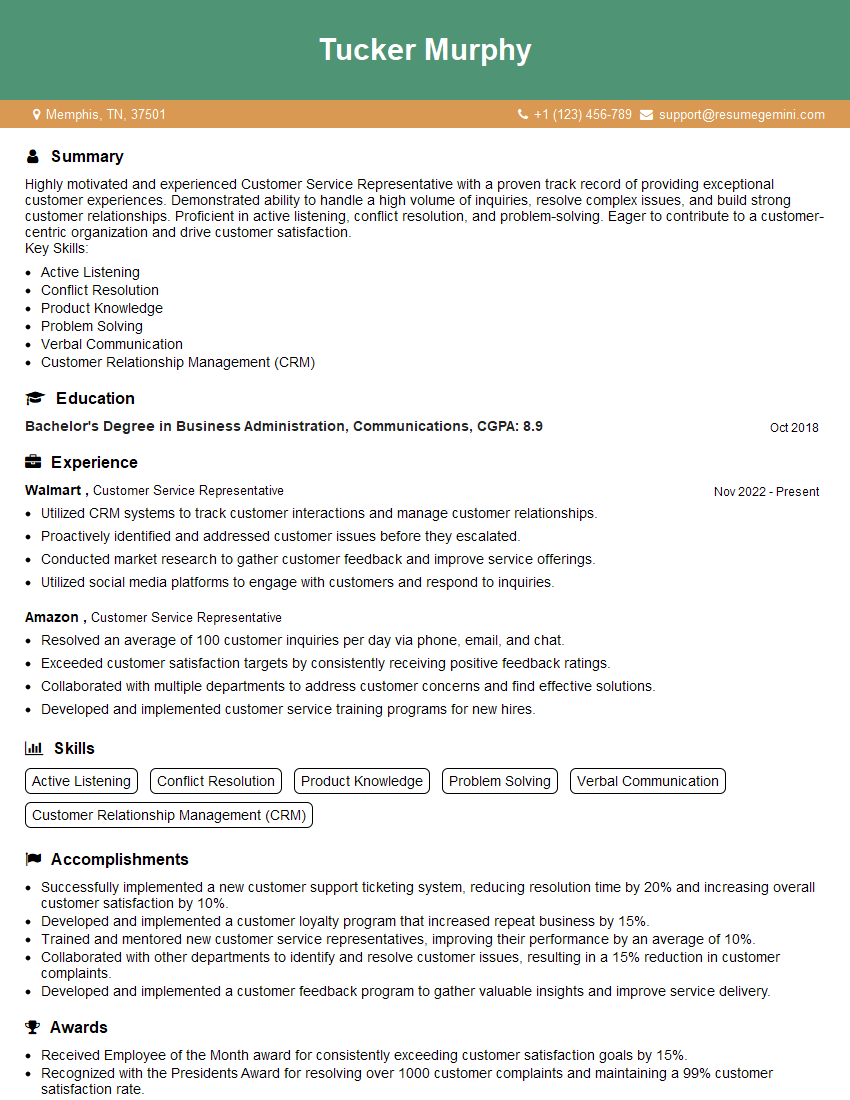
Customer Service Representative Resume Sample
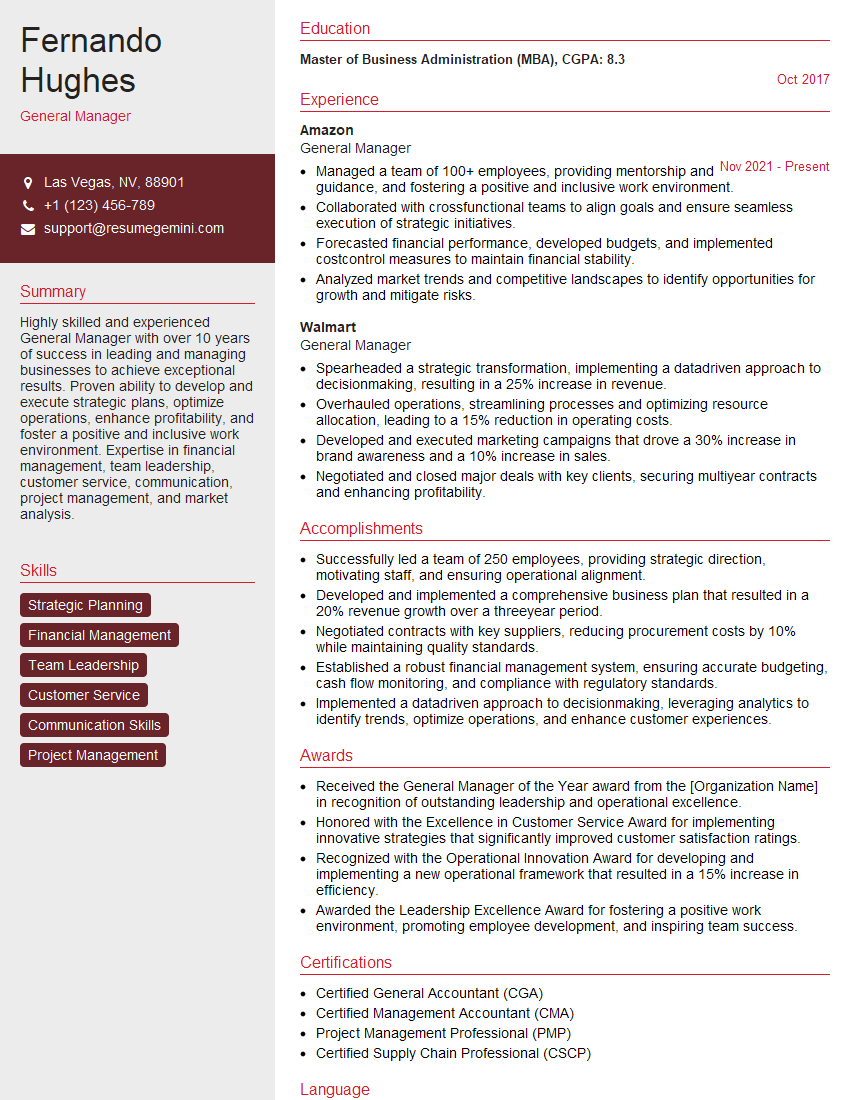
General Manager Resume Sample
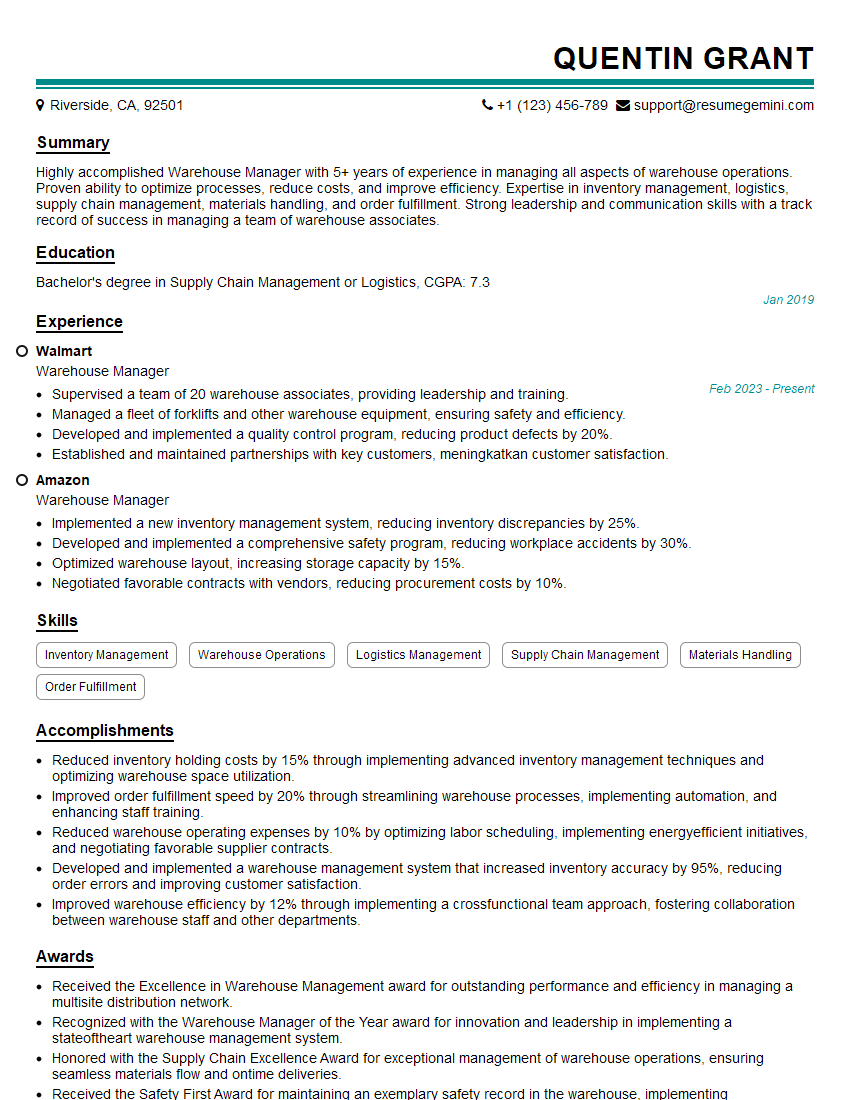
Warehouse Manager Resume Sample
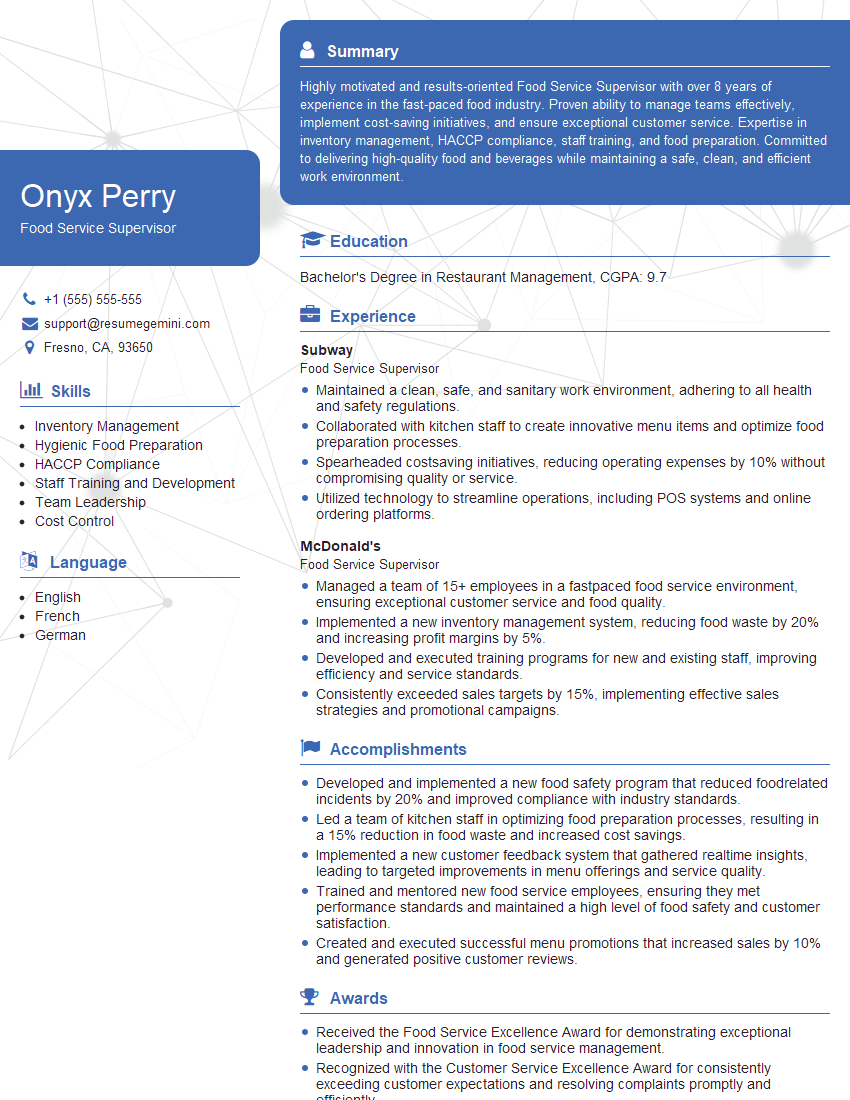
Food Service Supervisor Resume Sample
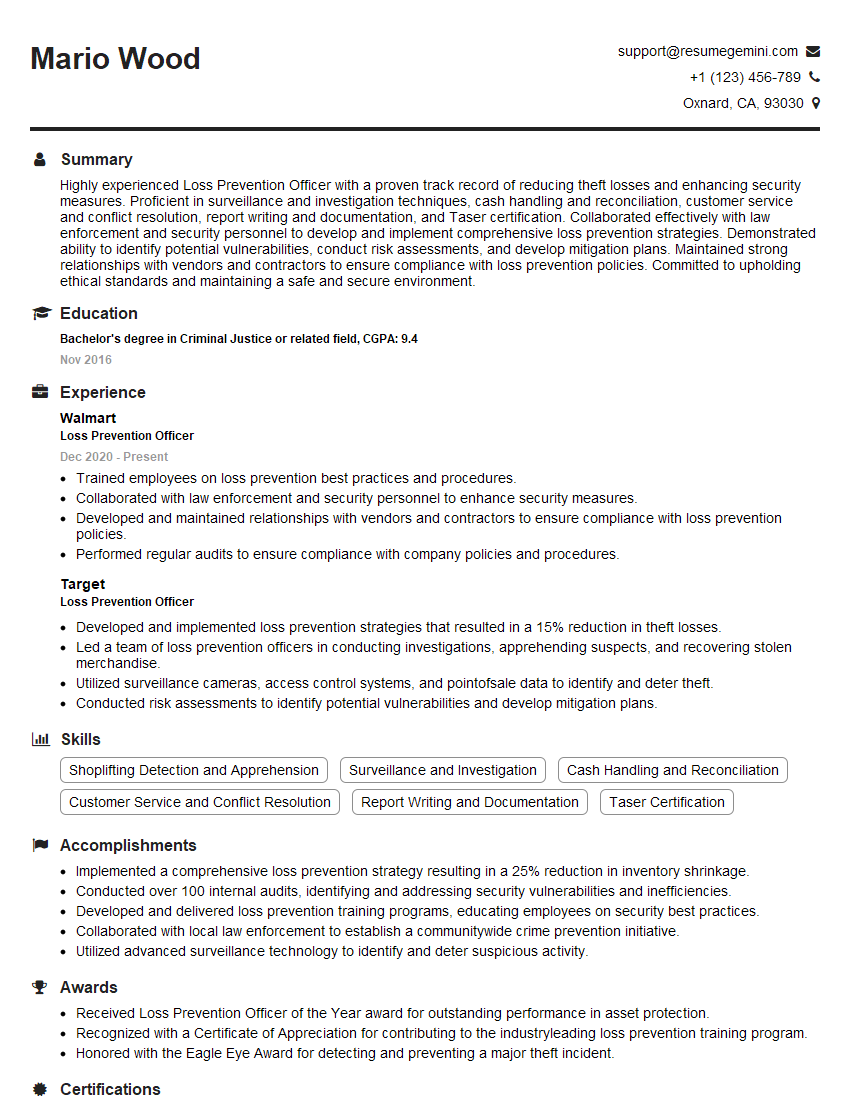
Loss Prevention Officer Resume Sample
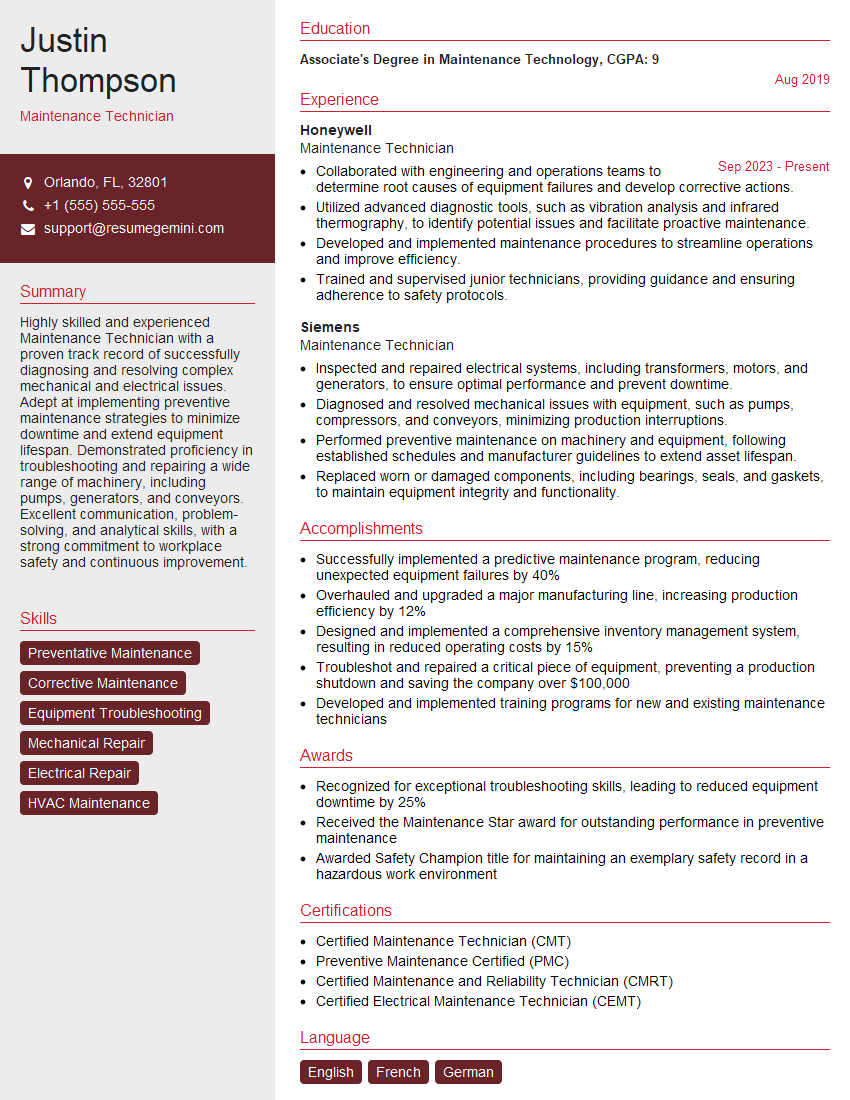
Maintenance Technician Resume Sample
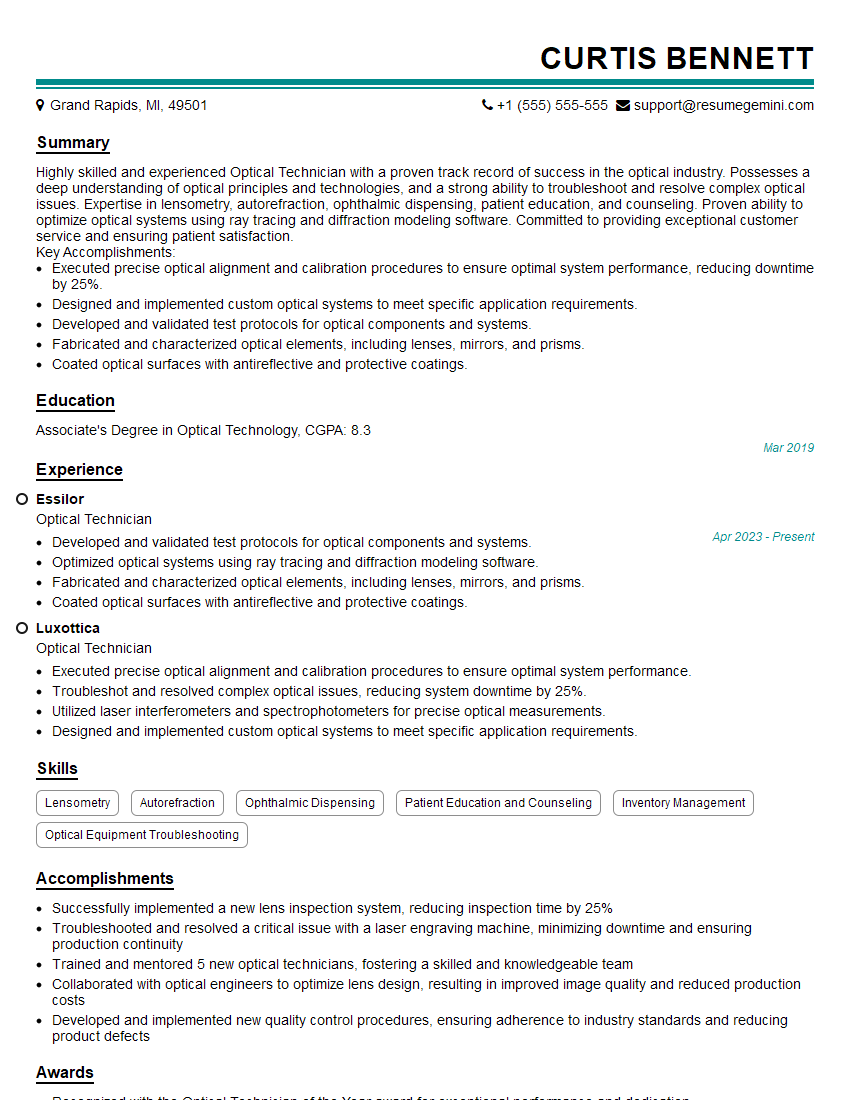
Optical Technician Resume Sample
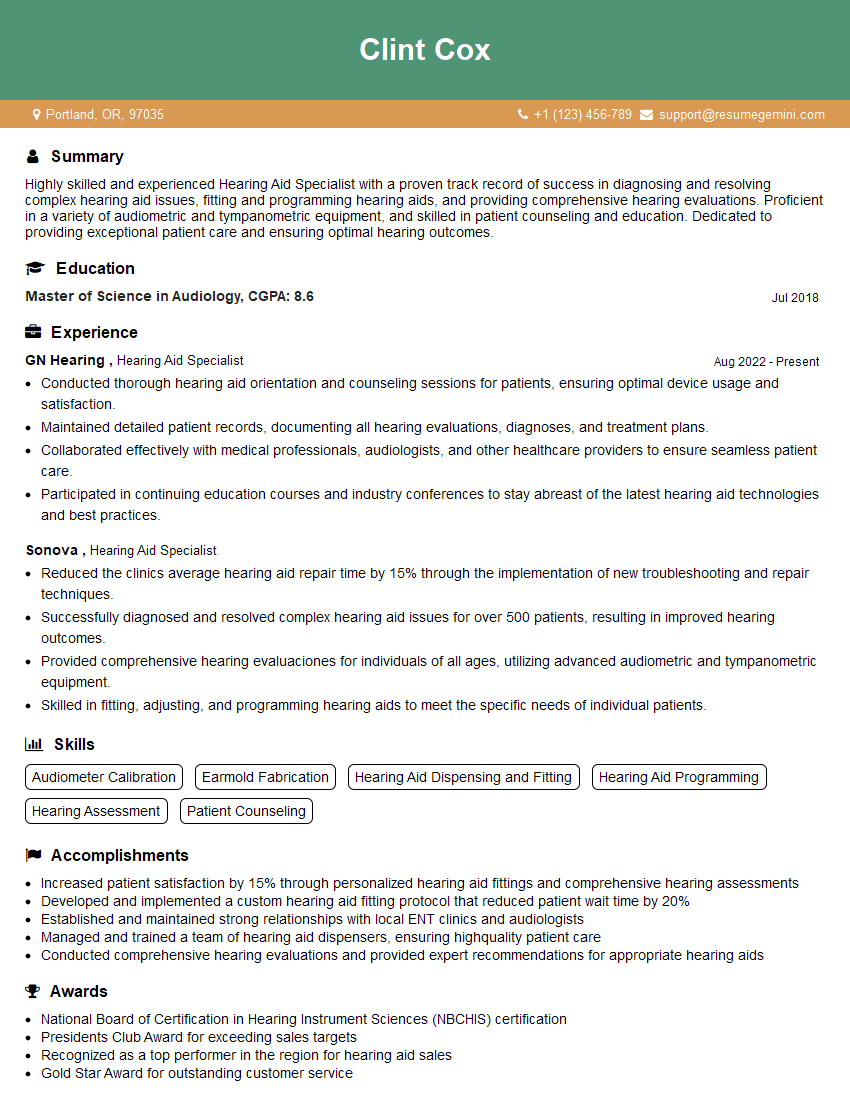
Hearing Aid Specialist Resume Sample
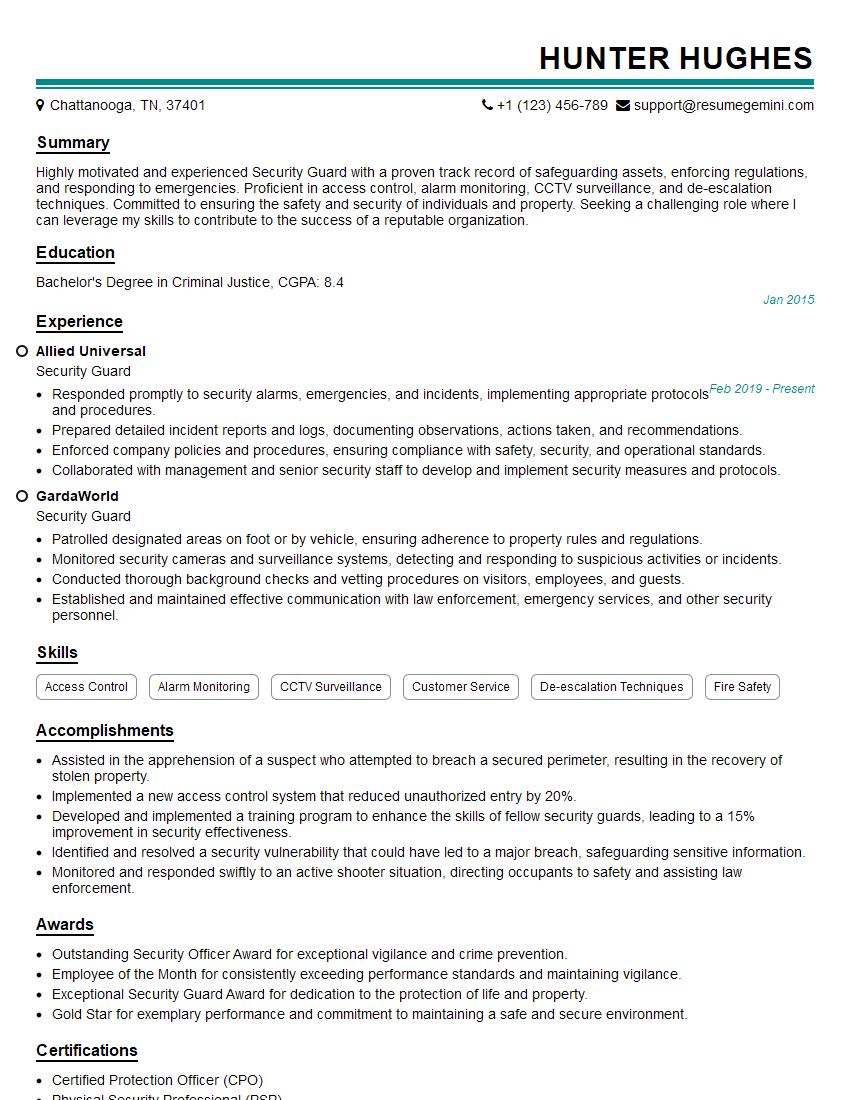
Security Guard Resume Sample
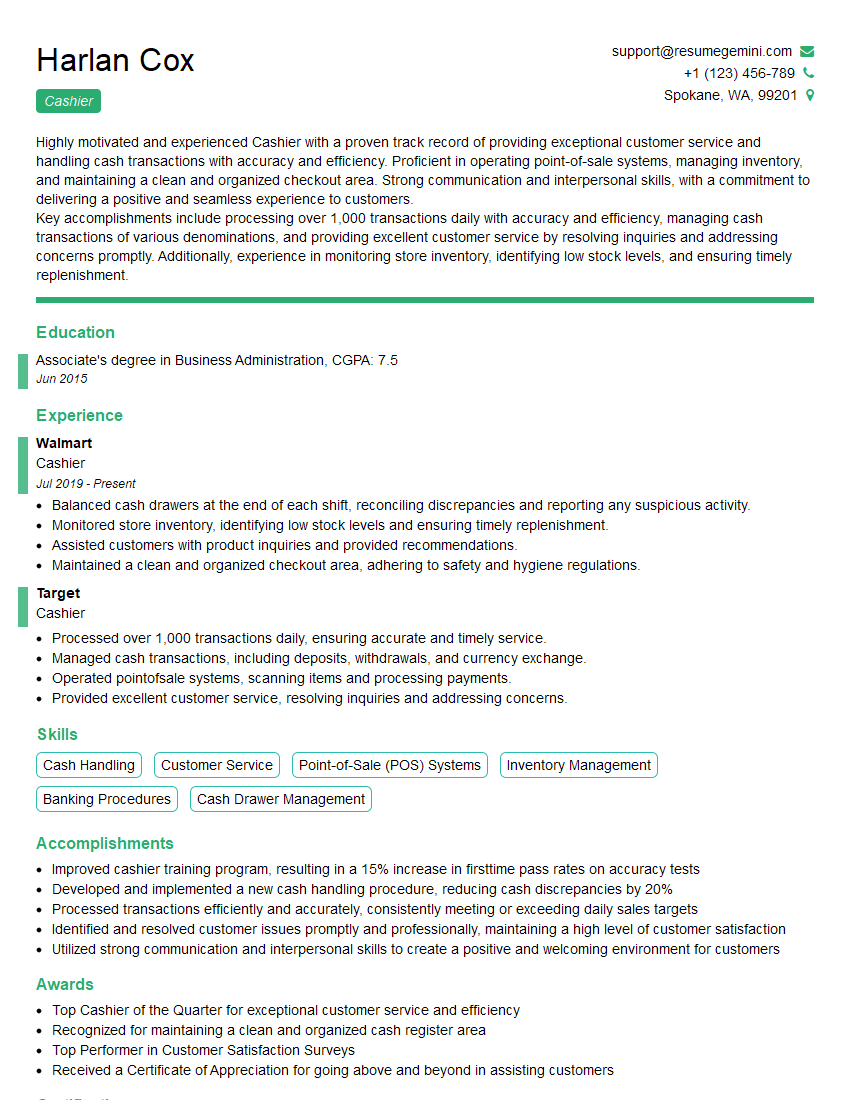
Cashier Resume Sample
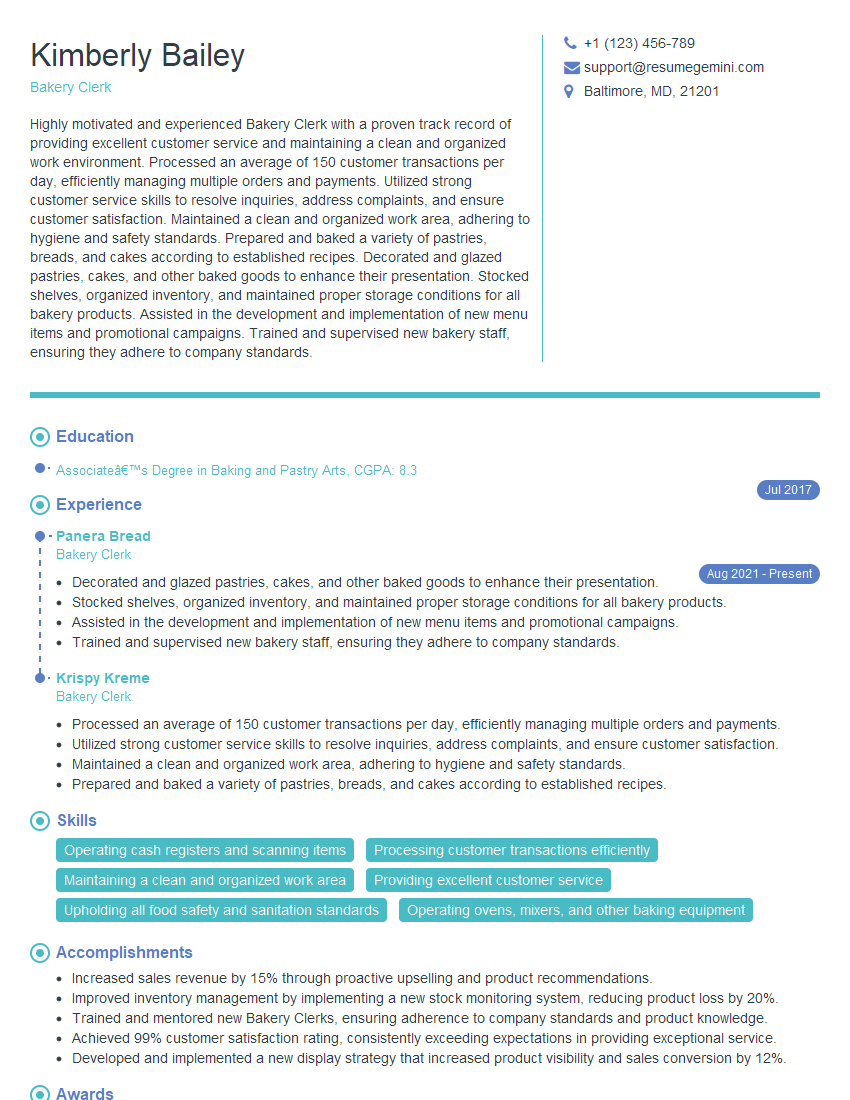
Bakery Clerk Resume Sample
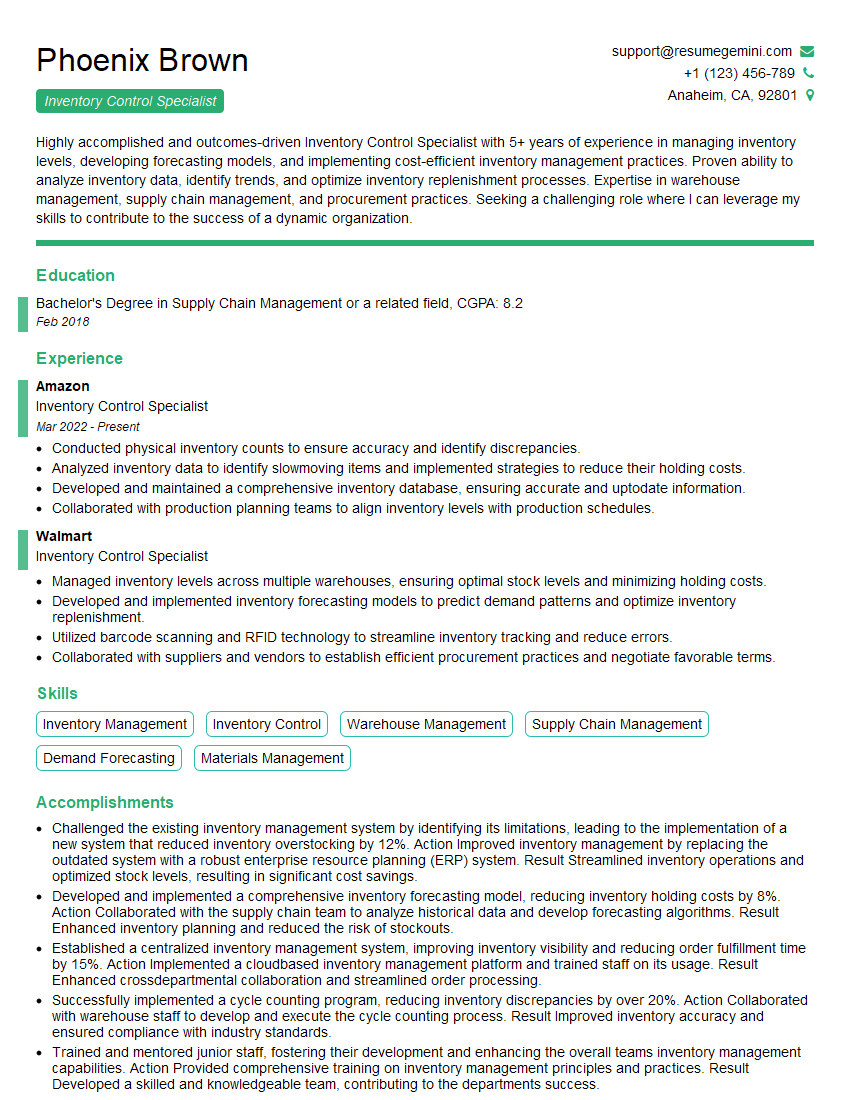
Inventory Control Specialist Resume Sample

Produce Clerk Resume Sample
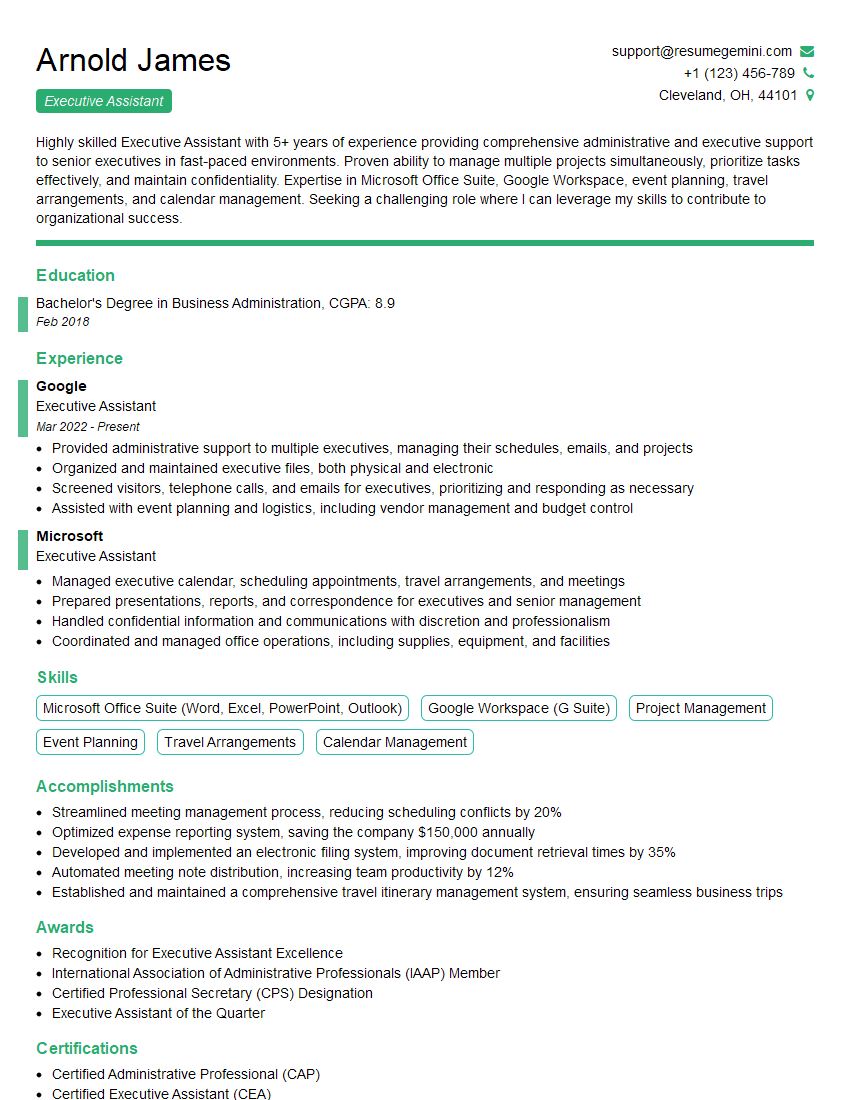
Executive Assistant Resume Sample
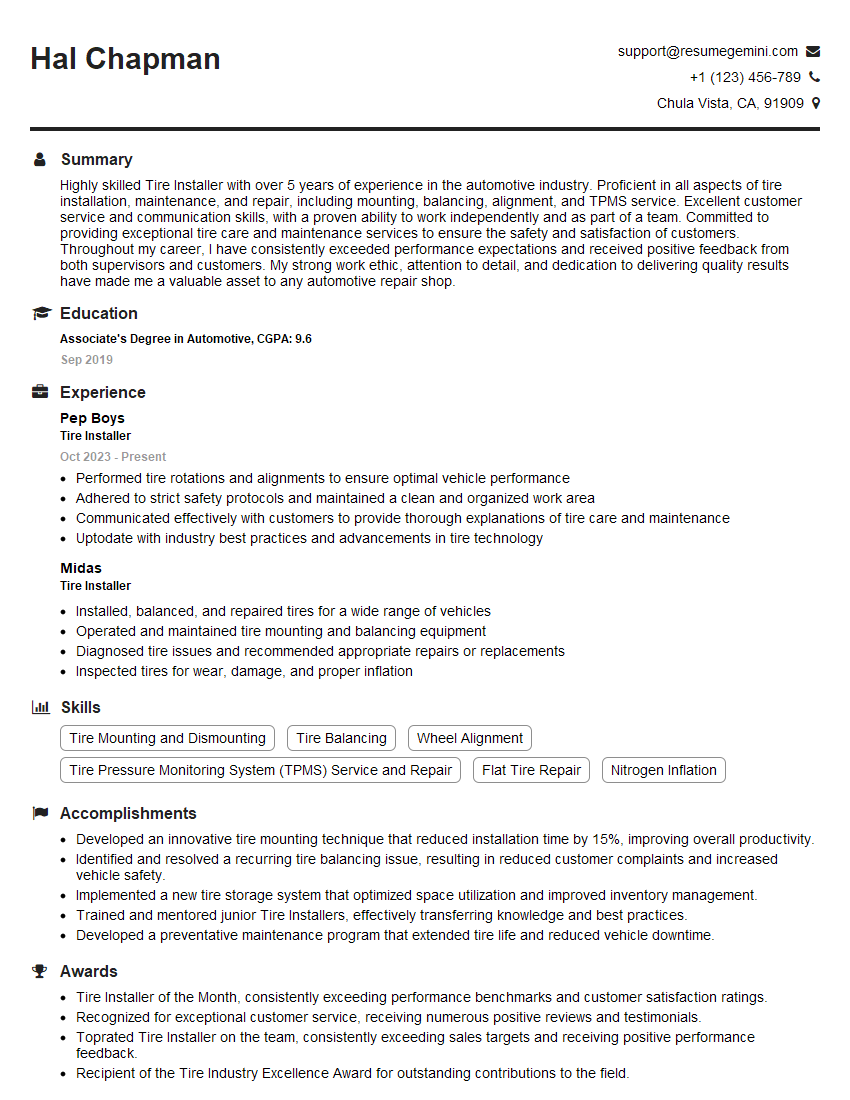
Tire Installer Resume Sample
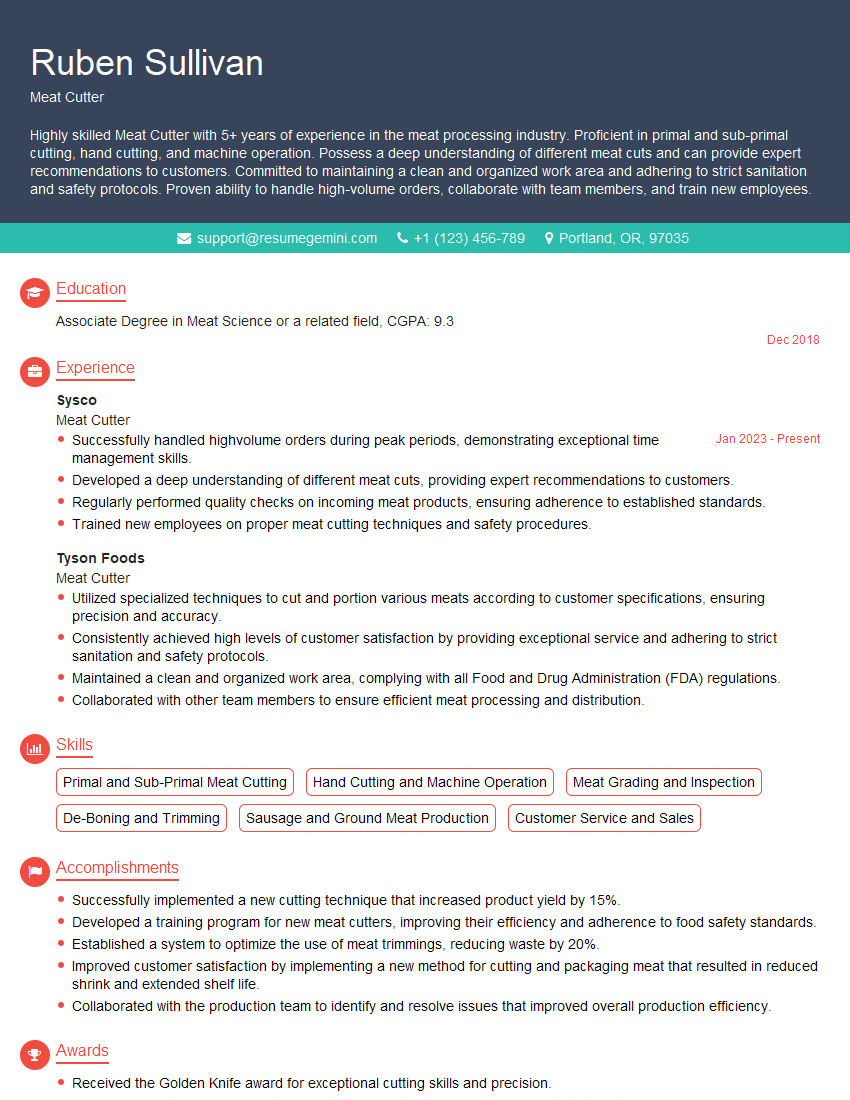
Meat Cutter Resume Sample
- Customer Service Representative
- General Manager
- Warehouse Manager
- Food Service Supervisor
- Loss Prevention Officer
- Maintenance Technician
- Optical Technician
- Hearing Aid Specialist
- Security Guard
- Cashier
- Bakery Clerk
- Inventory Control Specialist
- Produce Clerk
- Executive Assistant
- Tire Installer
- Meat Cutter
Explore more articles
Users Rating of Our Blogs
Share Your Experience
We value your feedback! Please rate our content and share your thoughts (optional).
What Readers Say About Our Blog
Very informative content, great job.
good