Unlock your full potential by mastering the most common CPSIA Consumer Product Safety Improvement Act interview questions. This blog offers a deep dive into the critical topics, ensuring you’re not only prepared to answer but to excel. With these insights, you’ll approach your interview with clarity and confidence.
Questions Asked in CPSIA Consumer Product Safety Improvement Act Interview
Q 1. Explain the key provisions of the CPSIA.
The Consumer Product Safety Improvement Act (CPSIA) of 2008 significantly overhauled children’s product safety regulations in the United States. Its core purpose is to protect children from hazardous products by establishing stricter standards for lead and other toxic substances, improving testing and certification processes, and enhancing the enforcement capabilities of the Consumer Product Safety Commission (CPSC).
- Mandated stricter lead limits: This dramatically reduced the allowable amount of lead in children’s products.
- Expanded product coverage: The act broadened the definition of ‘children’s products’ to include a wider range of items.
- Improved tracking and record-keeping requirements: Manufacturers and importers are required to maintain detailed records of testing and certification.
- Strengthened CPSC enforcement powers: The CPSC gained more authority to recall dangerous products and impose penalties.
- Introduced the Children’s Product Certificate (CPC): This certification demonstrates compliance with CPSIA requirements.
Think of it like this: before CPSIA, the safety net for children’s products was somewhat loose. CPSIA tightened that net considerably, creating a more secure environment for children.
Q 2. What are the requirements for lead content in children’s products under CPSIA?
The CPSIA sets extremely low limits for lead content in children’s products. The allowable lead content is generally 100 parts per million (ppm) in the total amount of paint and surface coatings for children’s products and 300 ppm for other components (with some exceptions). This means that only minuscule amounts of lead are permitted. Exceeding these limits can result in significant penalties for manufacturers and importers.
For example, a toy painted with a lead-containing paint exceeding the 100 ppm threshold would be considered non-compliant and subject to recall. The stricter limits are a direct reflection of the serious health risks associated with even low levels of lead exposure in children.
Q 3. Describe the role of the CPSC in enforcing the CPSIA.
The CPSC plays a crucial role in enforcing the CPSIA. Their responsibilities include developing and enforcing safety standards, testing products, investigating incidents, issuing recalls, and imposing penalties on those who violate the law. They act as the primary watchdog, ensuring that manufacturers and importers are complying with the regulations.
- Setting safety standards: The CPSC establishes and updates safety standards for children’s products.
- Testing and investigation: They conduct testing to ensure compliance and investigate reports of hazardous products.
- Recalls and enforcement actions: The CPSC has the authority to order recalls and impose fines or other penalties.
- Public education: They educate consumers about product safety and CPSIA requirements.
Think of the CPSC as the ‘safety police’ for children’s products. They investigate reports of hazards, issue recalls, and work to prevent future incidents.
Q 4. How does the CPSIA impact product design and manufacturing?
The CPSIA has profoundly impacted product design and manufacturing. Manufacturers must now design products with lead and other hazardous substances in mind, implementing safer materials and manufacturing processes. This has led to innovations in materials science and manufacturing techniques, driving a shift towards more sustainable and safer products.
- Material selection: Manufacturers must carefully select materials that comply with lead and other chemical limits.
- Manufacturing processes: Processes must be carefully controlled to prevent lead contamination.
- Testing and quality control: Robust testing and quality control systems are essential to ensure compliance.
- Supply chain management: Manufacturers need to manage their supply chains carefully to ensure that all components meet CPSIA requirements.
For instance, a toy manufacturer might switch from lead-based paint to a safer alternative or invest in new testing equipment to ensure compliance. This added cost is a necessary investment for ethical and legal compliance.
Q 5. What are the different types of testing required for CPSIA compliance?
CPSIA compliance requires various types of testing, focusing primarily on the presence of lead and other regulated substances. The specific tests depend on the product and its components. Common tests include:
- Lead testing: This involves analyzing various parts of the product to determine their lead content using methods like X-ray fluorescence (XRF) spectrometry.
- Phthalate testing: Tests to determine the presence of banned phthalates in plastic components.
- Chemical testing: Testing for other regulated substances, depending on the product.
- Mechanical and physical testing: Tests to ensure that the product is structurally sound and meets safety standards (e.g., small parts testing to prevent choking hazards).
Imagine a toy car: it might need lead testing on its paint, phthalate testing on its plastic wheels, and small parts testing to verify that the wheels cannot easily detach and pose a choking hazard.
Q 6. Explain the importance of tracking and record-keeping for CPSIA compliance.
Tracking and record-keeping are paramount for CPSIA compliance. Manufacturers and importers must maintain detailed records to demonstrate compliance to the CPSC during audits or investigations. This includes keeping records of testing results, certificates of compliance, and details of the supply chain.
- Testing records: Documentation of all testing conducted, including dates, methods, and results.
- Certificates of compliance: Copies of certificates showing compliance with relevant safety standards.
- Supplier information: Records of all suppliers and their certifications.
- Product information: Detailed information about the product, including materials used and manufacturing processes.
Thorough record-keeping serves as proof of compliance, enabling quick responses to CPSC inquiries and reducing the risk of costly recalls or penalties. It’s a fundamental aspect of responsible manufacturing.
Q 7. Describe the process for obtaining a Children’s Product Certificate (CPC).
The process of obtaining a Children’s Product Certificate (CPC) varies depending on the testing laboratory and certification body used. Generally, it involves the following steps:
- Product testing: The product must undergo testing by a CPSC-accepted laboratory to verify its compliance with CPSIA requirements.
- Report preparation: The laboratory prepares a detailed test report documenting the results.
- CPC application: The manufacturer or importer submits an application to a CPSC-accepted third-party certification body, including the test reports and other necessary documentation.
- Certification review: The certification body reviews the application and test results.
- CPC issuance: If the product meets the requirements, the certification body issues the CPC.
The CPC serves as proof of compliance and helps ensure that the product meets the necessary safety standards. It’s a crucial component in establishing trust with consumers and regulators.
Q 8. What are the penalties for non-compliance with the CPSIA?
Penalties for CPSIA non-compliance can be severe and significantly impact a company’s bottom line. They range from relatively minor warning letters to substantial financial penalties and even criminal prosecution.
- Civil Penalties: The Consumer Product Safety Commission (CPSC) can issue significant civil penalties for each violation. The amount depends on factors such as the severity of the violation, the company’s history of compliance, and the number of affected products. These penalties can reach hundreds of thousands, or even millions, of dollars.
- Product Recalls: Non-compliance often leads to mandatory product recalls, which are incredibly costly. The company must pay for the retrieval, replacement, or repair of the recalled products, along with the associated legal and administrative fees.
- Import Detention: Products failing to meet CPSIA requirements can be detained at the US border, preventing them from entering the market. This delays product launches and causes significant disruptions to supply chains.
- Criminal Prosecution: In cases of intentional violations or egregious disregard for safety standards, the CPSC can refer cases to the Department of Justice for criminal prosecution. This can result in hefty fines and even jail time.
- Reputational Damage: Negative publicity associated with CPSIA violations can severely damage a company’s reputation, leading to lost sales and decreased consumer trust. This can have long-term consequences for the business.
Imagine a toy company unknowingly using paint with excessive lead. A subsequent CPSC investigation could lead to a product recall, substantial fines, and reputational harm, potentially putting the company’s future at risk.
Q 9. How does the CPSIA address the issue of third-party manufacturing?
The CPSIA recognizes that many companies utilize third-party manufacturers. To address this, it places significant responsibility on companies to ensure that their products comply with the law, regardless of where they’re manufactured. This is often referred to as ‘due diligence’.
- Testing and Certification: Companies are responsible for testing their products, including those manufactured by third parties, to ensure compliance with CPSIA standards. This may include independent testing labs to verify the absence of lead and other restricted substances.
- Contractual Obligations: Companies must include clear clauses in their contracts with third-party manufacturers outlining CPSIA compliance requirements. These contracts should specify that the manufacturer is responsible for meeting the safety standards and providing necessary documentation.
- Supplier Audits: Regular audits of third-party manufacturers’ facilities and processes can help companies monitor compliance and identify potential problems early. This proactive approach minimizes risk.
- Record Keeping: Detailed records of testing results, certifications, and supplier communications are crucial for demonstrating compliance in case of an investigation. These records need to be easily accessible and well-organized.
For example, a US company sourcing toys from China must ensure their contract clearly states CPSIA compliance, conduct regular audits of the Chinese factory, and independently verify test results to avoid potential liabilities.
Q 10. Explain the concept of ‘general conformity’ under the CPSIA.
‘General Conformity’ under the CPSIA means that a product substantially meets all applicable requirements of the act. It’s not about perfect adherence to every minute detail, but rather a holistic assessment of the product’s overall safety and compliance.
Think of it like this: a product might have a slightly higher lead concentration than the permitted limit in a tiny, insignificant part, but the overall risk is negligible. In such cases, the CPSC may consider the product to be in ‘general conformity’.
However, it’s crucial to understand that ‘general conformity’ isn’t a loophole. It’s determined on a case-by-case basis and requires a thorough assessment of the product’s design, manufacturing, and testing. The CPSC looks at the totality of circumstances to see if the product poses a substantial risk to children’s health and safety.
Demonstrating general conformity often involves providing detailed testing reports, explaining any minor deviations, and justifying why those deviations don’t pose a significant hazard.
Q 11. How does the CPSIA define a ‘children’s product’?
The CPSIA defines a ‘children’s product’ as any product designed or intended primarily for children aged 12 years and younger. This definition is quite broad and encompasses a vast range of items.
Key considerations for determining whether a product is a children’s product include:
- Intended Use: Is the product marketed or advertised toward children?
- Physical Characteristics: Does the product’s size, shape, or design make it attractive or accessible to young children?
- Functionality: Is the product’s primary function intended for children’s play or use?
For example, a toy car clearly falls under this definition. However, certain products may not be as straightforward. A small, decorative item intended for adult use but which is small enough to be swallowed by a toddler would likely still be considered a children’s product under the CPSIA due to its potential for harm.
Q 12. What are the requirements for labeling under the CPSIA?
The CPSIA has specific labeling requirements for children’s products. These requirements ensure that consumers are fully informed about the product’s safety and compliance status.
- Tracking Label: A tracking label is crucial for identification and traceability. It should uniquely identify the product and manufacturer, making it easier to handle recalls if necessary. The information should be permanent and clearly visible.
- Compliance Certification: The label should clearly state that the product complies with the CPSIA, often including the name and address of the responsible party.
- Material Declaration: For some products, including children’s toys, there are requirements to specify the materials used in manufacturing. This is especially important for regulated substances.
- Country of Origin: The country where the product was manufactured must be clearly indicated on the label.
- Care Instructions: If applicable, the label should include clear care instructions to maintain the product’s safety and prevent hazards.
Failure to provide the required labeling can lead to significant penalties, emphasizing the importance of accurate and comprehensive labeling. A simple example would be a toy missing a tracking label, making it impossible to identify if a recall is necessary.
Q 13. Explain the differences between testing for lead content and other regulated substances.
While both lead content and other regulated substances are tested under the CPSIA, the approach and testing methodologies differ.
- Lead: Lead testing is particularly stringent because of its significant toxicity. The CPSIA has specific limits on lead content in children’s products, and testing is usually conducted using sophisticated techniques such as X-ray fluorescence (XRF) or Inductively Coupled Plasma Mass Spectrometry (ICP-MS) to ensure accurate and reliable results. The focus is on total lead content and paint chips.
- Other Regulated Substances: Other regulated substances, such as phthalates or certain heavy metals, also have specific limits under the CPSIA. The methods for testing these substances vary depending on the substance and the product’s composition. It often involves extracting the substance from the product and analyzing its concentration using techniques like Gas Chromatography-Mass Spectrometry (GC-MS) or High-Performance Liquid Chromatography (HPLC). In this case, the testing is tailored to the specific substance, its characteristics, and potential migration into the product.
The key difference lies in the focus: lead testing is highly prioritized and uses stricter methodologies due to its known toxicity. Testing for other regulated substances follows a similar process of compliance, but the specific methodology adapts to the properties of the individual substance.
Q 14. How do you identify potential CPSIA violations in a product?
Identifying potential CPSIA violations requires a multi-faceted approach combining careful examination and testing.
- Product Review: Begin by carefully reviewing the product’s design, materials, and intended use. Look for materials that are known to contain lead or other regulated substances. Identify the target age group to determine if it aligns with the CPSIA definition of a children’s product.
- Material Testing: Conduct thorough testing of the product’s components to determine the presence and concentration of lead and other regulated substances. Use accredited labs that are familiar with CPSIA requirements and testing methods.
- Labeling Check: Verify if all required labeling elements are present, accurate, and clearly visible. This includes tracking labels, compliance certifications, country of origin, and care instructions.
- Supplier Verification: Examine documentation from suppliers to verify the safety of materials used. This is crucial for managing risk in third-party manufacturing scenarios. Ensure suppliers understand and comply with CPSIA requirements.
- CPSC Resources: Utilize the CPSC website and resources to stay updated on the latest regulations and guidance. This proactive approach helps in avoiding unintentional non-compliance.
For example, if a toy uses a certain type of paint frequently found to contain lead, that would trigger further investigation and testing. Similarly, if a children’s product lacks the necessary tracking label, it would indicate a potential violation.
Q 15. Describe your experience with developing and implementing CPSIA compliance programs.
Developing and implementing a CPSIA compliance program involves a multi-faceted approach that begins with a thorough understanding of the act itself and extends to every stage of product development and distribution. It’s not just about ticking boxes; it’s about building a culture of safety.
My experience includes leading teams in conducting comprehensive risk assessments to identify potential hazards in children’s products. This includes scrutinizing materials, manufacturing processes, and product designs. We then develop and implement strategies to mitigate these risks, from choosing compliant materials and utilizing safe manufacturing techniques to implementing rigorous testing and quality control procedures. I’ve been directly involved in creating detailed compliance documentation, including test plans, material specifications, and Certificates of Compliance (COCs). This documentation is crucial not only for internal compliance but also for demonstrating our commitment to safety to retailers and regulatory bodies.
For example, in one project, I worked with a toy manufacturer to transition their product line from using lead-containing paint to a completely lead-free alternative. This involved extensive research into compliant materials, supplier audits, and retesting to ensure compliance post-transition. The result was a safer product and a strengthened reputation for the company.
Career Expert Tips:
- Ace those interviews! Prepare effectively by reviewing the Top 50 Most Common Interview Questions on ResumeGemini.
- Navigate your job search with confidence! Explore a wide range of Career Tips on ResumeGemini. Learn about common challenges and recommendations to overcome them.
- Craft the perfect resume! Master the Art of Resume Writing with ResumeGemini’s guide. Showcase your unique qualifications and achievements effectively.
- Don’t miss out on holiday savings! Build your dream resume with ResumeGemini’s ATS optimized templates.
Q 16. How do you stay updated on changes and amendments to the CPSIA?
Staying abreast of CPSIA changes requires a proactive and multi-pronged approach. The law is dynamic, so passive learning won’t suffice. I regularly consult official government resources, such as the Consumer Product Safety Commission (CPSC) website, for updates on rule changes, enforcement actions, and newly identified hazards. This includes subscribing to their newsletters and announcements. I also actively participate in industry conferences, webinars, and workshops specifically focused on CPSIA compliance. These events offer invaluable opportunities to network with other professionals and learn from leading experts. Finally, I maintain subscriptions to relevant industry publications and journals which often provide in-depth analysis of regulatory developments.
Think of it like being a doctor – you wouldn’t rely solely on textbooks; you’d also attend conferences, consult journals, and engage in continuous professional development. The same applies to CPSIA compliance – continuous learning is essential.
Q 17. Describe a situation where you had to address a CPSIA compliance issue.
In one instance, we discovered that a batch of children’s jewelry contained higher-than-allowable levels of lead in the paint. This was detected during routine internal testing. Immediately, we initiated a recall procedure. This involved quickly identifying the affected product, notifying retailers and distributors, and working with the CPSC to ensure a smooth and efficient recall process. We also performed root cause analysis to understand the failure, correcting the supplier’s processes, and implementing stricter quality control measures to prevent future occurrences. Transparency with the CPSC and consumers was paramount. The experience highlighted the importance of robust testing protocols and a well-defined recall plan.
The situation underscored that compliance isn’t a one-time event; it’s an ongoing process of vigilance, quality control, and proactive risk management.
Q 18. How would you handle a situation where a product fails to meet CPSIA standards?
If a product fails to meet CPSIA standards, immediate action is crucial. The response should be swift, decisive, and transparent. The first step is to immediately cease production and distribution of the non-compliant product. Next, a thorough investigation is conducted to pinpoint the source of the non-compliance. This might involve reviewing raw materials, manufacturing processes, and testing procedures. Once the root cause is identified, corrective actions are implemented. This might involve redesigning the product, switching suppliers, or improving manufacturing techniques.
Depending on the severity of the non-compliance, a recall may be necessary. If a recall is required, we would collaborate with the CPSC to ensure a smooth and efficient process. This includes notifying consumers and retailers, providing instructions for returning the product, and offering refunds or replacements. Throughout the entire process, detailed documentation is maintained for auditing and future reference. Open communication with the CPSC and consumers is vital to maintaining trust and ensuring consumer safety.
Q 19. What is your understanding of the role of accredited testing laboratories in CPSIA compliance?
Accredited testing laboratories play a vital role in ensuring CPSIA compliance. They are independent third-party organizations that provide objective and verifiable testing results. These labs are accredited by organizations like the American Association for Laboratory Accreditation (A2LA), ensuring they meet specific standards for competence and impartiality. Using an accredited lab provides a significant layer of credibility and strengthens a company’s ability to demonstrate compliance to regulators and consumers. The CPSC often relies on the findings of accredited laboratories during investigations and enforcement actions.
Think of it like getting a second opinion from a specialist doctor – you’re seeking an independent and expert assessment. Accredited labs offer that same level of assurance when it comes to product safety.
Q 20. How do you ensure the accuracy and reliability of testing results?
Ensuring accurate and reliable testing results requires a meticulous and multi-layered approach. First, selecting a reputable and accredited testing laboratory is paramount. We verify their accreditation status and review their credentials. Next, we develop detailed test plans that accurately reflect the relevant CPSIA requirements for the product being tested. Sampling is critical; ensuring a representative sample is crucial for accurate results. We maintain detailed chain of custody documentation for every sample. Finally, we review the laboratory’s report carefully, paying close attention to methodology, data analysis, and the overall interpretation of the findings. Any discrepancies or questions are addressed directly with the lab.
Regular audits of the testing process, including the lab’s procedures and our own internal processes, ensure consistent accuracy and reliability. It’s about building a system of checks and balances, minimizing errors, and maintaining the highest standards of quality control.
Q 21. What strategies do you employ to mitigate CPSIA-related risks in the supply chain?
Mitigating CPSIA risks in the supply chain is a collaborative effort that begins with carefully selecting and vetting suppliers. We conduct thorough due diligence on potential suppliers, assessing their compliance programs, quality control procedures, and testing capabilities. This includes requesting certifications and verification of compliance from our suppliers. We also implement robust supplier management systems that allow us to monitor their performance and identify potential compliance issues early on. Regular communication and collaboration are crucial, helping us work proactively with suppliers to address any emerging concerns.
Furthermore, we integrate CPSIA compliance into all stages of our supply chain, starting with material selection and extending to manufacturing, packaging, and distribution. This includes regular audits and inspections to ensure consistent compliance. By embedding CPSIA compliance into our entire supply chain, we effectively reduce risks and prevent potential issues before they arise. Think of it as a holistic approach, where everyone works together to maintain a strong safety net.
Q 22. Explain your experience with CPSIA audits and inspections.
My experience with CPSIA audits and inspections spans over a decade, encompassing various roles from manufacturing to quality assurance. I’ve directly participated in numerous internal audits, preparing documentation, conducting mock inspections, and identifying areas needing improvement. I’ve also overseen external audits by third-party certification bodies, ensuring full transparency and proactive collaboration with auditors. This hands-on experience has provided me with a deep understanding of the intricacies of the CPSIA, including the requirements for different product categories and the methods for demonstrating compliance. For example, in one instance, we discovered a minor discrepancy in the labeling of a toy during an internal audit. This allowed us to proactively address the issue before the external audit, preventing potential delays and penalties. My approach always involves a thorough review of all relevant documentation, testing records, and manufacturing processes.
I understand the importance of meticulous record-keeping and the need to proactively identify and rectify any potential non-compliance issues before they escalate. This proactive approach is key to ensuring successful audits and maintaining a robust CPSIA compliance program.
Q 23. How do you communicate CPSIA compliance information to stakeholders?
Communicating CPSIA compliance information to stakeholders requires a clear, concise, and tailored approach. I typically use multiple channels and methods to ensure everyone, from management and production teams to suppliers and customers, is adequately informed. This includes:
- Regular reports: Summarizing compliance status, audit findings, and any corrective actions taken.
- Interactive training sessions: Offering hands-on workshops and Q&A sessions to address specific concerns and improve comprehension.
- Visual aids: Utilizing charts, graphs, and infographics to simplify complex information and make it easily understandable.
- Dedicated compliance portal: Providing a centralized platform for accessing relevant documentation, updates, and training materials.
- Supplier communication: Collaborating closely with suppliers to establish clear expectations and ensure that their materials and processes meet CPSIA requirements.
For example, following a successful audit, I’ll prepare a concise report highlighting key findings and their implications. Then, I’ll host a company-wide meeting to share this information and answer questions, ensuring transparency and maintaining a collaborative approach to compliance.
Q 24. What is your approach to training employees on CPSIA requirements?
My employee training program on CPSIA requirements utilizes a multi-faceted approach to ensure understanding and retention. I begin with a comprehensive overview of the act, explaining its purpose, key regulations, and the potential consequences of non-compliance. Then, I break down the specific requirements relevant to each employee’s role. This approach involves:
- Modular training: Breaking down training into manageable modules, focusing on specific areas and job functions.
- Interactive exercises: Including practical scenarios and quizzes to ensure comprehension and application of knowledge.
- Regular refresher courses: Providing ongoing training to keep employees updated on changes to regulations and best practices.
- On-the-job training: Observing and guiding employees in applying CPSIA requirements in their daily tasks.
- Documentation and record-keeping: Maintaining comprehensive records of training activities, including attendance lists and evaluation results.
For example, our production team receives specific training on the proper handling and labeling of materials containing lead, while our quality control team receives detailed training on conducting thorough inspections and testing to verify compliance. The training is tailored to the specific job function, ensuring practical relevance and effective knowledge transfer.
Q 25. Describe your familiarity with the different types of CPSIA certifications.
My familiarity with CPSIA certifications is extensive. While the CPSIA itself doesn’t mandate specific certifications, many manufacturers utilize third-party certifications to demonstrate compliance. These certifications often verify that a product or process meets specific requirements related to lead, phthalates, and other restricted substances. Some common certifications include:
- Third-party testing and certification: This involves independent laboratories testing products to verify compliance with CPSIA requirements.
- ISO 9001 (Quality Management System): Although not specifically a CPSIA certification, a robust quality management system is crucial for demonstrating compliance.
- Other industry-specific certifications: Some industries may have their own certifications that incorporate CPSIA requirements.
It’s crucial to remember that the presence of a certification doesn’t guarantee full compliance. A comprehensive internal compliance program and ongoing monitoring remain essential.
Q 26. How do you ensure that your company’s CPSIA compliance program is effective and efficient?
Ensuring an effective and efficient CPSIA compliance program requires a structured and proactive approach. I employ a multi-pronged strategy, focusing on:
- Risk assessment: Identifying potential risks and prioritizing compliance efforts based on the likelihood and severity of potential non-compliance issues.
- Regular audits: Conducting both internal and external audits to identify weaknesses and ensure compliance with regulations.
- Corrective actions: Developing and implementing corrective actions to address any identified non-compliance issues.
- Continuous improvement: Continuously monitoring and evaluating the effectiveness of the compliance program, making adjustments as needed.
- Documentation: Maintaining comprehensive documentation of all compliance activities, including test results, audit reports, and training records.
For instance, we use a risk-based approach to prioritize our inspections, focusing more attention on products with a higher likelihood of containing restricted substances. This allows us to allocate resources effectively and maintain a high level of compliance with minimal disruption to operations.
Q 27. What are some of the common challenges faced in achieving CPSIA compliance?
Achieving CPSIA compliance presents several challenges. Some of the most common include:
- Keeping up with evolving regulations: The CPSIA is constantly evolving, so staying abreast of the latest updates and amendments is vital.
- Supply chain management: Ensuring that all suppliers comply with CPSIA requirements can be challenging, requiring robust supplier management processes.
- Testing and certification costs: The costs associated with testing and certification can be significant, especially for small businesses.
- Labeling and documentation requirements: Meeting the complex labeling and documentation requirements can be time-consuming and requires meticulous attention to detail.
- Maintaining compliance across diverse product lines: Companies with diverse product lines may face unique challenges in ensuring compliance across all product categories.
One common challenge is managing the complexities of the supply chain. We mitigate this by working closely with suppliers, providing them with clear expectations and conducting regular audits of their facilities. This collaborative approach helps to ensure that the entire supply chain meets CPSIA requirements.
Q 28. How do you prioritize CPSIA compliance efforts in relation to other regulatory requirements?
Prioritizing CPSIA compliance alongside other regulatory requirements involves a careful balancing act. I typically use a risk-based approach, prioritizing regulations based on the potential severity of consequences and the likelihood of non-compliance. The CPSIA, given its potential for significant fines and reputational damage, often ranks highly in our priority list. However, I ensure a holistic approach, avoiding neglect of other essential regulations. This involves:
- Risk assessment: Conducting a thorough risk assessment to identify the potential risks associated with non-compliance with each regulation.
- Resource allocation: Allocating resources based on the relative risk associated with each regulation, prioritizing those with the highest potential for harm.
- Integration: Integrating CPSIA compliance activities into existing compliance programs wherever possible.
- Regular review: Regularly reviewing the prioritization of compliance efforts to adapt to changing circumstances.
For instance, we might prioritize addressing a critical CPSIA non-compliance issue over a minor violation of another regulation. This risk-based approach ensures that we effectively manage all regulatory requirements while focusing our resources on the most critical aspects.
Key Topics to Learn for CPSIA Consumer Product Safety Improvement Act Interview
- Lead Content: Understanding the core provisions of the CPSIA, including its purpose and scope. This includes knowing what types of products are covered and the age ranges affected.
- Testing & Certification: Familiarize yourself with the different testing methods and standards required for compliance, such as lead content testing and the role of third-party certification bodies.
- Tracking & Traceability: Grasp the importance of maintaining accurate records of product components and their origin to facilitate trace-back in case of safety issues. Discuss strategies for effective tracking.
- Labeling & Packaging Requirements: Understand the specific labeling requirements stipulated by the CPSIA, including warnings, certifications, and manufacturer information. Consider practical challenges in implementing these regulations.
- Enforcement & Penalties: Be aware of the potential penalties for non-compliance and the process involved in investigations and enforcement actions by the CPSC.
- Children’s Product Specifics: Explore the stricter requirements imposed on children’s products, particularly those intended for use by children aged 12 and under. Consider examples.
- Import/Export Implications: Understand the impact of CPSIA on the import and export of products, and the roles of various stakeholders in the supply chain.
- Changes and Amendments: Stay updated on any recent amendments or changes made to the CPSIA and their implications on compliance procedures.
- Problem-Solving Scenarios: Practice applying your CPSIA knowledge to hypothetical scenarios involving product recalls, compliance challenges, and supply chain disruptions.
Next Steps
Mastering the CPSIA is crucial for career advancement in product safety and compliance. A strong understanding of this legislation opens doors to specialized roles with increased responsibility and higher earning potential. To maximize your job prospects, creating a compelling and ATS-friendly resume is essential. ResumeGemini is a trusted resource that can help you craft a professional and effective resume that showcases your CPSIA expertise. We provide examples of resumes tailored specifically to CPSIA-focused roles to help you stand out from the competition.
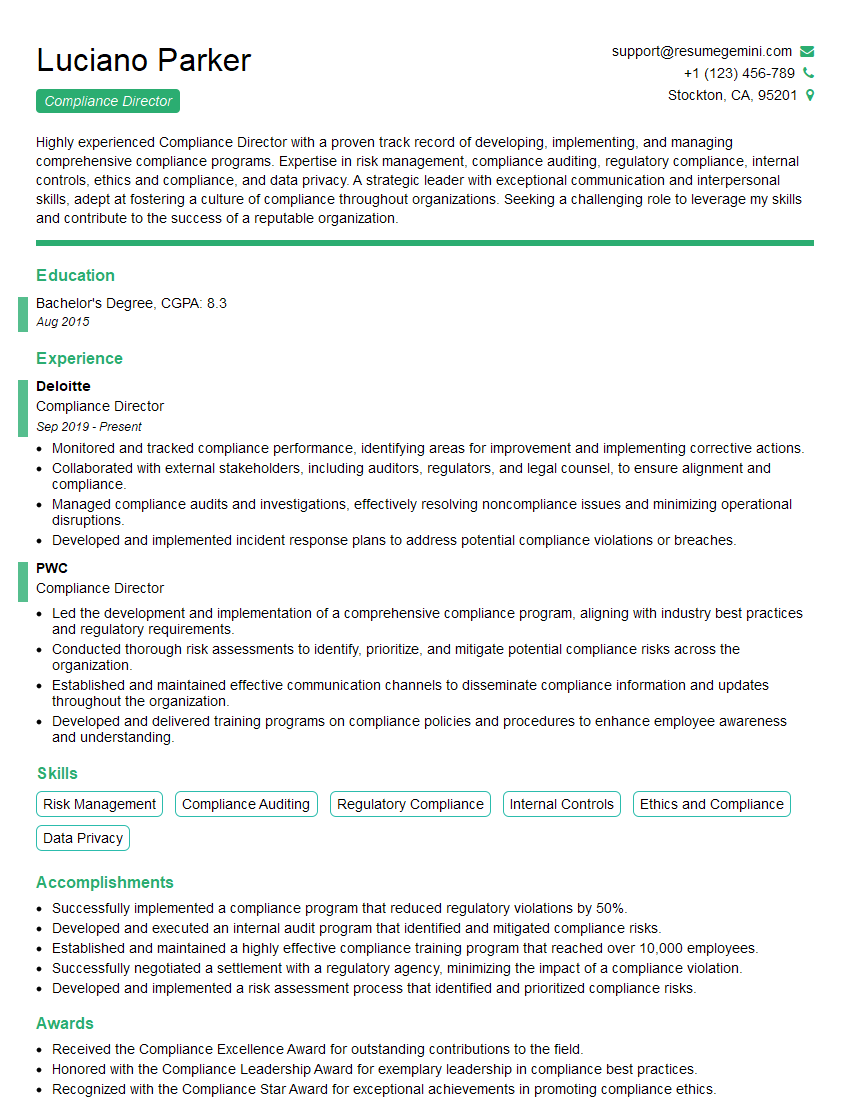
Compliance Director Resume Sample
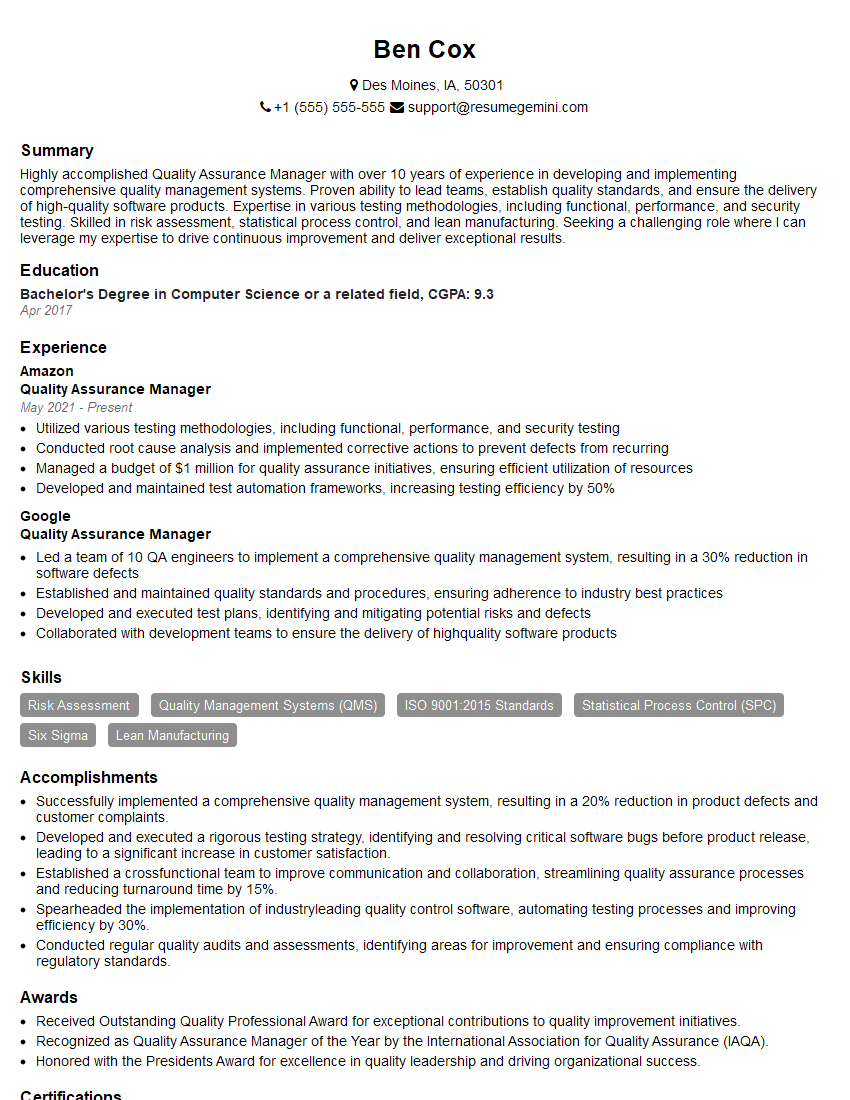
Quality Assurance Manager Resume Sample
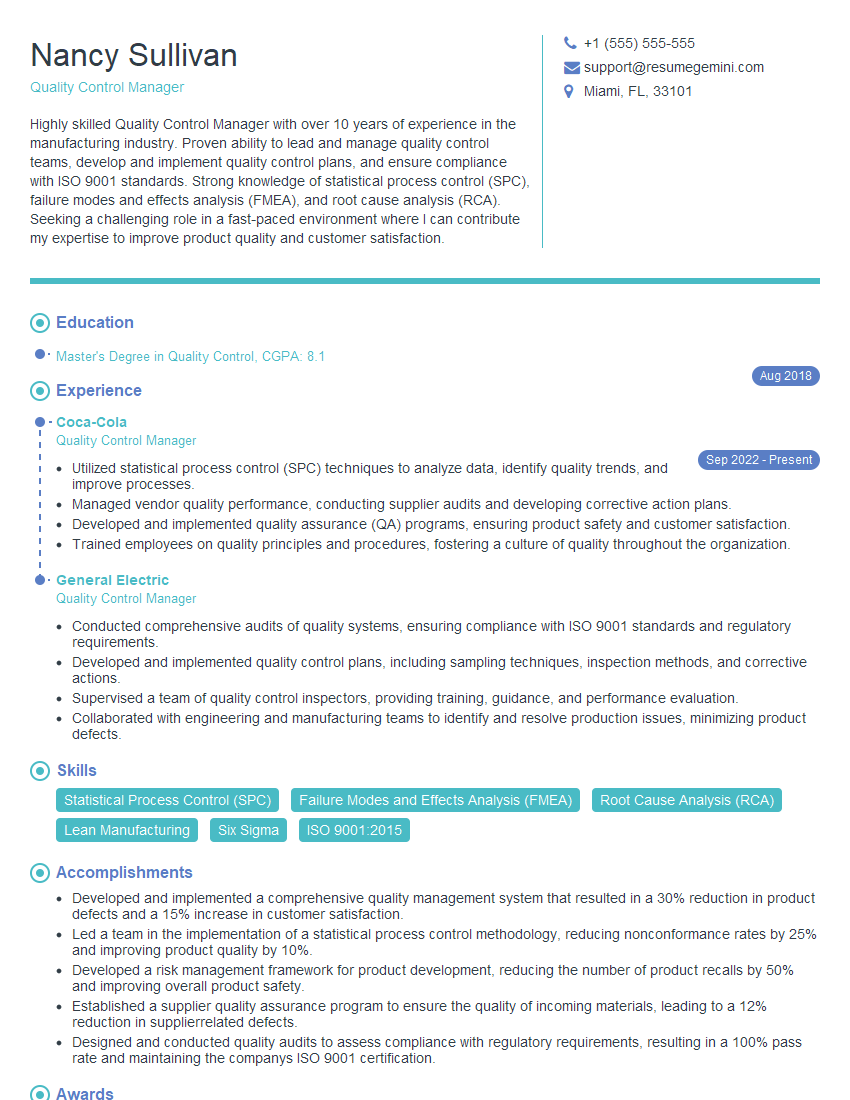
Quality Control Manager Resume Sample
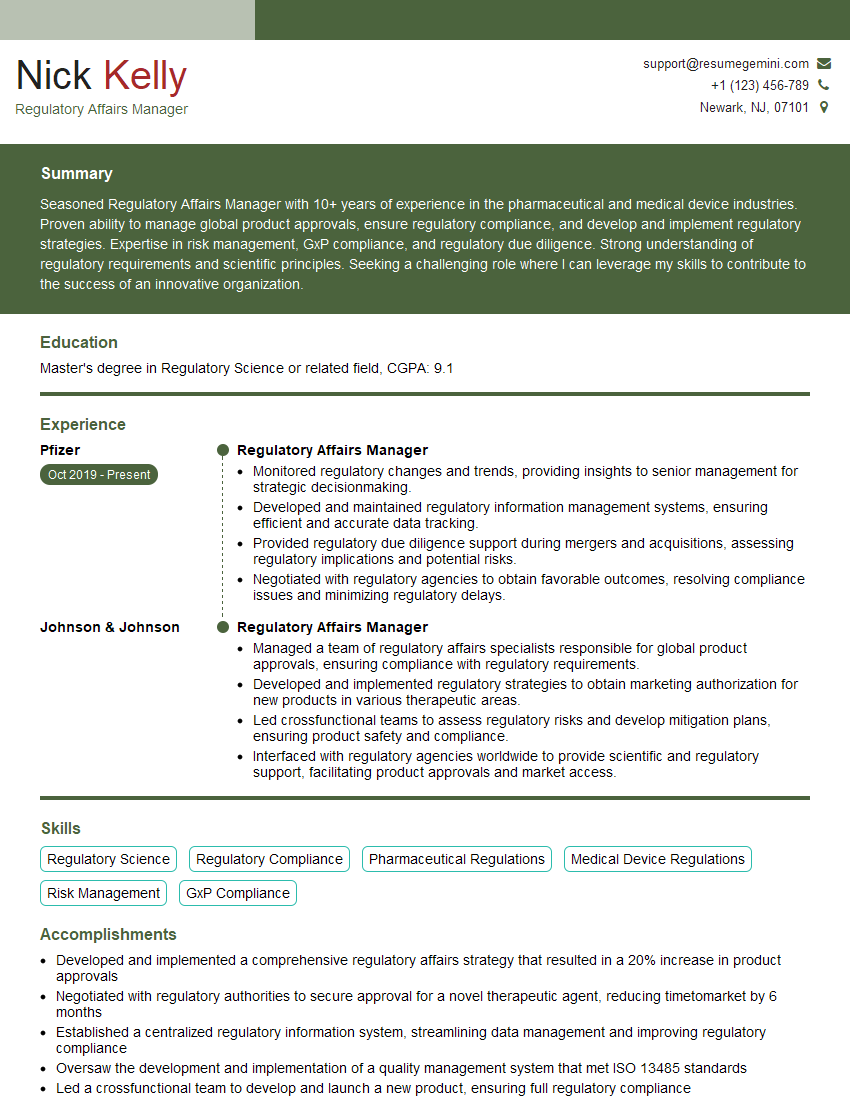
Regulatory Affairs Manager Resume Sample
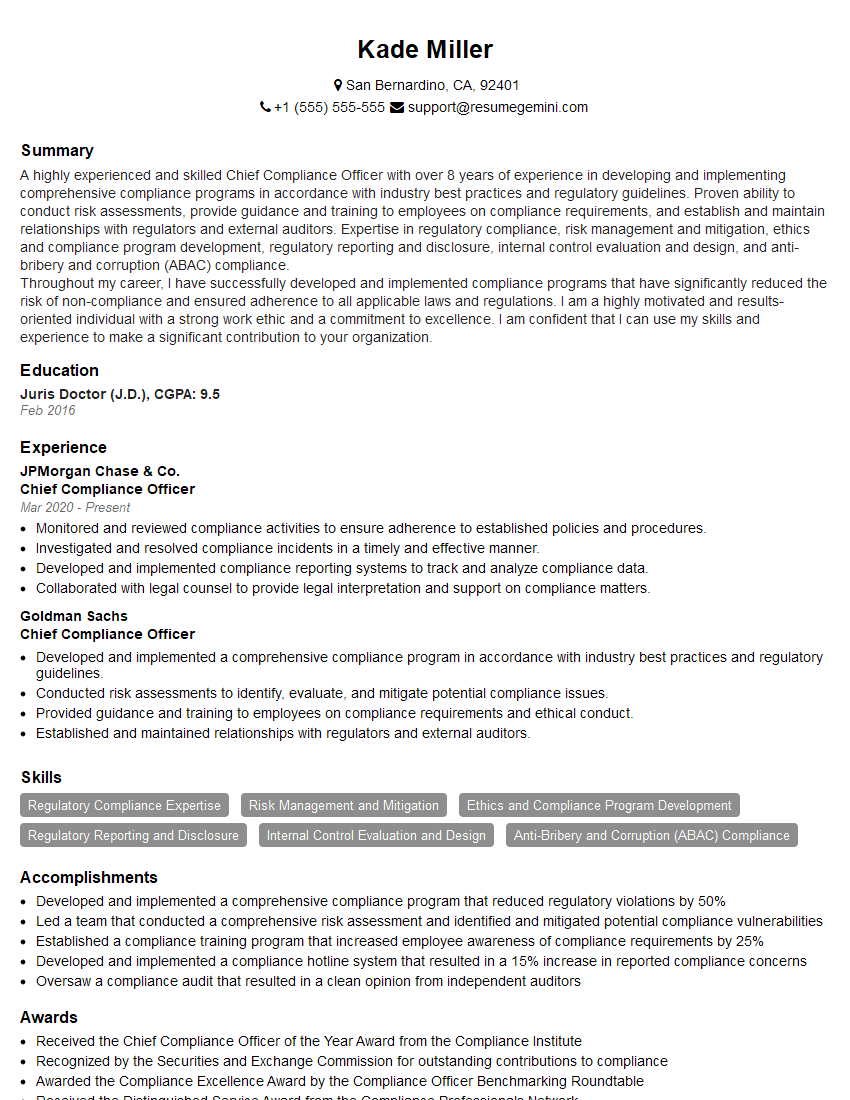
Chief Compliance Officer Resume Sample
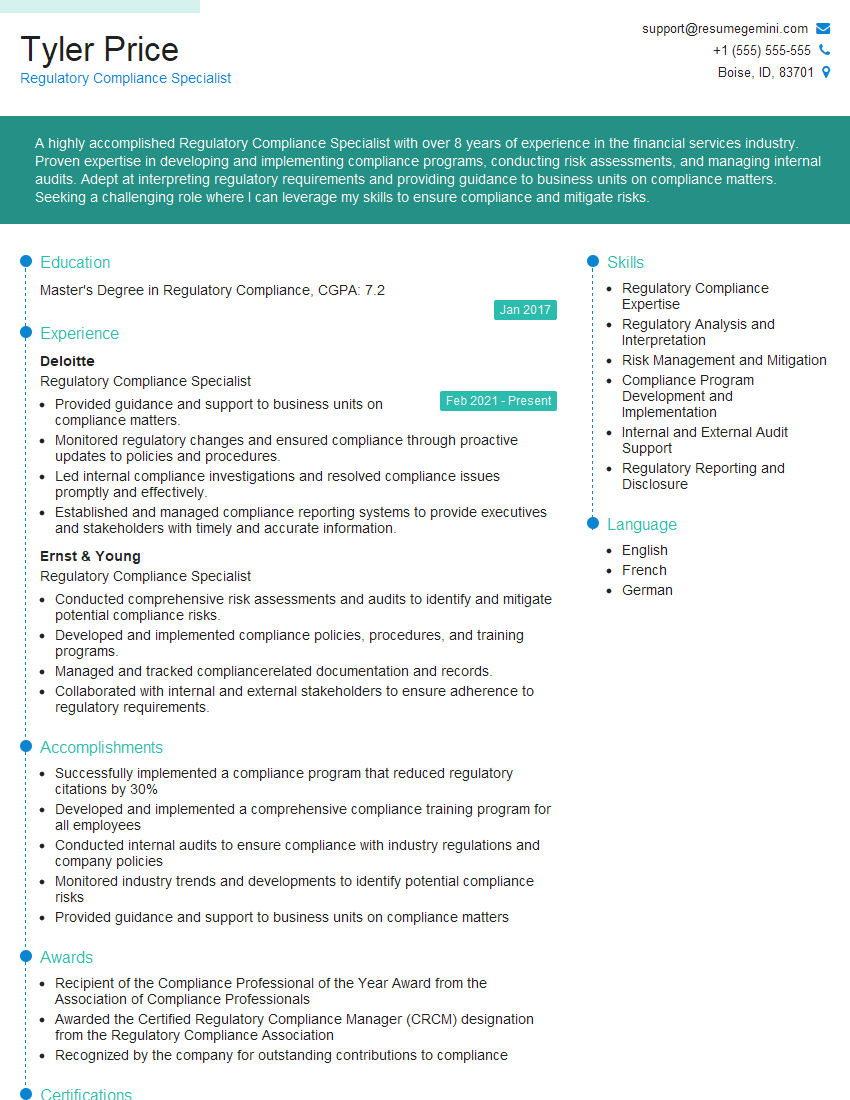
Regulatory Compliance Specialist Resume Sample
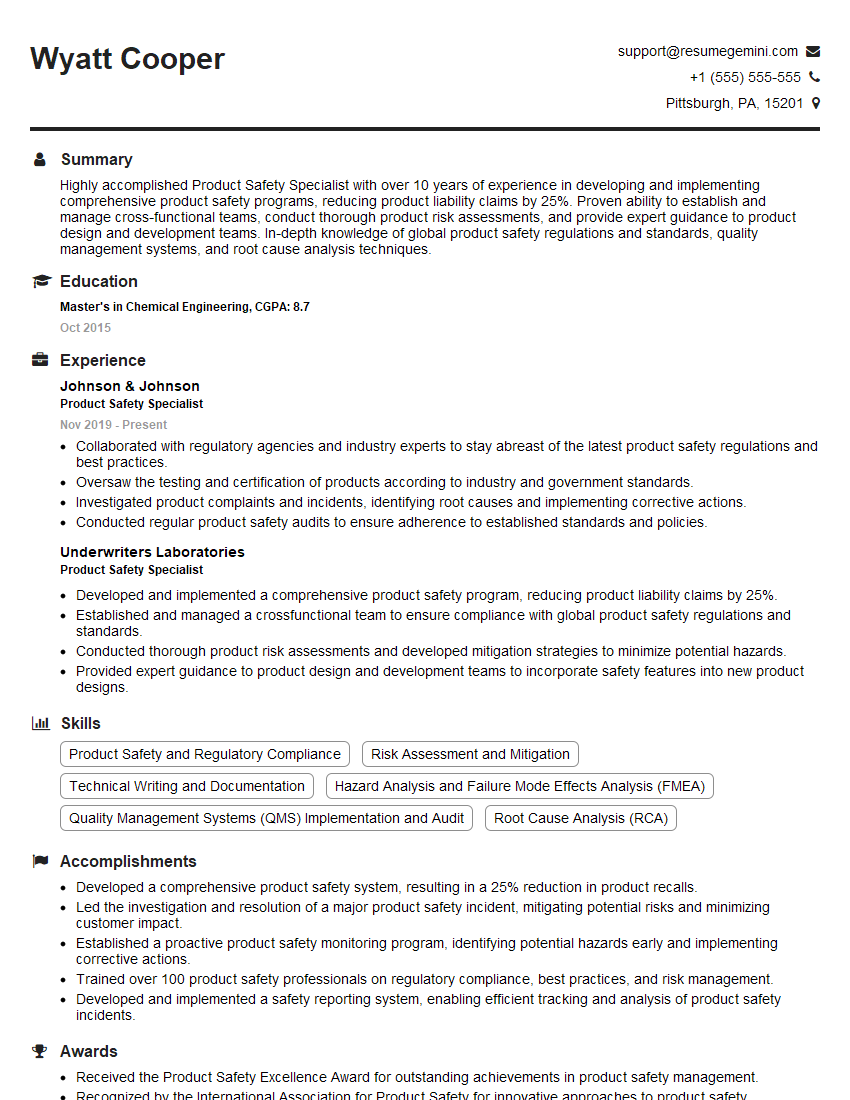
Product Safety Specialist Resume Sample
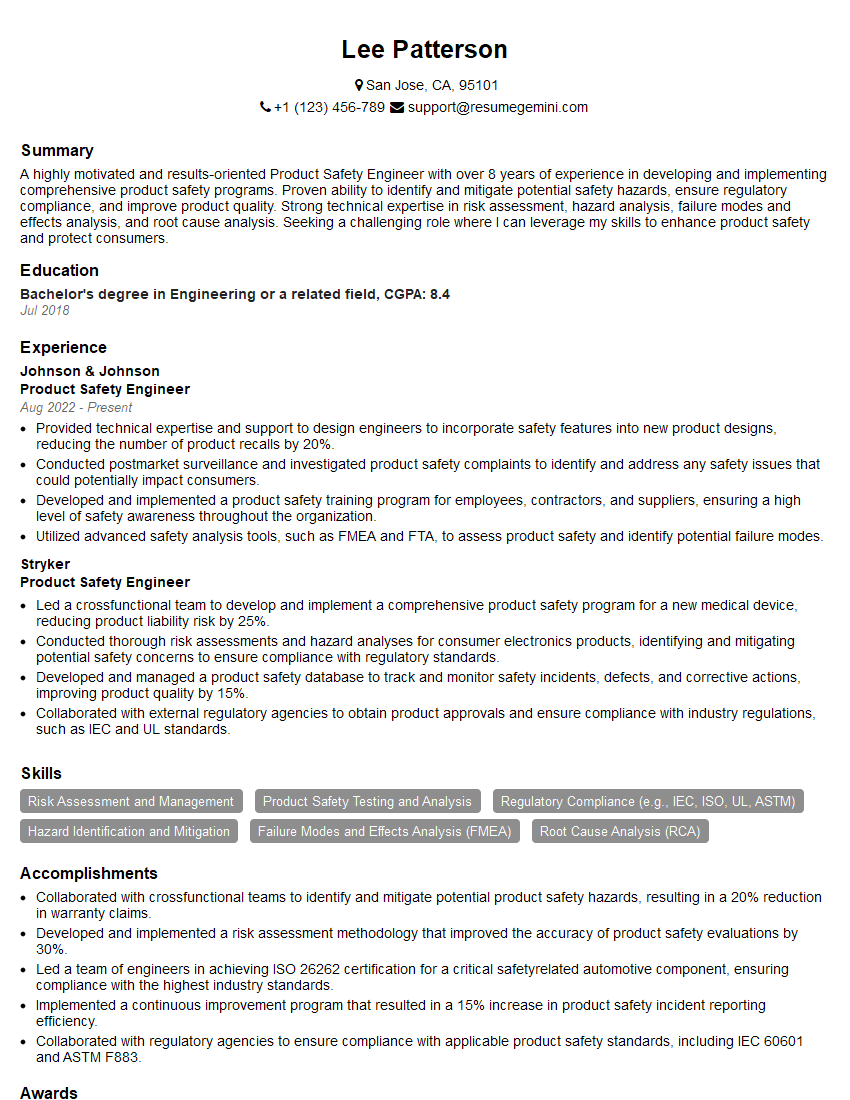
Product Safety Engineer Resume Sample
Explore more articles
Users Rating of Our Blogs
Share Your Experience
We value your feedback! Please rate our content and share your thoughts (optional).
What Readers Say About Our Blog
Very informative content, great job.
good