Every successful interview starts with knowing what to expect. In this blog, we’ll take you through the top Create and implement behavior intervention plans interview questions, breaking them down with expert tips to help you deliver impactful answers. Step into your next interview fully prepared and ready to succeed.
Questions Asked in Create and implement behavior intervention plans Interview
Q 1. Describe the process of conducting a functional behavior assessment (FBA).
A Functional Behavior Assessment (FBA) is a systematic process used to understand why a challenging behavior is occurring. It’s not about simply labeling the behavior, but digging deep to identify the function it serves for the individual. Think of it like detective work – we’re trying to solve the mystery of the behavior.
The process typically involves these steps:
- Information Gathering: This includes interviews with parents, teachers, and the individual; review of existing data (e.g., school records); and direct observation of the behavior in its natural environment. We gather information about the behavior’s antecedents (what happens before), the behavior itself, and the consequences (what happens after).
- Hypothesis Development: Based on the gathered information, we develop a hypothesis about the function of the behavior. This usually focuses on one of four main functions: attention (the behavior gets attention), escape (the behavior allows the individual to avoid a task or situation), access to tangibles (the behavior gets the individual a desired item or activity), or sensory stimulation (the behavior provides a sensory experience).
- Assessment: Depending on the complexity, we may use different methods like direct observation, ABC data collection (Antecedent, Behavior, Consequence), functional analysis (a more controlled setting to test the hypothesis), or other assessment tools to confirm or refine our hypothesis.
- Report Writing: Finally, a comprehensive report summarizing the findings, including the function of the behavior, is compiled and used to inform the development of the Behavior Intervention Plan (BIP).
Example: A student consistently shouts out in class. An FBA might reveal that the shouting gains the student attention from the teacher (attention-seeking function). This understanding then guides the creation of a BIP focused on providing positive attention for appropriate classroom behavior.
Q 2. Explain the difference between positive and negative reinforcement.
Both positive and negative reinforcement are processes that increase the likelihood of a behavior happening again. The difference lies in what is added or removed.
- Positive Reinforcement: This involves adding something desirable after a behavior to increase its likelihood. Think of it as rewarding the behavior. Example: A child cleans their room (behavior) and receives praise (positive reinforcer). The praise makes the child more likely to clean their room again.
- Negative Reinforcement: This involves removing something aversive after a behavior to increase its likelihood. It’s not about punishment; it’s about removing something unpleasant. Example: A student completes their homework (behavior) and therefore avoids a detention (removal of an aversive stimulus). The avoidance of detention makes the student more likely to complete their homework in the future.
It’s crucial to remember that negative reinforcement is different from punishment. Punishment aims to decrease a behavior, while both positive and negative reinforcement aim to increase it.
Q 3. What are the key components of a well-written behavior intervention plan (BIP)?
A well-written BIP is a comprehensive document that outlines strategies to decrease challenging behaviors and increase positive behaviors. Key components include:
- Operational Definition of Target Behavior: Clear, objective description of the behavior – what it looks like, sounds like, and how it is measured.
- Hypothesized Function of Behavior: Based on the FBA, the reason for the behavior.
- Antecedent Interventions: Strategies to prevent the behavior before it occurs (e.g., environmental modifications, proactive teaching).
- Consequence Interventions: Strategies implemented after the behavior occurs (e.g., positive reinforcement, ignoring attention-seeking behaviors).
- Crisis Intervention Plan (if applicable): Procedures for managing severe behaviors that pose a risk to safety.
- Data Collection Methods: Specific methods to track the behavior’s frequency, duration, and intensity to monitor progress.
- Team Collaboration Plan: A description of who is involved in the implementation of the BIP and their roles and responsibilities.
- Review and Revision Schedule: A plan for regular monitoring and adjustment of the BIP based on data analysis.
Example: A BIP for a student with disruptive behaviors might include strategies like providing frequent breaks (antecedent), praising appropriate behavior (consequence), and using visual schedules (antecedent) to reduce anxiety and increase predictability.
Q 4. How do you differentiate between antecedent interventions and consequence interventions?
Antecedent interventions focus on preventing the behavior before it happens, while consequence interventions address the behavior after it has occurred.
- Antecedent Interventions: These strategies modify the environment or situation that precedes the challenging behavior. They aim to make it less likely that the behavior will occur in the first place. Examples include: environmental modifications (e.g., rearranging a classroom to reduce distractions), providing clear expectations and routines, teaching replacement behaviors (giving the student an alternative way to get their needs met), providing choices, using visual supports.
- Consequence Interventions: These strategies address the behavior after it has already happened. They are designed to either decrease the likelihood of the behavior occurring again or to increase the likelihood of positive behaviors. Examples include: positive reinforcement, ignoring attention-seeking behaviors, using time-out, providing opportunities for restitution or making amends, using response cost (removing a privilege).
Example: A student frequently leaves their seat during class. An antecedent intervention could be assigning them a seat closer to the teacher. A consequence intervention would be a verbal reminder to stay seated or a brief loss of recess time if the behavior continues.
Q 5. Describe your experience using data-based decision making in BIP implementation.
Data-based decision making is crucial for effective BIP implementation. It involves systematically collecting and analyzing data on the target behavior to determine the effectiveness of the interventions and make necessary adjustments. I have extensive experience using various data collection methods, such as frequency counts, duration recording, and latency recording. This data is then graphed to visually represent the behavior’s trend over time.
Example: In a recent case with a student exhibiting aggression, we implemented a BIP incorporating positive reinforcement and antecedent strategies. We collected daily data on the frequency of aggressive incidents. Initially, the data showed little change, so we reviewed the BIP and increased the intensity of the positive reinforcement strategies. The subsequent data showed a significant decrease in aggressive behaviors, demonstrating the success of the revised plan.
By regularly reviewing the data, we can make informed decisions about whether to continue, modify, or discontinue specific interventions. This ensures the BIP remains effective and responsive to the individual’s needs.
Q 6. Explain how you would address challenging behaviors such as aggression or self-injury.
Addressing challenging behaviors like aggression or self-injury requires a careful and systematic approach. It’s essential to prioritize the safety of the individual and others involved. The first step is always conducting a thorough FBA to determine the function of the behavior. Once the function is understood, we can develop a BIP that addresses both the antecedents and consequences.
Strategies for Aggression:
- Antecedent Interventions: Modify the environment to reduce triggers, teach coping skills (e.g., anger management techniques), provide choices, and use predictable routines.
- Consequence Interventions: Immediate and consistent response to aggression, de-escalation techniques, positive reinforcement of appropriate behavior, removal of access to rewarding stimuli contingent upon aggressive acts, and collaboration with a multidisciplinary team including mental health professionals when necessary. Physical restraint should only be used as a last resort, and only by trained personnel when appropriate safety protocols are in place.
Strategies for Self-Injury:
- Antecedent Interventions: Identify and minimize triggers that precede self-injury, provide sensory activities or objects to meet sensory needs, and teach alternative coping mechanisms.
- Consequence Interventions: Safety procedures, providing immediate attention (if the FBA indicates attention is the function), and collaboration with medical and mental health professionals.
In both cases, continuous monitoring and data collection are crucial. Regular review and adjustment of the BIP are critical to ensure effectiveness and the safety of the individual. It is crucial to work collaboratively with the individual, their family, and other relevant professionals.
Q 7. What are some common evidence-based interventions for reducing problem behaviors?
Many evidence-based interventions exist for reducing problem behaviors. The most effective interventions are individualized based on the FBA and the individual’s needs. Some common examples include:
- Positive Behavior Support (PBS): A comprehensive system that focuses on teaching and reinforcing positive behaviors. This approach emphasizes proactive strategies and supports rather than solely reacting to problem behaviors.
- Functional Communication Training (FCT): Teaching alternative communication methods to replace problem behaviors that serve a communicative function (e.g., teaching a student to use words or signs to request attention instead of hitting).
- Applied Behavior Analysis (ABA): A scientific approach to behavior change that emphasizes the use of reinforcement and extinction to increase or decrease behaviors. ABA principles underpin many effective intervention strategies.
- Differential Reinforcement of Other Behavior (DRO): Reinforcing the absence of a problem behavior for a specified period of time.
- Differential Reinforcement of Incompatible Behavior (DRI): Reinforcing a behavior that cannot occur at the same time as the problem behavior (e.g., reinforcing sitting quietly to reduce disruptive behaviors).
- Token Economy: A system where individuals earn tokens for desired behaviors, which can be exchanged for privileges or other rewards.
The selection of appropriate interventions should always be guided by the results of the FBA and professional judgment, informed by ongoing data analysis.
Q 8. How do you collaborate with parents and other professionals in developing and implementing BIPs?
Collaboration is the cornerstone of effective BIP development. I believe in a truly collaborative, team-based approach, starting with a thorough initial assessment involving the student, parents, teachers, and other relevant professionals like therapists and specialists. We conduct individual interviews to gather perspectives and understand the student’s strengths, challenges, and triggers. This information forms the basis of the BIP.
Parent involvement is crucial. I ensure parents understand the BIP’s purpose, strategies, and data collection methods. Regular meetings, phone calls, and email updates keep them informed and engaged. I empower parents to implement strategies at home, ensuring consistency and generalization of learned behaviors. For example, if a student is working on managing anger, we’d collaborate on consistent strategies for both school and home, maybe using a visual timer or calm-down space in both environments. With other professionals, I facilitate a shared understanding of the student’s needs and ensure the BIP aligns with their individual therapeutic goals and interventions.
Throughout the process, open communication, active listening, and mutual respect are paramount. I actively seek feedback and adjust the BIP based on collective input, constantly striving for the most effective and supportive plan for the student.
Q 9. How do you monitor the effectiveness of a BIP and make necessary adjustments?
Monitoring the effectiveness of a BIP is an ongoing process, not a one-time event. We use data-driven decision-making. This involves regularly collecting data on the target behavior—its frequency, duration, and intensity. For example, if we are targeting reducing disruptive outbursts, we might chart the number of outbursts per day or week.
We utilize a variety of data collection methods, including direct observation, self-monitoring, and teacher/parent reports, using visual graphs and charts to clearly show progress. If the data shows the BIP is effective, we continue to monitor and adjust as needed. However, if the data indicates the plan is ineffective, we analyze what’s not working. We might review the antecedent events (what triggers the behavior), the consequence strategies (what happens after the behavior), or the overall implementation. This might involve adjusting the reinforcement strategies, refining antecedent interventions (e.g., modifying the classroom environment), or enhancing the support system. The process is iterative; we continually refine the plan based on data and feedback to maximize its effectiveness.
Q 10. Describe your experience with different types of reinforcement schedules.
Reinforcement schedules are crucial in BIPs. I have extensive experience applying various schedules to modify behavior. Understanding the nuances of each schedule is essential for effective intervention.
- Continuous Reinforcement: Rewarding every instance of the desired behavior. This is highly effective initially, but can lead to rapid extinction if reinforcement stops. For instance, praising a student every time they raise their hand before speaking.
- Intermittent Reinforcement: Rewarding behavior only some of the time. This is more resistant to extinction and promotes long-term maintenance of the behavior. There are various types of intermittent schedules:
- Fixed-Ratio (FR): Reinforcing after a specific number of responses (e.g., praising every 5 correct answers).
- Variable-Ratio (VR): Reinforcing after an average number of responses (e.g., praising after an unpredictable number of correct answers, but averaging around 5). This is very resistant to extinction.
- Fixed-Interval (FI): Reinforcing the first response after a specific time interval (e.g., checking homework completion once a week).
- Variable-Interval (VI): Reinforcing the first response after an average time interval (e.g., checking homework completion on unpredictable days, averaging once a week). This schedule also produces consistent behavior.
I carefully select the reinforcement schedule based on the student’s needs and the behavior being targeted. For example, a VR schedule might be ideal for maintaining a newly acquired skill, while a continuous reinforcement schedule might be used initially to shape the behavior.
Q 11. What are the ethical considerations involved in developing and implementing BIPs?
Ethical considerations are paramount in BIP development and implementation. The core principle is to ensure the plan promotes the student’s well-being and respects their rights.
- Least Restrictive Intervention: We must always begin with the least intrusive strategies before considering more restrictive ones. For example, we might try positive reinforcement before considering time-out.
- Student’s Rights: The student and their family have the right to be fully informed about the BIP and participate in its development and implementation.
- Confidentiality: All information about the student and their behavior is kept confidential, only shared with authorized individuals.
- Avoidance of Punishment: While consequences might be necessary, we strive to avoid punishment that is aversive, humiliating, or physically harmful.
- Cultural Sensitivity: The BIP must be culturally sensitive and appropriate, considering the student’s background and beliefs.
Regular review and evaluation of the BIP ensure it remains ethical and effective, preventing any potential for harm or unintended consequences.
Q 12. How do you ensure the safety of the individual during BIP implementation?
Safety is the top priority. Before implementing any BIP, we conduct a thorough risk assessment to identify potential safety concerns. This might include behaviors that could harm the student or others.
The BIP should include specific safety protocols to address these risks. This could involve:
- Environmental modifications: Removing potentially dangerous objects or restructuring the learning environment.
- Staff training: Ensuring all staff involved in implementing the BIP are properly trained and understand safety procedures.
- De-escalation techniques: Implementing strategies to calm the student before a behavior escalates.
- Emergency procedures: Establishing clear procedures for handling crisis situations and ensuring appropriate staff are available.
Q 13. What are the legal requirements related to BIP development and implementation?
Legal requirements for BIPs vary by location but generally involve adherence to the Individuals with Disabilities Education Act (IDEA) in the US, or equivalent legislation in other countries. Key aspects include:
- Due Process: Parents have the right to participate in the development and implementation of the BIP, and they can challenge any decisions they disagree with through due process procedures.
- Individualized Education Program (IEP): The BIP is often part of the student’s IEP, which is a legally binding document outlining the student’s educational goals and support services.
- Least Restrictive Environment (LRE): The BIP should be implemented in the LRE, meaning the student should be educated alongside their peers to the maximum extent possible.
- Data Collection and Monitoring: Regular data collection and monitoring are required to demonstrate the effectiveness of the BIP and to make necessary adjustments.
- Parental Consent: Parental consent is typically required before implementing a BIP.
Staying current on all relevant legislation and regulations is crucial for compliance and ensuring the student’s legal rights are protected.
Q 14. How do you adapt BIPs to meet the needs of individuals with diverse abilities and backgrounds?
Adapting BIPs for diverse learners is essential. I approach this by focusing on individualized support based on the student’s unique strengths, needs, and cultural background.
This might involve:
- Cultural Considerations: Understanding the student’s cultural values and beliefs and adapting the BIP accordingly. For instance, communication styles and preferred methods of interaction might differ across cultures.
- Linguistic Needs: Providing support in the student’s native language, if necessary, and utilizing visual aids or other communication methods to ensure understanding.
- Disability Considerations: Modifying the BIP based on the student’s specific disabilities, using assistive technologies or alternative teaching strategies when needed. For example, a student with autism might benefit from visual schedules, while a student with ADHD might need frequent breaks and movement opportunities.
- Individualized Goals: Developing goals that are meaningful and achievable for the individual student, focusing on their specific areas of need and promoting independence.
By working collaboratively with the student, family, and other professionals, I can create a BIP that is culturally responsive, inclusive, and supportive of each individual’s unique learning journey.
Q 15. Explain your understanding of the principles of Applied Behavior Analysis (ABA).
Applied Behavior Analysis (ABA) is a scientific framework for understanding and changing behavior. It’s based on the principles of learning and focuses on observable behaviors and their environmental influences. Key principles include:
- Positive Reinforcement: Increasing a behavior by providing a rewarding consequence (e.g., praise, access to a preferred activity). This is the cornerstone of many effective BIPs.
- Negative Reinforcement: Increasing a behavior by removing an aversive stimulus (e.g., removing a demand when a student becomes agitated). Crucially, this doesn’t involve punishment; it involves removing something unpleasant.
- Positive Punishment: Decreasing a behavior by adding an aversive stimulus (e.g., a time-out). Used cautiously and ethically, always alongside positive reinforcement.
- Negative Punishment: Decreasing a behavior by removing a rewarding stimulus (e.g., taking away screen time). Again, it’s crucial this is applied ethically and in conjunction with positive strategies.
- Extinction: Decreasing a behavior by withholding reinforcement (e.g., ignoring attention-seeking behaviors). It is important to be aware of extinction bursts (a temporary increase in the behavior before it decreases).
- Stimulus Control: Manipulating the environment to increase or decrease the likelihood of a behavior (e.g., rearranging a classroom to minimize distractions).
Essentially, ABA helps us understand *why* a behavior is occurring and design interventions that systematically change it. It’s about identifying triggers, consequences, and effective replacement behaviors.
Career Expert Tips:
- Ace those interviews! Prepare effectively by reviewing the Top 50 Most Common Interview Questions on ResumeGemini.
- Navigate your job search with confidence! Explore a wide range of Career Tips on ResumeGemini. Learn about common challenges and recommendations to overcome them.
- Craft the perfect resume! Master the Art of Resume Writing with ResumeGemini’s guide. Showcase your unique qualifications and achievements effectively.
- Don’t miss out on holiday savings! Build your dream resume with ResumeGemini’s ATS optimized templates.
Q 16. What are your strengths and weaknesses in creating and implementing BIPs?
My strengths lie in my ability to collaboratively develop BIPs that are tailored to the individual’s needs and context. I’m adept at functional behavioral assessments (FBAs), which are crucial for understanding the *function* of a challenging behavior. I also excel at data-driven decision making, continuously monitoring the effectiveness of interventions and making necessary adjustments. My experience spans diverse populations and settings.
A weakness I’ve been working on is delegating tasks effectively within a team. In the past, I’ve felt the need to oversee every detail myself, which can be inefficient. I’ve been actively participating in team management training to improve this.
Q 17. Describe your experience working with individuals with different diagnoses (e.g., Autism, ADHD).
I have extensive experience working with individuals diagnosed with Autism Spectrum Disorder (ASD), Attention-Deficit/Hyperactivity Disorder (ADHD), Oppositional Defiant Disorder (ODD), and other behavioral challenges. My approach is always individualized. For example, with students with ASD, I focus on visual supports, structured routines, and clear communication. With students with ADHD, I emphasize strategies to improve attention and impulse control, often incorporating positive reinforcement systems and environmental modifications. Regardless of the diagnosis, the core of my work involves identifying the function of the challenging behavior and creating interventions that teach more adaptive skills.
For instance, I worked with a child with ASD who exhibited self-injurious behavior. After a thorough FBA, we discovered the behavior was maintained by escape from demands. We implemented a structured task analysis, breaking down tasks into smaller, manageable steps and providing positive reinforcement for successful completion. We also incorporated visual schedules to provide predictability and reduce anxiety.
Q 18. How do you handle resistance from the individual or their family during BIP implementation?
Resistance is a common challenge, and addressing it requires a collaborative and understanding approach. My first step is to actively listen to the individual and their family, validating their concerns and perspectives. I explain the rationale behind the BIP in simple, understandable terms, emphasizing the benefits for the individual. I involve them in the process, giving them choices whenever possible, making them feel empowered and in control.
For example, if a student resists a specific intervention, I might explore alternative strategies with them, perhaps adjusting the reinforcement system or modifying the environment. I might also try a different approach to teaching the replacement behavior. Collaboration and flexibility are key. Open communication is crucial to ensure everyone is on board and understands the goals.
Q 19. What is your preferred method for data collection and analysis in BIPs?
My preferred method for data collection is direct observation using structured recording methods. This allows for accurate and objective measurement of behavior. I utilize various data collection methods, including:
- Frequency recording: Counting the number of times a behavior occurs within a specified time period.
- Duration recording: Measuring how long a behavior lasts.
- Latency recording: Recording the time elapsed between a stimulus and the behavior.
- Interval recording: Observing whether a behavior occurs during specific intervals of time.
Data is then analyzed using graphs and charts, to track progress, identify trends, and make data-based decisions about intervention adjustments. Technology like data collection apps can also be incorporated to streamline the process. The key is to choose the method that best suits the behavior being targeted and the resources available.
Q 20. Describe a situation where a BIP was unsuccessful and how you addressed the issue.
In one case, a BIP designed to reduce a student’s disruptive classroom behaviors using a token economy system proved largely ineffective. After reviewing the data, we discovered the reinforcers weren’t motivating enough for the student. We had initially chosen reinforcers based on common preferences, but hadn’t conducted a thorough preference assessment.
To address this, we conducted a more detailed preference assessment, identifying highly preferred activities and items. We revised the token economy system, incorporating these new, highly preferred reinforcers. Furthermore, we adjusted the criteria for earning tokens to make them more attainable, thus increasing the student’s motivation to participate. We also increased the frequency of positive reinforcement, which significantly improved the effectiveness of the BIP.
Q 21. How do you maintain confidentiality and adhere to ethical guidelines when working with sensitive information?
Maintaining confidentiality and adhering to ethical guidelines is paramount. I strictly follow HIPAA and relevant state regulations. This includes securely storing all documents, using password-protected electronic files, and limiting access to information only to authorized individuals. I never share client information with anyone not directly involved in their care, and I always obtain informed consent before sharing any information with others.
In my practice, I prioritize transparency, clearly explaining the limits of confidentiality and any potential exceptions. Regular professional development in ethics ensures I’m up-to-date on best practices and any changes in relevant regulations. My commitment to ethical practice is unwavering.
Q 22. What is your experience with crisis prevention and de-escalation techniques?
Crisis prevention and de-escalation are crucial components of effective behavior intervention. My experience encompasses a wide range of techniques, from proactive strategies to reactive interventions. Proactive strategies focus on identifying potential triggers and implementing preventative measures, such as establishing clear routines, providing ample opportunities for breaks, and teaching coping skills. Reactive techniques, employed when a crisis is unfolding, prioritize safety and de-escalation. This includes maintaining a calm demeanor, using active listening, employing verbal de-escalation strategies like offering choices and validating feelings, and, when necessary, physically intervening using only safe and appropriate restraint techniques, always in accordance with relevant policies and training.
For example, I worked with a student who frequently experienced meltdowns due to sensory overload. We implemented a proactive strategy by creating a sensory-friendly space within the classroom and teaching him self-regulation techniques like deep breathing exercises. When a meltdown did occur, we used a calm and reassuring tone, offering him a choice between moving to the sensory space or taking a few minutes to calm down using his coping mechanisms. This combined approach dramatically reduced the frequency and intensity of his meltdowns.
Q 23. How do you ensure a BIP aligns with the individual’s Individualized Education Program (IEP) or Individualized Support Plan (ISP)?
Alignment between a Behavior Intervention Plan (BIP) and an Individualized Education Program (IEP) or Individualized Support Plan (ISP) is paramount. The BIP should be a direct extension of the goals and objectives outlined in the IEP or ISP. This means that the behaviors targeted in the BIP should directly impact the student’s ability to access the general education curriculum (IEP) or achieve their overall support plan goals (ISP). The strategies and interventions outlined in the BIP should be designed to help the student achieve these goals, and progress should be regularly monitored and documented to demonstrate its effectiveness.
For example, if a student’s IEP goal is to improve their participation in classroom discussions, the BIP might target behaviors like interrupting or refusing to answer questions. The interventions in the BIP would then focus on teaching appropriate communication skills and providing positive reinforcement for participation. The data collected on the student’s progress in the BIP directly informs the IEP’s progress monitoring process, ensuring a seamless integration between the two documents.
Q 24. What are some common challenges encountered during BIP implementation, and how do you overcome them?
Implementing a BIP often presents challenges. Inconsistency in implementation across settings is a major hurdle. Staff training and ongoing support are essential to maintain fidelity to the plan. Another common challenge is a lack of data to inform modifications or adjustments. Regular data collection, analysis, and the willingness to adapt the plan based on the data are crucial for its success. Finally, resistance from stakeholders – including the individual, parents/guardians, and staff – can hinder the implementation process. Open communication and collaboration with all stakeholders are key to overcoming this challenge. Addressing these challenges involves proactive planning, including detailed training, regular check-ins with staff and caregivers, consistent data collection and analysis, and a collaborative approach to problem-solving.
For instance, a lack of consistent implementation in one case led to decreased effectiveness. Addressing this required providing additional training, developing visual aids and checklists, and establishing a system of regular communication and feedback between school staff and parents. This ensured everyone was on the same page and using the same strategies consistently.
Q 25. Describe your familiarity with various assessment tools used in behavioral assessments.
My familiarity with behavioral assessment tools is extensive. I’m proficient in using various methods including functional behavior assessments (FBAs), which involve identifying the antecedents (triggers), behaviors, and consequences (ABC analysis) to understand the function of a behavior. I also utilize direct observation methods, such as event recording and interval recording, to collect objective data on behavior frequency and duration. Indirect assessment methods, such as interviews with parents, teachers, and the individual, provide valuable contextual information. Standardized assessments, such as rating scales and questionnaires, offer a more structured approach to assessing behavior and its impact. The selection of assessment tools depends on the specific needs of the individual and the context of the situation.
For example, I once used an FBA to analyze a student’s disruptive classroom behaviors. Through observations, interviews, and data analysis, we discovered the behavior served a function of gaining attention. This understanding allowed us to create a BIP that focused on providing positive attention for appropriate behavior rather than negative attention for disruptive actions. The shift in approach proved highly effective.
Q 26. How do you involve the individual in the BIP development process?
Involving the individual in the BIP development process is crucial for its success and fosters a sense of ownership and self-determination. This can be adapted based on age and cognitive abilities. For younger children or those with limited communication skills, involvement might involve incorporating their preferences into the plan, such as choosing preferred reinforcers. For older individuals, more participatory approaches are employed, such as collaborative meetings where they actively participate in identifying problem behaviors, potential triggers, and preferred interventions. Age-appropriate language and methods of communication are employed throughout the process, and visual supports are often used to enhance understanding and engagement.
For example, when working with a teenager, we held a meeting where he actively participated in identifying his challenging behaviors, brainstorming solutions, and choosing preferred rewards. This collaborative approach increased his buy-in to the plan and significantly improved its effectiveness.
Q 27. How do you ensure the BIP is culturally sensitive and appropriate?
Cultural sensitivity is paramount in developing effective BIPs. It’s crucial to consider the individual’s cultural background, values, beliefs, and communication styles when designing interventions. This involves actively seeking input from family members and community leaders to ensure the plan aligns with the individual’s cultural norms. Strategies should be culturally relevant and respectful, avoiding approaches that might clash with the individual’s cultural practices. For example, a BIP designed for a student from a culture that emphasizes respect for elders might utilize strategies that involve collaborating with family members in implementing interventions.
For example, when working with a student from a culture where direct confrontation is seen as disrespectful, we focused on using indirect communication techniques and building rapport with the family before implementing behavioral changes. This culturally sensitive approach was significantly more effective than a more direct approach might have been.
Key Topics to Learn for Create and Implement Behavior Intervention Plans Interview
- Functional Behavior Assessment (FBA): Understanding the ABCs of behavior (Antecedent, Behavior, Consequence) and conducting thorough FBAs to identify the function of challenging behaviors. This includes direct observation, interview data collection, and analysis of existing records.
- Behavior Intervention Plan (BIP) Development: Creating effective and individualized BIPs based on FBA findings. This involves selecting appropriate strategies, defining clear goals and objectives, and outlining specific interventions.
- Positive Behavior Supports (PBS): Applying proactive strategies to prevent challenging behaviors and promote positive behaviors. This includes teaching replacement skills, providing positive reinforcement, and creating supportive environments.
- Data Collection and Analysis: Implementing effective data collection methods (e.g., frequency counts, duration recording) to monitor the effectiveness of the BIP and make data-driven adjustments. Understanding graph interpretation and its implications for intervention modification is crucial.
- Collaboration and Communication: Effectively communicating with parents, teachers, administrators, and other stakeholders regarding the BIP and its implementation. This includes explaining the rationale behind the plan, sharing progress data, and collaborating on adjustments as needed.
- Ethical Considerations: Understanding and adhering to ethical guidelines related to behavior intervention, including respecting student rights, maintaining confidentiality, and ensuring the safety and well-being of all involved.
- Legal Frameworks and Regulations: Familiarity with relevant laws and regulations (e.g., IDEA, FERPA) related to behavior intervention in educational settings.
- Crisis Intervention and De-escalation Techniques: Developing strategies and skills to manage and de-escalate crisis situations safely and effectively. Understanding different de-escalation techniques and appropriate responses to various behaviors.
Next Steps
Mastering the creation and implementation of behavior intervention plans is crucial for career advancement in education, psychology, and related fields. It demonstrates your ability to provide effective support for individuals exhibiting challenging behaviors, significantly impacting their lives and the success of your workplace. To maximize your job prospects, crafting an ATS-friendly resume is essential. ResumeGemini is a trusted resource that can help you build a powerful and effective resume tailored to highlight your skills in this critical area. Examples of resumes tailored to Create and implement behavior intervention plans are available to further guide your preparation.
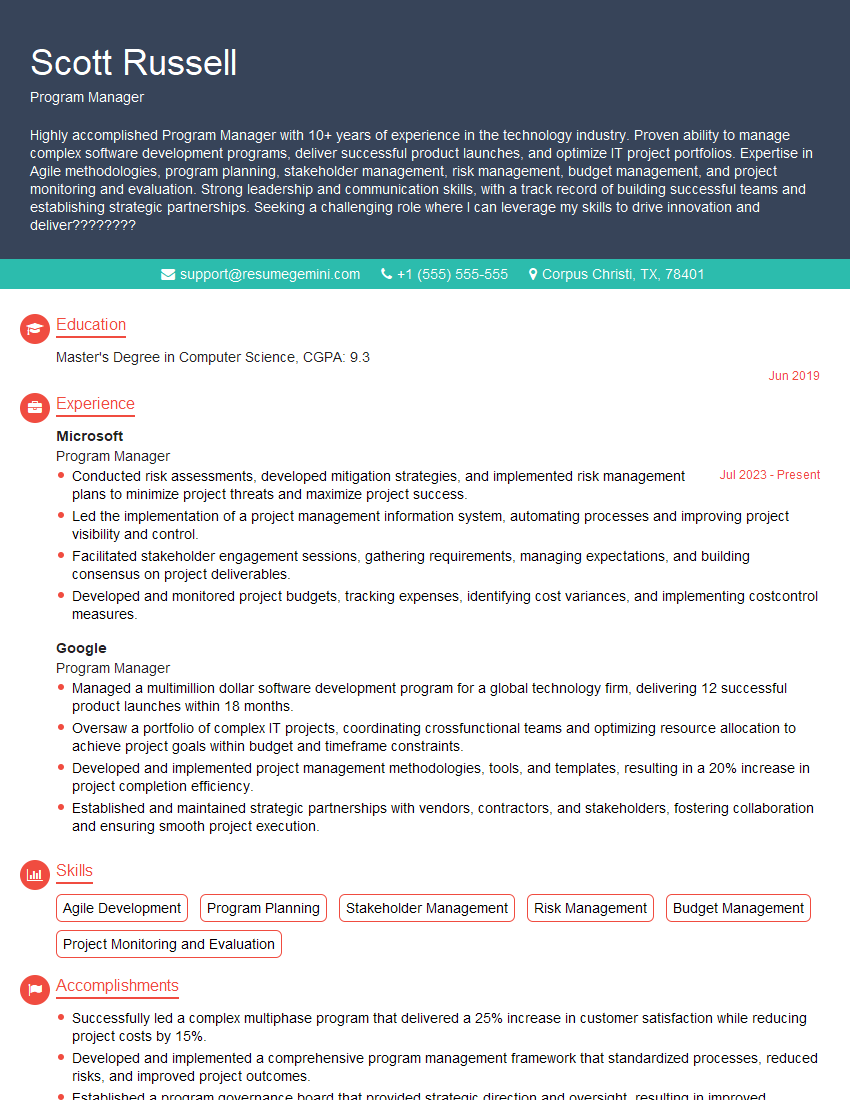
Program Manager Resume Sample
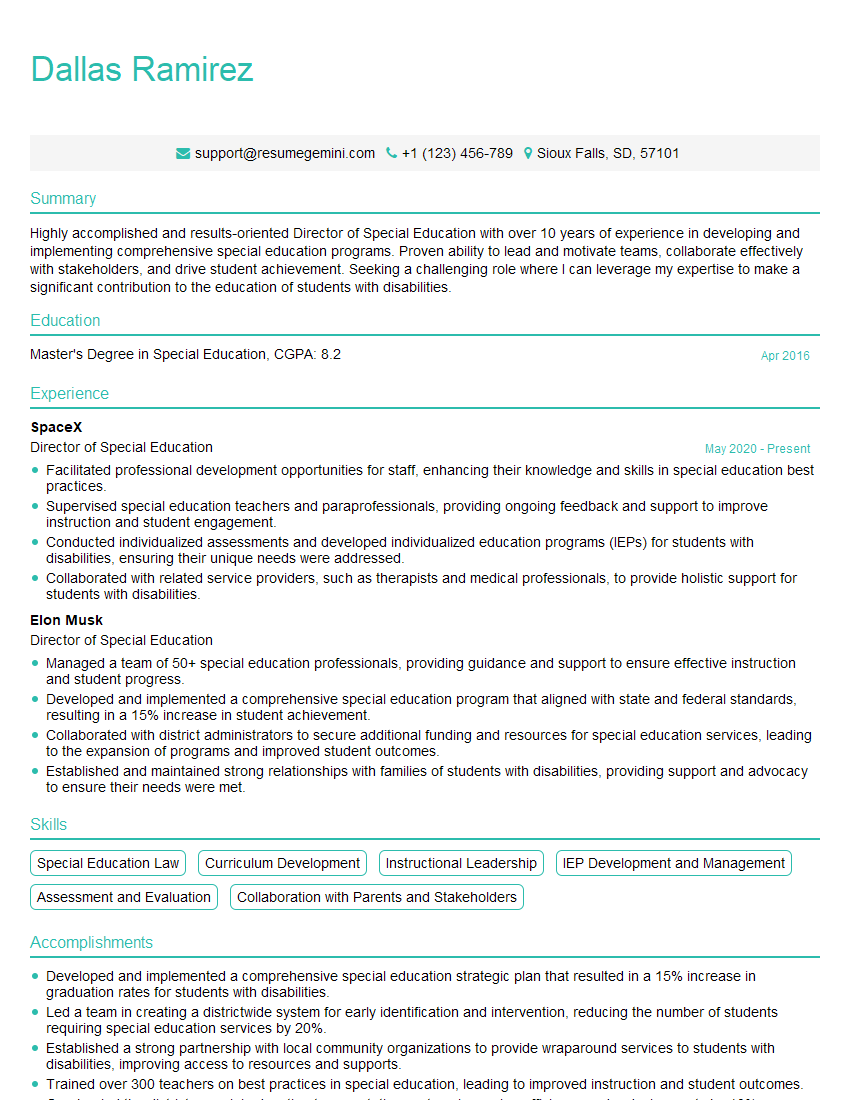
Director of Special Education Resume Sample
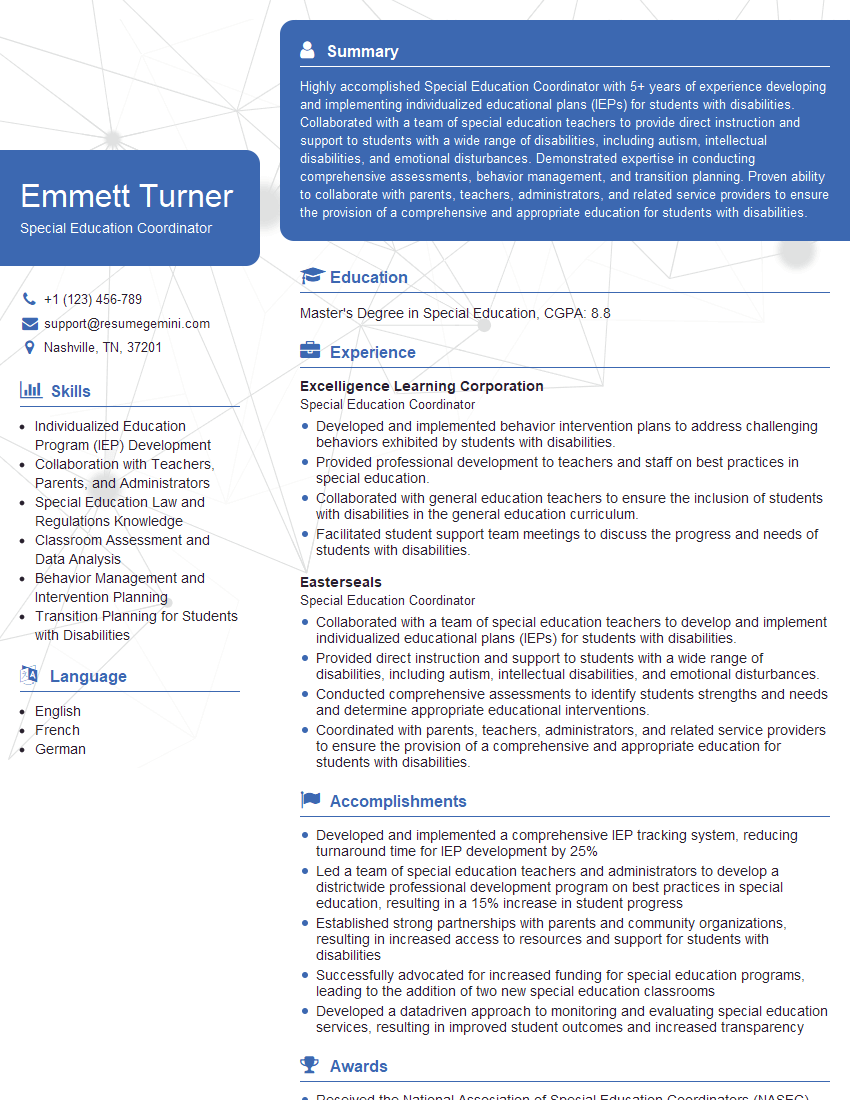
Special Education Coordinator Resume Sample
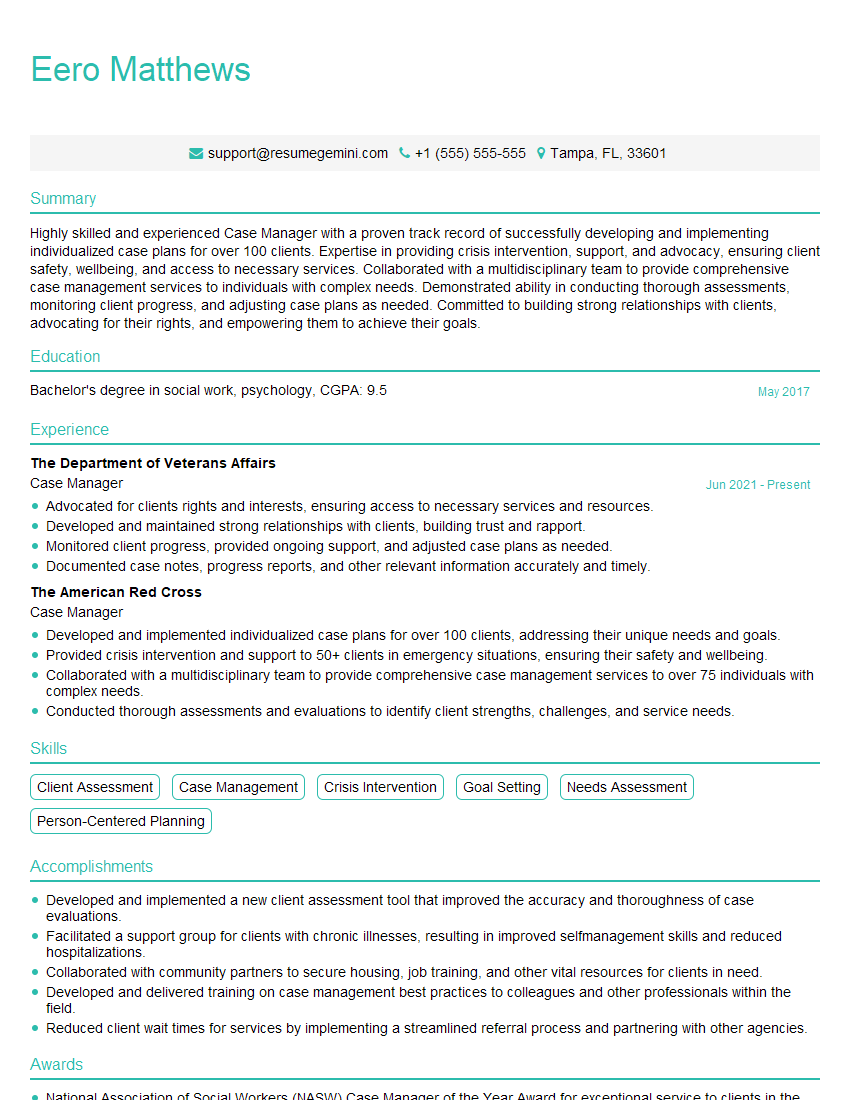
Case Manager Resume Sample
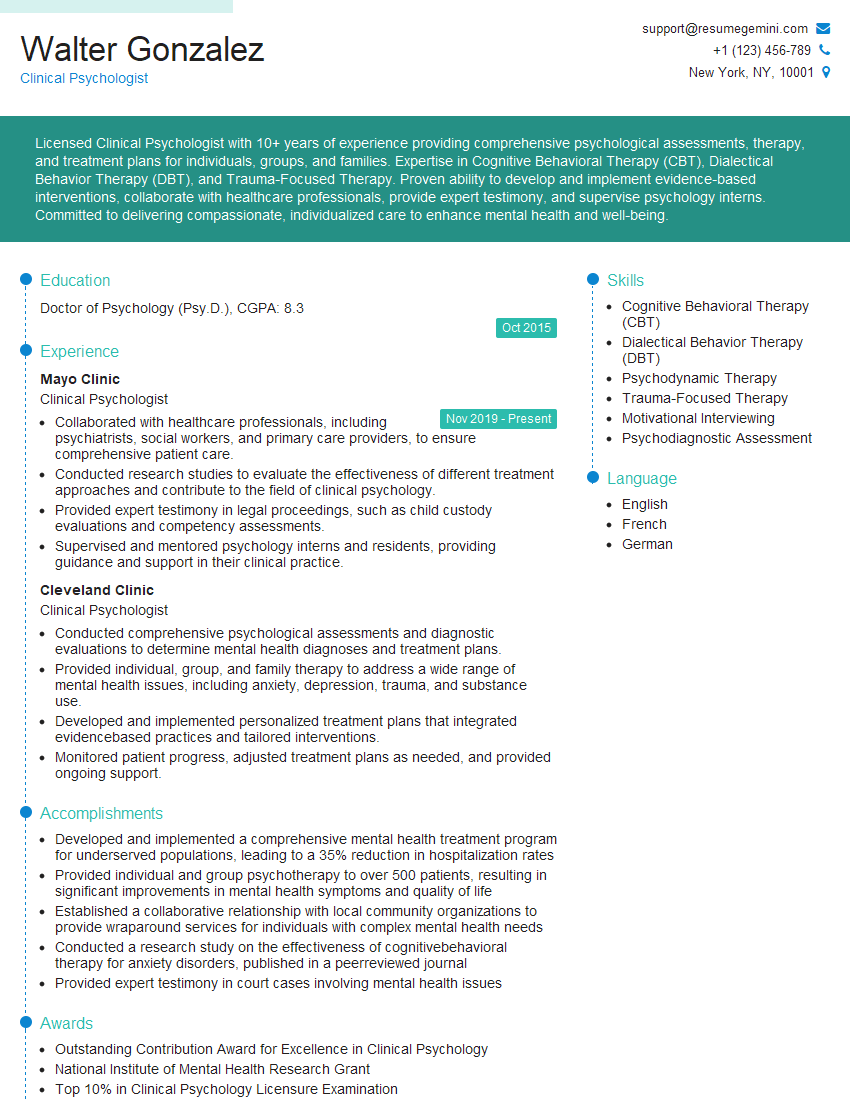
Clinical Psychologist Resume Sample
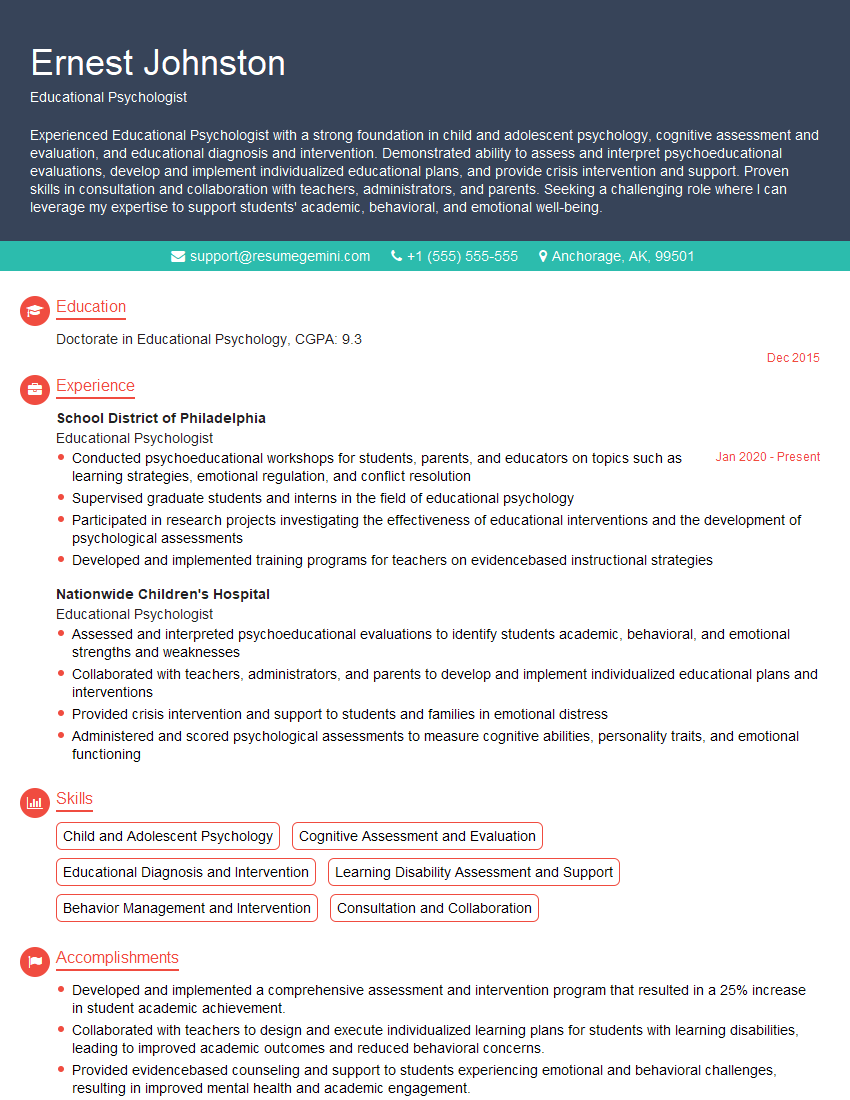
Educational Psychologist Resume Sample
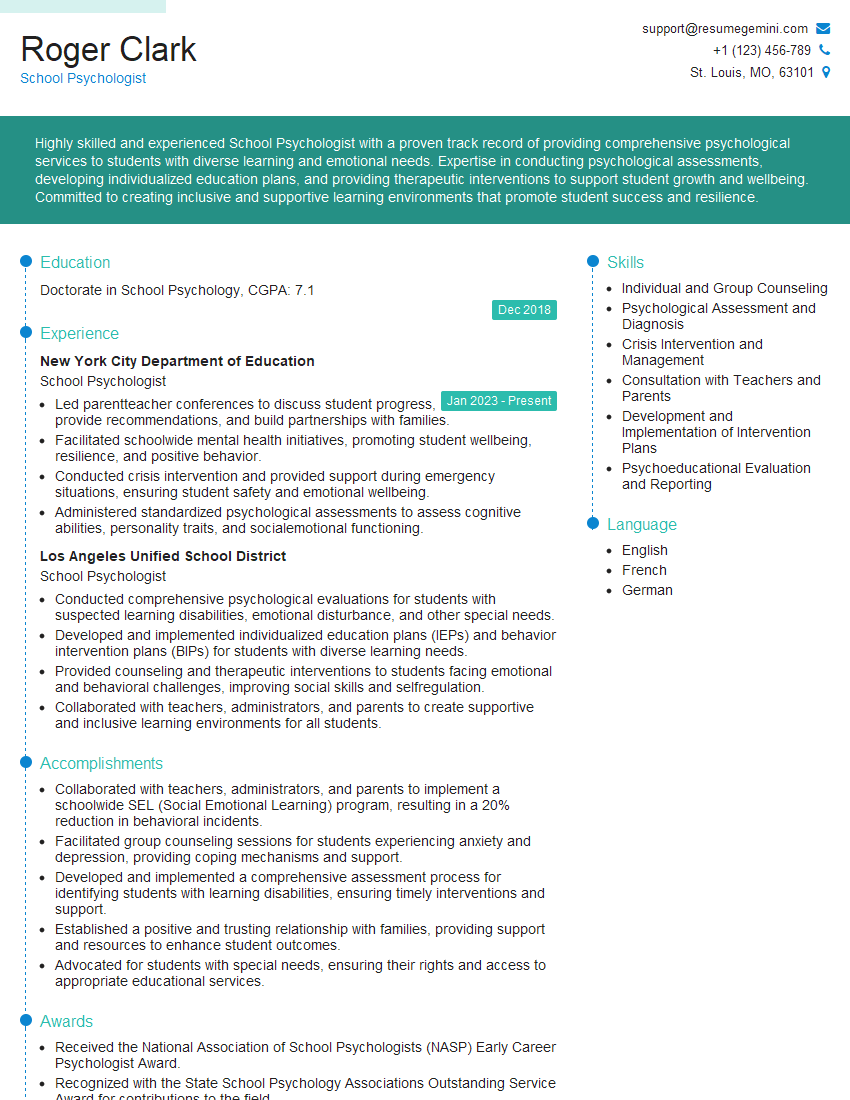
School Psychologist Resume Sample

Mental Health Counselor Resume Sample
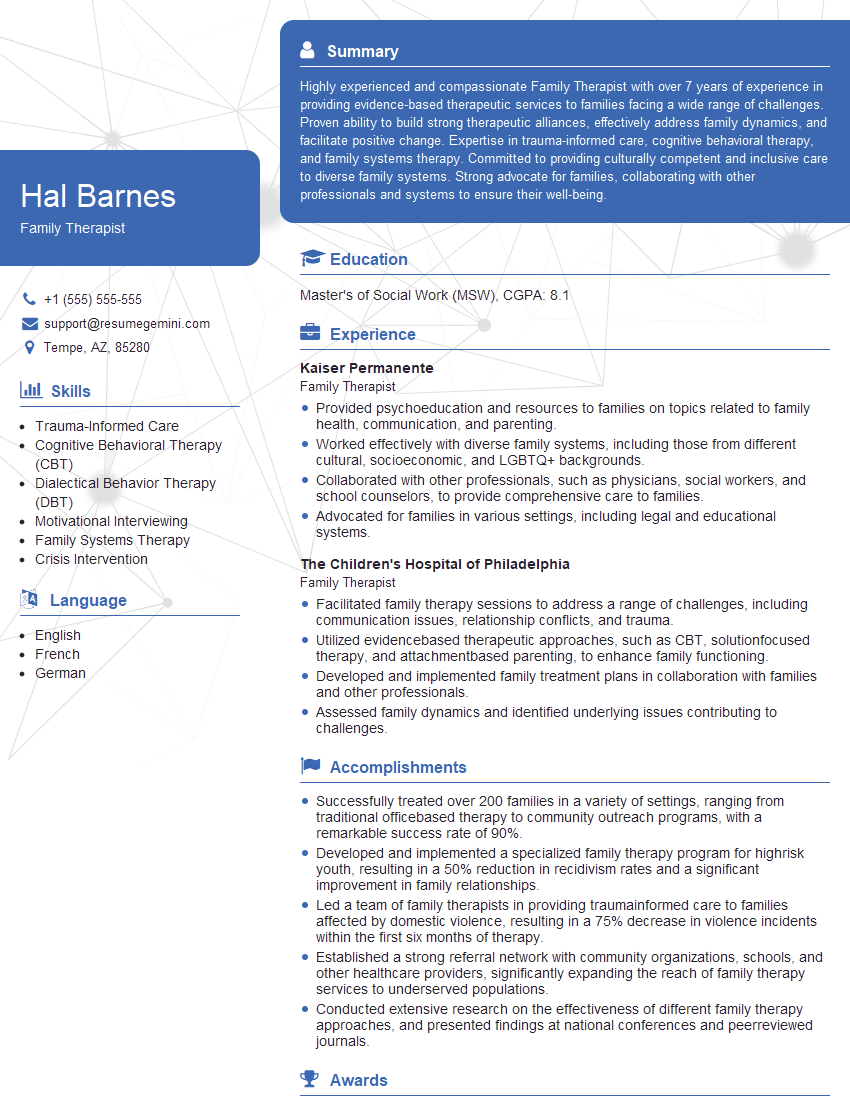
Family Therapist Resume Sample
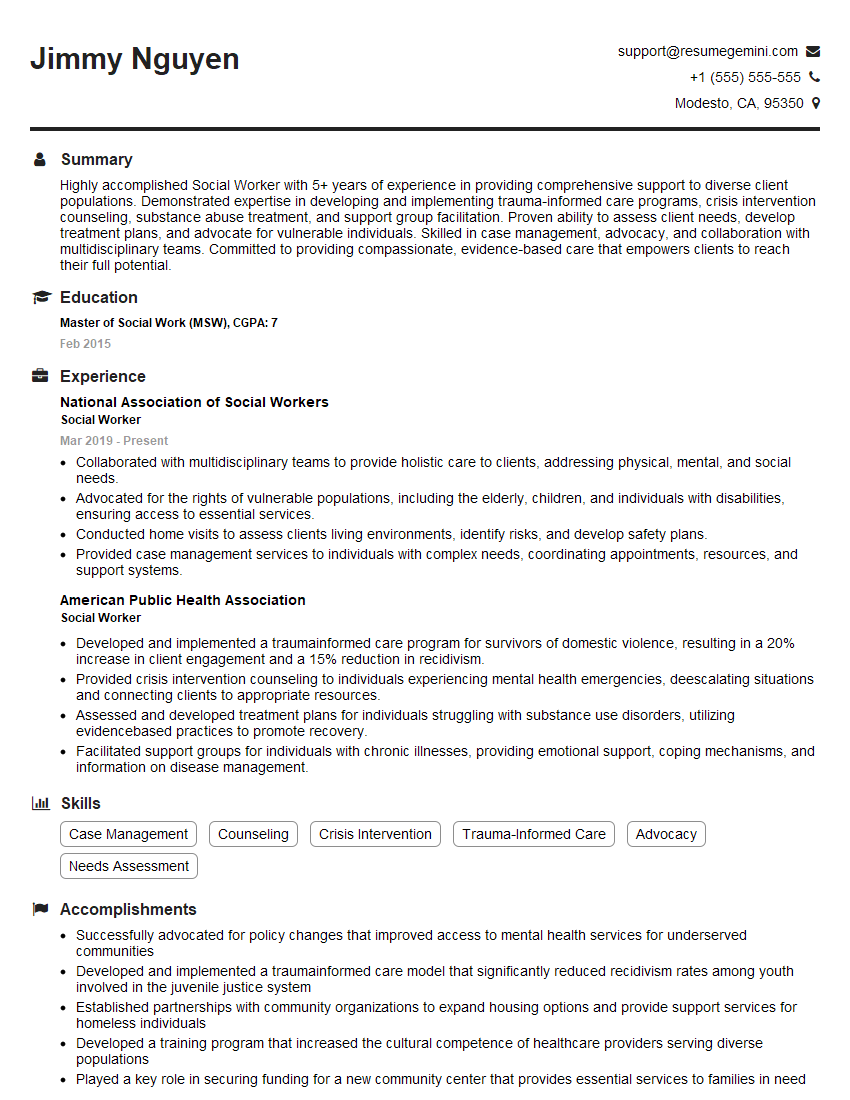
Social Worker Resume Sample
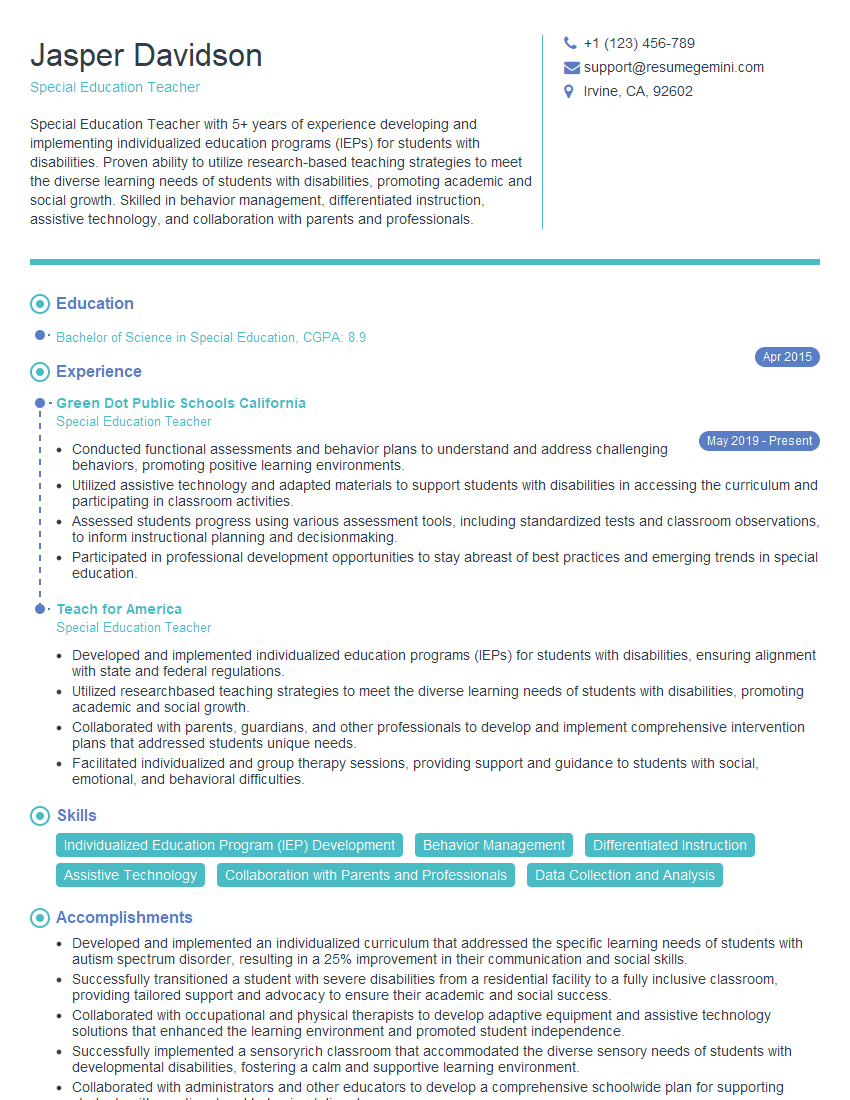
Special Education Teacher Resume Sample
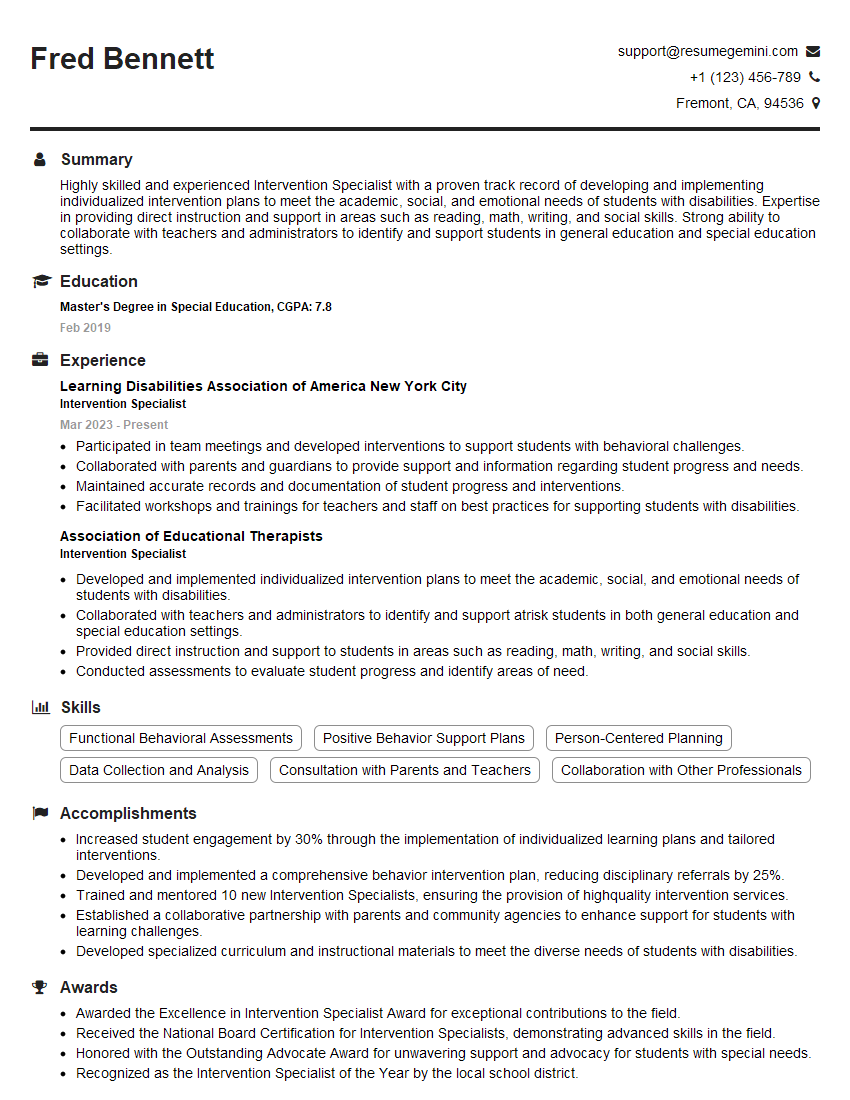
Intervention Specialist Resume Sample
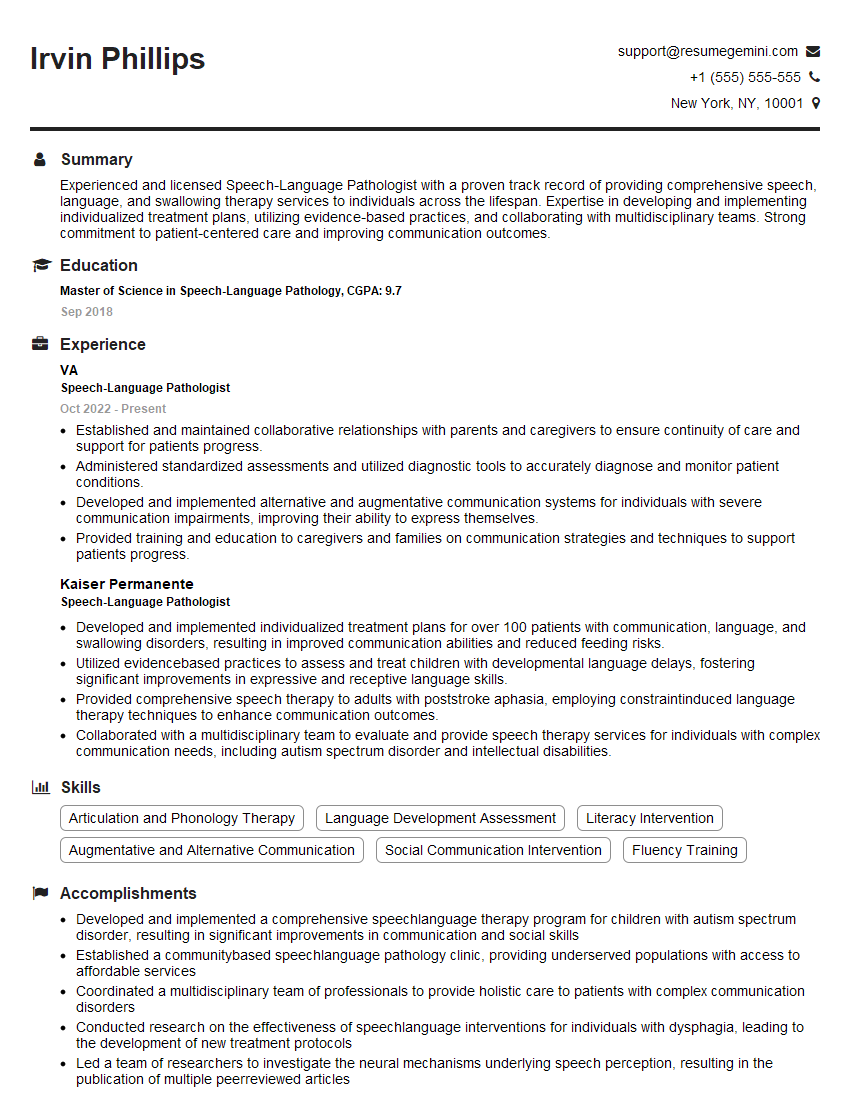
Speech-Language Pathologist Resume Sample
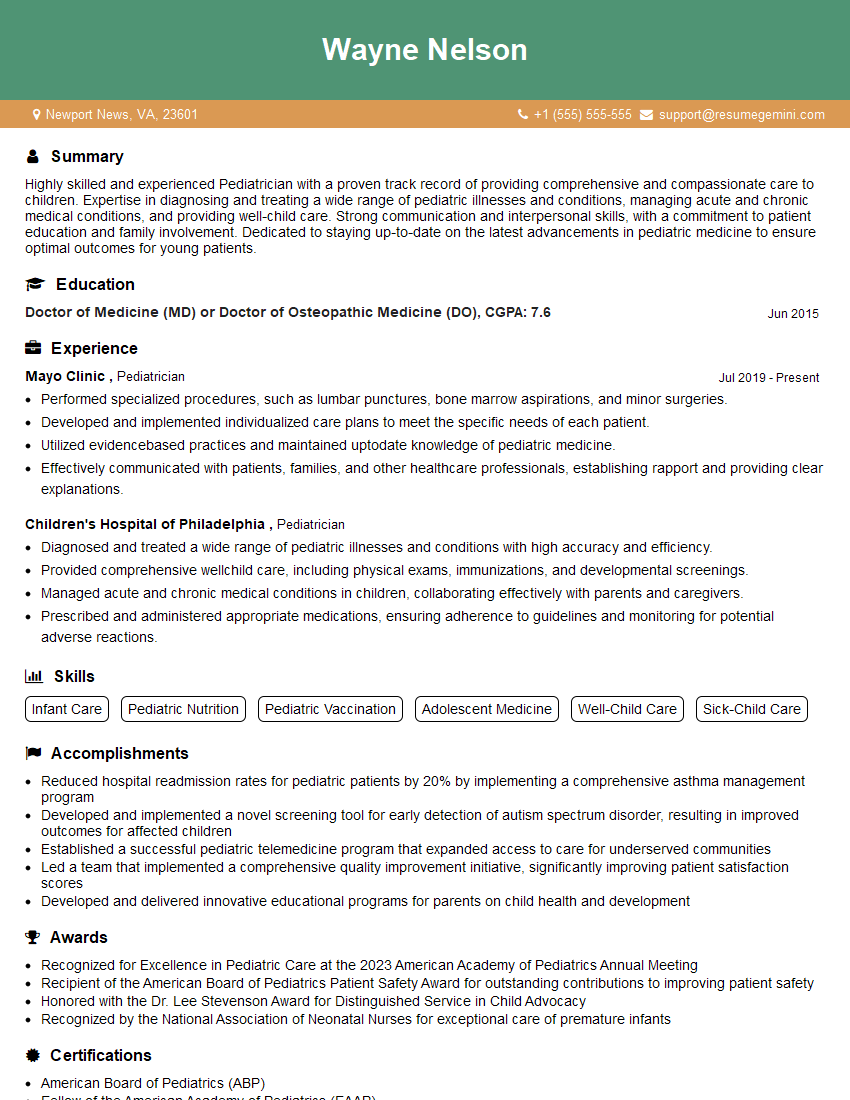
Pediatrician Resume Sample
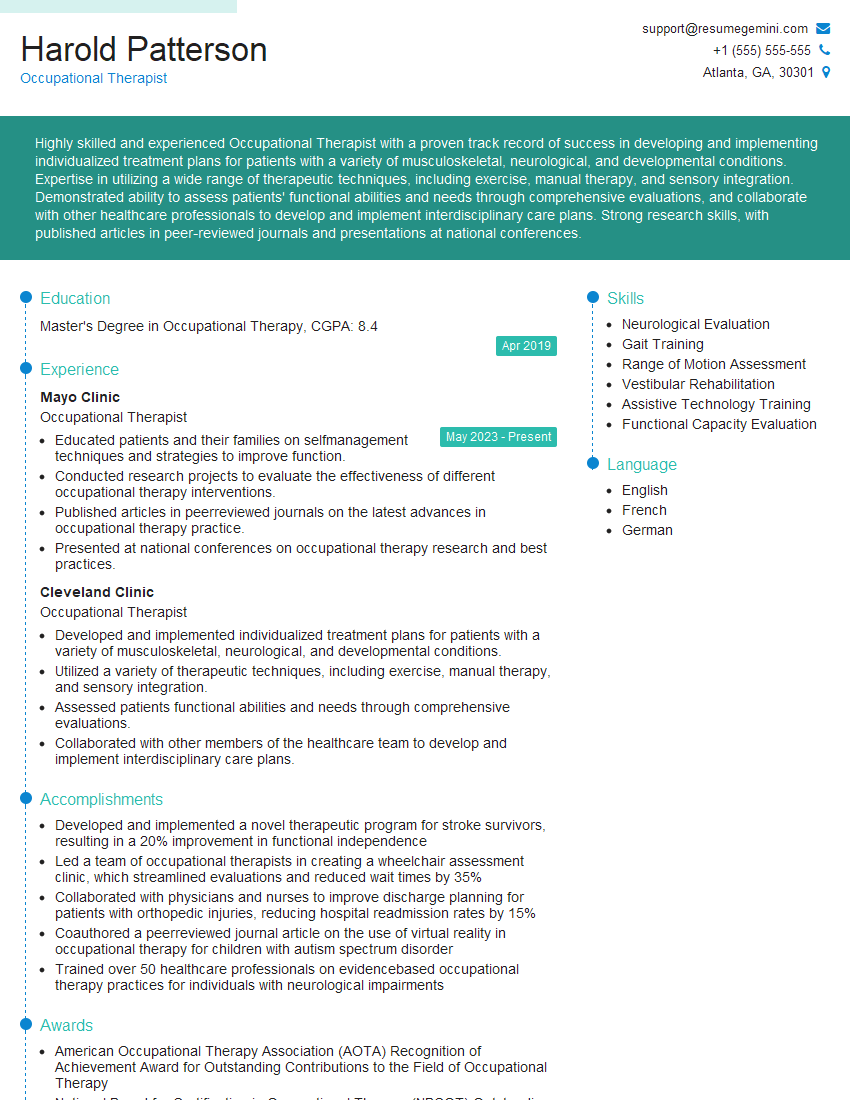
Occupational Therapist Resume Sample
- Program Manager
- Director of Special Education
- Special Education Coordinator
- Case Manager
- Clinical Psychologist
- Educational Psychologist
- School Psychologist
- Mental Health Counselor
- Family Therapist
- Social Worker
- Special Education Teacher
- Intervention Specialist
- Speech-Language Pathologist
- Pediatrician
- Occupational Therapist
Explore more articles
Users Rating of Our Blogs
Share Your Experience
We value your feedback! Please rate our content and share your thoughts (optional).
What Readers Say About Our Blog
good