Preparation is the key to success in any interview. In this post, we’ll explore crucial Creativity and Artistic Vision interview questions and equip you with strategies to craft impactful answers. Whether you’re a beginner or a pro, these tips will elevate your preparation.
Questions Asked in Creativity and Artistic Vision Interview
Q 1. Describe your creative process for developing a new design concept.
My creative process is iterative and involves several key stages. It begins with deep immersion in the project’s brief and target audience. I conduct thorough research, brainstorming ideas, and sketching potential solutions. This initial phase focuses on generating a wide range of concepts, even those that initially seem impractical. Next, I move into the refinement stage, where I carefully evaluate the feasibility, aesthetics, and functionality of each concept. This often involves creating mood boards, experimenting with different materials or software, and seeking feedback from colleagues or mentors. The prototyping phase allows me to build a tangible representation of the chosen concept. This could range from a simple mockup to a fully functional prototype, depending on the project. Finally, I iterate based on feedback received during testing and refinement, making adjustments until the final product aligns with the project goals and aesthetic vision. Think of it like sculpting; you start with a large block of clay and slowly refine it until you achieve the desired form.
Q 2. How do you stay current with design trends and incorporate them into your work?
Staying current with design trends is crucial. I regularly engage with various online platforms, attending industry conferences and workshops, and actively following influential designers and publications on social media. I subscribe to design newsletters and blogs, and curate a personal library of inspirational material. However, I believe in absorbing trends thoughtfully, rather than blindly following them. My approach prioritizes adapting relevant elements to suit the specific needs of each project and maintaining a unique stylistic voice. For example, while I might appreciate the current minimalist trend in web design, I wouldn’t apply it to a project that requires a bold and expressive visual identity.
Q 3. Explain your approach to solving a design problem with limited resources.
Resource constraints often necessitate creative problem-solving. My approach begins with a thorough understanding of the limitations and identifying the essential elements that cannot be compromised. I then focus on finding innovative and cost-effective alternatives. This might involve leveraging free or open-source tools, simplifying the design, or prioritizing functionality over superfluous aesthetics. For instance, if a project lacks a large budget for photography, I might explore using high-quality stock photos or creating illustrations. Prioritization is key – focusing resources on the most impactful design elements ensures maximum impact with minimum spend.
Q 4. How do you handle creative differences with colleagues or clients?
Creative differences are inevitable, and I view them as opportunities for growth and innovation. My approach is collaborative and focused on open communication. I encourage colleagues and clients to express their perspectives clearly and respectfully, fostering an environment where everyone feels comfortable sharing their ideas. I believe in active listening and seeking to understand the underlying reasons behind differing viewpoints. When necessary, I facilitate discussions to identify common ground and find solutions that integrate the best elements of each perspective. Ultimately, the goal is to reach a consensus that reflects the best possible outcome for the project.
Q 5. Describe a project where you had to overcome a significant creative challenge.
In one project, I was tasked with designing a website for a non-profit organization with a very limited budget and an outdated brand identity. The challenge was to create a visually appealing and functional website that accurately reflected their mission while adhering to the budget constraints. I overcame this by employing cost-effective strategies such as using free, open-source website templates and collaborating with volunteer photographers and writers. The result was a website that exceeded expectations, successfully communicating the organization’s message and raising their online presence without exceeding the budget.
Q 6. How do you measure the success of a creative project?
Measuring the success of a creative project is multifaceted. It goes beyond simply the aesthetic appeal. I consider several key metrics, including the achievement of project goals, positive user feedback, increased engagement or conversions (if applicable), and the overall impact on the client’s business objectives. For example, for a website redesign, success might be measured by increased website traffic, improved conversion rates, or positive user reviews. For a branding project, success might be measured by increased brand recognition and customer loyalty. Ultimately, the success criteria are established at the outset of the project and used as benchmarks throughout the process.
Q 7. How do you incorporate user feedback into your design process?
User feedback is indispensable to my design process. I incorporate it through various methods, including usability testing, surveys, and feedback forms. I actively seek both qualitative and quantitative data, analyzing user behavior and identifying areas for improvement. I believe in iterating based on feedback, making adjustments to the design to improve user experience and achieve the intended outcome. User feedback is not just about fixing problems; it’s about continuously improving the design and ensuring it resonates with its target audience. It’s a critical element in the iterative cycle of design.
Q 8. What software or tools are you proficient in using for creative projects?
My creative workflow relies on a diverse toolkit, adapting to the project’s needs. For digital art and graphic design, I’m proficient in Adobe Creative Suite (Photoshop, Illustrator, InDesign), Figma, and Procreate. For 3D modeling and animation, I utilize Blender and Cinema 4D. Beyond software, I value traditional mediums like watercolor, sketching, and sculpting—often using these to explore initial concepts before moving to digital platforms. The choice of tool depends heavily on the desired outcome and personal preference for a particular phase of the creative process. For example, I might sketch an initial concept by hand to capture a spontaneous idea, then refine it in Illustrator for precise vector graphics, and finally, prepare it for print using InDesign.
Q 9. Give an example of how you’ve used your creativity to solve a non-design problem.
During a team project aiming to improve employee engagement, we faced a slump in participation in our weekly brainstorming sessions. My solution wasn’t a typical design task; it was a creative approach to problem-solving. I proposed gamifying the process. We introduced a points system for idea generation and feedback, awarding bonus points for innovative solutions. We also incorporated a visual element by using a large whiteboard and colorful sticky notes to represent ideas. This playful approach fostered a more collaborative and energized atmosphere, ultimately resulting in a 30% increase in active participation and a significant improvement in the quality of ideas generated.
Q 10. Describe your experience with different artistic styles and techniques.
My artistic experience spans various styles and techniques. I’m comfortable with the minimalist aesthetic of Scandinavian design, the vibrant energy of Pop Art, and the intricate detail of Art Nouveau. I’ve experimented with various painting techniques, including watercolor, acrylics, and oils, as well as digital painting techniques like layering and masking. My experience with printmaking (linocut, screen printing) has instilled an appreciation for texture and process. This diversity allows me to adapt my style to meet the specific demands of a project, ensuring a coherent and impactful final result. For instance, a project requiring a sleek, modern feel might benefit from a minimalist approach, while one aiming for playful engagement might utilize brighter colors and bolder forms inspired by Pop Art.
Q 11. How do you translate abstract ideas into tangible visual representations?
Translating abstract concepts into tangible visuals requires a multi-stage process. First, I engage in deep contemplation and research to thoroughly understand the abstract idea. This might involve brainstorming, mind-mapping, or even freewriting to explore different facets of the concept. Next, I identify key metaphors, symbols, or emotions associated with the idea. These become building blocks for visual representation. I might use color, shape, texture, and composition to evoke the desired feelings and meanings. For example, to visualize the concept of ‘hope,’ I might employ uplifting colors like light blue and yellow, dynamic shapes suggesting movement, and a composition leading the eye towards a point of light, conveying a sense of optimism.
Q 12. Explain your understanding of color theory and its impact on design.
Color theory is fundamental to my design process. I understand the relationships between colors—complementary, analogous, triadic—and how they affect mood and perception. Understanding the color wheel helps me create harmonious and visually appealing palettes. For instance, using complementary colors (like blue and orange) can create a vibrant and energetic feeling, while analogous colors (like blues and greens) produce a calmer and more serene atmosphere. Beyond basic relationships, I consider the psychological impact of colors—red for excitement, blue for tranquility, etc.— to reinforce the message or emotion intended for the design. I also account for cultural associations and the accessibility of color choices for visually impaired individuals.
Q 13. How do you ensure your designs are accessible and inclusive?
Accessible and inclusive design is paramount. This involves considering the needs of users with diverse abilities. I use sufficient color contrast to ensure readability for people with visual impairments, following WCAG guidelines. I avoid using color as the sole means of conveying information, ensuring alternative text descriptions or auditory cues are present. I prioritize clear and simple typography, selecting fonts that are easy to read. Furthermore, I design for users with motor impairments by ensuring designs are navigable using keyboard-only interaction and offer ample space for cursor targeting. Testing my designs with users from diverse backgrounds helps identify and address potential accessibility issues proactively.
Q 14. Describe your approach to brainstorming and generating new ideas.
My brainstorming approach combines various techniques. I start with mind mapping to generate a wide range of ideas, branching out from the core concept. Then, I employ SCAMPER, a checklist prompting me to consider different approaches (Substitute, Combine, Adapt, Modify, Put to other uses, Eliminate, Reverse) to refine initial ideas. I find it helpful to sketch or create quick mockups to visualize concepts. I also find inspiration in unexpected places, drawing from nature, architecture, or even everyday objects. Often, I use a combination of individual brainstorming sessions with collaborative group discussions, fostering diverse perspectives and preventing groupthink. Regular feedback sessions and testing are critical in refining ideas, ensuring the design effectively addresses its intended purpose.
Q 15. How do you manage your time effectively when working on multiple creative projects?
Effective time management is crucial for juggling multiple creative projects. I employ a hybrid approach combining strategic planning with flexible adaptation. Firstly, I prioritize tasks using methods like the Eisenhower Matrix (urgent/important), ensuring high-impact activities receive immediate attention. Secondly, I break down large projects into smaller, manageable phases with clearly defined deadlines. This prevents feeling overwhelmed and allows for consistent progress. Thirdly, I utilize time-blocking techniques, allocating specific time slots for focused work on individual projects. This minimizes context switching and improves concentration. Finally, I regularly review my schedule and adjust it as needed, acknowledging that unforeseen circumstances may require flexibility. Think of it like conducting an orchestra – each instrument (project) needs its dedicated time and attention, but the conductor (me) needs to orchestrate the whole performance for optimal harmony.
Career Expert Tips:
- Ace those interviews! Prepare effectively by reviewing the Top 50 Most Common Interview Questions on ResumeGemini.
- Navigate your job search with confidence! Explore a wide range of Career Tips on ResumeGemini. Learn about common challenges and recommendations to overcome them.
- Craft the perfect resume! Master the Art of Resume Writing with ResumeGemini’s guide. Showcase your unique qualifications and achievements effectively.
- Don’t miss out on holiday savings! Build your dream resume with ResumeGemini’s ATS optimized templates.
Q 16. How do you adapt your creative style to different project requirements?
Adapting my creative style hinges on understanding the project’s specific needs and target audience. I begin by thoroughly analyzing the brief, identifying key elements like the brand’s personality, the desired emotional response, and the platform where the work will be showcased. For instance, a whimsical, hand-drawn style might be perfect for a children’s book, whereas a sleek, minimalist aesthetic would suit a corporate website. I maintain a diverse skillset, encompassing various design disciplines like illustration, typography, and photography, allowing me to select the most appropriate tools and techniques for each project. I view this adaptability not as a compromise, but as an opportunity to expand my creative horizons and refine my communication skills.
Q 17. Explain your understanding of the design thinking process.
Design thinking is a human-centered problem-solving approach that emphasizes empathy and iterative experimentation. It typically involves five phases: Empathize (understanding the user’s needs), Define (clearly articulating the problem), Ideate (generating creative solutions), Prototype (building tangible representations of the solutions), and Test (evaluating the prototypes and iterating based on feedback). I find this framework exceptionally useful because it encourages a collaborative, solution-focused mindset. For example, when designing a mobile app, I would start by interviewing potential users to understand their pain points (Empathize), then define the core problem the app aims to solve (Define). The next step would involve brainstorming innovative features and interface designs (Ideate), followed by creating functional prototypes for user testing (Prototype and Test). This iterative process ensures the final design effectively addresses the user’s needs and provides a satisfying user experience.
Q 18. Describe your experience with working in a collaborative creative environment.
Collaboration is integral to my creative process. I thrive in environments where diverse perspectives converge. My experience working on large-scale projects has taught me the value of open communication, active listening, and constructive feedback. I excel at incorporating others’ ideas and viewpoints, even those initially disparate from my own, to reach a creative synergy. I utilize collaborative tools such as shared online workspaces and version control systems to manage workflow effectively and ensure transparent communication among team members. A memorable project involved designing a museum exhibit; working with historians, curators, and interactive designers required clear communication to integrate various perspectives and ensure the final exhibit was both historically accurate and engaging.
Q 19. How do you ensure your designs are consistent with brand guidelines?
Maintaining brand consistency is paramount. I meticulously review brand guidelines – including color palettes, typography, logo usage, and imagery style – before starting any project. I often create a style guide or mood board as a reference point throughout the design process, ensuring all elements align perfectly with the brand’s visual identity. Digital design tools frequently offer features to automatically import brand assets and ensure color consistency, which streamlines the workflow. I also conduct regular quality checks to catch any inconsistencies, ensuring the final design meets the client’s brand expectations and enhances its overall image.
Q 20. Give an example of a time you had to defend your creative choices.
During the design of a marketing campaign for a new tech product, I proposed a visually bold, unconventional approach that deviated from the client’s initial conservative preferences. The client initially expressed concern about the risk involved, fearing it might alienate their target demographic. To defend my choices, I presented data from market research illustrating the appeal of bolder designs to the younger tech-savvy audience they were targeting. I also showcased similar successful campaigns that employed a similar aesthetic. Ultimately, my presentation highlighted the calculated risk and potential for increased brand recognition. The campaign was eventually approved and was exceptionally successful, exceeding expectations and validating my creative vision.
Q 21. How do you balance creativity with practicality in your design work?
Balancing creativity and practicality is a constant tightrope walk. I believe that true creativity is not about unfettered self-expression, but about effectively communicating a message or achieving a specific objective. Thus, practicality guides the creative process without stifling its essence. This involves considering factors like budget, time constraints, technical feasibility, and target audience preferences throughout the design phase. I often use iterative design techniques, starting with a broader conceptual exploration, then gradually refining and focusing the design based on practical considerations and feedback. The most beautiful design is meaningless if it’s not functional, accessible, or cost-effective. Think of it as building a magnificent castle; your artistic vision is the blueprint, but practicality ensures the castle is structurally sound, affordable, and meets the needs of its inhabitants.
Q 22. Describe your experience with presenting your creative work to clients or stakeholders.
Presenting creative work involves more than just showcasing the final product; it’s about effectively communicating the creative vision and its value to the client or stakeholder. My approach focuses on understanding their needs and expectations upfront, then tailoring my presentation to resonate with their specific perspective. This starts with a clear and concise overview of the project’s goals and how my work addresses them. I then walk them through the design process, highlighting key decisions and the rationale behind them. Visual aids like mood boards, sketches, and prototypes are crucial for demonstrating the evolution of the design and the thought process involved. Finally, I always leave room for questions and feedback, viewing this as an opportunity for collaboration and refinement.
For example, when presenting a website redesign for a tech startup, I began by showing them competitor analyses and user research findings that informed my design choices. Then, I presented different design iterations, explaining the advantages and disadvantages of each. This interactive approach allowed the client to actively participate in the process, ensuring their vision was integrated into the final product.
Q 23. How do you receive and utilize constructive criticism to improve your work?
Constructive criticism is invaluable for growth. I view it as an opportunity to learn and improve, not as a personal attack. My process involves actively listening to feedback, asking clarifying questions to understand the critic’s perspective, and then objectively evaluating its validity. I don’t necessarily agree with every critique, but I consider each piece of feedback and determine whether it aligns with the project’s goals and overall aesthetic. If it does, I incorporate it into revisions; if not, I respectfully explain my reasoning. This process requires a degree of self-awareness and the ability to separate personal feelings from professional feedback.
For instance, a client once criticized a logo’s font choice, stating it was ‘too modern.’ While I initially disagreed, upon further reflection, I realized their concern stemmed from their target audience’s preference for a more traditional feel. I therefore explored alternative fonts that maintained the design’s integrity while addressing their feedback.
Q 24. How do you stay motivated and inspired in your creative work?
Maintaining motivation and inspiration in creative work requires a multi-faceted approach. Firstly, I actively seek out new experiences and sources of inspiration. This includes attending workshops, visiting museums, reading design blogs, and engaging with the work of other artists. Secondly, I prioritize self-care and well-being, ensuring I have time for activities outside of work that recharge my creativity. This might involve spending time in nature, practicing mindfulness, or pursuing hobbies. Finally, I actively challenge myself to step outside my comfort zone and experiment with new techniques and styles. This keeps the work fresh and prevents creative burnout.
For instance, when I felt creatively stagnant during a particularly demanding project, I took a day trip to a nearby botanical garden. The vibrant colors and intricate forms of the plants sparked new ideas and helped me approach the design problem with renewed energy and perspective.
Q 25. What are your goals for professional development in your creative field?
My professional development goals revolve around expanding my skillset and deepening my understanding of design principles. I am currently focused on mastering advanced animation techniques and exploring the potential of emerging technologies like VR/AR in creative design. Additionally, I aim to build a stronger online presence and network within the creative community. This includes actively participating in design forums and attending industry conferences. Ultimately, I strive to become a versatile and sought-after creative professional who can contribute to a wide range of projects.
I’m particularly interested in honing my abilities in motion graphics to enhance the visual storytelling in my projects and improve user engagement.
Q 26. Describe your approach to creating a compelling visual narrative.
Creating a compelling visual narrative involves more than just aesthetically pleasing visuals; it’s about crafting a story that resonates with the audience on an emotional level. My approach begins with a clear understanding of the narrative’s core message and target audience. Then, I develop a visual language that effectively communicates this message. This might involve using specific color palettes, imagery, and compositional techniques to evoke specific emotions and create a cohesive visual experience. The narrative should unfold logically and progressively, guiding the viewer through the story in a clear and engaging manner.
For example, when designing a promotional video for a non-profit organization, I used a soft color palette and heartwarming imagery to convey the message of hope and compassion. The video was structured chronologically, showcasing the organization’s work and impact over time.
Q 27. How do you use typography and layout to enhance the visual appeal of a design?
Typography and layout are fundamental elements in enhancing the visual appeal and readability of a design. Typography involves choosing the right fonts, sizes, and weights to create a visually harmonious and effective message. The choice of font should reflect the brand’s personality and the overall tone of the design. Layout, on the other hand, focuses on arranging the elements on the page in a way that is both aesthetically pleasing and functionally effective. This involves considering factors like white space, hierarchy, and visual balance. The goal is to create a design that is easy to navigate and visually engaging.
For instance, using a bold, sans-serif font for headings and a lighter, serif font for body text can create visual hierarchy and improve readability. Strategic use of white space can also enhance the overall aesthetic and avoid a cluttered look.
Q 28. How do you ensure your creative work is original and innovative?
Originality and innovation are paramount in creative work. I ensure my work stands out by drawing inspiration from diverse sources, constantly learning and experimenting with new techniques, and critically analyzing existing design trends. I avoid simply mimicking existing work, instead focusing on creating something new and unique. This involves challenging conventions and exploring unconventional approaches to problem-solving. Furthermore, I pay close attention to detail and strive for excellence in execution, recognizing that even a unique concept can be undermined by poor execution.
To illustrate, instead of relying on stock photography, I often create custom illustrations or collaborate with photographers to create unique imagery tailored to the project. This ensures the design reflects a distinct visual identity and avoids the generic feel that stock imagery can sometimes produce.
Key Topics to Learn for Creativity and Artistic Vision Interview
- Understanding Creative Processes: Explore different creative thinking models (e.g., brainstorming, mind mapping, SCAMPER) and their practical application in problem-solving within an artistic context.
- Visual Communication & Storytelling: Discuss the principles of design, composition, and visual hierarchy. Consider how to effectively communicate narratives and ideas through visual media.
- Artistic Vision & Conceptualization: Develop your ability to articulate your artistic vision and creative process. Practice explaining your design choices and artistic intentions clearly and concisely.
- Innovation & Originality: Showcase your ability to generate novel ideas and approaches. Prepare examples demonstrating how you’ve pushed creative boundaries in your past work.
- Collaboration & Teamwork: Highlight your experience collaborating with others in creative projects, emphasizing effective communication and constructive feedback.
- Adaptability & Problem-Solving: Discuss how you approach creative challenges and adapt your artistic vision to different constraints (e.g., budget, time, resources).
- Technical Proficiency (Relevant to your field): Demonstrate your mastery of relevant software, tools, and techniques crucial to your specific artistic discipline (e.g., Adobe Creative Suite, 3D modeling software, etc.).
- Self-Reflection & Growth: Be prepared to discuss your artistic journey, identify areas for improvement, and articulate your commitment to ongoing learning and development.
Next Steps
Mastering Creativity and Artistic Vision is crucial for career advancement in today’s competitive landscape. A strong portfolio is essential, but a well-crafted resume is your first impression. Investing time in creating an ATS-friendly resume significantly increases your chances of landing interviews. ResumeGemini is a trusted resource to help you build a professional and impactful resume tailored to highlight your unique skills and experience. Examples of resumes tailored to Creativity and Artistic Vision are available to guide you. Let ResumeGemini help you take the next step in your career journey.
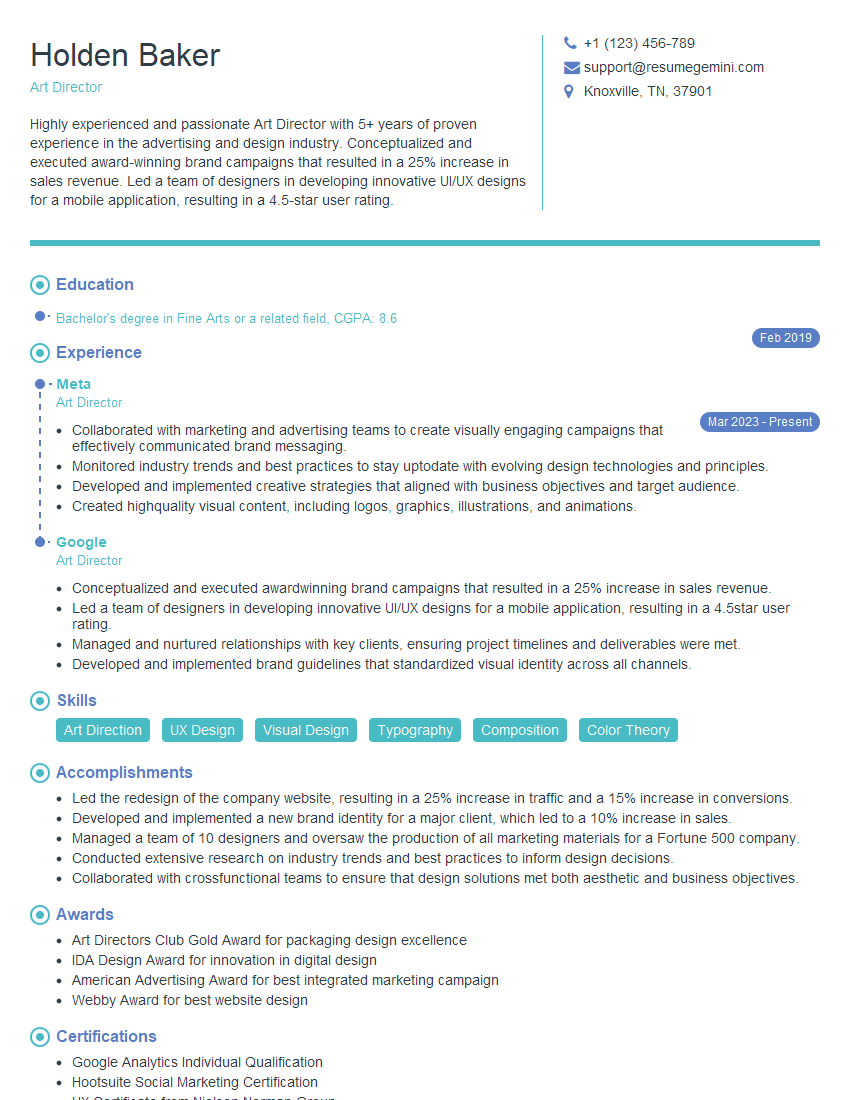
Art Director Resume Sample

Creative Director Resume Sample
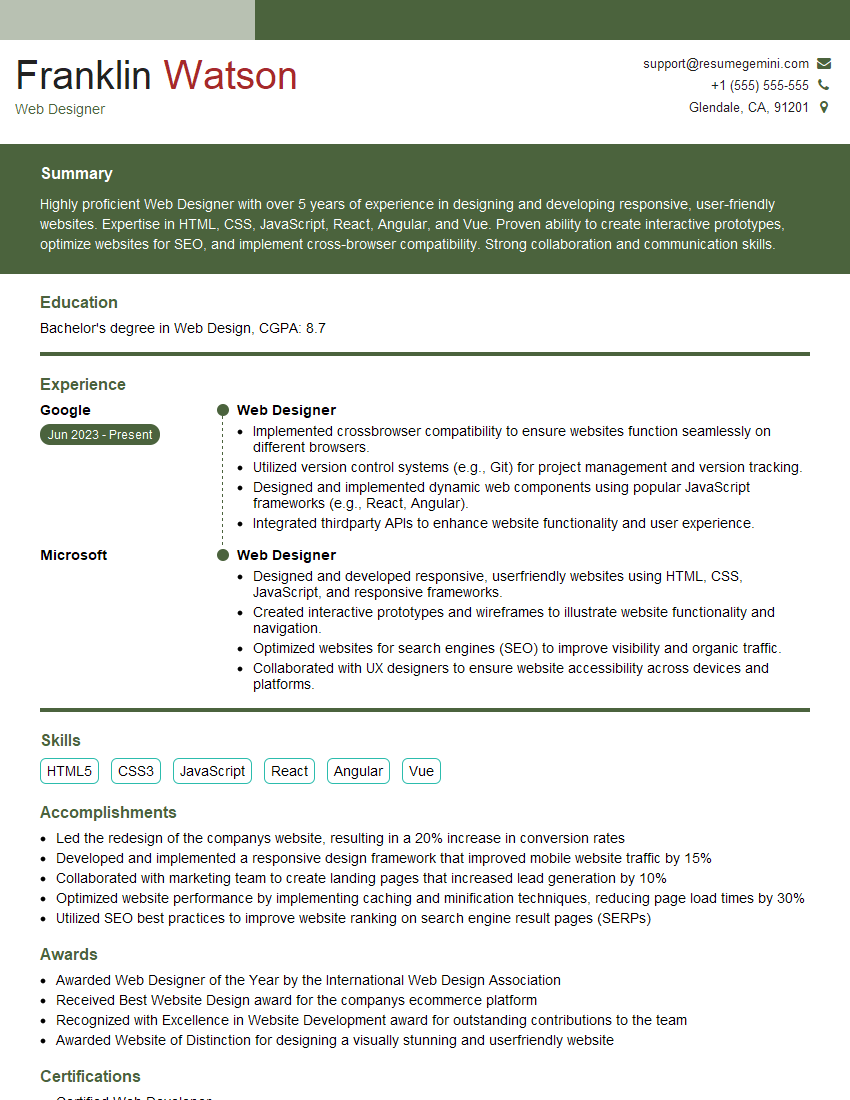
Web Designer Resume Sample
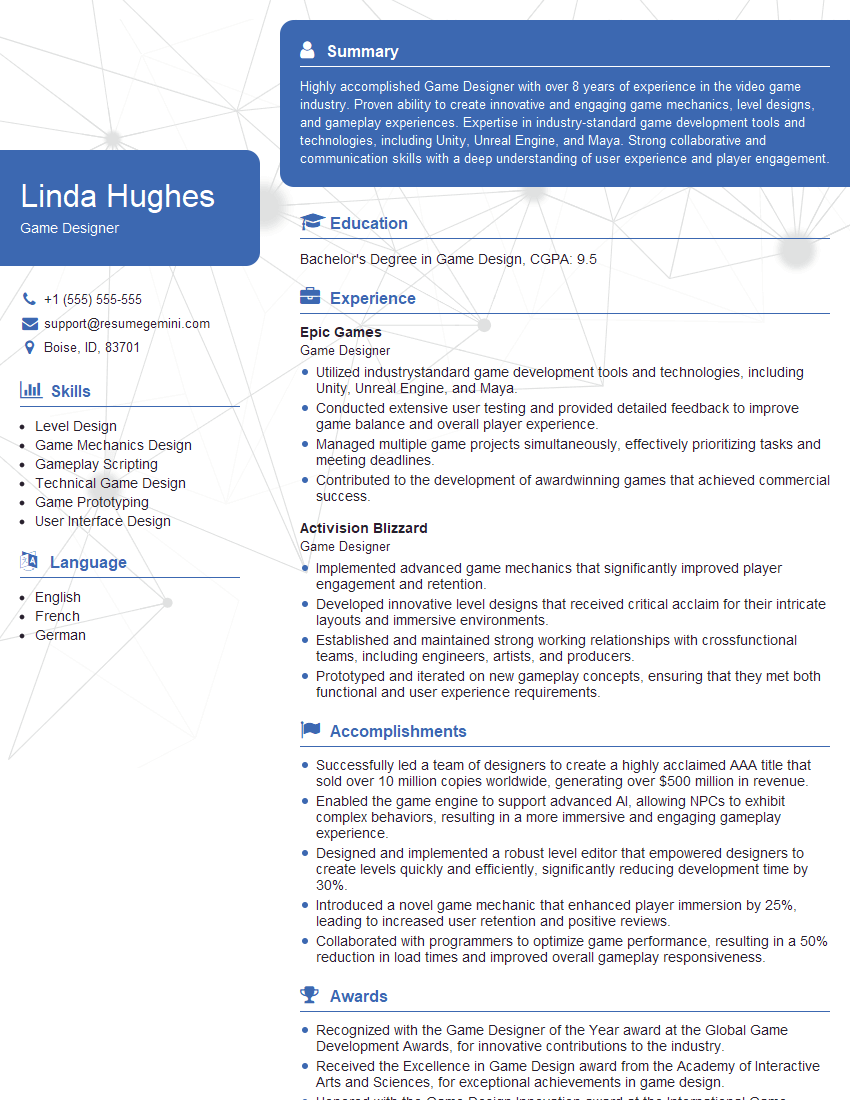
Game Designer Resume Sample
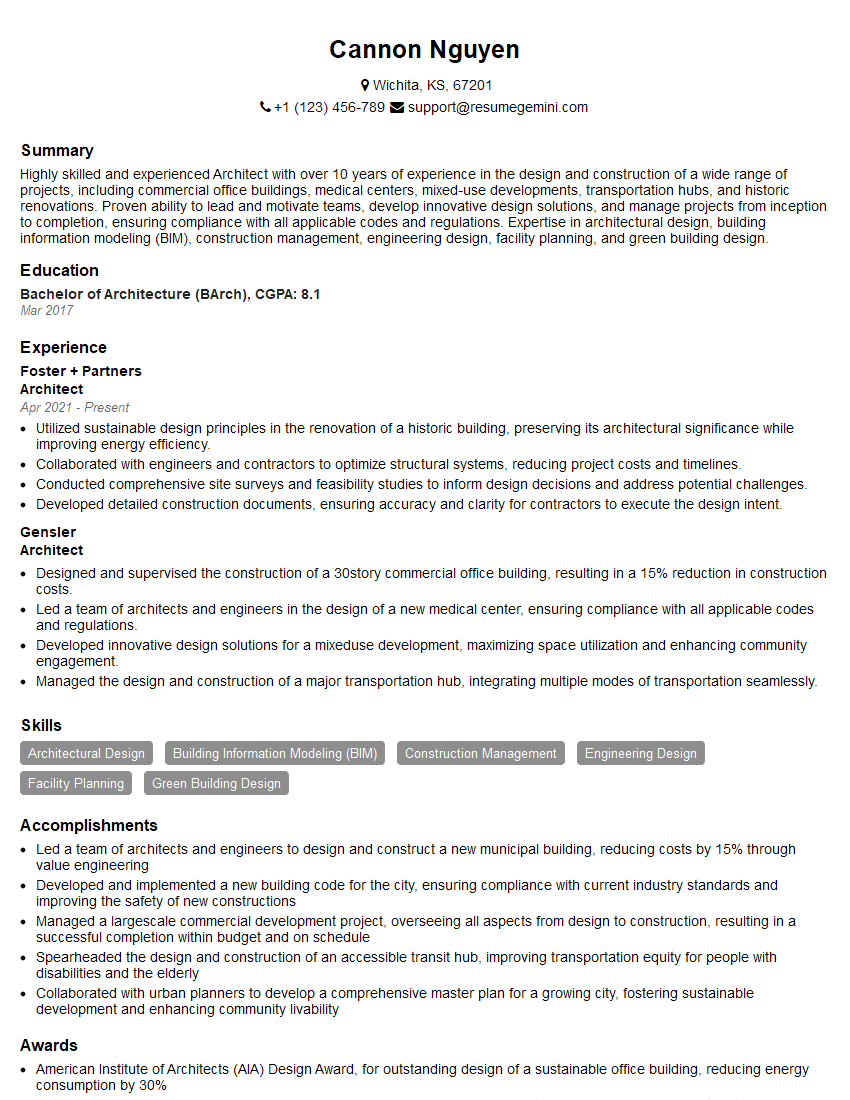
Architect Resume Sample
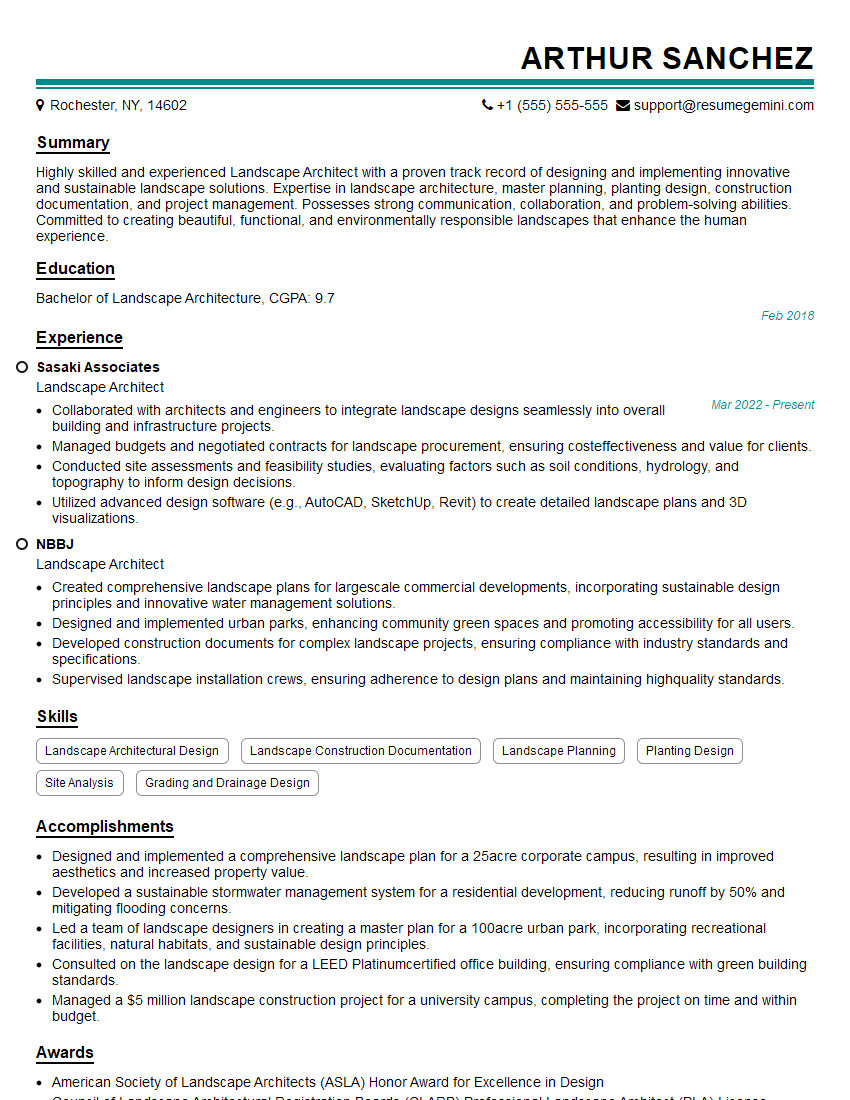
Landscape Architect Resume Sample
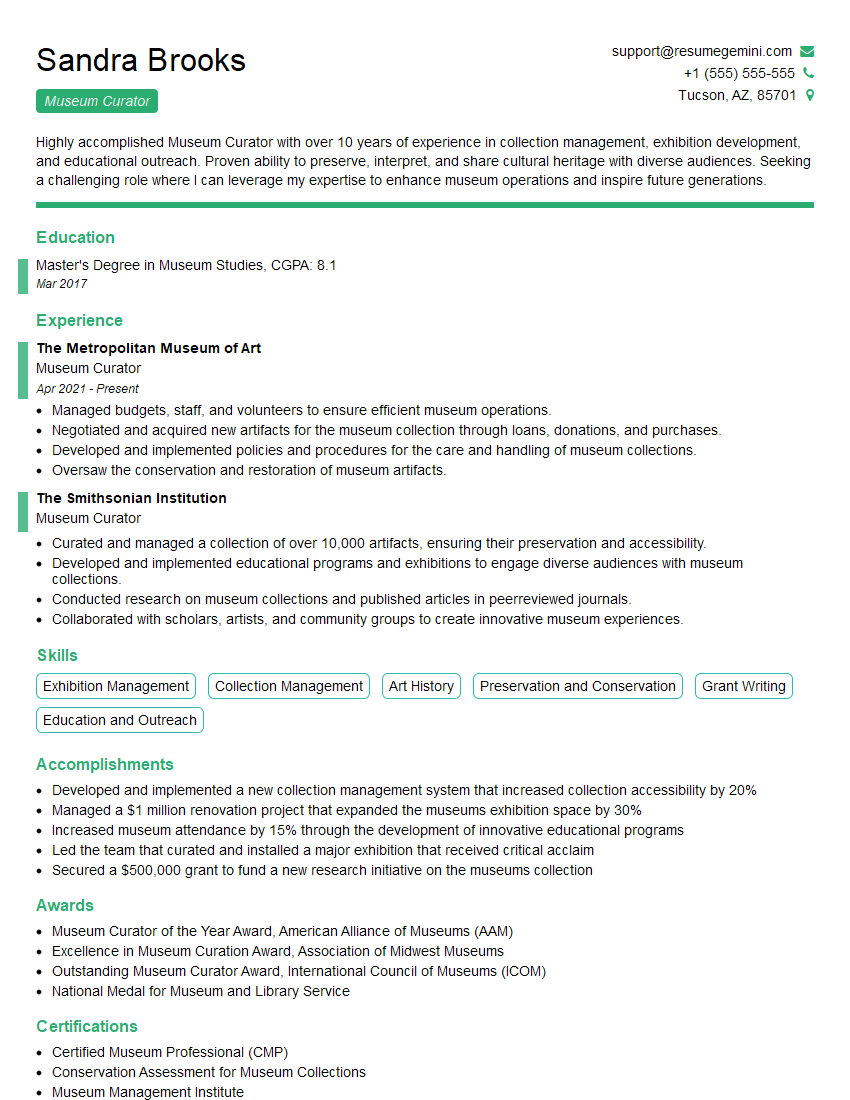
Museum Curator Resume Sample
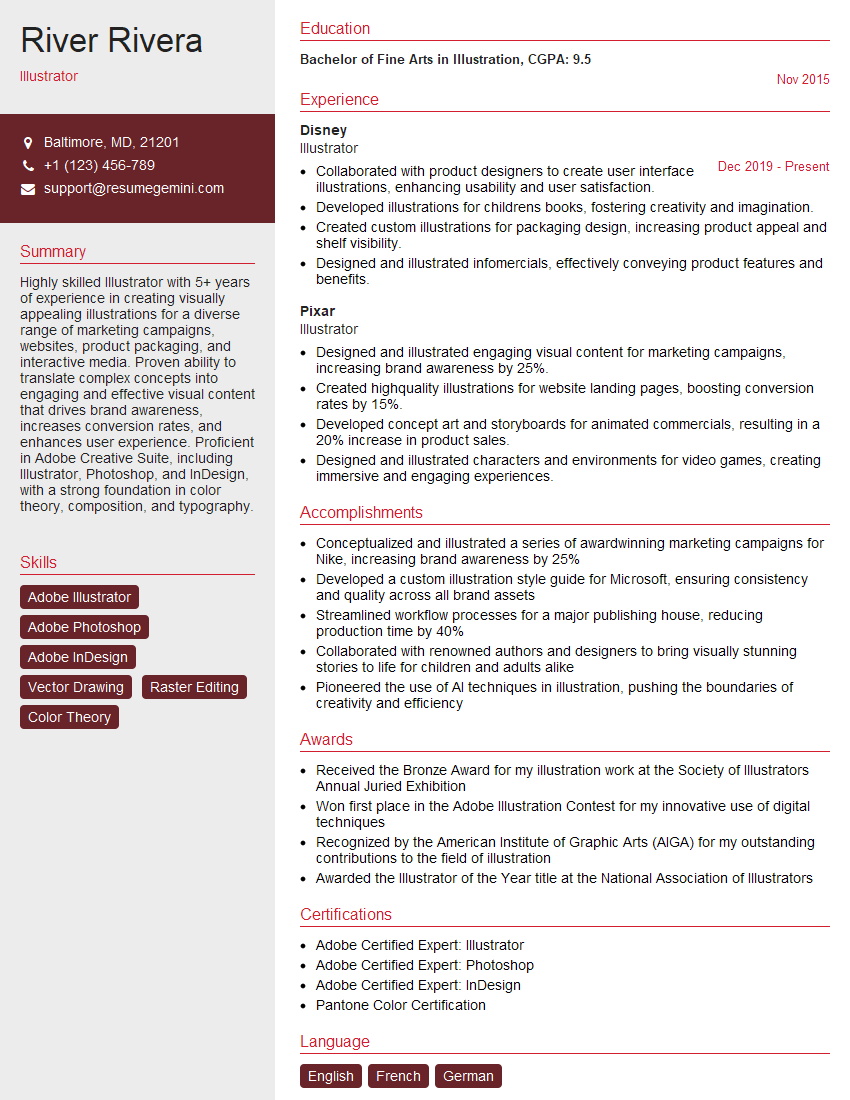
Illustrator Resume Sample
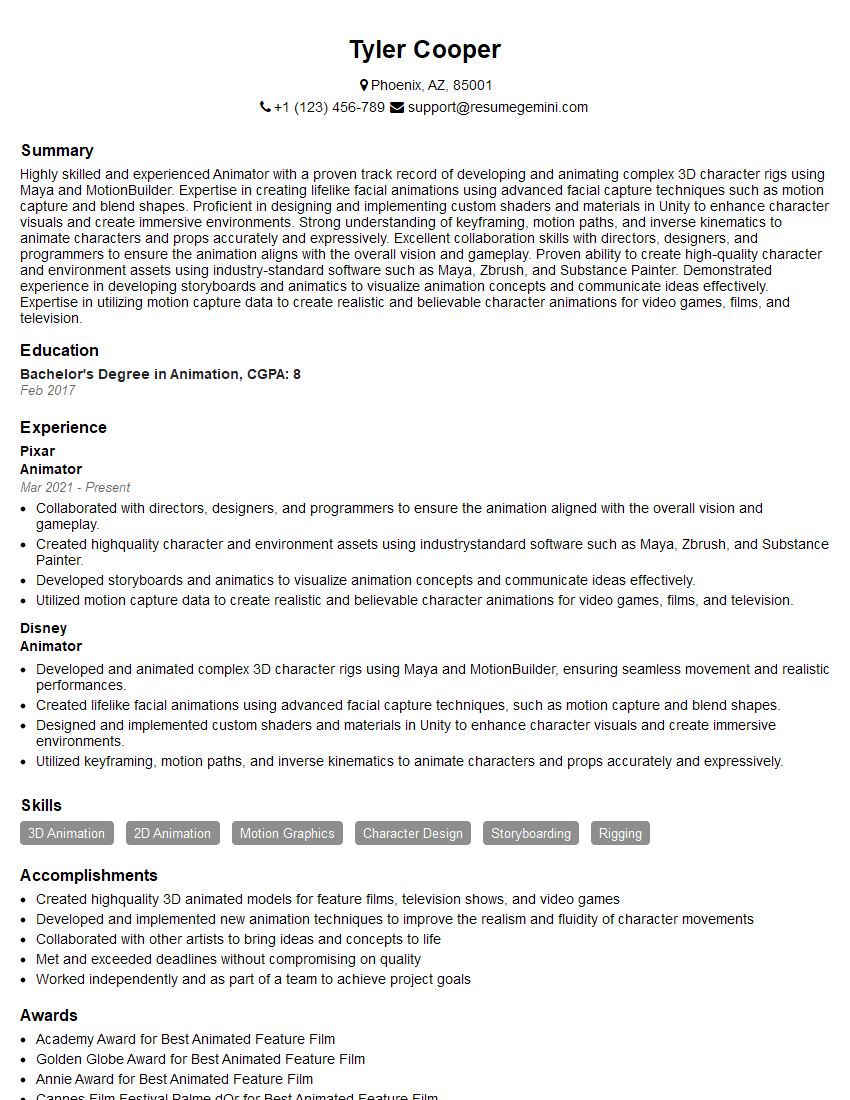
Animator Resume Sample
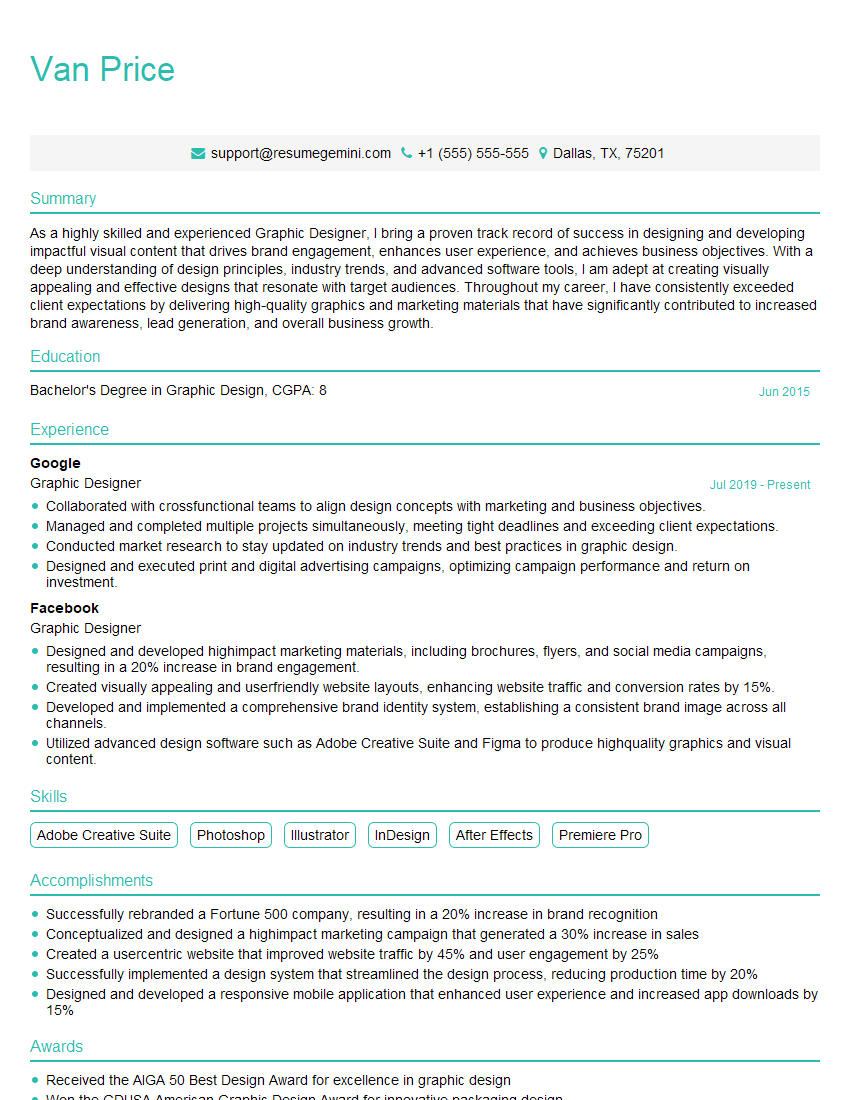
Graphic Designer Resume Sample
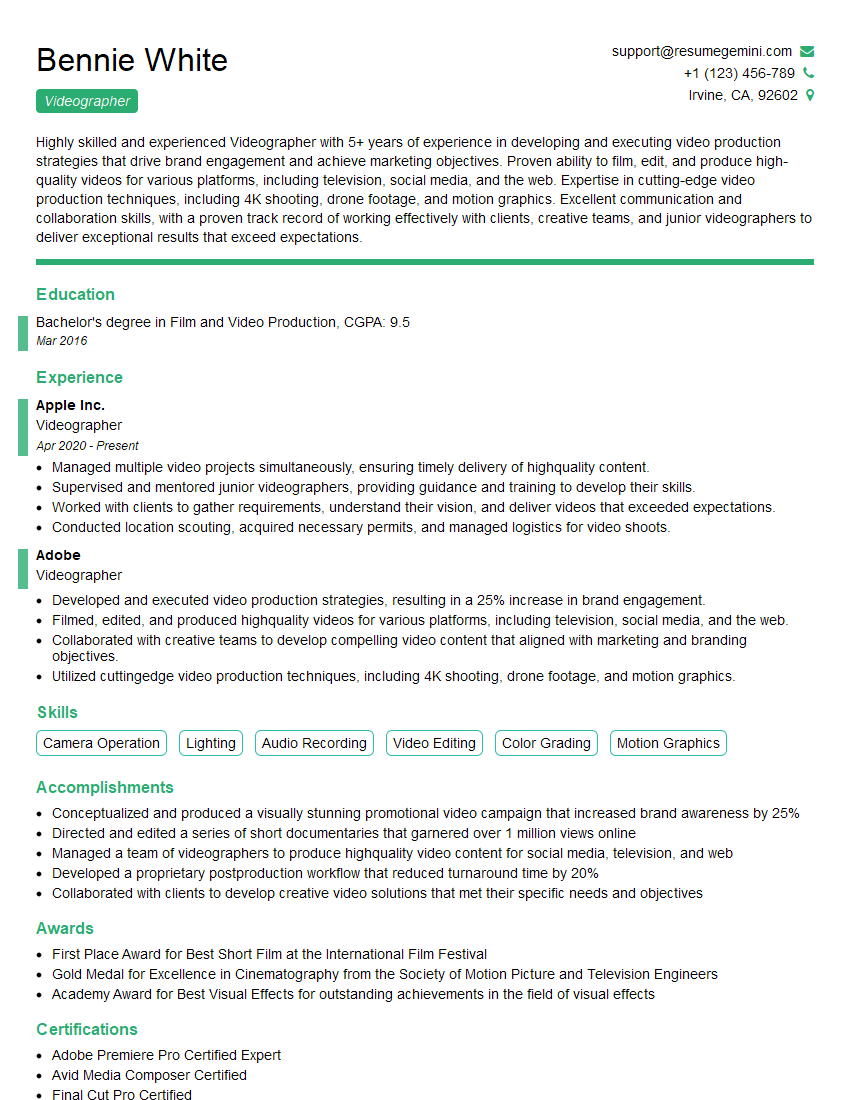
Videographer Resume Sample
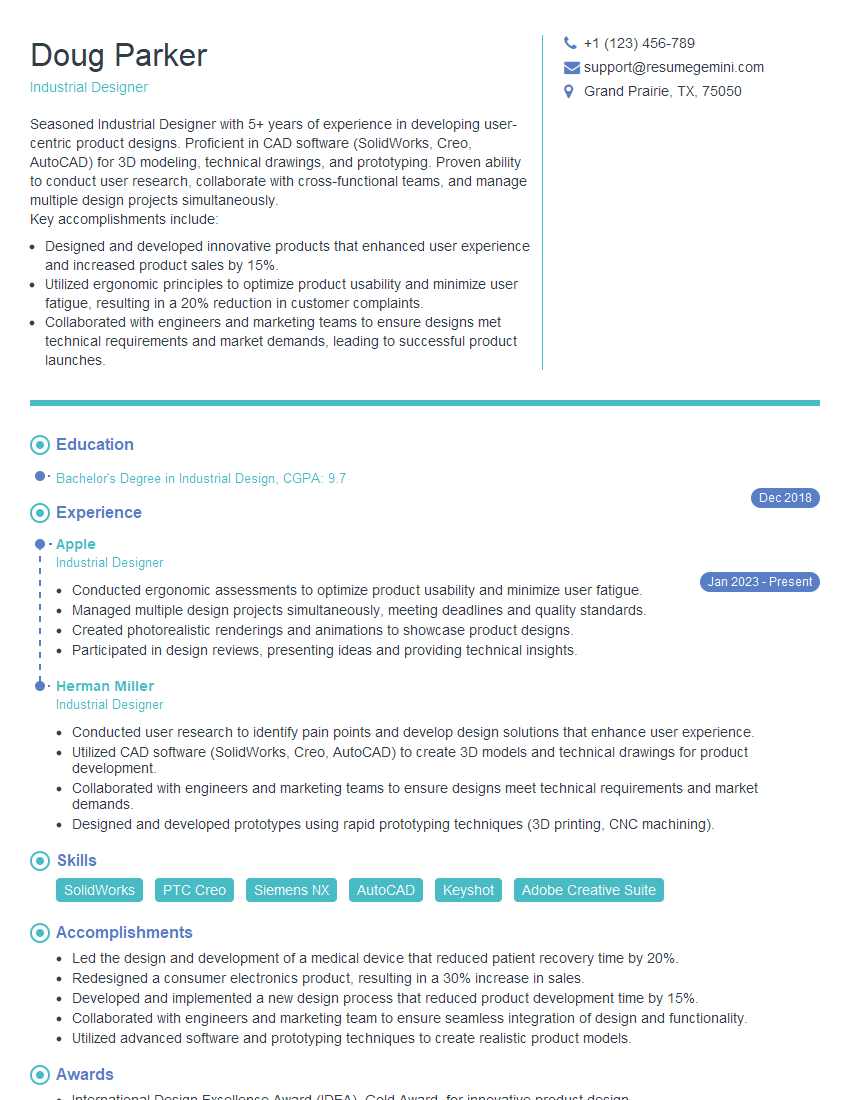
Industrial Designer Resume Sample
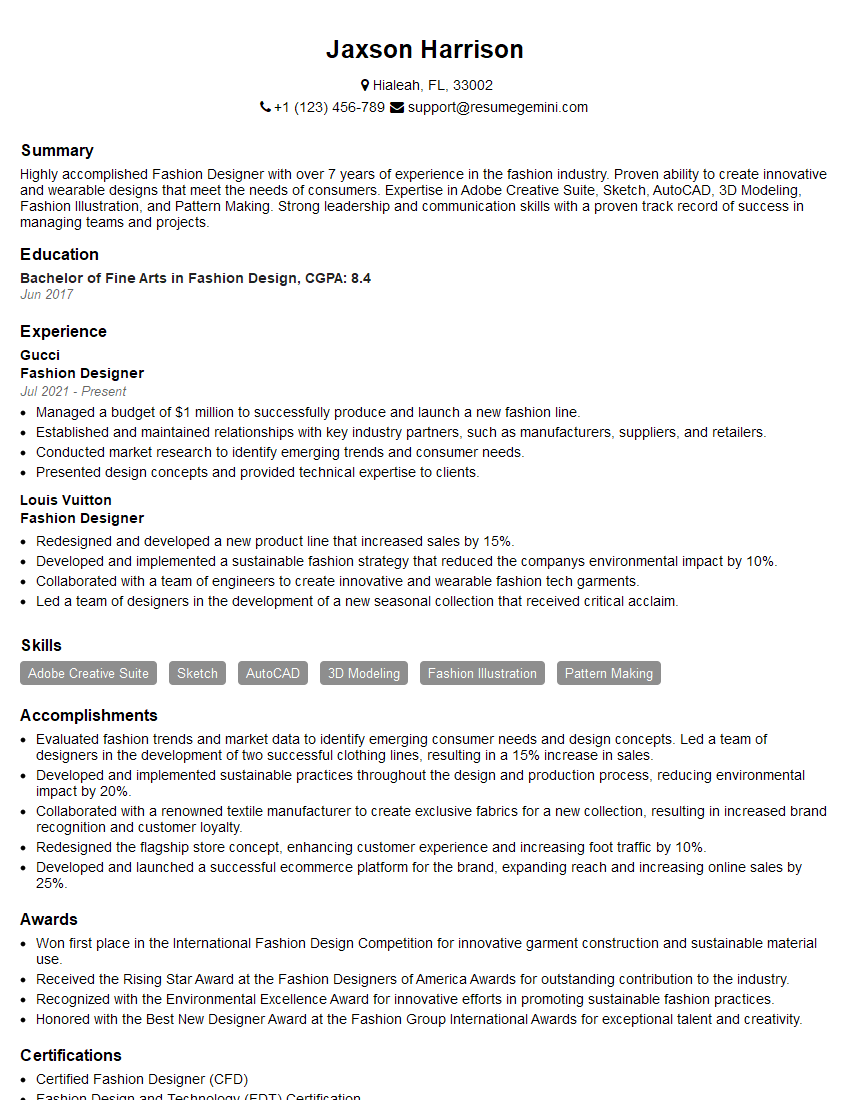
Fashion Designer Resume Sample
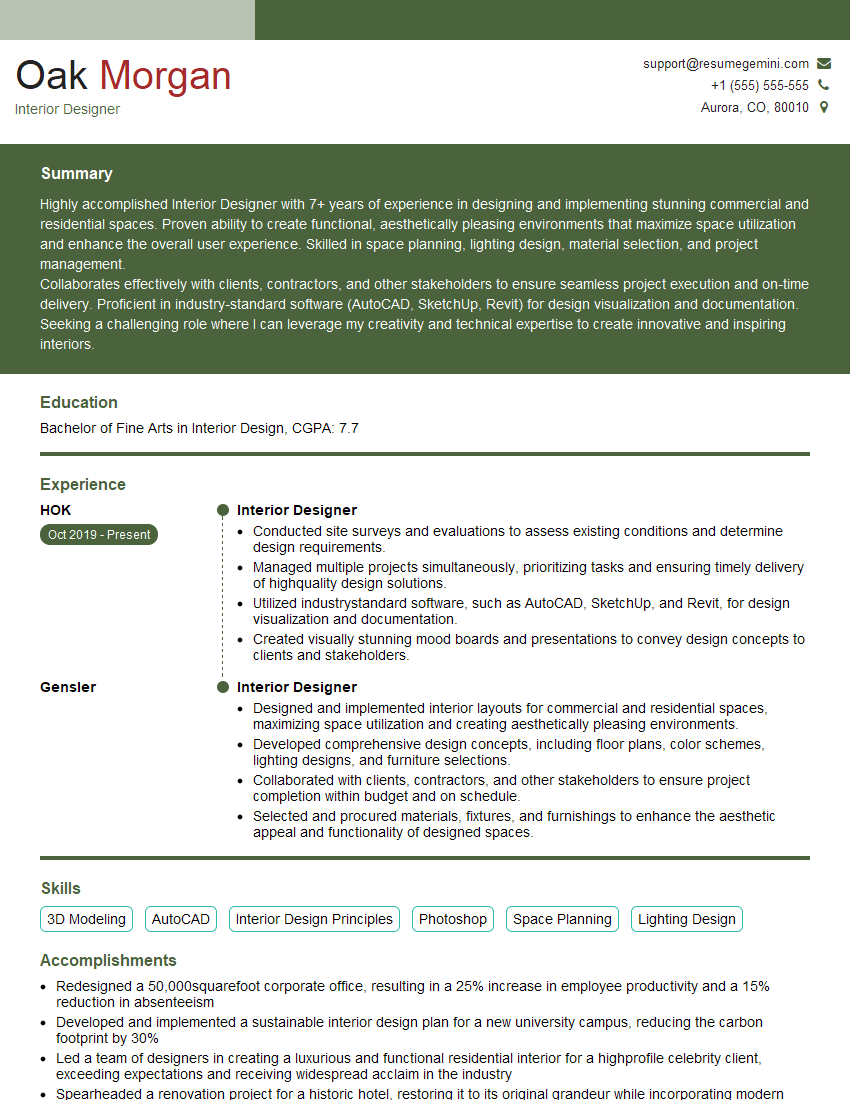
Interior Designer Resume Sample
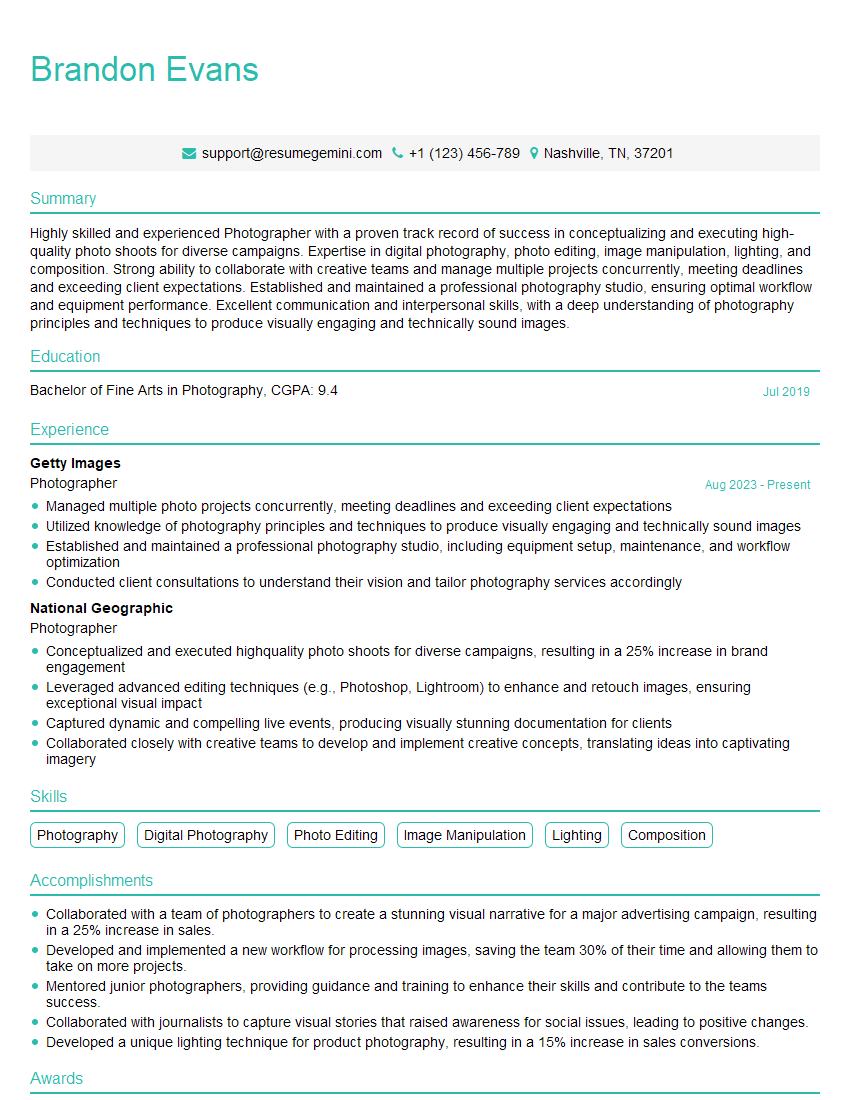
Photographer Resume Sample

Copywriter Resume Sample

Content Creator Resume Sample
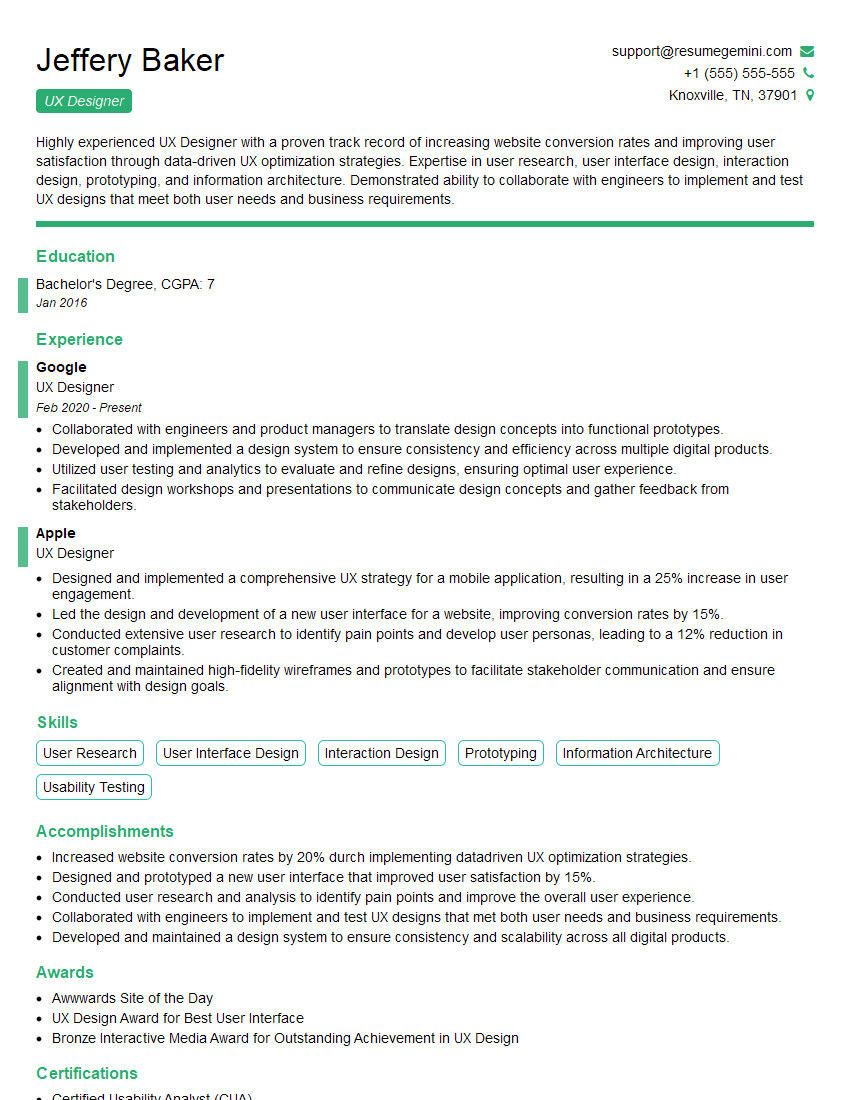
UX Designer Resume Sample
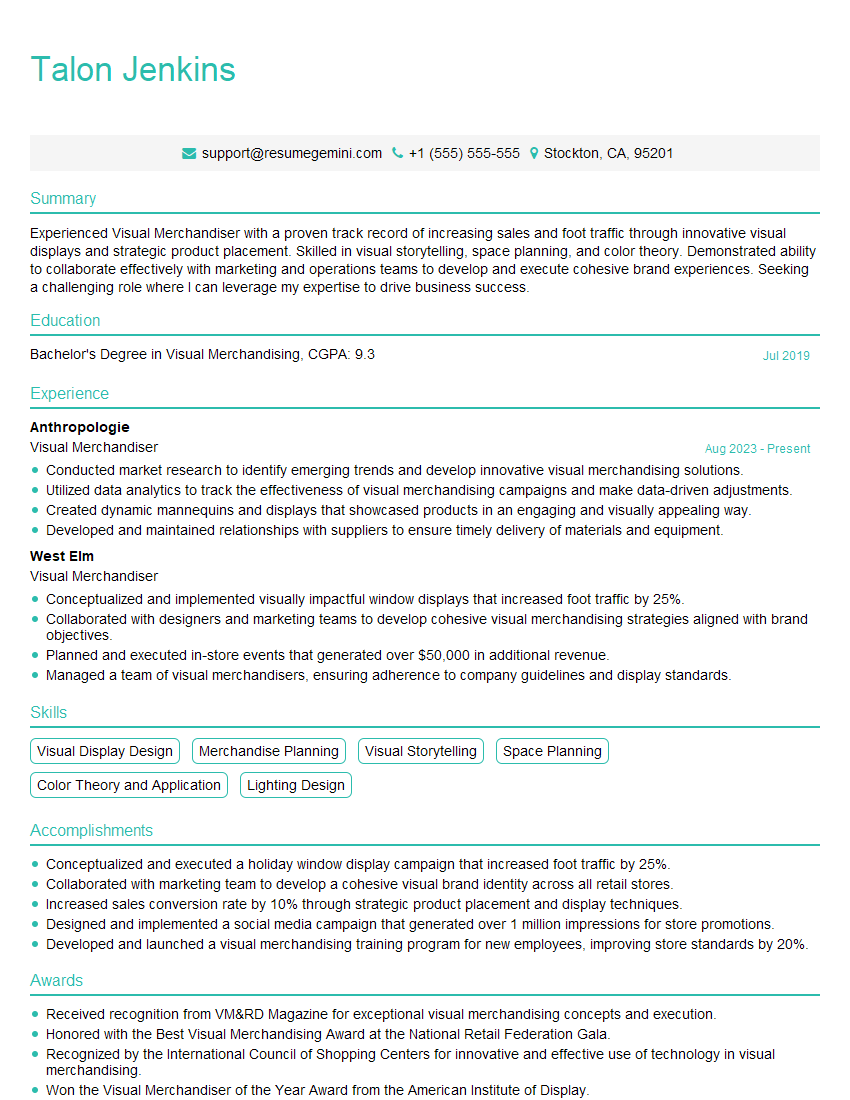
Visual Merchandiser Resume Sample
Explore more articles
Users Rating of Our Blogs
Share Your Experience
We value your feedback! Please rate our content and share your thoughts (optional).
What Readers Say About Our Blog
Very informative content, great job.
good