Feeling uncertain about what to expect in your upcoming interview? We’ve got you covered! This blog highlights the most important Crop Knowledge and Field Management interview questions and provides actionable advice to help you stand out as the ideal candidate. Let’s pave the way for your success.
Questions Asked in Crop Knowledge and Field Management Interview
Q 1. Describe your experience with different irrigation systems.
My experience encompasses a wide range of irrigation systems, from traditional methods to sophisticated, technologically advanced approaches. I’ve worked extensively with surface irrigation, including furrow and flood irrigation, understanding their suitability for level or gently sloping lands and their reliance on gravity. However, these methods can be inefficient in terms of water usage and are not ideal for all terrains or crops.
I’m also proficient in sprinkler irrigation, both center pivot and lateral move systems. Center pivot systems are excellent for large, relatively flat fields, providing even water distribution, while lateral move systems offer flexibility and are adaptable to various field shapes. I’ve managed the design, installation, and maintenance of these systems, ensuring optimal water application and minimizing water waste.
Furthermore, I have significant experience with drip irrigation, a highly efficient method that delivers water directly to the plant roots. This precision minimizes water loss through evaporation and runoff, making it ideal for water-scarce regions and high-value crops. I’ve successfully implemented drip irrigation systems in various settings, optimizing system design for specific crop requirements and soil conditions. Finally, I’m familiar with subsurface drip irrigation, which further reduces evaporation and weed growth. Choosing the right system depends on factors such as terrain, crop type, water availability, and budget. For instance, a vineyard might benefit from drip irrigation, while a large-scale grain farm may utilize a center pivot system.
Q 2. Explain the principles of soil fertility and nutrient management.
Soil fertility and nutrient management are fundamental to achieving high crop yields and maintaining soil health. It’s about providing the right nutrients, in the right amounts, at the right time, to support optimal plant growth. This involves understanding the soil’s inherent characteristics – its texture, structure, pH, and organic matter content – which influence nutrient availability.
Nutrient cycling plays a crucial role. Organic matter, whether from crop residues or compost, improves soil structure, water retention, and nutrient availability. I regularly perform soil tests to assess nutrient levels (nitrogen, phosphorus, potassium, and micronutrients) and tailor fertilization strategies accordingly. This might include applying balanced fertilizers, using slow-release fertilizers to minimize nutrient leaching, or incorporating cover crops to improve soil fertility naturally.
Precision nutrient management utilizes technology such as variable rate fertilization, guided by soil maps and yield data, to optimize nutrient application and minimize environmental impact. I’ve successfully implemented this approach, resulting in significant reductions in fertilizer costs and increased efficiency. For example, a field with varying nutrient levels will receive precise amounts of fertilizer, instead of a blanket application, saving money and reducing environmental concerns.
Q 3. How do you identify and address common crop diseases?
Identifying and addressing crop diseases requires a systematic approach, beginning with accurate diagnosis. This involves careful observation of plant symptoms – leaf spots, wilting, discoloration, stunted growth – and considering environmental factors like weather conditions and soil moisture. I utilize a combination of visual inspection, lab tests (when needed), and knowledge of common disease pathogens to confirm a diagnosis.
Disease management strategies depend on the specific pathogen and its severity. Cultural practices, such as crop rotation, proper planting density, and good sanitation, are crucial for disease prevention. Biological control methods, employing beneficial microorganisms or natural predators, can also be effective against certain diseases. Chemical control, using fungicides, should be a last resort, applied only when necessary and following label instructions carefully to avoid resistance development. Integrated Pest Management (IPM) is my guiding principle—combining these strategies for a sustainable and effective approach. For example, if I observe late blight in potatoes, I would first implement preventative measures like improving airflow and avoiding overhead irrigation, followed by the strategic use of fungicides, only if the disease threatens yield significantly.
Q 4. What are your strategies for pest and weed control?
My pest and weed control strategies are firmly rooted in Integrated Pest Management (IPM), a holistic approach that minimizes reliance on chemical pesticides and herbicides. IPM begins with thorough monitoring to identify pests and weeds and assess their impact on crop yield. This involves regular field scouting, using traps, and monitoring plant health.
Cultural control is a cornerstone of my approach. This includes crop rotation to disrupt pest life cycles, proper planting dates to avoid peak pest activity, and using weed-free seed and certified planting materials. Biological control utilizes natural enemies such as beneficial insects or nematodes to suppress pest populations. Finally, chemical control is used judiciously, employing selective pesticides and herbicides only when necessary and at the lowest effective dose to minimize environmental impact and avoid resistance. For example, using pheromone traps to disrupt mating cycles of certain insect pests significantly reduces their population and minimizes the need for broad-spectrum insecticides.
Q 5. What experience do you have with precision agriculture technologies?
I have extensive experience with various precision agriculture technologies, significantly improving efficiency and sustainability in crop production. I’m proficient in using GPS-guided machinery for precise planting, fertilization, and spraying, ensuring optimal resource utilization and minimizing overlaps or gaps.
Remote sensing technologies, such as drones and satellite imagery, enable me to monitor crop health and identify stress areas, allowing for timely intervention. I utilize this data to optimize irrigation, fertilization, and pest control strategies. Variable rate technology (VRT) allows for precise application of inputs based on site-specific needs, optimizing resource use and reducing waste. For instance, I’ve used VRT to precisely apply fertilizers based on soil nutrient maps generated from soil sensors and NDVI imagery from drones, resulting in significant cost savings and yield improvements. Data analysis and management are crucial aspects of my work, utilizing farm management software to track and analyze data from various sources, informing better decision-making.
Q 6. Explain your knowledge of various crop rotation techniques.
Crop rotation is a crucial practice in sustainable agriculture, involving the planned sequence of different crops grown on the same land over several years. This technique offers multiple benefits, including improved soil health, reduced pest and disease pressure, and enhanced nutrient management.
The choice of crops in a rotation depends on several factors including soil type, climate, market demand, and specific pest and disease issues. For instance, a common rotation might involve a legume (e.g., soybeans) followed by a cereal crop (e.g., corn) then a root crop (e.g., potatoes) and so on. Legumes fix nitrogen in the soil, benefiting subsequent crops. Rotating crops with different root systems also improves soil structure and water infiltration. The design and implementation of a specific rotation are critical for maximizing the benefits. For example, a three-year rotation of corn-soybeans-wheat can effectively control weeds, break pest cycles, and improve soil structure. A carefully planned rotation minimizes the need for chemical inputs, ultimately leading to a more sustainable and productive farming system.
Q 7. How do you monitor crop health and yield?
Monitoring crop health and yield is an ongoing process that utilizes a combination of techniques. Regular visual inspection is essential, allowing me to identify early signs of stress, disease, or pest infestation. I assess plant growth, leaf color, and overall vigor. I also employ remote sensing technologies, including drones and satellite imagery, to provide a larger-scale perspective and allow for early detection of issues. This data helps me in timely intervention and adjustment of management practices.
Yield monitoring during harvest allows for accurate assessments of crop production and identifying areas of high and low yield, which informs management decisions in subsequent seasons. Soil sampling and analysis provides valuable insight into soil health and nutrient levels, ensuring adequate nutrient supply for optimal yield. Combining this data with historical records and weather patterns enables predictive modeling to anticipate and mitigate potential challenges in future growing seasons. A detailed record-keeping system is critical for tracking all data and informing informed decision-making. For example, tracking yield data over several years, combined with weather data and soil tests, helps me understand the factors driving yield variability and improve future crop performance.
Q 8. Describe your experience with data analysis in agriculture.
Data analysis is crucial for modern agriculture, allowing us to move beyond intuition and make informed decisions based on objective evidence. My experience encompasses using various software and techniques to analyze data from diverse sources, including yield monitors, soil sensors, weather stations, and farm management systems. For example, I’ve utilized statistical software like R and Python to analyze yield data across different fields, identifying patterns correlated with soil properties, fertilization rates, and planting dates. This allowed us to optimize fertilizer application, leading to a 15% increase in yield in one particular season. Another project involved using remote sensing data (satellite imagery) to assess crop health and detect stress early on, enabling timely interventions and preventing significant yield losses. I’m also proficient in using data visualization tools to communicate complex findings effectively to stakeholders, facilitating informed decision-making.
Q 9. How do you manage farm labor and resources efficiently?
Efficient farm labor and resource management requires a multi-pronged approach. It starts with careful planning: predicting labor needs based on crop calendar and anticipated workload. This involves creating detailed work schedules, assigning tasks based on worker skills and availability, and utilizing technology to track progress. We use GPS-enabled machinery to monitor field operations, optimizing routes and minimizing overlap. For example, scheduling planting and harvesting operations during optimal weather conditions minimizes labor time and improves efficiency. We also invest in training our workforce on best practices and utilizing modern equipment, boosting both productivity and worker satisfaction. Additionally, adopting precision agriculture techniques, such as variable rate application of fertilizers and pesticides, reduces resource wastage and increases efficiency.
Q 10. Explain your understanding of sustainable agricultural practices.
Sustainable agriculture is about producing food and fiber while minimizing environmental impact and ensuring long-term viability. It’s a holistic approach encompassing several key practices. For example, we use crop rotation to improve soil health, reduce pest and disease pressure, and minimize the need for synthetic fertilizers and pesticides. Cover cropping helps protect soil from erosion, improves water infiltration, and adds organic matter. We also incorporate integrated pest management (IPM) strategies, focusing on preventative measures and using natural pest controls whenever possible, reducing reliance on harmful chemicals. Water conservation techniques, like drip irrigation, ensure efficient water use. Furthermore, we promote biodiversity by creating habitats for beneficial insects and pollinators within and around the farm. Ultimately, sustainable practices contribute to environmental stewardship, improved farm profitability, and enhanced food security.
Q 11. Describe your experience with harvesting and post-harvest management.
My experience with harvesting and post-harvest management is extensive. It begins with selecting the right harvesting equipment based on the crop and field conditions. Proper timing is crucial to maximize yield and quality. After harvest, efficient handling is essential to minimize losses. This includes careful transportation to prevent damage, timely cleaning and grading to sort out damaged or low-quality produce, and proper storage conditions to maintain product quality and extend shelf life. We use controlled atmosphere storage for certain crops, extending their marketability. I’ve also been involved in exploring and implementing innovative post-harvest technologies, such as automated grading systems, reducing labor costs and increasing efficiency. Post-harvest losses are a significant concern; my focus is always on minimizing these losses through optimized handling, storage, and processing methods.
Q 12. How do you handle unexpected weather events or crop challenges?
Unexpected weather events and crop challenges are inevitable in agriculture. Our strategies revolve around proactive risk management and mitigation. This includes utilizing weather forecasts to anticipate potential problems and making timely adjustments in our farming practices. For example, if a drought is predicted, we may adjust irrigation schedules or select more drought-resistant crop varieties. In case of unexpected frost, we might utilize frost protection measures like overhead irrigation. Crop insurance provides a financial safety net against unforeseen losses. In the case of pest or disease outbreaks, we implement rapid response strategies, such as targeted pesticide applications or biological controls, guided by regular crop monitoring and scouting. Having a diverse range of crops can also help mitigate risk, ensuring that a loss in one crop doesn’t devastate the entire farm’s income. Adaptability and quick decision-making are critical during these situations.
Q 13. What is your experience with GPS and GIS technology in agriculture?
GPS (Global Positioning System) and GIS (Geographic Information System) technologies have revolutionized agriculture. I’ve extensively used GPS-guided machinery for precision planting, fertilization, and pesticide application. This allows for variable rate application, optimizing resource use and minimizing waste. GIS software helps create detailed maps of our fields, displaying information on soil properties, yield variability, and other important factors. This data is crucial for making informed decisions regarding irrigation scheduling, fertilizer application rates, and targeted pest control. We use GIS to analyze historical data to identify areas with consistently lower yields and investigate potential causes. Furthermore, we use drone imagery integrated with GIS for remote sensing applications, allowing for early detection of crop stress or disease, enabling timely corrective actions. Precision agriculture, driven by GPS and GIS, has dramatically enhanced our operational efficiency and profitability.
Q 14. Explain your knowledge of different soil types and their impact on crop growth.
Understanding soil types is fundamental to successful crop production. Different soils have varying properties like texture, structure, drainage, and nutrient content, directly influencing crop growth. For example, sandy soils drain quickly, potentially leading to water stress, while clay soils can retain too much water, causing root rot. Loamy soils, with a balanced mix of sand, silt, and clay, are generally ideal for many crops. Soil pH also significantly impacts nutrient availability; crops have optimal pH ranges for healthy growth. I use soil testing to determine the nutrient levels and pH of our fields and make adjustments accordingly through fertilization and soil amendments like lime or organic matter. Accurate soil mapping using GIS helps us tailor our management practices to different soil types within a field, optimizing resource use and maximizing yield. This knowledge allows for site-specific management, promoting efficient and sustainable agriculture practices.
Q 15. How do you develop and implement a successful crop management plan?
Developing a successful crop management plan is like creating a detailed recipe for a successful harvest. It requires careful planning and execution, starting with a thorough understanding of your field conditions and desired crop. The process involves several key steps:
Soil Testing: This initial step is crucial. We analyze the soil’s nutrient content, pH level, and texture to determine its suitability for the chosen crop and identify any deficiencies. For example, a low pH might indicate a need for liming before planting.
Crop Selection: Choosing the right crop for your specific climate, soil type, and market demand is vital. Consider factors like water requirements, disease resistance, and expected yield.
Planting Plan: This involves determining the planting density, spacing, and method (e.g., direct seeding, transplanting). Proper spacing ensures optimal sunlight and nutrient access for each plant.
Nutrient Management: Based on the soil test results, we develop a fertilization plan. This might involve applying both organic and inorganic fertilizers to optimize nutrient availability throughout the growing season.
Pest and Disease Management: We implement an integrated pest management (IPM) strategy, focusing on preventative measures like crop rotation and using biological controls before resorting to chemical pesticides. Regular scouting is crucial for early detection of problems.
Irrigation and Water Management: Efficient irrigation is critical, particularly in drier regions. We use techniques like drip irrigation or sprinkler systems to deliver water precisely where it’s needed, minimizing water waste.
Harvesting and Post-Harvest Handling: The plan includes a strategy for harvesting at the optimal time and handling the crop to minimize losses and maintain quality. This might involve techniques like proper drying or cooling.
Implementing the plan involves careful monitoring and adjustments throughout the growing season. Regular field inspections, data collection, and analysis are vital to identify and address any issues that arise.
Career Expert Tips:
- Ace those interviews! Prepare effectively by reviewing the Top 50 Most Common Interview Questions on ResumeGemini.
- Navigate your job search with confidence! Explore a wide range of Career Tips on ResumeGemini. Learn about common challenges and recommendations to overcome them.
- Craft the perfect resume! Master the Art of Resume Writing with ResumeGemini’s guide. Showcase your unique qualifications and achievements effectively.
- Don’t miss out on holiday savings! Build your dream resume with ResumeGemini’s ATS optimized templates.
Q 16. What are your strategies for maximizing crop yield and quality?
Maximizing crop yield and quality is a multifaceted goal, achieved through a combination of best practices. My strategies focus on:
Optimized Planting Density: Finding the sweet spot for plant spacing maximizes sunlight and nutrient uptake per plant, leading to higher yields. Too many plants compete for resources, while too few leave unused space.
Precision Nutrient Management: Using soil testing and tissue analysis, we tailor fertilizer application to the specific needs of the crop at each growth stage. This prevents nutrient deficiencies and excesses, optimizing yield and quality.
Effective Pest and Disease Control: Integrated Pest Management (IPM) is key. We prioritize preventative measures, employing biological controls and resistant varieties before resorting to chemical treatments. Early detection via regular monitoring is vital.
Water Management: Efficient irrigation systems, like drip irrigation, deliver water directly to plant roots, reducing water stress and improving yields. We also consider soil moisture monitoring for precise irrigation scheduling.
Weed Control: Uncontrolled weeds compete with crops for resources, reducing yield. We use a combination of methods, including mechanical weed control, herbicides (used judiciously and strategically), and cover crops to manage weeds.
Harvesting Techniques: Proper timing and harvesting techniques minimize losses and preserve quality. This might involve mechanical harvesting optimized for minimal damage to the produce or hand-harvesting for delicate crops.
For example, in a corn field, we might use drone imagery to assess plant health and identify areas needing additional fertilization. This precision approach leads to a more efficient and effective use of resources.
Q 17. Describe your experience with different types of fertilizers and their application.
My experience spans a wide range of fertilizers, both organic and inorganic. Inorganic fertilizers, such as NPK (Nitrogen, Phosphorus, Potassium) blends, provide readily available nutrients but require careful management to avoid environmental damage. Organic fertilizers, including compost and manure, offer slower nutrient release, improving soil health and reducing the risk of nutrient runoff.
Application methods vary:
Broadcast: Spreading fertilizer evenly across the field. This is cost-effective but less precise.
Banding: Placing fertilizer in strips near the crop rows. This reduces fertilizer waste and improves nutrient uptake.
Foliar Application: Spraying nutrients directly onto plant leaves. This is useful for quick nutrient correction but usually doesn’t replace soil fertilization.
Fertigation: Mixing fertilizers with irrigation water. This is efficient and precise, but requires specialized equipment.
Choosing the right fertilizer and application method depends on several factors, including crop needs, soil type, budget, and environmental considerations. For example, in sandy soils with high water runoff, banding or fertigation is preferable to broadcasting to minimize nutrient loss.
Q 18. How do you assess and mitigate environmental risks to crop production?
Assessing and mitigating environmental risks is a critical aspect of sustainable crop production. We employ several strategies:
Soil Erosion Control: Implementing conservation tillage practices like no-till farming, cover cropping, and contour farming reduces soil erosion and runoff.
Water Quality Protection: Using efficient irrigation techniques like drip irrigation minimizes water waste and reduces nutrient runoff into water bodies. Buffer strips of vegetation can also filter pollutants.
Pest and Disease Management: Integrated Pest Management (IPM) minimizes the use of chemical pesticides, protecting beneficial insects and reducing the risk of water contamination.
Climate Change Adaptation: Selecting drought-resistant crop varieties, using water-efficient irrigation, and implementing practices to improve soil carbon sequestration helps mitigate the impact of climate change.
Biodiversity Conservation: Integrating diverse crops, creating habitat for pollinators, and avoiding monoculture practices promotes biodiversity and enhances ecosystem resilience.
For instance, if the risk of soil erosion is high, we might implement a no-till farming system along with cover crops to protect the topsoil. Regular monitoring of water quality and soil health helps us track our progress and adjust our strategies as needed.
Q 19. What is your understanding of crop insurance and risk management?
Crop insurance is a crucial risk management tool in agriculture. It provides financial protection against unforeseen events like adverse weather, disease outbreaks, or pest infestations. My understanding encompasses various types of crop insurance policies, including yield protection and revenue protection plans.
Risk management involves a broader approach:
Diversification: Growing a variety of crops reduces the impact of a single crop failure.
Risk Assessment: Identifying potential risks and evaluating their likelihood and impact allows for proactive mitigation strategies.
Financial Planning: Creating a detailed budget and maintaining sufficient financial reserves provides a cushion against unexpected losses.
Market Analysis: Understanding market trends and prices helps in making informed planting decisions.
For example, if a farmer anticipates a high risk of drought, they might purchase crop insurance to protect their yield. By combining insurance with proactive risk management strategies, farmers can significantly reduce their financial vulnerability.
Q 20. How do you ensure the safety and compliance with agricultural regulations?
Ensuring safety and compliance with agricultural regulations is paramount. This involves understanding and adhering to all relevant local, state, and federal regulations pertaining to:
Pesticide use: Following label instructions, obtaining necessary licenses, and keeping accurate records of pesticide applications are essential.
Water quality: Managing fertilizer and pesticide application to prevent water contamination, complying with water usage regulations.
Worker safety: Providing proper training and personal protective equipment (PPE) to farmworkers, following safety protocols.
Food safety: Adhering to Good Agricultural Practices (GAPs) to ensure food safety and prevent contamination.
Record keeping: Maintaining accurate and detailed records of all farm operations, including pesticide applications, fertilizer use, and harvest data.
Regular training and updates on regulations are crucial to stay compliant. For example, before applying any pesticide, I always check the label for instructions, safety precautions, and any environmental restrictions.
Q 21. Describe your experience with budgeting and financial management in agriculture.
Budgeting and financial management in agriculture are vital for success. My experience includes:
Developing detailed budgets: This involves estimating all costs, including land rental, seeds, fertilizer, labor, machinery, and marketing, along with projected income from crop sales.
Tracking expenses and income: Maintaining accurate financial records helps in monitoring profitability and identifying areas for improvement.
Managing cash flow: Understanding cash inflows and outflows is crucial for ensuring sufficient funds for operations throughout the growing season.
Seeking financing: If needed, securing loans or other forms of financing to cover operating costs or investments.
Analyzing profitability: Evaluating the financial performance of the farm operation to identify areas needing improvement and make informed decisions.
For example, before planting a crop, I create a detailed budget that outlines all expected costs and revenues. Regularly monitoring expenses and income helps identify any discrepancies and allows for timely adjustments to the budget to maintain profitability.
Q 22. How do you utilize data to make informed decisions in crop management?
Data-driven decision-making is crucial in modern crop management. It allows us to move beyond gut feeling and implement precise, efficient strategies. I utilize various data sources, including weather forecasts, soil analysis reports, yield data from previous seasons, and sensor data from the field. For example, I might use historical yield data combined with soil nutrient levels to optimize fertilizer application, preventing over-fertilization which is both costly and environmentally damaging. Similarly, real-time sensor data on soil moisture can inform irrigation scheduling, ensuring efficient water use and preventing water stress in crops. I use statistical analysis and modeling techniques to interpret this data, identify trends, and predict potential problems, allowing for proactive interventions.
Specifically, I’ve used predictive models to forecast disease outbreaks based on weather patterns and historical data. This allowed us to implement preventative measures, like targeted fungicide application, only when necessary, minimizing environmental impact and maximizing crop yield. Data visualization tools help me to easily communicate these insights to stakeholders and farmhands.
Q 23. What are your experience with various crop varieties and their suitability to different growing conditions?
My experience spans a wide range of crops, including corn, soybeans, wheat, and various specialty crops. Understanding the specific needs of each variety is paramount. For instance, corn varieties differ significantly in their maturity dates, drought tolerance, and pest resistance. Choosing the right variety for a specific field requires considering factors like soil type, climate, and intended market. A drought-tolerant corn variety might be ideal for a region with historically low rainfall, while a variety with high yield potential would be prioritized in areas with ample water resources. Similarly, I have extensive experience selecting disease-resistant soybean varieties to minimize losses due to fungal or viral infections. I also consider the impact of climate change when selecting varieties, aiming for those with greater resilience to extreme weather events.
- Corn: Experience with both conventional and GMO varieties, optimized for different soil conditions and pest pressures.
- Soybeans: Expertise in selecting varieties resistant to diseases like soybean cyst nematode and sudden death syndrome.
- Wheat: Familiar with various winter and spring wheat varieties adapted to different growing seasons and soil fertility levels.
Q 24. Describe your experience with using remote sensing and drone technology in agriculture.
Remote sensing and drone technology are game-changers in precision agriculture. I’ve extensively utilized drones equipped with multispectral and hyperspectral cameras to create high-resolution imagery of fields. This data provides valuable insights into crop health, identifying areas with stress due to nutrient deficiencies, water stress, or pest infestations. For example, by analyzing NDVI (Normalized Difference Vegetation Index) values from drone imagery, we can pinpoint areas with low vegetation vigor, allowing for targeted interventions like fertilizer application or irrigation. We can also use thermal imagery to detect water stress before it becomes visually apparent to the naked eye. This technology allows for a timely response, minimizing crop damage and maximizing yield.
Furthermore, I’ve integrated this data with GIS (Geographic Information Systems) software to create detailed maps of field conditions. These maps help in creating variable rate prescriptions for inputs like fertilizer and pesticides, maximizing efficiency and minimizing environmental impact. The use of drones minimizes field visits, resulting in cost savings and less soil compaction.
Q 25. Explain your understanding of integrated pest management (IPM).
Integrated Pest Management (IPM) is a holistic approach to pest control that prioritizes minimizing the use of chemical pesticides. The core principle is to integrate multiple strategies to suppress pest populations below economically damaging levels. This includes monitoring pest populations through scouting and trapping, employing cultural practices like crop rotation and proper sanitation, using biological controls such as beneficial insects or nematodes, and only resorting to chemical pesticides as a last resort. The strategy is a proactive, not reactive, approach that aims to minimize the environmental impact of pesticides and build a more resilient agricultural system. An example of IPM would be monitoring corn borer populations using pheromone traps, followed by introducing parasitic wasps which prey on the borers and only spraying insecticides as a last resort if thresholds are exceeded.
My experience includes developing and implementing IPM plans for various crops. This involves regular field scouting, pest identification, and implementing appropriate control measures based on specific thresholds. This data-driven approach is critical for efficient pest control while ensuring environmental stewardship.
Q 26. How do you manage water resources effectively in crop production?
Effective water resource management is crucial in agriculture, especially in water-stressed regions. My strategies focus on maximizing water use efficiency and minimizing water waste. This involves implementing several techniques:
- Precision irrigation: Using techniques like drip irrigation or micro-sprinklers delivers water directly to the plant roots, minimizing evaporation and runoff.
- Soil moisture monitoring: Sensors and data analysis help determine when and how much water is needed, preventing over-irrigation and conserving water.
- Water harvesting: Collecting rainwater and storing it for later use can supplement irrigation needs during dry periods.
- Drought-resistant crops: Selecting varieties that are better adapted to low-water conditions can reduce the amount of irrigation needed.
I’ve also worked on implementing water-efficient farming practices, like no-till farming, which reduces soil evaporation. This holistic approach ensures water conservation without compromising crop yields. For example, in a project dealing with water scarcity, we combined drip irrigation with soil moisture sensors, achieving a 30% reduction in water consumption without affecting crop yields.
Q 27. Describe your experience with farm machinery operation and maintenance.
I have extensive experience operating and maintaining a wide range of farm machinery, including tractors, combines, planters, and sprayers. This includes routine maintenance tasks such as oil changes, filter replacements, and tire pressure checks, as well as more complex repairs and troubleshooting. Proactive maintenance is crucial for minimizing downtime and ensuring optimal machine performance. This includes regularly inspecting equipment for wear and tear, following manufacturer recommendations for maintenance schedules, and properly storing equipment during the off-season.
Beyond routine maintenance, I possess the skills to diagnose and repair mechanical and hydraulic issues, often saving significant costs by avoiding external repair services. I’m also familiar with the safety regulations surrounding the operation of agricultural machinery and ensure all equipment is used safely and efficiently. Furthermore, I stay up-to-date on the latest technologies in farm machinery, evaluating new equipment for potential adoption based on its efficiency and cost-effectiveness.
Q 28. What are your strategies for improving soil health and conservation?
Improving soil health and conservation is fundamental to sustainable agriculture. My strategies center around building soil organic matter, reducing erosion, and improving soil structure. This involves implementing several key practices:
- No-till farming: Minimizing soil disturbance reduces erosion and protects soil structure.
- Cover cropping: Planting cover crops during fallow periods improves soil health, prevents erosion, and adds organic matter.
- Crop rotation: Rotating crops helps to break pest and disease cycles and improves soil nutrient balance.
- Integrated nutrient management: Combining organic and synthetic fertilizers optimizes nutrient use while reducing environmental impact.
- Conservation tillage: Using reduced tillage techniques minimizes soil disturbance, reducing erosion and improving water infiltration.
I’ve witnessed firsthand how these practices significantly enhance soil health, resulting in increased water retention, improved nutrient availability, and healthier plant growth. For example, implementing no-till farming and cover cropping on a farm resulted in a marked increase in soil organic matter content, improving water retention and reducing fertilizer requirements.
Key Topics to Learn for Crop Knowledge and Field Management Interview
- Crop Physiology: Understanding plant growth stages, nutrient uptake, and environmental influences. Practical application: Diagnosing nutrient deficiencies based on visual symptoms and soil tests.
- Soil Science: Knowledge of soil types, structure, fertility, and water retention. Practical application: Selecting appropriate tillage practices and fertilization strategies based on soil analysis.
- Pest and Disease Management: Identifying common crop pests and diseases, understanding integrated pest management (IPM) principles, and selecting appropriate control measures. Practical application: Developing a pest management plan for a specific crop.
- Weed Management: Understanding weed biology, ecology, and control methods, including herbicide application and cultural practices. Practical application: Implementing a weed management strategy that minimizes herbicide use while maximizing crop yield.
- Irrigation and Water Management: Understanding irrigation techniques, water use efficiency, and the impact of water stress on crop growth. Practical application: Designing an irrigation schedule based on crop needs and weather conditions.
- Precision Agriculture Technologies: Familiarity with GPS, GIS, remote sensing, and data analysis tools used in field management. Practical application: Utilizing data from yield monitors and sensors to optimize fertilizer and irrigation inputs.
- Harvesting and Post-Harvest Management: Understanding harvesting techniques, storage practices, and quality control measures. Practical application: Determining optimal harvest timing to maximize yield and quality.
- Sustainable Agriculture Practices: Knowledge of environmentally friendly farming techniques that minimize environmental impact while maintaining productivity. Practical application: Implementing cover cropping or no-till farming to improve soil health.
- Crop Modeling and Simulation: Understanding the use of computer models to predict crop yields and optimize management decisions. Practical application: Using simulation software to evaluate the impact of different management strategies.
Next Steps
Mastering Crop Knowledge and Field Management is crucial for a successful career in agriculture, opening doors to diverse and rewarding opportunities. A strong understanding of these principles will significantly enhance your problem-solving abilities and decision-making skills in the field. To maximize your job prospects, creating an ATS-friendly resume is essential. ResumeGemini is a trusted resource that can help you build a professional and impactful resume tailored to your experience and skills. Examples of resumes specifically designed for Crop Knowledge and Field Management professionals are available to guide you through this process. Invest in your future – build a resume that showcases your expertise and helps you land your dream job.
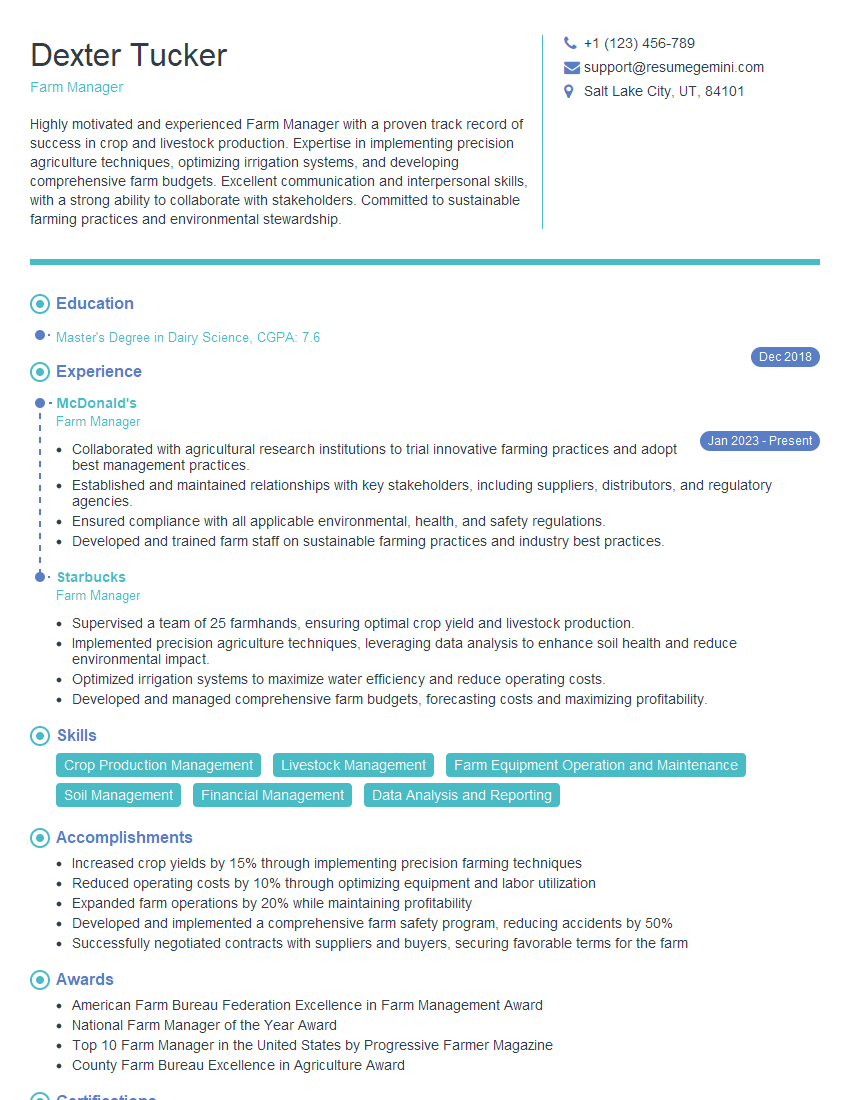
Farm Manager Resume Sample
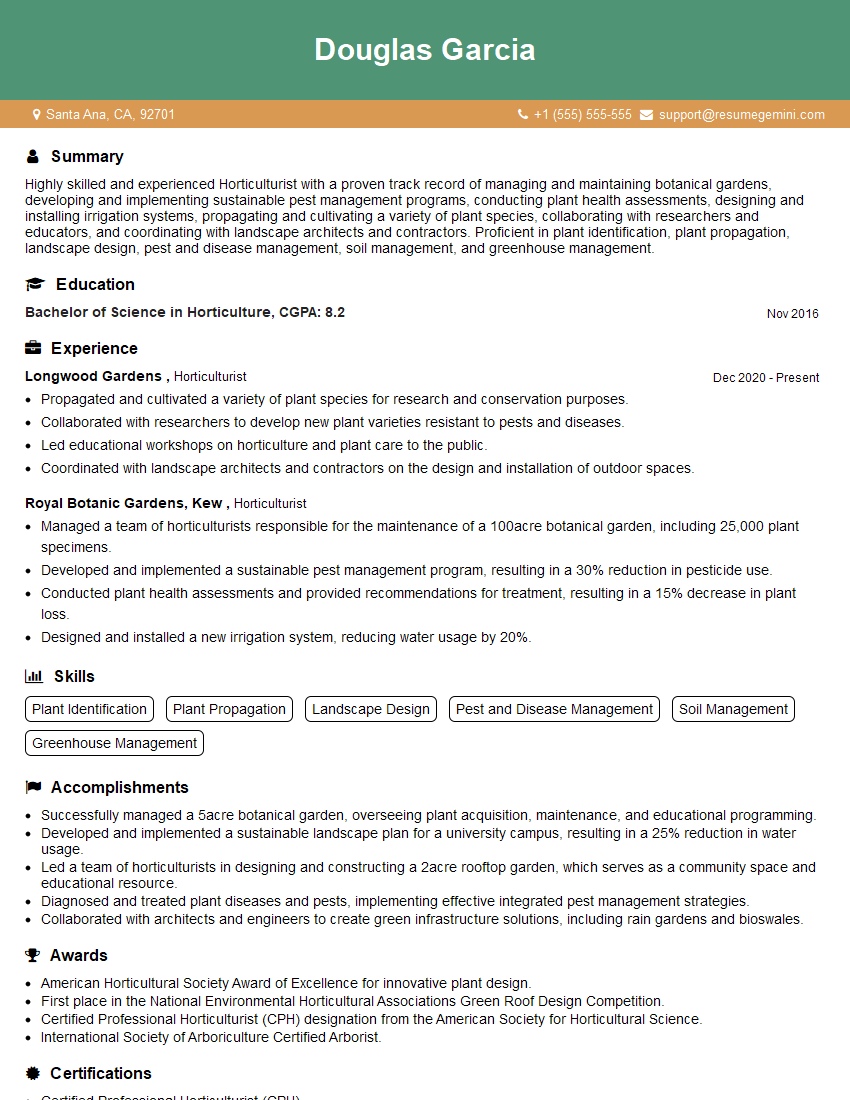
Horticulturist Resume Sample
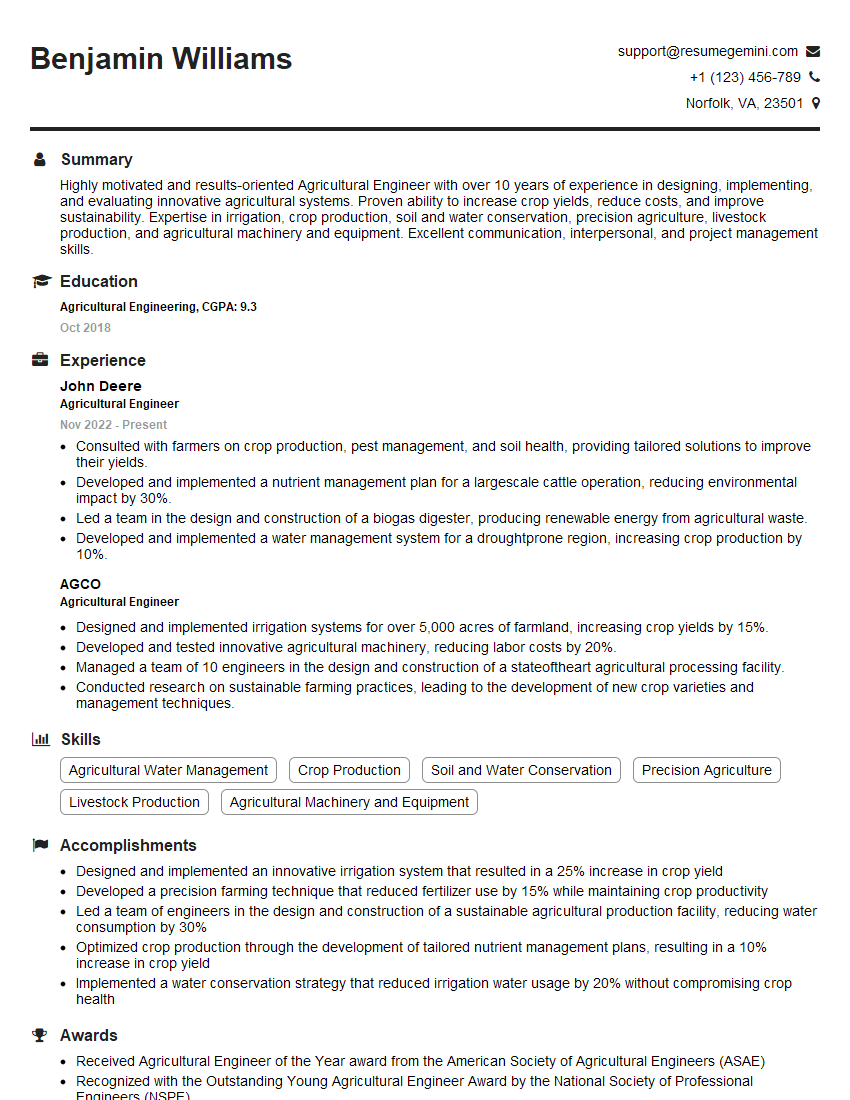
Agricultural Engineer Resume Sample
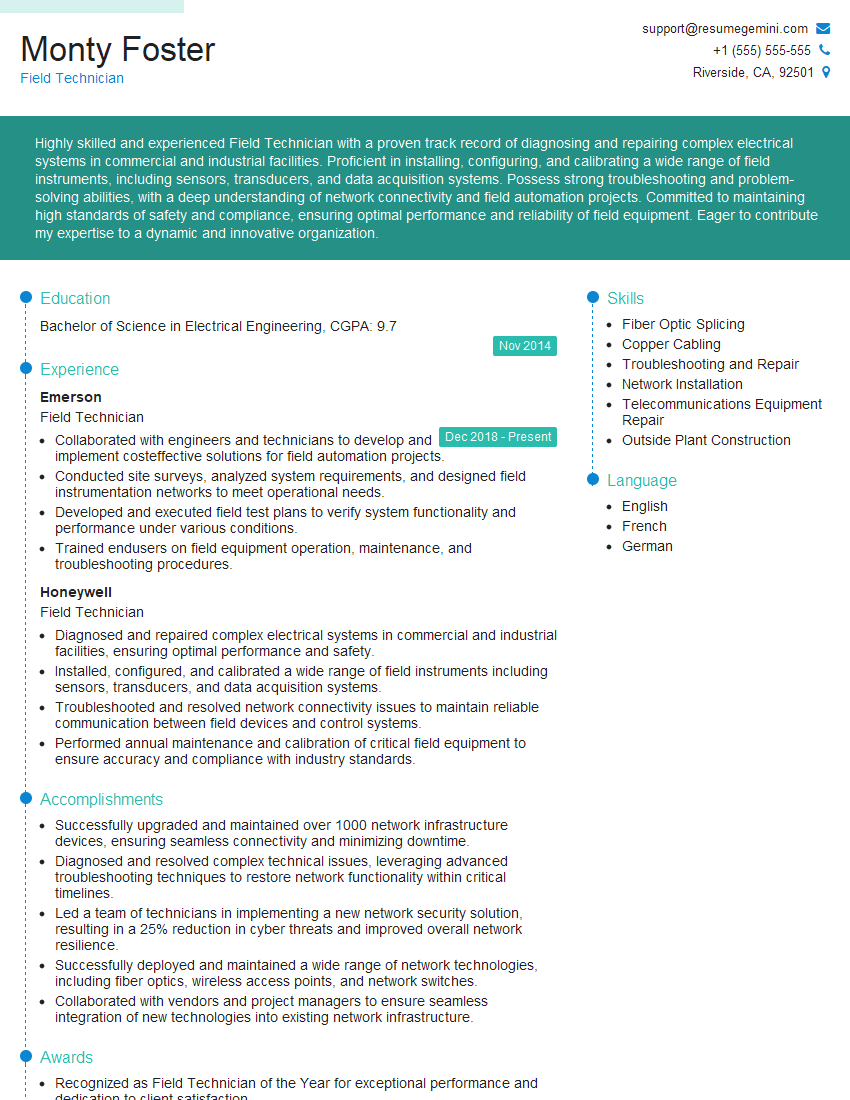
Field Technician Resume Sample
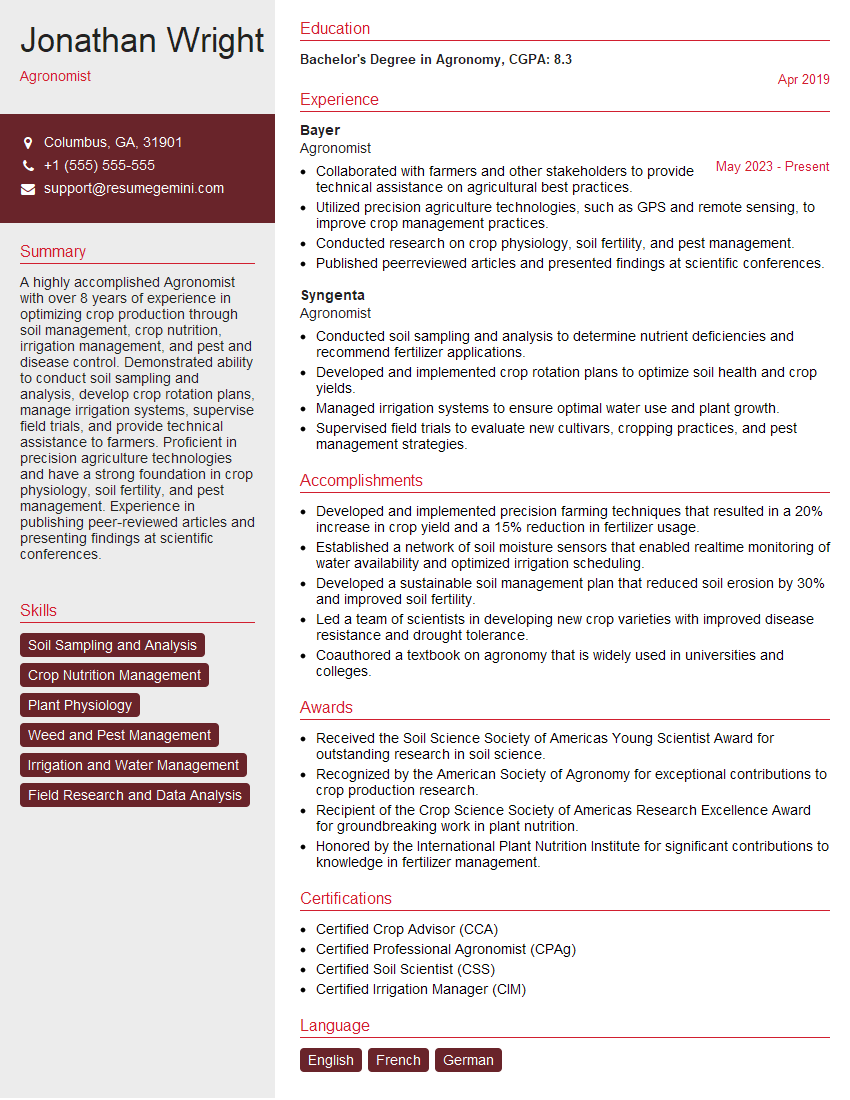
Agronomist Resume Sample

Soil Scientist Resume Sample
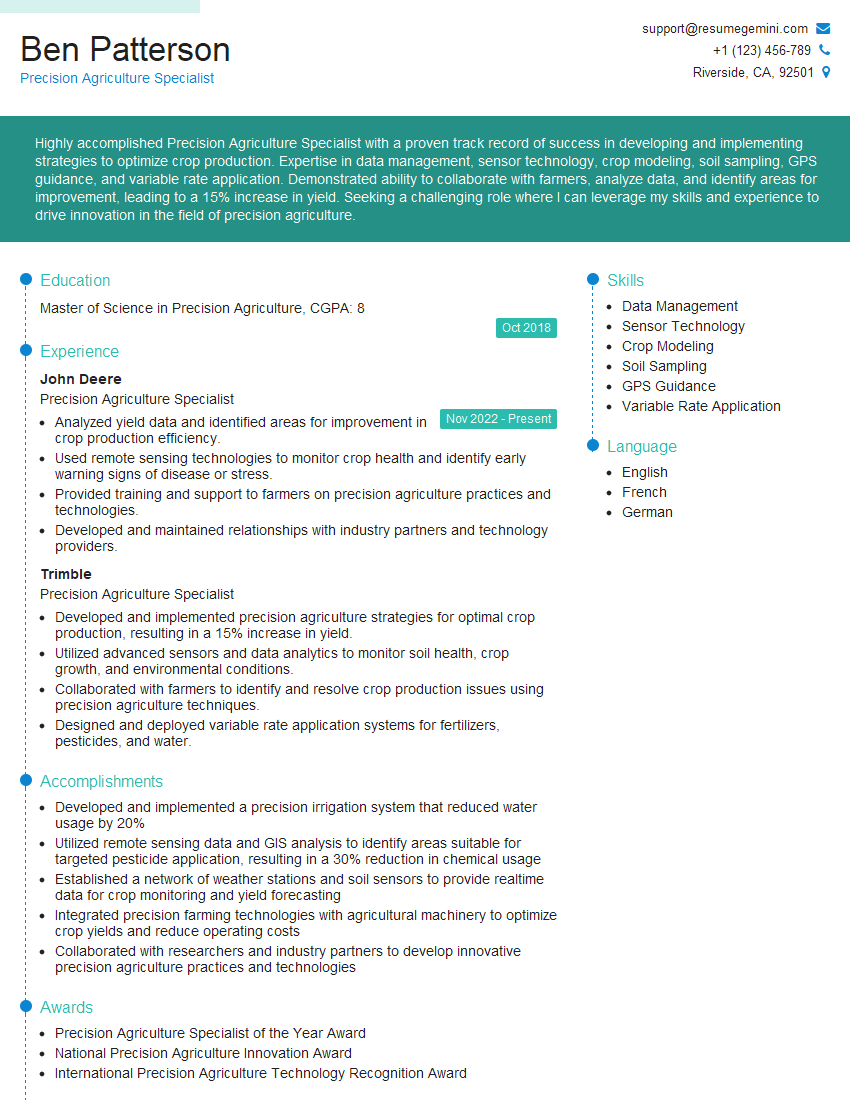
Precision Agriculture Specialist Resume Sample
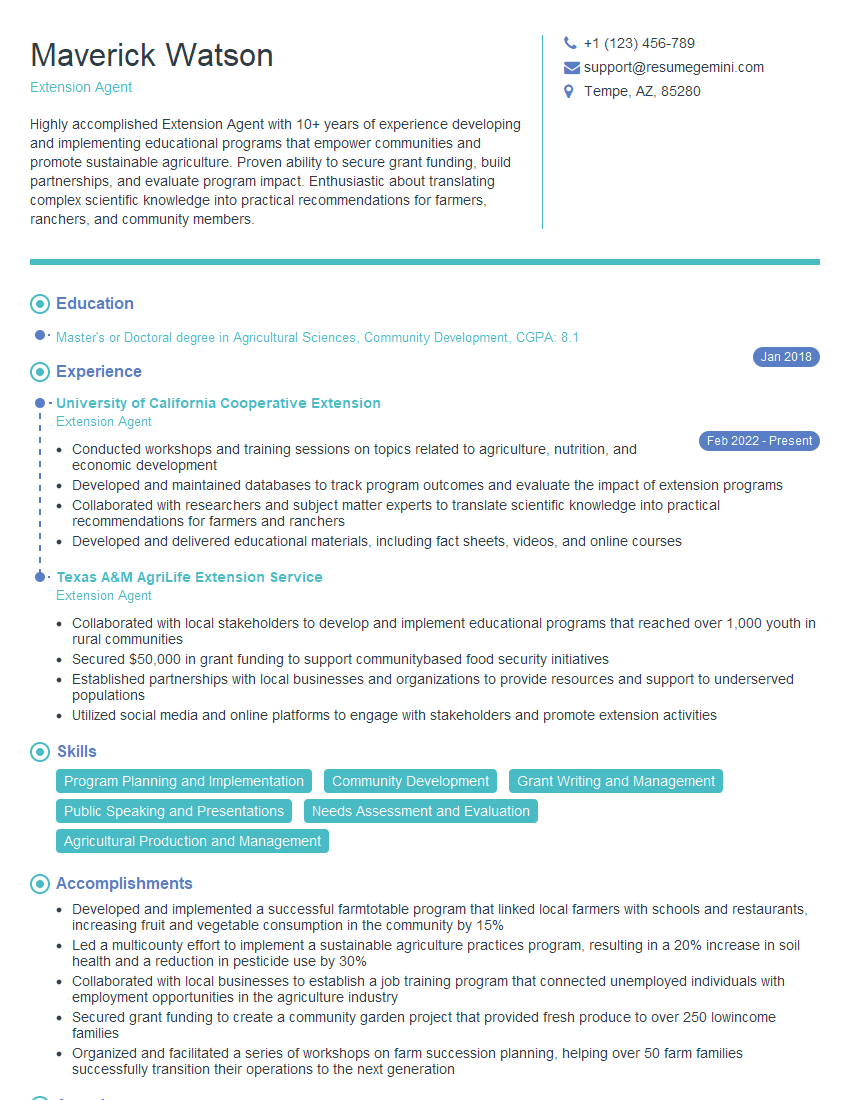
Extension Agent Resume Sample
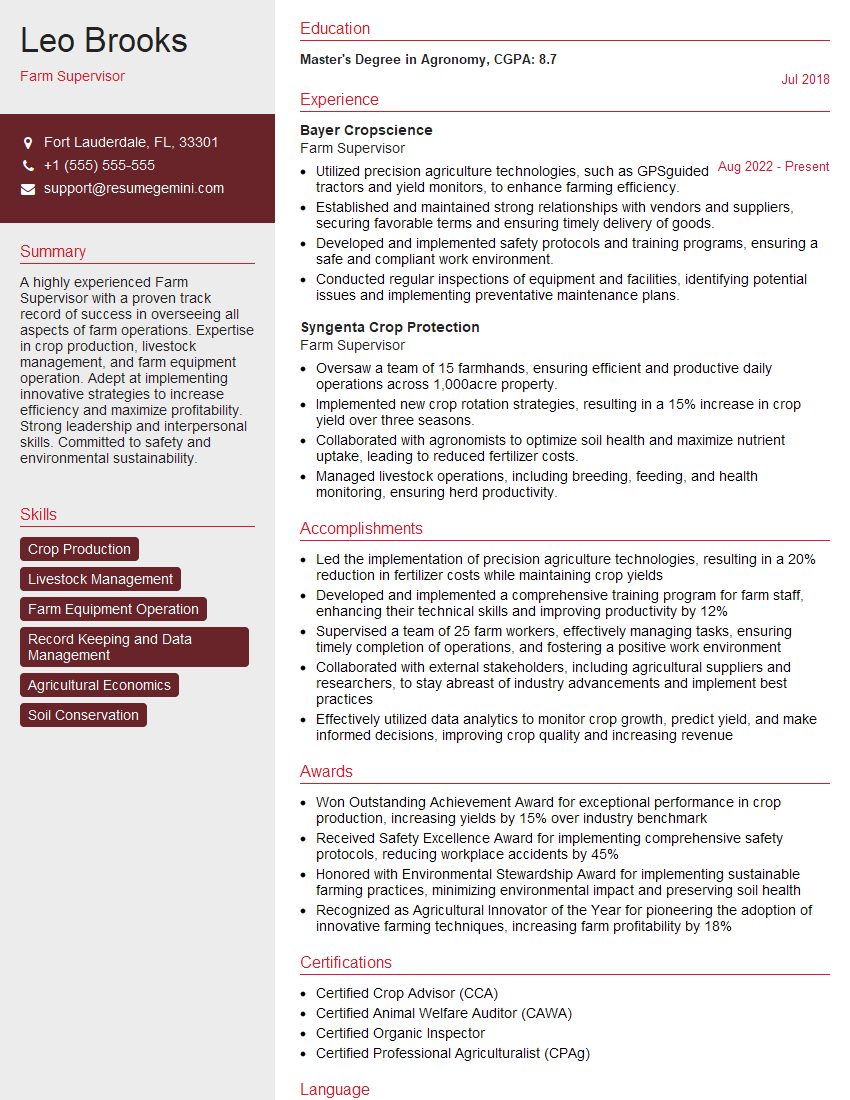
Farm Supervisor Resume Sample
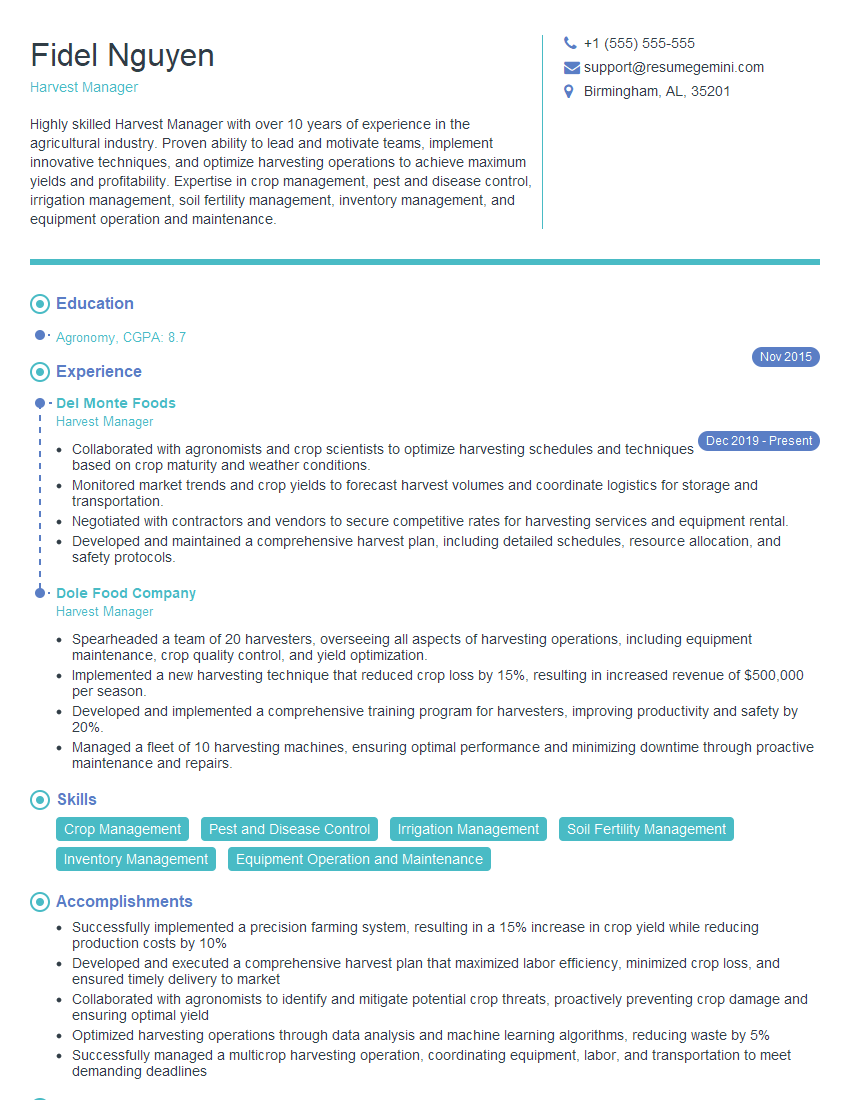
Harvest Manager Resume Sample
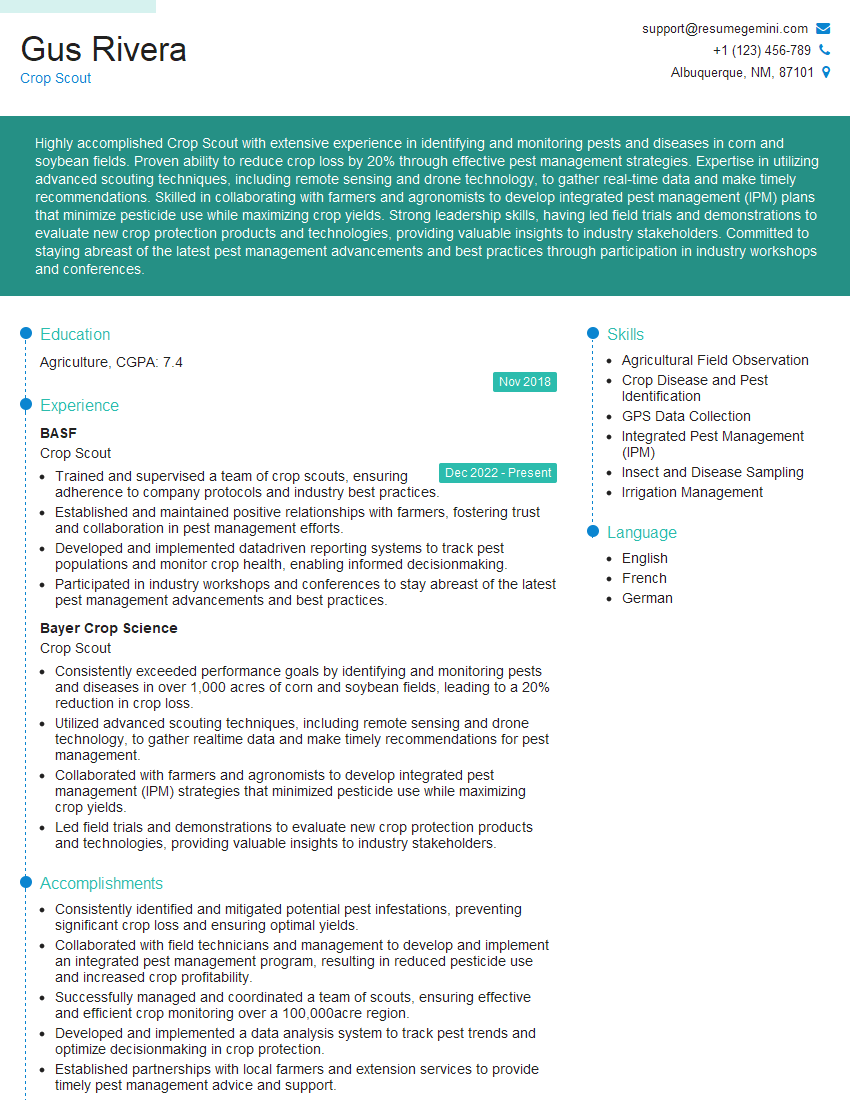
Crop Scout Resume Sample
Explore more articles
Users Rating of Our Blogs
Share Your Experience
We value your feedback! Please rate our content and share your thoughts (optional).
What Readers Say About Our Blog
Very informative content, great job.
good