Interviews are more than just a Q&A session—they’re a chance to prove your worth. This blog dives into essential Crop Monitoring and Care interview questions and expert tips to help you align your answers with what hiring managers are looking for. Start preparing to shine!
Questions Asked in Crop Monitoring and Care Interview
Q 1. Explain the principles of remote sensing in crop monitoring.
Remote sensing in crop monitoring leverages sensors mounted on platforms like satellites, airplanes, or drones to collect data about crops without physically touching them. This data is then analyzed to understand crop health, growth, and yield potential. The principles revolve around the interaction of electromagnetic radiation with the crops and the surrounding environment. Healthy vegetation reflects near-infrared light differently than unhealthy vegetation, a key principle used in various indices like NDVI (Normalized Difference Vegetation Index).
For example, a satellite orbiting Earth captures images of a field. These images contain information about the reflectance of different wavelengths of light. Algorithms process this information to generate maps showing variations in vegetation health across the field. This allows farmers to quickly identify areas needing attention, such as those experiencing water stress or nutrient deficiencies.
Q 2. Describe different types of sensors used in precision agriculture.
Precision agriculture utilizes a variety of sensors to collect data about different aspects of the farming operation. These sensors can be broadly categorized into:
- Multispectral and Hyperspectral Sensors: These measure light reflected from crops across various wavelengths, providing detailed information about plant health, stress, and nutrient levels. Multispectral sensors measure a limited number of wavelengths, while hyperspectral sensors capture a much broader and continuous spectrum.
- Thermal Sensors: These measure the temperature of the crop canopy, providing insights into water stress, disease, and overall health. Higher temperatures often indicate stress.
- GPS Sensors: These are crucial for georeferencing data, meaning precisely locating the source of the data within the field. This is essential for creating accurate maps and analyzing spatial variations.
- Proximal Sensors: These sensors are placed directly on or near the crop, offering detailed, real-time information about individual plants or small areas. Examples include soil moisture probes, chlorophyll meters, and sensors measuring leaf area index.
The choice of sensors depends on the specific needs of the farmer and the type of data required. A farmer might use a combination of multispectral sensors on a drone for a comprehensive overview and soil moisture sensors for detailed information about water availability.
Q 3. How do you interpret NDVI data to assess crop health?
The Normalized Difference Vegetation Index (NDVI) is a widely used indicator of crop health, calculated using near-infrared (NIR) and red wavelengths of light. It is derived from the formula: NDVI = (NIR - Red) / (NIR + Red). The values typically range from -1 to +1.
Interpretation:
- High NDVI (closer to +1): Indicates healthy, vigorous vegetation with high chlorophyll content. This suggests good growth and yield potential.
- Low NDVI (closer to 0 or negative): Suggests unhealthy vegetation, potentially due to stress factors such as water deficiency, nutrient deficiency, disease, or pest infestation. A negative NDVI usually indicates bare soil or water.
By analyzing NDVI maps, farmers can identify areas within a field that are experiencing stress, allowing for targeted interventions. For example, consistently low NDVI values in a specific area might indicate a need for irrigation, fertilization, or pest control in that region.
Q 4. What are the limitations of using drones for crop monitoring?
While drones offer a cost-effective and versatile platform for crop monitoring, they have certain limitations:
- Weather Dependency: Drone flights are susceptible to weather conditions. Strong winds, rain, or fog can significantly hinder data acquisition.
- Battery Life: Drone batteries have limited flight times, restricting the area that can be covered in a single flight. This necessitates careful planning and potentially multiple flights for large fields.
- Regulatory Restrictions: Operating drones requires adherence to local regulations and obtaining necessary permits, which can be complex and time-consuming.
- Data Processing: Processing drone imagery requires specialized software and expertise, adding to the overall cost and time investment.
- Altitude Limitations: Drone altitude is limited by regulation and safety considerations, impacting the spatial resolution for very large fields.
Despite these limitations, drones remain a powerful tool, especially for smaller farms or for detailed monitoring of specific areas within a larger field.
Q 5. Explain the role of GIS in analyzing agricultural data.
Geographic Information Systems (GIS) play a vital role in analyzing agricultural data by providing a framework to integrate, manage, and visualize spatial data. This includes data from various sources such as remote sensing, GPS, soil maps, yield monitors, and weather stations.
GIS software allows users to:
- Create maps: Visualizing spatial data, such as NDVI, yield, or soil properties, enables farmers to identify patterns and trends across their fields.
- Overlay different datasets: Combining multiple data layers, such as a soil map and an NDVI map, helps understand the relationship between soil characteristics and crop health.
- Perform spatial analysis: GIS provides tools for performing spatial analysis, such as calculating statistics for specific areas or identifying areas with similar characteristics.
- Model and predict: GIS can be used to create predictive models, such as yield predictions based on historical data and environmental factors.
For instance, a farmer could overlay soil nutrient data with NDVI maps to identify areas with low nutrient levels that are also showing signs of stress, guiding targeted fertilizer application.
Q 6. How do you identify nutrient deficiencies in crops using remote sensing?
Remote sensing can help identify nutrient deficiencies by analyzing spectral reflectance patterns. Different nutrient deficiencies cause subtle but detectable changes in the way plants reflect light. Hyperspectral imagery, with its ability to capture many narrow bands of the electromagnetic spectrum, is particularly effective for this purpose.
For example, a nitrogen deficiency might manifest as lower reflectance in the red and near-infrared regions. Specialized algorithms and indices can then be used to detect these subtle variations and create maps highlighting areas with potential nutrient deficiencies. These maps can guide targeted fertilizer applications, optimizing nutrient use and minimizing environmental impact. It’s important to note that this should be done in conjunction with soil testing for confirmation and to gain the full picture of nutritional needs.
Q 7. Describe different irrigation methods and their suitability for various crops.
Various irrigation methods exist, each with its own advantages and disadvantages:
- Flood Irrigation: Water is applied to the entire field, often by gravity. It’s inexpensive but inefficient, leading to water wastage and uneven water distribution.
- Furrow Irrigation: Water flows along furrows between crop rows. It’s simple but can lead to soil erosion and uneven watering.
- Drip Irrigation: Water is delivered directly to the roots through a network of tubes and emitters. It’s efficient and precise but can be more expensive to install and maintain.
- Sprinkler Irrigation: Water is sprayed over the field using sprinklers. It’s suitable for various crops and terrains, but it can be less efficient than drip irrigation and susceptible to wind and evaporation.
- Center Pivot Irrigation: A rotating sprinkler system irrigates a circular area. It’s efficient for large, flat fields but less suitable for hilly terrains.
Crop suitability depends on factors like water requirements, root systems, and topography. Drip irrigation is ideal for crops with shallow root systems, like vegetables, while sprinkler or flood irrigation might be suitable for crops with deeper root systems, like grains, depending on the terrain and water availability. Careful consideration of these factors is crucial for selecting the most appropriate irrigation method for optimal crop growth.
Q 8. What are the common pest and disease problems affecting [Specific Crop]? How would you monitor and manage them?
Let’s say we’re focusing on corn. Common pest problems for corn include corn rootworm, European corn borer, and aphids. Disease issues frequently encountered are corn blight (various types), gray leaf spot, and Fusarium ear rot. Monitoring these pests and diseases involves a multi-pronged approach.
- Visual Inspection: Regularly walking through the field to visually identify any signs of damage, such as holes in leaves (borers), wilting plants (rootworm damage), or discolored leaves (blight).
- Scouting: Systematic sampling involves examining a representative number of plants to assess the pest or disease severity. This helps determine if thresholds for intervention are met.
- Traps: Pheromone traps can be used to monitor the presence and population levels of certain insects, like the European corn borer.
- Laboratory Tests: Sending samples of affected plants to a diagnostic lab can confirm the specific pest or disease and recommend appropriate management strategies.
Management strategies depend on the severity of the infestation or disease. For instance, for light infestations, natural predators might be sufficient. For moderate to severe issues, we’d consider:
- Integrated Pest Management (IPM): This holistic approach involves using a combination of methods, starting with less toxic options. This might involve using beneficial insects, resistant corn varieties, or cultural practices like crop rotation.
- Chemical Control: In cases of severe infestations or diseases, targeted insecticide or fungicide application might be necessary. It’s crucial to follow label instructions carefully and to choose products with minimal environmental impact.
For example, I once worked with a farmer experiencing a severe corn rootworm infestation. Through scouting and lab testing, we confirmed the problem. We implemented a strategy involving a rotation of Bt corn (genetically modified corn resistant to rootworms) and a targeted insecticide application in the following season. This reduced the population significantly and improved yield.
Q 9. How do you utilize weather data for optimizing crop management decisions?
Weather data is indispensable for precision agriculture. It allows us to make informed decisions that optimize crop management and enhance productivity. I use weather data in several ways:
- Irrigation Scheduling: By monitoring temperature, humidity, rainfall, and evapotranspiration (the process by which water is transferred from the land to the atmosphere), we can precisely schedule irrigation, minimizing water waste and ensuring crops receive adequate moisture.
- Pest and Disease Prediction: Certain weather patterns can favor the development and spread of pests and diseases. For example, prolonged periods of rain can increase the risk of fungal diseases. Forecasting models use weather data to predict outbreaks, enabling proactive management.
- Planting and Harvesting Decisions: Weather forecasts can help determine optimal planting and harvesting times, minimizing risks related to frost, extreme heat, or excessive rainfall.
- Fertilizer Management: Weather conditions influence nutrient uptake by plants. For instance, heavy rainfall can lead to nutrient leaching, requiring adjustments to fertilizer application strategies.
For instance, during a particularly dry spell, I used weather data and evapotranspiration models to schedule supplemental irrigation for a soybean field. This prevented significant yield loss that would have occurred under drought conditions. It’s all about using data-driven insights to make proactive, efficient decisions.
Q 10. Explain the concept of variable rate technology in fertilizer application.
Variable rate technology (VRT) in fertilizer application involves applying different amounts of fertilizer to different areas of a field based on specific site-specific needs. This precision approach contrasts with traditional methods where a uniform rate is applied across the entire field, even if soil conditions and crop requirements vary.
VRT utilizes GPS technology, soil maps, and sensors to create a detailed map of the field, showing variations in soil fertility, topography, and crop growth. This data is then used to create a prescription map that guides the fertilizer applicator to apply varying rates of fertilizer to different zones within the field. This ensures that nutrient-deficient areas receive the required amount of fertilizer, while areas with sufficient nutrients receive less, reducing environmental impact and costs.
For example, a field might have nutrient-rich areas and areas depleted by previous cropping practices. VRT ensures the nutrient-deficient area receives a higher rate of fertilizer, while the nutrient-rich area receives less, optimizing both yield and fertilizer use efficiency.
The implementation typically involves:
- Soil sampling and analysis: To determine nutrient levels across the field.
- Creating a prescription map: Using GIS software and soil data to delineate zones with different fertilizer requirements.
- Utilizing VRT-equipped equipment: Tractors, spreaders, or sprayers with GPS and control systems are used for precise application.
Q 11. Describe your experience with yield monitoring and data analysis.
Yield monitoring involves collecting data on crop yield during harvest using sensors on combines. This data, combined with other information like planting density, fertilizer application rates, and soil conditions, is then used for data analysis. My experience with yield monitoring includes using various yield monitors to collect data, and then processing and analyzing that data using different agricultural software packages.
Data analysis helps identify areas of the field with high and low yields, providing insights into factors influencing productivity. For example, yield maps can highlight areas with poor drainage, nutrient deficiencies, or pest damage. This information guides future decisions in terms of field management practices (such as irrigation, fertilization, or pest control).
I’ve used yield data to optimize fertilizer placement and irrigation scheduling in subsequent growing seasons, ultimately increasing overall yields and reducing input costs. For example, by analyzing yield maps from previous harvests, I was able to identify a consistently low-yielding area in one field. Soil testing revealed a significant phosphorus deficiency. By addressing this deficiency strategically in the subsequent year, we observed a 15% increase in yield in that specific area.
Q 12. How do you interpret soil test results to determine fertilizer needs?
Interpreting soil test results is crucial for determining fertilizer needs. A soil test provides information about the levels of essential nutrients, such as nitrogen (N), phosphorus (P), potassium (K), and micronutrients, present in the soil. We compare these levels to the crop’s nutrient requirements to determine the amount of fertilizer needed.
The interpretation process typically involves:
- Understanding the soil test report: Familiarizing yourself with the units used (e.g., ppm, kg/ha) and understanding the specific nutrients tested.
- Comparing nutrient levels to crop needs: Using tables or guidelines that specify the nutrient requirements for the specific crop and soil type.
- Considering soil type and texture: Different soil types have different nutrient-holding capacities, influencing the amount of fertilizer needed.
- Accounting for nutrient availability: Not all nutrients in the soil are readily available to plants. The test results may indicate the total nutrient level, but only a portion might be available for uptake.
For example, a soil test might show low levels of phosphorus. This indicates the need to add phosphorus fertilizer to meet the crop’s needs. The amount of phosphorus fertilizer needed depends on the level of deficiency, the crop being grown, and other factors such as soil type. Often, we use software programs that incorporate these factors to calculate the precise amount of fertilizer required for optimal crop yield.
Q 13. What are the key indicators of crop stress?
Crop stress is a significant concern, affecting both the quality and yield of the harvest. Key indicators of crop stress can be broadly categorized into visual symptoms and physiological measurements.
Visual Symptoms:
- Wilting: Drooping or curling of leaves, indicating insufficient water.
- Chlorosis (Yellowing): Lack of chlorophyll, often indicating nutrient deficiencies (e.g., nitrogen) or other stresses.
- Necrosis (Browning or death of tissue): Indicates damage from disease, pests, or environmental stresses.
- Leaf discoloration: Changes in leaf color beyond normal aging can signal various stress factors.
- Stunted growth: Smaller plants than expected, suggesting problems with nutrient uptake, water availability, or pests.
Physiological Measurements:
- Stomatal conductance: Measurements of the rate of gas exchange through the plant’s stomata can reveal water stress.
- Chlorophyll content: Using sensors to assess chlorophyll levels can identify nutrient deficiencies or other stresses affecting photosynthesis.
- Water potential: Measurements of the water status within the plant can directly indicate water stress.
Identifying the specific cause of crop stress involves careful observation, correlation with environmental conditions, and sometimes laboratory testing. For example, I once observed wilting in a field during a hot spell. While water stress was suspected, analysis showed that root-knot nematodes were causing damage to the root system, restricting water uptake.
Q 14. Describe your experience with different types of agricultural software or platforms.
My experience with agricultural software and platforms is extensive, ranging from farm management software to precision agriculture tools. I’m proficient in using GIS software for creating field maps and analyzing spatial data, yield monitoring software for data collection and analysis, and various precision agriculture platforms for managing irrigation, fertilization, and pest control.
Examples include:
- Farm management software: Software used to manage farm records, including planting dates, input costs, and yield data, helping track farm profitability and make data-driven decisions.
- Precision agriculture platforms: These platforms connect to sensors and equipment in the field, allowing for real-time monitoring and data analysis, enabling optimized irrigation, fertilization, and pest control.
- Remote sensing software: Used for analyzing satellite and aerial imagery to monitor crop health and identify areas of stress or disease.
- GIS software: Used for creating field maps, analyzing spatial data, and generating prescription maps for variable rate applications.
One example is a recent project where we used a precision agriculture platform integrated with irrigation sensors to automate irrigation scheduling. This reduced water usage by 15% while maintaining yields and saved the farmer money on water costs.
Q 15. How do you manage data from multiple sensors and sources?
Managing data from multiple sensors and sources in crop monitoring requires a robust data integration strategy. This involves several key steps:
- Data Standardization: Different sensors use varying formats and units. A crucial first step is converting all data into a common format (e.g., using a standard like CSV or JSON) and consistent units (e.g., metric system). This ensures compatibility and avoids errors during analysis.
- Data Cleaning: Raw sensor data often contains outliers, missing values, or errors. We employ data cleaning techniques such as outlier detection (e.g., using box plots or z-scores), interpolation to fill missing data, and error correction based on sensor specifications and known patterns.
- Data Integration: We use databases (like PostgreSQL or MySQL) or cloud-based platforms (like AWS or Azure) to store and manage the integrated data. This allows us to query and analyze data from all sources efficiently. Specific tools like ETL (Extract, Transform, Load) pipelines are frequently employed for automated data ingestion and transformation.
- Data Fusion: Once data is integrated, we utilize data fusion techniques (e.g., Kalman filtering, weighted averaging) to combine data from multiple sensors for a more comprehensive understanding of crop conditions. For instance, we might combine data from soil moisture sensors, weather stations, and NDVI imagery to create a more holistic picture of water stress.
For example, I once worked on a project integrating data from soil sensors, drones equipped with multispectral cameras, and weather stations. We used a custom Python script with libraries like Pandas and NumPy to standardize data formats and units, handle missing values, and then load the data into a PostgreSQL database for further analysis.
Career Expert Tips:
- Ace those interviews! Prepare effectively by reviewing the Top 50 Most Common Interview Questions on ResumeGemini.
- Navigate your job search with confidence! Explore a wide range of Career Tips on ResumeGemini. Learn about common challenges and recommendations to overcome them.
- Craft the perfect resume! Master the Art of Resume Writing with ResumeGemini’s guide. Showcase your unique qualifications and achievements effectively.
- Don’t miss out on holiday savings! Build your dream resume with ResumeGemini’s ATS optimized templates.
Q 16. What are the ethical considerations in using agricultural technology?
Ethical considerations in agricultural technology are paramount. We must ensure responsible innovation that benefits both farmers and the environment. Key ethical concerns include:
- Data Privacy and Security: Sensitive farm data (yields, locations, etc.) must be protected from unauthorized access and misuse. Strong security measures, including encryption and access control, are crucial. Transparency regarding data usage is also vital, ensuring farmers understand how their data is being collected, stored, and used.
- Algorithmic Bias: AI algorithms used for decision-making (e.g., precision spraying) can inherit biases from the data they are trained on. This can lead to unfair or discriminatory outcomes. Care must be taken to mitigate bias and ensure fair representation of different farming contexts and practices.
- Environmental Impact: While technology can improve efficiency and reduce resource use, we must consider its broader environmental footprint. We need to minimize the energy consumption and waste generation associated with the technology itself and its deployment. Sustainable practices should be prioritized.
- Accessibility and Equity: The benefits of agricultural technology shouldn’t be limited to large, well-resourced farms. We must ensure access to these technologies for smallholder farmers and those in developing countries. This requires addressing affordability, training, and digital literacy gaps.
For instance, when designing a precision spraying system, we need to ensure it minimizes chemical usage, preventing unnecessary environmental impact while maximizing its benefits to the crop. Moreover, we should develop it with the smallholder farmer in mind, focusing on features like usability and affordability.
Q 17. How would you handle a situation where sensor data is inconsistent?
Inconsistent sensor data can stem from various sources: sensor malfunction, environmental interference, or data transmission errors. Addressing this requires a systematic approach:
- Identify the Source: Begin by investigating the source of inconsistency. Check sensor calibration, inspect for physical damage, review sensor logs for error messages, and examine the data transmission pathway for potential bottlenecks or interruptions.
- Data Validation: Compare the suspect data against other data sources (e.g., other sensors, historical data, ground truth measurements). If the inconsistencies are isolated to a specific sensor or time period, it may point to a malfunction.
- Data Cleaning Techniques: Employ appropriate data cleaning techniques. If the inconsistencies are minor, smoothing algorithms (e.g., moving averages) can be used. If the inconsistencies are significant and localized, data imputation methods (e.g., linear interpolation, k-nearest neighbors) can help fill in gaps or correct outliers.
- Outlier Detection and Removal: Use statistical methods (e.g., box plots, z-scores) to identify and remove outliers. However, exercise caution as genuine anomalies might be misinterpreted as errors.
- Sensor Recalibration or Replacement: If inconsistencies persist despite data cleaning, consider recalibrating or replacing faulty sensors.
For example, if a soil moisture sensor consistently shows readings significantly higher than others in the same field, we might first check its calibration. If the problem remains, we might replace it.
Q 18. Explain your understanding of precision agriculture techniques.
Precision agriculture uses technology to optimize crop management at a very granular level. It’s about applying the right inputs (water, fertilizer, pesticides) at the right time and in the right amount to each specific area of the field, maximizing yield and minimizing resource waste.
- GPS and GIS: Precise location data is crucial. GPS enables precise mapping of fields, and GIS (Geographic Information Systems) software allows for spatial analysis of crop conditions and resource application.
- Remote Sensing: Techniques like multispectral and hyperspectral imaging (using drones or satellites) provide detailed information about crop health, stress levels, and nutrient deficiencies. These data guide site-specific management decisions.
- Variable Rate Technology (VRT): VRT allows for the precise application of inputs (fertilizer, pesticides, water) based on the specific needs of different areas within the field. This is typically controlled through GPS-guided machinery.
- Sensor Networks: Networks of soil moisture sensors, weather stations, and other sensors provide real-time data on field conditions, enabling timely intervention and proactive management.
- Data Analysis and Modeling: Sophisticated data analysis techniques and predictive models are used to interpret sensor data, anticipate crop needs, and optimize management practices.
Imagine a field where a section suffers from water stress due to poor drainage. Precision agriculture allows us to identify this problem using soil moisture sensors, then use VRT to apply water only to that specific area, conserving water elsewhere in the field.
Q 19. Describe your experience with data visualization and reporting.
Data visualization and reporting are crucial for communicating complex insights effectively. My experience encompasses various techniques and tools:
- Dashboard Development: I’ve created interactive dashboards using tools like Tableau and Power BI to display key performance indicators (KPIs) related to crop health, yield predictions, and resource utilization. These dashboards allow farmers and managers to easily monitor progress and identify potential problems.
- Geographic Mapping: I use GIS software (ArcGIS, QGIS) to create maps visualizing spatial patterns in crop growth, soil conditions, and resource application. This visual representation helps identify areas needing specific attention.
- Charts and Graphs: I use various chart types (line graphs, scatter plots, bar charts) to effectively communicate trends and relationships within the data. For example, we might use line graphs to track crop growth over time or scatter plots to correlate soil nutrient levels with crop yield.
- Report Writing: I create comprehensive reports summarizing data findings, highlighting key insights, and providing actionable recommendations. These reports are tailored to the audience, balancing technical detail with clarity and conciseness.
For example, in a recent project, I used Tableau to create an interactive dashboard showing real-time soil moisture levels across a large farm, allowing for immediate identification and response to potential drought stress.
Q 20. How do you ensure data accuracy and reliability in crop monitoring?
Ensuring data accuracy and reliability in crop monitoring is critical. This involves a multifaceted approach:
- Sensor Calibration and Validation: Regular calibration of sensors is crucial. We compare sensor readings with known standards or ground truth measurements to ensure accuracy. This is often done before deployment and at regular intervals.
- Data Quality Control: We implement data quality checks at various stages, from data acquisition to analysis. This includes checking for outliers, missing values, and inconsistencies. Automated checks and alerts can help flag potential issues early.
- Redundancy and Cross-Validation: Using multiple sensors for the same measurement helps detect and correct errors. Comparing readings from different sensors provides a cross-check on data accuracy.
- Environmental Considerations: We account for environmental factors that could affect sensor readings (e.g., temperature, humidity, sunlight). Corrections might be applied to compensate for these influences.
- Data Provenance: Maintaining a clear record of data origin, processing steps, and any modifications enhances data traceability and allows for easier identification of potential errors.
For example, we might use two different soil moisture sensors in the same location and compare their readings. Significant discrepancies would prompt an investigation to identify the source of the error.
Q 21. How do you communicate complex data insights to non-technical audiences?
Communicating complex data insights to non-technical audiences requires clear, concise, and visual communication. I use several strategies:
- Visualizations: Charts, graphs, and maps are far more effective than tables of numbers. I choose visualization types appropriate for the audience and the message.
- Analogies and Metaphors: Relating data to familiar concepts makes the information more accessible. For example, comparing soil moisture levels to a sponge’s water content can be effective.
- Storytelling: Frame the data analysis as a narrative, focusing on the key findings and their implications. A compelling story makes the information more memorable and engaging.
- Plain Language: Avoid technical jargon and complex terminology. Use simple, clear language that everyone can understand.
- Interactive Elements: In presentations, interactive elements like demonstrations or interactive maps can help engage the audience and allow for better comprehension.
For example, rather than saying “NDVI values indicate a significant nitrogen deficiency,” I might say “The plants are showing signs of yellowing, indicating they’re not getting enough nutrients, just like how your own garden needs fertilizer.” This allows non-technical audience to quickly understand.
Q 22. What are the benefits and challenges of using AI in crop management?
Artificial intelligence (AI) is revolutionizing crop management, offering significant benefits but also presenting unique challenges. The advantages stem from AI’s ability to analyze vast datasets – from satellite imagery and sensor readings to weather patterns and soil conditions – to provide actionable insights.
- Improved Precision: AI-powered systems can optimize irrigation, fertilization, and pesticide application, reducing waste and improving yields. For example, a drone equipped with AI-powered image analysis can identify individual plants requiring attention, leading to targeted interventions.
- Early Disease Detection: AI algorithms can detect subtle signs of disease or pest infestations far earlier than human observation, allowing for timely intervention and minimizing crop losses. This is particularly beneficial for diseases with rapid spread like late blight in potatoes.
- Enhanced Yield Prediction: By analyzing historical data and current conditions, AI can predict crop yields with greater accuracy, aiding in planning and resource allocation. This allows farmers to make informed decisions about harvesting, storage, and marketing.
However, challenges remain:
- Data Availability and Quality: AI algorithms rely on high-quality data. Lack of sufficient data or inconsistencies can limit the accuracy of predictions. Data privacy concerns related to farm-specific data also need to be addressed.
- Computational Resources: Processing large datasets requires significant computing power, which can be costly and inaccessible to smallholder farmers.
- Implementation Costs: The initial investment in AI-powered hardware and software can be substantial, making it a barrier for entry for many farmers.
- Expertise Gap: Using and maintaining AI systems requires specialized knowledge and skills, creating a need for training and support for farmers and agricultural professionals.
Q 23. Explain your experience with different types of crop models.
My experience encompasses various crop models, ranging from simple empirical models to complex process-based simulations. I’ve worked extensively with:
- Empirical Models: These models use statistical relationships between inputs (e.g., fertilizer application, rainfall) and outputs (e.g., yield, biomass). They are relatively simple to implement but may lack mechanistic understanding and generalizability.
- Process-Based Models: These models simulate underlying physiological processes within the plant, such as photosynthesis, respiration, and water uptake. They are more complex to develop and calibrate but provide a more mechanistic understanding of crop growth and response to environmental factors. Examples include the widely used DSSAT (Decision Support System for Agrotechnology Transfer) model and the APSIM (Agricultural Production Systems Simulator) model. I have used these extensively to predict maize yield under different climate change scenarios.
- Machine Learning Models: I have integrated machine learning techniques, such as Random Forests and Support Vector Machines, into crop models to improve prediction accuracy and handle complex interactions between variables. This involved extensive data preprocessing and model evaluation to ensure robust predictions.
The choice of crop model depends on the specific application, data availability, and desired level of detail. For quick assessments or when data is limited, simpler empirical models might suffice. However, for complex analyses or scenario planning, process-based models or those incorporating machine learning offer more comprehensive insights.
Q 24. Describe a time you had to troubleshoot a problem with agricultural equipment or software.
During a large-scale precision agriculture project, we encountered issues with the GPS accuracy of our autonomous tractors. This resulted in inconsistent fertilizer application, jeopardizing yield uniformity across the field. The initial troubleshooting steps focused on:
- Verifying GPS Signal Strength: We checked the satellite signal strength and identified periods of weak signal reception, likely due to tree cover in parts of the field.
- Examining Sensor Data: We analyzed sensor data from the tractors to identify patterns in application errors, revealing a correlation with the weaker GPS signal regions.
- Software and Hardware Checks: We then checked the GPS receiver for any malfunctions and updated the tractor’s software. This revealed a bug in the software’s GPS correction algorithm.
- Implementing Corrections: We implemented software corrections and a real-time RTK (Real-Time Kinematic) GPS system, which significantly improved GPS accuracy and addressed the inconsistent application issue.
- Data Quality Control: We established stricter data quality control procedures to identify and prevent similar issues in the future. This includes regular sensor calibration and more rigorous GPS signal quality monitoring.
This experience reinforced the importance of meticulous data analysis, thorough equipment checks, and a systematic troubleshooting approach in complex agricultural systems.
Q 25. How do you stay updated with the latest advancements in crop monitoring technology?
Staying updated in the rapidly evolving field of crop monitoring technology requires a multi-pronged approach:
- Professional Journals and Conferences: I regularly read journals like Crop Science, Precision Agriculture, and Remote Sensing, and attend international conferences like the American Society of Agronomy (ASA) meetings. These provide insights into cutting-edge research and technological advancements.
- Industry Publications and Websites: I follow industry news and publications, such as those from leading agricultural technology companies. Websites dedicated to precision agriculture and remote sensing also offer valuable information.
- Online Courses and Webinars: I participate in online courses and webinars offered by universities and industry leaders to stay abreast of the latest techniques and software applications.
- Networking with Professionals: I actively engage in professional networks and online forums to discuss emerging trends and share experiences with other experts in the field. Collaboration and knowledge exchange are key in this fast-paced area.
Q 26. What are your salary expectations for this role?
Based on my experience and the requirements of this role, my salary expectations are in the range of [Insert Salary Range] annually.
Q 27. Do you have any questions for me?
I have a few questions regarding the role. Firstly, could you elaborate on the specific technologies and software used by your team? Secondly, what are the opportunities for professional development and training within the company? Finally, what is the team structure and how will my role contribute to the overall objectives of the department?
Key Topics to Learn for Crop Monitoring and Care Interview
- Precision Agriculture Techniques: Understanding and applying GPS, GIS, remote sensing (e.g., drone imagery, satellite data) for efficient crop monitoring.
- Crop Health Assessment: Analyzing visual indicators (e.g., leaf color, plant height) and using data analysis to diagnose crop stress, disease, and nutrient deficiencies. Practical application: Interpreting NDVI maps and identifying areas needing targeted intervention.
- Irrigation Management: Optimizing water usage through soil moisture monitoring, weather forecasting, and irrigation scheduling techniques. Practical application: Calculating evapotranspiration and adjusting irrigation schedules based on real-time data.
- Pest and Disease Management: Identifying common crop pests and diseases, understanding their life cycles, and implementing integrated pest management (IPM) strategies. Practical application: Developing and implementing a pest monitoring program using traps and visual inspection.
- Fertilizer Management: Optimizing fertilizer application through soil testing, nutrient analysis, and precision application methods. Practical application: Calculating fertilizer rates based on soil test results and crop needs.
- Yield Monitoring and Forecasting: Utilizing data from various sources to predict yields and optimize harvesting strategies. Practical application: Analyzing historical yield data and adjusting planting density based on predictions.
- Data Analysis and Interpretation: Proficiency in using data analysis tools (e.g., spreadsheets, statistical software) to interpret crop monitoring data and make informed decisions. Practical application: Developing reports summarizing crop health and yield predictions.
- Sustainable Agricultural Practices: Understanding and implementing sustainable agricultural practices to minimize environmental impact and improve resource efficiency.
Next Steps
Mastering Crop Monitoring and Care is crucial for a thriving career in agriculture, opening doors to exciting opportunities in precision farming, agronomy, and research. A strong resume is your key to unlocking these prospects. Building an ATS-friendly resume is vital for getting noticed by recruiters. To help you create a compelling and effective resume, we recommend using ResumeGemini. ResumeGemini provides a user-friendly platform to build professional resumes, and we have examples of resumes tailored to Crop Monitoring and Care available to guide you.
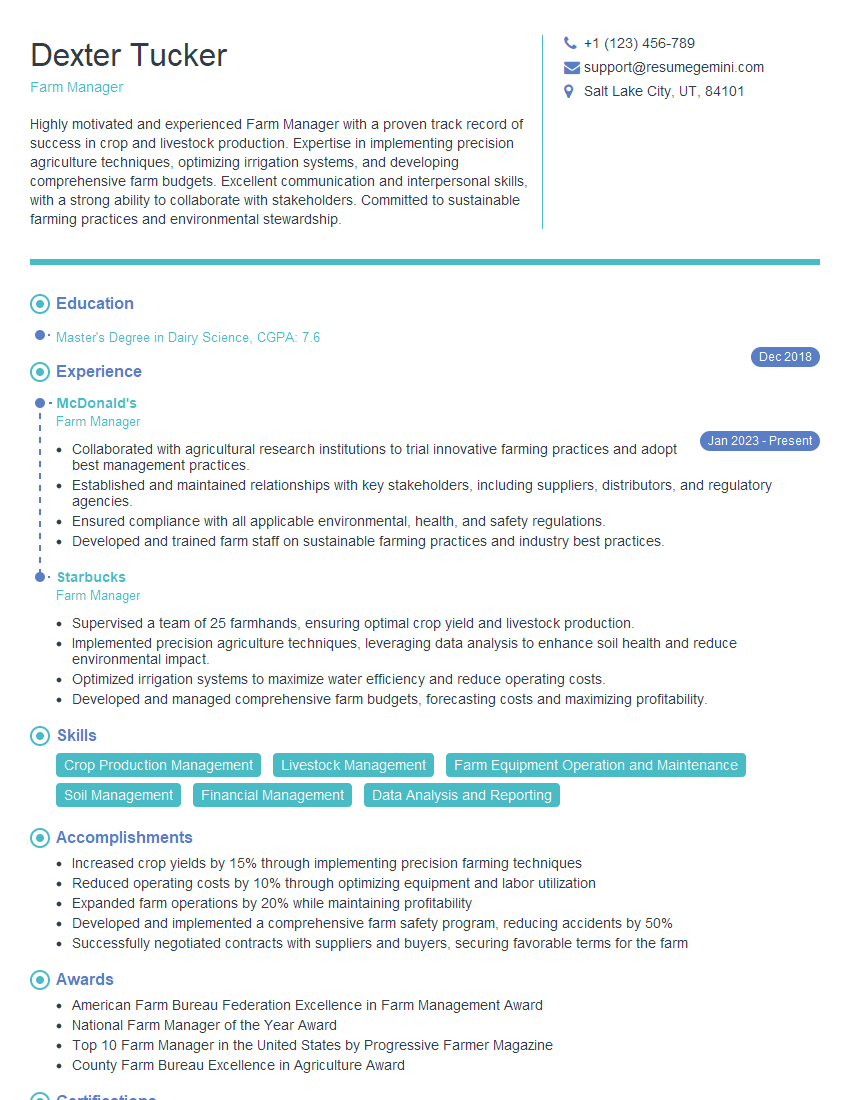
Farm Manager Resume Sample
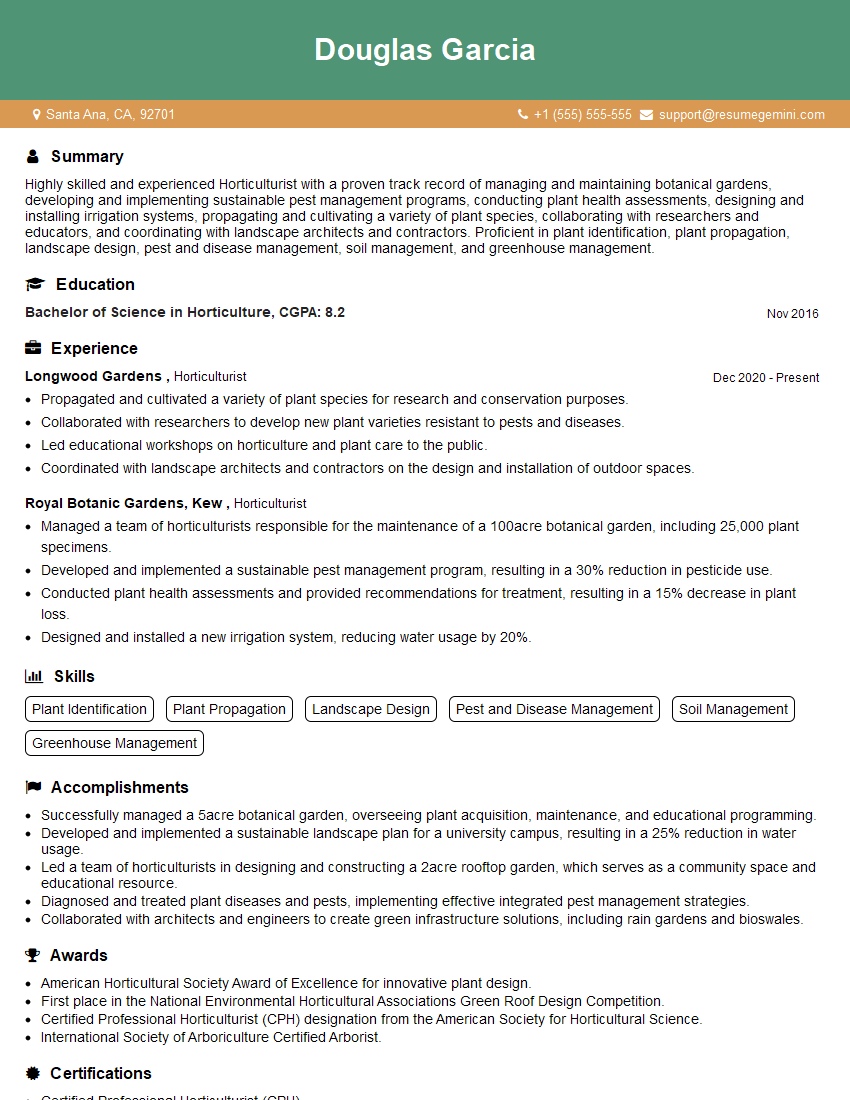
Horticulturist Resume Sample
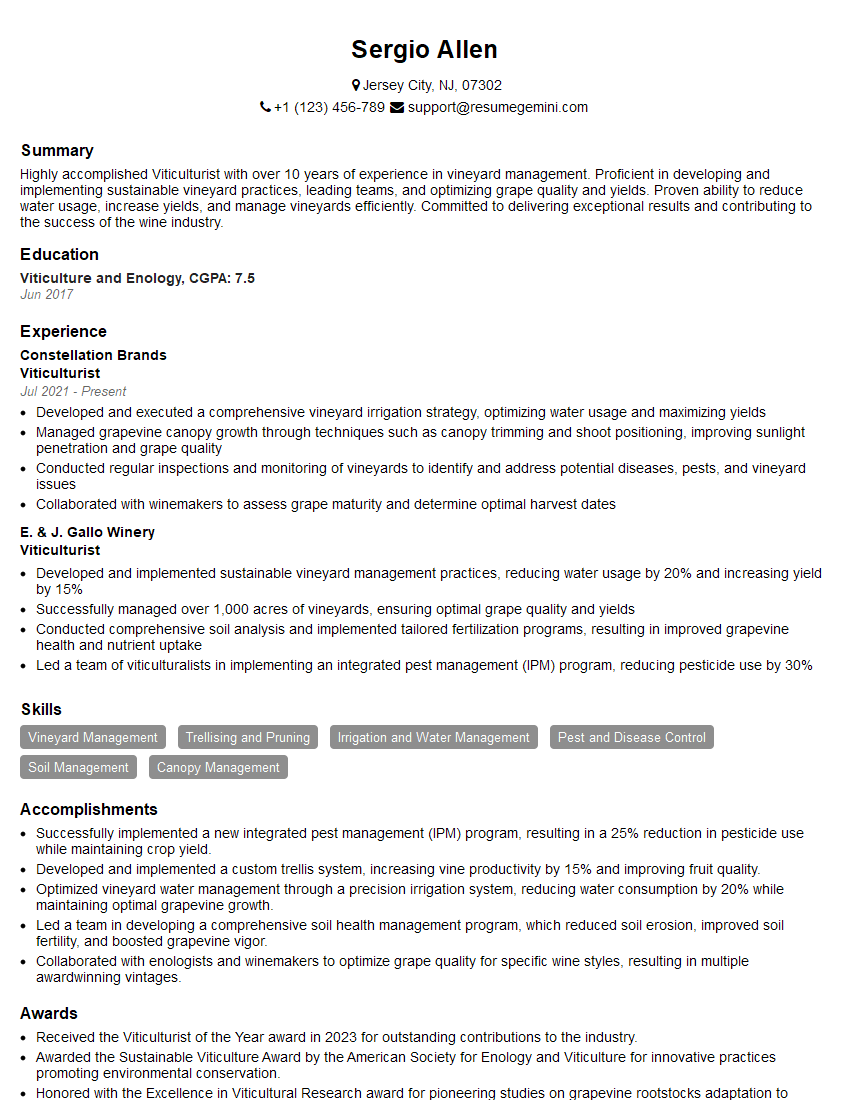
Viticulturist Resume Sample
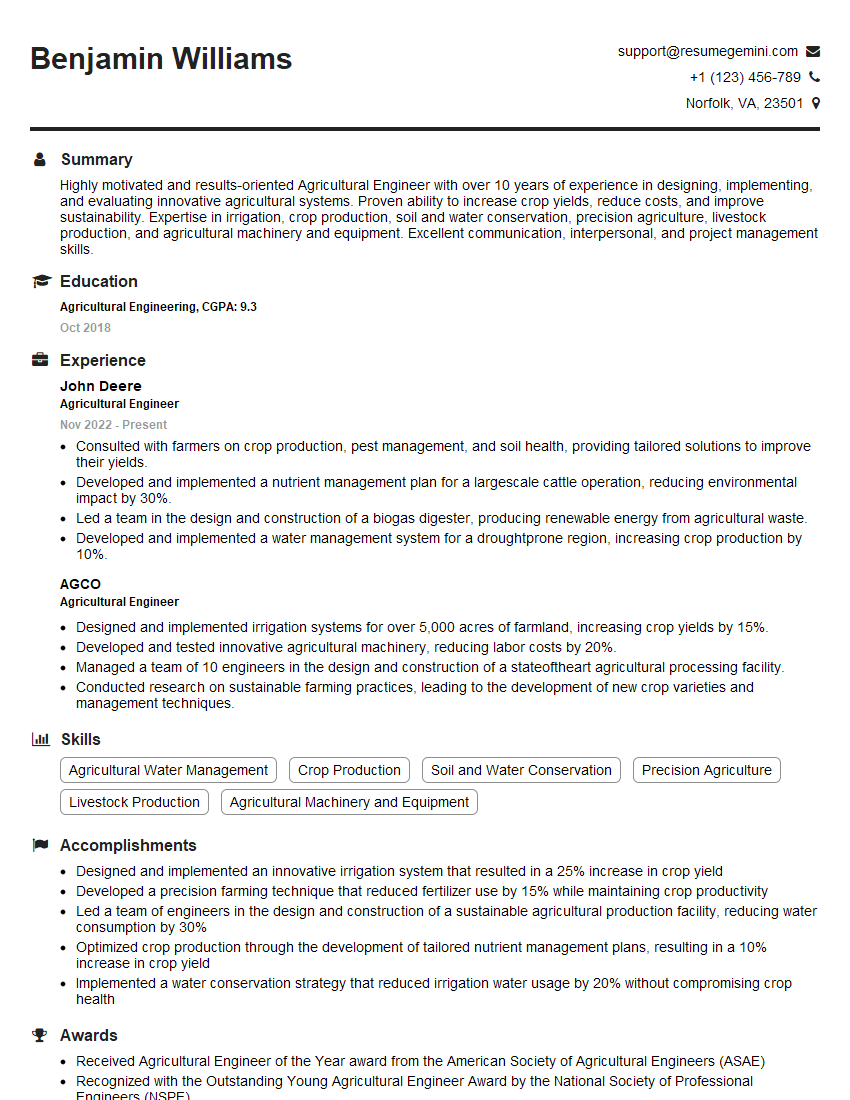
Agricultural Engineer Resume Sample
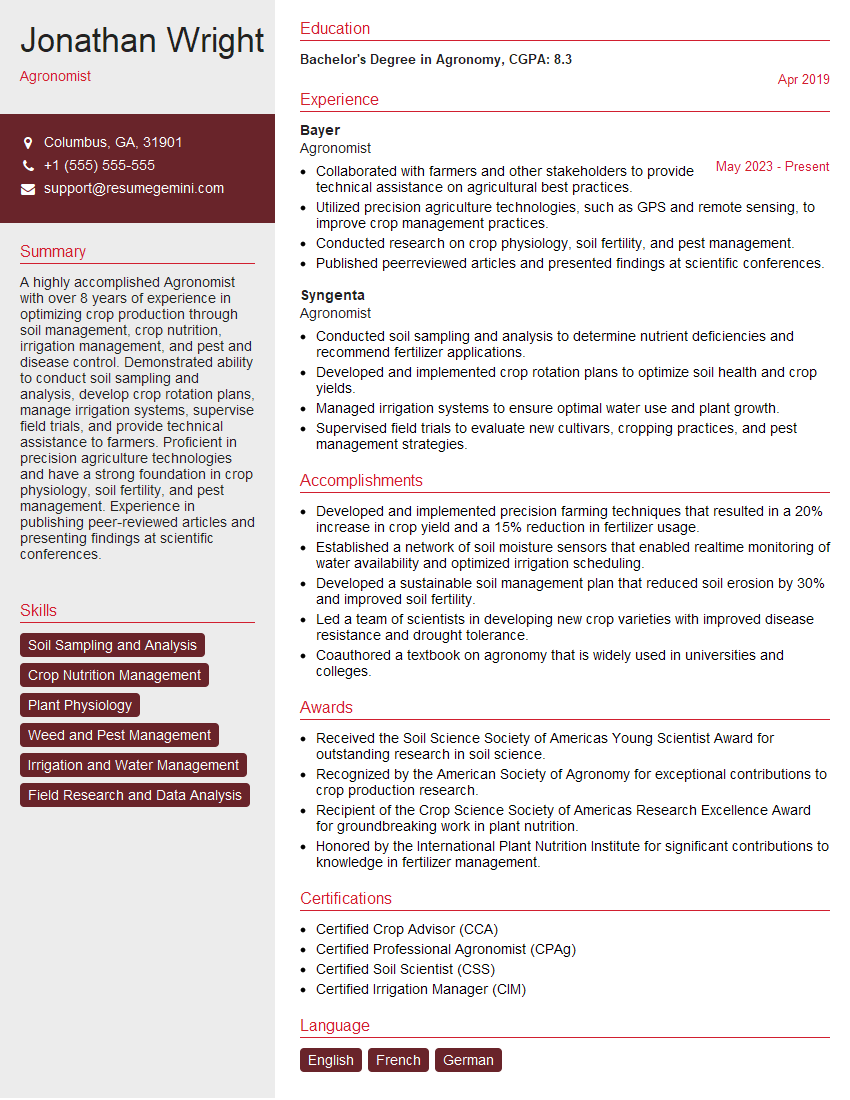
Agronomist Resume Sample
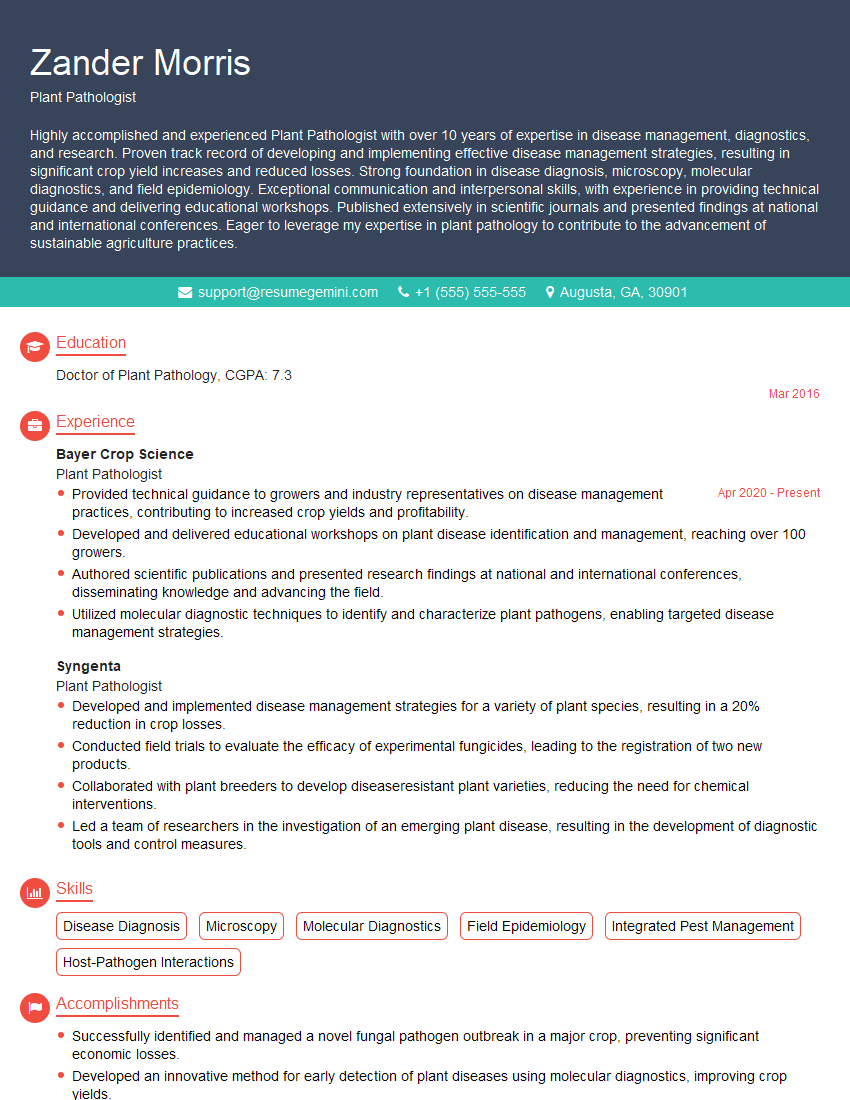
Plant Pathologist Resume Sample
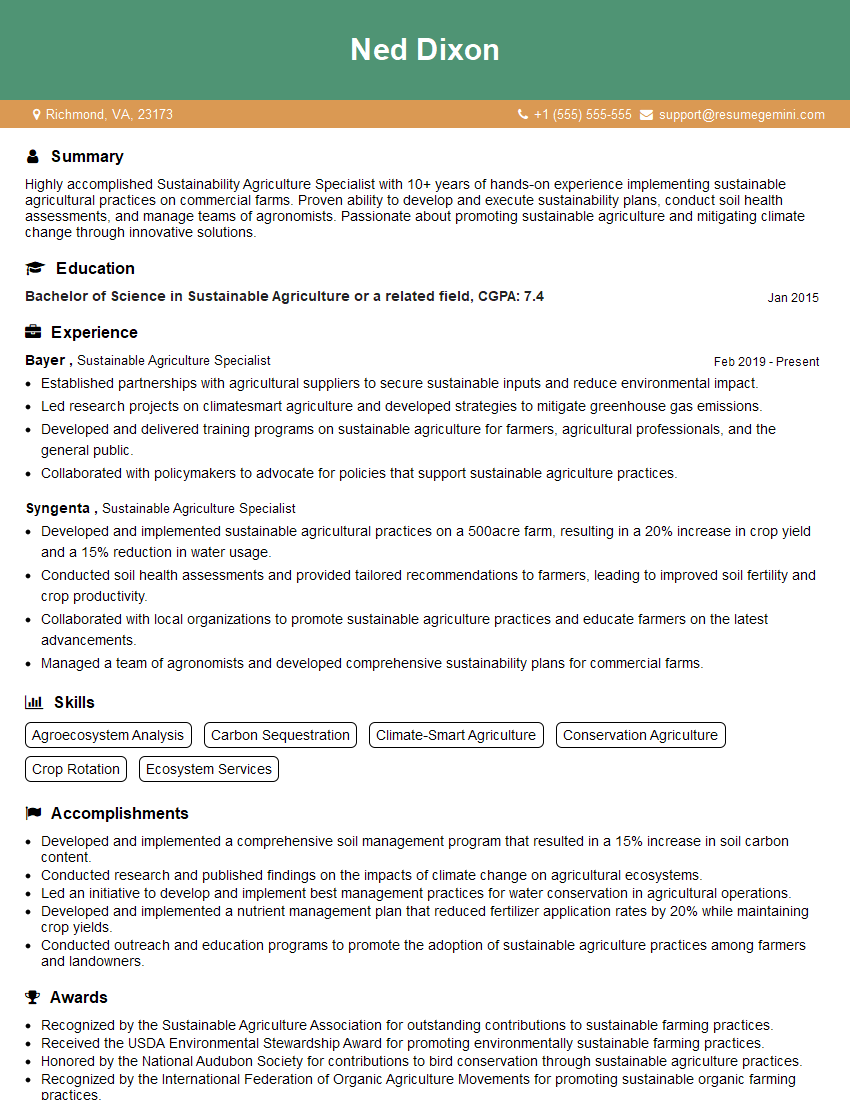
Sustainable Agriculture Specialist Resume Sample

Precision Agriculture Technician Resume Sample
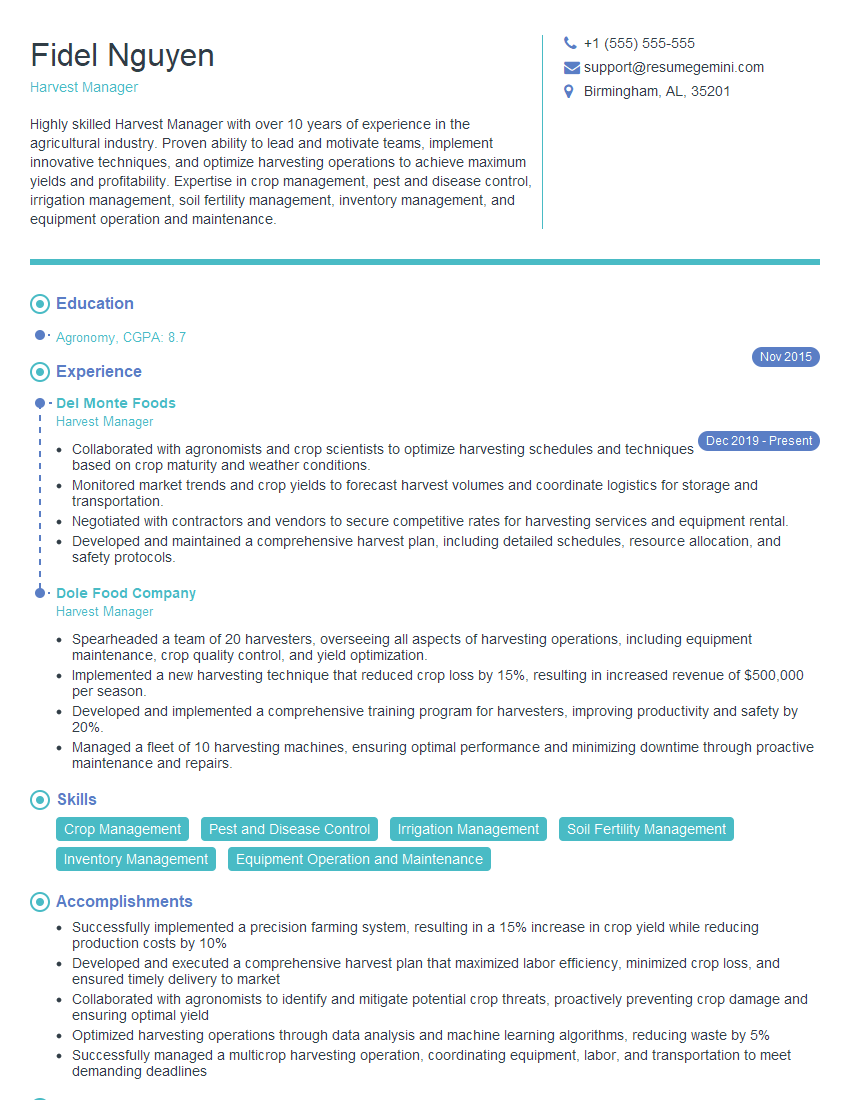
Harvest Manager Resume Sample
Explore more articles
Users Rating of Our Blogs
Share Your Experience
We value your feedback! Please rate our content and share your thoughts (optional).
What Readers Say About Our Blog
good