Interviews are more than just a Q&A session—they’re a chance to prove your worth. This blog dives into essential Crop Rotation and Nutrient Management interview questions and expert tips to help you align your answers with what hiring managers are looking for. Start preparing to shine!
Questions Asked in Crop Rotation and Nutrient Management Interview
Q 1. Explain the principles of crop rotation and its benefits.
Crop rotation is the practice of planting different types of crops in a planned sequence on the same piece of land over several growing seasons. It’s like giving your soil a diversified diet, preventing it from becoming depleted and promoting overall health. The principles revolve around breaking pest and disease cycles, improving soil fertility, and managing weed pressure.
- Pest and Disease Management: Planting different crops disrupts the life cycle of pests and diseases specific to one crop. Imagine a monoculture – a field planted with the same crop year after year – as a buffet for pests. Crop rotation is like changing the menu, preventing infestations.
- Improved Soil Fertility: Different crops have different nutrient requirements. Legumes, for example, fix nitrogen in the soil, enriching it for subsequent crops. Rotating with a nitrogen-fixing crop is like giving your soil a nitrogen supplement.
- Weed Control: Some crops suppress weeds better than others. Strategic rotation can help reduce weed pressure, minimizing the need for herbicides.
- Soil Structure Improvement: Different root systems affect soil structure in varying ways. Deep-rooted crops improve drainage and aeration, while shallow-rooted crops help with water retention.
The benefits of crop rotation are multifaceted, leading to increased yields, reduced input costs (fertilizers, pesticides), enhanced environmental sustainability, and improved soil health for long-term productivity.
Q 2. Describe different crop rotation systems and their suitability for various soil types.
Various crop rotation systems exist, tailored to specific soil types and climatic conditions. Here are a few examples:
- Three-year rotation (for moderate soil fertility): Year 1: Legume (e.g., soybeans); Year 2: Cereal grain (e.g., wheat); Year 3: Root crop (e.g., potatoes).
- Four-year rotation (for higher fertility needs): Year 1: Legume; Year 2: Cereal grain; Year 3: Brassica (e.g., cabbage); Year 4: Small grain (e.g., oats).
- Alley cropping (for erosion control): Planting crops in strips between rows of trees or shrubs, which protect the soil from erosion and provide shade.
Suitability for soil types:
- Sandy soils: Benefit from rotations including cover crops that improve soil structure and water retention.
- Clay soils: Require rotations that improve drainage and aeration, often including deep-rooted crops.
- Loamy soils: More versatile and can support a wider range of rotations.
The choice of rotation depends on the specific soil type, climate, crop goals, and available resources. For instance, a region with frequent droughts may favor drought-resistant crops in its rotation.
Q 3. How do you determine the optimal rotation length for a specific region and crop type?
Determining the optimal rotation length involves considering several factors specific to the region and crop type. There’s no one-size-fits-all answer; it’s a decision based on observation and data analysis.
- Soil testing: Regularly analyze soil nutrient levels to understand the depletion rates for different nutrients under various crop sequences.
- Pest and disease history: Track the prevalence of major pests and diseases affecting the crops grown in the region. A longer rotation may be needed if pests or diseases have a multi-year life cycle.
- Climate data: Consider the local climate – rainfall, temperature, and frost patterns – to determine which crops can thrive and their suitability for certain times of the year. Some crops are better suited for shorter or longer growing seasons.
- Economic factors: The profitability of different crops and market demands play a significant role. A shorter rotation may be more suitable for high-value crops.
For example, a region prone to a specific root disease might benefit from a longer rotation (4-5 years) to minimize the risk of recurrence, while a region with fertile soil and short growing seasons might opt for shorter rotations (2-3 years) to maximize yields within the available time.
Q 4. What are the key factors to consider when designing a crop rotation plan?
Designing a successful crop rotation plan requires careful consideration of several key factors:
- Soil type and fertility: Analyze the soil’s texture, structure, pH, and nutrient levels. Select crops that complement each other’s nutrient needs and improve soil health.
- Climate and growing season: Choose crops adapted to the local climate, including rainfall, temperature, and frost patterns.
- Pest and disease management: Select crops that break the life cycles of common pests and diseases in the region.
- Weed control: Choose crops that compete effectively with weeds or utilize strategies like cover cropping to suppress weed growth.
- Market demands: Consider market prices and consumer demand for the crops to be included in the rotation.
- Crop diversity: Include a variety of crop types to avoid over-reliance on a few species and enhance biodiversity.
- Economic feasibility: Evaluate the costs associated with each crop, including seeds, fertilizers, labor, and machinery.
- Environmental sustainability: Minimize the use of synthetic inputs and consider water conservation strategies.
A well-designed plan is not just about choosing individual crops but also how they will follow each other in a sequence that supports the overall goal of optimizing soil health, pest control, and economic yield. Imagine a jigsaw puzzle: each crop piece must fit perfectly with the others to create a complete and successful picture.
Q 5. Explain the role of cover crops in improving soil health and nutrient cycling.
Cover crops play a vital role in improving soil health and nutrient cycling. These are plants intentionally grown to cover and protect soil, rather than for direct harvest. They are like a protective blanket for the soil, offering numerous benefits:
- Improved Soil Structure: Cover crops with diverse root systems improve soil aggregation, aeration, and water infiltration, reducing compaction and erosion.
- Nutrient Cycling: Leguminous cover crops fix atmospheric nitrogen, increasing soil nitrogen content. Other cover crops efficiently scavenge nutrients left in the soil after harvest, preventing leaching and making them available for the next crop.
- Weed Suppression: Dense cover crops shade out weeds, reducing competition for water and nutrients.
- Erosion Control: Their extensive root systems and biomass protect the soil from wind and water erosion.
- Pest and Disease Control: Some cover crops can disrupt the life cycle of soilborne pests and diseases.
- Improved Soil Biology: Cover crops increase microbial diversity and activity, enhancing soil health and nutrient availability.
Examples include rye, clover, and vetch. The choice of cover crop depends on the specific soil conditions, climate, and the following cash crop.
Q 6. How can you assess soil nutrient levels and deficiencies?
Assessing soil nutrient levels and deficiencies is crucial for effective nutrient management. It’s like getting a health check-up for your soil. Several methods can be used:
- Visual observation: Observe plant growth; stunted growth, discoloration, and other visual symptoms can indicate nutrient deficiencies. It’s like noticing a person’s pale complexion might indicate an iron deficiency.
- Soil testing: This is the most reliable method. Samples are collected and analyzed in a laboratory to determine the levels of essential nutrients such as nitrogen (N), phosphorus (P), potassium (K), and others.
- Plant tissue analysis: Analyze plant tissue to assess nutrient uptake. This helps identify deficiencies that may not be readily apparent in soil tests.
- Yield monitoring: Low yields can indicate nutrient deficiencies or other limitations.
The best approach often combines these methods for a comprehensive assessment.
Q 7. Describe various methods for soil nutrient testing and interpretation.
Various methods exist for soil nutrient testing and interpretation. Accuracy and interpretation require careful consideration:
- Laboratory Analysis: Soil samples are sent to a certified laboratory for analysis using various methods like spectrophotometry, atomic absorption spectroscopy, or ion chromatography. Results are typically reported as parts per million (ppm) or milligrams per kilogram (mg/kg) for each nutrient. It gives a comprehensive profile of the soil health, not just the nutrients.
- Field Test Kits: These provide quick, on-site estimations of nutrient levels. While convenient, they are less precise than laboratory tests and better suited for preliminary assessments.
- Interpretation: Results are compared to critical nutrient levels for specific crops to identify deficiencies or excesses. These critical levels are species specific and vary with soil and environmental conditions.
A thorough understanding of the testing method and interpretation is essential for making informed decisions about fertilizer application and crop management. For instance, a high level of phosphorus might not mean abundance but an inability for plants to uptake the nutrients due to other soil limitations.
Q 8. Explain different nutrient management strategies and their environmental impacts.
Nutrient management strategies focus on supplying crops with the right amount of essential nutrients (nitrogen, phosphorus, potassium, etc.) at the right time for optimal growth while minimizing environmental damage. Different strategies exist, each with its own impact:
- Conventional Farming: This often relies heavily on synthetic fertilizers. While effective in boosting yields, it can lead to nutrient runoff into waterways, causing eutrophication (excessive algae growth) and harming aquatic life. Excess nitrogen can also contribute to greenhouse gas emissions (nitrous oxide).
Example: Applying a high dose of nitrogen fertilizer before a heavy rainfall can result in significant nitrogen loss through leaching and runoff. - Organic Farming: This emphasizes using organic amendments like compost, manure, and cover crops. These release nutrients more slowly, reducing runoff, and improving soil health. However, nutrient availability might be less predictable than with synthetic fertilizers, potentially impacting yields in some cases.
Example: Incorporating composted manure into the soil provides a slow release of nutrients, feeding the plants over a longer period. - Integrated Nutrient Management (INM): This combines both synthetic and organic approaches, aiming to optimize nutrient use efficiency. It involves soil testing, precise fertilizer application, and the use of organic amendments to supplement synthetic fertilizers. This approach seeks to balance yield optimization with environmental protection.
Example: Using a combination of manure and a precise amount of synthetic nitrogen fertilizer based on soil test results to meet crop demands. - Precision Agriculture: Uses technology like GPS, sensors, and variable rate application to tailor nutrient application to specific areas of the field based on their nutrient needs. This reduces fertilizer overuse in areas with sufficient nutrients, minimizing waste and environmental impact.
Example: Applying nitrogen fertilizer at varying rates across a field based on a detailed soil map showing nitrogen content variability.
Q 9. How do you manage nutrient runoff and leaching in crop production?
Managing nutrient runoff and leaching requires a multi-pronged approach focusing on preventing nutrient loss from the outset. Key strategies include:
- Soil Testing: Regular soil testing determines nutrient levels, enabling precise fertilizer application and preventing overuse. It helps identify deficiencies or excesses.
- Cover Cropping: Planting cover crops between main crops helps to absorb excess nutrients, preventing them from leaching into groundwater and reducing runoff by improving soil structure and water infiltration.
- Conservation Tillage: Minimizing soil disturbance through no-till or reduced tillage practices reduces soil erosion and maintains soil structure, keeping nutrients in place.
- Buffer Strips: Planting vegetation strips around fields intercepts nutrient runoff before it enters water bodies.
- Nutrient-Efficient Fertilizers: Choosing fertilizers with slow-release mechanisms or enhanced efficiency can reduce losses.
- Appropriate Timing of Fertilizer Application: Applying fertilizer when crops need it most and avoiding application before heavy rain minimizes losses.
- Water Management: Efficient irrigation techniques prevent over-watering, which can leach nutrients.
Imagine a farm next to a river. Without these practices, fertilizer runoff could pollute the river, impacting aquatic life. Implementing these strategies protects both yields and the environment.
Q 10. What are the benefits and challenges of using organic fertilizers?
Organic fertilizers, derived from natural sources, offer several benefits, but also present some challenges:
- Benefits:
- Improved soil health: Organic fertilizers enhance soil structure, water retention, and microbial activity.
- Reduced environmental impact: Lower risk of nutrient runoff and water pollution.
- Increased nutrient cycling: Organic matter improves soil’s ability to retain and release nutrients over time.
- Enhanced crop quality: Often associated with improved flavor, texture, and nutritional value of produce.
- Challenges:
- Nutrient availability: Nutrient release is slower and less predictable compared to synthetic fertilizers.
- Bulk and transportation costs: Organic fertilizers are often bulky, making transportation and handling expensive.
- Potential for pathogens and weed seeds: Improperly composted materials can contain pathogens or weed seeds.
- Higher initial investment: Organic farming methods can require higher upfront investment in practices such as cover cropping and composting.
For example, a farmer choosing to switch to organic practices might experience a yield reduction in the initial years due to slower nutrient release, but over time, the improved soil health could lead to higher yields and reduced input costs.
Q 11. How do you balance economic considerations with environmental sustainability in nutrient management?
Balancing economic considerations with environmental sustainability in nutrient management requires a holistic approach. The goal is to achieve profitable yields while minimizing environmental harm. This involves:
- Economic Analysis: Evaluating the costs and benefits of different nutrient management strategies. This includes considering fertilizer costs, labor costs, potential yield increases, and environmental costs (e.g., fines for water pollution).
- Life Cycle Assessment: Evaluating the entire environmental impact of fertilizer production, transportation, application, and potential downstream effects.
- Risk Assessment: Identifying potential risks associated with nutrient losses and developing strategies to mitigate those risks.
- Policy and Incentives: Utilizing government policies, subsidies, and incentives that promote environmentally sound nutrient management practices.
- Precision Agriculture Technologies: Investing in technologies that optimize nutrient use and minimize losses, reducing overall fertilizer costs and improving efficiency.
A farmer needs to balance the desire for maximum profit with the long-term sustainability of the farm. Investing in soil health might seem costly initially but can lead to reduced fertilizer needs in the long run and increased profitability.
Q 12. What is the role of precision agriculture in optimizing nutrient application?
Precision agriculture plays a crucial role in optimizing nutrient application by providing site-specific information to guide fertilizer management. Key technologies include:
- GPS and GIS: Creating detailed maps of fields showing variations in soil properties, topography, and crop health.
- Soil Sensors: Measuring nutrient levels in the soil in real-time, enabling variable rate fertilizer application.
- Remote Sensing: Using satellite or drone imagery to monitor crop growth and nutrient status from above.
- Variable Rate Technology (VRT): Applying fertilizer at different rates across the field based on site-specific needs. This minimizes overuse in areas with sufficient nutrients.
Imagine a field with areas of varying soil fertility. Precision agriculture would identify these variations, allowing the farmer to apply more fertilizer to nutrient-deficient areas and less to areas that already have sufficient nutrients, leading to both economic savings and environmental benefits.
Q 13. Explain the concept of integrated pest management (IPM) and its relation to nutrient management.
Integrated Pest Management (IPM) is a holistic approach to pest control that combines various strategies to minimize pest damage while minimizing environmental impact. Its relation to nutrient management is significant:
- Healthy Plants are Less Susceptible: Proper nutrient management leads to vigorous plant growth, making them more resistant to pests and diseases.
- Reduced Reliance on Pesticides: By minimizing pest pressure through nutrient optimization, the need for chemical pesticides is reduced.
- Synergistic Effects: Some IPM techniques, such as using beneficial insects, can be enhanced by proper nutrient management.
- Environmental Protection: Both IPM and optimized nutrient management contribute to minimizing environmental pollution.
For example, a healthy plant with adequate nitrogen is less likely to be attacked by aphids. By focusing on both good nutrition and a balanced approach to pest control, the farmer reduces the risk of pest outbreaks and the need for chemical interventions.
Q 14. How do you address nutrient deficiencies in specific crops?
Addressing nutrient deficiencies in specific crops requires a systematic approach:
- Diagnosis: Identifying the deficiency accurately. Visual symptoms (chlorosis, necrosis), soil tests, and plant tissue analysis are used to pinpoint the missing nutrient.
- Nutrient-Specific Solutions: Applying the deficient nutrient in the appropriate form (e.g., foliar spray or soil application). Choosing the right fertilizer type and application method is essential.
- Soil Amendments: Improving soil health through organic amendments can help to correct long-term nutrient imbalances.
- Crop Rotation: Including nutrient-fixing legumes in the rotation can increase nitrogen levels in the soil.
- Monitoring and Adjustment: Regularly monitoring crop growth and performing soil tests to track nutrient levels and adjust strategies as needed.
For example, if a corn crop shows signs of nitrogen deficiency (yellowing leaves), a foliar nitrogen application might be beneficial as a quick fix, supplemented with an adjusted application strategy for the next planting season.
Q 15. Describe your experience with soil sampling and analysis.
Soil sampling is the cornerstone of effective nutrient management. My experience encompasses a wide range of techniques, from grid sampling for precision agriculture to composite sampling for larger fields. I’m proficient in using various sampling tools, ensuring representative samples are collected at appropriate depths and locations, considering factors like soil type and topography. After collection, samples are meticulously documented and sent to accredited laboratories for analysis. This includes ensuring proper chain-of-custody protocols to maintain data integrity. For example, on a recent vineyard project, we employed a grid sampling strategy with GPS coordinates to identify nutrient deficiencies in specific zones, enabling targeted fertilizer application.
The analysis itself reveals crucial information such as pH, organic matter content, macronutrient levels (nitrogen, phosphorus, potassium), and micronutrient levels. I have experience interpreting results from various laboratories and understand the nuances of different analytical methods. Understanding these variations is vital for accurate fertilizer recommendations.
Career Expert Tips:
- Ace those interviews! Prepare effectively by reviewing the Top 50 Most Common Interview Questions on ResumeGemini.
- Navigate your job search with confidence! Explore a wide range of Career Tips on ResumeGemini. Learn about common challenges and recommendations to overcome them.
- Craft the perfect resume! Master the Art of Resume Writing with ResumeGemini’s guide. Showcase your unique qualifications and achievements effectively.
- Don’t miss out on holiday savings! Build your dream resume with ResumeGemini’s ATS optimized templates.
Q 16. How do you interpret soil test results and develop fertilizer recommendations?
Interpreting soil test results requires a holistic approach. It’s not simply about looking at the numbers; I consider the results in context with the crop’s nutrient requirements, the soil’s cation exchange capacity (CEC), and the expected yield goals. For instance, a low phosphorus level might be less of a concern in a high-CEC soil compared to a low-CEC soil. I use established nutrient sufficiency ranges to assess the nutritional status of the soil. If levels are below the recommended range, I develop a fertilizer recommendation, considering various factors including the type of fertilizer, application method, and potential environmental impacts.
Developing fertilizer recommendations involves calculations to determine the amount of nutrients needed to meet crop requirements. I use established formulas and software, often tailored to specific crops and soil conditions. The goal is to provide the optimal amount of nutrients, avoiding both deficiencies and excesses, which can be environmentally damaging and economically wasteful. For example, I might recommend a blend of synthetic fertilizers, incorporating slow-release options to minimize nutrient runoff, or consider incorporating cover crops and organic amendments into a long-term nutrient management strategy.
Q 17. Explain the use of GIS technology in precision agriculture and nutrient management.
GIS (Geographic Information Systems) technology revolutionizes precision agriculture and nutrient management. It allows us to create detailed maps of fields, overlaying soil test data, yield data, and other relevant information. This provides a visual representation of nutrient variability across the field, guiding site-specific nutrient application. For example, I’ve used GIS to generate variable rate fertilizer maps which prescribe different fertilizer rates based on the spatial variation in soil nutrient content. This is more efficient and environmentally sound than uniform application.
GIS also enables the analysis of historical data, assisting in long-term nutrient management planning. By tracking nutrient application and yield responses over time, we can optimize strategies for future seasons and identify potential trends or patterns. Moreover, GIS integrates seamlessly with other precision agriculture technologies, such as GPS-guided equipment, for efficient and accurate fertilizer application. In essence, GIS transforms nutrient management from a blanket approach to a targeted and data-driven strategy.
Q 18. How do you monitor and evaluate the effectiveness of your nutrient management strategies?
Monitoring and evaluating the effectiveness of nutrient management strategies is crucial to ensure its sustainability and profitability. I use several methods to achieve this. First, I regularly collect soil samples to monitor nutrient levels over time, assessing the impact of fertilizer applications. I then compare this data with yield data from harvested crops. A positive correlation confirms the success of the management strategies. If the yield doesn’t show improvement, it may indicate nutrient imbalances or the need to refine the approach.
Plant tissue analysis is another valuable tool for evaluating nutrient uptake. It provides a direct measure of the nutrient content in plants, revealing potential deficiencies or excesses. Finally, I also analyze economic data, considering the costs of fertilizers, yields, and profits to ascertain the economic efficiency of implemented nutrient strategies. By combining this data, a comprehensive assessment can be made regarding the success of the employed methods.
Q 19. Describe your experience with different types of fertilizers (e.g., organic, synthetic).
My experience includes working with a wide array of fertilizers, both organic and synthetic. Synthetic fertilizers offer readily available nutrients and are generally cost-effective for immediate needs. However, I recognize the environmental concerns associated with their use, such as potential runoff and greenhouse gas emissions. I prioritize using synthetic fertilizers judiciously and in a controlled manner to minimize environmental impact. For example, I incorporate slow-release fertilizers to reduce the chance of nutrient loss.
Organic fertilizers, such as compost and manure, offer a more sustainable alternative. They improve soil structure, enhance water retention, and supply nutrients gradually. However, they typically have lower nutrient concentrations compared to synthetic fertilizers, which requires larger application amounts. I often integrate both organic and synthetic fertilizers in a balanced approach that leverages the benefits of each. This often results in a more resilient and productive soil system that is more sustainable in the long run.
Q 20. What are the potential risks associated with excessive fertilizer application?
Excessive fertilizer application carries significant risks. One major concern is nutrient runoff, which contaminates water bodies, causing eutrophication (excessive algal growth) and harming aquatic life. Excessive nitrogen can also contribute to greenhouse gas emissions. The soil itself can be negatively impacted, for instance, through soil acidification in case of excessive nitrogen application. This can hinder the growth of beneficial soil microorganisms, and decrease soil health.
Furthermore, excessive application is economically wasteful; unused nutrients simply leach out, representing a loss of investment. It can also lead to salt build-up in the soil, hindering plant growth. Finally, excessive amounts of certain nutrients, especially phosphorus and potassium, can cause plant toxicity, negatively impacting yields.
Q 21. How do you minimize the environmental impact of fertilizer use?
Minimizing the environmental impact of fertilizer use is a priority. I employ several strategies to achieve this. Precision agriculture techniques, facilitated by GIS and GPS technology, allow for targeted fertilizer application, reducing the need for excessive amounts. This, in combination with slow-release fertilizers, minimizes nutrient loss through runoff and leaching. I also advocate for soil testing and nutrient management planning to optimize fertilizer application based on actual soil needs, rather than relying on guesswork.
Cover cropping, which is planting crops solely to improve soil health, plays a crucial role in nutrient cycling and reducing fertilizer needs. These cover crops fix nitrogen, improve soil structure, and prevent erosion and nutrient runoff. Furthermore, I advise on integrated pest management techniques to reduce crop stress and improve nutrient uptake efficiency. Lastly, I strongly promote responsible disposal of fertilizer bags and other associated packaging to avoid potential water and soil contamination.
Q 22. Explain your experience with irrigation scheduling and its effects on nutrient uptake.
Irrigation scheduling is crucial for optimizing nutrient uptake. It involves carefully planning when and how much water to apply to crops, ensuring they receive the right amount at the right time. Over-watering leads to leaching of nutrients, particularly water-soluble ones like nitrates, reducing their availability to the plant and potentially polluting groundwater. Under-watering, on the other hand, stresses the plant, hindering its ability to absorb nutrients even if they are present in the soil.
My experience involves using various methods, including soil moisture sensors, weather data analysis, and evapotranspiration calculations. For example, in a recent project with corn, we used soil moisture sensors to monitor soil water content. This data, coupled with weather forecasts, allowed us to create a precise irrigation schedule. This resulted in a 15% increase in nutrient use efficiency compared to traditional, less frequent deep irrigation, demonstrated through yield analysis and tissue testing. We also observed less nutrient leaching, making it a more sustainable approach. We could clearly see the correlation between timely, efficient irrigation and maximized nutrient uptake through improved plant health and increased yields.
Q 23. How do you manage weed pressure in a crop rotation system?
Weed management within a crop rotation system is multifaceted and crucial for maximizing yields and minimizing environmental impact. It’s not just about controlling weeds in the current crop; it’s about strategically managing them across the entire rotation sequence.
- Crop Selection: We strategically include cover crops and crops with competitive growth habits in our rotations. For instance, planting a cereal rye cover crop before a vegetable crop can effectively suppress many weeds by shading and competing for resources.
- Mechanical Control: Tillage, especially in specific phases of the rotation, can effectively control weeds. This needs to be carefully balanced with soil health considerations. We minimize tillage whenever possible, opting for no-till or reduced-till practices wherever suitable.
- Biological Control: Encouraging beneficial insects and microorganisms naturally suppresses weeds. We often incorporate practices like crop diversification and habitat creation to support these natural enemies.
- Chemical Control (Integrated Pest Management approach): Herbicide use is minimized and only implemented strategically as a last resort and always integrated within a broader IPM strategy. This minimizes herbicide resistance and environmental impact.
For example, in a three-year rotation of corn, soybeans, and wheat, we might use a cover crop after harvest in each year, and only apply targeted herbicide application in the corn to control specific weed pressure while relying on competitive suppression within the other crops. This integrated approach enhances sustainability and minimizes reliance on herbicides.
Q 24. How do you assess the impact of climate change on crop rotation and nutrient management?
Climate change significantly impacts crop rotation and nutrient management. Increased temperatures, altered precipitation patterns, and more frequent extreme weather events all necessitate adapting our strategies.
- Increased Temperatures: Higher temperatures accelerate nutrient cycling, potentially increasing the rate of nutrient loss through volatilization or leaching. This requires careful monitoring and adjustments in fertilizer application timing and methods.
- Altered Precipitation: Changes in rainfall patterns impact soil moisture availability, influencing irrigation schedules and nutrient uptake. Droughts may necessitate drought-resistant crop choices and strategic irrigation management. Heavy rainfall events can lead to nutrient runoff and soil erosion, requiring careful consideration of conservation tillage and buffer strips.
- Extreme Weather Events: Increased frequency of extreme events like floods and heatwaves can significantly damage crops and affect nutrient availability. Diversifying crop choices to include more climate-resilient varieties is paramount.
To assess this, we utilize climate models and historical weather data to project future conditions. This informs our crop rotation choices, selecting varieties better suited to predicted conditions. For example, in regions facing increasing drought stress, we might shift towards drought-tolerant crops and optimize irrigation scheduling using predictive modelling. This proactive approach ensures resilience to climate change’s impacts.
Q 25. What are some common challenges in implementing sustainable nutrient management practices?
Implementing sustainable nutrient management practices presents several challenges:
- High Initial Investment: Transitioning to sustainable practices may involve higher upfront costs, such as purchasing specialized equipment for precision application or investing in soil testing technologies. Access to financial resources and technical expertise is often a barrier for smaller farmers.
- Data Acquisition and Analysis: Accurate soil testing and data analysis are crucial for optimizing nutrient application. The lack of readily available and affordable soil testing services, coupled with the need for advanced data analysis skills, can be a major hurdle.
- Market Price Volatility: Fluctuations in fertilizer prices and crop prices can make it challenging to maintain profitability while adhering to sustainable practices. This requires careful economic analysis and risk management strategies.
- Knowledge Gaps and Training: Farmers often need more training and technical assistance to effectively implement sustainable nutrient management practices. Educational programs and outreach efforts are essential to bridge this knowledge gap.
Addressing these challenges requires a collaborative effort involving researchers, policymakers, and farmer organizations, with a focus on making sustainable practices more accessible, affordable, and profitable for farmers.
Q 26. How do you adapt your nutrient management strategies to different farming systems?
Nutrient management strategies must be tailored to different farming systems. What works well in a large-scale monoculture operation might not be suitable for a small-scale diversified farm.
- Intensive Systems: High-input systems like monoculture farming often require precise nutrient application techniques using advanced technologies like variable-rate fertilization, guided by detailed soil tests and yield maps. We might use sophisticated models to predict nutrient needs based on yield goals and environmental factors.
- Extensive Systems: Low-input systems, such as rotational grazing or agroforestry, rely on integrated nutrient cycling through cover crops, manure management, and diverse plant communities. Nutrient inputs might be more generalized but still require careful monitoring of soil health indicators.
- Organic Systems: Organic farming relies heavily on natural nutrient sources like compost, manure, and cover crops. Nutrient management in organic systems is heavily focused on building soil fertility and improving its nutrient retention capacity.
Adapting strategies involves understanding the specific constraints and opportunities of each system. For example, a small organic farm might rely more on composting and crop rotations for nutrient management, while a large-scale conventional farm could utilize precision agriculture technologies for efficient fertilizer application.
Q 27. Describe your experience with data analysis in optimizing crop production and nutrient use efficiency.
Data analysis is fundamental to optimizing crop production and nutrient use efficiency. It helps us move beyond guesswork to data-driven decision-making.
My experience encompasses various data analysis techniques, including:
- Soil testing data: We analyze soil test results to identify nutrient deficiencies and surpluses, guiding fertilizer recommendations. This includes using statistical software to analyze spatial variability in soil nutrient content.
- Yield data: Analyzing yield maps helps identify areas with high and low yields, enabling variable-rate fertilizer application to optimize nutrient use and improve overall yields. We use GIS software to visualize and analyze this spatial data.
- Remote sensing data: Satellite imagery and drone-based data provide insights into plant health and nutrient status, allowing for early detection of deficiencies and timely interventions. This data can be used in conjunction with other datasets for more comprehensive analysis.
- Weather data: We integrate weather data into our analysis to predict the impact of climate conditions on nutrient availability and uptake. This helps in making informed decisions regarding irrigation scheduling and fertilizer application timing.
For instance, in one project, using a combination of soil tests, yield maps, and remote sensing data, we managed to reduce fertilizer use by 12% while maintaining the same yield level. This data-driven approach significantly enhanced nutrient use efficiency and reduced the environmental footprint of the operation.
Key Topics to Learn for Crop Rotation and Nutrient Management Interview
- Principles of Crop Rotation: Understanding the benefits of crop sequencing, including disease and pest management, weed control, and soil health improvement. Explore different rotation types and their suitability for various soil types and climates.
- Nutrient Cycling and Soil Fertility: Learn about the role of different nutrients in plant growth, the impact of crop removal on soil nutrient levels, and methods for assessing soil nutrient status (e.g., soil testing). Consider the effects of various fertilizer types and application methods.
- Sustainable Nutrient Management Strategies: Explore integrated nutrient management approaches, including the use of cover crops, organic amendments (e.g., compost, manure), and precision agriculture techniques to optimize nutrient use efficiency and minimize environmental impacts.
- Practical Application: Develop your ability to design and implement crop rotation plans tailored to specific farm conditions. Practice calculating fertilizer needs based on soil tests and crop requirements. Be prepared to discuss the economic and environmental trade-offs associated with different nutrient management practices.
- Problem-Solving & Troubleshooting: Be ready to discuss common challenges in crop rotation and nutrient management, such as nutrient deficiencies, soil erosion, and pest outbreaks. Develop strategies for diagnosing and addressing these issues effectively.
- Economic Considerations: Understand the cost-benefit analysis of different crop rotation and nutrient management strategies. This includes the cost of inputs (seeds, fertilizers, etc.) and the potential increase in yields and profits.
- Environmental Impact Assessment: Familiarize yourself with the environmental impact of different farming practices. Be prepared to discuss strategies for minimizing negative impacts on water quality, greenhouse gas emissions, and biodiversity.
Next Steps
Mastering Crop Rotation and Nutrient Management is crucial for career advancement in agriculture and related fields. A strong understanding of these principles demonstrates your commitment to sustainable and efficient farming practices, making you a highly desirable candidate. To stand out, create an ATS-friendly resume that highlights your skills and experience effectively. ResumeGemini is a trusted resource that can help you build a professional and impactful resume. Leverage their expertise to craft a compelling document that showcases your qualifications. Examples of resumes tailored to Crop Rotation and Nutrient Management are available to guide your creation process.
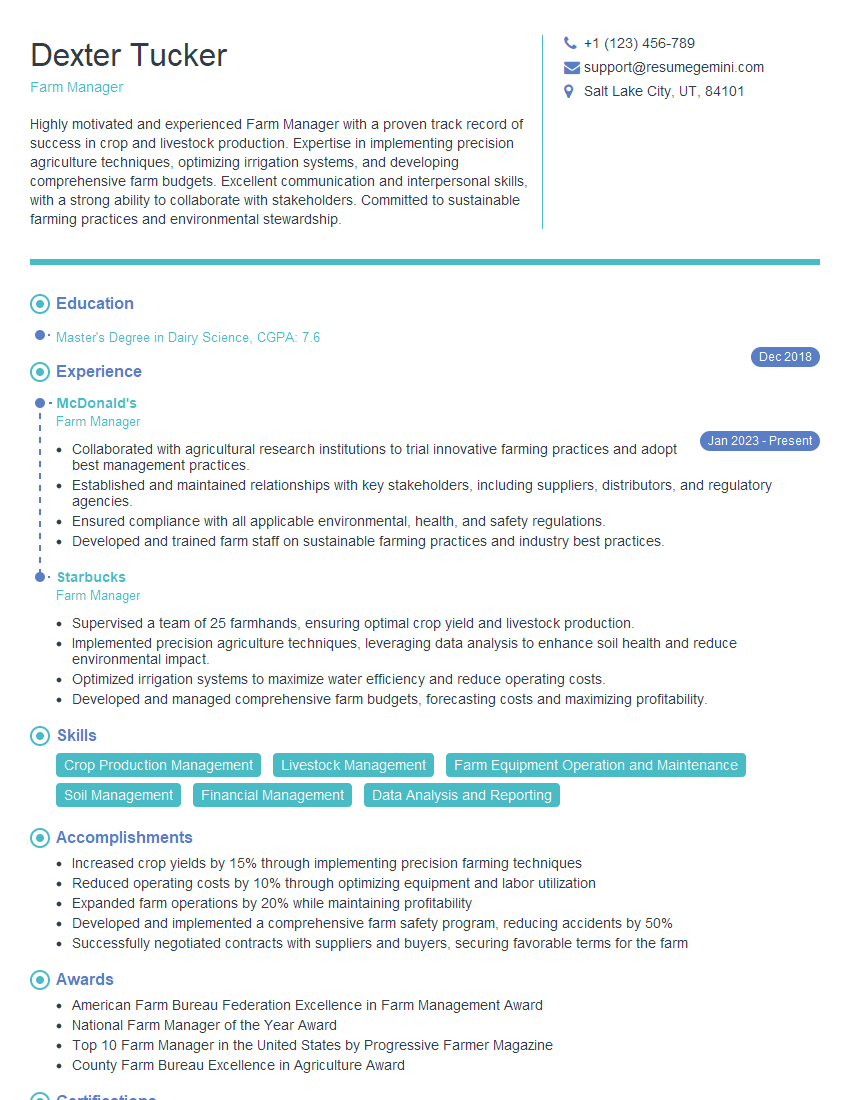
Farm Manager Resume Sample
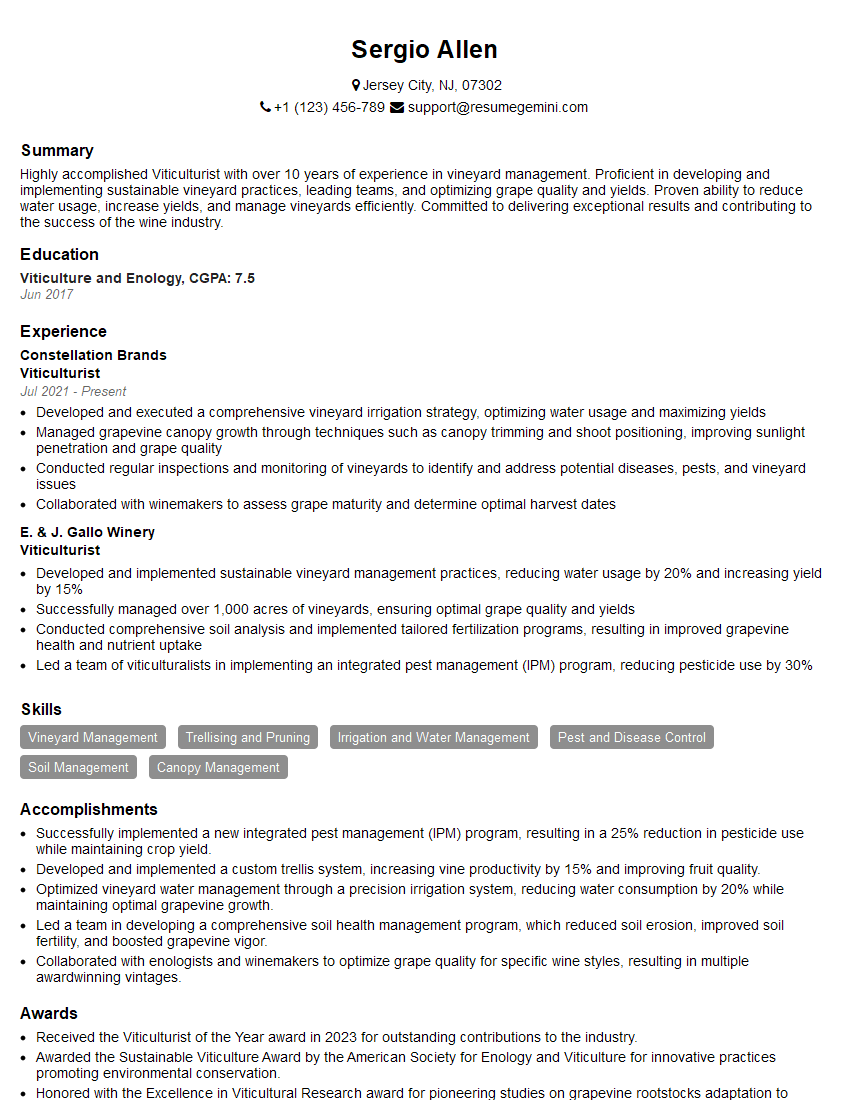
Viticulturist Resume Sample
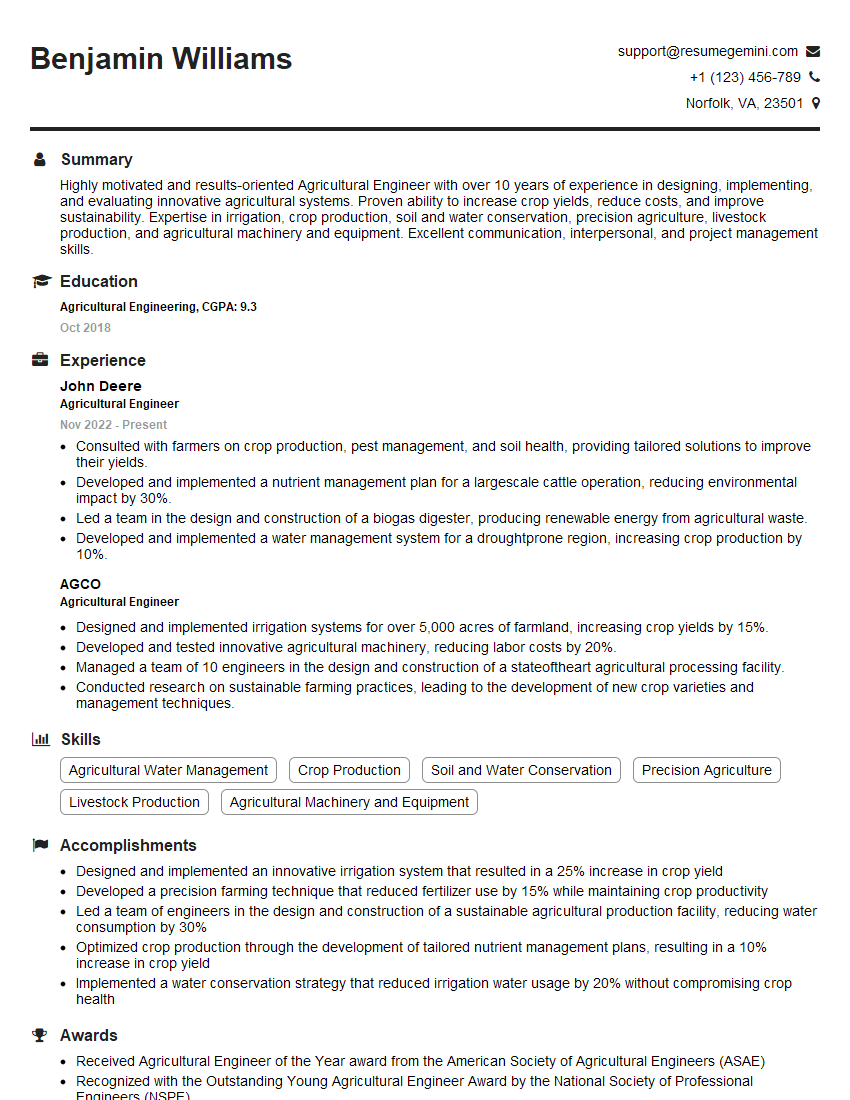
Agricultural Engineer Resume Sample
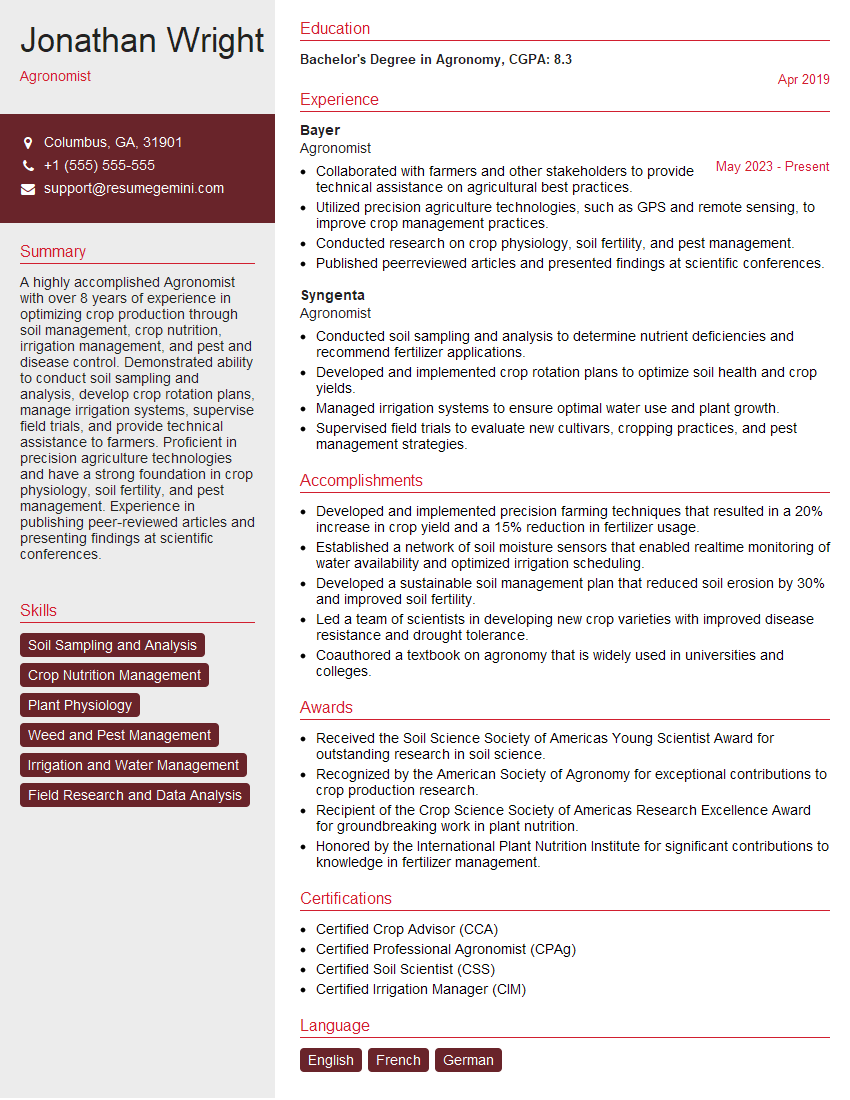
Agronomist Resume Sample

Soil Scientist Resume Sample
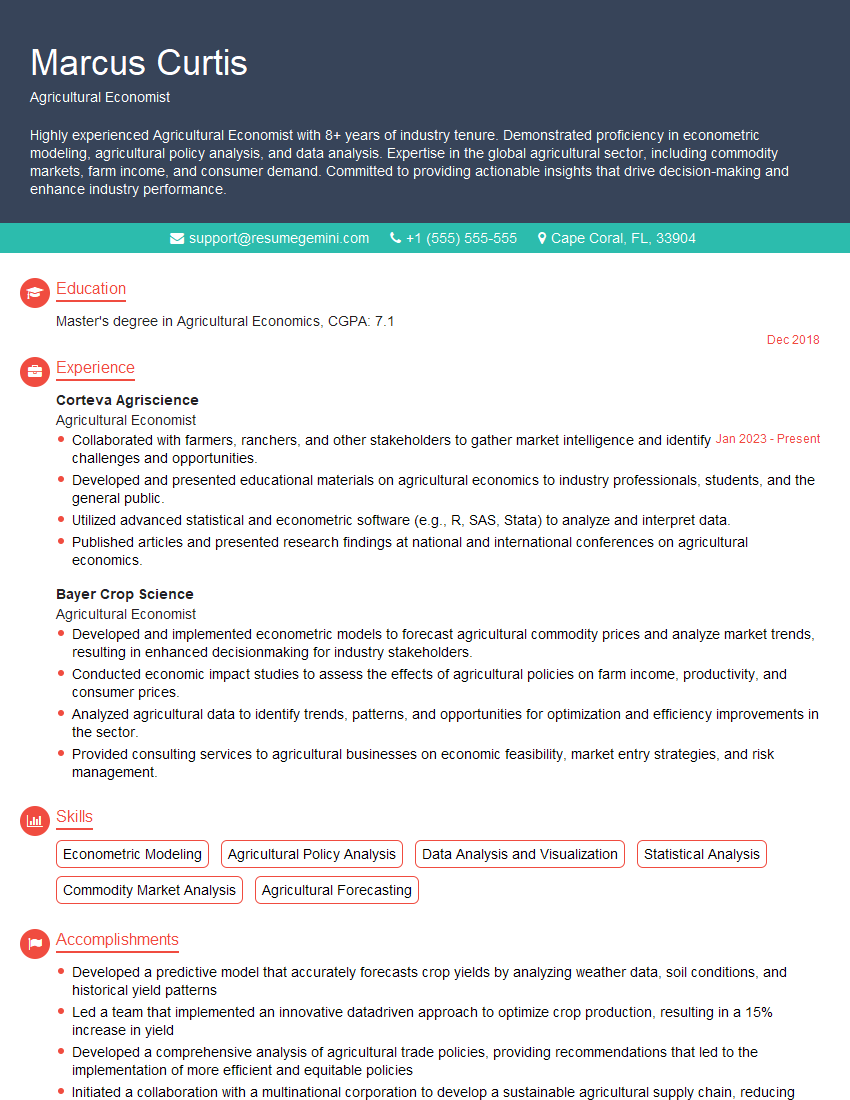
Agricultural Economist Resume Sample
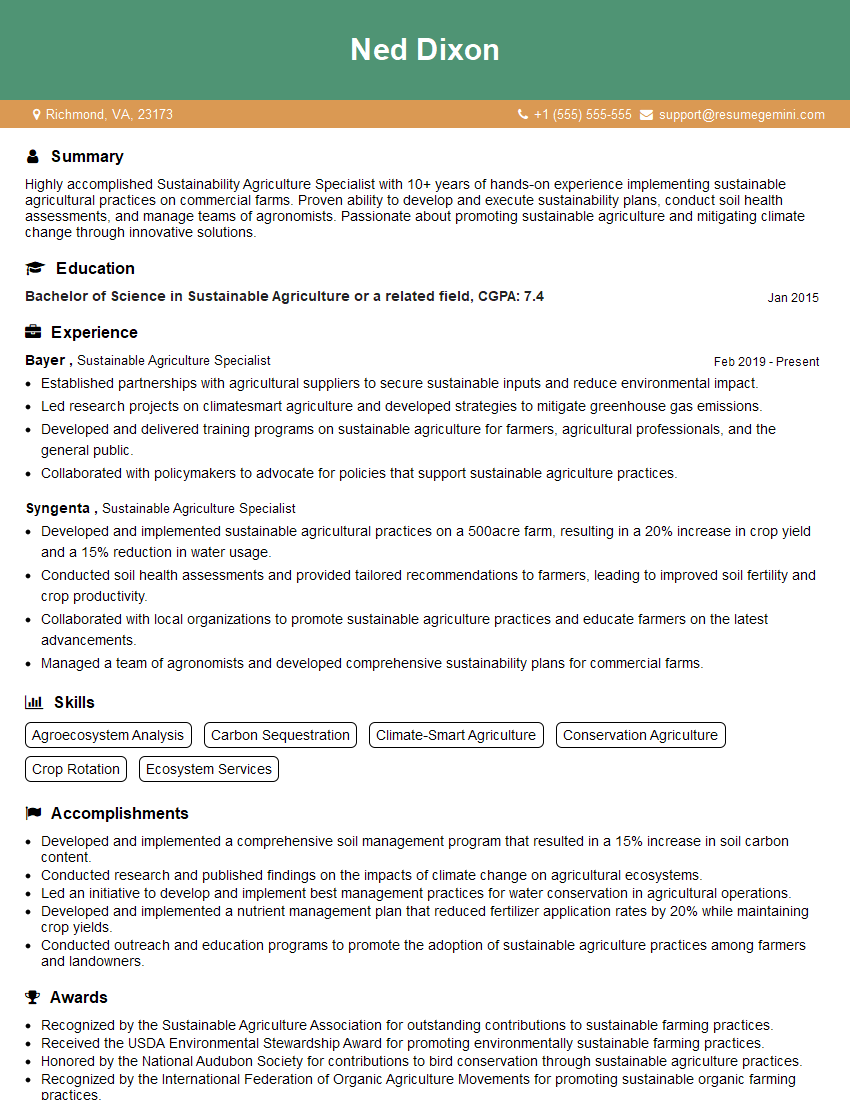
Sustainable Agriculture Specialist Resume Sample
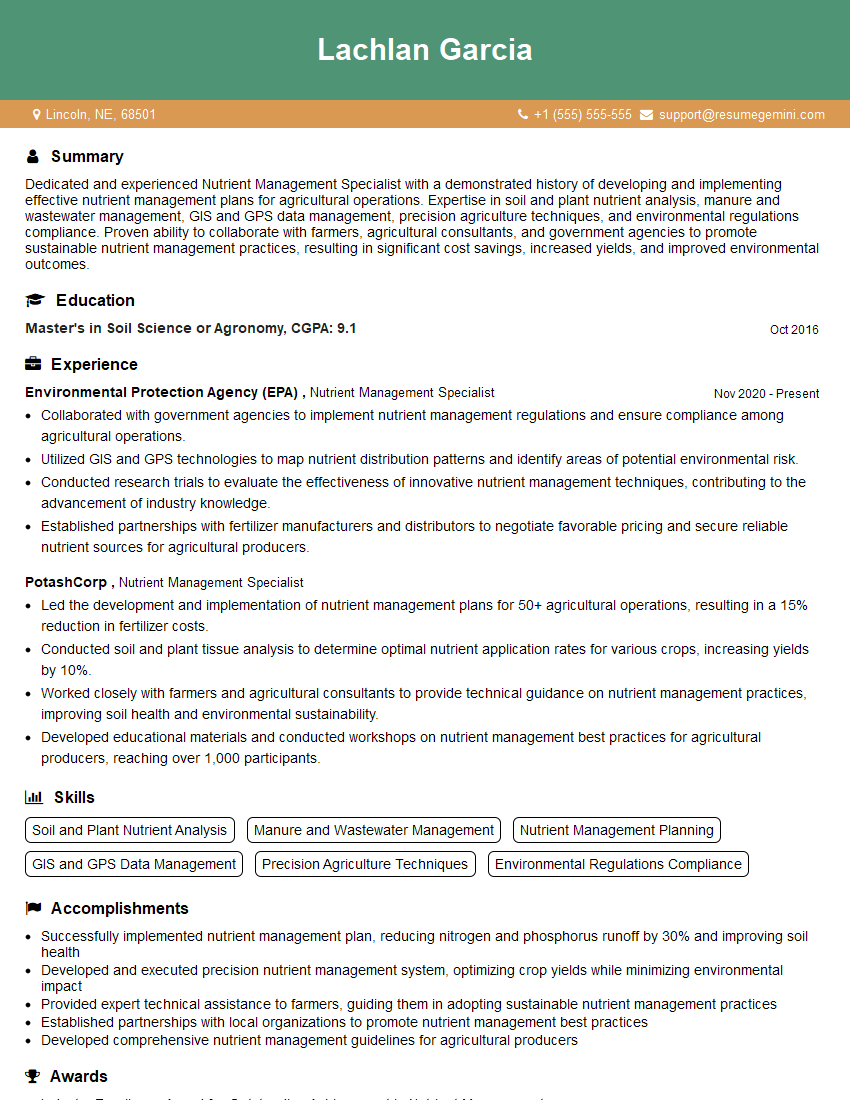
Nutrient Management Specialist Resume Sample
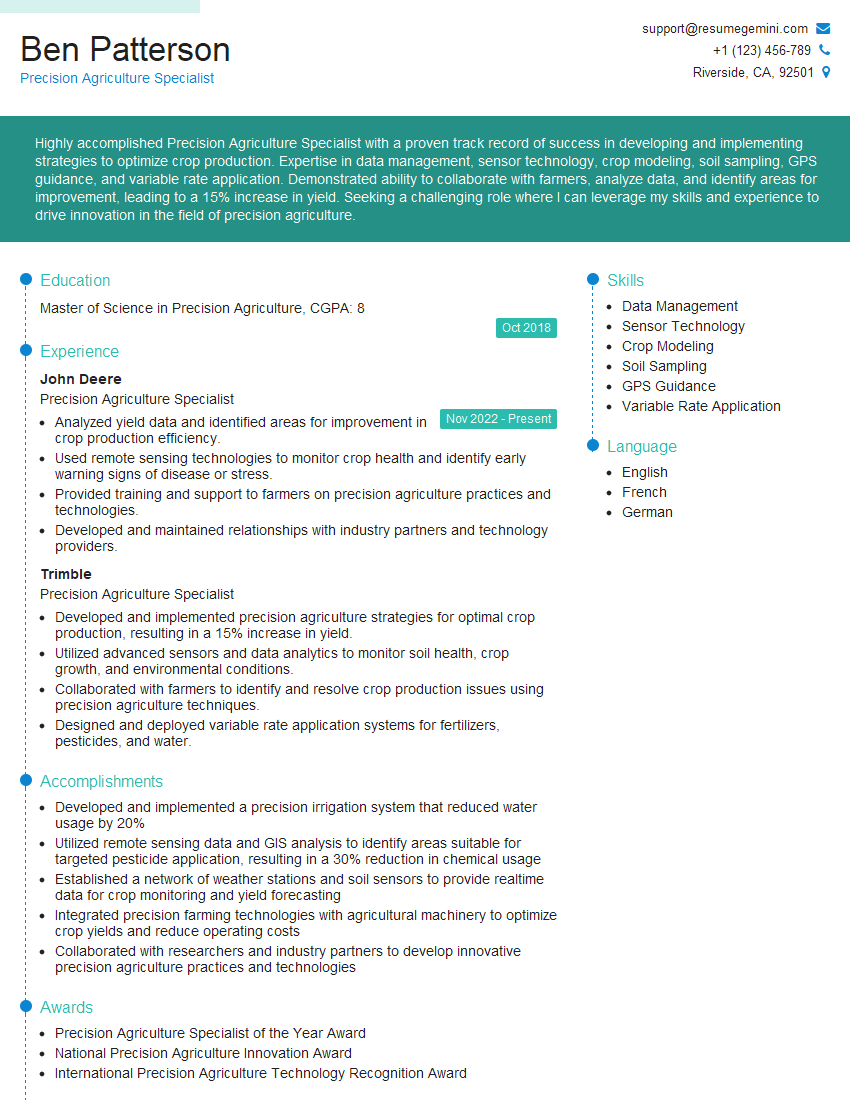
Precision Agriculture Specialist Resume Sample
Explore more articles
Users Rating of Our Blogs
Share Your Experience
We value your feedback! Please rate our content and share your thoughts (optional).
What Readers Say About Our Blog
Very informative content, great job.
good