Interviews are more than just a Q&A session—they’re a chance to prove your worth. This blog dives into essential Cultivation Practices interview questions and expert tips to help you align your answers with what hiring managers are looking for. Start preparing to shine!
Questions Asked in Cultivation Practices Interview
Q 1. Describe your experience with different irrigation systems (drip, flood, etc.).
Irrigation is crucial for successful cultivation, and I have extensive experience with various systems. Drip irrigation, for example, delivers water directly to the plant roots through a network of tubes and emitters. This method is highly efficient, minimizing water waste and reducing the risk of diseases caused by excess moisture. I’ve used it successfully with high-value crops like strawberries and tomatoes, achieving significant water savings compared to flood irrigation. Flood irrigation, on the other hand, involves flooding the entire growing area with water. While simpler to set up, it’s less efficient and can lead to nutrient leaching and waterlogging. I’ve used this in situations where water is abundant and the crop is less sensitive to moisture levels, such as rice paddies. Other systems I’m familiar with include sprinkler irrigation (effective for larger areas but can lead to uneven distribution), and subsurface irrigation (ideal for water conservation but requires specialized installation).
Q 2. Explain your understanding of plant nutrient deficiencies and how to address them.
Plant nutrient deficiencies manifest as visible symptoms, and recognizing these is critical. For example, nitrogen deficiency often causes yellowing of leaves, while phosphorus deficiency might lead to stunted growth and dark green or purplish leaves. Potassium deficiency can result in leaf scorching and browning. To address these, I first conduct a soil test to determine the exact nutrient levels. Based on the results, I employ corrective measures. This could involve applying fertilizers, either organically (compost, manure) or synthetically (NPK blends), tailored to the specific deficiency. For example, if the soil test shows low potassium, I’d incorporate a potassium-rich fertilizer into the soil or use a foliar spray for quicker results. Regular monitoring and soil testing are vital for preventing and correcting nutrient imbalances. Visual observation of plant health plays a crucial role too, helping identify subtle early signs of deficiency before they significantly impact yield.
Q 3. How do you monitor and control environmental factors (temperature, humidity, light) in a cultivation setting?
Controlling environmental factors is paramount for optimal plant growth. In my experience, this involves a combination of technologies and practices. Temperature regulation might involve using climate control systems such as fans, heaters, and cooling units, especially in greenhouses or indoor grow facilities. Humidity control is achieved through humidifiers and dehumidifiers, aiming for a specific range ideal for the particular crop. Light is controlled through the use of grow lights, adjusting intensity and duration based on the plant’s light requirements and growth stage. For example, seedlings need less light intensity than flowering plants. I also monitor these factors using sensors and data loggers, providing real-time information and alerting me to potential issues. This data helps me fine-tune environmental conditions and ensure a consistent environment for the plants.
Q 4. What pest and disease management strategies are you familiar with?
Pest and disease management is a crucial aspect of cultivation, and my approach is integrated pest management (IPM). IPM emphasizes prevention and minimizes reliance on chemical pesticides. It begins with proactive measures such as crop rotation, selecting disease-resistant varieties, and maintaining good sanitation practices. For example, removing weeds and crop debris can significantly reduce pest and disease pressure. If pests or diseases are detected, I initially utilize biological control methods, such as introducing beneficial insects that prey on pests. Chemical pesticides are only employed as a last resort, always selecting the least toxic option and adhering strictly to label instructions. Regular monitoring and scouting help detect problems early, allowing for timely interventions and preventing widespread outbreaks. This proactive approach ensures both healthy plants and environmental sustainability.
Q 5. Describe your experience with various cultivation methods (soil, hydroponics, aeroponics).
I’m experienced in various cultivation methods. Soil cultivation remains a cornerstone of agriculture, offering a natural growing medium with good nutrient retention. I’ve worked extensively with various soil types, adjusting my practices to suit their properties. Hydroponics, where plants are grown without soil, using nutrient-rich water solutions, offers precise control over nutrient delivery and water usage. I’ve successfully implemented hydroponic systems for leafy greens and herbs, achieving high yields in a controlled environment. Aeroponics, which cultivates plants suspended in air with nutrient mist applied to roots, represents a more advanced technique. I have experience with aeroponic systems, appreciating their potential for high-density planting and water conservation. Each method has its advantages and limitations, and the choice depends on factors like crop type, resources, and desired level of control.
Q 6. How do you ensure consistent crop quality and yield?
Ensuring consistent crop quality and yield requires meticulous attention to detail throughout the entire cultivation process. This starts with selecting high-quality seeds or seedlings and using consistent growing media. Maintaining optimal environmental conditions, as discussed earlier, is critical. Proper fertilization based on soil testing and plant needs is also important. Regular monitoring for pests and diseases, along with timely interventions, prevents yield loss. Harvesting at the correct maturity stage is essential for optimal quality. Finally, proper post-harvest handling and storage are equally crucial to maintaining quality and extending shelf life. My approach integrates all these aspects to consistently deliver high-quality, high-yield crops.
Q 7. Explain your understanding of plant growth cycles and developmental stages.
Understanding plant growth cycles and developmental stages is fundamental. Most plants follow a lifecycle involving germination, vegetative growth, flowering, fruiting (for fruiting plants), and senescence. Each stage has specific needs, and adjusting cultivation practices accordingly is essential. For example, during the vegetative stage, the focus is on promoting leaf and stem growth, requiring sufficient nitrogen and light. During flowering and fruiting, the emphasis shifts to phosphorus and potassium to support reproductive growth. Knowing these stages allows for precise management of environmental conditions, nutrient application, and pest/disease control. This detailed understanding leads to maximized yield and high-quality produce. For instance, I can tailor lighting schedules to enhance flowering in photoperiod-sensitive plants, or adjust irrigation strategies to suit the water requirements of each growth stage.
Q 8. What are your preferred methods for tracking plant growth and yield data?
Tracking plant growth and yield is crucial for optimizing cultivation. My preferred methods involve a combination of manual observation and technological tools. I begin with daily visual inspections, noting plant height, leaf color, signs of disease or pests, and overall vigor. This provides a qualitative assessment that technology alone can’t replace. For quantitative data, I utilize sensors that monitor environmental conditions (temperature, humidity, light intensity, soil moisture) and plant parameters such as leaf area and stem diameter. This data is logged automatically, often integrated into a central database using software specifically designed for agricultural data management.
For example, I’ve successfully used a system where sensors record data every hour, which is then analyzed using custom scripts to generate graphs and identify growth trends. These insights have helped me refine irrigation schedules, nutrient delivery, and lighting adjustments, ultimately boosting yields. I also rely on weighing harvested plants to calculate yield per square foot or per plant, meticulously tracking these metrics for future comparisons and analysis.
Q 9. Describe your experience with harvesting and post-harvest handling techniques.
Harvesting and post-harvest handling are critical steps determining final product quality. My experience encompasses a wide range of techniques depending on the crop. For example, harvesting tomatoes involves careful hand-picking of ripe fruits, avoiding damage to the plant or fruit. For leafy greens, efficient harvesting methods might involve mechanical harvesters for large-scale operations, ensuring minimal bruising. Post-harvest handling focuses on preventing spoilage and maintaining freshness. This includes rapid cooling, proper sorting and grading, and appropriate packaging to minimize water loss and prevent microbial growth.
In one instance, I implemented a modified atmospheric packaging (MAP) system for a particularly delicate herb, significantly extending its shelf life and improving overall quality. The system carefully controlled oxygen and carbon dioxide levels within the packaging, slowing down respiration and reducing deterioration. Careful attention to sanitation throughout the entire process is paramount to prevent contamination and maintain safety standards. Regular cleaning and disinfection of equipment and facilities are key components of my approach.
Q 10. How do you manage waste and ensure sustainable cultivation practices?
Sustainable cultivation is paramount in my approach. Waste management integrates directly into my practices, focusing on reducing, reusing, and recycling. Plant waste, such as trimmings and leaves, are composted, creating a nutrient-rich soil amendment. This reduces the need for synthetic fertilizers and improves soil health. Wastewater from cleaning processes is often recycled through a filtration system, minimizing water waste and reducing the environmental impact. I meticulously track water usage, energy consumption, and fertilizer application to monitor resource efficiency and identify areas for improvement.
For instance, I’ve implemented a closed-loop hydroponic system where the nutrient solution is continuously recirculated, significantly reducing water consumption. Additionally, I promote biodiversity by integrating beneficial insects and microorganisms in the cultivation environment, minimizing the need for pesticides. This creates a more resilient and environmentally friendly growing system.
Q 11. Explain your experience with cloning and propagation techniques.
Cloning and propagation are essential for maintaining desirable plant traits and ensuring consistent production. My experience includes various techniques, such as stem cuttings, air layering, and tissue culture. Stem cuttings are a relatively simple method, ideal for many plant species. I use rooting hormones and controlled environmental conditions to improve success rates. Air layering involves inducing root formation on a stem while it’s still attached to the mother plant, a technique I’ve used successfully with more challenging-to-propagate species.
Tissue culture is a more sophisticated method that involves growing plants from small pieces of tissue in a sterile environment. It allows for rapid multiplication of desirable plants, disease elimination, and the production of genetically uniform plants. For example, I successfully used tissue culture to rapidly propagate a rare orchid variety, preserving this valuable genetic resource and expanding its availability. My approach always emphasizes sterile techniques to prevent contamination and maintain high success rates.
Q 12. How do you maintain accurate records of cultivation processes and results?
Accurate record-keeping is fundamental for effective cultivation management and optimization. I use a combination of digital and manual methods. For detailed daily observations, I utilize digital logs that include date, time, environmental parameters, plant measurements, nutrient solutions used, pest and disease occurrences, and treatment applied. This data is organized in a database system that allows for easy retrieval and analysis. Manual records, such as detailed observation notes, photographs, and samples, complement digital data, providing a rich and complete record of the cultivation process.
I use specialized software that integrates sensor data, environmental monitoring, and manual entries into a comprehensive system. This allows me to analyze trends, identify correlations between environmental factors and plant growth, and assess the overall effectiveness of cultivation strategies. Data backup and security measures are also integrated into my record-keeping system, ensuring data integrity and protection.
Q 13. Describe your approach to troubleshooting issues in a cultivation environment.
Troubleshooting in cultivation involves a systematic approach. I start with careful observation, identifying the symptoms of the problem, such as wilting, discoloration, or pest infestations. Then, I analyze environmental factors – temperature, humidity, light intensity, nutrient levels, and irrigation – to determine potential causes. If the issue isn’t immediately apparent, I’ll take samples for laboratory analysis to identify pathogens or nutrient deficiencies.
For example, if plants exhibit nutrient deficiency symptoms, I would conduct soil or tissue analysis to determine which nutrients are lacking. Based on the analysis, I adjust the nutrient solution or fertilization program accordingly. For pest infestations, I identify the pest and then implement appropriate control measures, prioritizing integrated pest management (IPM) techniques such as introducing natural predators or using biological controls before resorting to chemical treatments. Documentation of the problem, diagnostic process, and corrective actions is essential for learning and improvement.
Q 14. What is your experience with different types of growing media?
My experience encompasses a variety of growing media, each with its own advantages and disadvantages. I’ve worked extensively with soil-based systems, using different soil types amended with organic matter to improve drainage, aeration, and nutrient retention. Hydroponic systems, where plants are grown without soil in nutrient-rich water solutions, are another area of my expertise. These systems allow for precise control over nutrient delivery and can lead to higher yields. I’ve also worked with soilless media such as coco coir, perlite, and vermiculite, offering excellent aeration and water retention properties, adaptable to different cultivation approaches.
The choice of growing medium depends on factors such as the plant species, climate, available resources, and desired level of control. For instance, I’ve used coco coir for its excellent water retention in arid climates, whereas perlite provided superior drainage in a high-humidity environment. Careful consideration of the specific needs of the plants and the environment is critical in choosing the right growing medium for optimal results.
Q 15. How do you ensure the quality and safety of your final product?
Ensuring the quality and safety of our final product is paramount. It’s a multi-faceted process that begins long before harvest. We implement a rigorous system of checks and balances throughout the entire cultivation cycle, from seed selection to post-harvest handling.
Strict Quality Control Protocols: We employ detailed Standard Operating Procedures (SOPs) at each stage. This includes regular monitoring of environmental parameters like temperature, humidity, and light intensity. We also conduct frequent visual inspections for pest and disease infestations, immediately addressing any issues identified.
Traceability: Every batch is meticulously tracked using a unique identification number, allowing us to trace its journey from seed to sale. This enables rapid response to any quality issues and ensures product recall efficiency if necessary.
Testing and Analysis: We conduct regular laboratory testing for contaminants, heavy metals, and pesticide residues, ensuring our products meet or exceed all relevant safety standards. This includes microbiological testing to ensure the absence of harmful bacteria or fungi.
Post-Harvest Handling: Careful harvesting, cleaning, and drying techniques are crucial. We use specialized equipment to minimize damage and maintain product integrity. Proper storage conditions, including temperature and humidity control, are vital to preserve product quality and prevent spoilage.
For example, in one instance, we discovered a slight nutrient deficiency in a particular batch during our regular testing. By immediately adjusting our nutrient solution, we prevented a significant yield reduction and maintained the consistent high quality of our produce.
Career Expert Tips:
- Ace those interviews! Prepare effectively by reviewing the Top 50 Most Common Interview Questions on ResumeGemini.
- Navigate your job search with confidence! Explore a wide range of Career Tips on ResumeGemini. Learn about common challenges and recommendations to overcome them.
- Craft the perfect resume! Master the Art of Resume Writing with ResumeGemini’s guide. Showcase your unique qualifications and achievements effectively.
- Don’t miss out on holiday savings! Build your dream resume with ResumeGemini’s ATS optimized templates.
Q 16. Explain your understanding of plant genetics and breeding.
Plant genetics and breeding are fundamental to modern cultivation. Understanding genetics allows us to improve crop yields, enhance disease resistance, and tailor plants to specific environmental conditions.
Genetic Diversity: Maintaining a diverse gene pool is crucial. We work with a variety of cultivars and heirloom varieties to ensure resilience against pests and diseases. This also allows us to select for desirable traits like flavor, aroma, and nutritional content.
Marker-Assisted Selection (MAS): MAS uses DNA markers to identify plants with desirable traits, speeding up the breeding process. This allows us to select plants with improved yield, stress tolerance, and nutritional characteristics more efficiently than traditional methods.
Genetic Engineering (GE): While we primarily focus on traditional breeding techniques, we are aware of the potential of GE to address specific challenges like herbicide resistance or nutritional enhancement. We are actively monitoring the advancements and regulations in this field.
Hybrid Breeding: We utilize hybrid varieties that combine the desirable traits of two parent plants, resulting in offspring with improved characteristics compared to their parents. This approach allows us to develop crops better suited to our specific growing conditions.
For instance, we recently developed a new hybrid variety of lettuce that exhibits superior disease resistance, leading to reduced pesticide use and a higher overall yield.
Q 17. What is your experience with crop rotation and soil health management?
Crop rotation and soil health management are cornerstones of sustainable agriculture. They are interconnected and crucial for long-term productivity and environmental stewardship.
Crop Rotation Strategies: We employ various crop rotation strategies to prevent the buildup of pests and diseases and improve soil fertility. This involves planting different crops in a planned sequence, leveraging their diverse nutrient needs and growth habits. For example, a legume crop (like beans or peas) can fix nitrogen in the soil, benefiting subsequent crops.
Soil Health Indicators: We routinely monitor soil health indicators like organic matter content, nutrient levels, and microbial diversity. This helps us to understand the soil’s current condition and tailor our management practices accordingly.
Cover Cropping: We utilize cover crops to suppress weeds, prevent erosion, and improve soil structure. Cover crops also help to improve soil organic matter, boosting microbial activity and nutrient cycling.
Reduced Tillage: We minimize soil disturbance through reduced tillage techniques. This preserves soil structure, reduces erosion, and maintains the beneficial microbial communities within the soil.
In a recent project, we implemented a three-year rotation cycle incorporating legumes, brassicas, and grains. This led to a significant improvement in soil organic matter, reducing the need for synthetic fertilizers and pesticides.
Q 18. Describe your experience with different types of lighting systems for cultivation.
Lighting systems are crucial in controlled-environment agriculture, particularly in indoor or greenhouse settings. The choice of lighting system depends on factors such as the plant species, growth stage, and budget.
High-Pressure Sodium (HPS) Lamps: HPS lamps have been widely used for their cost-effectiveness and efficacy in promoting plant growth. However, they are less energy-efficient compared to newer technologies.
Metal Halide (MH) Lamps: MH lamps provide a more balanced spectrum compared to HPS, leading to improved plant quality and morphology.
Light-Emitting Diodes (LEDs): LEDs offer superior energy efficiency, spectral control, and longevity. We are increasingly incorporating LEDs in our operations due to their cost savings and ability to fine-tune light spectra for optimal plant growth.
Supplemental Lighting: In greenhouse cultivation, supplemental lighting can be used to extend the daylight period during winter months, boosting plant growth and yield.
For example, we recently transitioned to a LED-based lighting system in one of our indoor facilities. This resulted in a 30% reduction in energy consumption, coupled with improved plant morphology and yield.
Q 19. How do you manage labor and resources efficiently in a cultivation operation?
Efficient labor and resource management is vital for a successful cultivation operation. It requires careful planning, technology adoption, and effective team management.
Workflow Optimization: We use lean methodologies to streamline our workflows, reducing unnecessary steps and improving efficiency. This includes mapping processes and identifying bottlenecks.
Automation: Automation plays a significant role in reducing labor costs and enhancing efficiency. We utilize automated systems for tasks like irrigation, environmental control, and harvesting, wherever feasible.
Training and Development: Investing in training and development for our staff ensures that they are equipped with the necessary skills and knowledge to perform their tasks effectively and safely.
Resource Tracking and Allocation: We utilize software systems to track resource consumption (water, energy, fertilizers) in real-time. This allows for data-driven decision-making regarding resource allocation and optimization.
For example, by implementing a new irrigation system with real-time monitoring capabilities, we reduced water consumption by 15% and improved crop uniformity.
Q 20. What is your experience with using data analytics to improve cultivation efficiency?
Data analytics is transforming modern cultivation, allowing for precise control over environmental factors and resource allocation, leading to improved efficiency and yield.
Environmental Monitoring Systems: We use sensors to monitor temperature, humidity, light intensity, and other environmental parameters in real-time. This data is then analyzed to identify trends and patterns, helping us to optimize growing conditions.
Yield Monitoring: We track yield data from each crop cycle, comparing it with environmental and management data to identify correlations and areas for improvement.
Predictive Modeling: We utilize statistical models to predict yields and identify potential issues before they impact our operations. This allows for proactive measures to prevent crop losses and optimize resource utilization.
Data Visualization: We use dashboards and data visualization tools to communicate key performance indicators (KPIs) effectively to our team. This enhances understanding and supports data-driven decision-making.
For example, by analyzing historical yield data and environmental parameters, we were able to optimize our fertilization strategy, resulting in a 10% increase in yield in the subsequent season.
Q 21. How do you ensure compliance with regulations and industry standards?
Compliance with regulations and industry standards is non-negotiable. We maintain a robust compliance program that covers all aspects of our operations.
Regulatory Compliance: We stay informed about all relevant regulations at the local, regional, and national levels. This includes food safety regulations, environmental regulations, and labor laws.
Industry Best Practices: We adhere to industry best practices in areas like Good Agricultural Practices (GAP), Global GAP, or other relevant certifications. This demonstrates our commitment to quality and safety.
Record Keeping: Meticulous record-keeping is essential for demonstrating compliance. We maintain detailed records of all our operations, including inputs, outputs, and environmental monitoring data.
Internal Audits: Regular internal audits ensure our compliance program remains effective and identify any areas for improvement. We also participate in external audits to maintain our certifications.
For example, we recently underwent a successful Global GAP certification audit, demonstrating our commitment to producing safe and high-quality products that meet international standards.
Q 22. Describe your experience with different types of fertilizers and soil amendments.
My experience with fertilizers and soil amendments is extensive, encompassing both organic and synthetic options. Understanding the specific nutrient needs of different plants is crucial. For example, nitrogen (N), phosphorus (P), and potassium (K) are primary macronutrients, while micronutrients like iron and zinc are vital in smaller amounts. I’ve worked with various formulations, including slow-release granular fertilizers for consistent nutrient delivery, liquid fertilizers for immediate impact, and compost teas for enhanced microbial activity in the soil.
Soil amendments are just as important. I’ve used perlite and vermiculite to improve drainage and aeration in heavy clay soils, and peat moss to increase water retention in sandy soils. Organic amendments like compost and worm castings not only provide nutrients but also improve soil structure and microbial life, creating a healthier growing medium. Choosing the right amendment depends on soil testing results, the specific plant’s needs, and the cultivation system being used. For instance, hydroponic systems require different nutrient solutions tailored to the water’s pH and the plants’ life cycle.
- Example: In a recent project growing tomatoes, I used a slow-release fertilizer high in phosphorus during the fruiting stage to encourage larger fruit production. We also amended the soil with compost to improve its overall health and drainage.
- Example: In a hydroponic lettuce operation, I precisely adjusted the nutrient solution’s pH and EC (electrical conductivity) to optimize nutrient uptake and prevent nutrient deficiencies.
Q 23. Explain your understanding of plant physiology and biochemistry.
Plant physiology and biochemistry are fundamental to successful cultivation. Physiology involves understanding how plants function – their growth, photosynthesis, nutrient uptake, and response to environmental stressors. For example, understanding transpiration (water loss through leaves) helps determine irrigation schedules. Photosynthesis, the process where plants convert light energy into chemical energy, is optimized through light intensity, spectrum, and CO2 levels.
Biochemistry focuses on the chemical processes within plants. This includes understanding enzyme activity, hormone regulation (like auxins and gibberellins for growth), and metabolic pathways related to nutrient assimilation. For example, knowing the role of chlorophyll in photosynthesis informs lighting choices and the impact of nutrient deficiencies on chlorophyll production. I use this knowledge to diagnose problems, optimize growth conditions, and choose appropriate fertilizers and cultivation techniques. A thorough understanding of plant biochemistry also helps me anticipate potential problems based on the chemical makeup of the growing medium and the nutrients provided.
Q 24. How do you identify and address potential problems with plant health?
Identifying plant health problems involves a multi-step process. It starts with visual observation, looking for signs of disease, pest infestations, nutrient deficiencies, or environmental stress. For example, yellowing leaves could indicate nitrogen deficiency, while wilting might point to water stress or root rot.
Next, I employ diagnostic tools like soil testing to analyze nutrient levels and pH, and tissue analysis to check nutrient uptake within the plant itself. If pests or diseases are suspected, I’ll use microscopy or molecular techniques for precise identification. Finally, I implement targeted interventions. This might involve adjusting irrigation, applying specific fertilizers, introducing beneficial microbes (biocontrol), employing integrated pest management techniques, or adjusting environmental conditions (temperature, humidity, light).
Example: If I notice leaf curling and stunted growth, coupled with low soil nitrogen, I’d apply a nitrogen-rich fertilizer and improve soil drainage if necessary.
Q 25. What is your experience with automated cultivation systems?
I have extensive experience with automated cultivation systems, including hydroponics and aeroponics. These systems offer precise control over environmental factors like temperature, humidity, light, and nutrient delivery. I’m proficient in managing automated irrigation systems, environmental control units (ECUs), and data acquisition systems (DAS) that monitor and adjust these parameters. This includes programming and troubleshooting these systems. The benefit is consistent, high-quality yields with reduced labor costs and minimized environmental impact.
Example: In one project, I implemented an automated nutrient delivery system in a hydroponic lettuce operation. This system not only reduced labor costs but also resulted in a 15% increase in yield compared to the manual system, due to the precise control over nutrient delivery and pH.
Q 26. How do you ensure the security of your cultivation facility?
Security is paramount in any cultivation facility. My approach involves a multi-layered security system encompassing physical security, environmental monitoring, and access control. Physical security includes robust building construction, surveillance cameras, alarm systems, and potentially security personnel. Environmental monitoring involves sensors and systems that detect unauthorized entry, temperature fluctuations, and other anomalies that could compromise the crop.
Access control is managed through keycard systems, biometric scanners, and strict protocols for employee access and movement within the facility. Data security is equally important, with secure networks and data storage to protect sensitive information about operations and cultivation techniques. Regular security audits and staff training are essential for maintaining a secure environment.
Q 27. Describe your experience with implementing and improving SOPs (Standard Operating Procedures).
Developing and improving Standard Operating Procedures (SOPs) is crucial for efficiency and consistency in cultivation. I’ve led the development of SOPs covering every aspect of cultivation, from seed starting to harvesting and post-harvest processing. These SOPs detail each step of the process, including precise measurements, environmental parameters, and quality control checks. They also include detailed troubleshooting guides and safety protocols.
Regular review and improvement of SOPs is vital. This involves analyzing data on yield, quality, and efficiency to identify areas for improvement. I use data analysis to make these improvements, track changes, and ensure that our cultivation practices consistently meet the highest standards of quality and efficiency.
Q 28. How do you stay current with the latest advancements in cultivation techniques?
Staying current with advancements requires continuous learning. I achieve this through various means. I actively participate in industry conferences, workshops, and training programs, networking with other professionals and learning about the latest technologies and best practices.
I also subscribe to relevant trade publications and journals, and follow influential researchers and experts in the field. Online resources and professional organizations provide valuable information and opportunities for professional development. This continuous learning ensures that my cultivation techniques remain at the cutting edge of the industry.
Key Topics to Learn for Cultivation Practices Interview
- Soil Science Fundamentals: Understanding soil composition, nutrient cycling, and soil health assessment methods. Practical application: Diagnosing soil deficiencies and recommending appropriate amendments.
- Crop Physiology and Management: Knowledge of plant growth stages, nutrient requirements, and stress responses. Practical application: Developing optimized irrigation and fertilization schedules.
- Pest and Disease Management: Identifying common pests and diseases, implementing integrated pest management (IPM) strategies, and understanding the use of biological controls. Practical application: Designing a preventative pest and disease management plan for a specific crop.
- Sustainable Cultivation Techniques: Understanding and applying principles of organic farming, conservation tillage, and water conservation. Practical application: Evaluating the environmental impact of different cultivation practices.
- Harvesting and Post-Harvest Handling: Proper techniques for harvesting, cleaning, storing, and processing crops to minimize losses and maintain quality. Practical application: Developing efficient and effective post-harvest procedures.
- Data Analysis and Interpretation: Analyzing yield data, soil test results, and other relevant information to optimize cultivation practices. Practical application: Using data to inform decision-making and improve efficiency.
- Technological Advancements in Cultivation: Familiarity with precision agriculture technologies, such as GPS-guided machinery, sensor-based monitoring, and data analytics. Practical application: Evaluating the benefits and limitations of different technologies.
Next Steps
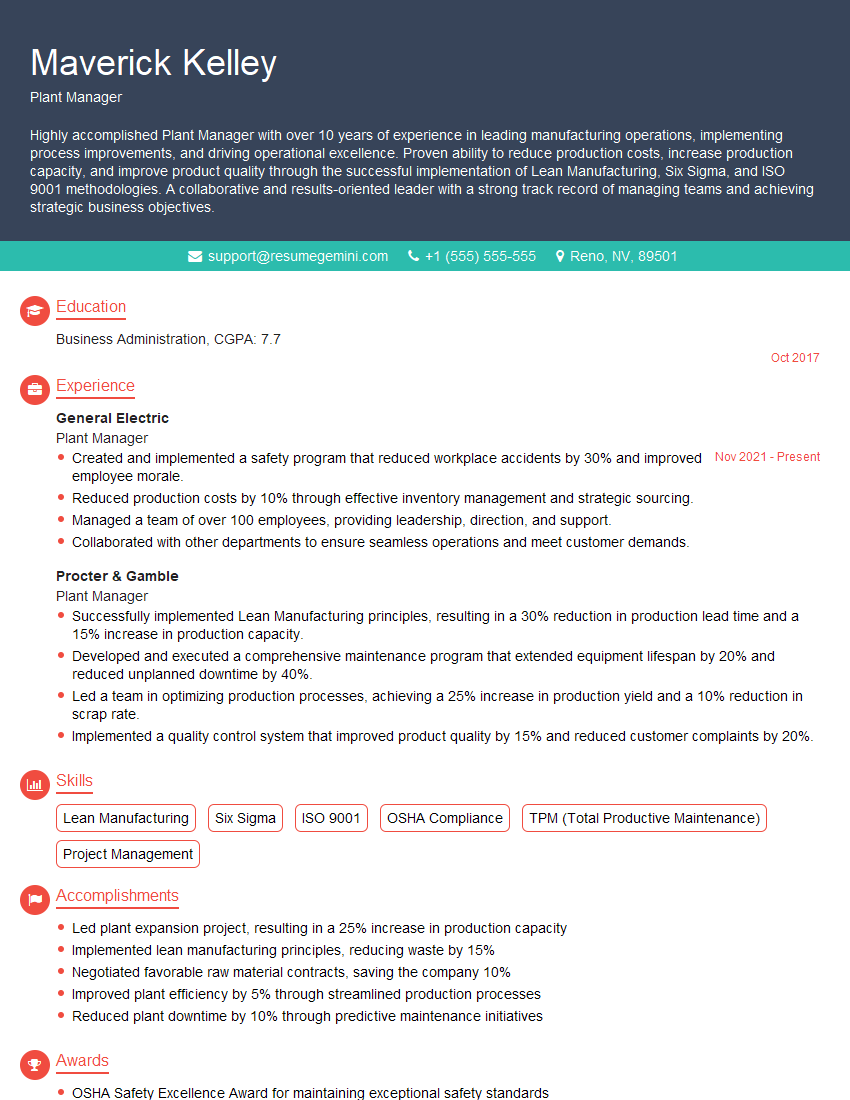
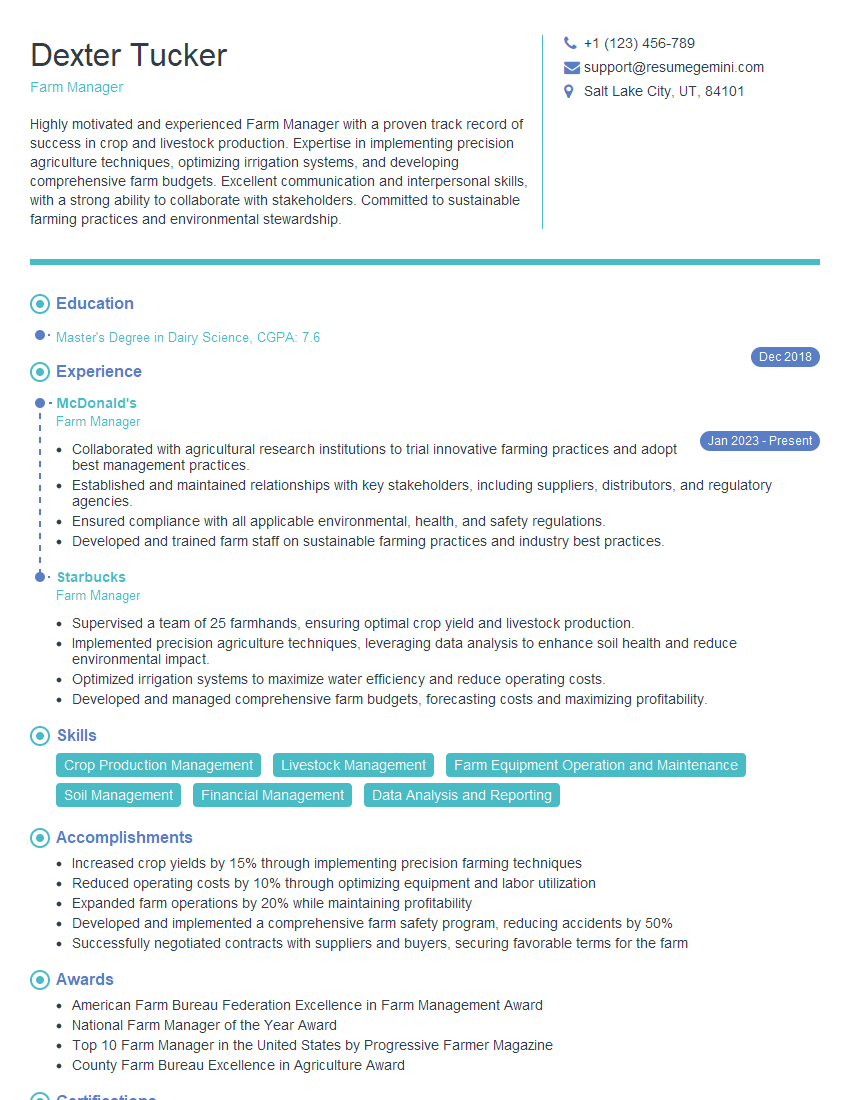
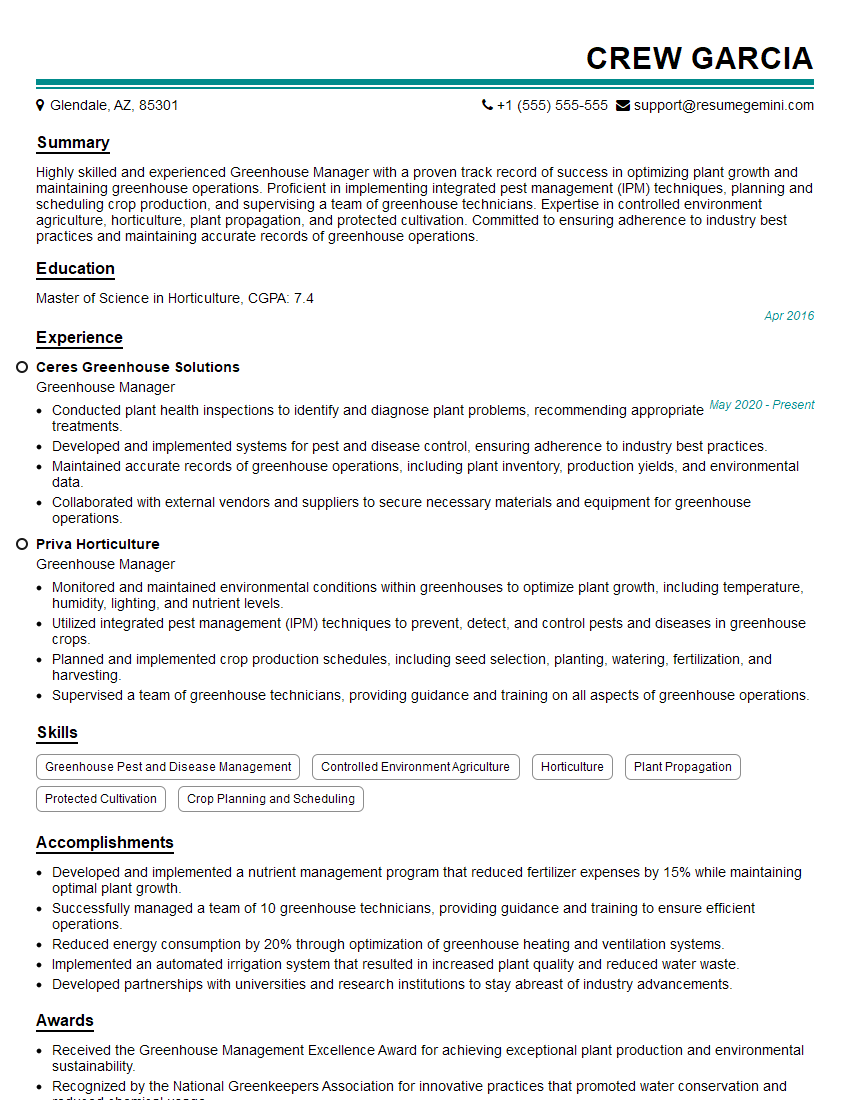
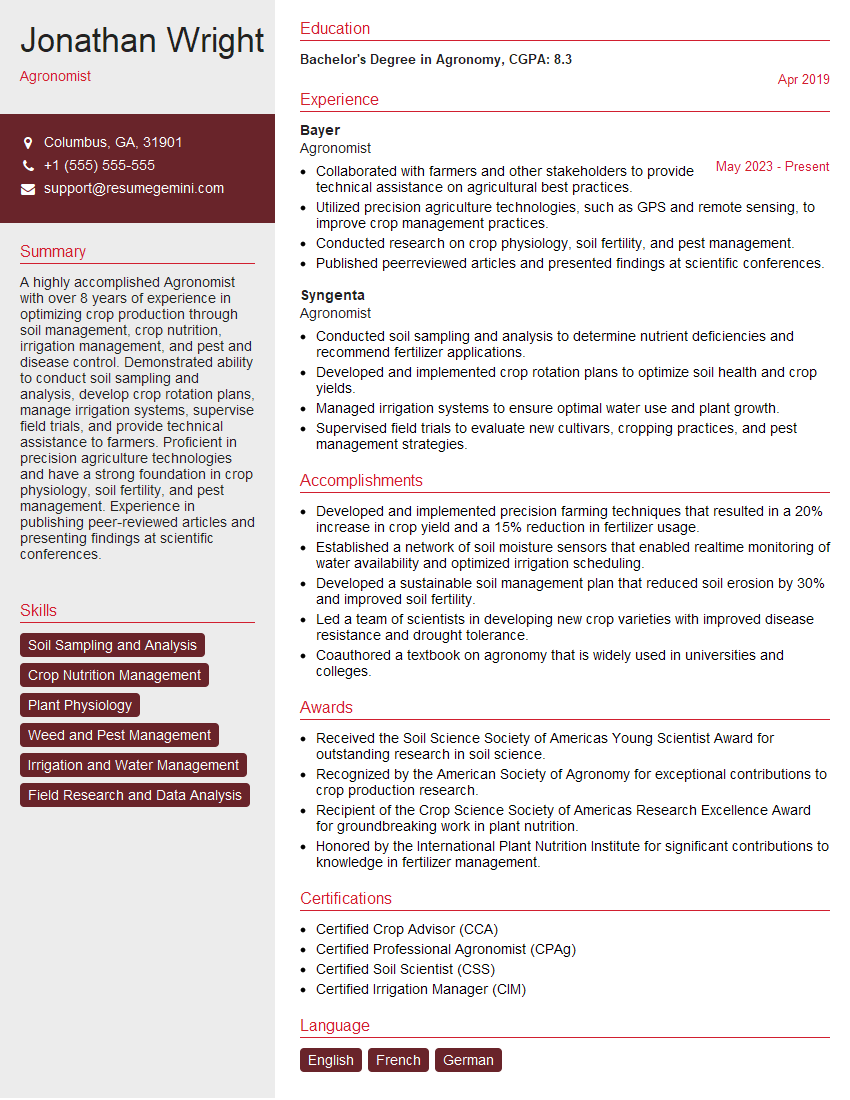
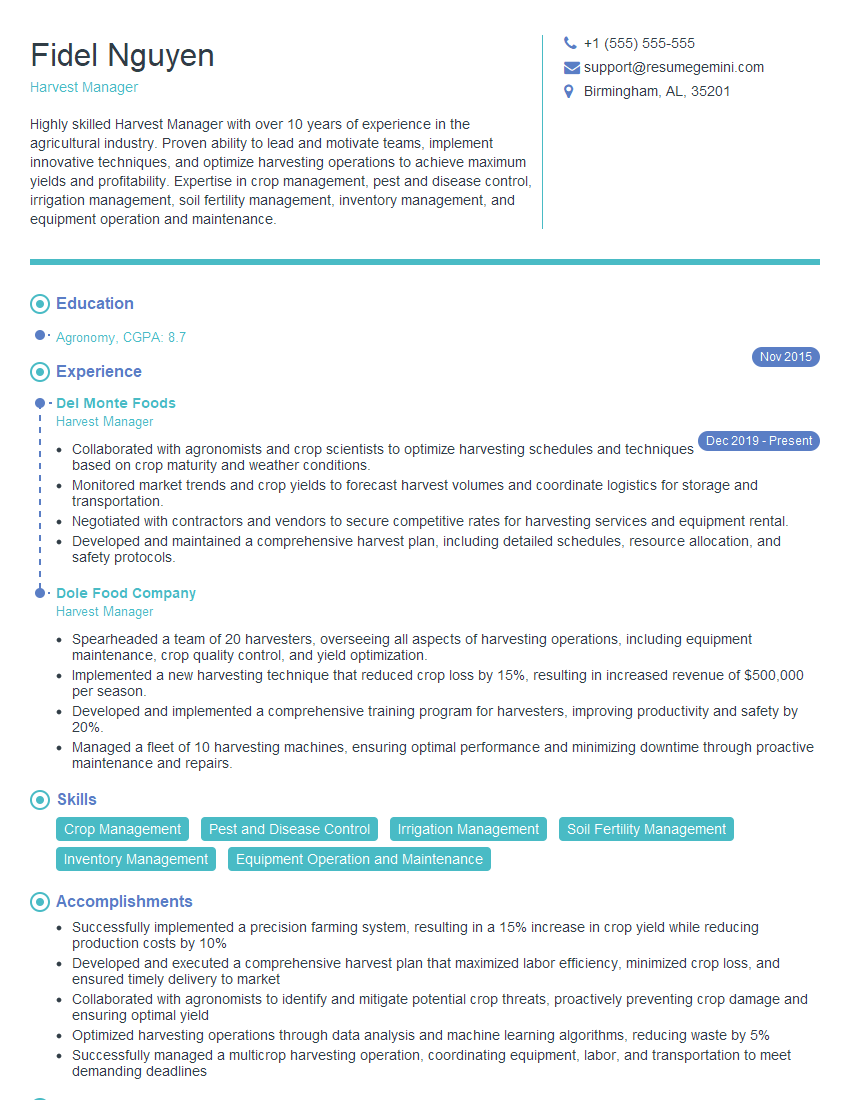
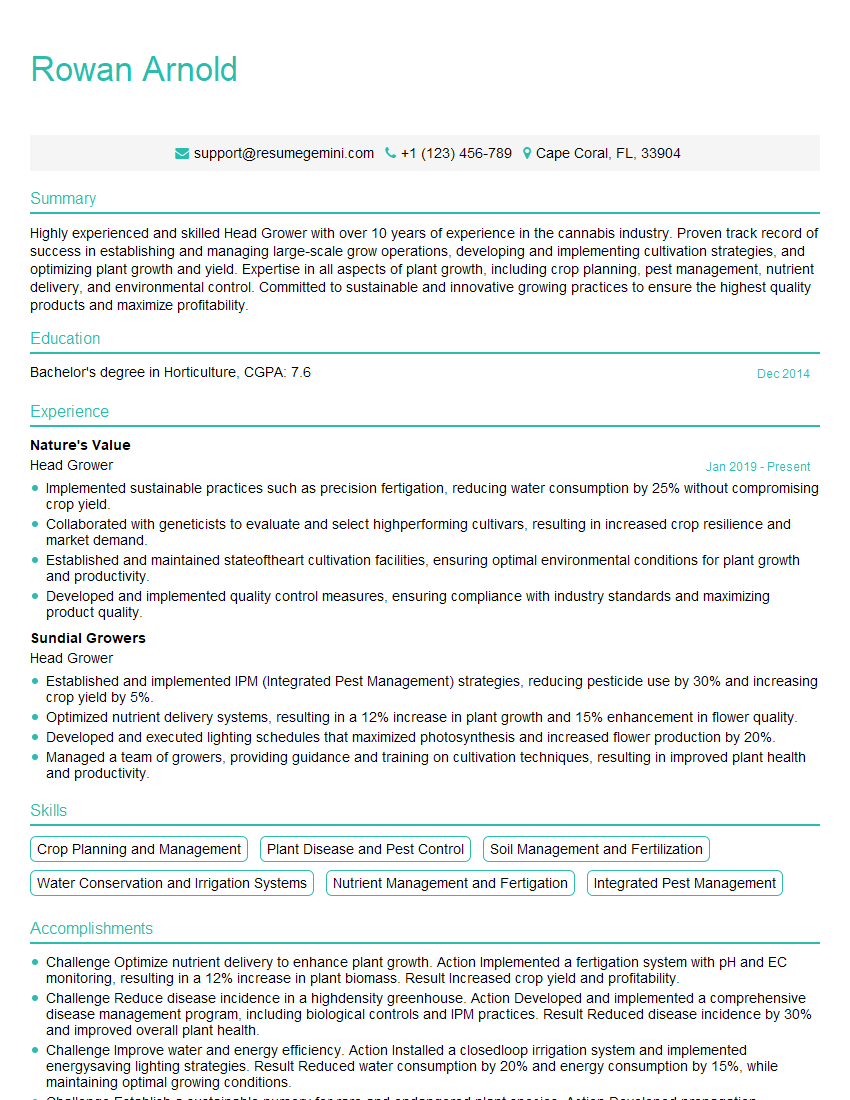
Mastering Cultivation Practices is crucial for career advancement in the agricultural sector, opening doors to diverse and rewarding roles. A strong understanding of these principles demonstrates your expertise and commitment to sustainable and efficient food production. To significantly boost your job prospects, crafting an ATS-friendly resume is essential. ResumeGemini is a trusted resource that can help you build a professional and impactful resume tailored to highlight your skills and experience in Cultivation Practices. Examples of resumes specifically tailored to Cultivation Practices are available within ResumeGemini to guide you.


Explore more articles
Users Rating of Our Blogs
Share Your Experience
We value your feedback! Please rate our content and share your thoughts (optional).
What Readers Say About Our Blog
Very informative content, great job.
good