The thought of an interview can be nerve-wracking, but the right preparation can make all the difference. Explore this comprehensive guide to Cupola Charging Process interview questions and gain the confidence you need to showcase your abilities and secure the role.
Questions Asked in Cupola Charging Process Interview
Q 1. Describe the typical components of a cupola charging system.
A typical cupola charging system involves several key components working in concert to efficiently feed the furnace. Think of it as a carefully orchestrated ballet of materials. The primary components include:
- Charging Platform/Chute: This elevated platform provides a safe and efficient way to load the charge materials (coke, iron, limestone, etc.) into the cupola.
- Charging Door: Located at the top of the cupola, this door allows for the introduction of the charge materials into the shaft.
- Charging Bucket/Skip: These containers, often hoisted by a crane or lift, transport the measured quantities of materials from the charging platform to the cupola.
- Distribution Devices (optional): Some cupolas utilize distribution devices to ensure even material distribution within the shaft, preventing channeling and promoting uniform melting.
- Windbox: Although not directly part of the charging system, the windbox’s location near the bottom of the cupola is crucial. Air flow from the tuyeres (air inlets) is carefully managed to interact with the charge materials, facilitating the combustion process.
The smooth interaction between these components ensures a continuous and controlled feed of materials into the cupola, which directly impacts the quality and consistency of the molten metal produced.
Q 2. Explain the importance of proper charge layering in a cupola.
Proper charge layering is paramount in cupola operation. It’s not just about throwing materials in; it’s about creating a structured environment that optimizes melting and fuel efficiency. Imagine building a layered cake—each layer serves a purpose. The typical layering sequence involves alternating layers of coke and a mixture of iron and limestone.
- Coke Layers: These layers provide the heat for melting. Proper spacing ensures complete combustion and efficient heat transfer.
- Iron/Limestone Mixture Layers: These layers contain the metal to be melted and the flux (limestone) which helps in slag formation.
Improper layering can lead to several issues: inefficient fuel consumption, uneven melting, poor metal quality, and even potential operational hazards. For instance, if too much iron is added at once, it might smother the coke, leading to incomplete melting. A well-layered charge ensures that the heat generated is uniformly distributed across the metal, promoting consistent melting and minimizing defects.
Q 3. What are the common types of cupola charging mechanisms?
Cupola charging mechanisms vary depending on the size and complexity of the operation. Common types include:
- Manual Charging: This method involves manually shoveling or wheelbarrowing materials to the charging platform. It’s suitable for smaller cupolas with low production rates but is labor-intensive and less precise.
- Mechanical Charging with Skip Hoists: This is the most common method for larger cupolas. A skip hoist, similar to a small elevator, carries a designated amount of material up to the charging platform. This offers greater efficiency, precision in charging, and improved safety.
- Automated Charging Systems: These advanced systems use computerized controls to automate the entire charging process, optimizing material quantities and sequencing for precise control and reduced labor.
The choice of charging mechanism depends on factors like cupola size, production capacity, budget, and safety considerations. Larger foundries will almost always opt for mechanical or automated systems for efficiency and worker safety.
Q 4. How does the size and type of coke affect cupola operation?
The size and type of coke significantly impact cupola operation. Coke is the fuel, and its properties directly influence the melting process and the resulting metal quality.
- Size: Coke size affects air permeability within the charge. Too small, and it packs tightly, hindering airflow and combustion efficiency. Too large, and it might not burn evenly, leading to uneven heating. The ideal size is a balance to ensure optimal combustion.
- Type: The type of coke—its chemical composition and reactivity—affects the intensity and duration of its burn. A higher-quality coke with a consistent chemical composition provides more stable and efficient heating. Inconsistent coke quality can cause variations in metal temperature and composition.
Imagine trying to start a fire with overly fine kindling versus large logs – the fine kindling might burn too quickly while the large logs may not ignite easily. Similarly, improper coke size can lead to inefficient fuel usage and potentially damage the cupola lining.
Q 5. What is the role of limestone in the cupola charging process?
Limestone plays a crucial role as a flux in the cupola charging process. It’s not just an inert additive; it’s a key component in creating a fluid slag.
Think of slag as the waste byproduct of the melting process. It collects impurities from the iron and other materials. Limestone facilitates the formation of a low-viscosity slag, allowing it to easily flow and separate from the molten metal, preventing contamination. A good slag improves metal quality by removing impurities and reducing defects. The correct amount of limestone is determined by the chemical composition of the charge materials and desired slag properties.
Q 6. Explain the process of cupola slag removal.
Cupola slag removal is a critical step, ensuring the efficient operation of the cupola and the quality of the molten metal. Slag removal is typically performed through a slag taphole located at the bottom of the cupola.
The process often involves carefully controlling the air flow to reduce the temperature of the slag before tapping. The molten slag is then channeled out into a designated area. Regular slag removal prevents slag build-up, which can hinder efficient melting and compromise the structural integrity of the cupola. The frequency of slag removal depends on factors such as cupola size, charging rate, and slag viscosity.
Q 7. How do you ensure consistent metal temperature in the cupola?
Maintaining consistent metal temperature is essential for producing high-quality castings. Several factors contribute to achieving this:
- Precise Charge Control: Accurately weighing and charging materials is the first step. Consistent layering and material proportions ensure a steady heat source and melting rate.
- Airflow Regulation: Careful control over the air blast into the cupola is critical. Adjusting the air volume and pressure allows for precise temperature regulation. Monitoring the air pressure and adjusting the airflow provides a means of controlling the combustion rate, thus influencing the temperature.
- Coke Quality: Consistent coke quality and size ensures a stable and efficient heat source. Using coke of uniform quality and size helps ensure consistent combustion and heat production.
- Temperature Monitoring: Regular monitoring of the molten metal temperature through optical pyrometers or thermocouples is essential. Real-time monitoring allows for timely adjustments in airflow and charging rates.
Imagine trying to bake a cake without monitoring the oven temperature. You’d likely end up with an over- or under-baked product. Similarly, consistent monitoring and adjustment of the cupola operation are essential for achieving consistent metal temperatures.
Q 8. What safety precautions are essential during cupola charging?
Safety during cupola charging is paramount, as it involves handling hot materials and operating heavy machinery. Think of it like handling a giant, fiery oven – extreme caution is vital.
- Personal Protective Equipment (PPE): This is non-negotiable. Always wear heat-resistant gloves, safety glasses, a hard hat, and steel-toed boots. A long-sleeved shirt and pants are also essential.
- Proper Charging Technique: Avoid sudden or jerky movements when adding materials to the cupola. Maintain a steady and controlled charging rate to prevent uneven melting and potential explosions.
- Ventilation and Air Quality: Ensure adequate ventilation to remove harmful fumes and dust produced during the melting process. Proper exhaust systems are crucial to worker safety.
- Fire Safety: Keep fire extinguishers readily available and ensure all personnel are trained in their proper use. A fire in a cupola can spread rapidly.
- Emergency Procedures: Establish clear emergency procedures for various scenarios, such as spills, injuries, or equipment malfunctions. Regular drills help ensure preparedness.
- Training and Supervision: Only trained and experienced personnel should operate the cupola. Supervise charging operations closely and ensure that safety protocols are followed diligently. Regular safety meetings are indispensable.
Q 9. How do you monitor and control the airflow in a cupola?
Controlling airflow in a cupola is vital for efficient melting and consistent metal quality. It’s like controlling the breath of a furnace – too much, and you risk excessive heat loss; too little, and you suffocate the fire. Airflow is primarily controlled through the tuyeres (air inlets at the bottom of the cupola) and the windbox.
Monitoring is done by observing the flame characteristics and the melting rate. A healthy flame should be bright and consistent. A sluggish flame often indicates insufficient airflow. Measuring the pressure in the windbox using a manometer provides a precise quantitative measure of airflow.
Control is achieved by adjusting the air pressure in the windbox using dampers or valves. This influences the volume of air entering the tuyeres. Modern cupolas might incorporate automated control systems with sensors that monitor airflow, temperature, and pressure, allowing for precise adjustments. The goal is always to maintain an optimal airflow that ensures complete combustion and efficient melting.
Q 10. What are the signs of improper cupola operation?
Improper cupola operation can manifest in several ways, often indicative of underlying problems that compromise safety and product quality. Think of it like a car – unusual sounds or performance issues signal underlying problems that need immediate attention.
- Irregular Flame: A fluctuating, weak, or smoky flame suggests insufficient airflow, improper fuel-to-metal ratio, or issues with the coke quality.
- Excessive Smoke and Fumes: Indicates incomplete combustion, often due to low airflow or damp materials.
- Uneven Melting: Results in inconsistent metal temperature and composition, leading to defects in castings.
- High Metal Temperature Fluctuations: Suggests problems with the charging rate, airflow, or fuel quality. This can lead to overheating and damage to the cupola lining.
- Channeling: The formation of preferential paths for airflow, resulting in uneven coke consumption and a non-uniform melt.
- Excessive Slag Formation: Suggests issues with the metal charge composition or the temperature profile.
- Increased Metal Loss: Indicates inefficiencies in the melting process, possibly due to improper charging techniques or airflow control.
These signs demand immediate investigation and corrective action to ensure the safe and efficient operation of the cupola.
Q 11. Explain the importance of maintaining the correct coke-to-metal ratio.
Maintaining the correct coke-to-metal ratio is crucial for efficient and effective cupola operation. It’s like the perfect recipe for melting – too much coke and you waste fuel; too little, and you won’t get a proper melt.
The ratio depends on several factors, including the type of coke, metal being melted, and desired melting rate. A typical range is between 1:8 and 1:10 (coke:metal by weight). An insufficient amount of coke leads to incomplete melting, poor metal quality, and increased fuel costs, while an excessive amount of coke increases fuel consumption and reduces thermal efficiency. The correct ratio ensures complete combustion, optimal heat transfer, and consistent metal temperature. Regular monitoring and adjustment of the ratio are vital for maintaining consistent metal quality and operational efficiency.
Q 12. How do you address issues such as channeling in the cupola?
Channeling, the formation of preferential pathways for airflow within the cupola charge, is a major issue that disrupts uniform melting and increases operational inefficiencies. Imagine a river cutting through a landscape – it doesn’t distribute water evenly. Addressing channeling involves:
- Proper Charging Technique: Ensure even distribution of coke and metal charges. Use layered charging (alternate layers of coke and metal) to prevent the formation of channels.
- Optimized Airflow: Correct airflow is crucial to prevent the formation of channels. Ensure adequate airflow distribution across all tuyeres.
- Improved Charge Materials: Use consistent, high-quality coke and well-sized metal pieces to minimize bridging and channeling. Uniform charge materials size is vital.
- Mechanical Remedies: In severe cases, mechanical means might be needed to break up channels. This requires considerable care to avoid damaging the cupola lining.
- Cupola Design Modifications: If channeling is recurrent, it could indicate a problem in the cupola design. Consult with an expert for evaluation and redesign if necessary.
Addressing channeling requires a combination of preventive measures and corrective actions, focusing on consistent charging practices and optimized airflow control.
Q 13. What are the different methods for analyzing cupola metal?
Analyzing cupola metal is critical for quality control and ensuring that the molten metal meets the required specifications. It’s like a doctor performing tests to check a patient’s health – various analyses provide insights into the metal’s composition and properties.
- Spectroscopic Analysis: This technique, commonly using Optical Emission Spectroscopy (OES), provides a rapid and precise determination of the elemental composition of the molten metal. It’s crucial for checking for impurities.
- Chemical Analysis: Provides a detailed breakdown of the chemical composition of a metal sample taken from the cupola. More time-consuming than spectroscopy but yields precise composition data.
- Temperature Measurement: Using thermocouples or pyrometers, temperature is monitored continuously to maintain the optimal melting conditions.
- Visual Inspection of the Molten Metal: Observing the color and fluidity of the molten metal helps in assessing the melting process. This offers an early warning of potential problems.
- Mechanical Testing: Once solidified, cast samples are subjected to various mechanical tests to evaluate properties like tensile strength, hardness, and ductility.
Combining these methods gives a comprehensive overview of the metal’s properties, guaranteeing the quality and consistency of the casting process.
Q 14. Describe the role of the cupola operator in quality control.
The cupola operator plays a pivotal role in quality control, acting as the ‘eyes and ears’ of the melting process. They’re like the chef overseeing a complex cooking process – maintaining quality relies heavily on their expertise and attention to detail.
Their responsibilities include:
- Monitoring the Melting Process: Continuously observing the flame, slag formation, and metal flow to identify and address any abnormalities.
- Maintaining the Correct Charge Ratio: Ensuring the appropriate coke-to-metal ratio for optimal melting and metal quality.
- Controlling Airflow: Adjusting airflow to maintain a stable and efficient melting process.
- Sampling and Analysis: Taking regular samples of the molten metal for analysis to verify the composition and temperature.
- Troubleshooting: Identifying and resolving any issues that arise during the melting process to prevent defects.
- Record Keeping: Maintaining detailed records of the melting process, including charge materials, airflow, temperature, and metal analysis results.
Through diligent monitoring, careful control, and timely intervention, the cupola operator ensures the consistent production of high-quality molten metal.
Q 15. How does the cupola charging process impact the final metal properties?
The cupola charging process significantly impacts the final metal properties. Think of it like baking a cake – the ingredients (charge materials) and how you combine them (charging method) directly affect the final product (metal). An uneven charge can lead to inconsistent melting and temperature gradients within the cupola, resulting in variations in the chemical composition and physical properties of the molten metal.
- Chemical Composition: Incorrect charge ratios of iron, coke, and flux can alter the carbon, silicon, manganese, and sulfur content of the molten iron, influencing its hardness, machinability, and weldability.
- Temperature Consistency: A properly managed charge ensures a stable temperature throughout the melting process. Inconsistent charging leads to temperature fluctuations, potentially causing defects like porosity or slag inclusions in the casting.
- Slag Formation: The charge’s composition impacts slag formation. Too much or too little flux can result in excessive or insufficient slag, respectively, both of which can negatively affect metal quality. Excessive slag can lead to inclusions in the molten metal, while insufficient slag can prevent the removal of impurities.
For instance, if you charge too much coke too quickly, you risk overheating and excessive carbon pickup, leading to brittle iron. Conversely, if you charge too slowly, or don’t have enough coke, you’ll get inconsistent melting, leading to less homogeneous molten metal.
Career Expert Tips:
- Ace those interviews! Prepare effectively by reviewing the Top 50 Most Common Interview Questions on ResumeGemini.
- Navigate your job search with confidence! Explore a wide range of Career Tips on ResumeGemini. Learn about common challenges and recommendations to overcome them.
- Craft the perfect resume! Master the Art of Resume Writing with ResumeGemini’s guide. Showcase your unique qualifications and achievements effectively.
- Don’t miss out on holiday savings! Build your dream resume with ResumeGemini’s ATS optimized templates.
Q 16. Explain how to troubleshoot a blocked cupola spout.
A blocked cupola spout is a serious issue that requires immediate attention. It usually results from improper charging practices, accumulation of slag, or improper spout design. Here’s a step-by-step troubleshooting procedure:
- Safety First: Ensure the cupola is completely shut down and cooled sufficiently before attempting any repairs. This includes cutting off the air supply and allowing the system to cool down completely.
- Visual Inspection: Carefully examine the spout for any visible obstructions. Use appropriate tools like long-handled probes or mirrors to inspect hard-to-reach areas.
- Slag Removal: If slag accumulation is the cause, carefully remove it using appropriate tools. Avoid damaging the spout lining.
- Mechanical Clearing: For stubborn blockages, you might need to use a specialized tool, such as a pneumatic hammer or a long, thin rod, to break up the blockage. Proceed with caution to avoid damaging the spout.
- Refractory Repair: If damage to the spout lining is identified, it needs repair or replacement before restarting the cupola. This involves careful removal of the damaged section, application of refractory material and proper curing.
- Restart and Monitoring: After clearing the spout, carefully restart the cupola and monitor the spout’s operation for any recurrence of the problem.
Remember, prevention is key. Regular inspection and proper charging practices can minimize the risk of spout blockages.
Q 17. What is the importance of preheating the cupola before charging?
Preheating the cupola is crucial for several reasons. It’s like preheating your oven before baking – it ensures even heat distribution and efficient melting.
- Faster Melting Rate: A preheated cupola significantly accelerates the melting process, leading to increased productivity and reduced energy consumption.
- Improved Metal Quality: Preheating ensures uniform temperature distribution, minimizing temperature gradients within the cupola and promoting more homogeneous molten metal, reducing defects.
- Reduced Thermal Shock: Introducing cold charge materials into a cold cupola can cause thermal shock to the refractory lining, potentially leading to cracking and premature wear.
- Efficient Coke Combustion: Preheating facilitates efficient coke combustion, leading to better fuel utilization and less waste.
Typically, the cupola is preheated using a controlled airflow and coke charge to bring the lining up to the desired temperature before introducing the main charge materials. The duration of preheating depends on factors like cupola size and desired operating temperature.
Q 18. How do you calculate the appropriate charge weight for a given metal output?
Calculating the appropriate charge weight requires a thorough understanding of the cupola’s operating characteristics and the desired metal output. This involves considering various factors, and it’s rarely a simple calculation but rather a refined estimation based on experience and data.
The process generally involves:
- Determining Metal Output: Start with the desired weight of molten metal to be produced.
- Material Composition: Define the exact chemical composition of the charge materials, including scrap metal, coke, and flux. The proportion of each element plays a crucial role.
- Coke Ratio: Determine the appropriate coke-to-metal ratio based on the type of coke used, its quality, and the scrap metal’s melting point. This ratio directly affects the melting rate and temperature.
- Flux Addition: Determine the appropriate amount of flux required to remove impurities and ensure smooth slag formation. The type and amount of flux depend on the impurity levels in the scrap metal.
- Previous Data Analysis: Use past data from similar melts to refine the calculation. This includes recording the weight of charge materials, the resulting molten metal output, and any observed issues.
- Trial and Error Refinement: It’s crucial to refine the charge calculations after analyzing results from several trials. Over time, you’ll develop a better understanding of your cupola’s behavior.
There isn’t a single formula; it’s an iterative process guided by experience and continuous monitoring.
Q 19. Describe the procedure for shutting down a cupola safely.
Safe cupola shutdown is paramount. Here’s a structured procedure:
- Reduce Air Supply: Gradually decrease the airflow to the cupola, slowing down the melting process.
- Stop Charging: Completely stop adding charge materials to the cupola.
- Allow Cooling: Allow the cupola to cool down naturally. Avoid forced cooling methods as this can damage the lining.
- Clean Spout: Once cooled sufficiently, clear any remaining molten metal from the spout, ensuring proper drainage.
- Inspect Lining: Carefully inspect the cupola lining for any damage or wear and tear, documenting any necessary maintenance.
- Lockout/Tagout: Implement a lockout/tagout procedure to prevent accidental restarts.
Remember, rushing the cooling process can lead to damage to the refractory lining. Patience and a methodical approach are key to a safe shutdown.
Q 20. What environmental concerns are associated with cupola operation?
Cupola operation presents several environmental concerns that must be addressed responsibly:
- Air Pollution: The combustion of coke produces significant amounts of particulate matter, carbon monoxide, and other harmful gases. These emissions must be controlled using effective dust collection systems and pollution control technologies.
- Waste Management: The cupola generates significant amounts of slag, which requires proper disposal. It’s important to manage this waste in compliance with all local environmental regulations.
- Noise Pollution: Cupola operation can produce considerable noise pollution, necessitating noise control measures.
- Water Pollution: Improper handling of slag and quenching water can result in water pollution. This necessitates proper water treatment and disposal.
Implementing best practices, regular maintenance of emission control equipment, and responsible waste management are crucial for minimizing the environmental impact of cupola operation.
Q 21. What are the typical maintenance procedures for a cupola?
Regular maintenance is vital for the safe and efficient operation of a cupola. A preventative maintenance program should include:
- Refractory Lining Inspection: Regular inspection of the refractory lining for cracks, erosion, or spalling. Repair or replace damaged sections promptly.
- Tuyeres Cleaning: Regular cleaning of the tuyeres to ensure proper airflow. Blocked tuyeres reduce efficiency and can damage the lining.
- Spout Maintenance: Regular inspection and cleaning of the spout to prevent blockages.
- Dust Collector Maintenance: Regular maintenance of dust collection systems to ensure efficient removal of particulate matter.
- Airflow Monitoring: Regular monitoring of airflow to optimize the melting process and ensure proper combustion.
- Temperature Monitoring: Regular temperature monitoring to ensure consistent melting and avoid overheating or underheating.
A well-maintained cupola not only enhances efficiency and metal quality but also promotes safe operation and minimizes environmental impact. Remember that the frequency of these maintenance tasks will depend on factors such as the intensity of operation and the age of the cupola.
Q 22. How do you handle different types of scrap metal in the cupola?
Handling different scrap metal types in a cupola requires a strategic approach to ensure consistent melt quality and efficient operation. Think of it like baking a cake – you wouldn’t just throw all the ingredients in at once! We need to consider factors like melting point, size, and chemical composition.
- Sorting: Before charging, scrap is typically sorted into categories based on material type (e.g., steel, cast iron, aluminum), size, and cleanliness. This prevents issues like uneven melting and potential reactions between incompatible metals.
- Layering: Different scrap types are often layered in the cupola charge. Heavier, denser materials are usually placed at the bottom to ensure a stable bed. This also helps to control the melting rate and maintain a consistent temperature profile.
- Preheating: For some scrap, particularly large or bulky pieces, preheating can significantly improve melting efficiency. This reduces the energy needed to reach the melting point and minimizes thermal shock on the cupola lining.
- Charge Calculation: The charge calculation involves determining the optimal mix of different scrap types based on desired chemical composition of the molten metal. Sophisticated software and experience are often used to ensure consistent results.
- Example: A typical charge might involve layering heavier cast iron scrap at the bottom, followed by lighter steel scrap, and then adding smaller pieces and sprues on top. This ensures even melting and reduces the risk of bridging or channeling.
Q 23. Explain the concept of cupola efficiency and how it is measured.
Cupola efficiency refers to how effectively the cupola converts the energy input (coke) into molten metal. It’s a crucial metric for cost optimization and environmental responsibility. Think of it as fuel economy for your car – you want the most miles per gallon (or in this case, tons of metal per ton of coke).
Cupola efficiency is typically measured as the metal yield, which is the ratio of molten metal produced to the total weight of the charge materials (including coke, flux, and scrap). A higher metal yield indicates greater efficiency.
Calculation:
Metal Yield (%) = (Weight of molten metal produced / Weight of charge materials) x 100
Other factors affecting cupola efficiency include:
- Coke quality: The quality of coke directly affects the heat generated in the cupola.
- Air blast rate and pressure: Precise control of the air blast is crucial for optimal combustion and efficient heat transfer.
- Charge preparation and layering: Proper preparation and layering contribute to uniform melting and better heat utilization.
- Cupola lining condition: A damaged cupola lining can lead to heat loss and reduce efficiency.
Q 24. Describe the impact of moisture content in the charge materials.
Moisture in charge materials is detrimental to cupola operation. It significantly reduces efficiency and can lead to several problems.
- Reduced Temperature: Moisture absorbs a significant amount of heat during the evaporation process. This reduces the overall temperature in the cupola, impacting the melting rate and potentially leading to incomplete melting.
- Explosion Hazard: When moisture comes into contact with hot coke, it can cause steam explosions, leading to damage to the cupola lining and potential safety hazards.
- Increased Coke Consumption: To compensate for the heat loss due to moisture evaporation, more coke is needed, increasing operational costs.
- Metal Oxidation: The steam generated from the evaporation of moisture can oxidize the molten metal, affecting its quality and properties.
Mitigation: Proper drying of charge materials before charging is crucial to minimizing the impact of moisture. This often involves using drying ovens or allowing materials to air dry in a controlled environment.
Q 25. What are the common causes of cupola metal overheating?
Cupola metal overheating is a serious issue that can damage the cupola lining and compromise the quality of the molten metal. Several factors can contribute:
- Excessive Air Blast: An excessively high air blast rate increases the rate of combustion, leading to higher temperatures than necessary.
- Insufficient Charge Material: A low charge material level can result in higher temperatures as the heat isn’t absorbed effectively.
- Coke Quality Issues: High-quality coke is essential for maintaining the desired temperature range. Impurities in the coke can increase the combustion rate and lead to overheating.
- Improper Charging Practices: Uneven charging or inadequate charge layering can lead to localized hot spots within the cupola.
- Malfunction of the Cooling System: If the cupola cooling system malfunctions, it can lead to an uncontrolled increase in temperature.
Addressing Overheating: Strategies include reducing the air blast rate, increasing the charge rate, using a lower grade coke (if possible), improving charging techniques, and ensuring proper function of the cooling system.
Q 26. How do you address variations in the chemical composition of the charge materials?
Variations in the chemical composition of charge materials are common and require careful management. The goal is to achieve a consistent molten metal composition within the required specifications. This is similar to a chef adjusting spices to achieve a consistent taste in a dish.
- Chemical Analysis: Regular chemical analysis of incoming scrap materials is vital to determine their composition.
- Charge Calculation Adjustments: Based on the analysis, the charge calculation is adjusted to compensate for variations in the chemical composition of the different scrap materials.
- Additive Use: Additives, like ferroalloys, can be added to the charge to fine-tune the chemical composition of the molten metal and reach the desired specifications.
- Process Monitoring: Continuous monitoring of the melting process allows for real-time adjustments to the charge and additions to maintain consistent results.
- Example: If the incoming steel scrap has a higher carbon content than usual, the charge calculation can be adjusted by adding scrap with a lower carbon content or by reducing the amount of high-carbon scrap used.
Q 27. What are the safety regulations related to cupola charging and operation?
Safety is paramount in cupola charging and operation. Strict adherence to regulations and procedures is essential to prevent accidents and injuries.
- Personal Protective Equipment (PPE): Workers must wear appropriate PPE, including safety glasses, gloves, respiratory protection (especially in high-dust environments), and hearing protection.
- Lockout/Tagout Procedures: Lockout/tagout procedures must be followed during maintenance or repairs to prevent accidental startup.
- Emergency Shutdown Systems: Reliable emergency shutdown systems are necessary to quickly stop the cupola in case of emergencies.
- Fire Prevention and Suppression: Appropriate fire prevention and suppression measures, such as fire extinguishers and sprinkler systems, must be in place.
- Ventilation: Adequate ventilation is crucial to remove harmful gases and fumes generated during the melting process.
- Training: All personnel involved in cupola operation must receive thorough training on safe operating procedures and emergency response protocols.
- Regular Inspections: Regular inspections of the cupola and related equipment are essential to identify and address potential hazards.
Q 28. Describe the process of analyzing cupola gases.
Analyzing cupola gases provides valuable insights into the cupola’s operation and the efficiency of the melting process. It helps identify potential problems and optimize the process parameters.
The analysis involves collecting a sample of cupola gases and then measuring the concentration of various components, including:
- Carbon Monoxide (CO): A high concentration of CO indicates incomplete combustion of the coke, suggesting potential inefficiencies in the air blast control.
- Carbon Dioxide (CO2): CO2 levels indicate the degree of complete combustion. High CO2 levels are generally desirable.
- Oxygen (O2): Oxygen concentration in the exhaust gas can help in optimizing the air blast rate and achieving the best possible combustion conditions.
- Other Gases: Other gases, such as nitrogen, hydrogen and sulfur oxides, may also be analyzed to understand the overall composition of the exhaust gas.
Methods: Gas analysis can be performed using several methods, including gas chromatography, infrared spectroscopy, and electrochemical sensors. These methods provide accurate measurements of the various components in the gas sample, allowing for a comprehensive analysis of the cupola operation. This analysis is then used to adjust operation parameters, optimize fuel consumption and reduce harmful emissions.
Key Topics to Learn for Cupola Charging Process Interview
- Understanding Cupola Operation: Fundamentals of cupola design, air flow dynamics, and combustion principles.
- Charge Materials & Composition: Analyzing the properties of coke, iron, fluxes, and their impact on molten metal quality.
- Charging Techniques & Best Practices: Mastering consistent and efficient charging methods to optimize metal production and minimize defects.
- Process Control & Monitoring: Understanding the role of temperature monitoring, slag management, and tapping procedures in maintaining process stability.
- Safety Procedures & Regulations: Detailed knowledge of safety protocols and compliance with industry standards for cupola operation.
- Troubleshooting & Problem Solving: Diagnosing common issues like hanging charges, poor metal quality, and inefficient combustion.
- Material Handling & Logistics: Understanding the efficient movement and storage of materials within the cupola charging process.
- Environmental Considerations: Awareness of emission control methods and environmental regulations related to cupola operations.
- Data Analysis & Process Optimization: Analyzing production data to identify areas for improvement and optimize the cupola charging process for increased efficiency and yield.
Next Steps
Mastering the Cupola Charging Process opens doors to exciting opportunities in the metal casting industry, offering rewarding career paths with excellent growth potential. To maximize your chances of landing your dream role, it’s crucial to present your skills and experience effectively. Crafting an ATS-friendly resume is key to getting your application noticed by recruiters. ResumeGemini is a trusted resource to help you build a professional and impactful resume, ensuring your qualifications shine. We provide examples of resumes tailored to the Cupola Charging Process to guide you in showcasing your expertise. Take advantage of these resources to elevate your job search and launch your career to the next level.

Operations Manager Resume Sample
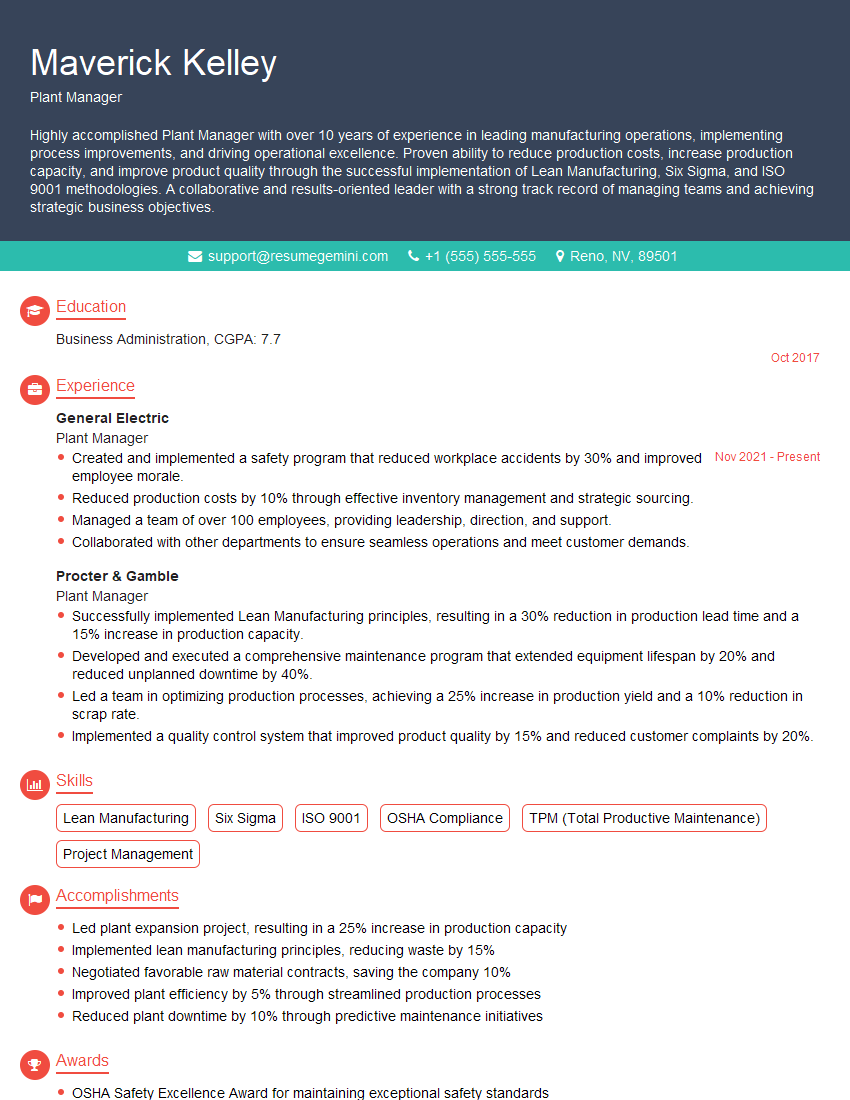
Plant Manager Resume Sample
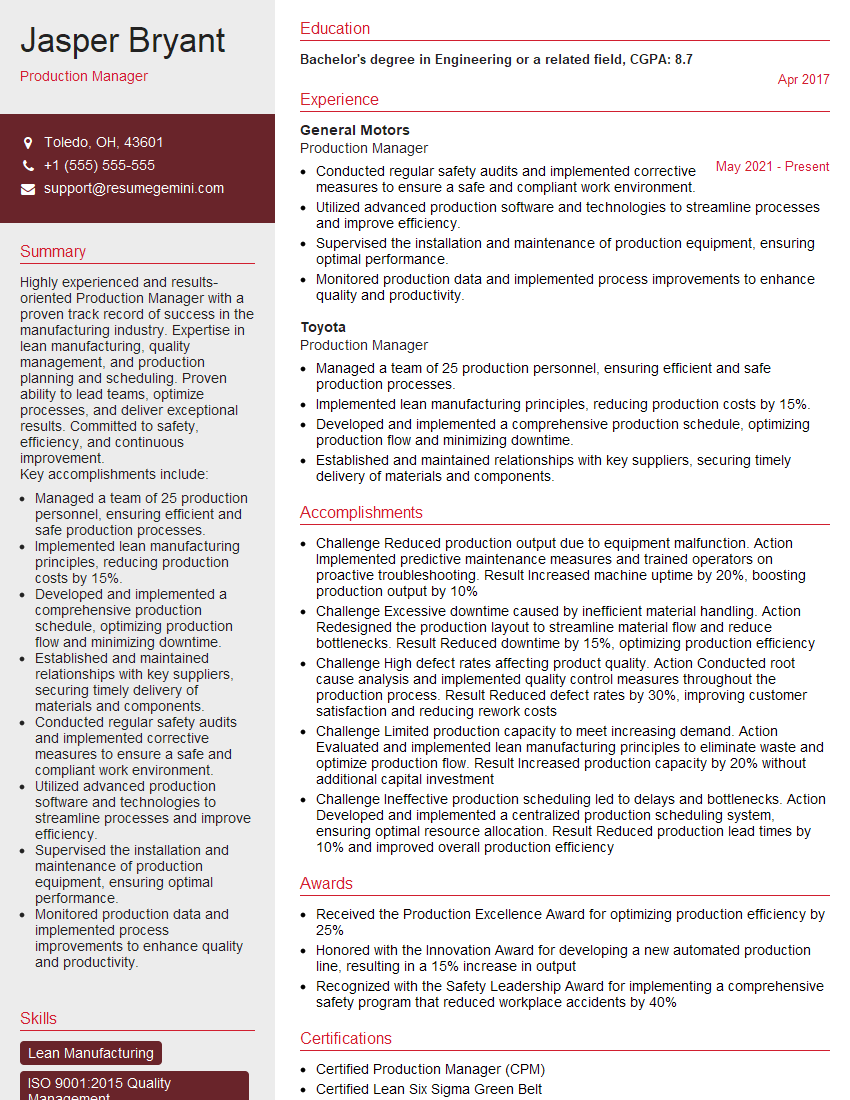
Production Manager Resume Sample

Quality Control Manager Resume Sample

Production Supervisor Resume Sample

Engineering Manager Resume Sample

Environmental Health and Safety Manager Resume Sample
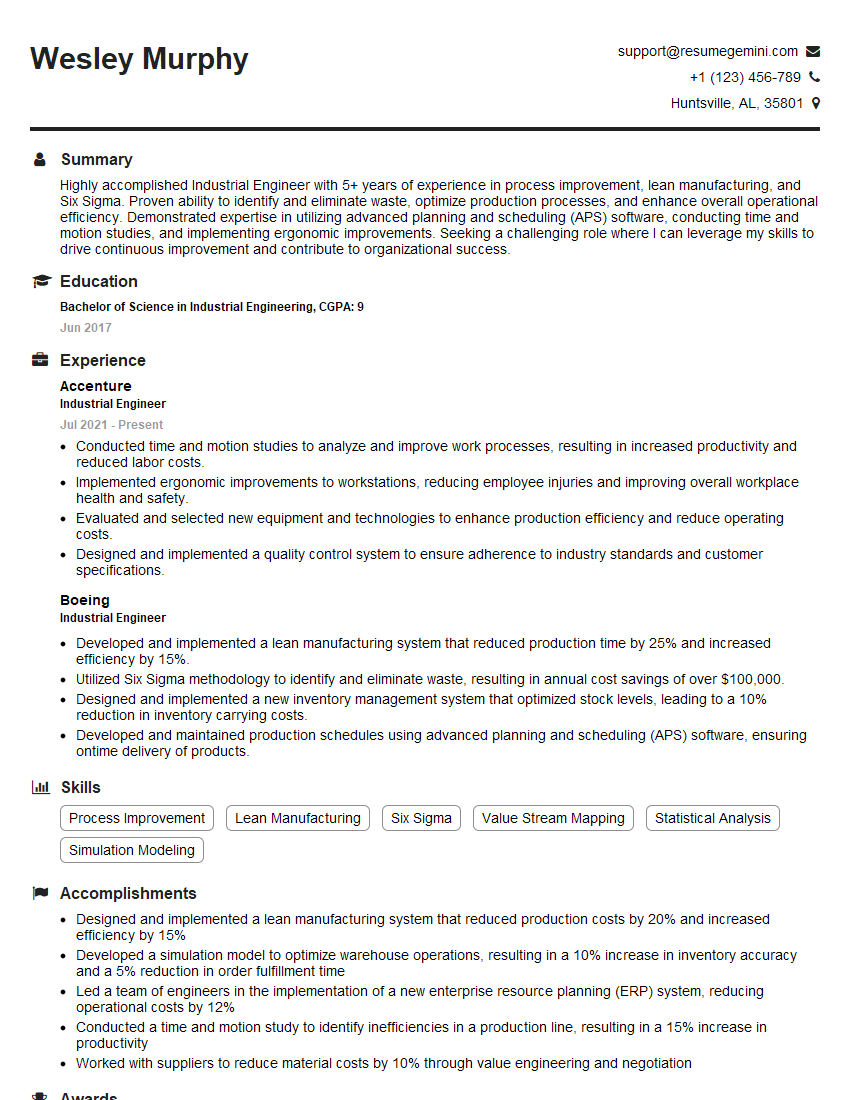
Industrial Engineer Resume Sample

Metallurgist Resume Sample

Foundry Technician Resume Sample
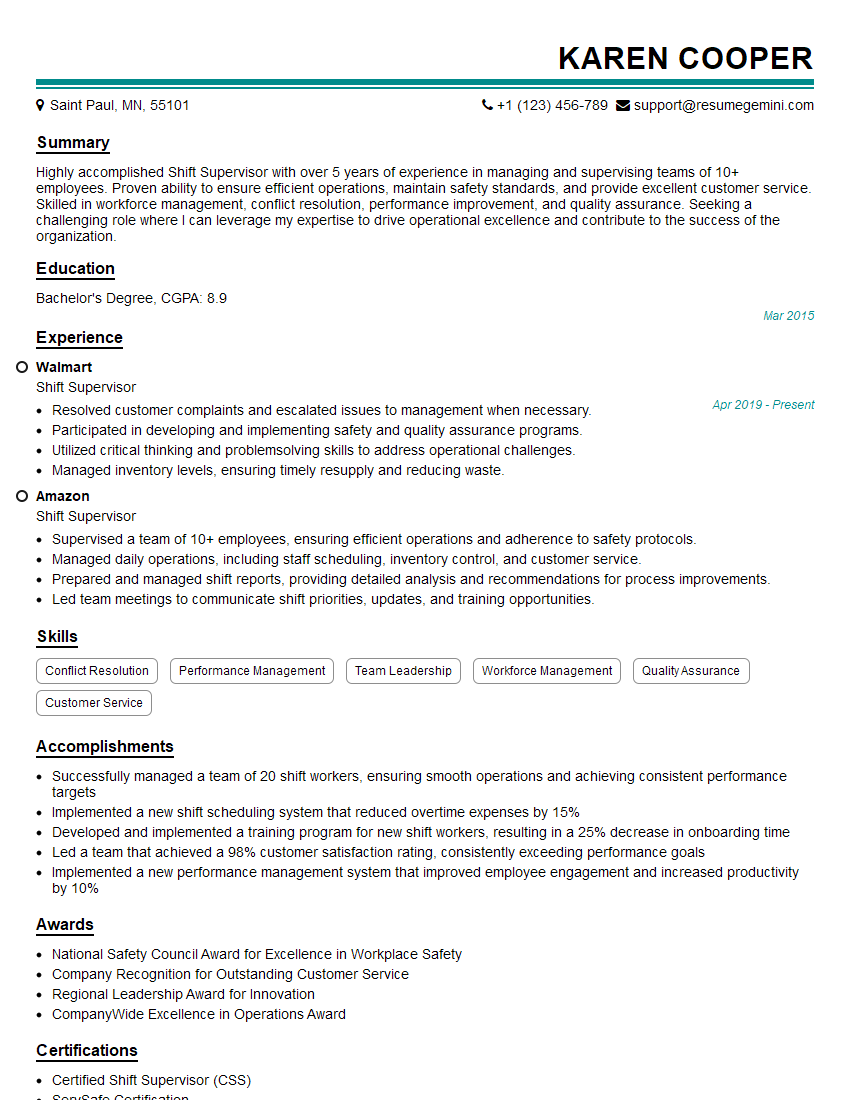
Shift Supervisor Resume Sample
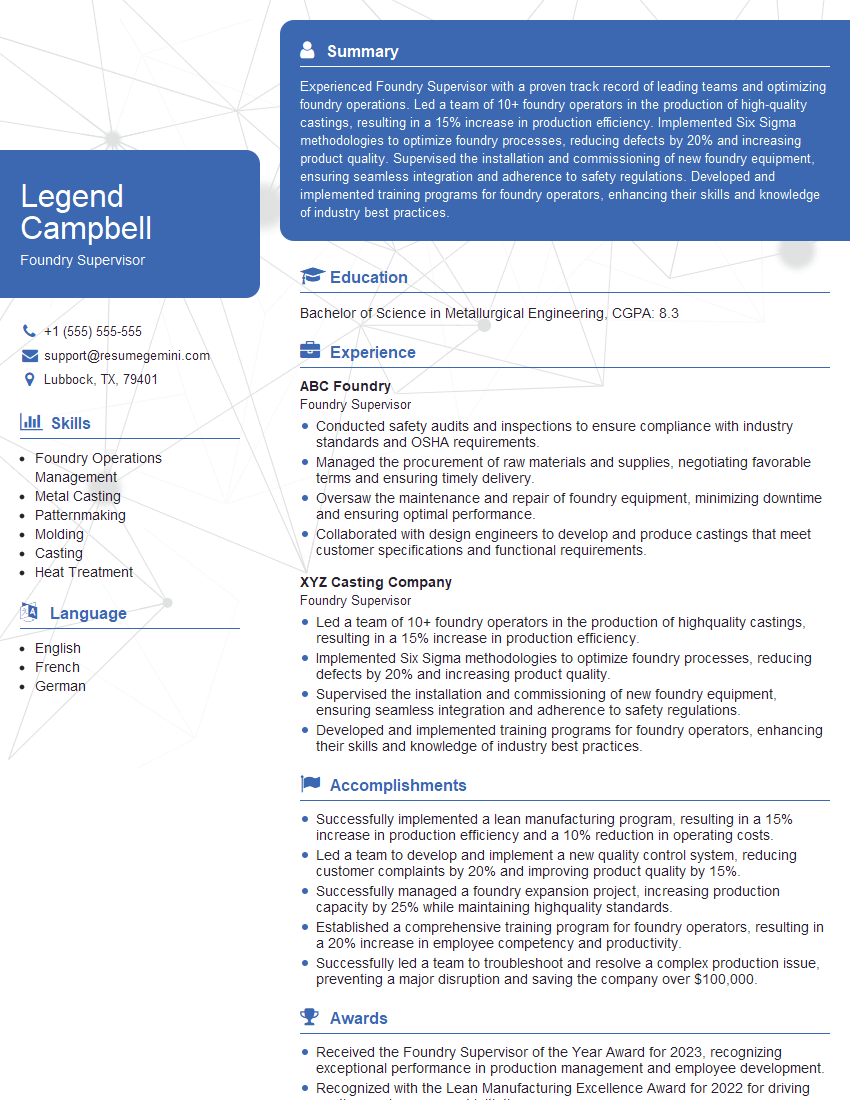
Foundry Supervisor Resume Sample
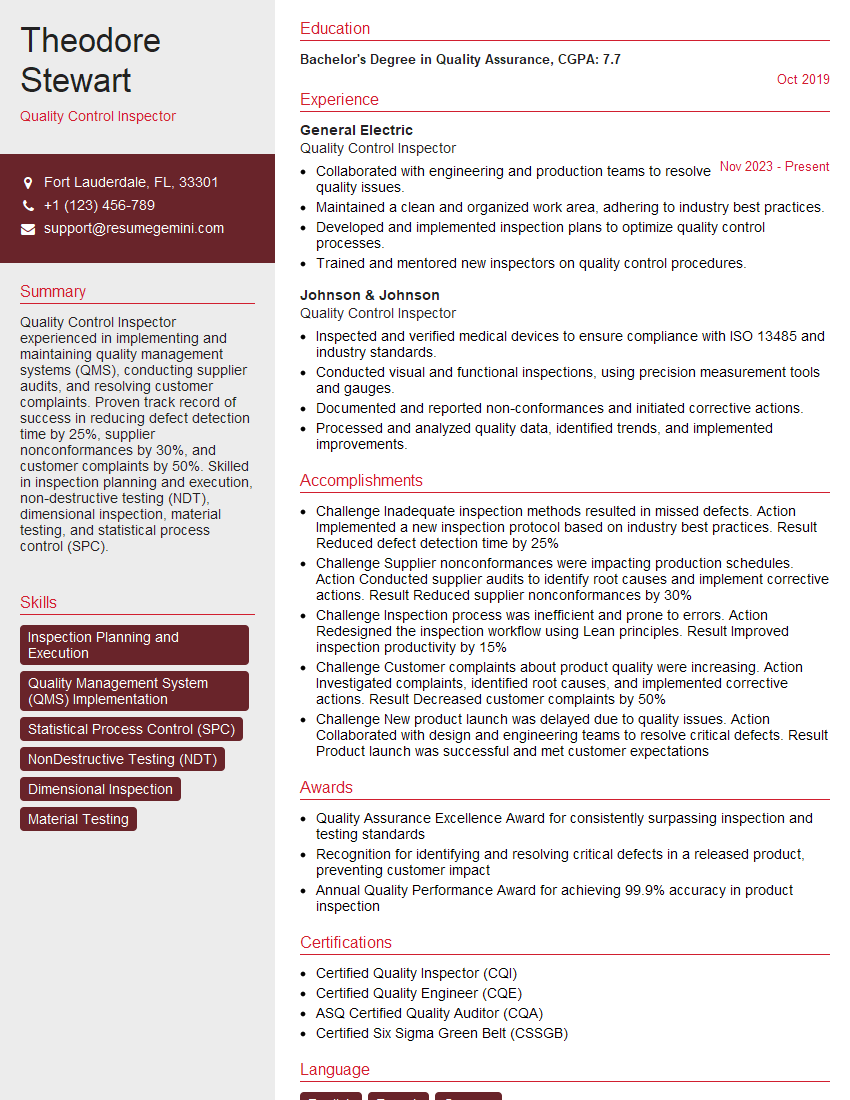
Quality Control Inspector Resume Sample
Explore more articles
Users Rating of Our Blogs
Share Your Experience
We value your feedback! Please rate our content and share your thoughts (optional).
What Readers Say About Our Blog
Very informative content, great job.
good