Are you ready to stand out in your next interview? Understanding and preparing for Custom Clothing interview questions is a game-changer. In this blog, we’ve compiled key questions and expert advice to help you showcase your skills with confidence and precision. Let’s get started on your journey to acing the interview.
Questions Asked in Custom Clothing Interview
Q 1. Explain the difference between bespoke, made-to-measure, and ready-to-wear clothing.
The terms bespoke, made-to-measure, and ready-to-wear represent a spectrum of customization in clothing. Think of it like ordering a pizza: ready-to-wear is like picking a pre-made pizza from the shelf; made-to-measure is like choosing your toppings on a standard-size crust; and bespoke is like designing your own pizza from scratch, with unique ingredients and a custom-shaped crust.
- Ready-to-wear (RTW): Mass-produced garments in standard sizes. No alterations are typically offered beyond minor adjustments. Think of your average store-bought shirt or pants.
- Made-to-measure (MTM): Garments are created using a standard base pattern that’s adjusted to your specific measurements. You choose from a selection of fabrics and styles, but the design itself remains within pre-defined parameters. This offers a better fit than RTW but less customization.
- Bespoke: A truly custom-made garment. Every aspect, from the pattern design to the final stitch, is tailored to the individual client’s preferences and body shape. It’s a highly collaborative process, often involving multiple fittings.
The key differentiator lies in the level of personalization and the fitting process. RTW offers convenience and affordability, MTM balances personalization with efficiency, and bespoke provides ultimate fit and unique design.
Q 2. Describe your experience with various fabric types and their suitability for custom garments.
My experience spans a wide range of fabrics, each with unique properties influencing garment suitability. For instance, I’ve worked extensively with:
- Wools: From lightweight merino for summer suits to heavy cashmere for winter coats. Wool’s drape, breathability, and warmth vary dramatically based on fiber type, weave, and finish. A finely woven wool is perfect for a tailored jacket, while a heavier tweed is better for a robust overcoat.
- Linen: A breathable and crisp fabric ideal for summer garments, especially shirts and suits. However, its tendency to wrinkle requires consideration in the design and construction.
- Silk: Luxurious and delicate, silk requires careful handling and specific sewing techniques. Its sheen and fluidity make it ideal for evening wear and flowing dresses.
- Cotton: A versatile fabric, available in countless weights and weaves, from fine poplin for shirts to sturdy denim for jeans. Different types of cotton offer different levels of breathability, durability, and drape.
- Synthetic fabrics: Such as polyester and nylon, are used for their durability, wrinkle resistance, and sometimes moisture-wicking properties. They are often blended with natural fibers to enhance performance or reduce cost.
Choosing the right fabric is crucial. Client preferences, the intended use of the garment (formal vs. casual), the season, and the desired level of formality all inform my fabric selection recommendations.
Q 3. How do you take accurate body measurements for custom clothing?
Accurate body measurements are the cornerstone of custom clothing. I use a standardized system, employing a measuring tape and following these steps:
- Preparation: The client wears minimal undergarments. It’s essential for consistent measurements.
- Chest/Bust: Measured around the fullest part of the chest, keeping the tape measure level.
- Waist: Measured around the natural waistline, the narrowest part of the torso.
- Hips: Measured around the fullest part of the hips.
- Shoulders: Measured from the bone at the base of the neck, across the shoulder blades, to the other bone.
- Sleeve length: Measured from the shoulder bone, down the outside of the arm to the wrist.
- Back width: Measured across the back at the shoulder blades.
- Neck: Measured around the base of the neck.
- Additional measurements: Depending on the garment, I’ll take further measurements like inseam, outseam, rise, and armhole depth.
For accuracy, I take multiple measurements in each area and average them. I also note any postural peculiarities or physical asymmetries, which are crucial for creating a perfect fit. Pictures from multiple angles are also incredibly helpful.
Q 4. Explain your process for creating a garment pattern from scratch.
Creating a garment pattern from scratch is a meticulous process. It starts with the body measurements, which form the foundation of the pattern. I typically use the following process:
- Drafting the basic block: This is a fundamental pattern representing the body shape, often created on paper using specific formulas and adjustments based on measurements. This block forms the base for all other pattern pieces.
- Modifying the basic block: The basic block is adjusted for garment style (e.g., a shirt, a dress, trousers) by adding seam allowances, darts, and other design elements.
- Creating individual pattern pieces: The pattern is broken down into separate pieces, like front and back bodice pieces, sleeves, and collar, all tailored to the specific design.
- Muslin fitting: A test garment is made from inexpensive fabric (muslin) to check the fit and make adjustments before cutting the final fabric.
- Grading: The pattern is adjusted to different sizes, if needed, to create a range of sizes.
Advanced techniques involve using software like CAD programs (e.g., Optitex, Lectra) to accelerate and refine the pattern making process, allowing for digital adjustments and simulations. The accuracy and precision required for a bespoke garment demand meticulous attention to detail throughout this process.
Q 5. Describe your experience with different sewing techniques (e.g., French seams, blind hems).
My sewing skills encompass a wide array of techniques essential for producing high-quality garments. Examples include:
- French seams: These enclose all raw edges, creating a clean and professional finish, ideal for delicate fabrics or garments where durability is critical.
- Blind hems: These stitches are invisible from the right side of the garment, giving a neat and professional finish to hems, especially on trousers and skirts.
- Set-in sleeves: A standard technique for attaching sleeves, creating a smooth and structured shoulder line.
- Darts: Used to shape the garment and create a close fit, especially in areas like the bust or waist.
- Buttonholes and button attachments: Requires precision for a perfect fit and functionality.
The choice of technique depends on the fabric type, the garment style, and the desired finish. My goal is always to use the most appropriate and durable techniques to achieve the best possible result.
Q 6. How do you handle client alterations and revisions during the custom clothing process?
Client alterations and revisions are integral to the bespoke process. Open communication is key. After each fitting, I meticulously note any required adjustments and discuss them with the client. This collaborative approach ensures the final garment meets their expectations perfectly. This iterative process might include:
- Minor adjustments: Such as slight alterations to sleeve length or waist size.
- Significant adjustments: Re-shaping the garment to address fit issues or incorporate design changes.
- Fabric changes: If the initial fabric choice proves unsuitable, alternative options are discussed and incorporated.
I maintain detailed records of all alterations and revisions to ensure transparency and efficient progress. My aim is not just to meet the client’s requirements but to exceed their expectations by proactively addressing potential issues throughout the process.
Q 7. What software or CAD programs are you proficient in for apparel design and pattern making?
While traditional pattern making techniques remain integral to my practice, I’m proficient in various software solutions for apparel design and pattern making. My expertise includes:
- CAD Software: I have experience using
OptitexandLectrafor digital pattern design, grading, and marker making. These programs significantly enhance efficiency and precision, especially for complex designs and large-scale projects. - 2D Design Software: I utilize
Adobe Illustratorfor creating technical sketches, detailed illustrations, and print designs. This supports seamless communication with clients and ensures accurate representation of the final product.
Proficiency in these programs allows me to seamlessly integrate traditional techniques with modern digital tools, optimizing the entire design and production workflow. This combination facilitates better accuracy, speed, and overall efficiency in the creation of bespoke garments.
Q 8. How do you ensure quality control throughout the custom clothing production process?
Quality control in custom clothing is paramount. It’s a multi-stage process starting from the initial consultation and continuing through each step of production. We use a robust system incorporating several checks and balances.
- Fabric Inspection: Before cutting, we meticulously inspect each fabric roll for flaws, ensuring consistent quality and color. Any imperfections are noted and addressed.
- Pattern Making & Cutting: Precise pattern making is crucial. We use digital pattern-making software for accuracy and then double-check each pattern piece before cutting to prevent errors. This includes checking the grain line and ensuring all markings are correct.
- Construction Checks: At each stage of construction – stitching seams, attaching linings, adding closures – there are quality checks. This involves visual inspection and, for complex garments, a fitting halfway through construction. We also implement a system of quality control checklists for each garment.
- Final Inspection: Before the garment is delivered, it undergoes a thorough final inspection, checking for stitching quality, finish, and overall fit. This often involves pressing and steaming the garment to ensure a perfect presentation.
- Client Feedback: Finally, client feedback after the first fitting (if applicable) plays a crucial role. We address any concerns and make necessary adjustments to ensure complete client satisfaction.
For example, if a seam is consistently puckering, we may investigate the stitching tension or the fabric’s drape to identify and rectify the root cause, preventing future issues. This proactive approach maintains consistently high quality throughout our production process.
Q 9. Describe your experience with different types of closures (e.g., zippers, buttons, hooks).
My experience with different closures is extensive. The choice of closure depends heavily on the garment style, intended use, and client preference.
- Zippers: I work with various zipper types, including metal, plastic, and invisible zippers. Metal zippers offer durability; plastic zippers are cost-effective and come in a wide variety of colors; invisible zippers provide a clean, seamless finish. The choice depends on the garment’s design and the desired aesthetic.
- Buttons: From simple shank buttons to ornate shell buttons, I have experience with a wide range. Button selection considers the fabric weight, garment style, and overall design. We carefully sew buttons to ensure they are securely attached and properly aligned.
- Hooks & Eyes: These are ideal for delicate garments or closures that need to lay flat, like a bodice. We select hook and eye types appropriate for the fabric weight and use heavy-duty thread for secure attachment.
- Other Closures: I also have experience with snaps, toggles, and other specialty closures, selecting the most appropriate option for each design.
For instance, for a tailored men’s suit jacket, I would likely choose high-quality metal zippers for the side pockets and a strong hook-and-eye closure for the front. Conversely, a lightweight summer dress might utilize plastic zippers and decorative buttons.
Q 10. Explain your process for selecting appropriate interfacing and lining fabrics.
Selecting the right interfacing and lining is critical for achieving the desired drape, structure, and finish of a garment. The process involves considering several factors:
- Fabric Weight and Drape: Heavier fabrics often require sturdier interfacing to provide support and structure. Lightweight fabrics may need a lighter interfacing to avoid stiffness.
- Garment Style: The style of the garment dictates the type and weight of interfacing needed. A structured blazer will require significantly more interfacing than a flowing blouse.
- Lining Fabric: The lining should be smooth and comfortable against the skin. Silk, satin, and charmeuse are popular choices for luxurious garments, while cotton or rayon linings are more budget-friendly options. The lining must be compatible with the outer fabric and should be chosen to prevent slippage or show-through.
- Interfacing Type: Different interfacings – fusible, sew-in, or woven – each have their pros and cons. Fusible interfacing is easy to apply, sew-in interfacing provides more durability, and woven interfacing offers a higher level of structure.
For example, a crisp cotton shirt might use a lightweight fusible interfacing for the collar and cuffs, while a wool coat would benefit from heavy-duty sew-in interfacing for the collar and shoulders, and a luxurious silk lining for comfort and a smooth finish.
Q 11. How do you manage deadlines and multiple custom orders simultaneously?
Managing multiple custom orders and deadlines requires meticulous organization and planning. I utilize a project management system that allows me to track each order’s progress, deadlines, and client communication.
- Project Management Software: I use specialized software to create timelines, assign tasks, and track progress for each garment. This provides a clear overview of all projects.
- Prioritization: We prioritize orders based on deadlines and client communication. Urgent orders are given precedence while maintaining a smooth workflow for all projects.
- Efficient Workflow: A well-defined workflow, dividing tasks into manageable steps and assigning them to different team members (if applicable), ensures smooth and timely production.
- Regular Check-ins: Regular check-ins with team members allow for early identification and resolution of potential delays.
- Communication: Open communication with clients regarding potential delays or adjustments keeps them informed and avoids miscommunications.
This system allows us to handle a high volume of custom orders without compromising quality or exceeding deadlines. For instance, if a fabric order is delayed, we immediately inform the client and propose alternative solutions.
Q 12. How do you communicate effectively with clients regarding design choices and timelines?
Effective communication is the cornerstone of successful custom clothing creation. It’s a multi-faceted process requiring proactive measures.
- Initial Consultation: A detailed initial consultation ensures I fully understand the client’s needs, preferences, and vision for their garment. This includes discussing design options, fabric selections, and timelines.
- Design Sketches & Mood Boards: Visual aids, such as design sketches and mood boards, are extremely helpful for clarifying ideas and confirming design choices.
- Regular Updates: Regular updates throughout the process, keeping clients informed of milestones achieved and any potential challenges, prevent misunderstandings.
- Detailed Communication: Precise and clear communication regarding deadlines, potential delays, and any necessary adjustments ensures clarity and transparency.
- Open Feedback Channels: We maintain open communication channels, allowing clients to share feedback and ask questions at any point during the process.
For instance, I might send a client a photo update during the construction process showing the progress. If a delay is anticipated due to an unexpected fabric shortage, I communicate this promptly, offering alternative solutions and managing their expectations.
Q 13. Describe your experience with troubleshooting fitting issues during the construction process.
Troubleshooting fitting issues requires a keen eye for detail and a methodical approach. The process starts with careful observation and then moves to a systematic analysis.
- Pinning & Marking: During fittings, we use pins to mark areas needing adjustment. These markings guide alterations, allowing for precise adjustments.
- Identifying the Root Cause: Careful observation helps us determine whether the issue stems from the pattern, cutting, construction, or fabric choice.
- Systematic Adjustments: We make adjustments systematically, focusing on one area at a time, to ensure the correction doesn’t inadvertently cause new problems. We always document each change.
- Multiple Fittings (if necessary): Complex fitting issues might require multiple fittings to achieve the perfect fit. Each fitting builds on the previous one, gradually refining the garment.
- Communication & Client Input: Consistent communication with the client keeps them involved in the process and ensures their satisfaction with the final adjustments.
For example, if a sleeve is too tight, I might check if the sleeve cap is properly fitted or if the seam allowance needs adjustment. Instead of simply letting out the seam everywhere, I examine why the tightness is occurring and adjust only the necessary areas.
Q 14. What are some common challenges in custom clothing production, and how do you overcome them?
Custom clothing production presents unique challenges, but with experience and proactive measures, these can be overcome.
- Fabric Sourcing: Sourcing high-quality fabrics consistently can be challenging. Building strong relationships with reliable suppliers and carefully managing inventory are crucial.
- Time Management: Balancing multiple custom orders with varying deadlines requires effective planning and organization. Project management tools and a structured workflow are essential.
- Fitting Issues: Achieving a perfect fit can be complex, requiring multiple fittings and meticulous adjustments. Experienced pattern making and skilled construction are critical in minimizing fitting challenges.
- Client Communication: Managing client expectations and ensuring clear communication throughout the process are critical for successful project completion.
- Unforeseen Circumstances: Unexpected delays in fabric delivery, equipment malfunctions, or other unforeseen circumstances may impact deadlines. Having contingency plans and open communication with clients helps mitigate these.
For instance, if a fabric supplier experiences delays, I explore alternative suppliers or communicate the delay proactively to my clients, offering adjustments to the timeline or exploring alternative fabrics. Building a strong network of reliable partners and establishing clear processes helps me navigate these challenges effectively.
Q 15. How do you stay updated on current trends and advancements in the custom clothing industry?
Staying ahead in the ever-evolving custom clothing industry requires a multi-pronged approach. I regularly engage with industry publications like Threads magazine and Drapers, attending trade shows like Premiere Vision and attending webinars focused on textile innovation and design trends. Beyond traditional media, I actively participate in online communities and forums, following influential designers and brands on social media platforms like Instagram and Pinterest. This allows me to observe emerging styles, fabric technologies, and manufacturing techniques firsthand. I also analyze competitor strategies, paying close attention to their collections and marketing campaigns to understand consumer preferences and market demands. Finally, I make a point of consistently experimenting with new materials and techniques in my own designs, keeping my skills sharp and my creative vision aligned with current trends.
Career Expert Tips:
- Ace those interviews! Prepare effectively by reviewing the Top 50 Most Common Interview Questions on ResumeGemini.
- Navigate your job search with confidence! Explore a wide range of Career Tips on ResumeGemini. Learn about common challenges and recommendations to overcome them.
- Craft the perfect resume! Master the Art of Resume Writing with ResumeGemini’s guide. Showcase your unique qualifications and achievements effectively.
- Don’t miss out on holiday savings! Build your dream resume with ResumeGemini’s ATS optimized templates.
Q 16. Describe your experience with different types of stitching and their applications.
My experience encompasses a wide range of stitching techniques, each suited for different applications. For example, backstitching is crucial for reinforcing seams at the beginning and end, preventing unraveling. This is essential in areas experiencing high stress, such as the shoulder seams of a jacket. Overlocking (serging) finishes raw edges, preventing fraying and adding durability. It’s frequently used on seams that will be visible, like the hems of a dress, to maintain a neat and professional finish. Blind stitching is perfect for hems and seams that need to be invisible, a common requirement for tailored garments. I also utilize topstitching for decorative purposes or to reinforce seams, creating a visually appealing and strong element in the finished garment. Then there are more specialized stitches like the French seam, perfect for lightweight fabrics, and the flat-fell seam, offering strength and durability in workwear and outdoor garments. Choosing the correct stitch is paramount; it’s not just about aesthetics but also about achieving the required structural integrity for the specific garment and its intended use.
Q 17. Explain your understanding of different garment construction methods.
Garment construction methods vary greatly depending on the desired style, fabric, and finish. Set-in sleeves, a common method, offer a structured look and are suitable for many jacket styles. In contrast, raglan sleeves, which extend to the neckline, provide more ease of movement and are popular in sportswear. Princess seams, which run from shoulder to hem, create a more fitted silhouette. Understanding the nuances of each method is essential. For example, I’d choose a flat-fell seam for durability in a pair of work pants but a French seam for a delicate silk blouse. The choice also depends on the fabric; woven fabrics often benefit from set-in sleeves while knit fabrics might better suit raglan or dropped-shoulder styles. The construction method directly impacts the drape, fit, and overall durability of the finished garment; selecting the appropriate method is crucial for a successful outcome.
Q 18. How do you handle unexpected problems or fabric defects during production?
Unexpected problems are a reality in custom clothing production. My approach is methodical. First, I thoroughly inspect fabrics upon delivery for defects. If a defect arises during production, my first step is to assess the severity and its impact on the finished garment. Minor issues, like a small imperfection in an inconspicuous area, might be easily addressed with careful placement or minor repairs. For larger defects, I communicate transparently with the client, presenting options like using a different section of the fabric or sourcing a replacement. If a significant error occurs, like mis-cutting a panel, I would reassess the pattern, adjust the cutting plan, and re-cut the necessary pieces. In such instances, effective communication with the client ensures a smooth resolution and maintains their trust in my capabilities. Timely problem-solving is key to minimizing disruptions and preserving deadlines.
Q 19. What is your experience with grading patterns for different sizes?
Grading patterns is a crucial skill for producing custom clothing in a range of sizes. I use specialized software to create accurate and proportional grading, ensuring that each size maintains the intended design aesthetics and fit. This involves systematically adjusting seam allowances, and key measurements like sleeve lengths and chest widths, while maintaining consistent proportions throughout the size range. The process often involves manual adjustments, especially when dealing with complex shapes or designs. I always create a test garment in each graded size to verify the fit and make any necessary adjustments. The accuracy and precision of pattern grading ensures that the same design translates effectively across the entire size range, creating a consistent and high-quality product for each client.
Q 20. Describe your approach to draping fabric for garment creation.
Draping is a powerful technique for creating unique and well-fitting garments. It’s like sculpting with fabric! I start by pinning the fabric onto a dress form, manipulating it to achieve the desired shape and silhouette. I work in stages, starting with the basic structure and gradually adding details. This allows me to visualize the drape and flow of the fabric before committing to any cutting. The process is iterative; I continuously adjust the fabric until I achieve the perfect fit and drape. Factors like the fabric’s weight, drape, and texture significantly influence the draping process. For example, a fluid silk requires a different approach than a structured wool. Draping allows for unparalleled creativity and ensures a highly customized and flattering fit.
Q 21. How do you maintain accurate inventory control of fabrics and materials?
Maintaining accurate inventory control is essential for efficient production and financial management. I use a combination of physical and digital methods. Physically, I meticulously organize fabrics and materials, labeling them clearly with details like fabric type, color, yardage, and purchase date. Digitally, I use inventory management software to track quantities, track consumption rates, and automatically generate alerts when stock is low. This allows me to anticipate needs and order materials in advance, preventing delays. Regular stocktaking ensures that the physical inventory matches the digital records, minimizing discrepancies. This system ensures I have sufficient materials on hand while avoiding unnecessary storage costs and preventing waste.
Q 22. What is your experience with different types of sewing machines?
My experience with sewing machines spans a wide range, from basic mechanical machines to advanced computerized models. I’m proficient with both industrial and domestic machines, understanding their strengths and limitations for various fabrics and projects. For example, I utilize industrial sewing machines for heavier fabrics and mass production techniques like topstitching, ensuring durability and a professional finish. My expertise extends to sergers (overlock machines) for clean seam finishes, crucial for high-quality garments, and embroidery machines for intricate detailing and personalized touches. I adapt my machine selection based on the project’s specific requirements – a delicate silk blouse would require a gentler machine setting and needle than a sturdy denim jacket.
- Mechanical Machines: Provide a strong foundation in sewing techniques and offer excellent control.
- Computerized Machines: Offer programmable stitches and enhanced precision, useful for intricate designs.
- Sergers/Overlock Machines: Essential for professional seam finishes, preventing fraying and adding durability.
- Embroidery Machines: Allow for customization and detailed embellishments, adding a unique touch to the garment.
Q 23. Explain your understanding of color theory and how it applies to garment design.
Color theory is fundamental to garment design; it’s about understanding how colors interact to create specific effects and evoke certain emotions. I apply this knowledge by considering the color wheel – primary, secondary, and tertiary colors – to achieve harmonious or contrasting combinations. For example, analogous colors (colors next to each other on the wheel) create a calm and cohesive look, ideal for a sophisticated evening gown. Complementary colors (opposite each other on the wheel) offer a bold contrast, perfect for a visually striking streetwear piece. I also consider the impact of color temperature (warm vs. cool) and the psychological associations of different colors. A client who prefers calming, sophisticated colors might benefit from a palette of blues and greens, whereas someone seeking a bold statement might prefer vibrant reds and oranges. I always consult with the client to understand their preferences and the occasion for the garment, guiding them to color choices that best express their style and intentions.
Q 24. How do you ensure the finished garment adheres to the client’s specifications?
Ensuring the finished garment aligns perfectly with the client’s specifications is paramount. My process involves multiple checkpoints. Firstly, a detailed consultation clarifies all aspects – fabric choice, style, measurements, and any specific design requests. Then, I create a meticulous pattern, often including multiple fittings throughout the construction process. These fittings allow me to make adjustments to ensure a perfect fit and address any concerns the client may have. I maintain open communication throughout, using photos and video updates to keep them informed. Finally, a thorough quality check before delivery confirms that all details meet the client’s approval. For example, recently, a client requested specific button placements; I provided detailed sketches for approval before sewing, ensuring complete satisfaction.
Q 25. Describe your experience with creating custom designs based on client sketches or inspiration images.
I have extensive experience translating client sketches and inspiration images into custom designs. I carefully analyze the provided visuals, identifying key elements like silhouette, details, and overall style. I then use my design skills and technical expertise to create a workable pattern and construction plan. For instance, if a client provides a sketch of a dress with asymmetrical draping, I’d interpret the drape’s intended flow, consider the fabric’s drape properties, and translate the sketch into accurate pattern pieces and construction steps. Sometimes, I’ll present alternative design suggestions based on my expertise, offering different fabric choices or construction methods to enhance the design’s functionality or aesthetics. The process is always collaborative; I work closely with the client throughout the design development to ensure their vision is realized.
Q 26. How do you price your custom clothing services?
Pricing my custom clothing services is a multi-faceted process that considers several factors. The most significant elements are the garment’s complexity, the fabric cost, the number of hours required for design, pattern making, construction, and any additional embellishments or alterations. I provide a detailed breakdown of costs to ensure complete transparency with my clients. I may offer different pricing tiers based on the level of customization and the type of fabric selected. For instance, a simple tailored blouse using readily available fabric will have a different price point than an intricately embellished gown requiring specialized, high-end fabrics and advanced techniques.
Q 27. Describe your experience with managing the entire production workflow, from design to delivery.
Managing the entire production workflow is a systematic process for me. It starts with the initial consultation and design development, moving through pattern making, fabric sourcing, cutting, sewing, pressing, and finishing. I maintain meticulous records of each stage, including detailed measurements and notes on construction techniques. I use project management tools to track deadlines and ensure timely completion. Regular communication with the client keeps them informed of the progress. Quality control is integrated throughout the process, not just at the end. Finally, proper packaging and delivery conclude the workflow, ensuring the client receives their garment in perfect condition. This structured approach ensures smooth and efficient production, consistently delivering high-quality garments.
Q 28. What are your strategies for marketing and attracting new clients for custom clothing services?
My marketing strategies focus on building a strong brand presence and engaging directly with potential clients. I utilize social media platforms like Instagram and Pinterest to showcase my work, focusing on high-quality photography and videos. I also have a website that displays my portfolio, client testimonials, and contact information. I participate in local fashion events and craft fairs to network and gain exposure. Word-of-mouth referrals are invaluable; exceeding client expectations leads to positive reviews and recommendations. Building relationships with local stylists and boutiques provides additional opportunities for collaboration and reaching new clientele. By creating a strong online presence and actively engaging within my community, I steadily attract new clients for my custom clothing services.
Key Topics to Learn for a Custom Clothing Interview
- Client Consultation & Design: Understanding client needs, translating those needs into design specifications, and managing client expectations throughout the process.
- Fabric Selection & Sourcing: Knowledge of various fabrics, their properties (drape, texture, durability), and sourcing appropriate materials for different projects and budgets.
- Measurement & Pattern Making: Proficiency in taking accurate body measurements, creating or adapting patterns, and understanding fit and alterations.
- Sewing Techniques & Construction: Familiarity with various sewing techniques, including hand-sewing and machine operation, and understanding garment construction methods.
- Production & Quality Control: Managing the production process, ensuring quality control throughout, and addressing any potential issues efficiently.
- Pricing & Costing: Accurately estimating material costs, labor costs, and profit margins to determine pricing strategies.
- Technology in Custom Clothing: Familiarity with relevant software (CAD, design programs), 3D modeling, and digital printing techniques in the context of custom clothing.
- Business Acumen: Understanding market trends, customer behavior, and business operations within the custom clothing industry.
- Problem-Solving & Adaptability: Demonstrating the ability to identify and resolve design, production, and client-related challenges creatively and efficiently.
Next Steps
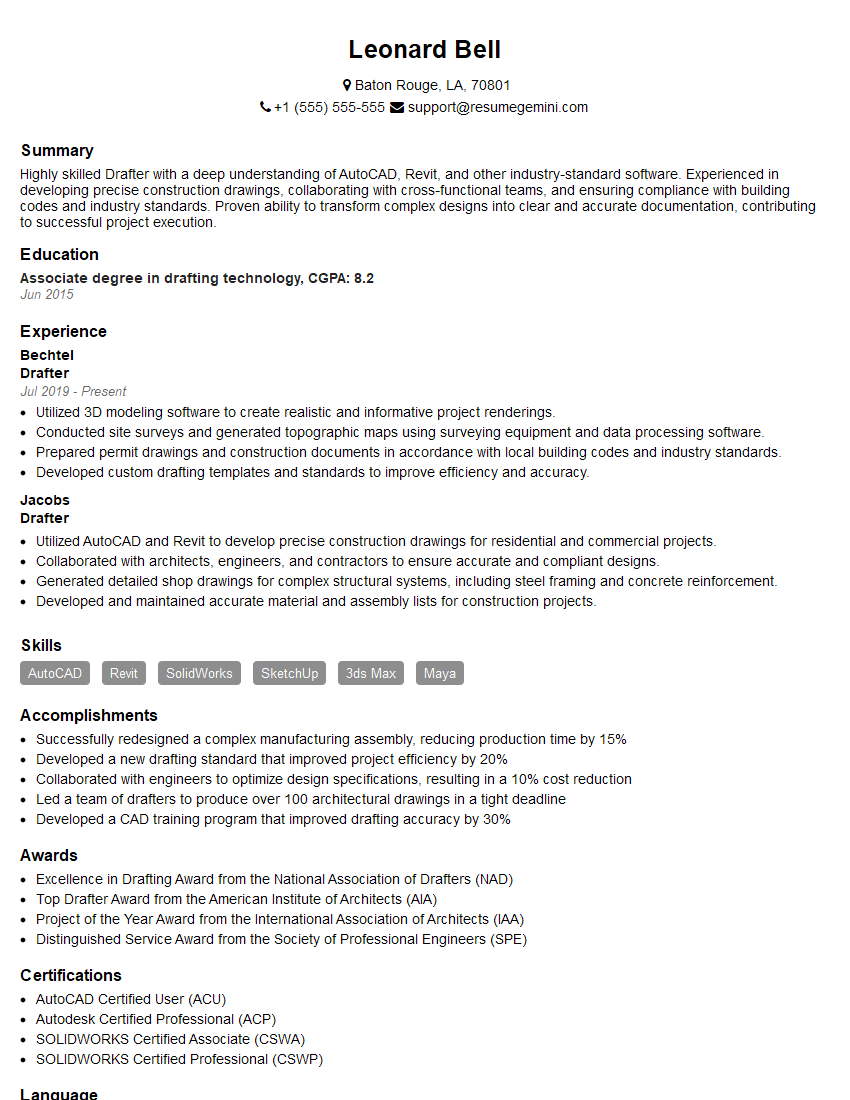
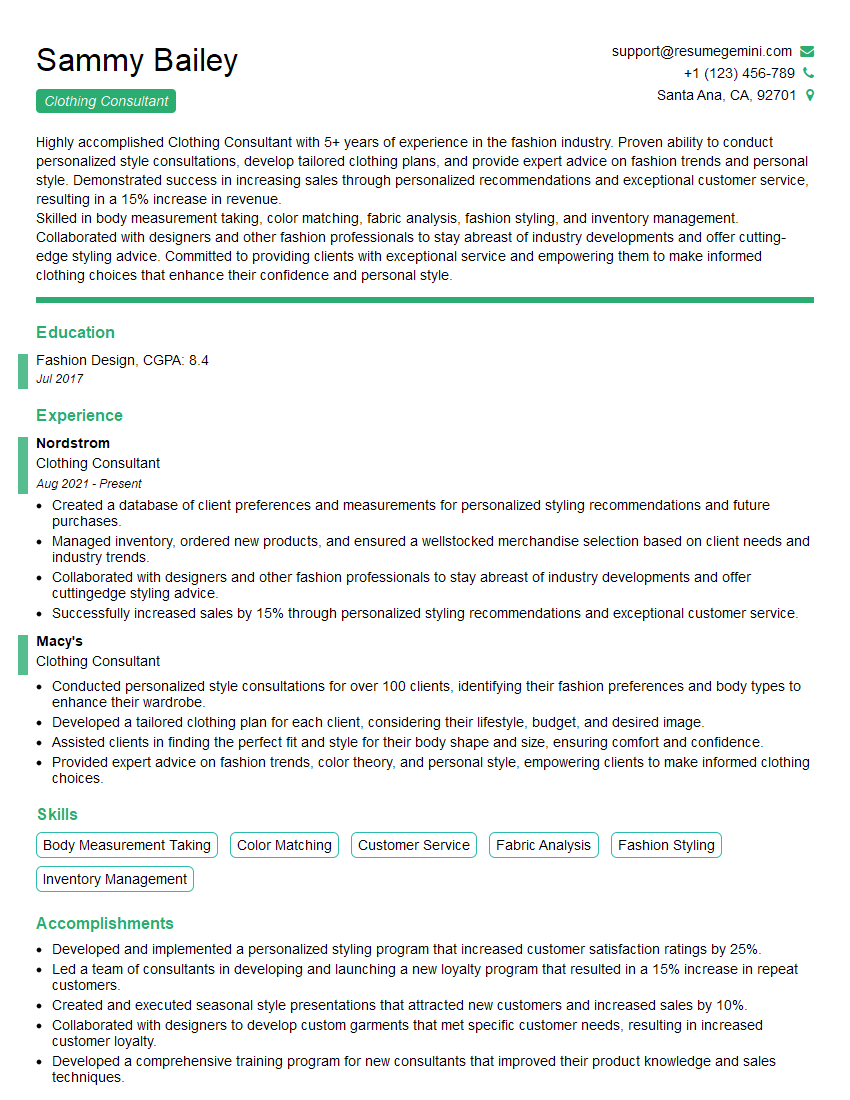
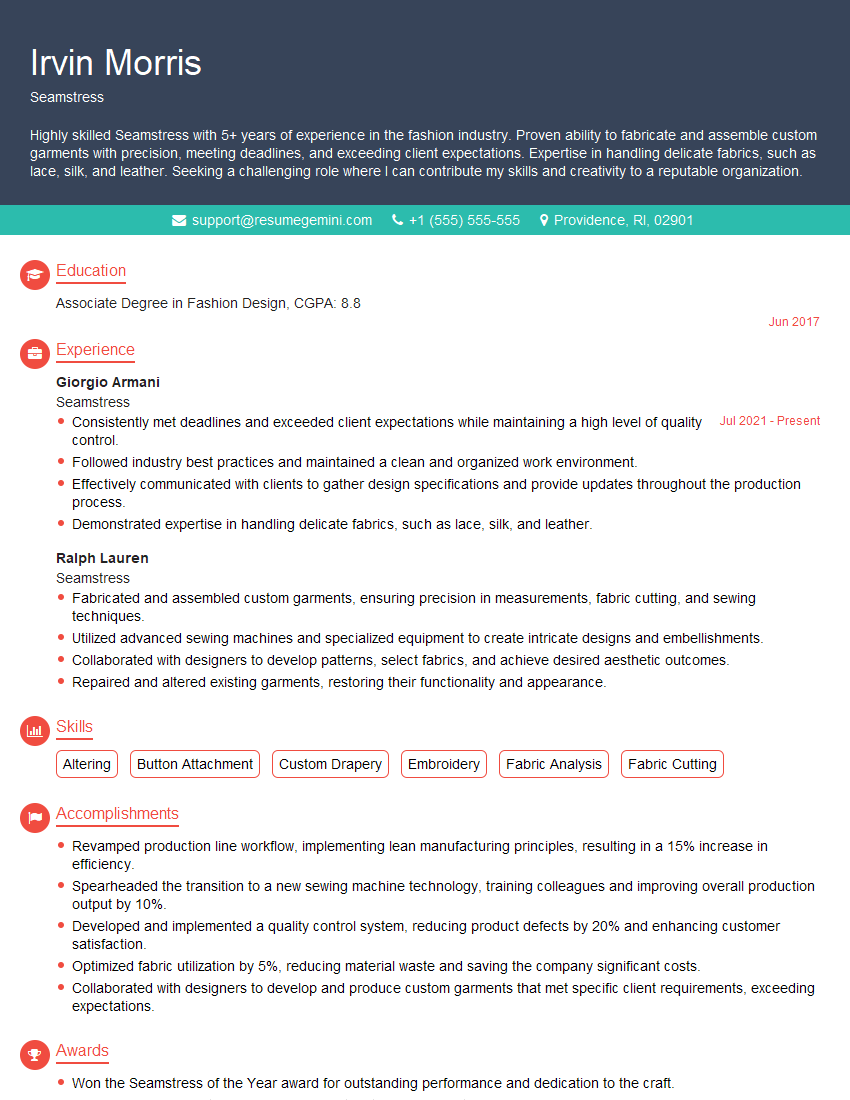
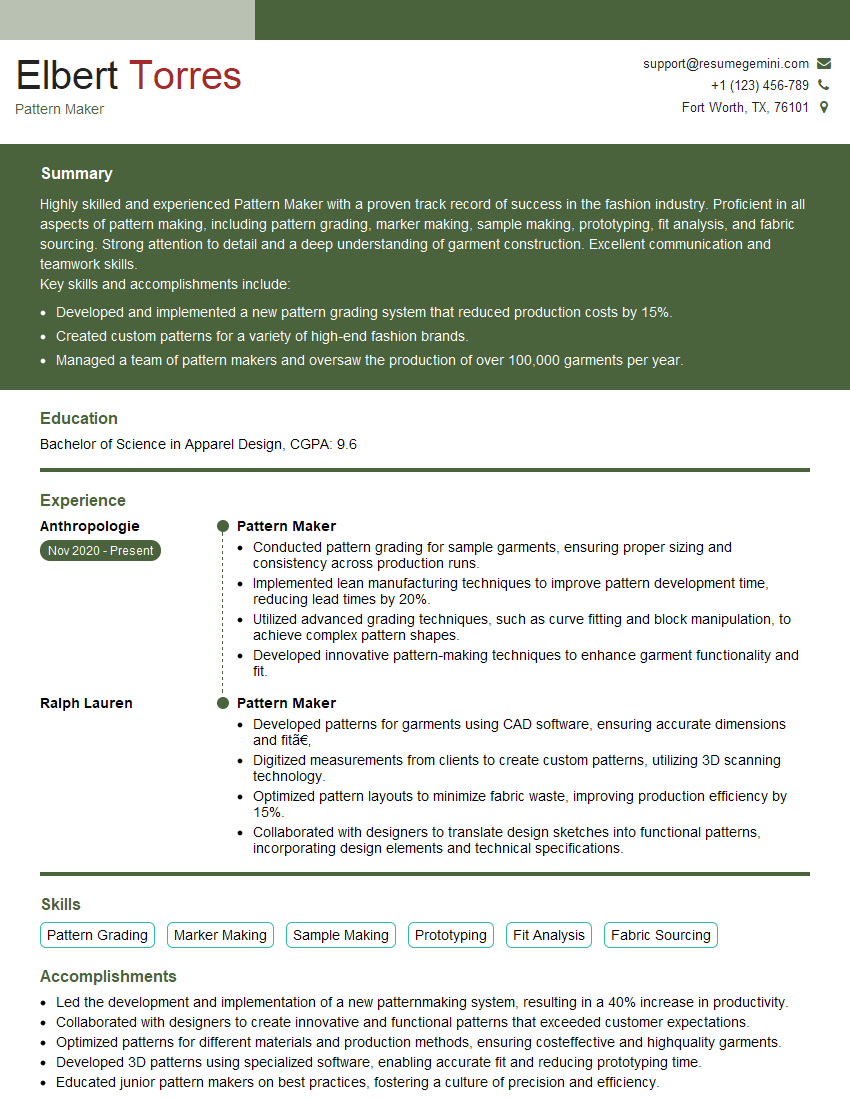
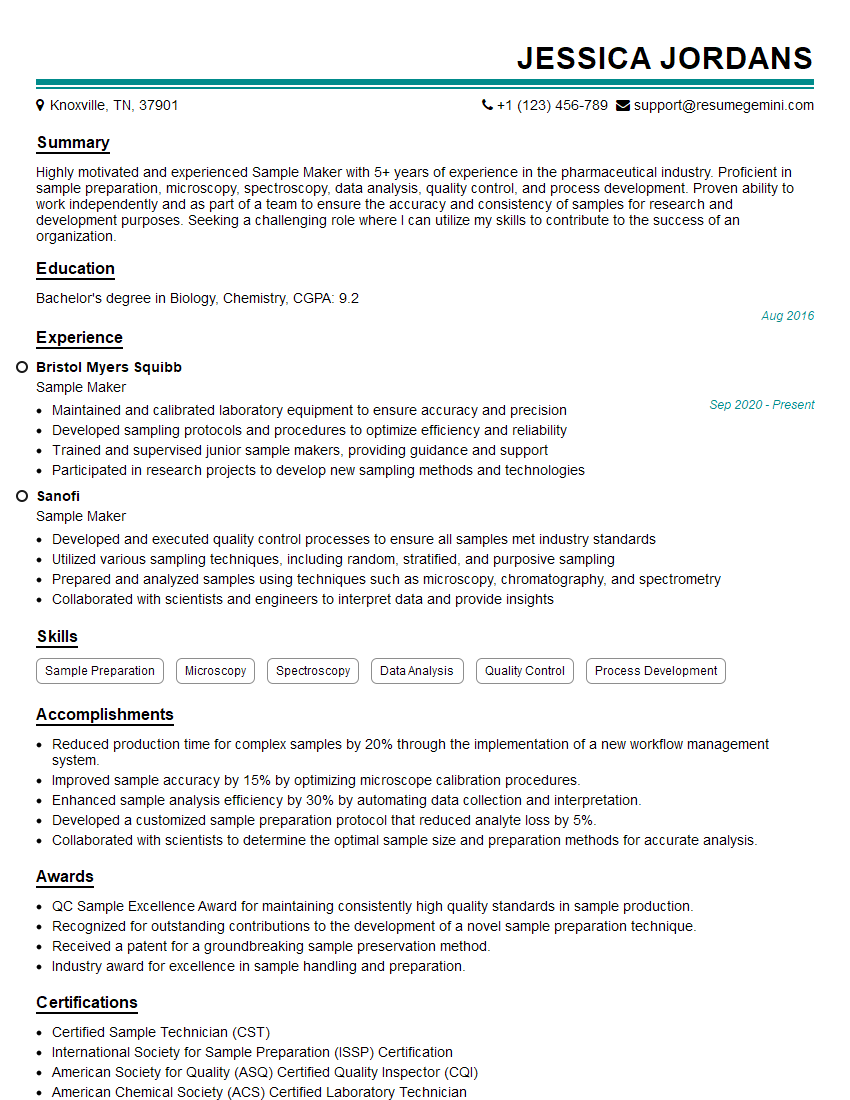
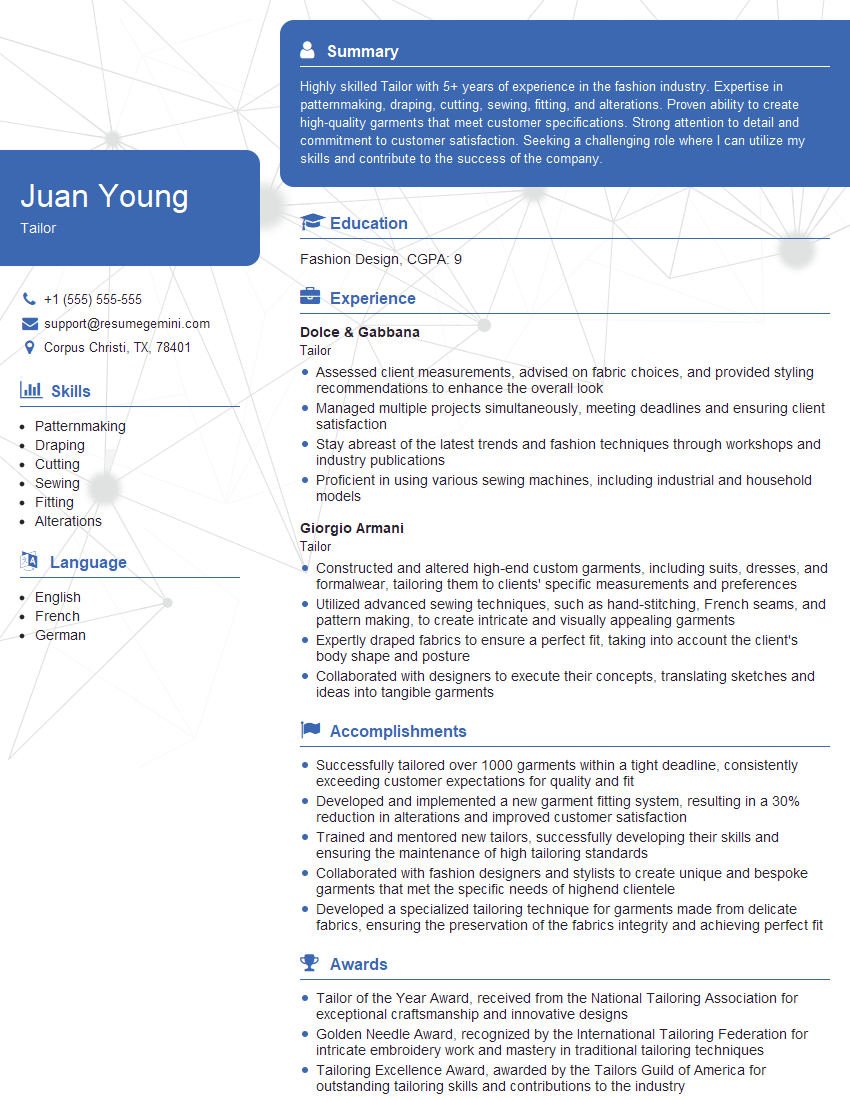
Mastering the skills and knowledge within the custom clothing industry opens doors to a rewarding and creative career path, offering opportunities for specialization and entrepreneurial ventures. To maximize your job prospects, focus on creating a strong, ATS-friendly resume that highlights your relevant skills and experience. ResumeGemini is a trusted resource to help you build a professional and impactful resume. Examples of resumes tailored to the custom clothing industry are available to guide you.
Explore more articles
Users Rating of Our Blogs
Share Your Experience
We value your feedback! Please rate our content and share your thoughts (optional).
What Readers Say About Our Blog
Very informative content, great job.
good