Interviews are opportunities to demonstrate your expertise, and this guide is here to help you shine. Explore the essential Customer Interaction and Problem Solving interview questions that employers frequently ask, paired with strategies for crafting responses that set you apart from the competition.
Questions Asked in Customer Interaction and Problem Solving Interview
Q 1. Describe your approach to handling a highly irate customer.
Handling a highly irate customer requires a calm, empathetic, and structured approach. The key is to de-escalate the situation quickly and efficiently while addressing their concerns. My approach involves several key steps:
- Active Listening: I begin by letting the customer vent without interruption (unless the conversation becomes abusive or threatening). This shows respect and allows me to fully understand their frustration.
- Empathy and Validation: I acknowledge their feelings, using phrases like, “I understand your frustration,” or “That sounds incredibly difficult.” This validates their experience and helps diffuse the anger.
- Summarization and Clarification: Once they’ve calmed down somewhat, I summarize their complaint to ensure I understand it correctly, and ask clarifying questions to avoid misunderstandings. For example, “So, if I understand correctly, you’re experiencing issues with [specific problem] because of [reason]? Is that right?”
- Problem-Solving: I work collaboratively with the customer to find a solution. This might involve offering immediate fixes, outlining next steps, or escalating the issue to a more senior team member. Transparency is vital here.
- Setting Expectations: I clearly communicate timelines and next steps, managing the customer’s expectations to prevent further frustration. If there’s a delay in resolution, I’ll offer updates proactively.
- Follow-up: After the issue is resolved, I always follow up to ensure their satisfaction and to identify any potential areas for improvement.
For example, I once dealt with a customer who was extremely angry about a billing error. By actively listening, validating their feelings, and quickly resolving the billing issue, I was able to turn a highly negative interaction into a positive one. The customer ended up apologizing for their initial outburst!
Q 2. How do you prioritize multiple customer issues with varying urgency?
Prioritizing multiple customer issues requires a system that considers urgency, impact, and customer importance. I use a combination of methods to effectively manage this:
- Urgency Matrix: I often employ a matrix that categorizes issues based on urgency (high, medium, low) and impact (high, medium, low). High-urgency, high-impact issues (e.g., system outage affecting many customers) are addressed immediately. Low-urgency, low-impact issues can be handled later.
- FIFO (First-In, First-Out): For issues of similar urgency and impact, I typically use FIFO, ensuring fairness and preventing some customers from being neglected.
- Customer Segmentation: Prioritization may also consider the customer’s importance to the business (e.g., VIP clients receive faster support). This approach requires a clear policy and should be implemented transparently.
- Ticket Management System: A robust ticket management system is crucial for tracking and managing multiple issues efficiently. These systems often incorporate features for automated routing and prioritization based on predefined rules.
For instance, if a major system failure impacting many customers occurs alongside several individual customer inquiries, the system failure will take precedence due to its higher urgency and broader impact.
Q 3. Explain your process for troubleshooting a technical problem with a customer.
Troubleshooting technical problems with customers involves a systematic approach that balances technical expertise with clear communication:
- Gather Information: I start by asking specific questions to gather information about the problem. This involves understanding the issue, the steps taken leading up to the issue, the error messages (if any), and the customer’s environment (operating system, software versions, etc.).
- Reproduce the Problem: Where possible, I attempt to reproduce the problem to identify patterns. I will ask the customer to perform specific steps while I guide them.
- Basic Troubleshooting Steps: I guide the customer through basic troubleshooting steps, like restarting the system or checking internet connectivity. These simple steps often resolve the issue.
- Escalation: If the problem cannot be resolved at my level, I will escalate the issue to the appropriate technical team member with detailed information collected from the customer.
- Documentation: Throughout the process, I meticulously document all steps taken, including the customer’s information, the problem description, the troubleshooting steps, and the resolution (or the next steps).
Think of it like a doctor diagnosing a patient. You need to ask the right questions, examine the symptoms, and systematically eliminate potential causes until you find the root of the problem.
Q 4. How do you handle a situation where a customer’s request is outside of your authority?
When a customer’s request is outside my authority, handling the situation professionally and transparently is critical. My approach involves:
- Acknowledge the Request: I begin by acknowledging the customer’s request and confirming I understand it.
- Explain Limitations: I clearly and politely explain that I don’t have the authority to fulfill their request, but I’m happy to assist them in finding the appropriate contact person or department.
- Provide Direction: I provide the customer with the correct contact information (email, phone number, department) and any necessary guidance on how to proceed with their request.
- Escalation (if appropriate): In some situations, I might escalate the issue to my supervisor, particularly if the request is complex or urgent. This ensures timely and appropriate handling.
- Follow-up: Where possible, I follow up with the customer to check if their issue has been resolved.
It’s important to maintain a positive and helpful attitude even when I cannot directly address the request. This shows professionalism and assures the customer that their issue is being taken seriously.
Q 5. What metrics do you use to measure the success of your customer interactions?
Measuring the success of customer interactions requires a multifaceted approach, going beyond simple satisfaction surveys. Key metrics I use include:
- Customer Satisfaction (CSAT): This measures how satisfied customers are with their interaction. Typically obtained through surveys or feedback forms.
- Net Promoter Score (NPS): This assesses customer loyalty and the likelihood of recommending the company. It helps identify promoters, passives, and detractors.
- First Contact Resolution (FCR): This measures the percentage of issues resolved on the first contact with support. A high FCR indicates efficiency and effectiveness.
- Average Handling Time (AHT): This measures the average duration of customer interactions. A low AHT indicates efficiency but should not compromise quality.
- Customer Effort Score (CES): This gauges how easy it was for the customer to resolve their issue. Low effort scores indicate a positive experience.
- Resolution Time: This measures the time it takes to resolve a customer’s issue, a crucial metric for identifying delays and bottlenecks.
By tracking these metrics, I can identify areas for improvement in my interactions and contribute to the overall improvement of customer service.
Q 6. Describe a time you had to de-escalate a difficult situation with a customer.
I once had a customer who was extremely upset about a delayed delivery. They were verbally aggressive and refused to listen to my explanations. To de-escalate the situation, I used the following techniques:
- Active Listening: I let the customer express their anger without interruption, demonstrating empathy and understanding.
- Empathy and Validation: I acknowledged their frustration and apologized for the inconvenience caused by the delay.
- Ownership: I took ownership of the situation, even if it wasn’t directly my fault. This showed responsibility and a commitment to finding a solution.
- Problem-Solving: I offered several solutions, including a full refund, expedited shipping, or a discount on their next purchase. This gave the customer a sense of control.
- Calm and Professional Demeanor: I maintained a calm and professional demeanor throughout the interaction, even when the customer was shouting. My calm demeanor helped diffuse the situation.
By demonstrating empathy, taking ownership, and offering viable solutions, I successfully de-escalated the situation. The customer, while still upset, ultimately appreciated the effort and accepted one of the offered solutions.
Q 7. How do you identify the root cause of a recurring customer problem?
Identifying the root cause of recurring customer problems requires a systematic approach that goes beyond addressing the symptoms. I use the following methods:
- Data Analysis: I examine customer support tickets, feedback forms, and other data to identify patterns and trends in recurring problems. This might involve analyzing common error messages, user actions, or specific product features.
- Root Cause Analysis (RCA): I utilize RCA techniques such as the 5 Whys, fishbone diagrams, or fault tree analysis to systematically investigate the underlying causes of the problem. The goal is to go beyond the immediate symptoms and uncover the fundamental reasons behind the recurrence.
- Customer Interviews: I conduct in-depth interviews with affected customers to gather more detailed information about their experiences. This can reveal nuances and contextual information not captured in other data sources.
- Collaboration: I collaborate with other teams (e.g., engineering, product development) to investigate potential technical or design flaws that might contribute to the problem.
- A/B Testing: In some cases, A/B testing can help identify the effectiveness of proposed solutions and prevent future recurrences.
For example, if many customers experience the same software crash, RCA might reveal a coding flaw or incompatibility with a specific hardware configuration, allowing for a targeted solution that prevents future occurrences.
Q 8. Explain your experience with using CRM software to manage customer interactions.
CRM software is indispensable for managing customer interactions effectively. My experience spans several years using platforms like Salesforce and HubSpot. I’m proficient in utilizing these systems to track customer interactions across all channels – phone, email, chat, social media – creating a unified view of each customer’s journey. This allows for personalized communication and efficient issue resolution. For example, in my previous role, we used Salesforce to segment our customer base based on demographics and purchase history, allowing us to tailor marketing campaigns and support efforts. We also leveraged the reporting features to track key metrics like customer satisfaction and response times, enabling data-driven improvements in our processes. Beyond basic contact management, I’m adept at using features such as lead scoring, opportunity management, and workflow automation to optimize sales and support operations.
Q 9. How do you handle conflicting priorities between different customer needs?
Handling conflicting customer priorities requires a strategic approach prioritizing fairness and transparency. My method involves a three-step process: Prioritization, Communication, and Compromise. First, I assess the urgency and impact of each request, considering factors such as the customer’s importance, the severity of the issue, and potential business consequences. Next, I communicate clearly with each customer, explaining the situation and the rationale behind my prioritization decisions. This step is crucial to managing expectations and building trust. Finally, I seek a compromise where possible, perhaps offering alternative solutions or timelines to address less urgent needs while attending to critical issues promptly. For instance, if one customer requires immediate technical support while another requests a feature enhancement, I’ll address the immediate technical problem first, providing the second customer with an estimated timeline for their request and keeping them updated on progress.
Q 10. Describe your process for documenting customer interactions and resolving issues.
Thorough documentation is paramount for efficient issue resolution and future reference. My process begins with detailed notes during every interaction. This includes capturing the customer’s name, contact information, the issue description, the steps taken to resolve the issue, and the outcome. I utilize the CRM system to record this information systematically. For complex issues, I create tickets with clear descriptions, attached files, and internal notes for colleagues. I ensure all relevant information is readily accessible to anyone needing to understand the customer’s history. Following resolution, I always send a follow-up email summarizing the issue, the solution, and any further steps the customer might need to take. This proactive approach contributes to increased customer satisfaction and provides valuable data for process improvements. For example, if a recurring issue emerges from my notes, I can escalate it to the relevant department for a more systemic solution.
Q 11. How do you maintain a professional and positive attitude even during stressful situations?
Maintaining a professional and positive attitude under stress is a skill honed over time. It requires self-awareness, emotional regulation, and a proactive approach. I find that actively practicing empathy helps immensely. When dealing with frustrated customers, I try to see the situation from their perspective and understand their emotions. Taking a moment to breathe deeply before responding can help me regain composure and respond thoughtfully instead of reacting emotionally. I also prioritize clear and concise communication, ensuring the customer understands I’m actively working to resolve their problem. Positive self-talk and visualizing a successful outcome help me remain focused and confident. Finally, debriefing after particularly challenging interactions allows me to process my emotions and learn from the experience. Thinking about past successful interactions also helps boost confidence and resilience.
Q 12. How do you proactively identify and address potential customer issues?
Proactive issue identification is crucial for preventing customer dissatisfaction. This involves analyzing trends in customer feedback, monitoring social media mentions, and leveraging the data within the CRM system. For instance, if we see a spike in complaints about a specific product feature, we can proactively investigate the issue, potentially identify a bug or design flaw, and implement a solution before it affects more customers. Regularly reviewing customer service tickets, surveys, and support calls reveals recurring problems, enabling the development of preventative measures. This proactive approach helps enhance customer loyalty and reduces reactive firefighting. For example, analyzing customer feedback identified a common usability problem with a newly launched mobile application, allowing us to quickly update the app with improved user interface features and prevent further negative reviews and customer churn.
Q 13. What strategies do you use to build rapport with customers?
Building rapport with customers involves creating a genuine connection based on trust and understanding. I begin by actively listening to their concerns and showing genuine empathy. This involves not interrupting and ensuring I understand their perspective fully before responding. I use their name frequently to personalize the interaction and maintain a friendly yet professional tone. I try to find common ground, even if it’s something small, to connect with them on a human level. Asking open-ended questions to encourage them to share more information helps build a collaborative relationship. Clear and concise communication, combined with a sincere effort to understand their needs, establishes trust and builds a stronger customer relationship. Using positive language and showing appreciation for their patience goes a long way in creating a positive interaction. For instance, I might say something like, “I understand this is frustrating, and I appreciate your patience while we work through this together.”
Q 14. Describe a time you had to make a difficult decision impacting a customer.
In a previous role, I had to make a difficult decision regarding a customer’s request for a full refund on a service they’d already partially used. While the customer’s complaint was valid, our company policy didn’t typically authorize such refunds. However, the customer was a long-time, high-value client, and the negative publicity from a dispute could significantly outweigh the financial loss. After carefully weighing the pros and cons, I decided to grant the full refund, coupled with a sincere apology and a proactive offer of improved service. While this deviated from standard procedure, it protected our relationship with a key client, demonstrating our commitment to their satisfaction, and avoiding a negative public relations outcome. This decision highlighted the importance of considering business context and customer lifetime value when resolving disputes, sometimes prioritizing relationship building above strict adherence to policy.
Q 15. How familiar are you with different customer service methodologies (e.g., Agile, Lean) ?
My understanding of customer service methodologies extends beyond traditional approaches. I’m proficient in both Agile and Lean principles, recognizing their significant impact on efficiency and customer satisfaction.
Agile methodologies, often used in software development, emphasize iterative progress, flexibility, and collaboration. In customer service, this translates to quickly addressing urgent issues, adapting to evolving customer needs, and fostering teamwork among support agents. For example, I’ve utilized daily stand-up meetings with my team to prioritize urgent tickets and share knowledge about recurring problems, significantly improving response times.
Lean methodologies focus on eliminating waste and maximizing value for the customer. This means streamlining processes to reduce wait times, simplifying procedures, and empowering agents to resolve issues independently. In a previous role, I implemented a Lean approach to our complaint handling process, reducing the average resolution time by 25% by identifying and removing bottlenecks in the workflow.
Applying these methodologies together creates a powerful synergy. Agile provides the flexibility to adapt to changing customer needs, while Lean ensures efficiency and waste reduction. I’ve found this combined approach particularly effective in delivering exceptional customer service.
Career Expert Tips:
- Ace those interviews! Prepare effectively by reviewing the Top 50 Most Common Interview Questions on ResumeGemini.
- Navigate your job search with confidence! Explore a wide range of Career Tips on ResumeGemini. Learn about common challenges and recommendations to overcome them.
- Craft the perfect resume! Master the Art of Resume Writing with ResumeGemini’s guide. Showcase your unique qualifications and achievements effectively.
- Don’t miss out on holiday savings! Build your dream resume with ResumeGemini’s ATS optimized templates.
Q 16. How do you adapt your communication style to different customer personalities?
Adapting communication style is crucial for effective customer interaction. I believe in personalized communication, tailoring my approach based on the customer’s personality and communication preferences. I assess this early in the interaction.
For instance, a customer who is direct and to-the-point benefits from a concise and efficient response. I’ll avoid unnecessary pleasantries and focus on providing a clear and quick solution. Conversely, a customer who is more expressive and detailed requires a more empathetic and patient approach. I’ll actively listen, ask clarifying questions, and reflect their emotions to build rapport before addressing their problem.
I identify communication styles through active listening and observation. Are they brief in their responses? Do they use formal or informal language? Do they express emotion openly, or remain reserved? This helps me calibrate my tone, language, and pace of conversation accordingly. It’s a continuous process of adjustment throughout the interaction. Using mirroring techniques, where I subtly adopt their style (but not to the point of mimicry), can build trust and rapport.
Q 17. Describe your experience with using ticketing systems to manage customer requests.
I have extensive experience using ticketing systems, including Zendesk, Jira Service Desk, and Salesforce Service Cloud. These systems are indispensable for managing and tracking customer requests effectively. My experience spans from ticket creation and assignment to prioritization, escalation, and reporting.
I’m adept at using various features, such as automated routing, customized workflows, and SLA (Service Level Agreement) tracking, to maintain efficient ticket management. I’m skilled at using these systems to create detailed records, ensuring seamless knowledge transfer between agents and maintain a complete history of each customer’s interaction. This is crucial for consistent service delivery and efficient problem resolution.
For example, I’ve implemented customized workflows in Zendesk to automatically route tickets based on urgency and subject matter, improving response times and ensuring issues are assigned to the most appropriate agent. I also utilize reporting features to track key metrics, such as average resolution time and customer satisfaction scores, allowing for continuous process improvement.
Q 18. How do you measure your personal success in resolving customer issues?
Measuring my success goes beyond simply closing tickets. I define success through a combination of factors:
- Customer Satisfaction: Positive feedback, whether verbal or written, is a primary indicator of success. This includes resolving their issue to their satisfaction and leaving them feeling valued.
- Efficient Resolution: Resolving issues quickly and efficiently while maintaining quality is crucial. I track my average resolution time and strive for continuous improvement.
- First-Contact Resolution (FCR): Successfully resolving the issue on the first contact demonstrates efficiency and expertise. High FCR rates indicate effective problem-solving skills.
- Proactive Problem Solving: Identifying and addressing potential issues before they impact customers showcases initiative and forethought.
- Knowledge Sharing: Documenting solutions and sharing them with the team contributes to overall team success and improved efficiency.
I regularly monitor these metrics and utilize them for self-assessment and continuous improvement. For example, if my FCR rate is low, I analyze recurring issues to identify areas where I can improve my knowledge or training.
Q 19. How do you handle situations where you are unable to immediately resolve a customer’s problem?
When I can’t immediately resolve a customer’s issue, transparency and proactive communication are key. I explain the situation clearly, setting realistic expectations for resolution time. I will:
- Acknowledge the problem: Empathetically acknowledge the customer’s frustration and validate their concerns.
- Explain the next steps: Clearly outline the steps I’ll take to resolve the issue, including who I’ll contact and when the customer can expect an update.
- Set expectations: Provide a realistic timeframe for resolution and keep the customer informed of any progress.
- Maintain communication: Regularly update the customer on the status of their issue, even if there’s no significant progress.
- Escalate when necessary: If the issue requires expertise beyond my capabilities, I’ll escalate it to the appropriate team member or department.
- Follow up: After the issue is resolved, I’ll follow up with the customer to ensure their satisfaction and address any remaining concerns.
A personal example: Once, a customer’s issue required involvement from a third-party vendor. I kept the customer updated daily, explaining the process and the vendor’s response time, which significantly reduced their anxiety compared to receiving no updates.
Q 20. How do you gather and utilize customer feedback to improve service?
Customer feedback is invaluable for service improvement. I actively solicit and utilize feedback through various channels, including:
- Surveys: Post-interaction surveys provide immediate feedback on my performance and the overall customer experience.
- Reviews: Monitoring online reviews (e.g., Google reviews, social media) offers insight into customer perceptions.
- Direct feedback: Encouraging customers to share their thoughts and suggestions during and after the interaction is essential.
- Ticketing system feedback: Analyzing customer comments within the ticketing system helps identify recurring issues and areas for improvement.
I analyze this feedback to identify trends, patterns, and areas needing improvement. For example, if I consistently receive negative feedback about a specific process, I’ll propose changes to streamline the process or provide additional training for agents. I also use this data to highlight successes and celebrate what we do well.
Q 21. What is your experience with empathy and emotional intelligence in customer service?
Empathy and emotional intelligence are fundamental to exceptional customer service. Empathy involves understanding and sharing the customer’s feelings, while emotional intelligence enables me to manage my own emotions and respond appropriately to the customer’s emotional state.
I actively listen to understand the customer’s perspective, even if I don’t necessarily agree with their viewpoint. I use verbal and non-verbal cues to assess their emotional state. A customer who is frustrated may need a more calming approach, while a customer who is excited may appreciate a more enthusiastic response.
I’ve found that reflecting the customer’s emotions—such as saying, “I understand your frustration with this situation”—can build trust and rapport, making them feel heard and understood. This allows me to effectively de-escalate tense situations and build a positive relationship, leading to better outcomes and increased customer loyalty. It’s crucial to remember that the customer’s feelings are valid, even if I can’t immediately solve their problem.
Q 22. Describe your process for identifying and escalating critical customer issues.
Identifying and escalating critical customer issues requires a structured approach. My process begins with active listening and careful assessment of the customer’s situation. I look for keywords and indicators that signal urgency or severity, such as phrases like “system failure,” “data loss,” or “immediate impact on business.”
- Severity Assessment: I use a pre-defined rubric or scoring system to categorize issues based on impact (financial, operational, reputational), urgency (time-sensitive, immediate action needed), and complexity (easy fix, requiring multiple departments).
- Documentation: I meticulously document every detail of the interaction, including the customer’s description of the problem, the steps taken to troubleshoot, and any relevant information from the customer’s account. This detailed record ensures seamless escalation and efficient problem resolution.
- Escalation Path: Based on the severity assessment, I follow a clear escalation path. This might involve contacting a technical support team, a manager, or a dedicated escalation team. The escalation path is pre-defined and ensures that critical issues reach the right individuals promptly.
- Communication: I keep the customer informed at every stage of the escalation process, providing realistic timelines and updates. Transparency is crucial in maintaining trust and managing expectations.
For example, if a customer reports a major service outage affecting their entire business, I would immediately escalate this to the highest level of technical support and keep the customer updated every 30 minutes on the progress of the resolution. This ensures that the problem receives the attention and resources it requires while keeping the customer informed and reassured.
Q 23. How do you use data analysis to understand customer trends and improve service?
Data analysis is a powerful tool for understanding customer trends and improving service. I utilize various techniques to analyze data from various sources – CRM systems, customer surveys, support tickets, social media monitoring, and web analytics. This helps identify patterns, pain points, and areas for improvement.
- Trend Identification: By analyzing customer support tickets, I can identify recurring issues, common complaints, and frequently asked questions. This data allows for the development of proactive solutions, such as updated FAQs, improved training for staff, or adjustments to product design.
- Customer Segmentation: I can segment customers based on demographics, behavior, or other relevant factors to tailor support strategies. For instance, VIP customers might require a dedicated support channel with faster response times.
- Sentiment Analysis: Analyzing customer feedback from surveys and social media can provide insights into customer satisfaction and identify areas where improvement is needed. This allows us to adjust our approach and better meet customer expectations.
- Predictive Analysis: With advanced analytics, we can predict potential issues and proactively address them before they escalate. For instance, analyzing usage patterns might reveal that a particular feature is prone to errors and prompt us to develop a fix before customers experience problems.
For instance, if a sudden spike in support tickets related to a specific feature is observed, this signals a potential problem. Through analyzing user data and feedback related to that feature, we can identify the root cause, create a fix, and deploy a communication plan to inform our customers.
Q 24. How do you balance the needs of individual customers with the overall business goals?
Balancing individual customer needs with overall business goals is a critical aspect of effective customer interaction. It involves a delicate act of empathy and strategic thinking.
- Prioritization: While each customer is important, not all issues are created equal. A prioritization framework, possibly based on factors like customer value, impact on revenue, and urgency, is necessary. This ensures that resources are allocated effectively.
- Process Optimization: Streamlining processes and improving efficiency frees up resources to handle more complex customer needs while maintaining service levels for all customers.
- Communication: When individual customer needs conflict with broader business goals, open and honest communication is essential. Explaining the constraints, the rationale behind decisions, and offering alternative solutions demonstrates transparency and respect for the customer.
- Long-Term Value: Consider the long-term relationship with the customer. While it may be tempting to prioritize short-term gains, building long-term trust and loyalty is often more valuable.
For example, if a customer requests a highly customized solution that’s not within our standard service offering, it’s important to discuss the associated costs and resources. While we strive to meet their needs, we might offer a compromise, like a phased implementation or a referral to a specialized partner, thus balancing the individual customer need with the overall business strategy.
Q 25. What is your experience with remote customer support tools and technologies?
I have extensive experience with a range of remote customer support tools and technologies, including:
- Ticketing systems: Zendesk, ServiceNow, Salesforce Service Cloud – for managing and tracking customer inquiries.
- Live chat platforms: Intercom, Drift, LiveChat – for real-time customer interaction.
- Remote desktop access tools: TeamViewer, AnyDesk – for providing technical support and troubleshooting remotely.
- Video conferencing platforms: Zoom, Google Meet, Microsoft Teams – for collaborating with customers and providing personalized assistance.
- Knowledge base systems: For creating and maintaining self-service resources that empower customers to resolve issues independently.
I’m proficient in using these tools to provide efficient and effective support regardless of the customer’s location. My experience includes implementing and improving remote support strategies, training team members on new technologies, and utilizing data from these platforms to identify areas for improvement.
Q 26. How do you stay up-to-date on best practices in customer interaction and problem solving?
Staying current with best practices in customer interaction and problem-solving is a continuous process. I actively engage in several strategies:
- Industry Publications and Blogs: I regularly read articles and blogs from leading customer service experts and organizations. This helps me stay informed about new trends and technologies.
- Conferences and Webinars: Attending industry conferences and webinars provides opportunities to network with other professionals, learn about best practices, and gain new perspectives.
- Professional Organizations: Membership in relevant professional organizations, such as those focused on customer service or business management, provides access to resources, networking opportunities, and continuing education.
- Online Courses and Certifications: I pursue relevant online courses and certifications to enhance my skills and stay abreast of advancements in customer service best practices.
- Internal Knowledge Sharing: I actively participate in internal knowledge sharing initiatives, including mentoring junior team members and sharing my expertise with colleagues.
This multi-faceted approach ensures I maintain a strong understanding of current trends and apply them to my work to enhance customer satisfaction and operational efficiency.
Q 27. Describe a time you went above and beyond to help a customer.
In a previous role, a long-term customer experienced a critical system failure just before a major product launch. This failure threatened their ability to meet critical deadlines and potentially impact their reputation. The initial troubleshooting proved unsuccessful, and the issue was complex and beyond my immediate capabilities.
Instead of simply escalating the issue, I took the initiative to collaborate closely with the customer, working late into the night to understand the specific context of their situation and the implications of the failure. I coordinated with multiple teams within our organization to expedite the resolution process and secured additional resources to dedicate to the problem. This involved advocating strongly for their case within our organization.
Ultimately, through persistent effort and proactive collaboration, we resolved the issue within a critical timeframe, preventing significant financial and reputational losses for the client. The customer expressed deep gratitude for my dedication and proactive approach, which cemented a strong and enduring business relationship. This experience underscored the importance of going beyond standard procedure to provide exceptional support and build trust.
Q 28. How do you handle situations where customer expectations are unrealistic?
Handling situations with unrealistic customer expectations requires tact, empathy, and a clear communication strategy. The goal is to manage expectations without alienating the customer.
- Active Listening and Empathy: Start by actively listening to the customer and validating their concerns. Demonstrating empathy helps build rapport and trust.
- Clear Explanation of Limitations: Explain the limitations of the product or service, clearly stating what is and isn’t possible within the current framework. Avoid using jargon and communicate in plain language.
- Offer Alternative Solutions: Instead of directly rejecting the request, suggest alternative solutions that meet some of their needs, even if not fully. This might involve escalating the issue to a higher level for review or suggesting workarounds.
- Manage Expectations: Provide realistic timelines and manage expectations about potential outcomes. Set clear expectations upfront about what is achievable.
- Documentation: Meticulously document all interactions to ensure consistency and avoid future misunderstandings.
For example, if a customer demands a refund for a service that’s clearly within the terms of service, I would calmly explain the relevant terms and conditions while offering alternative solutions like extended support or credits for future services. The key is to be professional, firm, and empathetic – striving for a mutually acceptable solution.
Key Topics to Learn for Customer Interaction and Problem Solving Interviews
- Active Listening and Empathetic Communication: Understanding the customer’s perspective, clarifying needs, and responding with empathy. Practical application: Role-playing different customer scenarios and practicing active listening techniques.
- Needs Assessment and Solution Identification: Effectively identifying the root cause of the customer’s problem and proposing appropriate solutions. Practical application: Analyzing case studies of customer issues and outlining potential solutions.
- Conflict Resolution and De-escalation: Handling difficult customers, managing conflicts professionally, and finding mutually acceptable solutions. Practical application: Developing strategies for handling various types of customer complaints and objections.
- Communication Channels and Techniques: Mastering various communication methods (email, phone, chat) and adapting your approach based on the context and customer preference. Practical application: Practicing clear and concise communication in different mediums.
- Problem-Solving Frameworks: Utilizing structured problem-solving methods (e.g., 5 Whys, root cause analysis) to efficiently diagnose and resolve complex issues. Practical application: Applying these frameworks to hypothetical customer scenarios.
- Technical Proficiency (where applicable): Depending on the role, demonstrating familiarity with relevant software, systems, or tools used in customer interaction. Practical application: Researching and understanding the technologies used by the target company.
- Professionalism and Etiquette: Maintaining a professional demeanor, adhering to company policies, and demonstrating excellent customer service skills at all times. Practical application: Reviewing best practices for professional communication and customer service.
Next Steps
Mastering Customer Interaction and Problem Solving is crucial for career advancement. These skills are highly valued across numerous industries and directly impact your ability to build strong client relationships and contribute effectively to team success. To significantly improve your job prospects, it’s essential to present these skills effectively on your resume. Creating an ATS-friendly resume is key to getting your application noticed. We encourage you to leverage ResumeGemini, a trusted resource for building professional and impactful resumes. ResumeGemini offers examples of resumes tailored to highlight Customer Interaction and Problem Solving skills, helping you showcase your abilities to potential employers.
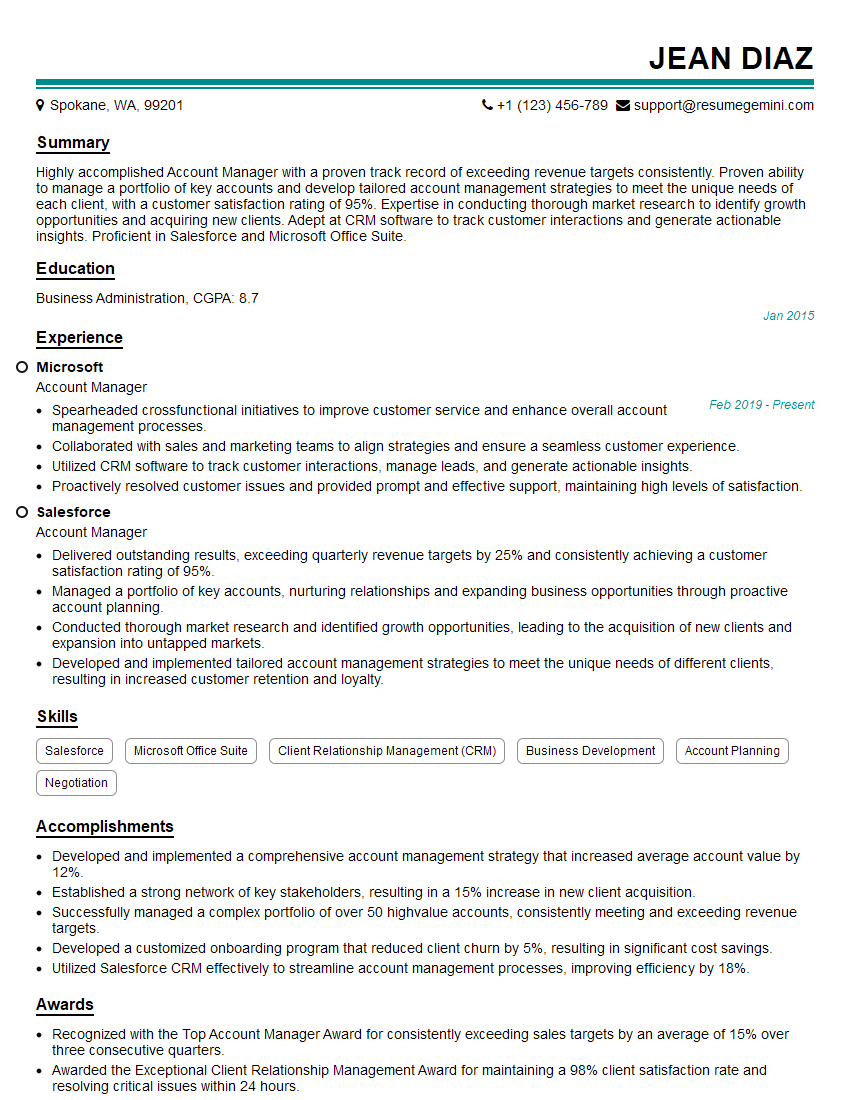
Account Manager Resume Sample
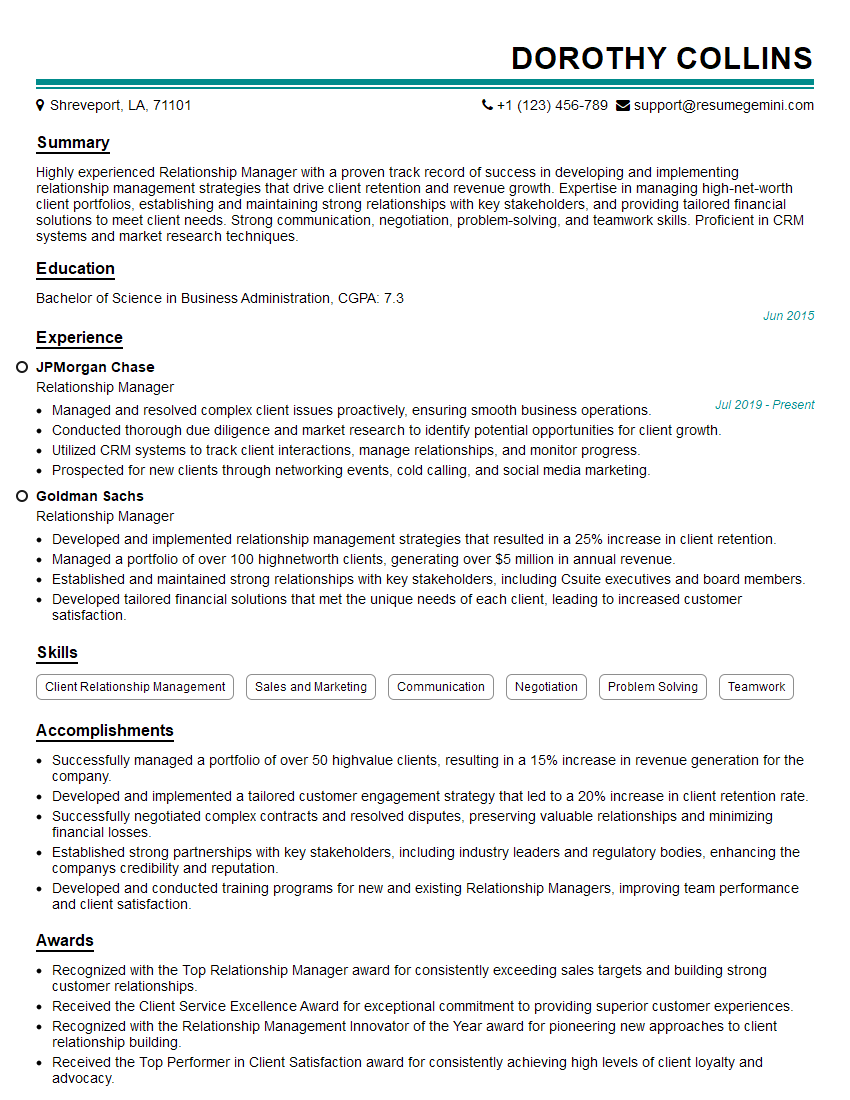
Relationship Manager Resume Sample
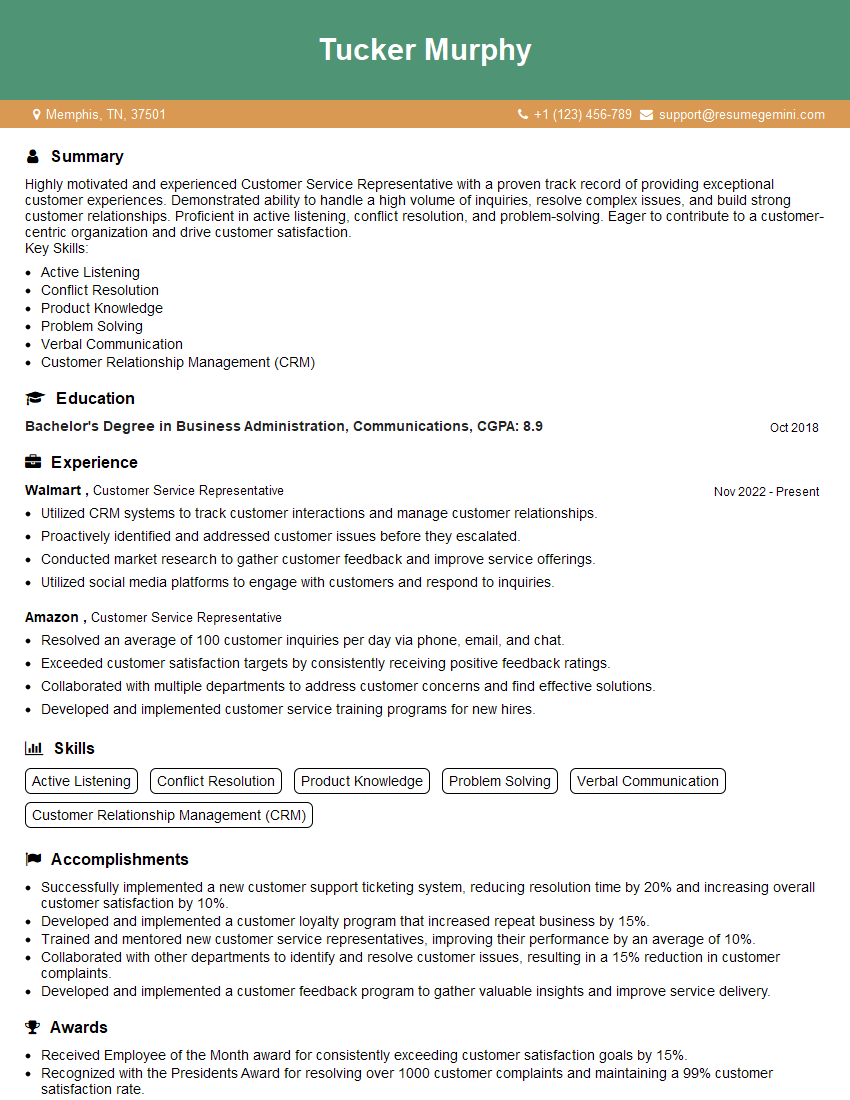
Customer Service Representative Resume Sample
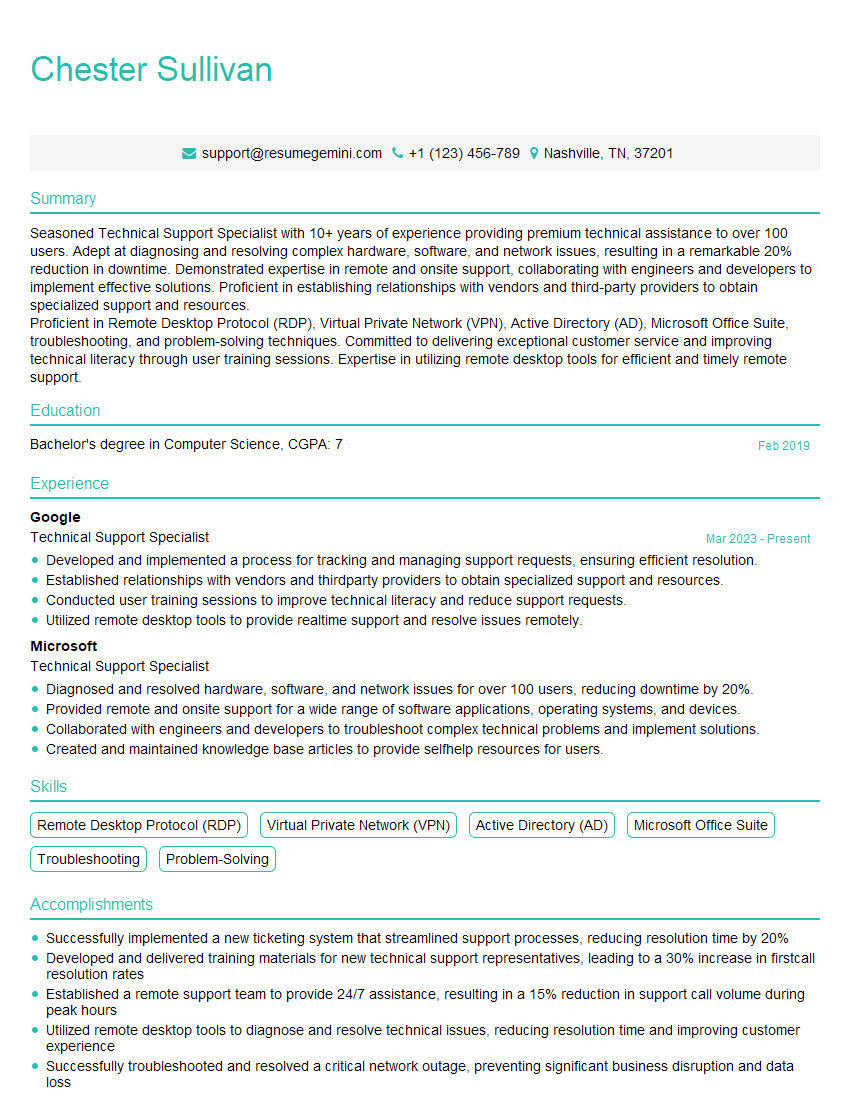
Technical Support Specialist Resume Sample
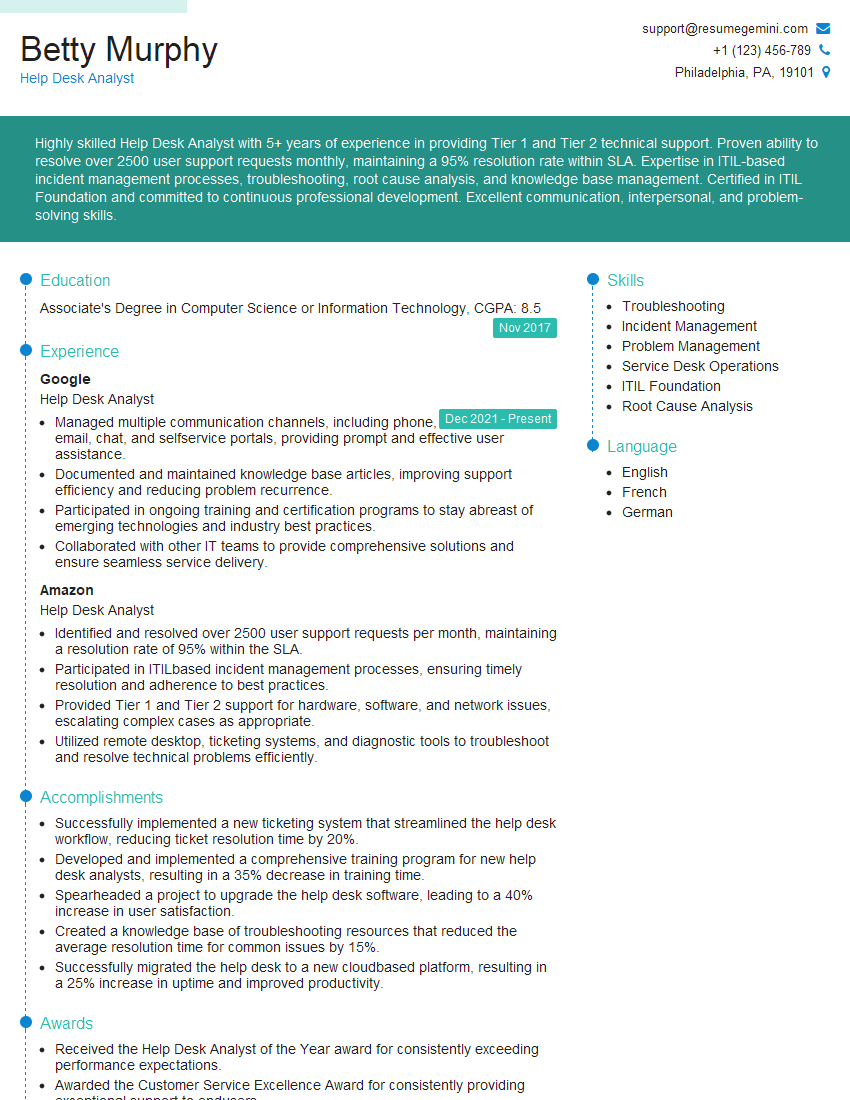
Help Desk Analyst Resume Sample
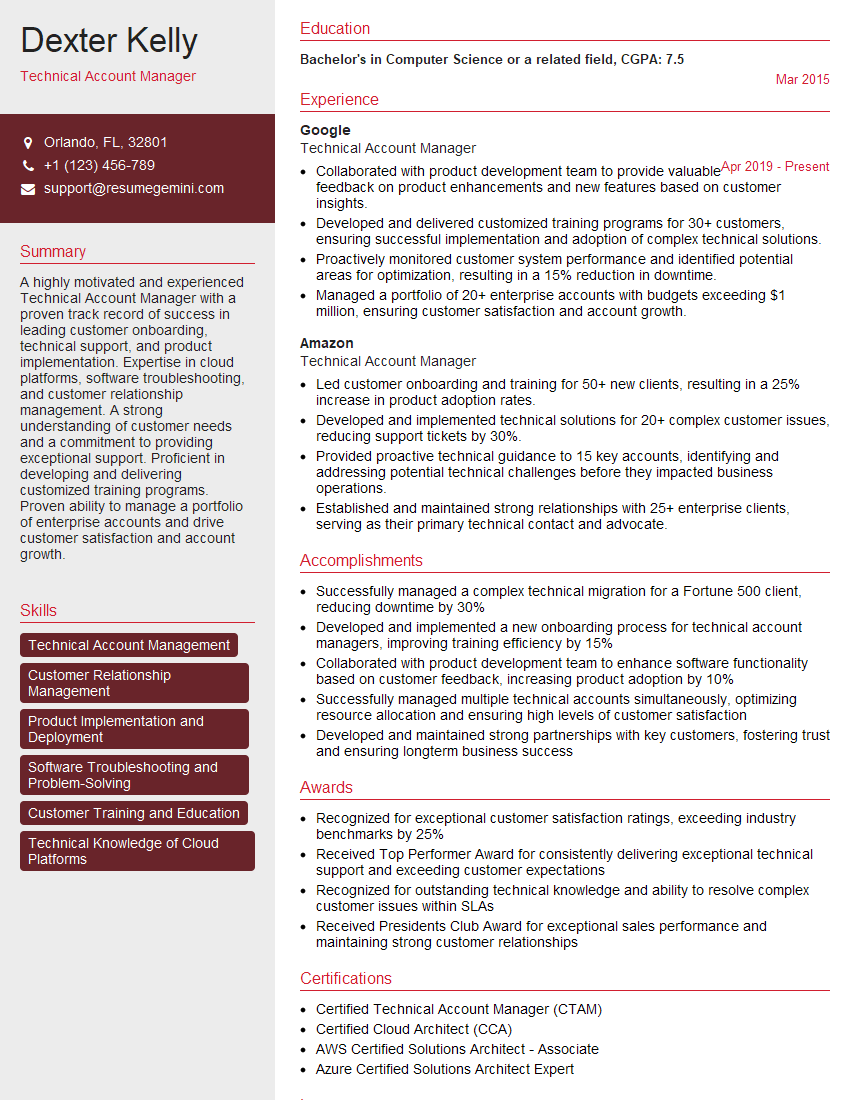
Technical Account Manager Resume Sample
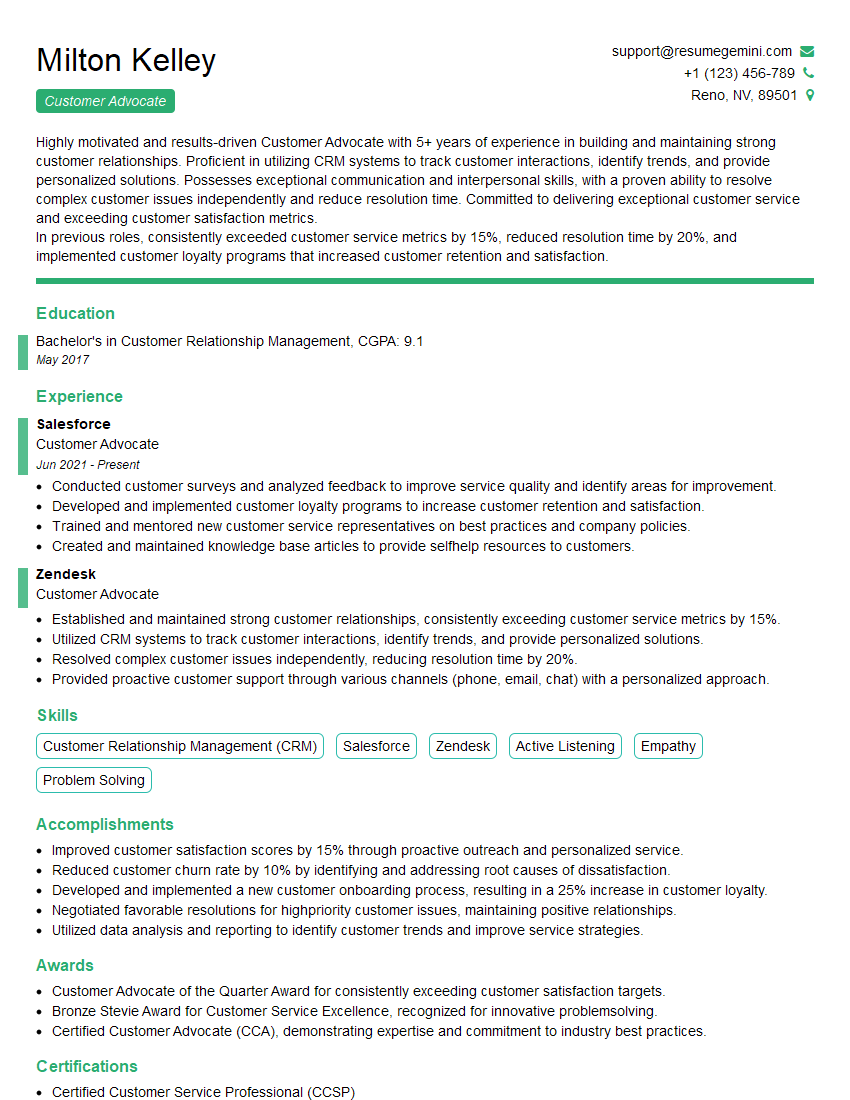
Customer Advocate Resume Sample
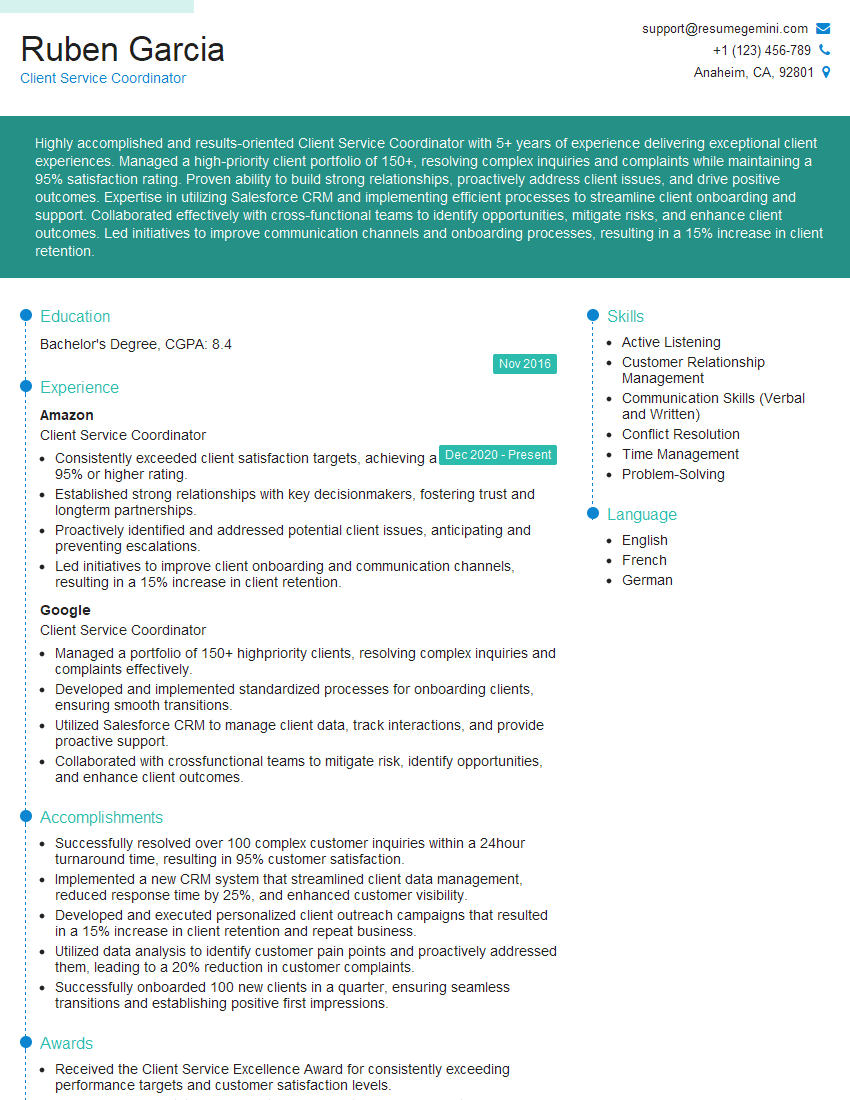
Client Service Coordinator Resume Sample
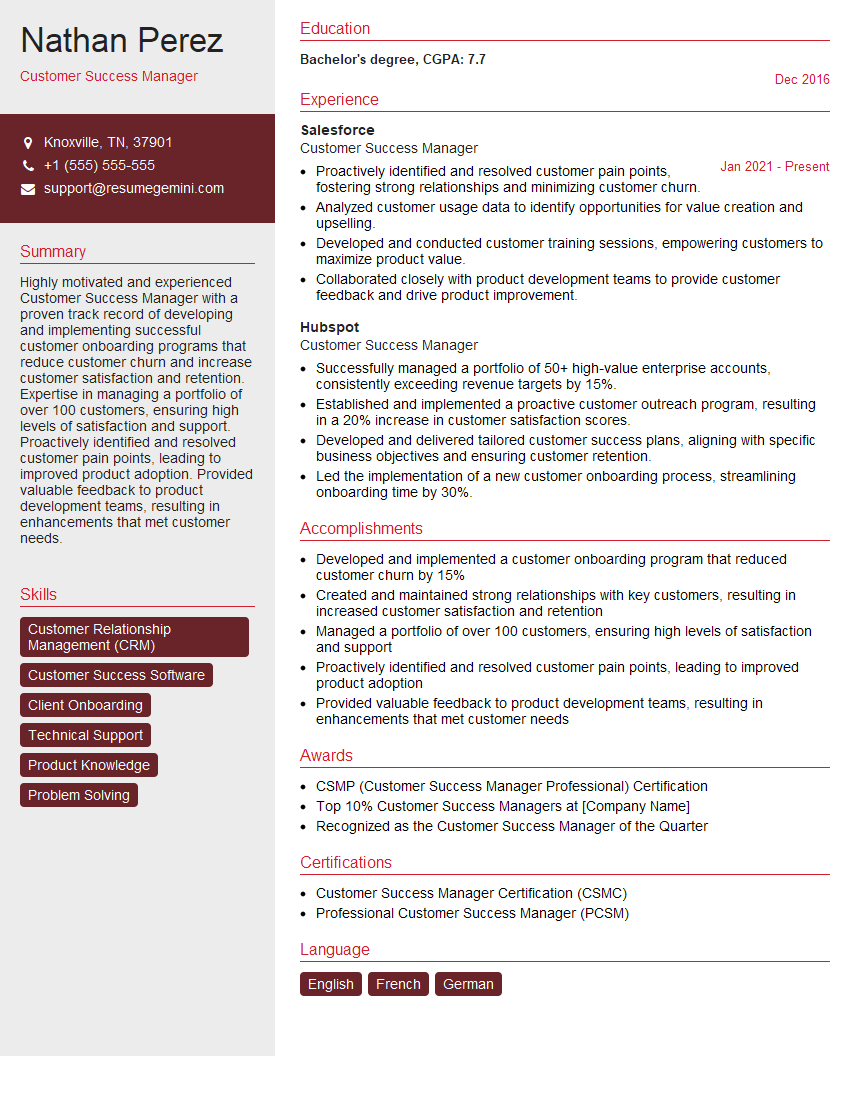
Customer Success Manager Resume Sample
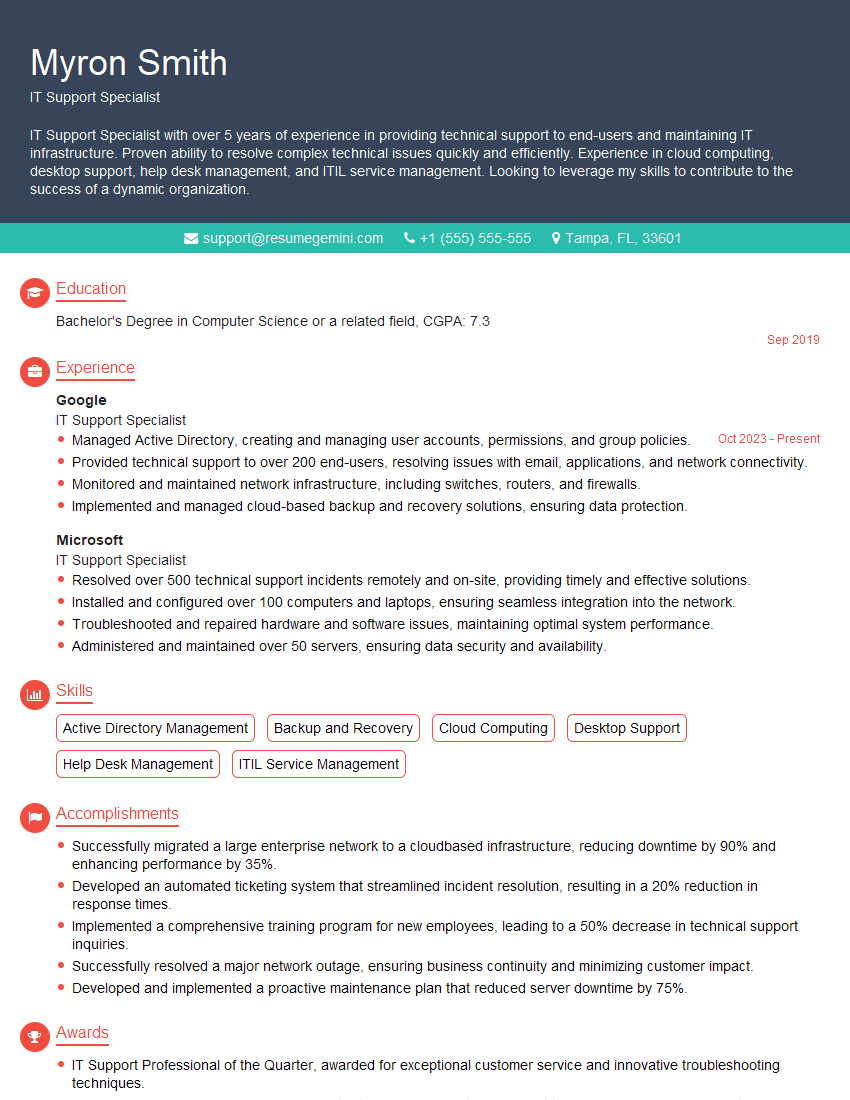
IT Support Specialist Resume Sample
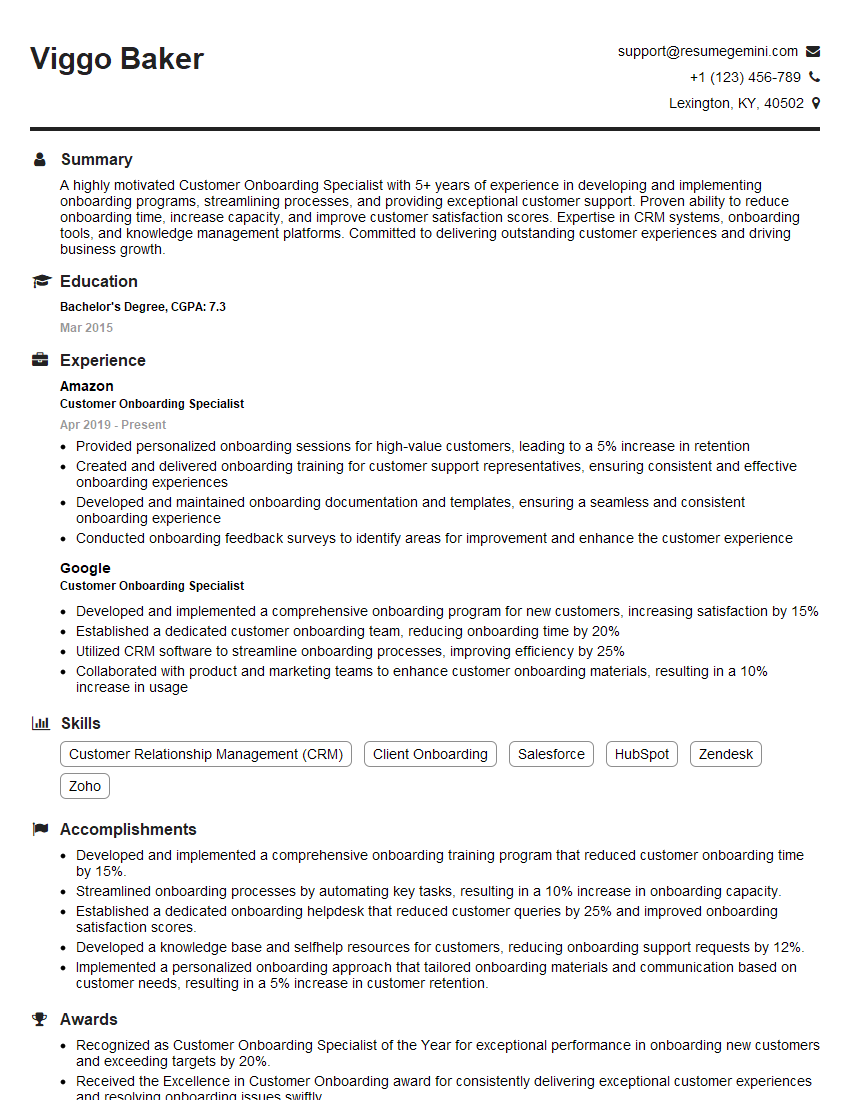
Customer Onboarding Specialist Resume Sample
Explore more articles
Users Rating of Our Blogs
Share Your Experience
We value your feedback! Please rate our content and share your thoughts (optional).
What Readers Say About Our Blog
Very informative content, great job.
good