Interviews are opportunities to demonstrate your expertise, and this guide is here to help you shine. Explore the essential Customer Orientation and Satisfaction interview questions that employers frequently ask, paired with strategies for crafting responses that set you apart from the competition.
Questions Asked in Customer Orientation and Satisfaction Interview
Q 1. Describe your approach to handling a highly dissatisfied customer.
Handling a highly dissatisfied customer requires a calm, empathetic, and proactive approach. My strategy centers around active listening, validating their feelings, and taking ownership of the problem, regardless of who is directly at fault. I begin by letting the customer fully express their concerns without interruption, using phrases like, “I understand your frustration,” and “I’m truly sorry you’re experiencing this.”
Next, I thoroughly understand the root cause of their dissatisfaction. This involves asking clarifying questions and actively listening to their narrative. Once I understand the issue, I immediately propose a solution. This could involve a refund, replacement, expedited service, or a sincere apology depending on the situation.
Finally, I follow up after implementing the solution to ensure the customer is satisfied and to prevent future occurrences. For instance, if a product malfunctioned, I’d not only offer a replacement but also investigate the cause of the defect to prevent similar issues. This proactive approach shows the customer that their experience is valued and prevents escalation. I view each dissatisfied customer as an opportunity to improve our service and build loyalty.
Q 2. How do you measure customer satisfaction?
Measuring customer satisfaction involves using a multifaceted approach, combining quantitative and qualitative data. Quantitative methods include using surveys (e.g., CSAT, CES, NPS) to collect numerical data on customer ratings and feedback. These surveys usually employ rating scales, allowing for easy aggregation and analysis of responses. For example, a CSAT (Customer Satisfaction Score) survey asks, “How satisfied were you with our service today?” with options ranging from very dissatisfied to very satisfied.
Qualitative data is equally important and is obtained through methods such as customer interviews, focus groups, and reviews analysis. This provides rich insights into the ‘why’ behind the numbers. Analyzing open-ended survey responses or social media feedback allows us to understand specific pain points and areas for improvement. For example, negative reviews highlighting long wait times should prompt an investigation into our service efficiency.
Ultimately, a comprehensive customer satisfaction measurement program integrates both quantitative and qualitative data to create a holistic picture of the customer experience, allowing for targeted improvements based on both the overall satisfaction level and the specific reasons behind customer feedback.
Q 3. Explain your understanding of the customer lifecycle.
The customer lifecycle represents the journey a customer takes with a company, from initial awareness to eventual advocacy. It’s typically broken down into several key stages:
- Awareness: The customer becomes aware of your product or service.
- Interest: The customer shows interest and explores your offerings.
- Consideration: The customer compares your offerings with competitors.
- Purchase: The customer makes a purchase.
- Retention: The company strives to keep the customer engaged and loyal.
- Advocacy: The customer recommends your product or service to others.
Understanding this lifecycle allows for targeted marketing and communication strategies at each stage. For instance, during the awareness stage, we might focus on building brand recognition, while in the retention stage, we focus on loyalty programs and personalized support. By meticulously tracking and analyzing customer movement through each phase, we can optimize our strategies for increased conversion rates and customer lifetime value.
Q 4. What strategies have you used to improve customer retention?
Improving customer retention is a key focus. My strategies center around building strong relationships and exceeding customer expectations. This includes implementing several key strategies:
- Personalized Communication: Utilizing CRM data to send targeted emails, offers, and promotions based on individual customer preferences and purchase history.
- Loyalty Programs: Rewarding repeat customers with exclusive discounts, early access to new products, or special events.
- Proactive Customer Support: Reaching out to customers proactively to address potential issues before they escalate. This could include follow-up emails after a purchase or reaching out to customers who haven’t used the service in a while.
- Feedback Mechanisms: Establishing regular feedback channels (surveys, reviews, etc.) and actively responding to customer comments and suggestions. This allows for continuous improvement based on real-time customer feedback.
- Community Building: Fostering a community around the brand through social media, forums, or events, enabling customers to interact with each other and the company.
By consistently demonstrating value and building strong relationships, we can significantly increase customer lifetime value and reduce churn.
Q 5. How do you identify and address customer pain points?
Identifying and addressing customer pain points requires a combination of data analysis and direct customer feedback. Data analysis can reveal trends and patterns in customer behavior, such as high cart abandonment rates or negative reviews focusing on specific features. For example, a high number of abandoned carts could suggest issues with the checkout process, potentially related to complexity or a lack of payment options.
Direct customer feedback is equally crucial. Methods such as customer surveys, focus groups, and social media monitoring provide valuable insights into customers’ experiences and frustrations. Open-ended survey questions allow for more detailed and nuanced feedback. For instance, a question like, “What could we have done better to improve your experience?” can reveal specific pain points.
Once pain points are identified, addressing them involves developing solutions tailored to the specific issue. This could range from redesigning a confusing webpage to improving customer service response times. Regularly monitoring feedback and iteratively improving processes is critical for consistently addressing customer pain points and enhancing the overall customer experience.
Q 6. What is your experience with CRM software?
I have extensive experience with various CRM (Customer Relationship Management) software, including Salesforce, HubSpot, and Zoho CRM. My experience includes data entry, report generation, contact management, and lead nurturing. I am proficient in using CRM systems to track customer interactions, manage customer data, and analyze customer behavior. I understand how to leverage CRM data to personalize communication, identify potential churn, and improve customer service.
For example, using Salesforce, I’ve successfully implemented a lead scoring system that prioritized high-potential leads, resulting in a significant increase in conversion rates. I’m also familiar with using CRM data to segment customer lists for targeted marketing campaigns and identifying patterns in customer behavior to anticipate needs and resolve potential issues proactively. My understanding of CRM software extends beyond basic data entry and encompasses strategic utilization for customer relationship management and business growth.
Q 7. How would you handle a situation where a customer’s needs conflict with company policy?
Handling situations where a customer’s needs conflict with company policy requires a delicate balance of empathy and firm adherence to guidelines. The approach focuses on finding a mutually acceptable solution, if possible, while upholding company integrity. I start by actively listening to the customer’s concerns and validating their feelings, even if I can’t immediately grant their request.
Next, I clearly explain the company policy and the reasons behind it, ensuring the customer understands the constraints. I attempt to find a compromise by exploring alternative solutions that meet the customer’s needs while adhering to the policy. For example, if a customer requests a refund outside the return window, I might offer a store credit or a discount on their next purchase. I might also propose a solution that requires escalation to a higher authority.
If no compromise can be reached, I maintain professionalism while explaining the policy’s limitations. The goal is to leave the customer feeling heard and respected, even if their initial request is not granted. Open communication, a sincere desire to help, and a clear explanation of constraints are crucial in navigating this delicate situation. Documentation of the entire interaction is also crucial for future reference.
Q 8. Describe a time you went above and beyond for a customer.
Going above and beyond for a customer often means exceeding their expectations and providing a memorable experience. It’s about seeing beyond the immediate request and anticipating their needs.
For example, I once worked with a client who was struggling to integrate our software with their existing CRM system. Their deadline was rapidly approaching, causing significant stress. While my role was primarily to provide technical support, I realized their frustration stemmed from a lack of overall understanding, not just technical issues. Instead of simply troubleshooting the integration, I spent an extra two hours providing personalized training and showing them alternative integration methods. This went beyond my standard job description, but it ensured their success and fostered a strong, long-term relationship.
Another instance involved a customer whose order was delayed due to an unforeseen shipping issue. While I couldn’t magically make the shipment arrive faster, I proactively communicated the delay, offered a complimentary upgrade to their order, and provided them with regular updates and tracking information. This transparency and proactive compensation transformed a negative experience into a positive one.
Q 9. How do you prioritize customer issues and requests?
Prioritizing customer issues and requests requires a systematic approach that balances urgency, impact, and customer relationship value. I typically use a combination of factors:
- Urgency: Issues with immediate impact, such as system outages or critical order delays, are addressed first.
- Impact: The potential negative consequence of unresolved issues influences priority. A widespread system failure will take precedence over individual queries.
- Customer Value: High-value customers or those with a history of loyalty often receive faster response times.
- Effort: While urgent, issues requiring minimal effort are prioritized over those requiring significant resources.
I use a ticketing system with a clearly defined workflow and status updates to manage and track all customer interactions, ensuring transparency and accountability. This system allows me to visually track progress and maintain a clear view of which issues require immediate attention.
Q 10. What metrics do you find most important in evaluating customer satisfaction?
Evaluating customer satisfaction requires a multifaceted approach using a range of metrics, not just one single indicator. Some key metrics include:
- Customer Satisfaction (CSAT) scores: Directly measures satisfaction levels through surveys or feedback forms. This provides immediate feedback on specific interactions.
- Net Promoter Score (NPS): Measures customer loyalty and willingness to recommend a product or service. A higher NPS suggests strong customer advocacy.
- Customer Effort Score (CES): Gauges the ease of doing business with a company. Lower effort usually corresponds to higher satisfaction.
- Churn Rate: Represents the percentage of customers who stop using a product or service over a specific period. A low churn rate indicates strong customer retention.
- Customer Lifetime Value (CLTV): Estimates the total revenue a customer will generate throughout their relationship with the business. This focuses on long-term value.
Combining these metrics provides a comprehensive overview of customer satisfaction and identifies areas for improvement.
Q 11. Describe your experience with customer feedback collection and analysis.
Collecting and analyzing customer feedback is crucial for continuous improvement. I have experience with various methods, including:
- Surveys: Online, email, or phone surveys provide quantitative data on specific aspects of customer experience.
- Feedback forms: Website forms or in-app feedback mechanisms enable customers to provide quick and easy feedback.
- Social media monitoring: Tracking mentions of the brand and product on social media platforms provides valuable insights into customer opinions.
- Focus groups and interviews: Qualitative data from focused discussions provide in-depth understanding of customer needs and frustrations.
Once collected, I analyze this data to identify trends, pinpoint areas needing attention, and track changes over time. Qualitative feedback helps contextualize quantitative data, providing a holistic picture. For example, a low CSAT score might be explained by comments revealing issues with shipping delays, allowing us to target this specific problem area.
Q 12. How do you ensure consistent customer service across different channels?
Maintaining consistent customer service across various channels (e.g., phone, email, chat, social media) requires a well-defined strategy and robust training programs. Key elements include:
- Standardized processes: Implementing clear guidelines and procedures for handling customer inquiries across all channels.
- Centralized knowledge base: Providing readily accessible information to all customer service representatives, ensuring consistent responses.
- Regular training: Equip all staff with the skills and knowledge needed to handle different customer interaction scenarios, maintaining brand consistency.
- Multi-channel integration: Utilizing a CRM or similar system that integrates all customer interactions across channels, providing a single view of the customer journey.
- Customer service scripts (guidelines): Providing guidelines for appropriate language, tone, and resolution techniques.
By ensuring consistent processes, information, and training, we can create a seamless and unified customer experience irrespective of the channel used.
Q 13. How would you handle a complaint regarding a product defect?
Handling a complaint about a product defect requires empathy, efficiency, and a commitment to resolution. My approach involves:
- Active Listening: Carefully listen to the customer’s complaint, acknowledging their frustration and validating their experience.
- Information Gathering: Collect all necessary details about the defect, including the product’s serial number, date of purchase, and specific problem description.
- Apology and Empathy: Sincerely apologize for the inconvenience caused, expressing understanding and compassion.
- Resolution: Offer a suitable resolution, such as a repair, replacement, refund, or discount, depending on the severity of the defect and company policy.
- Follow-up: Maintain contact with the customer to ensure the resolution is satisfactory and to track their satisfaction.
It’s important to stay calm and professional throughout the process, focusing on finding a fair and effective solution. Transparency and proactive communication are vital in mitigating negative experiences.
Q 14. How do you build rapport with customers?
Building rapport with customers is about creating a genuine connection based on trust and understanding. This involves:
- Active Listening: Paying close attention to what customers are saying, both verbally and nonverbally.
- Empathy: Understanding and sharing the customer’s feelings and perspective.
- Personalization: Tailoring the interaction to the individual customer’s needs and preferences.
- Positive Language and Tone: Using courteous and respectful language, maintaining a positive and helpful tone.
- Proactive Communication: Regularly updating customers on the status of their requests or issues.
- Finding Common Ground: Looking for shared interests or experiences to create a connection. (This requires tact and awareness of professional boundaries).
By showing genuine interest in customers and demonstrating a commitment to helping them, I strive to build lasting relationships based on trust and mutual respect.
Q 15. Explain your understanding of customer segmentation.
Customer segmentation is the practice of dividing a company’s customer base into smaller, more manageable groups based on shared characteristics. This allows for targeted marketing, improved customer service, and a more personalized experience. These characteristics can include demographics (age, gender, location), psychographics (lifestyle, values, interests), behavioral patterns (purchase history, website activity), and firmographics (company size, industry, revenue) for business-to-business (B2B) contexts.
For example, an online clothing retailer might segment its customers into groups like ‘budget-conscious millennials,’ ‘luxury-seeking professionals,’ and ‘eco-conscious shoppers.’ This allows them to tailor their marketing campaigns and product offerings to each segment’s specific needs and preferences. Another example would be a SaaS company segmenting by company size, tailoring their sales approach to different sized businesses – a small business requires a different sales pitch than a multinational corporation.
Effective segmentation leads to increased efficiency and effectiveness in marketing and customer relationship management (CRM) efforts. It helps companies focus their resources on the most profitable segments, increasing customer lifetime value and overall business growth. Failing to segment can result in wasted resources on ineffective campaigns and a diluted brand message.
Career Expert Tips:
- Ace those interviews! Prepare effectively by reviewing the Top 50 Most Common Interview Questions on ResumeGemini.
- Navigate your job search with confidence! Explore a wide range of Career Tips on ResumeGemini. Learn about common challenges and recommendations to overcome them.
- Craft the perfect resume! Master the Art of Resume Writing with ResumeGemini’s guide. Showcase your unique qualifications and achievements effectively.
- Don’t miss out on holiday savings! Build your dream resume with ResumeGemini’s ATS optimized templates.
Q 16. How do you adapt your communication style to different customer personalities?
Adapting communication style to different customer personalities is crucial for effective customer interaction. I leverage active listening and observation to quickly assess a customer’s communication style and adjust my approach accordingly. I categorize customer personalities broadly, recognizing that individuals often exhibit blends of several traits.
- Direct and Task-Oriented: For these customers, I prioritize clear, concise communication, focusing on solutions and efficiency. I avoid unnecessary pleasantries and get straight to the point.
- Relationship-Oriented: With these individuals, I build rapport by engaging in friendly conversation, showing genuine empathy, and focusing on building a personal connection before addressing their issue.
- Detail-Oriented: I cater to these customers by providing comprehensive explanations and addressing their concerns thoroughly. I use clear, organized language and offer written summaries when necessary.
- Impatient or Frustrated: I remain calm, empathetic, and efficient, acknowledging their frustration and prioritizing a swift resolution. I avoid defensive responses and focus on finding a solution that meets their needs.
For example, if a customer is clearly upset, I might start by acknowledging their frustration: “I understand this is frustrating, and I’ll do my best to help you resolve this quickly.” This shows empathy and sets a positive tone for the interaction.
Q 17. Describe your experience with conflict resolution in customer service.
Conflict resolution is a vital part of customer service. My approach involves a structured process:
- Active Listening: I begin by patiently listening to the customer’s concerns without interruption, ensuring I fully understand their perspective. This often involves paraphrasing their concerns to confirm understanding.
- Empathy and Validation: I acknowledge their feelings, even if I don’t agree with their assessment of the situation. Phrases like, “I understand your frustration,” go a long way in diffusing tension.
- Finding Common Ground: I search for areas of agreement and build on those to find a solution. This often involves focusing on the customer’s needs and desired outcome.
- Offering Solutions: I present clear and realistic solutions, explaining the steps involved and the potential outcomes. I ensure that these solutions are presented with clarity.
- Following Up: After resolving the issue, I follow up with the customer to ensure their satisfaction and to address any lingering concerns.
For example, I once dealt with a customer who felt unfairly charged. By actively listening, I discovered a system error that led to the mischarge. I apologized for the inconvenience, corrected the charge, and offered a small compensation for their trouble. This proactive approach transformed a potentially negative experience into a positive one.
Q 18. How do you proactively identify potential customer issues?
Proactive identification of potential customer issues is key to excellent customer service. This involves understanding potential pain points in the customer journey and employing preventative measures. My strategies include:
- Data Analysis: Analyzing customer data, such as support tickets, surveys, and website analytics, can highlight recurring problems or areas of friction.
- Customer Feedback Monitoring: Actively monitoring social media, review sites, and customer feedback channels allows for early identification of emerging issues.
- Regular Communication: Proactively reaching out to customers to understand their needs and anticipate potential challenges.
- Product/Service Knowledge: Deep understanding of products/services enables anticipation of potential problems. For example, if a software update is scheduled, proactive communication to customers detailing changes and potential temporary inconveniences can minimize disruption and enhance customer experience.
For instance, by noticing a spike in calls regarding a specific product feature, I can identify a potential usability issue and work with the product team to address it before more customers experience the problem.
Q 19. What is your experience with customer surveys and feedback forms?
I have extensive experience with customer surveys and feedback forms. I see them as invaluable tools for understanding customer satisfaction, identifying areas for improvement, and measuring the effectiveness of customer service initiatives.
My experience includes:
- Designing Surveys: I’ve participated in designing surveys that effectively gather insights, using a mix of quantitative (rating scales, multiple-choice questions) and qualitative (open-ended questions) measures to capture both the ‘what’ and ‘why’ behind customer feedback.
- Data Analysis and Reporting: I’m proficient in analyzing survey data to identify trends, pinpoint areas needing attention, and track improvements over time. I translate complex data into clear, actionable reports for relevant stakeholders.
- Implementing Feedback Mechanisms: I’ve implemented various feedback mechanisms, from online surveys to in-app feedback prompts, ensuring they are accessible, easy to use, and encourage participation.
- Acting on Feedback: I’ve played a key role in implementing changes based on customer feedback, demonstrating a commitment to continuous improvement.
For example, a recent customer satisfaction survey revealed a dissatisfaction with our shipping times. This feedback resulted in a review of our logistics processes, leading to faster shipping and improved customer experience.
Q 20. Describe a time you had to deal with a difficult or demanding customer.
I once had a customer who was extremely angry about a delayed order. He was verbally abusive and refused to listen to my explanations. Instead of becoming defensive, I remained calm and empathetic. I validated his frustration by saying, “I understand your anger; this delay is unacceptable.” I then actively listened to his concerns, reiterating his points to show I understood. I apologized sincerely and took ownership of the situation, even though the delay was due to unforeseen circumstances beyond our immediate control. I then offered him a full refund, expedited shipping on a replacement order, and a significant discount on his next purchase.
This approach diffused the situation. While he was still upset, he appreciated my calm demeanor, my willingness to take responsibility, and my proactive efforts to rectify the problem. He eventually calmed down, accepted the offered solution, and even expressed his gratitude for my handling of the situation. This situation reinforced the importance of empathy, active listening, and proactive problem-solving, even when dealing with highly demanding customers.
Q 21. How do you maintain a positive attitude in challenging customer service situations?
Maintaining a positive attitude in challenging customer service situations is crucial for both the customer and the service provider. It requires a combination of internal and external strategies:
- Self-Care: Prioritizing personal well-being is essential. Adequate sleep, healthy eating, and stress management techniques help build resilience and maintain a positive outlook.
- Mindset Shift: Viewing challenging situations as opportunities for growth and learning, rather than personal attacks, can change perspective. Remember the customer’s frustration is rarely directed at you personally, but rather the situation at hand.
- Empathy: Focusing on the customer’s needs and perspective allows you to connect with them on a human level, reducing defensiveness and increasing understanding.
- Positive Self-Talk: Engaging in positive self-talk, reminding yourself of your skills and abilities, boosts confidence and helps maintain a positive attitude.
- Team Support: A supportive work environment with opportunities for collaboration and debriefing helps team members maintain positive energy and learn from one another.
For instance, taking a few minutes to breathe deeply and center myself before responding to a difficult customer can make a big difference in my ability to handle the interaction calmly and effectively.
Q 22. Explain your experience with using customer data to improve service.
Customer data is the lifeblood of improved service. It allows us to move beyond guesswork and understand precisely what our customers need and experience. My approach involves several key steps:
Data Collection: I leverage various sources, including CRM systems, surveys (both CSAT and NPS), website analytics, social media monitoring, and customer support interactions. This ensures a holistic view of the customer journey.
Data Analysis: Once collected, data needs careful analysis. This involves identifying trends, patterns, and pain points. For example, a spike in negative feedback related to shipping times in a specific region indicates a need for logistical improvements there.
Targeted Interventions: Based on the analysis, we implement specific improvements. Perhaps it’s investing in faster shipping options for that region, improving website navigation based on user behavior data, or adjusting training for customer service reps based on common issues identified.
Measurement and Iteration: The cycle isn’t complete without measuring the impact of implemented changes. We track key metrics to determine the effectiveness of our interventions and iterate based on the results. This continuous feedback loop is vital.
For instance, in a previous role, we discovered through website analytics that a significant number of users were abandoning their online shopping carts. By analyzing the data, we found the checkout process was too complex. Simplifying this process led to a 15% increase in completed purchases.
Q 23. How do you balance customer needs with business objectives?
Balancing customer needs and business objectives is a delicate act, but crucial for long-term success. It’s not about choosing one over the other; rather, it’s about finding creative solutions that satisfy both. I approach this using a framework that prioritizes:
Understanding Customer Needs: Thoroughly researching and understanding customer pain points, expectations, and desires through various methods such as surveys, interviews, and feedback analysis. This informs our strategy.
Defining Business Objectives: Clearly articulating the company’s goals, whether it’s increased revenue, market share, or brand loyalty. This sets a clear direction.
Finding Synergies: Identifying points where customer needs align with business objectives. For example, improving customer service may reduce churn, directly impacting revenue.
Prioritization and Trade-offs: Sometimes, compromises are necessary. A cost-effective solution might not be the most ideal for the customer but remains the most viable option given business constraints. Transparency and clear communication are key during such situations.
Long-term Vision: Considering the long-term implications of decisions. While a quick fix might boost short-term sales, it could harm customer loyalty in the long run.
Imagine a scenario where customers demand a new feature that is technically complex and costly to implement. A balanced approach would involve assessing the demand, exploring cheaper alternatives, and potentially prioritizing the feature based on its potential return on investment and its contribution to overall customer satisfaction.
Q 24. How familiar are you with NPS (Net Promoter Score)?
The Net Promoter Score (NPS) is a crucial metric for gauging customer loyalty and satisfaction. It’s a simple yet powerful tool that measures the willingness of customers to recommend a company, product, or service to others. I’m very familiar with its application and interpretation.
Understanding NPS involves more than just the score itself. It’s about analyzing the feedback accompanying the score to understand why customers rated as they did. This qualitative data is just as important, if not more, than the quantitative score. Detractors (those scoring 0-6) provide invaluable insights into areas needing improvement, while Promoters (9-10) offer valuable information on what’s working well.
I have extensive experience using NPS to track progress, identify trends, and inform strategic decision-making. For example, a declining NPS often signals a need to investigate operational issues or product shortcomings, allowing for proactive problem-solving.
Q 25. Describe your experience with implementing customer service improvements.
Implementing customer service improvements is a process, not a one-time event. My approach follows these stages:
Identify Pain Points: Through data analysis, customer feedback, and observation, pinpoint the areas where customers experience the most frustration or dissatisfaction.
Develop Solutions: Brainstorm and design solutions that address those pain points, considering feasibility, cost, and impact. This could involve changes to processes, technology, training, or even product features.
Pilot and Test: Before large-scale implementation, pilot the new processes or solutions on a smaller scale to identify and address any unforeseen issues.
Rollout and Training: Implement the improvements across the organization, providing adequate training to ensure everyone understands and adheres to new processes.
Monitor and Evaluate: Continuously monitor the impact of changes using key performance indicators (KPIs) and customer feedback to measure effectiveness.
In a past role, we implemented a new CRM system to improve customer interaction tracking and streamline communication. This resulted in a reduction in average resolution time by 20% and a significant increase in customer satisfaction.
Q 26. How do you utilize customer feedback to drive product development?
Customer feedback is a goldmine for product development. It’s essential to actively solicit, analyze, and incorporate customer insights throughout the entire product lifecycle. This involves:
Establishing Feedback Channels: Creating various avenues for customers to provide feedback, such as surveys, online forums, social media monitoring, and direct feedback forms.
Analyzing Feedback: Categorizing and analyzing feedback to identify common themes, pain points, and areas for improvement. This might involve using sentiment analysis tools or manual review.
Prioritizing Feedback: Not all feedback is created equal. Prioritize feedback based on factors such as frequency, severity, and alignment with business objectives.
Incorporating Feedback into Product Development: Use the analyzed feedback to inform product design, development, and marketing strategies.
Communicating with Customers: Keep customers informed about how their feedback is being used and implemented. This demonstrates that their voices are being heard.
For example, consistent feedback about a complex user interface led to a redesign, which resulted in a significant increase in user engagement and positive reviews.
Q 27. Describe your approach to training new employees in customer service best practices.
Training new customer service employees is critical for maintaining high standards of service. My approach incorporates:
Onboarding and Initial Training: A comprehensive onboarding program that covers company culture, product knowledge, service standards, and the use of relevant tools and systems. Role-playing scenarios are particularly helpful.
Continuous Learning: Ongoing training and development opportunities to keep employees updated on new products, services, best practices, and emerging technologies.
Mentorship and Coaching: Pairing new employees with experienced mentors who can provide guidance, support, and feedback.
Feedback and Performance Reviews: Regular performance evaluations and feedback sessions to identify areas for improvement and track progress.
Empowerment and Autonomy: Empowering employees to make decisions and solve problems independently, within defined parameters. This fosters ownership and accountability.
I also believe in using a mix of online modules, classroom sessions, and hands-on experience to make the training effective and engaging. Regular quizzes and assessments reinforce learning and identify knowledge gaps.
Q 28. How do you stay up-to-date on best practices in customer service and satisfaction?
Staying current in customer service and satisfaction requires ongoing effort. My strategies include:
Industry Publications and Journals: Regularly reading industry publications, journals, and blogs to keep abreast of the latest trends, best practices, and emerging technologies.
Conferences and Workshops: Attending industry conferences and workshops to network with peers, learn from experts, and gain new perspectives.
Online Courses and Webinars: Participating in online courses and webinars to acquire new skills and knowledge.
Professional Networks: Engaging with professional networks and communities to share ideas, discuss challenges, and stay informed.
Benchmarking: Regularly benchmarking against competitors and industry leaders to identify areas for improvement and best practices.
Continuous learning is paramount in this dynamic field. By staying informed about emerging trends and best practices, I ensure that the strategies and approaches I use remain relevant and effective.
Key Topics to Learn for Customer Orientation and Satisfaction Interview
- Understanding Customer Needs: Learn to effectively identify and analyze diverse customer needs and expectations, going beyond surface-level requests.
- Active Listening and Empathy: Master techniques for active listening and demonstrate empathy to build rapport and understand customer concerns thoroughly. Practice reflecting back customer statements to show understanding.
- Communication Strategies: Develop clear, concise, and professional communication skills tailored to various customer interaction channels (e.g., phone, email, in-person).
- Problem-Solving and Conflict Resolution: Explore proven methodologies for resolving customer issues efficiently and effectively, turning negative experiences into positive ones. Practice handling difficult conversations and objections.
- Customer Feedback Mechanisms: Learn how to effectively collect, analyze, and utilize customer feedback (surveys, reviews, etc.) to improve products, services, and processes.
- Metrics and Measurement: Understand key performance indicators (KPIs) related to customer satisfaction, such as Net Promoter Score (NPS) and Customer Satisfaction (CSAT). Be prepared to discuss how these metrics inform business decisions.
- Customer Relationship Management (CRM): Familiarize yourself with CRM systems and how they contribute to maintaining positive customer relationships and tracking interactions.
- Building Customer Loyalty: Explore strategies for fostering long-term customer relationships and loyalty through exceptional service and personalized experiences.
Next Steps
Mastering Customer Orientation and Satisfaction is crucial for career advancement in today’s competitive market. Demonstrating a genuine commitment to customer happiness opens doors to leadership roles and higher earning potential. To significantly boost your job prospects, it’s essential to craft an ATS-friendly resume that highlights your relevant skills and experience. ResumeGemini is a trusted resource that can help you build a professional and effective resume. We provide examples of resumes tailored to Customer Orientation and Satisfaction roles to guide you in creating your own compelling application materials.
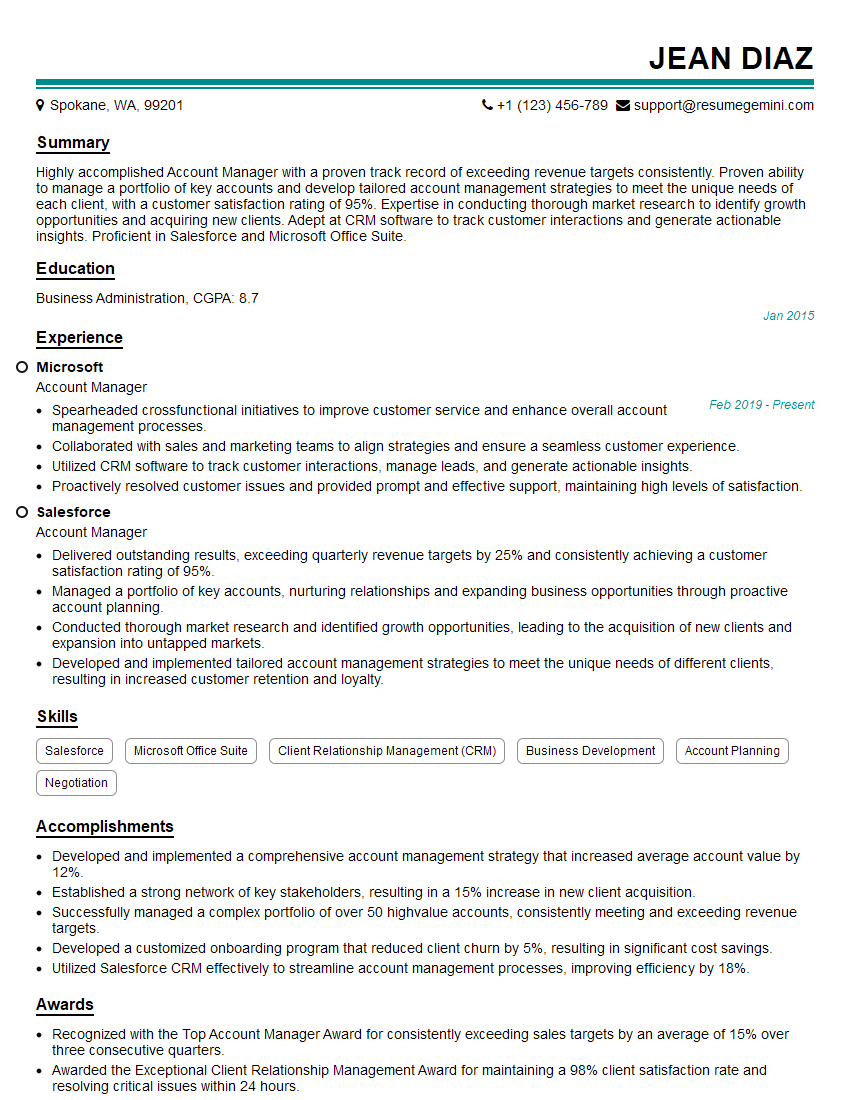
Account Manager Resume Sample

Customer Service Manager Resume Sample
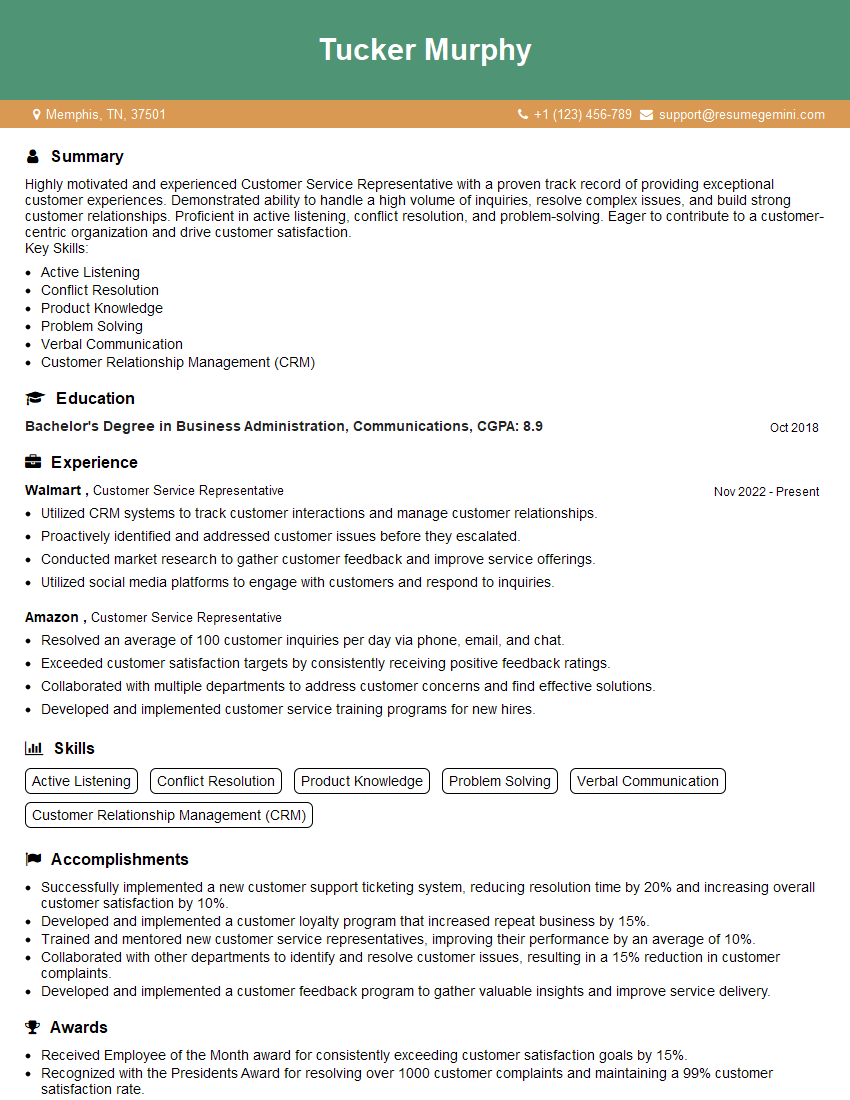
Customer Service Representative Resume Sample
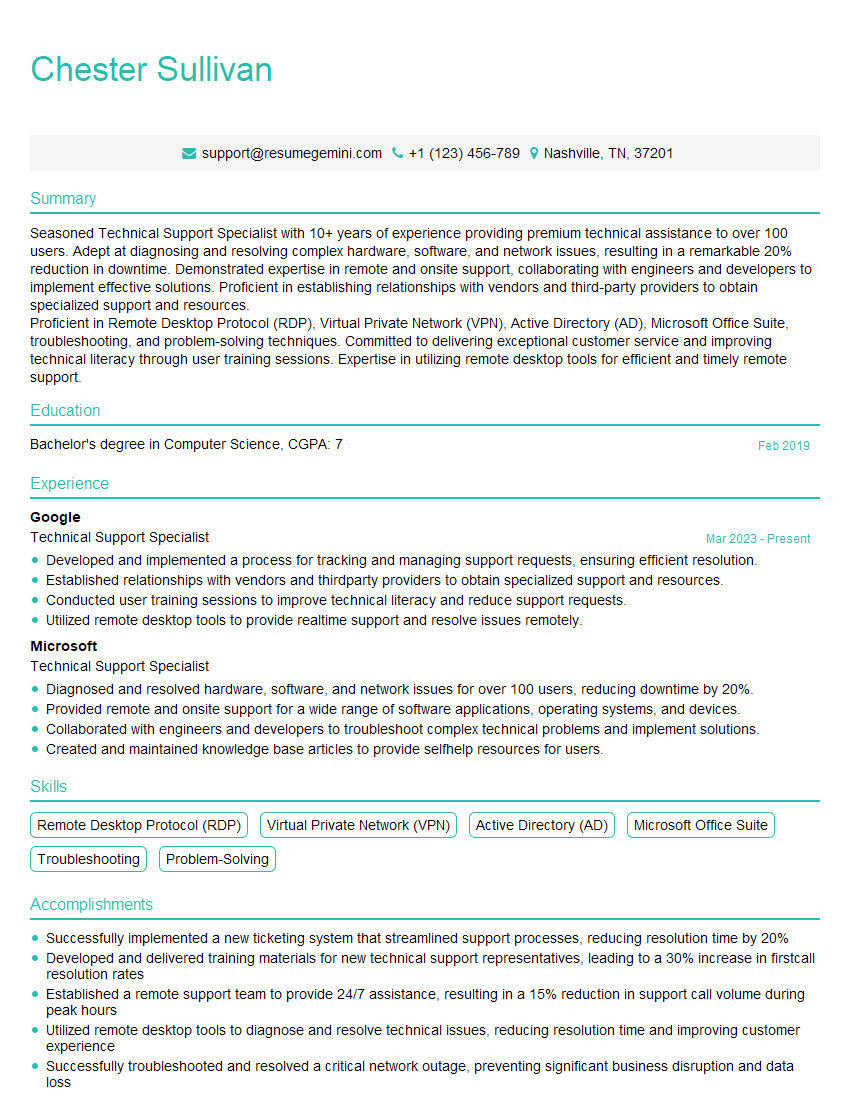
Technical Support Specialist Resume Sample
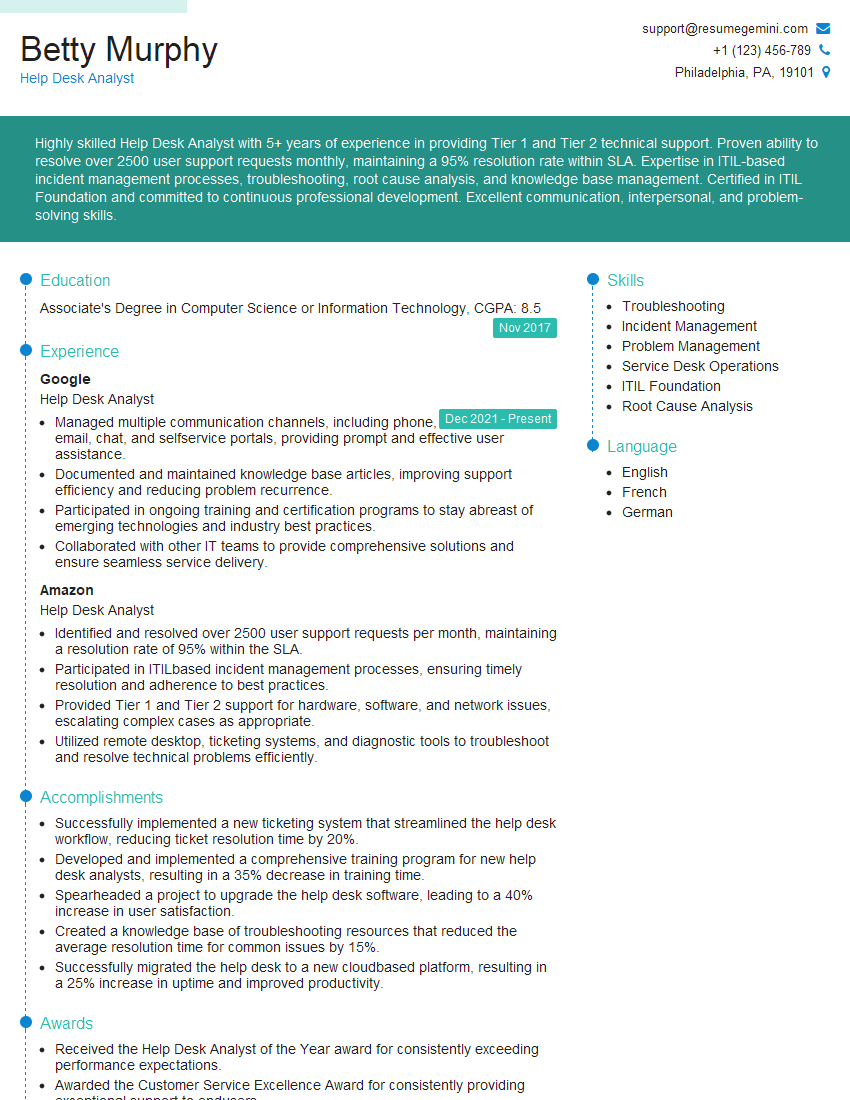
Help Desk Analyst Resume Sample
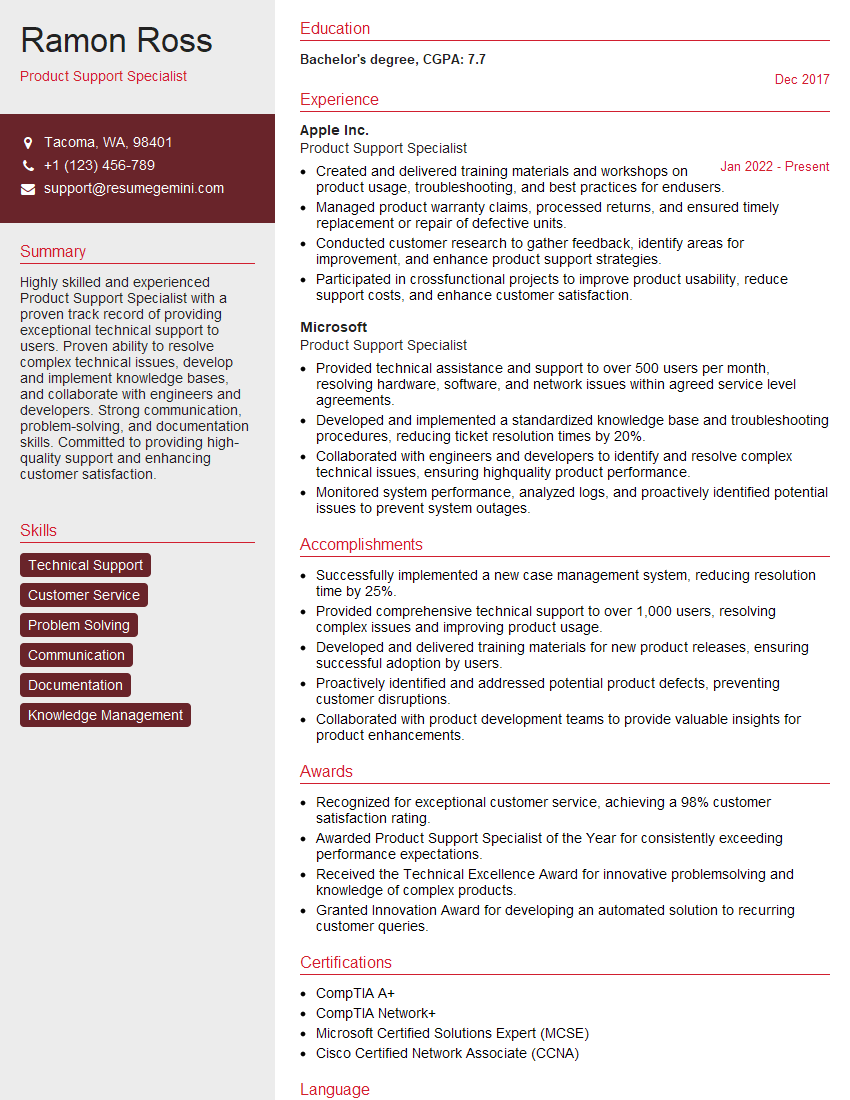
Product Support Specialist Resume Sample
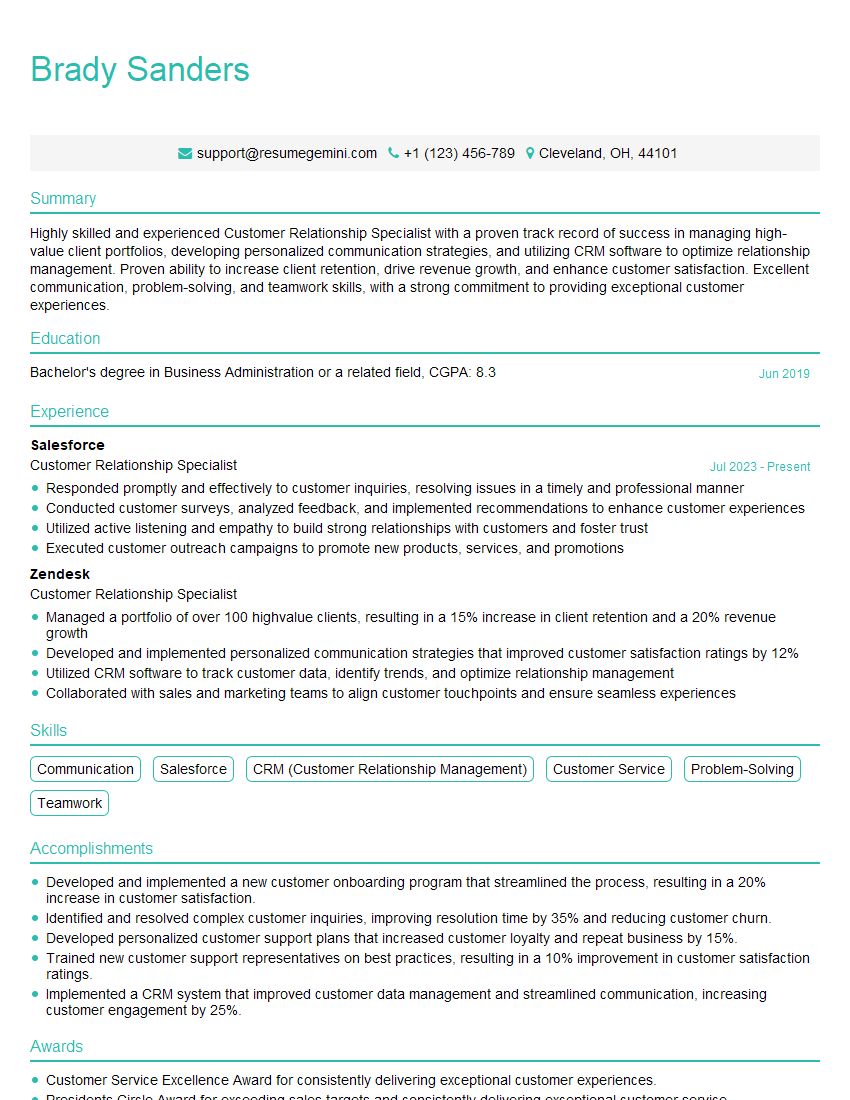
Customer Relationship Specialist Resume Sample
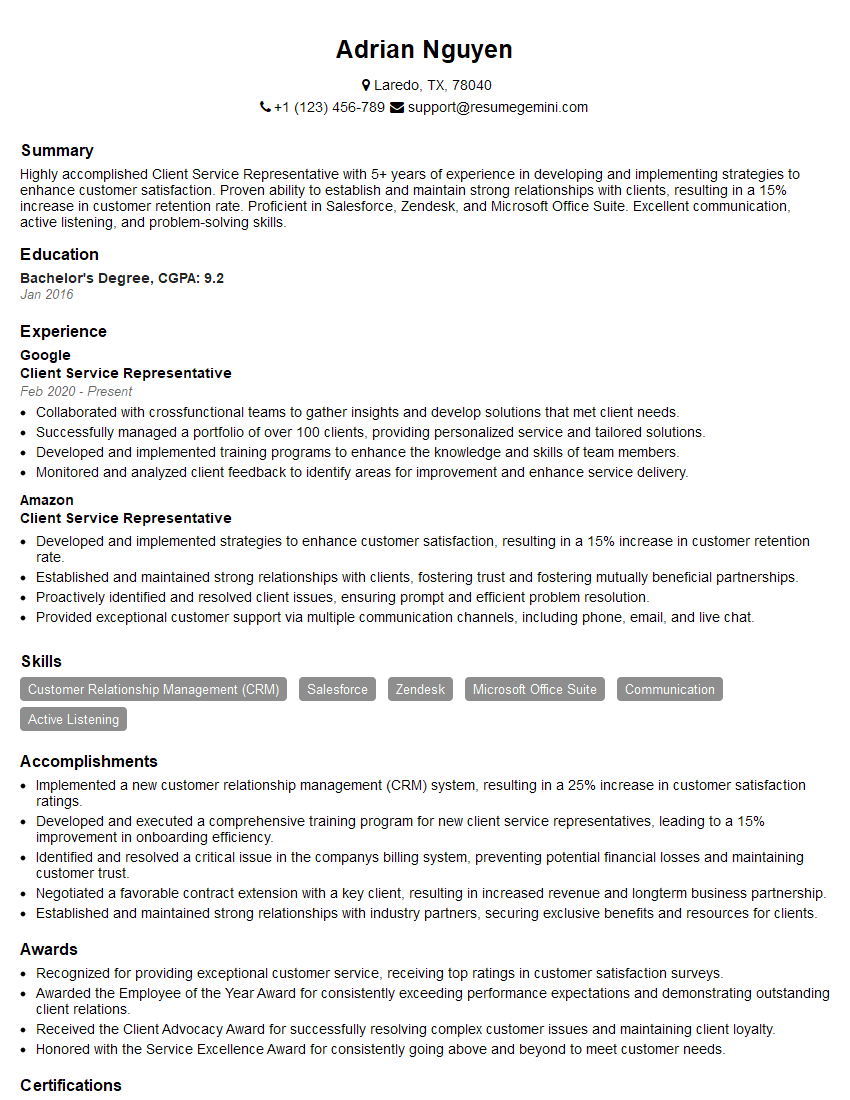
Client Service Representative Resume Sample
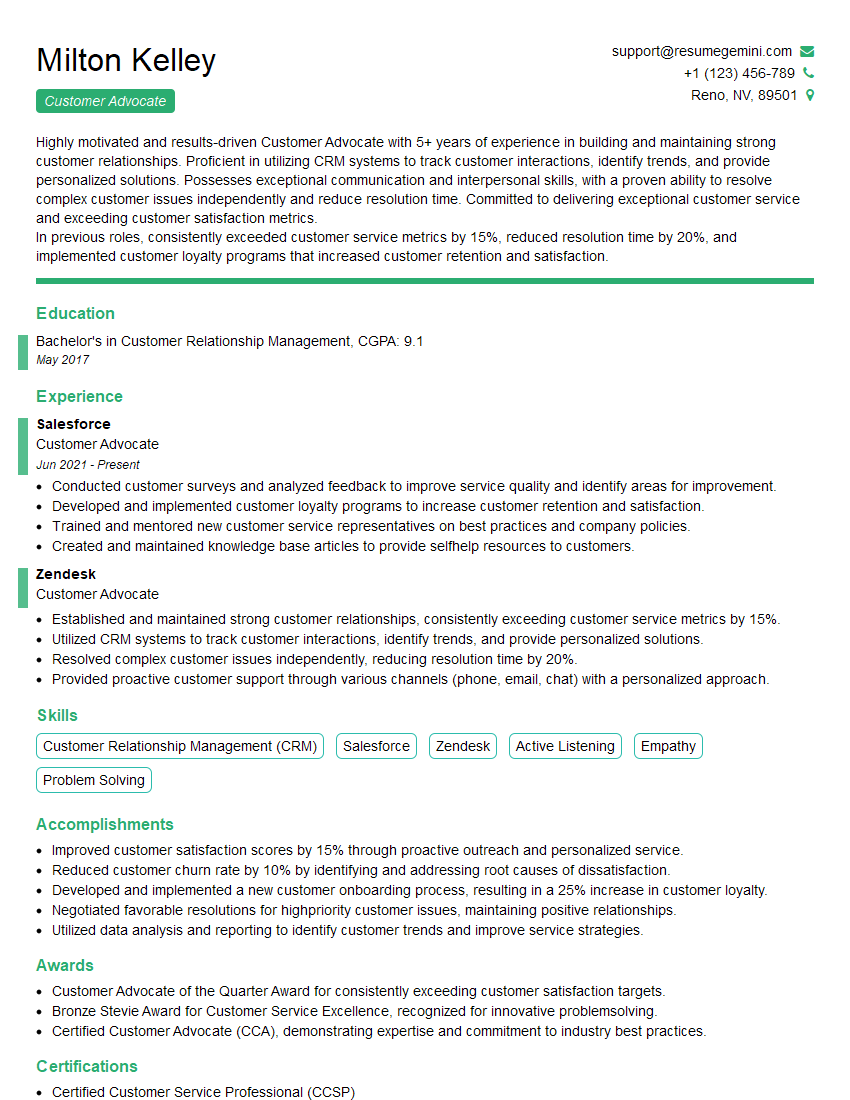
Customer Advocate Resume Sample
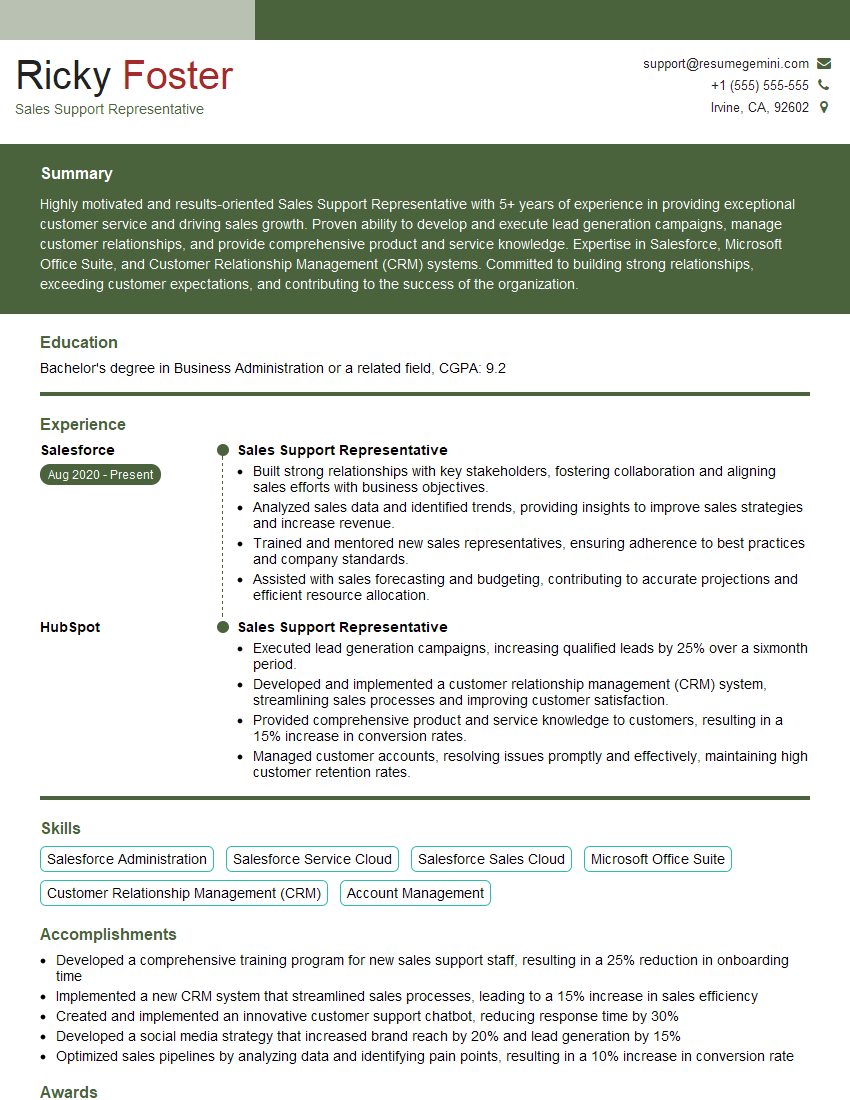
Sales Support Representative Resume Sample
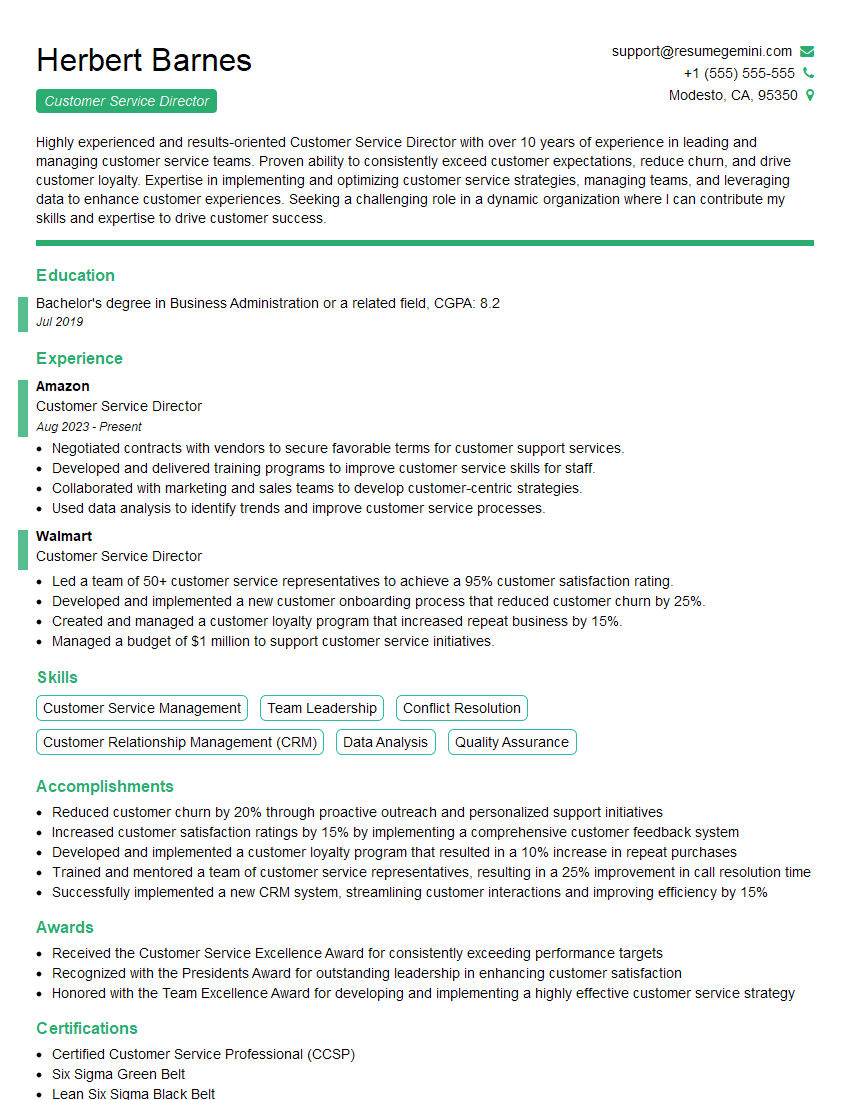
Customer Service Director Resume Sample
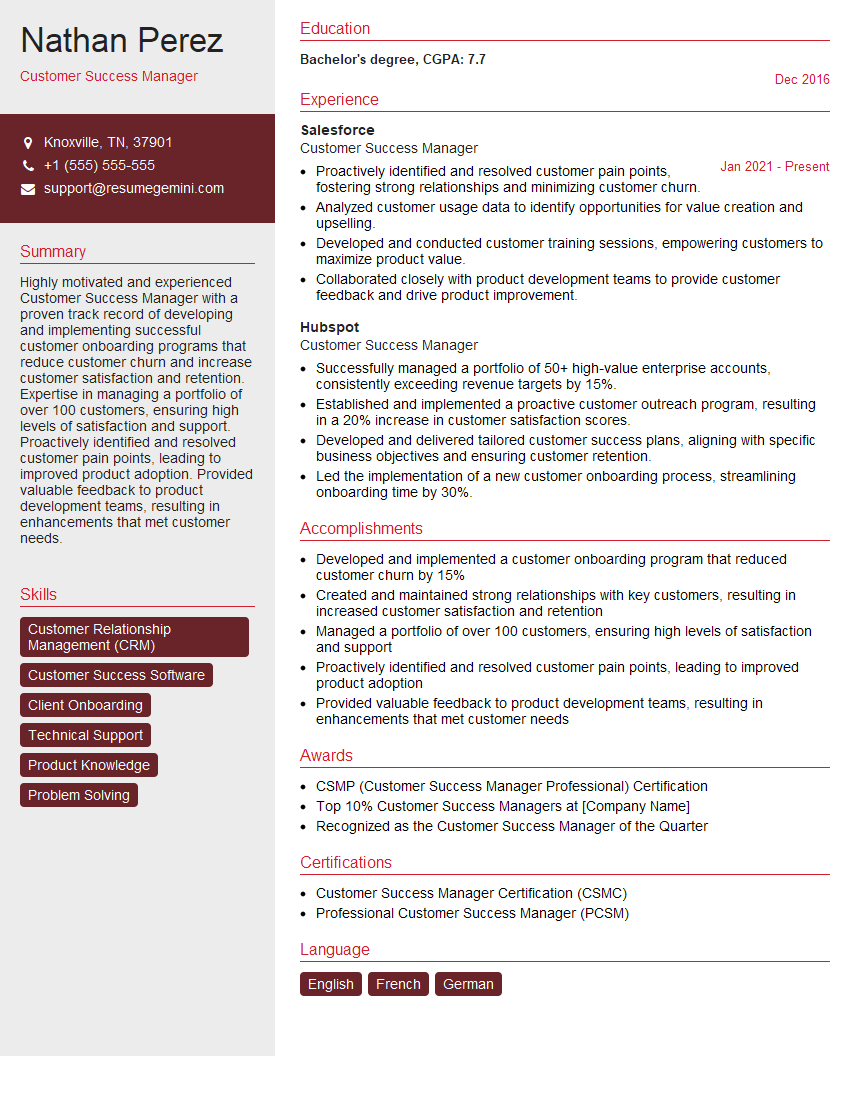
Customer Success Manager Resume Sample
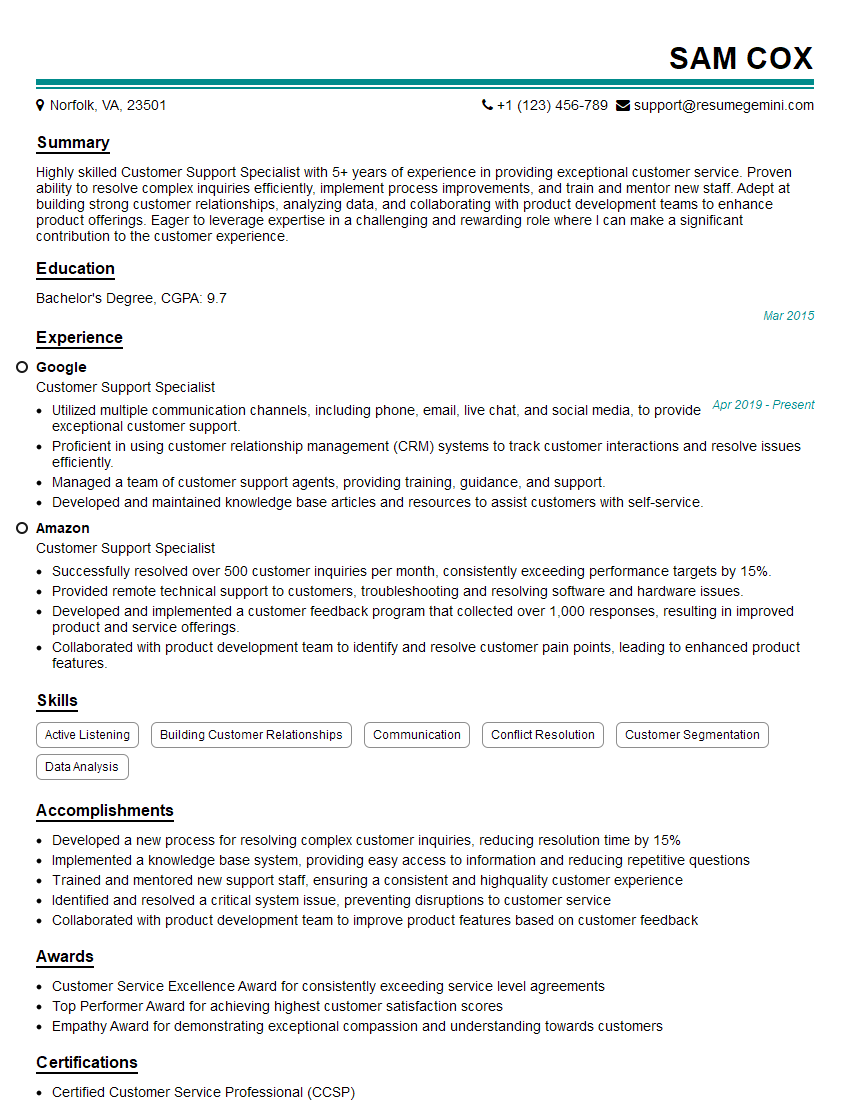
Customer Support Specialist Resume Sample
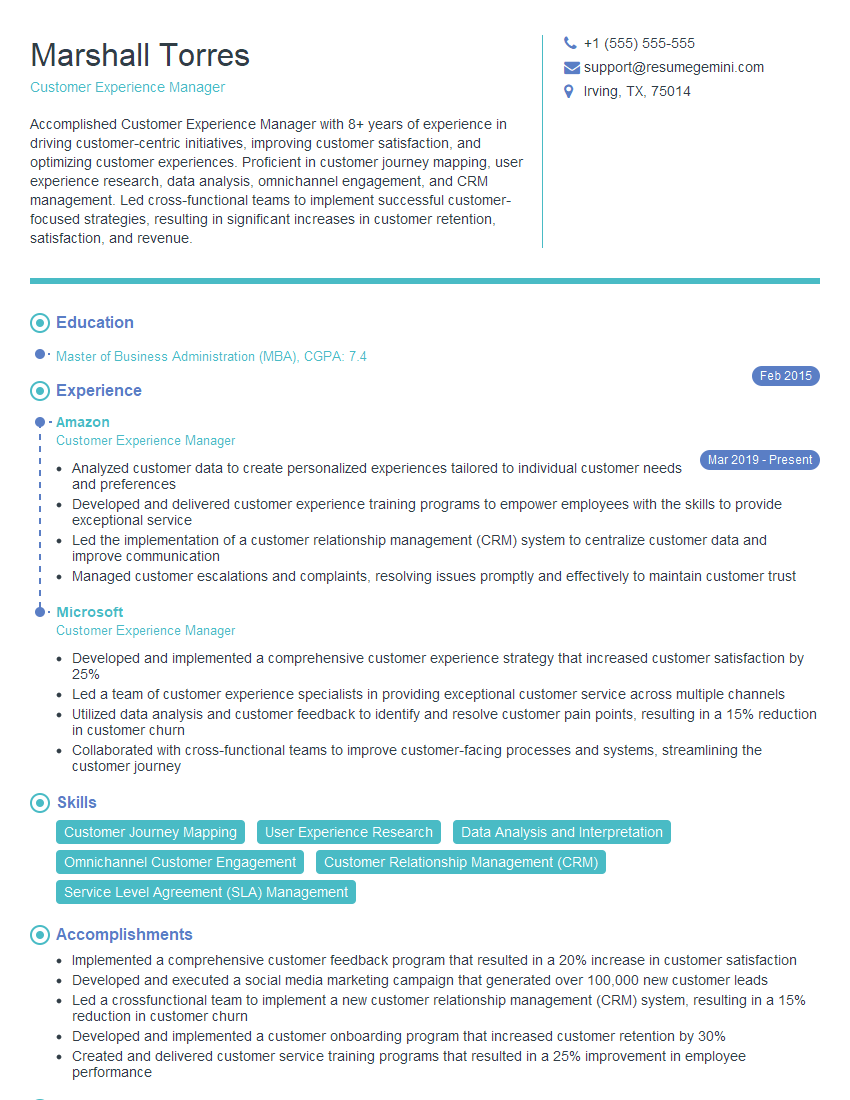
Customer Experience Manager Resume Sample
- Account Manager
- Customer Service Manager
- Customer Service Representative
- Technical Support Specialist
- Help Desk Analyst
- Product Support Specialist
- Customer Relationship Specialist
- Client Service Representative
- Customer Advocate
- Sales Support Representative
- Customer Service Director
- Customer Success Manager
- Customer Support Specialist
- Customer Experience Manager
Explore more articles
Users Rating of Our Blogs
Share Your Experience
We value your feedback! Please rate our content and share your thoughts (optional).
What Readers Say About Our Blog
Very informative content, great job.
good