Cracking a skill-specific interview, like one for Customer Service and Marketing, requires understanding the nuances of the role. In this blog, we present the questions you’re most likely to encounter, along with insights into how to answer them effectively. Let’s ensure you’re ready to make a strong impression.
Questions Asked in Customer Service and Marketing Interview
Q 1. Describe your experience handling difficult customer situations.
Handling difficult customer situations requires a calm, empathetic approach combined with effective problem-solving skills. My strategy focuses on active listening, understanding the root cause of their frustration, and offering a fair resolution. I always start by acknowledging their feelings and validating their concerns, even if I don’t agree with their perspective. This shows respect and helps de-escalate the situation. For example, I once had a customer who was extremely angry about a delayed shipment. Instead of getting defensive, I apologized sincerely for the inconvenience, explained the reason for the delay (a unforeseen logistical issue), and offered a complimentary upgrade on their next order as a gesture of goodwill. This approach transformed their anger into gratitude. I also believe in empowering myself to make decisions within a reasonable scope; if I can’t immediately resolve the issue, I assure the customer I’ll escalate it to the appropriate team and provide a timeline for updates. Maintaining clear, consistent communication throughout the process is key to building trust and demonstrating my commitment to their satisfaction.
Q 2. How do you prioritize competing customer service requests?
Prioritizing competing customer service requests requires a structured approach. I typically use a triage system based on urgency and impact. Requests are categorized using a matrix considering factors like: the severity of the issue (critical system failure versus a minor inquiry), the customer’s importance (high-value client versus a new customer), and the potential financial impact of a delayed resolution. For example, a critical system failure impacting multiple users would take precedence over a simple product inquiry. I utilize ticketing systems that allow for tagging, status updates, and prioritization based on these criteria. Clear communication to customers is vital; even if their request is not immediately addressed, informing them of the estimated wait time and the reason for the prioritization helps manage their expectations. This transparency is crucial for maintaining customer relationships.
Q 3. Explain your understanding of the customer journey.
The customer journey is the entire process a customer goes through when interacting with a company, from initial awareness to post-purchase engagement. It encompasses all touchpoints, both online and offline. Understanding the customer journey is vital for optimizing the overall customer experience. It involves mapping out every stage, identifying potential pain points, and proactively addressing them. For example, a typical customer journey might include: 1) Awareness (learning about the brand), 2) Consideration (researching products/services), 3) Decision (choosing a product/service), 4) Purchase (making the transaction), 5) Retention (ongoing engagement and loyalty). Analyzing each step reveals opportunities to improve customer satisfaction, increase conversions, and ultimately boost loyalty. We can use tools such as customer feedback surveys, website analytics, and CRM data to gain valuable insights and optimize the journey.
Q 4. What metrics do you use to measure customer satisfaction?
Measuring customer satisfaction requires a multi-faceted approach involving both quantitative and qualitative data. Key metrics include:
- Customer Satisfaction Score (CSAT): Measures customer satisfaction with a specific interaction or product using a rating scale (e.g., 1-5 stars).
- Net Promoter Score (NPS): Measures customer loyalty and willingness to recommend the company to others.
- Customer Effort Score (CES): Measures the ease with which customers can resolve their issues.
- Churn Rate: Tracks the percentage of customers who stop using a product or service over a specific period.
- Customer Reviews and Feedback: Provides qualitative insights into customer experiences and opinions.
Q 5. How would you improve customer retention?
Improving customer retention focuses on building strong, lasting relationships. This involves exceeding customer expectations at every touchpoint. Strategies include:
- Personalized Communication: Tailoring communication to individual customer preferences and needs.
- Proactive Customer Support: Reaching out to customers before issues arise.
- Loyalty Programs: Rewarding repeat business with discounts or exclusive offers.
- Feedback Mechanisms: Actively soliciting and acting upon customer feedback.
- Community Building: Creating opportunities for customers to connect with each other and the brand.
Q 6. Describe your experience with CRM software.
I have extensive experience with various CRM software, including Salesforce, HubSpot, and Zoho. My experience involves using these tools to manage customer interactions, track sales leads, analyze customer data, and personalize communication. I’m proficient in data entry, reporting, and utilizing CRM features for efficient customer service. For instance, I’ve utilized Salesforce to create customized dashboards to monitor key performance indicators (KPIs) related to customer satisfaction, sales conversions, and support ticket resolution times. The ability to access a complete customer history within the CRM system significantly improves the quality of support provided. This enables me to provide personalized service and anticipate customer needs more effectively, improving overall customer satisfaction and business efficiency.
Q 7. Explain your understanding of different marketing channels.
My understanding of marketing channels encompasses both traditional and digital platforms. Traditional channels include print advertising (newspapers, magazines), television and radio advertising, direct mail, and telemarketing. Digital channels include social media marketing (Facebook, Instagram, Twitter, LinkedIn), search engine optimization (SEO), pay-per-click (PPC) advertising (Google Ads), email marketing, content marketing (blogging, articles), and influencer marketing. Each channel has its own strengths and weaknesses, and a successful marketing strategy often involves a multi-channel approach. For example, a company might use social media to build brand awareness, SEO to drive organic traffic to their website, and email marketing to nurture leads and promote sales. Understanding the target audience is key to choosing the right mix of channels to maximize reach and impact. Analyzing the performance of each channel through metrics such as website traffic, conversion rates, and engagement levels is crucial for optimizing the overall marketing strategy.
Q 8. What is your experience with SEO and SEM?
SEO (Search Engine Optimization) and SEM (Search Engine Marketing) are intertwined digital marketing strategies aimed at increasing website visibility and driving traffic. SEO focuses on organic (unpaid) search results through optimizing website content and structure for search engines. SEM, on the other hand, leverages paid advertising, primarily through platforms like Google Ads, to achieve faster and more targeted visibility.
My experience encompasses a wide range of SEO and SEM techniques. For SEO, I’ve managed keyword research and implementation, on-page optimization (meta descriptions, title tags, header tags, etc.), off-page optimization (link building, social media promotion), and technical SEO (site speed optimization, schema markup). I’ve used tools like SEMrush, Ahrefs, and Google Search Console to track progress and identify areas for improvement. For SEM, I have extensive experience developing and managing paid search campaigns, including keyword bidding strategies, ad copywriting, A/B testing, and budget allocation. I’ve successfully managed campaigns across various industries, focusing on maximizing ROI (Return on Investment) and achieving specific conversion goals.
For example, in a previous role, I implemented an SEO strategy for a small e-commerce business that resulted in a 30% increase in organic traffic within six months. This was achieved through a combination of keyword targeting, content creation, and link building. Simultaneously, a well-structured SEM campaign secured valuable leads and boosted sales significantly, demonstrating a balanced approach for optimal results.
Q 9. How do you measure the success of a marketing campaign?
Measuring the success of a marketing campaign requires a clear understanding of the campaign’s objectives and the use of relevant Key Performance Indicators (KPIs). These KPIs vary depending on the campaign’s goals, but generally include metrics that reflect brand awareness, engagement, leads generated, and ultimately, sales and revenue.
- Website Traffic: Analyzing website traffic using tools like Google Analytics helps determine if the campaign is driving users to the website.
- Conversion Rates: Tracking the percentage of website visitors who complete a desired action (e.g., making a purchase, signing up for a newsletter) is crucial.
- Customer Acquisition Cost (CAC): Calculating the cost of acquiring a new customer allows for assessing campaign efficiency.
- Return on Investment (ROI): The overall profitability of the campaign, measured by comparing the cost of the campaign to the revenue generated.
- Brand Awareness: Monitoring social media mentions, website traffic, and search engine rankings can reveal changes in brand awareness.
For example, a successful social media campaign might be measured by increased follower count, engagement rate (likes, comments, shares), and website traffic originating from social media platforms. A successful email marketing campaign could be judged by open rates, click-through rates, and conversion rates. It’s important to set clear, measurable goals from the outset and choose KPIs that directly reflect these goals.
Q 10. Describe your experience with social media marketing.
My social media marketing experience spans several platforms, including Facebook, Instagram, Twitter, LinkedIn, and TikTok. I’ve developed and implemented strategies for both organic and paid social media campaigns, focusing on audience engagement, brand building, and lead generation. This involves creating engaging content, running targeted advertising campaigns, and analyzing performance data to optimize strategies.
I understand the nuances of each platform and tailor my approach accordingly. For example, I use Instagram for visual storytelling and product showcasing, LinkedIn for professional networking and lead generation, and Twitter for real-time engagement and news dissemination. I’ve utilized social listening tools to monitor brand mentions and customer sentiment, enabling proactive response and reputation management. I’m also proficient in using social media analytics dashboards to track key metrics like engagement rates, reach, and conversion rates.
In one project, I managed a social media campaign for a non-profit organization. Through strategic content planning, targeted advertising, and community engagement, we increased their follower base by 50% and secured a significant increase in donations within three months.
Q 11. How do you develop a marketing strategy?
Developing a comprehensive marketing strategy involves a systematic approach encompassing several key steps:
- Define Objectives: Clearly state what the marketing campaign aims to achieve (e.g., increase brand awareness, generate leads, boost sales).
- Target Audience Analysis: Identify and understand the target audience’s demographics, psychographics, needs, and behaviors.
- Competitive Analysis: Analyze competitors’ strategies, strengths, and weaknesses to identify opportunities.
- Marketing Mix: Determine the optimal combination of marketing channels (e.g., digital marketing, content marketing, email marketing, social media marketing, public relations) to reach the target audience.
- Budget Allocation: Allocate resources effectively across different marketing channels.
- Implementation: Execute the marketing plan across chosen channels.
- Monitoring & Evaluation: Track KPIs, analyze results, and make adjustments as needed.
For example, a new coffee shop might develop a marketing strategy focusing on local community engagement (social media, local events), targeted online advertising (Google Ads, social media ads), and a loyalty program to encourage repeat business. Each element contributes to the overall marketing goal of building brand recognition and driving sales.
Q 12. How do you segment your target audience?
Segmenting a target audience involves dividing the overall market into smaller, more manageable groups based on shared characteristics. This allows for more targeted and effective marketing campaigns. Segmentation can be based on several factors:
- Demographic Segmentation: Age, gender, location, income, education, occupation.
- Geographic Segmentation: Country, region, city, climate.
- Psychographic Segmentation: Lifestyle, values, interests, attitudes, personality.
- Behavioral Segmentation: Purchase history, brand loyalty, usage rate, product benefits sought.
For instance, a clothing company might segment its audience by age (teens, young adults, adults), gender, and lifestyle (e.g., sporty, trendy, classic). This allows them to tailor their marketing messages and product offerings to specific segments, improving campaign relevance and effectiveness. Using data analytics and CRM systems can help identify and refine customer segments over time.
Q 13. How do you handle negative customer feedback?
Handling negative customer feedback is crucial for maintaining a positive brand reputation and fostering customer loyalty. My approach is proactive and empathetic, focusing on resolving issues and turning negative experiences into opportunities for improvement.
- Acknowledge and Respond Promptly: Publicly acknowledge the feedback and respond promptly, showing that the customer’s concerns are valued.
- Empathetic Listening: Understand the customer’s perspective without being defensive. Apologize sincerely if necessary.
- Offer Solutions: Propose concrete solutions to address the customer’s concerns. This might involve refunds, replacements, or improvements to products or services.
- Follow Up: After resolving the issue, follow up with the customer to ensure satisfaction and prevent future issues.
- Internal Review: Analyze negative feedback to identify systemic problems or areas for improvement within the company.
For example, if a customer posts a negative review online, I would respond publicly, acknowledging their concerns and offering a personalized solution. I would then privately follow up to ensure the issue is resolved and the customer’s satisfaction. If the negative feedback highlights a recurring problem, I would work with the relevant departments to address the root cause.
Q 14. What is your experience with email marketing?
Email marketing is a powerful tool for nurturing leads, building relationships with customers, and driving sales. My experience includes developing and executing email campaigns across various industries, from e-commerce to B2B.
My expertise encompasses crafting compelling email content, segmenting email lists for targeted messaging, A/B testing subject lines and email designs to optimize open and click-through rates, and automating email sequences for lead nurturing and customer onboarding. I use email marketing platforms like Mailchimp, Constant Contact, and others to manage email lists, create campaigns, and track key metrics like open rates, click-through rates, and conversion rates.
In a past role, I designed and implemented an email marketing campaign for a tech startup that resulted in a 20% increase in lead generation and a 15% increase in sales within three months. This success was achieved through a combination of targeted segmentation, compelling email copy, and a well-structured automated email sequence.
Q 15. How do you manage customer expectations?
Managing customer expectations is crucial for building trust and loyalty. It’s about setting realistic expectations upfront and consistently delivering on your promises. This involves clear communication throughout the customer journey.
- Clear and Concise Communication: Use simple, straightforward language in all your communications – from marketing materials to website copy to customer service interactions. Avoid jargon and hyperbole. For example, instead of saying “Our product is the best ever!” try “Our product helps you achieve X by doing Y.”
- Transparency: Be upfront about potential delays, limitations, or challenges. If a delivery is going to be late, let the customer know immediately and provide a realistic timeframe. Transparency builds trust.
- Setting Realistic Expectations in Marketing: Marketing materials should accurately reflect the product or service’s capabilities. Avoid making over-the-top promises that you can’t deliver on. If you offer a money-back guarantee, make sure the terms are clearly stated and easily accessible.
- Proactive Communication: Keep customers informed about the status of their orders, requests, or inquiries. Regular updates demonstrate that you value their time and are attentive to their needs.
- Under-Promise, Over-Deliver: A classic customer service strategy. By setting slightly lower expectations and then exceeding them, you create positive surprises and foster customer satisfaction.
For example, if a customer calls with a product issue, instead of immediately promising a solution, I would first acknowledge their frustration, understand the problem, and then provide a realistic timeline for resolution. I’d follow up with updates along the way. This approach ensures the customer feels heard and valued, even if the immediate solution isn’t ideal.
Career Expert Tips:
- Ace those interviews! Prepare effectively by reviewing the Top 50 Most Common Interview Questions on ResumeGemini.
- Navigate your job search with confidence! Explore a wide range of Career Tips on ResumeGemini. Learn about common challenges and recommendations to overcome them.
- Craft the perfect resume! Master the Art of Resume Writing with ResumeGemini’s guide. Showcase your unique qualifications and achievements effectively.
- Don’t miss out on holiday savings! Build your dream resume with ResumeGemini’s ATS optimized templates.
Q 16. Describe your experience with A/B testing.
A/B testing is a crucial component of data-driven marketing. It involves creating two versions of a marketing element (e.g., a headline, email subject line, website button) and testing them against each other to see which performs better. This allows for optimization based on measurable results rather than assumptions.
In my experience, I’ve used A/B testing extensively to optimize email campaigns, website landing pages, and social media advertisements. For example, I once A/B tested two different subject lines for a promotional email: one using a question and one using a statement. The version using a question had a significantly higher open rate, indicating a more effective approach. We also used this to test different calls to action buttons (e.g., “Learn More” vs. “Shop Now”). The data revealed a preference for one over the other based on conversion rates.
A/B testing involves setting up a robust testing methodology. This typically includes:
- Defining clear objectives: What are you hoping to achieve with the A/B test? (e.g., increased click-through rate, higher conversion rate).
- Choosing the metrics: What data will you track to measure success? (e.g., open rates, click-through rates, conversion rates).
- Creating variations: Develop versions of the marketing element that are subtly different to identify optimal performance.
- Setting sample sizes: Enough data is crucial to ensure statistical significance. This means that the results are not due to random chance.
- Analyzing results: Using statistical analysis to understand the significance of the results.
Q 17. What is your experience with content marketing?
Content marketing is a strategic marketing approach focused on creating and distributing valuable, relevant, and consistent content to attract and retain a clearly defined audience — and, ultimately, to drive profitable customer action. It’s about building relationships with potential customers by providing them with helpful information, rather than directly selling to them.
My experience with content marketing includes developing and implementing content strategies across various platforms. This has included:
- Blog post creation: Writing informative and engaging blog posts on topics relevant to our target audience.
- Social media content: Creating engaging social media posts, stories and reels to increase brand awareness and drive traffic to our website.
- Email marketing: Developing and executing email marketing campaigns using valuable and informative content to nurture leads and drive sales.
- White paper and e-book development: Creating in-depth resources to position our company as a thought leader in the industry.
- SEO optimization: Optimizing our content for search engines to ensure that it ranks highly in search results.
For example, in a previous role, I developed a content calendar that focused on providing practical tips and advice related to our product. This resulted in a significant increase in website traffic and lead generation. The success stemmed from targeting customer pain points and providing solutions through helpful and engaging content.
Q 18. How do you analyze marketing data?
Analyzing marketing data is crucial for understanding campaign performance and making data-driven decisions. This involves using various tools and techniques to interpret data and extract meaningful insights.
My approach typically involves:
- Defining Key Performance Indicators (KPIs): Identifying the key metrics that are most important for measuring success. These will vary depending on the specific campaign or objective but may include website traffic, conversion rates, customer acquisition cost (CAC), and return on investment (ROI).
- Data Collection: Gathering data from various sources, such as website analytics, social media analytics, email marketing platforms, and CRM systems. Tools such as Google Analytics, social media analytics dashboards, and marketing automation platforms are essential.
- Data Cleaning and Preparation: Ensuring the data is accurate, consistent, and in a usable format. This might involve removing duplicates, handling missing values, and transforming data into a suitable structure for analysis.
- Data Analysis: Using statistical methods and data visualization techniques to identify trends, patterns, and anomalies in the data. This often involves calculating key metrics like conversion rates, customer lifetime value (CLTV), and average order value (AOV). Tools like Excel, R, or Python are valuable.
- Reporting and Visualization: Creating reports and visualizations (charts, graphs, dashboards) to communicate insights clearly and effectively to stakeholders. This makes complex data understandable to a non-technical audience.
- Actionable Insights: Ultimately, data analysis should lead to actionable insights that can be used to improve marketing campaigns and strategies. This may involve optimizing marketing channels, targeting specific customer segments, or adjusting messaging.
For instance, I once used Google Analytics data to identify which website pages were generating the most leads and then optimized those pages to improve their conversion rates. This led to a significant increase in the number of leads generated from our website.
Q 19. What are some common customer service challenges?
Common customer service challenges are often interconnected and stem from a lack of proactive planning or ineffective processes. Some key challenges include:
- Long wait times: Customers often get frustrated by having to wait extended periods to receive assistance. This can be mitigated by providing various support channels (phone, email, chat) and optimizing staffing levels to match demand.
- Poor communication: Inconsistent, unclear, or unhelpful communication is a major source of customer dissatisfaction. Implementing a streamlined communication plan with clear and concise messaging across all channels addresses this.
- Lack of empathy and personalization: Customers want to feel heard and understood. A lack of empathy and impersonal interactions can significantly damage the customer relationship. Training staff on active listening, empathy, and personalized communication resolves this.
- Ineffective problem-solving: Failing to resolve customer issues efficiently and effectively leads to frustration and dissatisfaction. Clear escalation paths, well-defined processes, and empowered employees to resolve issues on their own are necessary.
- Technical issues: Technical glitches with websites, apps, or systems can severely impact customer experience. Regular system maintenance, robust troubleshooting processes, and proactive communication about outages are crucial.
- Negative reviews and feedback: Negative online reviews can severely impact reputation. Addressing negative feedback promptly and professionally, and proactively seeking feedback, are critical.
Addressing these challenges requires a multifaceted approach involving efficient processes, well-trained staff, readily available support channels, and a culture focused on customer satisfaction. Proactive monitoring of customer feedback, regular staff training, and technological updates are essential elements.
Q 20. How do you stay updated on industry trends?
Staying updated on industry trends is paramount for success in customer service and marketing. It’s a dynamic field, and continuous learning is essential for remaining competitive.
My strategies for staying current include:
- Industry Publications and Blogs: I regularly read industry publications, blogs, and newsletters to stay informed about new technologies, strategies, and best practices. Examples include publications focusing on marketing automation, customer relationship management (CRM), and digital marketing.
- Conferences and Webinars: Attending industry conferences and webinars provides opportunities to learn from experts, network with peers, and gain insights into emerging trends.
- Professional Networks: Engaging with professional networks like LinkedIn allows me to stay connected with industry leaders and participate in discussions about current trends.
- Following Industry Influencers: Following thought leaders on social media and subscribing to their content keeps me up-to-date on new ideas and approaches.
- Competitor Analysis: Regularly analyzing my competitors’ strategies helps me identify areas for improvement and stay ahead of the curve. This includes analyzing their marketing campaigns, customer service practices, and overall brand messaging.
Continuous learning is an ongoing process. By actively seeking out new information and incorporating it into my work, I ensure that my skills and knowledge remain relevant and up-to-date. This proactive approach is key to maintaining a competitive advantage.
Q 21. What is your experience with marketing automation?
Marketing automation involves using software to automate repetitive marketing tasks. This increases efficiency and allows marketers to focus on more strategic initiatives.
My experience with marketing automation includes using platforms such as HubSpot and Marketo to automate various marketing processes, including:
- Email Marketing: Automating email campaigns based on triggers like website visits, form submissions, or purchase history. This enables personalized and targeted messaging.
- Social Media: Scheduling social media posts and analyzing engagement metrics. This provides consistency in social media presence.
- Lead Nurturing: Automating the process of nurturing leads with targeted content and email sequences. This helps guide potential customers through the sales funnel.
- Campaign Management: Tracking campaign performance, automating follow-ups, and managing marketing workflows. This provides a centralized view of campaigns and their effectiveness.
- Customer Segmentation: Automating the process of segmenting customers based on their behavior and preferences. This allows personalized communications to various customer segments.
For example, I used HubSpot to create a lead nurturing sequence that automatically sent a series of emails to website visitors who downloaded a white paper. This automation significantly increased lead engagement and conversion rates. Marketing automation tools allow a significant improvement in efficiency and allow for more data-driven decision-making and campaign optimization.
Q 22. Explain your experience with data analytics in marketing.
Data analytics is the backbone of modern marketing, allowing us to move beyond guesswork and make data-driven decisions. My experience involves leveraging various tools and techniques to analyze customer behavior, campaign performance, and market trends. This includes using platforms like Google Analytics, to track website traffic, conversion rates, and user engagement. I’m also proficient in using CRM data to segment audiences and personalize marketing efforts. For example, in a previous role, I analyzed website bounce rates and identified a specific landing page with a high bounce rate. By A/B testing different versions of the page, including changes to headlines and calls to action, we saw a 20% decrease in bounce rate and a 15% increase in conversions. Beyond website analytics, I utilize social media analytics to understand audience sentiment, engagement levels, and the overall effectiveness of social media campaigns. This allows for optimization and strategic content creation.
Q 23. How do you ensure consistent brand messaging?
Maintaining consistent brand messaging is crucial for building brand recognition and trust. This involves creating a comprehensive brand style guide that outlines the brand’s voice, tone, visual elements (logo, colors, fonts), and messaging principles. This guide acts as a central repository for all marketing and communication materials. To ensure consistency, I implement a rigorous review and approval process for all marketing assets, ensuring they adhere to the established guidelines. Regular training for marketing and customer service teams is also critical to reinforce brand messaging and ensure everyone is aligned. For instance, I’ve developed internal training modules, including quizzes and role-playing exercises to guarantee everyone understands and correctly utilizes our brand guidelines. Consistent messaging extends to all customer touchpoints – from website copy to social media posts to email communications and even in-person interactions with customer service representatives.
Q 24. How do you balance customer service and marketing goals?
Balancing customer service and marketing goals is not about choosing one over the other; it’s about recognizing their synergistic relationship. Effective customer service directly supports marketing efforts by enhancing brand reputation and fostering customer loyalty. Conversely, insightful marketing strategies can improve customer service efficiency and satisfaction. For example, a well-targeted email campaign promoting a new customer support feature can reduce the volume of support tickets. I achieve this balance by aligning customer service metrics (like customer satisfaction scores and resolution times) with marketing objectives (like lead generation and brand awareness). I accomplish this through close collaboration with the customer service team, ensuring marketing campaigns address customer needs and concerns. This often involves incorporating customer feedback from surveys and support interactions into marketing strategies. A successful example from my experience was integrating customer reviews into our marketing materials, which increased customer trust and improved conversion rates.
Q 25. Describe your experience with project management in a marketing context.
My project management experience in marketing involves planning, executing, and monitoring various marketing initiatives, from social media campaigns to product launches. I utilize project management methodologies, such as Agile, to ensure projects are completed efficiently and effectively. This involves defining clear objectives, establishing timelines, allocating resources, and tracking progress. I rely heavily on project management tools like Asana or Trello to facilitate collaboration, track tasks, and manage deadlines. For example, during a recent product launch, I used an Agile approach with sprints to manage the various aspects of the campaign—content creation, social media promotion, email marketing, and public relations. This iterative process enabled us to adapt to changing market conditions and incorporate customer feedback throughout the launch, resulting in a highly successful product rollout.
Q 26. What is your experience with budget management in marketing?
Budget management in marketing requires a strategic approach that balances resource allocation with achieving marketing objectives. My experience includes developing detailed marketing budgets, forecasting expenses, and tracking actual spend against allocated funds. I use spreadsheet software and budgeting tools to monitor budget performance, identify areas for cost optimization, and ensure efficient resource utilization. Before allocating funds to a specific initiative, I conduct a thorough ROI (Return on Investment) analysis to determine the potential value and ensure the investment aligns with our overall business goals. For instance, before launching a paid social media campaign, I’d analyze past campaign data, competitive benchmarks, and target audience characteristics to predict the potential return and optimize the budget allocation for maximum impact. Regular budget reviews and adjustments help to ensure we stay on track and make data-driven decisions throughout the year.
Q 27. How do you collaborate with other teams to achieve marketing objectives?
Collaboration is paramount to achieving marketing objectives. I foster strong relationships with cross-functional teams, including sales, product development, customer service, and IT. This involves clear communication, regular meetings, and a shared understanding of the overall marketing goals. For instance, I worked closely with the sales team to align marketing campaigns with their sales targets, ensuring marketing efforts directly support lead generation and sales conversion. Collaboration with the product development team ensures that marketing campaigns accurately reflect the product features and benefits. Regular feedback loops and open communication channels keep everyone informed and aligned, facilitating a smooth and efficient workflow. I frequently utilize collaborative tools like Slack and Microsoft Teams to facilitate communication and information sharing between teams.
Q 28. Describe a time you had to adapt your marketing strategy due to unforeseen circumstances.
During a major product launch, an unforeseen competitor launched a similar product with aggressive pricing just a week before our planned launch. This required a swift and decisive adaptation of our marketing strategy. We immediately conducted a competitive analysis to assess the competitor’s strengths and weaknesses, and we recalibrated our messaging and pricing strategy. Instead of focusing solely on features, we highlighted our product’s unique value proposition and superior customer service. We also adjusted our advertising budget, shifting resources to emphasize the aspects where we held a competitive advantage. We quickly created new marketing materials to address the competitor’s product and highlight our unique selling points. This agile response mitigated the impact of the unexpected competition and allowed us to still achieve a successful product launch, albeit with adjusted expectations and a refined strategy. The key was rapid response, data-driven analysis, and effective team communication.
Key Topics to Learn for Customer Service and Marketing Interview
- Customer Service Fundamentals: Understanding customer needs, active listening techniques, conflict resolution strategies, and building rapport.
- Practical Application: Describe a situation where you successfully resolved a challenging customer issue, highlighting your problem-solving skills and empathy.
- Marketing Principles: Understanding target audiences, market research methodologies, marketing channels (digital and traditional), and basic marketing metrics (e.g., ROI, conversion rates).
- Practical Application: Explain how you would market a product or service to a specific target demographic, outlining your strategy and rationale.
- Customer Relationship Management (CRM): Understanding the use of CRM systems for managing customer interactions, tracking data, and improving customer satisfaction. Practical application: Discuss your experience with CRM software or your understanding of its benefits.
- Digital Marketing: Familiarity with social media marketing, SEO, email marketing, and online advertising. Practical Application: Explain a successful social media campaign you’ve been involved in or designed.
- Sales Techniques (for Marketing roles): Understanding the sales process, identifying customer needs, and closing deals. Practical Application: Describe your approach to converting leads into customers.
- Communication Skills: Written and verbal communication, active listening, and non-verbal communication. Practical Application: Provide examples demonstrating your strong communication skills in various settings.
- Problem-Solving and Critical Thinking: Analyzing situations, identifying solutions, and making effective decisions under pressure. Practical Application: Discuss a situation where your problem-solving skills were crucial.
Next Steps
Mastering Customer Service and Marketing skills significantly enhances your career prospects, opening doors to diverse and rewarding opportunities. A strong resume is crucial for showcasing your abilities to potential employers. Creating an ATS-friendly resume is essential to ensure your application gets noticed. To make the process easier and more effective, consider using ResumeGemini, a trusted resource for building professional resumes. ResumeGemini provides examples of resumes tailored to Customer Service and Marketing roles to help guide you in crafting a compelling document that highlights your unique skills and experience.
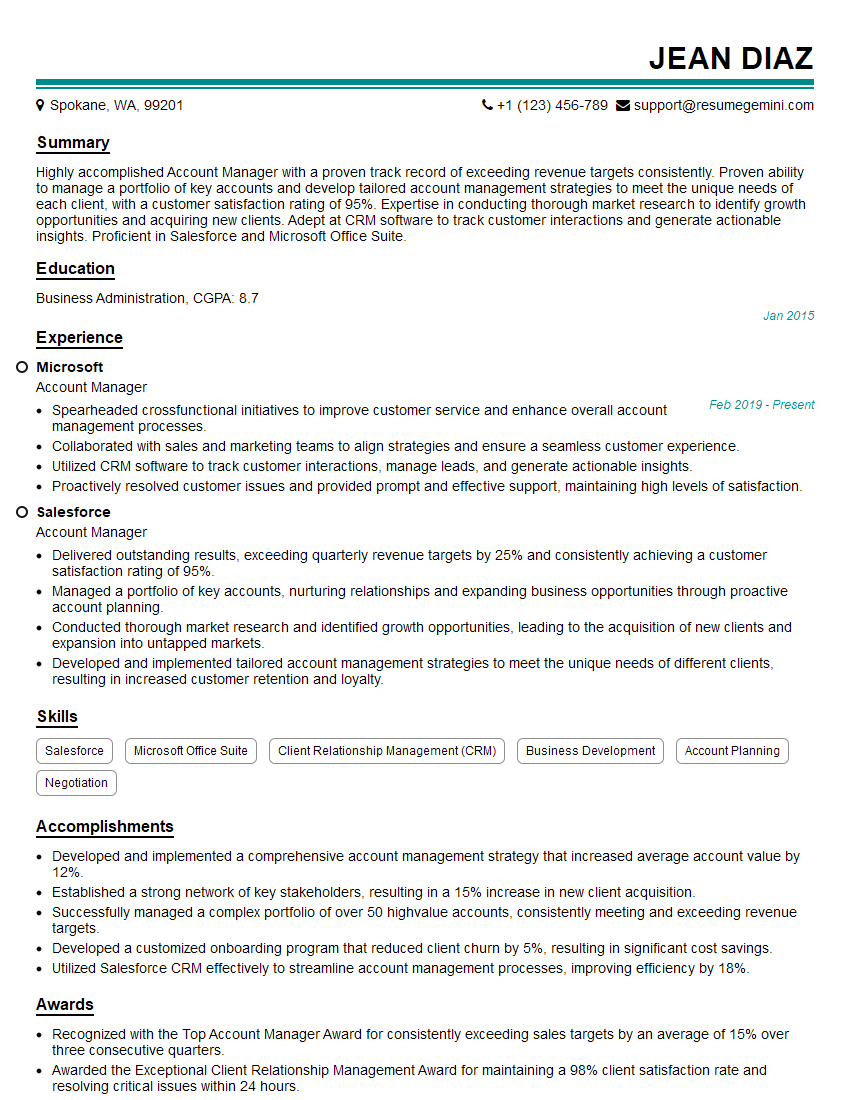
Account Manager Resume Sample
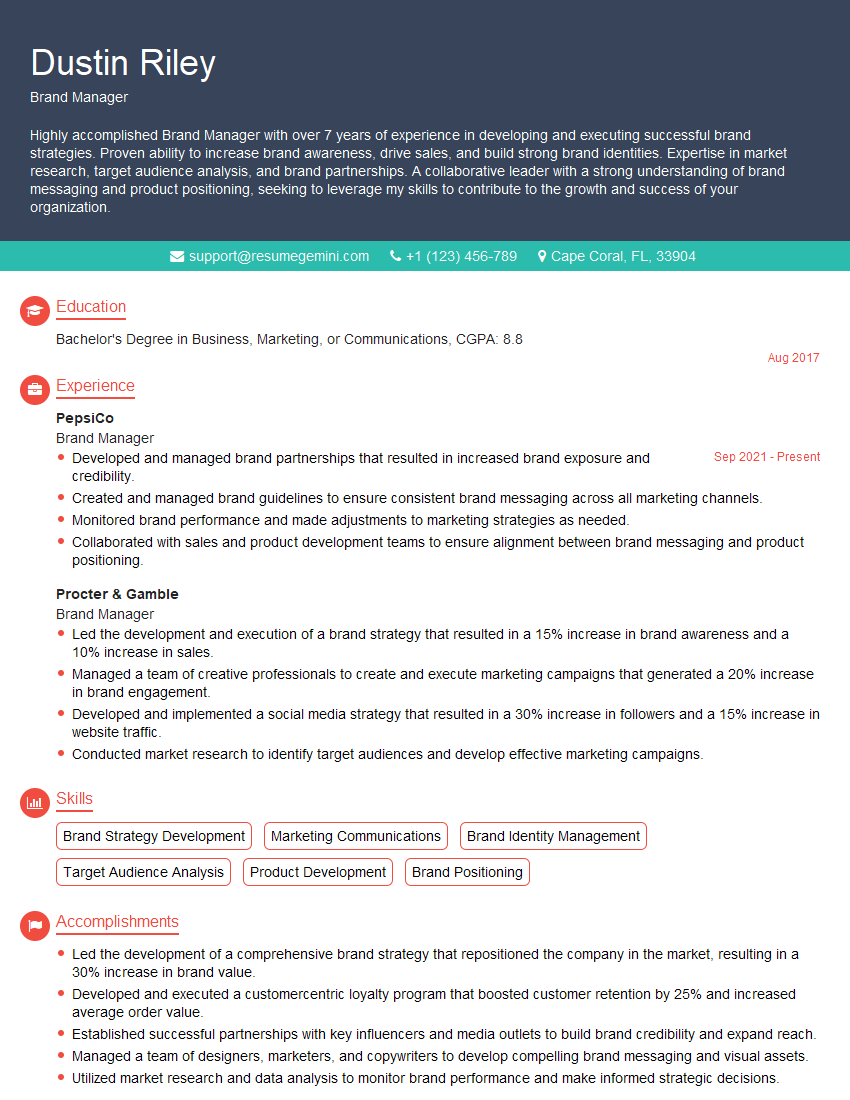
Brand Manager Resume Sample
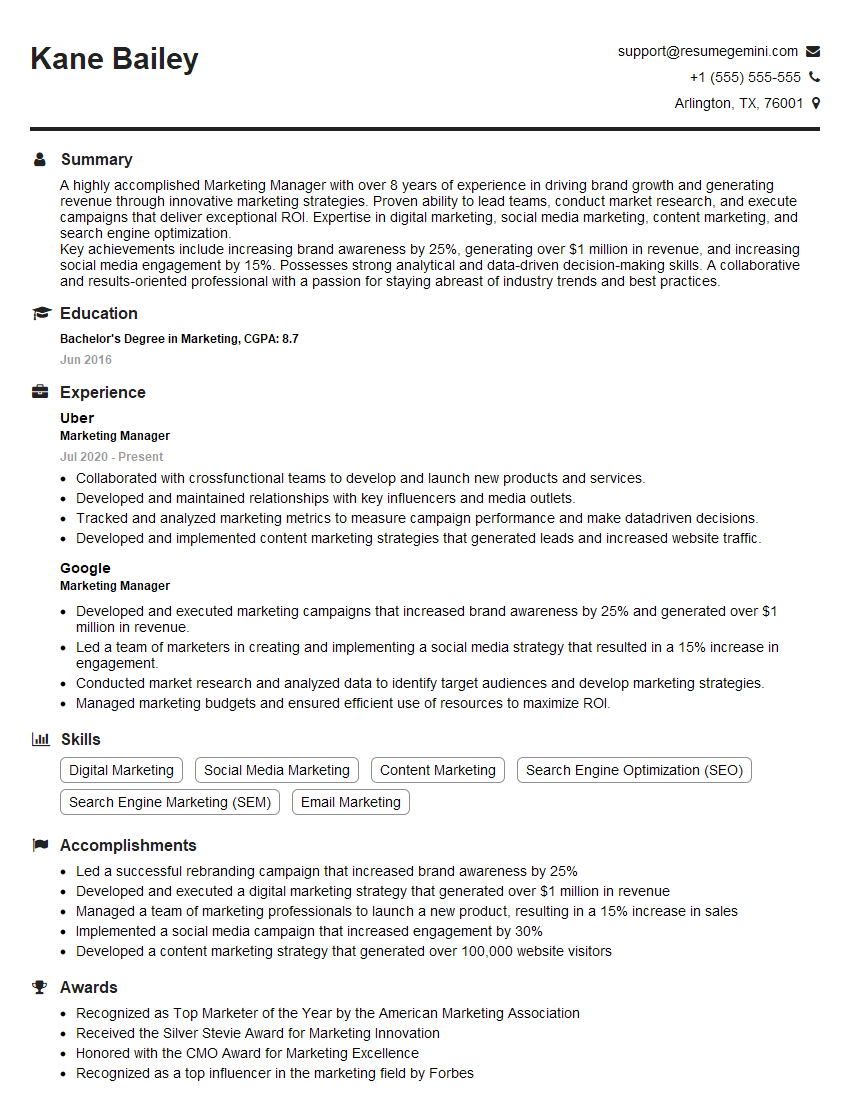
Marketing Manager Resume Sample
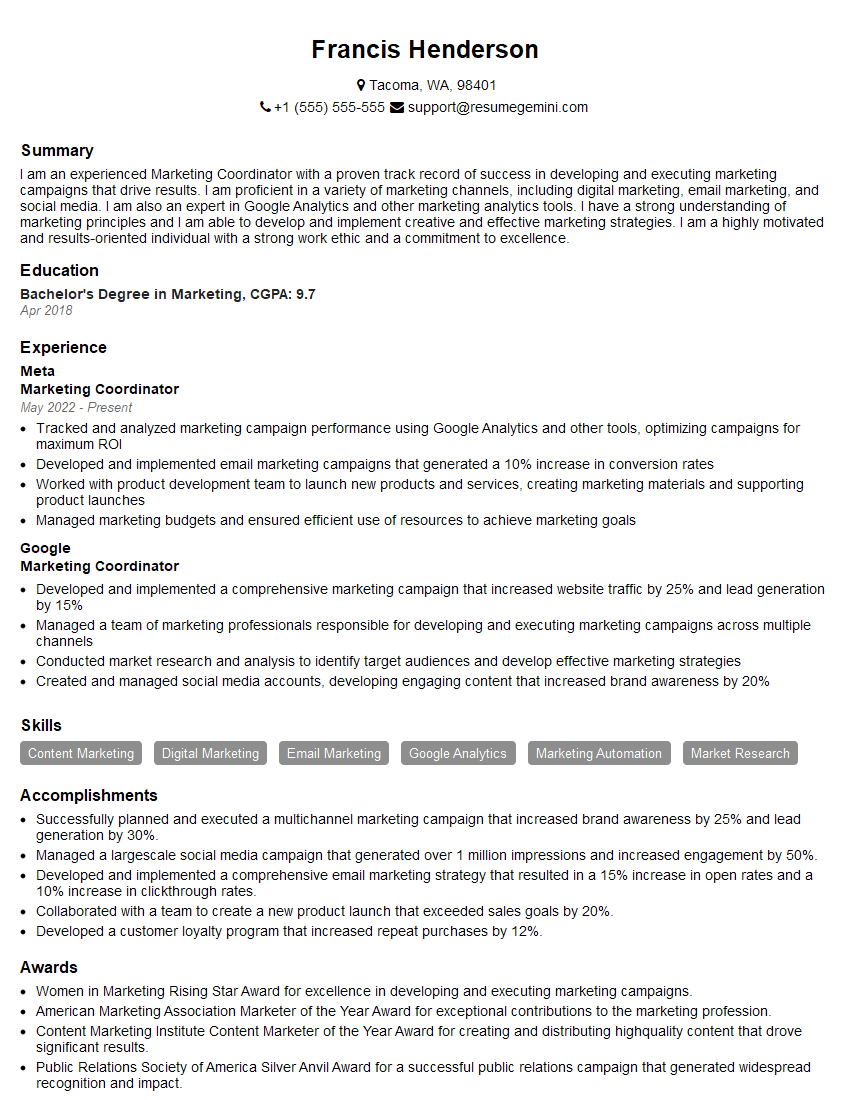
Marketing Coordinator Resume Sample
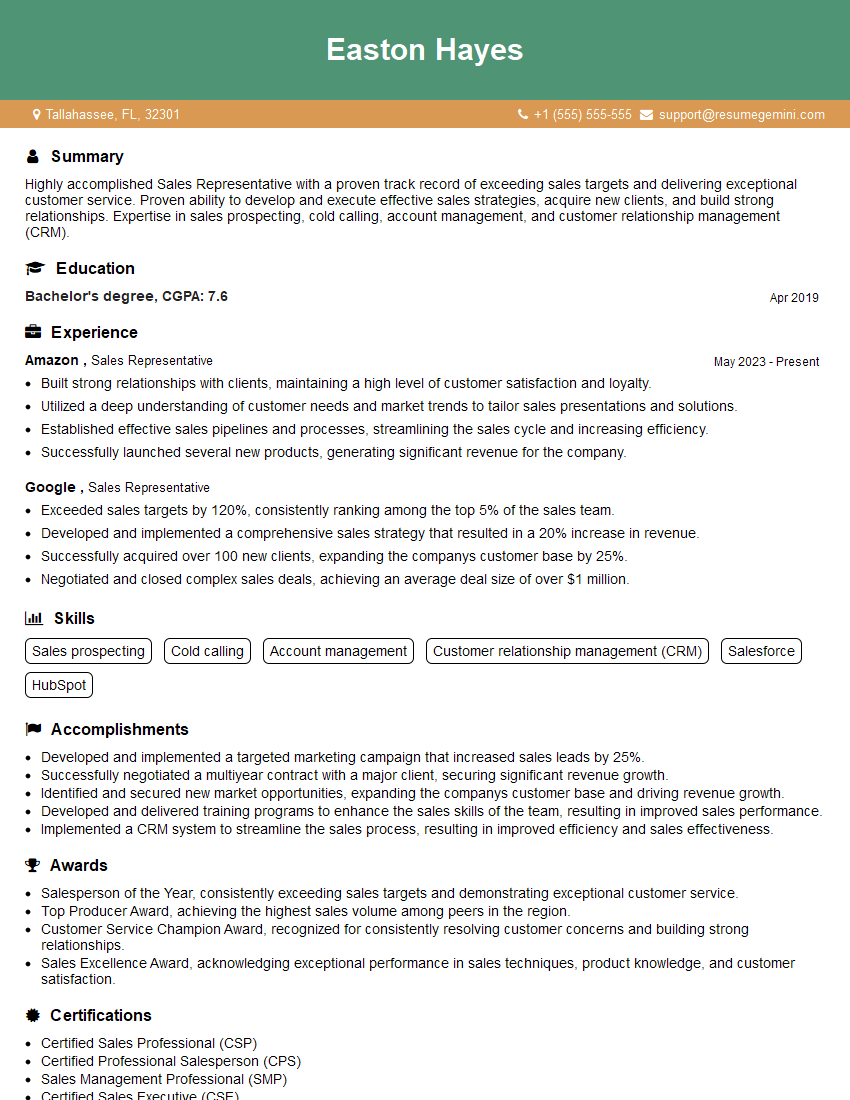
Sales Representative Resume Sample

Customer Service Manager Resume Sample
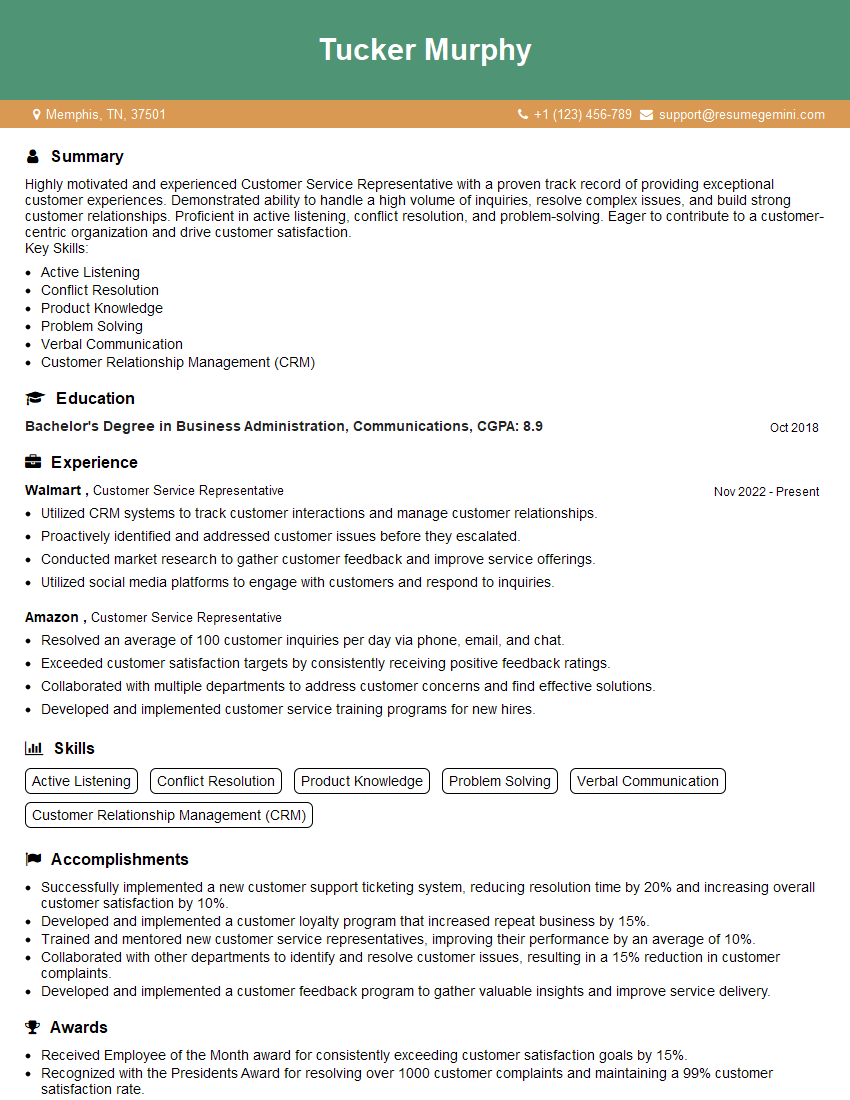
Customer Service Representative Resume Sample
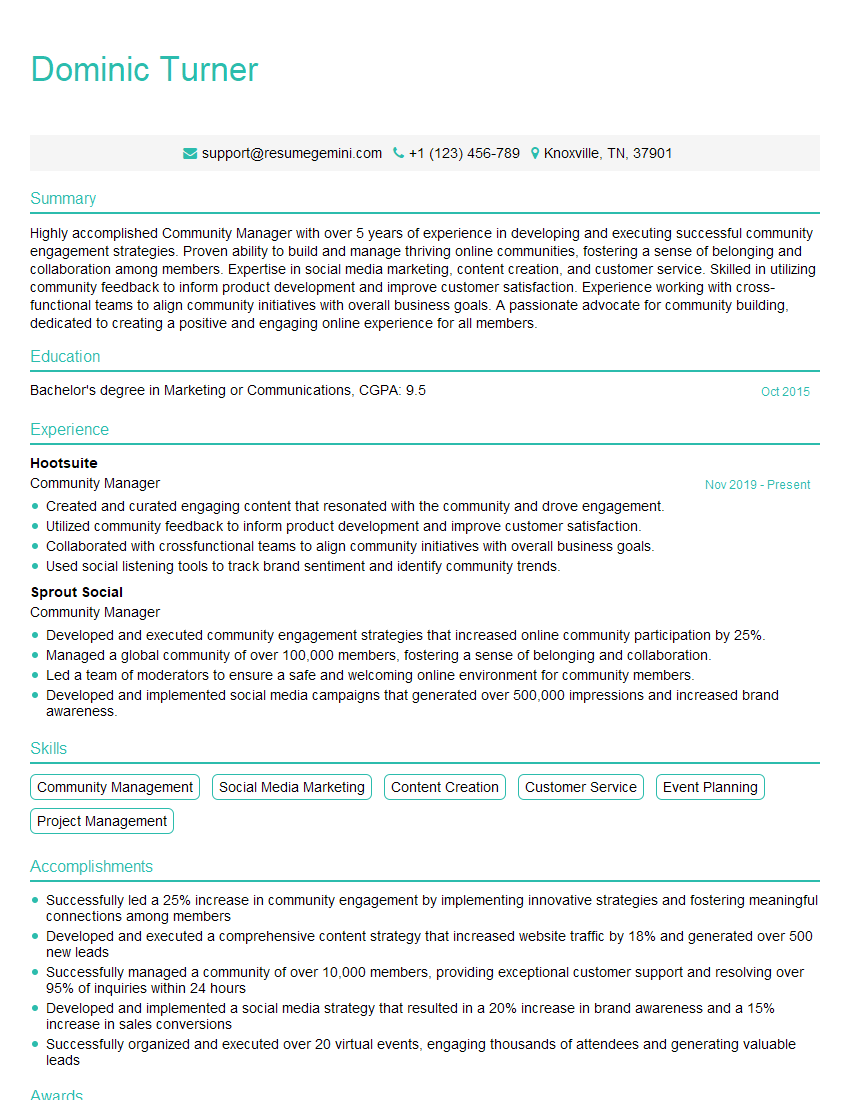
Community Manager Resume Sample
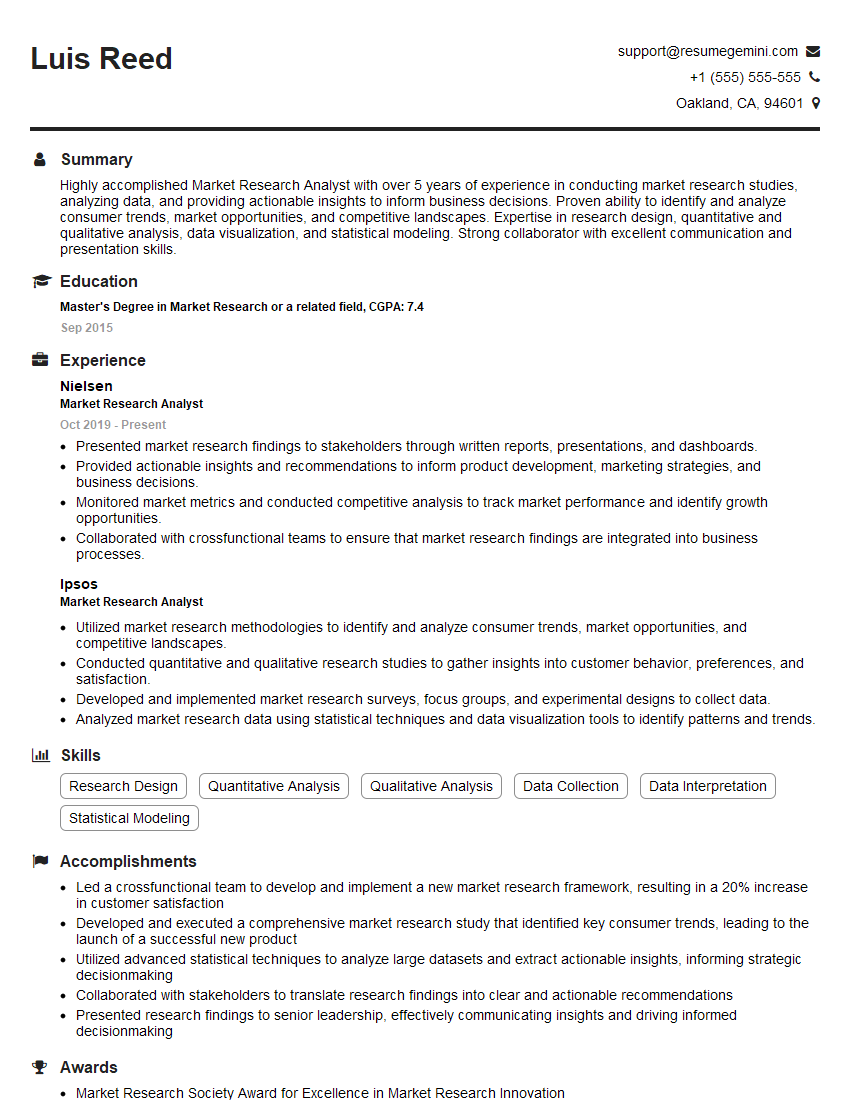
Market Research Analyst Resume Sample
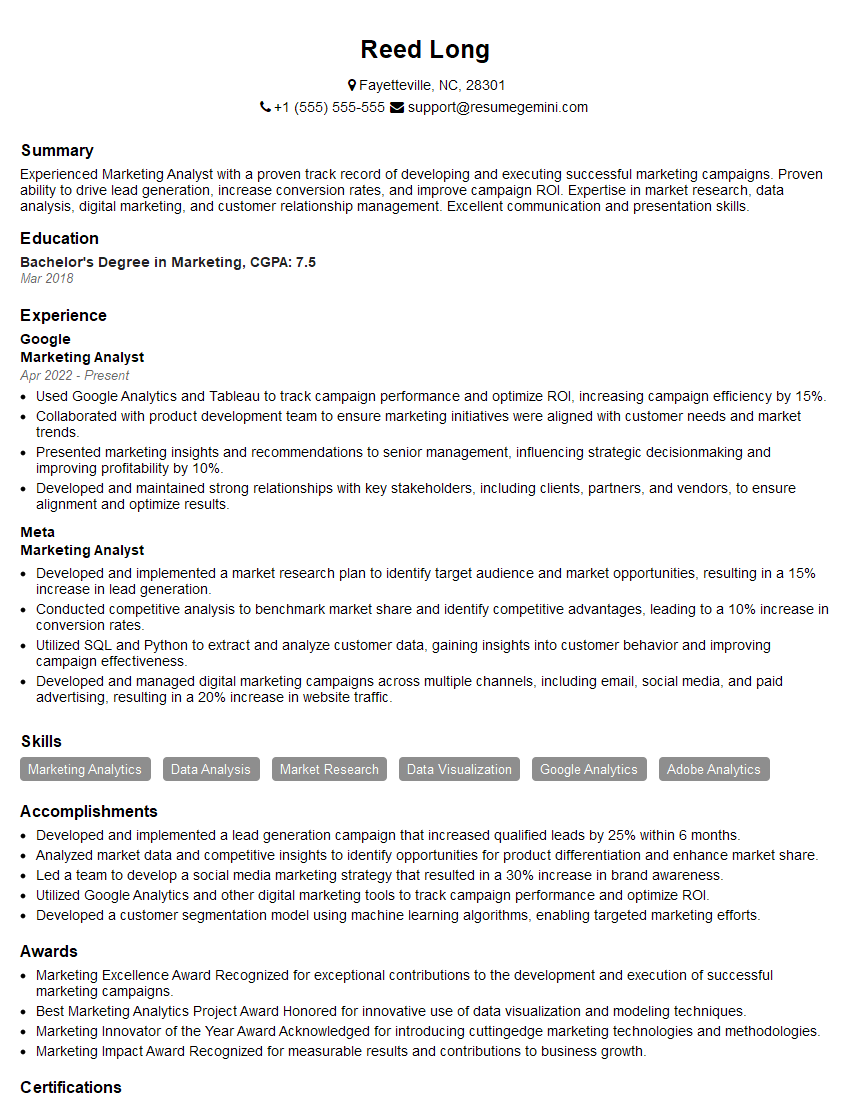
Marketing Analyst Resume Sample
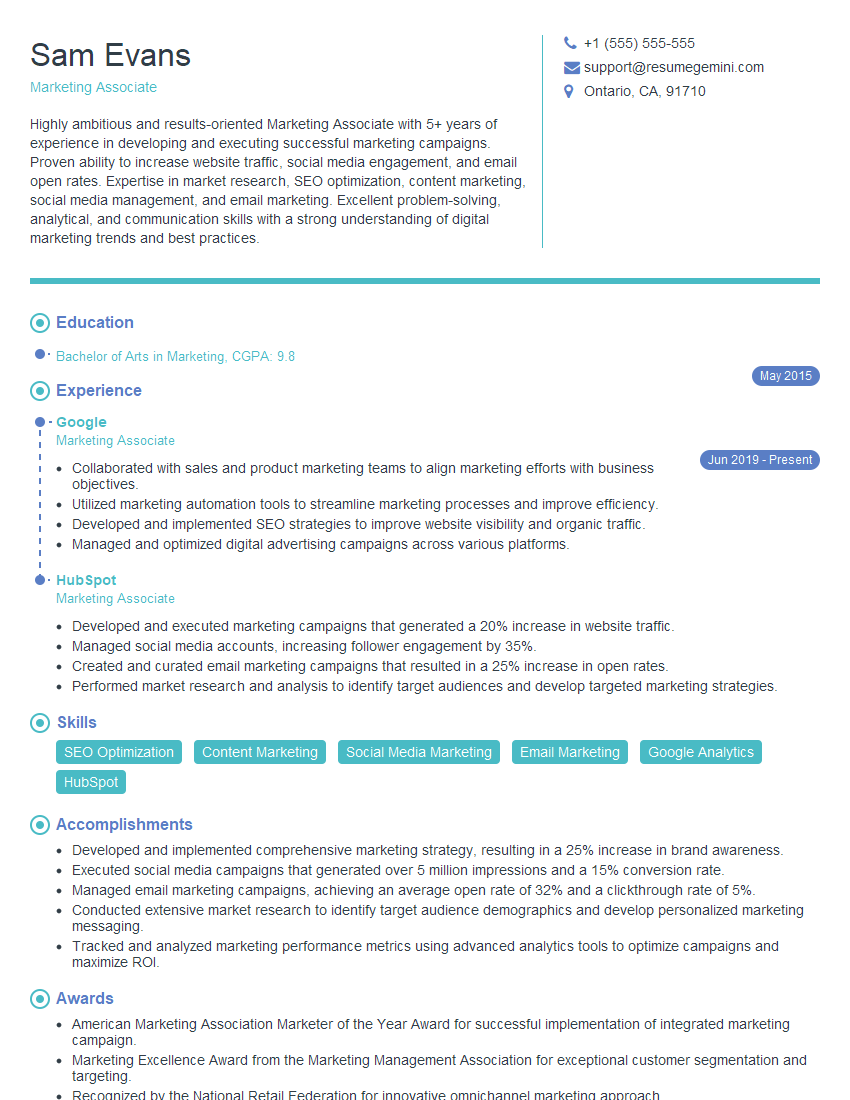
Marketing Associate Resume Sample
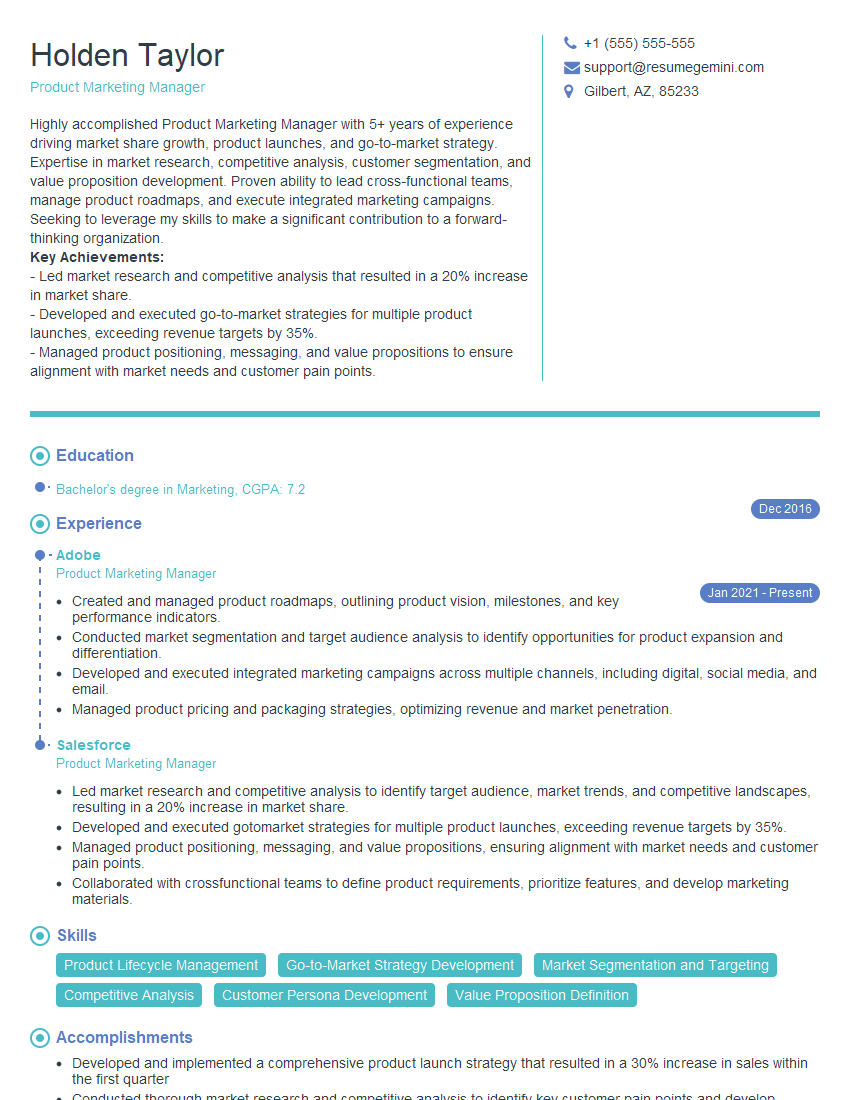
Product Marketing Manager Resume Sample

Social Media Manager Resume Sample
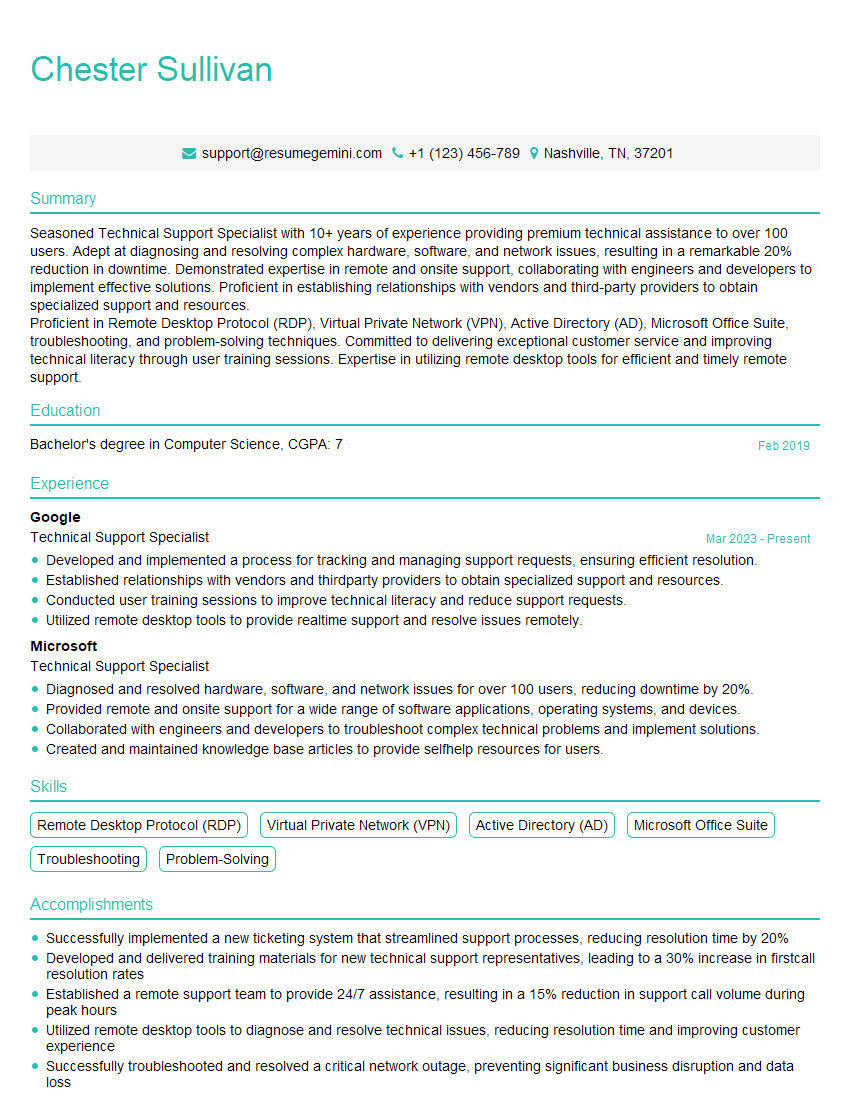
Technical Support Specialist Resume Sample
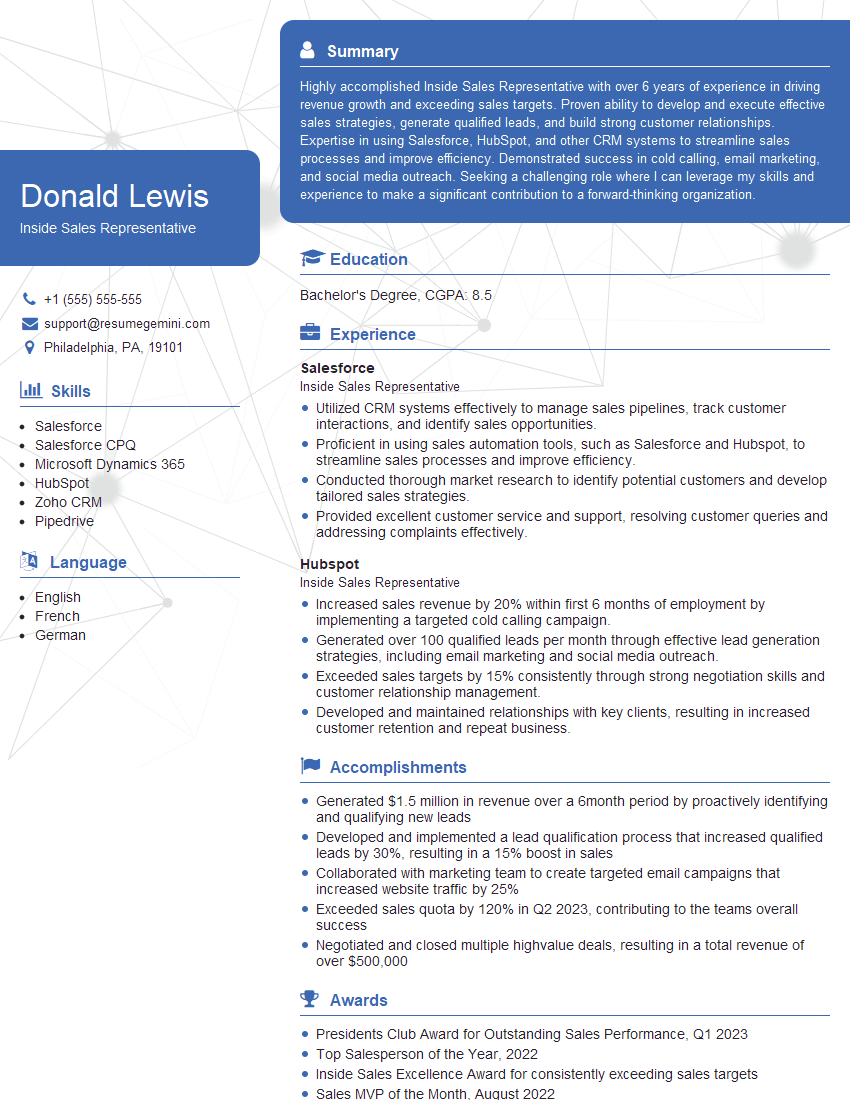
Inside Sales Representative Resume Sample
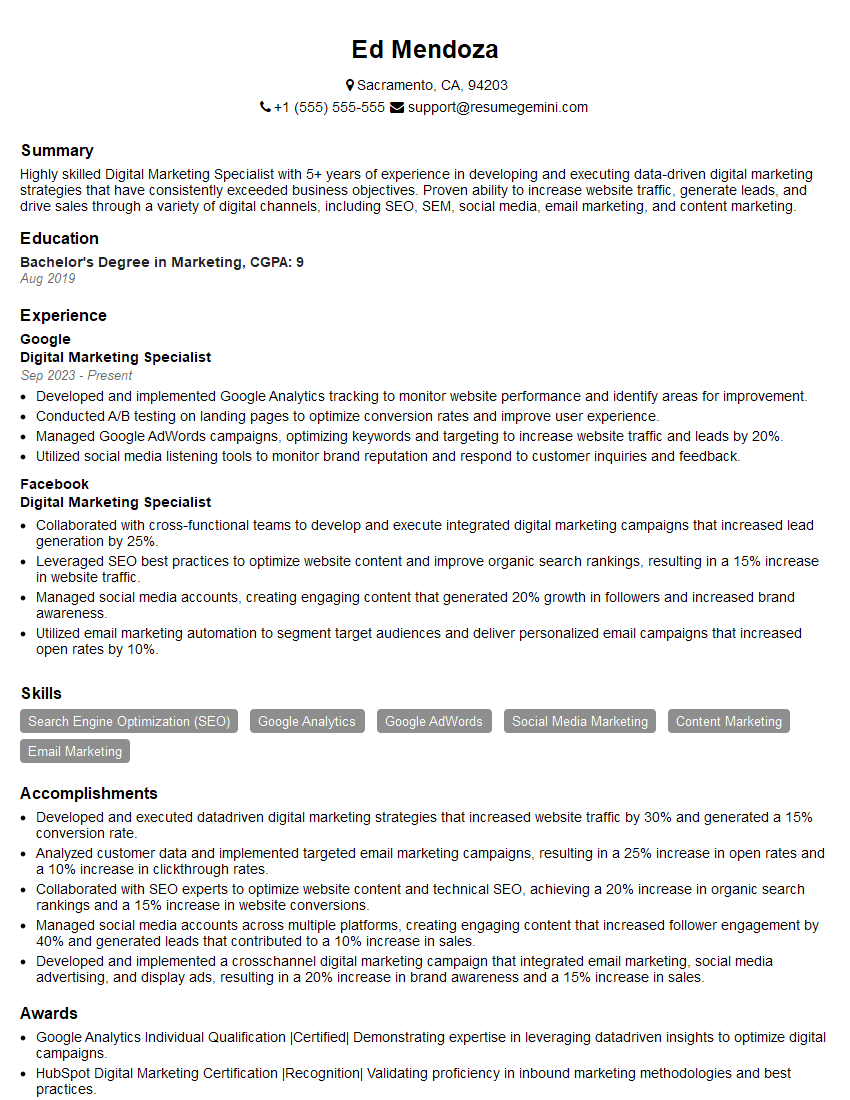
Digital Marketing Specialist Resume Sample
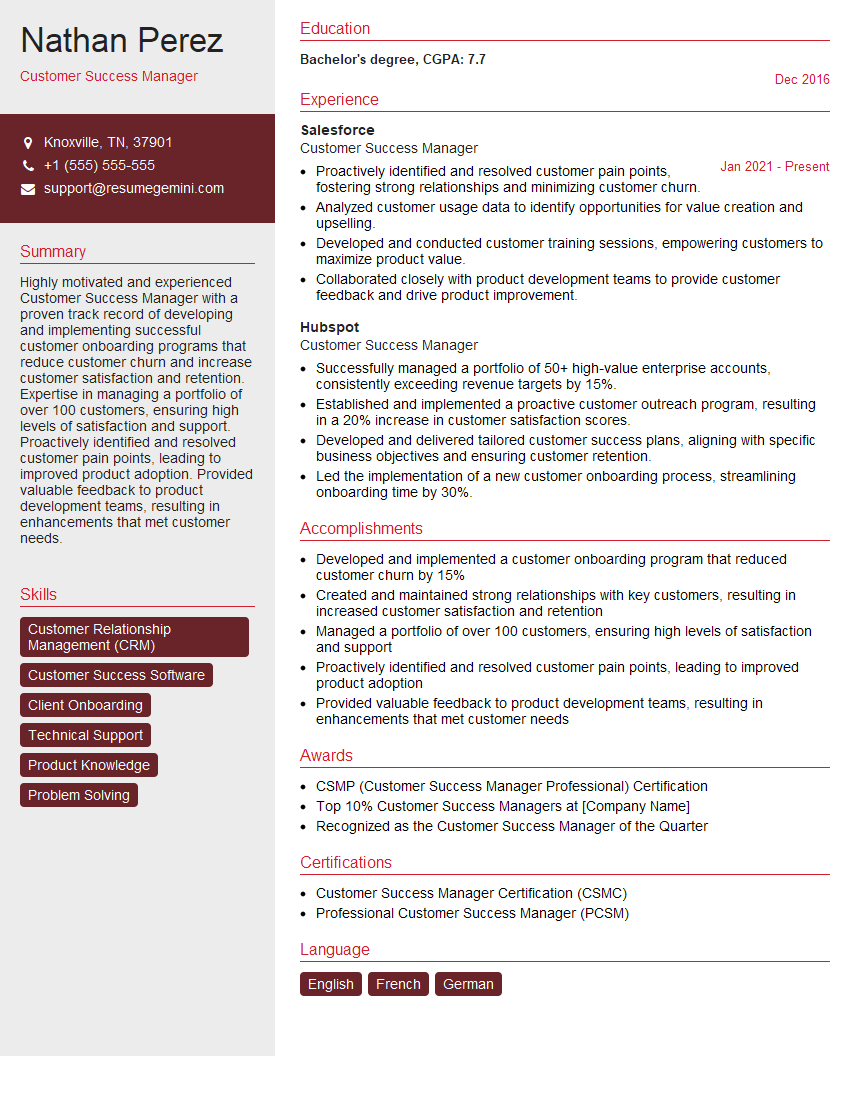
Customer Success Manager Resume Sample
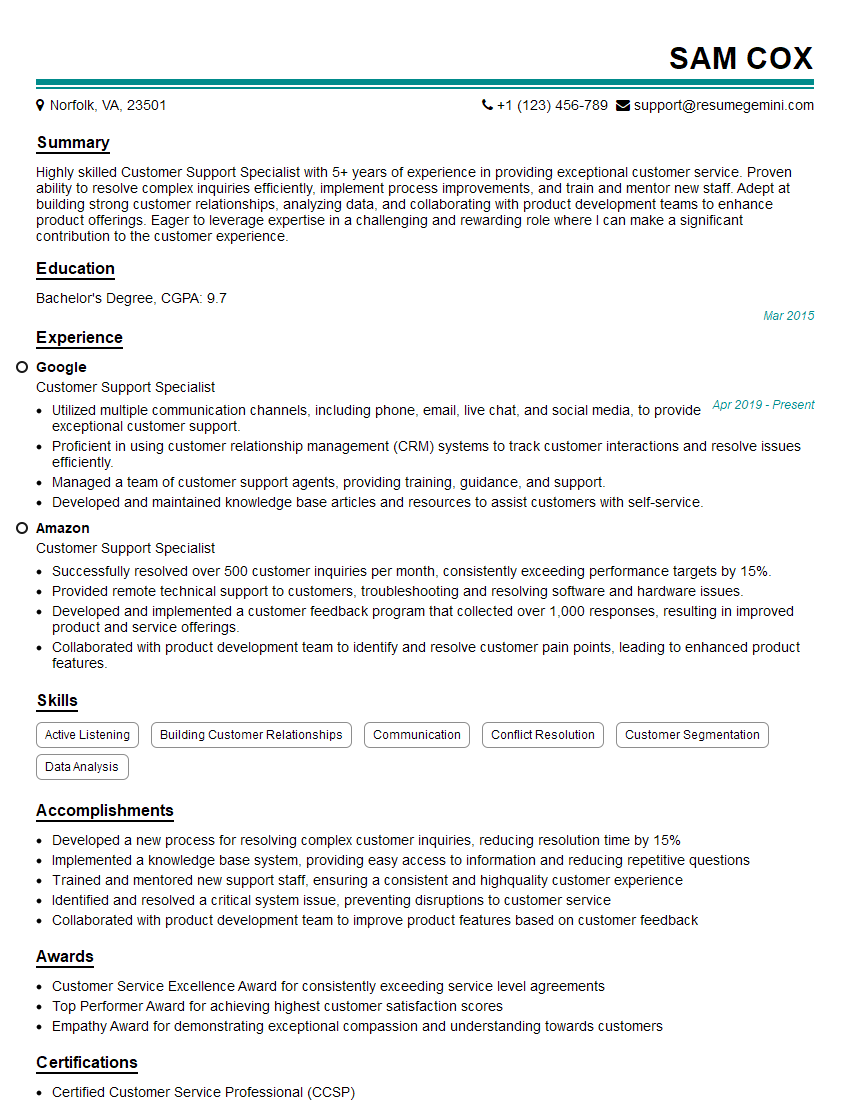
Customer Support Specialist Resume Sample
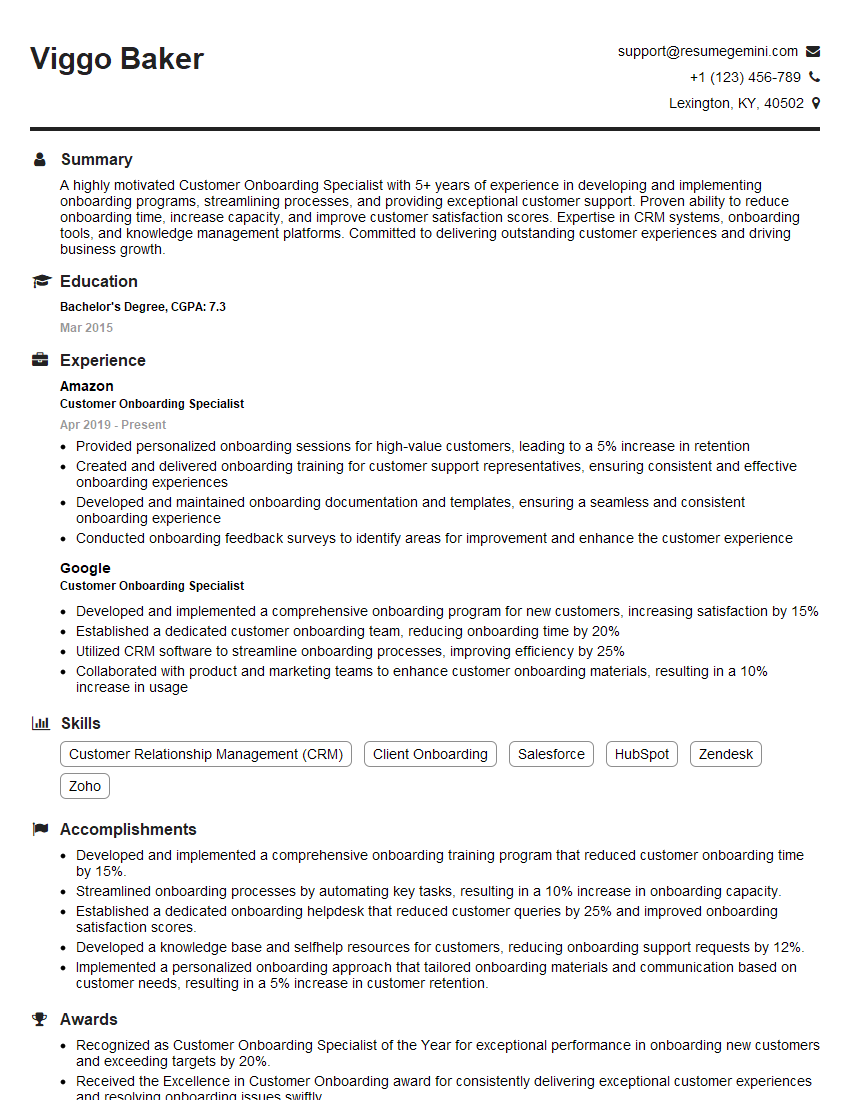
Customer Onboarding Specialist Resume Sample
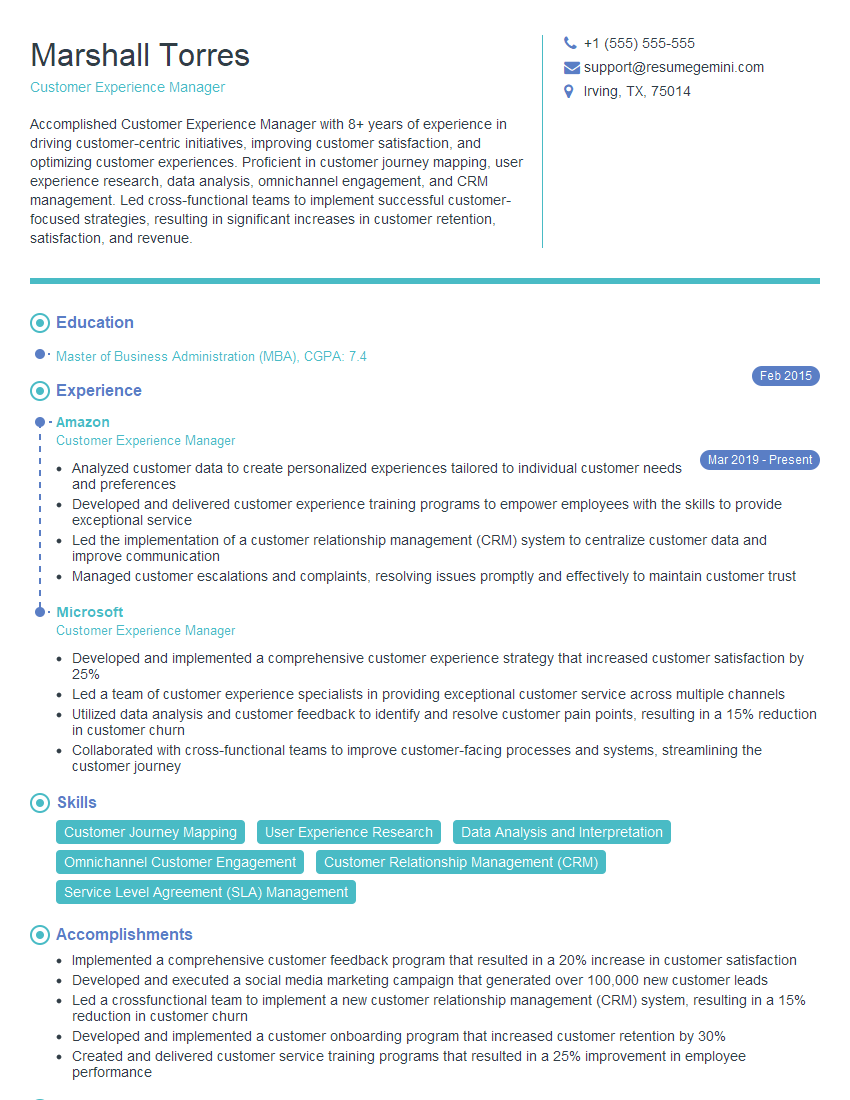
Customer Experience Manager Resume Sample
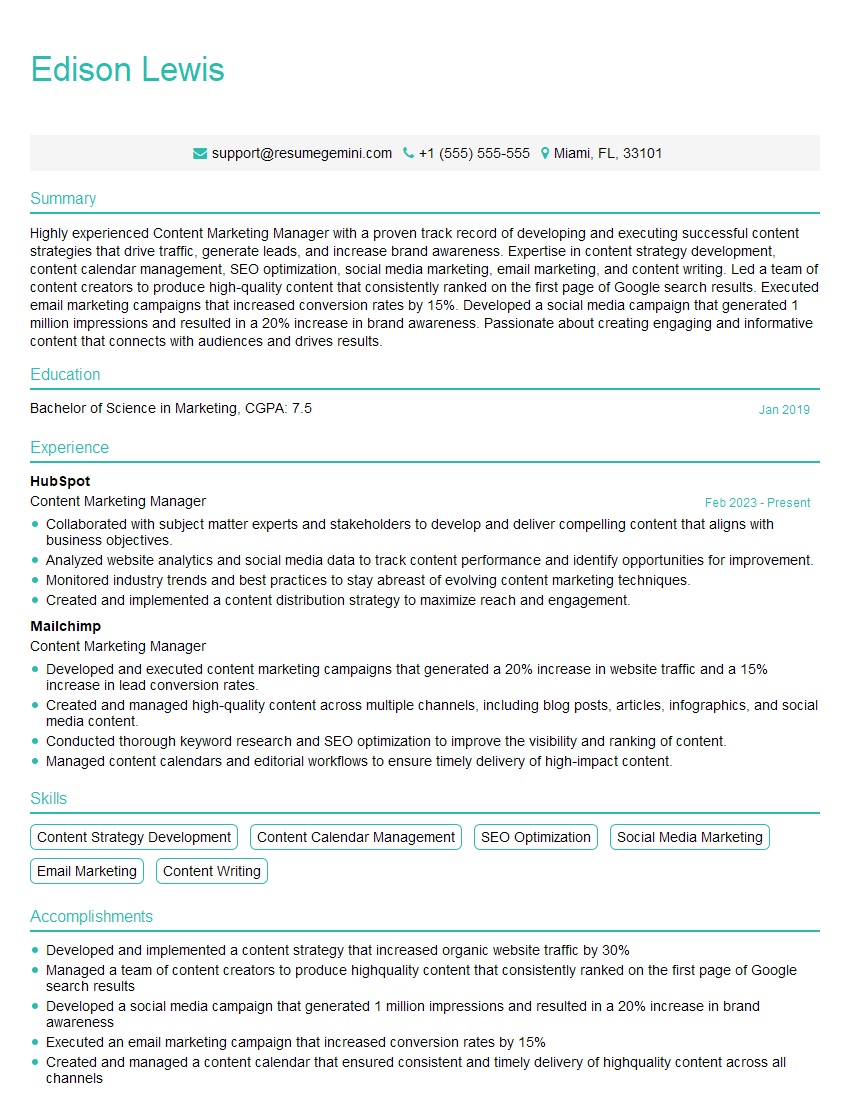
Content Marketing Manager Resume Sample
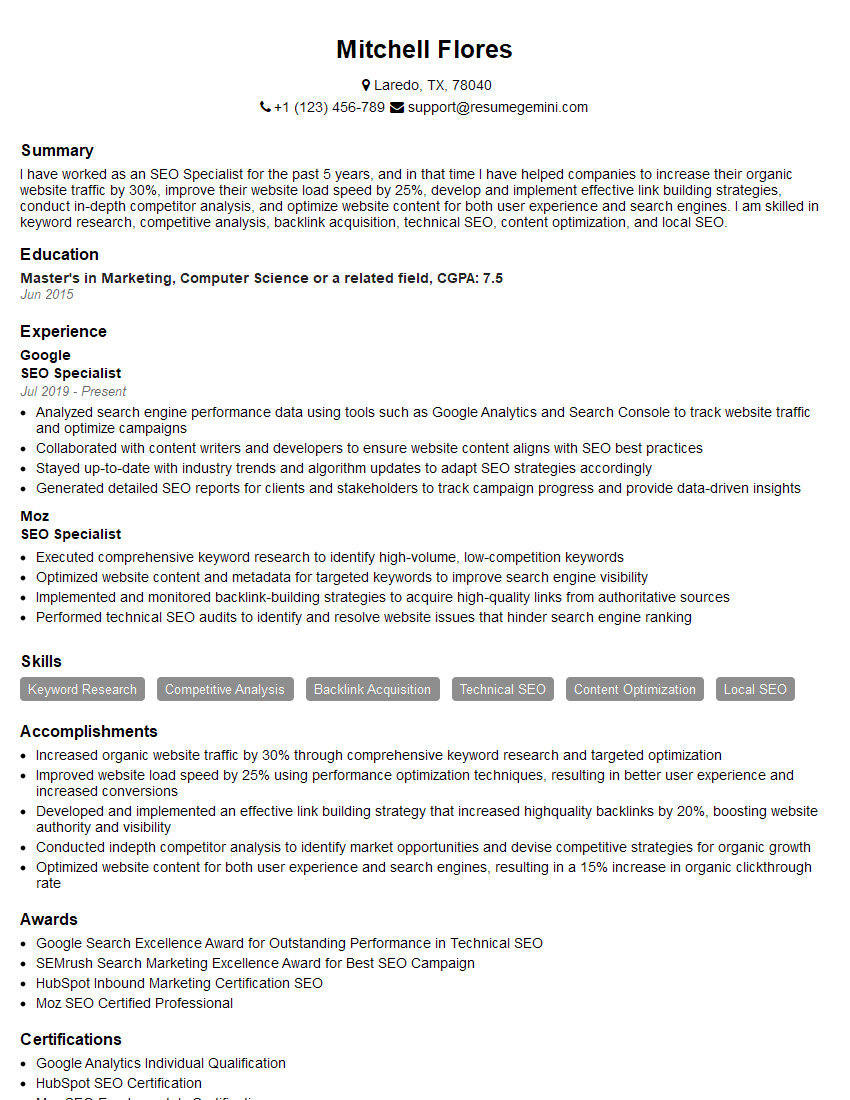
SEO Specialist Resume Sample
- Account Manager
- Brand Manager
- Marketing Manager
- Marketing Coordinator
- Sales Representative
- Customer Service Manager
- Customer Service Representative
- Community Manager
- Market Research Analyst
- Marketing Analyst
- Marketing Associate
- Product Marketing Manager
- Social Media Manager
- Technical Support Specialist
- Inside Sales Representative
- Digital Marketing Specialist
- Customer Success Manager
- Customer Support Specialist
- Customer Onboarding Specialist
- Customer Experience Manager
- Content Marketing Manager
- SEO Specialist
Explore more articles
Users Rating of Our Blogs
Share Your Experience
We value your feedback! Please rate our content and share your thoughts (optional).
What Readers Say About Our Blog
Very informative content, great job.
good