The right preparation can turn an interview into an opportunity to showcase your expertise. This guide to Cyber Security Incident Handling interview questions is your ultimate resource, providing key insights and tips to help you ace your responses and stand out as a top candidate.
Questions Asked in Cyber Security Incident Handling Interview
Q 1. Describe the incident response lifecycle.
The incident response lifecycle is a structured process for handling security incidents. Think of it like a well-orchestrated emergency response plan, but for cyberattacks. It’s a series of steps designed to minimize damage and restore normalcy. A common framework follows these stages:
- Preparation: This is the foundational stage. It involves developing an incident response plan, identifying critical assets, establishing communication protocols, and defining roles and responsibilities within the team. Imagine it as pre-planning for a fire drill – you need to know who does what and where to go.
- Identification: This is when the incident is detected, either through automated alerts, manual monitoring, or user reports. This could be a suspicious email, unusual network activity, or a system failure.
- Containment: The goal here is to isolate the affected systems or data to prevent further spread of the incident. This might involve disconnecting infected machines from the network or blocking malicious IP addresses. Think of containing a wildfire – you need to stop its spread before it becomes uncontrollable.
- Eradication: This involves removing the root cause of the incident, such as malware or a compromised account. This could mean deleting malicious files, patching vulnerabilities, or resetting compromised passwords.
- Recovery: This stage focuses on restoring affected systems and data to their normal operational state. This might involve restoring data from backups, reinstalling software, or reconfiguring network settings.
- Post-Incident Activity: This crucial final step involves reviewing what happened, identifying lessons learned, updating security policies, and conducting post-incident training. This is like a post-game analysis in sports – reflecting on mistakes and planning to do better next time.
Q 2. What are the key components of a successful incident response plan?
A successful incident response plan needs several key components to work effectively. It’s not just a document; it’s a living, breathing strategy:
- Clearly Defined Roles and Responsibilities: Everyone needs to know their role – who’s in charge, who communicates with stakeholders, who handles technical aspects. Think of it as a well-organized sports team; each player knows their position and responsibility.
- Communication Plan: Effective communication is crucial. The plan should define how and when information will be communicated internally and externally (e.g., to law enforcement, customers). Clear communication prevents chaos and keeps everyone informed.
- Incident Prioritization and Escalation Procedures: Not all incidents are equal. The plan should outline how to prioritize incidents based on severity and impact, and how to escalate critical issues to senior management.
- Data Backup and Recovery Procedures: Robust backups are essential for recovery. The plan should detail backup strategies, storage locations, and restoration procedures. This is your safety net in case of a major incident.
- Forensic Investigation Procedures: Preserving evidence is key for legal and investigative purposes. The plan should include procedures for collecting, preserving, and analyzing digital evidence.
- Regular Testing and Updates: The plan should be regularly tested and updated to reflect changes in the organization’s infrastructure, policies, and threats. Regular drills ensure everyone is prepared.
Q 3. Explain the difference between malware analysis and incident response.
While both malware analysis and incident response involve dealing with malicious software, they have different scopes and goals. Think of malware analysis as a deep dive into a specific piece of malware to understand how it works, its capabilities, and its origins. Incident response, on the other hand, is a broader process that deals with the entire impact of a security incident, which may involve malware but also encompass a wide array of other issues.
Malware Analysis: Focuses on understanding the malicious code itself, its behavior, and its purpose. It involves reverse engineering, dynamic and static analysis to determine the malware’s functionalities. The goal is to understand the threat and potentially develop detection and prevention methods.
Incident Response: This is a broader, more encompassing process. It tackles the entire sequence of events starting from detection to recovery and post-incident analysis. Malware analysis might be a *part* of an incident response, but incident response also includes handling system compromises, data breaches, denial-of-service attacks, and more, even if no malware is directly involved.
Example: Imagine a ransomware attack. Malware analysis would focus on understanding the specific ransomware variant used, identifying its encryption techniques, and searching for potential command-and-control servers. Incident response, however, would be concerned with containing the attack, recovering the encrypted data (if possible), notifying affected parties, and taking steps to prevent future attacks.
Q 4. How do you prioritize incidents based on severity and impact?
Prioritizing incidents is crucial during an incident response. We use a framework that considers both severity and impact. Severity refers to the technical aspects of the incident; Impact assesses the business consequences. This is often represented using a matrix:
A common approach is a severity/impact matrix. For example:
- Critical: High Severity & High Impact (e.g., widespread data breach, complete system failure).
- High: High Severity & Medium Impact (e.g., significant data loss, widespread service disruption).
- Medium: Medium Severity & Low/Medium Impact (e.g., isolated system compromise, minor data loss).
- Low: Low Severity & Low Impact (e.g., minor security vulnerability, suspicious activity requiring further investigation).
Prioritization depends on the factors involved. A critical incident like a complete system failure affecting customer operations would demand immediate attention, while a low-severity vulnerability in a non-critical system might be addressed later.
A scoring system can be incorporated where severity and impact are numerically scored (e.g., 1-5), allowing for a weighted score to facilitate objective prioritization. This method increases transparency and ensures consistent responses.
Q 5. What tools and technologies are commonly used in incident response?
Numerous tools and technologies are vital for effective incident response. The specific tools used will vary depending on the nature of the incident and the organization’s infrastructure. However, some common categories include:
- Security Information and Event Management (SIEM): Provides centralized logging and monitoring, enabling the detection of security events.
- Endpoint Detection and Response (EDR): Offers real-time monitoring and threat hunting capabilities on individual endpoints (computers, servers).
- Network Intrusion Detection/Prevention Systems (NIDS/NIPS): Detect and prevent malicious network traffic.
- Vulnerability Scanners: Identify security weaknesses in systems and applications.
- Forensic Tools: Used to collect, analyze, and preserve digital evidence (e.g., FTK Imager, EnCase).
- Threat Intelligence Platforms: Provide access to threat information and analysis.
- Collaboration and Communication Tools: Essential for effective teamwork and communication during an incident (e.g., Slack, Microsoft Teams).
Examples include tools like Splunk (SIEM), CrowdStrike Falcon (EDR), Snort (NIDS), Nessus (vulnerability scanner). The choice of specific tools depends on the organization’s requirements and budget.
Q 6. How do you handle a ransomware attack?
Handling a ransomware attack requires a swift and decisive response. The key is to contain the damage and restore operations as quickly as possible. Here’s a structured approach:
- Isolate Infected Systems: Immediately disconnect affected systems from the network to prevent the ransomware from spreading.
- Identify the Ransomware Variant: Determine the type of ransomware to understand its behavior and potential vulnerabilities.
- Collect Evidence: Gather forensic evidence for investigation and potential legal action.
- Assess the Impact: Determine the extent of data encryption and the affected systems.
- Consider Paying the Ransom (with caution): Paying a ransom is a complex decision, weighing the cost against the potential impact of lost data and business disruption. It’s generally discouraged due to the lack of guarantees and the potential of emboldening future attacks. However, this decision needs to be made in the context of the specific situation and the potential impact on the business.
- Restore from Backups: The most effective approach is to restore affected data from clean, offline backups.
- Remediate Vulnerabilities: Identify and patch the vulnerabilities that allowed the ransomware to enter the system.
- Enhance Security Defenses: Implement additional security measures to prevent future ransomware attacks.
- Report the Incident: Report the attack to law enforcement and relevant authorities.
Q 7. What is your approach to containing a data breach?
Containing a data breach requires a rapid and methodical approach. The goal is to minimize the extent of the breach, protect sensitive data, and comply with relevant regulations. Here’s a strategy:
- Identify the Scope of the Breach: Determine what data was compromised, how it was accessed, and who was affected.
- Isolate Affected Systems: Disconnect compromised systems from the network to prevent further data exfiltration.
- Secure the Breach Point: Identify and fix the vulnerability that allowed the breach to occur.
- Investigate the Root Cause: Conduct a thorough investigation to understand how the breach happened and what could have been done differently.
- Notify Affected Parties: Comply with legal requirements and organizational policies regarding notification of affected individuals.
- Collaborate with Law Enforcement: If necessary, work with law enforcement to investigate and prosecute perpetrators.
- Perform Forensic Analysis: Conduct forensic analysis to collect and preserve evidence and to help in future prevention.
- Implement Remediation Measures: Implement measures to strengthen security posture and prevent future breaches.
- Review and Update Policies: Update security policies and procedures to enhance data protection capabilities.
Remember, time is of the essence during a data breach. Swift action can significantly minimize the damage.
Q 8. Explain your experience with digital forensics.
Digital forensics is the process of identifying, preserving, analyzing, and presenting data that can be used as evidence in a court of law or other legal setting. My experience encompasses the entire digital forensics lifecycle, from initial response and evidence preservation to advanced analysis and reporting. I’m proficient in various forensic techniques, including:
- Data acquisition: Using tools like FTK Imager and EnCase to create forensic copies of hard drives and other storage devices, ensuring data integrity.
- Memory forensics: Analyzing RAM dumps to identify malware, running processes, and other volatile data crucial to incident response.
- Network forensics: Investigating network traffic logs, packet captures (pcap files), and other network artifacts to pinpoint the source and scope of attacks.
- Mobile forensics: Extracting and analyzing data from mobile devices, including smartphones and tablets, to identify compromised accounts or exfiltrated data.
- Timeline analysis: Correlating events from various data sources to reconstruct the sequence of events leading up to and following a security incident.
For instance, I recently investigated a data breach incident where an employee’s laptop was compromised. Through meticulous forensic analysis of the hard drive image and network logs, I was able to identify the malware used, the attacker’s IP address, and the specific data that had been exfiltrated. This information was crucial in containing the breach, mitigating further damage, and informing the remediation process.
Q 9. How do you conduct a root cause analysis of a security incident?
Root cause analysis (RCA) is a systematic process for identifying the underlying causes of an incident, not just the symptoms. My approach typically follows a structured methodology such as the ‘5 Whys’ or a fault tree analysis. It involves these key steps:
- Incident definition: Clearly defining the scope and impact of the incident.
- Data gathering: Collecting relevant logs, system information, and witness statements.
- Timeline creation: Establishing a chronological sequence of events.
- Identifying contributing factors: Using techniques like the ‘5 Whys’ to drill down to the root causes. For example, if an attacker gained access (symptom), we’d ask ‘Why?’ repeatedly: ‘Why was there a vulnerability? Because of outdated software. Why was the software outdated? Because of delayed patching. Why were patches delayed? Due to insufficient IT resources.’ This process helps uncover the fundamental systemic issues.
- Root cause identification: Pinpointing the underlying cause(s) contributing to the incident.
- Recommendation development: Proposing solutions to prevent similar incidents in the future.
- Documentation: Creating a comprehensive report detailing the RCA findings and recommendations.
In a recent case involving a phishing attack, the RCA revealed that a lack of employee security awareness training was a primary contributing factor. This led to improved training programs as a key mitigation strategy.
Q 10. Describe your experience with vulnerability management.
Vulnerability management is a continuous process aimed at identifying, assessing, and mitigating security vulnerabilities in IT systems. My experience spans the entire vulnerability management lifecycle, from vulnerability scanning and penetration testing to remediation and reporting. I’m familiar with various tools and techniques, including:
- Vulnerability scanning: Using tools like Nessus and OpenVAS to automatically identify vulnerabilities in systems and applications.
- Penetration testing: Simulating real-world attacks to evaluate the effectiveness of security controls.
- Vulnerability assessment: Analyzing identified vulnerabilities to determine their potential impact and prioritize remediation efforts.
- Remediation: Implementing fixes, such as patching, configuration changes, or software upgrades, to address identified vulnerabilities.
- Reporting and metrics: Tracking vulnerability trends and creating reports to demonstrate the effectiveness of the vulnerability management program.
For example, I implemented a vulnerability management program for a client that involved regular vulnerability scans, penetration testing, and a prioritized remediation schedule. This resulted in a significant reduction in the number of critical vulnerabilities and improved overall security posture.
Q 11. How do you communicate effectively during a security incident?
Effective communication during a security incident is paramount. It requires clear, concise, and timely information sharing with all relevant stakeholders, including technical teams, management, legal counsel, and potentially affected customers. My communication strategy involves:
- Establishing communication channels: Setting up dedicated communication channels, such as a Slack channel or email distribution list, to ensure efficient information flow.
- Using a structured communication plan: Defining key messages and target audiences to avoid confusion and ensure consistency.
- Regular updates: Providing frequent updates on the incident’s progress, impact, and mitigation efforts.
- Transparency: Being open and honest about the situation, even when information is limited.
- Escalation protocols: Establishing clear escalation paths for critical issues or when decisions require higher-level approval.
Think of it like fighting a fire. You need a clear chain of command and coordinated efforts to effectively extinguish the blaze. Similarly, during a security incident, coordinated communication ensures everyone is working from the same playbook.
Q 12. What are your strategies for preventing future incidents?
Preventing future incidents requires a proactive and multi-layered approach. My strategies focus on:
- Strengthening security controls: Implementing and regularly updating security controls, such as firewalls, intrusion detection systems (IDS), and intrusion prevention systems (IPS).
- Security awareness training: Educating employees about security threats and best practices, such as phishing awareness and password management.
- Vulnerability management: Regularly scanning for and mitigating vulnerabilities in systems and applications.
- Incident response planning: Developing and regularly testing incident response plans to ensure readiness for future incidents.
- Regular security audits and assessments: Conducting regular security audits and assessments to identify weaknesses and areas for improvement.
- Implementing least privilege access control: Limiting user access to only the resources they need to perform their job duties.
- Data Loss Prevention (DLP): Implementing solutions to monitor and prevent sensitive data from leaving the organization’s control.
Preventing incidents is akin to preventative healthcare. Regular check-ups, healthy habits, and prompt treatment prevent serious issues. Similarly, proactive security measures prevent major security incidents.
Q 13. How do you handle escalations during an incident?
Escalations during an incident require a calm and structured approach. My process involves:
- Understanding the escalation criteria: Defining clear criteria for when an incident should be escalated, such as severity, impact, or lack of resources.
- Identifying the appropriate escalation path: Knowing who to contact and the communication channels to use.
- Providing concise and accurate information: Giving the escalation team all necessary information to understand the situation and take appropriate action.
- Following up: Ensuring that the escalation team has addressed the issue and that appropriate measures are being taken.
- Documenting the escalation: Maintaining a record of the escalation, including the time, participants, and actions taken.
Escalation is crucial to ensure that incidents are handled appropriately and that resources are allocated effectively. It’s like calling for backup when you’re overwhelmed; it ensures a timely and successful resolution.
Q 14. What is your experience with SIEM tools?
SIEM (Security Information and Event Management) tools are critical for centralized security monitoring and incident response. My experience includes working with various SIEM platforms, such as Splunk, QRadar, and LogRhythm. My skills encompass:
- Data ingestion and normalization: Configuring the SIEM to collect and process security logs from diverse sources.
- Rule creation and management: Developing and managing security rules to detect malicious activity and generate alerts.
- Alert correlation and analysis: Investigating security alerts to identify and prioritize threats.
- Reporting and dashboarding: Creating custom reports and dashboards to monitor security posture and identify trends.
- Incident investigation: Using the SIEM to gather evidence and reconstruct the sequence of events during an incident.
For example, I used Splunk to analyze security logs during a recent ransomware attack. By correlating events from various sources, I was able to identify the initial point of compromise, track the attacker’s actions, and ultimately aid in the recovery effort. SIEM tools are the eyes and ears of a security operation center, offering valuable insights into the state of an organization’s security.
Q 15. How do you maintain incident response documentation?
Maintaining meticulous incident response documentation is crucial for effective investigation, remediation, and future prevention. Think of it as a detective’s case file – it contains all the evidence and steps taken. My approach involves a structured system combining digital and physical records.
- Digital Records: I utilize a dedicated, secure case management system to log all activities, including timestamps, actions taken, evidence collected (screenshots, logs, malware samples), and communication logs. This ensures easy searchability and auditable record-keeping.
- Physical Records: For sensitive materials or those requiring physical handling, secure storage facilities with controlled access are used. This might include physical copies of crucial logs or hardware evidence that has been forensically imaged.
- Version Control: Using version control software for documents allows tracking of changes and ensures that previous versions are easily accessible. This is vital if corrections or additions are needed.
- Metadata: Each piece of evidence is meticulously tagged with relevant metadata, such as source, date, and time, ensuring accurate context and traceability throughout the investigation.
For example, in a recent phishing incident, our documentation included email headers, malware analysis reports, user interviews, and a timeline of events, all meticulously logged and version-controlled. This allowed us to pinpoint the source of the attack, understand its impact, and implement effective preventative measures.
Career Expert Tips:
- Ace those interviews! Prepare effectively by reviewing the Top 50 Most Common Interview Questions on ResumeGemini.
- Navigate your job search with confidence! Explore a wide range of Career Tips on ResumeGemini. Learn about common challenges and recommendations to overcome them.
- Craft the perfect resume! Master the Art of Resume Writing with ResumeGemini’s guide. Showcase your unique qualifications and achievements effectively.
- Don’t miss out on holiday savings! Build your dream resume with ResumeGemini’s ATS optimized templates.
Q 16. Explain your experience with incident response frameworks (e.g., NIST).
I have extensive experience with various incident response frameworks, most notably NIST Cybersecurity Framework (CSF). NIST provides a structured, risk-based approach. It’s like a recipe book for handling incidents, offering a common language and methodology. I’ve used its five core functions – Identify, Protect, Detect, Respond, and Recover – to guide numerous incident response efforts.
- Identify: This involves asset identification, risk assessment, and vulnerability management, creating a baseline understanding of our environment.
- Protect: Focuses on implementing security controls to mitigate identified risks, for instance, using multi-factor authentication and intrusion detection systems.
- Detect: This involves establishing monitoring and threat detection capabilities, such as SIEM (Security Information and Event Management) systems and endpoint detection and response tools.
- Respond: This is the heart of incident response, encompassing containment, eradication, recovery, and post-incident activity. This involves using established procedures and playbooks.
- Recover: This focuses on restoring systems and processes, conducting lessons learned exercises, and updating incident response plans.
In practice, I’ve used NIST CSF to guide investigations, from identifying the root cause of a data breach to developing remediation plans and post-incident improvement strategies. The framework’s flexibility allows adapting to different organizations and threat landscapes.
Q 17. How do you ensure the confidentiality, integrity, and availability of data during an incident?
Ensuring CIA – Confidentiality, Integrity, and Availability – is paramount during an incident. Think of it as a three-legged stool – if one leg is weak, the whole thing collapses. My approach involves a layered security strategy.
- Confidentiality: This is about protecting sensitive data from unauthorized access. We employ encryption both in transit and at rest, access control lists (ACLs), and data loss prevention (DLP) tools.
- Integrity: This ensures data accuracy and trustworthiness. We use hashing algorithms to detect unauthorized modifications and digital signatures for authentication. Regular backups and version control maintain data integrity.
- Availability: This ensures continuous access to critical systems and data. We utilize redundancy, failover mechanisms, and disaster recovery plans to minimize downtime.
During a ransomware attack, for example, we immediately isolate infected systems to prevent further spread (preserving integrity and confidentiality). Simultaneously, we activate our disaster recovery plan, restoring systems and data from backups to maintain availability.
Q 18. How do you collaborate with other teams (e.g., legal, PR) during an incident?
Collaboration is key during an incident. It’s not a solo mission. I foster open communication and coordination with various teams, including legal, public relations (PR), and management.
- Legal: Early and continuous engagement with legal counsel is critical. They advise on data breach notification requirements, legal holds, and potential litigation. We share relevant incident information in a timely manner.
- PR: PR handles external communication. We provide them with accurate, timely information to manage public perception and stakeholder communications. This prevents misinformation and minimizes reputational damage.
- Management: Regular updates to management keep them informed of the incident’s progress, resource needs, and potential business impact. This ensures appropriate support and decision-making.
During a recent incident, our collaborative approach prevented a major public relations crisis. By quickly communicating with PR and Legal, we carefully crafted messaging, fulfilling all legal requirements and minimizing negative media attention.
Q 19. Describe your experience with incident response playbooks.
Incident response playbooks are like pre-written instructions for handling different types of incidents. They streamline response, ensuring consistency and reducing reaction time. My experience involves creating, testing, and refining playbooks for various scenarios.
- Creation: Playbooks are developed based on risk assessments, threat models, and lessons learned from past incidents. They detail step-by-step procedures for each phase of the response.
- Testing: Regular tabletop exercises and simulations validate the playbook’s effectiveness and identify areas for improvement. This ensures it’s practical and adaptable.
- Refinement: Playbooks are constantly updated based on new threats, technological changes, and feedback from incident responses. This ensures they remain relevant and effective.
For example, our phishing playbook outlines procedures for identifying compromised accounts, isolating infected systems, and restoring affected data. These pre-defined steps ensured quick, efficient handling during a recent phishing incident.
Q 20. How do you perform threat hunting?
Threat hunting is proactive, unlike incident response which is reactive. It’s like a cybersecurity detective actively searching for threats rather than waiting for them to strike. My approach involves a blend of techniques.
- Hypothesis-driven hunting: This starts with a specific threat or vulnerability and then uses tools and techniques to search for its presence in the network.
- Data-driven hunting: This uses security data (logs, events) to identify anomalies or suspicious activity indicating a compromise. Tools like SIEM are crucial here.
- Technique-based hunting: This employs specific security techniques (e.g., malware analysis, network traffic analysis) across the infrastructure to discover hidden threats.
Recently, we used hypothesis-driven hunting to look for indicators of compromise (IOCs) associated with a specific malware family. This proactive approach allowed us to detect and neutralize a threat before it could cause significant damage.
Q 21. What are the legal and regulatory considerations for incident response?
Legal and regulatory considerations are critical in incident response. Failing to comply can result in hefty fines and reputational damage. Key considerations include:
- Data Privacy Regulations (e.g., GDPR, CCPA): These regulations govern the handling of personal data and require timely notification of data breaches. Understanding these laws is critical when handling incidents involving customer data.
- Industry-Specific Regulations (e.g., HIPAA, PCI DSS): Specific industries have their own regulations. For example, HIPAA in healthcare mandates stringent data protection measures and breach notification procedures.
- Legal Holds and eDiscovery: During an incident, legal holds preserve relevant data for potential litigation or investigations. Understanding eDiscovery protocols is essential for managing and producing evidence.
- Notification Requirements: Many jurisdictions mandate notification of affected individuals and regulatory bodies within a specific timeframe following a data breach.
In practice, I ensure our response aligns with all applicable regulations by working closely with legal counsel. This includes implementing proper data retention policies and maintaining a detailed audit trail of all actions taken during the incident.
Q 22. How do you measure the effectiveness of your incident response process?
Measuring the effectiveness of an incident response process is crucial for continuous improvement. It’s not just about reacting to incidents; it’s about learning and strengthening our defenses. We use a multi-faceted approach, focusing on key metrics across different stages of the process.
Mean Time To Detect (MTTD): This measures the time it takes to identify an incident from its initial occurrence. A lower MTTD indicates a more proactive and efficient detection system. For example, a low MTTD for a ransomware attack shows our security monitoring is working well.
Mean Time To Respond (MTTR): This metric tracks the time it takes from detection to containment. A shorter MTTR minimizes the impact of the incident. In a recent incident, we reduced our MTTR for a data breach by implementing automated response playbooks, resulting in significantly faster containment.
Incident Severity and Impact: We categorize incidents based on their severity (e.g., low, medium, high, critical) and their impact on business operations, data, and reputation. Analyzing these helps us understand the effectiveness of our preventative measures and prioritize improvements.
Post-Incident Analysis and Lessons Learned: After each incident, we conduct a thorough review, identifying weaknesses and suggesting improvements to our processes, technology, and employee training. This continuous improvement cycle is fundamental to enhancing our overall effectiveness.
Key Risk Indicators (KRIs): We track KRIs relevant to incident response, such as the number of successful phishing attempts, failed login attempts, or vulnerability scans. These provide early warnings and allow for proactive measures.
By regularly reviewing these metrics and the qualitative data from post-incident analyses, we can refine our incident response plan and ensure its effectiveness.
Q 23. What is your approach to handling a phishing attack?
Handling a phishing attack requires a swift and multi-pronged approach. Our response focuses on minimizing damage, containing the threat, and preventing future attacks. Think of it like this: we need to both put out the fire (contain the immediate threat) and prevent future fires (strengthen our defenses).
Immediate Actions: We immediately quarantine any compromised accounts, disable affected systems, and initiate a forensic investigation to determine the extent of the compromise.
User Education and Awareness: We communicate directly with affected users and all employees, emphasizing safe email practices, and providing resources for identifying and reporting phishing attempts. Think of this as our “fire safety training.”
Threat Intelligence Gathering: We analyze the phishing email to identify the source, techniques, and any related malicious actors. This helps us understand the attack and prevent similar incidents.
Forensic Analysis: A thorough investigation determines the extent of data exposure and the impact of the attack. This helps us understand the full scope of the problem.
Remediation and Recovery: We restore affected systems, update passwords, and implement security patches to prevent future attacks. This is where we “rebuild” after the fire.
Post-Incident Activity: We perform a thorough review of our security posture and identify gaps in our defenses. We then update our security awareness training and security controls to enhance our overall security. This is the equivalent of building better fire prevention systems.
Q 24. Describe your experience with incident response automation.
Incident response automation is crucial for handling the increasing volume and complexity of cyber threats. It allows for faster reaction times and reduced human error. I’ve extensively worked with Security Information and Event Management (SIEM) systems, Security Orchestration, Automation, and Response (SOAR) platforms, and other automation tools.
SIEM Integration: We use SIEM systems to collect and analyze security logs from various sources, enabling automated detection of suspicious activities. This includes automated alerts for unusual login patterns, malware infections, and network intrusions.
SOAR Playbooks: We’ve developed automated playbooks for common incidents like phishing attacks, malware infections, and denial-of-service attacks. These playbooks automate tasks such as isolating infected systems, blocking malicious IPs, and generating incident reports, significantly accelerating our response time. For example, our SOAR playbook for a ransomware attack automatically quarantines affected systems, initiates a malware analysis, and creates a detailed incident report.
Vulnerability Management: We automate vulnerability scanning and patching to proactively address potential attack vectors. Automated patching minimizes the window of vulnerability and reduces the risk of exploitation.
Automating incident response frees up security personnel to focus on more complex tasks requiring human judgment and expertise, while significantly improving our overall speed and efficiency.
Q 25. How do you handle a denial-of-service (DoS) attack?
Handling a denial-of-service (DoS) attack requires a layered approach that focuses on mitigating the attack’s impact while identifying and addressing its root cause. A DoS attack floods a system with traffic, making it unavailable to legitimate users. Think of it as a traffic jam overwhelming a highway.
Mitigate the Impact: Our immediate response is to implement mitigation techniques, such as using a Content Delivery Network (CDN) to distribute traffic, blocking malicious IP addresses, and prioritizing critical services. We essentially create detours to route around the traffic jam.
Identify the Attacker: We use network monitoring tools to pinpoint the origin of the attack and identify the attacker’s tactics. This helps us understand the type of attack and its scale.
Block Malicious Traffic: We use firewalls and intrusion prevention systems to block malicious traffic at the network perimeter, thus reducing the influx of the attack traffic.
Capacity Planning: In the long term, we review our infrastructure capacity to handle larger traffic spikes and to ensure our systems can withstand future attacks.
Collaboration: We often work with our internet service provider (ISP) to mitigate large-scale attacks that may originate outside our network perimeter.
It’s essential to document the attack details, actions taken, and lessons learned to inform future incident response and infrastructure planning.
Q 26. Explain your experience with cloud security incident response.
Cloud security incident response presents unique challenges compared to on-premises environments. It requires a deep understanding of cloud architectures, shared responsibility models, and cloud-native security tools.
Shared Responsibility Model: We clearly define the responsibilities between our organization and the cloud provider (e.g., AWS, Azure, GCP). Understanding who is responsible for which security aspects is paramount.
Cloud-Native Security Tools: We leverage cloud-native security tools such as Cloud Security Posture Management (CSPM) and Cloud Workload Protection Platforms (CWPP) for threat detection and response. These tools offer visibility and control within the cloud environment.
Incident Response Playbooks: We maintain specific incident response playbooks tailored to different cloud services and scenarios. For example, we have separate playbooks for handling incidents within virtual machines, databases, and storage services.
Forensic Analysis: Cloud forensics requires specialized skills and tools to investigate incidents effectively within the cloud environment. We utilize cloud-based forensic tools and collaborate with the cloud provider as needed.
Compliance: We ensure all our cloud-based incident response activities align with relevant regulatory compliance standards.
My experience includes investigating and responding to data breaches, malware infections, and misconfigurations within various cloud environments, demonstrating my ability to navigate the complexities of cloud security incident response.
Q 27. What are the common challenges you face in incident response?
Incident response faces numerous challenges, many stemming from the ever-evolving threat landscape and the increasing sophistication of cyberattacks.
Lack of Visibility: Gaining comprehensive visibility across all systems and networks remains a significant hurdle. Blind spots can allow threats to remain undetected for extended periods.
Skills Gap: The demand for skilled cybersecurity professionals significantly outweighs the supply, creating challenges in staffing and expertise. Finding individuals with deep technical expertise and strong incident response experience is a constant challenge.
Alert Fatigue: The sheer volume of security alerts can lead to alert fatigue, causing security teams to overlook critical incidents. Filtering and prioritizing alerts is essential.
Complex Environments: Modern IT environments are highly complex, making threat hunting and incident investigation difficult. The interconnectedness of systems allows for quick propagation of threats.
Data Silos: Data silos often hinder effective incident response. Integrating data from disparate sources is crucial for obtaining a holistic view of the incident.
Regulatory Compliance: Meeting various regulatory requirements (e.g., GDPR, HIPAA) adds complexity and necessitates strict incident response procedures.
Addressing these challenges often requires a combination of improved technology, enhanced security processes, improved staff training, and strong collaboration across teams and organizations.
Q 28. How do you stay up-to-date with the latest cybersecurity threats and vulnerabilities?
Staying up-to-date with the latest cybersecurity threats and vulnerabilities is a continuous process, demanding constant vigilance and proactive learning.
Threat Intelligence Feeds: We subscribe to various threat intelligence feeds that provide real-time information about emerging threats and vulnerabilities. These feeds often include detailed information on the latest attack techniques.
Vulnerability Scanners: We regularly utilize vulnerability scanners to identify and address known weaknesses in our systems and applications. This allows for proactive patching and mitigation of potential risks.
Security Conferences and Events: Attending industry conferences and security events provides opportunities to learn about the latest threats, share best practices, and network with other security professionals.
Professional Certifications and Training: Continuous professional development is crucial. Pursuing certifications like CISSP, SANS GIAC, or similar demonstrate our commitment to maintaining cutting-edge knowledge.
Security Blogs, Newsletters, and Publications: Reading reputable security blogs, newsletters, and publications keeps us abreast of current events and emerging threats. This can be a great way to stay informed quickly.
Collaboration and Information Sharing: Actively participating in security communities and information sharing platforms allows for the exchange of knowledge and insights. Being part of a community is a great way to see things from others’ points of view.
By combining these methods, we ensure our knowledge base stays current, enabling us to proactively protect against emerging threats.
Key Topics to Learn for Cyber Security Incident Handling Interview
- Incident Response Lifecycle: Understand the phases (Preparation, Identification, Containment, Eradication, Recovery, Lessons Learned) and their practical application in various scenarios.
- Threat Hunting & Analysis: Discuss methodologies for proactively identifying threats, analyzing malware, and correlating security events. Practice applying different investigative techniques.
- Vulnerability Management & Remediation: Explain your approach to identifying and mitigating vulnerabilities, prioritizing remediation efforts based on risk assessment.
- Digital Forensics: Detail your knowledge of evidence collection, preservation, and analysis techniques, including chain of custody considerations.
- Security Information and Event Management (SIEM): Describe your experience with SIEM systems, including log analysis, alert correlation, and incident investigation using SIEM tools.
- Incident Communication & Reporting: Explain your approach to communicating effectively with stakeholders during an incident, including crafting concise and informative reports.
- Legal & Regulatory Compliance: Discuss relevant regulations (e.g., GDPR, HIPAA) and their impact on incident handling procedures.
- Disaster Recovery & Business Continuity: Explain your understanding of disaster recovery planning and business continuity strategies, and their role in incident response.
- Practical Problem-Solving: Be prepared to discuss real or hypothetical scenarios, demonstrating your ability to analyze problems, make decisions under pressure, and articulate your thought process.
- Specific Technologies & Tools: Showcase your familiarity with relevant security tools and technologies (e.g., endpoint detection and response (EDR), Security Orchestration, Automation, and Response (SOAR) platforms).
Next Steps
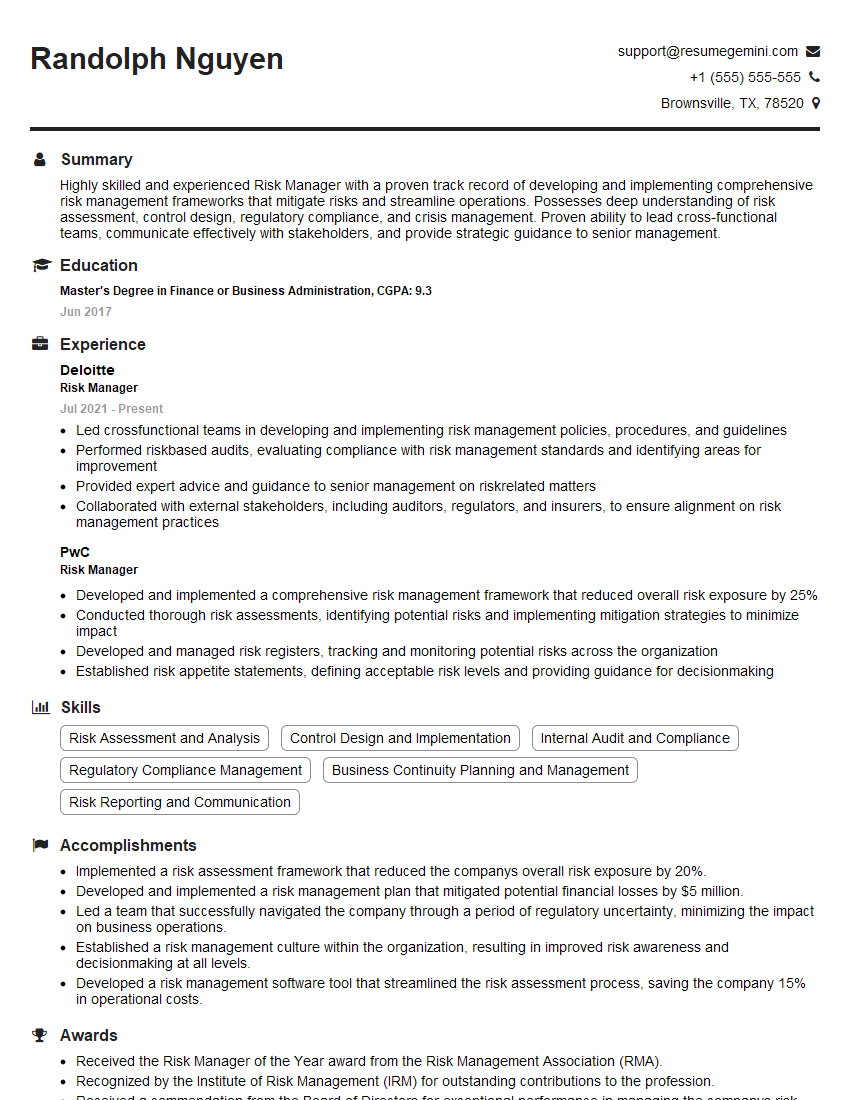
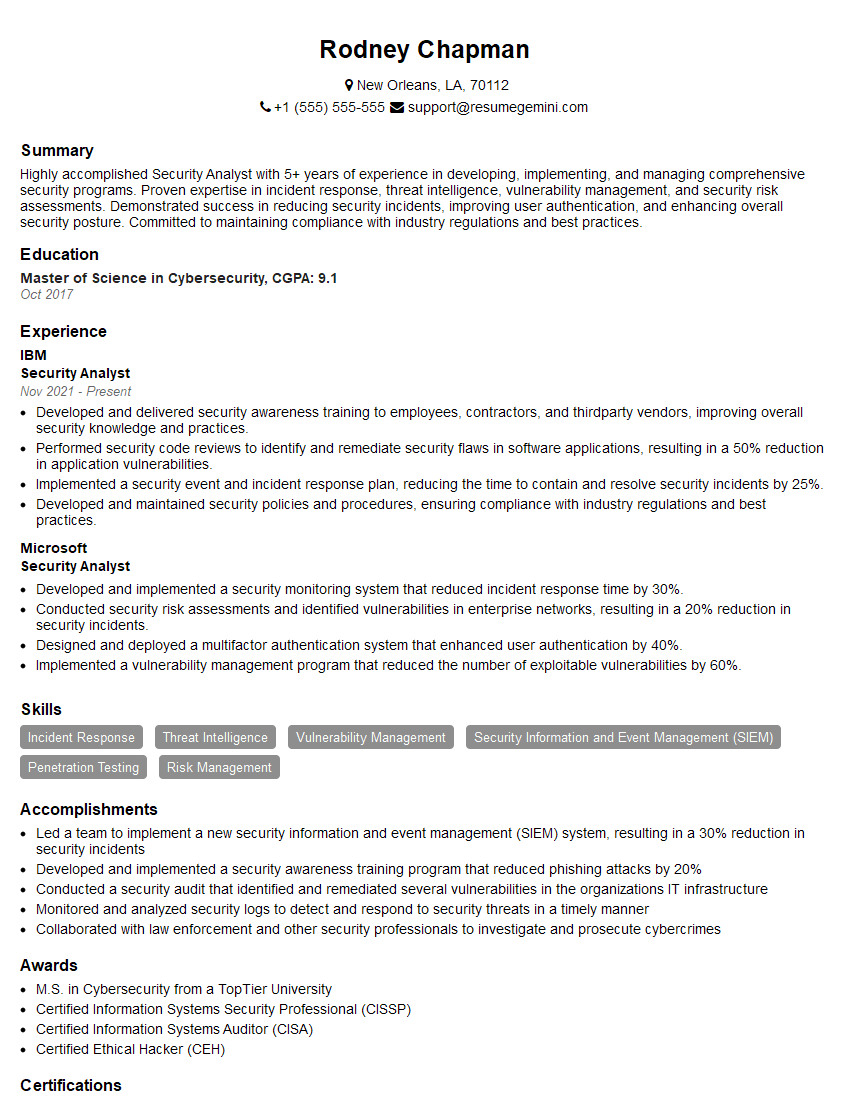
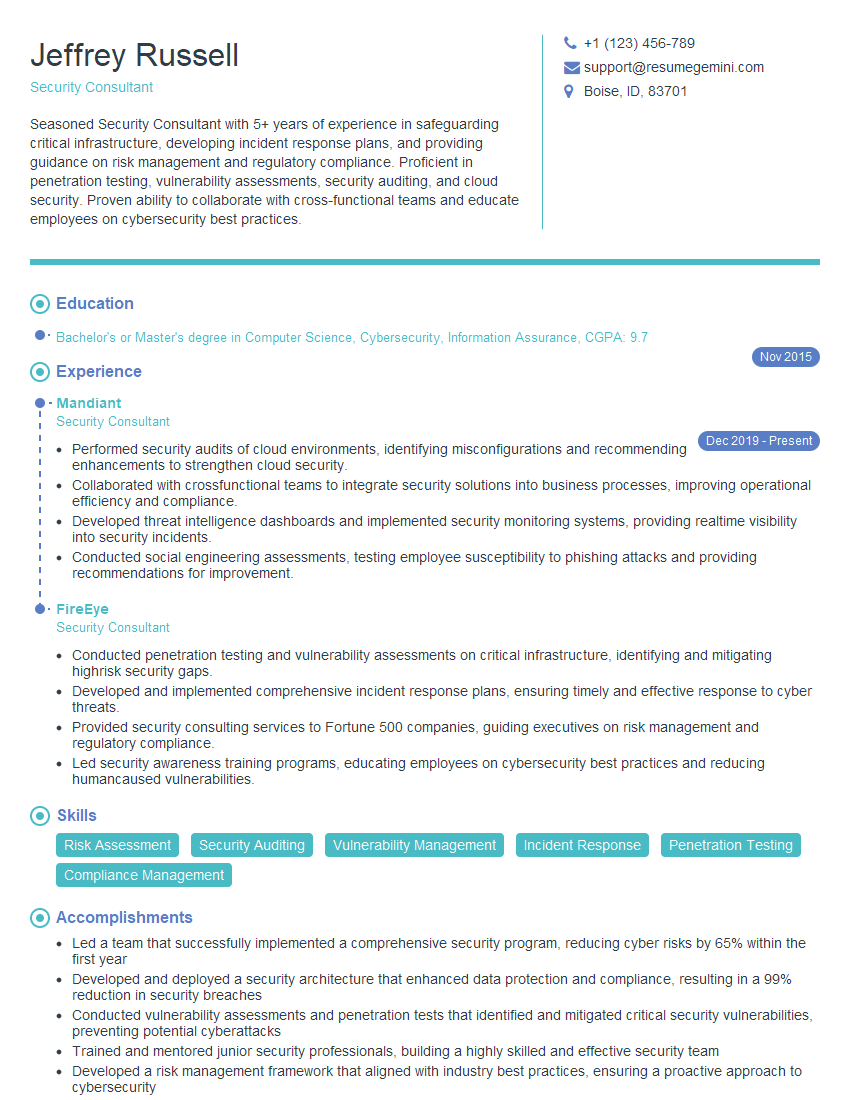
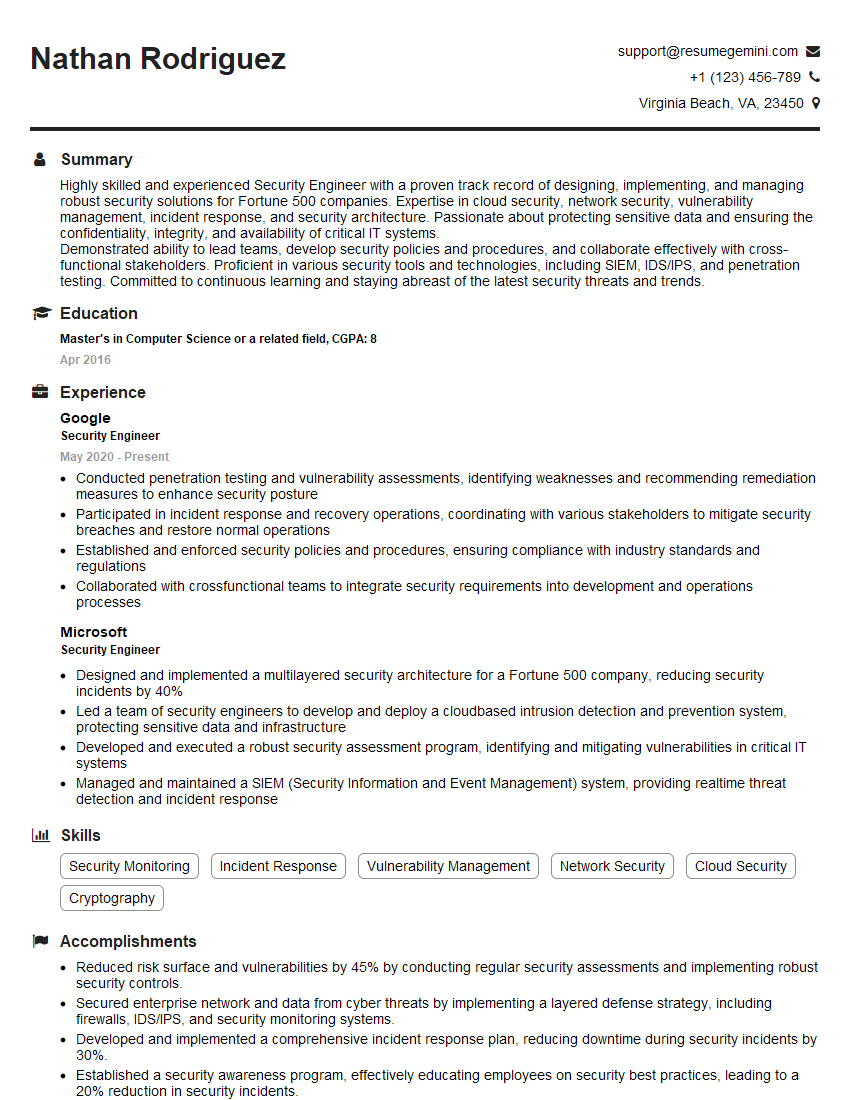
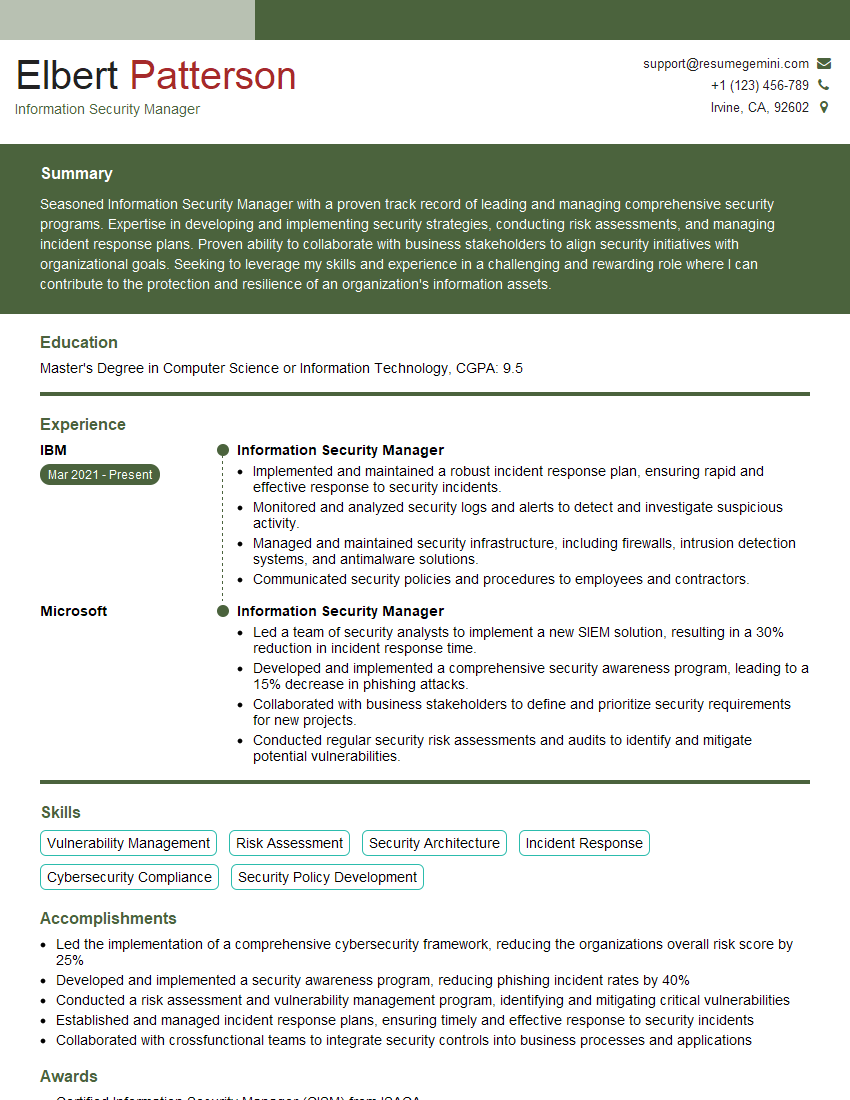
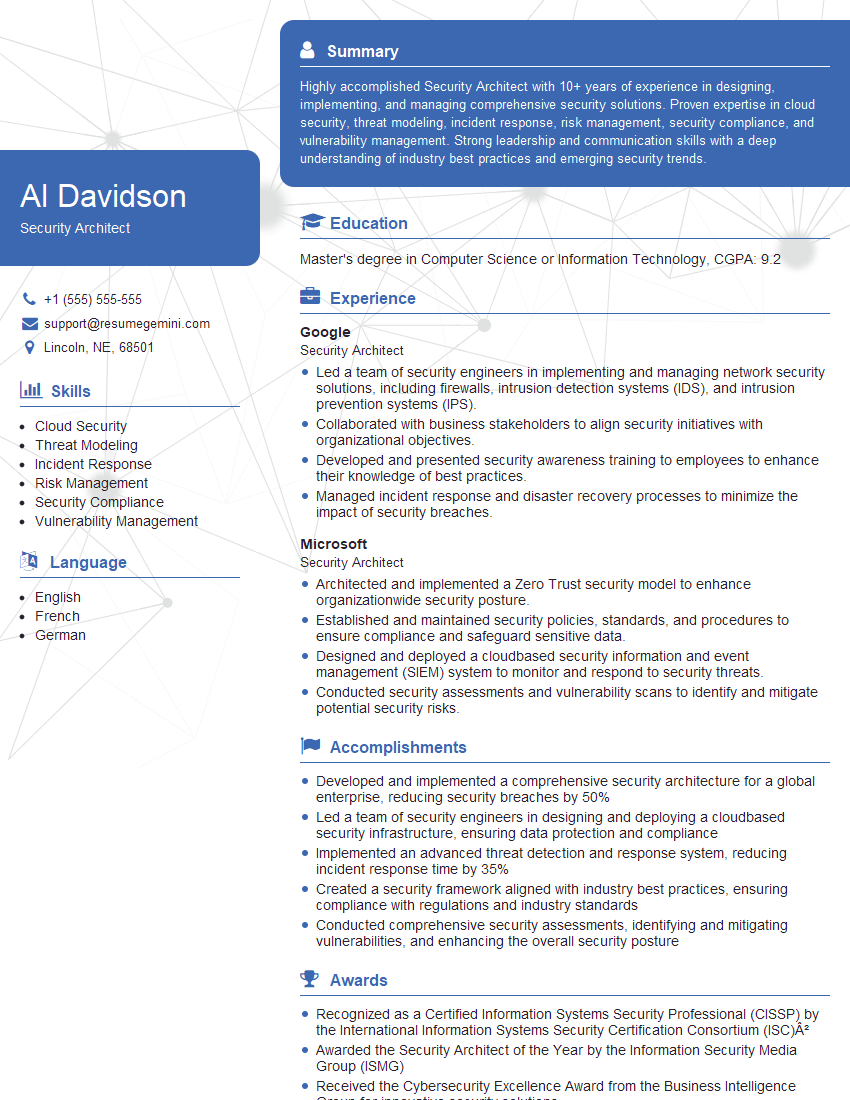
Mastering Cyber Security Incident Handling is crucial for career advancement in this rapidly growing field. It demonstrates critical thinking, problem-solving skills, and a deep understanding of security best practices – all highly sought-after qualities by employers. To significantly boost your job prospects, focus on creating an ATS-friendly resume that effectively highlights your skills and experience. ResumeGemini is a trusted resource that can help you build a professional and impactful resume, ensuring your qualifications stand out. Examples of resumes tailored to Cyber Security Incident Handling are available to guide your process.

Explore more articles
Users Rating of Our Blogs
Share Your Experience
We value your feedback! Please rate our content and share your thoughts (optional).
What Readers Say About Our Blog
Very informative content, great job.
good