Unlock your full potential by mastering the most common Data Analysis and Information Interpretation interview questions. This blog offers a deep dive into the critical topics, ensuring you’re not only prepared to answer but to excel. With these insights, you’ll approach your interview with clarity and confidence.
Questions Asked in Data Analysis and Information Interpretation Interview
Q 1. Explain the difference between descriptive, predictive, and prescriptive analytics.
Descriptive, predictive, and prescriptive analytics represent a progression in data analysis capabilities. Think of them as different stages of understanding and acting upon data.
- Descriptive Analytics: This is the foundational level, focusing on what happened. It involves summarizing past data using techniques like mean, median, mode, and visualizations such as histograms and bar charts. For example, a retail company might use descriptive analytics to understand its sales figures over the past year, identifying peak sales months and best-selling products. This provides insights into past performance but doesn’t predict future trends.
- Predictive Analytics: Building on descriptive analysis, predictive analytics aims to understand what might happen. It uses historical data and statistical modeling (e.g., regression, classification, time series analysis) to forecast future outcomes. Continuing the retail example, predictive analytics could forecast sales for the next quarter based on past sales data, seasonality, and economic indicators. This helps anticipate demand and optimize inventory management.
- Prescriptive Analytics: This is the most advanced level, focusing on what should be done. It leverages optimization techniques and simulations to recommend actions that maximize desired outcomes. For our retail company, prescriptive analytics might suggest optimal pricing strategies to maximize profit based on predicted demand and competitor pricing, or identify the best locations for new stores. This stage uses the insights from descriptive and predictive analyses to make data-driven decisions.
Q 2. What are the common types of data biases, and how do you mitigate them?
Data bias significantly impacts the validity and reliability of analytical results. Several types exist:
- Selection Bias: Occurs when the sample used for analysis doesn’t accurately represent the population of interest. For instance, surveying only university students to understand the general public’s opinion on a political issue would introduce selection bias.
- Confirmation Bias: This involves favoring information confirming existing beliefs and ignoring contradictory evidence. A researcher who believes a specific hypothesis might unconsciously interpret data to support that belief, even if the evidence is weak.
- Survivorship Bias: Focusing only on successful cases and ignoring failures. For example, analyzing only successful startups without considering the failed ones would paint an overly optimistic picture of startup success.
- Measurement Bias: Errors in how data is collected or measured. This could be due to faulty instruments, unclear questions in surveys, or inconsistent data entry.
Mitigation strategies include:
- Careful Sampling: Using appropriate sampling techniques like random sampling to minimize selection bias.
- Blind Studies: Ensuring researchers are unaware of the treatment group or hypothesis to reduce confirmation bias.
- Controlling for Variables: Using statistical methods to account for confounding factors and reduce bias.
- Data Validation: Implementing rigorous data quality checks and using multiple data sources to validate findings.
- Awareness and Critical Thinking: Constantly questioning assumptions and interpretations to identify potential biases.
Q 3. Describe your experience with data cleaning and preprocessing techniques.
Data cleaning and preprocessing are crucial steps before any meaningful analysis. My experience encompasses a range of techniques, including:
- Handling Missing Values: Employing imputation methods (mean, median, mode imputation or more advanced techniques like k-NN imputation) or removing rows/columns with excessive missing data based on the context and impact on analysis.
- Outlier Detection and Treatment: Identifying outliers using box plots, scatter plots, or z-scores and handling them through winsorization, trimming, or transformation depending on the nature of the outliers and the implications for the analysis.
- Data Transformation: Applying log transformations, standardization (z-score normalization), or min-max scaling to handle skewed data, improve model performance, and ensure features are on a comparable scale.
- Data Type Conversion: Converting data types between numerical and categorical formats as needed for specific analytical methods.
- Feature Engineering: Creating new features from existing ones to improve model accuracy or provide more meaningful insights. For example, extracting year, month, and day from a date column.
- Data Deduplication: Removing duplicate entries from the dataset to prevent bias and improve data accuracy.
I use scripting languages like Python (with Pandas and Scikit-learn) and R to efficiently perform these tasks.
Q 4. How do you handle missing data in a dataset?
Handling missing data depends heavily on the context, the amount of missing data, and the mechanism causing the missingness (Missing Completely at Random (MCAR), Missing at Random (MAR), Missing Not at Random (MNAR)).
- Deletion: Removing rows or columns with missing values. This is straightforward but can lead to significant information loss if many values are missing. Listwise deletion removes entire rows, while pairwise deletion uses available data for each analysis.
- Imputation: Replacing missing values with estimated values. Common methods include:
- Mean/Median/Mode Imputation: Simple, but can distort the distribution if many values are missing.
- Regression Imputation: Predicting missing values based on other variables using regression models.
- k-Nearest Neighbors (k-NN) Imputation: Replacing missing values with values from similar data points.
- Multiple Imputation: Creating multiple plausible imputed datasets and combining the results, which provides a more robust estimate compared to single imputation.
- Model-Based Approaches: Some machine learning models, such as tree-based models, can handle missing data without explicit preprocessing.
The choice of method depends on the specific situation. For small amounts of MCAR data, deletion might be acceptable. For larger amounts or non-random missingness, imputation techniques are generally preferred, with multiple imputation being a more sophisticated option.
Q 5. What are your preferred methods for data visualization, and why?
My preferred methods for data visualization depend on the nature of the data and the insights I aim to convey. However, I frequently utilize:
- Matplotlib and Seaborn (Python): For creating a wide range of static plots, including scatter plots, histograms, box plots, heatmaps, and line plots. They are highly customizable and allow for effective communication of complex relationships.
- ggplot2 (R): Similar to Matplotlib and Seaborn, offering a grammar of graphics approach that promotes efficient and reproducible visualization.
- Tableau and Power BI: For interactive dashboards and visualizations, particularly when presenting findings to non-technical audiences. These tools allow for easy exploration of data and the creation of dynamic reports.
The key is choosing the right visualization to match the data and the intended message. For example, a scatter plot is suitable for showing correlations between two continuous variables, while a bar chart effectively displays categorical data comparisons.
Q 6. Explain the concept of statistical significance.
Statistical significance refers to the probability of obtaining observed results (or more extreme results) if there is actually no effect or relationship in the population. In simpler terms, it helps us determine if an observed result is likely due to chance or a real effect.
We typically use p-values to assess statistical significance. A p-value less than a predetermined significance level (often 0.05) indicates that the observed results are statistically significant, meaning it’s unlikely they occurred by chance alone. A p-value of 0.05 means that there is a 5% chance of observing the results if there is no true effect. It’s important to note that statistical significance doesn’t necessarily imply practical significance or importance.
Q 7. How do you determine the appropriate statistical test for a given dataset and research question?
Choosing the appropriate statistical test involves carefully considering the:
- Type of data: Is it categorical (nominal or ordinal) or continuous (interval or ratio)?
- Research question: Are you comparing means, proportions, or testing for correlations or associations?
- Number of groups: Are you comparing two groups or more?
- Assumptions of the test: Does your data meet the assumptions of the test (e.g., normality, independence)?
Here’s a simplified framework:
- Comparing means:
- Two independent groups: t-test
- Two dependent groups: paired t-test
- Three or more groups: ANOVA
- Comparing proportions:
- Two groups: chi-square test of independence or z-test for proportions
- More than two groups: chi-square test of independence
- Testing for correlations:
- Pearson correlation for continuous variables
- Spearman correlation for ordinal or non-normally distributed data
- Testing for associations: Chi-square test of independence for categorical variables
It is crucial to understand the assumptions and limitations of each test before applying it. Violating assumptions can lead to inaccurate conclusions. If assumptions are violated, non-parametric tests might be more appropriate.
Q 8. What is A/B testing, and how would you design an A/B test for a given scenario?
A/B testing, also known as split testing, is a randomized experiment where two versions of a variable (A and B) are compared to determine which performs better. It’s a cornerstone of data-driven decision-making, allowing us to test hypotheses and optimize user experiences. Think of it like a scientific experiment, but for websites, apps, or marketing campaigns.
Designing an A/B test involves several steps:
- Define your objective: What are you trying to improve? (e.g., click-through rate, conversion rate, time spent on page).
- Choose your variables: Identify the element you want to test (e.g., button color, headline text, image). Version A will be your control (the current version), and Version B will be your variation.
- Establish your metrics: Decide how you will measure success (e.g., using key performance indicators or KPIs like conversion rates).
- Determine your sample size: This is crucial for statistical significance. Tools like online calculators can help determine the appropriate sample size based on your desired level of confidence and effect size.
- Randomize participants: Users should be randomly assigned to either version A or B to avoid bias.
- Set a duration: Run the test for long enough to gather sufficient data, while also considering the cost of running the test.
- Analyze the results: Use statistical analysis to determine if the differences between A and B are statistically significant. Avoid making conclusions based on small differences alone.
Example: Let’s say we want to improve the conversion rate on an e-commerce website’s checkout page. We could A/B test two versions: Version A (control) has the existing checkout process, and Version B (variation) has a simplified checkout process with fewer steps. We’d track the conversion rate for each version and use statistical analysis to determine which version performs better. We might find that Version B, with its simpler process, has a significantly higher conversion rate.
Q 9. What are some common regression models, and when would you use each?
Regression models are used to predict a continuous dependent variable based on one or more independent variables. Several common types exist, each with its strengths and weaknesses:
- Linear Regression: Assumes a linear relationship between the dependent and independent variables. It’s simple to interpret and implement but can be inaccurate if the relationship is non-linear.
y = mx + cis a basic representation, where y is the dependent variable, x is the independent variable, m is the slope, and c is the y-intercept. - Polynomial Regression: Models non-linear relationships by fitting a polynomial curve to the data. More flexible than linear regression but can overfit the data if the polynomial degree is too high.
- Logistic Regression: Predicts the probability of a binary outcome (0 or 1). Used extensively in classification problems. For example, predicting whether a customer will click on an ad or make a purchase.
- Ridge Regression & Lasso Regression: Regularization techniques used to prevent overfitting in linear regression. They add a penalty term to the cost function, shrinking the coefficients of less important variables.
When to use each:
- Use linear regression when you have a linear relationship and want a simple, interpretable model.
- Use polynomial regression when the relationship is clearly non-linear.
- Use logistic regression for classification problems.
- Use Ridge or Lasso regression when dealing with multicollinearity (highly correlated independent variables) or a large number of predictors and want to prevent overfitting.
Q 10. Explain the difference between correlation and causation.
Correlation and causation are often confused, but they are distinct concepts. Correlation simply refers to a statistical relationship between two or more variables. It indicates whether they tend to move together (positive correlation), move in opposite directions (negative correlation), or show no relationship (no correlation). Causation, on the other hand, implies that one variable directly influences or causes a change in another variable.
Example: Ice cream sales and crime rates might show a positive correlation – both tend to be higher in the summer. However, this doesn’t mean that increased ice cream sales *cause* increased crime rates. A confounding variable, like higher temperatures, could influence both. The heat leads to more people buying ice cream and also potentially contributes to increased crime rates. Therefore, there’s a correlation but not necessarily causation.
Establishing causation requires more rigorous methods like controlled experiments (A/B testing) or advanced statistical techniques to control for confounding variables and demonstrate a clear cause-and-effect relationship.
Q 11. How familiar are you with SQL and its use in data analysis?
I’m highly proficient in SQL (Structured Query Language). It’s an essential tool in my data analysis workflow. I use it extensively to:
- Extract data: Retrieve specific data sets from various databases based on defined criteria.
SELECT * FROM customers WHERE country = 'USA'; - Transform data: Clean, filter, and manipulate data for analysis.
SELECT order_date, SUM(order_total) AS total_sales FROM orders GROUP BY order_date; - Load data: Import data into data warehouses or other analytical tools.
INSERT INTO new_table SELECT * FROM old_table; - Create and manage databases and tables: Design efficient database schemas to store and manage data effectively.
My experience encompasses working with various SQL dialects, including MySQL, PostgreSQL, and SQL Server, optimizing queries for performance, and using advanced SQL features like window functions and common table expressions (CTEs) for complex data manipulations.
Q 12. Describe your experience with data mining techniques.
My experience with data mining techniques is extensive and involves several key approaches:
- Association Rule Mining: Discovering relationships between variables in large datasets. A classic example is the market basket analysis to identify products frequently purchased together.
- Classification: Building models to predict categorical outcomes. For example, classifying customers into different segments based on their behavior or predicting customer churn.
- Clustering: Grouping similar data points together. This helps in customer segmentation, anomaly detection, and identifying patterns within the data.
- Regression: (As explained in question 2) Predicting a continuous outcome variable.
- Dimensionality Reduction: Reducing the number of variables while preserving important information. Techniques like Principal Component Analysis (PCA) help simplify complex datasets and improve model performance.
I’ve applied these techniques in diverse settings, including customer relationship management (CRM), fraud detection, and market research, using tools like R, Python (with libraries such as scikit-learn), and Weka.
Q 13. How do you evaluate the performance of a machine learning model?
Evaluating the performance of a machine learning model is critical to ensuring its accuracy and reliability. The approach depends on the type of model (classification, regression, clustering, etc.) and the specific business problem. Common techniques include:
- Metrics: Choosing appropriate metrics is crucial. For classification models, accuracy, precision, recall, F1-score, and AUC-ROC are frequently used. For regression models, metrics like mean squared error (MSE), root mean squared error (RMSE), and R-squared are common.
- Cross-validation: Dividing the dataset into multiple folds and training the model on different combinations of folds. This provides a more robust estimate of the model’s performance on unseen data and helps prevent overfitting.
- Confusion Matrix: A visual representation of a classification model’s performance, showing the counts of true positives, true negatives, false positives, and false negatives.
- Learning Curves: Plots that show the model’s performance as a function of training set size. These help identify whether the model is underfitting or overfitting.
- Feature Importance: Analyzing which features contribute most to the model’s predictions. This helps understand the data and improve the model’s interpretability.
Beyond these standard techniques, business context is critical. For example, the cost of a false positive versus a false negative might significantly impact which metric is prioritized. A fraud detection system might prioritize recall (minimizing false negatives) even if it means a higher rate of false positives.
Q 14. What are some common metrics used to assess the quality of data analysis results?
Assessing the quality of data analysis results requires a multifaceted approach. Key metrics include:
- Accuracy: How close the analysis results are to the true values.
- Precision: Out of all the positive predictions made, what proportion was actually correct (relevant to classification).
- Recall (Sensitivity): Out of all the actual positive cases, what proportion was correctly predicted (relevant to classification).
- F1-score: The harmonic mean of precision and recall, providing a balanced measure.
- Specificity: Out of all the actual negative cases, what proportion was correctly identified (relevant to classification).
- RMSE (Root Mean Squared Error): Measures the average difference between predicted and actual values (relevant to regression).
- R-squared: Indicates the proportion of variance in the dependent variable explained by the model (relevant to regression).
- p-value: Indicates the statistical significance of the results, helping determine if the observed effects are likely due to chance.
- Confidence intervals: Provide a range of values within which the true population parameter is likely to fall.
In addition to these quantitative metrics, the interpretability and actionability of the results are equally important. A highly accurate model that is difficult to understand or cannot be used to inform decisions is less valuable than a simpler, more interpretable model that provides actionable insights.
Q 15. How do you communicate complex analytical findings to a non-technical audience?
Communicating complex analytical findings to a non-technical audience requires translating technical jargon into plain language and focusing on the story the data tells. I achieve this by employing several key strategies:
- Visualizations are Key: Charts, graphs, and dashboards are significantly more effective than tables of numbers. A simple bar chart showing the trend of sales over time is far easier to grasp than a spreadsheet of raw data. I carefully choose the right visualization type to emphasize the key insights.
- Focus on the Narrative: Instead of diving straight into statistics, I frame the findings within a compelling narrative. For example, instead of saying “Conversion rates decreased by 15%,” I’d say, “Our recent marketing campaign resulted in a 15% drop in conversions, potentially impacting our revenue targets. Let’s explore potential reasons for this decline.”
- Analogies and Metaphors: To illustrate complex concepts, I use relatable analogies. For instance, explaining statistical significance using the example of flipping a coin many times to see if the results are truly random.
- Avoid Jargon: I carefully avoid technical terms like “p-value” or “regression analysis” unless absolutely necessary, and if used, I explain them in simple terms.
- Interactive Presentations: I find interactive elements in presentations, like clickable charts that drill down into specific details, make the data much more engaging and easier to follow.
- Keep it Concise: I focus on the most important findings, highlighting the key takeaways and implications without overwhelming the audience with excessive detail.
For example, in a recent project analyzing customer churn, I used a simple line graph to show the trend of churn over time and a heatmap to highlight the customer segments most likely to churn. This allowed the non-technical stakeholders to quickly understand the problem and identify potential areas for intervention.
Career Expert Tips:
- Ace those interviews! Prepare effectively by reviewing the Top 50 Most Common Interview Questions on ResumeGemini.
- Navigate your job search with confidence! Explore a wide range of Career Tips on ResumeGemini. Learn about common challenges and recommendations to overcome them.
- Craft the perfect resume! Master the Art of Resume Writing with ResumeGemini’s guide. Showcase your unique qualifications and achievements effectively.
- Don’t miss out on holiday savings! Build your dream resume with ResumeGemini’s ATS optimized templates.
Q 16. Describe your experience working with large datasets.
I have extensive experience working with large datasets, often exceeding terabytes in size. My approach involves leveraging distributed computing frameworks and employing efficient data handling techniques.
- Big Data Tools: I’m proficient in using tools like Hadoop, Spark, and cloud-based data warehouses (e.g., Snowflake, Google BigQuery, AWS Redshift) to process and analyze large datasets efficiently. These tools allow for parallel processing, drastically reducing processing time.
- Data Sampling and Subsetting: When dealing with extremely large datasets, I often employ data sampling techniques to create manageable subsets for exploratory data analysis. This allows for faster iteration and experimentation without compromising the overall analysis.
- Data Optimization: I optimize data structures and queries to minimize processing time and resource consumption. This includes techniques like data partitioning, indexing, and query optimization.
- Cloud Computing: I utilize cloud computing resources for scalable data storage and processing, allowing for the analysis of datasets that would be impossible to manage on local machines.
For instance, in a recent project involving analyzing millions of customer transactions, I used Spark to process the data in parallel, significantly reducing the processing time from days to hours. This enabled us to identify key patterns and insights in a timely manner, facilitating faster business decision-making.
Q 17. Explain your understanding of different data types (categorical, numerical, etc.)
Understanding data types is fundamental to effective data analysis. Different data types require different analytical approaches. Broadly, data types can be classified into:
- Numerical Data: Represents quantities and can be further categorized into:
- Continuous: Can take on any value within a range (e.g., height, weight, temperature).
- Discrete: Can only take on specific values (e.g., number of children, count of items).
- Categorical Data: Represents categories or groups and can be:
- Nominal: Categories with no inherent order (e.g., color, gender).
- Ordinal: Categories with a meaningful order (e.g., education level, customer satisfaction rating).
- Date/Time Data: Represents points in time or durations.
- Text Data (String): Represents textual information.
- Boolean Data: Represents true/false values.
Recognizing the data type is crucial for selecting appropriate statistical methods. For example, you wouldn’t calculate the average of a nominal categorical variable like ‘eye color,’ but you would for a continuous numerical variable like ‘income’.
Q 18. How do you identify and address outliers in a dataset?
Outliers are data points that significantly deviate from the rest of the data. Identifying and addressing outliers is essential for accurate analysis because they can skew results and lead to incorrect interpretations. My approach involves a multi-step process:
- Visualization: I use box plots, scatter plots, and histograms to visually identify potential outliers. This provides a quick overview of the data distribution and helps pinpoint unusual observations.
- Statistical Methods: I employ statistical methods such as Z-scores or Interquartile Range (IQR) to quantify the deviation of data points from the mean or median. Points falling outside a predefined threshold are flagged as potential outliers.
- Domain Expertise: Understanding the context of the data is crucial. An outlier might be a legitimate data point reflecting a unique event or a true anomaly. I consider the business context and domain knowledge to determine if the outlier is a result of an error or a genuine observation.
- Handling Outliers: The appropriate method for handling outliers depends on their nature and cause. Options include:
- Removal: Removing outliers is appropriate only if they are confirmed errors or data entry mistakes.
- Transformation: Transforming the data, like using a logarithmic transformation, can sometimes reduce the impact of outliers.
- Winsorizing/Trimming: Replacing extreme values with less extreme values (Winsorizing) or removing a certain percentage of extreme values (Trimming).
- Robust Statistical Methods: Using statistical methods less sensitive to outliers (like median instead of mean).
For example, in a sales dataset, an unusually high sales figure might be due to a large bulk order. In such a case, rather than removing it, I would explore the reason for this unusually high value. If it’s a genuine order, I might treat it as a separate category for analysis.
Q 19. What is your experience with data warehousing and ETL processes?
Data warehousing and ETL (Extract, Transform, Load) processes are critical for organizing and preparing data for analysis. My experience includes designing, implementing, and optimizing these processes:
- Data Warehousing Design: I’ve participated in designing dimensional data models (star schema, snowflake schema) suitable for analytical querying, ensuring data integrity and efficient retrieval of information. This often involves choosing appropriate database technologies (e.g., relational databases, columnar databases).
- ETL Process Development: I’ve used ETL tools like Informatica PowerCenter, SSIS, and Apache Kafka to extract data from various sources, transform it into a consistent format, and load it into the data warehouse. This involves data cleaning, transformation, and validation.
- Data Quality Management: Ensuring data quality is paramount. My experience includes implementing data quality checks, validation rules, and error handling mechanisms throughout the ETL process to maintain data integrity.
- Performance Optimization: Optimizing ETL jobs is crucial for efficiency. I have experience optimizing ETL processes for improved performance by techniques like parallel processing, data compression, and indexing.
In a recent project, I designed and implemented an ETL pipeline to consolidate data from multiple CRM systems, marketing automation platforms, and transactional databases into a central data warehouse. This enabled a unified view of customer data, significantly enhancing the accuracy and efficiency of marketing campaigns and customer relationship management.
Q 20. Describe your experience with different data visualization tools (Tableau, Power BI, etc.)
I have extensive experience with various data visualization tools, including Tableau, Power BI, and Python libraries like Matplotlib and Seaborn. The choice of tool depends on the specific project requirements and the audience:
- Tableau: Excellent for creating interactive dashboards and visualizations suitable for business users. Its drag-and-drop interface allows for quick creation of visually appealing reports.
- Power BI: Similar to Tableau, Power BI is a powerful tool for creating interactive dashboards and reports, and integrates well with Microsoft’s ecosystem.
- Python (Matplotlib & Seaborn): I use Python libraries for more customized visualizations and when greater control over the visualization process is needed. This allows for generating publication-quality graphics and complex plots not always easily achievable in drag-and-drop tools.
My approach involves selecting the appropriate visualization based on the data and the intended message. I strive to create clear, concise, and visually appealing visualizations that effectively communicate insights.
For example, in a project analyzing website traffic, I used Tableau to create an interactive dashboard showing key metrics like page views, bounce rate, and conversion rates. This allowed stakeholders to easily explore the data and identify areas for improvement.
Q 21. How do you handle conflicting data sources?
Handling conflicting data sources is a common challenge in data analysis. My approach involves a systematic process to identify, understand, and resolve inconsistencies:
- Data Profiling: I begin by profiling each data source to understand its structure, data types, data quality, and potential inconsistencies. This involves analyzing data completeness, accuracy, and consistency.
- Identifying Conflicts: I identify conflicts by comparing data across different sources, looking for discrepancies in values, formats, or definitions. This often involves using data comparison tools or writing custom scripts.
- Root Cause Analysis: Understanding the root cause of the conflict is crucial. Is it due to data entry errors, different definitions of variables, or inconsistencies in data collection methods? This requires careful investigation and domain knowledge.
- Resolution Strategies: The strategy for resolving conflicts depends on the nature and severity of the conflict. Options include:
- Manual Correction: For small datasets or critical inconsistencies, manual correction may be necessary.
- Data Cleaning: Cleaning and standardizing data formats to ensure consistency.
- Data Reconciliation: Using statistical methods or machine learning techniques to reconcile conflicting data points.
- Prioritization: If conflicts can’t be easily resolved, I prioritize which data sources to trust based on data quality and reliability. This often involves defining data governance policies.
For instance, in a project involving merging customer data from multiple databases, I identified discrepancies in customer addresses. After investigating the source of the discrepancies, I implemented data standardization techniques to clean and consolidate the addresses, ensuring consistency across the dataset.
Q 22. What are some common challenges you’ve encountered in data analysis projects?
Data analysis projects rarely go exactly as planned. One common challenge is data quality issues. This includes missing values, inconsistencies in data entry, and outright errors. For example, in a sales dataset, I’ve encountered inconsistencies in how product names were recorded, leading to inaccurate aggregation. Another significant challenge is data volume and complexity. Dealing with massive datasets requires efficient processing techniques and careful selection of appropriate algorithms. Imagine trying to analyze a customer database containing millions of records – you need sophisticated tools and strategies to prevent bottlenecks. Finally, interpreting results and communicating insights effectively to non-technical stakeholders can be challenging. Translating complex statistical analyses into clear, actionable recommendations requires strong communication skills.
Q 23. Describe your problem-solving approach when faced with ambiguous data.
My approach to ambiguous data involves a systematic investigation. First, I explore the data thoroughly using descriptive statistics and visualizations to identify patterns and anomalies. This helps understand the nature and extent of ambiguity. Next, I investigate the data sources and collection methods to understand potential reasons for the ambiguity. Was the data collected accurately? Are there known biases? Then, I employ data imputation techniques to fill in missing values or resolve inconsistencies based on the understanding of data context. For instance, if some sales figures are missing, I might use regression modeling to predict plausible values. If there are discrepancies in data definitions, I’ll document these carefully and consider the impact on the analysis. Finally, I perform sensitivity analysis to evaluate how the ambiguity affects the results. This approach helps ensure that the conclusions drawn are robust despite the limitations in the data.
Q 24. How do you prioritize tasks when working on multiple data analysis projects?
Prioritizing multiple data analysis projects involves a multi-faceted approach. First, I assess the urgency and impact of each project. A project with a critical deadline and significant business impact naturally takes precedence. Then, I consider the dependencies between projects. If one project’s output is crucial for another, I adjust the schedule accordingly. Next, I break down each project into smaller, manageable tasks. This allows for flexibility and easier tracking of progress. I use project management tools like Trello or Jira to visualize the workflow and track deadlines. Lastly, I prioritize based on resource availability, considering my own time constraints and any necessary collaboration with other team members.
Q 25. What is your experience with different programming languages used in data analysis (R, Python, etc.)?
I’m proficient in both R and Python for data analysis. R excels in statistical computing and visualization, with packages like ggplot2 for creating stunning graphics and dplyr for data manipulation. I’ve used R extensively in projects requiring advanced statistical modeling and data exploration. Python, on the other hand, is a more versatile language suitable for a broader range of tasks. Its libraries such as Pandas for data wrangling, NumPy for numerical computation, and Scikit-learn for machine learning make it an ideal choice for many data analysis projects. I prefer Python when I need to integrate data analysis with other applications or leverage its extensive ecosystem of libraries. My choice of language depends on the specific project requirements and the strengths of each tool.
Q 26. Explain your understanding of different sampling methods.
Sampling methods are crucial when dealing with large datasets. Simple random sampling is the most basic method, where each element has an equal chance of being selected. Imagine drawing lottery numbers – each number has the same probability of being chosen. Stratified sampling divides the population into subgroups (strata) and then samples randomly from each stratum. This ensures representation from different groups. For example, in a customer survey, we might stratify by age group to get a balanced representation. Cluster sampling groups the population into clusters and randomly selects some clusters to sample. Think of surveying households by randomly selecting city blocks instead of individual homes. Finally, systematic sampling selects elements at regular intervals. For instance, choosing every 10th customer in a database. The choice of sampling method depends on factors like the population’s characteristics, the research question, and resource constraints. Each method has its advantages and limitations in terms of bias and accuracy.
Q 27. How do you ensure the accuracy and reliability of your data analysis results?
Ensuring accuracy and reliability involves a meticulous approach. First, data validation is paramount. This involves checking data for consistency, accuracy, and completeness. For example, I might check if dates are within a reasonable range or if numerical values fall within expected bounds. Second, I use appropriate statistical methods relevant to the data type and research question. Selecting inappropriate methods can lead to biased or misleading results. Third, I conduct sensitivity analysis to assess how changes in the data or assumptions affect the results. This helps in understanding the robustness of my findings. Fourth, I perform cross-validation or out-of-sample testing to check if the model generalizes well to unseen data. This helps prevent overfitting. Finally, I document my analysis thoroughly, including data cleaning steps, chosen methods, assumptions made, and limitations of the analysis. Transparency is crucial for building trust in the results.
Key Topics to Learn for Data Analysis and Information Interpretation Interview
- Descriptive Statistics: Understanding measures of central tendency (mean, median, mode), dispersion (variance, standard deviation), and their application in summarizing data sets. Practical application: Interpreting key performance indicators (KPIs) from business data.
- Inferential Statistics: Grasping concepts like hypothesis testing, confidence intervals, and regression analysis to draw conclusions from sample data and make predictions. Practical application: Analyzing A/B test results to determine the impact of a website redesign.
- Data Visualization: Mastering the creation and interpretation of various charts and graphs (histograms, scatter plots, box plots) to effectively communicate data insights. Practical application: Presenting data findings to stakeholders in a clear and concise manner.
- Data Cleaning and Preprocessing: Understanding techniques for handling missing data, outliers, and inconsistencies to ensure data quality and accuracy. Practical application: Preparing datasets for analysis using tools like SQL or Python.
- Data Wrangling & Manipulation: Proficiency in using tools and techniques to transform raw data into a usable format for analysis. Practical application: Extracting relevant information from large datasets using programming languages like R or Python.
- SQL & Database Management: Understanding database structures, querying data using SQL, and performing data manipulation tasks. Practical application: Extracting and analyzing data from relational databases for business reporting.
- Statistical Modeling: Familiarity with various statistical models (linear regression, logistic regression) and their application in making predictions and drawing inferences. Practical application: Building predictive models for customer churn or sales forecasting.
- Data Interpretation & Communication: Ability to effectively communicate complex data insights to both technical and non-technical audiences. Practical application: Presenting data-driven recommendations to influence business decisions.
Next Steps
Mastering Data Analysis and Information Interpretation is crucial for career advancement in today’s data-driven world. It opens doors to exciting roles and allows you to contribute significantly to strategic decision-making. To maximize your job prospects, building a strong, ATS-friendly resume is essential. ResumeGemini is a trusted resource that can help you craft a compelling resume showcasing your skills and experience effectively. Examples of resumes tailored to Data Analysis and Information Interpretation are available to guide you. Take the next step in your career journey – create a resume that truly reflects your potential.
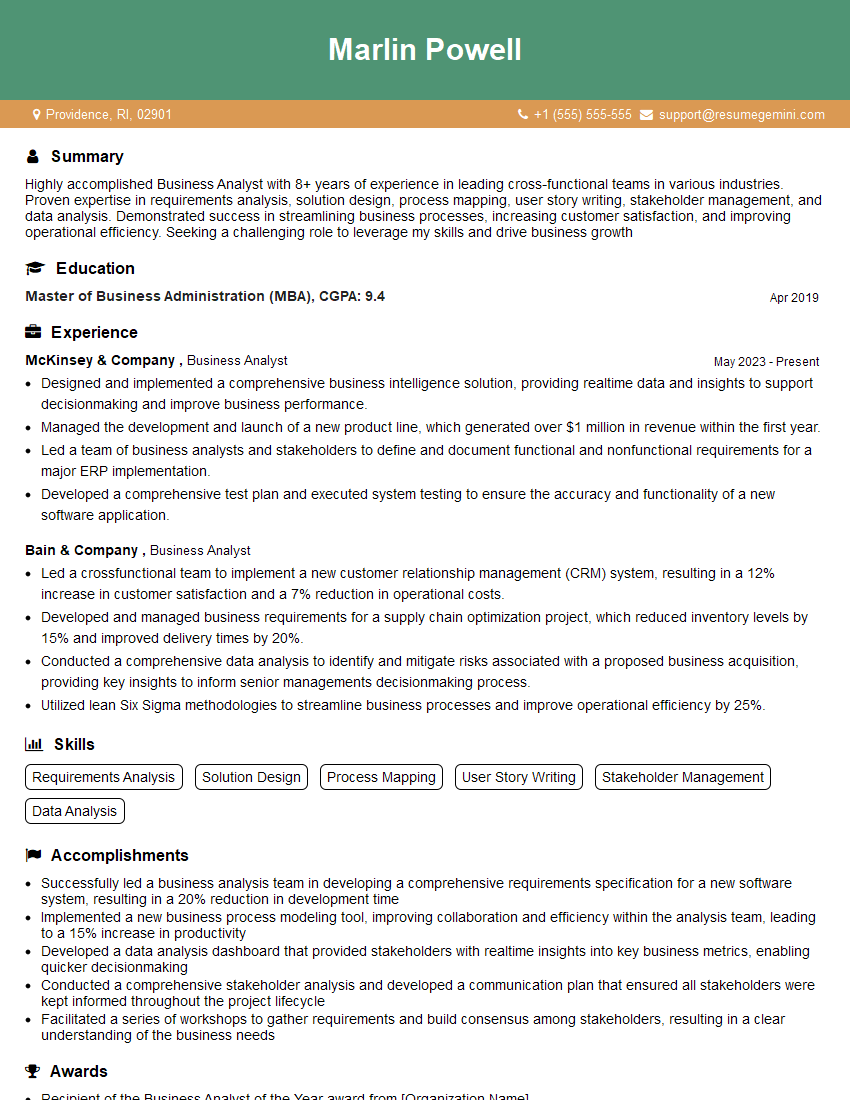
Business Analyst Resume Sample
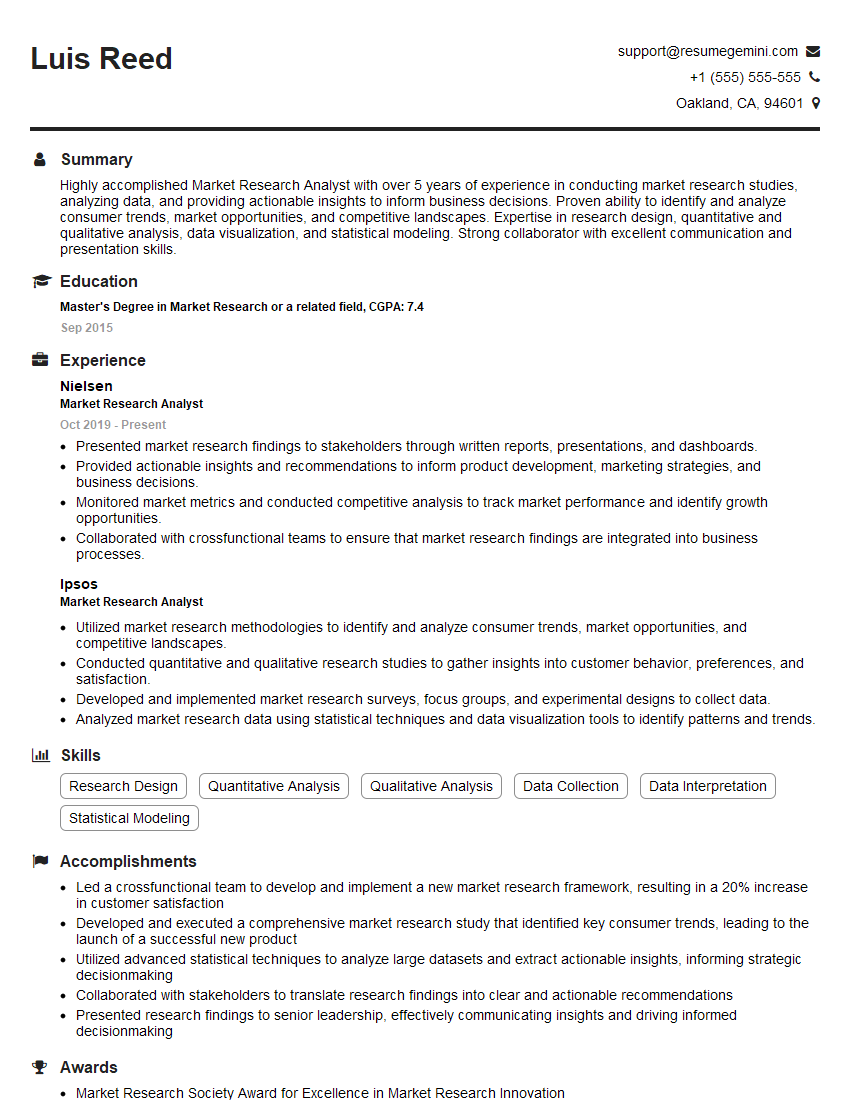
Market Research Analyst Resume Sample
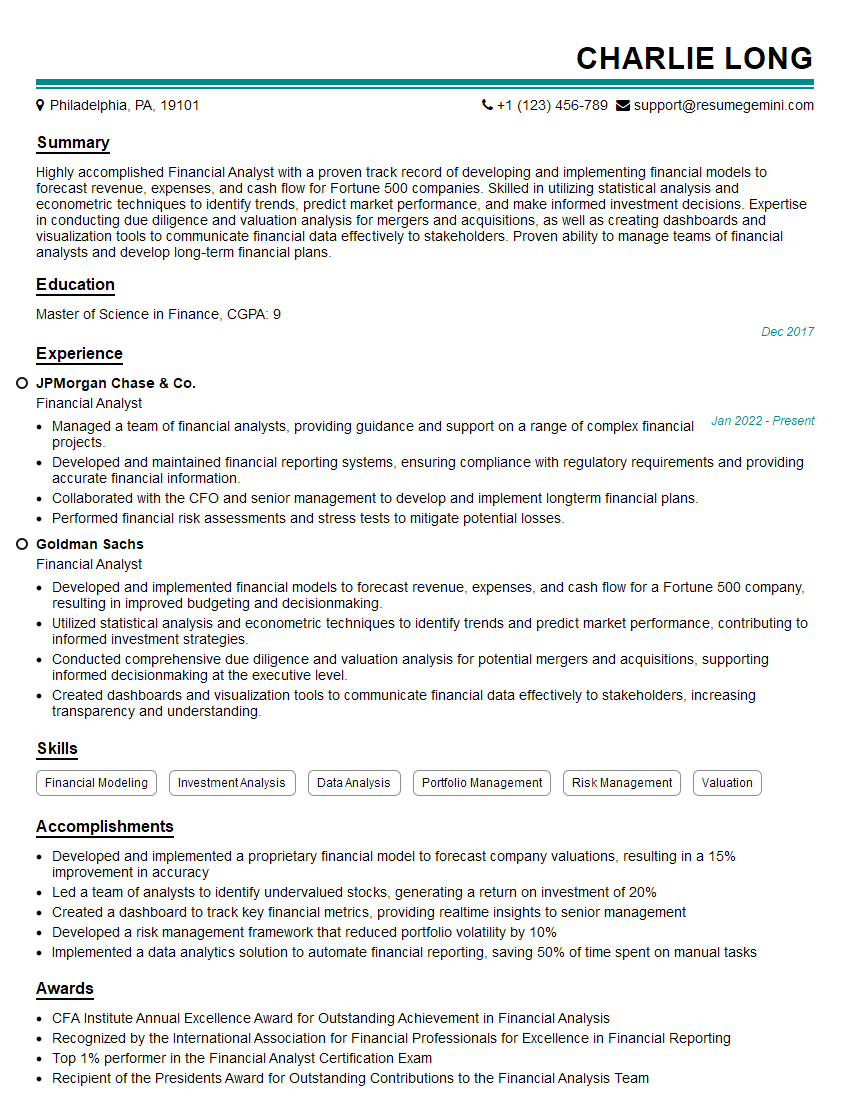
Financial Analyst Resume Sample
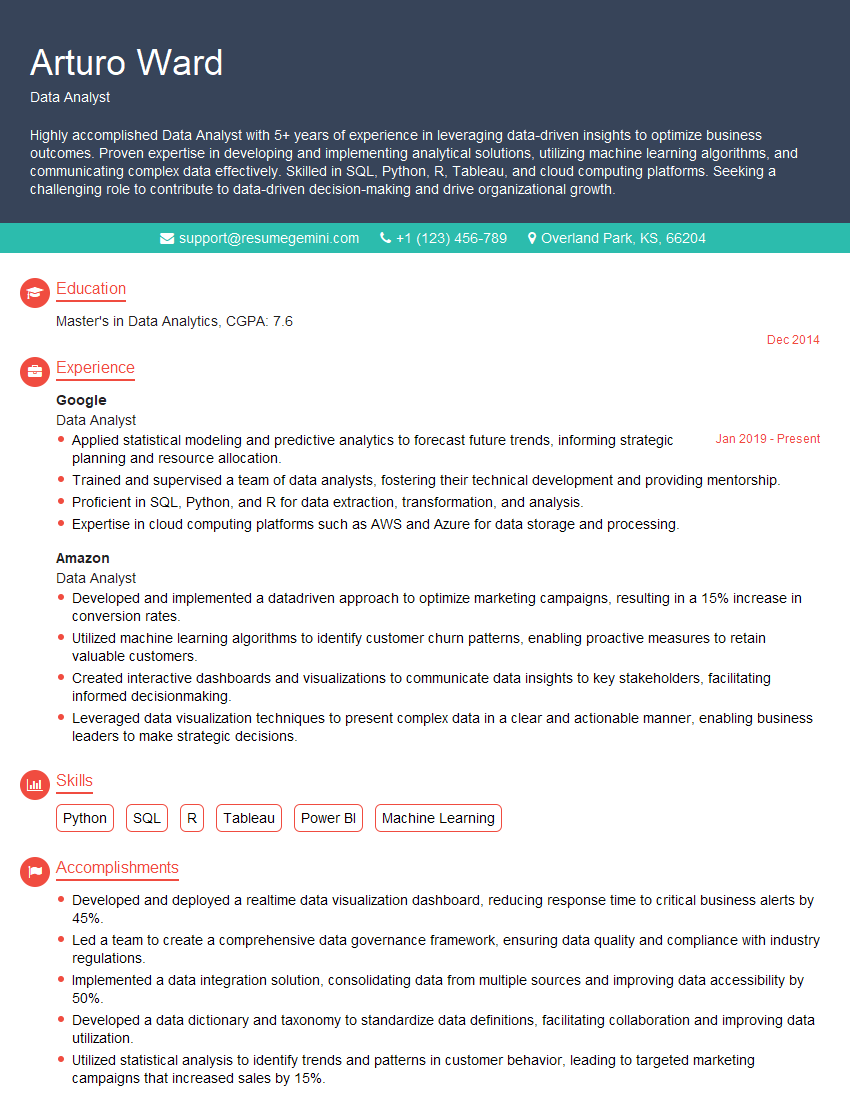
Data Analyst Resume Sample
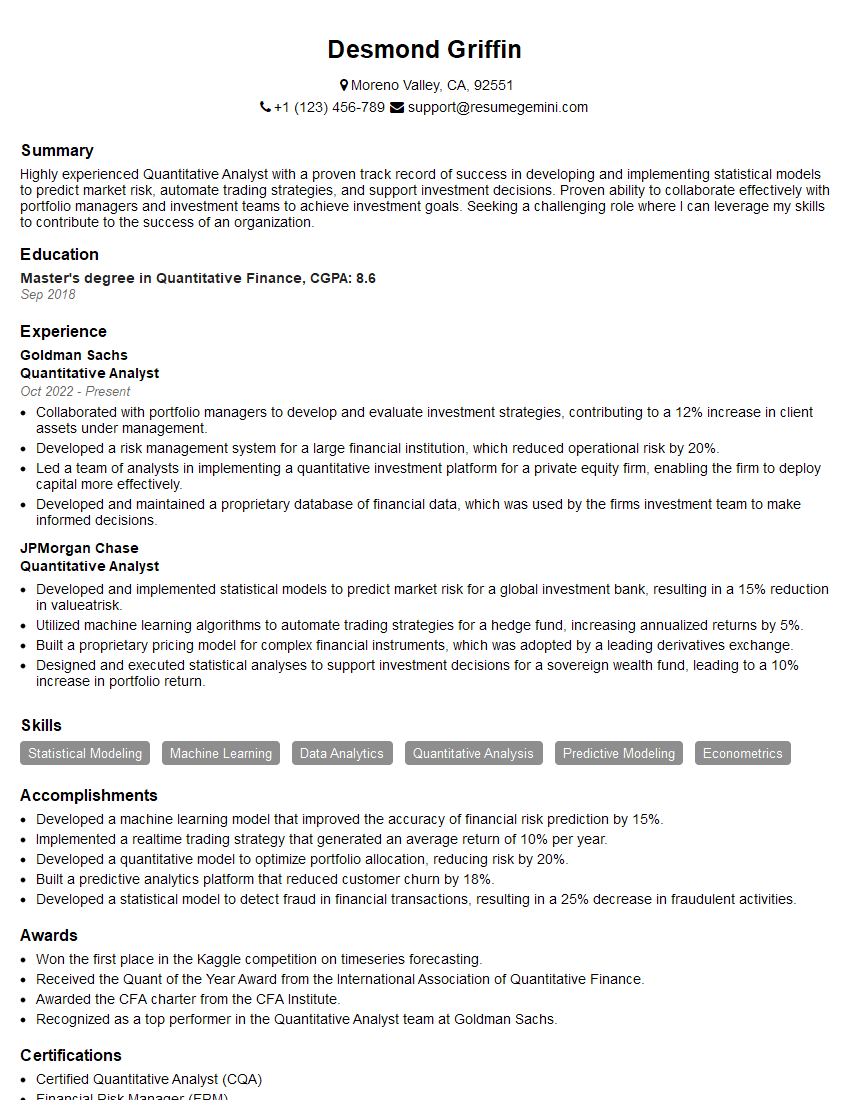
Quantitative Analyst Resume Sample
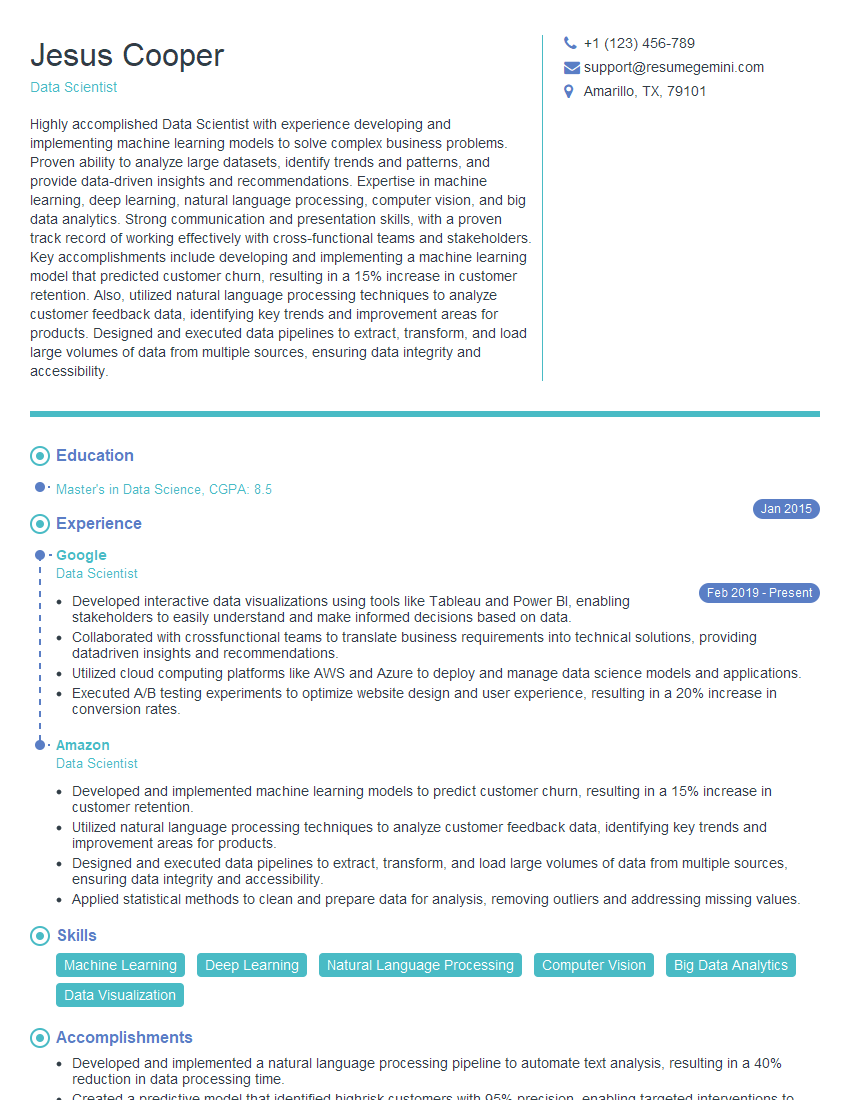
Data Scientist Resume Sample
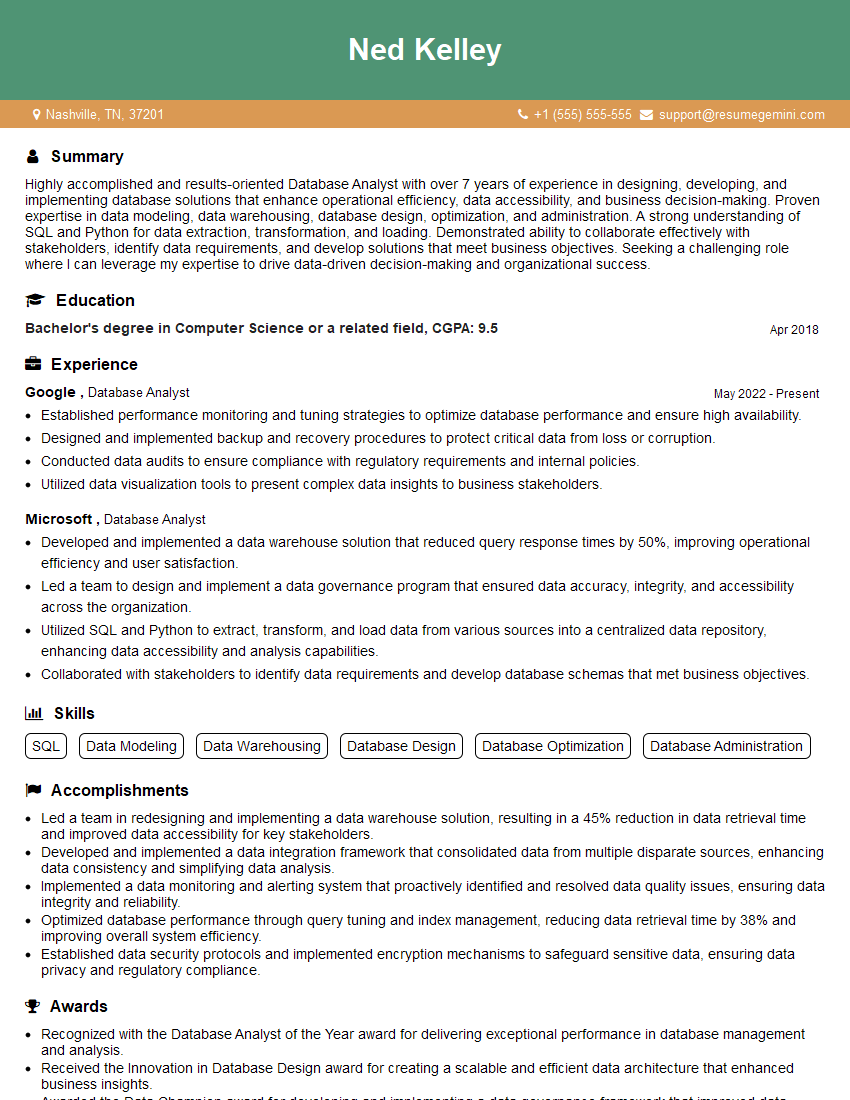
Database Analyst Resume Sample
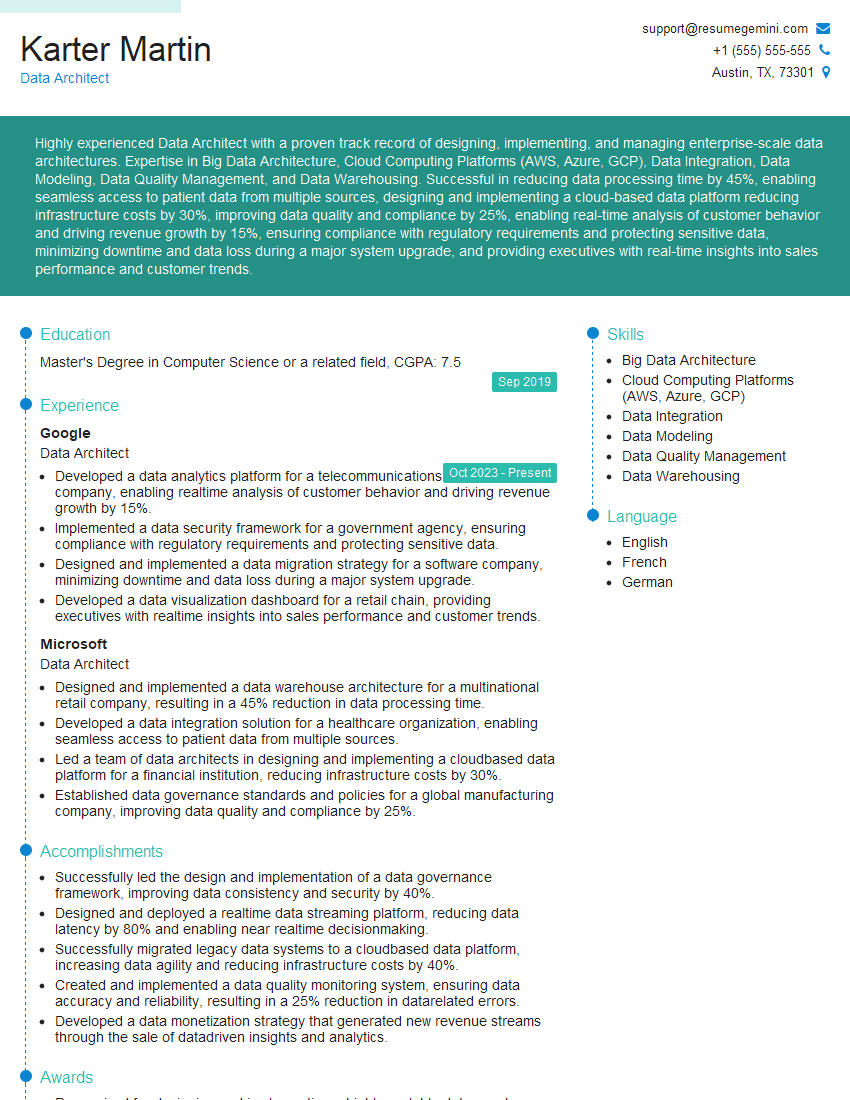
Data Architect Resume Sample
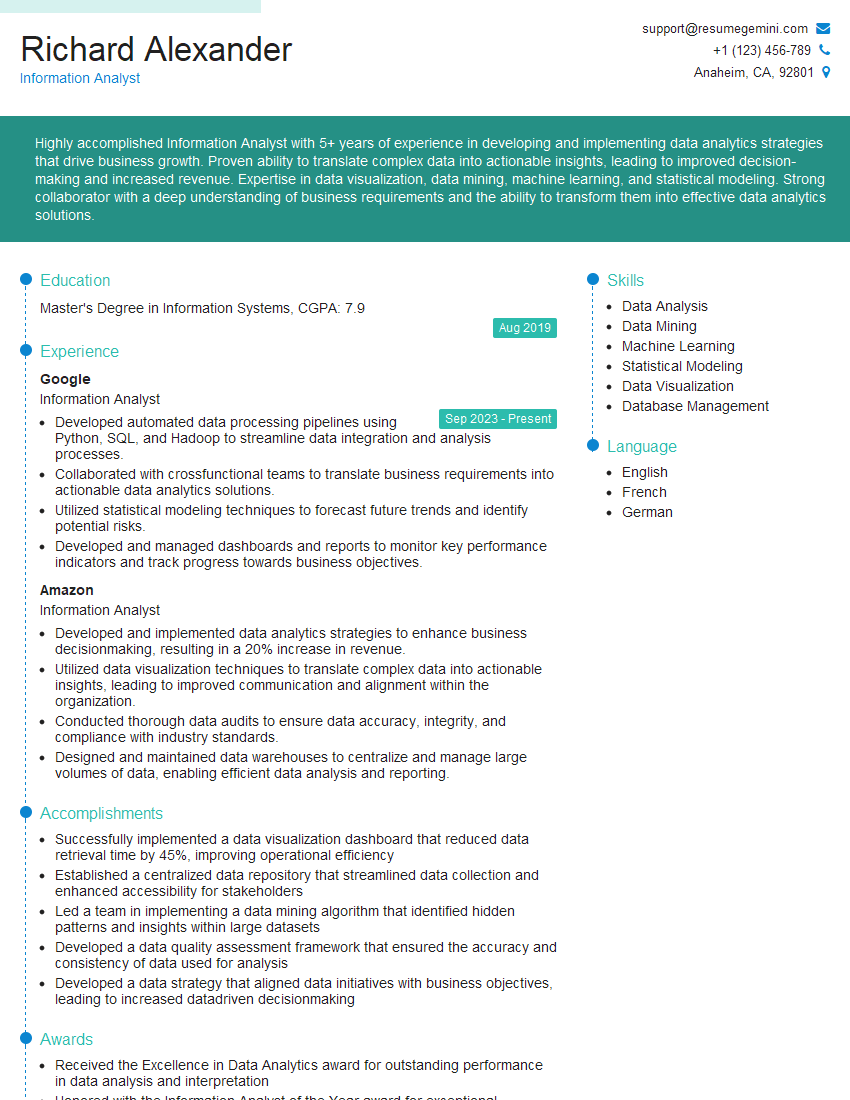
Information Analyst Resume Sample
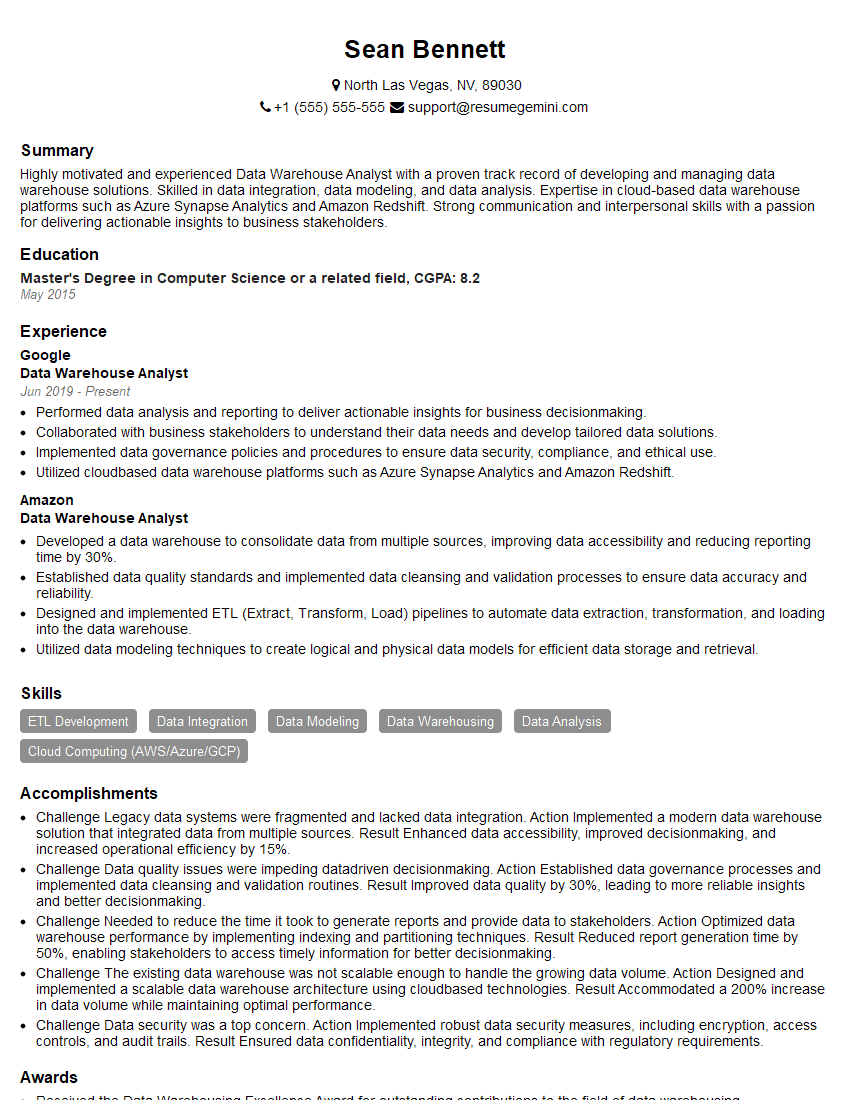
Data Warehouse Analyst Resume Sample
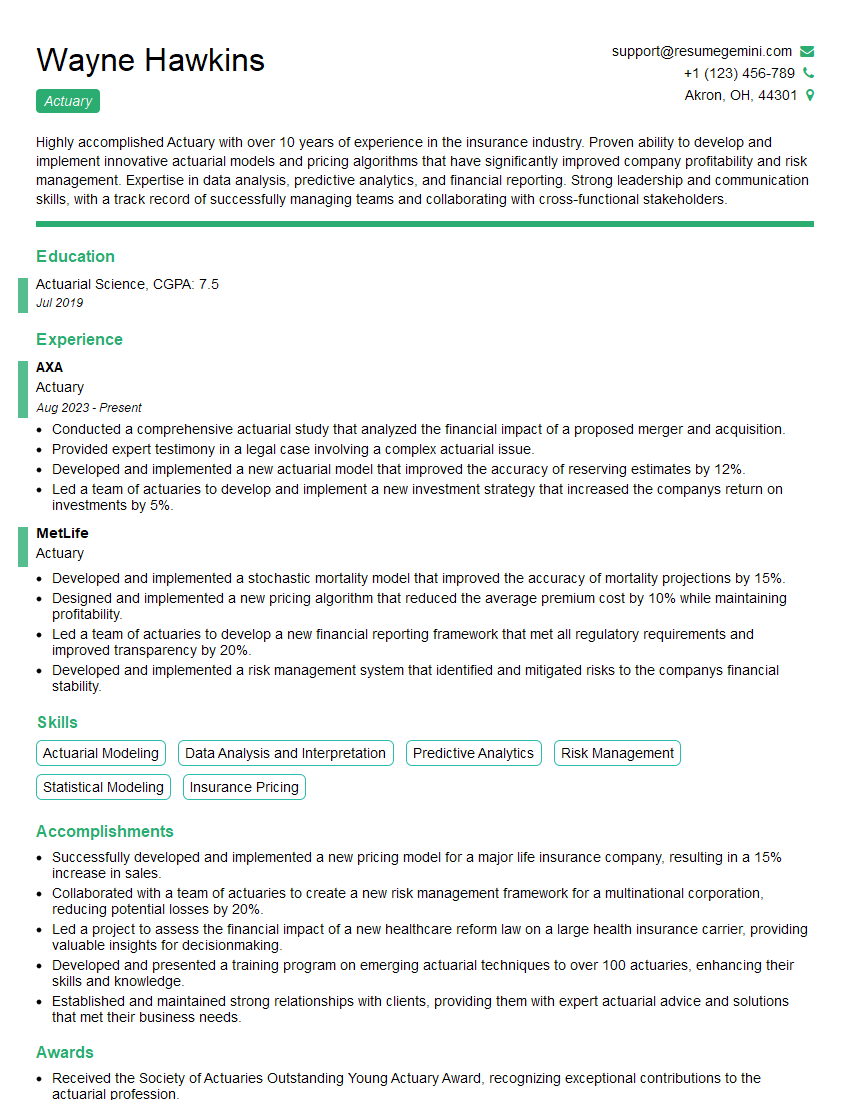
Actuary Resume Sample
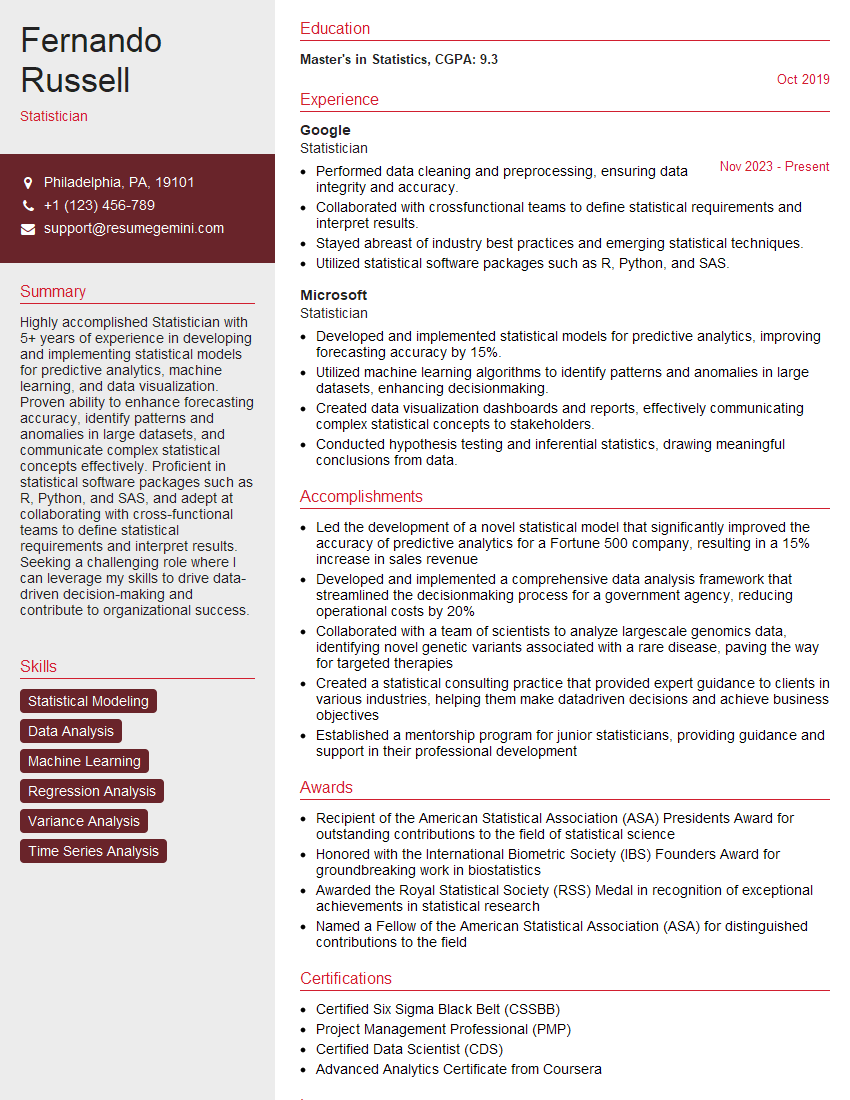
Statistician Resume Sample
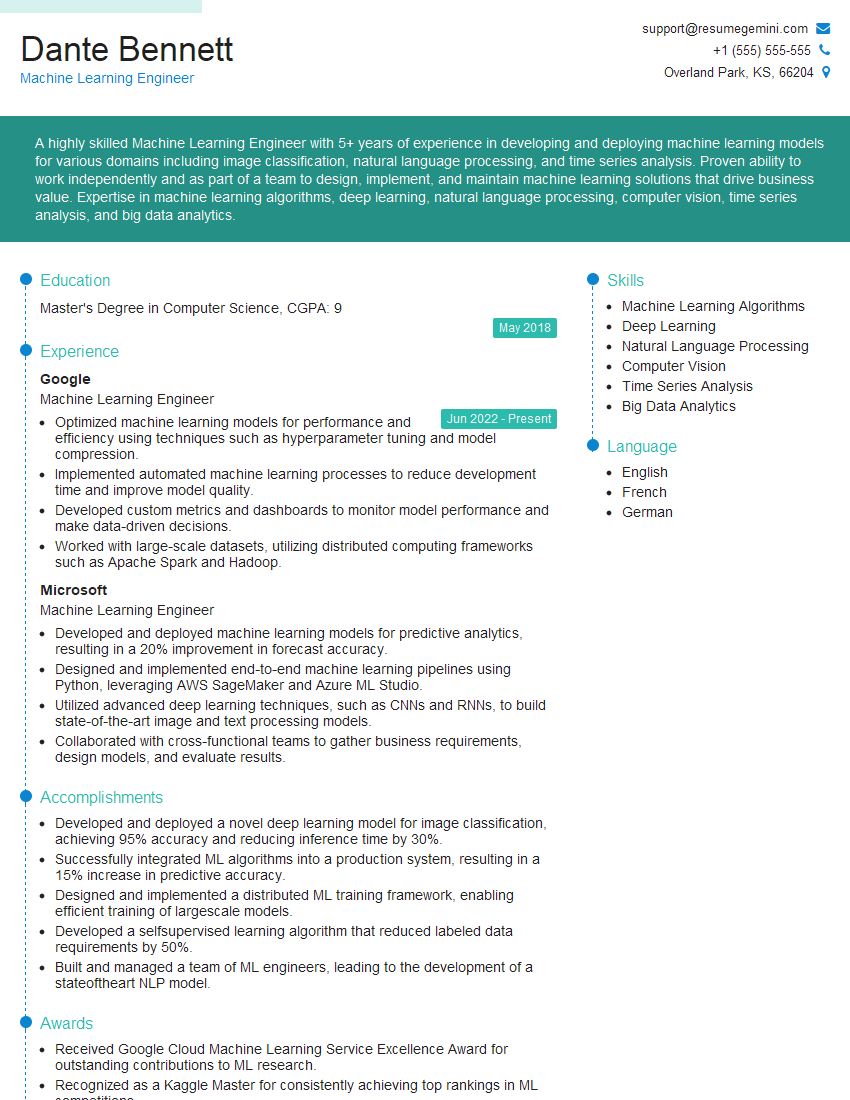
Machine Learning Engineer Resume Sample
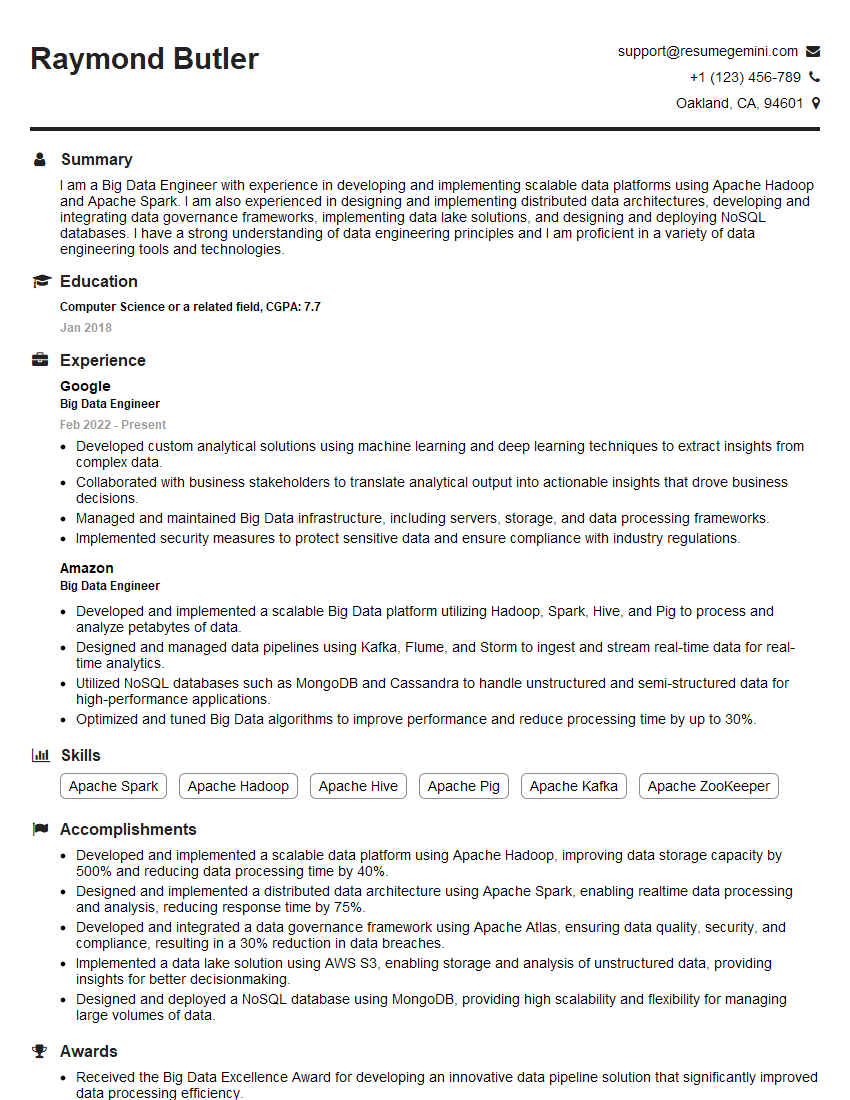
Big Data Engineer Resume Sample
Explore more articles
Users Rating of Our Blogs
Share Your Experience
We value your feedback! Please rate our content and share your thoughts (optional).
What Readers Say About Our Blog
Very informative content, great job.
good