Feeling uncertain about what to expect in your upcoming interview? We’ve got you covered! This blog highlights the most important Data Privacy and Protection (GDPR, HIPAA, etc.) interview questions and provides actionable advice to help you stand out as the ideal candidate. Let’s pave the way for your success.
Questions Asked in Data Privacy and Protection (GDPR, HIPAA, etc.) Interview
Q 1. Explain the key differences between GDPR and HIPAA.
GDPR (General Data Protection Regulation) and HIPAA (Health Insurance Portability and Accountability Act) are both crucial data privacy regulations, but they differ significantly in scope and application. GDPR is a broad, EU-wide regulation that governs the processing of personal data of any EU resident, regardless of where the processing takes place. HIPAA, on the other hand, is a US federal law specifically designed to protect the privacy and security of Protected Health Information (PHI) in the healthcare industry.
- Geographic Scope: GDPR applies to organizations processing the data of EU residents globally, while HIPAA applies only to covered entities and business associates within the US healthcare system.
- Data Covered: GDPR covers a broad range of personal data, while HIPAA focuses specifically on PHI, which includes medical records, billing information, and other health-related data.
- Enforcement: GDPR enforcement is handled by data protection authorities (DPAs) within each EU member state, resulting in varying enforcement approaches. HIPAA enforcement is primarily done by the Office for Civil Rights (OCR) within the US Department of Health and Human Services.
- Consent: Both regulations require consent for processing personal data, but the requirements for valid consent differ slightly in their specifics, especially regarding clarity and granularity.
Imagine a multinational tech company with offices in the EU and the US. They must comply with GDPR for EU residents’ data and HIPAA for US patient health data, requiring different strategies and procedures for each regulation.
Q 2. Describe the principles of data minimization and purpose limitation.
Data minimization and purpose limitation are fundamental GDPR principles aimed at limiting the collection and use of personal data. They prevent organizations from collecting excessive or irrelevant information and ensure data is used only for its intended purpose.
- Data Minimization: This principle dictates that organizations should only collect the minimum amount of personal data necessary to achieve a specific purpose. Collecting more data than required increases security risks and the potential for misuse. For example, if you’re creating an online form for a newsletter signup, you should only ask for the email address—not for the user’s home address, phone number, or other unnecessary details.
- Purpose Limitation: This principle states that personal data should only be collected for specified, explicit, and legitimate purposes. Once a purpose is fulfilled, the data should no longer be processed unless a new legitimate purpose is established. For example, if you collect email addresses for a newsletter, you shouldn’t reuse that data for targeted advertising without explicit consent from the users.
Consider a social media platform. Data minimization would mean collecting only necessary profile data at sign-up, rather than harvesting all available information. Purpose limitation would mean keeping user data strictly related to the platform’s core function, avoiding its use for unrelated external marketing without consent.
Q 3. What are the requirements for obtaining valid consent under GDPR?
Obtaining valid consent under GDPR demands meticulous adherence to specific criteria. Consent must be:
- Freely given: Individuals must be able to withdraw consent at any time without penalty. Pre-ticked boxes or bundled consents are not considered freely given.
- Specific: Consent must be given for a clearly defined purpose. Broad, vague consent is insufficient.
- Informed: Individuals must receive comprehensive information about how their data will be processed, including the purpose, data controller, data retention period, and their rights.
- Unambiguous: Consent must be explicitly stated through a clear affirmative action, such as ticking a box or clicking a button. Silence, inactivity, or pre-ticked boxes are not sufficient.
Imagine a website requiring users to consent to cookie usage. To comply with GDPR, the website must provide a clear and concise explanation of the types of cookies used, their purpose, and how users can manage their consent. A simple ‘Accept all cookies’ button isn’t sufficient; users must have granular control and the ability to opt in or out of specific categories of cookies. Consent must be documented.
Q 4. How do you handle a data breach under HIPAA?
Handling a HIPAA data breach requires a swift and comprehensive response. The steps typically involve:
- Discovery and Assessment: Immediately identify the breach, determine its scope (number of individuals affected, types of data compromised), and assess the potential risks to individuals.
- Notification: Notify affected individuals and, if applicable, the OCR within 60 days of discovery. This includes providing details about the breach and recommended steps for individuals to protect themselves.
- Mitigation: Implement measures to contain the breach, prevent further unauthorized access, and restore data integrity.
- Investigation: Conduct a thorough investigation to determine the cause of the breach and implement corrective actions to prevent future occurrences.
- Documentation: Maintain detailed records of the breach, investigation, and remediation efforts. This documentation is crucial for audits and potential legal proceedings.
For instance, if a healthcare provider experiences a ransomware attack leading to the exposure of patient medical records, they must immediately initiate their breach response plan. This involves informing affected patients, notifying the OCR, and working with cybersecurity experts to contain the attack and prevent further data breaches. Detailed documentation of every step is critical for compliance and demonstrating due diligence.
Q 5. What are the penalties for non-compliance with GDPR?
Non-compliance with GDPR can result in significant penalties, depending on the severity and nature of the violation. These penalties can be substantial, reaching up to €20 million, or 4% of the organization’s annual global turnover, whichever is higher. This is designed to incentivize compliance.
The penalties are tiered. Less serious infringements may result in warnings or reprimands, while more severe violations leading to significant data loss or harm to individuals will attract higher fines. Factors considered by authorities include the nature of the violation, the organization’s intentionality, and the impact on affected individuals. For example, a company that accidentally leaks personal data due to a simple technical oversight might receive a lower fine than a company that intentionally misuses data for profit.
Q 6. Explain the concept of data subject access requests (DSARs).
A Data Subject Access Request (DSAR) is a formal request from an individual to access their personal data held by an organization. Under GDPR, individuals have the right to obtain confirmation that their data is being processed, access their data, and request rectification or erasure of inaccurate or incomplete data. Organizations must respond to valid DSARs within one month.
The process typically involves verifying the identity of the requester, providing the requested data in a commonly used and machine-readable format, and documenting the request and response. Failure to respond to a DSAR or to respond within the prescribed timeframe can lead to penalties under GDPR. Imagine a customer requesting their order history from an online retailer. The retailer is obligated to provide this information in a timely manner, as per their DSAR.
Q 7. What is a Data Protection Impact Assessment (DPIA) and when is it required?
A Data Protection Impact Assessment (DPIA) is a systematic process used to identify and mitigate data protection risks associated with new or significantly altered data processing activities. It’s a proactive risk management tool, not a mere checklist. A DPIA is required when data processing activities are likely to result in a high risk to the rights and freedoms of individuals. This often includes situations involving large-scale data processing, sensitive data categories (like health or biometric data), or new technologies with potential privacy implications.
The process involves identifying data processing activities, assessing the associated risks, implementing appropriate safeguards, and documenting the findings. The assessment considers factors like data sensitivity, the volume of data processed, the potential impact of a data breach, and the data protection measures in place. A DPIA may be required before launching a new facial recognition system, using advanced analytics with sensitive personal data, or storing sensitive information in a cloud environment. It is not merely a compliance exercise, but a way to ensure responsible data handling and minimize risks from the outset.
Q 8. How would you implement appropriate technical and organizational measures to ensure data security?
Implementing robust data security requires a multi-layered approach encompassing both technical and organizational measures. Think of it like building a fortress – you need strong walls (technical) and vigilant guards (organizational).
Technical Measures: These involve the use of technologies to protect data. Examples include:
- Data Encryption: Protecting data at rest (e.g., on hard drives) and in transit (e.g., during network transmission) using encryption algorithms like AES-256. This ensures that even if data is intercepted, it remains unreadable without the decryption key.
- Access Control: Implementing strong authentication mechanisms (multi-factor authentication is ideal) and authorization controls (role-based access control) to limit who can access data and what actions they can perform.
- Intrusion Detection and Prevention Systems (IDPS): Monitoring network traffic for suspicious activity and automatically blocking or alerting on potential threats.
- Regular Security Audits and Penetration Testing: Proactively identifying vulnerabilities in systems and processes before malicious actors can exploit them.
- Data Loss Prevention (DLP) Tools: Preventing sensitive data from leaving the organization’s control through unauthorized channels.
Organizational Measures: These focus on people, processes, and policies. Examples include:
- Data Security Policies and Procedures: Clearly defining roles, responsibilities, and acceptable use of data. These policies should be regularly reviewed and updated.
- Employee Training and Awareness: Educating employees about data security risks, best practices, and their responsibilities in protecting data. Phishing simulations are a crucial component.
- Incident Response Plan: Having a documented plan to handle data breaches or security incidents effectively and efficiently, including steps for containment, eradication, and recovery.
- Data Backup and Recovery: Regularly backing up data to a secure location and having a plan to restore data in case of a disaster.
- Vendor Risk Management: Assessing and managing the security risks associated with third-party vendors who may have access to your data.
Q 9. Describe your experience with data encryption techniques.
My experience with data encryption techniques spans various algorithms and implementation methods. I’ve worked extensively with symmetric encryption (like AES) for its speed and efficiency in encrypting large datasets, and asymmetric encryption (like RSA) for key exchange and digital signatures. I’ve also implemented and managed encryption at rest and in transit. For example, I oversaw the implementation of AES-256 encryption for databases and the integration of TLS/SSL certificates for secure communication channels. In one project, I successfully migrated a legacy system to a new platform while ensuring seamless encryption continuity and compliance with industry regulations. I understand the importance of key management practices, including key rotation and secure storage, to minimize risks.
// Example of AES encryption (conceptual): // In a real-world scenario, you'd use a cryptography library. let cipher = crypto.createCipher('aes-256-cbc', 'secret-key'); let encrypted = cipher.update('plaintext', 'utf8', 'hex') + cipher.final('hex');Q 10. Explain the concept of pseudonymisation and anonymisation.
Pseudonymisation and anonymisation are both data masking techniques aimed at protecting personal data, but they differ significantly in their level of protection. Think of it like disguising someone’s identity; pseudonymisation is wearing a mask, while anonymisation is becoming invisible.
Pseudonymisation: This replaces identifying information with pseudonyms – unique identifiers that don’t directly reveal the individual’s identity. However, a link between the pseudonym and the original data might still exist, often through a separate key or mapping file. For example, replacing a name with a unique ID number. While this reduces identifiability, re-identification is still possible if the mapping is compromised.
Anonymisation: This involves removing or modifying identifying information to such an extent that the individual can no longer be identified, directly or indirectly. This requires careful consideration and often involves techniques like data generalisation (e.g., using age ranges instead of exact ages) or data suppression (e.g., removing precise location information). Achieving true anonymisation is difficult and requires rigorous testing to ensure re-identification is impossible.
The key difference is that pseudonymised data is still considered personal data under regulations like GDPR, while truly anonymised data is not.
Q 11. What is the role of a Data Protection Officer (DPO)?
The Data Protection Officer (DPO) is the organization’s designated expert on data privacy and protection. They act as an independent point of contact for data protection matters, ensuring compliance with data privacy laws and regulations. Their role is crucial for maintaining accountability and transparency.
Key Responsibilities:
- Monitoring compliance: Regularly assessing the organization’s data processing activities to ensure adherence to relevant data protection regulations.
- Advising on data protection: Providing guidance to the organization on all aspects of data processing, including data protection impact assessments (DPIAs).
- Cooperation with supervisory authorities: Acting as the primary point of contact for data protection authorities in case of investigations or audits.
- Data protection training: Educating employees on data protection policies and best practices.
- Incident management: Participating in the organization’s incident response plan in case of data breaches or security incidents.
The DPO acts as a champion for data privacy, ensuring ethical and legal handling of personal information.
Q 12. How would you handle a request for data deletion?
Handling a request for data deletion under regulations like GDPR involves a careful, structured process. It’s not a simple ‘delete’ button; it’s about ensuring comprehensive and irreversible removal.
Verification: Verify the identity of the data subject making the request. This is critical to prevent unauthorized data deletion.
Identification of Data: Identify all instances where the data subject’s personal data is stored. This often requires thorough data mapping and inventory.
Deletion Process: Securely delete the data from all systems and backups, following established procedures. This may involve techniques like overwriting data multiple times.
Verification of Deletion: After deletion, verify that the data has been completely and irreversibly removed. This might involve audits and checks.
Notification: Inform the data subject that their data deletion request has been fulfilled. (Note: exceptions exist, such as legal obligations to retain data).
Throughout the process, detailed logging and documentation are crucial to demonstrate compliance.
Q 13. What is the difference between personal data and sensitive personal data?
Personal data is any information relating to an identified or identifiable natural person (‘data subject’). This is a very broad definition and includes many types of data. Think of it as any information that can be used to directly or indirectly identify an individual. Examples include names, addresses, email addresses, IP addresses, and online identifiers.
Sensitive personal data (also known as special categories of personal data under GDPR) is a subset of personal data that deserves higher protection due to its potentially sensitive nature. This includes data revealing racial or ethnic origin, political opinions, religious or philosophical beliefs, trade union membership, genetic data, biometric data, data concerning health, or data concerning a natural person’s sex life or sexual orientation. Processing sensitive personal data requires stricter justification and additional safeguards.
The key difference is the level of risk associated with the data and the increased level of protection required for sensitive data.
Q 14. Describe your experience with data mapping and inventory processes.
Data mapping and inventory are fundamental to effective data governance and compliance with data protection regulations. It’s like creating a detailed map of your organization’s data landscape. I’ve used various methods to accomplish this, including manual reviews, automated scanning tools, and database queries.
Data Mapping: This involves identifying where personal data is stored, how it’s processed, and who has access to it. This usually includes details like data location, data types, data sources, data flows, processing purposes, and retention periods.
Data Inventory: This is a comprehensive list of all the organization’s data assets, including personal data. It’s a valuable resource for understanding the organization’s data landscape, enabling better risk management and supporting compliance activities.
In a previous role, I led a project to create a comprehensive data map and inventory for a large healthcare organization. This involved working closely with different departments to identify and document all personal data assets. The resulting inventory was instrumental in our organization’s compliance efforts and significantly improved our understanding of data flows and potential risks. The process involved utilizing both automated data discovery tools and manual data reviews to ensure a high level of accuracy.
Q 15. How do you ensure compliance with data retention policies?
Ensuring compliance with data retention policies requires a multi-faceted approach. It’s not just about deleting data after a set period; it’s about establishing clear policies, implementing robust systems, and regularly auditing the process. Think of it like a library—you need a system to catalog books (data), determine how long they need to be kept (retention policy), and then a process for removing outdated books (data deletion).
Policy Definition: We start by defining a comprehensive data retention policy outlining what data is retained, for how long, and the legal and business justifications for retention. This varies greatly depending on the type of data (e.g., financial records have longer retention periods than some marketing data, governed by local laws and regulations like GDPR’s data minimization principle).
Implementation: This involves using technological solutions like data lifecycle management (DLM) tools. These tools automate the processes of data archiving, deletion, and retention based on pre-defined policies. For example, a DLM system could automatically delete customer support tickets older than 2 years, while securely archiving financial transactions for seven years as mandated.
Auditing and Monitoring: Regular audits are crucial to verify that the retention policy is being followed. This involves checking data storage locations, verifying data deletion processes, and reviewing logs to ensure no data is being kept beyond its designated lifespan. Any discrepancies should be investigated and rectified.
Secure Deletion: Simply deleting data from a storage device isn’t sufficient. Secure deletion methods, like data wiping or overwriting, ensure data is irretrievable. This is particularly important when dealing with sensitive information.
Failure to comply with data retention policies can lead to significant fines and reputational damage. A proactive and well-documented approach is key.
Career Expert Tips:
- Ace those interviews! Prepare effectively by reviewing the Top 50 Most Common Interview Questions on ResumeGemini.
- Navigate your job search with confidence! Explore a wide range of Career Tips on ResumeGemini. Learn about common challenges and recommendations to overcome them.
- Craft the perfect resume! Master the Art of Resume Writing with ResumeGemini’s guide. Showcase your unique qualifications and achievements effectively.
- Don’t miss out on holiday savings! Build your dream resume with ResumeGemini’s ATS optimized templates.
Q 16. Explain the importance of data breach notification.
Data breach notification is paramount for maintaining trust and complying with regulations like GDPR and HIPAA. Prompt notification allows affected individuals to take steps to mitigate potential harm, and it demonstrates transparency and accountability. Imagine you lose your wallet – you want to know immediately so you can cancel your cards. Similarly, individuals need to be informed if their personal data has been compromised.
Legal Compliance: Many regulations stipulate specific timelines for notification. Delaying notification can result in hefty penalties. For instance, GDPR requires notification within 72 hours of becoming aware of a breach.
Reputation Management: A swift and transparent response can mitigate reputational damage. Conversely, a delayed or inadequate response can significantly harm an organization’s image and customer trust.
Mitigating Harm: Prompt notification allows individuals to take protective measures, such as changing passwords or monitoring their credit reports, minimizing potential harm from identity theft or fraud.
Regulatory Cooperation: Notification also demonstrates cooperation with regulatory bodies, which can help reduce penalties and show a commitment to data protection.
A well-defined breach response plan, including communication protocols and procedures, is crucial to ensure effective and timely notification in the event of a data breach. This should include templates for notifications, escalation procedures, and roles and responsibilities for the response team.
Q 17. What are your experiences with different data privacy frameworks?
My experience spans several key data privacy frameworks, including GDPR, CCPA, HIPAA, and ISO 27001. Each has unique requirements and focuses on different aspects of data protection.
GDPR (General Data Protection Regulation): This EU regulation focuses on individual rights and data protection across the EU. It emphasizes data minimization, purpose limitation, and accountability. I have extensive experience in implementing GDPR compliance measures, including data mapping, conducting DPIA’s (Data Protection Impact Assessments), and managing data subject requests.
CCPA (California Consumer Privacy Act): This California law provides residents with specific rights regarding their personal data, including the right to access, delete, and opt-out of the sale of their data. My experience includes helping organizations comply with CCPA’s stringent notice and consent requirements.
HIPAA (Health Insurance Portability and Accountability Act): This US law protects the privacy and security of protected health information (PHI). I have worked with healthcare organizations to implement HIPAA compliant systems and procedures, ensuring the confidentiality, integrity, and availability of PHI.
ISO 27001: This international standard provides a framework for establishing, implementing, maintaining, and continually improving an information security management system. My work involves implementing and auditing ISO 27001 controls to ensure information security aligns with data privacy objectives.
Understanding the nuances of each framework is crucial. Often, organizations operate under multiple jurisdictions and must navigate the complexities of different legal and regulatory requirements.
Q 18. How do you manage data privacy risks in cloud environments?
Managing data privacy risks in cloud environments requires a proactive and multi-layered approach. The shared responsibility model, where both the cloud provider and the customer share responsibility for security, is a key concept to understand.
Data Encryption: Encrypting data both in transit and at rest is crucial. This ensures that even if a breach occurs, the data remains unreadable to unauthorized parties.
Access Control: Implementing robust access control mechanisms, such as role-based access control (RBAC), limits access to sensitive data based on individual roles and responsibilities. This principle of least privilege is essential.
Data Loss Prevention (DLP): Implementing DLP tools helps prevent sensitive data from leaving the organization’s control, whether intentionally or accidentally.
Vendor Due Diligence: Careful selection of cloud providers is essential. Conduct thorough due diligence, reviewing their security certifications and compliance with relevant data privacy regulations.
Regular Audits and Monitoring: Continuous monitoring of cloud security logs and conducting regular security audits help identify and address potential vulnerabilities.
Incident Response Plan: A well-defined incident response plan for addressing data breaches in the cloud is vital.
Cloud environments present unique challenges, but with the right security measures in place, organizations can effectively mitigate data privacy risks.
Q 19. What is your understanding of privacy by design and default?
Privacy by design and default are fundamental principles of data protection. They dictate that privacy considerations should be embedded into every stage of a system’s lifecycle and that the default settings should prioritize privacy.
Privacy by Design: This proactive approach involves incorporating privacy considerations into every stage of the system’s design, from conception to deployment and beyond. It’s about building privacy into the system’s DNA, not as an afterthought. For example, minimizing data collection and implementing strong encryption are integral aspects of this principle.
Privacy by Default: This ensures that privacy-respecting settings are the default options. Users shouldn’t have to actively choose to protect their privacy; it should be the automatic setting. For instance, a website might have its cookie settings pre-set to only use necessary cookies, requiring users to opt-in for additional cookies.
These principles promote a culture of privacy, simplifying compliance and reducing the risk of data breaches. They are particularly important in the context of GDPR and other data privacy regulations which heavily emphasize data minimization and user control.
Q 20. Explain the importance of employee training in data privacy.
Employee training is the cornerstone of a robust data privacy program. Employees are often the first line of defense against data breaches. Think of it as teaching your employees to be the guardians of your organization’s data.
Awareness of Policies and Regulations: Training should cover the organization’s data privacy policies, relevant regulations (like GDPR or HIPAA), and their implications. Employees need to understand the ‘why’ behind data protection measures, not just the ‘how’.
Phishing and Social Engineering Awareness: A significant portion of breaches stem from social engineering attacks, such as phishing emails. Training should equip employees to recognize and report such attempts. Simulations and realistic scenarios can be highly effective.
Data Handling Procedures: Employees need clear instructions on how to handle sensitive data, including secure storage, transmission, and disposal. This encompasses everything from password security to proper use of company devices and cloud storage.
Incident Reporting: Training should emphasize the importance of promptly reporting any suspected data breaches or security incidents. Employees need to understand the procedure for reporting such incidents and who to contact.
Ongoing Education: Data privacy is a constantly evolving field. Regular refresher courses and updates are essential to keep employees’ knowledge current.
Effective employee training involves interactive modules, quizzes, and regular assessments to gauge understanding and retention of information. This fosters a culture of data security and minimizes human error, a major factor in many data breaches.
Q 21. How do you ensure the confidentiality, integrity, and availability of data?
The CIA triad—Confidentiality, Integrity, and Availability—forms the foundation of data security. Ensuring these three elements are protected is paramount for safeguarding sensitive information.
Confidentiality: This ensures that only authorized individuals can access data. Measures include access control lists (ACLs), encryption, and strong authentication mechanisms. Think of it like a secret code only certain people know.
Integrity: This ensures that data is accurate and hasn’t been tampered with. Measures include data validation, checksums, and version control. It’s like ensuring that a document hasn’t been altered after it’s been officially signed.
Availability: This guarantees that data is accessible to authorized users when needed. Measures include redundancy, backup systems, and disaster recovery planning. It’s like making sure the library is always open during its stated hours.
Achieving CIA requires a holistic approach, combining technological safeguards with robust policies, procedures, and employee training. For example, robust encryption ensures confidentiality, regular backups maintain availability, and strong access controls protect both confidentiality and integrity.
Q 22. How would you conduct a privacy risk assessment?
A privacy risk assessment is a systematic process to identify, analyze, and evaluate potential threats to the confidentiality, integrity, and availability of personal data. It’s like a security checkup for your data, identifying vulnerabilities before they’re exploited. The process typically involves several steps:
- Identify Assets: This involves cataloging all personal data processed, including its location (databases, spreadsheets, paper files, etc.), sensitivity level (e.g., credit card information is more sensitive than a name), and volume.
- Identify Threats: This includes assessing potential risks like data breaches, unauthorized access, loss or destruction of data, insider threats, and regulatory non-compliance. We consider both internal and external threats.
- Identify Vulnerabilities: This step focuses on identifying weaknesses in the security controls protecting the data, such as weak passwords, lack of encryption, insufficient access controls, or outdated software.
- Analyze Risks: This involves assessing the likelihood and impact of each identified threat exploiting a vulnerability. A risk matrix, often using a combination of likelihood and impact scores, is commonly used to prioritize risks.
- Develop Mitigation Strategies: Based on the risk analysis, we develop strategies to reduce or eliminate the risks. This might involve implementing technical controls (like encryption), administrative controls (like access control policies), and physical controls (like secure facilities).
- Monitor and Review: The risk assessment isn’t a one-time event; it’s an ongoing process. Regular monitoring and review ensure that controls remain effective and the assessment is updated to reflect changes in the environment or data processing activities.
For example, in a recent assessment for a healthcare provider, we identified a vulnerability in their file-sharing system allowing unauthorized access to patient records. Our mitigation strategy involved implementing multi-factor authentication and encrypting all files before transmission.
Q 23. What are your experiences with data privacy audits?
I have extensive experience conducting data privacy audits, both internal and external, across various industries. These audits typically involve reviewing an organization’s data processing activities against relevant regulations (like GDPR, HIPAA, CCPA) and internal policies. My approach is thorough and methodical, focusing on:
- Documentation Review: Examining policies, procedures, contracts, and other relevant documents to verify compliance.
- System Assessments: Evaluating the technical security of systems processing personal data, including access controls, encryption, and data backup procedures.
- Data Flow Mapping: Tracing the flow of personal data throughout the organization to identify potential vulnerabilities and compliance gaps.
- Employee Interviews: Speaking with employees involved in data processing to assess their understanding of privacy policies and procedures.
- Testing: Performing penetration testing or vulnerability scans to identify weaknesses in security controls.
During an audit for a financial institution, I uncovered a weakness in their customer data encryption practices that could have exposed sensitive financial data. My report led to the immediate implementation of stronger encryption protocols and an employee retraining program. I also have experience working with external auditors and regulatory bodies to ensure a smooth process and minimize disruptions.
Q 24. Describe a time you had to deal with a complex privacy issue.
One particularly challenging situation involved a data breach at a client company. A disgruntled employee downloaded a significant amount of sensitive customer data before leaving the company. My immediate actions involved:
- Containing the Breach: First, we immediately isolated the affected systems to prevent further data exfiltration.
- Notifying Authorities: We reported the incident to the relevant authorities (including data protection authorities and law enforcement) as mandated by regulations.
- Notifying Affected Individuals: We developed and executed a communication plan to inform affected individuals about the breach and the steps taken to mitigate the risk.
- Forensic Investigation: We engaged a specialized cybersecurity firm to conduct a thorough forensic investigation to determine the extent of the breach and identify the root cause.
- Remediation and Prevention: Based on the investigation findings, we implemented enhanced security measures, including stronger access controls, employee training programs, and upgraded security systems.
The situation was complex because it involved legal, reputational, and financial risks. The successful resolution involved a multidisciplinary approach with close collaboration between legal counsel, IT specialists, and communication professionals. It highlighted the importance of proactive security measures and a robust incident response plan.
Q 25. What tools or technologies are you familiar with for managing data privacy?
I’m proficient in several tools and technologies used for managing data privacy. These include:
- Data Loss Prevention (DLP) tools: Tools like Symantec DLP and McAfee DLP prevent sensitive data from leaving the organization’s network unauthorized.
- Data Masking and Anonymization tools: These tools, such as IBM InfoSphere Guardium and Informatica, allow for the safe sharing of data by masking or anonymizing sensitive information.
- Privacy Management Software: Platforms like OneTrust and TrustArc help manage privacy programs, automate processes like consent management, and facilitate data subject requests.
- Security Information and Event Management (SIEM) systems: SIEM systems like Splunk and QRadar provide real-time monitoring of security events and help identify potential data breaches.
- Encryption tools: I’m familiar with various encryption techniques and tools, including AES-256 encryption for both data at rest and in transit.
My experience extends beyond simply using these tools; I understand their underlying principles and can effectively integrate them into comprehensive data privacy strategies. I also have experience with scripting and automation to improve efficiency and streamline data privacy processes.
Q 26. How would you explain complex data privacy concepts to non-technical stakeholders?
Explaining complex data privacy concepts to non-technical stakeholders requires clear, concise communication and the use of relatable analogies. For example, when explaining GDPR, I would use the analogy of a ‘digital passport’ for personal data. Just as a physical passport protects your identity when traveling, GDPR protects personal data when processed digitally. It sets rules about how organizations can collect, use, and share this ‘digital passport’.
For concepts like data minimization and purpose limitation, I’d use real-world examples. For example, ‘if you only need someone’s name and email to process an order, don’t collect their address or phone number. That’s data minimization’. Or ‘if you’re collecting data for marketing purposes, don’t use it to build a credit scoring model. That’s violating the purpose limitation principle’.
Visually appealing presentations with charts and diagrams can also greatly enhance understanding. Using simple language, avoiding technical jargon, and tailoring the explanation to their specific level of knowledge are crucial for effective communication.
Q 27. What are your salary expectations for this role?
My salary expectations for this role are in the range of [Insert Salary Range] annually. This is based on my experience, skills, and the responsibilities outlined in the job description. I am open to discussing this further and believe my expertise in data privacy and protection would be a significant asset to your organization.
Key Topics to Learn for Data Privacy and Protection (GDPR, HIPAA, etc.) Interview
- Fundamental Principles: Understand the core tenets of GDPR, HIPAA, and other relevant regulations. This includes data minimization, purpose limitation, and accountability.
- Data Subject Rights: Master the rights afforded to individuals under these regulations, such as the right to access, rectification, erasure, and restriction of processing. Be prepared to discuss practical scenarios involving these rights.
- Data Security and Breach Management: Know the technical and organizational measures required to protect personal data. Practice explaining incident response plans and breach notification procedures.
- Consent and Legitimate Interests: Develop a strong understanding of the different legal bases for processing personal data and their implications. Be able to analyze scenarios and determine the appropriate legal basis.
- Data Transfers and International Compliance: Explore the complexities of transferring personal data across borders, including the use of standard contractual clauses and adequacy decisions.
- Privacy by Design and Default: Discuss the importance of incorporating privacy considerations throughout the entire lifecycle of a system or application. Be prepared to explain practical examples.
- Specific Regulations: Deepen your knowledge of GDPR, HIPAA, CCPA (or other relevant regulations depending on your target role), focusing on their key differences and similarities.
- Practical Application: Prepare examples from your experience (or hypothetical scenarios) demonstrating your understanding of these principles in real-world contexts. This could include data mapping exercises, risk assessments, or policy development.
- Problem-Solving: Practice identifying and resolving potential privacy issues. This could involve analyzing hypothetical scenarios and proposing solutions that comply with relevant regulations.
Next Steps
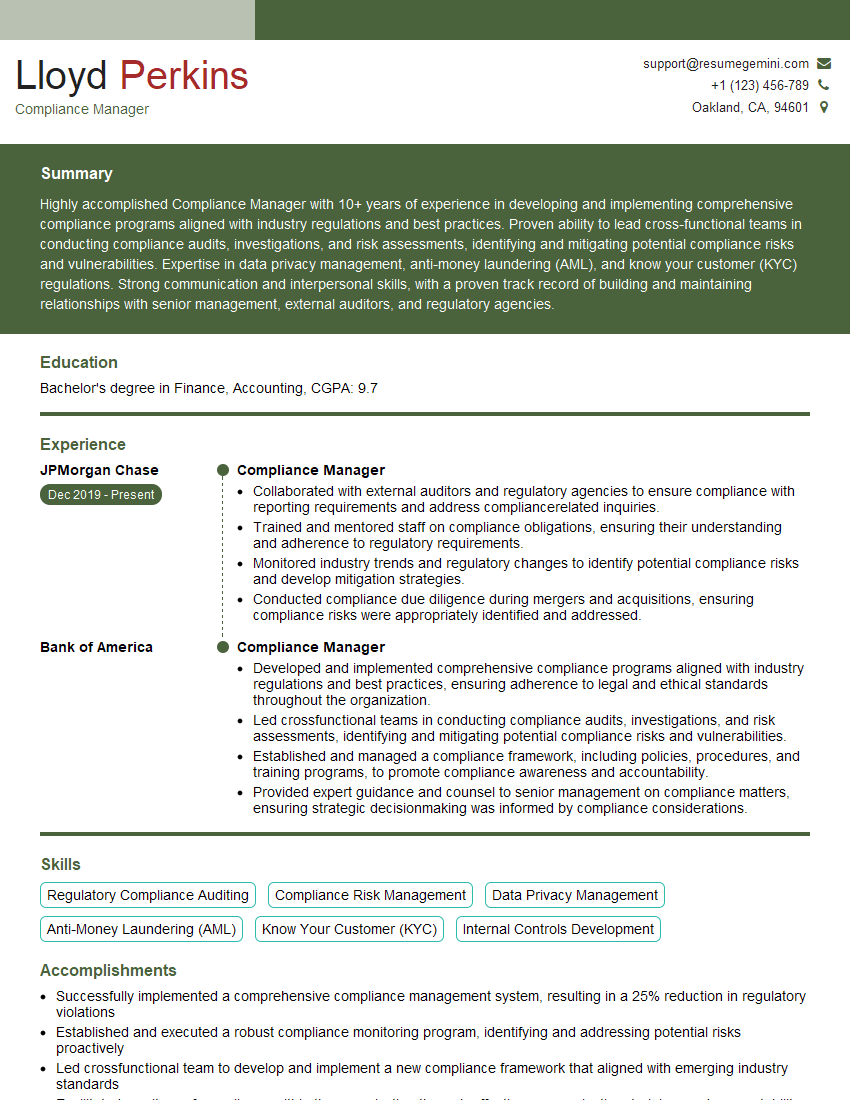
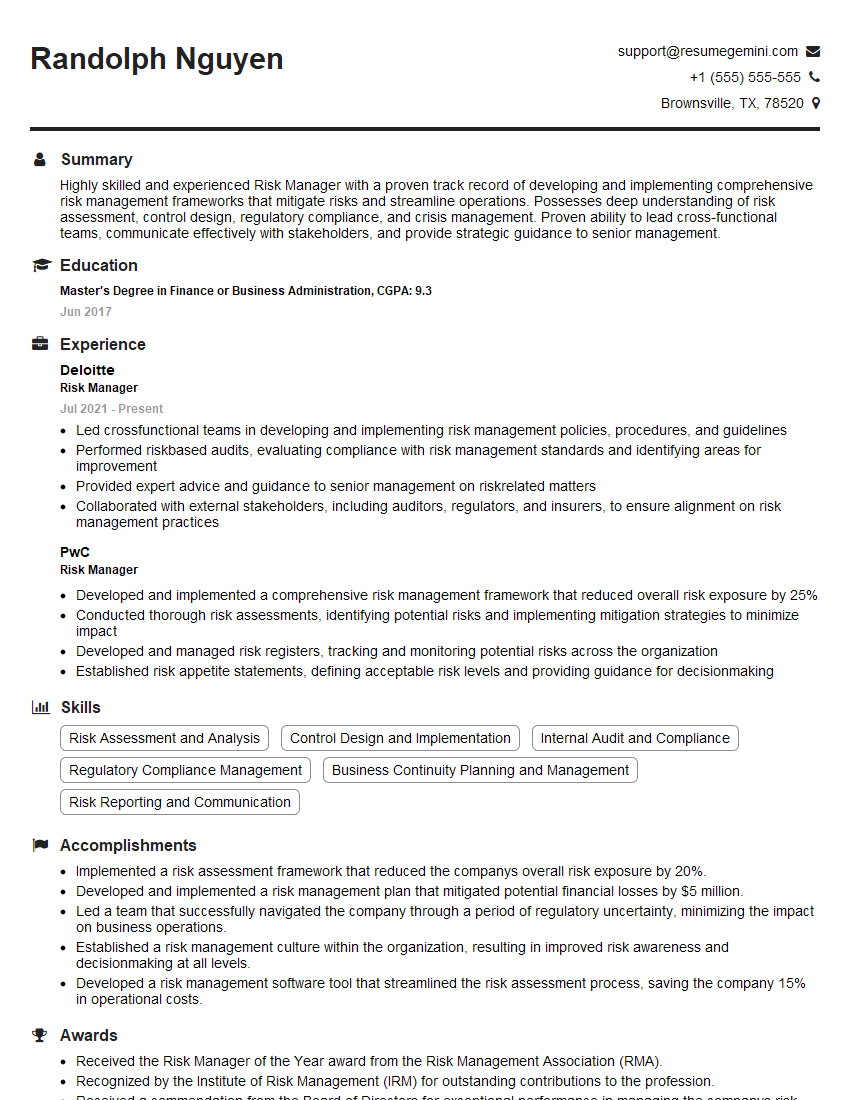
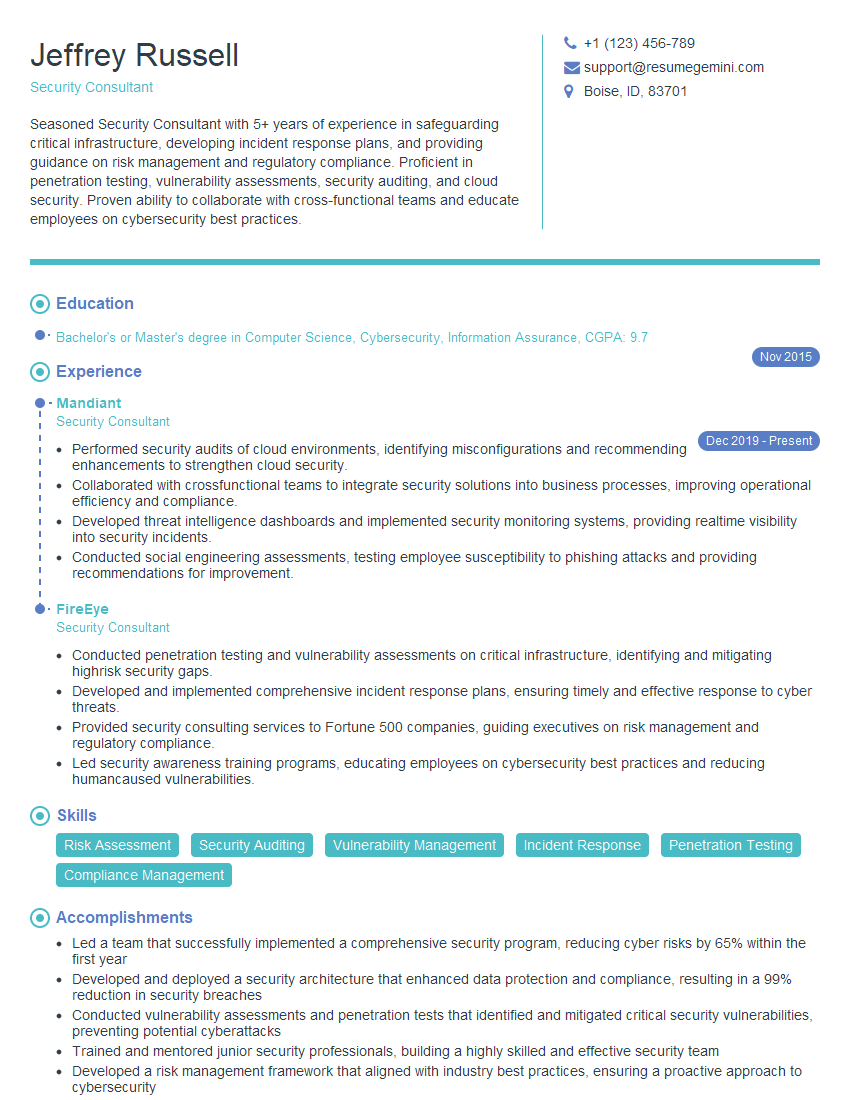
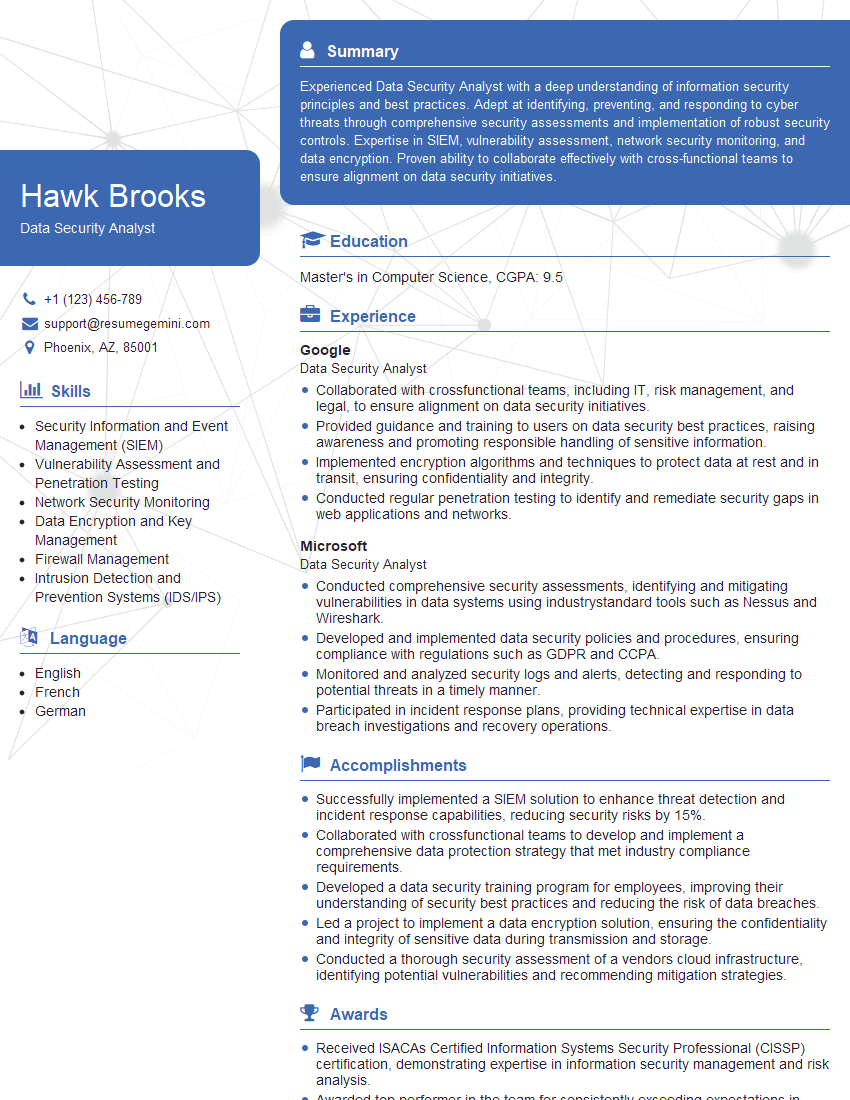
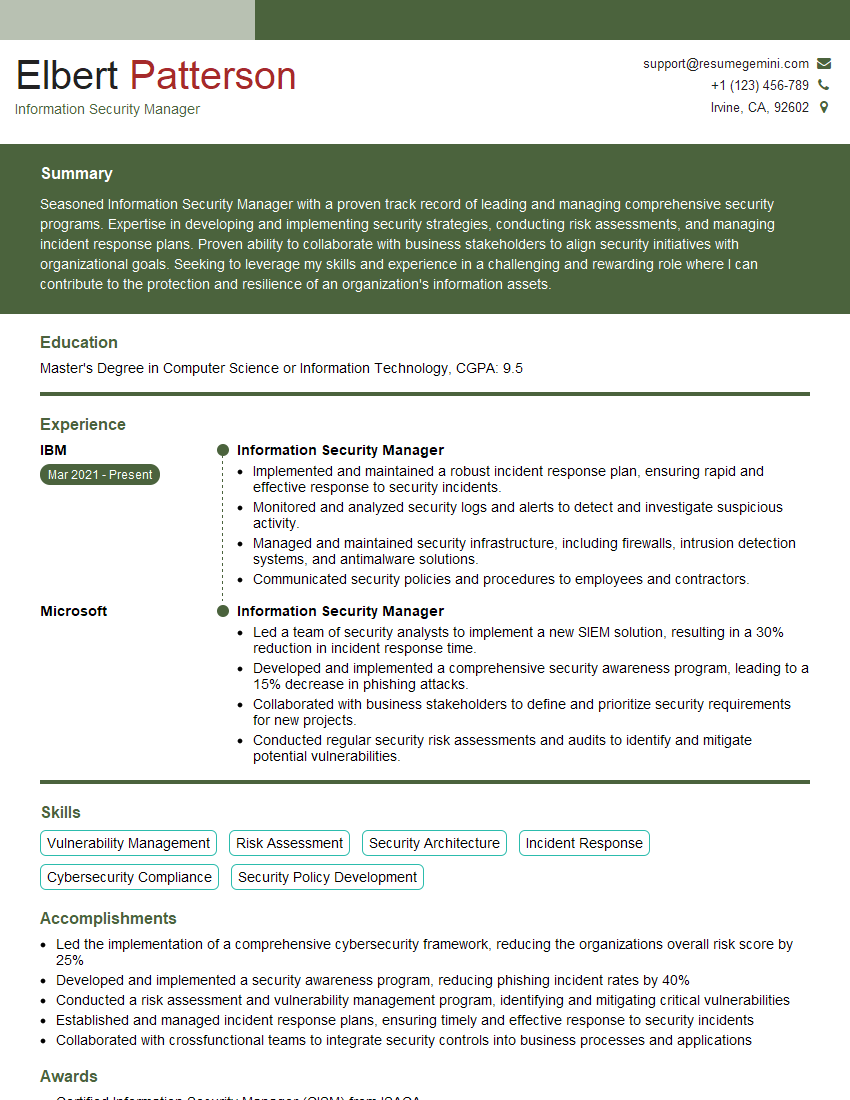
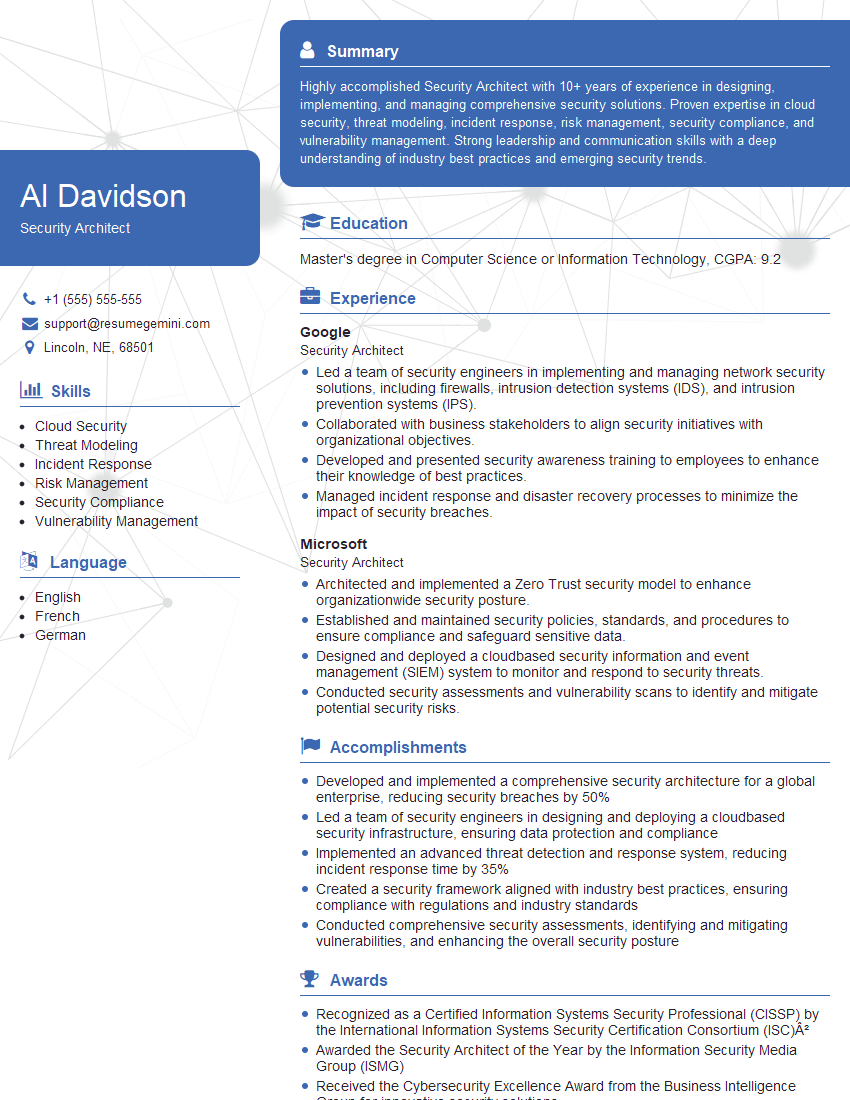
Mastering Data Privacy and Protection is crucial for career advancement in today’s data-driven world. These regulations are increasingly important across all industries, making expertise in this area highly valuable and in-demand. To maximize your job prospects, creating a strong, ATS-friendly resume is essential. ResumeGemini is a trusted resource that can help you build a professional and impactful resume, showcasing your skills and experience effectively. Examples of resumes tailored specifically to Data Privacy and Protection roles featuring GDPR, HIPAA, and other relevant keywords are available to help you get started.

Explore more articles
Users Rating of Our Blogs
Share Your Experience
We value your feedback! Please rate our content and share your thoughts (optional).
What Readers Say About Our Blog
Very informative content, great job.
good