Interviews are opportunities to demonstrate your expertise, and this guide is here to help you shine. Explore the essential Debeaking and Detoeing interview questions that employers frequently ask, paired with strategies for crafting responses that set you apart from the competition.
Questions Asked in Debeaking and Detoeing Interview
Q 1. Describe the different methods of debeaking.
Debeaking, the partial removal of a bird’s beak, is primarily performed to reduce aggressive pecking behaviors that can lead to injury and feather damage within a flock. There are several methods, each with its own advantages and drawbacks:
- Hot-blade debeaking: This is the most common method. A heated blade is used to cauterize the beak, sealing blood vessels and minimizing bleeding. The amount of beak removed is carefully controlled to prevent excessive pain and ensure the bird can still feed adequately. Think of it like a precise surgical cut, not a brutal amputation.
- Infrared debeaking: This method uses infrared light to cauterize the beak. It is considered less invasive than the hot-blade method by some, but requires specialized equipment and careful calibration. Precision is paramount here to avoid causing unnecessary damage.
- Surgical debeaking: This is a less common method and typically reserved for severely problematic cases. It involves removing a larger portion of the beak using surgical instruments, often under anesthesia. This is much more involved and requires skilled veterinary intervention.
The choice of method often depends on factors such as the age of the birds, the severity of the pecking problem, available resources and the expertise of the operator.
Q 2. What are the ideal ages for debeaking and detoeing?
The ideal age for debeaking is crucial for minimizing stress and maximizing the procedure’s effectiveness. Generally, debeaking is performed on chicks between 7 and 10 days old. At this age, the beak is still relatively soft and the nerve endings are less developed, resulting in less pain and faster healing. Delaying the procedure past this window can increase pain and stress.
Detoeing, the removal of part of the toe, is less common and typically only done in cases of severe aggression or injury. Similar to debeaking, it’s usually done at a very young age, usually around the same time as debeaking, though there is less consensus on the exact optimal age.
It’s vital to remember that these are guidelines, and the optimal age might vary depending on the bird species and breed. Consulting with an avian veterinarian is always recommended.
Q 3. Explain the importance of proper anesthesia during debeaking and detoeing.
Proper anesthesia is vital for the welfare of the birds during debeaking and detoeing. These procedures, even when performed correctly, cause some level of pain and stress. The use of appropriate anesthesia, administered by a qualified professional, ensures the bird doesn’t experience pain during the procedure. This significantly improves the post-operative recovery and reduces stress on the bird.
Failure to use proper anesthesia not only causes significant pain and suffering but can also lead to increased complications such as excessive bleeding, infection and even mortality.
The type of anesthetic used will depend on factors such as the species of bird, the age of the bird, and the experience of the practitioner. It’s crucial to follow established protocols and guidelines to ensure safe and effective anesthesia. Using a registered veterinary technician or veterinarian is often preferred.
Q 4. What are the potential complications associated with debeaking and detoeing?
While debeaking and detoeing are common procedures, potential complications can arise. These include:
- Excessive bleeding: Improper technique or lack of proper cauterization can lead to significant blood loss.
- Infection: Failure to maintain sterile conditions can result in bacterial or fungal infections at the wound site.
- Pain and stress: Even with proper anesthesia, some pain and stress are unavoidable. Poor technique can exacerbate this.
- Difficulty feeding: Improperly performed debeaking can hinder the bird’s ability to eat, leading to malnutrition.
- Abnormal beak growth: The beak can sometimes grow abnormally after debeaking, requiring further intervention.
Careful attention to detail during the procedure and proper post-operative care are crucial to minimize these risks. Prompt veterinary attention is necessary if any complications arise.
Q 5. How do you ensure the welfare of birds during and after these procedures?
Ensuring bird welfare is paramount. This involves careful planning and execution at every stage:
- Pre-procedure: Proper handling techniques to minimize stress are crucial. Birds should be handled gently and calmly.
- During procedure: Appropriate anesthesia and rapid, precise execution of the procedure minimizes pain and distress.
- Post-procedure: Providing a clean and comfortable environment with access to food and water is vital for recovery. Pain medication might be necessary. Close monitoring for any signs of complications is essential. Proper lighting and temperature management are also crucial.
Regular monitoring of bird behavior after the procedure is important. Changes in feeding behavior or increased lethargy might indicate problems. Early identification of issues allows for swift intervention, which greatly aids in the bird’s recovery and wellbeing.
Q 6. What are the biosecurity measures taken to prevent infection during these procedures?
Preventing infection is critical. Strict biosecurity measures are essential:
- Sterilization: All instruments must be thoroughly sterilized before and after each use. This usually involves autoclaving or other appropriate sterilization methods.
- Clean environment: The debeaking and detoeing area must be meticulously cleaned and disinfected. This includes the use of appropriate disinfectants.
- Protective clothing: Operators should wear protective clothing, including gloves, masks and gowns to prevent the spread of infection.
- Proper waste disposal: All waste materials should be disposed of properly in accordance with biosecurity protocols.
A well-planned and executed biosecurity strategy is fundamental to ensuring flock health and preventing the spread of disease following these procedures. Regular reviews and updates to procedures are essential to maintain efficacy.
Q 7. Describe the proper equipment and tools used in debeaking and detoeing.
The equipment used in debeaking and detoeing is specialized and designed to ensure precision and safety:
- Debeaker: This is the primary tool, either a hot-blade or infrared unit, precisely calibrated to ensure an appropriate depth of cut.
- Anesthetic equipment: This includes devices for administering anesthesia, such as anesthetic gas delivery systems or injection devices, depending on the type of anesthetic chosen.
- Restraining devices: Safe and effective restraint is crucial for the bird’s and the operator’s safety. This might include specialized jigs or devices designed to hold the bird securely without causing undue stress.
- Sterile instruments: Surgical scissors, forceps, and other instruments might be needed, particularly for surgical debeaking.
- Disinfectants: Appropriate disinfectants are used for sterilizing the equipment and the environment.
Regular maintenance and calibration of equipment are essential to ensure accuracy and prevent malfunctions that could compromise the procedure or the bird’s safety.
Q 8. What are the post-procedure care requirements for birds?
Post-procedure care for birds after debeaking or detoeing is crucial for minimizing pain, preventing infection, and ensuring proper healing. It’s akin to providing aftercare for a surgical procedure in humans. Immediate post-operative care focuses on pain management. This often involves providing access to pain relief medication as prescribed by a veterinarian. The birds should be monitored closely for signs of infection, such as swelling, redness, or discharge at the debeaked or detoed area. Clean, dry bedding is essential to avoid further irritation or infection. Providing easily accessible food and water is also paramount, as the bird may initially experience difficulty eating or drinking. This is especially true after debeaking. The diet may need to be adjusted temporarily to softer food items to facilitate eating. Finally, reducing stress through quiet and comfortable housing is vital for optimal healing.
- Pain Management: Administer prescribed analgesics.
- Infection Prevention: Monitor for swelling, redness, or discharge; maintain clean bedding.
- Nutritional Support: Offer easily accessible food and water; adjust diet as needed.
- Stress Reduction: Provide a quiet and comfortable environment.
Q 9. How do you identify birds requiring debeaking or detoeing?
Identifying birds needing debeaking or detoeing requires careful observation and assessment. It’s not a decision taken lightly and should only be done under veterinary guidance. Debeaking is primarily considered to prevent feather pecking and cannibalism, which can lead to severe injuries and even death within the flock. Birds exhibiting excessive feather pecking, cannibalistic behavior (e.g., pecking at the vents or feet of other birds), or severe aggressive behavior might be candidates. Similarly, detoeing is considered to reduce aggressive behaviors and injuries from toe-pecking, especially in overcrowded conditions. These signs are often visible through consistent observation of the flock, noting injuries, blood spots, and overall flock health. A veterinarian’s assessment is crucial to rule out underlying medical conditions that might be contributing to these behaviors before deciding on debeaking or detoeing.
- Feather Pecking: Birds repeatedly pecking at their own or others’ feathers.
- Cannibalism: Birds pecking at the vent area or feet of other birds.
- Aggressive Behavior: Excessive fighting or injuries within the flock.
Q 10. What are the signs of successful debeaking and detoeing?
Successful debeaking and detoeing are indicated by the absence of further feather pecking, cannibalism, or other aggressive behaviors leading to injuries. The healing process should be smooth, with minimal bleeding or infection. In the case of debeaking, the beak should heal without significant deformity or impairment of the bird’s ability to eat and drink. For detoeing, healing should involve minimal bleeding and infection, with the bird being able to move comfortably. The birds should exhibit improved flock health and reduce overall stress levels. Regular monitoring is still crucial to ensure there is no recurrence of the negative behaviors.
- Absence of Pecking/Aggressive Behaviors: No further feather pecking, cannibalism, or toe pecking.
- Smooth Healing: Minimal bleeding or infection at the procedure site.
- Normal Function: Ability to eat, drink, and move normally without impediment.
- Improved Flock Health: Overall better health and reduced stress within the flock.
Q 11. What are the ethical considerations surrounding debeaking and detoeing?
The ethical considerations surrounding debeaking and detoeing are significant and often debated. The procedures are considered mutilations that can cause pain and stress to the birds. Proponents argue that these procedures are necessary to prevent suffering within the flock caused by feather pecking and cannibalism. This is especially crucial in intensive farming systems where stress levels might be higher. However, critics emphasize the importance of exploring alternative methods to manage these behaviors, such as improving husbandry practices, enriching the environment, and careful flock management. The ethical dilemma lies in balancing the prevention of suffering in the flock with the potential negative impact on individual bird welfare. The procedure should only be conducted by qualified professionals and only when alternative methods have been exhausted. Transparency and open discussion surrounding these practices remain paramount.
Q 12. How do you monitor birds for post-procedure complications?
Monitoring birds post-procedure involves regular observation for signs of complications. This includes daily checks for bleeding, swelling, infection (redness, pus, heat), and any signs of pain or distress. Changes in behavior, such as decreased appetite, lethargy, or isolation from the flock, should be noted and reported immediately. Regular assessment of the healing process, including the appearance of the debeaked or detoed area, is essential. Any signs of abnormal healing or complications should prompt consultation with a veterinarian to determine appropriate treatment.
- Daily Observation: Check for bleeding, swelling, infection, and signs of pain.
- Behavioral Monitoring: Note any changes in appetite, lethargy, or social interaction.
- Wound Assessment: Regularly monitor the healing progress of the debeaked or detoed area.
- Veterinary Consultation: Seek professional veterinary advice for any signs of complications.
Q 13. Describe the different types of debeaking equipment.
Debeaking equipment varies in design and function, but all aim to remove a portion of the beak. The most common types include:
- Hot-blade debeaking instruments: These use a heated blade to cauterize the beak during removal, reducing bleeding. Different sizes and shapes of blades cater to different bird species and ages.
- Infrared debeakers: These use infrared light to cauterize and remove the beak. Precise temperature control is critical for successful, controlled debeaking.
- Guillotine-type debeakers: These tools use a sharp blade to cut the beak. This method is less common due to a higher risk of bleeding and uneven cuts.
Choosing the appropriate equipment requires consideration of factors such as the species of bird, bird age, and operator skill. Appropriate training and experience are essential to ensure proper, humane use of the equipment.
Q 14. What are the advantages and disadvantages of different debeaking methods?
Different debeaking methods offer varying advantages and disadvantages. Hot-blade and infrared debeakers generally provide better hemostasis (control of bleeding) compared to guillotine-type debeakers. However, the use of heat carries a risk of potential thermal damage to surrounding tissues if not used correctly. Guillotine-type debeakers are quicker and may be seen as simpler to use but increase the risk of bleeding and inaccurate cuts which can lead to further complications. Infrared debeakers offer precise temperature control but require training to use effectively. The ideal method is highly dependent on factors such as the operator’s skill, available resources, and the specific needs of the birds. Ultimately, the choice should prioritize minimizing pain, stress, and the risk of complications, with a focus on proper technique and skilled execution.
- Hot-blade: Advantages – good hemostasis; Disadvantages – risk of thermal damage if misused.
- Infrared: Advantages – precise temperature control; Disadvantages – requires training and specific equipment.
- Guillotine: Advantages – fast; Disadvantages – high risk of bleeding and uneven cuts.
Q 15. How do you handle a bird that is resisting during the procedure?
Handling a resisting bird during debeaking or detoeing requires a calm and controlled approach. Restraint is crucial, but it must be done humanely to minimize stress and injury to both the bird and the handler. We use a variety of approved restraint methods depending on the bird’s size and species. This might involve specialized bird-handling equipment such as a restraining board or a net, coupled with gentle but firm pressure points to immobilize the bird without causing undue pain or discomfort.
For example, with a larger bird, we might use a purpose-built restraining board to hold the bird securely while keeping its head and legs accessible. For smaller birds, a well-practiced and gentle hand-hold might suffice. The key is to work quickly and efficiently while remaining mindful of the bird’s welfare.
Importantly, we never use excessive force or methods that could cause unnecessary suffering. If a bird is excessively agitated or difficult to restrain, we may need to consult with an avian veterinarian to help determine the best course of action, potentially including the use of mild sedation.
Career Expert Tips:
- Ace those interviews! Prepare effectively by reviewing the Top 50 Most Common Interview Questions on ResumeGemini.
- Navigate your job search with confidence! Explore a wide range of Career Tips on ResumeGemini. Learn about common challenges and recommendations to overcome them.
- Craft the perfect resume! Master the Art of Resume Writing with ResumeGemini’s guide. Showcase your unique qualifications and achievements effectively.
- Don’t miss out on holiday savings! Build your dream resume with ResumeGemini’s ATS optimized templates.
Q 16. What is the appropriate temperature for the debeaking equipment?
The appropriate temperature for debeaking equipment is critical for achieving a clean, efficient cut while minimizing pain and tissue damage. The ideal temperature varies slightly depending on the specific type of equipment and the manufacturer’s recommendations, but generally falls within a range of 600-700°C (1112-1292°F) for infrared debeakers and similar temperatures for other thermal methods.
This temperature is meticulously monitored using a built-in thermostat and/or separate thermometer to ensure consistency. Too low a temperature results in an incomplete cut, increasing the risk of infection and requiring repeat procedures, while too high a temperature can cause excessive tissue damage, leading to significant pain and potential complications. Regular calibration of the equipment is essential to ensure accuracy and consistency in temperature.
Q 17. How do you maintain and sterilize debeaking and detoeing equipment?
Maintaining and sterilizing debeaking and detoeing equipment is paramount to prevent the spread of infection and ensure the procedure’s safety and hygiene. After each use, the equipment is thoroughly cleaned using a suitable disinfectant, often a veterinary-grade solution recommended for avian use. This usually involves a multi-step process.
- Thorough Cleaning: Removing any visible debris with warm soapy water.
- Disinfection: Soaking or spraying with a veterinary-approved disinfectant, ensuring adequate contact time as specified by the manufacturer’s instructions.
- Drying: Thoroughly drying the equipment to prevent rust and corrosion.
- Sterilization (where applicable): For certain equipment, high-heat sterilization or autoclaving might be necessary, following strict protocols to ensure complete elimination of pathogens.
The equipment is inspected for damage or wear before each use. Any damaged parts are immediately replaced to prevent injury or inaccurate performance. Maintaining detailed cleaning and sterilization logs is also critical for traceability and compliance with relevant regulations.
Q 18. Explain the role of pain management in these procedures.
Pain management is a crucial ethical and practical consideration in debeaking and detoeing. While the procedure itself is relatively quick, pain and discomfort are inevitable without appropriate measures. We adhere to strict protocols for analgesia and anesthesia, carefully balancing the bird’s welfare with the need for a successful procedure.
The approach varies depending on the bird’s age, species, and the scale of the procedure. This often involves the administration of local anesthetics to numb the area prior to the procedure. In some cases, particularly with more extensive procedures or sensitive birds, we may use mild analgesics (painkillers) after the procedure to manage post-operative discomfort. Furthermore, providing a calm and comfortable environment after the procedure is also part of the pain management strategy.
For example, offering access to clean water and appropriate feed helps in post-operative recovery. Close monitoring for signs of pain and distress is essential, and appropriate intervention is undertaken immediately if needed.
Q 19. What are the legal and regulatory requirements for debeaking and detoeing in your region?
Legal and regulatory requirements for debeaking and detoeing vary significantly by region and are constantly evolving to reflect improving animal welfare standards. In our region, [Insert specific region/country], the procedure is tightly regulated, emphasizing the humane treatment of animals. We are required to adhere to strict guidelines outlined by [Insert relevant governing body or legislation].
These guidelines typically stipulate:
- Justification: The procedure must be justified based on demonstrable need, for example, to prevent cannibalism or feather pecking in high-density flocks.
- Operator training and qualifications: Individuals performing the procedure must have received proper training and hold appropriate qualifications.
- Equipment standards: Specified standards for the type and condition of the equipment to ensure safe and effective procedures.
- Record-keeping: Detailed documentation of each procedure is required, including the bird’s identification, date, procedure performed, and any observations.
- Pain management protocols: Specific guidelines on the use of analgesics and the minimization of pain and distress.
Non-compliance can result in penalties, including fines or license revocation.
Q 20. How do you record and document debeaking and detoeing procedures?
Accurate and meticulous record-keeping is essential for maintaining compliance and tracking the effectiveness of debeaking and detoeing procedures. For each procedure, we maintain detailed records using a standardized format. These typically include:
- Date and Time: Precise date and time of the procedure.
- Bird Identification: A unique identifier for the bird (e.g., flock number, band number).
- Procedure Performed: Specific type of debeaking/detoeing performed.
- Equipment Used: Details about the equipment and its settings.
- Pain Management: Record of any analgesics or anesthetics used.
- Observations: Any observations made during and after the procedure, including any signs of pain or distress.
- Operator’s Signature: Signature of the person performing the procedure.
These records are stored securely and are readily available for auditing purposes. We use a combination of paper-based records and electronic databases, ensuring data integrity and accessibility.
Q 21. Describe the process of assessing the effectiveness of debeaking and detoeing.
Assessing the effectiveness of debeaking and detoeing involves monitoring several key indicators both before and after the procedure. It’s not simply about checking the immediate success of the procedure but rather about assessing its long-term impact on bird welfare and flock health.
Our assessment includes:
- Reduced Cannibalism/Feather Pecking: Observing a significant reduction in the incidence of cannibalism and feather pecking following the procedure.
- Improved Flock Health: Monitoring overall flock health, including reduced injuries, improved feather condition, and enhanced weight gain.
- Minimal Pain and Distress: Observing the absence of signs of pain or distress in the birds post-procedure.
- Infection Rate: Tracking the incidence of post-procedural infections.
- Feed Conversion Rate: Monitoring feed conversion rate to assess the impact on bird growth and productivity.
Regular monitoring of these factors helps us to refine our procedures, optimize our techniques, and ensure that the procedure is conducted humanely and effectively. Regular reviews of our data help identify any areas for improvement, ensuring the highest standards of animal welfare are maintained.
Q 22. How do you handle emergencies during the procedure?
Emergencies during debeaking and detoeing are rare but require immediate action. My primary focus is prevention through meticulous preparation and adherence to strict protocols. However, should bleeding occur (the most common emergency), I immediately apply direct pressure using sterile gauze to the affected area. For excessive bleeding, cauterization might be necessary using an electrocautery device. In cases of severe stress or injury, immediate veterinary attention is crucial. We have established emergency protocols, including contacting our veterinary consultant, and ensuring the bird is kept calm and warm until professional help arrives. A well-stocked emergency kit is always on hand, including hemostats, sterile gauze, antiseptic solutions, and pain relievers as prescribed by our vet.
Q 23. What are the differences in debeaking techniques for different bird breeds?
Debeaking techniques vary slightly depending on the bird’s breed and age, primarily due to beak size and structure. For instance, larger breeds like turkeys require a more robust debeaking instrument and potentially a slightly deeper cut compared to smaller breeds such as chickens. The age of the bird is critical; younger birds heal faster, but the procedure must be performed with extreme care. Also, the type of beak – strongly curved beaks might require a different angle of approach than straight beaks. While the underlying principle – removing the sensitive nerve endings in the beak to reduce pecking – remains the same, experienced operators adapt their technique based on these subtle differences to minimize discomfort and ensure effective results. I always consult the latest research and best practices to ensure I use the most appropriate technique for each breed and age group. Specific adjustments might include altering the depth of the cut, the angle of the instrument, or the post-procedure pain management strategy.
Q 24. How do you address concerns from animal welfare groups regarding these procedures?
I understand and respect the concerns of animal welfare groups regarding debeaking and detoeing. These procedures are not undertaken lightly and should only be considered as a last resort to prevent serious injury and suffering within flocks. My approach involves transparent communication and education. I emphasize that the goal is to mitigate harmful behaviors within a flock, thereby improving overall bird welfare. I always explain the procedure’s necessity, highlighting the risks of untreated pecking, cannibalism, and feather plucking. We utilize humane methods, appropriate analgesia (pain relief), and post-operative care to minimize distress. We continuously seek to improve the procedure’s effectiveness, and we are open to discussing alternative methods such as environmental enrichment, dietary modifications, and selective breeding to minimize the need for debeaking and detoeing. Collaboration with animal welfare organizations is crucial for maintaining best practices and ensuring the ethical treatment of birds.
Q 25. Explain your understanding of avian anatomy relevant to debeaking and detoeing.
A thorough understanding of avian anatomy is paramount for safe and effective debeaking and detoeing. The beak is made of keratin, similar to human fingernails, and has a rich nerve supply. The procedure focuses on removing the sensitive portions of the beak to reduce pain sensation, thereby discouraging pecking. Incorrect technique can lead to excessive bleeding, infection, or chronic pain. For detoeing, understanding the bird’s foot structure—the tendons, bones, and blood vessels—is essential. The goal is to remove the toe’s sensitive nerve endings and minimize bleeding. Detailed knowledge of the bird’s circulatory system is also crucial to manage potential bleeding, and understanding the bone structure helps avoid unintentional injury. Regular updates on avian anatomy and pain management remain vital to my practice.
Q 26. How do you ensure the accuracy and precision of your debeaking and detoeing techniques?
Accuracy and precision are critical. I use high-quality, regularly calibrated equipment, ensuring optimal performance. This involves routine maintenance and inspection of debeaking and detoeing instruments. The procedure itself is performed systematically. Proper restraint techniques are crucial to minimize the bird’s stress and ensure a controlled procedure. I carefully assess each bird before starting, adjusting the procedure based on its size, breed, and age. Post-procedure, I meticulously assess the bird for any complications, such as bleeding or infection. Consistent training and continuing professional development maintain my skill and accuracy. Record-keeping is also crucial for evaluating the outcomes and ensuring continuous improvement of my technique.
Q 27. How do you manage the waste generated during debeaking and detoeing?
Waste management is a crucial aspect of responsible debeaking and detoeing. All waste materials, including removed beak or toe sections, are disposed of according to strict biosecurity protocols and local regulations. This typically involves autoclaving the waste to render it safe before disposal. Sharp instruments are carefully cleaned, sterilized, and stored correctly. All surfaces are thoroughly cleaned and disinfected after the procedure to maintain a hygienic environment and prevent the spread of infection. We maintain detailed records of waste disposal and follow all relevant health and safety guidelines to ensure compliance with environmental and health regulations.
Q 28. Describe your experience with training others in debeaking and detoeing techniques.
I have extensive experience training others in debeaking and detoeing. My approach combines theoretical knowledge with hands-on practical sessions. This involves demonstrating proper techniques using various instruments, emphasizing the importance of accuracy and precision. Trainees work under my supervision initially, gradually gaining proficiency through guided practice. I emphasize the ethical considerations, animal welfare implications, and emergency procedures. Regular assessments and feedback are crucial to ensure they are confident and competent in performing the procedures safely and effectively. The training includes not only the technical aspects but also the importance of minimizing stress and pain for the birds, following biosecurity protocols, and waste disposal.
Key Topics to Learn for Debeaking and Detoeing Interview
- Poultry Welfare and Ethics: Understanding the ethical considerations surrounding beak and toe trimming, and best practices for minimizing stress and pain.
- Debeaking Techniques and Equipment: Familiarity with various debeaking methods (e.g., hot blade, infrared), their applications, and the operation and maintenance of associated equipment.
- Detoeing Techniques and Equipment: Understanding different detoeing methods and the appropriate equipment for each. This includes safety protocols and best practices.
- Post-Procedure Care and Monitoring: Knowledge of proper wound healing protocols, recognizing signs of infection or complications, and implementing appropriate interventions.
- Legislation and Regulations: Awareness of relevant animal welfare laws and regulations concerning beak and toe trimming, varying by region.
- Biosecurity and Hygiene: Understanding and implementing hygiene protocols to prevent the spread of disease during and after procedures.
- Pain Management and Anesthesia: Knowledge of appropriate pain management strategies and the use of anesthesia, where applicable and legally permitted.
- Record Keeping and Documentation: Proper documentation of procedures, including date, time, method used, and any observations.
- Troubleshooting Common Problems: Ability to identify and solve problems related to equipment malfunction, poor wound healing, or other complications.
- Bird Species Variations: Understanding how different poultry species might require variations in debeaking and detoeing techniques.
Next Steps
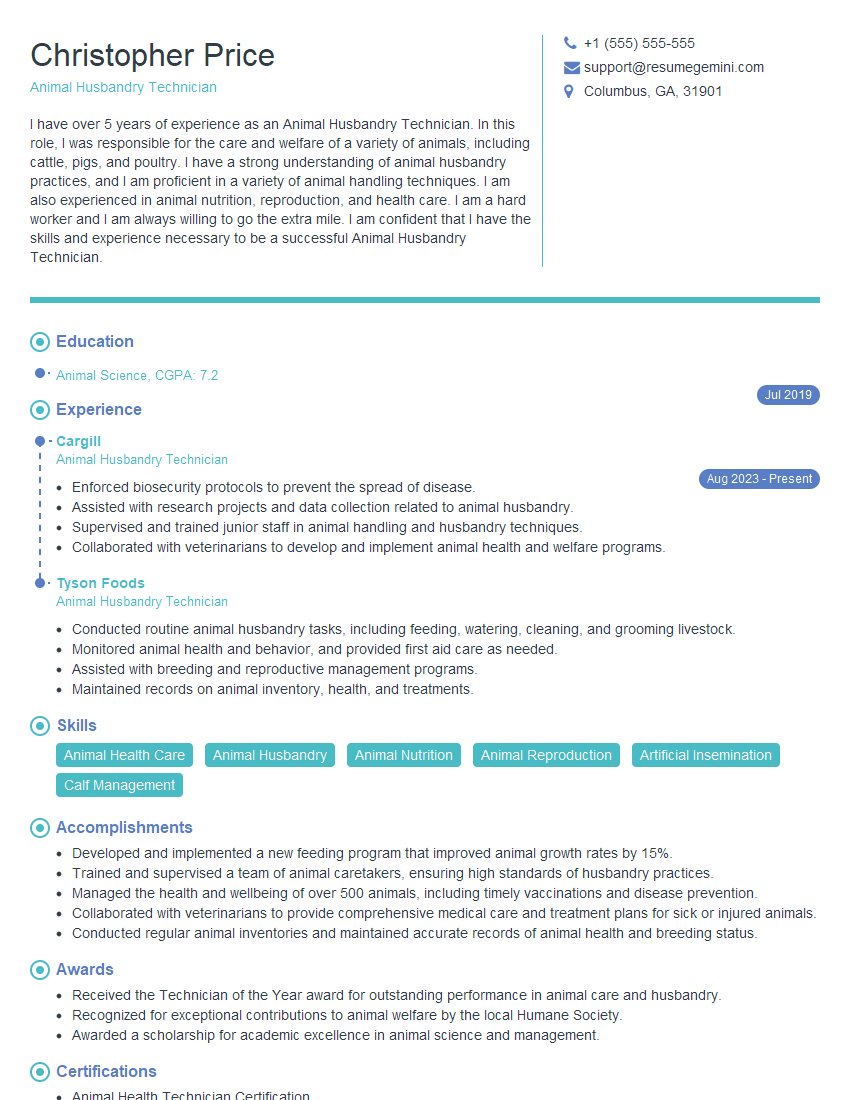
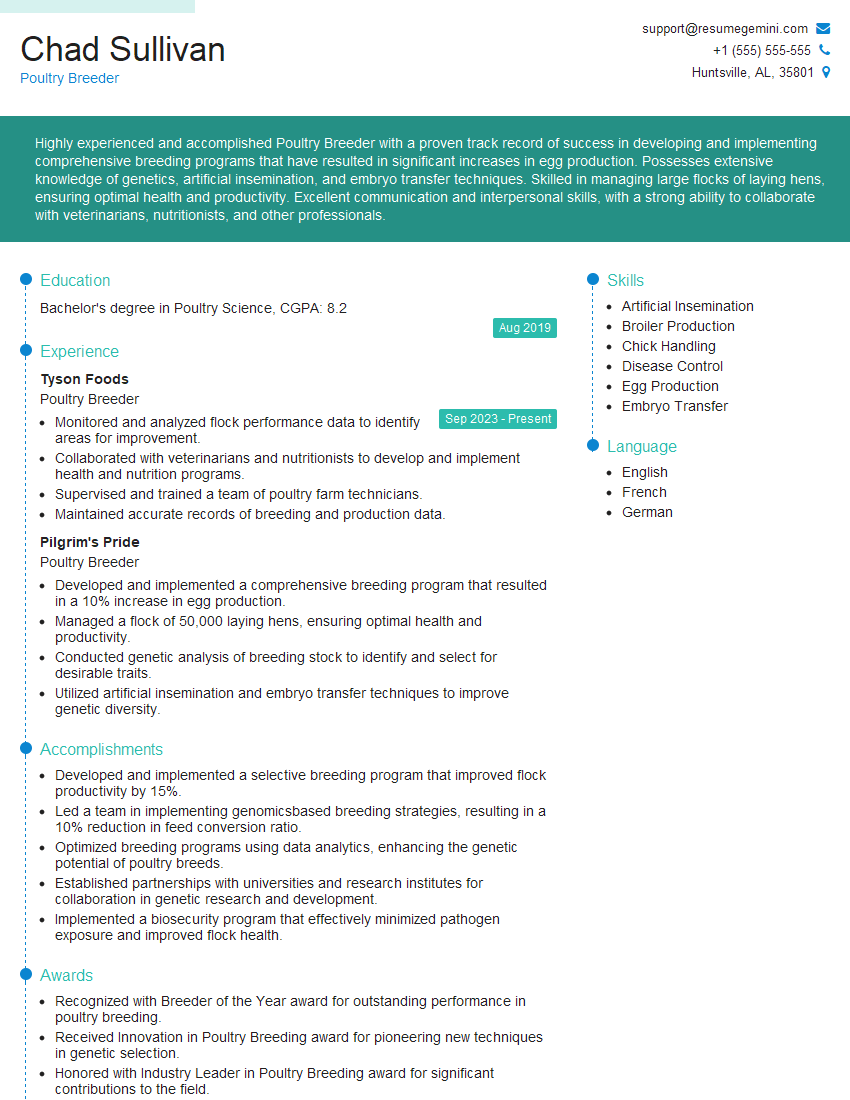
Mastering debeaking and detoeing techniques is crucial for a successful and rewarding career in poultry farming and animal husbandry. It demonstrates a commitment to both efficient production and animal welfare. To significantly boost your job prospects, it’s vital to create a resume that effectively showcases your skills and experience to Applicant Tracking Systems (ATS). ResumeGemini is a trusted resource that can help you build a professional and ATS-friendly resume tailored to the specific requirements of this field. Examples of resumes tailored to Debeaking and Detoeing are provided to help you get started.


Explore more articles
Users Rating of Our Blogs
Share Your Experience
We value your feedback! Please rate our content and share your thoughts (optional).
What Readers Say About Our Blog
Very informative content, great job.
good