Feeling uncertain about what to expect in your upcoming interview? We’ve got you covered! This blog highlights the most important Deburring Printed Circuit Boards interview questions and provides actionable advice to help you stand out as the ideal candidate. Let’s pave the way for your success.
Questions Asked in Deburring Printed Circuit Boards Interview
Q 1. What are the different methods used for deburring PCBs?
Deburring PCBs involves several methods, each chosen based on the type of burr, material, and desired finish. The most common techniques include:
- Manual Deburring: This involves using hand tools like files, deburring tools, and abrasive pads to carefully remove burrs. It’s best suited for small batches or intricate areas where automated methods are impractical. Think of it like carefully shaping a piece of wood with sandpaper – precise control is key.
- Automated Deburring: This employs machines such as vibratory finishing equipment, which uses media like ceramic or plastic pellets to gently abrade the burrs. This is excellent for high-volume production and consistent results. Imagine a tumbling machine polishing rocks – the burrs are similarly smoothed away.
- Chemical Deburring: This uses chemical etchants to dissolve or remove burrs. This is selective and efficient but requires careful control to avoid damaging the PCB. It’s like using a specialized cleaner to remove rust – only the unwanted material is targeted.
- Electrochemical Deburring: This is a more precise method using electrochemical processes to remove burrs selectively. This provides very fine control and is ideal for delicate PCBs.
The selection of the best method depends on several factors, including the production volume, the type of burr, the PCB material, and the acceptable level of surface finish.
Q 2. Explain the importance of proper deburring in PCB manufacturing.
Proper deburring is crucial in PCB manufacturing for several reasons:
- Improved Reliability and Performance: Burrs can cause shorts, opens, or signal interference, leading to malfunctioning circuits. Removing them ensures reliable signal transmission and overall PCB performance. Imagine a tiny piece of metal bridging two wires – that’s a short circuit caused by a burr.
- Enhanced Mechanical Strength: Burrs weaken the PCB and can create stress points, increasing susceptibility to cracking or breaking during handling, assembly, or operation. It’s like a small crack in a wall – it might seem insignificant but can weaken the entire structure.
- Simplified Assembly and Handling: Smooth, burr-free PCBs are easier to handle, reducing the risk of damage during assembly. Think about trying to work with a rough piece of metal – it’s much harder to handle than a smooth one.
- Protection from Corrosion: Burrs can create areas where moisture and contaminants can accumulate, leading to corrosion. Removing them improves the overall durability and longevity of the PCB.
- Improved Aesthetics: For applications where appearance is crucial, deburring enhances the overall aesthetic quality of the finished product.
Q 3. What types of burrs are commonly found on PCBs?
Common burrs found on PCBs typically result from the manufacturing processes. These include:
- Sharp edges and protrusions: These are often found along the edges of cut traces or drilled holes, caused by the cutting or drilling process itself. They are often quite noticeable and easily felt.
- Flash: This is a thin layer of excess material that remains after processes such as soldering or plating. It’s usually more difficult to see than sharp edges.
- Rough surfaces: These are irregularities in the surface finish, resulting from various processes and can lead to issues with component placement or soldering.
The location and type of burrs vary widely depending on the PCB’s design and the manufacturing processes used. For example, a PCB with many fine traces and small holes will likely have more burrs than a simple board.
Q 4. Describe the various tools and equipment used in PCB deburring.
The tools and equipment used for PCB deburring depend largely on the method employed. Here are some common examples:
- Hand tools: Files, deburring tools (e.g., hand deburring tools, rotary tools with appropriate bits), abrasive pads, and tweezers are used in manual deburring.
- Automated equipment: Vibratory finishing machines, centrifugal barrel finishing systems, and abrasive belt or brush systems are used for high-volume automated deburring.
- Chemical processing equipment: Tanks, pumps, and other equipment are necessary for chemical or electrochemical deburring. These require careful control of temperature, time, and chemical concentration.
- Inspection equipment: Microscopes, magnifying glasses, and other inspection tools are used to inspect the PCBs before and after deburring to ensure that the process is complete and there is no damage.
Q 5. How do you identify damaged or defective PCBs requiring deburring?
Identifying PCBs requiring deburring involves careful visual and tactile inspection. Look for:
- Visible burrs: Use a microscope or magnifying glass to examine the edges of the PCB for any sharp edges, protrusions, or flash.
- Rough surfaces: Run your finger (gently!) along the surface to feel for any irregularities or roughness.
- Interrupted traces or damaged components: Burrs can sometimes damage traces or components, resulting in open or short circuits. A continuity test might identify such problems.
- Visual inspection during manufacturing: A crucial step is regular inspection during PCB manufacturing processes to catch burrs early and prevent further damage.
The level of inspection required will depend on the criticality of the PCB and the production environment. High-reliability PCBs will require more rigorous inspection.
Q 6. What safety precautions are necessary when deburring PCBs?
Safety is paramount when deburring PCBs. Always:
- Wear appropriate personal protective equipment (PPE): This includes safety glasses or a face shield to protect your eyes from flying debris, gloves to protect your hands from sharp edges, and a dust mask to prevent inhalation of fine particles.
- Use proper handling techniques: Avoid forceful pressure when using hand tools, and maintain a secure grip to prevent injury.
- Dispose of waste materials properly: Chemical deburring produces waste that must be disposed of in accordance with local regulations.
- Work in a well-ventilated area: Chemical deburring often involves fumes that can be harmful to health.
- Follow manufacturer’s instructions: Always follow the manufacturer’s instructions for all tools, equipment, and chemicals involved in the process.
Never rush the process; careful attention to detail and adherence to safety procedures are crucial to prevent injury and damage.
Q 7. What are the different types of deburring tools, and when would you use each?
Deburring tools vary greatly depending on the application and scale. Here are a few examples:
- Hand files and deburring tools: These are excellent for precise, manual removal of burrs in small batches or on intricate areas. Different file shapes and abrasive materials are available for different types of burrs.
- Rotary tools with abrasive bits: Offer more versatility than hand files and can be used for both manual and semi-automated deburring. The selection of bits is critical for minimizing damage.
- Vibratory finishing machines: Ideal for high-volume applications, using abrasive media to remove burrs from multiple PCBs simultaneously. The media type and vibratory parameters need to be carefully selected based on the PCB material and the type of burrs.
- Electrochemical deburring systems: Used for very precise deburring, particularly on delicate PCBs where other methods might cause damage. Requires specialized expertise and equipment.
The choice of tool depends on factors like production volume, required precision, burr type, material, and available resources. A small workshop might rely mainly on hand tools, while a large manufacturer will use automated systems.
Q 8. How do you determine the appropriate deburring technique for a specific PCB?
Selecting the right deburring technique for a PCB hinges on several factors: the type of PCB, the material used, the specific deburring needs (e.g., removing sharp edges, smoothing surfaces), and the desired level of surface finish. For example, a high-density interconnect (HDI) PCB with delicate components will necessitate a gentler approach like chemical etching or laser ablation, compared to a thicker, less intricate board that might tolerate more aggressive methods such as mechanical brushing or milling. We consider the board’s overall fragility, the material composition (FR4, aluminum, etc.), and the location of the burrs before selecting from various methods, including hand tools, automated systems, or chemical treatments. A thorough inspection of the PCB before the process begins is crucial to help determine the most appropriate and least damaging approach.
- Material: The hardness and composition of the PCB material dictates the suitability of various techniques. Softer materials might be damaged by aggressive mechanical methods.
- Burr Size and Location: The size, shape, and location of the burrs determine the optimal technique. Small, localized burrs might require manual tools, whereas widespread burrs could benefit from automation.
- Surface Finish Requirements: The end-use of the PCB influences the desired surface finish. Some applications require a very smooth surface, while others have less stringent requirements.
Q 9. What are the potential consequences of improper deburring?
Improper deburring can lead to a cascade of negative consequences, impacting both the functionality and reliability of the PCB. For instance, sharp burrs left on the board can cause shorts, leading to malfunctions or even complete system failures. Similarly, excessive deburring can damage the board’s copper traces or components, compromising signal integrity and electrical performance. In extreme cases, it can damage the substrate itself, weakening the PCB and affecting its longevity. Finally, incomplete deburring can create issues during subsequent assembly stages. For example, burrs can interfere with the proper seating of components during surface mount device (SMD) placement, affecting soldering quality and potentially resulting in solder bridges or voiding. A seemingly minor defect in deburring can propagate to larger issues down the line, escalating both repair costs and project timelines.
Q 10. How do you ensure the quality of the deburring process?
Quality assurance in PCB deburring involves a multi-pronged approach, emphasizing both process control and inspection. This starts with defining clear acceptance criteria, often including visual inspection using microscopes to check for burr removal, followed by automated optical inspection (AOI) to identify any defects. Furthermore, we employ statistical process control (SPC) techniques to monitor the process, regularly checking for any variations in deburring consistency. This involves tracking key parameters such as deburring time, tool wear, and the frequency of defects found. Documentation of every step is essential, creating a comprehensive audit trail to identify and correct any issues. Finally, regular calibration of equipment and operator training are crucial aspects to maintain a consistently high standard of quality. The goal is not just to remove burrs but to do so without creating new problems. Think of it like a delicate surgery – precise, consistent, and thoroughly documented.
Q 11. Describe your experience with automated deburring equipment.
My experience with automated deburring equipment encompasses a wide range of technologies, including robotic systems with specialized milling tools, laser deburring machines, and automated chemical etching systems. I’ve worked extensively with systems that integrate vision guidance for precision deburring, ensuring consistent results across a high volume of boards. In one project, we implemented a robotic system equipped with multiple tooling options, allowing for adaptable deburring strategies based on the specific needs of each PCB. This automation increased throughput considerably, reduced manual labor significantly, and enhanced consistency, leading to a marked reduction in defects. For instance, we replaced a manual deburring process that had an error rate of about 2% with a robotic system achieving a defect rate below 0.1%.
Q 12. How do you troubleshoot common problems encountered during PCB deburring?
Troubleshooting PCB deburring issues requires a systematic approach. We start by identifying the specific problem—for example, incomplete burr removal, damaged traces, or inconsistent surface finish. Then, we examine several potential causes, such as incorrect tool selection, inadequate processing parameters (e.g., speed, pressure, time), or equipment malfunction. For instance, if we notice incomplete burr removal, we might check for tool wear, adjust the processing parameters, or investigate the possibility of a faulty tool or equipment. Detailed records from previous processes are invaluable in identifying trends and patterns that can indicate recurring issues. Often, the solution involves a combination of adjustments. It’s a process of elimination, using experience and data to isolate the root cause and implement the necessary corrective actions.
Q 13. What are the industry standards and best practices for PCB deburring?
Industry standards and best practices for PCB deburring align with broader electronics manufacturing standards such as IPC standards (e.g., IPC-A-600, IPC-A-610) which address acceptability of workmanship. These guidelines focus on minimizing damage, ensuring consistent quality, and maximizing efficiency. Key aspects include proper tool selection, optimal processing parameters, thorough cleaning, and comprehensive inspection. Best practices often incorporate preventative measures, such as optimized board design to reduce the likelihood of burr formation and the use of automated processes to reduce variability. Adherence to these standards ensures that the deburring process adds value to the final product without compromising its performance or reliability. Documentation and traceability are critical; this allows for quality control and ensures compliance with industry standards. We regularly review and update our processes to stay abreast of the latest industry best practices.
Q 14. Explain the difference between manual and automated deburring methods.
Manual deburring relies on hand tools such as files, burr removers, and abrasive pads to remove burrs. This method is suitable for low-volume production, intricate PCBs, or situations requiring highly localized deburring. However, it is labor-intensive, prone to inconsistency, and can be slow. Automated deburring utilizes machines such as robotic systems, laser systems, or chemical etching baths to remove burrs. This method is faster, more consistent, and better suited for high-volume production. While the initial investment is higher, the improved speed, consistency, and reduced labor costs generally offset the investment over time. Think of it like comparing hand-painting a mural to using a spray painter: manual methods are versatile for small jobs, but automation is more efficient for large-scale projects.
Q 15. How do you measure the effectiveness of the deburring process?
Measuring the effectiveness of a PCB deburring process relies on a multi-faceted approach. We don’t just look at whether the burrs are gone; we assess the impact on the board’s overall quality and functionality. This involves both visual inspection and potentially more sophisticated techniques.
Visual Inspection: This is the first and often most crucial step. Using a microscope or magnifying glass, we carefully examine the PCB edges and component leads for any remaining burrs. We look for both size and quantity, recording the findings using standardized criteria. For instance, we might define acceptable burr height as less than 0.05mm.
Surface Roughness Measurement: A profilometer or surface roughness tester can provide quantitative data on the smoothness of the deburred surfaces. This is especially important for sensitive applications where surface finish impacts performance or reliability.
Functional Testing: In some cases, especially for high-reliability applications like aerospace or medical devices, the deburred boards undergo thorough functional testing. This verifies that the deburring process hasn’t caused any damage to the components or circuitry, affecting overall functionality.
Statistical Process Control (SPC): For high-volume manufacturing, we implement SPC charts to track key metrics like burr size and occurrence frequency. This allows us to identify trends, prevent defects, and ensure process consistency over time.
For example, in one project involving high-speed digital circuits, even tiny burrs could have caused signal reflections leading to data corruption. By implementing stringent visual inspection and surface roughness measurements, we ensured a flawless outcome.
Career Expert Tips:
- Ace those interviews! Prepare effectively by reviewing the Top 50 Most Common Interview Questions on ResumeGemini.
- Navigate your job search with confidence! Explore a wide range of Career Tips on ResumeGemini. Learn about common challenges and recommendations to overcome them.
- Craft the perfect resume! Master the Art of Resume Writing with ResumeGemini’s guide. Showcase your unique qualifications and achievements effectively.
- Don’t miss out on holiday savings! Build your dream resume with ResumeGemini’s ATS optimized templates.
Q 16. What are some common causes of burrs on PCBs?
Burrs on PCBs, those unwanted projections of metal, arise primarily from the manufacturing processes themselves. Several factors contribute:
Mechanical Processes: Routing, drilling, punching, and shearing operations inevitably create some degree of material deformation at the edges. The sharpness of the tooling, its wear, and the feed rate all influence the severity of burr formation.
Material Properties: The type of PCB substrate and the plating material impact burr formation. Harder materials tend to produce sharper, more pronounced burrs. Think of trying to cut a hard metal versus a softer one – the harder metal creates more jagged edges.
Process Parameters: Incorrect machine settings, worn tooling, excessive pressure, and improper alignment can all contribute to significant burr generation. For instance, a dull drill bit will create larger burrs than a sharp one.
Handling and Storage: Even after manufacturing, careless handling or improper storage can cause new burrs or worsen existing ones.
Imagine a poorly maintained drill press generating excessive heat; the added heat and pressure would greatly increase the size and number of burrs generated. Proper maintenance and precise process control are essential.
Q 17. How do you handle burrs on sensitive components?
Handling burrs near sensitive components requires extra care and precision. Aggressive deburring methods could easily damage delicate parts. Here’s a tiered approach:
Careful Manual Deburring: For very sensitive areas, manual deburring using fine-tipped tools, like specialized deburring tools or even a very sharp, clean scalpel (with extreme caution!), is often the safest method. This requires a steady hand and exceptional attention to detail.
Soft Abrasive Media: Using soft abrasive media such as very fine polishing compounds or specialized brushes designed for sensitive applications can effectively remove burrs without causing damage. Think of gently polishing the area instead of aggressively scrubbing it.
Chemical Deburring (with caution): In limited cases, certain chemical etching solutions can be used to selectively remove burrs, but this requires meticulous control to avoid damaging surrounding components. The choice of chemical and its application must be carefully considered. This is usually a last resort.
Protective Masking: Before any deburring process, masking tape or other protective materials can be strategically applied to shield sensitive components from accidental damage.
For example, when dealing with surface-mount devices (SMDs), I’ve successfully employed soft brushes with minimal pressure and fine polishing compounds to remove burrs without causing component damage.
Q 18. What are the environmental considerations in PCB deburring?
Environmental considerations in PCB deburring are critical, focusing on minimizing waste and protecting both worker and environmental health. Key concerns include:
Wastewater Management: Chemical deburring processes generate wastewater that may contain hazardous substances. Proper treatment and disposal are crucial to meet environmental regulations. This often involves using wastewater treatment systems specifically designed for the chemicals used.
Airborne Particles: Mechanical deburring methods can release airborne particles, especially if dry methods are used. This necessitates appropriate ventilation systems and potentially the use of personal protective equipment (PPE) like respirators. Using wet methods, if applicable, minimizes airborne particulates.
Hazardous Waste Disposal: Spent abrasive media and other waste materials must be disposed of responsibly, adhering to local and national regulations. This often involves sorting materials for recycling and proper disposal of hazardous materials.
Energy Consumption: Deburring equipment, particularly automated systems, consumes energy. Selecting energy-efficient equipment and optimizing processes can reduce the environmental footprint.
We always prioritize environmentally friendly methods. In one instance, we switched from a dry abrasive blasting method to a wet method to reduce airborne particles and improve worker safety, resulting in a cleaner and more environmentally conscious process.
Q 19. Describe your experience with different deburring materials (e.g., brushes, media).
My experience spans a range of deburring materials, each with its strengths and weaknesses:
Rotary Brushes: These are versatile, suitable for various burr sizes and locations. Different bristle materials (nylon, stainless steel, etc.) offer varying degrees of abrasiveness. I’ve found nylon brushes effective for delicate work, while stainless steel is better for heavier burrs. The key is selecting the appropriate brush diameter, bristle stiffness, and speed to avoid damage.
Abrasive Media (Blasts): Media blasting (e.g., using aluminum oxide, glass beads, or walnut shells) is effective for removing larger burrs quickly. However, careful control of pressure and media size is crucial to avoid damaging the PCB. The choice of media depends on the material and the desired surface finish.
Deburring Tools: Various hand tools like deburring needles, files, and cutters are suitable for intricate areas or small burrs, offering precise control but requiring more manual labor.
Chemical Deburring Solutions: I’ve used these sparingly, mainly for specific situations where other methods would be too aggressive or ineffective. Careful selection and precise application are paramount to avoid damage to the board.
For instance, in a project with many closely spaced components, we chose a combination of soft rotary brushes for general deburring and hand tools for delicate areas around sensitive components.
Q 20. How do you maintain and clean deburring tools and equipment?
Maintaining and cleaning deburring tools and equipment is crucial for ensuring consistent results and extending their lifespan. A regular maintenance schedule is essential:
Rotary Brushes: Regularly inspect brushes for wear and tear. Replace worn-out brushes promptly. Clean the brush regularly using appropriate solvents to remove debris and maintain effectiveness.
Abrasive Media Blasting Equipment: After each use, empty and clean the blasting cabinet to remove residual media. Inspect the nozzle and air lines for blockages or damage. Regularly check the air pressure and flow rate to ensure optimal performance.
Hand Tools: Clean hand tools thoroughly after each use, removing any debris or accumulated material. Regularly sharpen or replace worn-out tools to maintain effectiveness and precision.
Chemical Deburring Equipment: Thoroughly clean equipment after each use following the manufacturer’s guidelines. Store chemicals safely and properly in designated areas.
Failing to maintain equipment can lead to inconsistent deburring, increased wear on tools, and potential damage to PCBs. A well-maintained system is key to consistent high-quality results.
Q 21. What is the difference between deburring and cleaning a PCB?
While both deburring and cleaning are crucial steps in PCB production, they address different aspects of board quality.
Deburring: Focuses specifically on removing sharp projections (burrs) created during manufacturing processes. Burrs can cause mechanical damage, electrical shorts, or hinder soldering. Deburring aims to create smooth, uniform edges and component leads.
Cleaning: Encompasses a broader range of procedures to remove contaminants from the PCB’s surface. This includes removing flux residues, oils, dust, and other particles that can interfere with component mounting, electrical performance, or reliability. Cleaning methods may involve ultrasonic cleaning, solvent cleaning, or other specialized techniques.
Think of it this way: deburring is about removing sharp metal protrusions, while cleaning addresses a wider range of surface contaminants. Often, both steps are needed for a finished, high-quality PCB. A clean PCB can still have burrs, and a deburred PCB might not be completely clean.
Q 22. What are the key quality metrics you monitor during PCB deburring?
Key quality metrics in PCB deburring focus on ensuring the board’s surface is smooth, free from sharp edges and burrs that could cause issues later in assembly or operation. We meticulously monitor several aspects:
- Burr Height: Measured using a microscope or optical comparator, ensuring burrs are below a specified maximum height (often defined in micrometers). Exceeding this height can lead to shorts or component damage.
- Burr Density: This refers to the number of burrs per unit area. We aim for minimal density, ideally zero. Excessive burrs increase the risk of defects.
- Surface Finish: Assessed visually and sometimes using surface roughness measurement techniques. A smooth surface is crucial for reliable soldering and optimal electrical performance. Roughness can lead to solder bridging or poor contact.
- Dimensional Accuracy: Deburring should not alter the PCB’s dimensions significantly. We regularly check dimensions against specifications using calibrated measuring instruments to ensure it remains within tolerance.
- Cleanliness: The deburring process shouldn’t leave behind debris. We check for cleanliness using visual inspection, and sometimes with solvents and residue detection techniques to ensure no contaminants remain.
Regularly tracking these metrics through statistical process control (SPC) charts helps us identify trends, prevent issues, and maintain consistent high quality.
Q 23. Explain your experience with visual inspection techniques for deburred PCBs.
Visual inspection is a cornerstone of our deburring quality control. We use a combination of techniques depending on the board’s complexity and size:
- Magnification: Stereomicroscopes with adjustable magnification are used to examine critical areas closely. This allows us to detect even tiny burrs that might be missed by the naked eye.
- Lighting: Proper lighting is essential. We utilize angled lighting to highlight surface imperfections, such as burrs or scratches. Low-angle lighting, for example, can reveal subtle height differences.
- Checklists and Documentation: A detailed checklist ensures consistent inspection practices. Each inspector follows a pre-defined route, checking specific areas prone to burrs. This includes documentation of any findings and their location on the board.
- Automated Optical Inspection (AOI): For high-volume production, AOI systems provide faster and more objective visual inspection, identifying even minute defects automatically. They often integrate into our process as a secondary check after manual inspection.
Experienced inspectors develop keen eyesight and excellent judgment. They can quickly identify variations in surface finish and subtle burrs. Regularly calibrating our equipment and training inspectors through certification programs are vital for maintaining consistent visual inspection quality.
Q 24. How do you document the deburring process?
Documentation is paramount. We maintain a comprehensive record of the entire deburring process, including:
- Process Parameters: This includes the type of deburring equipment used, its settings (speed, pressure, etc.), and the specific tooling employed for different PCB features.
- Material Information: The type of PCB material (FR4, etc.) and its thickness is recorded, as different materials require different deburring methods.
- Inspection Results: A detailed record of visual inspection findings, including the location and type of any defects found. This is often accompanied by photographic documentation.
- Corrective Actions: If any defects are found, a detailed record of the corrective actions taken, including the adjustments to the process, retraining of personnel, or replacement of defective tools.
- Operator Logs: Each operator documents their work, including the number of boards processed and any unusual observations.
All this information is stored in a database, typically using a Manufacturing Execution System (MES) to ensure traceability and facilitate analysis. This allows for continuous improvement efforts and compliance auditing.
Q 25. Describe a situation where you had to troubleshoot a deburring issue. How did you resolve it?
We once experienced a sudden increase in burrs on a specific type of high-density interconnect (HDI) PCB. Initial visual inspection showed inconsistent burr height and density across different batches.
Our troubleshooting steps included:
- Reviewing Process Parameters: We carefully checked the deburring machine settings, tooling condition, and operational procedures. This revealed no immediate anomalies.
- Analyzing Material Properties: We tested the PCB material batch for any unusual characteristics, focusing on its hardness and consistency. This revealed a slight variation in the material’s hardness within that specific batch.
- Experimenting with Tooling: We tested different deburring tools, adjusting their pressure and speed. This highlighted the need for a slightly gentler approach due to the material variation.
- Implementing Adjustments: We adjusted the deburring machine’s parameters to reduce the pressure and slightly increase the speed. The softer approach prevented excessive material removal, thus minimizing burr formation.
- Retraining Personnel: To ensure consistency, we reinforced training on proper machine operation and visual inspection techniques.
Through this systematic approach, we successfully resolved the issue, reducing burr formation significantly and maintaining consistent quality.
Q 26. How do you ensure the deburring process complies with relevant industry standards?
Compliance with industry standards is crucial. We ensure adherence to relevant specifications like IPC-A-600 (Acceptability of Electronic Assemblies) and IPC-7351 (Requirements for Printed Board Assembly). These standards outline requirements for surface finish and define acceptable levels of defects, including burrs.
Our approach includes:
- Regular Audits: Internal and external audits regularly verify our compliance with these standards. This involves process reviews, documentation checks, and sample inspections.
- Calibration of Equipment: All measuring and inspection equipment is regularly calibrated to ensure accurate measurements. Calibration certificates are maintained as part of our quality system.
- Operator Training: Our personnel receive ongoing training on IPC standards and best practices for deburring. This ensures a consistent understanding of the required quality levels.
- Continuous Improvement: We utilize data collected from our monitoring and inspection processes to continuously improve our techniques and minimize the risk of non-conformance.
By strictly adhering to these standards and employing a robust quality management system, we maintain the highest level of quality and ensure that our deburring processes are reliable and efficient.
Q 27. What are the potential risks associated with inadequate PCB deburring?
Inadequate PCB deburring can have serious consequences:
- Shorts: Sharp burrs can create short circuits between conductive traces, leading to malfunction or complete failure of the PCB.
- Component Damage: Burrs can damage delicate components during assembly, potentially leading to failures or requiring costly rework.
- Solder Bridging: Rough surfaces can cause solder bridging between adjacent pads, causing shorts or open circuits.
- Poor Solder Joints: Debris or rough surfaces can prevent proper solder wetting, resulting in weak and unreliable solder joints.
- Reduced Reliability: Inadequate deburring can lead to reduced overall reliability of the PCB assembly, potentially causing premature failure in the field.
These risks can result in significant financial losses due to product recalls, repairs, and lost customer trust. Investing in a robust deburring process and diligent quality control significantly mitigates these risks.
Q 28. How do you adapt your deburring techniques to different PCB designs and materials?
Adaptability is key in PCB deburring. Different PCB designs and materials demand tailored approaches. For example, a high-density board requires more delicate deburring techniques compared to a low-density board to prevent damage to fine traces.
We adapt our techniques by:
- Selecting Appropriate Tools: We use different tools like deburring brushes, hand tools, or automated deburring machines, depending on the PCB material (FR4, flex, rigid-flex, etc.), its thickness, and the design features.
- Adjusting Machine Settings: The speed, pressure, and other settings of automated deburring machines are optimized for each material and design to ensure the optimal balance of burr removal and material preservation.
- Implementing Specialized Techniques: For delicate areas or complex geometries, we may employ specialized techniques such as laser deburring or chemical etching to avoid damage to the surrounding components.
- Process Validation: For each new design or material, we validate the deburring process through testing and inspection to ensure that it meets the required quality standards. This involves rigorous sampling and documentation.
Our expertise and experience allow us to seamlessly adapt our techniques to various PCB designs and materials, ensuring consistent high quality across all projects.
Key Topics to Learn for Deburring Printed Circuit Boards Interview
- Deburring Techniques: Understanding various deburring methods (e.g., manual, automated, chemical) and their applications for different PCB types and materials. Consider the advantages and limitations of each technique.
- PCB Construction and Materials: A strong grasp of PCB materials (FR4, etc.) and their impact on deburring processes. Understanding how different board layers and components influence the choice of deburring method.
- Quality Control and Inspection: Familiarize yourself with quality control procedures used after deburring, including visual inspection, automated optical inspection (AOI), and other relevant testing methods. Understand how to identify and address defects.
- Safety Procedures and Regulations: Understand relevant safety protocols and industry regulations concerning the use of chemicals and machinery involved in deburring. This demonstrates a commitment to workplace safety.
- Troubleshooting and Problem-Solving: Be prepared to discuss common deburring problems (e.g., burr removal inconsistencies, damage to PCB components) and how to effectively troubleshoot and resolve them. Showcase your analytical skills.
- Automation and Equipment: Familiarity with automated deburring equipment and processes. Understanding the programming, maintenance, and operation of such systems is highly valuable.
- Environmental Considerations: Understand the environmental impact of deburring processes and any associated waste management practices. Demonstrate awareness of sustainable manufacturing principles.
Next Steps
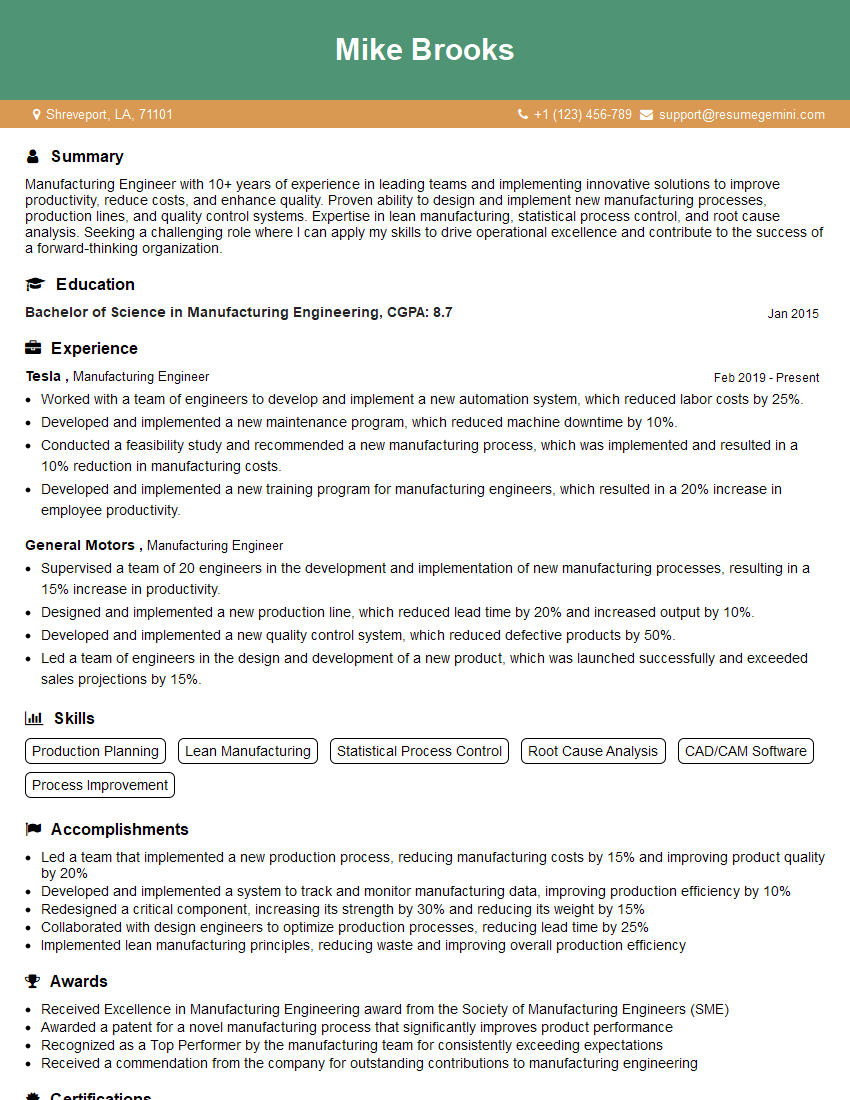
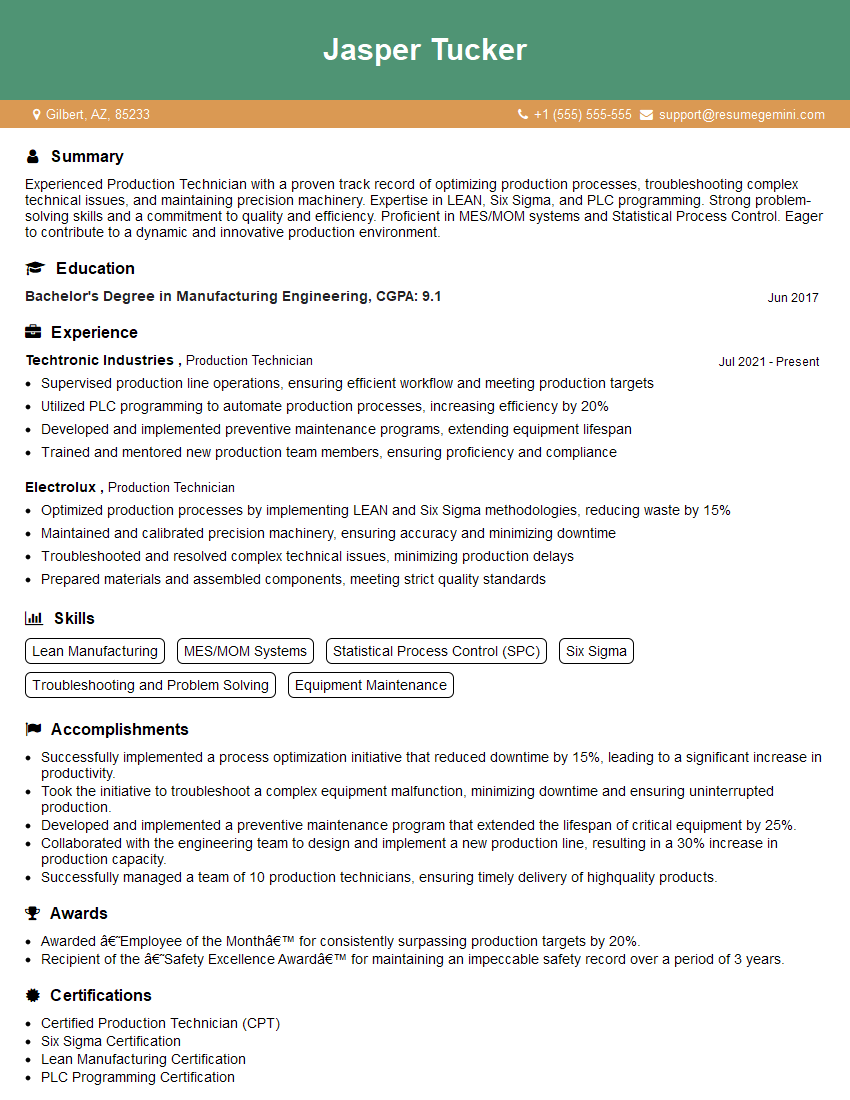
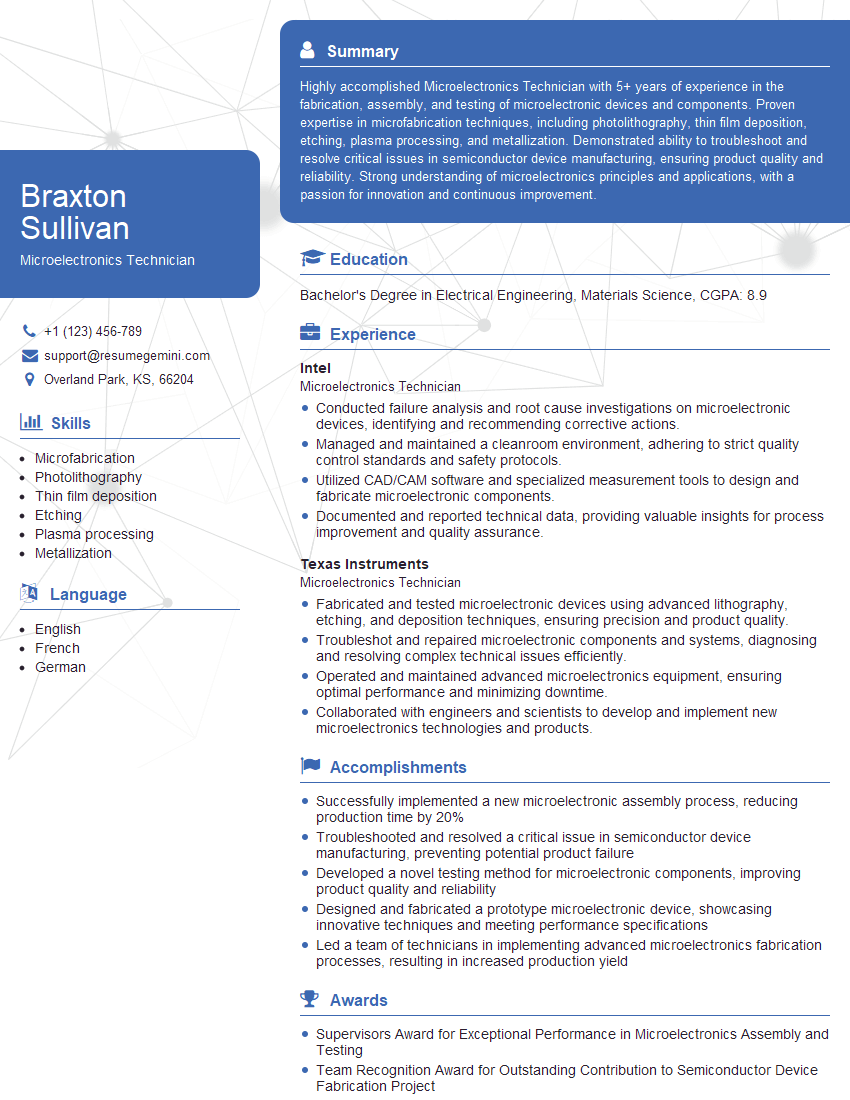
Mastering deburring techniques for printed circuit boards is crucial for career advancement in the electronics manufacturing industry. It showcases meticulous attention to detail and a deep understanding of critical manufacturing processes. To enhance your job prospects, create a strong, ATS-friendly resume that highlights your skills and experience. ResumeGemini is a trusted resource to help you build a professional resume that stands out. Examples of resumes tailored to deburring printed circuit boards are available within ResumeGemini to guide you. Take the next step towards your dream career!


Explore more articles
Users Rating of Our Blogs
Share Your Experience
We value your feedback! Please rate our content and share your thoughts (optional).
What Readers Say About Our Blog
Very informative content, great job.
good