The thought of an interview can be nerve-wracking, but the right preparation can make all the difference. Explore this comprehensive guide to Defects Identification interview questions and gain the confidence you need to showcase your abilities and secure the role.
Questions Asked in Defects Identification Interview
Q 1. Describe your experience in identifying and classifying different types of defects.
Defect identification and classification are fundamental to software quality assurance. My experience spans various methodologies and technologies, enabling me to identify a wide range of defects. I categorize defects using a multi-layered approach, starting with broad classifications like functional, performance, security, and usability issues, then refining them further.
- Functional Defects: These relate to incorrect or missing functionality. For example, a button that doesn’t navigate to the correct page or a form that fails to validate input correctly.
- Performance Defects: These impact the speed, responsiveness, or stability of the application. Slow loading times, memory leaks, or crashes are all examples.
- Security Defects: These expose vulnerabilities that could be exploited by malicious actors. SQL injection vulnerabilities, cross-site scripting (XSS) flaws, or insecure authentication mechanisms fall under this category.
- Usability Defects: These relate to the user experience, such as confusing navigation, unclear instructions, or an unintuitive interface.
I meticulously document each defect, including detailed steps to reproduce the issue, expected behavior, actual behavior, and the severity level. This ensures clear communication and facilitates efficient resolution.
Q 2. Explain your approach to prioritizing defects based on severity and priority.
Prioritizing defects requires a balanced approach that considers both severity and priority. Severity refers to the impact of the defect on the system or user experience, while priority indicates the urgency of fixing the defect.
I typically employ a matrix that categorizes defects based on a combination of severity (e.g., Critical, Major, Minor, Trivial) and priority (e.g., High, Medium, Low). A critical severity defect with high priority, such as a system crash, would be addressed immediately. A minor severity defect with low priority, such as a minor typographical error, could be addressed later.
My approach also involves collaborating with stakeholders (developers, product owners, etc.) to ensure everyone agrees on the prioritization. This collaborative approach helps to avoid conflicts and ensures that the most impactful defects are addressed first. For instance, during a project I once worked on, a seemingly minor UI issue (low severity) was prioritized high as it impacted a critical user workflow (high priority).
Q 3. How do you use defect tracking tools to manage and report defects?
Defect tracking tools are indispensable for effective defect management. I have extensive experience using tools such as Jira, Bugzilla, and Azure DevOps. These tools allow me to:
- Log defects: I meticulously document each defect, including detailed steps to reproduce, screenshots, and relevant logs.
- Assign defects: I assign defects to the appropriate developers or teams based on their expertise and availability.
- Track defect status: I monitor the status of each defect throughout its lifecycle (e.g., New, Assigned, In Progress, Resolved, Verified, Closed).
- Generate reports: I use these tools to generate reports that provide insights into defect trends, helping to identify areas for improvement in the development process.
For example, in a recent project using Jira, I created custom dashboards to track the number of defects per module, their severity distribution, and resolution times. This provided valuable data that informed our testing strategy and helped us proactively address potential issues.
Q 4. What are some common root causes of defects you’ve encountered?
Over the years, I’ve identified several common root causes for defects. These include:
- Inadequate Requirements: Unclear or incomplete requirements are a major source of defects. If the developers don’t fully understand what’s expected, the resulting code might not meet the needs.
- Poor Design: A poorly designed system is more prone to errors. Complex or poorly structured code is harder to maintain and test, leading to more defects.
- Coding Errors: Simple mistakes in coding, such as logical errors, syntax errors, or off-by-one errors, are frequent sources of defects.
- Insufficient Testing: Thorough testing is essential to catch defects before they reach production. Insufficient testing can lead to many defects escaping into the live environment.
- Lack of Communication: Poor communication between developers, testers, and stakeholders can lead to misunderstandings and defects.
To address these root causes, I advocate for robust requirements gathering, design reviews, code reviews, comprehensive testing, and clear communication throughout the software development lifecycle.
Q 5. Describe your experience with different testing methodologies (e.g., Agile, Waterfall).
My experience encompasses both Agile and Waterfall methodologies. In Agile environments, defect identification and reporting are integrated into the iterative development process. I participate in daily stand-ups, sprint reviews, and retrospectives to track and address defects quickly. Defect tracking is often tightly coupled with user stories and sprint goals.
In Waterfall, the testing phase is typically more distinct. I use different testing techniques like System Testing, Integration Testing, and Unit Testing to identify defects. Defect tracking is more formal, often using detailed documentation and reporting.
Regardless of the methodology, my approach emphasizes proactive defect prevention through thorough testing and close collaboration with developers. I adapt my defect identification strategies to align with the specific needs of each methodology.
Q 6. How do you handle disagreements with developers about the severity of a defect?
Disagreements about defect severity are inevitable. My approach is to maintain a professional and collaborative tone. I begin by clearly articulating my assessment of the defect’s severity, providing detailed evidence and steps to reproduce. This often involves demonstrating the impact of the defect on the user experience or system functionality.
If the disagreement persists, I involve a third party—a senior developer, project manager, or technical lead—to mediate. The goal is not to win an argument but to reach a consensus based on objective evidence. A shared understanding of the severity ensures that resources are allocated appropriately and that the most critical defects are addressed first.
Documenting the discussion and the final resolution is crucial to avoid similar disagreements in the future. Transparency and clear communication are key to successfully resolving such conflicts.
Q 7. How do you ensure test coverage and prevent defects from reaching production?
Ensuring comprehensive test coverage and preventing defects from reaching production is a multi-faceted process. It involves a combination of techniques, including:
- Requirement Analysis: A detailed understanding of requirements is crucial for defining thorough test cases.
- Test Planning: A well-defined test plan guides the testing process, ensuring that all critical aspects of the system are tested.
- Test Case Design: Robust test cases cover various scenarios, including boundary conditions, error handling, and edge cases.
- Test Execution: Careful and systematic test execution is essential to identify defects.
- Defect Tracking and Reporting: Meticulous tracking and reporting help monitor defect trends and identify areas for improvement.
- Code Reviews: Code reviews help identify potential defects early in the development process.
- Static Analysis: Static code analysis tools can help detect potential defects without executing the code.
- Automated Testing: Automation increases efficiency and ensures consistent testing across different platforms and environments.
By implementing these strategies and continuously improving our testing process based on lessons learned, we strive to minimize the number of defects that reach production and deliver high-quality software.
Q 8. Explain your experience with defect reporting and analysis.
Defect reporting and analysis are crucial for software quality. My experience encompasses the entire process, from initial defect discovery through to verification of the fix. This involves meticulous documentation, clear communication, and a systematic approach to root cause analysis. I’m adept at using various techniques to identify defects, ranging from reviewing requirements and design documents to executing different testing methods. For example, in a recent project developing a financial application, I discovered a critical defect during integration testing where incorrect calculations were leading to inaccurate account balances. I meticulously documented the steps to reproduce the error, the observed behavior versus the expected behavior, and the severity of the impact (high, in this case). This detailed report enabled the development team to quickly identify and resolve the issue, preventing a potential financial loss.
My approach always emphasizes prioritizing defects based on severity and impact. This ensures that critical bugs are addressed promptly, minimizing risks. After a defect is fixed, I always perform thorough verification testing to confirm that the fix is correct and doesn’t introduce new issues.
Q 9. Describe your experience with different testing types (e.g., unit, integration, system, acceptance).
I have extensive experience across the testing pyramid, including unit, integration, system, and acceptance testing. Each type plays a vital role in identifying defects at different stages of the software development lifecycle (SDLC).
- Unit Testing: I’m proficient in writing and executing unit tests using frameworks like JUnit or pytest. These tests focus on individual units of code, ensuring each component functions correctly in isolation.
- Integration Testing: My experience includes testing the interaction between different modules or components. This helps to uncover integration-related defects that might not be apparent during unit testing.
- System Testing: I’m experienced in testing the entire system as a whole, verifying that all components work together correctly and meet the specified requirements. This often involves black-box testing techniques, where I don’t need to know the internal workings of the software.
- Acceptance Testing: I collaborate closely with stakeholders to perform acceptance testing, ensuring the software meets their needs and expectations. This frequently involves User Acceptance Testing (UAT) where end-users validate the system.
For instance, in a recent project, unit tests identified a minor issue in a single function, while system testing exposed a more significant problem related to data synchronization across different modules. The layered approach allowed us to catch and resolve these issues effectively, leading to a higher-quality product.
Q 10. How familiar are you with different defect lifecycle models?
I am familiar with various defect lifecycle models, including the classic Waterfall model and more agile approaches. The classic model follows a linear sequence: defect discovery, reporting, analysis, fixing, testing, and closure. Agile methodologies often incorporate iterative defect tracking within sprints, focusing on rapid feedback loops. I’ve found that the most effective approach depends on the project’s methodology and complexity.
Understanding these models is crucial for effective defect management. For example, in a waterfall project, a detailed defect report with a comprehensive description and steps to reproduce is critical for the development team to address the issue. In an agile environment, a rapid, iterative approach, using tools like Jira’s Kanban boards, focuses on quick resolution and feedback during the sprint.
Q 11. What metrics do you use to measure the effectiveness of defect identification processes?
Measuring the effectiveness of defect identification processes relies on key metrics that provide insights into the quality of the software and the efficiency of the testing process. These include:
- Defect Density: The number of defects found per 1000 lines of code (KLOC). A lower defect density indicates better code quality.
- Defect Severity: Categorizing defects based on their impact (critical, major, minor). This helps prioritize fixing the most serious issues first.
- Defect Escape Rate: The percentage of defects that make it into production. A low escape rate is a primary goal.
- Mean Time To Resolution (MTTR): The average time it takes to resolve a defect. A shorter MTTR indicates a more efficient resolution process.
- Defect Removal Efficiency (DRE): The percentage of defects found during testing, indicating the effectiveness of the testing process.
By tracking these metrics, we can identify areas for improvement in the testing process, allowing for more efficient defect detection and resolution in future projects. For example, a high defect density in a specific module might indicate a need for more thorough testing or better coding practices within that area.
Q 12. How do you document and communicate identified defects?
Effective defect documentation and communication are vital for a smooth resolution process. I adhere to a standardized approach using a structured defect report template that includes:
- Unique ID: A unique identifier for the defect.
- Summary: A concise description of the defect.
- Steps to Reproduce: A clear and detailed list of steps to reproduce the defect.
- Actual Result: The observed behavior.
- Expected Result: The expected behavior.
- Severity: The impact of the defect.
- Priority: The urgency of fixing the defect.
- Attachments: Screenshots, logs, or other relevant files.
I use a combination of written reports and verbal communication to convey defect information. Written reports ensure consistency and accuracy; verbal communication allows for quick clarification and brainstorming solutions. Clear and concise communication prevents misunderstandings and delays in resolving defects. For instance, a well-structured defect report with clear steps to reproduce allows developers to quickly understand the problem and fix it without spending time trying to clarify the issue through emails or meetings.
Q 13. Describe your experience working with defect tracking systems (e.g., Jira, Bugzilla).
I have significant experience using various defect tracking systems, including Jira and Bugzilla. These systems provide a centralized platform for managing the entire defect lifecycle. I’m proficient in creating and managing defects, assigning them to developers, tracking their progress, and generating reports. I understand how to use these systems to configure workflows, customize fields, and generate reports to monitor defect trends.
For example, in Jira, I’m comfortable using Kanban boards to visually track the progress of defects, and using custom fields to capture additional information relevant to our projects. This allows for efficient collaboration and transparent tracking of issues.
Q 14. How do you identify and prevent regressions after fixing defects?
Preventing regressions after fixing defects is critical for maintaining software quality. My approach focuses on a combination of thorough testing and proactive measures:
- Regression Testing: After a defect is fixed, I conduct thorough regression testing to ensure the fix didn’t introduce new issues or break existing functionality. This often involves retesting the affected areas as well as running a selection of tests across the entire system.
- Automated Tests: I advocate for and implement automated tests wherever possible. Automated tests significantly reduce the time and effort needed for regression testing, making it more efficient and comprehensive. This minimizes the risk of regressions slipping through.
- Code Reviews: Code reviews provide another layer of quality control. Reviewing the code changes related to a defect fix helps to identify potential problems and ensure the fix is implemented correctly and doesn’t introduce new bugs.
- Root Cause Analysis: Identifying the root cause of a defect is crucial for preventing similar defects in the future. This involves a deep dive into the system to determine why the defect occurred in the first place.
A systematic approach incorporating these steps minimizes the risk of regressions, leading to a more stable and reliable product. For example, in one project, we used automated regression testing to detect a subtle regression introduced during a defect fix. This saved us significant time and effort compared to manual testing, and prevented the defect from reaching production.
Q 15. Explain your process for verifying defect fixes.
Verifying defect fixes is crucial to ensure software quality. My process involves a multi-step approach, starting with re-testing. I meticulously retest the area where the defect was reported, using the same test cases that initially revealed the issue. This verifies if the fix addresses the original problem. Next, I perform regression testing to check if the fix has introduced any new bugs or negatively impacted other functionalities. This often involves running a wider range of tests, including automated and manual checks. Finally, I conduct confirmation testing; a final check to verify that the issue is completely resolved and the software behaves as expected. This might involve edge case testing or performance testing to ensure stability.
For instance, if a defect involved an incorrect calculation in a financial application, after the fix, I’d re-test that specific calculation with various inputs. Then, I’d perform regression testing to ensure the fix hasn’t broken other parts of the application, like the user interface or report generation. Finally, I’d conduct confirmation testing with extreme values to confirm the calculation’s accuracy across a broad range.
Career Expert Tips:
- Ace those interviews! Prepare effectively by reviewing the Top 50 Most Common Interview Questions on ResumeGemini.
- Navigate your job search with confidence! Explore a wide range of Career Tips on ResumeGemini. Learn about common challenges and recommendations to overcome them.
- Craft the perfect resume! Master the Art of Resume Writing with ResumeGemini’s guide. Showcase your unique qualifications and achievements effectively.
- Don’t miss out on holiday savings! Build your dream resume with ResumeGemini’s ATS optimized templates.
Q 16. How do you collaborate with developers and other team members to resolve defects?
Collaboration is key to effective defect resolution. My approach involves clear and concise communication. I use tools like bug tracking systems (Jira, Bugzilla) to document defects, their status, and assigned developers. I provide developers with detailed information, including steps to reproduce the issue, expected behavior, and actual behavior. I actively participate in team meetings to discuss defects, propose solutions, and ensure everyone is on the same page. I use visual aids like screenshots or screen recordings when necessary to clarify complex issues. When roadblocks arise, I proactively communicate them to the team and offer my insights to help resolve the issue quickly.
For example, if a developer’s fix doesn’t fully address the issue, I’ll provide them with additional information, such as a log file, or walk them through the reproduction steps again. Working closely with developers fosters a better understanding of the problem’s root cause and helps prevent similar defects in the future.
Q 17. What techniques do you use for effective defect prevention?
Defect prevention is as important as defect detection. I employ several techniques, including static code analysis to identify potential issues in the code before it’s even executed. Tools like SonarQube can flag common errors and vulnerabilities. I also encourage code reviews, where peers scrutinize each other’s code, catching errors and improving code quality. Test-driven development (TDD), where tests are written before the code, helps ensure code meets requirements and prevents defects from the outset. Finally, thorough requirements analysis and well-defined design specifications minimize misunderstandings and reduce the likelihood of defects originating from poor design choices.
Think of building a house. Static code analysis is like checking the blueprints for errors before construction begins. Code reviews are like having multiple builders inspect each other’s work. TDD ensures that each component functions perfectly before integration. Clear requirements are like detailed architectural plans, preventing costly mistakes down the line.
Q 18. How do you handle situations where deadlines are tight and defect identification is critical?
Tight deadlines necessitate a strategic approach to defect identification. Prioritization is paramount; I use risk assessment to focus on high-impact defects that could severely affect functionality or user experience. I leverage automation wherever possible to accelerate testing. This includes using automated test scripts and employing tools for automated defect tracking and reporting. I collaborate closely with the development team to prioritize critical fixes, and explore ways to quickly resolve them. Sometimes, this means making difficult choices—accepting minor defects to meet the deadline if they are not critical or have low risk.
For example, if we’re facing a critical security vulnerability just before release, that will naturally take precedence over cosmetic defects that don’t impact functionality. Effective communication with stakeholders is vital to managing expectations when trade-offs are necessary. Transparency is essential in such situations to ensure everyone understands the implications of decisions.
Q 19. How do you stay updated on the latest industry best practices for defect identification?
Staying updated on industry best practices is vital. I actively participate in online communities, attend webinars and conferences, and read industry publications like journals and blogs focused on software testing and quality assurance. I follow key influencers and experts on social media platforms like LinkedIn and Twitter. Certifications like ISTQB (International Software Testing Qualifications Board) provide a structured way to enhance my skills and keep up-to-date. Participating in online courses and workshops also helps me stay abreast of new technologies and methods.
This continuous learning approach ensures I’m familiar with the latest testing frameworks, tools, and methodologies, allowing me to adapt my strategies and apply best practices in my daily work. It’s a lifelong pursuit to keep myself sharp and ahead of the curve.
Q 20. Explain your approach to analyzing defect trends and identifying patterns.
Analyzing defect trends involves collecting and visualizing defect data. I use defect tracking systems to gather data points such as the type of defect, its severity, the module where it occurred, and the developer who introduced it. I employ tools to visualize this data using charts and graphs. This helps identify patterns, such as recurring defects in specific modules or defects introduced by specific developers. These patterns often point to root causes such as design flaws, inadequate testing, or lack of training. This data informs preventative measures, such as improving coding standards, enhancing the testing process, or providing targeted training.
For instance, if a significant number of defects consistently occur in a particular module, it might indicate a design flaw in that module. By understanding the trends, we can improve the design or strengthen testing efforts in that specific area.
Q 21. How would you approach identifying defects in a complex system?
Identifying defects in complex systems requires a structured approach. I start by understanding the system’s architecture and functionalities. This often involves reviewing documentation and collaborating with developers and architects to grasp the system’s intricacies. I then define a comprehensive testing strategy, which may involve different testing levels (unit, integration, system, acceptance). For complex systems, modular testing is invaluable; I test individual components (modules) before combining them to detect integration issues. I utilize various testing techniques, including black-box testing (functional testing), white-box testing (code-based testing), and gray-box testing (combining both approaches). Using automated testing frameworks reduces the time and effort required, while exploratory testing allows for more creative and intuitive defect finding.
Think of a complex system like a sophisticated machine. I wouldn’t just test the machine as a whole but also its individual components to isolate faults. By methodically analyzing each part and then observing their interactions, we can effectively pinpoint the source of the issue.
Q 22. What are some common challenges you face in identifying defects, and how do you overcome them?
Identifying defects is rarely straightforward. Several challenges frequently arise. One major hurdle is the sheer volume of code in modern applications. Manually reviewing every line is impractical. Another is the inherent complexity of software; a seemingly minor change in one area can trigger unexpected failures elsewhere. Finally, the ambiguity of requirements can lead to disagreements about what constitutes a ‘defect’ in the first place. To overcome these, I employ a multi-pronged approach:
- Automated Testing: I leverage automated tools for unit, integration, and system testing to catch many defects early in the development cycle. This significantly reduces the manual effort needed.
- Static and Dynamic Analysis: These tools (discussed in more detail later) provide valuable insights into potential problems, helping me prioritize my manual review efforts.
- Clear Communication and Collaboration: Open communication with developers and stakeholders is crucial to ensuring a shared understanding of requirements and defect definitions. This minimizes ambiguity and misunderstandings.
- Prioritization Techniques: I use prioritization techniques to focus my attention on the most critical defects first, maximizing impact and efficiency. This ensures that high-impact defects aren’t missed in the deluge of less critical ones.
Q 23. Describe your experience with automated defect identification tools.
I have extensive experience with various automated defect identification tools, ranging from open-source options like SonarQube and FindBugs to commercial tools such as Coverity and Parasoft C/C++test. My experience includes using these tools for various purposes:
- Static Analysis: I’ve used tools like SonarQube to identify potential bugs, code smells, and security vulnerabilities in source code without actually executing the code. This is crucial for early defect detection.
- Dynamic Analysis: Tools like Parasoft C/C++test have helped me in runtime analysis, monitoring code behavior during execution to detect memory leaks and other runtime errors.
- Test Automation Frameworks: I’m proficient in frameworks like Selenium and JUnit to automate functional and unit tests, which is critical for identifying defects in different layers of the software.
In one particular project, using SonarQube revealed a significant number of potential NullPointerExceptions that would have otherwise gone unnoticed until runtime testing, saving considerable debugging time and preventing a potentially major outage. My experience covers integrating these tools into the CI/CD pipeline for continuous monitoring and early defect discovery.
Q 24. How familiar are you with static and dynamic analysis tools?
I am very familiar with both static and dynamic analysis tools. They are complementary techniques for identifying defects.
- Static Analysis: This examines the source code without executing it, looking for potential problems such as coding standard violations, potential null pointer exceptions, and security vulnerabilities. Examples include SonarQube, PMD, and FindBugs. Think of it like proofreading a document before printing—it catches errors before they become costly to fix.
- Dynamic Analysis: This involves executing the code and monitoring its behavior to identify runtime errors such as memory leaks, race conditions, and performance bottlenecks. Tools like Valgrind and specialized debuggers are used for this. This is like testing the printed document to see if it works as expected.
The two approaches are not mutually exclusive; I often use both static and dynamic analysis in a complementary manner to maximize defect detection.
Q 25. Describe a situation where you identified a critical defect that prevented a major problem.
In a recent project involving a real-time financial trading system, static analysis using SonarQube flagged a potential race condition within a critical section of the code. This race condition, if left unaddressed, could have resulted in incorrect trade execution and significant financial losses. A deeper investigation confirmed the vulnerability. The race condition was caused by improperly synchronized threads accessing shared resources. I worked closely with the development team to implement appropriate locking mechanisms and retested the system. Early detection of this defect prevented a potential catastrophic failure and saved the company from substantial financial losses.
Q 26. Explain your understanding of different severity levels for software defects.
Severity levels for software defects help prioritize bug fixes. Common levels include:
- Critical: The software is unusable or crashes. Data loss or significant financial consequences are possible.
- Major: Significant functionality is lost or severely impaired; a workaround exists, but it is complex or inconvenient.
- Minor: Minor functionality is lost or slightly impaired, but there is a workaround. The user experience is slightly degraded.
- Trivial: Cosmetic issues like minor UI glitches, spelling mistakes, or inconsistencies that do not affect functionality.
The exact definition of these levels can vary slightly depending on the project, but the general principle of classifying defects by their impact remains the same. This helps teams focus on fixing the most critical issues first.
Q 27. How do you prioritize defects when working on multiple projects simultaneously?
Prioritizing defects across multiple projects requires a structured approach. I typically use a combination of techniques:
- Risk-Based Prioritization: I assess the impact of each defect (severity) and the likelihood of it occurring (probability). Defects with high impact and high probability are prioritized first.
- Project Deadlines: Defects impacting critical features or timelines for a specific project receive higher priority.
- Severity and Priority Matrix: A matrix helps visualize the severity and priority of defects, enabling a clear understanding of which defects need immediate attention.
- Defect Tracking System: Tools like Jira or Bugzilla help manage and track defects across projects, allowing for effective prioritization based on the aforementioned criteria.
This ensures that high-impact defects are addressed promptly, regardless of which project they affect, while also respecting the timelines of individual projects.
Q 28. How do you ensure the quality of your defect reports?
High-quality defect reports are essential for effective bug resolution. I ensure quality by adhering to a structured approach:
- Clear and Concise Description: I use plain language to describe the problem, avoiding jargon. The description should be understandable to both technical and non-technical team members.
- Reproducible Steps: I provide clear and concise steps to reproduce the defect, including any specific environment settings or data required.
- Expected vs. Actual Results: I clearly state the expected behavior and contrast it with the actual observed behavior.
- Screenshots or Videos: Visual aids are invaluable, especially for UI-related defects. I include screenshots or short videos to demonstrate the problem clearly.
- Severity and Priority: I assign an appropriate severity and priority level, as described earlier.
- Version Information: The software version where the defect was observed should be clearly stated.
- Log Files: Relevant log files or error messages should be included.
Following these guidelines ensures that developers can quickly understand and fix the reported defects, minimizing wasted time and improving overall efficiency.
Key Topics to Learn for Defects Identification Interview
- Defect Classification: Understanding different defect types (functional, performance, usability, security, etc.) and their characteristics. Practical application: Categorizing defects found during testing to prioritize fixes.
- Defect Reporting and Tracking: Mastering the process of accurately documenting defects, including clear descriptions, steps to reproduce, and expected vs. actual results. Practical application: Creating detailed bug reports that facilitate efficient debugging by developers.
- Testing Methodologies: Familiarity with various testing approaches (e.g., black-box, white-box, integration, system testing) and their relevance to defect identification. Practical application: Selecting the most appropriate testing method based on the project’s needs and risk profile.
- Root Cause Analysis: Techniques for identifying the underlying causes of defects, not just their symptoms. Practical application: Using debugging tools and analytical skills to pinpoint the source of errors and prevent recurrence.
- Defect Prevention Strategies: Understanding proactive measures to minimize defects during the software development lifecycle. Practical application: Contributing to code reviews, suggesting improvements to development processes, and advocating for best practices.
- Tools and Technologies: Familiarity with common defect tracking systems (e.g., Jira, Bugzilla) and testing tools. Practical application: Efficiently managing and analyzing defects using industry-standard tools.
- Communication and Collaboration: Effectively communicating defect information to developers, project managers, and stakeholders. Practical application: Presenting findings clearly and concisely, advocating for timely resolution of critical issues.
Next Steps
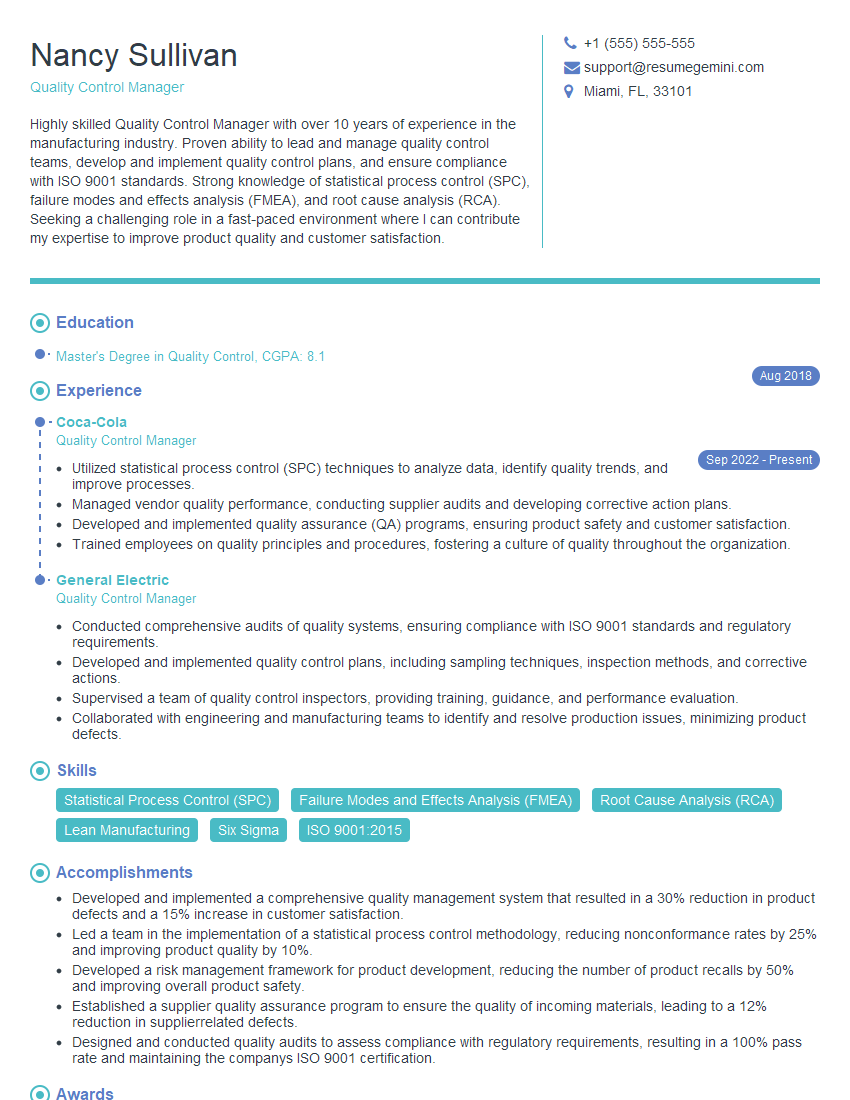
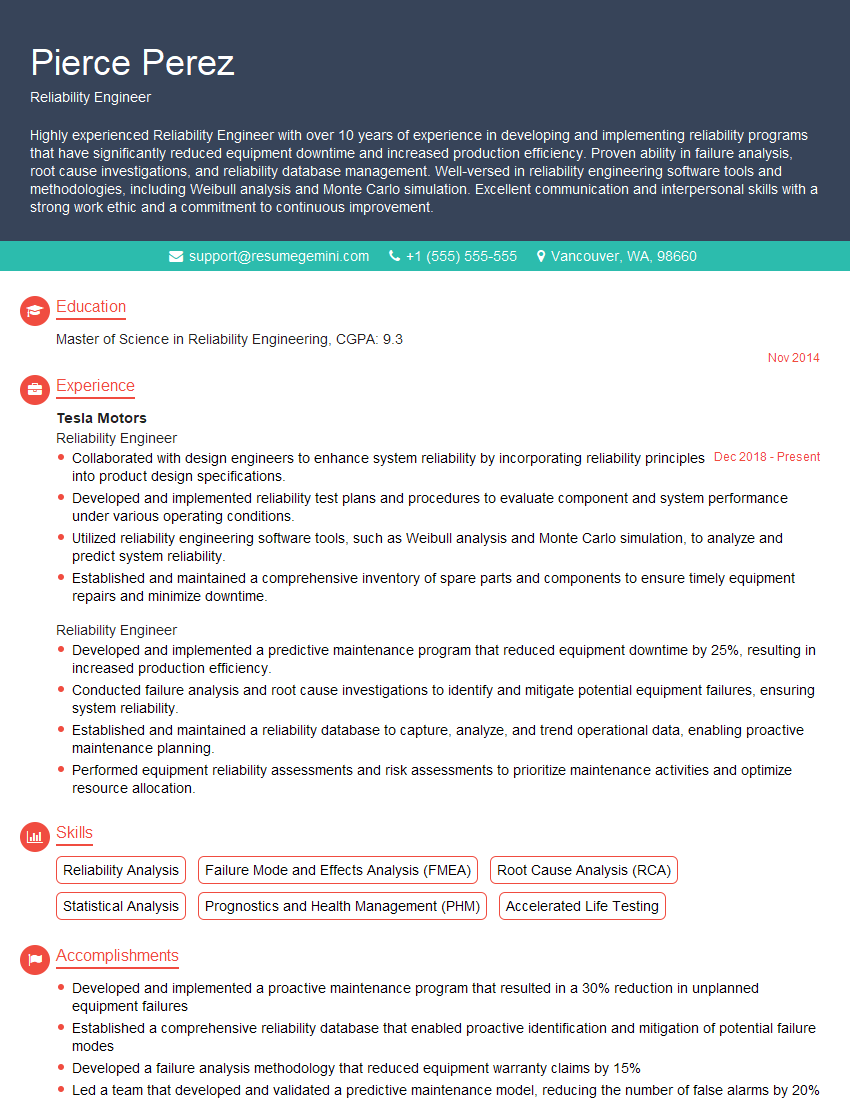
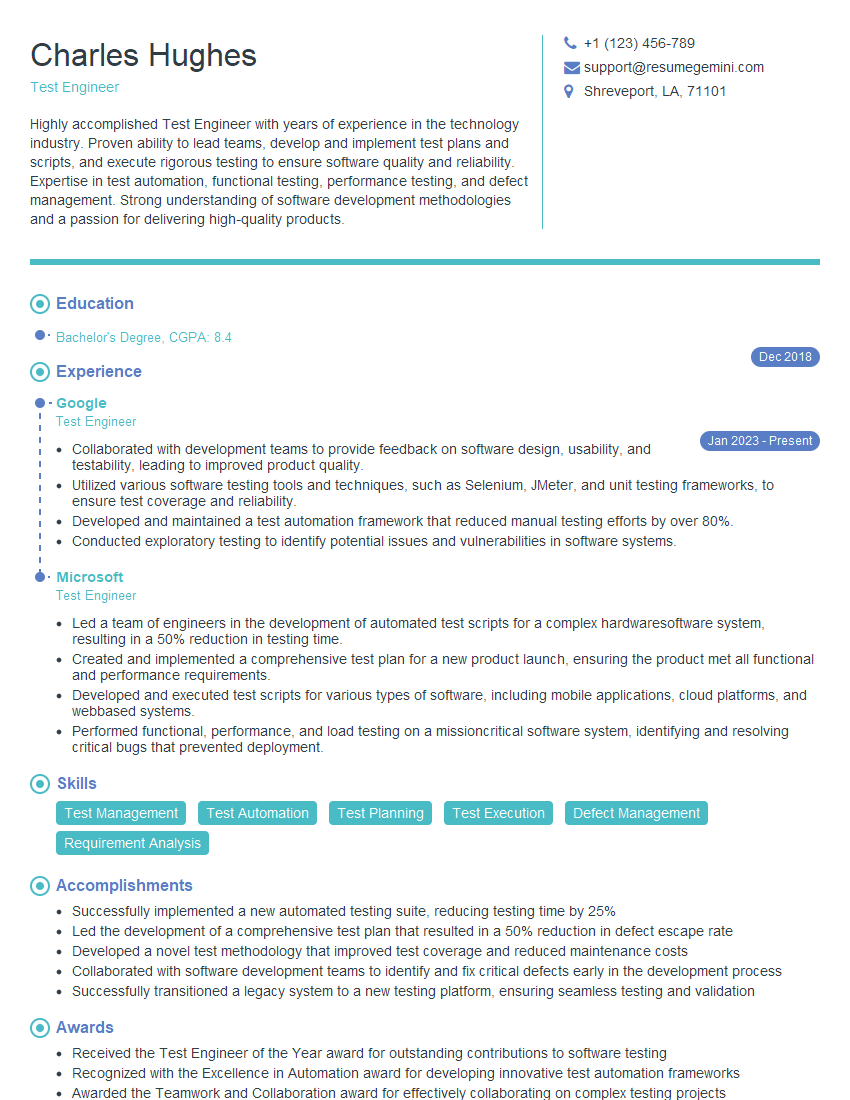
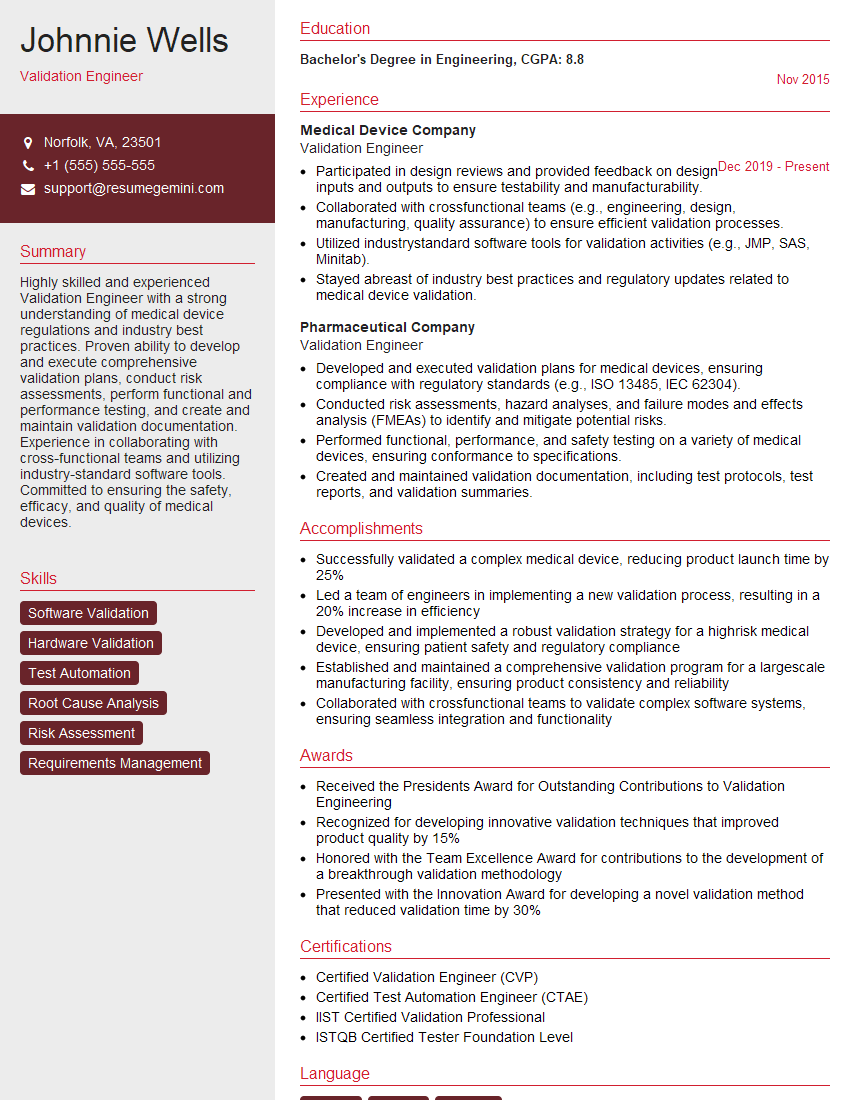
Mastering defect identification is crucial for career advancement in software quality assurance and related fields. It demonstrates a strong understanding of software development principles and a commitment to delivering high-quality products. To maximize your job prospects, create an ATS-friendly resume that highlights your skills and experience effectively. ResumeGemini is a trusted resource to help you build a professional and impactful resume. We provide examples of resumes tailored to Defects Identification to help guide you.



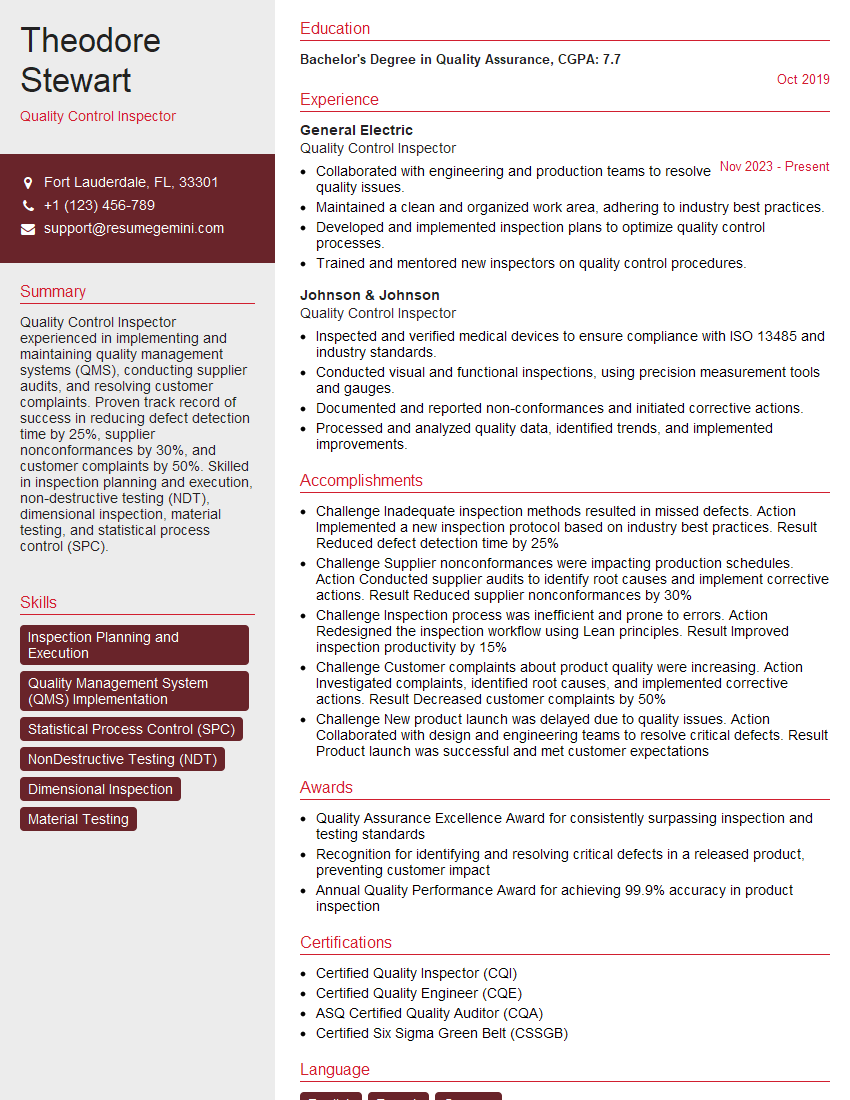
Explore more articles
Users Rating of Our Blogs
Share Your Experience
We value your feedback! Please rate our content and share your thoughts (optional).
What Readers Say About Our Blog
Very informative content, great job.
good