The thought of an interview can be nerve-wracking, but the right preparation can make all the difference. Explore this comprehensive guide to Defensive Maneuvering and Evasive Actions interview questions and gain the confidence you need to showcase your abilities and secure the role.
Questions Asked in Defensive Maneuvering and Evasive Actions Interview
Q 1. Describe your understanding of defensive maneuvering principles.
Defensive maneuvering principles center around minimizing risk and maximizing survival. It’s about strategically positioning yourself to avoid threats, using the environment to your advantage, and creating opportunities for escape or evasion. This involves a thorough understanding of threat assessment, route planning, observation, and utilizing cover and concealment effectively.
Think of it like a chess game: you’re not just reacting to your opponent’s moves; you’re anticipating them, planning your own, and using the board (the environment) to your advantage. A key principle is to avoid direct confrontation whenever possible, opting instead for indirect approaches that prioritize safety and security.
- Situational Awareness: Constantly scanning your surroundings for potential dangers.
- Cover and Concealment: Using natural and man-made obstacles to shield yourself from view and incoming fire.
- Movement Techniques: Employing techniques like bounding overwatch or using terrain to mask your movements.
- Communication: Maintaining clear communication with teammates if applicable.
Q 2. Explain the difference between evasive and defensive actions.
While both evasive and defensive actions aim to avoid harm, they differ in their approach. Defensive actions focus on preventing engagement or minimizing damage *before* a direct confrontation occurs. This involves proactive measures like threat assessment, route planning, and employing cover and concealment. Evasive actions, on the other hand, are reactive measures taken *during* an active engagement to escape the immediate threat. This might involve quick movements, diversions, or utilizing deception techniques.
Imagine a wildfire. Defensive actions would be creating firebreaks, clearing brush, and preparing for evacuation. Evasive actions would be running away from the advancing flames once the fire breaks through.
Q 3. How would you assess a potential threat environment?
Assessing a potential threat environment requires a systematic approach. I would use a combination of observation, information gathering, and analysis. This includes considering:
- Physical Environment: Terrain, visibility, potential cover and concealment, escape routes.
- Potential Threats: Identifying possible adversaries, their capabilities, and likely courses of action.
- Intelligence Gathering: Utilizing available intelligence reports, local knowledge, and observation to form a comprehensive picture of the threat landscape.
- Risk Assessment: Evaluating the likelihood and severity of potential threats and assigning priorities accordingly.
For example, if operating in an urban environment, I would assess building layouts, potential escape routes, and the presence of civilians. In a wilderness setting, I would focus on terrain features, potential ambush points, and the availability of natural cover and concealment.
Q 4. What are the key elements of a successful escape and evasion plan?
A successful escape and evasion plan hinges on several key elements:
- Pre-planned Routes: Establishing multiple escape routes that consider terrain, potential obstacles, and likely threat vectors.
- Communication Plan: Defining communication protocols to maintain contact with team members or support personnel, if applicable.
- Emergency Rendezvous Points: Specifying secure locations for regrouping in case of separation.
- Survival Skills: Possessing the knowledge and skills for navigation, shelter construction, water procurement, and self-sufficiency.
- Concealment and Camouflage: Techniques to blend in with the environment and avoid detection.
- Deception Tactics: Employing diversionary techniques to misdirect pursuers.
A practical example would be having pre-identified escape routes from a building marked on a map, with designated rendezvous points and communication protocols established beforehand.
Q 5. Describe your experience with developing and implementing security protocols.
Throughout my career, I’ve been involved in designing and implementing a range of security protocols, from developing building security plans to creating training programs for personnel in high-risk environments. This has involved creating layered security systems, utilizing technology like surveillance equipment, and incorporating procedural safeguards. A recent project involved developing a comprehensive security plan for a remote research facility, which involved threat modeling, access control implementation, and emergency response planning.
A critical element of my approach is focusing on a combination of physical, technical, and procedural security measures to create a robust and layered defense. It’s crucial to tailor the protocols to the specific environment and potential threats.
Q 6. How would you handle a hostile encounter?
Handling a hostile encounter requires a calm, decisive approach. The priority is always survival and de-escalation. My response would depend on the specific situation, but generally involves:
- Assessment: Quickly assessing the threat level, number of adversaries, and available options.
- De-escalation: Attempting to de-escalate the situation through calm communication and non-threatening body language, if safe to do so.
- Self-Defense: Utilizing appropriate self-defense techniques if necessary, prioritizing the preservation of life and minimizing harm. This includes the use of available tools or improvised weapons.
- Escape and Evasion: Implementing pre-planned escape and evasion techniques to distance myself from the threat.
- Report: Following the encounter, a thorough report should be filed documenting the incident for analysis and future improvements to security protocols.
It’s essential to remember that every encounter is unique, and adapting my response to the specific context is paramount.
Q 7. Explain your approach to risk mitigation in a dynamic security situation.
My approach to risk mitigation in dynamic security situations focuses on proactive planning and adaptability. It’s a continuous process involving:
- Real-time Assessment: Constantly monitoring the situation and adapting to changing conditions. This involves staying informed on developments and adjusting strategies as needed.
- Layered Security: Employing multiple layers of security to create redundancy and increase resilience against threats. If one layer fails, others are available.
- Communication & Coordination: Maintaining clear communication with team members and relevant stakeholders to ensure coordinated responses.
- Contingency Planning: Developing backup plans for various scenarios to ensure flexibility and preparedness.
- Post-Incident Analysis: After any security incident, conducting a thorough review to identify areas for improvement and adapt protocols accordingly. This analysis is vital for continuous improvement.
Think of it as building a castle: you don’t rely on just one wall; you have multiple layers of defense – moats, walls, towers, and guards – to ensure optimal protection against attack.
Q 8. What are the different types of evasive driving techniques?
Evasive driving techniques are crucial for escaping dangerous situations. They go beyond simple braking and involve strategic maneuvers to maximize distance from a threat. These techniques are categorized based on the immediate environment and the nature of the threat.
Sudden Stops and Braking: This involves hard braking, often accompanied by a quick shift to a lower gear to help stabilize the vehicle, disrupting a pursuer’s momentum and creating an opportunity to change direction. It’s crucial to check your mirrors frequently to anticipate the pursuer’s movements.
Evasive Steering: This encompasses a wide range of maneuvers, such as quick lane changes, sharp turns, or even driving onto a median or shoulder, depending on the situation’s safety considerations. This technique requires a significant degree of skill and awareness of your surroundings to avoid accidents.
J-Turn: This is a more advanced technique involving a quick 180-degree turn, often using a combination of braking and steering to execute the maneuver efficiently. It requires an open area and is generally more suitable for vehicles with good handling characteristics.
Speed Control: Speed is not always the answer. In some cases, slowing down and merging into heavy traffic to make yourself harder to identify amongst other vehicles might be the safest approach.
Use of Cover and Concealment: Utilizing buildings, heavy traffic, or other obstacles to obstruct the line of sight from pursuers. This is an extremely effective tactic.
The selection of a particular technique depends heavily on the specific threat, the available space, and the capabilities of the vehicle.
Q 9. How do you prioritize threats and determine appropriate responses?
Prioritizing threats involves a systematic assessment of their immediacy, lethality, and potential impact. Think of it as a risk matrix. I use a three-step process:
Assessment: Identify all potential threats, evaluating their capabilities (e.g., weapons, vehicles, knowledge of your location). Consider their intent (are they actively pursuing or just observing?).
Prioritization: Categorize threats by urgency (immediate danger vs. long-term risk). A direct physical threat takes precedence over a potential future surveillance threat. A threat’s proximity and the capability to cause harm directly informs the level of urgency.
Response: Once threats are prioritized, I develop an appropriate response strategy. This could include evasive maneuvers, counter-surveillance techniques, calling for assistance (police, security), or implementing protective measures.
For instance, if a vehicle is tailgating aggressively, it’s an immediate threat requiring evasive driving techniques. However, if an individual is observed taking pictures from a distance, that’s a lower-priority threat requiring observation and potential counter-surveillance.
Q 10. Describe your knowledge of counter-surveillance techniques.
Counter-surveillance is the art of detecting and avoiding surveillance. It requires vigilance and a proactive mindset. My knowledge encompasses:
Route Variation: Avoiding predictable routes, utilizing alternate pathways, and changing travel times regularly to make surveillance more difficult.
Vehicle Checks: Regularly checking for any suspicious vehicles, individuals, or unusual devices attached to the vehicle.
Observation and Awareness: Paying attention to individuals who seem to repeatedly appear, maintaining consistent visual scanning, and being conscious of potential blind spots and surveillance points.
Technological Countermeasures: Using signal detectors and other technologies to detect surveillance devices like GPS trackers or listening devices. I understand the legal implications and usage restrictions of this technology.
Operational Security (OPSEC): This involves understanding the ways information can be gathered about you and actively working to limit information leakage, especially on social media and daily activities.
For example, I might use a different route to work each day, avoid predictable patterns in my schedule, and regularly check my car for any signs of tampering. My strategies are tailored to the specific threat and context.
Q 11. How do you assess the effectiveness of security measures?
Assessing security measures requires a holistic approach that encompasses technological, physical, and procedural elements. I evaluate effectiveness based on several key factors:
Vulnerability Assessment: Identify potential weaknesses in the system. This includes identifying potential points of entry, gaps in coverage, and vulnerabilities in technology.
Threat Modeling: Considering the types of threats the system needs to protect against, both external and internal. This might include physical intrusion, cyber attacks, or insider threats.
Testing and Penetration Testing: This involves attempting to breach the security system in a controlled manner to identify vulnerabilities that might otherwise go unnoticed.
Performance Monitoring: Regularly monitoring the system to identify performance issues that might compromise security (e.g., slow response times, software glitches, unusual access attempts). This often involves reviewing logs and security alerts.
The overall effectiveness is gauged based on the system’s ability to withstand those threats and minimize potential damage or loss.
Q 12. What are some common vulnerabilities in security systems?
Security systems, despite their strengths, often have vulnerabilities. These can be:
Technological Vulnerabilities: Software bugs, outdated systems, lack of encryption, insecure network configurations, and unpatched software create openings for attacks.
Physical Vulnerabilities: Weak points in physical barriers (walls, fences, doors, locks), insufficient lighting, inadequate surveillance coverage, and lack of access control.
Human Vulnerabilities: Social engineering, insider threats, lax security practices, poor training, lack of awareness amongst staff.
Process Vulnerabilities: Inconsistent procedures, lack of clear protocols for handling sensitive information, inadequate background checks for personnel, and poor incident response plans.
For example, a company might have a strong firewall but still use weak passwords or allow unauthorized access to sensitive data through inadequate access controls.
Q 13. Describe your experience with crisis communication and management.
My experience with crisis communication and management emphasizes clear, concise, and timely communication during critical events. This involves:
Establishing Communication Channels: Designating primary and secondary communication methods to ensure continued contact despite potential disruptions (e.g., phone, radio, email, secure messaging).
Message Control: Developing consistent and accurate messaging to avoid confusion and maintain public trust during emergencies.
Stakeholder Engagement: Identifying key stakeholders (employees, clients, authorities) and tailoring communication strategies to their specific needs and concerns.
Incident Reporting: Maintaining accurate documentation of the incident, including timelines, actions taken, and outcomes. This is vital for post-incident analysis and future improvements.
Media Management: Developing and implementing media strategies to manage public perception and prevent misinformation.
In a past situation involving a security breach, I coordinated communication with law enforcement, internal teams, and external stakeholders, ensuring everyone received timely updates and accurate information while minimizing panic and negative press.
Q 14. How do you maintain situational awareness in a high-stress environment?
Maintaining situational awareness under pressure relies on proactive training and disciplined techniques. My approach involves:
Controlled Breathing and Mindfulness: Techniques to regulate stress levels and reduce emotional responses, which could cloud judgment in high-stress situations.
360-Degree Scanning: Regular visual sweeps of the surrounding environment to identify potential threats or changes in the situation.
Active Listening: Focusing on both verbal and non-verbal cues from others to detect potential danger signs or changes in behavior.
Risk Assessment and Prediction: Continuously assessing the level of risk and adjusting actions based on potential changes and scenarios. This is a continuous process.
Trusting Instincts: While data-driven decision-making is key, there’s value in relying on instincts and intuition when confronting immediate threats. It’s not replacing careful assessment, but supplementing it.
For example, during a potential security incident, I’d maintain a 360-degree awareness of my surroundings, paying attention to subtle changes like sudden movement or unusual sounds while simultaneously listening to any communication updates from colleagues.
Q 15. What is your experience with close protection strategies?
Close protection strategies involve a multi-layered approach to safeguarding a principal (the person being protected) from threats. My experience encompasses risk assessment, route planning, advanced driving techniques, and real-time threat mitigation. This includes proactive measures like surveillance detection and reactive measures like immediate response to attacks. For example, I’ve worked on details where we used decoy vehicles to confuse potential attackers, and implemented various observation techniques to maintain awareness of the surrounding environment. The goal is to create a security bubble around the principal, minimizing their vulnerability.
One specific example involved protecting a high-profile CEO during a public appearance. We meticulously planned the route, deploying advance teams to scout locations and identify potential risks. During the event itself, our team employed various techniques such as maintaining a protective perimeter and using crowd control strategies. This required constant communication and adaptability to the ever-changing environment.
Career Expert Tips:
- Ace those interviews! Prepare effectively by reviewing the Top 50 Most Common Interview Questions on ResumeGemini.
- Navigate your job search with confidence! Explore a wide range of Career Tips on ResumeGemini. Learn about common challenges and recommendations to overcome them.
- Craft the perfect resume! Master the Art of Resume Writing with ResumeGemini’s guide. Showcase your unique qualifications and achievements effectively.
- Don’t miss out on holiday savings! Build your dream resume with ResumeGemini’s ATS optimized templates.
Q 16. Describe your experience with developing and executing emergency response plans.
Developing and executing emergency response plans requires a structured, proactive methodology. It begins with a thorough risk assessment identifying potential threats (active shooter, natural disaster, etc.) and vulnerabilities within a specific location. From there, we develop detailed protocols, including evacuation routes, communication systems, and assembly points. The plans are then rigorously tested and refined through drills and simulations. This iterative approach is crucial to ensure effectiveness. For example, I’ve overseen the creation of comprehensive plans for large office buildings, integrating security systems and emergency services coordination.
One scenario I worked on involved developing a plan for a large-scale conference. We identified potential risks, including bomb threats and medical emergencies. The plan involved various teams working in tandem, including security personnel, medical professionals, and communication specialists. Regular simulations allowed us to streamline communication procedures and identify areas for improvement. The success of the plan came down to clear roles, effective training, and a culture of preparedness.
Q 17. How would you respond to an active shooter situation?
Responding to an active shooter situation prioritizes survival and immediate action. The key principles are evasion, escape, and defense (in that order). If possible, evacuate the area immediately, following established escape routes. If evacuation isn’t possible, find a safe place to hide, locking and barricading doors, remaining silent, and turning off lights. As a last resort, only if your life is in imminent danger, attempt to fight back with whatever means are available, aiming for incapacitation.
Imagine you’re in an office building. The first priority is to get out safely if there is a clear path. If not, find a place to hide where you are not easily visible. Once the situation is deemed safe, only then should you leave the building according to designated evacuation plans. Effective response hinges on training, quick thinking, and a clear understanding of your surroundings.
Q 18. What measures would you take to prevent workplace violence?
Preventing workplace violence requires a multifaceted strategy combining proactive measures and reactive protocols. Proactive steps involve creating a positive and respectful work environment, implementing a robust anti-harassment and anti-discrimination policy, and providing employee training on conflict resolution and de-escalation techniques. Reactive measures involve establishing clear reporting procedures, conducting thorough investigations of incidents, and implementing appropriate disciplinary actions. This often includes collaboration with law enforcement agencies when necessary.
A practical example is the establishment of a confidential reporting system where employees can report any concerning behavior without fear of retaliation. This system should include clearly outlined processes and procedures to address reported incidents efficiently and impartially. Investing in such programs can significantly reduce workplace violence.
Q 19. Explain your understanding of anti-ambush tactics.
Anti-ambush tactics focus on situational awareness, route planning, and immediate response. Situational awareness includes constantly scanning your surroundings, recognizing potential ambush points (blind corners, intersections, etc.), and anticipating potential threats. Route planning involves avoiding predictable routes and varying travel times. Immediate response entails swift and decisive action if an ambush is detected, utilizing cover and concealment, and employing countermeasures to neutralize the threat.
For instance, imagine traveling in a convoy. Maintaining a disciplined formation, employing lead and trail vehicles, and constantly scanning for potential threats would be crucial. The goal isn’t just to avoid an ambush but to detect and react effectively if one occurs.
Q 20. How would you react to a vehicle pursuit?
Responding to a vehicle pursuit requires a calm, controlled approach. Avoid erratic driving maneuvers that could endanger bystanders. Maintain a safe distance from the pursuing vehicle, if possible, and use evasive driving techniques to evade capture while ensuring your safety and the safety of others. The objective is to safely disengage from the pursuit and report the incident to the relevant authorities. This often involves navigating to a safe location, such as a well-lit area with other vehicles or a police station.
In such a scenario, following established protocols and maintaining communication with a command center or law enforcement is crucial. This often involves choosing escape routes and utilizing available technology to assist in navigation.
Q 21. How familiar are you with various types of security technology?
My familiarity with security technology extends across various systems, including CCTV (Closed-Circuit Television) systems, access control systems (card readers, biometric scanners), intrusion detection systems (alarms, sensors), and communication systems (radios, encrypted channels). I understand the integration of these systems to create a comprehensive security solution. Beyond the hardware, my expertise extends to understanding the software and analytics used to manage and analyze security data. This includes analyzing video footage and integrating data from multiple systems to enhance situational awareness and improve response times.
For example, I’ve worked with projects that integrated CCTV footage with facial recognition software to improve identification and tracking of individuals. This kind of technological integration helps to enhance security measures significantly.
Q 22. Describe your experience with physical security assessments.
Physical security assessments are crucial for identifying vulnerabilities in a site’s defenses. My experience involves a systematic approach, starting with a thorough site survey – observing the physical layout, access points, perimeter security, lighting, and potential blind spots. I then analyze existing security systems, including CCTV, access control systems, and alarm systems, assessing their effectiveness and identifying any gaps. This includes testing the systems’ robustness against potential threats. For example, I’ve worked on assessments where we simulated intrusion attempts to identify weaknesses in perimeter fencing or access control. Following the assessment, I create a comprehensive report outlining vulnerabilities, prioritize risks based on likelihood and impact, and recommend cost-effective mitigation strategies. This often involves suggesting upgrades to security systems, improved access control procedures, enhanced lighting, and landscaping modifications to enhance visibility.
One notable project involved assessing a high-security data center. We discovered a vulnerability in the HVAC system’s access point, which could have allowed unauthorized entry. My report detailed this, along with recommendations for improved access controls and monitoring for that specific system, which were implemented successfully.
Q 23. What is your understanding of threat intelligence analysis?
Threat intelligence analysis involves gathering, processing, and analyzing information about potential threats to an organization. It’s like being a detective, proactively searching for clues about potential attacks rather than reacting to incidents. This includes monitoring various sources, such as open-source intelligence (OSINT), threat feeds, and dark web forums, to identify potential adversaries, their tactics, techniques, and procedures (TTPs), and their potential targets. The gathered data is then analyzed to assess the likelihood and impact of potential threats, allowing for proactive risk mitigation. I’m adept at using various tools and techniques to conduct this analysis, including using SIEM systems to analyze security logs and identify patterns indicative of malicious activity.
For example, if we observe an increase in phishing attempts targeting a specific industry, we can tailor our security awareness training to focus on that type of threat. Similarly, if we detect a new malware strain targeting our systems, we can proactively implement countermeasures to prevent infection. Essentially, it’s about being one step ahead of the attackers.
Q 24. How would you coordinate a large-scale evacuation?
Coordinating a large-scale evacuation requires a pre-planned and well-rehearsed strategy. It starts with a clear understanding of the building’s layout, the number of occupants, and potential escape routes. Pre-assigned roles and responsibilities are key. I would establish a command center with clear communication channels to coordinate the efforts. This involves deploying trained personnel to guide occupants to safe assembly points, ensuring clear signage and communication channels. The process should involve regular drills to ensure everyone is familiar with the procedures. Clear communication is vital—this includes using public address systems, text alerts, and visual cues. We need to ensure accessibility for people with disabilities. Post-evacuation procedures, such as accounting for everyone and liaising with emergency services, are also critical.
Imagine a fire in a large office building. My approach would involve immediately activating the fire alarm, deploying designated evacuation marshals to guide people safely, ensuring that stairwells remain clear, and coordinating with local emergency services. A post-evacuation headcount and follow-up are crucial to confirm everyone is accounted for.
Q 25. What is your approach to team leadership in a high-stakes situation?
In high-stakes situations, effective team leadership hinges on clear communication, decisive action, and fostering trust. My approach is to maintain calm and assess the situation quickly, assigning roles based on team members’ expertise. This involves clear, concise instructions and constant updates to ensure everyone is aware of the situation’s evolution. I prioritize open communication, encouraging team members to share information and concerns without hesitation. Active listening is critical; it helps to understand the challenges each team member faces and provides support where needed. In such situations, building trust beforehand is crucial. Regular training and simulations prepare the team to work effectively under pressure.
In a hostage situation, for example, my focus would be on maintaining calm, negotiating with the hostage-taker (if possible), and coordinating with law enforcement while ensuring the safety of all involved. Clear communication and a coordinated effort are essential to a successful outcome.
Q 26. Explain your understanding of legal and ethical considerations in security operations.
Legal and ethical considerations are paramount in security operations. We must always act within the bounds of the law, respecting individual rights and privacy. This involves understanding and complying with data protection laws, such as GDPR and CCPA, which dictate how we collect, store, and use personal information. Furthermore, any surveillance or monitoring activities must adhere to strict legal and ethical guidelines. Transparency and accountability are essential; individuals must be informed about surveillance activities. It’s about finding the balance between security and individual liberties. We must always consider the potential impact of our actions on individuals’ rights, and ensure that security measures are proportionate to the risk.
For example, deploying facial recognition technology requires careful consideration of potential biases and privacy implications. We must ensure its use is justified and proportionate, and that appropriate safeguards are in place to protect individual rights.
Q 27. Describe your experience with post-incident analysis and reporting.
Post-incident analysis and reporting are crucial for learning from past mistakes and improving future security practices. My approach involves a systematic review of the incident, identifying the root cause, and assessing the impact. This includes gathering evidence, analyzing logs, and interviewing witnesses. The goal is to understand what happened, why it happened, and what can be done to prevent it from happening again. The findings are then documented in a detailed report, including recommendations for improvements to security policies, procedures, and technologies. This report is shared with relevant stakeholders to facilitate learning and improvements across the organization.
For example, after a successful phishing attack, I would investigate the techniques used, the vulnerabilities exploited, and the impact on the organization. The report would then include recommendations such as improved security awareness training, stronger password policies, and enhanced email filtering capabilities.
Q 28. How would you adapt your defensive maneuvers based on the specific threat and environment?
Adapting defensive maneuvers requires a dynamic approach based on the specific threat and environment. Threat analysis is crucial; understanding the adversary’s capabilities and intentions shapes our response. The environment plays a key role; open areas necessitate different strategies than confined spaces. For example, against a known sniper threat, defensive maneuvers might involve seeking cover, using concealment, and utilizing tactical movement techniques to minimize exposure. In a crowded public space, our response might involve blending in, using evasion techniques, and maintaining situational awareness.
A simple example: If the threat is a vehicle-borne improvised explosive device (VBIED), the defensive maneuver would involve establishing a safe distance and employing counter-IED tactics; while a threat from a lone assailant with a firearm might necessitate utilizing cover and concealment to escape or neutralize the threat.
Key Topics to Learn for Defensive Maneuvering and Evasive Actions Interview
- Threat Assessment and Risk Mitigation: Understanding threat identification, analysis, and developing strategies to minimize risks. This includes practical application in various scenarios.
- Route Planning and Navigation: Mastering route selection based on terrain, potential threats, and escape routes. Practical application includes analyzing maps and real-time decision-making.
- Vehicle Control Techniques: Developing advanced driving skills such as emergency braking, counter-steering, and maintaining vehicle control in challenging conditions. Practical applications involve simulations and real-world exercises.
- Evasive Driving Maneuvers: Understanding and practicing techniques like sudden stops, quick turns, and j-turns to evade potential threats. This includes analyzing the effectiveness of different maneuvers in various situations.
- Counter-Surveillance Techniques: Recognizing and avoiding surveillance, including understanding methods of detection and countermeasures. Practical application includes analyzing potential surveillance methods and adapting behavior accordingly.
- Communication and Coordination: Effective communication with team members during high-pressure situations. This includes clear and concise communication protocols.
- Legal and Ethical Considerations: Understanding the legal and ethical implications of defensive driving and evasive actions. This is crucial for responsible and effective application of learned techniques.
- Post-Incident Procedures: Understanding protocols for reporting incidents and evidence preservation. This also includes ensuring personal safety and security following an incident.
Next Steps
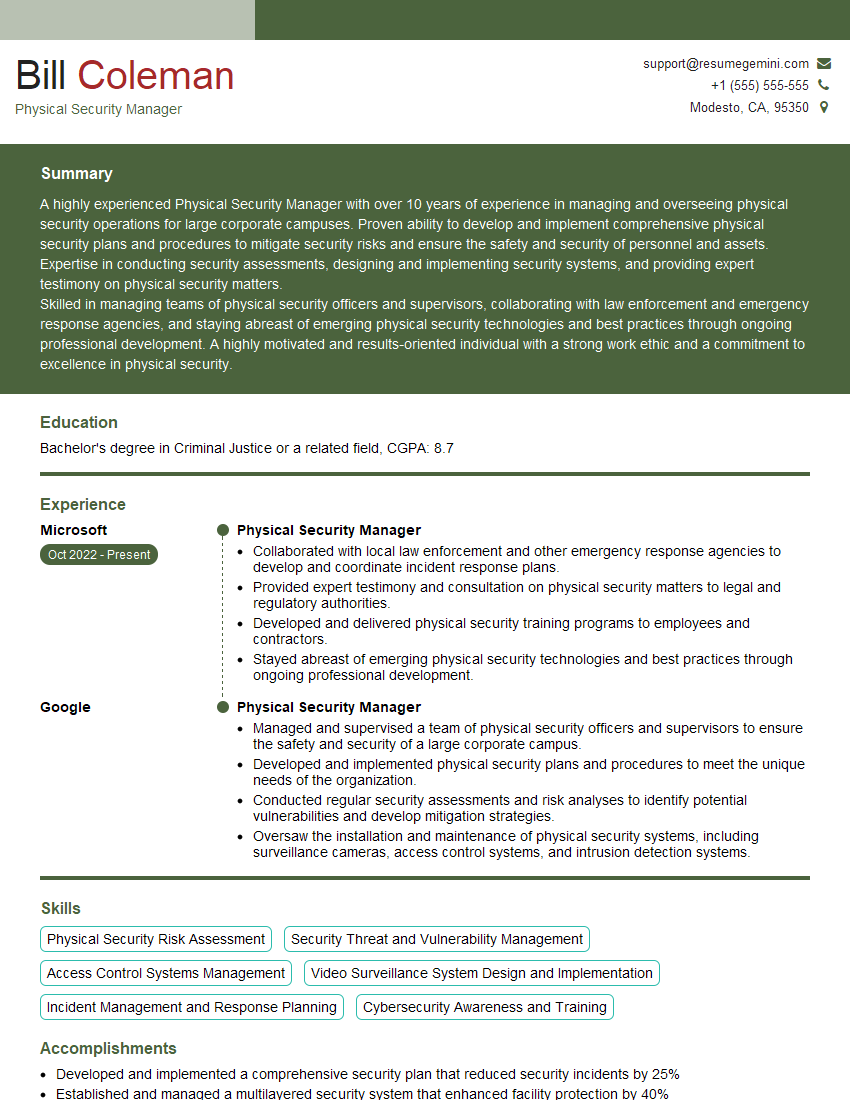
Mastering Defensive Maneuvering and Evasive Actions is crucial for career advancement in many fields requiring a high level of situational awareness and safety expertise. A strong understanding of these skills demonstrates professionalism, competency, and commitment to safety. To significantly increase your job prospects, create an ATS-friendly resume that highlights these valuable skills. ResumeGemini is a trusted resource that can help you build a compelling and effective resume tailored to your specific experience and target roles. Examples of resumes tailored to Defensive Maneuvering and Evasive Actions are available to guide you through the process. Invest the time to craft a professional resume; it’s an essential step in landing your dream job.
Explore more articles
Users Rating of Our Blogs
Share Your Experience
We value your feedback! Please rate our content and share your thoughts (optional).
What Readers Say About Our Blog
Very informative content, great job.
good