Every successful interview starts with knowing what to expect. In this blog, we’ll take you through the top Demilitarization and Disposal Operations interview questions, breaking them down with expert tips to help you deliver impactful answers. Step into your next interview fully prepared and ready to succeed.
Questions Asked in Demilitarization and Disposal Operations Interview
Q 1. Describe your experience in demilitarization processes.
My experience in demilitarization spans over 15 years, encompassing various weapon systems from small arms to heavy artillery. I’ve overseen projects involving the dismantling, neutralization, and disposal of thousands of units, adhering to stringent safety and environmental regulations. This includes hands-on participation in the process, as well as strategic planning and management of large-scale demilitarization programs. For instance, I led a team responsible for the safe demilitarization of over 500 obsolete anti-aircraft guns, a project that required meticulous planning and execution to ensure both efficiency and safety.
I’ve worked across diverse environments, from secure military bases to environmentally sensitive areas, requiring adaptation and the implementation of unique procedures to address specific challenges. This experience has equipped me with a comprehensive understanding of the complexities involved in demilitarization processes, from initial assessment to final disposal.
Q 2. Explain the different methods used for demilitarizing various weapon systems.
Demilitarization methods vary significantly depending on the weapon system. For small arms, this might involve disassembling the weapon and rendering key components unusable through methods such as melting, crushing, or cutting. Larger systems, like tanks or artillery pieces, often require more complex procedures. These may involve the controlled detonation of explosives, cutting and crushing of the metal chassis, and the separate processing of hazardous materials such as propellants and electronics.
- Mechanical Disassembly: This involves physically taking apart the weapon into its component parts, often rendering it irreparable. This is common for small arms and simpler systems.
- Incineration: Used for certain components, particularly those containing hazardous materials. It’s crucial to ensure complete combustion and proper emission control to meet environmental standards.
- Melting: High-temperature melting is a common method for destroying metallic components, transforming them into unusable ingots. This process is particularly efficient for certain types of ammunition and weapon parts.
- Controlled Detonation: This method is employed for disposing of explosives and other ordnance, often conducted in controlled environments to minimize risk and environmental impact.
- Chemical Neutralization: Some chemical components, like propellants, can be neutralized through chemical reactions, rendering them inert and safe for disposal.
The selection of the appropriate method depends on various factors such as the type of weapon, its components, environmental regulations, and cost-effectiveness. Each project demands a tailored approach to ensure safety and compliance.
Q 3. What safety protocols are crucial during demilitarization operations?
Safety is paramount in demilitarization operations. Stringent protocols are essential to mitigate the risks associated with handling explosives, hazardous materials, and potentially dangerous equipment. These protocols include:
- Personal Protective Equipment (PPE): This is absolutely crucial and includes appropriate clothing, eye protection, respiratory protection, and hearing protection, tailored to the specific hazards of the operation.
- Controlled Access and Security: Restricting access to authorized personnel only and ensuring secure storage of materials throughout the process is vital.
- Emergency Response Plans: Detailed emergency plans must be in place to address any accidents or incidents, including medical emergency protocols and procedures for containing spills or explosions.
- Thorough Training and Certification: Personnel must receive comprehensive training on safe handling procedures, hazard recognition, and emergency response techniques. Regular refresher courses are vital.
- Environmental Monitoring: Continuous monitoring of air and water quality is crucial, especially during processes like incineration or chemical neutralization.
Think of it like a surgical procedure – each step is carefully planned, executed, and monitored to minimize any potential risk to the team and the environment. Any deviation from the approved procedures results in an immediate halt to operations and a thorough investigation.
Q 4. How do you ensure compliance with environmental regulations during disposal?
Compliance with environmental regulations is non-negotiable. We adhere to all relevant local, national, and international standards for the handling, storage, and disposal of hazardous materials generated during demilitarization. This includes obtaining necessary permits, conducting environmental impact assessments, and implementing rigorous waste management practices.
For example, we ensure proper disposal of heavy metals, solvents, and other toxins, utilizing licensed disposal facilities and adhering to strict reporting requirements. We carefully document all activities and regularly submit reports to regulatory authorities, demonstrating transparency and full compliance. Failing to comply can result in significant penalties and legal repercussions.
Environmental considerations are integrated into every stage of the process, from initial planning to final reporting. This includes selecting environmentally sound demilitarization methods, minimizing waste generation, and implementing effective pollution control measures.
Q 5. What is your experience with hazardous waste management in demilitarization?
Hazardous waste management is a core component of my expertise in demilitarization. I have extensive experience in identifying, classifying, segregating, and safely disposing of various hazardous wastes generated during the demilitarization process. This includes handling explosives, propellants, heavy metals, PCBs, and other toxic substances. My work involves selecting appropriate containment and transportation methods, ensuring compliance with all relevant regulations (like the Resource Conservation and Recovery Act (RCRA) in the US), and working closely with licensed hazardous waste disposal facilities.
We use specialized containers, transportation vehicles, and tracking systems to ensure the safe and accountable movement of hazardous waste. Detailed manifests are maintained throughout the entire process, documenting the type, quantity, and destination of all hazardous materials. This ensures complete traceability and accountability throughout the disposal chain.
Q 6. Describe your experience with tracking and documenting demilitarization procedures.
Precise tracking and documentation are critical for ensuring accountability and demonstrating compliance with regulations. We utilize a comprehensive system for tracking and documenting all aspects of demilitarization procedures, from initial inventory to final disposal. This typically involves a combination of electronic databases, barcoding, and physical documentation.
Each item is meticulously tracked throughout the entire process, with detailed records maintained for every step. This includes information about the weapon system’s origin, its condition upon receipt, the demilitarization methods employed, waste generated, and the final disposal location. All personnel involved in the process must sign off on completed tasks, ensuring transparency and accountability. This data is regularly audited to ensure accuracy and to identify any areas for improvement in our processes.
Q 7. Explain your understanding of Explosive Ordnance Disposal (EOD) procedures.
My understanding of Explosive Ordnance Disposal (EOD) procedures is extensive. While I don’t personally conduct EOD operations, I work closely with certified EOD technicians on many of my projects. EOD is a specialized field requiring highly trained personnel to safely handle and dispose of unexploded ordnance (UXO) and other hazardous explosives. This requires a deep understanding of explosive chemistry, safety protocols, and disposal techniques.
In my work, I ensure that all necessary safety precautions are in place when dealing with explosives and that all operations are conducted under the strict supervision of qualified EOD personnel. I am intimately familiar with the risk assessment processes, the various techniques used for rendering ordnance safe (like controlled detonation or chemical neutralization), and the stringent safety regulations governing EOD procedures. The collaboration between EOD specialists and the demilitarization team is crucial for ensuring the safe and successful completion of projects.
Q 8. How do you handle unexpected issues or challenges during a demilitarization project?
Handling unexpected issues in demilitarization requires a proactive and adaptable approach. Our team employs a robust risk assessment process at the outset of every project, identifying potential pitfalls and developing contingency plans. For instance, we might anticipate the discovery of unexpected munitions types or environmental complications. When the unexpected arises, our first step is always safety – securing the area and personnel. Next, we conduct a thorough assessment of the situation, involving our engineers, safety officers, and regulatory experts. We then leverage our established protocols and communication channels to quickly mobilize resources and adapt the demilitarization plan as needed. This might involve bringing in specialized equipment, securing additional permits, or adjusting timelines. For example, during a recent project, we encountered unexpected asbestos in a building slated for demolition. Our immediate response was to halt operations, conduct air quality tests, and implement strict asbestos abatement protocols before resuming the work, ensuring compliance with all relevant safety regulations.
We document all deviations from the original plan, analyzing root causes and implementing corrective actions to prevent similar issues in the future. This continuous improvement cycle is crucial for maintaining operational efficiency and safety.
Q 9. What are the key differences between physical and chemical demilitarization methods?
Physical and chemical demilitarization methods differ significantly in their approach to destroying munitions. Physical methods focus on the mechanical dismantling and destruction of weapons, often rendering them inert without altering their chemical composition. This can include methods like open detonation, cutting, crushing, or incineration. For example, a landmine might be crushed to render it unusable.
Chemical demilitarization, on the other hand, involves altering the chemical structure of munitions, neutralizing their hazardous properties. This often involves processes like hydrolysis, neutralization, or bioremediation. The chemical neutralization of chemical warfare agents is a prime example. The choice between methods depends on various factors including the type of munition, environmental concerns, cost-effectiveness, and available technologies. For example, open detonation may be suitable for certain types of explosives in a remote location, but it’s unsuitable for chemical weapons due to potential environmental contamination.
Key differences summarized:
- Physical: Mechanical destruction; minimal chemical alteration; often simpler and less expensive.
- Chemical: Alters chemical composition; neutralizes hazardous properties; often more complex and expensive, but may be environmentally preferable in some cases.
Q 10. How do you ensure the security and integrity of demilitarized materials?
Securing and maintaining the integrity of demilitarized materials is paramount. Our procedures begin with stringent chain-of-custody protocols, tracking each item from its initial collection to its final disposal. This involves meticulous documentation, security tagging, and secure storage facilities. After demilitarization, the resulting materials are thoroughly analyzed to confirm their inertness and safety. This involves laboratory testing and independent verification to ensure that no hazardous components remain. We handle the materials according to their classification – whether it’s hazardous waste, recyclable materials, or inert substances – utilizing appropriate containment measures and transportation methods. For example, any hazardous residue undergoes secure disposal in licensed facilities, in strict compliance with environmental regulations. Our security measures include access controls, surveillance, and personnel vetting to prevent unauthorized access or diversion.
Q 11. What is your experience with the transportation and disposal of hazardous waste?
My experience in hazardous waste transportation and disposal encompasses all aspects, from initial planning and permitting through to final disposal. This includes careful assessment of the waste streams to determine proper classification and treatment methods. We adhere strictly to the relevant national and international regulations (such as the Basel Convention), ensuring that all transport manifests and documentation are fully compliant. We contract with certified waste haulers who possess the necessary permits and safety protocols for transporting hazardous materials. Disposal is undertaken at licensed facilities that meet stringent environmental standards, with ongoing monitoring and reporting to ensure compliance. For example, we’ve handled the transport and disposal of obsolete chemical munitions, requiring special containers and rigorous safety protocols, including GPS tracking and real-time monitoring of the transport vehicles.
Q 12. Describe your experience with quality control and inspection during demilitarization.
Quality control and inspection are integrated into every stage of our demilitarization projects. This starts with pre-project audits to verify the suitability of our methods and equipment for the specific munitions. Throughout the process, we employ multiple levels of inspection: initial inspection of incoming materials, in-process inspections during the demilitarization procedures, and final inspections to confirm the effectiveness of the treatment. We use specialized equipment and techniques to ensure the thoroughness of our inspections, including X-ray analysis, chemical testing, and metallurgical assessments. Our inspectors are highly trained and certified, adhering to strict quality control standards. Data are meticulously documented and reviewed regularly, ensuring traceability and facilitating continuous improvement. For example, during the neutralization of chemical warfare agents, we conduct real-time monitoring of the chemical reactions and analyze samples to verify the complete neutralization before proceeding to the next stage.
Q 13. Explain your knowledge of relevant international and national regulations.
My knowledge of relevant regulations is comprehensive, encompassing both international treaties such as the Chemical Weapons Convention (CWC) and the Biological Weapons Convention (BWC), as well as national legislation on hazardous waste management and environmental protection. I understand the requirements for obtaining permits, handling and reporting incidents, and managing environmental monitoring programs. I am familiar with the specific regulations pertaining to the disposal of different types of munitions and chemical agents, and I stay abreast of any updates or changes to these regulations. Understanding these regulations is not only crucial for compliance but also for ensuring the safety and environmental responsibility of our operations. Non-compliance can lead to serious legal and environmental consequences.
Q 14. How do you manage a team during a complex demilitarization project?
Managing a team during a complex demilitarization project requires strong leadership and communication skills. My approach focuses on clear role definition, fostering open communication channels, and promoting teamwork. I establish clear project objectives, milestones, and responsibilities, ensuring each team member understands their contribution to the overall goal. Regular team meetings are held to discuss progress, address challenges, and maintain morale. Conflict resolution is addressed promptly and fairly. I also emphasize safety protocols and continuous training, empowering team members to identify and address potential hazards. Building a strong, cohesive team that trusts and respects one another is critical to executing a complex demilitarization project safely and efficiently. This collaborative environment ensures that everyone feels valued and empowered, ultimately enhancing project success.
Q 15. What is your approach to risk assessment and mitigation in demilitarization?
Risk assessment and mitigation in demilitarization is paramount. It’s a systematic process that begins with identifying potential hazards associated with each stage of the operation – from transport and storage to disassembly and final disposal. We utilize a tiered approach, starting with a preliminary hazard analysis identifying potential dangers like explosions, fires, toxic fumes, and injuries. This involves analyzing the type of munitions, their condition, and the environment where the work will be conducted. Following this, we conduct a more detailed quantitative risk assessment, assigning probabilities and severities to identified hazards. This allows us to prioritize mitigation strategies.
Mitigation strategies are tailored to the specific risks. Examples include employing specialized equipment like remotely operated vehicles (ROVs) for handling unstable ordnance, implementing strict safety protocols and personal protective equipment (PPE), providing comprehensive training to personnel, and establishing robust emergency response plans. Regular inspections and audits ensure these mitigation measures remain effective. We also factor in potential secondary risks, such as environmental contamination from unexploded ordnance or improper disposal methods.
For instance, during a project involving the demilitarization of obsolete landmines, we identified the risk of accidental detonation during extraction. Our mitigation plan included meticulous manual excavation with trained personnel using non-sparking tools, coupled with the use of metal detectors to locate mines effectively and the construction of a controlled detonation site at a safe distance. Regular briefings and drills further reduced the risk of human error.
Career Expert Tips:
- Ace those interviews! Prepare effectively by reviewing the Top 50 Most Common Interview Questions on ResumeGemini.
- Navigate your job search with confidence! Explore a wide range of Career Tips on ResumeGemini. Learn about common challenges and recommendations to overcome them.
- Craft the perfect resume! Master the Art of Resume Writing with ResumeGemini’s guide. Showcase your unique qualifications and achievements effectively.
- Don’t miss out on holiday savings! Build your dream resume with ResumeGemini’s ATS optimized templates.
Q 16. How do you ensure the efficient and cost-effective execution of demilitarization projects?
Efficient and cost-effective demilitarization requires meticulous planning and execution. We focus on optimizing the entire process, from initial assessment to final disposal. This includes selecting the most appropriate demilitarization methods based on factors like cost, environmental impact, and safety. We leverage advanced technologies, such as robotic systems and automated processes, to reduce manual labor and improve efficiency. We also utilize life-cycle costing analysis to understand long-term costs, encompassing initial investment, operational expenses, and potential liability costs.
Careful project management is critical. This entails defining clear objectives, establishing realistic timelines, and maintaining effective communication among all stakeholders. We also strive to establish partnerships with reliable contractors and vendors to ensure access to quality services and equipment at competitive prices. Waste management is a key aspect; we optimize the recycling and reuse of materials whenever possible to minimize disposal costs and environmental impact. Finally, continuous monitoring and performance evaluation throughout the project lifecycle enable us to identify areas for improvement and ensure cost-effectiveness.
In one project involving the disposal of obsolete chemical weapons, we implemented a phased approach, starting with a thorough inventory and characterization of the materials. This allowed us to develop a customized disposal plan which included neutralization in controlled environments, minimizing environmental risks and optimizing resource utilization.
Q 17. What is your experience with different types of explosive materials and their disposal methods?
My experience encompasses a wide range of explosive materials, including high explosives (like TNT, RDX, and C4), low explosives (like black powder and smokeless powder), and pyrotechnics. The disposal methods vary significantly depending on the material’s properties and quantity. High explosives often require controlled detonation in specialized facilities, while low explosives might be treated through incineration or other chemical neutralization processes. Pyrotechnics often require a different approach, focusing on careful disassembly and disposal of individual components.
Safe handling and disposal procedures are strictly adhered to, following all relevant regulations and safety standards. For example, handling high explosives demands rigorous adherence to safety protocols. Before any operation, we meticulously review the material safety data sheets (MSDS) and conduct a thorough risk assessment to identify potential hazards and define necessary safeguards. The choice of disposal methods is always guided by environmental considerations and regulations to prevent contamination and pollution.
I have firsthand experience in the demilitarization of various munitions, including landmines, artillery shells, and rockets. Each type required specialized techniques and equipment to ensure safe and effective disposal without creating environmental hazards. For example, the disposal of obsolete chemical munitions involved using hydrolytic treatment to neutralize the chemical agents.
Q 18. How do you handle the ethical considerations associated with demilitarization?
Ethical considerations are central to demilitarization. We prioritize the safety and well-being of personnel involved in all stages of the operation, implementing stringent safety protocols, comprehensive training, and providing necessary PPE. Environmental protection is another key ethical consideration; we always strive to minimize environmental impact by adhering to stringent environmental regulations and choosing disposal methods that reduce pollution. We also ensure transparency and accountability in all our operations, maintaining accurate records and providing regular updates to stakeholders.
Furthermore, we consider the ethical implications of the materials we are handling. There are strict rules and regulations concerning the handling and disposal of chemical weapons, landmines, and other potentially dangerous munitions. Our operations must strictly adhere to international treaties and conventions, including the Chemical Weapons Convention (CWC) and the Ottawa Treaty, which govern the destruction of chemical weapons and anti-personnel landmines, respectively. We ensure that all activities are conducted in full compliance with these agreements.
For instance, in a project involving the disposal of obsolete chemical weapons, we prioritized the protection of local communities by establishing buffer zones, implementing robust monitoring programs, and engaging with local populations to address their concerns and ensure transparency throughout the process.
Q 19. Describe your experience with using specialized equipment in demilitarization operations.
My experience with specialized equipment in demilitarization is extensive. This includes using robotic systems for handling unstable ordnance, reducing the risk to human personnel. We utilize advanced X-ray and other non-destructive testing (NDT) equipment to assess the condition of munitions and explosives before handling. This is vital for determining the safest and most effective disposal method. We often use specialized cutting and disassembly tools designed to safely neutralize potential hazards. In addition, we utilize mobile treatment units for on-site processing of materials, particularly useful for remote locations.
For instance, we’ve employed remotely operated underwater vehicles (ROVs) to safely dispose of submerged ordnance, such as mines or unexploded bombs. The ROVs are equipped with cutting tools and sensors, allowing for precise and safe manipulation of the hazardous materials under controlled conditions. Other specialized equipment includes: high-pressure water jets for cutting and fragmenting materials, incinerators for controlled burning of certain materials, and neutralization tanks for chemical weapons disposal.
The selection and use of this equipment is always guided by rigorous safety protocols and risk assessments to ensure the protection of personnel and the environment.
Q 20. What are the potential environmental impacts of improper demilitarization practices?
Improper demilitarization practices can have severe environmental consequences. Improper disposal of explosives can contaminate soil and water with heavy metals and other toxic substances, leading to groundwater pollution and harming aquatic life. The release of toxic gases during incineration or open burning can pollute the air and cause respiratory problems. Improper handling of chemical weapons can result in catastrophic environmental damage and long-term health issues for local populations. The improper disposal of unexploded ordnance (UXO) poses a significant risk of accidents and injuries, as well as long-term environmental damage from chemical leaching or corrosion.
To mitigate these risks, we strictly adhere to environmental regulations, including obtaining necessary permits and conducting environmental impact assessments. We prioritize waste minimization and recycling whenever possible. We also employ environmentally sound disposal methods, such as controlled detonation in secure facilities, incineration with pollution control equipment, and chemical neutralization. Regular environmental monitoring and remediation measures are employed to ensure compliance and mitigate any potential environmental damage.
For example, during the disposal of obsolete chemical weapons, we utilized a robust system of air and water monitoring to detect any potential leaks or releases of hazardous materials and implemented immediate remediation measures when necessary.
Q 21. How do you communicate effectively with stakeholders throughout the demilitarization process?
Effective communication with stakeholders is critical throughout the demilitarization process. This involves regular updates to government agencies, local communities, and other interested parties. We use multiple channels for communication: formal reports, presentations, community meetings, and dedicated websites or online portals for updates and information sharing. Transparency and open communication build trust and ensure that everyone is informed about the project’s progress, potential risks, and mitigation measures. We actively seek feedback from stakeholders and address their concerns proactively.
Addressing potential concerns about safety and environmental risks is a priority. We engage with communities to build trust and understanding, often hosting public forums and providing educational materials about the demilitarization process. This is crucial to alleviate fears and ensure the smooth execution of the project. We also work with regulatory agencies to maintain compliance and secure approvals for all phases of the demilitarization process. Effective communication ensures that all stakeholders understand and support the overall aims of the project.
In one project, we created a dedicated community liaison team to maintain regular contact with local residents. This ensured transparency, provided channels for feedback, and ultimately led to community acceptance and cooperation throughout the project’s duration.
Q 22. Describe a situation where you had to troubleshoot a problem during a demilitarization operation.
During a demilitarization operation involving the dismantling of a large quantity of landmines, we encountered a significant problem with the detonation system. The system, designed for controlled explosions, malfunctioned, resulting in a partial detonation of only a small portion of the batch. This posed a serious safety risk and threatened to significantly delay the operation.
Our troubleshooting involved a systematic approach. First, we secured the area completely and evacuated personnel to a safe distance. Next, we carefully examined the detonation system, identifying a faulty capacitor as the likely culprit. This capacitor was responsible for delivering a precise electrical charge to initiate the explosives. A thorough visual inspection and some simple electrical tests confirmed the fault.
The solution involved replacing the faulty capacitor with a spare component from our pre-planned contingency inventory. Before reattempting the detonation, we performed rigorous testing of the repaired system, ensuring its safety and proper functionality. After a successful test run on a small sample, the remaining landmines were safely and efficiently demilitarized. This incident highlighted the importance of thorough pre-operational checks, having sufficient backup components, and the necessity of a robust safety protocol.
Q 23. What are the key performance indicators (KPIs) you use to measure the success of a demilitarization project?
Measuring the success of a demilitarization project requires a multifaceted approach using several Key Performance Indicators (KPIs). These KPIs must ensure safety, environmental compliance, and cost-effectiveness.
- Safety Incidents: The number of accidents or safety incidents per operation provides a clear measure of safety protocol effectiveness. A target of zero incidents is ideal.
- Environmental Compliance: Adherence to environmental regulations, monitored through waste characterization and proper disposal, is crucial. KPIs here might include the volume of hazardous waste generated and the percentage successfully remediated.
- Completion Rate: The percentage of items demilitarized against the planned quantity is a measure of project efficiency.
- Time Efficiency: Completion time compared to the planned schedule. Delays indicate potential areas for process improvement.
- Cost Efficiency: Total cost compared to the budgeted amount. This KPI needs to consider all aspects including personnel, materials, and disposal fees.
- Data Security: The rate of successful data protection incidents and proper management of sensitive information related to weapons and materials.
By tracking these KPIs, we gain valuable insights into our processes, identify areas for improvement, and demonstrate the overall success of the demilitarization project to stakeholders.
Q 24. How do you stay up-to-date with the latest advancements in demilitarization technologies and techniques?
Keeping abreast of advancements in demilitarization is critical for maintaining best practices and ensuring operational efficiency. My approach is multi-pronged:
- Professional Organizations: I actively participate in professional organizations such as the Institute of Explosives Engineers, attending conferences and workshops to learn about new technologies and regulations.
- Industry Publications: I regularly read industry journals, technical papers, and government reports on demilitarization advancements, focusing on areas such as innovative dismantling techniques, improved disposal methods, and emerging environmental standards.
- Government Agencies and Regulatory Bodies: Staying informed about updates from relevant government agencies and regulatory bodies is vital to ensure compliance and to understand emerging challenges in the field.
- Networking: Attending industry events and conferences allows me to network with experts, learn from their experiences, and share best practices.
- Online Resources: I utilize online resources, including reputable websites and databases, to access the latest research, case studies, and technological advancements.
This combination of methods ensures that my knowledge and skills remain current and relevant in this ever-evolving field.
Q 25. Explain your understanding of the life cycle of weapons and their impact on demilitarization strategies.
Understanding the life cycle of weapons is fundamental to effective demilitarization strategies. A weapon’s life cycle, from design and manufacturing to its eventual disposal, significantly impacts the complexity and cost of demilitarization.
Stages and Implications:
- Design and Manufacturing: The design of a weapon greatly influences how easily it can be demilitarized. Weapons designed with simpler components are easier and cheaper to dismantle. Conversely, complex designs with advanced materials may require specialized equipment and expertise.
- Operational Phase: Weapons that have seen extended operational use may be more contaminated with hazardous materials (e.g., explosives residues, propellants, chemical agents) which complicates demilitarization and increases safety risks.
- Storage and Deactivation: How weapons are stored and deactivated prior to demilitarization significantly impacts their condition and the subsequent demilitarization process. Poor storage conditions can lead to degradation and increased disposal challenges.
- Disposal: The final disposal of weapon components requires careful consideration of environmental regulations and safety protocols. Different disposal methods are employed based on the type of material and its toxicity.
Therefore, effective demilitarization strategies must be tailored to the specific stage of the weapon’s life cycle, taking into account material composition, operational history, and relevant environmental regulations. A thorough understanding of these factors is essential for efficient, safe, and cost-effective demilitarization.
Q 26. What are your strengths and weaknesses in relation to demilitarization and disposal operations?
My strengths lie in my methodical approach to problem-solving, my deep understanding of safety protocols, and my experience in managing complex demilitarization projects. I am adept at coordinating large teams, managing resources effectively, and ensuring compliance with stringent regulations. I am also proficient in risk assessment and mitigation strategies.
My primary weakness is a tendency toward perfectionism, which can sometimes lead to minor delays in project completion. I’m actively working on delegating tasks more effectively and prioritizing timelines to mitigate this.
Q 27. Describe your experience with developing and implementing demilitarization plans.
I have extensive experience in developing and implementing demilitarization plans, ranging from small-scale operations involving individual weapons to large-scale projects encompassing thousands of items. My approach is always systematic and safety-focused.
The process typically involves these steps:
- Site Assessment: A detailed assessment of the site, including environmental factors, access, and existing infrastructure.
- Risk Assessment: Identifying and analyzing all potential hazards associated with the operation.
- Planning and Design: Developing a comprehensive plan, selecting appropriate equipment and methodologies, and establishing safety protocols.
- Resource Allocation: Allocating the necessary resources, including personnel, equipment, and funding.
- Implementation: Executing the plan according to established safety and operational procedures.
- Monitoring and Evaluation: Continuous monitoring to ensure the project remains on schedule and within budget, and using data to evaluate the effectiveness of the processes.
- Post-Demilitarization: Ensuring proper disposal or recycling of materials, site remediation, and documentation of the entire process.
For example, in one project involving the demilitarization of obsolete ammunition, I oversaw the development and execution of a plan that resulted in the safe and efficient disposal of over 5,000 rounds of ammunition, adhering strictly to safety regulations and environmental standards.
Q 28. How do you ensure the confidentiality and security of sensitive information related to demilitarization?
Confidentiality and security of sensitive information are paramount in demilitarization operations. Protecting this information requires a multi-layered approach:
- Access Control: Restricting access to sensitive information on a ‘need-to-know’ basis. This includes implementing strict password policies and using secure access controls.
- Data Encryption: Encrypting all sensitive data both in transit and at rest using strong encryption algorithms.
- Secure Storage: Storing sensitive information in secure locations, either physically or digitally, with appropriate safeguards such as firewalls and intrusion detection systems.
- Personnel Security Clearances: Ensuring all personnel involved possess the necessary security clearances to access sensitive information. Background checks and security training are essential.
- Document Control: Maintaining strict control over documents containing sensitive information, tracking their creation, distribution, and disposal. This frequently includes shredding and secure destruction of physical records.
- Incident Response Plan: Having a well-defined incident response plan to handle any security breaches or data leaks.
Compliance with all relevant data protection regulations and best practices is essential to ensure the confidentiality and security of all sensitive information related to demilitarization operations.
Key Topics to Learn for Demilitarization and Disposal Operations Interview
- Safety Regulations and Procedures: Understanding and applying relevant safety protocols, including handling hazardous materials, personal protective equipment (PPE) usage, and emergency response procedures.
- Demilitarization Techniques: Familiarizing yourself with various demilitarization methods for different weapon systems, explosives, and chemical agents, including physical destruction, chemical neutralization, and thermal treatment. Consider the environmental impact of each method.
- Disposal Methods and Environmental Compliance: Knowing the legal and environmental regulations governing the disposal of demilitarized materials, including waste management practices, landfill regulations, and environmental remediation techniques.
- Logistics and Supply Chain Management: Understanding the complexities of managing the movement and tracking of hazardous materials throughout the demilitarization and disposal process, ensuring secure and efficient transportation.
- Quality Control and Documentation: Understanding the importance of meticulous record-keeping, quality assurance procedures, and compliance auditing to meet regulatory requirements and maintain operational efficiency.
- Risk Assessment and Mitigation: Developing and implementing comprehensive risk assessments to identify potential hazards and develop mitigation strategies to ensure worker safety and environmental protection.
- Technological Advancements: Staying up-to-date on emerging technologies and innovations in demilitarization and disposal, including advancements in automation, robotics, and environmentally friendly disposal techniques.
- Project Management and Budgeting: Understanding the principles of project management, including planning, execution, monitoring, and controlling demilitarization and disposal projects within budget constraints.
- Ethical Considerations: Familiarizing yourself with ethical considerations surrounding demilitarization and disposal operations, including responsible waste management, transparency, and accountability.
Next Steps
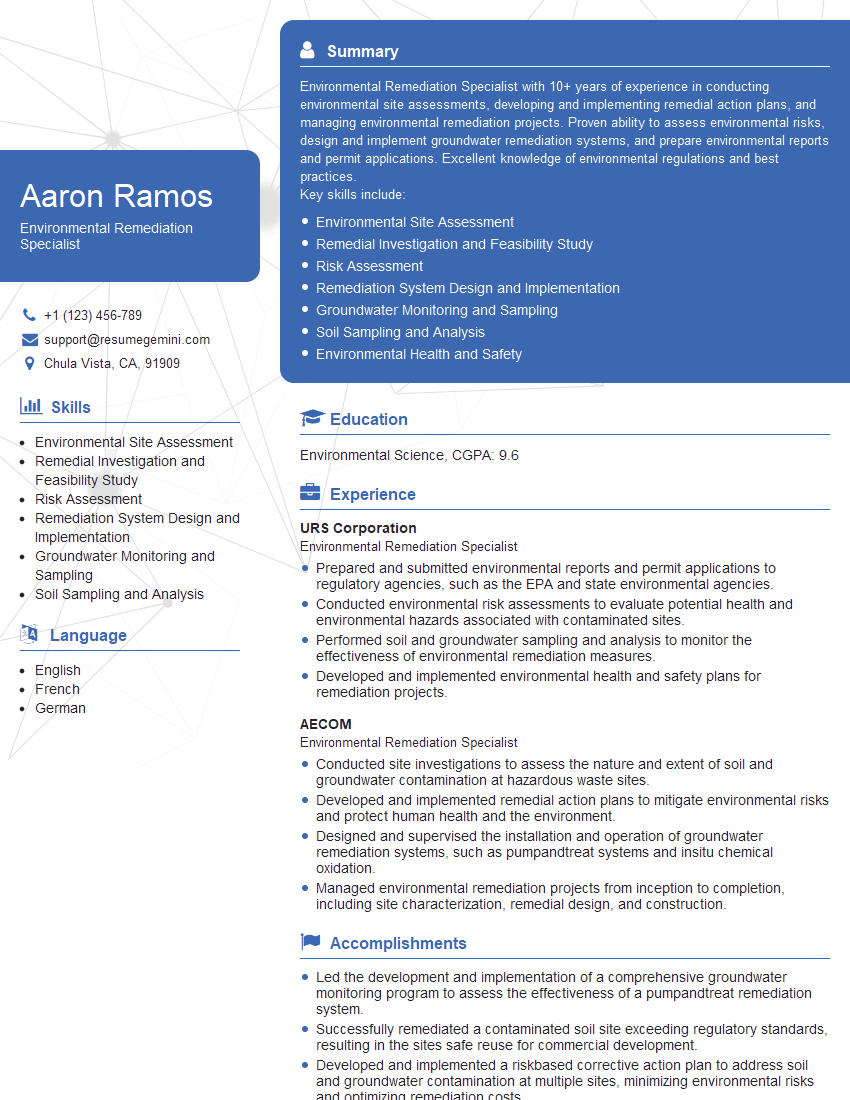
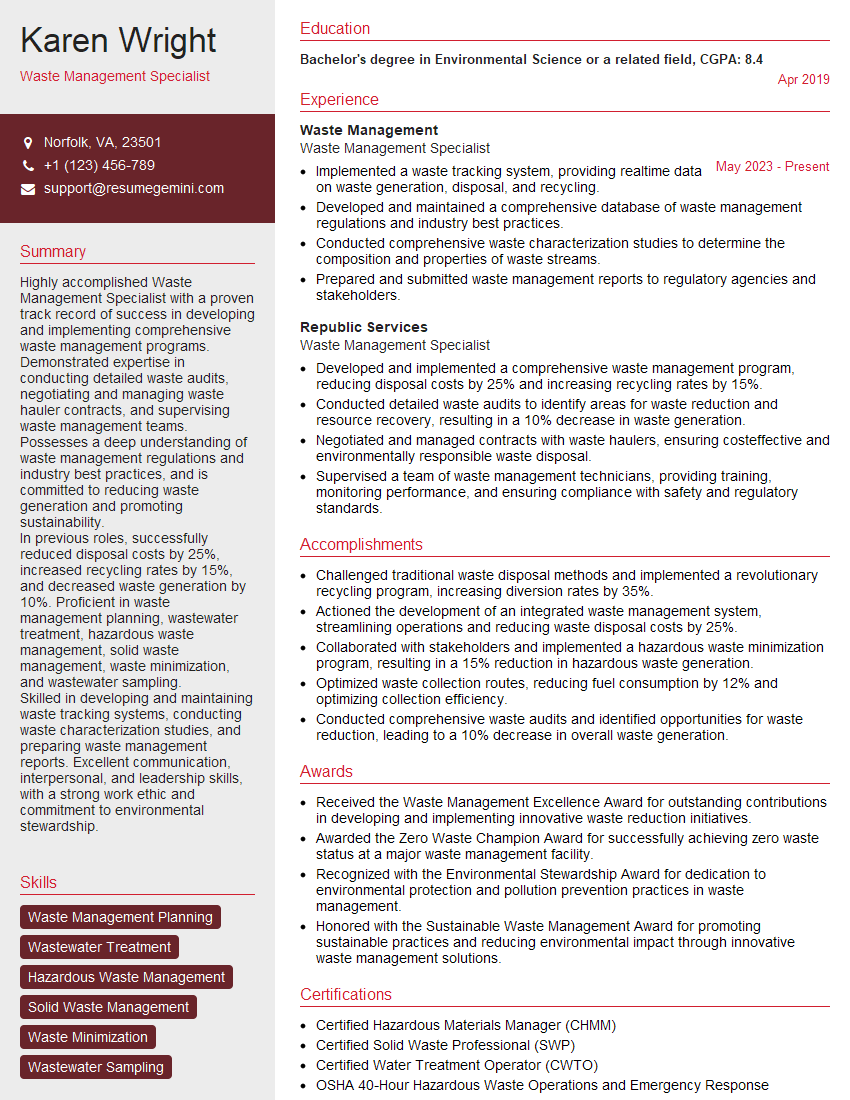
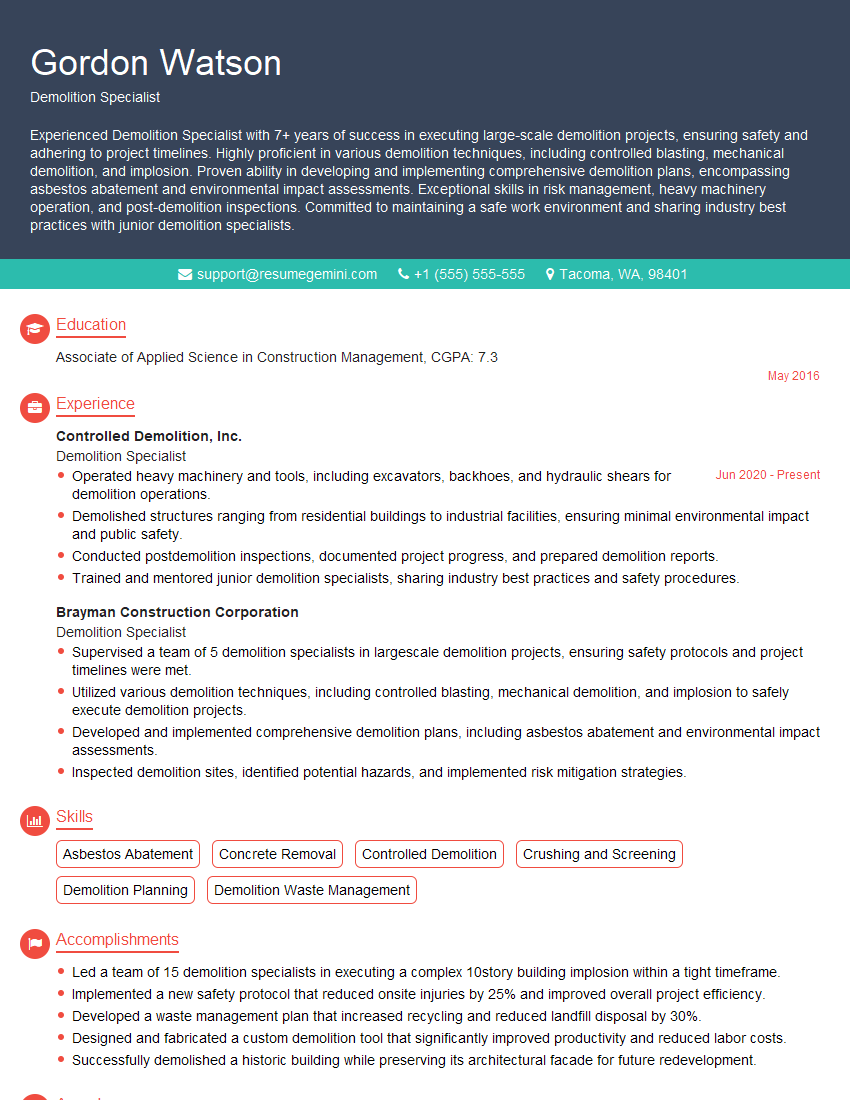
Mastering Demilitarization and Disposal Operations opens doors to a rewarding career with significant impact. This specialized field demands professionals with a strong understanding of safety, environmental regulations, and efficient project management. To significantly boost your job prospects, create an ATS-friendly resume that highlights your skills and experience effectively. ResumeGemini is a trusted resource that can help you build a professional, impactful resume tailored to your specific experience. We provide examples of resumes specifically designed for Demilitarization and Disposal Operations professionals to help guide you. Invest time in crafting a compelling resume – it’s your first impression on potential employers.
Explore more articles
Users Rating of Our Blogs
Share Your Experience
We value your feedback! Please rate our content and share your thoughts (optional).
What Readers Say About Our Blog
Very informative content, great job.
good