The thought of an interview can be nerve-wracking, but the right preparation can make all the difference. Explore this comprehensive guide to Demonstrate a positive and professional attitude interview questions and gain the confidence you need to showcase your abilities and secure the role.
Questions Asked in Demonstrate a positive and professional attitude Interview
Q 1. Describe a situation where you maintained a positive attitude despite facing a challenging obstacle.
Maintaining a positive attitude during challenges is crucial for success. It involves focusing on solutions rather than dwelling on problems. A recent example involved a critical project deadline looming while a key team member unexpectedly fell ill. Instead of panicking, I immediately assessed the situation. I delegated tasks effectively to other team members, ensuring clear communication and support. I also reached out to the ill team member to offer assistance and ensure they were recovering well. By focusing on proactive problem-solving and supporting my team, we not only met the deadline but also strengthened our team bonds. This experience reinforced the importance of positive thinking as a catalyst for efficient problem-solving and team cohesion.
Q 2. How do you handle criticism or negative feedback constructively?
Constructive criticism is invaluable for growth. My approach involves active listening, seeking clarification if needed, and separating the feedback from the messenger. I focus on identifying actionable insights. For example, if feedback highlights a communication issue, I’d analyze how I can improve clarity and frequency of updates. I also reflect on whether the feedback points to systemic problems that need broader addressing. Rather than becoming defensive, I view criticism as an opportunity for improvement and professional development. Documenting the feedback and creating a plan for addressing it ensures that the learning is retained and applied in future projects.
Q 3. Give an example of how you’ve resolved a conflict professionally and maintained positive relationships.
Conflict resolution requires empathy, active listening, and a focus on shared goals. In one instance, two team members had differing opinions on the project’s direction. Instead of taking sides, I facilitated a discussion where each member explained their perspective. We identified the root of the disagreement: a misunderstanding about the project’s objectives. Through open communication and collaborative brainstorming, we redefined the project scope to incorporate elements from both perspectives. This collaborative solution not only resolved the conflict but also fostered a stronger understanding and appreciation among the team members, improving future collaborations.
Q 4. Explain your approach to teamwork and collaboration, focusing on maintaining positivity.
Teamwork thrives on open communication, mutual respect, and a shared vision. My approach emphasizes proactive communication, ensuring everyone is informed and involved. I actively solicit input and create an inclusive environment where everyone feels comfortable sharing ideas. I believe in celebrating successes, both big and small, to boost team morale and build confidence. For example, during a particularly challenging project phase, we held regular team debriefs where we not only addressed challenges but also acknowledged the positive contributions of each member. This reinforced a sense of shared accomplishment and built trust amongst the team. A positive and collaborative work environment allows for the best ideas to surface and enhances the effectiveness of the team overall.
Q 5. How do you handle stress and pressure while staying professional and positive?
Managing stress involves proactive strategies, including prioritization, time management, and self-care. Under pressure, I focus on breaking down large tasks into smaller, manageable steps. I prioritize tasks based on urgency and importance, using tools like project management software to track progress and deadlines. Equally vital is maintaining a healthy work-life balance. This includes taking regular breaks, exercising, and engaging in activities that help me relax and recharge. By staying organized, prioritizing tasks effectively, and taking care of my well-being, I can maintain my professionalism and positive attitude even under significant pressure.
Q 6. Describe a time you had to motivate a team member or colleague during a difficult project.
Motivating team members involves understanding their individual strengths and challenges. During a challenging project, one team member was struggling with a specific technical aspect. Instead of criticizing, I offered personalized support, including pairing them with a more experienced colleague for mentoring. I also recognized and praised their contributions in other areas to reinforce their self-confidence. This approach fostered a supportive learning environment and boosted the team member’s morale, leading to improved performance and increased confidence in their abilities. It showcases the importance of tailored support and recognition in team motivation.
Q 7. How do you stay positive and productive during periods of low morale or uncertainty?
Maintaining positivity during periods of low morale requires proactive engagement. I believe in focusing on controllable aspects and fostering a sense of shared purpose. This involves open communication about challenges, actively seeking input from team members, and collaboratively identifying solutions. I also emphasize celebrating small wins and recognizing individual contributions to counteract negativity. Finally, I encourage team-building activities to strengthen relationships and foster a supportive environment. By focusing on proactive problem-solving, celebrating successes, and building strong relationships, we can overcome periods of low morale and emerge stronger as a team.
Q 8. How do you ensure your communication style remains positive and professional, even in challenging situations?
Maintaining a positive and professional communication style, even during challenges, requires conscious effort and a proactive approach. It’s about focusing on solutions rather than dwelling on problems and choosing your words carefully.
- Active Listening: Before responding, I ensure I fully understand the other person’s perspective. This demonstrates respect and prevents misunderstandings.
- Empathy: I try to see things from the other person’s point of view, acknowledging their feelings and concerns. This helps build rapport and fosters collaboration.
- Positive Language: I focus on using constructive language, avoiding accusatory or negative phrasing. For example, instead of saying “You made a mistake,” I might say, “Let’s review this process to ensure accuracy for the future.”
- Professional Tone: Maintaining a calm and respectful tone, even when stressed, is crucial. This helps de-escalate tense situations and keep communication productive.
- Clear and Concise Communication: Getting straight to the point and avoiding jargon ensures everyone is on the same page and prevents misinterpretations.
For instance, if faced with a difficult client, I would calmly acknowledge their frustration, actively listen to their concerns, and collaboratively work towards a solution that meets their needs and aligns with company policy.
Q 9. Provide an example where you went above and beyond to provide excellent customer service while maintaining a positive demeanor.
During a particularly busy holiday season, our customer service team was overwhelmed with orders. One customer’s order was severely delayed due to a logistical error. Instead of simply apologizing, I took the initiative to personally investigate the issue. I discovered the delay was due to a miscommunication between departments. I not only expedited the delivery but also arranged for a complimentary gift to be included as a gesture of goodwill. The customer was incredibly grateful, and the positive feedback I received demonstrated the impact of going the extra mile.
Q 10. How do you handle setbacks and disappointments professionally and maintain a positive outlook?
Setbacks are inevitable in any professional setting. My approach is to view them as learning opportunities. I analyze what went wrong, identify areas for improvement, and focus on solutions.
- Self-Reflection: After a disappointment, I take time to reflect on my actions and identify any aspects I could improve. This allows for personal growth and prevents repeating mistakes.
- Problem-Solving: I focus on finding solutions, not dwelling on the negative. I brainstorm potential solutions with colleagues, seeking their input and expertise.
- Positive Self-Talk: I remind myself of my past successes and my abilities to overcome challenges. This maintains my confidence and motivation.
- Seek Support: I don’t hesitate to seek support from colleagues, mentors, or supervisors when needed. Talking about the setback can help to process emotions and gain perspective.
For example, if a project failed to meet its deadline, I would thoroughly analyze the causes of the delay, implement improved project management techniques, and actively communicate the revised plan with stakeholders.
Q 11. Describe a time you had to adapt quickly to a change in circumstances while maintaining a positive attitude.
Our company underwent a significant restructuring, leading to a change in my team and responsibilities. Initially, I felt some uncertainty, but I approached the change proactively. I viewed it as an opportunity for growth and learning.
- Embrace the New: Instead of resisting the changes, I focused on learning the new systems and processes.
- Seek Guidance: I reached out to my new colleagues and supervisors for guidance, building strong working relationships.
- Proactive Communication: I proactively communicated my progress and any challenges faced, ensuring transparency and collaboration.
- Continuous Learning: I actively sought out training opportunities and upskilled myself to adapt to the new role and responsibilities.
By embracing the changes and focusing on continuous learning, I successfully transitioned to my new role, exceeding expectations and contributing positively to the team.
Q 12. How do you demonstrate respect for colleagues with differing opinions or work styles?
Respect for differing opinions and work styles is crucial for a productive team environment. I actively listen to others’ perspectives, even if they differ from mine, seeking to understand their reasoning.
- Active Listening & Open Communication: I create a space where everyone feels comfortable sharing their ideas and perspectives without fear of judgment.
- Value Diverse Perspectives: I recognize that diverse viewpoints often lead to innovative and comprehensive solutions.
- Constructive Feedback: When providing feedback, I focus on the ideas and work, not on the person, using constructive language to foster growth.
- Collaboration: I actively seek opportunities to collaborate with colleagues, learning from their expertise and incorporating their ideas into our shared projects.
For example, in a project where colleagues had different approaches to problem-solving, I facilitated a discussion where each person could explain their rationale. This led to a hybrid approach that incorporated the strengths of each method, leading to a better outcome.
Q 13. Explain how you contribute to a positive and productive work environment.
I contribute to a positive and productive work environment through several key actions.
- Teamwork and Collaboration: I actively participate in teamwork, offering support and sharing expertise with colleagues.
- Positive Attitude & Support: I maintain a positive attitude, encouraging others and fostering a supportive atmosphere.
- Proactive Communication: I proactively communicate with colleagues and supervisors, ensuring transparency and clear expectations.
- Problem-Solving: I actively participate in problem-solving, offering creative solutions and contributing to efficient processes.
- Respectful Interactions: I treat all colleagues with respect, regardless of their position or background.
For example, I often take initiative in organizing team-building activities and mentoring junior colleagues, fostering a strong sense of community and mutual support within the team.
Q 14. How do you proactively manage your own workload to avoid feeling overwhelmed and maintain positivity?
Proactive workload management is key to preventing overwhelm and maintaining positivity. My approach involves careful planning, prioritization, and effective time management.
- Prioritization: I use prioritization techniques such as the Eisenhower Matrix (urgent/important) to focus my efforts on the most impactful tasks first.
- Planning & Scheduling: I create daily and weekly to-do lists and schedules, allocating time slots for specific tasks. I avoid over-scheduling to account for unexpected interruptions.
- Time Blocking: I dedicate specific blocks of time to focused work, minimizing distractions and interruptions.
- Delegation: I delegate tasks where appropriate, leveraging the skills and abilities of my team members.
- Regular Breaks & Self-Care: I take regular breaks throughout the day to rest and recharge, ensuring I maintain focus and avoid burnout.
By consistently applying these strategies, I can manage my workload effectively, preventing feeling overwhelmed and maintaining a positive outlook. This also allows me to deliver high-quality work and contribute effectively to my team.
Q 15. Describe a situation where you learned from a mistake and used that experience to improve your professional attitude.
Early in my career, I mismanaged a project deadline due to poor prioritization. Instead of dwelling on the mistake, I conducted a thorough post-mortem analysis. I identified my weaknesses in time management and delegation. This experience taught me the importance of proactive planning and effective communication. I implemented a new system using a project management tool to track tasks, deadlines, and dependencies. I also actively sought feedback from colleagues and supervisors. The result was significantly improved project delivery and a more positive attitude toward tackling challenging projects. I learned that mistakes are inevitable, but a positive attitude, coupled with a proactive approach to learning and improvement, transforms setbacks into opportunities for growth.
Career Expert Tips:
- Ace those interviews! Prepare effectively by reviewing the Top 50 Most Common Interview Questions on ResumeGemini.
- Navigate your job search with confidence! Explore a wide range of Career Tips on ResumeGemini. Learn about common challenges and recommendations to overcome them.
- Craft the perfect resume! Master the Art of Resume Writing with ResumeGemini’s guide. Showcase your unique qualifications and achievements effectively.
- Don’t miss out on holiday savings! Build your dream resume with ResumeGemini’s ATS optimized templates.
Q 16. How do you handle difficult clients or customers while maintaining a professional and positive approach?
Handling difficult clients requires empathy, patience, and strong communication skills. My approach involves active listening to understand their concerns, validating their feelings, and then presenting solutions in a calm and professional manner. For example, if a client is upset about a delayed delivery, I begin by acknowledging their frustration and explaining the reasons for the delay transparently. Then, I collaboratively work with them to find a solution that meets their needs, such as offering expedited shipping or a partial refund. Maintaining a professional demeanor, even under pressure, de-escalates situations and often leads to a positive resolution. I believe in focusing on finding common ground and working towards a mutually agreeable outcome, preserving the client relationship even during challenging times.
Q 17. Describe a time when you received negative feedback. How did you respond and how did this impact your professional attitude?
I once received feedback that I wasn’t sufficiently proactive in identifying potential project risks. Initially, I was defensive, but I quickly realized the feedback’s validity. Instead of allowing negativity to affect my performance, I embraced the criticism as an opportunity for improvement. I actively sought strategies to enhance my risk assessment skills. I researched risk management methodologies and implemented them in my subsequent projects. This involved creating detailed risk registers, actively soliciting input from team members, and developing contingency plans. The result was a significant improvement in project risk mitigation and a more confident, proactive approach to my work. This experience reinforced the value of constructive criticism and its importance in fostering professional growth.
Q 18. How do you maintain your enthusiasm and positive attitude even when faced with repetitive tasks?
Maintaining enthusiasm with repetitive tasks requires mindful strategies. I find breaking down large tasks into smaller, more manageable units helps. Setting achievable daily goals and celebrating small wins along the way boosts motivation. I also actively seek ways to improve processes or learn new skills related to the tasks to inject a sense of novelty and development. For instance, while performing data entry, I might challenge myself to improve my speed and accuracy or learn a new data analysis technique. Furthermore, actively seeking opportunities for collaboration or knowledge sharing with colleagues related to the task can make it more engaging. This multifaceted approach prevents burnout and keeps me engaged and motivated even when faced with routine work.
Q 19. Describe a time you had to work with a challenging team member. How did you approach the situation and maintain a positive working relationship?
I once worked with a team member who had a very different working style. Their approach was often disorganized and lacked attention to detail. Instead of confronting them directly, which could have escalated the situation, I opted for a collaborative approach. I initiated regular one-on-one meetings to discuss project progress and identify areas where we could support each other. I offered specific suggestions and examples, focusing on solutions rather than criticism. By fostering open communication and mutual respect, we gradually found a way to work effectively together. The key was focusing on the shared goal, acknowledging our differences, and finding ways to leverage each other’s strengths. This experience reinforced the importance of empathy, clear communication, and a collaborative spirit in navigating interpersonal challenges within a team.
Q 20. How do you manage your time effectively to prioritize tasks and maintain a positive work-life balance?
Effective time management and work-life balance are crucial for maintaining a positive outlook. I use a combination of techniques. I start with prioritizing tasks based on urgency and importance using methods like the Eisenhower Matrix (urgent/important). I utilize digital calendars and to-do lists to schedule tasks and appointments. I also allocate specific time blocks for focused work, minimizing distractions. Equally important is setting boundaries between work and personal life. I ensure I take regular breaks, exercise, and spend time with loved ones. This prevents burnout and helps maintain a healthy work-life balance which significantly impacts my overall well-being and job satisfaction. By proactively managing my time and prioritizing both my professional and personal commitments, I can achieve optimal productivity and maintain a positive attitude.
Q 21. Give an example of how you’ve used your positive attitude to influence a positive outcome.
During a period of significant organizational change, team morale was low due to uncertainty. I took the initiative to organize informal team-building activities, focusing on fostering open communication and collaboration. These included casual lunches and brainstorming sessions focused on the opportunities created by the change. My positive attitude and proactive approach significantly impacted the team’s overall morale and productivity. By focusing on the positives and encouraging a collaborative spirit, we were able to successfully navigate the transition and even exceed our targets during that challenging period. This highlights how a positive and proactive attitude can be a catalyst for positive outcomes, even in challenging situations. It’s about fostering a supportive environment where everyone feels valued and empowered.
Q 22. How do you stay motivated and maintain a positive attitude during long-term projects?
Maintaining a positive attitude during long-term projects is crucial for success. It’s like running a marathon, not a sprint. I achieve this through a multi-pronged approach:
Breaking down large tasks: Instead of feeling overwhelmed by the enormity of the project, I break it down into smaller, manageable milestones. This allows for regular celebrations of small wins, boosting morale and motivation. For example, if working on a large software project, I’d focus on completing individual modules rather than the entire system at once.
Setting realistic goals and expectations: Overly ambitious goals can lead to burnout. I prioritize realistic goals, ensuring they are challenging yet achievable. This helps avoid frustration and maintain a sense of progress.
Regular self-reflection and adjustment: I regularly assess my progress and adjust my approach if needed. This might involve seeking help from colleagues or changing my work habits to improve efficiency and reduce stress.
Prioritizing self-care: Maintaining a healthy work-life balance is essential. I ensure I get enough sleep, exercise regularly, and make time for activities I enjoy outside of work. This helps prevent burnout and keeps me refreshed and focused.
Positive self-talk and visualization: I consciously practice positive self-talk, focusing on my strengths and past successes. Visualizing successful project completion also helps maintain optimism and motivation.
Q 23. Describe your approach to problem-solving, emphasizing your positive and proactive attitude.
My problem-solving approach is proactive and positive, focusing on finding solutions rather than dwelling on problems. It involves:
Clearly defining the problem: Before attempting to solve a problem, I make sure I understand it completely. This includes gathering all relevant information and perspectives.
Brainstorming potential solutions: I encourage creative thinking and explore various solutions, even unconventional ones. I often involve colleagues in this process to leverage diverse perspectives.
Evaluating solutions: Once several potential solutions have been identified, I evaluate each one based on its feasibility, cost-effectiveness, and potential impact. This often involves creating a simple cost-benefit analysis.
Implementing and monitoring the solution: After selecting the best solution, I implement it carefully, monitoring its effectiveness closely. This allows for adjustments if needed.
Learning from the experience: Regardless of the outcome, I always reflect on the process to learn from my mistakes and improve my problem-solving skills for the future. This includes documenting successful strategies and lessons learned from less successful attempts.
Q 24. How do you use your positive attitude to build rapport with colleagues and clients?
Building rapport with colleagues and clients relies heavily on a positive attitude. It’s about creating a collaborative and trusting environment. I achieve this by:
Active listening and empathy: I actively listen to understand their perspectives, showing genuine interest in their ideas and concerns.
Clear and respectful communication: I communicate clearly and respectfully, ensuring my messages are easily understood and considerate of others’ feelings.
Offering help and support: I am always willing to lend a hand and offer support to colleagues and clients, fostering a sense of teamwork and collaboration.
Positive body language and tone: I maintain positive body language and a pleasant tone, conveying confidence and approachability.
Celebrating successes: I actively celebrate successes, both individual and team achievements, reinforcing positive relationships and team spirit.
Q 25. How do you identify and address negative emotions in yourself and others in a professional setting?
Identifying and addressing negative emotions requires self-awareness and empathy. For myself, I use techniques like mindfulness and meditation to manage stress and negative emotions. For others, my approach focuses on creating a safe space for open communication:
Active listening and validation: I listen carefully to understand their feelings and validate their experiences, demonstrating empathy and understanding.
Open and honest communication: I encourage open and honest communication, creating a space where people feel comfortable sharing their feelings without fear of judgment.
Problem-solving approach: Instead of dwelling on the negative emotions, I focus on finding solutions to address the underlying issues causing them. This might involve adjusting workflows or addressing interpersonal conflicts.
Seeking support when needed: I understand that not all situations can be handled alone. When necessary, I advocate for seeking support from HR or other resources.
Promoting a positive work environment: I strive to create a positive and supportive work environment where everyone feels valued and respected, reducing the likelihood of negative emotions escalating.
Q 26. Describe your approach to continuous learning and professional development in relation to maintaining a positive attitude.
Continuous learning is essential for maintaining a positive attitude. It keeps me engaged, challenged, and prevents stagnation. My approach involves:
Identifying skill gaps: I regularly identify areas where I can improve my skills and knowledge. This might involve self-assessment, feedback from colleagues, or performance reviews.
Seeking out learning opportunities: I actively seek out learning opportunities, such as online courses, workshops, conferences, and mentoring programs.
Applying new knowledge: I ensure I apply newly acquired knowledge and skills to my work, reinforcing learning and boosting confidence.
Sharing knowledge with others: I also share my knowledge with colleagues, contributing to a culture of continuous learning and improving team morale.
Embracing challenges as learning opportunities: I see challenges as opportunities for growth and learning, fostering resilience and a positive mindset.
Q 27. How do you handle situations where you disagree with a colleague’s approach, while still maintaining a positive and professional relationship?
Disagreements are inevitable in a collaborative environment. The key is to address them professionally and respectfully, preserving the positive relationship. My approach involves:
Private and respectful conversation: I address disagreements privately and respectfully, focusing on the issue rather than attacking the person.
Active listening and understanding: I actively listen to understand their perspective, even if I don’t agree with it.
Finding common ground: I look for common ground and areas of agreement to build a foundation for constructive discussion.
Collaborative problem-solving: I frame the disagreement as a problem to be solved collaboratively, rather than a conflict to be won.
Seeking mediation if needed: If a resolution cannot be reached, I am open to seeking mediation from a neutral party.
Q 28. Give an example of how you’ve used your positive attitude to help a team achieve a common goal.
During a particularly challenging software project, our team was struggling to meet a tight deadline. Morale was low, and there were several disagreements regarding the best approach. I took the initiative to organize a team-building activity outside of work hours. This informal setting allowed for open communication and helped us understand each other’s perspectives better. We also established clear communication channels and a shared project management tool, improving collaboration significantly. As a result, we not only met the deadline but delivered a higher-quality product than initially anticipated. This success was a direct result of the improved team cohesion and morale, which I fostered with a positive and supportive attitude.
Key Topics to Learn for Demonstrating a Positive and Professional Attitude in Interviews
- Understanding Professionalism: Defining what professionalism means in your specific field and how to adapt your behavior accordingly. This includes appropriate attire, communication style, and punctuality.
- Positive Body Language: Mastering nonverbal communication – maintaining eye contact, using open postures, and projecting confidence through your physical presence. Practice in front of a mirror or with a friend.
- Enthusiasm and Engagement: Demonstrating genuine interest in the role and the company. Actively listen to questions, ask insightful questions of your own, and showcase your passion for your work.
- Handling Difficult Questions: Developing strategies for addressing challenging questions about weaknesses, failures, or gaps in your resume in a positive and constructive manner. Focus on growth and learning.
- Maintaining Positivity Under Pressure: Practicing relaxation techniques to manage interview anxiety and remaining calm and composed even when faced with unexpected challenges. Deep breathing can help.
- Showing Gratitude and Follow-up: Expressing appreciation for the interviewer’s time and sending a thank-you note after the interview. This demonstrates professionalism and reinforces your interest.
- Self-Awareness and Reflection: Identifying your strengths and areas for improvement regarding your communication and interpersonal skills. Consider seeking feedback from trusted mentors or colleagues.
Next Steps
Mastering the art of demonstrating a positive and professional attitude is crucial for career advancement. It significantly impacts how you’re perceived by potential employers and opens doors to greater opportunities. Creating an ATS-friendly resume is equally vital in getting your application noticed. To enhance your resume and showcase your positive and professional attributes effectively, we recommend using ResumeGemini. ResumeGemini provides tools and resources to build a compelling resume. Examples of resumes tailored to highlighting a positive and professional attitude are available to help you get started.
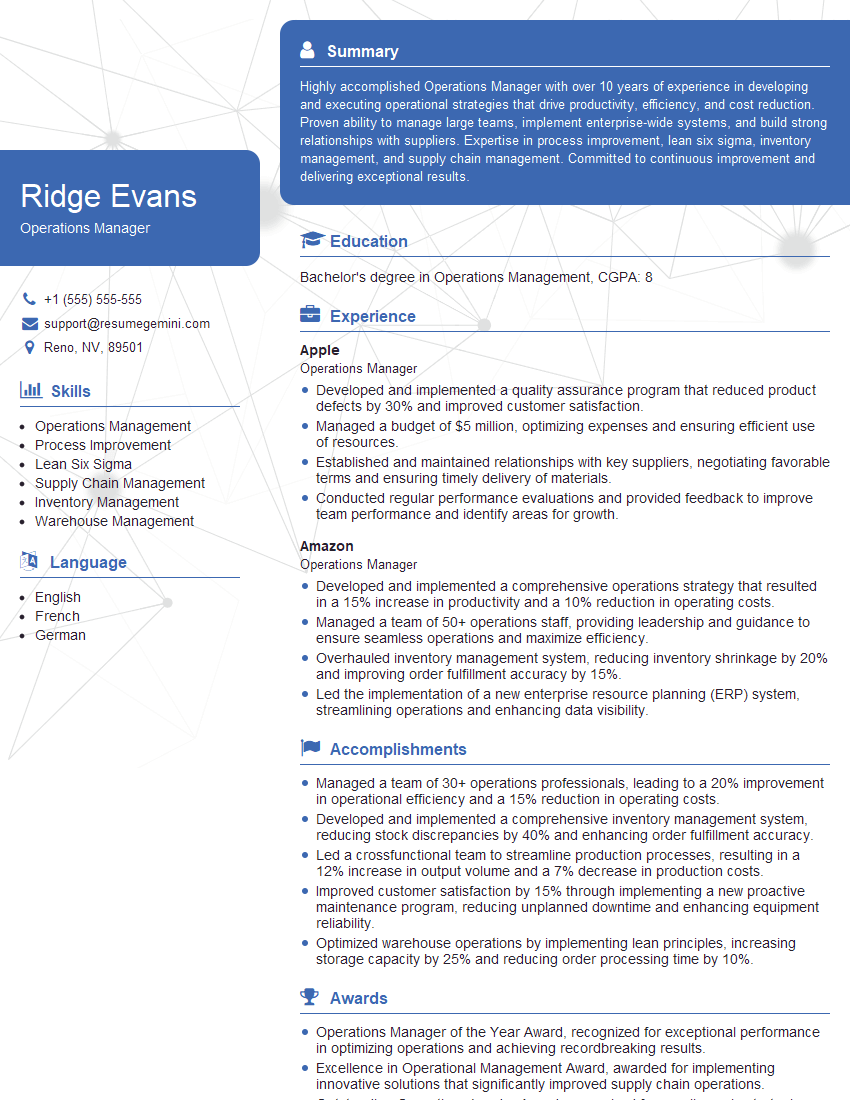
Operations Manager Resume Sample
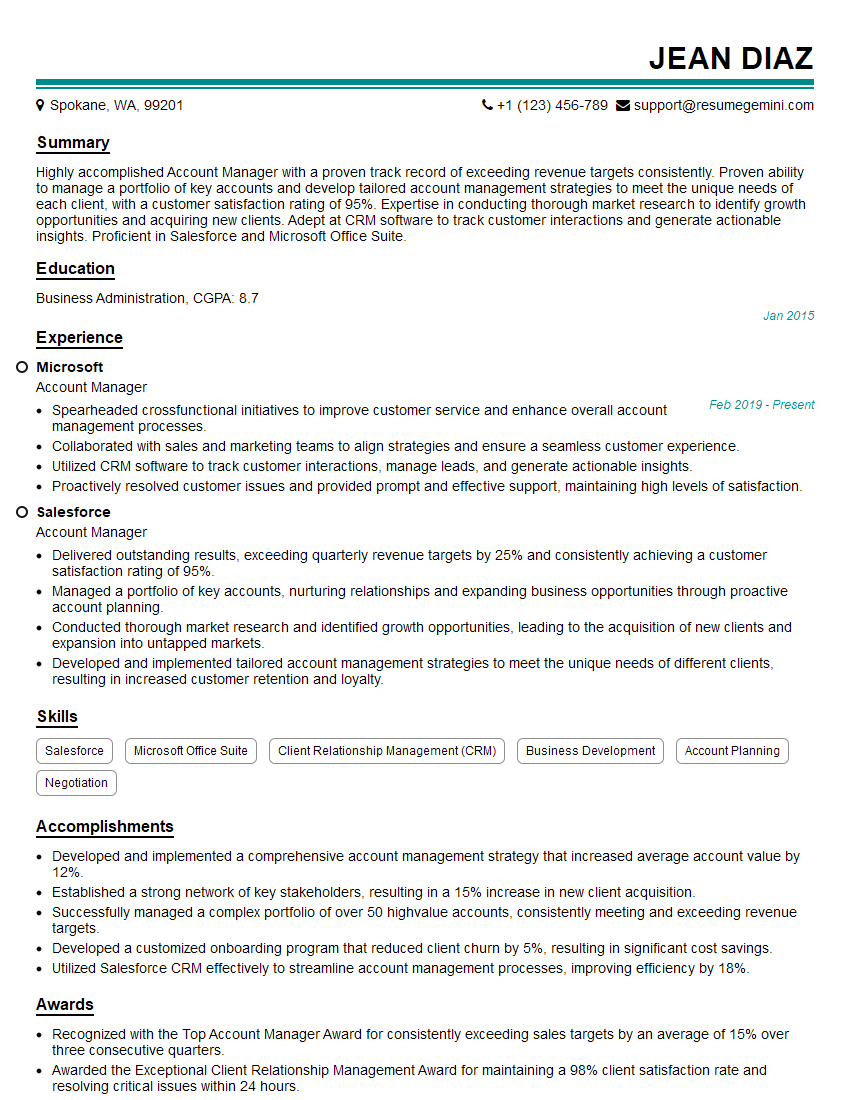
Account Manager Resume Sample
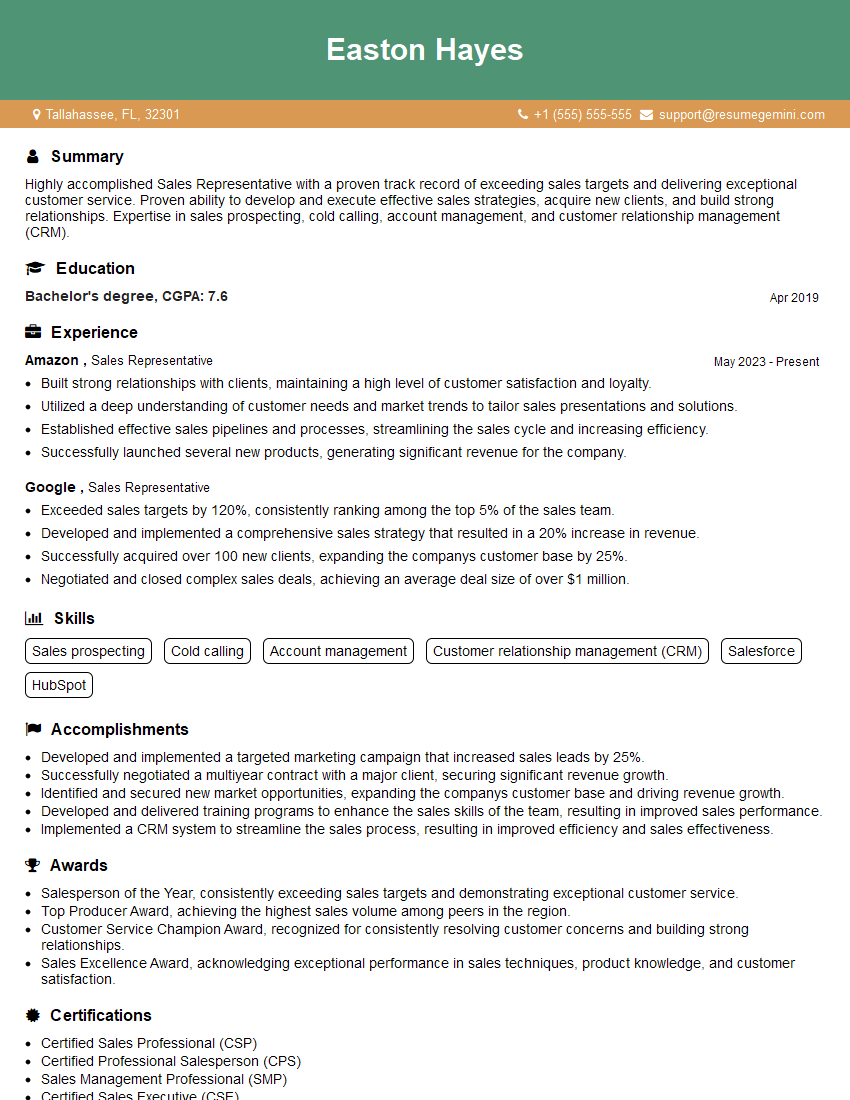
Sales Representative Resume Sample

Communications Manager Resume Sample
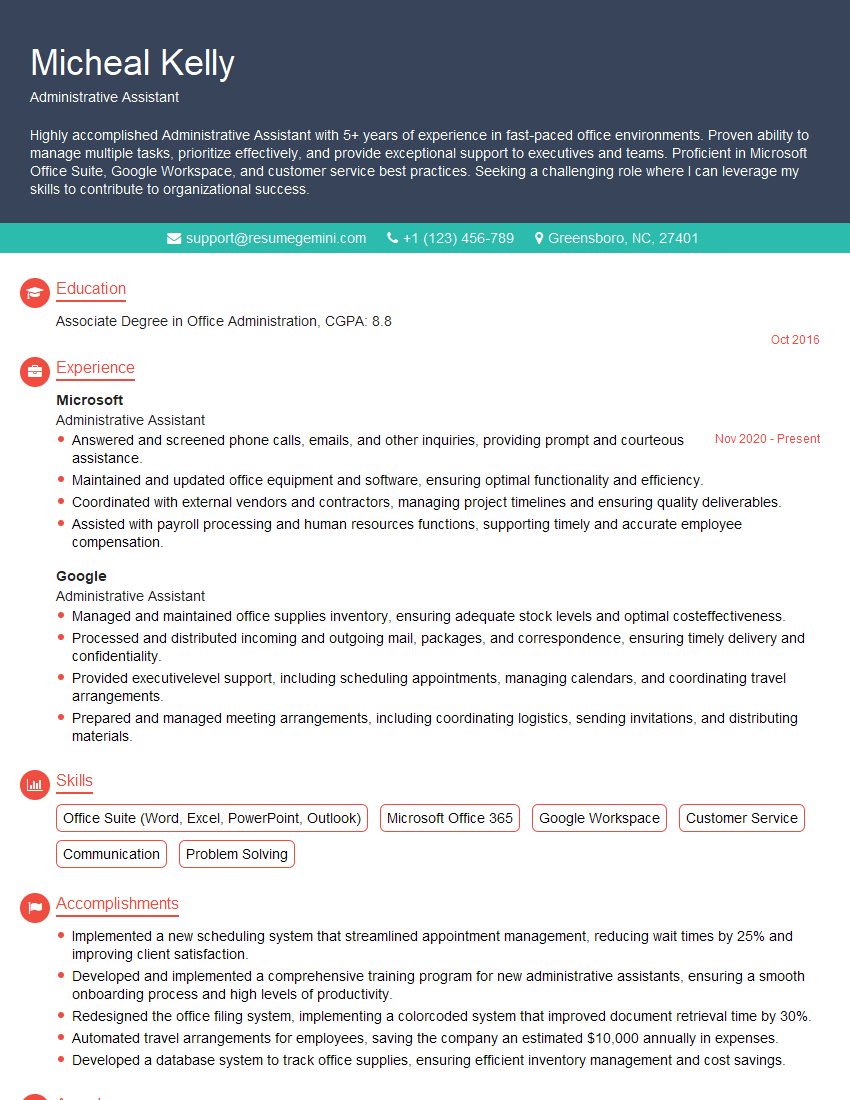
Administrative Assistant Resume Sample
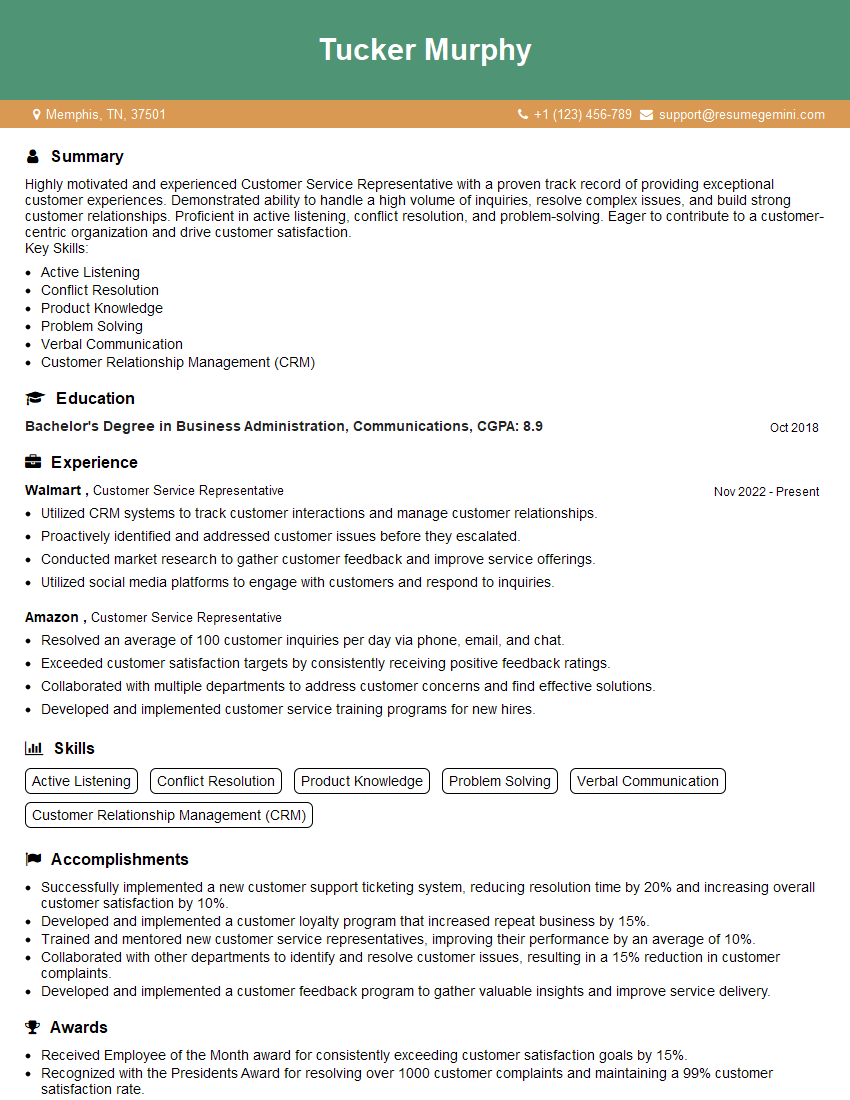
Customer Service Representative Resume Sample
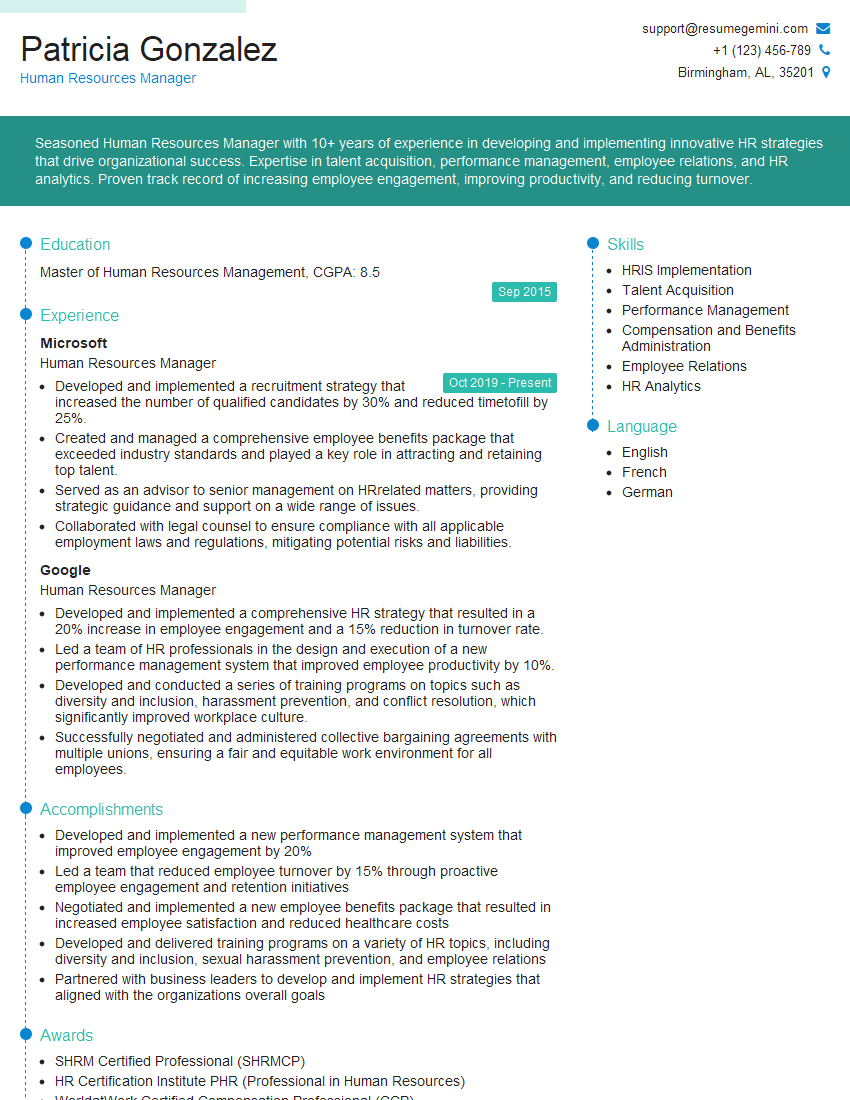
Human Resources Manager Resume Sample
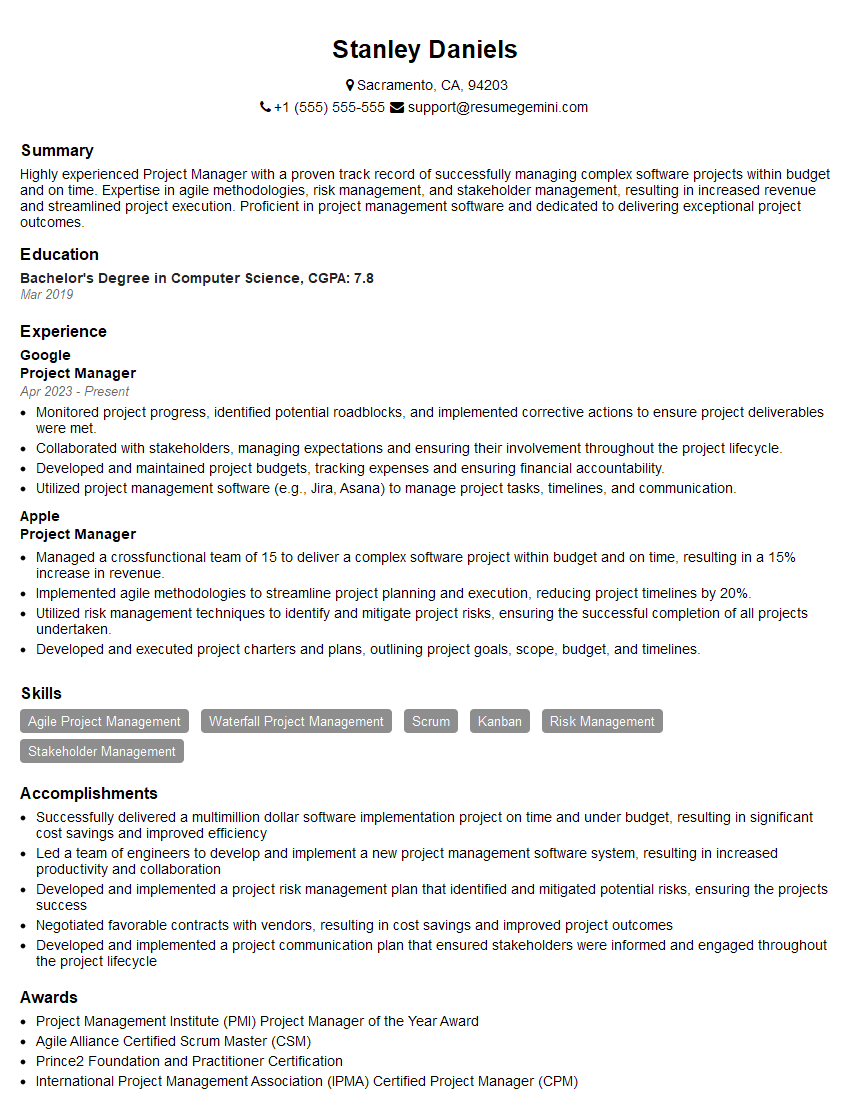
Project Manager Resume Sample
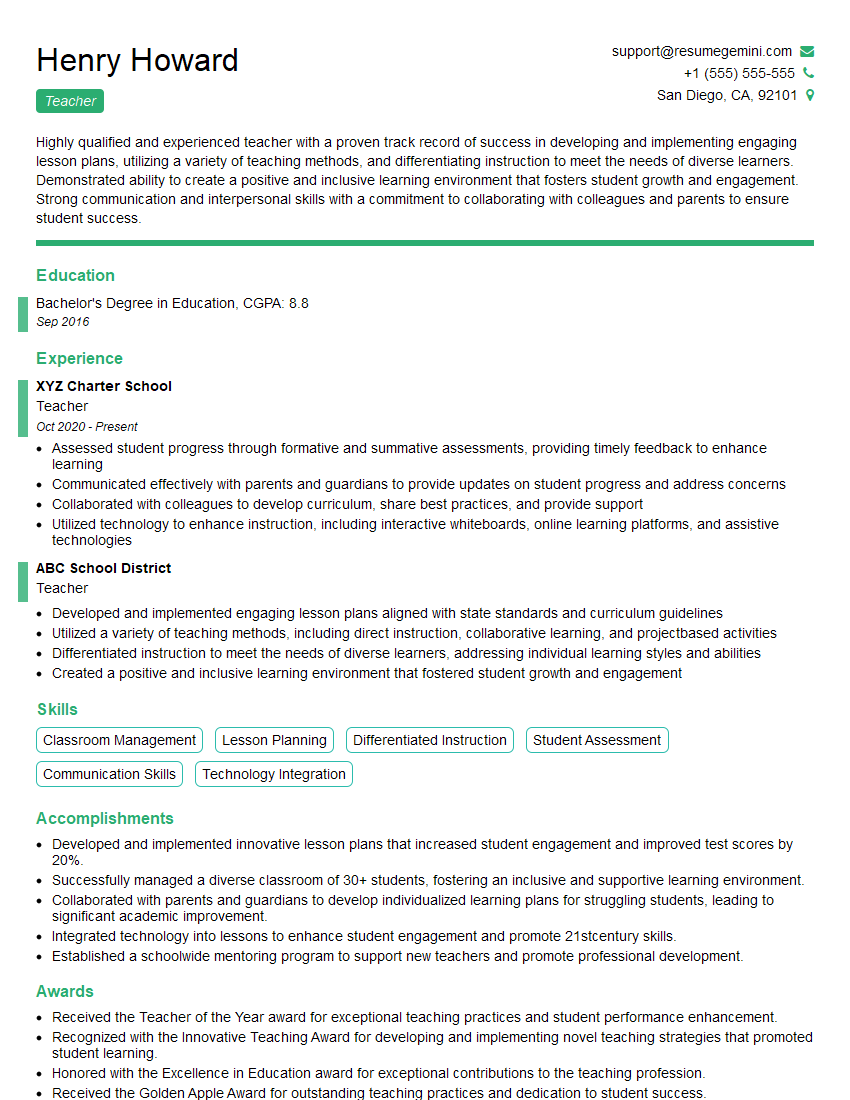
Teacher Resume Sample
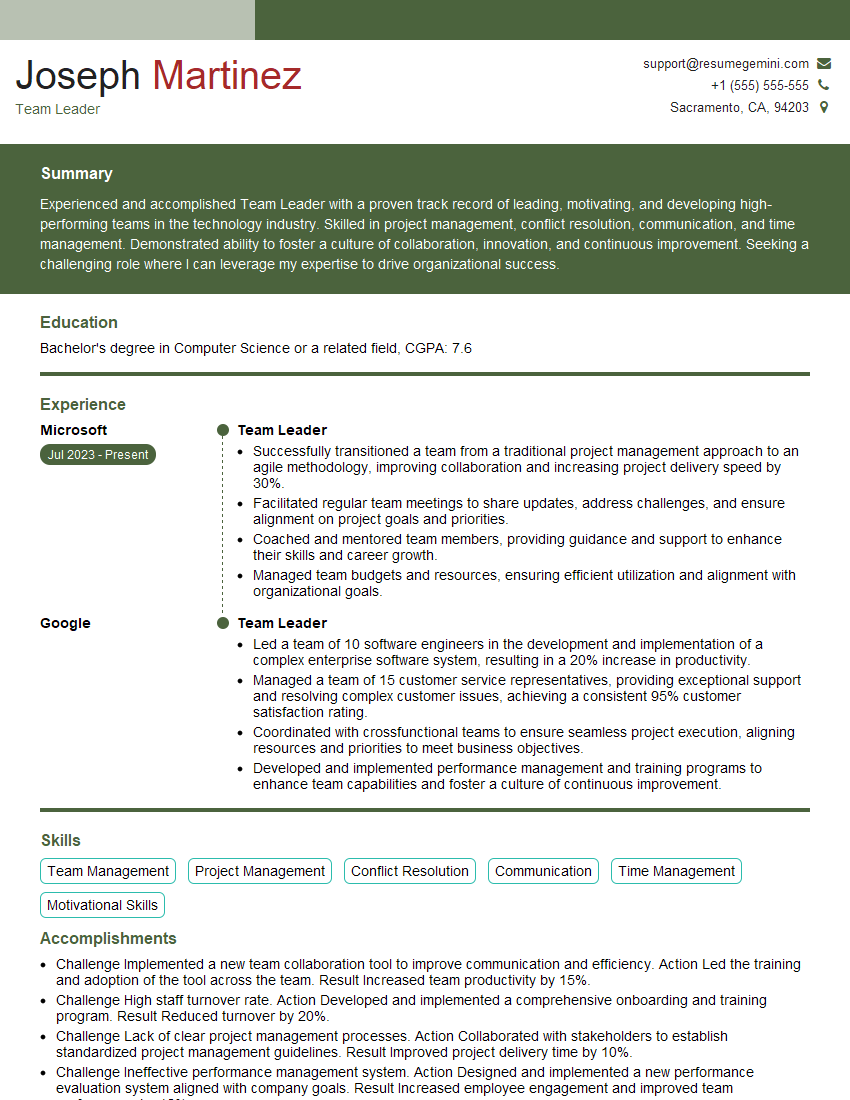
Team Leader Resume Sample
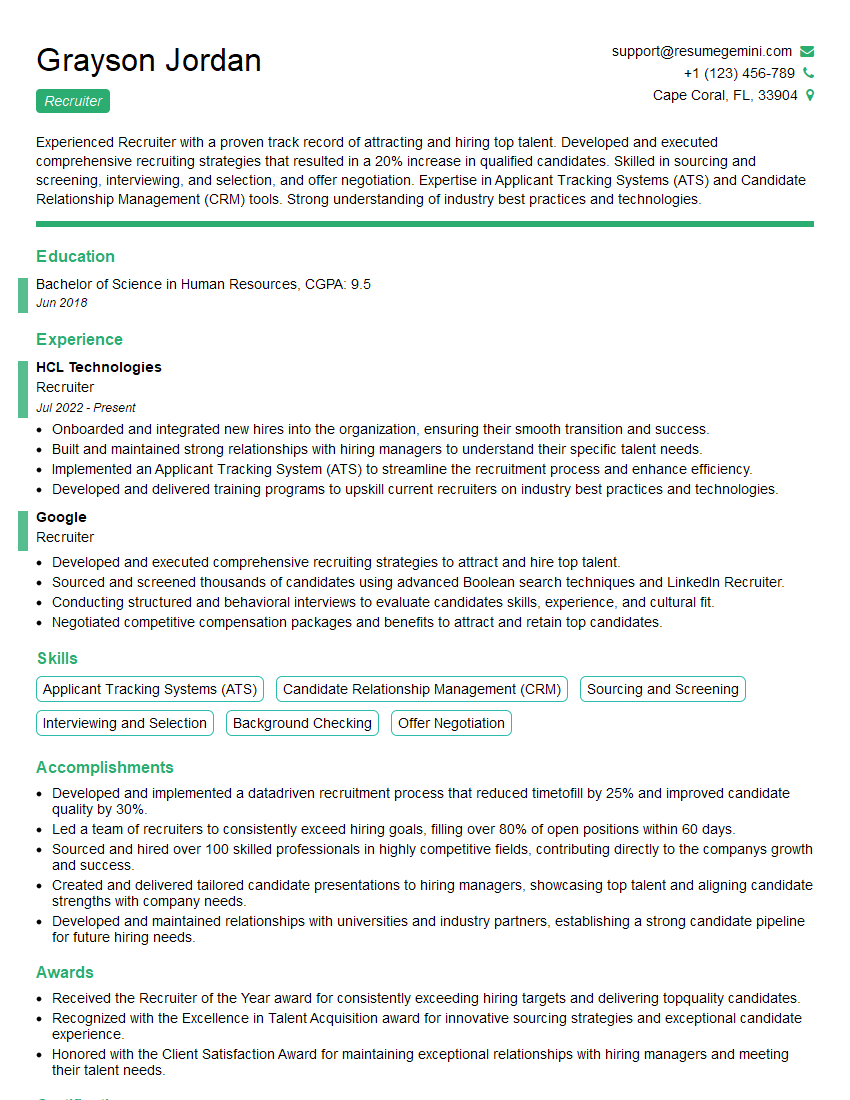
Recruiter Resume Sample
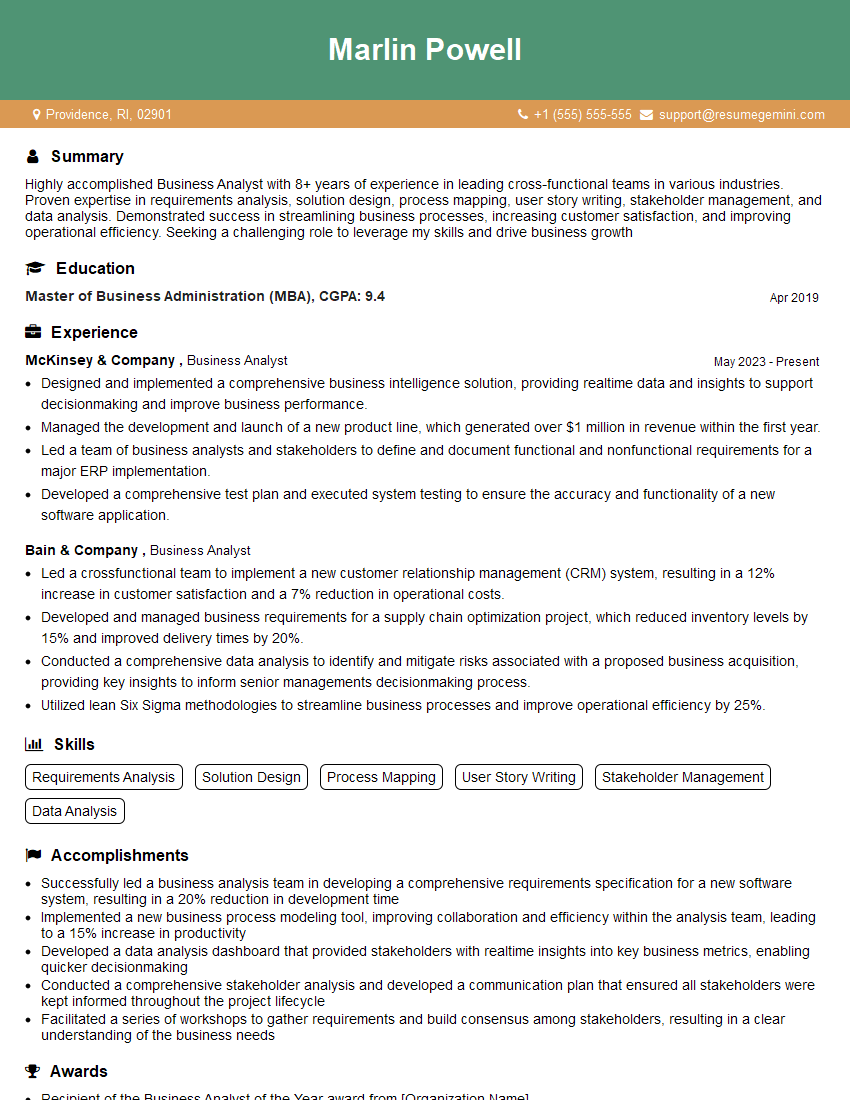
Business Analyst Resume Sample
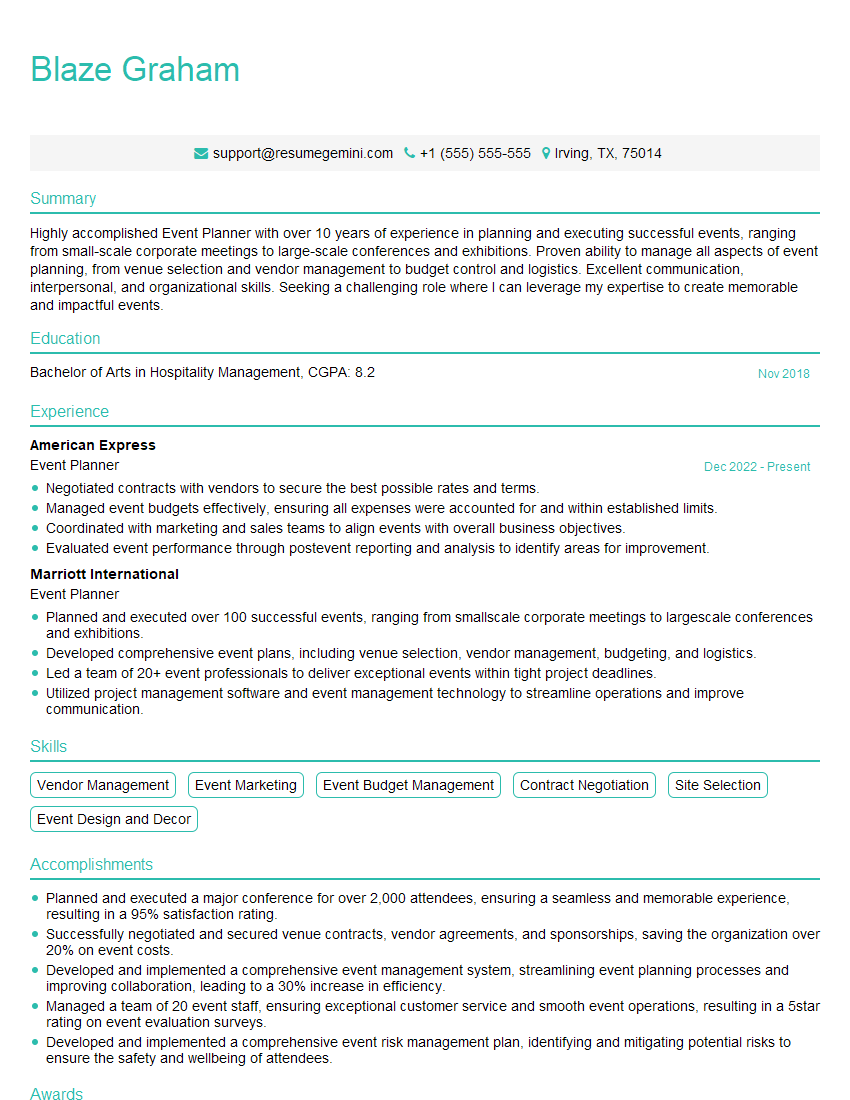
Event Planner Resume Sample
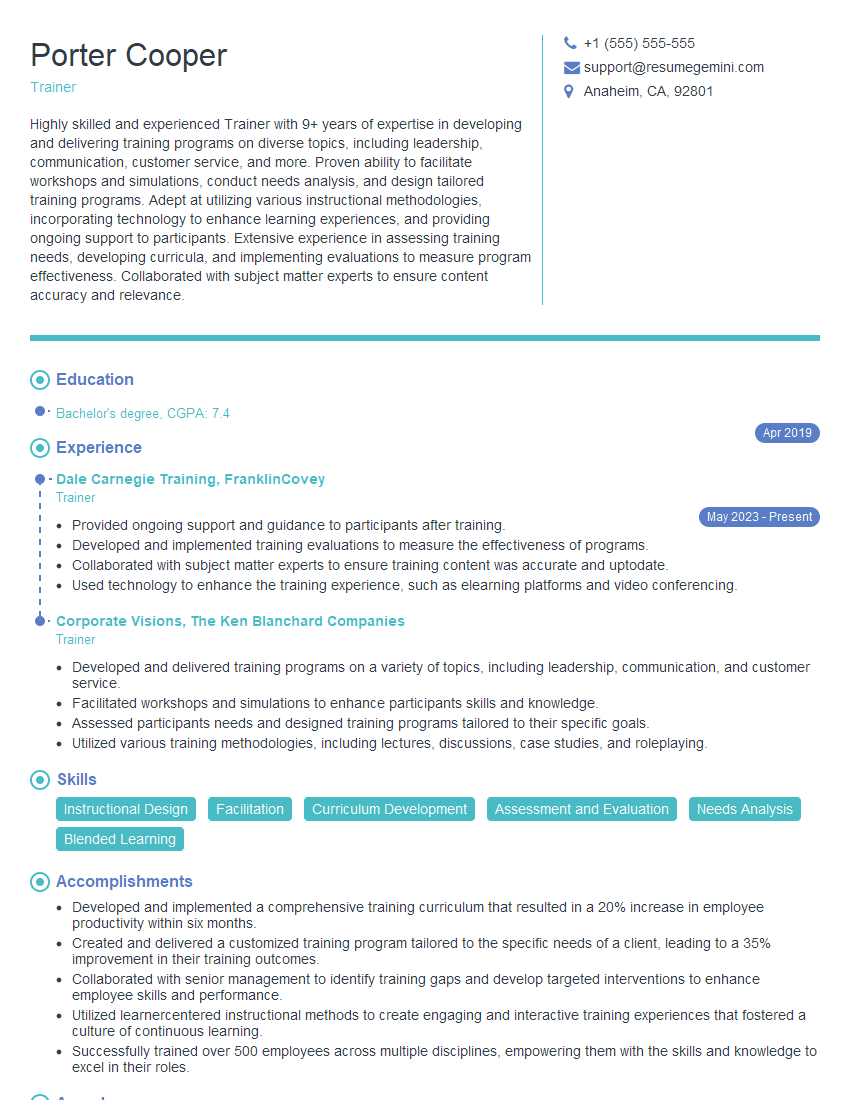
Trainer Resume Sample
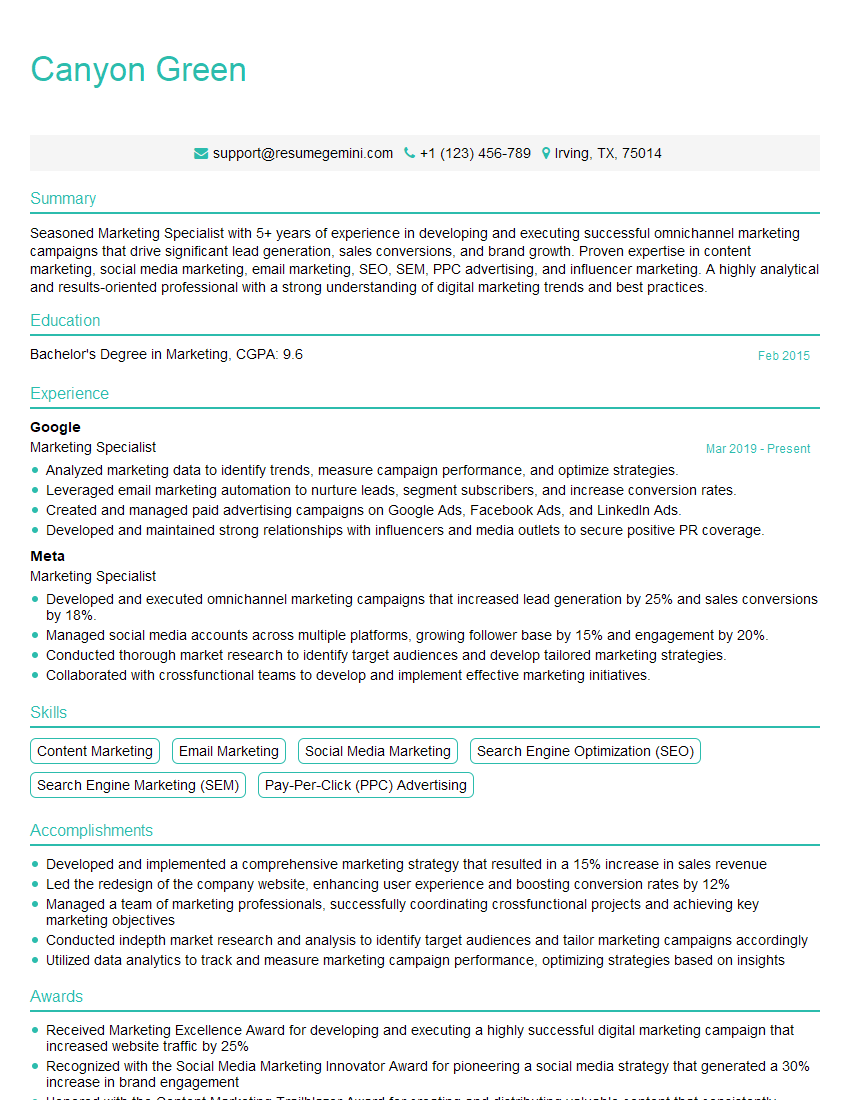
Marketing Specialist Resume Sample
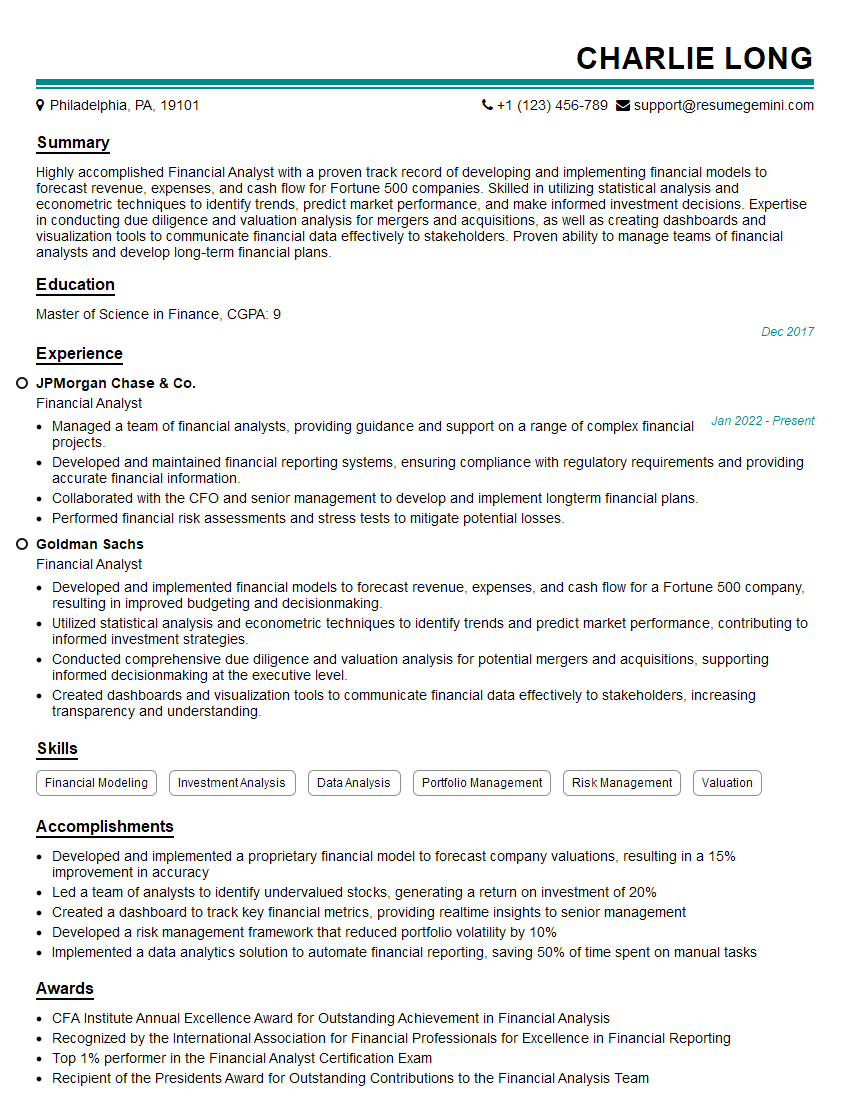
Financial Analyst Resume Sample
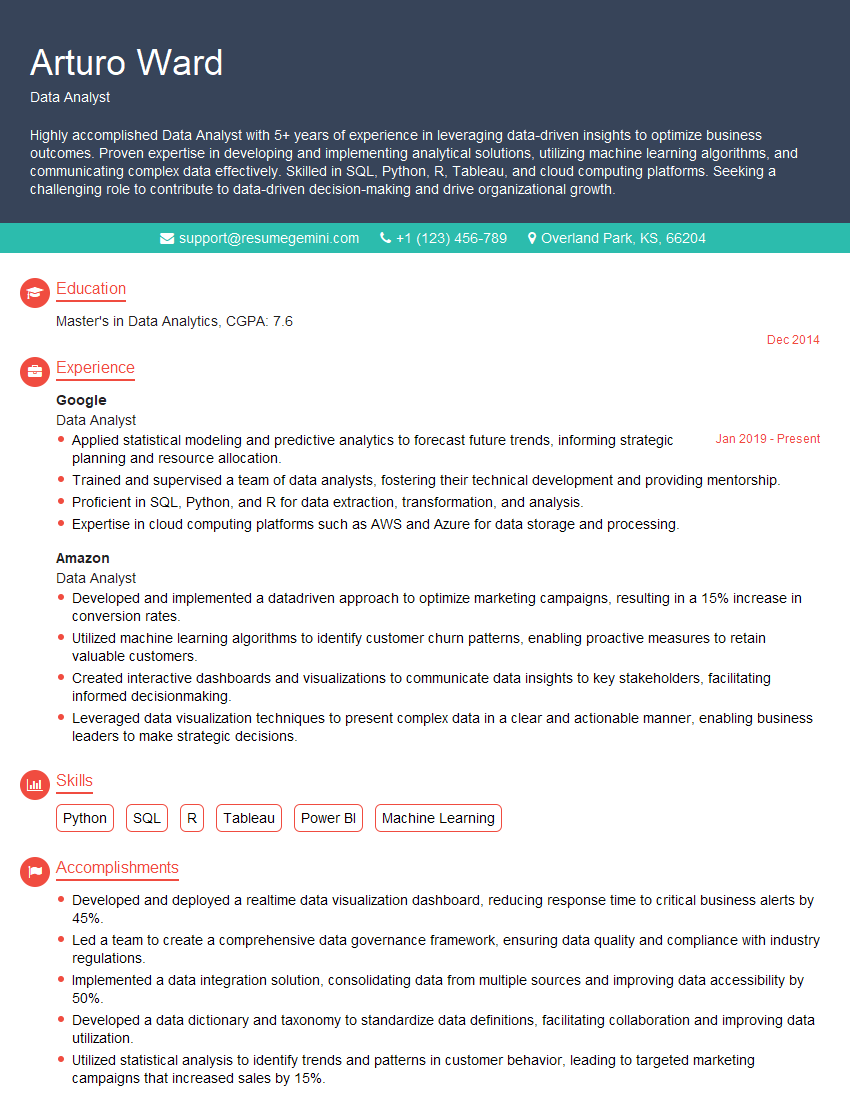
Data Analyst Resume Sample
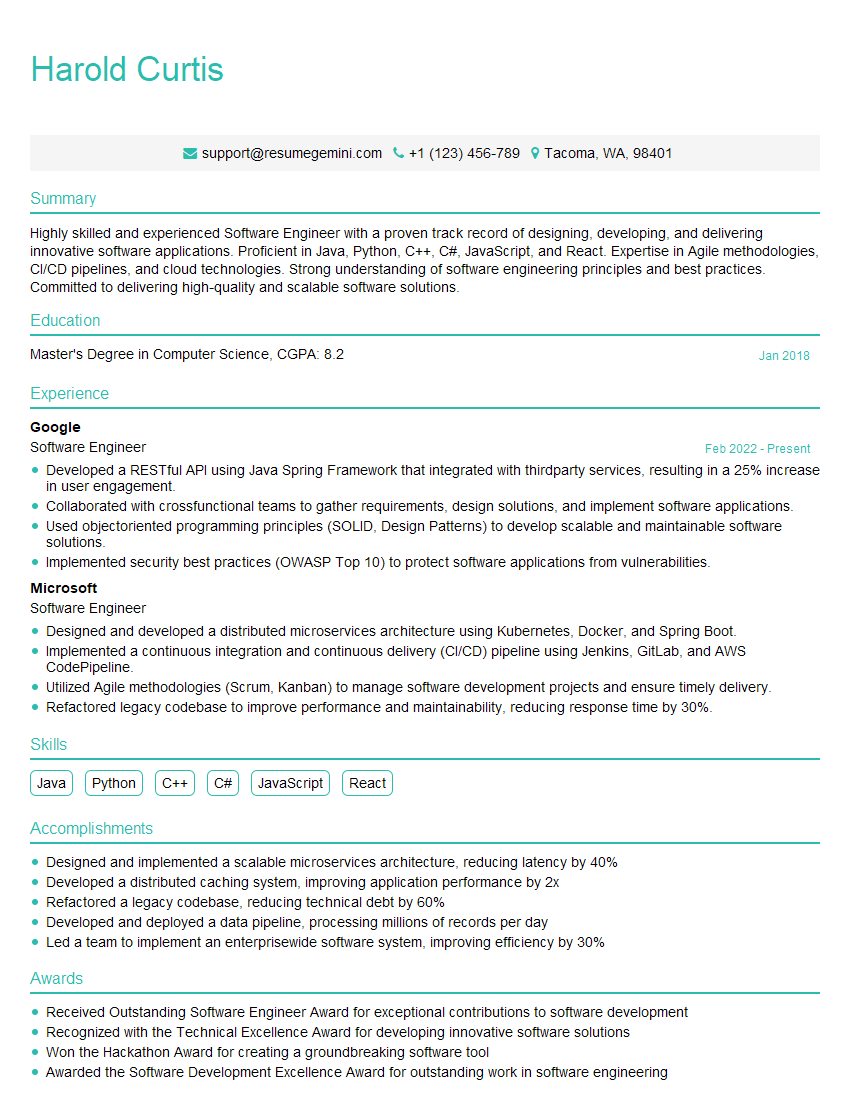
Software Engineer Resume Sample
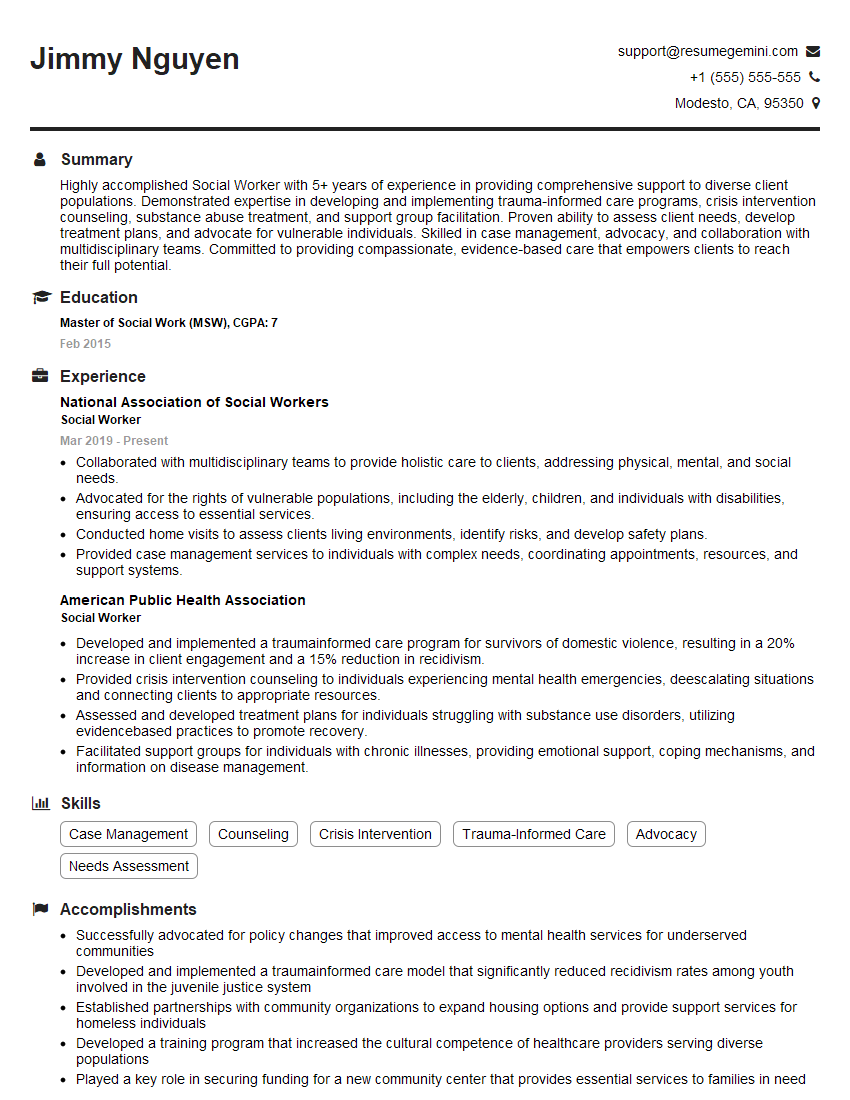
Social Worker Resume Sample
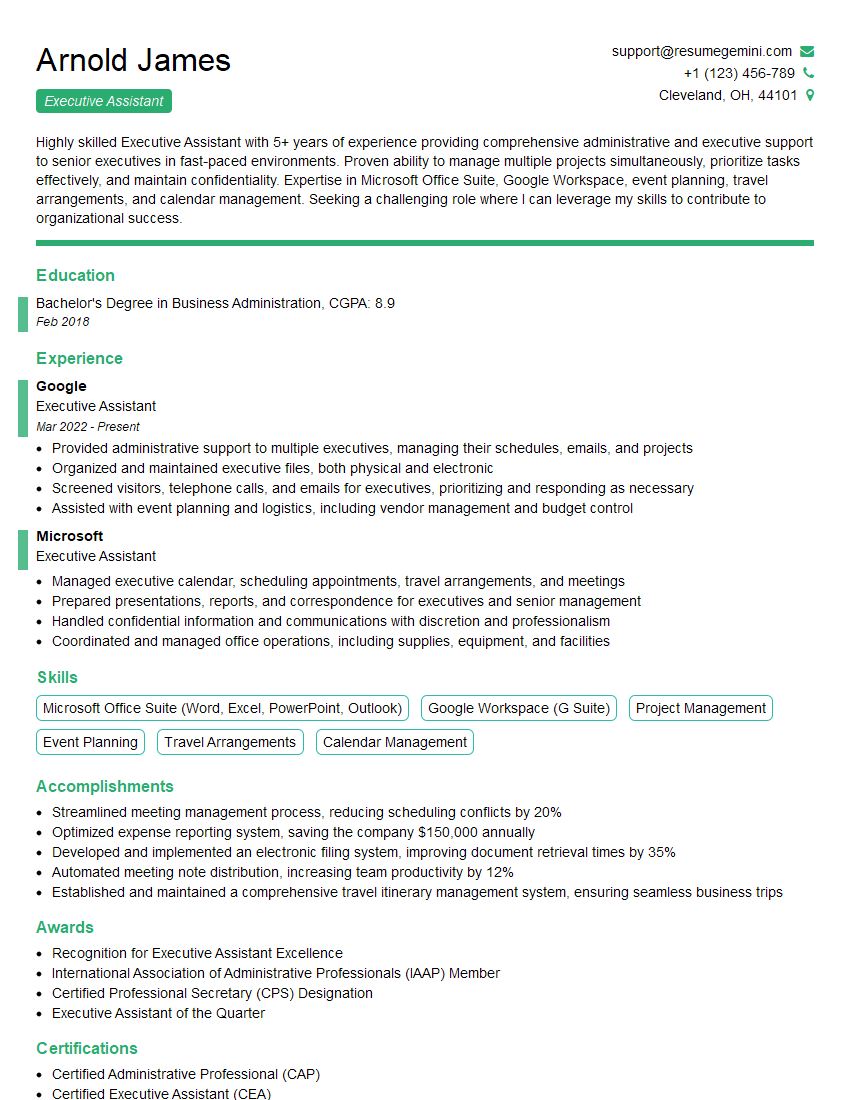
Executive Assistant Resume Sample
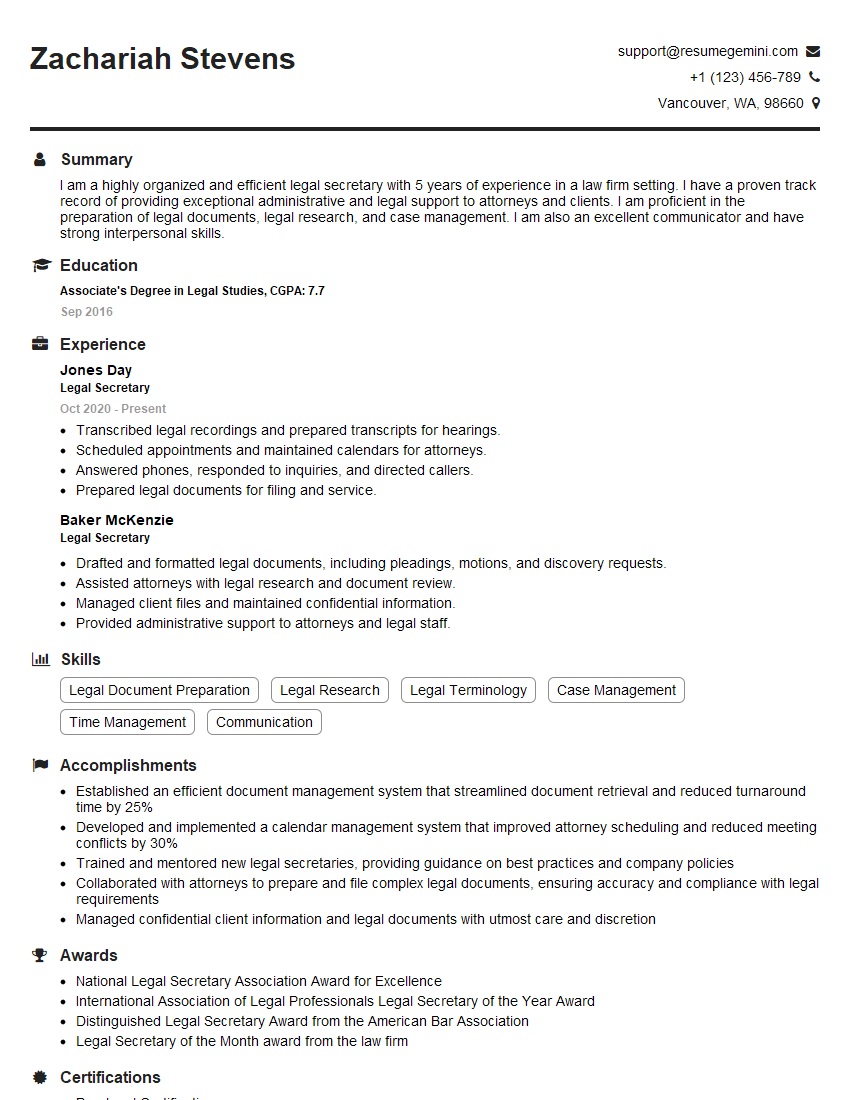
Legal Secretary Resume Sample
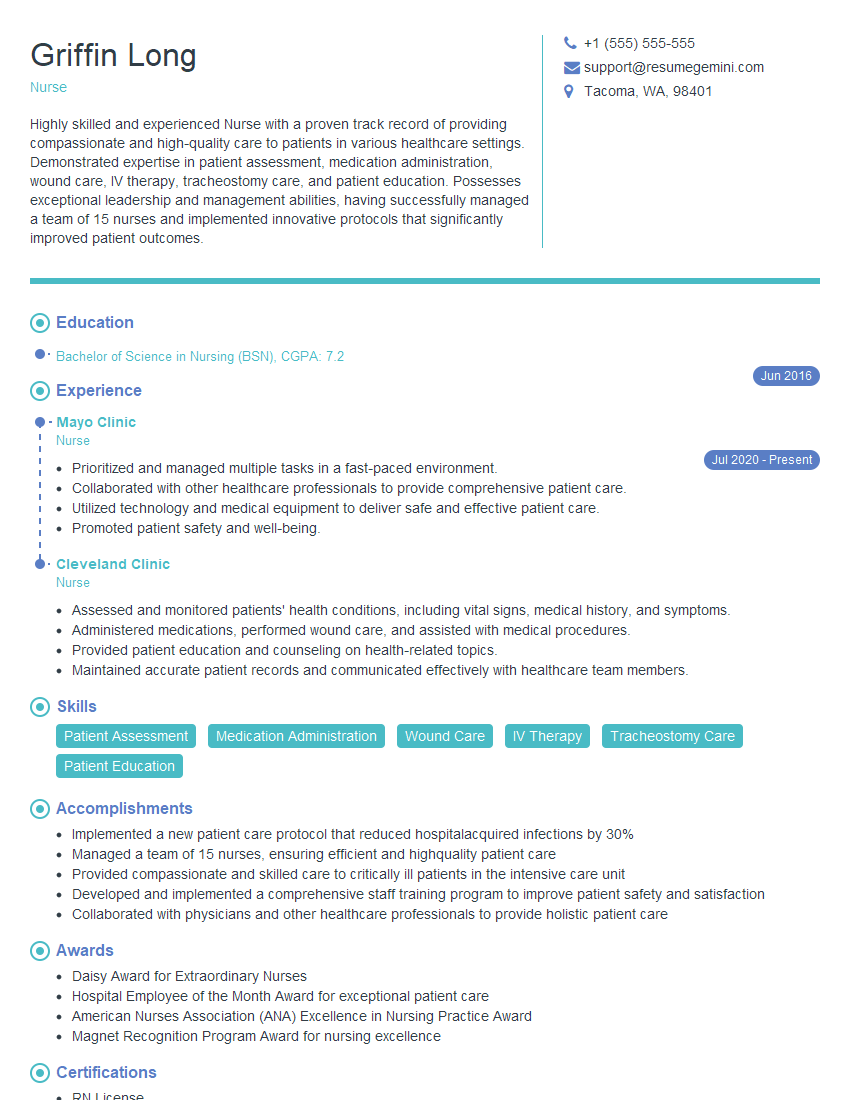
Nurse Resume Sample
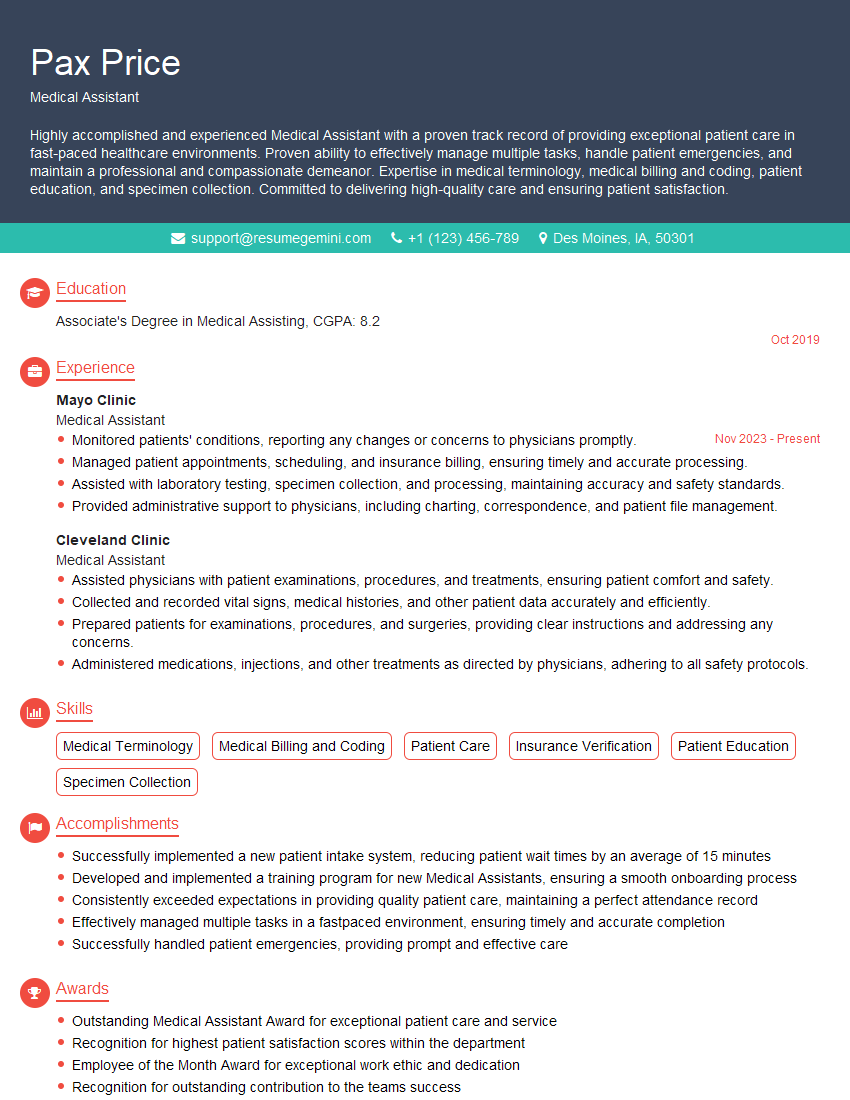
Medical Assistant Resume Sample
- Operations Manager
- Account Manager
- Sales Representative
- Communications Manager
- Administrative Assistant
- Customer Service Representative
- Human Resources Manager
- Project Manager
- Teacher
- Team Leader
- Recruiter
- Business Analyst
- Event Planner
- Trainer
- Marketing Specialist
- Financial Analyst
- Data Analyst
- Software Engineer
- Social Worker
- Executive Assistant
- Legal Secretary
- Nurse
- Medical Assistant
Explore more articles
Users Rating of Our Blogs
Share Your Experience
We value your feedback! Please rate our content and share your thoughts (optional).
What Readers Say About Our Blog
Very informative content, great job.
good