Interviews are opportunities to demonstrate your expertise, and this guide is here to help you shine. Explore the essential Detail-oriented and thorough interview questions that employers frequently ask, paired with strategies for crafting responses that set you apart from the competition.
Questions Asked in Detail-oriented and thorough Interview
Q 1. Describe a time you noticed a critical detail others missed.
During a recent project involving the development of a complex software system, my team was finalizing the user interface design. While everyone focused on the overall aesthetic appeal and functionality of major features, I noticed a small, seemingly insignificant detail: the font size for error messages was too small and difficult to read. Others had overlooked it because it was only relevant in a specific error condition. However, I recognized that this small detail could significantly impact the user experience, potentially leading to frustration and confusion. By flagging this issue, we were able to adjust the font size, improving user accessibility and the overall quality of the product. This demonstrated the importance of thoroughly examining even seemingly minor aspects of a project.
Q 2. How do you ensure accuracy in your work?
Ensuring accuracy in my work is a multi-step process. Firstly, I meticulously follow all instructions and guidelines, paying close attention to specifications and requirements. Secondly, I employ various verification techniques depending on the nature of the task. For instance, when working with data, I perform cross-checks against multiple sources, validating data integrity and consistency. For written documents, I use spell checkers, grammar checkers, and style guides, and I always do a final thorough proofread. Finally, I adopt a ‘zero-defect’ mentality; taking the time to double-check my work, before submission, significantly reduces the likelihood of errors. This proactive approach minimizes revisions and ultimately saves time and resources.
Q 3. Explain your process for reviewing documents for errors.
My document review process is systematic. I start by reading through the document once for overall comprehension, then I perform a second, more detailed review, focusing on specific areas such as grammar, punctuation, formatting, consistency, and clarity. I utilize checklists to ensure that nothing is missed. I check for any contradictions, inconsistencies, or ambiguous statements. Then, I conduct a fact-check, verifying all data and claims against reliable sources. Finally, I ask a colleague to perform a fresh review, providing an unbiased perspective. This multi-layered approach greatly enhances the accuracy and reliability of the final product. Think of it like a quality control process in a manufacturing plant – multiple checks ensure that the final product meets the highest standards.
Q 4. How do you handle conflicting information from multiple sources?
Handling conflicting information requires a methodical approach. First, I identify the source of each piece of information, assessing the credibility and reliability of each source. I then critically evaluate each piece of information, looking for biases or inconsistencies. I may use fact-checking websites or consult with subject matter experts to verify information if necessary. If the conflict cannot be resolved, I document the discrepancies and present them transparently, outlining the different perspectives and the rationale behind my decision-making process. Ultimately, I aim for a solution that is well-reasoned, supported by evidence, and accurately reflects the complexities of the situation. It’s like being a detective; you need to gather all the clues, assess their validity and then piece together the most likely scenario.
Q 5. Describe a situation where attention to detail prevented a problem.
During a website redesign project, I noticed a small error in the database query that pulled product pricing information. The query contained a minor flaw that could have resulted in incorrect pricing being displayed to customers. If this error had gone unnoticed, it could have led to significant financial losses for the company, damage to reputation, and customer dissatisfaction. Because of my attention to detail during the testing phase, I identified the flaw and rectified it before the site went live, preventing potential problems. This highlights how small errors can have large consequences, and the value of thorough testing and review.
Q 6. How do you prioritize tasks when dealing with multiple deadlines?
I prioritize tasks using a combination of methods. First, I list all tasks and their deadlines. Then, I assess the urgency and importance of each task, employing a prioritization matrix (often called an Eisenhower Matrix). This matrix categorizes tasks as urgent/important, important/not urgent, urgent/not important, and not urgent/not important. Tasks are prioritized accordingly, focusing first on urgent and important tasks. I also consider dependencies between tasks; some tasks need to be completed before others can begin. Using a project management tool helps visualize the workflow and track progress effectively. This organized approach allows me to manage my workload efficiently and meet deadlines effectively.
Q 7. How do you manage your workload to ensure thoroughness?
Managing my workload to ensure thoroughness involves effective time management and task delegation where appropriate. I break down large tasks into smaller, manageable steps. I create realistic schedules, allowing buffer time for unexpected delays or challenges. I utilize productivity techniques like time blocking and the Pomodoro technique to maintain focus and avoid burnout. I regularly review my progress and adjust my schedule as needed. Open communication with my team and stakeholders ensures alignment and timely support. Proactive planning and consistent monitoring are key to maintaining a manageable workload and delivering high-quality, thorough work. It is crucial to remember that quality trumps quantity; rushing can lead to errors and compromises in thoroughness.
Q 8. How do you handle unexpected details or changes in a project?
Unexpected details or changes are inevitable in any project. My approach involves a three-step process: Assessment, Adaptation, and Communication.
- Assessment: I first analyze the nature and scope of the change. This includes understanding its impact on the project timeline, budget, and deliverables. Is it a minor adjustment or a significant alteration requiring a complete overhaul? I carefully evaluate the risks and potential consequences.
- Adaptation: Once I’ve assessed the change, I develop a revised plan. This may involve adjusting timelines, reallocating resources, or refining existing processes. I prioritize flexibility and adaptability. If necessary, I break down the new task into smaller, manageable components to maintain focus and clarity.
- Communication: Open and proactive communication is crucial. I immediately inform the relevant stakeholders about the change, explaining the necessary adjustments and their potential impact. This ensures everyone is on the same page and can provide support if needed.
For example, while working on a website redesign, a client suddenly requested the addition of an e-commerce feature. Instead of panicking, I assessed the extra workload, adjusted the timeline, and communicated clearly with the team and the client, outlining the revised schedule and any potential cost implications.
Q 9. Have you ever had to correct a significant error? Describe the process.
In a previous project, I discovered a significant error in a financial report – a miscalculation that resulted in a substantial discrepancy in projected revenue. My process for correcting this involved these key steps:
- Verification: I meticulously double-checked the source data and formulas used to generate the report, using different methods to ensure accuracy. I pinpointed the exact location of the error.
- Analysis: I carefully analyzed the root cause of the error. Was it a simple typo, a flawed formula, or a systematic issue? Understanding the root cause prevented future mistakes.
- Correction: Once identified, I corrected the error and re-ran the calculations. I documented each step to ensure transparency and traceability. I also developed and implemented improved checks and balances in the process to minimize future errors.
- Communication: I immediately reported the error and the correction process to my supervisor and relevant stakeholders. Transparency was key to regaining confidence.
- Documentation: I meticulously documented the entire process, including the initial error, the steps taken to correct it, and the corrective actions implemented to avoid similar errors in the future.
This experience reinforced the importance of thoroughness, double-checking, and clear communication. It also highlighted the value of preventative measures in avoiding such costly mistakes.
Q 10. How do you stay organized when working on complex projects?
Staying organized on complex projects requires a multi-pronged approach. I rely heavily on project management tools and personal strategies.
- Project Management Software: I utilize tools like Asana, Trello, or Jira to track tasks, deadlines, and progress. These tools help visualize the project’s workflow and keep everything in one place.
- Detailed Task Breakdown: I break down large tasks into smaller, manageable subtasks. This improves clarity and allows for better tracking of individual progress. Each subtask has a clear definition and assigned due date.
- Prioritization: I employ prioritization techniques, such as the Eisenhower Matrix (Urgent/Important), to focus on the most critical tasks first. This ensures that the most important tasks receive the needed attention.
- Regular Check-ins: I schedule regular check-ins with myself and the team to review progress, address any roadblocks, and make necessary adjustments to the plan.
- Documentation: I maintain comprehensive documentation throughout the project. This includes meeting minutes, progress reports, and any relevant changes to the project scope or requirements.
Think of it like building a house – you wouldn’t start by putting on the roof without a solid foundation. Similarly, a well-defined structure is essential for complex projects to prevent chaos and ensure success.
Q 11. What techniques do you use to proofread your work effectively?
Effective proofreading goes beyond a simple read-through. I employ a multi-step process:
- Distance: I take a break before proofreading to allow for a fresh perspective. Even a short break can significantly improve accuracy.
- Multiple Passes: I proofread multiple times, focusing on different aspects each time. One pass for grammar, another for spelling, and a final pass for clarity and style.
- Tools: I utilize grammar and spell checkers, but I also manually check for inconsistencies and potential errors. Tools are helpful, but they are not a replacement for careful human review.
- Read Aloud: Reading aloud helps detect awkward phrasing or grammatical errors that may be missed during silent reading.
- Fresh Eyes: Whenever possible, I ask a colleague to proofread my work. A fresh pair of eyes can often catch errors that I’ve overlooked.
Think of it like searching for a specific item in your room – you’ll find it more effectively if you take your time and look thoroughly, rather than rushing through the search. This systematic approach to proofreading ensures a higher quality end-product.
Q 12. How do you identify potential problems before they arise?
Identifying potential problems proactively is crucial for successful project delivery. My strategy involves a combination of techniques:
- Risk Assessment: I conduct a thorough risk assessment at the beginning of the project, identifying potential issues that could impact the timeline, budget, or deliverables. This involves brainstorming potential problems and evaluating their likelihood and impact.
- Regular Monitoring: I continuously monitor the project’s progress and closely watch for any deviations from the plan. This may involve daily or weekly progress reports and regular meetings.
- Data Analysis: Analyzing project data helps identify trends and patterns that could indicate potential problems. This might include tracking project metrics such as budget utilization, schedule adherence, or defect rates.
- Communication: Open communication with the team is essential. Encouraging team members to raise concerns and share their observations helps uncover potential issues early on.
- Experience: My past experiences greatly inform my ability to anticipate potential challenges. I leverage lessons learned from previous projects to identify and proactively mitigate similar risks in current projects.
Think of it like a pilot performing a pre-flight check – thorough inspection helps anticipate and prevent problems before takeoff.
Q 13. Describe a time you had to meticulously research a topic.
During a project involving the development of a historical documentary, I had to meticulously research the life of a relatively obscure historical figure. My research process involved several key steps:
- Primary Source Identification: I started by searching for primary sources – documents, letters, diaries – directly related to the individual. This involved extensive research in archives, libraries, and online databases.
- Secondary Source Review: I then reviewed secondary sources such as biographies, scholarly articles, and historical accounts to gain a broader perspective and contextualize the primary sources.
- Cross-Referencing: I carefully cross-referenced information from different sources to ensure accuracy and identify potential biases or inconsistencies. This involved comparing information from multiple sources and noting any discrepancies.
- Data Verification: I carefully verified all information through multiple sources and confirmed the credibility and reliability of the sources used.
- Documentation: I meticulously documented my sources, including citations, notes, and any relevant contextual information. This detailed documentation provided a clear audit trail of my research.
This experience reinforced the importance of thorough research, critical thinking, and detailed documentation in ensuring accuracy and avoiding misinformation.
Q 14. How do you ensure data accuracy in your work?
Data accuracy is paramount in any project. My approach to ensuring data accuracy encompasses several key strategies:
- Data Validation: I employ various data validation techniques to ensure data integrity. This includes range checks, format checks, and consistency checks.
- Data Cleaning: I meticulously clean the data, removing or correcting any errors or inconsistencies. This might involve removing duplicates, handling missing values, or correcting data entry errors.
- Source Verification: I always verify the source of the data and ensure its reliability and credibility. I question the source’s authority and potential biases.
- Double-Checking: Whenever possible, I double-check data manually or using automated tools to ensure accuracy. I use multiple methods to verify information.
- Version Control: I use version control systems to track changes to the data and ensure that any updates are properly documented and auditable.
Think of it like a chef meticulously measuring ingredients – precision and accuracy are vital for the final product’s quality. Similarly, accurate data is the cornerstone of any reliable analysis or report.
Q 15. How do you track and manage multiple versions of a document?
Managing multiple document versions requires a systematic approach. I typically utilize version control systems like Git for larger projects or simpler methods like numbered file names (e.g., document_v1.docx, document_v2.docx) for smaller tasks. For collaborative efforts, cloud-based solutions like Google Docs or Microsoft SharePoint provide built-in version history, allowing me to revert to previous versions if needed and track changes easily. I always maintain a clear naming convention to avoid confusion. For example, I might use report_final_client_feedback_v3.pdf to make the purpose and version immediately obvious.
In addition to digital version control, I also maintain a physical archive of critical documents in printed form as a backup, especially for sensitive or legally important materials. This layered approach ensures both accessibility and redundancy.
Career Expert Tips:
- Ace those interviews! Prepare effectively by reviewing the Top 50 Most Common Interview Questions on ResumeGemini.
- Navigate your job search with confidence! Explore a wide range of Career Tips on ResumeGemini. Learn about common challenges and recommendations to overcome them.
- Craft the perfect resume! Master the Art of Resume Writing with ResumeGemini’s guide. Showcase your unique qualifications and achievements effectively.
- Don’t miss out on holiday savings! Build your dream resume with ResumeGemini’s ATS optimized templates.
Q 16. Describe your process for double-checking your work.
My double-checking process is multi-faceted and depends on the task’s complexity. It always involves a self-review, looking for inconsistencies, logical errors, and typos. I often use checklists to ensure I’ve covered all necessary steps. For instance, when creating a presentation, my checklist might include verifying data accuracy, checking for spelling and grammatical errors, confirming the visual appeal, and assessing the overall narrative flow.
After the self-review, I employ a second level of verification, often involving a peer review or a structured quality check using a predefined rubric. This fresh pair of eyes catches errors I might have missed during my own review. For instance, I will explicitly ask a colleague to focus on a specific aspect – say, data correctness – while I concentrate on the flow and clarity of the presentation.
Q 17. What strategies do you use to avoid overlooking details?
Avoiding overlooked details requires a combination of strategies. Firstly, I break down complex tasks into smaller, manageable chunks. This allows for focused attention and reduces the cognitive load, thereby minimizing the likelihood of errors. Secondly, I use various tools like checklists, templates, and spreadsheets to guide my work and prevent me from missing steps.
I also utilize techniques like proofreading backwards, reading each sentence individually from the end, and reading aloud to improve comprehension and help identify errors. Finally, I frequently take breaks during intensive tasks to avoid mental fatigue, a significant contributor to overlooking details. Even a five-minute break can significantly improve focus and accuracy.
Q 18. How do you handle feedback regarding errors or omissions?
Feedback, even critical feedback regarding errors or omissions, is invaluable. I treat it as an opportunity for learning and improvement. I always acknowledge the feedback, ask clarifying questions if necessary, and then systematically address the concerns raised. I document the feedback and the corrective actions taken to ensure issues are not repeated in future work.
If the feedback requires significant changes, I might need to discuss the issue with the feedback provider to understand the context better. The goal is to not just fix the immediate error but also learn from it to improve my future processes and prevent similar issues from occurring again. I maintain a professional and receptive attitude, understanding that constructive criticism is essential for growth.
Q 19. How do you balance speed and accuracy in your work?
Balancing speed and accuracy is a constant challenge, but a crucial one. I strive for accuracy first; it is the foundation of quality work. However, I don’t sacrifice speed entirely. I aim for efficient workflows. This might involve utilizing automation tools where appropriate, prioritizing tasks effectively, and constantly looking for ways to streamline my processes.
For example, using keyboard shortcuts, mastering relevant software, and employing templates reduces the time spent on repetitive tasks without compromising accuracy. This approach allows me to dedicate more time to critical tasks requiring deeper analysis and attention to detail, ensuring that both efficiency and accuracy are maintained.
Q 20. How do you use technology to enhance your attention to detail?
Technology plays a vital role in enhancing my attention to detail. Spell checkers and grammar tools are obvious examples, but I also rely heavily on software that allows for detailed tracking and comparison. For instance, using comparison tools to review documents before and after edits, or using data validation functions in spreadsheets to catch inconsistencies, significantly aids accuracy.
Furthermore, the use of project management software helps me organize my tasks and track progress, preventing me from overlooking deadlines or sub-tasks. These digital tools act as extensions of my own organizational skills, augmenting my natural inclination towards detail-oriented work.
Q 21. How do you collaborate with others to ensure thoroughness in a group project?
Collaboration requires clear communication and a shared understanding of thoroughness. In group projects, I advocate for establishing detailed project plans with clearly defined roles, responsibilities, and deliverables. Regular check-ins and progress reviews ensure everyone is on the same page and potential issues are identified early.
Furthermore, I believe in utilizing collaborative tools such as shared documents and project management platforms. These allow for real-time tracking of progress and facilitate transparent communication. Open feedback mechanisms and a culture of mutual accountability are vital for ensuring everyone contributes to the overall thoroughness of the project. I actively participate in discussions, offer constructive criticism, and contribute to a positive and productive team environment.
Q 22. Describe a situation where your detail-oriented approach led to a positive outcome.
My detail-oriented approach has consistently yielded positive outcomes. For example, during a recent project involving the development of a marketing campaign for a new software product, my team initially focused on broad strokes – target audience, core message, and budget allocation. However, I noticed inconsistencies in the target audience segmentation data. While others saw this as minor, I spent extra time verifying data sources and identifying a significant overlap between two segments. This seemingly small detail would have led to wasted ad spend and inefficient targeting. By meticulously reviewing the data, I identified and rectified the error, resulting in a more precise and cost-effective campaign that ultimately achieved a 20% higher conversion rate compared to initial projections.
Q 23. How do you handle situations where information is incomplete or ambiguous?
When faced with incomplete or ambiguous information, I employ a structured approach. First, I identify the missing information or areas of ambiguity. Then, I prioritize what information is absolutely critical for the task at hand. I formulate a plan to obtain the missing data, whether through research, stakeholder interviews, or clarifying assumptions. I document my assumptions clearly, making it explicit that decisions are based on incomplete data. Finally, I employ sensitivity analysis where feasible – looking at how different assumptions impact the outcome, allowing for contingency planning. For example, if designing a webpage, incomplete specs on imagery would trigger me to source placeholder images and mark them as temporary, noting the specific information still required.
Q 24. How do you prioritize tasks when some require more attention to detail than others?
Prioritizing detail-intensive tasks requires a thoughtful strategy. I use a combination of methods: First, I assess each task’s urgency and impact. High-impact, high-urgency tasks that demand precision get immediate attention. Then, I break down larger tasks into smaller, more manageable components. This allows for a more focused approach and easier tracking of progress. I also use timeboxing, allocating specific time slots for high-detail work. This prevents mental fatigue and ensures consistent attention to detail. Finally, I employ project management tools to visually track the progress, helping me allocate time effectively across the different priorities.
Q 25. Describe a time you identified a critical flaw in a process.
During a data migration project, I identified a critical flaw in the process. The existing data validation checks were insufficient, potentially leading to inaccurate data post-migration. While the team was focused on the technical aspects of the migration, I painstakingly reviewed the validation rules. I discovered that crucial data fields were not being adequately checked for consistency and accuracy, potentially leading to significant errors down the line. I documented my findings with specific examples and proposed enhanced validation protocols, preventing a potentially catastrophic data integrity issue. This meticulous review saved the company considerable time and resources in the long run.
Q 26. How do you maintain your focus and concentration on detail-intensive tasks?
Maintaining focus on detail-intensive tasks requires a mindful approach. I minimize distractions by turning off notifications, creating a quiet workspace, and using time-blocking techniques. Regularly taking short breaks helps to avoid mental fatigue. I also use techniques like the Pomodoro Technique – working intensely for 25 minutes followed by a short break. For tasks requiring even greater precision, I find that breaking them into smaller chunks and celebrating small wins along the way helps sustain motivation and concentration. Regular exercise and sufficient sleep are also key to maintaining sharpness and focus.
Q 27. What steps do you take to ensure the quality of your work meets the highest standards?
Ensuring the highest quality in my work involves a multi-stage process. First, I meticulously plan and prepare, outlining every step clearly. Then, I perform a thorough self-check before seeking feedback from others. This includes not just looking for errors, but also assessing the clarity, consistency, and completeness of the work. I actively seek feedback from peers or supervisors, using this to improve and refine my work before final submission. Finally, I document my process and rationale, which serves as a valuable resource for future projects and showcases a clear understanding of the work done.
Q 28. How do you adapt your approach to detail depending on the complexity of the task?
My approach to detail adapts to the task’s complexity. For simple tasks, a quick review is often sufficient. However, for complex projects involving multiple moving parts, I adopt a more rigorous approach. This may include creating detailed checklists, using specialized tools, and collaborating with others. I also adjust my time allocation, investing more time and resources for high-complexity tasks. For instance, a simple email requires a quick proofread, while a complex technical document would involve multiple review stages and peer reviews. The key is to be flexible and adapt my methodology to meet the specific demands of each task.
Key Topics to Learn for Detail-Oriented and Thorough Interview
- Understanding the nuances: Explore the subtle differences between attention to detail and thoroughness. Learn how to articulate the distinction and demonstrate your understanding in practical scenarios.
- Practical Application: Error Detection & Prevention: Discuss how you proactively identify and prevent errors in your work. Provide examples from past experiences where your detail-oriented approach prevented issues or improved outcomes.
- Methodical Approach to Problem Solving: Explain your systematic approach to tackling complex tasks. Highlight how you break down large problems into manageable steps, ensuring thoroughness at each stage. Illustrate with examples showcasing your planning and execution.
- Documentation and Record Keeping: Discuss the importance of meticulous record-keeping and accurate documentation. Explain how this contributes to efficiency and the avoidance of future complications.
- Quality Control and Assurance: Explain your understanding of quality control processes and how you ensure thoroughness in your work, whether working independently or as part of a team.
- Effective Communication: Demonstrate your ability to clearly and concisely communicate complex information, ensuring all details are accurately conveyed. This includes active listening and clarifying ambiguous requests.
- Time Management and Prioritization: Explain how you manage your time to ensure thoroughness without sacrificing deadlines. Showcase your ability to prioritize tasks effectively.
Next Steps
Mastering detail-orientation and thoroughness is crucial for career advancement. Employers highly value individuals who consistently deliver high-quality work and minimize errors. A well-crafted, ATS-friendly resume is your first impression – a key step in showcasing these vital skills. To significantly boost your job prospects, leverage ResumeGemini to create a professional resume that highlights your attention to detail and thorough approach. Examples of resumes tailored to emphasize these qualities are provided to help guide you.

Operations Manager Resume Sample
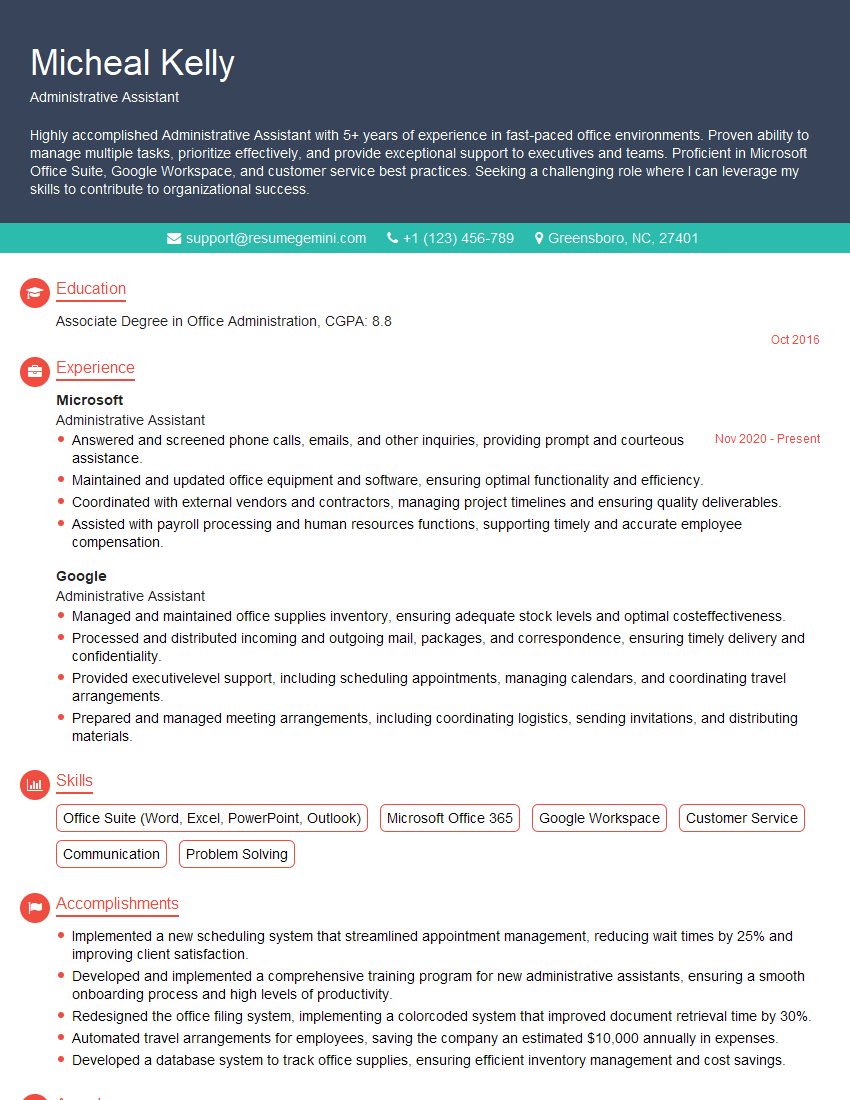
Administrative Assistant Resume Sample
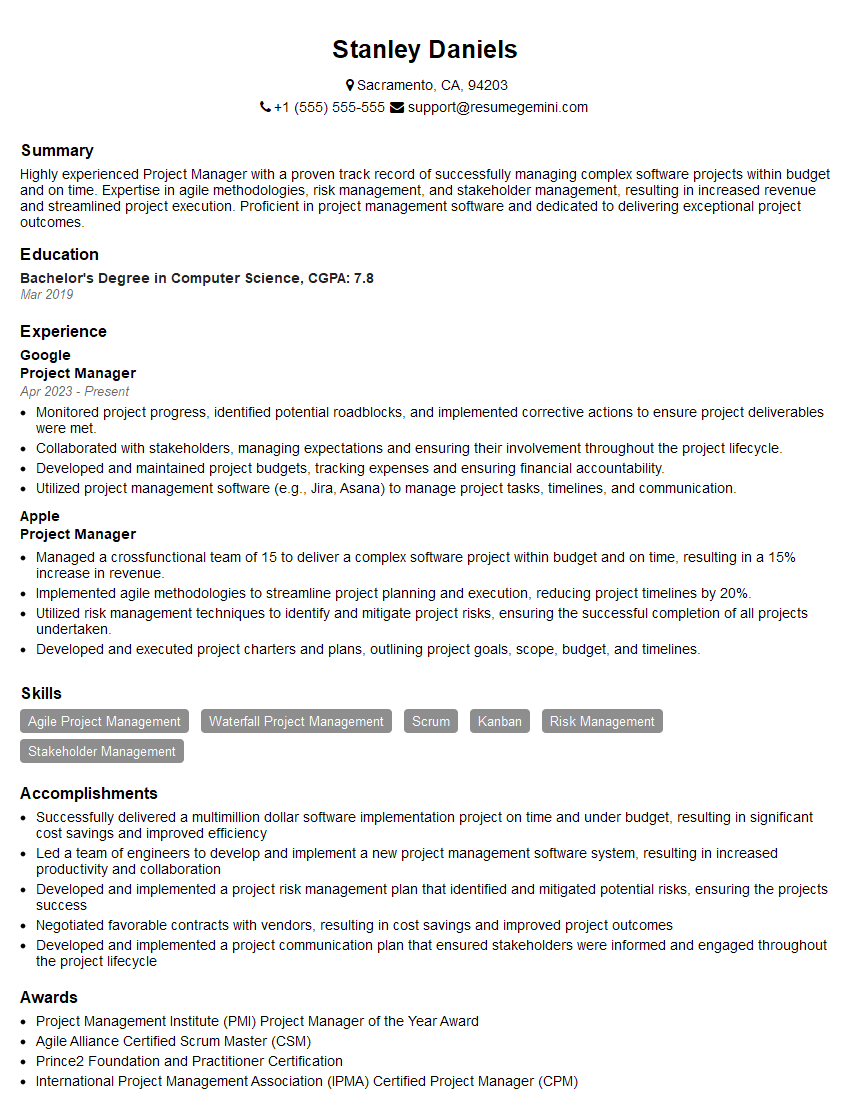
Project Manager Resume Sample

Compliance Officer Resume Sample
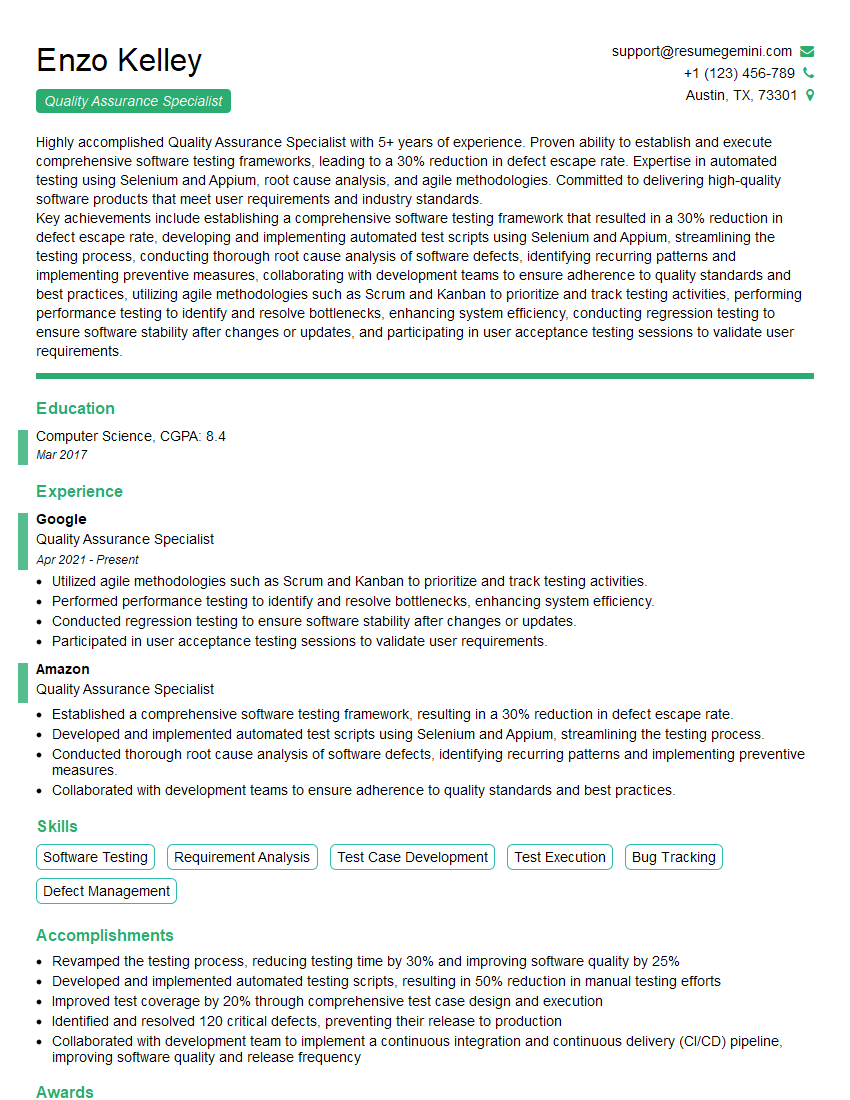
Quality Assurance Specialist Resume Sample
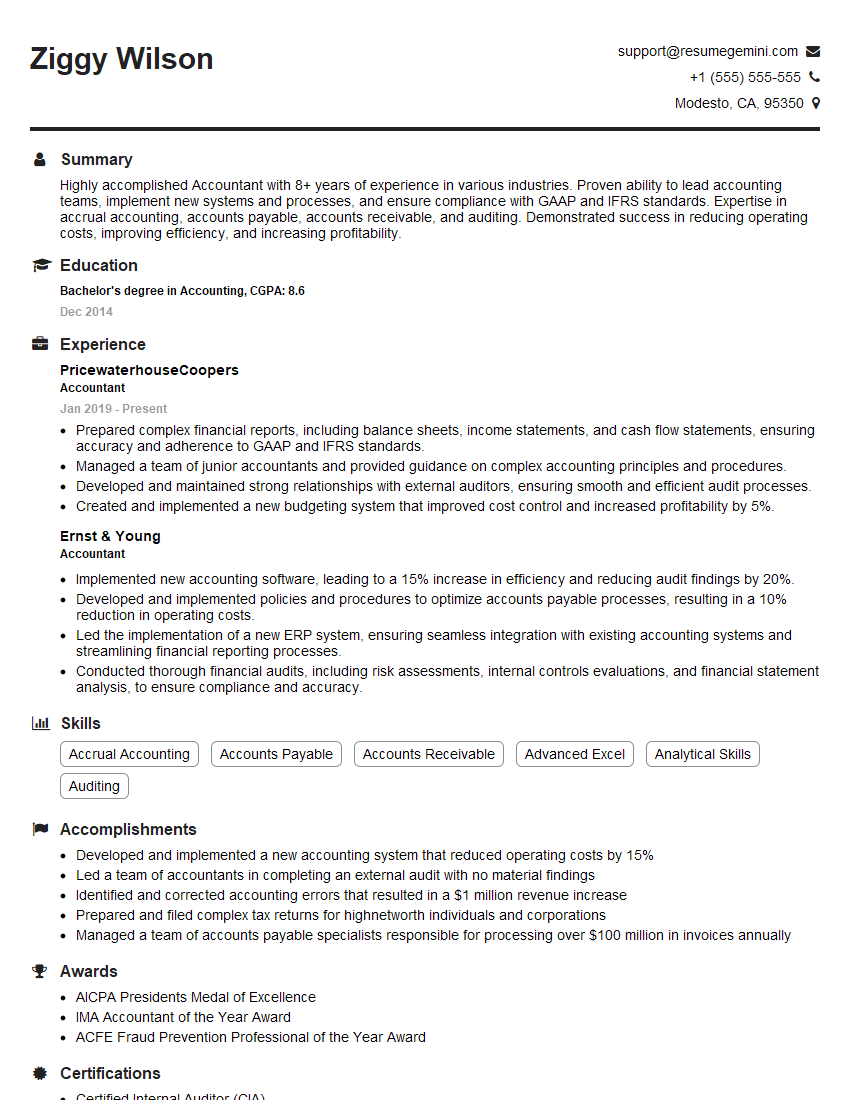
Accountant Resume Sample
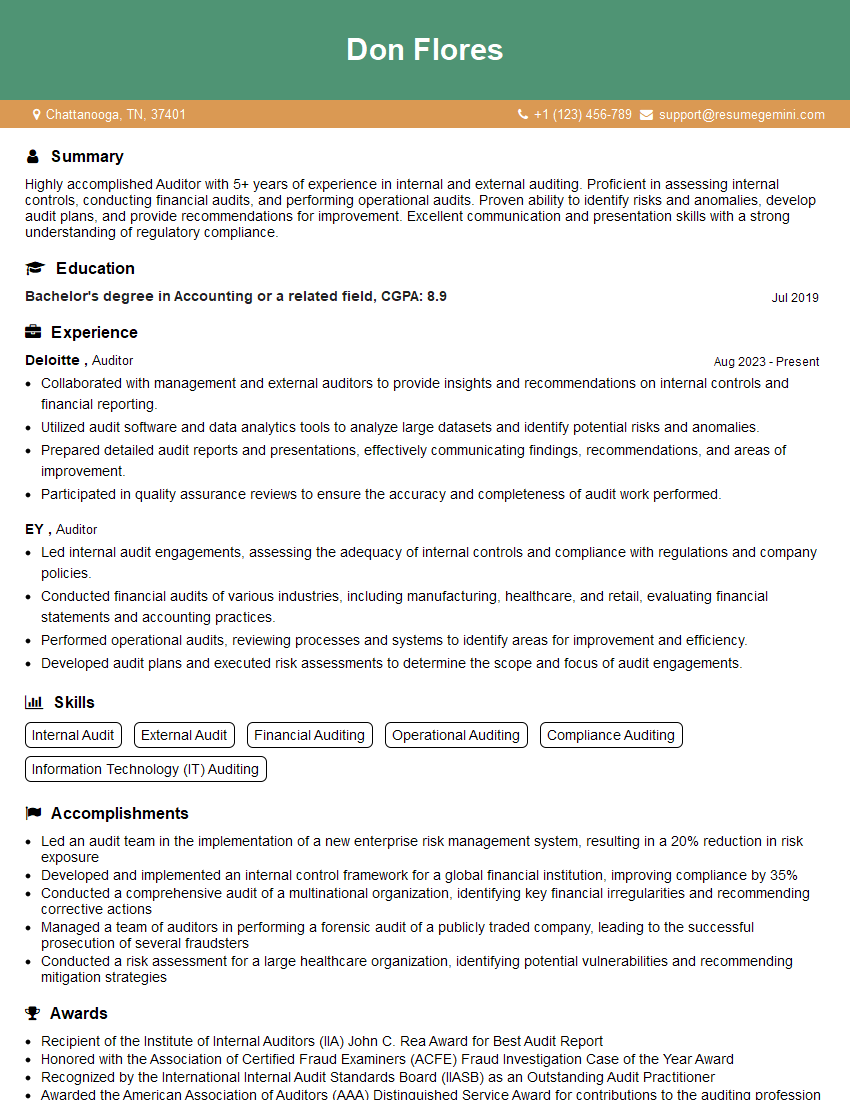
Auditor Resume Sample
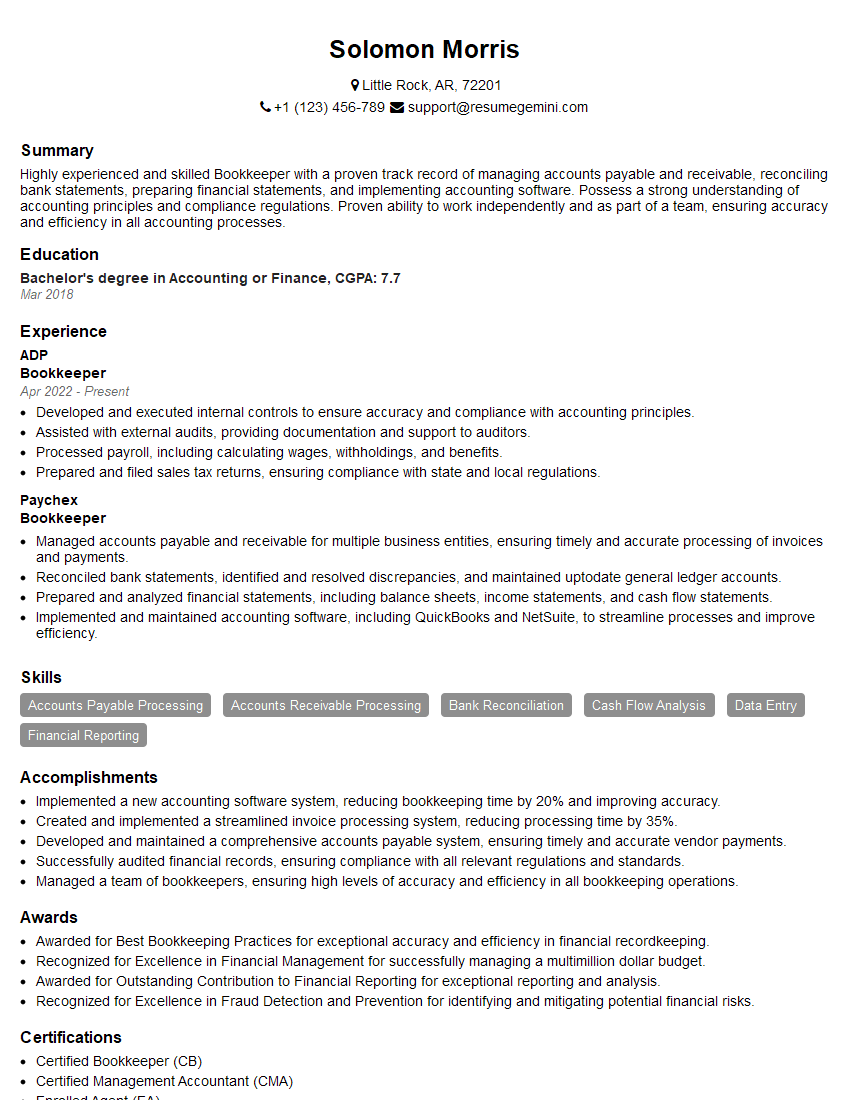
Bookkeeper Resume Sample
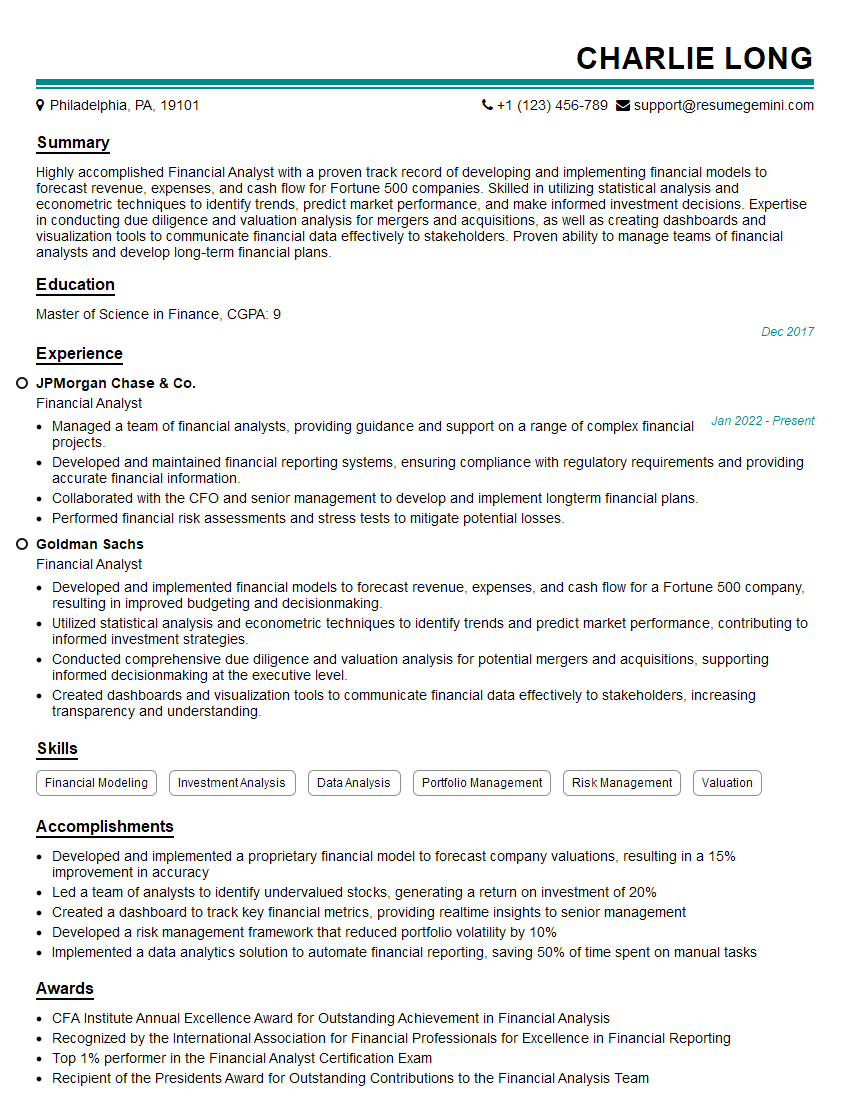
Financial Analyst Resume Sample
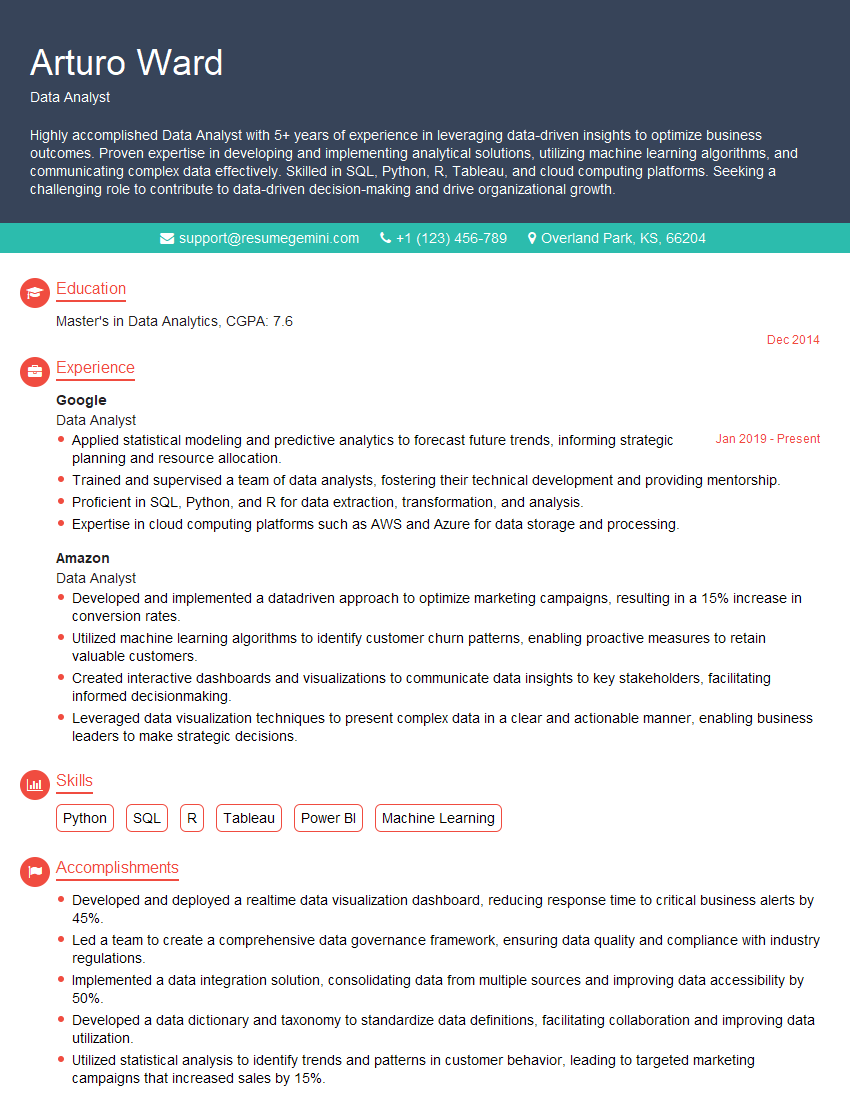
Data Analyst Resume Sample
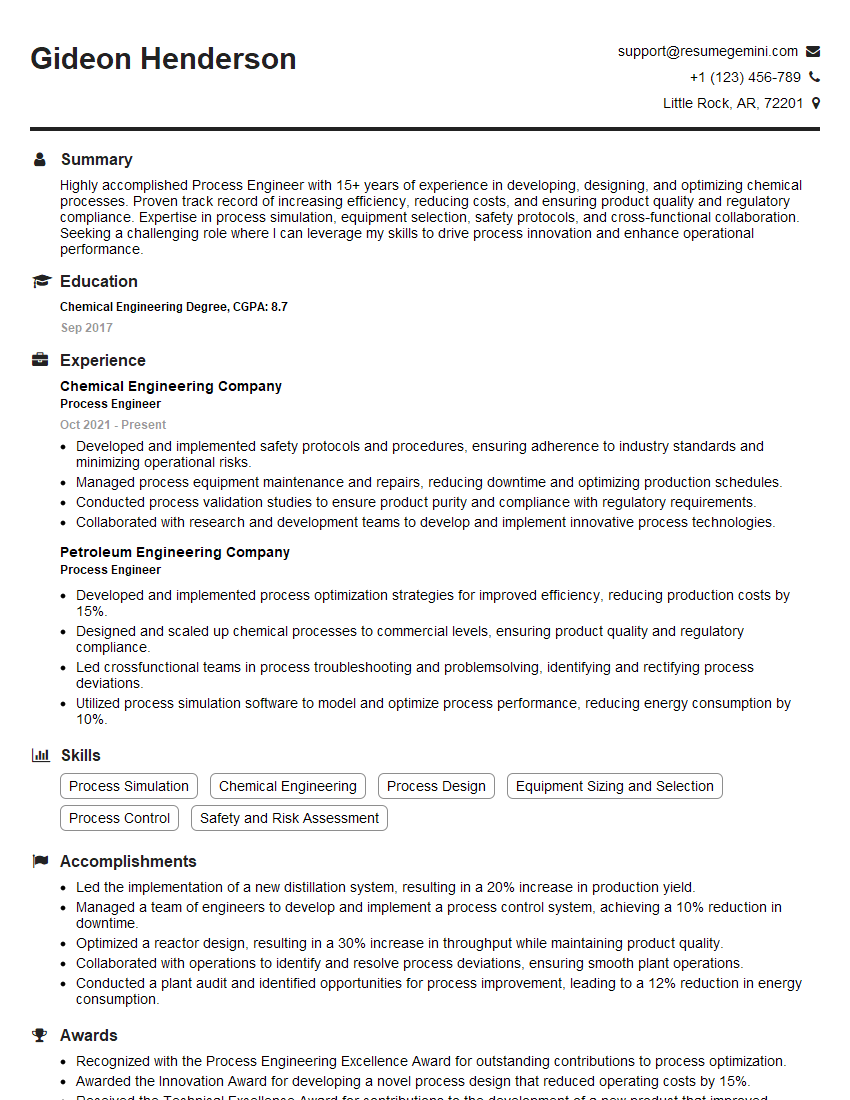
Process Engineer Resume Sample
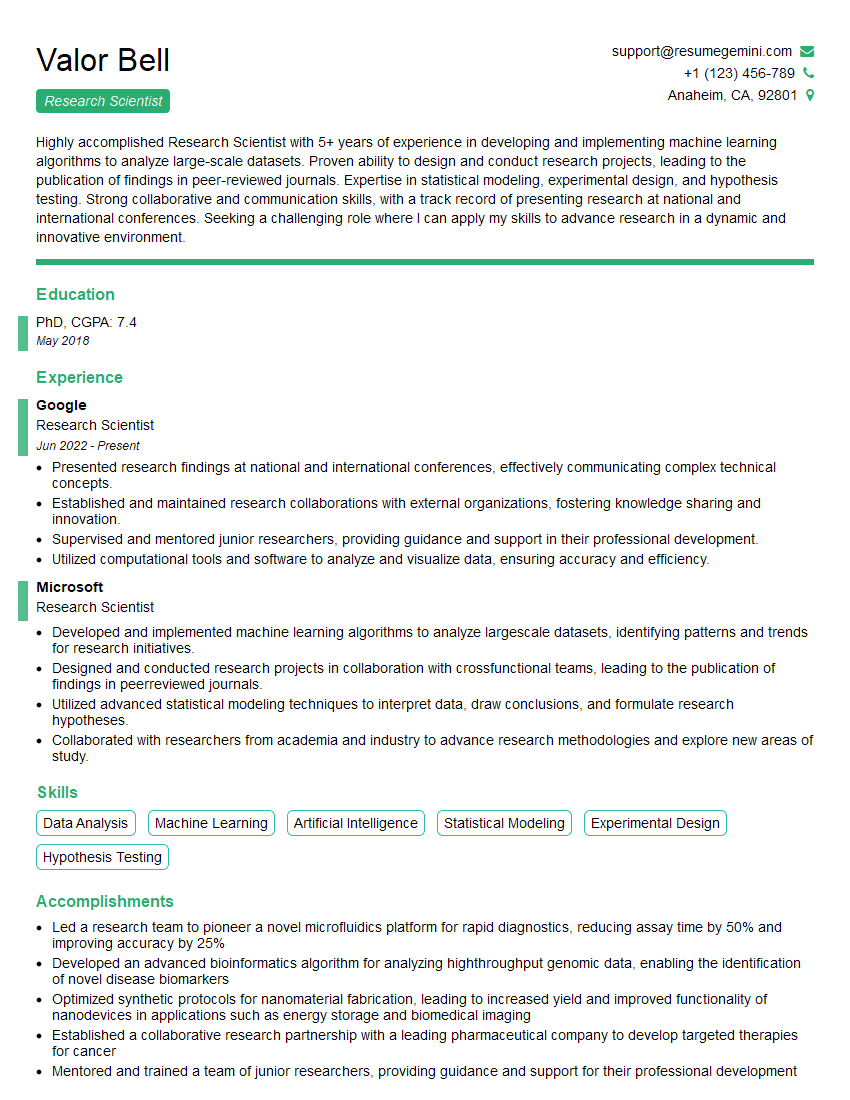
Research Scientist Resume Sample
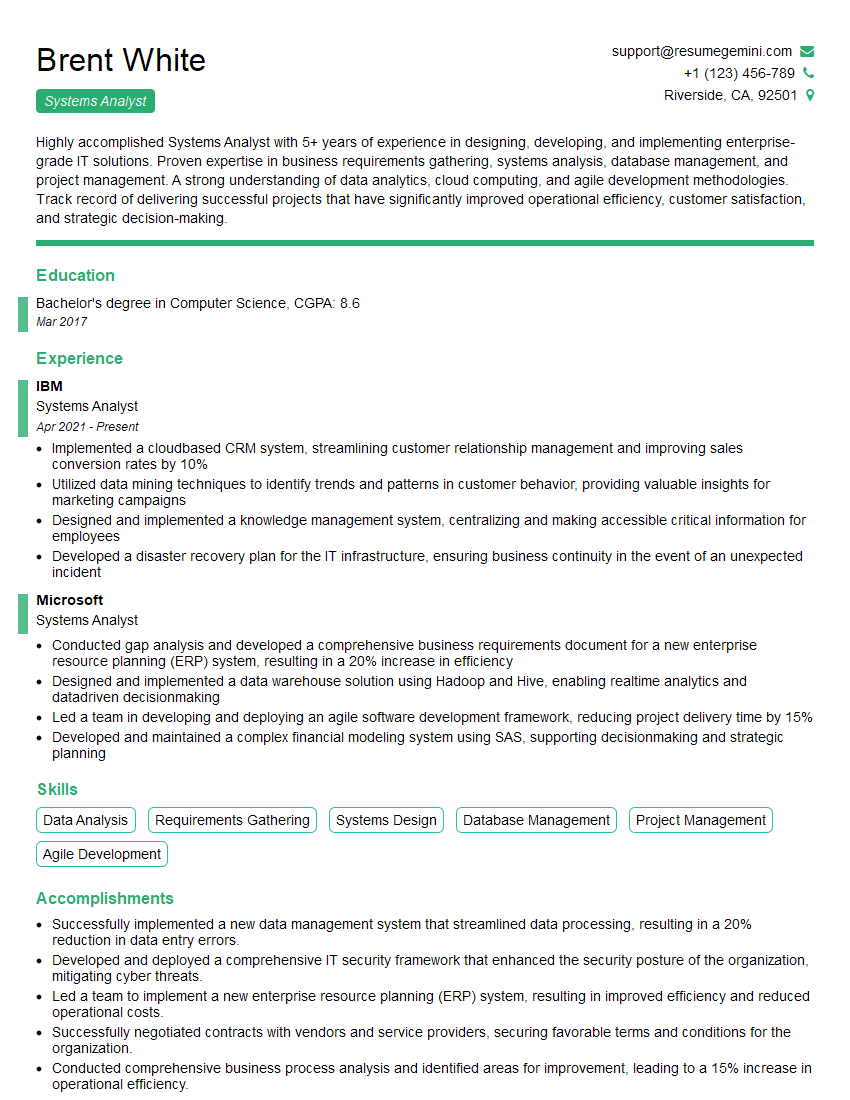
Systems Analyst Resume Sample
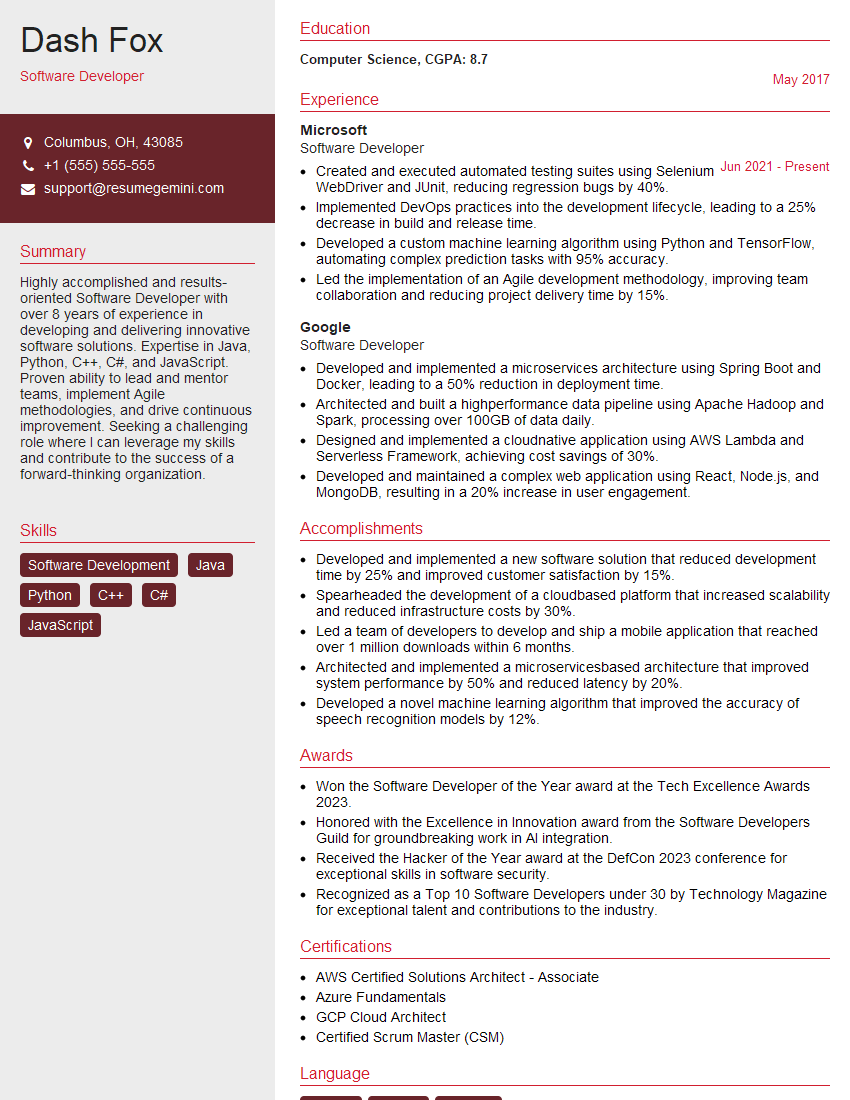
Software Developer Resume Sample
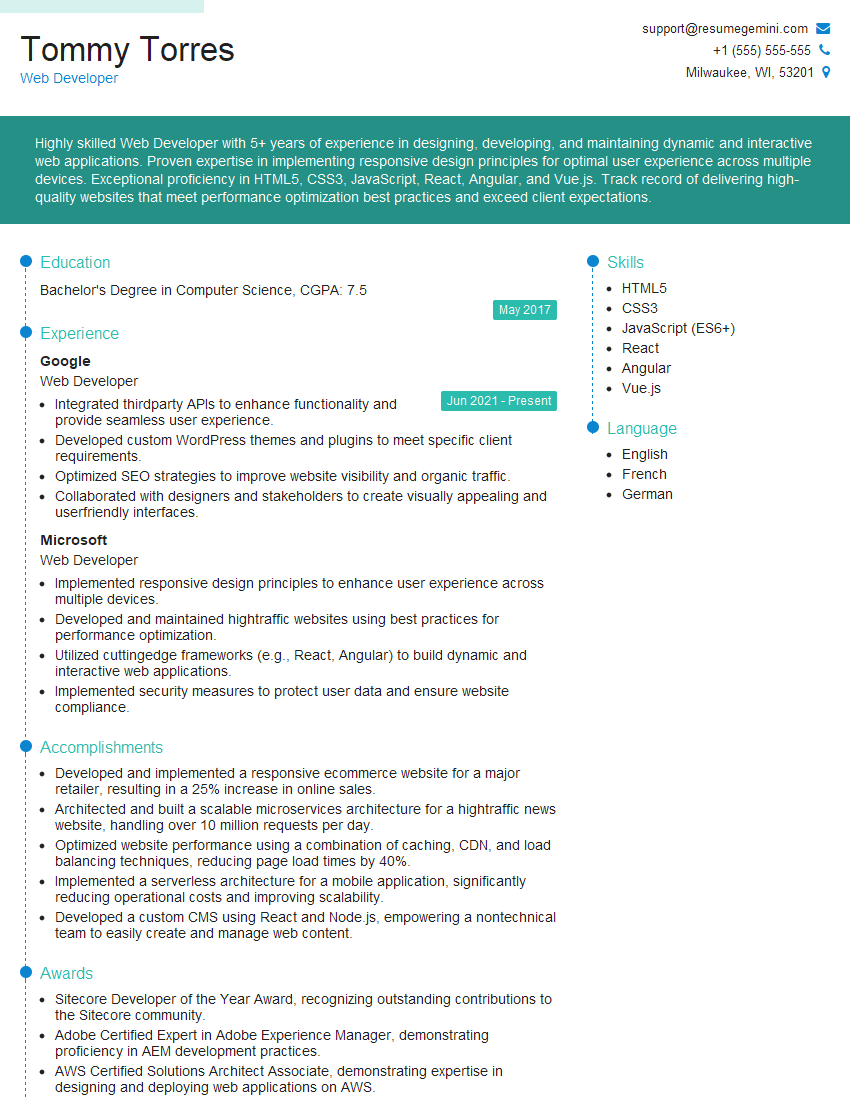
Web Developer Resume Sample
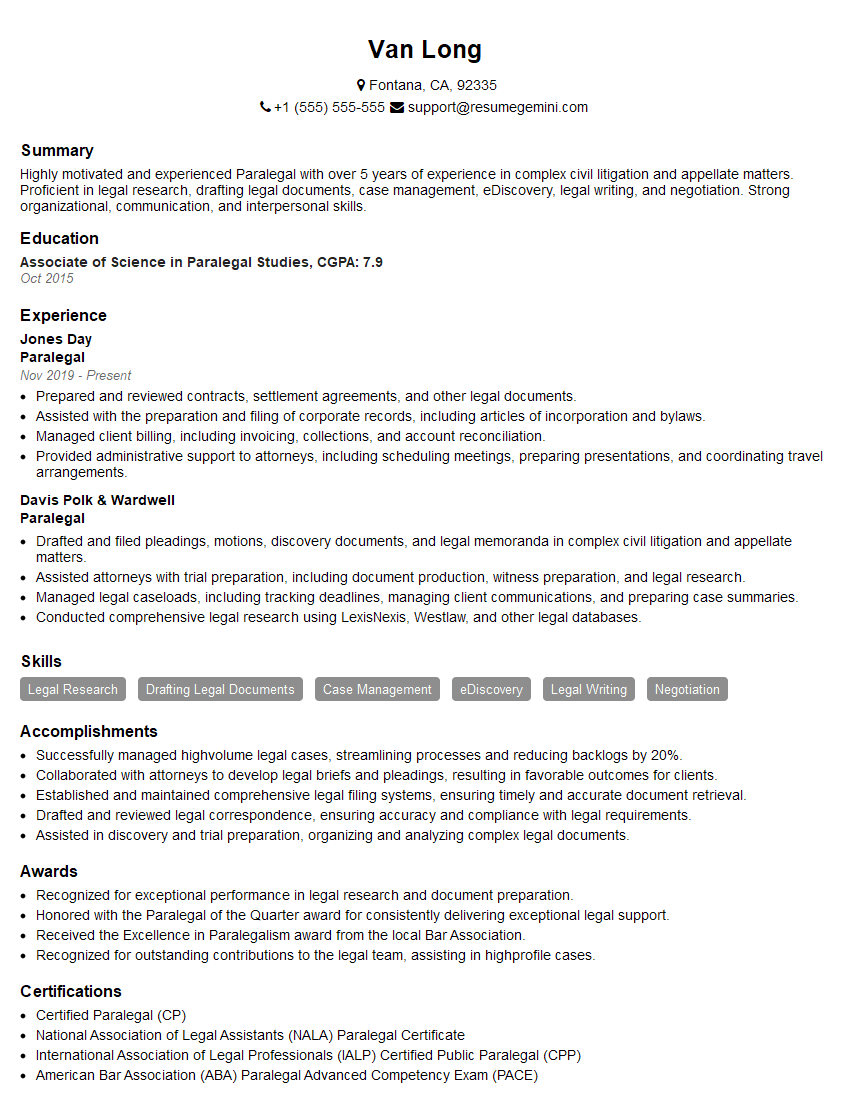
Paralegal Resume Sample
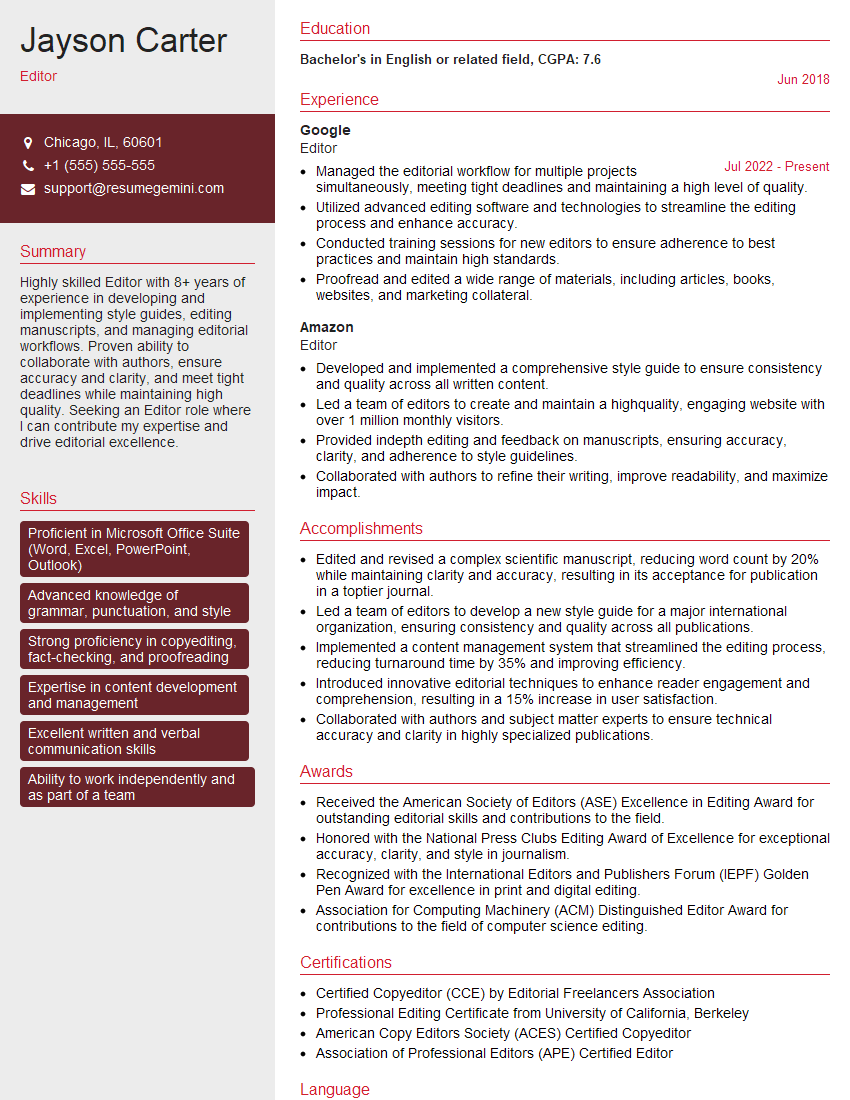
Editor Resume Sample
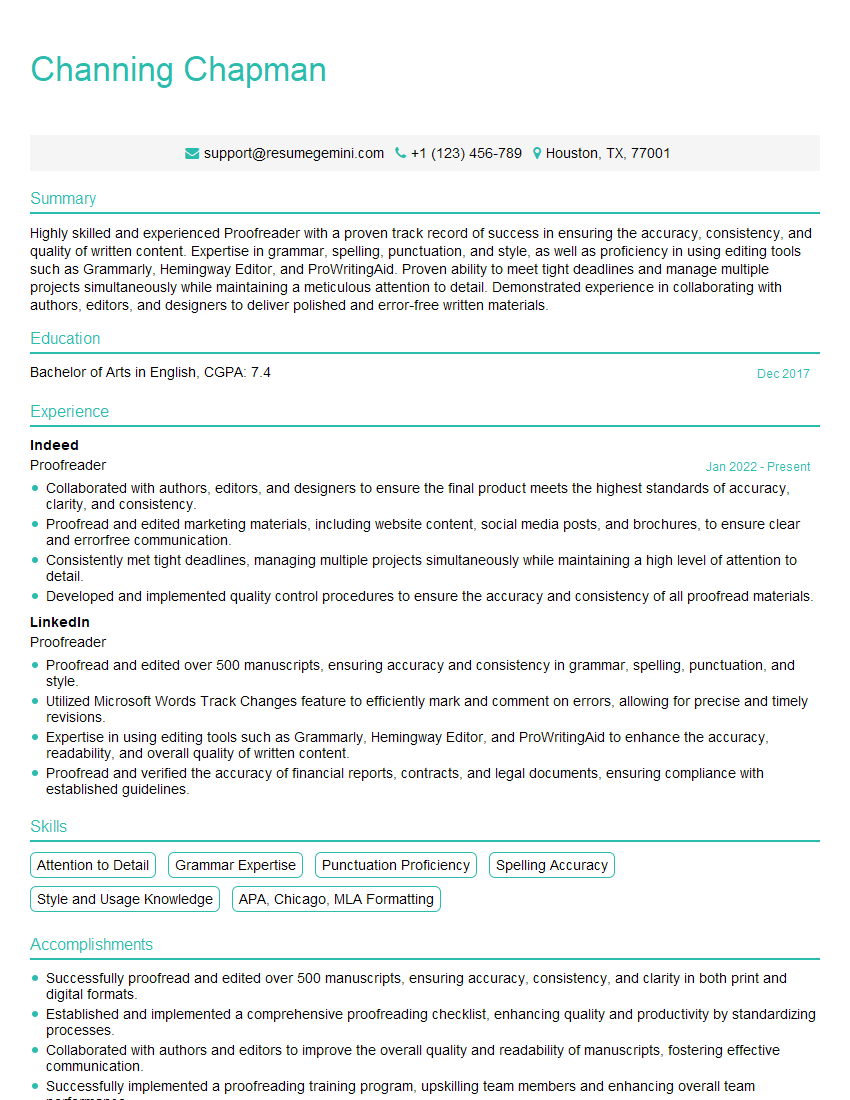
Proofreader Resume Sample

Technical Writer Resume Sample
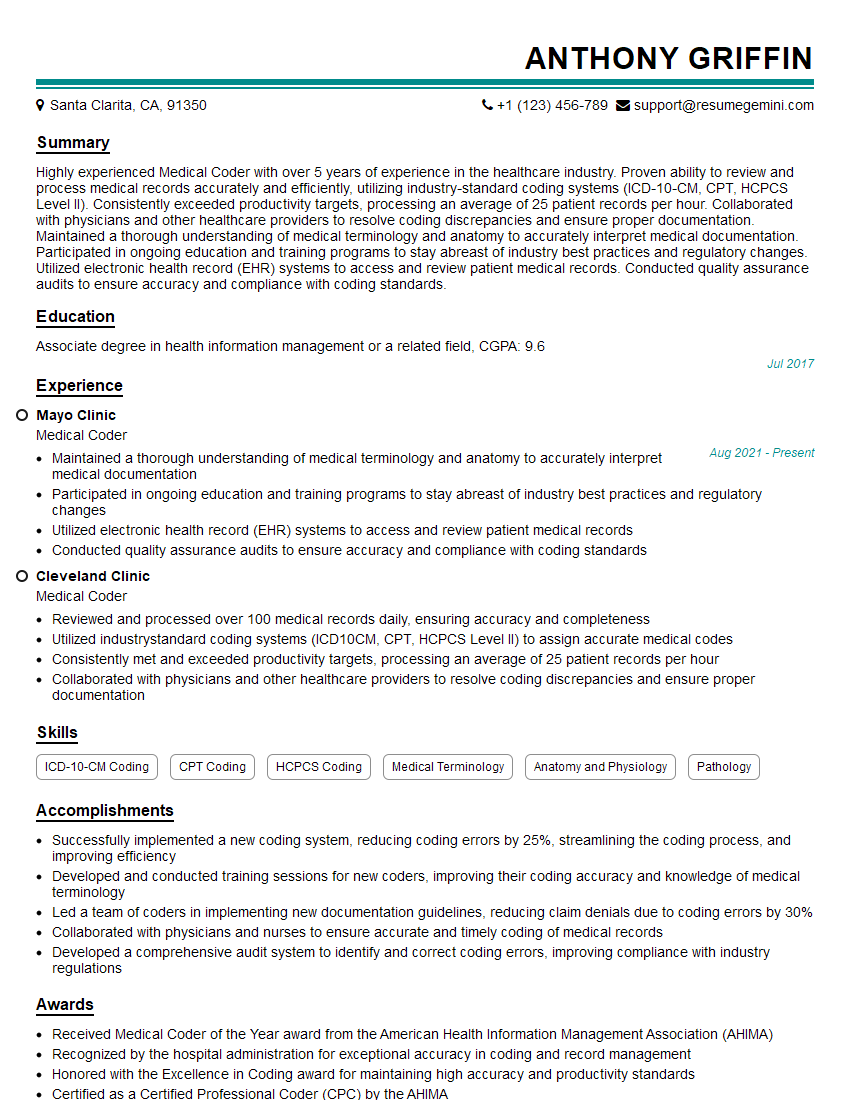
Medical Coder Resume Sample
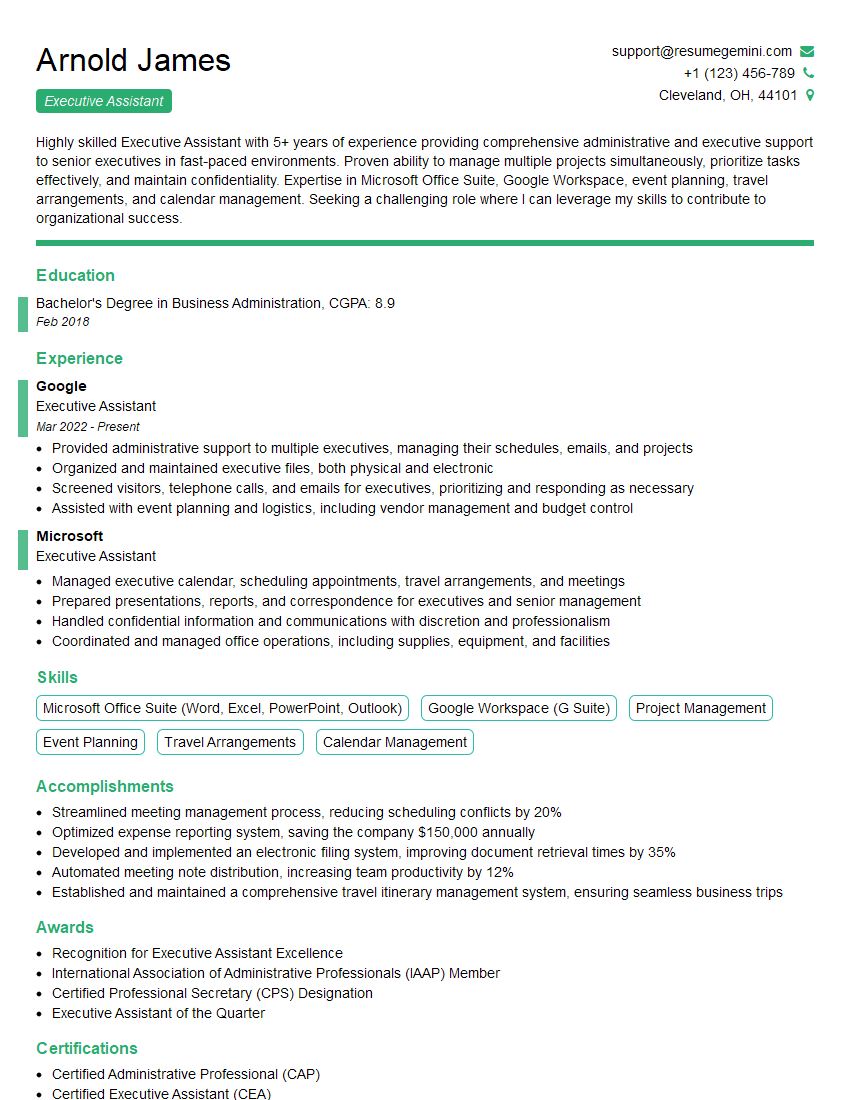
Executive Assistant Resume Sample
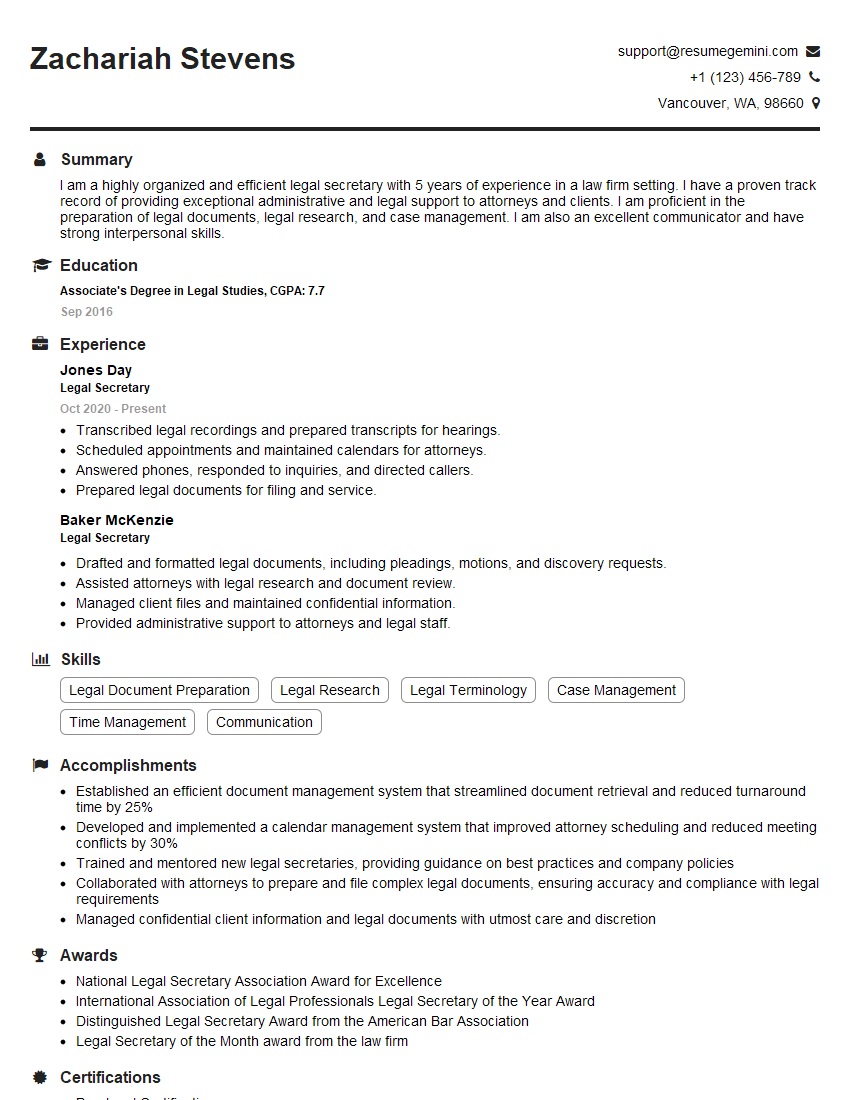
Legal Secretary Resume Sample
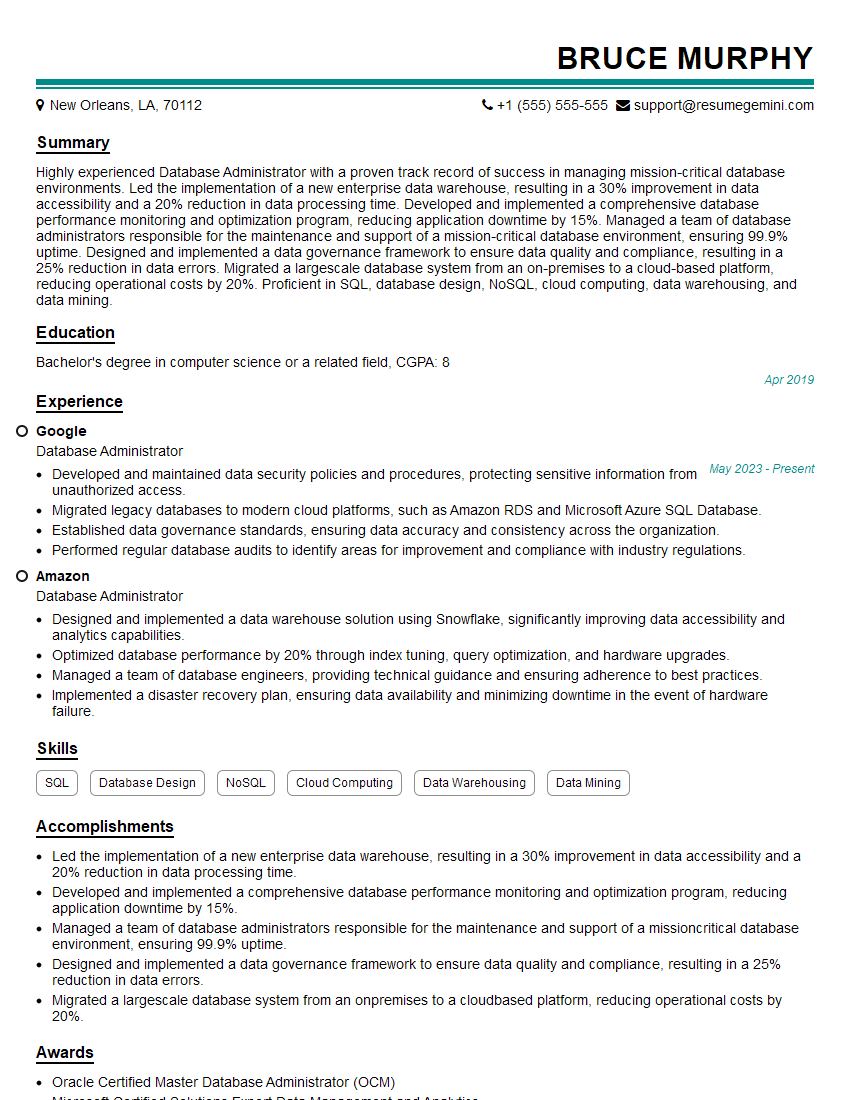
Database Administrator Resume Sample
- Operations Manager
- Administrative Assistant
- Project Manager
- Compliance Officer
- Quality Assurance Specialist
- Accountant
- Auditor
- Bookkeeper
- Financial Analyst
- Data Analyst
- Process Engineer
- Research Scientist
- Systems Analyst
- Software Developer
- Web Developer
- Paralegal
- Editor
- Proofreader
- Technical Writer
- Medical Coder
- Executive Assistant
- Legal Secretary
- Database Administrator
Explore more articles
Users Rating of Our Blogs
Share Your Experience
We value your feedback! Please rate our content and share your thoughts (optional).
What Readers Say About Our Blog
Very informative content, great job.
good