Interviews are more than just a Q&A session—they’re a chance to prove your worth. This blog dives into essential Dexterity and attention to detail interview questions and expert tips to help you align your answers with what hiring managers are looking for. Start preparing to shine!
Questions Asked in Dexterity and attention to detail Interview
Q 1. Describe a time you had to perform a task requiring high levels of dexterity.
Dexterity, for me, is more than just hand-eye coordination; it’s about precision and control. One instance where this was crucial was during my time working on micro-electronics assembly. We were assembling miniature sensors, each component smaller than a grain of rice. The task demanded exceptional fine motor skills to handle the delicate parts without damaging them. I used specialized anti-static tweezers and a microscope to ensure I could accurately place each component in its designated location on the circuit board. Any slip or misalignment would render the entire sensor useless. This experience honed my dexterity significantly, teaching me the importance of controlled movements and steady hands under magnification.
To illustrate, consider the process of soldering a 0402 resistor. The size is incredibly small, and any misalignment while applying solder could lead to a short circuit or damage the resistor’s delicate leads. The precision required to position and solder the resistor demands a high level of dexterity.
Q 2. How do you maintain accuracy and precision when working under pressure?
Maintaining accuracy and precision under pressure is a skill honed over time. My approach is threefold: preparation, process, and self-awareness. Preparation involves thoroughly understanding the task, having all necessary tools readily available, and creating a structured workflow. The process itself necessitates a methodical approach, breaking down complex tasks into smaller, manageable steps. This allows me to focus on one step at a time, reducing the chance of error. Finally, self-awareness is crucial; recognizing when I’m starting to feel rushed or stressed allows me to take short breaks to refocus before making a mistake. I often use deep breathing techniques to calm myself and regain composure.
For example, during a critical project deadline, I broke down the assembly of a complex device into a checklist of smaller tasks. This method allowed me to track progress and identify potential issues early, rather than facing a last-minute rush.
Q 3. Describe your experience with quality control procedures.
My experience with quality control is extensive, encompassing both preventative and reactive measures. Preventative measures involve implementing standardized procedures, using calibrated tools, and rigorously checking materials. Reactive measures involve identifying and rectifying defects, performing root cause analysis to prevent recurrence, and meticulously documenting findings. I’m proficient in various quality control methodologies, including Six Sigma principles and statistical process control (SPC). I’ve used these tools to monitor process variation and identify areas for improvement, reducing defects and enhancing product quality.
For instance, in a previous role, I implemented a visual inspection checklist for assembled components, significantly reducing the number of faulty units discovered in the final testing phase. This checklist ensured that each component was checked for correct orientation, solder quality, and overall integrity before proceeding to the next stage.
Q 4. How do you approach tasks requiring meticulous attention to detail?
Approaching tasks requiring meticulous attention to detail involves a systematic approach. I start by carefully reviewing the instructions or specifications, identifying potential pitfalls or areas requiring extra care. Then, I break the task down into smaller, easily manageable components. I use checklists, visual aids, and, where appropriate, magnification tools to assist in the process. Regular self-checking and double-checking are crucial elements of my workflow. Finally, I meticulously document my work, ensuring complete traceability and leaving no room for errors.
For example, when working with intricate diagrams or blueprints, I often use colored pencils to highlight key features and components, reducing the risk of overlooking critical details.
Q 5. Have you ever had to correct a mistake caused by a lack of attention to detail? How did you handle it?
Yes, I have. In one instance, I missed a small, yet critical, detail in a technical drawing, leading to an error in the assembly of a prototype. I immediately acknowledged the mistake, taking full responsibility. My first step was to thoroughly analyze the root cause of the error—poor lighting and insufficient magnification while reviewing the drawings. I then corrected the assembly, documenting the error and the corrective actions taken. I also implemented a new procedure for reviewing blueprints under optimal lighting conditions with better magnification, preventing similar mistakes in the future. The entire process reinforced the importance of proactive error detection and transparency in addressing mistakes.
Q 6. How do you prioritize tasks when multiple projects require similar levels of precision?
Prioritizing tasks requiring similar levels of precision involves a structured approach. I use a combination of techniques: First, I assess the urgency and impact of each project, considering deadlines and potential consequences of delays. Then, I consider the resources required for each task—time, tools, and expertise. Finally, I allocate tasks based on their criticality and resource constraints, using a prioritization matrix or similar framework. This allows me to focus my attention effectively and avoid spreading myself too thin, thus maintaining accuracy across all projects.
For instance, I might use a simple Eisenhower Matrix (urgent/important) to categorize tasks, focusing first on those that are both urgent and important. This ensures that critical tasks receive the necessary attention and precision.
Q 7. Describe a time you had to work with very small or delicate objects.
I’ve had extensive experience working with very small and delicate objects, particularly in electronics assembly and watch repair. Working with components as small as surface-mount devices (SMDs) requires the use of specialized tools such as fine-tipped tweezers and magnifying glasses. Precision is paramount to avoid damage and ensure proper placement and soldering. I utilize anti-static mats and equipment to prevent damage from electrostatic discharge (ESD). I also employ a methodical and deliberate approach, carefully planning each step of the assembly or repair process to minimize the risk of accidental damage. The ability to maintain steady hands and focus under magnification is essential.
A specific example involves repairing an antique pocket watch. The intricate mechanisms within required a high level of dexterity and patience to carefully manipulate the tiny gears and springs without causing damage. It was a delicate task that demanded both precision and a keen eye for detail. The experience provided invaluable insight into the importance of patience and methodical execution.
Q 8. How do you ensure the accuracy of your work when using complex tools or equipment?
Ensuring accuracy when using complex tools or equipment hinges on a multi-faceted approach. It’s not just about technical proficiency, but also about meticulous preparation, careful execution, and thorough verification.
- Pre-Operational Checks: Before starting any task, I always perform a comprehensive check of the equipment. This involves verifying calibration (where applicable), inspecting for any damage or wear, and ensuring all components are correctly assembled and functioning. For example, before using a precision laser cutter, I’d check the laser alignment, the material feed mechanism, and the safety interlocks.
- Step-by-Step Execution: I break down complex tasks into smaller, manageable steps. This allows me to focus my attention on each individual stage, reducing the likelihood of errors. I might even create a checklist to ensure nothing is overlooked.
- Verification and Validation: Once a task is complete, I always conduct a thorough verification process. This could involve comparing the output to specifications, running quality control tests, or seeking a second opinion from a colleague. For instance, after assembling a delicate mechanism, I’d carefully check all connections and functionality before deeming it complete.
- Documentation: Maintaining detailed records of each step is crucial. This documentation serves as a reference point and helps to identify any potential issues quickly if they arise. This could be a simple log book or a more formal documented procedure.
This systematic approach minimizes the margin for error and ensures the highest possible level of accuracy in my work.
Q 9. Describe your approach to proofreading or editing documents for errors.
My approach to proofreading and editing is similar to a detective investigating a crime scene. I meticulously examine the document, leaving no stone unturned. I employ a layered approach to maximize my chances of catching all errors.
- First Pass: A quick read-through for obvious errors, like spelling and grammar mistakes. This is like a quick scan for glaring inconsistencies.
- Second Pass: Focusing on the flow, logic, clarity, and consistency of the document’s argument. This is where I check for inconsistencies in tone or style. For example, ensuring that the use of active or passive voice remains consistent throughout.
- Third Pass: A detailed analysis of specific elements, such as numbers, dates, and citations to ensure accuracy and consistency. This is where I meticulously cross-reference any data presented.
- Use of Tools: I utilize grammar and spell-check tools, but always remember these are aids, not replacements, for human judgment. I might also use a style guide as a reference point for consistency.
- Fresh Eyes: If time permits, I allow for a break before returning to the proofreading process. This helps to avoid overlooking errors due to fatigue.
Imagine it like baking a cake – you wouldn’t just throw ingredients together; you follow a recipe methodically. Similarly, meticulous proofreading is essential to ensure a polished and accurate final product.
Q 10. How do you manage your time to ensure that you can maintain attention to detail throughout a long task?
Managing time effectively during long tasks requiring meticulous attention to detail involves strategic planning and self-awareness. The key is to avoid burnout and maintain focus.
- Time Blocking: I divide the task into smaller, time-bound segments. For example, I might allocate 50 minutes to a specific task followed by a 10-minute break. This Pomodoro Technique helps maintain concentration.
- Prioritization: Identifying critical sections and tackling them when my energy levels are highest. I prioritize the most detail-oriented tasks when I’m most alert.
- Regular Breaks: Short, regular breaks help to prevent fatigue and maintain focus. Stepping away, stretching, or taking a short walk can significantly improve concentration.
- Mindfulness: Practicing mindfulness techniques can aid in improving concentration and attention span. Even a few minutes of mindful breathing can make a difference.
- Realistic Goals: Avoiding overcommitment. I always account for unforeseen delays and build buffer time into my schedule.
Think of it like a marathon, not a sprint. Consistent pacing, regular hydration (breaks), and strategic planning are essential for completing the race successfully and maintaining accuracy.
Q 11. How would you handle a situation where a deadline is approaching and you notice a crucial error?
Discovering a crucial error close to a deadline is stressful, but requires a calm and efficient response. Panic is the enemy of accuracy.
- Assess the Severity: Immediately determine the impact of the error. Is it minor or could it have major consequences?
- Develop a Solution: Explore possible solutions to correct the error. This might involve fixing it directly, issuing a correction, or revising the affected section.
- Prioritize: Determine the most effective course of action considering the time constraints. Sometimes a quick fix, even if imperfect, might be preferable to a longer, more thorough solution.
- Communicate: If the error is significant, inform relevant stakeholders immediately and propose a solution. Transparency is crucial in such scenarios.
- Learn from Mistakes: After the immediate crisis is resolved, review the process to identify how the error occurred and implement steps to prevent similar issues in the future.
The key is to stay calm, assess, act decisively, and communicate transparently. While perfection might not be achievable, striving for a timely and effective solution is essential.
Q 12. How do you deal with repetitive tasks that require a high degree of accuracy?
Handling repetitive tasks requiring high accuracy involves employing strategies that minimize errors and maintain consistency.
- Automation: Whenever possible, automate repetitive tasks using software or tools. This can significantly reduce human error and save time.
- Standardized Procedures: Develop and follow standardized procedures to ensure consistency. This might involve checklists, templates, or scripts.
- Regular Breaks: Even with repetitive tasks, regular breaks are crucial to maintain focus and prevent fatigue, which can lead to errors.
- Quality Checks: Incorporate regular quality checks to identify and correct errors early. This can be a self-check or a peer review.
- Cross-referencing: Whenever possible, cross-reference data to ensure consistency and accuracy. For example, comparing data from multiple sources.
Think of it as an assembly line. Each step is repeated, but consistency and attention to detail at each stage are crucial for a quality final product. Automation and structured processes are keys.
Q 13. What strategies do you use to prevent errors and maintain consistency in your work?
Preventing errors and maintaining consistency involves a proactive and systematic approach. It’s about building a system of checks and balances.
- Double-checking: The simple act of double-checking your work can drastically reduce the number of errors. This applies to anything from simple calculations to complex designs.
- Using Checklists: Creating and using checklists ensures that no step is skipped or overlooked. This is especially helpful for complex tasks.
- Templates and Guides: Utilizing templates and style guides ensures consistency in formatting, style, and structure across different documents or projects.
- Peer Review: Having another person review your work helps catch errors you might have missed.
- Regular Self-Assessment: Regularly evaluating your own performance and identifying areas for improvement is key to continuous improvement.
Consider it a quality control system; each step aims to minimize potential flaws and ensure consistent output, similar to quality control measures in a manufacturing plant.
Q 14. How do you utilize feedback to improve your dexterity and attention to detail?
Feedback is invaluable for improving dexterity and attention to detail. It’s crucial to embrace feedback, not as criticism, but as an opportunity for growth.
- Active Listening: When receiving feedback, listen actively and try to understand the perspective of the person giving the feedback.
- Specific Examples: Ask for specific examples to understand the nature of the errors or areas needing improvement.
- Implementation: Actively implement the suggested improvements in your subsequent work.
- Self-Reflection: Reflect on the feedback and identify patterns or habits contributing to errors.
- Seek Diverse Feedback: Seek feedback from multiple sources to gain a comprehensive understanding of your strengths and weaknesses.
Think of feedback as a roadmap. It guides you towards refinement and improvement, similar to how a sculptor uses feedback from viewers to perfect their artwork.
Q 15. Describe a time you had to adapt your approach to a task due to unforeseen complexities.
Adaptability is crucial in any detail-oriented role. One instance involved a complex data migration project. Initially, I planned to use a straightforward script to transfer data from an older system to a new CRM. However, I discovered inconsistencies in the old system’s data formatting – some fields had unexpected characters, and others had missing values. My initial approach wasn’t robust enough to handle these variations.
To adapt, I first thoroughly analyzed the data inconsistencies, identifying patterns and categories of errors. Then, I redesigned the migration script to include error handling and data cleaning procedures. This involved implementing conditional statements and regular expressions to correct formatting issues and fill in missing data using logical imputation methods. For instance, if (field.length > 10) { field = field.substring(0,10); } handled overly long entries. The revised script ensured data integrity and successful migration, demonstrating my ability to respond effectively to unforeseen complexities.
Career Expert Tips:
- Ace those interviews! Prepare effectively by reviewing the Top 50 Most Common Interview Questions on ResumeGemini.
- Navigate your job search with confidence! Explore a wide range of Career Tips on ResumeGemini. Learn about common challenges and recommendations to overcome them.
- Craft the perfect resume! Master the Art of Resume Writing with ResumeGemini’s guide. Showcase your unique qualifications and achievements effectively.
- Don’t miss out on holiday savings! Build your dream resume with ResumeGemini’s ATS optimized templates.
Q 16. How do you handle distractions that might interfere with your focus and accuracy?
Maintaining focus and accuracy amidst distractions requires a proactive approach. I employ several strategies. Firstly, I create a dedicated workspace free from unnecessary clutter and visual distractions. Secondly, I utilize time management techniques like the Pomodoro Technique – working in focused bursts followed by short breaks. This helps maintain concentration levels. Thirdly, I communicate my need for uninterrupted time to colleagues, politely requesting they postpone non-urgent interruptions. Finally, I use noise-canceling headphones or ambient background music to minimize auditory distractions. This structured approach allows me to concentrate effectively and produce high-quality work.
Q 17. How do you assess the level of detail required for a particular task?
Assessing the required level of detail involves carefully analyzing the task’s objective and potential consequences. I ask myself several questions: What is the purpose of this task? What are the potential risks of errors or omissions? Who is the end-user, and what are their expectations? The answers to these questions dictate the level of precision.
For example, a simple data entry task might require less detailed scrutiny than a critical financial report. The latter would demand meticulous verification, double-checking, and potentially, even a second review by a peer. I often use checklists and detailed specifications to ensure I haven’t overlooked any aspect.
Q 18. Can you provide an example of a time you had to identify and fix a minor but significant detail?
During a website design project, I noticed a subtle but important detail – a minor misalignment in the logo placement on the homepage across different screen sizes. While seemingly insignificant, this inconsistency impacted the overall visual appeal and professionalism of the website. Initially, it went unnoticed during the initial review.
To fix it, I carefully examined the website’s responsive design code, identifying the CSS rule responsible for logo positioning. By adjusting the padding and margin values using responsive design techniques (media queries), I ensured the logo remained perfectly aligned and centrally positioned on all screen sizes, improving the overall user experience. This demonstrates my attention to even the smallest detail’s impact.
Q 19. How do you ensure that you are fully understanding instructions before commencing a task?
Before starting any task, I follow a systematic approach to ensure complete understanding. First, I thoroughly read all provided instructions and documentation, paying close attention to technical specifications and deadlines. Then, if needed, I ask clarifying questions to my supervisor or relevant stakeholders, ensuring I’ve understood any ambiguous points. I often paraphrase the instructions to confirm my comprehension, and I create a checklist based on those instructions to keep track of all aspects. This methodical approach eliminates potential misunderstandings and ensures I’m on the right track.
Q 20. Describe your experience with using specialized tools or equipment that require dexterity.
My experience involves working with various specialized tools, requiring fine motor skills and precision. For example, during my previous role, I regularly used a micro-soldering iron to repair circuit boards. This demanded extreme dexterity and patience. Each solder joint needed to be precise to avoid short circuits or damage to sensitive components.
Another example is using precision instruments for quality control in a manufacturing setting, which requires accuracy and steady hands for thorough inspection of components. I consistently practice maintaining a controlled environment and take regular breaks to avoid fatigue, which can negatively impact my dexterity and precision.
Q 21. How do you stay focused and engaged on tasks requiring extended periods of concentration?
Maintaining focus during prolonged periods of concentration requires a combination of strategies. Regular breaks are essential to avoid mental fatigue. I incorporate short, 5-10 minute breaks every hour, using this time to stretch, walk around, or simply clear my mind. Furthermore, I find breaking down large tasks into smaller, manageable chunks helps me maintain momentum and a sense of accomplishment.
Adequate hydration and nutrition also play a significant role. A healthy diet and sufficient water intake help maintain energy levels and cognitive function throughout the day. Finally, I prioritize sufficient sleep and ensure my work environment is comfortable and well-lit, contributing to sustained concentration.
Q 22. How do you approach problem-solving when a task demands both speed and accuracy?
Balancing speed and accuracy requires a strategic approach. It’s not about rushing, but about optimizing workflow. I start by thoroughly understanding the task, breaking it down into smaller, manageable steps. This helps me prioritize critical elements that require higher accuracy, allocating more time to those steps. For instance, if assembling a complex device, I’d prioritize the connections that are most crucial for functionality before moving to less critical aspects. I then establish a rhythm – a consistent pace that allows me to maintain focus and avoid errors caused by either rushing or fatigue. Regular self-checks throughout the process ensure quality. Think of it like a marathon, not a sprint; consistent effort wins over frantic bursts of activity.
For example, during a previous project involving the precise assembly of microelectronics, I divided the process into distinct stages, each with a defined time allocation. This methodical approach allowed me to complete the task within the required time frame while maintaining a high level of precision, resulting in a zero-defect rate.
Q 23. How do you identify and address your own limitations concerning dexterity and precision?
Identifying limitations is crucial for continuous improvement. I regularly assess my performance, seeking feedback from supervisors and colleagues. This feedback loop is invaluable, pointing out areas where I can refine my techniques. I also use self-reflection to pinpoint areas needing improvement. For instance, if I notice tremors in my hands leading to inconsistencies, I would adjust my posture, take breaks, or explore ergonomic tools to mitigate this. I might even practice specific hand exercises designed to improve steadiness and control. It’s about understanding my physical constraints and proactively addressing them.
For example, when working with extremely fine components, I realized my hand tremor was affecting precision. I invested in a magnifying glass with a built-in light, improving visibility and reducing hand strain, and thus greatly improved my accuracy.
Q 24. Describe your experience working independently on tasks requiring high levels of focus.
I thrive in independent work environments where focus is paramount. My experience includes numerous projects requiring sustained concentration over extended periods. My approach involves creating a dedicated workspace free from distractions, using noise-canceling headphones if necessary. I also utilize time management techniques like the Pomodoro method, breaking down the task into focused work intervals followed by short breaks to maintain concentration. I find that this segmented approach prevents mental fatigue and keeps my accuracy sharp.
A recent example involved designing and creating a intricate miniature model. The project demanded weeks of solitary work requiring unwavering attention to detail. By carefully scheduling my work and implementing breaks, I was able to complete the project with exceptional precision, even under pressure.
Q 25. How do you handle situations where a task demands significant hand-eye coordination?
Hand-eye coordination is critical in my line of work. I approach tasks demanding this skill through practice and mindful execution. I start by understanding the tools and materials involved. This includes practicing the movements required, starting slowly and gradually increasing speed as accuracy improves. I focus on maintaining proper posture and hand position to minimize strain and maximize control. Using the correct tools is also vital; selecting tools that fit my hand and the task at hand enhances both speed and accuracy.
In one instance, I was tasked with soldering microscopic components. By practicing my hand movements using less critical components, and then employing magnification and proper lighting, I developed the precision needed to complete the task to the highest standards.
Q 26. How do you ensure that you are meeting the highest standards of precision in your work?
Maintaining the highest standards of precision is a continuous process. It begins with a deep understanding of the task’s requirements, including tolerances and specifications. I use measurement tools and techniques appropriate to the task, ensuring they are calibrated and regularly checked. I perform regular self-inspections, and use checklists to verify each step has been completed accurately. Seeking a second pair of eyes to double-check critical work helps identify potential errors I might have missed.
For instance, when working with high-precision machinery, I adhere to strict protocols for calibration and verification. This includes regularly checking the machine’s readings against standardized measurements, ensuring that its output remains within the acceptable tolerance levels.
Q 27. What measures do you take to avoid errors related to fatigue or repetitive strain?
Preventing errors due to fatigue and repetitive strain is crucial. I incorporate regular breaks into my workflow, utilizing the Pomodoro Technique or similar methods. Stretching exercises performed throughout the day help maintain muscle flexibility and reduce strain. I also ensure my workspace is ergonomically sound, using appropriate chairs and adjusting my posture frequently to prevent long periods of static positions. Using proper lifting techniques and seeking assistance for heavy lifting prevent injury.
In my previous role, I introduced short, structured breaks every hour. These breaks involved simple stretches and eye exercises, resulting in a significant reduction in fatigue and an improvement in overall efficiency and accuracy.
Q 28. Describe your experience working in a team where attention to detail was crucial for collective success.
Collaboration in detail-oriented environments necessitates clear communication and shared responsibility. I actively participate in team discussions, ensuring everyone understands the task’s requirements and potential pitfalls. I believe in open communication, sharing my observations and insights freely, and actively listen to my team’s input. We establish clear checkpoints during the process to review progress and identify any potential deviations early on. This collaborative approach mitigates errors and ensures the final product meets the highest quality standards.
In one project, our team was assembling a complex optical instrument. Through regular collaborative review sessions and clear communication, we identified and addressed subtle alignment issues early in the process, preventing a major setback and ensuring the instrument’s flawless functionality.
Key Topics to Learn for Dexterity and Attention to Detail Interviews
- Understanding Dexterity: Explore the different facets of dexterity, including manual dexterity, cognitive dexterity, and digital dexterity. Consider how these translate to various work environments and roles.
- Practical Application of Dexterity: Analyze how dexterity impacts task completion speed, accuracy, and overall efficiency. Think about specific examples from your experience where dexterity played a crucial role.
- Attention to Detail: Define what constitutes “attention to detail” and how it manifests in different professional settings. Consider the consequences of overlooking details in various scenarios.
- Error Detection and Prevention: Discuss strategies for identifying and preventing errors. Develop examples showcasing your proactive approach to minimizing mistakes.
- Problem-solving with Precision: Explain your approach to problem-solving, emphasizing the importance of methodical analysis and precise execution. Provide examples demonstrating your ability to break down complex tasks into manageable steps.
- Time Management and Prioritization: Discuss how you manage your time effectively to ensure accuracy and efficiency, even under pressure. Showcase examples of how you prioritize tasks to maximize output.
- Adaptability and Learning Agility: Highlight your ability to adapt to new situations and learn new skills quickly. Explain how you apply your attention to detail to mastering new tasks.
Next Steps
Mastering dexterity and attention to detail is crucial for career advancement. These skills demonstrate your ability to perform tasks efficiently and accurately, leading to higher productivity and greater reliability. To maximize your job prospects, it’s essential to have an ATS-friendly resume that highlights these skills effectively. ResumeGemini is a trusted resource that can help you build a professional resume that showcases your strengths and catches the eye of recruiters. We provide examples of resumes tailored to emphasize dexterity and attention to detail to help guide your resume creation. Invest the time to create a strong resume – it’s your first impression!

Software Tester Resume Sample
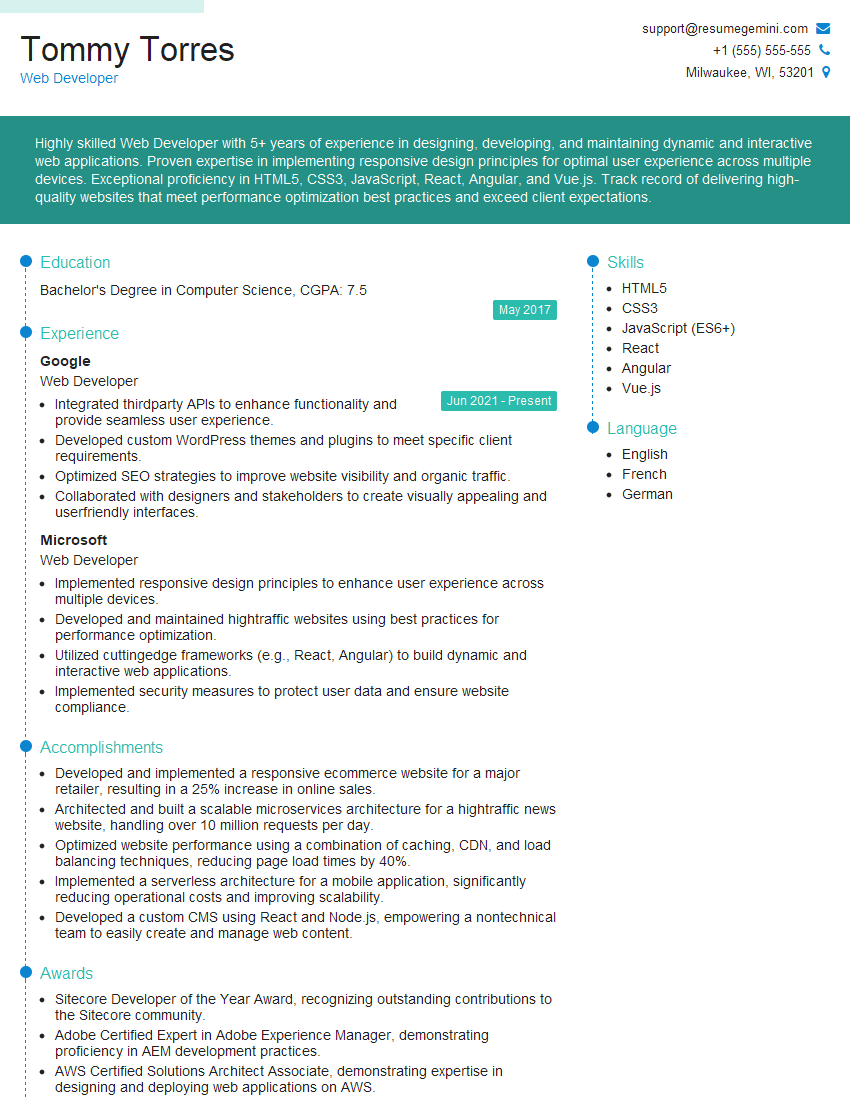
Web Developer Resume Sample
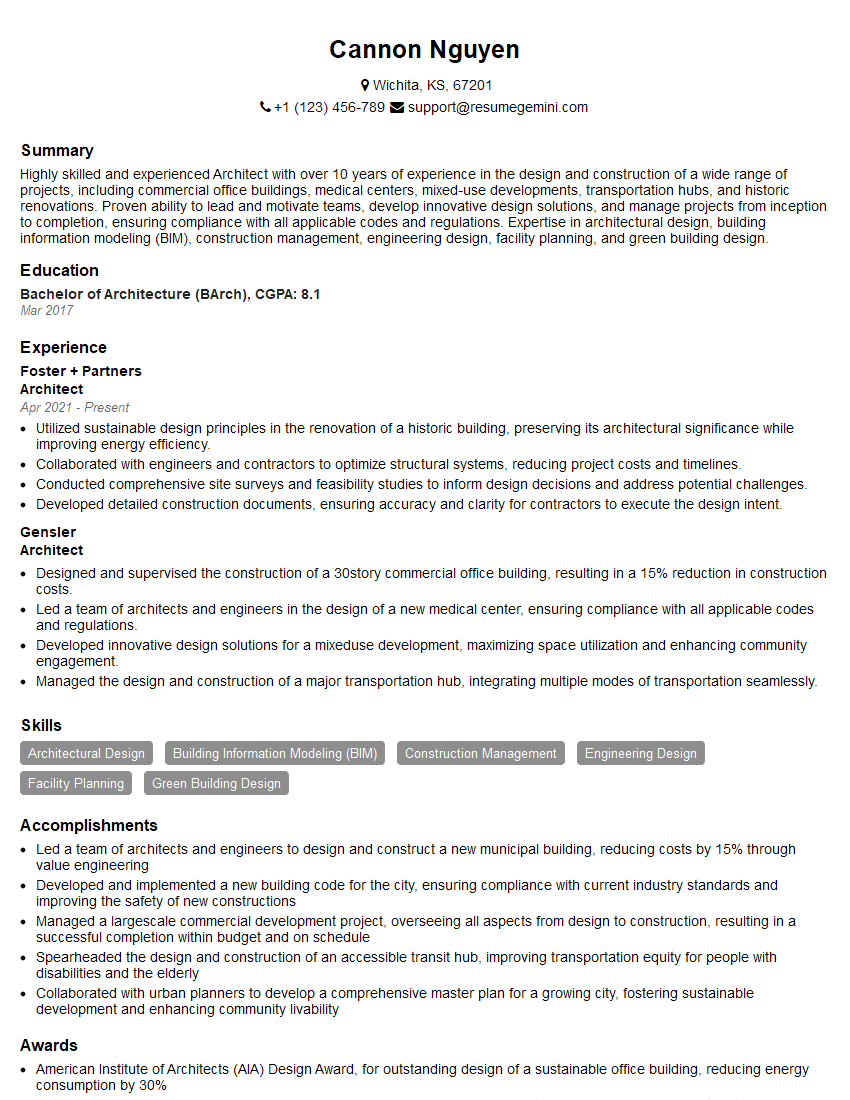
Architect Resume Sample
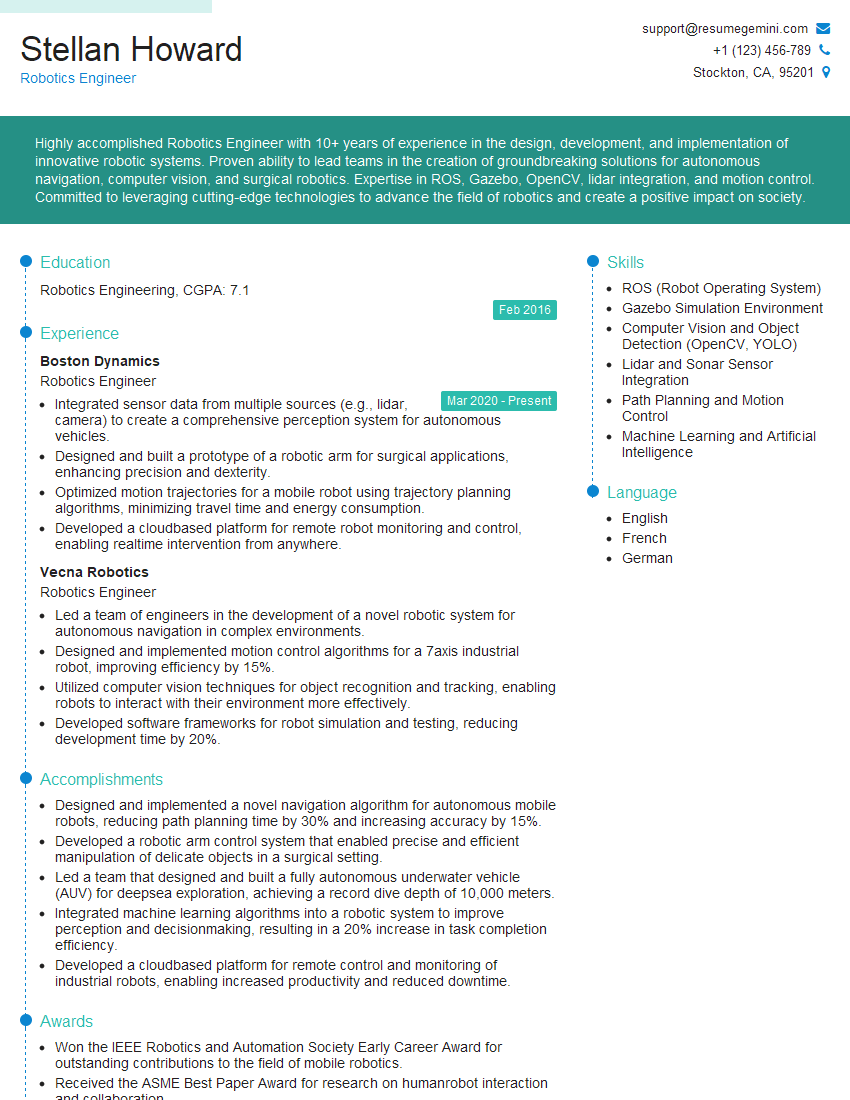
Robotics Engineer Resume Sample
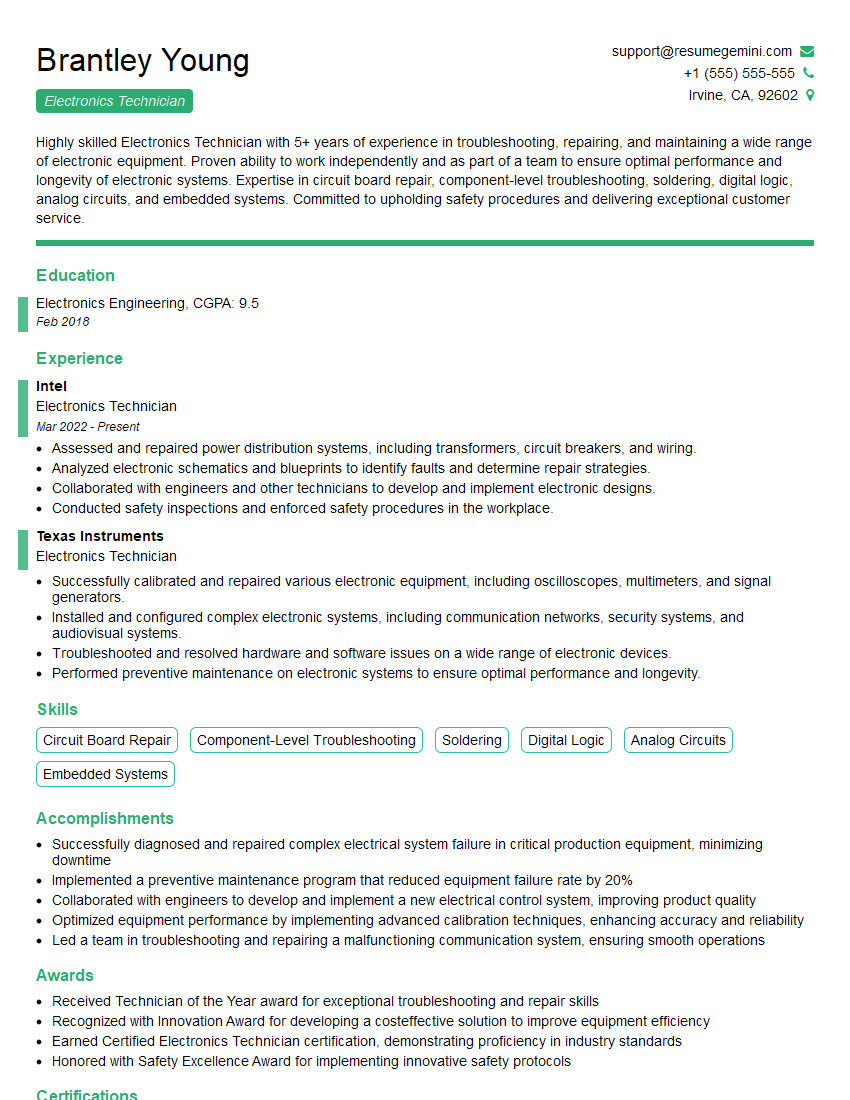
Electronics Technician Resume Sample
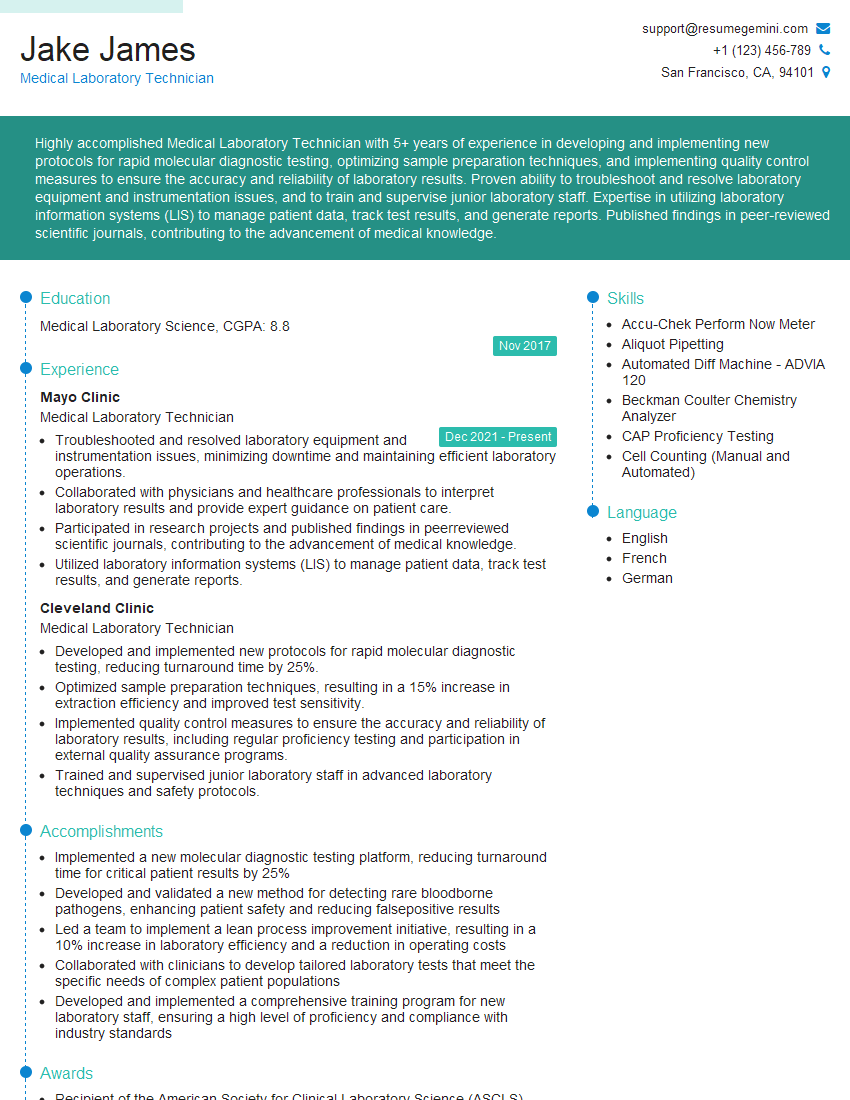
Medical Laboratory Technician Resume Sample
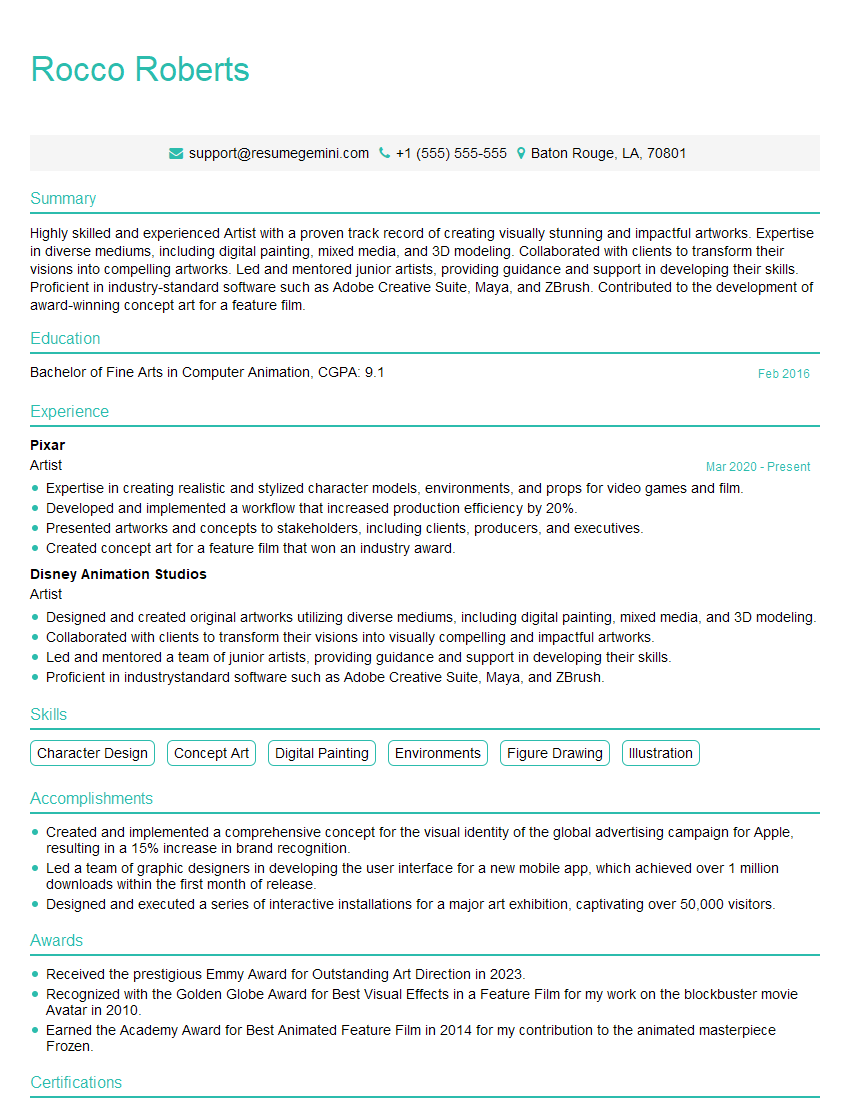
Artist Resume Sample
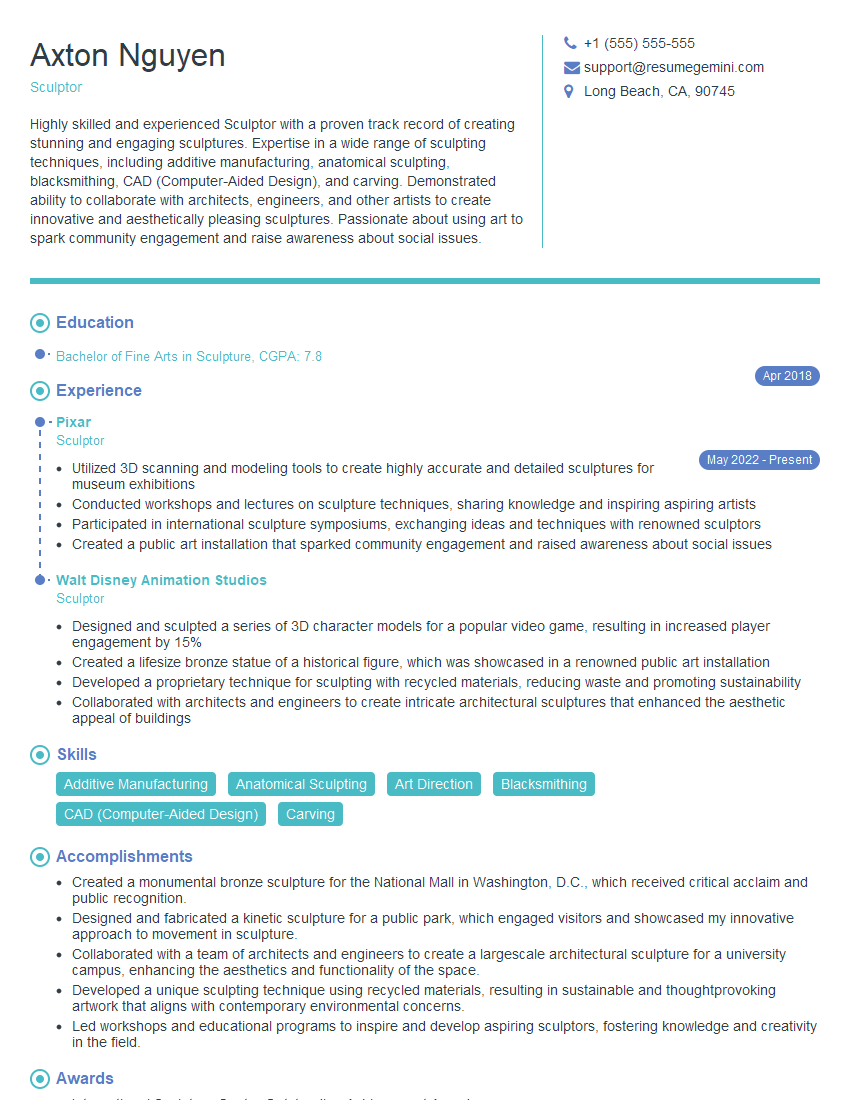
Sculptor Resume Sample
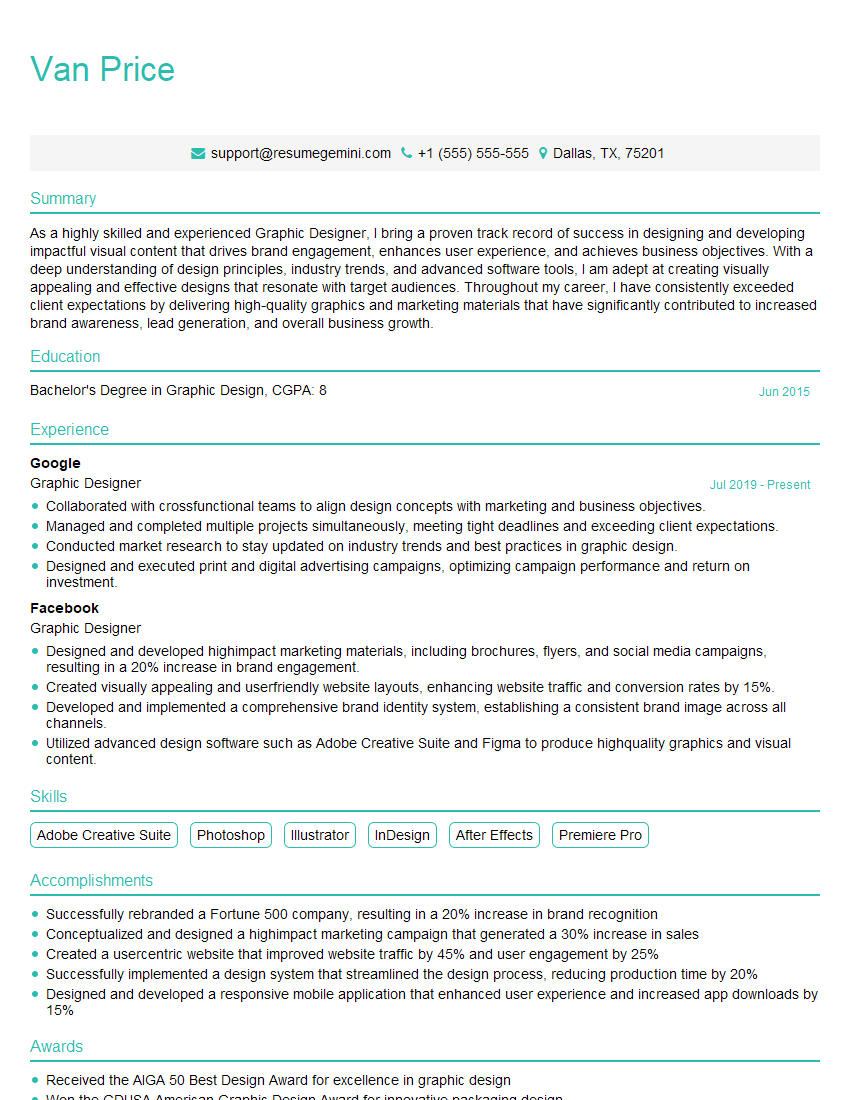
Graphic Designer Resume Sample
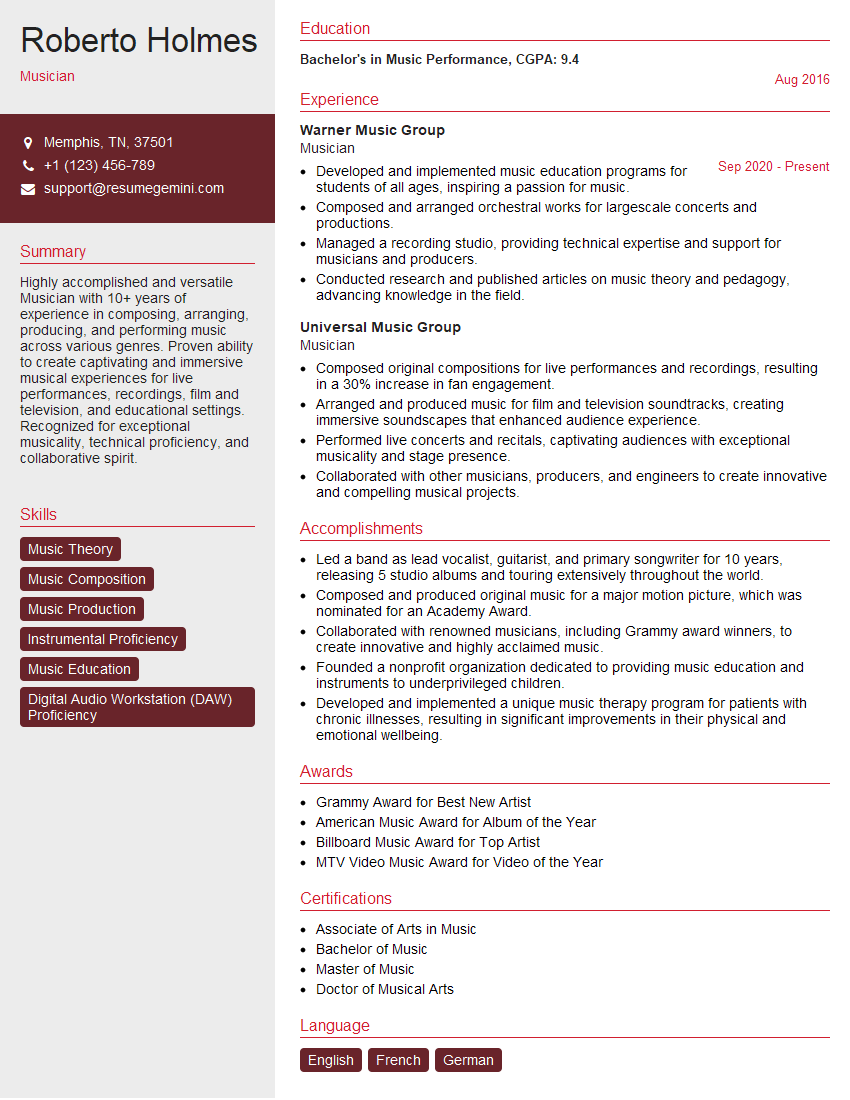
Musician Resume Sample
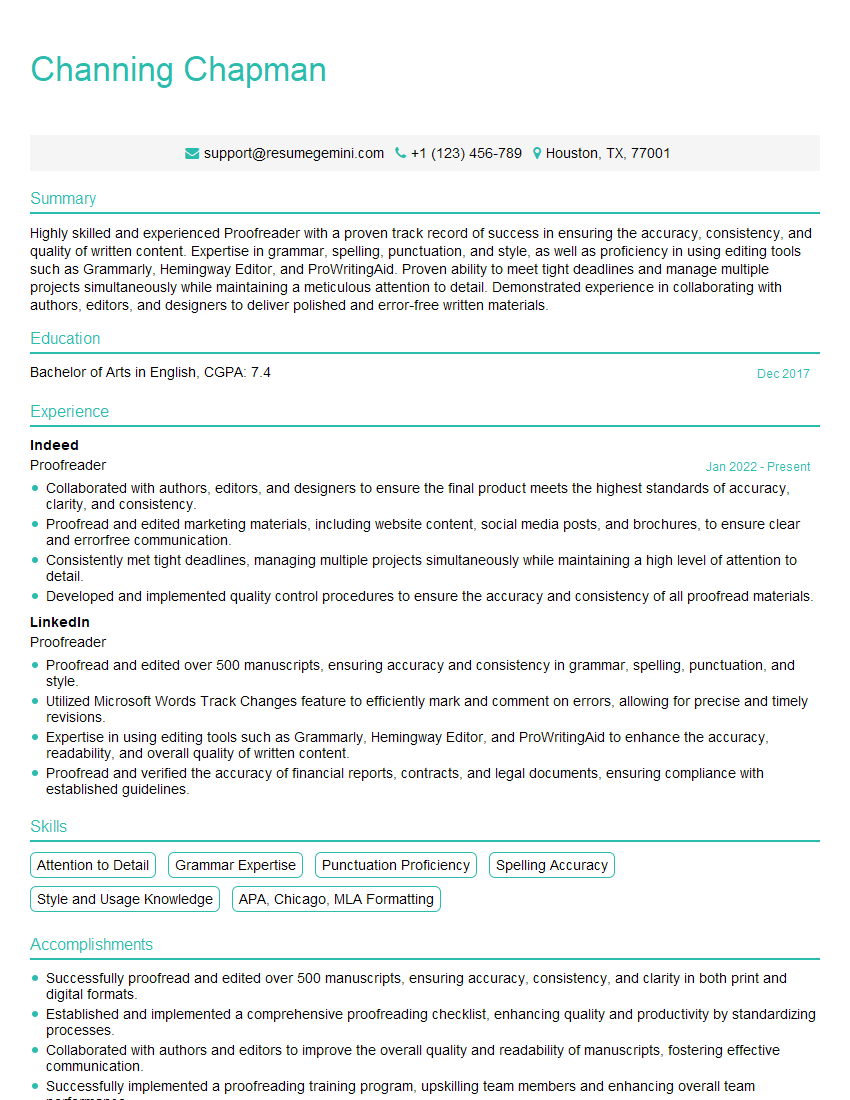
Proofreader Resume Sample
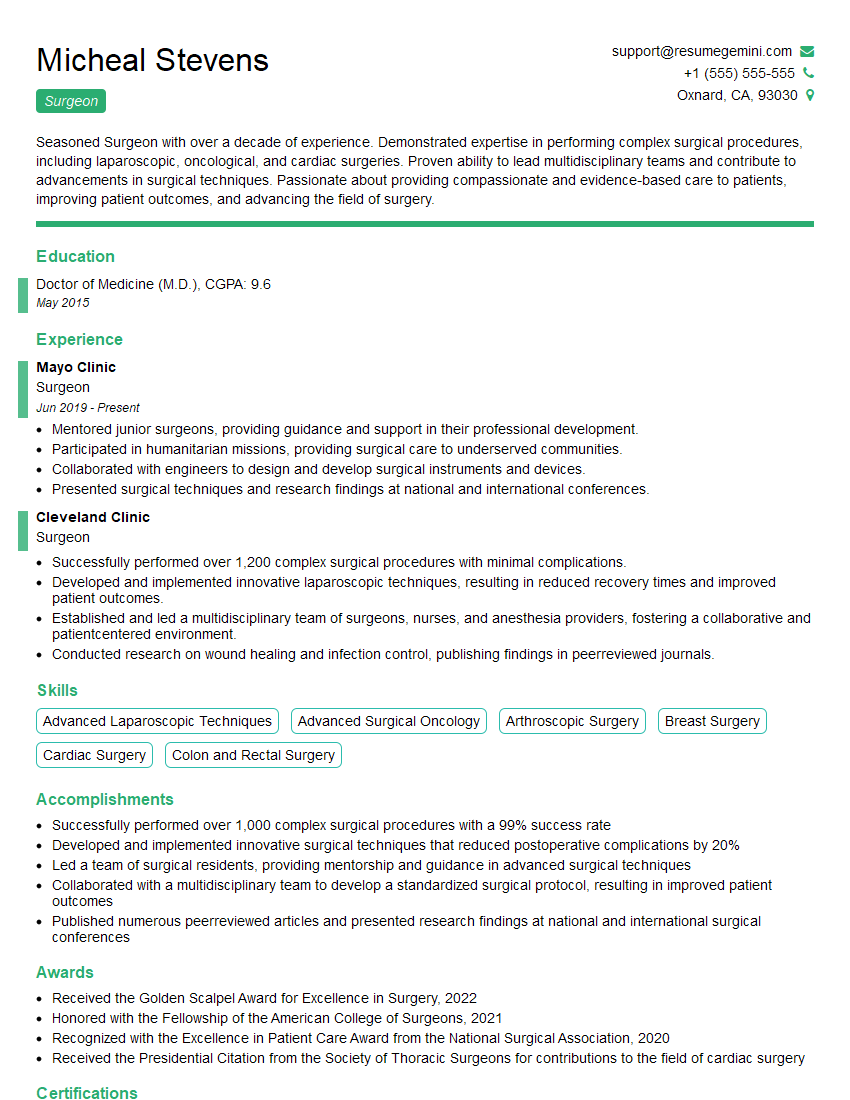
Surgeon Resume Sample
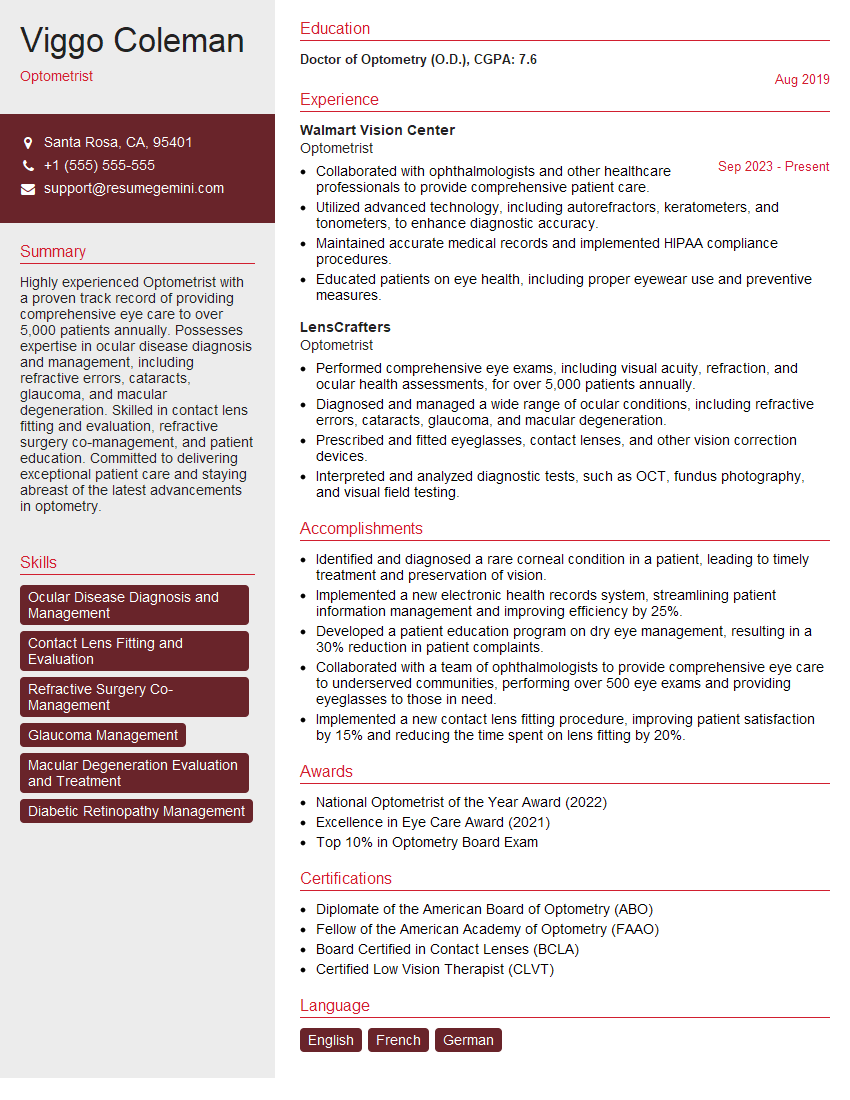
Optometrist Resume Sample
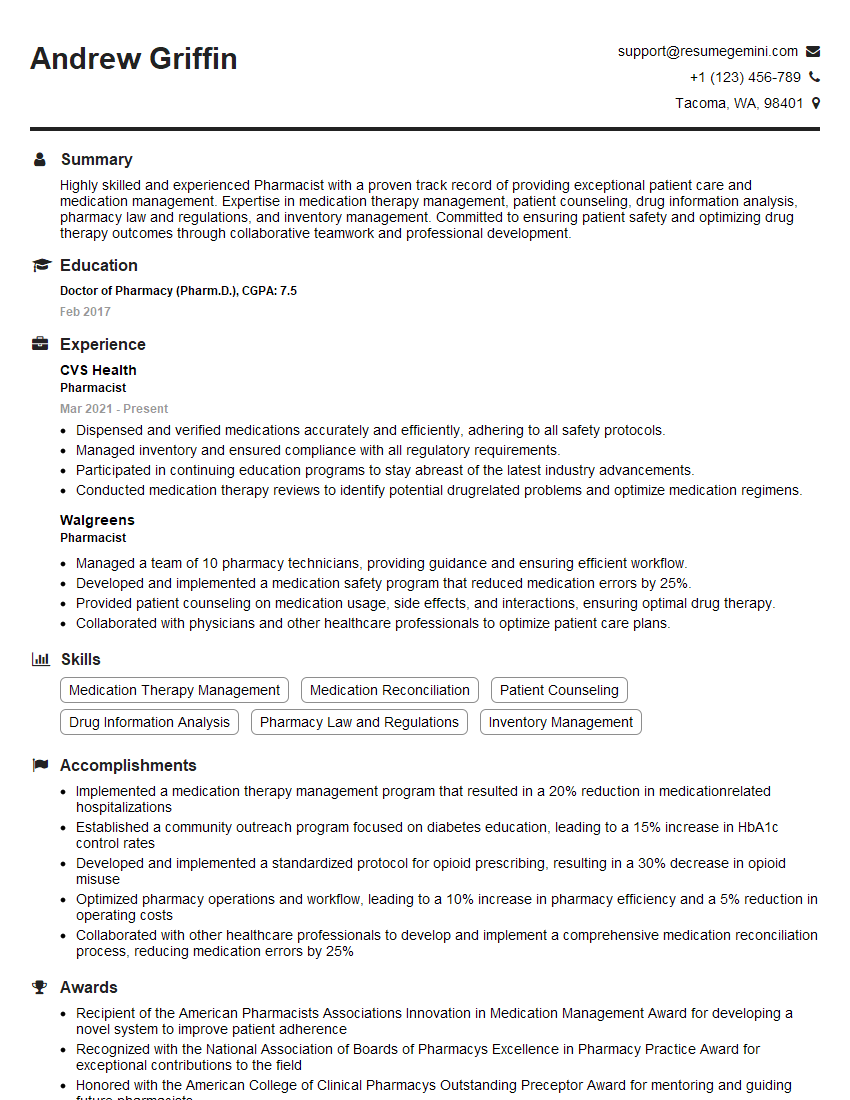
Pharmacist Resume Sample
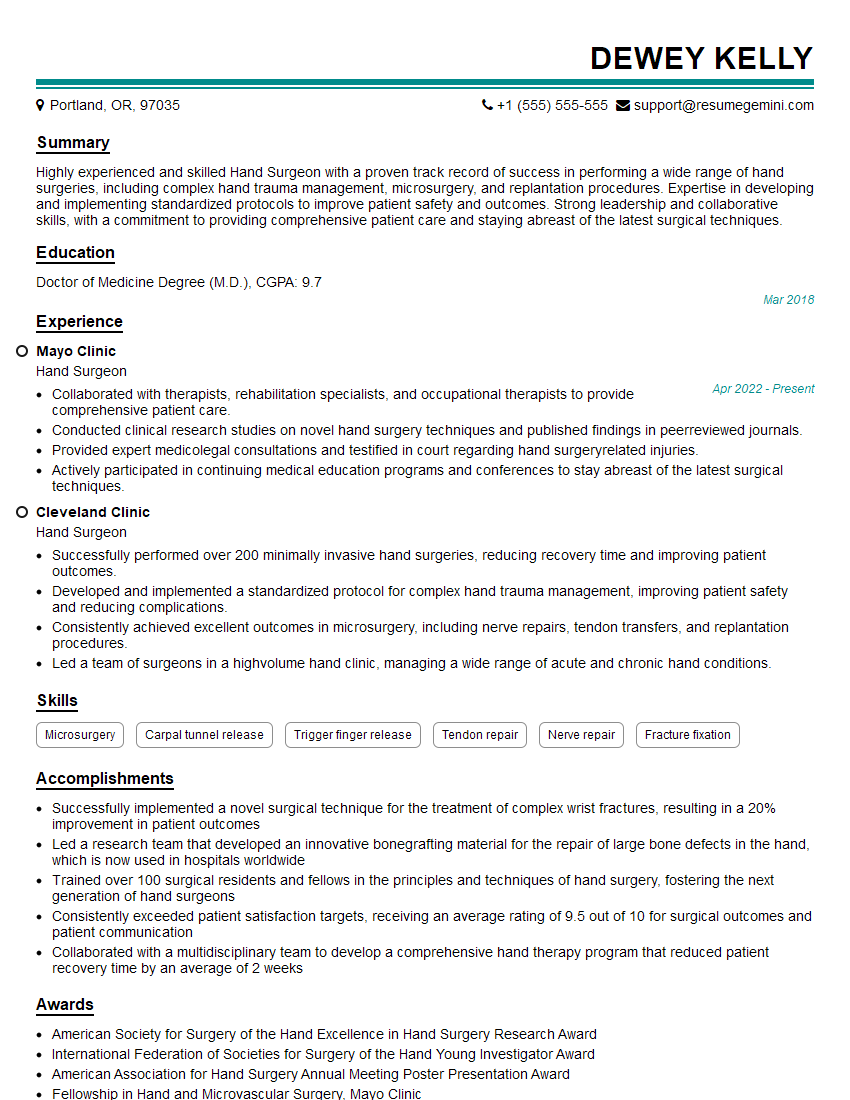
Hand Surgeon Resume Sample
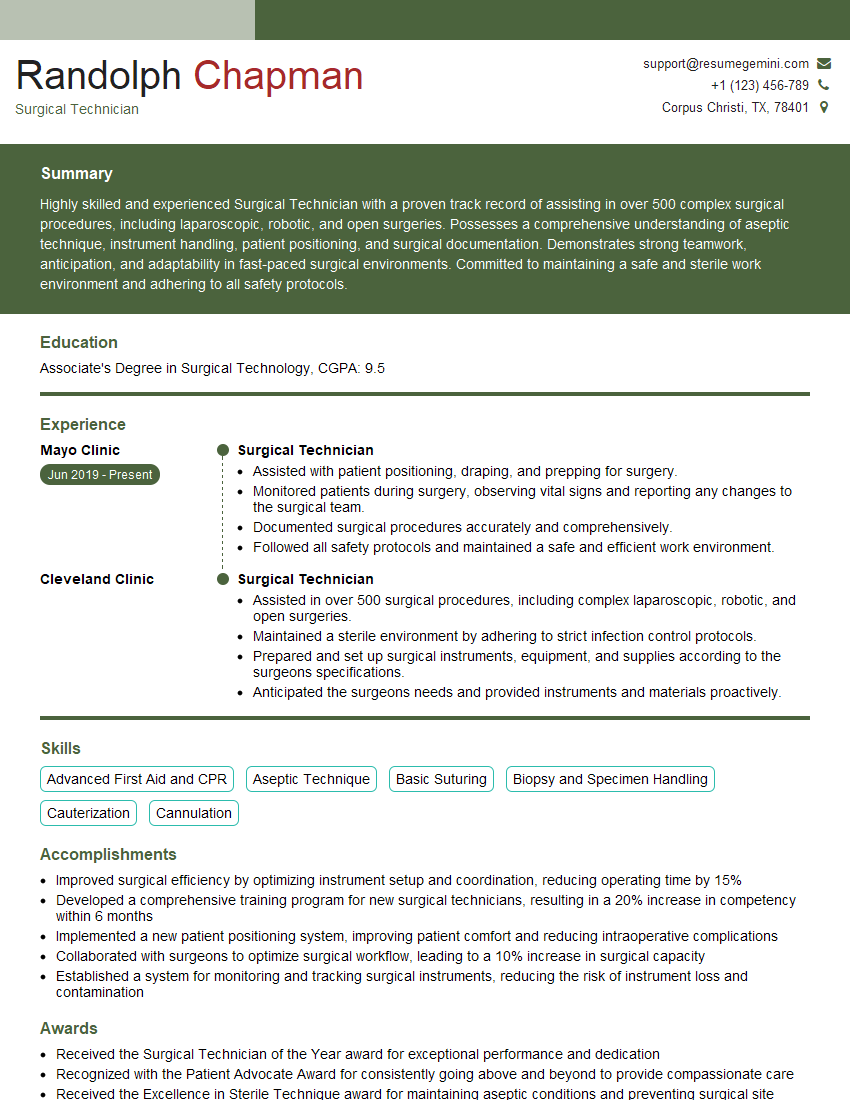
Surgical Technician Resume Sample
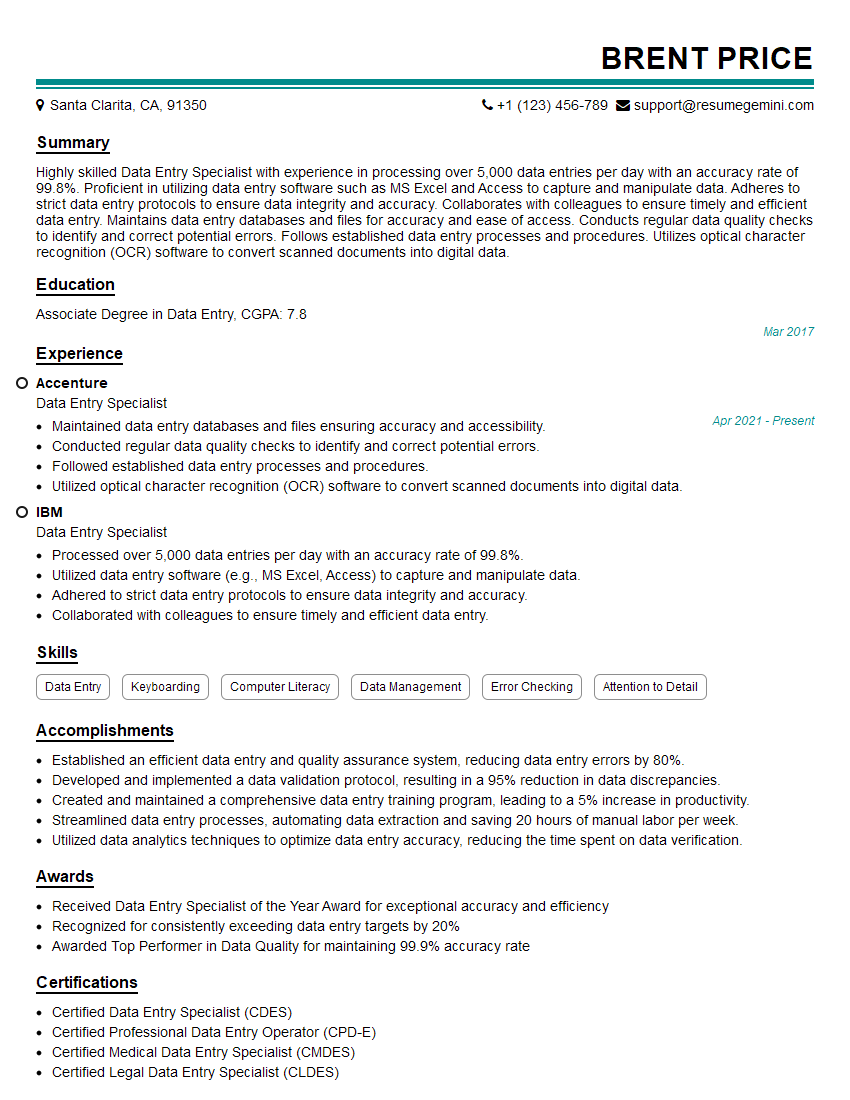
Data Entry Specialist Resume Sample
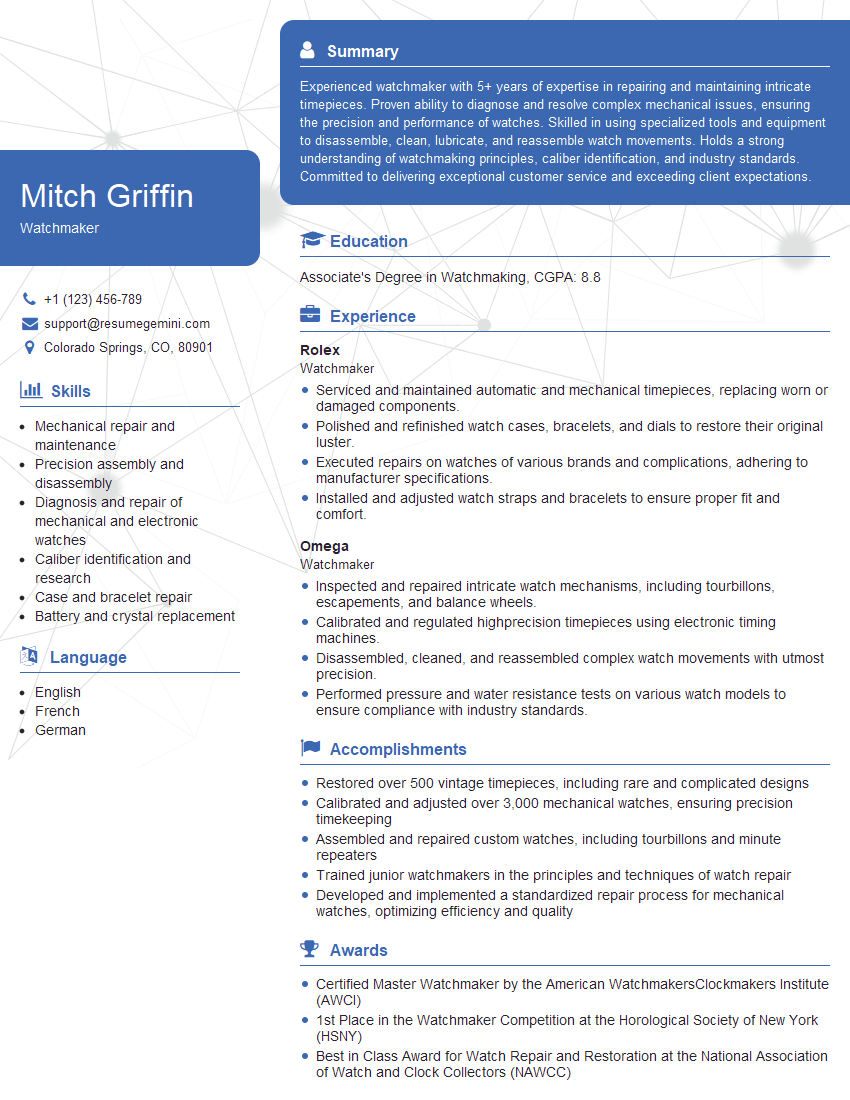
Watchmaker Resume Sample
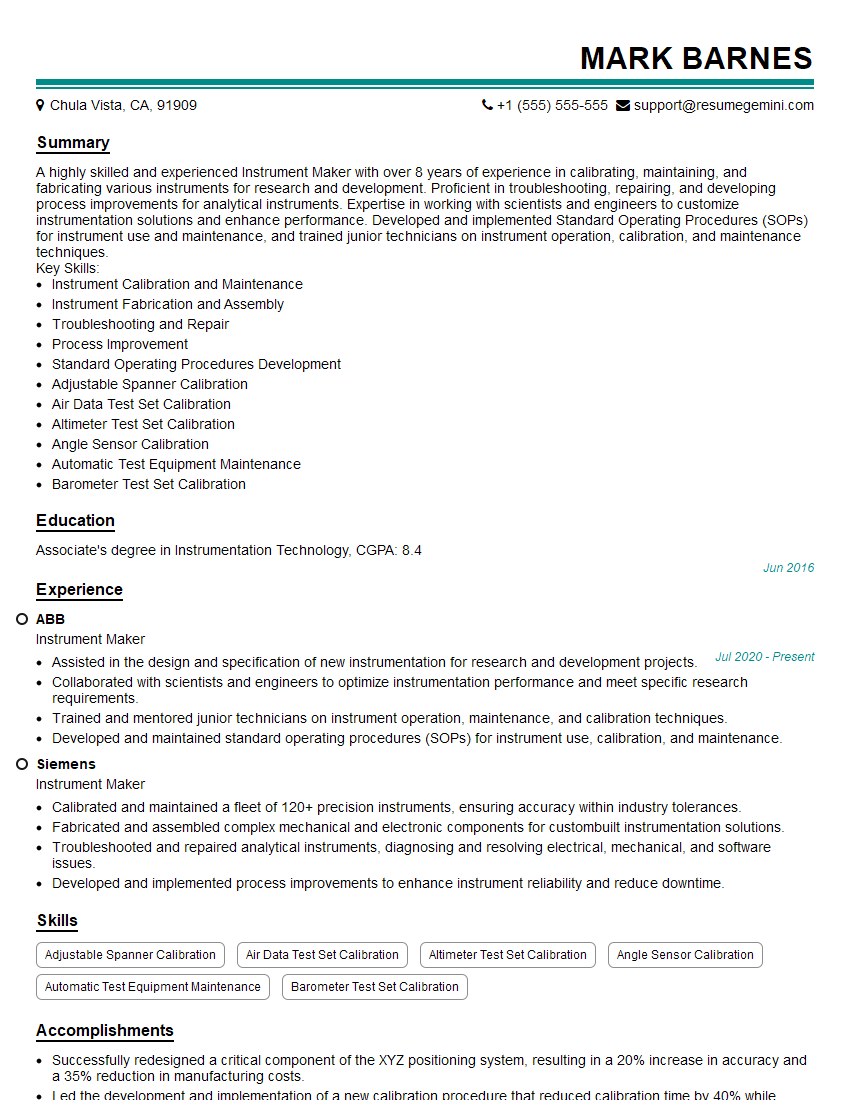
Instrument Maker Resume Sample
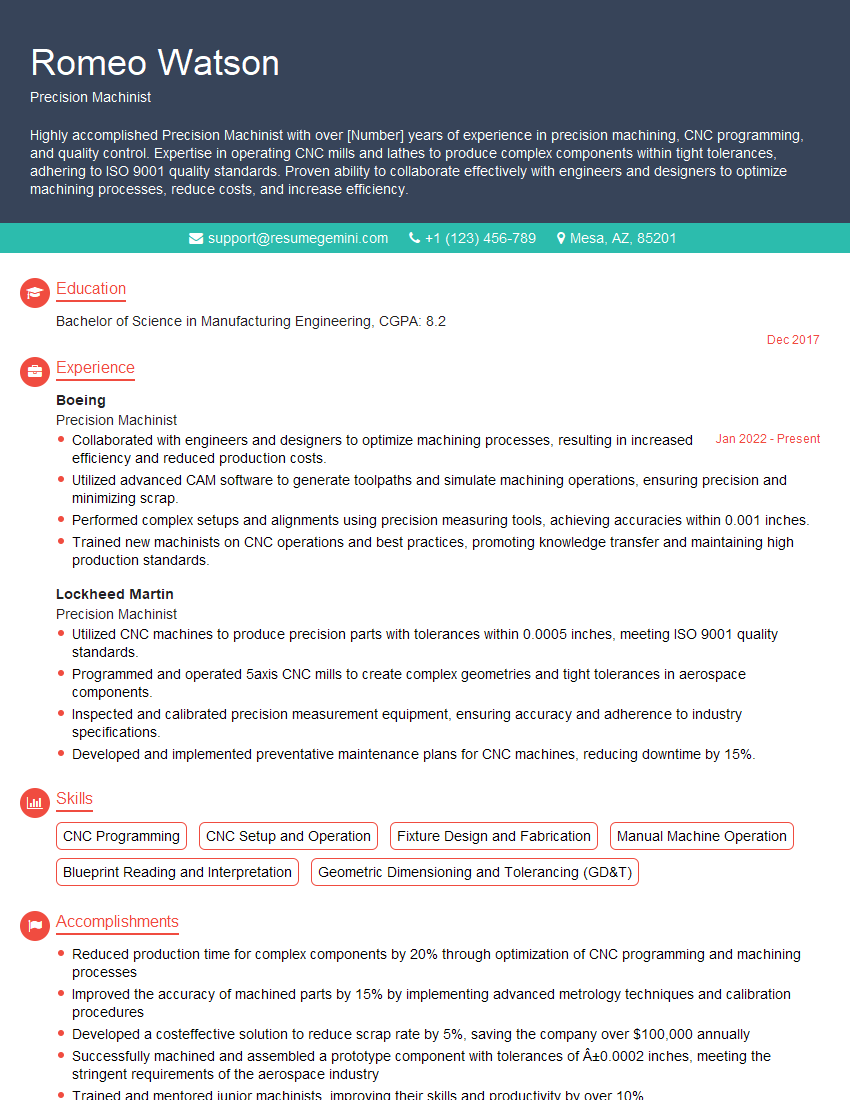
Precision Machinist Resume Sample
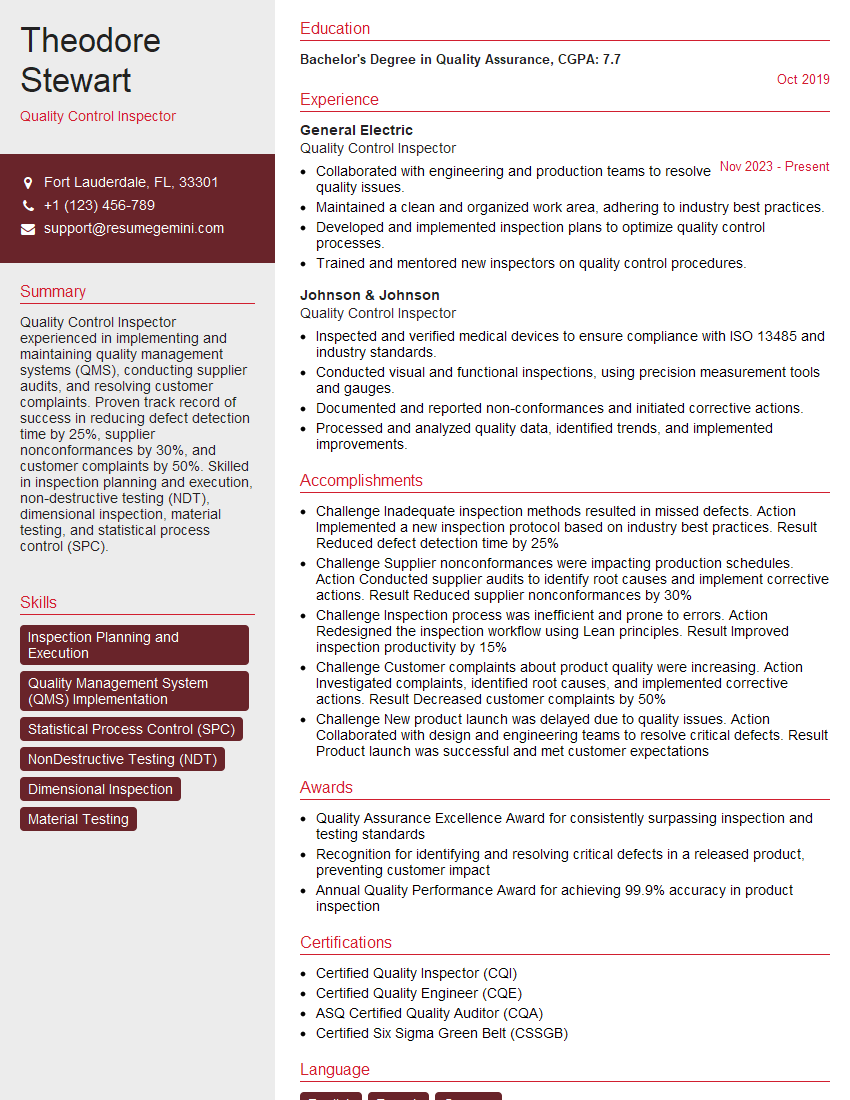
Quality Control Inspector Resume Sample
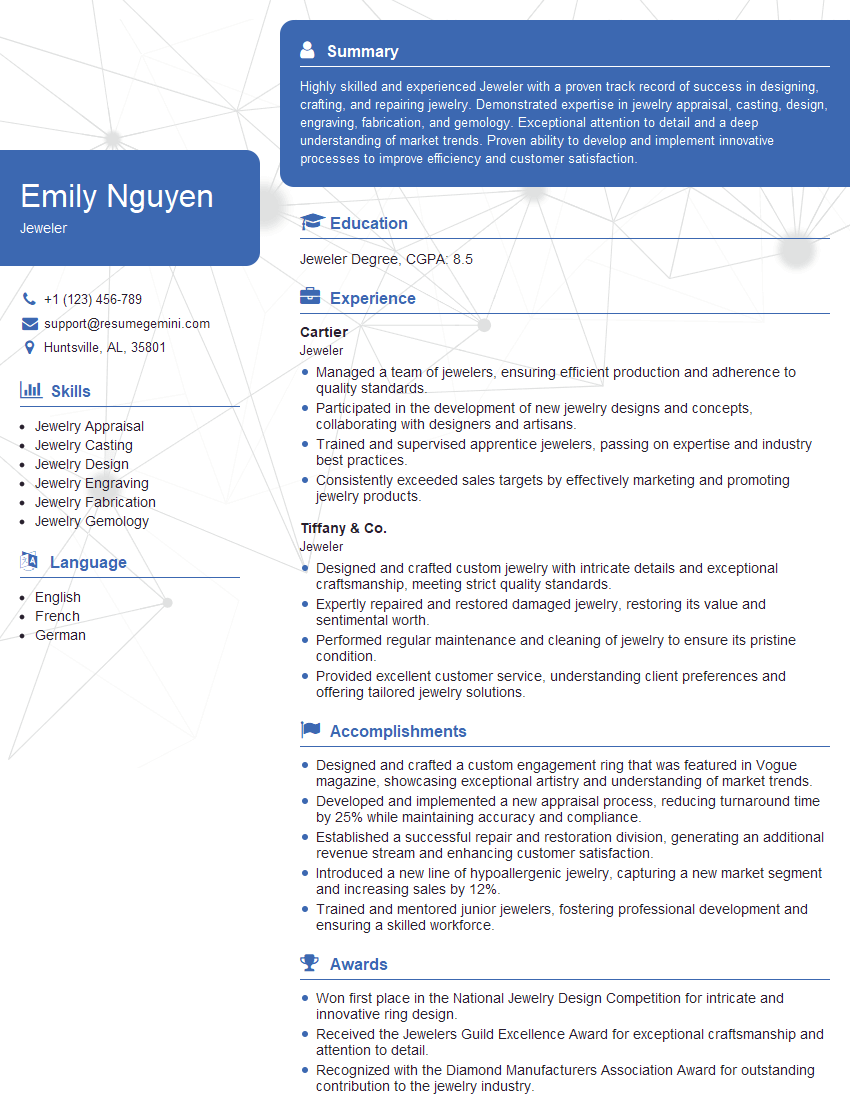
Jeweler Resume Sample
- Software Tester
- Web Developer
- Architect
- Robotics Engineer
- Electronics Technician
- Medical Laboratory Technician
- Artist
- Sculptor
- Graphic Designer
- Musician
- Proofreader
- Surgeon
- Optometrist
- Pharmacist
- Hand Surgeon
- Surgical Technician
- Data Entry Specialist
- Watchmaker
- Instrument Maker
- Precision Machinist
- Quality Control Inspector
- Jeweler
Explore more articles
Users Rating of Our Blogs
Share Your Experience
We value your feedback! Please rate our content and share your thoughts (optional).
What Readers Say About Our Blog
Very informative content, great job.
good