Preparation is the key to success in any interview. In this post, we’ll explore crucial Disaster Relief Operations interview questions and equip you with strategies to craft impactful answers. Whether you’re a beginner or a pro, these tips will elevate your preparation.
Questions Asked in Disaster Relief Operations Interview
Q 1. Describe your experience in developing and implementing disaster relief plans.
Developing and implementing disaster relief plans is a multifaceted process requiring meticulous planning and a deep understanding of potential hazards. My experience encompasses all stages, from risk assessment and vulnerability analysis to the creation of detailed operational plans and their subsequent execution. I’ve worked on plans for various scenarios, including hurricanes, earthquakes, and wildfires, tailoring each plan to the specific geographic location and potential threats.
For instance, in developing a hurricane preparedness plan for a coastal community, I focused on evacuation routes, shelter locations, resource allocation (food, water, medical supplies), communication strategies, and post-disaster recovery mechanisms. This involved detailed mapping of vulnerable areas, community engagement sessions to understand local needs and limitations, and the establishment of clear chains of command and communication protocols. Implementing the plan involved regular drills and simulations to test the efficacy of the strategies, making adjustments based on lessons learned during these exercises. The goal is always to create a dynamic plan that can be adapted to the specific circumstances of the unfolding disaster.
Another example involved creating a comprehensive plan for a remote mountain region prone to wildfires. Here, the challenge was the difficult terrain and limited accessibility. The plan emphasized early warning systems, community-based firefighting teams, and strategic deployment of resources considering the challenging logistics of the area. This required close collaboration with local communities and government agencies.
Q 2. What are the key components of a successful disaster relief operation?
A successful disaster relief operation hinges on several key components, all interconnected and interdependent. These include:
- Preparedness: This involves proactive risk assessment, developing detailed contingency plans, establishing strong communication networks, pre-positioning resources, and conducting regular training exercises. Think of this as building a strong foundation before the house is built.
- Rapid Response: The ability to swiftly deploy resources and personnel to the affected area is crucial. This requires pre-arranged logistics, clear communication channels, and well-defined roles and responsibilities.
- Needs Assessment: Accurately determining the immediate needs of the affected population—shelter, food, water, medical care—is critical to prioritize relief efforts. This often involves damage assessment and talking directly to affected communities.
- Resource Management: Efficient allocation and management of resources (human, financial, material) are essential for maximizing impact and minimizing waste. This involves using a systematic resource tracking system and clear guidelines for distribution.
- Coordination and Collaboration: Effective disaster response necessitates seamless collaboration between various stakeholders, including government agencies, NGOs, international organizations, and local communities. Think of it as an orchestra, with each instrument playing its part in harmony.
- Communication: Establishing and maintaining clear and consistent communication channels among all stakeholders is paramount. This is vital for coordinating efforts, disseminating information, and managing expectations.
- Recovery and Reconstruction: Disaster relief extends beyond immediate needs, including long-term recovery efforts focusing on rebuilding infrastructure, restoring livelihoods, and providing psychological support.
Q 3. Explain your experience in coordinating logistics during a disaster response.
Coordinating logistics during a disaster response is akin to orchestrating a complex symphony. It demands precise planning, real-time adaptability, and a deep understanding of the operational environment. My experience involves managing the movement of personnel, supplies, and equipment across varied terrains and under challenging conditions.
For example, during a major earthquake, I oversaw the transportation of medical supplies from a central hub to remote villages, navigating damaged roads and utilizing various modes of transport including helicopters and trucks. This required real-time tracking of supply levels, close coordination with local authorities to secure safe passage, and constant communication with field teams to ensure timely delivery. We utilized a GIS-based system to monitor the transport of goods and adjust routes based on road closures and damage reports.
Efficient logistics aren’t just about moving things; it’s about anticipating needs, pre-positioning critical supplies, and building resilient supply chains. This includes establishing temporary storage facilities, managing inventory, and ensuring the security and integrity of the transported goods. Furthermore, effective communication and data management are critical to maintaining transparency and accountability throughout the logistics process.
Q 4. How do you prioritize needs during a large-scale disaster?
Prioritizing needs during a large-scale disaster requires a systematic approach that blends ethical considerations with practical constraints. The most commonly used framework is the ‘triage’ system adapted from medical emergencies. It prioritizes immediate life-threatening needs over less urgent ones.
The first priority is always saving lives. This focuses on immediate medical attention for the critically injured, providing emergency shelter and securing essential supplies like food and water for those most vulnerable. The next level of priority focuses on addressing needs critical for sustaining life in the short term (e.g., sanitation, basic medical care for non-critical cases). Lower priority needs, such as repair of non-critical infrastructure, are addressed once more urgent requirements are met.
This prioritization process must be transparent, data-driven and regularly reviewed and adjusted based on changes in the situation on the ground. This includes gathering information through needs assessments, community consultations, and constant monitoring of the evolving situation. A common tool used is a simple needs matrix – mapping needs to available resources and assigning priority levels based on severity and impact.
Q 5. Describe your experience in assessing damage and needs after a disaster.
Assessing damage and needs after a disaster is a crucial step that informs the entire relief operation. This requires a multi-pronged approach, combining rapid visual assessments with more detailed data collection.
My experience involves using a combination of methods: initial rapid damage assessments, often aerial surveys and ground reconnaissance, provide a broad overview of affected areas. This is then followed by more detailed assessments involving structured questionnaires, community engagement sessions, and data collection using GIS technologies. These detailed assessments provide granular data on damage to infrastructure, impact on the population, and specific needs like housing, food, medical supplies, and psychological support.
For example, after a flood, I led a team to assess the extent of damage to homes, infrastructure, and agricultural lands. This included documenting water levels, assessing the structural integrity of buildings, and surveying the population to understand their immediate needs. This data was then used to allocate resources effectively and prioritize relief efforts. The process involved utilizing both quantitative (e.g., number of damaged houses) and qualitative (e.g., community feedback on needs) data for a comprehensive understanding of the situation.
Q 6. How do you ensure effective communication during a disaster?
Effective communication is the lifeblood of any successful disaster relief operation. It ensures coordination among responders, facilitates information sharing with affected communities, and maintains transparency and accountability. My approach emphasizes establishing multiple communication channels, using a mix of technologies and methods.
This might include establishing a central communication hub using radios, satellite phones, and internet-based platforms. Regular briefings and updates are vital, using a combination of formal reports and informal communication to keep everyone informed. Communication strategies also focus on tailoring messages to specific audiences; community leaders receive detailed operational updates, while the general population might receive concise and easily understood public service announcements.
During a hurricane response, we used a combination of shortwave radio for real-time updates during periods of low connectivity, satellite phones for remote areas, and social media for public outreach and dissemination of information. Clear and consistent communication protocols, with assigned roles and responsibilities for information dissemination, are vital to ensure accuracy and prevent misinformation. Translation services are also essential to overcome language barriers.
Q 7. What strategies do you use to manage resources effectively in a disaster relief operation?
Resource management in disaster relief is about making the most of limited resources to maximize impact. This requires a combination of strategic planning, real-time monitoring, and flexible adaptation. My approach involves several key strategies:
- Pre-positioning Resources: Storing critical supplies like food, water, medical equipment, and shelter materials in strategic locations prior to a disaster significantly reduces response time and enhances efficiency.
- Inventory Management: Using sophisticated inventory tracking systems to monitor resource levels, ensuring that supplies are adequately distributed and avoiding waste is crucial.
- Prioritization and Allocation: Following a needs assessment, resources are prioritized and allocated to the most critical areas and populations based on the severity of their needs.
- Transparency and Accountability: Maintaining detailed records of resource allocation and expenditure ensures transparency and accountability, crucial for building trust with the affected population and donors.
- Collaboration and Coordination: Sharing resources and coordinating with other relief organizations maximizes efficiency and prevents duplication of efforts.
- Cost-Effectiveness: Selecting cost-effective solutions without compromising quality ensures that available resources are used judiciously.
For example, in a post-hurricane scenario, we used a combination of pre-positioned supplies and efficient logistics networks to ensure a timely and equitable distribution of resources. Regular inventory checks and real-time updates prevented shortages and minimized waste. Adopting such strategies helps in providing relief to those affected most efficiently.
Q 8. Describe your experience in working with diverse teams in a high-pressure environment.
Working in disaster relief necessitates seamless collaboration across diverse teams under immense pressure. My experience spans numerous international deployments, where I’ve coordinated efforts between governmental agencies, NGOs, local communities, and volunteer groups. This involves individuals with varying skill sets, cultural backgrounds, and communication styles. For instance, during the aftermath of Hurricane Maria in Puerto Rico, I managed a team comprising engineers, medical personnel, logisticians, and local community leaders. Effective communication was key; we established clear roles and responsibilities, utilized a centralized communication system (a combination of satellite phones and a dedicated radio frequency), and fostered a culture of mutual respect and understanding. Regular briefings and debriefings helped address challenges proactively and ensured everyone felt heard and valued. We prioritized open dialogue, acknowledging that stress levels were high, and actively sought input from every member. This collaborative approach allowed us to overcome logistical hurdles and resource constraints, ultimately providing more effective aid.
Q 9. Explain your understanding of the different phases of disaster management (preparedness, response, recovery).
Disaster management is a cyclical process, typically divided into three phases: preparedness, response, and recovery. Preparedness involves proactive measures taken before a disaster strikes. This includes risk assessment, developing emergency plans, building community resilience, establishing communication protocols, and pre-positioning resources. Response is the immediate action taken during and immediately after a disaster. It focuses on search and rescue, providing immediate needs (food, water, shelter), and stabilizing the affected area. This phase demands swift decision-making and efficient coordination. Recovery is the long-term process of rebuilding and restoring normalcy. It involves repairing infrastructure, providing psychosocial support, economic revitalization, and community rebuilding. Each phase is crucial, and a successful disaster management strategy requires a well-integrated approach across all three. For example, effective preparedness in the form of strong building codes and robust early warning systems can significantly mitigate the impact of an earthquake, reducing the severity of the response and recovery phases.
Q 10. How do you manage stress and maintain team morale during a protracted disaster?
Managing stress and maintaining team morale during protracted disasters is paramount. It’s a marathon, not a sprint. We employ several strategies. First, prioritizing self-care is crucial for team leaders. This includes ensuring adequate rest, healthy eating, and opportunities for brief breaks. Secondly, fostering open communication and providing a safe space for team members to share their feelings and concerns is vital. We use regular team meetings and one-on-one check-ins to address emotional wellbeing. Thirdly, recognizing and celebrating small victories helps boost morale. Acknowledging the team’s accomplishments, no matter how small, keeps motivation high. Finally, we utilize techniques like mindfulness exercises and debriefing sessions to process the intense experiences. In the aftermath of the Nepal earthquake, we implemented a system of rotating shifts and scheduled recreational activities to combat burnout and improve team cohesion.
Q 11. Describe your experience in managing volunteers during a disaster response.
Managing volunteers effectively is essential during a disaster response. It requires careful planning and organization. We start by establishing clear roles and responsibilities, providing adequate training, and ensuring proper vetting procedures. We match volunteer skills to specific tasks and provide clear communication channels. Regular briefings and debriefings are crucial to keep volunteers informed and address concerns. Effective supervision and support are also essential. During the Ebola outbreak in West Africa, we managed hundreds of volunteers by creating a tiered system of leadership, providing comprehensive training on infection control and cultural sensitivity. We also recognized the importance of recognizing and rewarding volunteer contributions which boosted morale and retention.
Q 12. What are some common challenges faced in disaster relief, and how have you overcome them?
Disaster relief faces numerous challenges. Logistical hurdles, such as damaged infrastructure and limited access to affected areas, often impede aid delivery. Resource scarcity, including shortages of food, water, medical supplies, and personnel, is a constant concern. Security risks, including violence and looting, can endanger both relief workers and beneficiaries. Communication breakdowns can hamper coordination efforts. We overcome these by developing robust contingency plans, leveraging technology (satellite phones, drones for assessment), collaborating with local partners who possess valuable knowledge of the terrain and community dynamics, and prioritizing safety protocols. For example, during a large-scale flood, we collaborated with local fishermen to reach isolated communities, demonstrating the value of leveraging existing local resources and expertise.
Q 13. How do you ensure the safety and security of relief workers and beneficiaries?
Ensuring the safety and security of relief workers and beneficiaries is our top priority. This involves comprehensive risk assessments, developing security protocols, providing necessary training (self-defense, first aid), and establishing secure operating bases. We collaborate with local authorities and security forces to ensure a safe environment. We also prioritize providing beneficiaries with a sense of security by establishing safe spaces and deploying security personnel where necessary. Clear communication channels are vital to promptly respond to security incidents. In conflict zones, we often work closely with local community leaders to build trust and ensure the safety of our operations.
Q 14. What is your experience in developing and maintaining relationships with local communities?
Building and maintaining strong relationships with local communities is critical for effective disaster relief. It involves understanding their culture, customs, and needs, and actively engaging them in all phases of the disaster management process. We prioritize participatory approaches, involving community members in the planning, implementation, and evaluation of relief efforts. This ensures that aid is relevant, culturally appropriate, and sustainable. Building trust takes time and requires a commitment to transparency and accountability. By actively listening to their concerns, understanding their priorities, and respecting their decision-making processes, we can establish strong partnerships and ensure that our efforts truly benefit the affected community. In one instance, we worked closely with a local women’s group to ensure that the distribution of supplies was fair and equitable, addressing a concern that previous relief efforts had overlooked.
Q 15. Describe your experience in using GIS and other mapping technologies in disaster response.
Geographic Information Systems (GIS) and other mapping technologies are indispensable in disaster response. They provide a crucial visual understanding of the affected area, allowing for efficient resource allocation and coordination. My experience encompasses utilizing GIS software like ArcGIS to map damage assessments, identify vulnerable populations, and optimize the delivery of aid.
For example, during a recent flood response, we used GIS to overlay flood maps with population density data. This helped pinpoint areas where rescue efforts needed to be prioritized, enabling quicker evacuation and minimizing casualties. We also integrated real-time data feeds from social media and satellite imagery to create dynamic maps, providing a constantly updated picture of the evolving situation. This allowed us to rapidly adjust our response strategy based on the changing needs on the ground.
Furthermore, I have extensive experience using drone technology for post-disaster aerial surveys, capturing high-resolution images and creating 3D models of damaged infrastructure. This data helps us accurately assess the extent of damage and plan for reconstruction. Analyzing this spatial data informs decisions regarding the placement of temporary shelters, distribution centers, and medical facilities, ensuring optimal logistical efficiency.
Career Expert Tips:
- Ace those interviews! Prepare effectively by reviewing the Top 50 Most Common Interview Questions on ResumeGemini.
- Navigate your job search with confidence! Explore a wide range of Career Tips on ResumeGemini. Learn about common challenges and recommendations to overcome them.
- Craft the perfect resume! Master the Art of Resume Writing with ResumeGemini’s guide. Showcase your unique qualifications and achievements effectively.
- Don’t miss out on holiday savings! Build your dream resume with ResumeGemini’s ATS optimized templates.
Q 16. How do you ensure accountability and transparency in the disbursement of aid?
Accountability and transparency are paramount in disaster relief. We ensure this through a robust system of tracking and documentation. This starts with meticulously recording every item of aid received, from food and water to medical supplies, along with the source and date of receipt. Each distribution is documented with recipient names, quantities, and distribution point. This data is then compiled and regularly audited, providing a clear and auditable trail.
We use a combination of methods for this, including digital databases linked to unique identifiers for aid recipients, barcoding systems for tracking goods throughout the supply chain, and regular site visits to verify aid distribution. Transparency is further enhanced through publicly accessible reports detailing aid flows, distribution points, and beneficiary numbers. This ensures that the impacted communities and donors can clearly see how resources are being used.
Think of it like a well-stocked warehouse with a meticulously organized inventory system. Every item has a place, and its movement is tracked. This system builds trust and strengthens public confidence in the efficacy and integrity of the relief operations.
Q 17. What are your experiences with needs assessments and data collection in disaster zones?
Needs assessments and data collection in disaster zones are critical for effective response. This often involves working in challenging conditions with limited resources. My experience includes using a mixed-methods approach combining quantitative and qualitative data collection techniques. Quantitative data might include surveys to assess the number of affected individuals, their needs (shelter, food, water, medical care), and the extent of damage to infrastructure. Qualitative data collection involves conducting key informant interviews with community leaders and vulnerable populations to understand their unique needs and challenges.
For instance, after a hurricane, we used structured questionnaires to gather demographic data and assess immediate needs. Simultaneously, we conducted focus group discussions with community members to better understand the psychological impact of the disaster and specific cultural considerations for aid distribution. This comprehensive approach helps create a more holistic and effective response.
Data integrity is paramount. We employ rigorous quality control measures, including double data entry and validation checks. We also utilize mobile data collection tools to ensure data is securely collected and transmitted, even in areas with limited connectivity. Finally, all data is anonymized to protect the privacy of the affected individuals.
Q 18. How do you handle conflicting priorities and competing demands during a disaster?
Disaster relief often involves juggling multiple priorities and competing demands, requiring effective prioritization and resource allocation. I use a structured approach combining strategic planning with agile adaptation. This involves establishing clear objectives, identifying critical needs, and prioritizing actions based on urgency and impact.
A prioritization matrix is often employed, weighing the urgency and importance of different tasks. This ensures that lifesaving efforts receive immediate attention, while other important tasks are tackled in a structured sequence. For example, immediate needs like search and rescue, medical aid, and providing shelter always take precedence over longer-term recovery efforts like infrastructure repair.
Effective communication is crucial. Regular meetings with stakeholders (government agencies, NGOs, community leaders) help align priorities and resolve conflicts constructively. Transparent decision-making processes build trust and ensure that all parties understand the rationale behind resource allocation choices. Flexibility is equally important; being prepared to adapt the plan as new information emerges and the situation evolves is key.
Q 19. Describe your experience in working with international organizations or NGOs.
I’ve collaborated extensively with various international organizations and NGOs, such as the UN, Red Cross, and Doctors Without Borders, on numerous disaster relief operations across the globe. These collaborations have enriched my understanding of diverse operational models and best practices. Successful collaborations hinge on effective communication, a shared understanding of objectives, and a clear division of responsibilities. Working with diverse teams also brings unique perspectives and fosters innovation.
For example, during a large-scale earthquake response, I worked with the UN to coordinate the distribution of humanitarian aid. We leveraged their expertise in logistics and international relations, while contributing our specialized knowledge of GIS and needs assessment. The collaborative environment allowed us to rapidly scale operations and reach a larger number of affected communities effectively. Furthermore, collaboration with NGOs provided access to local expertise and community knowledge, ensuring a more culturally appropriate and impactful response.
Understanding different organizational cultures and working styles is essential. Building strong relationships and fostering mutual respect is vital to ensure smooth collaboration and achieve common goals.
Q 20. What are the ethical considerations you would prioritize in disaster relief?
Ethical considerations are central to my work in disaster relief. Prioritizing the needs of the affected population, ensuring impartiality and fairness in aid distribution, and respecting local cultures and customs are paramount. This includes protecting the privacy and dignity of individuals, safeguarding vulnerable populations, and avoiding any actions that could cause harm or exacerbate existing inequalities.
Maintaining transparency and accountability, ensuring aid reaches those who need it most, and avoiding conflicts of interest are crucial. This commitment to ethical conduct extends to all aspects of the operation, from data collection and reporting to resource allocation and personnel management. For instance, we ensure that aid distribution is equitable and doesn’t discriminate based on race, religion, or political affiliation.
Regular ethical reviews and reflection are essential, ensuring that our actions align with internationally recognized humanitarian principles. Addressing any ethical dilemmas promptly and transparently is vital to build trust and maintain the integrity of the relief effort.
Q 21. How do you adapt your approach based on the specific type of disaster (e.g., earthquake, flood, hurricane)?
My approach to disaster relief adapts based on the specific type of disaster. For instance, earthquake response prioritizes search and rescue, immediate medical care, and providing temporary shelter. Flood responses focus on evacuation, water purification, and preventing waterborne diseases. Hurricane response necessitates pre-emptive evacuations, securing critical infrastructure, and post-disaster assessments of wind damage.
Each disaster type presents unique challenges and necessitates different expertise and resources. Earthquake response requires structural engineers and specialized rescue teams, while flood response demands expertise in water management and sanitation. Hurricane response involves meteorologists and emergency preparedness specialists. The planning phase is critical, ensuring that appropriate resources and expertise are deployed efficiently.
For example, while GIS is used across all disaster types, the specific data layers and analysis techniques vary. In earthquake response, we focus on identifying building collapses and infrastructure damage to prioritize rescue efforts. In flood response, we analyze water levels and drainage systems to predict flooding and plan for evacuation routes. Adaptive planning allows for a tailored and effective response to the specific challenges posed by each disaster type.
Q 22. Describe your experience in post-disaster recovery and rebuilding efforts.
My experience in post-disaster recovery and rebuilding spans over fifteen years, encompassing a wide range of roles from on-the-ground response to long-term program management. I’ve worked with various organizations, including NGOs and government agencies, on projects following earthquakes, hurricanes, and floods across several continents. This involved coordinating emergency aid distribution, establishing temporary shelters, leading infrastructure restoration efforts, and facilitating community-based recovery initiatives. For example, after the devastating earthquake in Haiti, I was part of a team that managed the distribution of essential supplies like food, water, and medical kits to thousands of displaced people. We also helped to rebuild schools and community centers, ensuring that these vital resources were restored as quickly and effectively as possible. In another instance, following a major hurricane in the Caribbean, I focused on economic recovery, working with local businesses and entrepreneurs to help them rebuild their livelihoods and get back on their feet. These experiences have equipped me with a comprehensive understanding of the challenges involved in post-disaster recovery, from the immediate emergency response phase to the long-term rebuilding and sustainability process.
Q 23. How familiar are you with relevant legal frameworks and regulations related to disaster relief?
I’m very familiar with the legal frameworks and regulations governing disaster relief. My knowledge encompasses international humanitarian law, particularly the principles of humanity, neutrality, impartiality, and independence. I’m also well-versed in national and regional laws concerning emergency management, procurement, and the use of public funds in disaster relief operations. Understanding these frameworks is crucial to ensure compliance, transparency, and accountability in all our efforts. For instance, we need to be mindful of regulations regarding the import of relief goods, the environmental impact of our operations, and the protection of vulnerable populations. Furthermore, I understand the importance of adhering to data privacy regulations when collecting and using information about affected communities. My experience working with different legal teams and consulting experts in international law has solidified my understanding in this critical area.
Q 24. Explain your understanding of risk assessment and mitigation strategies.
Risk assessment and mitigation are fundamental to effective disaster relief. It involves identifying potential hazards, analyzing their likelihood and potential impact, and developing strategies to reduce those risks. This process usually involves using a combination of historical data, geographic information systems (GIS), and predictive modeling to create a comprehensive risk profile for a given area or community. Once the risks are identified, mitigation strategies can be put in place, including infrastructure improvements (e.g., building earthquake-resistant structures, constructing flood defenses), community education programs (e.g., disaster preparedness training, early warning systems), and land-use planning to avoid high-risk areas. For example, in a coastal region prone to hurricanes, mitigation might involve implementing stricter building codes, investing in early warning systems, and developing evacuation plans. The goal is to minimize the impact of a disaster before it happens, thereby saving lives and reducing the scale of recovery efforts needed later on.
Q 25. How do you ensure the long-term sustainability of disaster relief programs?
Ensuring the long-term sustainability of disaster relief programs requires a shift from short-term emergency response to a more holistic, community-based approach. This involves fostering local ownership and capacity-building. Instead of simply providing aid, we need to empower local communities to participate actively in the recovery process. This might involve training local personnel in disaster response, supporting the development of local institutions and infrastructure, and promoting sustainable livelihoods. Furthermore, building strong partnerships with local government and community organizations is essential for ensuring that programs remain relevant and effective long after the initial emergency response is over. Financial sustainability is also key; we need to explore diversified funding sources and build resilient financial models to ensure the continuation of vital programs. Monitoring and evaluation mechanisms are crucial to measure impact, identify areas for improvement, and ensure that programs are delivering the intended results over the long term. A successful long-term strategy means that communities are not only recovered but also better prepared for future disasters.
Q 26. What is your experience with utilizing technology in disaster relief operations (e.g., drones, satellite imagery)?
Technology plays a crucial role in modern disaster relief operations, significantly enhancing efficiency and effectiveness. I have extensive experience using various technologies including drones for rapid damage assessment, satellite imagery for mapping affected areas and identifying vulnerable populations, and geographic information systems (GIS) for planning and logistics. Drones allow for quick surveys of inaccessible areas, providing real-time data on infrastructure damage and identifying survivors. Satellite imagery offers a broad perspective, enabling us to track the extent of flooding or destruction. GIS helps to organize and analyze this data, guiding the efficient allocation of resources. For example, in a flood situation, we can use satellite imagery to identify areas that are inundated, and then use drone footage to assess the damage to buildings and infrastructure. This information, combined with GIS mapping, allows us to prioritize rescue efforts and direct resources effectively. Mobile communication technologies and cloud-based data sharing are equally important in coordinating teams and disseminating information across the affected region.
Q 27. Describe a time you had to make a difficult decision under pressure during a disaster.
During a major earthquake, we had limited resources and faced a difficult decision regarding the allocation of medical supplies. We had received a shipment of critical medicines, but the demand vastly exceeded the supply. We had to decide how to prioritize distribution fairly amongst several severely injured groups, including children, the elderly and those with specific health conditions. The pressure was immense, as every delay meant potential loss of life. We used a triage system, prioritizing those with the most immediate life-threatening injuries. We established transparent criteria and communicated our decision-making process openly to build trust and ensure equitable allocation. Although it was a heartbreaking decision to make, we knew our process was the most ethical and effective way to save the maximum number of lives with the available resources. This experience highlighted the importance of clear protocols, transparent communication, and ethical considerations when dealing with scarcity in disaster situations.
Q 28. How do you ensure the cultural sensitivity and appropriateness of your relief efforts?
Cultural sensitivity is paramount in disaster relief. Ignoring cultural norms can hinder relief efforts and even cause unintended harm. Before implementing any program, we conduct thorough assessments to understand local customs, beliefs, and social structures. This includes working with local leaders and community members to ensure that our interventions are culturally appropriate and respectful. For example, we must be aware of religious practices, dietary restrictions, and gender dynamics when providing assistance. We ensure our communication materials are translated into local languages and that our teams are trained to interact respectfully with people from diverse cultural backgrounds. The goal is to work in partnership with affected communities, supporting them to lead their own recovery efforts in a manner that aligns with their values and traditions, rather than imposing external solutions.
Key Topics to Learn for Disaster Relief Operations Interview
- Needs Assessment & Prioritization: Understanding the immediate and long-term needs of affected populations, and prioritizing resource allocation effectively. Practical application: Developing a logical framework for resource distribution in a simulated disaster scenario.
- Logistics & Supply Chain Management: Efficiently managing the procurement, transportation, and distribution of essential supplies and resources in challenging environments. Practical application: Designing a plan to overcome logistical hurdles like damaged infrastructure or impassable roads.
- Emergency Response Planning & Coordination: Developing and executing comprehensive emergency response plans, coordinating with various stakeholders (government agencies, NGOs, etc.). Practical application: Analyzing existing response plans and identifying areas for improvement, considering diverse stakeholder perspectives.
- Community Engagement & Participation: Building trust and rapport with affected communities, ensuring their active participation in the recovery process. Practical application: Describing strategies to effectively communicate with diverse populations during a crisis.
- Risk Reduction & Mitigation: Implementing strategies to minimize future disaster impacts. Practical application: Identifying vulnerabilities in existing infrastructure and proposing mitigation measures.
- Disaster Recovery & Reconstruction: Planning and implementing long-term recovery strategies, focusing on sustainable development and community resilience. Practical application: Outlining key steps for rebuilding critical infrastructure while minimizing environmental impact.
- International Humanitarian Law & Best Practices: Adherence to ethical standards and international guidelines in disaster relief operations. Practical application: Discussing ethical considerations when allocating scarce resources or working in complex political environments.
- Data Management & Reporting: Collecting, analyzing, and reporting data to track progress and inform decision-making. Practical application: Designing a system for tracking resource allocation and impact assessment.
Next Steps
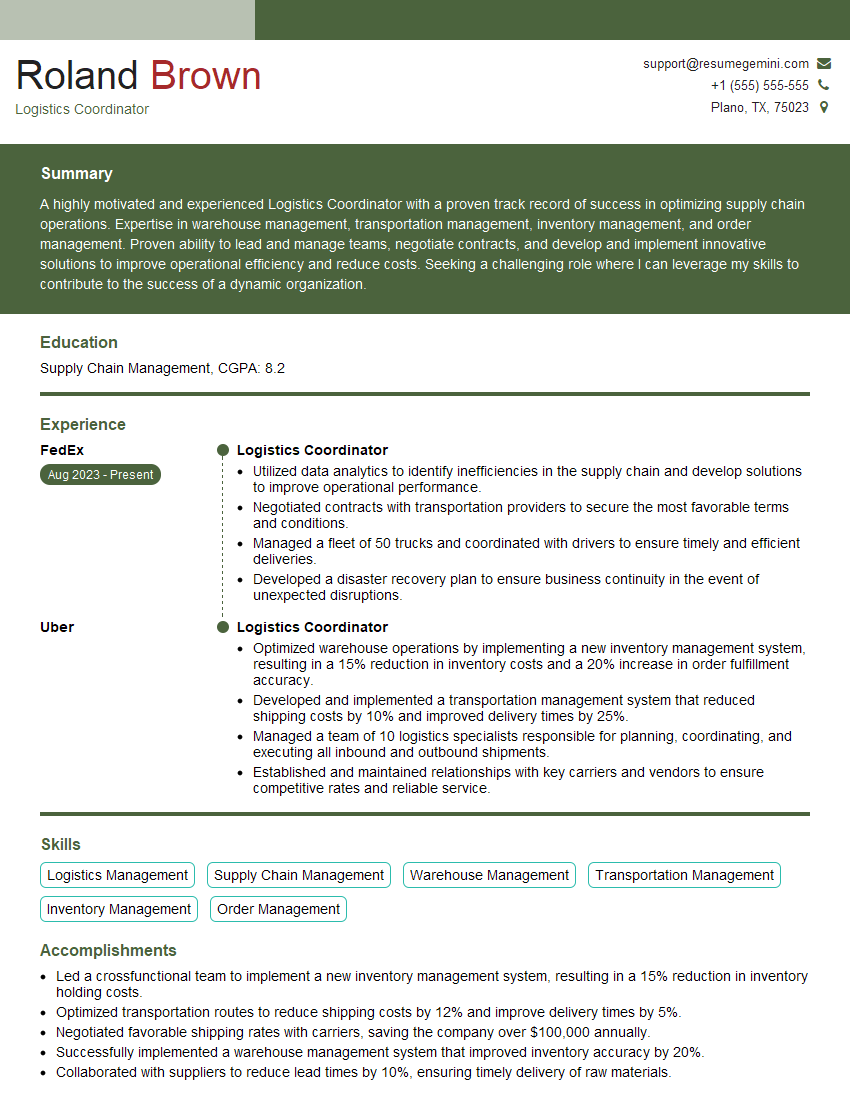
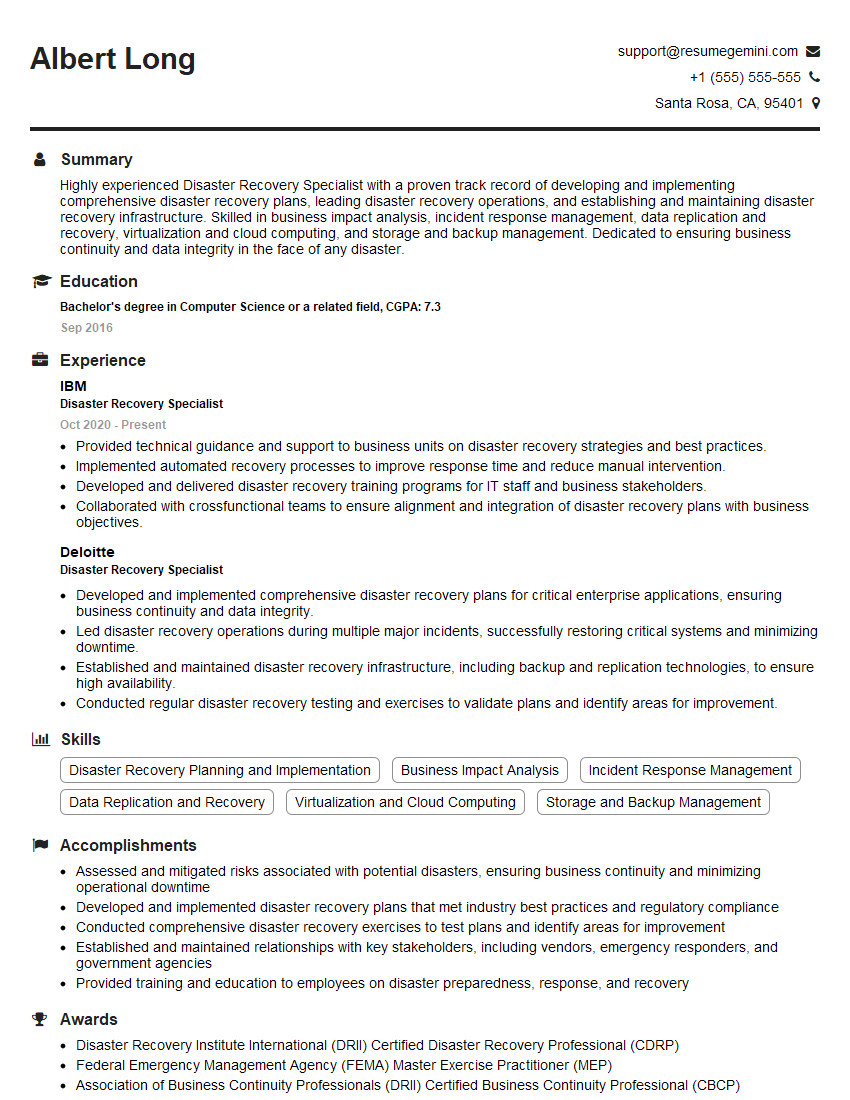
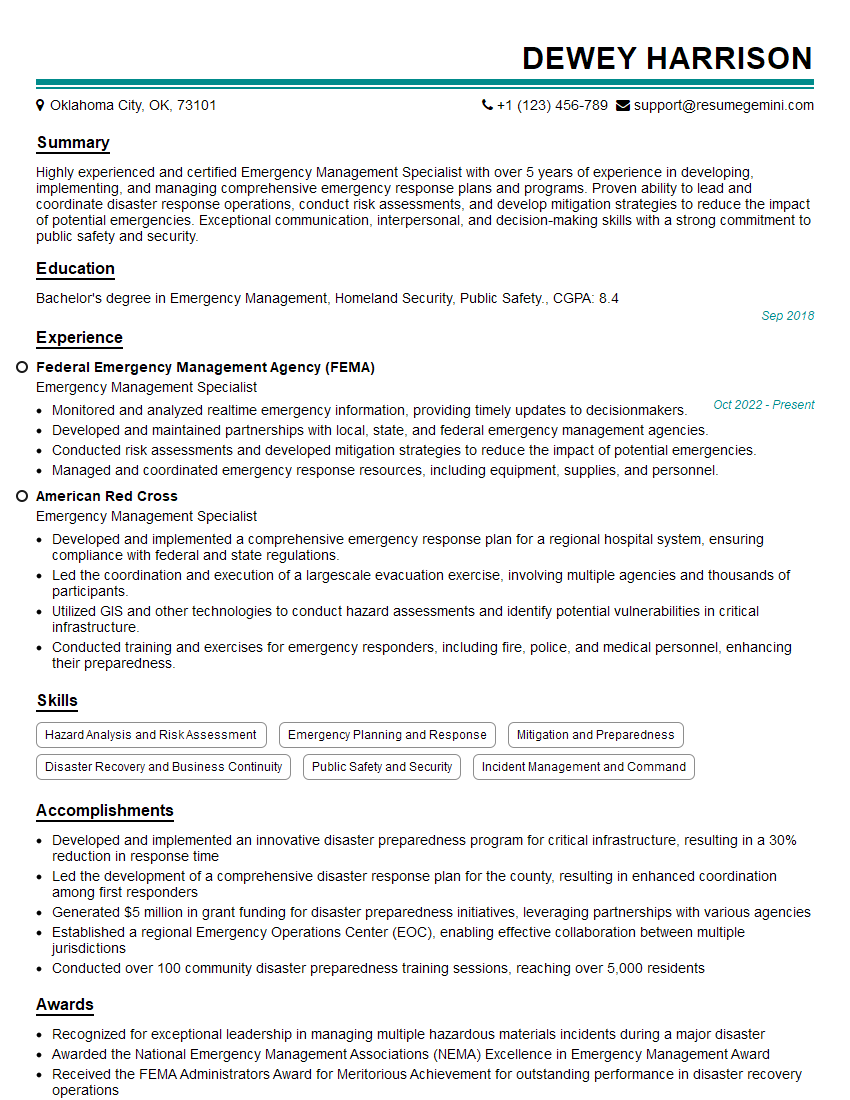
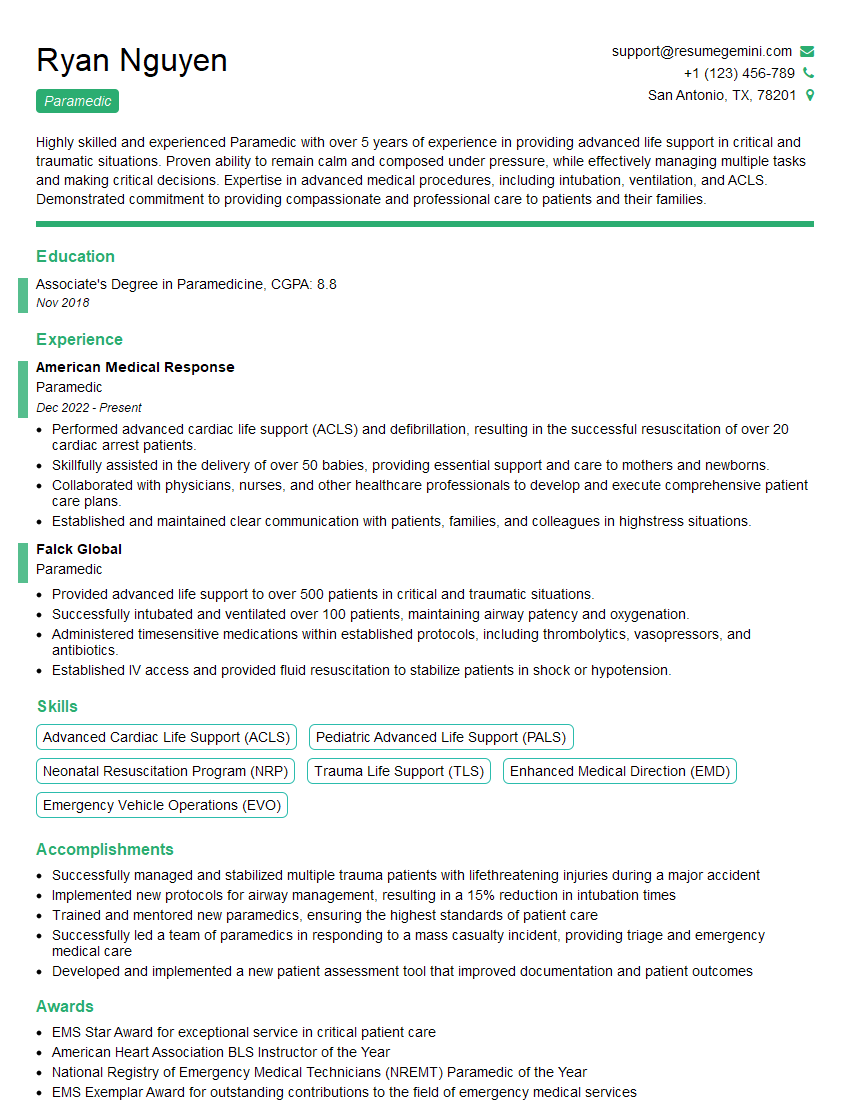
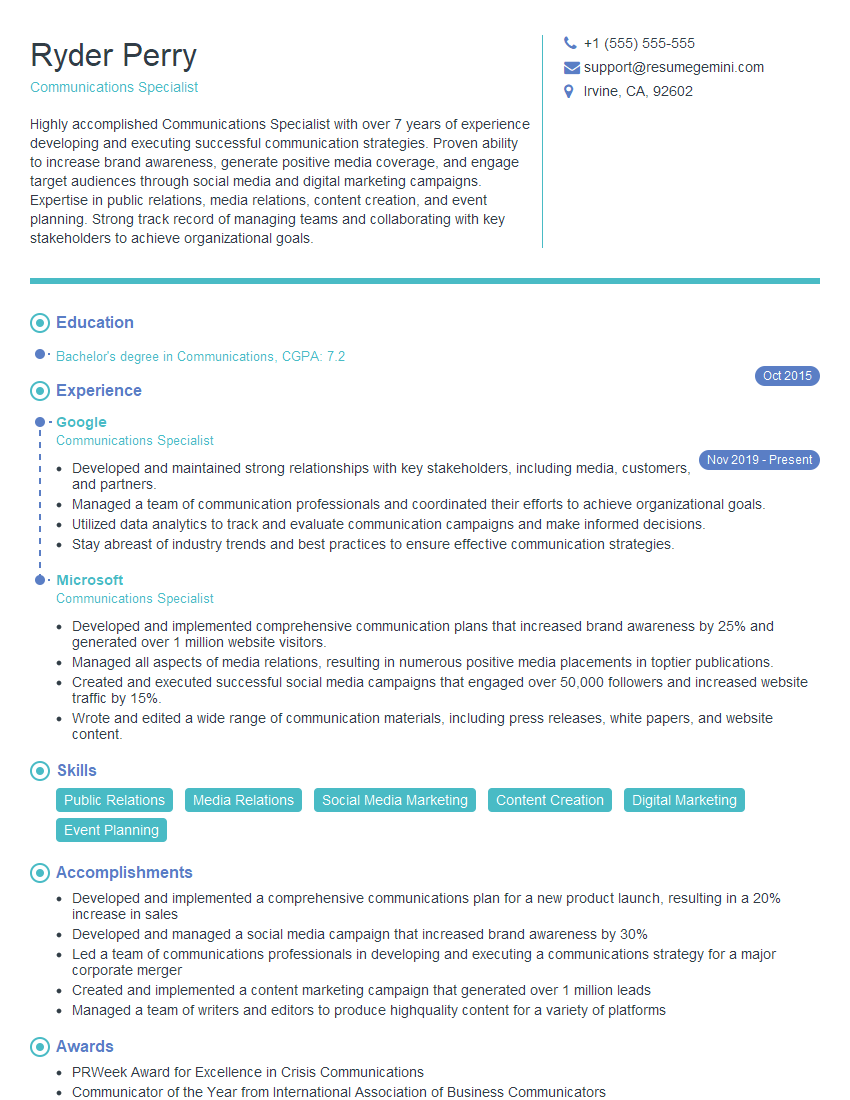
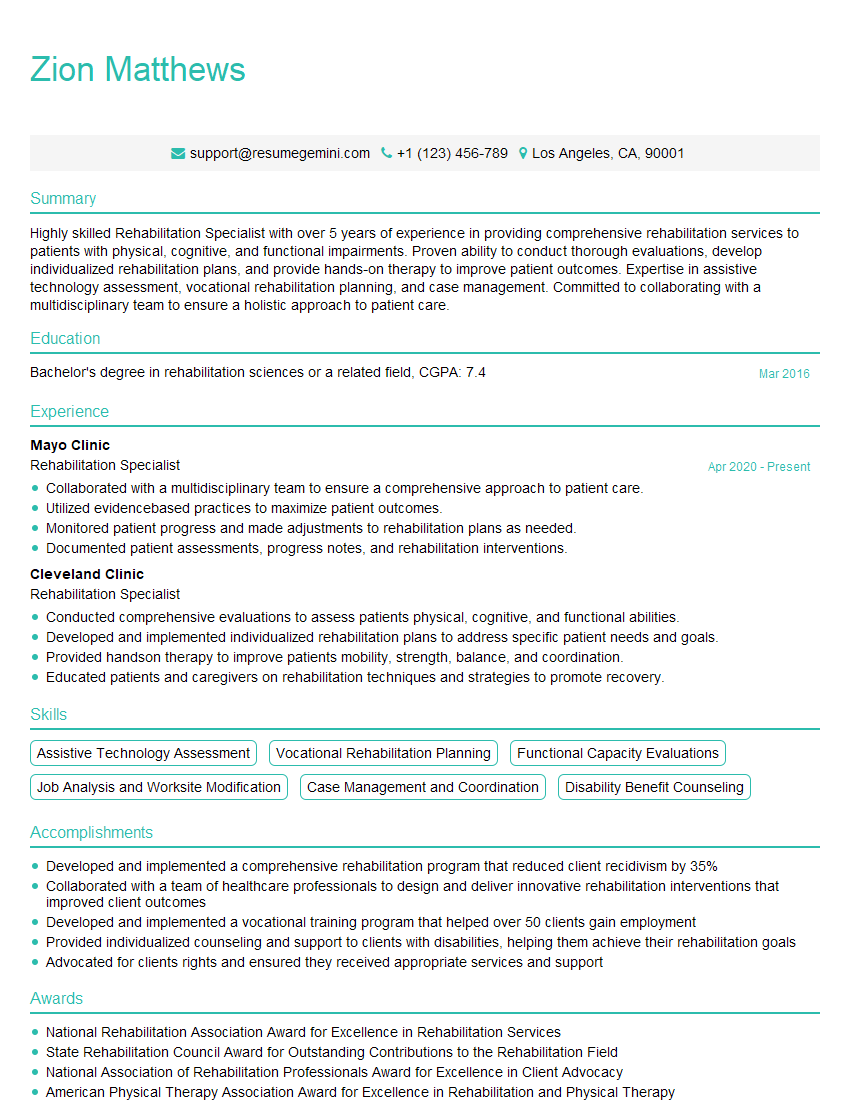
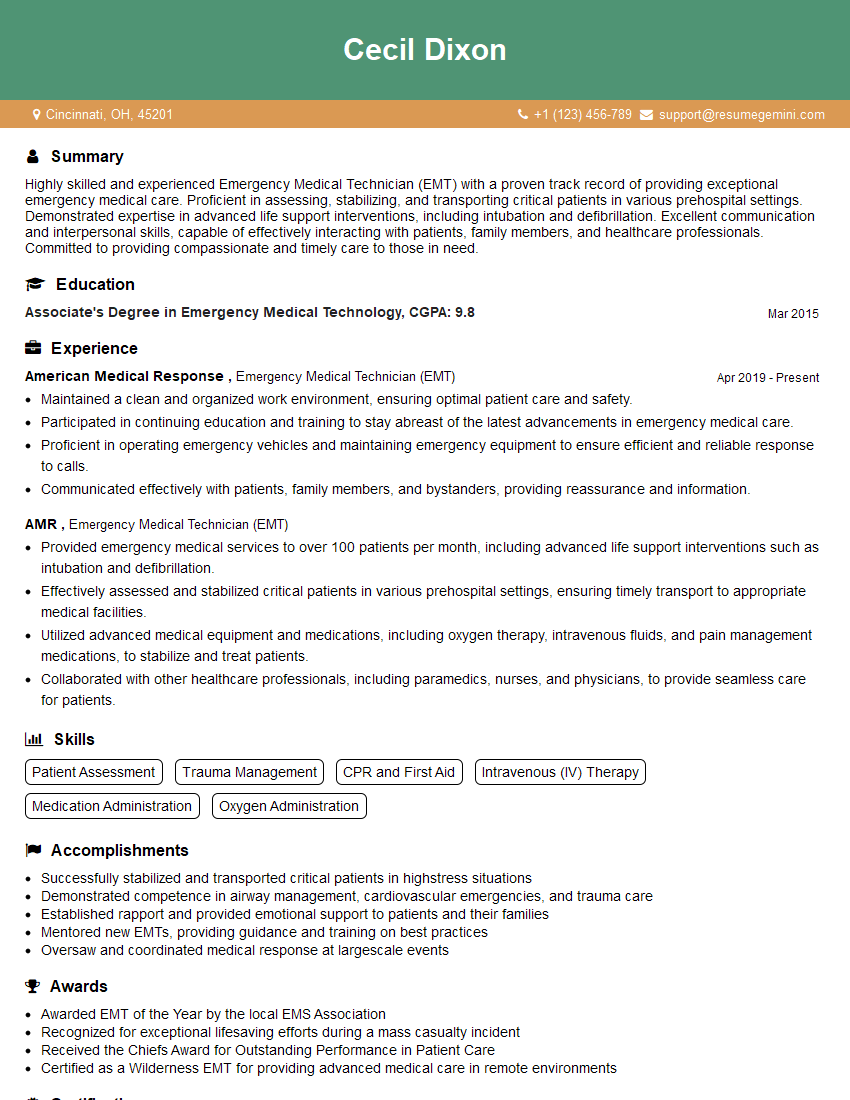
Mastering Disaster Relief Operations opens doors to a fulfilling career with significant impact. The ability to effectively manage crises and support vulnerable populations is highly valued. To maximize your job prospects, it’s crucial to present your skills and experience in a compelling way. Creating an ATS-friendly resume is essential for getting your application noticed. We strongly recommend using ResumeGemini, a trusted resource for building professional resumes that stand out. ResumeGemini provides examples of resumes tailored to Disaster Relief Operations, allowing you to learn from the best and present yourself effectively.
Explore more articles
Users Rating of Our Blogs
Share Your Experience
We value your feedback! Please rate our content and share your thoughts (optional).
What Readers Say About Our Blog
Very informative content, great job.
good