Every successful interview starts with knowing what to expect. In this blog, we’ll take you through the top Disease Identification and Prevention interview questions, breaking them down with expert tips to help you deliver impactful answers. Step into your next interview fully prepared and ready to succeed.
Questions Asked in Disease Identification and Prevention Interview
Q 1. Describe the steps involved in a disease outbreak investigation.
Investigating a disease outbreak involves a systematic approach to identify the source, mode of transmission, and risk factors. Think of it like solving a complex puzzle, where each piece of information helps paint a clearer picture.
- Prepare for fieldwork: This includes gathering necessary supplies, personal protective equipment, and assembling your team.
- Establish existence of an outbreak: Verify whether an unusual increase in cases exists compared to the expected baseline.
- Verify the diagnosis: Ensure the cases are actually caused by the suspected disease through lab confirmation.
- Define and identify cases: Establish a clear case definition (symptoms, diagnostic criteria) and systematically identify all cases meeting the criteria.
- Describe cases by person, place, and time: This involves characterizing the affected population (age, gender, etc.), location of cases, and the timing of illness onset (epidemic curve).
- Develop hypotheses: Based on the initial data, formulate testable hypotheses regarding the source and spread of the disease.
- Evaluate hypotheses: Analyze data to determine which hypotheses are supported and refine your understanding.
- Refine hypotheses: Use additional data and testing to further refine your understanding of the outbreak’s dynamics.
- Communicate findings: Report the findings to relevant authorities and the public, providing actionable recommendations.
- Implement control and prevention measures: Implement strategies to contain the outbreak (e.g., quarantine, vaccination, improved sanitation) and prevent further spread.
For example, imagine an outbreak of food poisoning at a large event. Investigators would trace back the meals consumed by those affected to identify the contaminated food source, and implement measures to prevent further illness.
Q 2. Explain the difference between incidence and prevalence.
Incidence and prevalence are both measures of disease frequency, but they differ in what they describe. Imagine a lake: incidence is like the rate of new water flowing into the lake, while prevalence is the total amount of water already present in the lake at a specific time.
Incidence refers to the number of new cases of a disease occurring in a population during a specified period. It measures the rate of development of new cases. For instance, The incidence of measles in County X was 10 per 100,000 population during 2023.
Prevalence refers to the total number of existing cases (both new and old) of a disease in a population at a specific point in time or over a specified period. It represents the burden of the disease within a population. For example, The prevalence of diabetes in City Y was 5% in 2023.
Understanding the difference is vital in disease control. High incidence indicates an ongoing spread, demanding immediate intervention, whereas high prevalence might indicate long-term health challenges requiring chronic disease management programs.
Q 3. What are the key epidemiological measures used to assess disease burden?
Epidemiological measures help us assess the impact of diseases on a population. Key measures include:
- Mortality rate: The number of deaths due to a specific disease per a defined population in a given time period. For example, the infant mortality rate is a crucial indicator of public health.
- Morbidity rate: The rate of new cases of a disease or condition in a population over a specified time. This provides insight into how widespread the disease is.
- Case fatality rate: The proportion of individuals diagnosed with a specific disease who die from the disease. This helps to understand the severity of a condition.
- Years of life lost (YLL): A measure of premature mortality, indicating years of life lost due to death before a certain age.
- Years lived with disability (YLD): A measure of the impact of a disease on an individual’s quality of life. It quantifies the burden of non-fatal health conditions.
- Disability-Adjusted Life Years (DALYs): A summary measure of population health combining YLL and YLD, providing a holistic view of the disease burden.
These measures are crucial in guiding resource allocation, prioritizing interventions, and evaluating the effectiveness of disease control programs. For instance, a high DALY value for a specific disease might justify increased funding for research, prevention, and treatment programs.
Q 4. Discuss various methods for disease surveillance.
Disease surveillance is the ongoing, systematic collection, analysis, and interpretation of health data to detect, investigate, and prevent disease outbreaks. It’s like having a watchful eye on the health of a community.
- Passive surveillance: This involves the routine reporting of cases by healthcare providers to public health agencies. It’s like having a network of reporters providing regular updates.
- Active surveillance: This involves actively searching for cases of a specific disease in a defined population. It’s a more intensive approach, like going door-to-door to check for illness symptoms.
- Sentinel surveillance: This involves monitoring disease trends in a select group of healthcare facilities or populations. It’s like having key informants in strategic locations providing early warning signs.
- Syndromic surveillance: This focuses on monitoring non-specific symptoms or syndromes that might indicate an emerging disease. It’s like detecting early warning signals before a full-blown outbreak.
- Laboratory-based surveillance: This involves tracking specific pathogens or markers of disease through laboratory testing. It’s like having a lab that tracks the ‘bad guys’.
Each method has its strengths and limitations, and the choice depends on factors like disease characteristics, resource availability, and the specific public health goal. For example, passive surveillance is cost-effective for routine monitoring but might miss sporadic or underreported cases, requiring active surveillance during an outbreak.
Q 5. Explain the concept of herd immunity and its importance.
Herd immunity is a form of indirect protection from infectious diseases where a large percentage of the population is immune, making it difficult for the disease to spread. Think of it as a protective shield for the entire community.
When a sufficient proportion of a population is immune, either through vaccination or prior infection, the chain of transmission is broken. Even those who are not immune are less likely to get infected because there are fewer susceptible individuals to pass the disease on to.
The exact percentage needed for herd immunity varies depending on the disease’s transmissibility. Highly contagious diseases require higher levels of immunity. For example, measles is highly contagious and requires a high level of herd immunity (around 95%) to effectively prevent outbreaks. This highlights the critical role of vaccination programs in achieving herd immunity and protecting vulnerable populations.
Herd immunity is important because it protects individuals who cannot be vaccinated (due to medical reasons) or those for whom vaccines are less effective. It significantly reduces the risk of outbreaks and helps to control the spread of infectious diseases.
Q 6. How do you assess the effectiveness of a disease prevention program?
Assessing the effectiveness of a disease prevention program requires a multi-faceted approach that combines quantitative and qualitative data. Imagine you’re evaluating a new heart health campaign – you need to look at multiple factors.
- Process evaluation: This assesses whether the program was implemented as planned. Did the program reach its target audience? Was the messaging clear and effective?
- Outcome evaluation: This measures the impact of the program on specific health outcomes. Did the program reduce the incidence or prevalence of the disease? Did it improve health behaviors?
- Impact evaluation: This assesses the long-term effects of the program on population health. Did the program contribute to sustained improvements in health outcomes? Did it lead to cost savings in the healthcare system?
- Cost-effectiveness analysis: This compares the costs of the program to its health benefits. Is the program a good value for money? Does the benefit outweigh the cost?
The choice of evaluation methods and indicators depends on the specific program goals and available resources. For instance, a vaccination program might primarily focus on evaluating the reduction in incidence rates, while a health education campaign may emphasize changes in knowledge, attitudes, and behaviors.
It’s important to use a combination of methods and collect data from different sources to get a comprehensive picture of the program’s effectiveness.
Q 7. Describe different types of disease transmission.
Disease transmission refers to the process by which an infectious agent spreads from a source to a host. This can happen in several ways:
- Direct contact: This involves direct physical contact between an infected person and a susceptible person, such as through touch, kissing, or sexual contact. Examples include STIs and many childhood illnesses.
- Indirect contact: This happens through an intermediate object or vector. This could be touching a contaminated surface (fomites) or being bitten by an infected insect (vector-borne). For example, influenza might spread via contaminated surfaces (doorknobs, keyboards), while malaria is spread via mosquitoes.
- Droplet transmission: This involves the spread of respiratory droplets produced when an infected person coughs, sneezes, or talks. These droplets travel short distances before falling to the ground, infecting anyone nearby. Influenza and COVID-19 are examples of diseases spread through droplets.
- Airborne transmission: This involves the spread of smaller infectious particles that remain suspended in the air for longer periods and can travel over longer distances. Tuberculosis and measles are examples of airborne diseases.
- Vehicle transmission: This refers to the spread of infectious agents through contaminated materials such as food, water, or blood. Food poisoning and cholera are examples.
- Vector-borne transmission: This involves the spread of disease by an insect or animal, such as mosquitoes or ticks. Malaria, Lyme disease, and Zika virus are examples.
Understanding the mode of transmission is crucial for implementing effective prevention and control measures. For example, preventing direct contact through handwashing is critical for diseases transmitted this way, while vector control (like insecticide spraying) is important for vector-borne diseases.
Q 8. What are the ethical considerations in disease prevention and control?
Ethical considerations in disease prevention and control are paramount, encompassing individual rights, societal well-being, and resource allocation. We must always balance the benefits of interventions with potential harms and ensure fairness in their implementation.
- Informed Consent: Individuals must be fully informed about potential risks and benefits of interventions before participation, including vaccination programs or screening tests. For example, mandatory vaccination without proper education and choice raises serious ethical concerns.
- Privacy and Confidentiality: Protecting personal health information is crucial. Data collected for disease surveillance must be handled responsibly and securely to avoid discrimination or stigmatization.
- Justice and Equity: Interventions must be accessible and equitable across all populations, regardless of socioeconomic status, race, or ethnicity. For instance, prioritizing vaccine distribution to privileged groups while neglecting vulnerable populations is ethically unacceptable.
- Resource Allocation: Decisions about allocating scarce resources (e.g., vaccines, treatments, healthcare professionals) raise difficult ethical questions. We need transparent and justifiable criteria for resource distribution to ensure fair allocation.
- Public Health vs. Individual Liberty: Balancing the collective good with individual freedoms is a constant challenge. Measures like quarantine or travel restrictions, although vital for disease control, can infringe upon individual liberties. Careful consideration of proportionality and necessity is required.
Addressing these ethical considerations involves robust public discourse, transparent decision-making processes, and the active participation of diverse stakeholders.
Q 9. Explain the principles of risk stratification in disease management.
Risk stratification in disease management involves categorizing individuals based on their likelihood of developing or experiencing adverse outcomes from a particular disease. This allows for tailored interventions and resource allocation, focusing efforts on those at highest risk.
- Identifying Risk Factors: This begins by identifying factors associated with increased disease risk (e.g., age, genetics, lifestyle, environmental exposures). For instance, smokers are at higher risk for lung cancer than non-smokers.
- Developing Risk Scores/Models: Statistical models (like logistic regression) can combine multiple risk factors into a score that quantifies an individual’s risk. A higher score indicates a greater likelihood of disease.
- Stratifying the Population: Based on the risk scores, individuals are grouped into different risk categories (e.g., low, moderate, high). This allows for targeted interventions.
- Tailoring Interventions: Individuals in different risk strata receive different levels of intervention. Those at high risk might receive intensive monitoring, preventive therapies, or earlier screening.
For example, in cardiovascular disease management, risk stratification helps determine which patients need aggressive medication management, lifestyle changes, or even surgical interventions. It improves efficiency and ensures the most appropriate care for each patient.
Q 10. Describe common statistical methods used in epidemiological studies.
Epidemiological studies rely on several statistical methods to analyze data and draw inferences about disease patterns and causes. These include:
- Descriptive Statistics: These methods summarize and describe data, such as measures of central tendency (mean, median, mode) and dispersion (standard deviation, variance). They help understand the distribution of disease in a population.
- Regression Analysis: This helps quantify the relationship between an outcome (e.g., disease occurrence) and explanatory variables (e.g., age, smoking, exposure). Linear regression for continuous outcomes and logistic regression for binary outcomes (disease yes/no) are common. For example, we might use logistic regression to model the relationship between smoking and lung cancer risk.
- Survival Analysis: Used to analyze time-to-event data, like time to disease onset or death. This is particularly relevant in studies of chronic diseases.
- Correlation Analysis: Examines the association between two or more variables. However, it doesn’t imply causation. A strong correlation between ice cream sales and drowning incidents doesn’t mean one causes the other; both are likely correlated with summer weather.
- Chi-square Test: A test of independence used to determine if there’s an association between categorical variables (e.g., disease status and exposure). For example, comparing the prevalence of a disease in exposed vs. unexposed groups.
Choosing appropriate statistical methods depends on the research question, study design, and data characteristics.
Q 11. How do you interpret sensitivity and specificity in diagnostic testing?
Sensitivity and specificity are crucial measures of a diagnostic test’s performance. They tell us how well the test identifies true positives and true negatives.
- Sensitivity: The probability that a test will be positive when the disease is truly present. A highly sensitive test has a low rate of false negatives. Imagine a test for a deadly disease: high sensitivity is crucial to avoid missing cases. We’d rather have a few false positives than miss someone with the disease.
- Specificity: The probability that a test will be negative when the disease is truly absent. A highly specific test has a low rate of false positives. Think of a screening test for a condition with extensive and costly treatment: high specificity is needed to avoid unnecessary treatment.
For example, a highly sensitive test for tuberculosis might yield some false positives, but it’s unlikely to miss someone who has the disease. Conversely, a highly specific test for a rare disease might miss some cases to ensure those who test positive truly have the condition.
Ideally, a good diagnostic test will have both high sensitivity and high specificity. The balance between the two depends on the disease’s prevalence, consequences of false positives and negatives, and the cost-effectiveness of the test.
Q 12. What are the limitations of using observational studies in disease research?
Observational studies, while valuable for generating hypotheses and exploring associations, have limitations compared to randomized controlled trials (RCTs).
- Confounding: Observational studies are prone to confounding, where an unmeasured variable influences both the exposure and the outcome, leading to spurious associations. For example, an observed association between coffee consumption and heart disease might be confounded by smoking—smokers may drink more coffee and also have a higher risk of heart disease.
- Selection Bias: Participants in observational studies may not be representative of the broader population, leading to biased results. For instance, a study on a specific workplace population may not generalize to other populations.
- Information Bias: Inaccurate or incomplete data can lead to bias. Recall bias, for example, occurs when participants inaccurately recall past exposures. This is common in studies relying on self-reported information.
- Causality vs. Association: Observational studies can demonstrate associations but cannot definitively prove causality. Even strong associations could be due to confounding or chance.
To mitigate these limitations, researchers use techniques like statistical adjustment for confounders, careful study design to minimize selection bias, and triangulation of data from multiple sources. However, these methods cannot fully eliminate the inherent limitations of observational designs.
Q 13. Explain the role of predictive modeling in disease outbreak prediction.
Predictive modeling plays a crucial role in forecasting disease outbreaks by analyzing various data sources to identify patterns and predict future events. These models use statistical and machine learning techniques to assess the risk of outbreaks.
- Data Integration: Models integrate diverse data, including epidemiological data (disease incidence, mortality), environmental data (temperature, rainfall), socioeconomic factors, and mobility patterns. For instance, analyzing historical influenza data along with climate data can help predict the timing and severity of future influenza seasons.
- Model Development: Various statistical models (e.g., time series analysis, regression models) or machine learning algorithms (e.g., neural networks, support vector machines) are used to build predictive models. The choice of model depends on the available data and the complexity of the disease dynamics.
- Model Validation: The model’s accuracy is evaluated using historical data not used in the model’s development. This assesses its ability to accurately predict past outbreaks. This process ensures the model is generalizable and robust.
- Outbreak Prediction: Once validated, the model can be used to predict future outbreaks, providing early warnings to public health officials. This allows for timely implementation of preventive measures.
The accuracy of outbreak predictions depends heavily on the quality and quantity of data used, the model’s complexity, and the underlying disease dynamics. However, even imperfect predictions can be valuable in guiding resource allocation and intervention strategies.
Q 14. Discuss different strategies for controlling vector-borne diseases.
Controlling vector-borne diseases, those transmitted by insects or other arthropods, requires a multi-pronged approach targeting both the vector and the disease transmission cycle.
- Vector Control: This involves reducing the population of vectors, such as mosquitoes, ticks, or fleas. Methods include:
- Insecticides: Applying insecticides to breeding sites or using insecticide-treated bed nets.
- Larvicides: Targeting mosquito larvae in breeding sites (stagnant water).
- Environmental Management: Reducing breeding sites by draining stagnant water or eliminating debris.
- Biological Control: Introducing natural predators of the vector.
- Disease Prevention and Treatment: This includes:
- Vaccination: When available, vaccination is an effective strategy to reduce disease incidence (e.g., yellow fever vaccine).
- Early Diagnosis and Treatment: Prompt treatment reduces the severity of the disease and limits its spread.
- Personal Protective Measures: Using insect repellents, wearing long sleeves and pants, and using bed nets can reduce exposure to vectors.
- Surveillance and Monitoring: Regular surveillance is crucial to detect outbreaks early and monitor the effectiveness of control measures. This involves tracking vector populations, disease incidence, and potential risk factors.
Integrated vector management (IVM) is a holistic strategy combining various control methods to achieve sustainable and cost-effective disease control. It requires coordinated efforts from public health agencies, communities, and individuals.
Q 15. How do you evaluate the cost-effectiveness of a public health intervention?
Evaluating the cost-effectiveness of a public health intervention involves a careful assessment of its financial implications against the health benefits it yields. We use a variety of methods, most commonly cost-effectiveness analysis (CEA) and cost-utility analysis (CUA).
Cost-Effectiveness Analysis (CEA) compares the cost of an intervention to its health outcomes, often expressed as the cost per life-year gained or cost per case prevented. For example, we might compare the cost of a new tuberculosis screening program to its impact on the number of cases detected and treated, evaluating whether the cost per case prevented is acceptable compared to other interventions.
Cost-Utility Analysis (CUA) is a more sophisticated approach that incorporates the quality of life associated with health outcomes, often using Quality-Adjusted Life Years (QALYs). A QALY represents one year of life lived in perfect health. A program that increases life expectancy but reduces quality of life might have a lower cost-per-QALY than one that extends life with higher quality.
The process involves:
- Identifying costs: This includes direct medical costs (e.g., medications, hospitalizations), indirect costs (e.g., lost productivity), and program implementation costs.
- Measuring health outcomes: This might involve mortality data, morbidity data (incidence and prevalence of disease), and quality of life assessments.
- Analyzing the data: Statistical methods are used to calculate the cost-effectiveness ratios and compare different interventions.
- Considering uncertainties: Cost-effectiveness analyses often involve uncertainties in cost estimates and health outcome projections, so sensitivity analyses are conducted to determine the robustness of the conclusions.
Ultimately, the decision of whether an intervention is cost-effective depends on societal values and resource constraints. A highly effective intervention may not be cost-effective if it is prohibitively expensive in a resource-limited setting.
Career Expert Tips:
- Ace those interviews! Prepare effectively by reviewing the Top 50 Most Common Interview Questions on ResumeGemini.
- Navigate your job search with confidence! Explore a wide range of Career Tips on ResumeGemini. Learn about common challenges and recommendations to overcome them.
- Craft the perfect resume! Master the Art of Resume Writing with ResumeGemini’s guide. Showcase your unique qualifications and achievements effectively.
- Don’t miss out on holiday savings! Build your dream resume with ResumeGemini’s ATS optimized templates.
Q 16. Explain the role of vaccination in disease prevention.
Vaccination is a cornerstone of disease prevention, offering a safe and highly effective way to build immunity against various infectious diseases. It works by introducing a weakened or inactive form of the disease-causing microorganism (virus or bacteria) or its components into the body. This triggers the immune system to create antibodies, which provide long-term protection against future infection.
The role of vaccination extends beyond individual protection:
- Herd Immunity: When a significant proportion of a population is vaccinated, it creates herd immunity, protecting even those who cannot be vaccinated (e.g., infants, immunocompromised individuals). This prevents widespread outbreaks.
- Disease Eradication/Elimination: Successful vaccination campaigns have led to the eradication of smallpox and the near-elimination of polio, dramatically improving global health.
- Reduced Healthcare Burden: Vaccination prevents millions of illnesses, hospitalizations, and deaths, significantly reducing the strain on healthcare systems.
Different types of vaccines exist, each with its mechanism of action, including:
- Live attenuated vaccines: Use a weakened version of the virus.
- Inactivated vaccines: Use a killed version of the virus or bacteria.
- Subunit, recombinant, polysaccharide, and conjugate vaccines: Use specific parts of the microorganism.
- Toxoid vaccines: Use inactivated toxins produced by bacteria.
Despite its safety and efficacy, vaccine hesitancy and misinformation remain significant challenges to widespread vaccination. Addressing these concerns through public health education and community engagement is crucial for maintaining high vaccination rates and protecting public health.
Q 17. Describe the impact of climate change on the spread of infectious diseases.
Climate change significantly impacts the spread of infectious diseases through various mechanisms. Changes in temperature, precipitation patterns, and extreme weather events create conditions favorable for the proliferation of disease vectors (mosquitoes, ticks, etc.) and alter the geographical distribution of pathogens.
Examples of the impact include:
- Expansion of vector-borne diseases: Rising temperatures expand the geographical range of mosquitoes, increasing the risk of malaria, dengue fever, Zika virus, and West Nile virus in previously unaffected areas. Changes in rainfall patterns can create breeding grounds for mosquitoes.
- Increased waterborne diseases: Extreme weather events like floods and droughts can contaminate water sources, leading to outbreaks of cholera, typhoid fever, and other waterborne illnesses.
- Changes in pathogen distribution: Warmer temperatures can enable pathogens to survive and replicate in new regions, expanding their geographical range and increasing the risk of outbreaks.
- Increased food insecurity: Climate change impacts agricultural production, leading to food shortages and malnutrition, which weakens the immune system and increases susceptibility to infectious diseases.
- Displacement and migration: Climate-related disasters can cause population displacement, increasing the risk of disease transmission in overcrowded and unsanitary conditions.
Addressing the impact of climate change on infectious disease requires a multi-faceted approach, including mitigation efforts to reduce greenhouse gas emissions and adaptation strategies to reduce vulnerability to climate-related health risks. This includes improving surveillance systems, developing early warning systems for outbreaks, and enhancing public health infrastructure.
Q 18. What are some common challenges in global health initiatives?
Global health initiatives face numerous challenges, often intertwined and complex. These can be broadly categorized as:
- Resource limitations: Many low- and middle-income countries lack the resources (financial, human, and technological) to implement effective health programs. This includes funding for healthcare infrastructure, trained personnel, and essential medicines.
- Political instability and conflict: War and political instability disrupt healthcare systems, displace populations, and impede access to essential health services.
- Weak health systems: Many countries struggle with weak health systems, lacking effective surveillance systems, robust disease prevention and control programs, and access to quality healthcare.
- Health inequities: Disparities in access to healthcare, education, and resources contribute to health inequities, with marginalized populations disproportionately affected by disease.
- Global health security threats: The emergence and rapid spread of infectious diseases pose a significant global health security threat, requiring international collaboration and effective response mechanisms.
- Misinformation and vaccine hesitancy: The spread of misinformation and mistrust of vaccines undermine public health efforts, making it harder to control infectious diseases.
- Capacity building: Developing the necessary skills and expertise in low and middle-income countries for effective implementation of health initiatives remains a considerable challenge.
Addressing these challenges requires a collaborative approach involving governments, international organizations, NGOs, and communities. Investing in strong health systems, promoting health equity, and fostering international cooperation are crucial for achieving global health goals.
Q 19. Discuss the importance of data visualization in public health communication.
Data visualization plays a crucial role in public health communication, making complex data more accessible and understandable to a wider audience, including policymakers, healthcare professionals, and the general public. It helps to convey key information effectively, improve decision-making, and engage the community in health initiatives.
Effective data visualization in public health can:
- Highlight trends and patterns: Visual representations of disease incidence, prevalence, and mortality rates over time help identify trends and patterns that might otherwise be missed in raw data. For example, line graphs can effectively show changes in influenza cases over a season.
- Compare different groups: Bar charts and pie charts can visually compare disease rates across different age groups, genders, ethnicities, or geographic locations, highlighting health disparities.
- Communicate risk: Maps can illustrate the geographic distribution of diseases, showing areas at high risk and informing targeted interventions. For example, a heatmap showing the density of mosquito populations could highlight areas at high risk for Zika virus transmission.
- Enhance public awareness: Simple and engaging visualizations can raise public awareness about health risks and promote healthy behaviors. Infographics combining text and visuals can communicate complex information clearly and memorably.
- Support advocacy and resource allocation: Convincing data visualizations can be used to advocate for policy changes and secure funding for public health programs by demonstrating the impact of specific issues.
Choosing the right type of visualization depends on the type of data and the message to be conveyed. It’s essential to use clear and concise labels, appropriate scales, and avoid misleading visuals. Interactive dashboards allow for exploration of data and improved understanding. The use of clear, non-technical language in accompanying text is vital for accessibility.
Q 20. How do you address health disparities in disease prevention programs?
Addressing health disparities in disease prevention programs requires a multi-pronged approach that acknowledges the social determinants of health and tailors interventions to the specific needs of vulnerable populations. This means moving beyond simply providing services and addressing the root causes of inequities.
Strategies for addressing health disparities include:
- Needs assessment: Conducting thorough needs assessments to understand the unique challenges and barriers faced by different communities is crucial. This involves engaging directly with communities and gathering data on their lived experiences.
- Culturally tailored interventions: Designing and implementing culturally appropriate and linguistically accessible interventions that resonate with the targeted community. This includes involving community members in the design and implementation process.
- Addressing social determinants of health: Tackling the underlying social, economic, and environmental factors that contribute to health disparities, such as poverty, lack of access to education and healthy food, and inadequate housing.
- Improving access to healthcare: Expanding access to quality healthcare services, including preventive care, screening programs, and treatment, especially in underserved areas. This may involve mobile health clinics or telehealth initiatives.
- Community engagement and empowerment: Engaging community members as partners in the design and implementation of health programs and empowering them to take control of their health.
- Data disaggregation: Collecting and analyzing data disaggregated by relevant factors (age, gender, ethnicity, socioeconomic status, etc.) to identify disparities and monitor progress.
- Addressing systemic racism and other forms of discrimination: Actively addressing the systemic barriers and biases that contribute to health disparities.
Effective interventions are not only evidence-based but also culturally sensitive and address the social context in which health disparities occur. A successful approach requires a long-term commitment and collaboration among various sectors, including healthcare, education, social services, and government.
Q 21. Explain different methods for outbreak detection and response.
Outbreak detection and response involves a systematic process of identifying, investigating, and controlling the spread of infectious diseases. It relies on a combination of surveillance, laboratory testing, epidemiological investigation, and public health interventions.
Methods for outbreak detection include:
- Passive surveillance: Routine reporting of cases by healthcare providers to public health authorities. This forms the backbone of surveillance but may miss some cases, particularly in settings with weak health systems.
- Active surveillance: Proactive search for cases in the community, often targeted at specific populations or geographic areas. This is more resource-intensive but more sensitive for detecting outbreaks early.
- Syndromic surveillance: Monitoring non-specific symptoms (e.g., fever, diarrhea) to detect potential outbreaks before confirmed cases are reported. This can provide early warning signals.
- Enhanced surveillance: Intensified surveillance activities during periods of increased risk, such as during a seasonal influenza outbreak.
Outbreak response typically involves:
- Confirmation of the outbreak: Laboratory testing to confirm the causative agent and investigate potential sources of infection.
- Epidemiological investigation: Tracing the source of the outbreak, identifying risk factors, and determining the mode of transmission.
- Case management: Providing appropriate medical care and support to those affected by the outbreak.
- Control measures: Implementing interventions to control the spread of the disease, such as quarantine, isolation, contact tracing, and vaccination.
- Communication and risk communication: Keeping the public informed about the outbreak, providing guidance on preventive measures, and addressing concerns.
Effective outbreak detection and response requires strong public health infrastructure, well-trained personnel, robust laboratory capacity, and effective communication strategies. International collaboration is crucial for managing outbreaks with international implications.
Q 22. Describe the process of developing a public health policy.
Developing a public health policy is a multi-stage process involving needs assessment, policy formulation, implementation, and evaluation. It begins with identifying a significant public health problem, like a rising incidence of a specific disease or a health disparity. This often involves analyzing epidemiological data to understand the problem’s scope and impact. Next, policy formulation involves brainstorming potential solutions, considering their feasibility, cost-effectiveness, and ethical implications. This stage often includes stakeholder engagement – discussions with experts, community members, and policymakers to gather diverse perspectives and build consensus.
The implementation phase involves putting the policy into action, which may include resource allocation, public awareness campaigns, or changes to healthcare systems. Finally, ongoing evaluation is crucial; it monitors the policy’s effectiveness, identifies unintended consequences, and informs necessary adjustments. A successful policy is adaptable and responsive to changing circumstances. For example, the policy response to the COVID-19 pandemic evolved significantly as our understanding of the virus and its impact improved. Early measures focused on containment, while later strategies shifted towards vaccination and managing long-term effects.
Q 23. What are the key indicators of a successful disease prevention campaign?
The key indicators of a successful disease prevention campaign are multifaceted and depend on the specific disease and campaign goals. However, some crucial indicators include a measurable decrease in the incidence rate of the disease, a reduction in the prevalence of the disease within the target population, an improvement in relevant health behaviors (like increased vaccination rates or healthier lifestyle choices), and increased public awareness and knowledge about the disease and preventive measures.
For example, a successful campaign to reduce smoking might show a decrease in the number of smokers, a higher percentage of smokers quitting successfully, and increased public understanding of the risks associated with tobacco use. Quantitative data such as these, along with qualitative data gathered through surveys or focus groups, give a comprehensive picture of success.
Q 24. How do you evaluate the quality of epidemiological data?
Evaluating the quality of epidemiological data is crucial for accurate public health decisions. This involves assessing several key aspects. First, we check for validity – does the data accurately measure what it intends to measure? This involves examining the study design, the methods used for data collection, and the potential for bias. Second, we consider reliability – are the results consistent and repeatable? This means evaluating the precision of measurements and the stability of the data over time. Third, generalizability or external validity is important: can the findings be applied to other populations or settings beyond the study sample?
Data quality also depends on the completeness and accuracy of the data itself. Are there missing values, and if so, how substantial is the missing data? Are there any obvious errors or inconsistencies in the data that need to be addressed? We also look at the representativeness of the data: does the sample accurately reflect the population of interest? This assessment often involves comparing the demographic characteristics of the sample to the characteristics of the target population. Finally, we carefully consider the data’s source and the potential for confounding variables – other factors that could influence the results and need to be controlled for in analysis.
Q 25. Discuss the role of technology in disease surveillance and prevention.
Technology plays a transformative role in disease surveillance and prevention. Real-time data collection through electronic health records and disease reporting systems allows for rapid identification of outbreaks. Geographic Information Systems (GIS) help visualize disease patterns and identify high-risk areas. Predictive modeling using machine learning algorithms can forecast disease outbreaks and guide resource allocation. Furthermore, telehealth expands access to healthcare, particularly in remote areas, facilitating early diagnosis and treatment.
For example, during a flu season, electronic surveillance systems can track the number of doctor visits for influenza-like illnesses, providing early warnings of potential outbreaks. Mobile health (mHealth) apps can educate individuals about disease prevention and promote healthy behaviors. Similarly, genomic sequencing technologies help track the evolution of pathogens and identify drug-resistant strains, aiding in the development of effective control measures.
Q 26. Explain different strategies for managing antibiotic resistance.
Managing antibiotic resistance is a critical global health challenge. Strategies involve a multi-pronged approach. First, reducing the inappropriate use of antibiotics is paramount. This means reserving antibiotics for bacterial infections, and not using them for viral illnesses like colds or the flu. Healthcare professionals must follow guidelines for antibiotic prescribing, and public awareness campaigns can educate individuals about the responsible use of these medications.
Second, developing new antibiotics and alternative treatments is crucial. Research into new antimicrobial agents and therapies that target resistant bacteria is essential. Third, improving infection control practices in healthcare settings and the community can minimize the spread of resistant bacteria. Finally, investing in surveillance systems to track the emergence and spread of antibiotic resistance is crucial to inform strategies and allocate resources effectively.
Q 27. How do you communicate complex health information to the public?
Communicating complex health information effectively requires simplifying language, using clear and concise terms, avoiding jargon, and tailoring messages to the target audience’s understanding and cultural context. Visual aids like infographics or videos can enhance engagement and comprehension. It’s also important to use multiple channels, considering different communication styles and preferences (e.g., social media, community events, print materials). Building trust and credibility is vital, and this is best achieved through transparency and by using reputable sources for information.
For example, explaining the risk of heart disease to an elderly person requires a different approach than communicating the same information to a younger audience. Using plain language, relatable examples, and visual aids will improve understanding in all cases. Regularly evaluating communication strategies through feedback mechanisms is critical for maximizing impact and addressing any misunderstandings.
Q 28. Describe your experience with using statistical software in epidemiological analysis.
I have extensive experience using statistical software packages like R and SAS for epidemiological analysis. My expertise encompasses descriptive statistics (calculating rates, proportions, and prevalence), inferential statistics (conducting hypothesis tests, regression analyses, and survival analyses), and data visualization. I am proficient in using these tools to analyze epidemiological data from various sources, including electronic health records, disease registries, and survey data.
For instance, I’ve used R to perform logistic regression to assess risk factors for a particular disease, and SAS to analyze time-to-event data to study the progression of a chronic illness. I’m comfortable creating visualizations like maps and graphs to present findings effectively and clearly to both technical and non-technical audiences. My skills extend to data cleaning, manipulation, and statistical modeling, ensuring the reliability and validity of my analyses.
Key Topics to Learn for Disease Identification and Prevention Interview
- Epidemiology and Surveillance: Understanding disease transmission, outbreak investigation methodologies, and the role of public health data in identifying and tracking disease patterns. Practical application: Analyzing epidemiological data to identify risk factors and predict disease outbreaks.
- Infectious Disease Mechanisms: Knowledge of pathogen biology, virulence factors, and host-pathogen interactions. Practical application: Developing strategies for targeted interventions based on understanding disease mechanisms.
- Diagnostic Techniques: Proficiency in various diagnostic methods, including laboratory techniques, imaging, and clinical assessments. Practical application: Selecting appropriate diagnostic tests based on clinical presentation and available resources.
- Prevention and Control Strategies: Understanding vaccination strategies, sanitation practices, infection control protocols, and public health interventions. Practical application: Designing and implementing effective prevention programs tailored to specific diseases and populations.
- Data Analysis and Interpretation: Ability to analyze epidemiological data, interpret statistical results, and draw meaningful conclusions. Practical application: Using statistical modeling to assess the effectiveness of prevention and control measures.
- Biostatistics and Public Health Informatics: Understanding the application of statistical methods in public health research and the use of technology for disease surveillance and management. Practical application: Utilizing public health databases and software for data analysis and visualization.
- Ethical Considerations in Public Health: Awareness of ethical principles and legal frameworks relevant to disease identification, prevention, and control. Practical application: Navigating ethical dilemmas in public health practice.
Next Steps
Mastering Disease Identification and Prevention is crucial for a rewarding and impactful career in public health. This field offers diverse opportunities for growth and allows you to make a significant contribution to global health. To enhance your job prospects, crafting a strong, ATS-friendly resume is essential. ResumeGemini is a trusted resource that can help you build a professional resume that highlights your skills and experience effectively. Take advantage of their resume building tools and explore examples of resumes tailored to Disease Identification and Prevention to optimize your application materials.
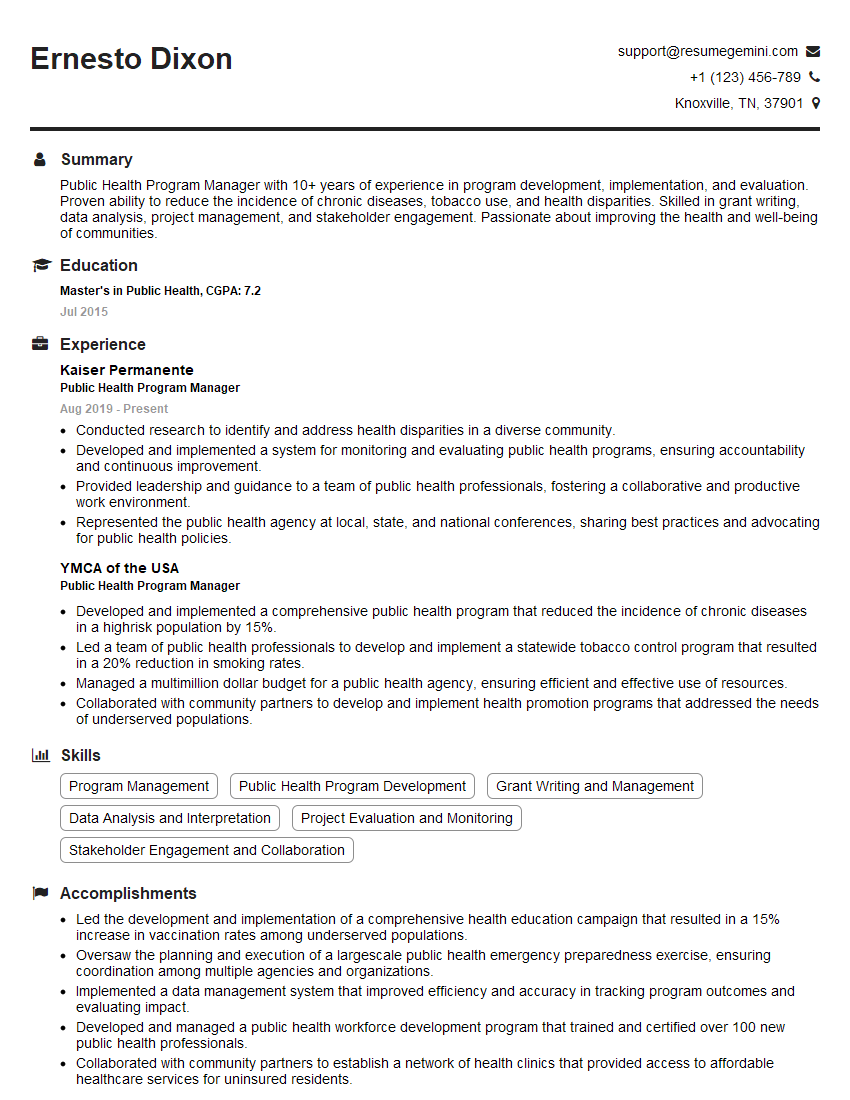
Public Health Program Manager Resume Sample
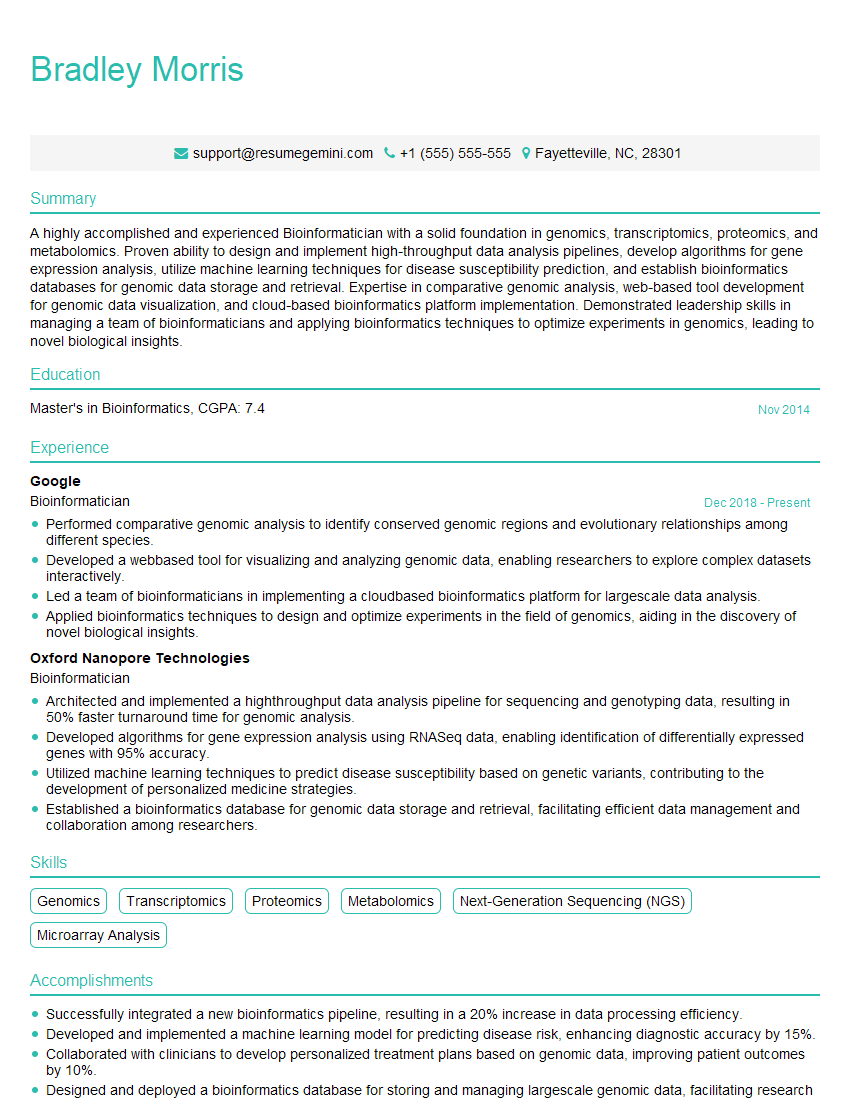
Bioinformatician Resume Sample
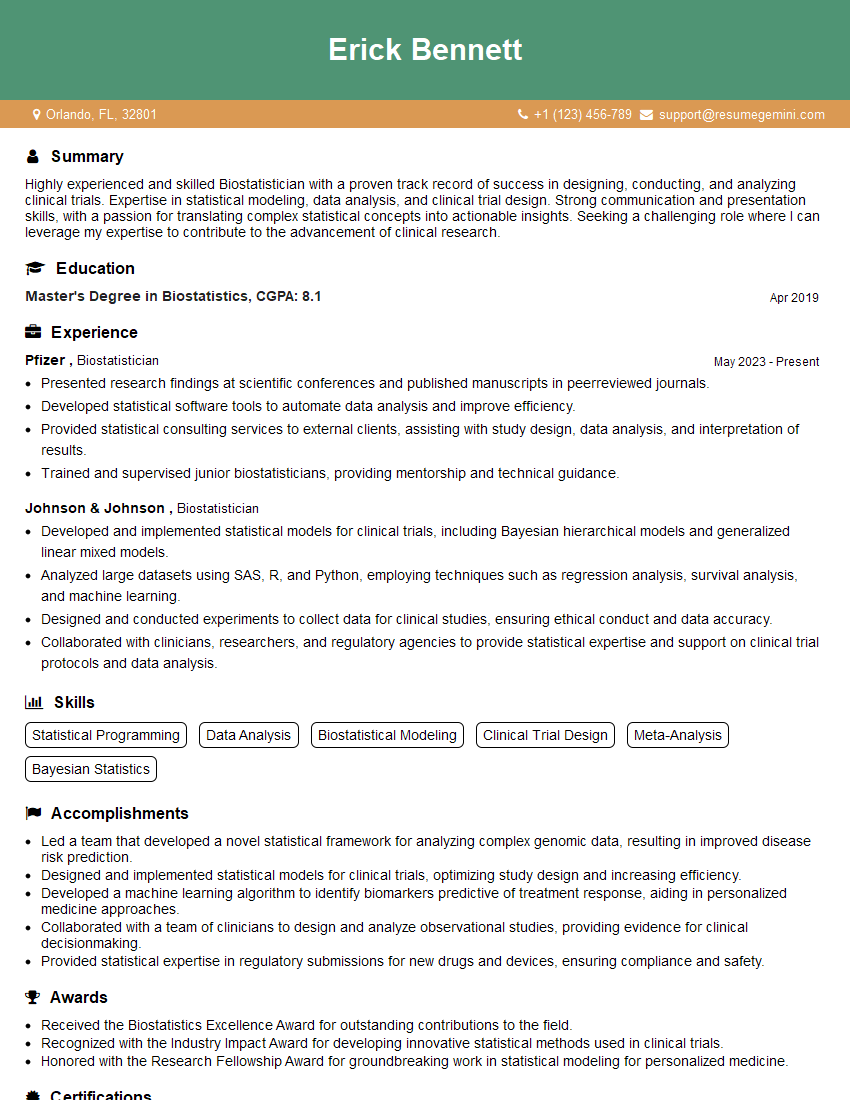
Biostatistician Resume Sample
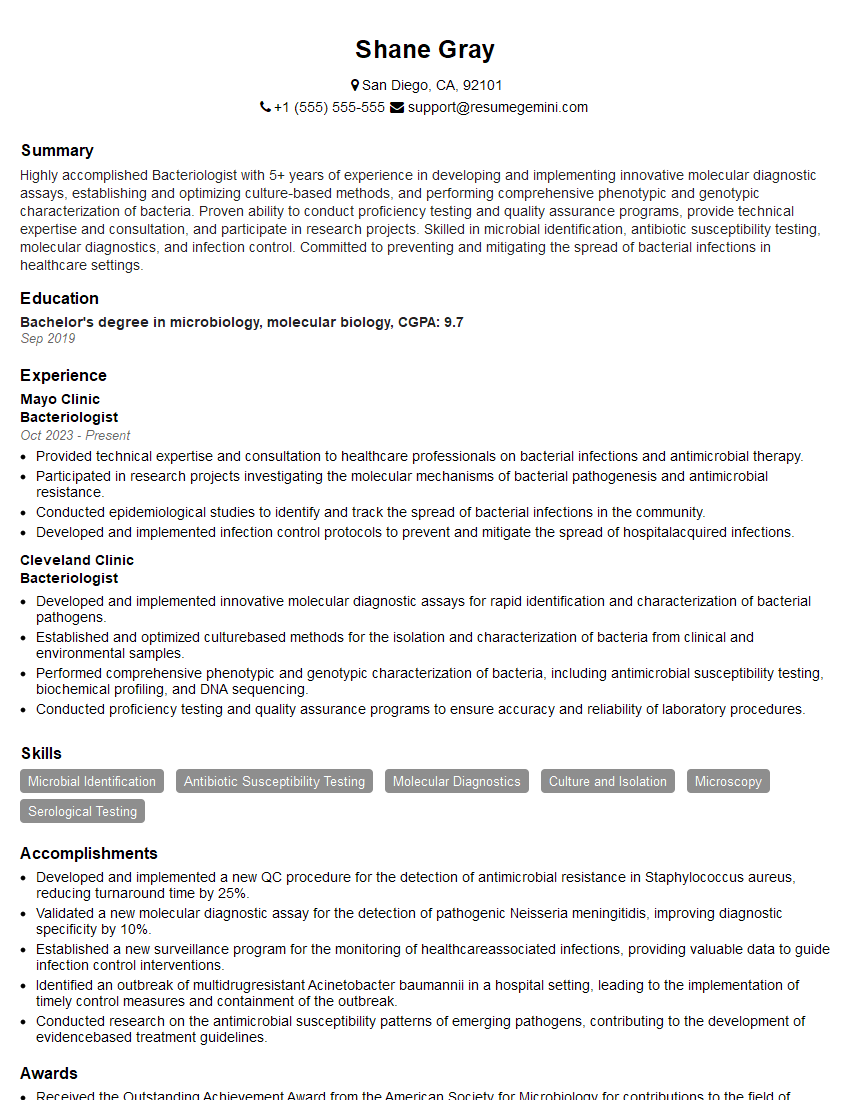
Bacteriologist Resume Sample
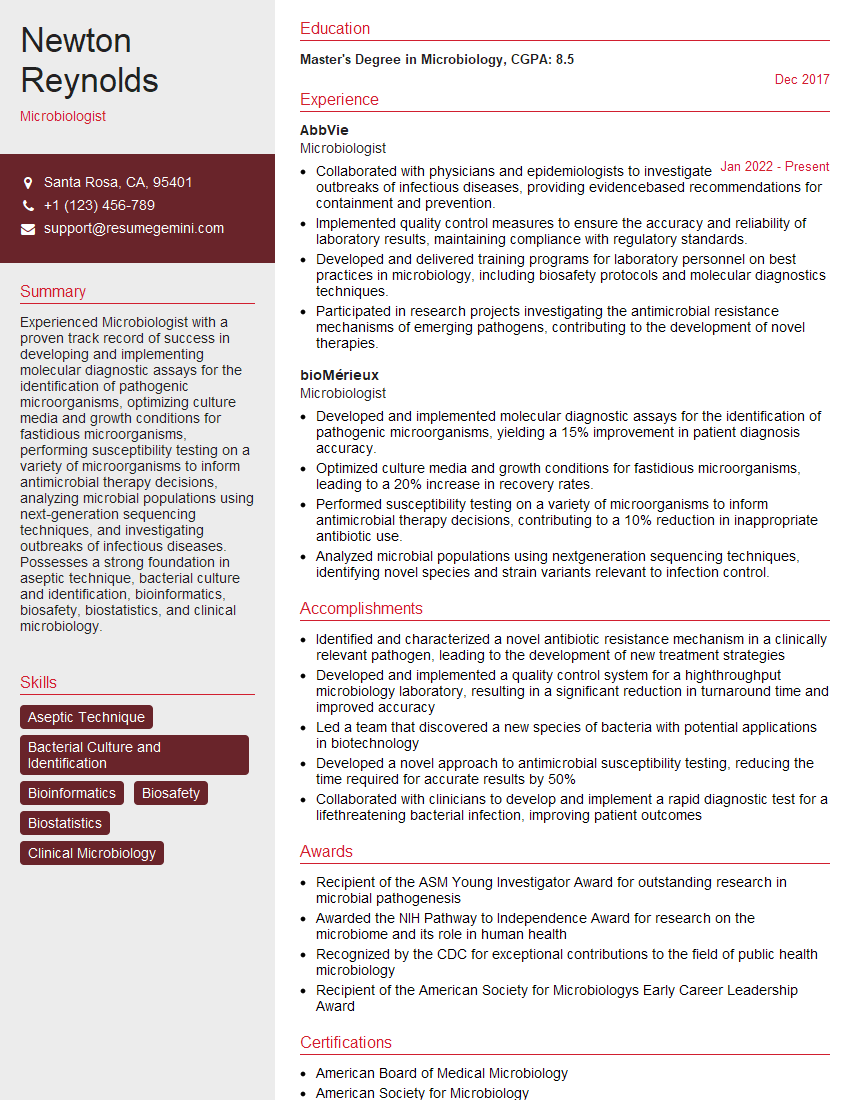
Microbiologist Resume Sample
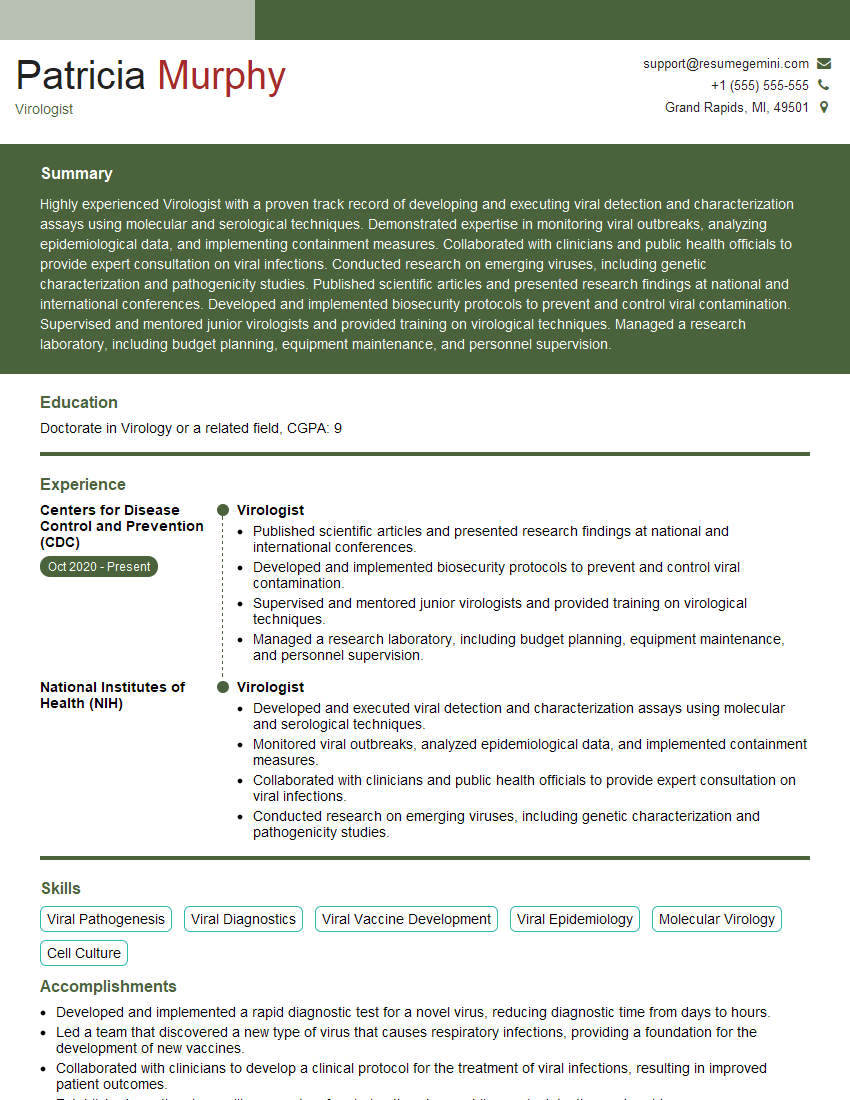
Virologist Resume Sample
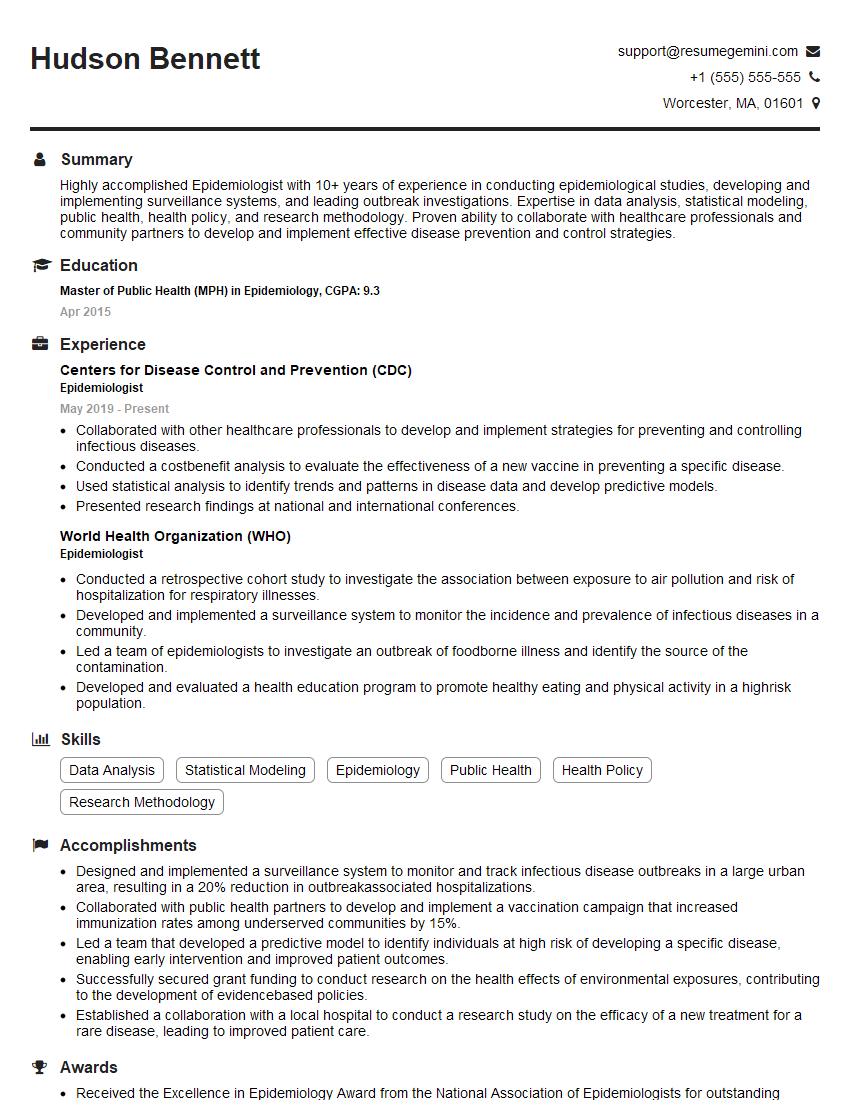
Epidemiologist Resume Sample
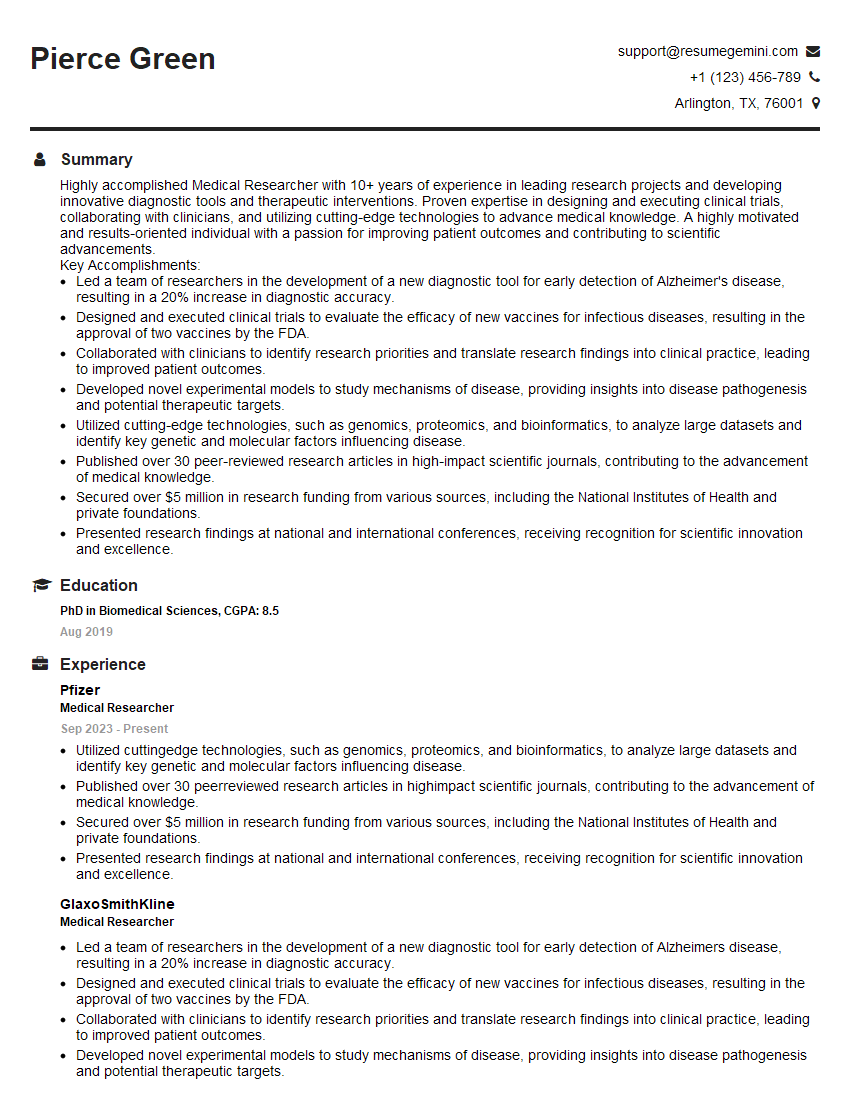
Medical Researcher Resume Sample
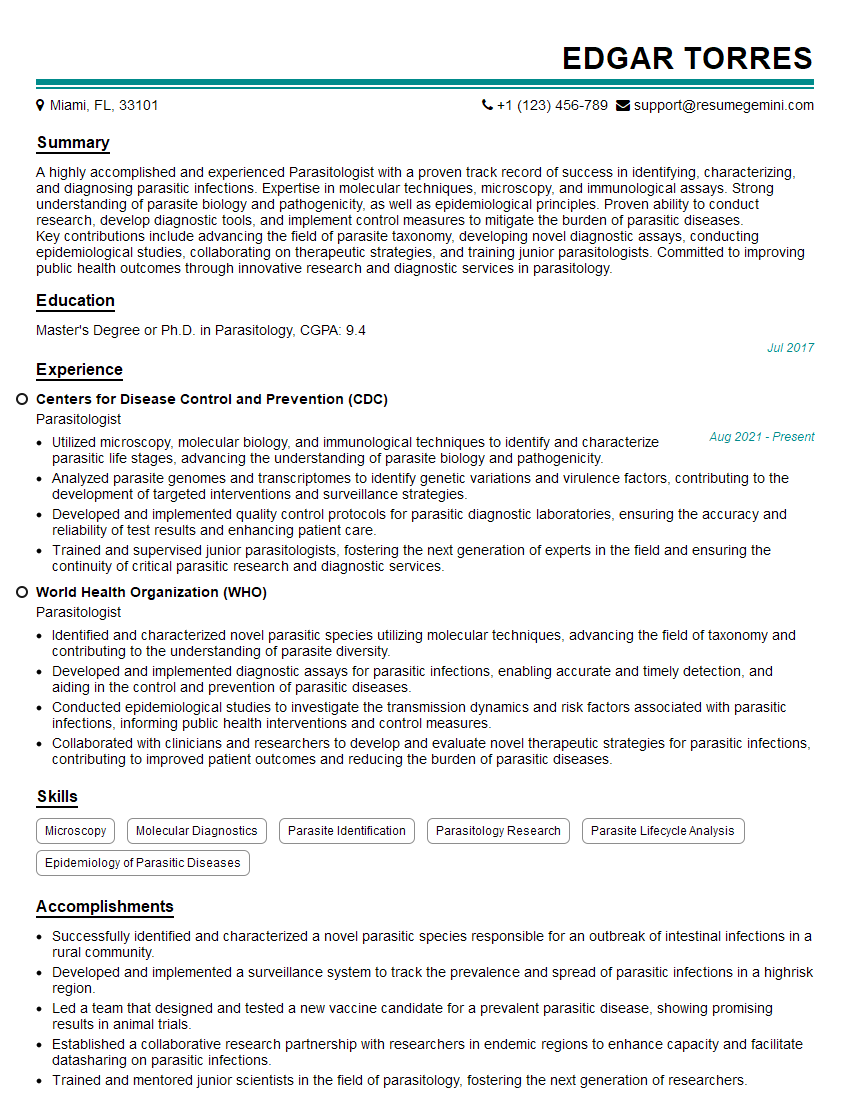
Parasitologist Resume Sample
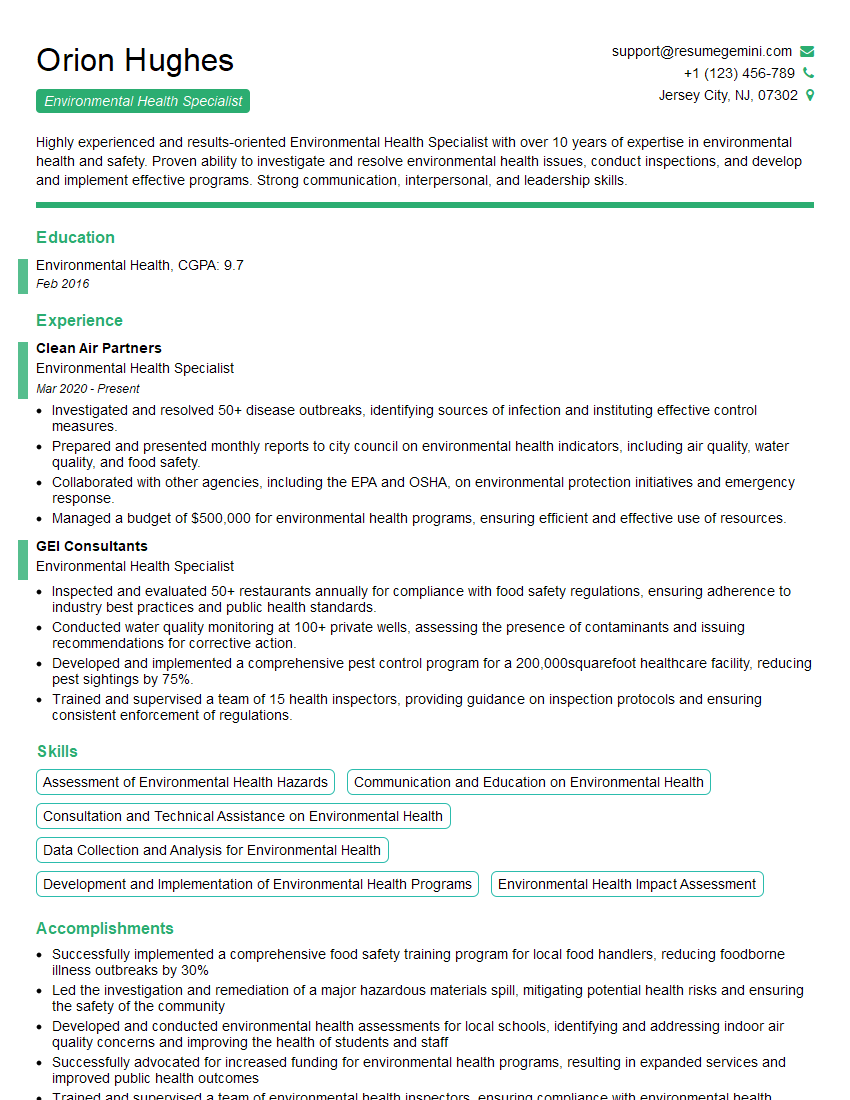
Environmental Health Specialist Resume Sample
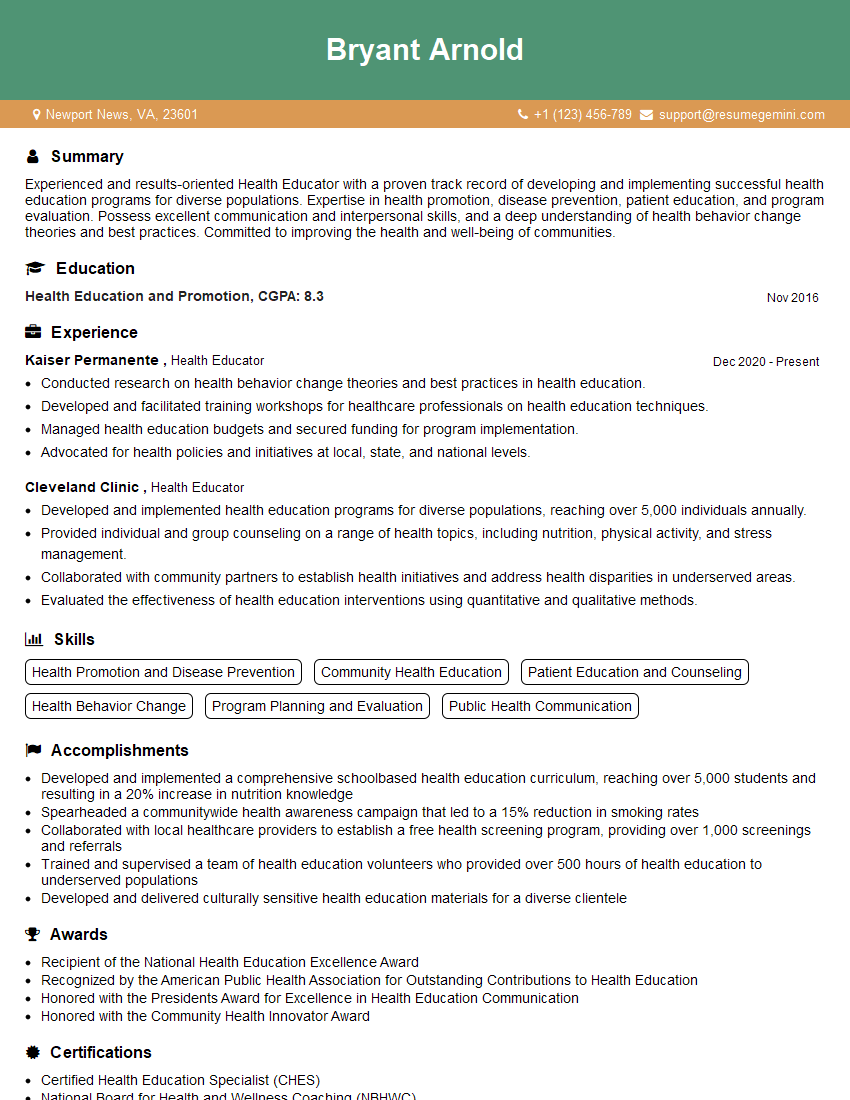
Health Educator Resume Sample
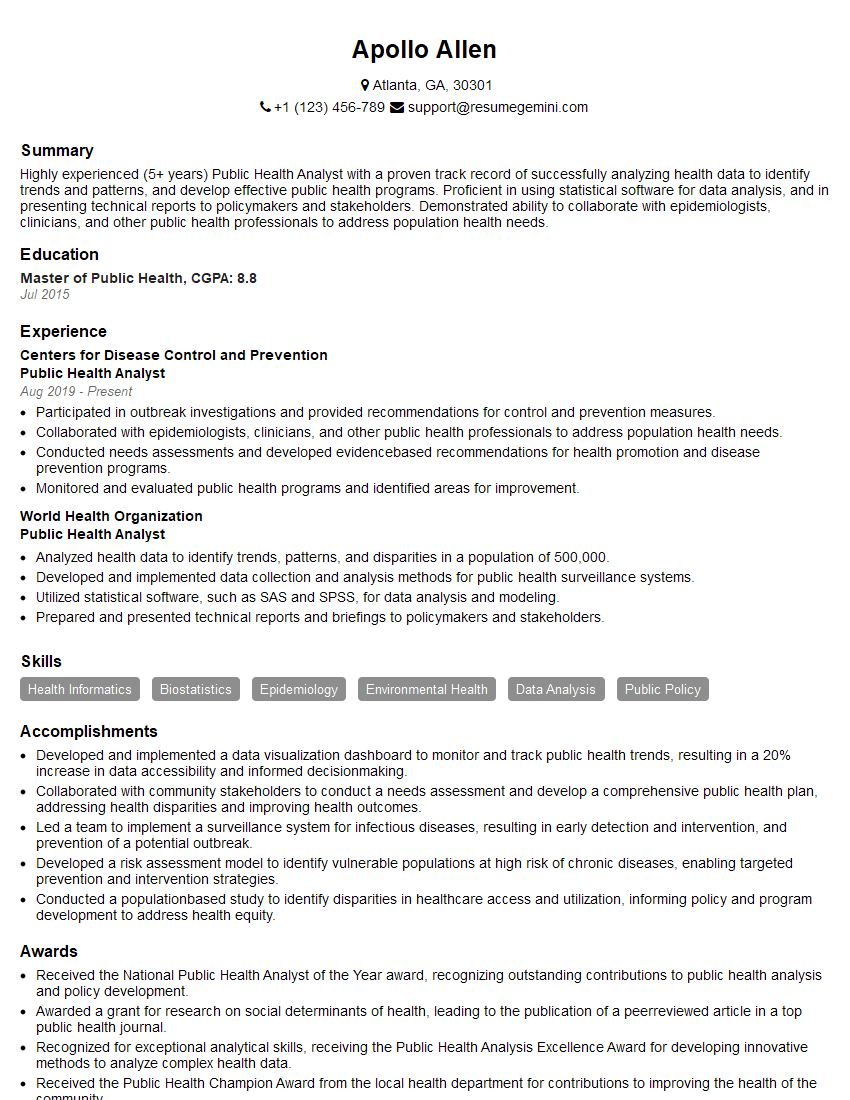
Public Health Analyst Resume Sample
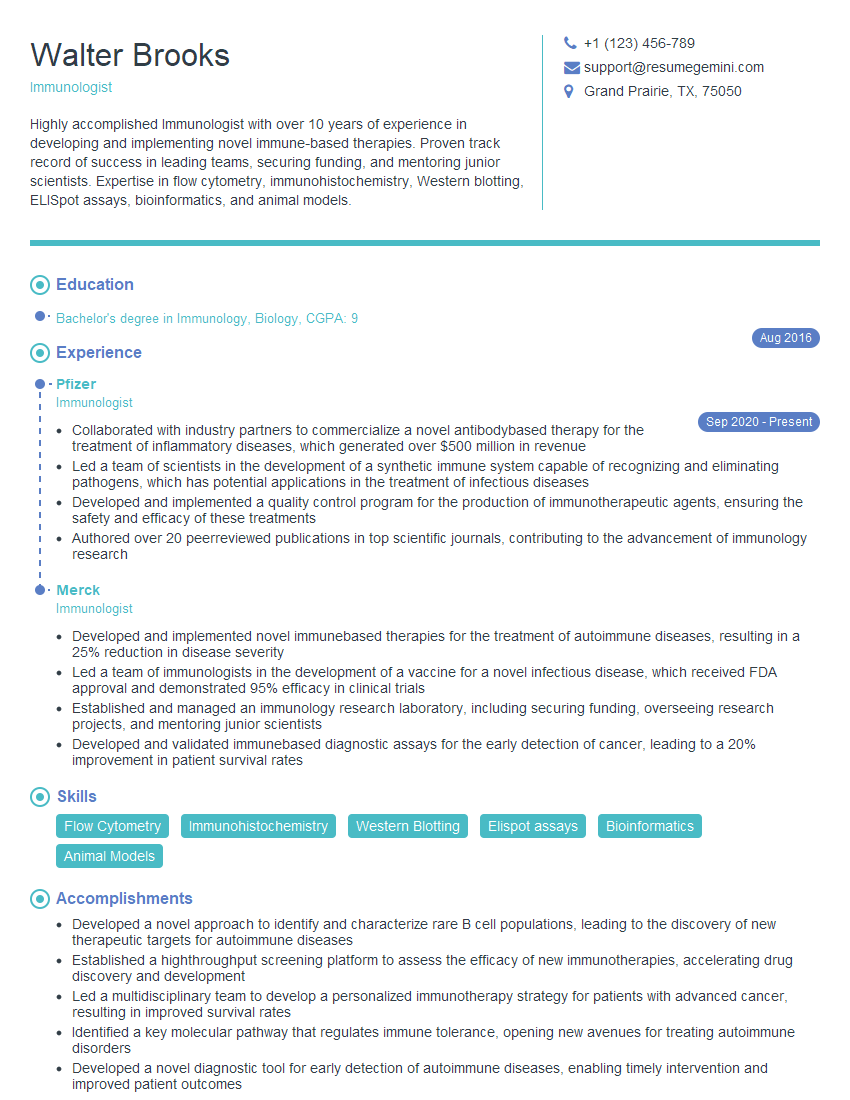
Immunologist Resume Sample
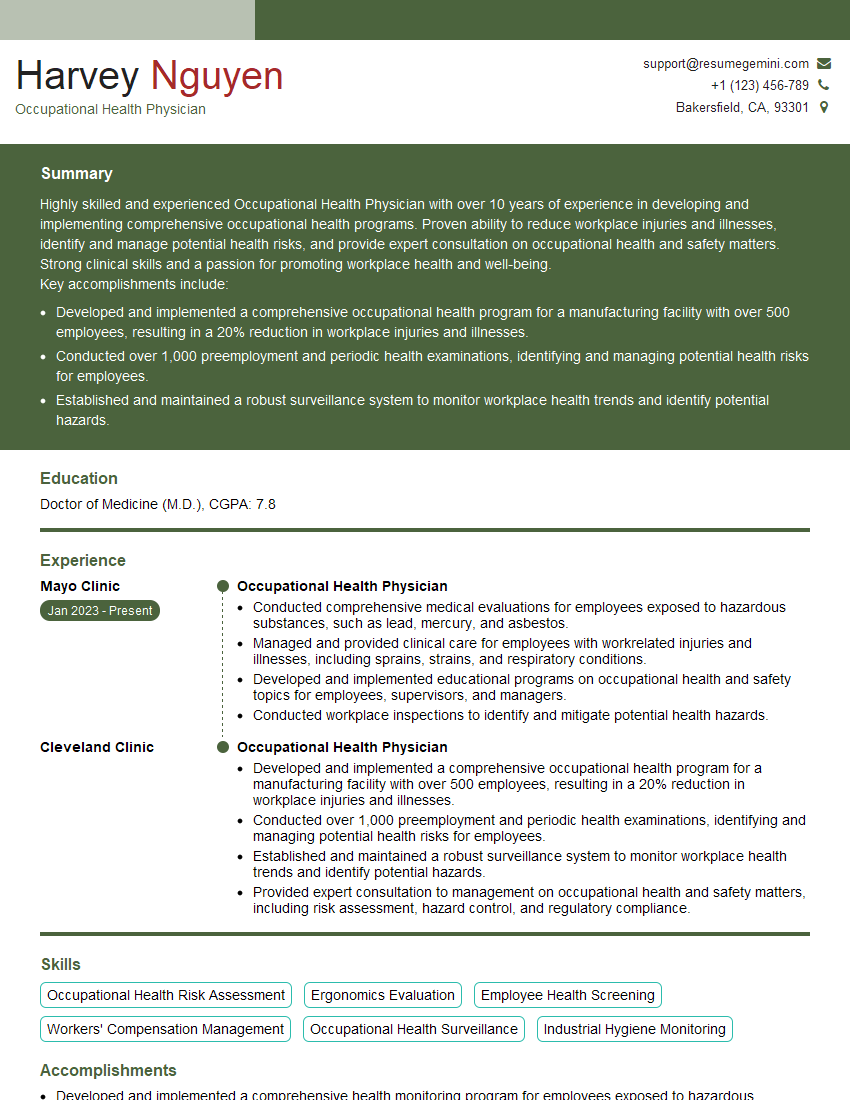
Occupational Health Physician Resume Sample
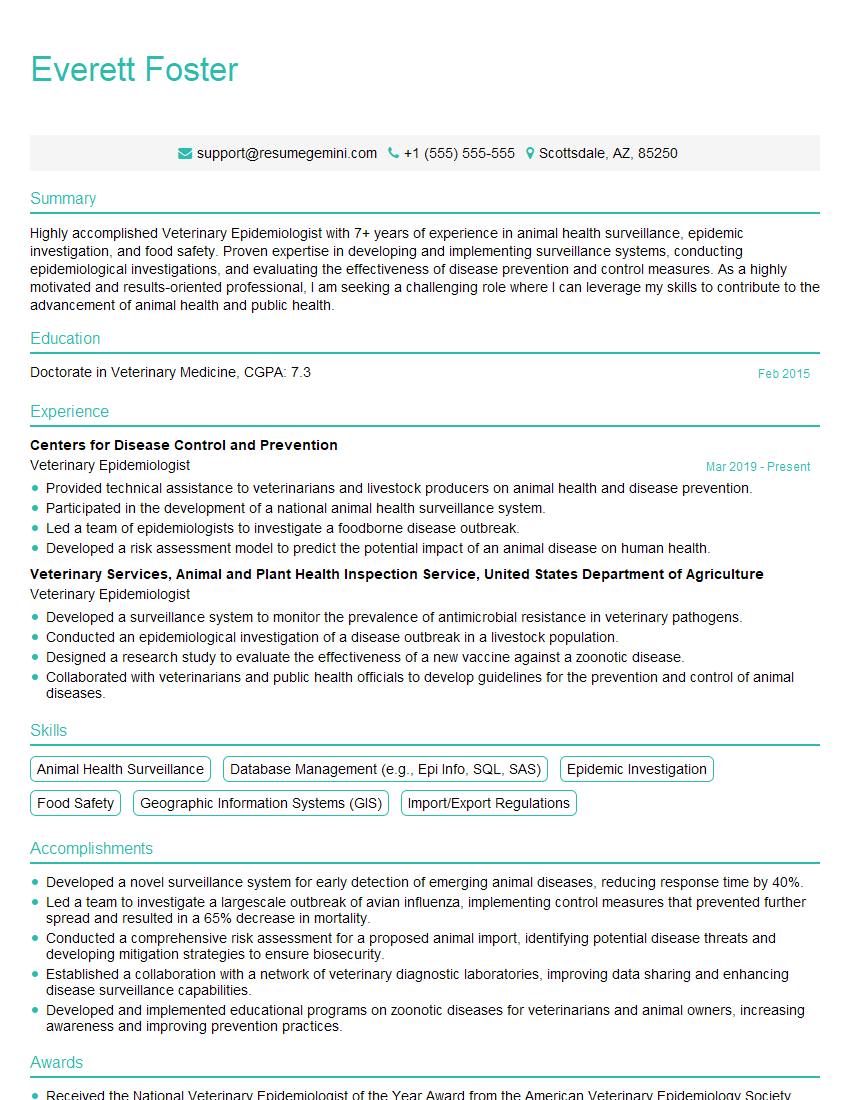
Veterinary Epidemiologist Resume Sample
Explore more articles
Users Rating of Our Blogs
Share Your Experience
We value your feedback! Please rate our content and share your thoughts (optional).
What Readers Say About Our Blog
Very informative content, great job.
good